A bright smile is often considered a universal sign of health and vitality in social settings. Many people notice their teeth yellowing over time despite their best efforts with regular brushing and flossing. This gradual discoloration frequently stems from daily dietary choices and subtle lifestyle behaviors that often go unnoticed. Understanding these common culprits allows for better preventative care and the maintenance of a white smile. Small adjustments to your routine can significantly impact the brightness of your enamel over the years.
Drinking Black Coffee

Coffee is notorious for leaving stubborn stains due to its high tannin content. These plant-based compounds help chromogens attach firmly to the enamel of your teeth. The dark liquid easily penetrates the microscopic pits and ridges found on the tooth surface. Adding a splash of milk prevents some staining by binding to the tannins before they reach your teeth. Sipping water alongside your morning brew washes away pigments before they settle.
Sipping Black Tea
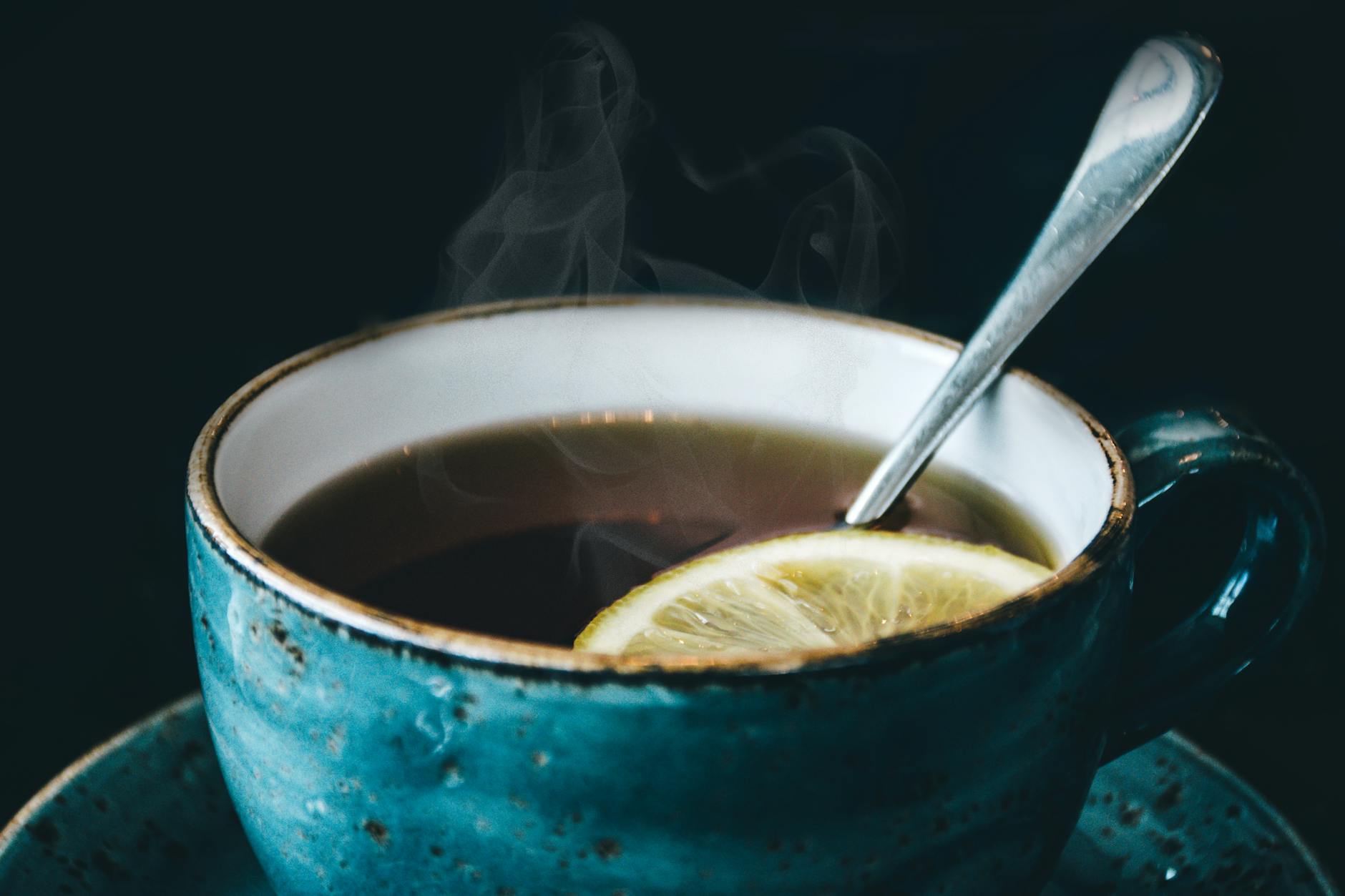
Many people assume tea is a safer alternative to coffee but it actually contains more aggressive staining agents. The high concentration of tannins in black tea promotes discoloration that can be difficult to remove. Teeth often develop a gray or yellow hue after years of regular tea consumption. Green tea and white tea offer lighter alternatives that pose less risk to your bright smile. rinsing immediately after finishing your cup helps mitigate the effects of these powerful pigments.
Consuming Red Wine
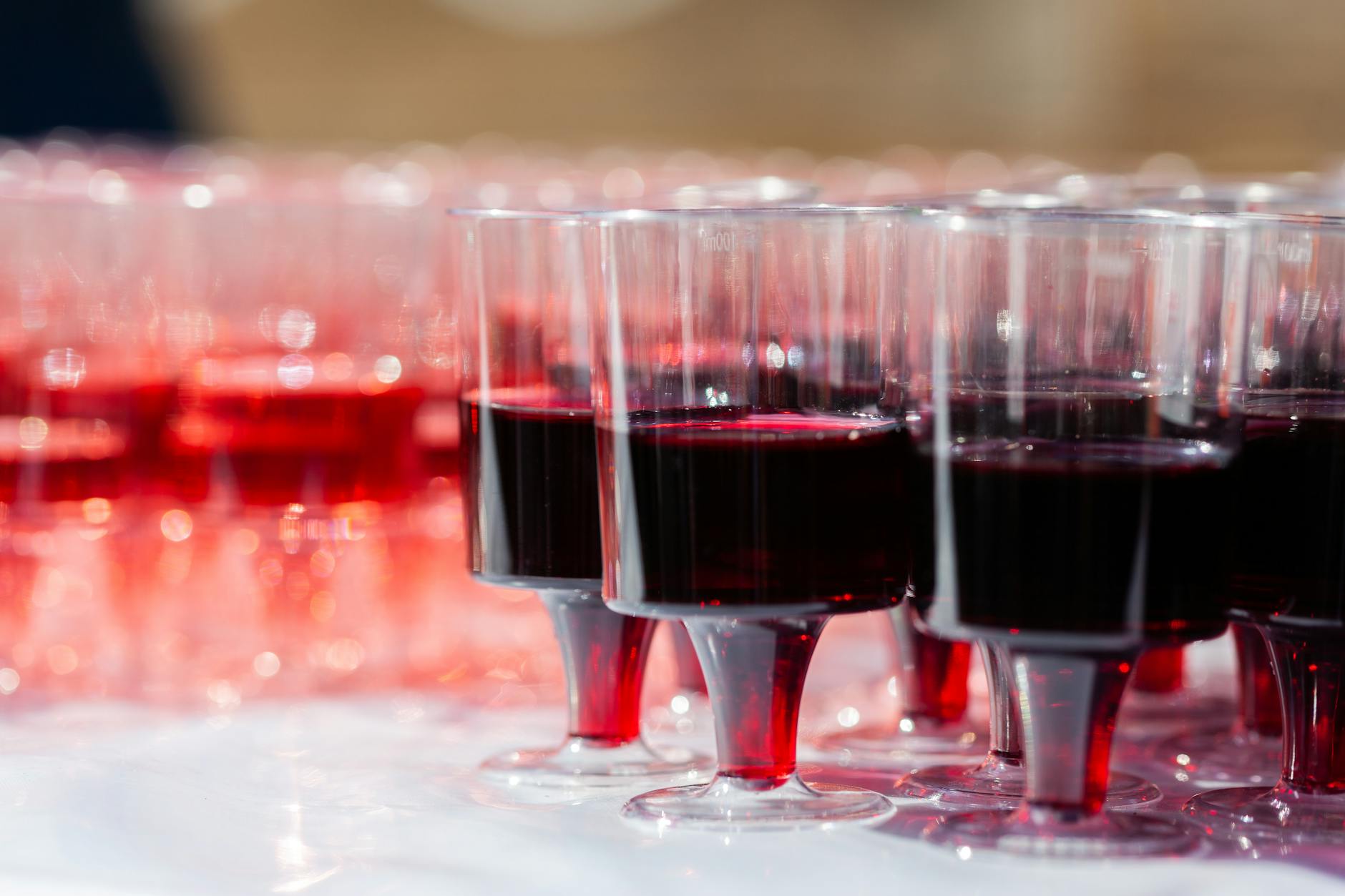
Red wine contains a potent mix of natural dyes, acids, and tannins that etch into teeth. The acidity roughens the enamel and opens up pores for the dark red pigment to enter. Regular consumption creates a dull or purplish tint that becomes harder to remove over time. Swishing water around the mouth between glasses helps neutralize the acid and rinse the teeth. Eating cheese with your wine can coat the teeth and provide a barrier against the acid.
Using Tobacco Products

Smoking cigarettes and chewing tobacco are among the most significant causes of severe tooth discoloration. The combination of tar and nicotine creates sticky brown stains that adhere deeply to the enamel. These chemicals also reduce saliva flow and allow bacteria and plaque to accumulate faster. Quitting these products improves oral health and stops the progression of yellowing almost immediately. Professional cleaning is often required to remove the heavy buildup caused by tobacco use.
Drinking Dark Sodas
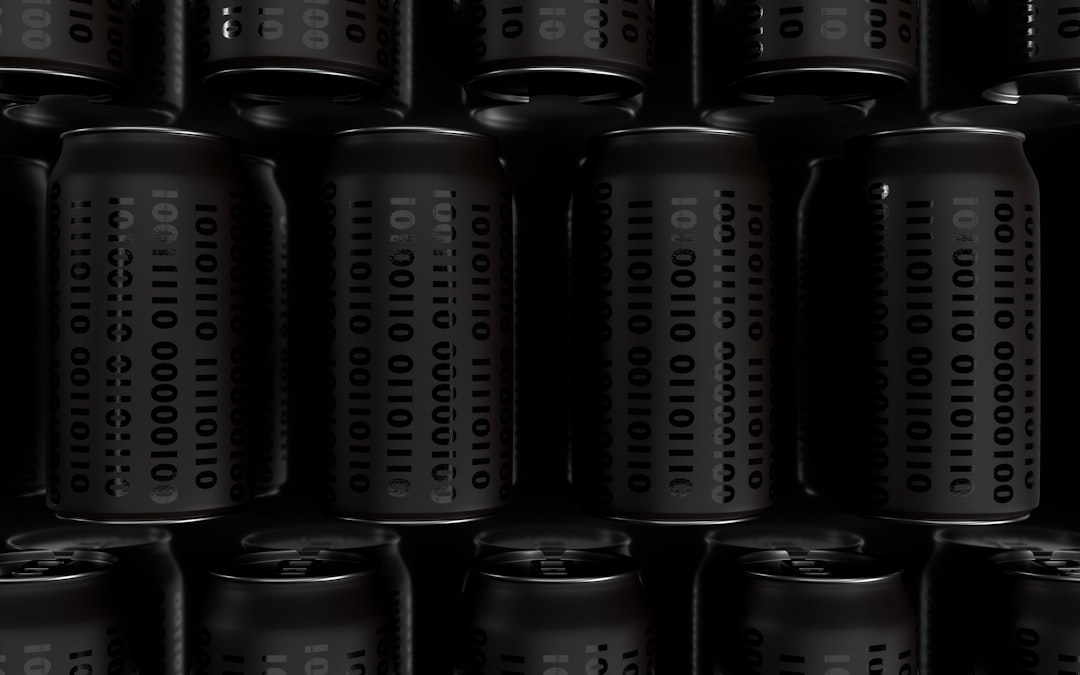
Dark colas contain intense artificial coloring that contributes significantly to yellowing. The high acidity in these beverages erodes the enamel and makes teeth more susceptible to pigment absorption. Sugar present in regular soda fuels bacteria which causes decay and further discoloration. Using a straw bypasses the front teeth and limits the amount of liquid touching the enamel. Opting for clear sodas or sparkling water reduces the exposure to dark dyes.
Eating Dark Berries
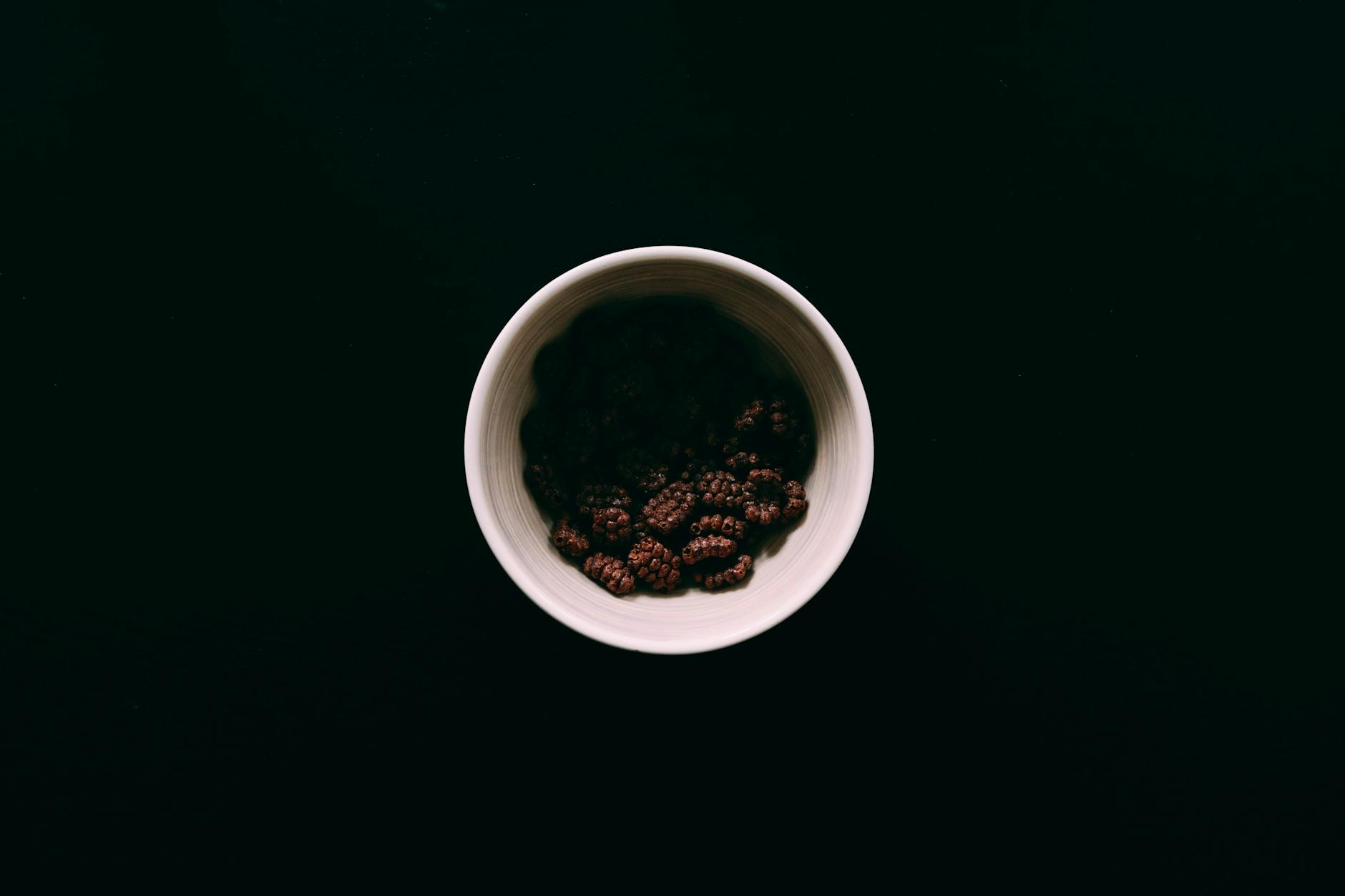
Blueberries, blackberries, and raspberries are packed with antioxidants but also contain deep pigments. The semi-solid nature of berries allows the skins to stick to teeth for prolonged periods. This contact time transfers the dark color directly onto the porous enamel surface. Eating these fruits as part of a meal stimulates saliva flow to help wash away the debris. Thoroughly rinsing your mouth after snacking on berries prevents the color from setting.
Indulging in Tomato Sauce
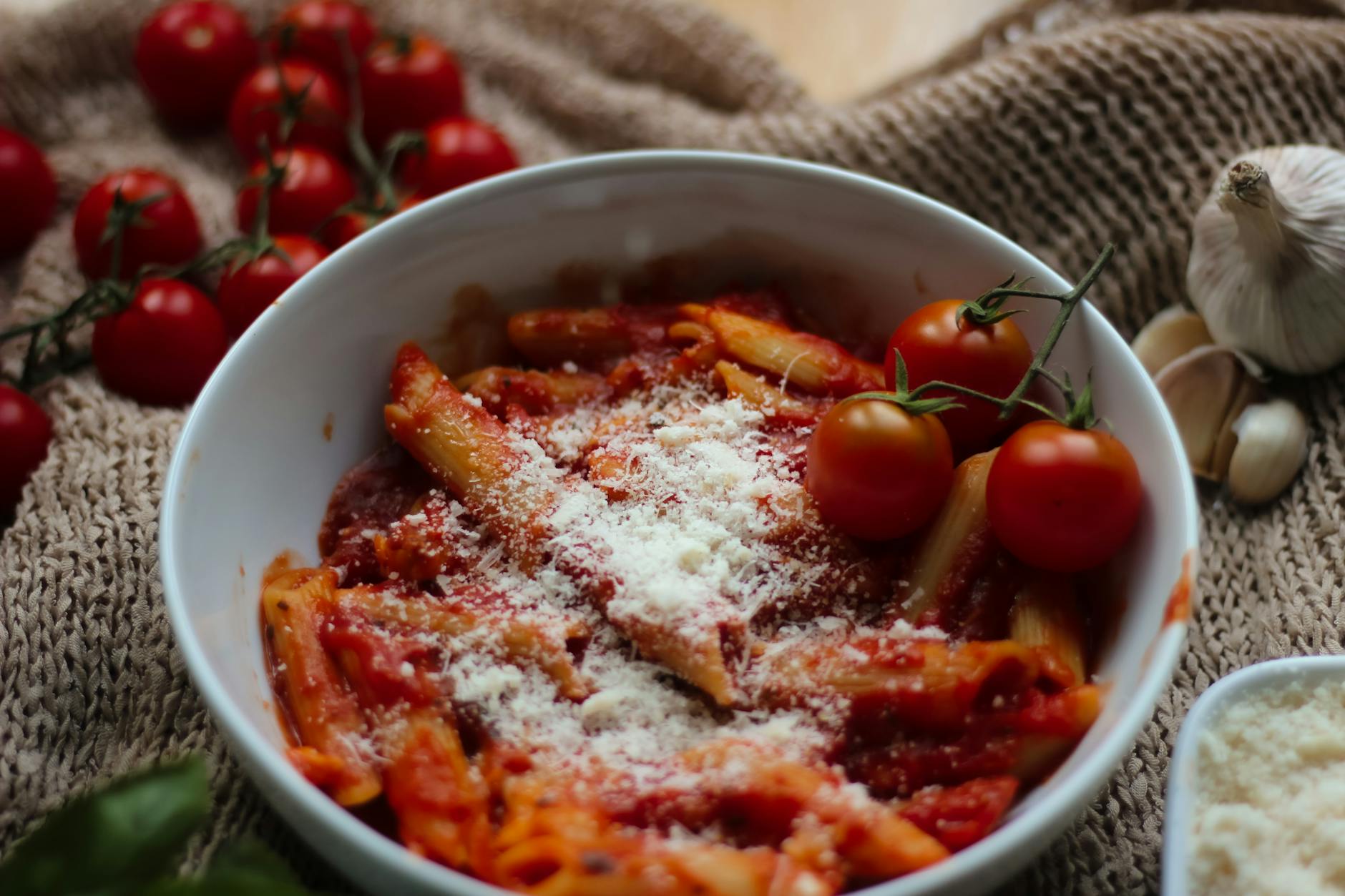
Tomatoes are highly acidic and contain bright red pigments that easily cling to porous tooth enamel. The acid in the sauce softens the protective outer layer of the tooth and makes it more susceptible to staining. Pasta dishes often coat the teeth in this vibrant sauce for extended periods during a meal. Eating a salad specifically with dark leafy greens beforehand creates a protective film over the teeth. Rinsing your mouth after eating Italian dishes minimizes the risk of long-term discoloration.
Cooking with Curry Spices
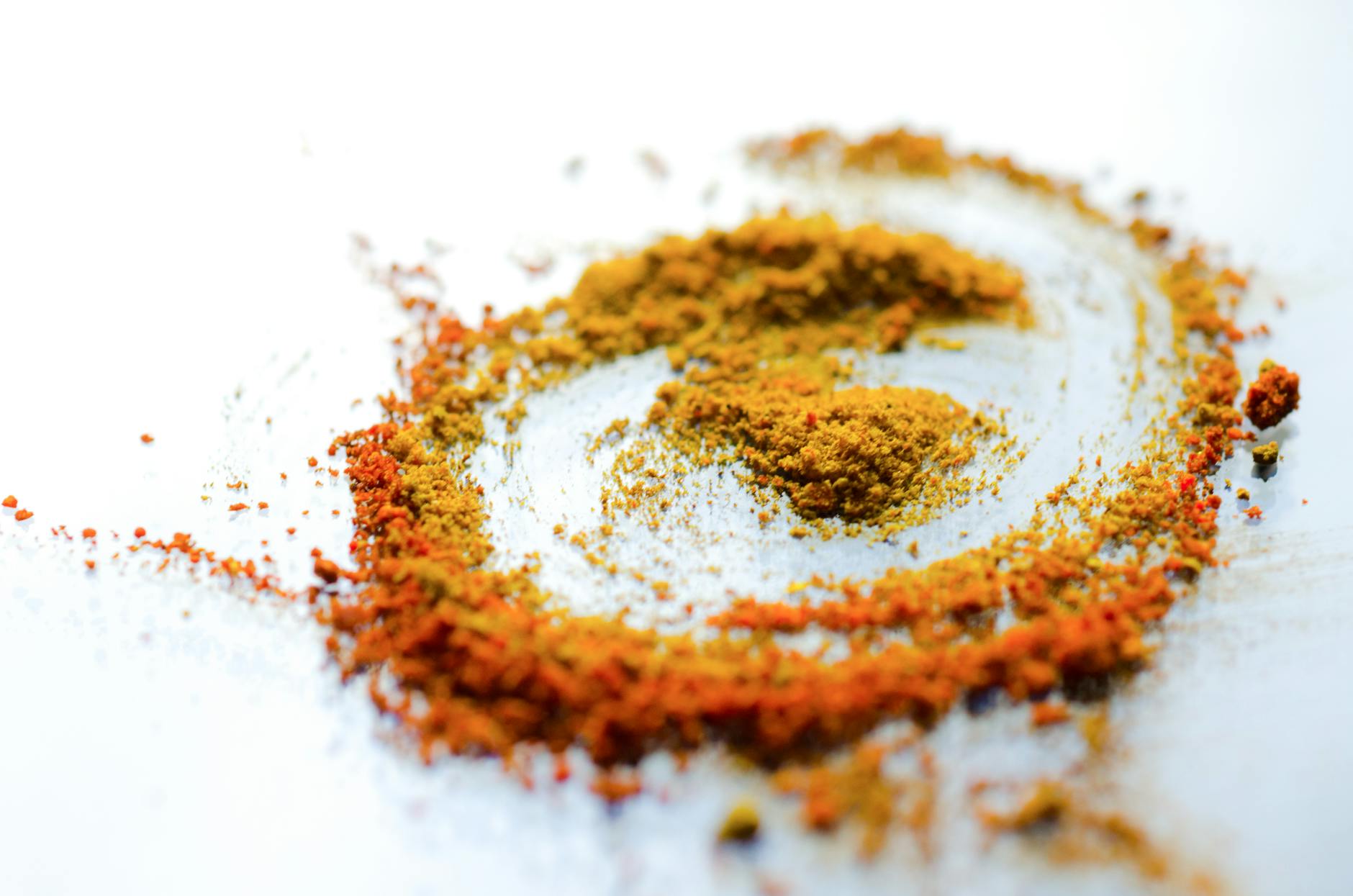
Curry powder and turmeric are known for their deep yellow pigmentation that can stain almost anything. The fine powder embeds itself into the microscopic crevices of the teeth during a meal. Frequent consumption of heavily spiced dishes often leads to a persistent yellowish tint on the enamel. Mixing fresh crunchy vegetables into the meal acts as a natural cleaner for the teeth. Brushing or rinsing soon after eating curry prevents the yellow pigment from becoming permanent.
Using Balsamic Vinegar
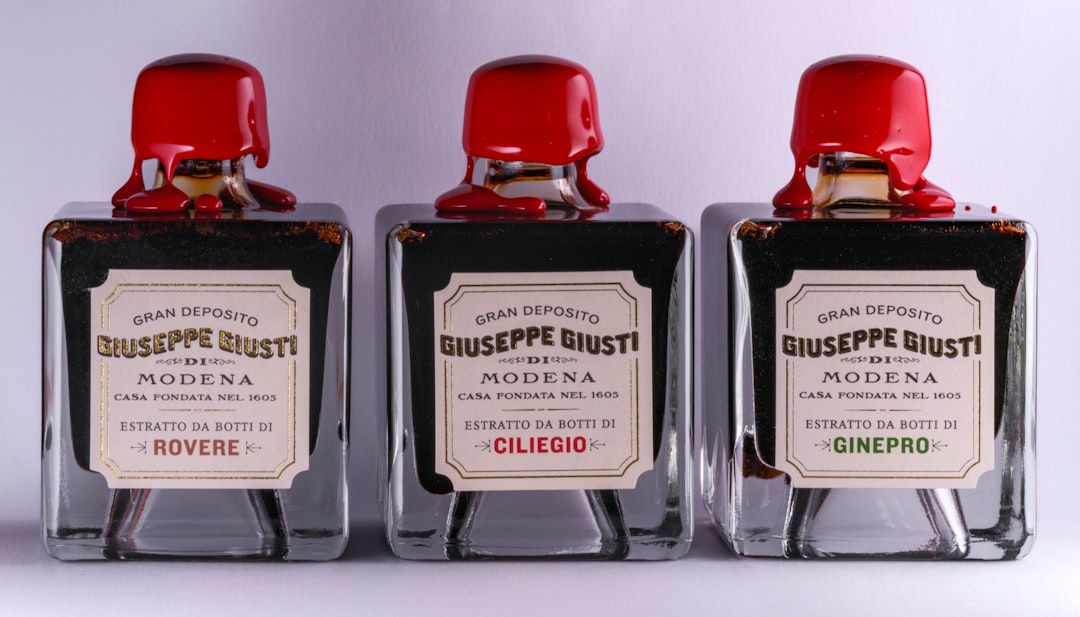
Balsamic vinegar is a dark and sticky condiment that adheres readily to tooth surfaces. Its high acid content breaks down enamel while the dark color penetrates the weakened spots. This combination makes it a double threat for anyone trying to maintain white teeth. Using a lighter dressing or mixing the vinegar with plenty of oil reduces its staining power. Lettuce in your salad can also help scrub away the vinegar as you chew.
Dipping in Soy Sauce
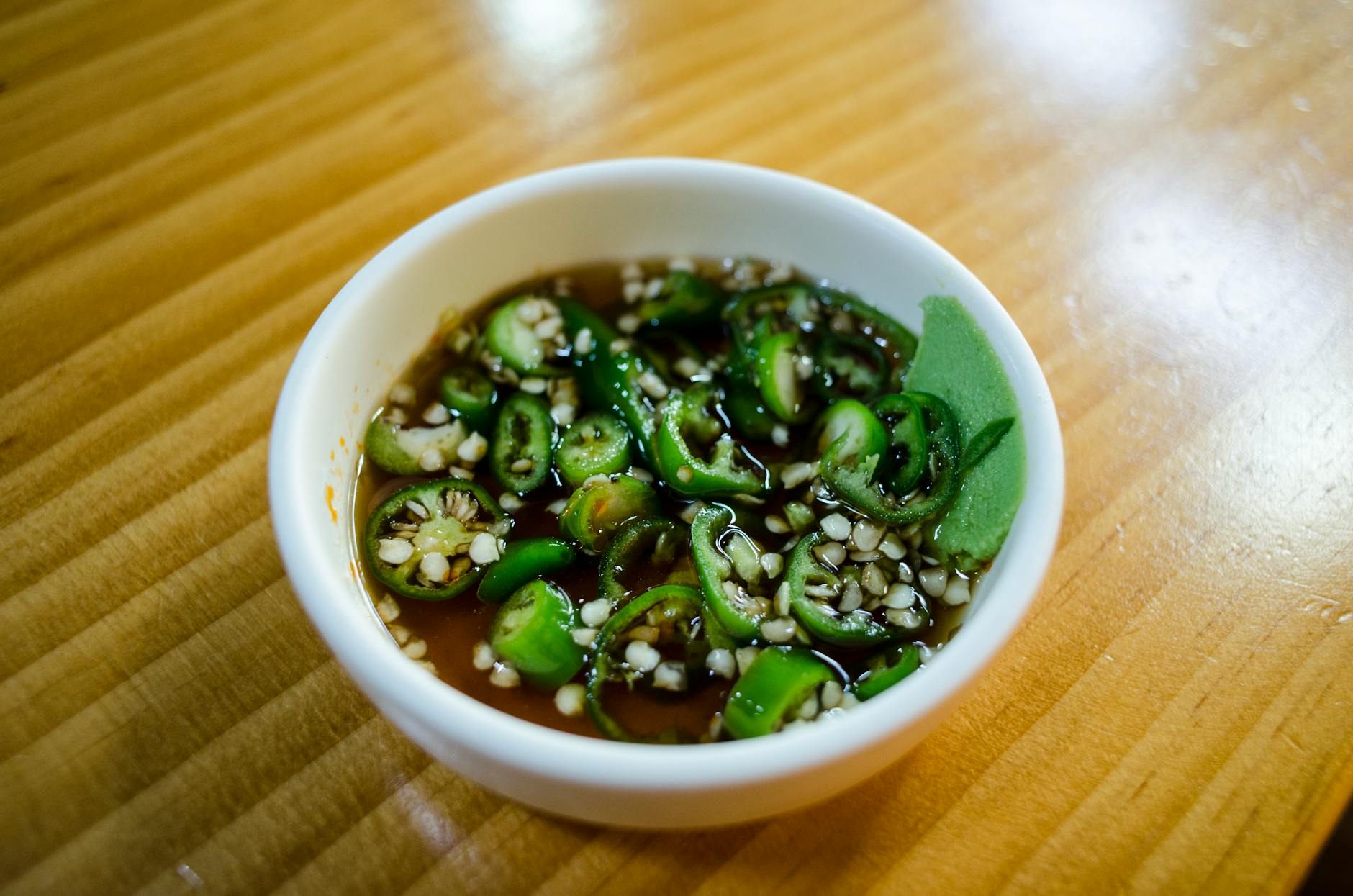
Soy sauce contains dark brown pigments that can linger on teeth long after a meal is finished. The concentrated liquid settles into fine lines and cracks in the enamel surface. Using soy sauce sparingly or diluting it with water helps reduce the intensity of the stain. Drinking water while eating sushi or stir-fry helps wash the sauce away from the teeth. Choosing lighter soy sauce varieties offers a slightly better option for your smile.
Drinking Fruit Juices
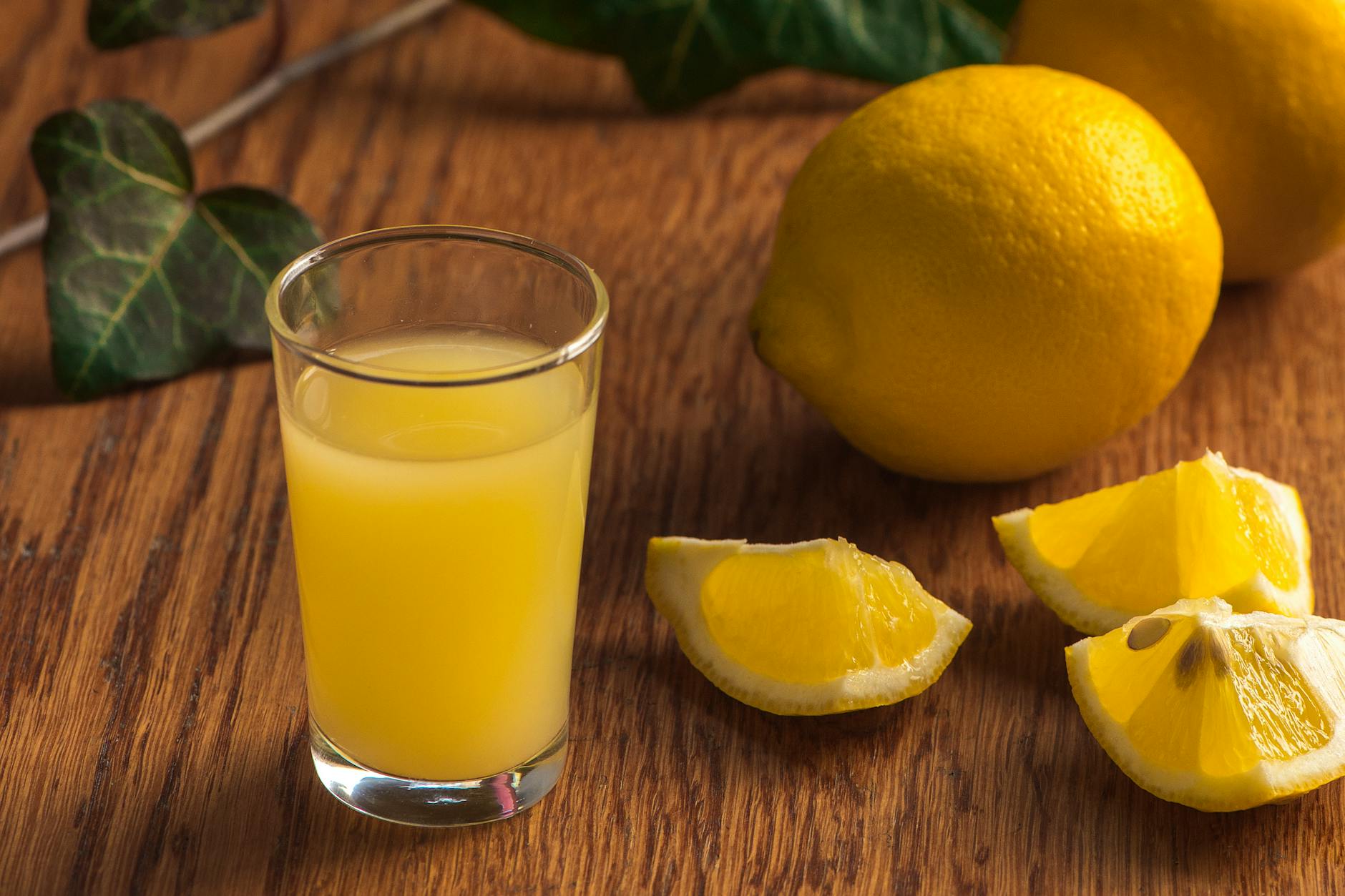
Commercially processed fruit juices like grape and cranberry are highly acidic and pigmented. The acid weakens the enamel surface and allows the dark colors to penetrate deeper. Sipping these drinks slowly over a long period increases the damage and staining potential. Diluting juice with water lowers the acidity and reduces the concentration of pigment. Drinking through a straw minimizes contact with the visible front teeth.
Consuming Sports Drinks

Many sports drinks contain high levels of acidity and artificial food dyes. The acid erodes enamel and makes the teeth rougher and more prone to holding stains. Bright colors like blue or red can leave a residue on the teeth after a workout. Drinking water is a better choice for hydration and keeping your teeth white. Rinsing your mouth after finishing a sports drink neutralizes the acid attack.
Eating Beetroot
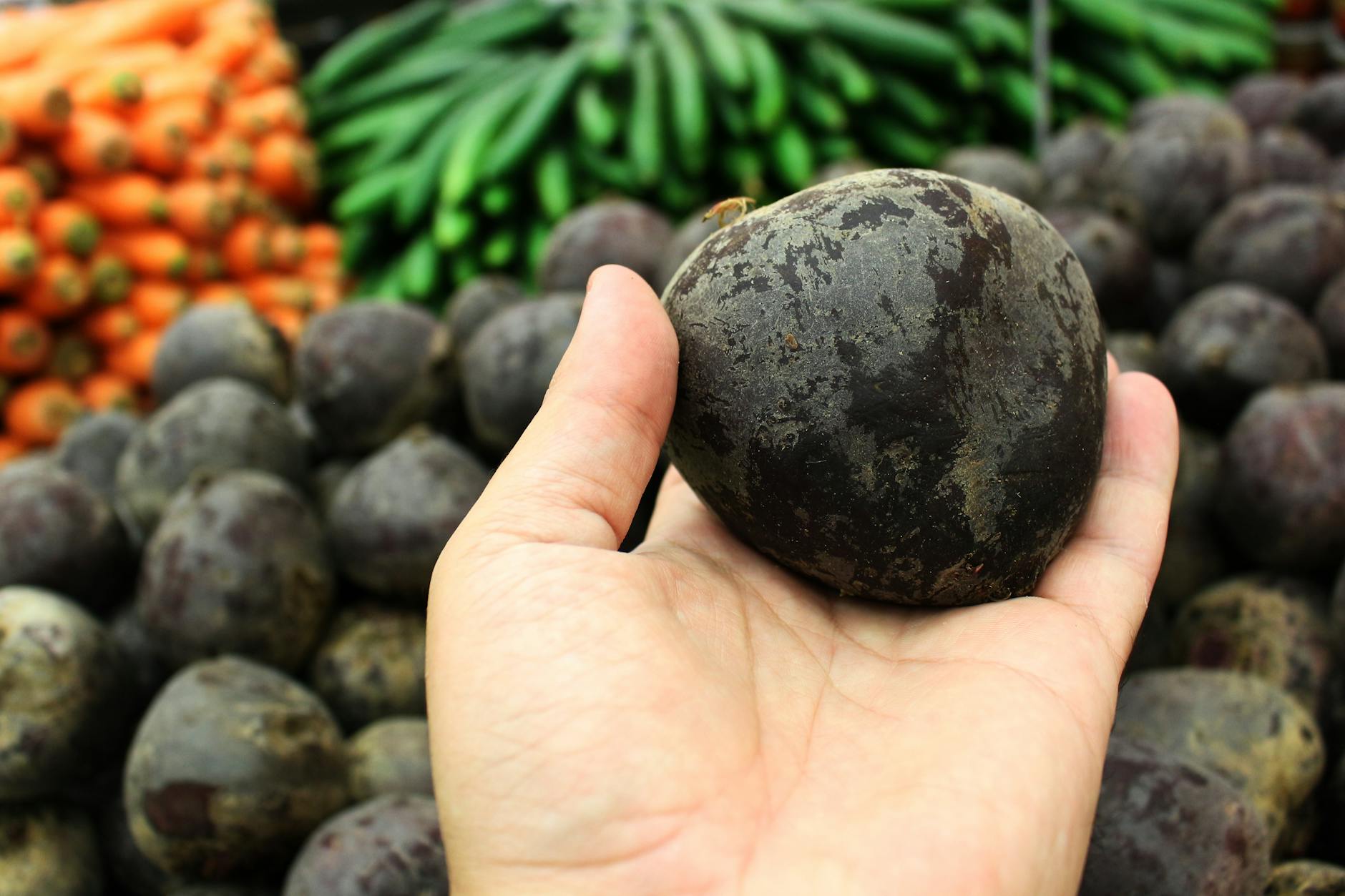
Beetroot is a powerful staining agent due to its deep red and purple juices. Handling beets creates stains on hands and cutting boards which indicates their effect on teeth. The pigment attaches quickly to plaque and tartar buildup on the tooth surface. Brushing shortly after eating beets prevents the color from soaking into the enamel. Combining beets with other non-staining foods helps minimize direct contact with teeth.
Chewing Sugary Candy

Hard candies and gummies contain artificial colors that embed themselves in the sticky residue left on teeth. The sugar promotes bacterial growth which leads to demineralization and yellow spots. Sucking on sweets for a long time bathes the teeth in sugar and dye. Choosing sugar-free options helps avoid the decay that causes discoloration. Rinsing with water is essential after consuming sticky sweets.
Eating Popsicles
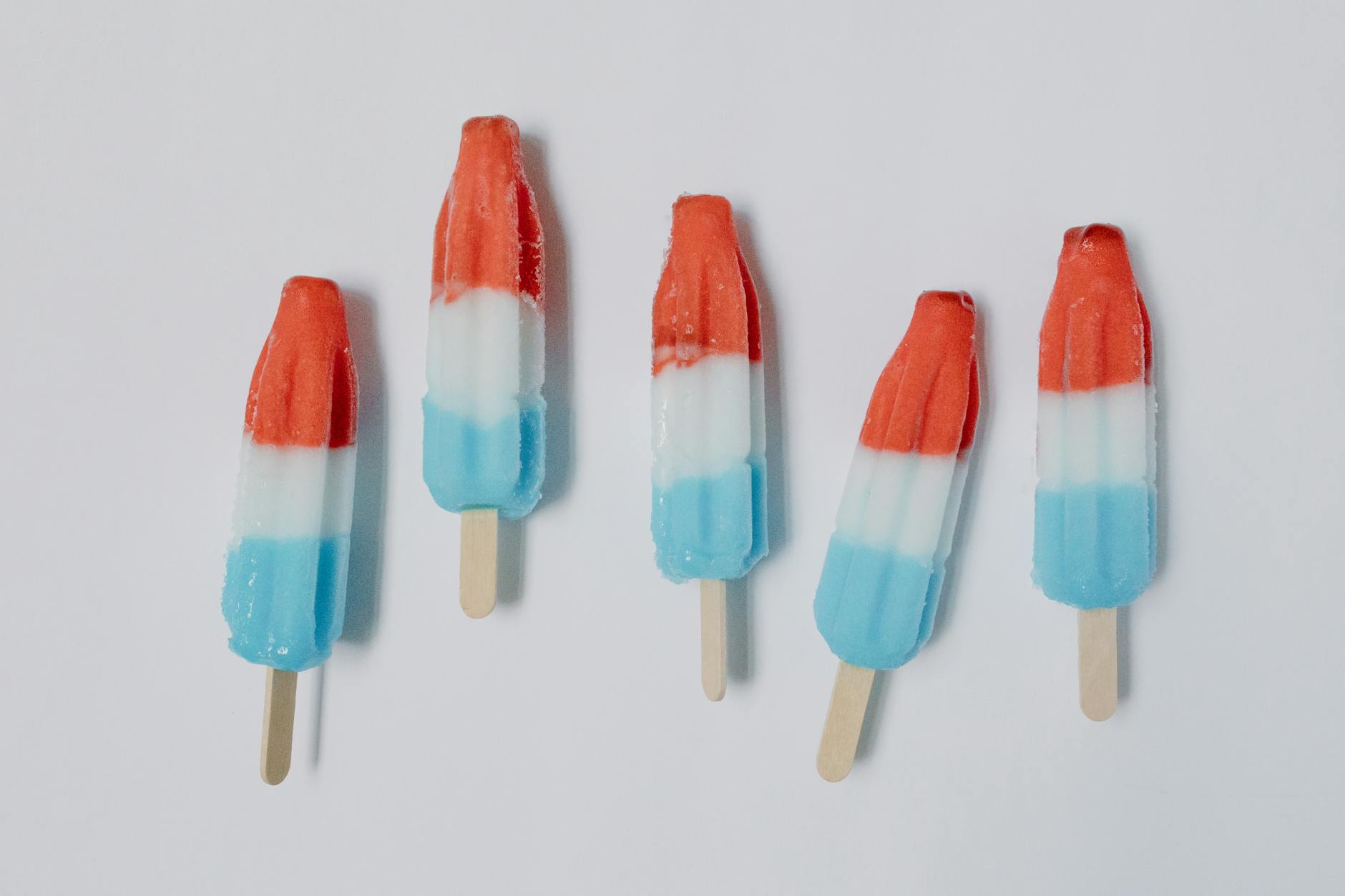
Popsicles and slushies rely heavily on food coloring to achieve their vibrant appearances. The cold temperature causes teeth to contract and allows pigments to enter microscopic cracks. The tongue often changes color after eating these treats which mirrors what happens to the teeth. Avoiding bright blue or red flavors helps preserve the whiteness of your smile. These treats should be consumed quickly rather than savored to limit exposure.
Drinking White Wine
White wine may look clear but it is highly acidic and erodes the enamel surface. This erosion creates a rough texture that picks up stains from other foods more easily. The tannins in white wine also prepare the tooth surface to bond with pigments. Pairing white wine with staining foods like berries intensifies the discoloration effect. Rinsing with water restores the pH balance in the mouth.
Swimming in Chlorinated Pools

Frequent swimmers may notice brownish deposits on their teeth known as swimmer’s calculus. The high pH of chemically treated pool water causes proteins in saliva to break down quickly. This reaction leaves organic deposits on the teeth that attract severe staining. Keeping your mouth closed while swimming minimizes the contact with chlorinated water. Professional dental cleanings are usually necessary to remove this specific type of stain.
Using Chlorhexidine Mouthwash
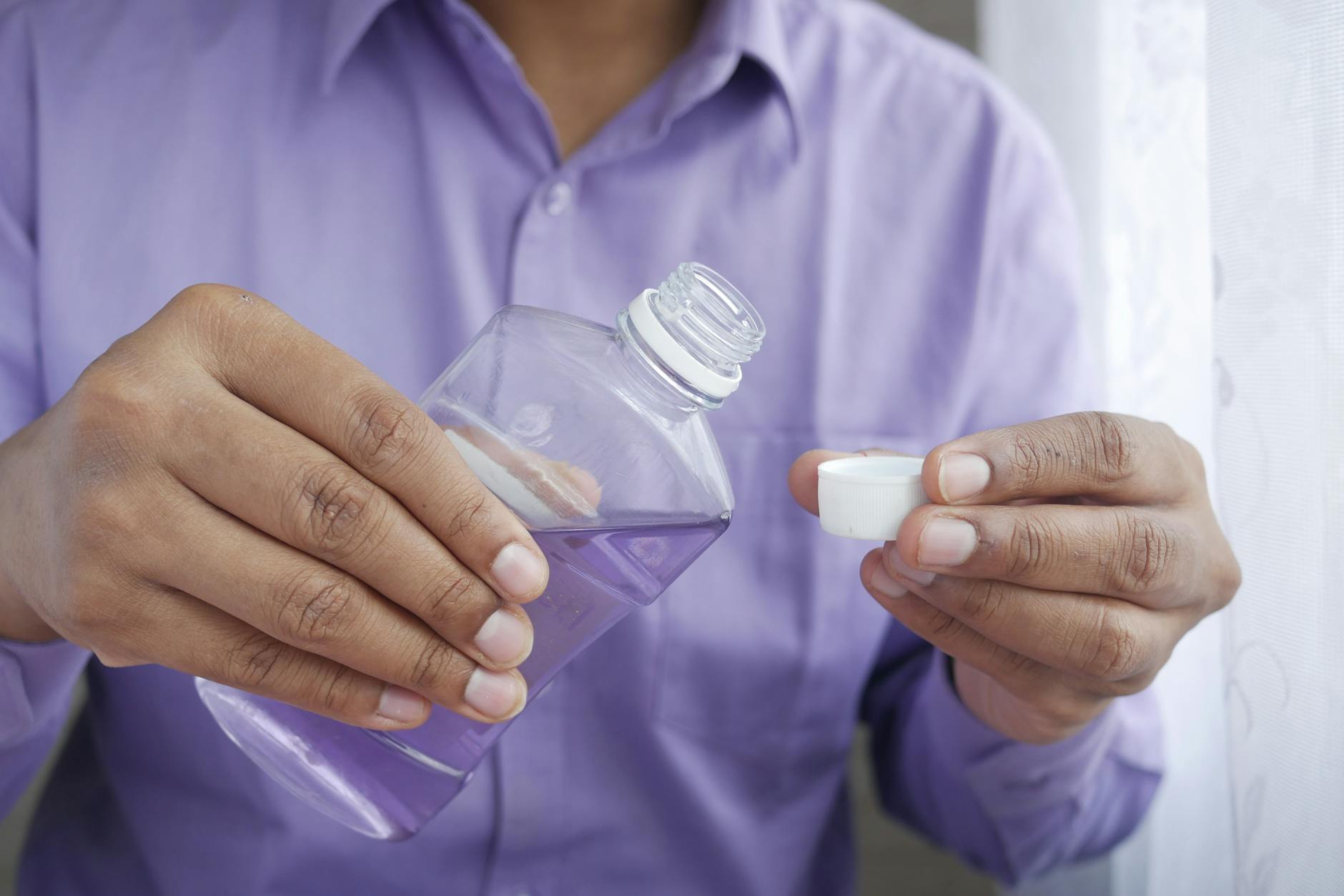
Prescription mouthwashes containing chlorhexidine are effective for gum disease but cause significant staining. The chemical reacts with dietary proteins to form dark brown spots on the teeth. These stains can appear after just a short period of regular use. Consulting your dentist about alternative treatments can help you avoid this side effect. Specialized cleaning techniques are often required to remove chlorhexidine discoloration.
Grinding Teeth
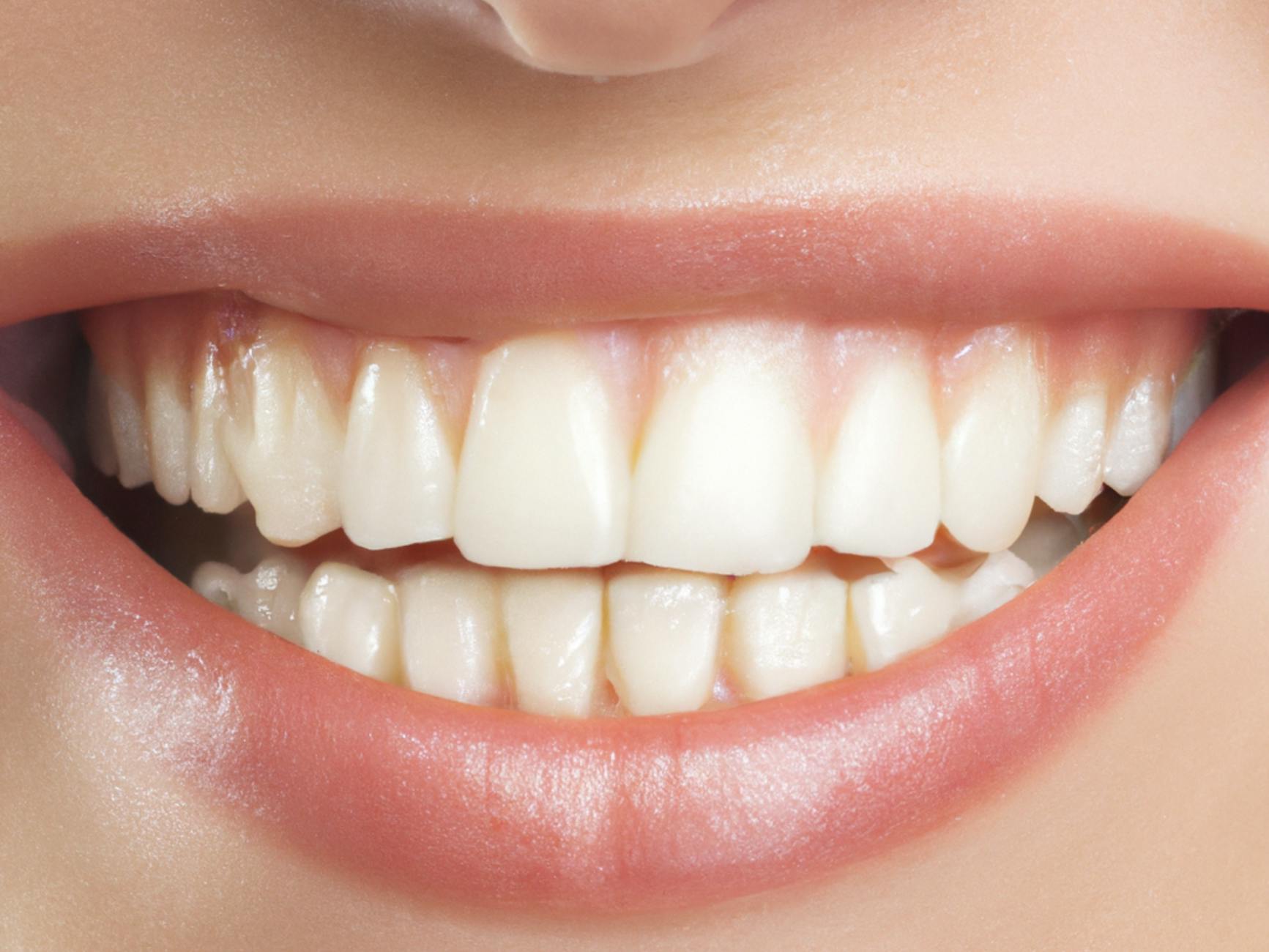
Grinding or clenching teeth wears down the outer layer of white enamel. This erosion exposes the dentin underneath which has a naturally yellow color. The loss of enamel makes the teeth appear darker and more transparent at the edges. Using a night guard protects the enamel from further damage and thinning. Addressing stress and jaw alignment can help stop the habit.
Sipping Drinks Slowly

Nursing a drink for an hour exposes your teeth to damaging acids and sugars for a prolonged time. This habit prevents saliva from effectively neutralizing the pH in your mouth. The constant bath of liquid allows pigments to settle continuously on the enamel. Drinking beverages in one sitting allows your saliva to recover and protect your teeth. Using a straw for slow sipping can help direct liquid away from the teeth.
Please share your own tips for maintaining a white smile in the comments.




