Scented candles are a staple in many households for creating ambiance and masking unwanted odors. Recent environmental and health studies have raised significant concerns regarding the byproducts of burning these items indoors. Consumers are often unaware of the chemical composition of the wax and fragrances used in mass production. Understanding the potential risks associated with these products helps in making safer choices for indoor air quality. The following points outline the primary reasons experts suggest reconsidering their use in the home.
Volatile Organic Compounds

Many scented candles release volatile organic compounds such as formaldehyde and benzene into the air upon combustion. These chemicals are classified as carcinogens and can accumulate to dangerous levels in unventilated spaces. Burning paraffin wax is the primary source of these emissions and creates a pollution profile similar to diesel exhaust. Regular exposure to these compounds may lead to long-term health complications for residents who burn candles frequently. Health organizations suggest minimizing sources of indoor chemical pollution to protect the respiratory system.
Particulate Matter

Burning candles produces fine particulate matter that can easily enter the lungs and the bloodstream. These tiny particles are small enough to bypass the body’s natural defense mechanisms in the nose and throat. High concentrations of particulate matter are linked to heart and lung diseases in vulnerable populations. The smoke from a flickering candle flame often contains these harmful microscopic solids in significant quantities. Clean air requires reducing the number of combustion sources inside the home environment.
Phthalate Exposure

Manufacturers often use phthalates to help fragrances bind to the wax and sustain the scent for longer periods. These chemicals are known endocrine disruptors that can interfere with natural hormone production and regulation. Exposure to phthalates has been linked to reproductive issues and developmental problems in young children. The heated wax releases these invisible chemicals into the air where they are inhaled by occupants. Many consumers unknowingly bring these hormone-altering substances into their living spaces through scented products.
Paraffin Wax Origins

Most inexpensive candles are made from paraffin wax which is a byproduct of petroleum refining. Burning this sludge waste product releases toxic chemicals similar to those found in fuel emissions. The petrochemical industry relies on paraffin as a profitable way to dispose of oil refining waste. Using these candles contributes to the demand for fossil fuel byproducts and their associated environmental impacts. Sustainable alternatives like soy or beeswax offer a cleaner burn without the petroleum base.
Asthma Triggers

The strong fragrances and smoke from candles can act as potent triggers for individuals dealing with asthma. Chemical irritants released during combustion inflame the airways and cause difficulty breathing or wheezing. Even unlit candles can release enough volatile organic compounds to affect highly sensitive airways. Asthmatics often notice an immediate tightening of the chest when entering a room with burning candles. Removing these triggers is often the first step in managing severe asthma symptoms at home.
Allergic Reactions

Synthetic fragrances used in candle production often contain dozens of unlisted chemical ingredients. These hidden components can cause allergic reactions ranging from skin rashes to watery eyes and sneezing. People with multiple chemical sensitivities may experience severe physical distress when exposed to artificial scents. The lack of ingredient transparency makes it difficult for allergy sufferers to identify specific triggers. Fragrance-free environments are generally safer for guests who may have unknown allergies.
Triggering Headaches and Migraines

Strong odors are a common trigger for people who suffer from chronic headaches or migraines. The intensity of artificial scents can overstimulate the olfactory nerve and lead to debilitating pain. Burning multiple candles simultaneously exacerbates the issue by concentrating the fragrance in a small area. Many sufferers report that extinguishing the candle does not immediately resolve the pain once the scent permeates the room. Opting for neutral air allows the nervous system to rest without constant olfactory stimulation.
Black Soot Accumulation
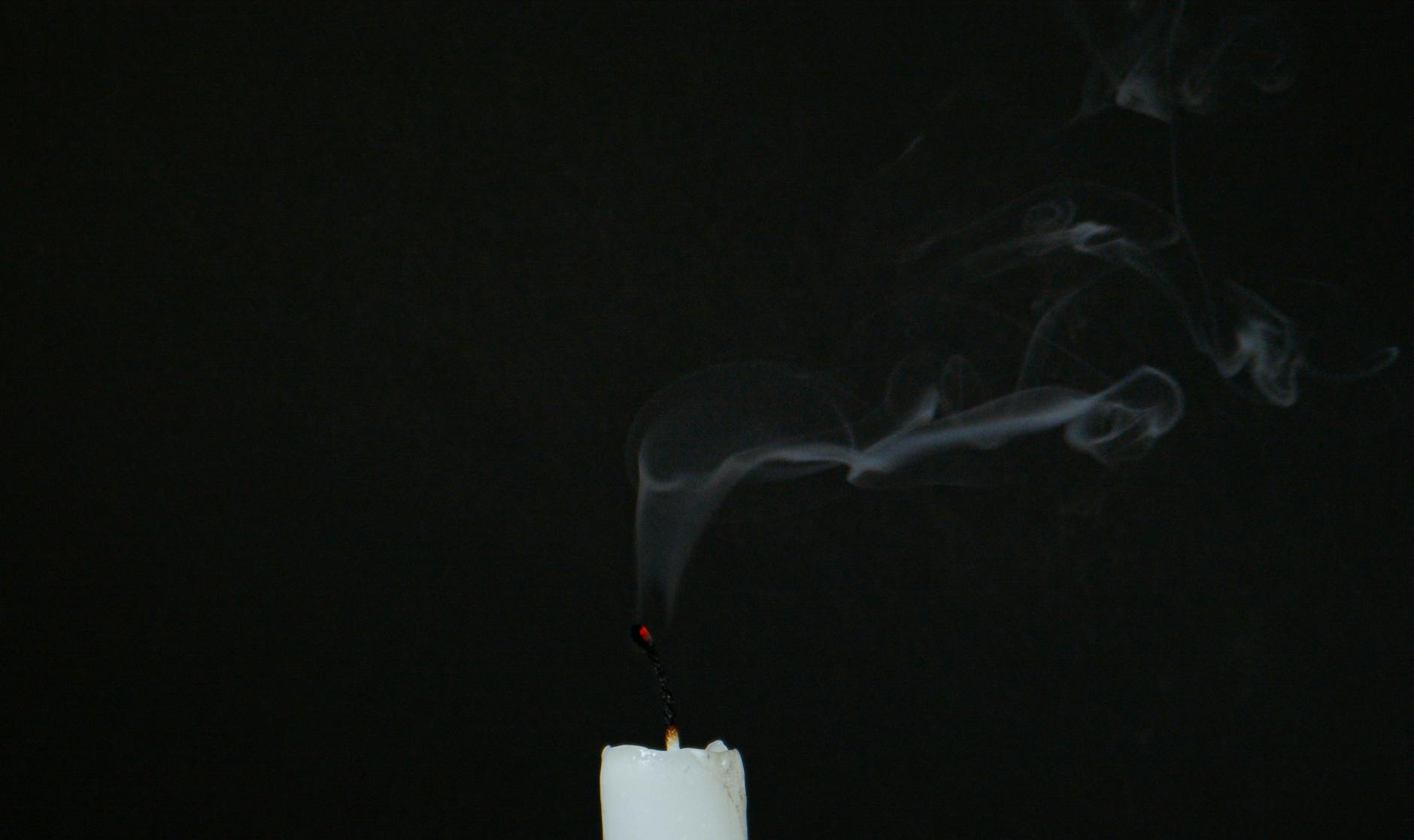
Burning candles produces black soot that settles on walls and ceilings or enters ventilation systems. This carbon residue can permanently stain light-colored surfaces and damage expensive electronic equipment over time. The soot particles also coat the interior of the nose and throat during inhalation. Drafty areas cause the flame to flicker and produce significantly more of this black smoke. Regular cleaning is required to remove the oily black film that accumulates on household surfaces.
Lead Core Wicks
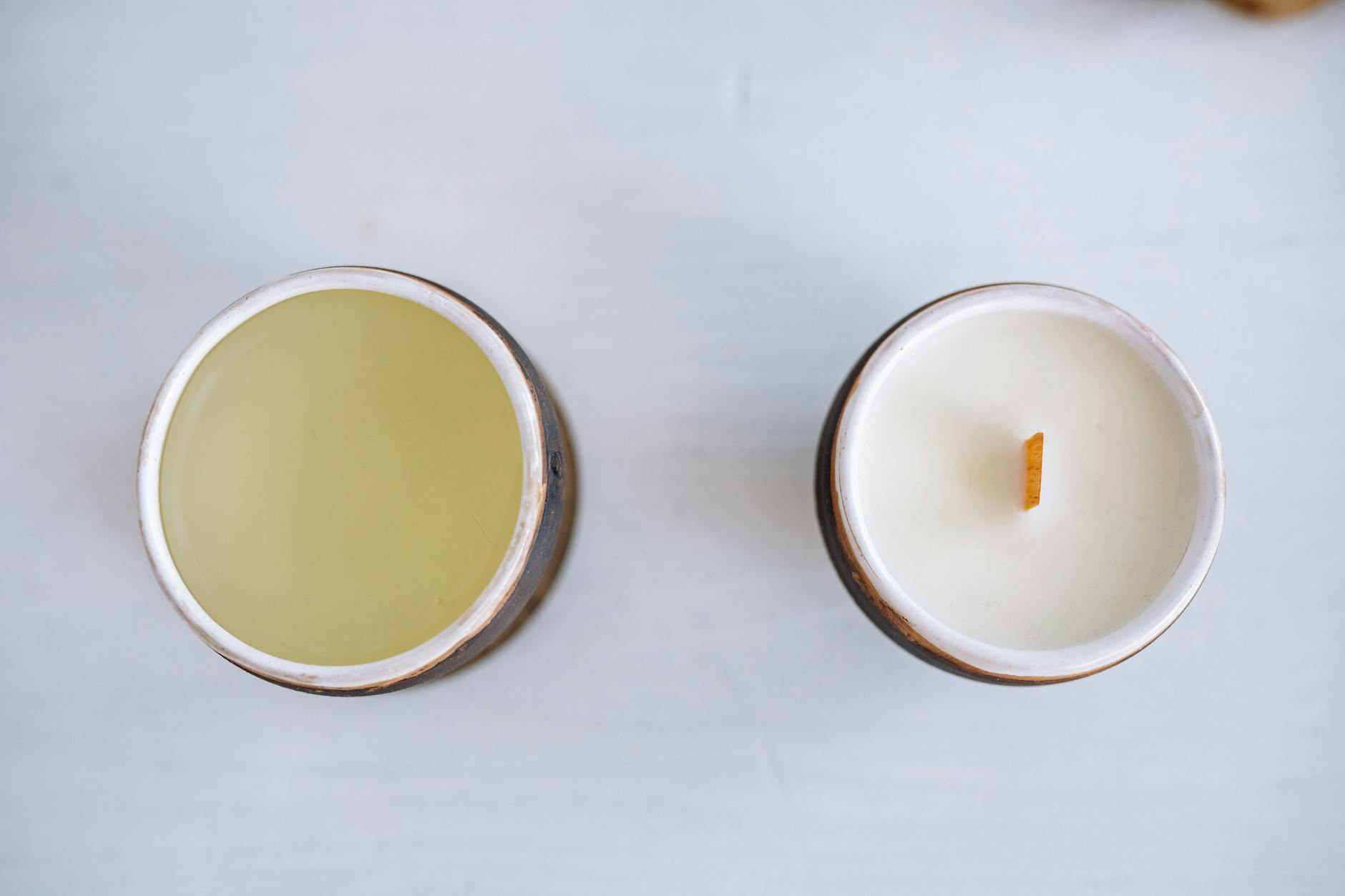
Some candles still contain metal-core wicks that release lead into the air during combustion. Although banned in many places there are still imported products that utilize lead to keep the wick upright. Burning these wicks results in lead particles settling on furniture and floors where children play. Lead exposure is toxic to the nervous system and is particularly dangerous for young children and pregnant women. Checking for a metal core in the wick is a necessary safety precaution for older or imported candles.
Danger to Pets

Many essential oils and synthetic fragrances used in candles are toxic to cats and dogs. Animals have much more sensitive respiratory systems than humans and can suffer from acute chemical irritation. Birds are especially susceptible to the fumes and particulate matter released by burning wax. Ingesting wax or wicks can also cause intestinal blockages or poisoning in curious pets. Pet owners must verify that every ingredient is safe for their specific type of animal companion.
Increased Fire Risk
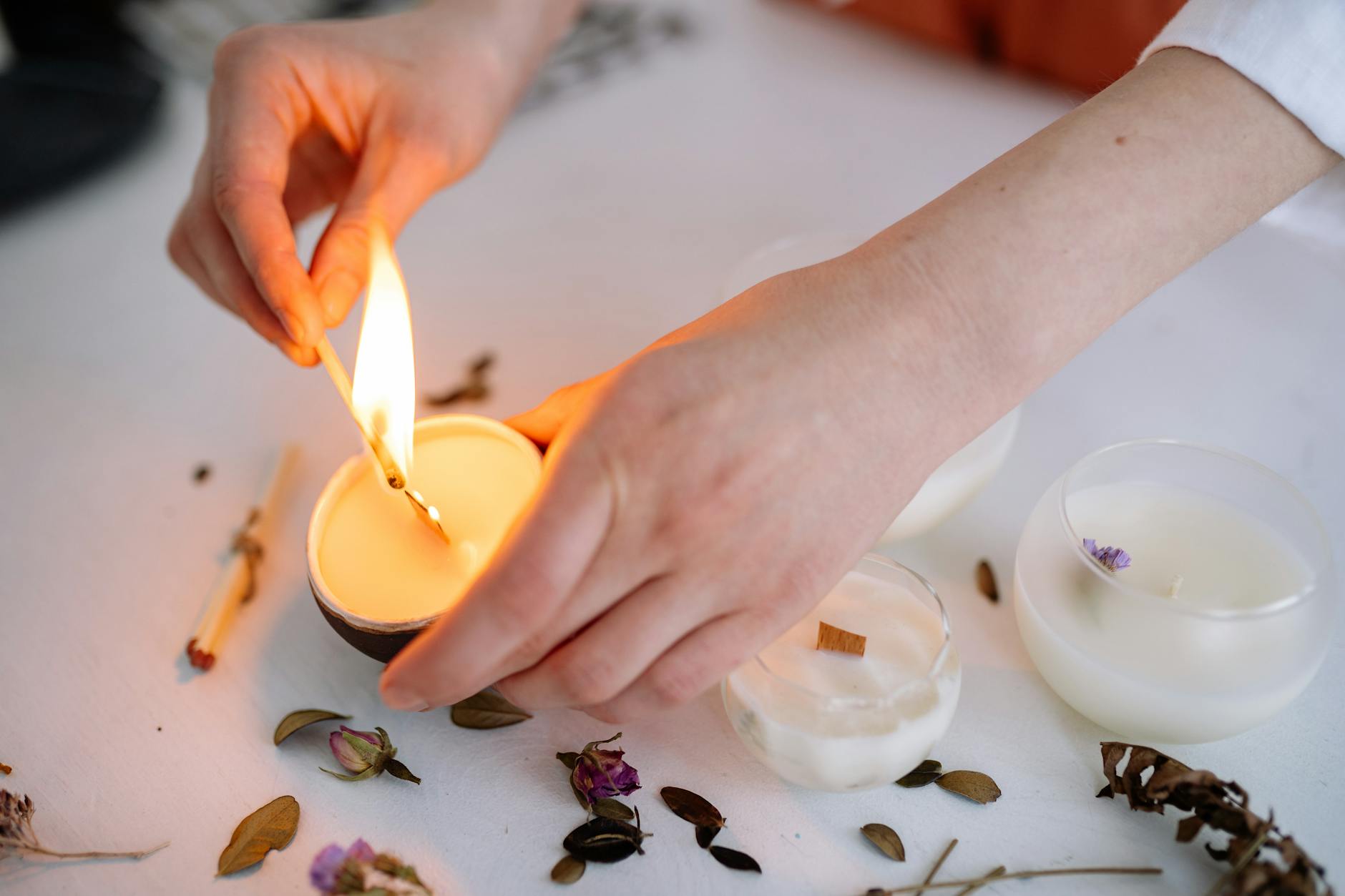
Open flames from candles remain a leading cause of residential fires across the globe. Unattended candles can easily ignite curtains or papers or furniture if knocked over. Children and pets are particularly unpredictable around open flames and increase the risk of accidental tip-overs. Forgotten candles burning down to the bottom of the glass container can cause the glass to shatter explosively. Flameless alternatives provide the same ambiance without the inherent risk of burning down the house.
Olfactory Fatigue
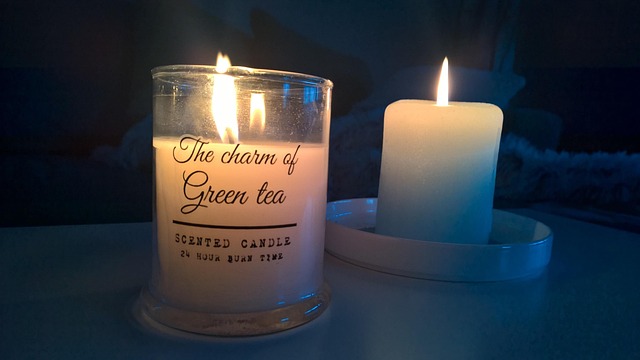
Constant exposure to strong scents can lead to a condition known as nose blindness or olfactory fatigue. This desensitization prevents individuals from detecting other important odors in the home such as gas leaks or smoke. The brain learns to ignore the constant signal from the candle fragrance to focus on new inputs. Recovering full olfactory sensitivity requires a period of time away from the overpowering artificial scent. A neutral smelling home ensures that warning odors are detected immediately for safety.
Indoor Carbon Dioxide
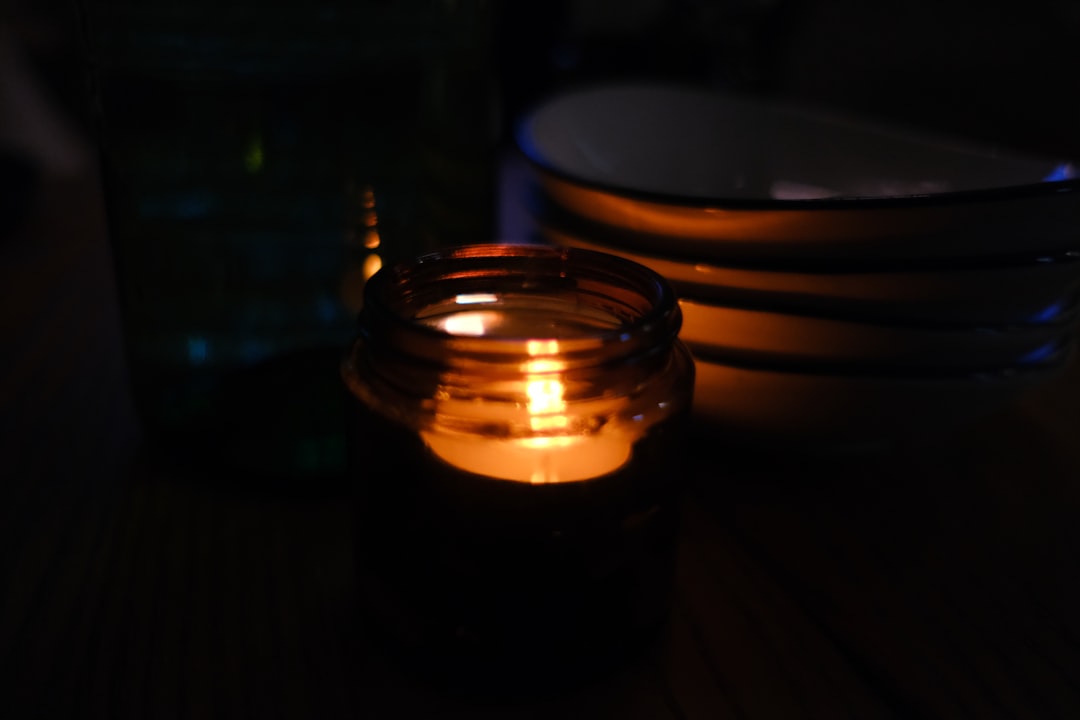
Combustion of any kind consumes oxygen and releases carbon dioxide into the immediate environment. Burning multiple candles in a small or poorly ventilated room can slightly elevate carbon dioxide levels. This increase can contribute to feelings of stuffiness or fatigue and difficulty concentrating. Fresh air circulation is essential to counteract the oxygen depletion caused by open flames. Reducing combustion sources helps maintain a more oxygen-rich and energizing indoor atmosphere.
Ineffective Odor Masking

Using candles to cover up unpleasant smells often leads to a clashing mixture of odors rather than freshness. This practice ignores the underlying cause of the bad smell such as mold or trash or pet waste. The combination of chemical fragrance and biological odors can create a heavier and more unpleasant atmosphere. Identifying and removing the source of the odor is a more effective hygiene strategy than masking it. Clean homes should smell like nothing rather than layers of artificial perfume.
Environmental Waste

The candle industry generates significant waste through non-recyclable glass jars and metal tins. Many containers are difficult to clean thoroughly enough for municipal recycling programs to accept them. Residual wax and wick metal render the packaging fit only for the landfill in many regions. The production and transport of heavy glass containers adds to the carbon footprint of the product. Switching to reusable diffusers or potpourri reduces the volume of single-use waste entering the environment.
Tell us about your experience with candle alternatives in the comments.




