Navigating the complex world of adolescent communication often feels like walking through a minefield. Parents naturally want to guide their children but sometimes use phrases that inadvertently build walls. Understanding the impact of specific words can help preserve a strong bond during these turbulent years. This list highlights common statements that often lead to conflict or emotional distance.
Because I Said So

This classic authoritarian phrase shuts down communication immediately and often breeds resentment. It signals to a teenager that their opinion or need for understanding does not matter. Adolescents are developing critical thinking skills and generally respond better to logical reasoning. Explaining the rationale behind a rule fosters respect rather than blind obedience.
You’ll Understand When You’re Older

Dismissing a teenager’s feelings based on age invalidates their current experience. It suggests their emotions or thoughts are temporary and therefore unimportant. This statement creates a divide by emphasizing the age gap rather than bridging it. Teens live in the present and need their concerns addressed now rather than deferred to the future.
It’s Just A Phase

Labeling an interest or identity as temporary diminishes the intensity of what the teen feels now. It implies their current passions or struggles are trivial and unworthy of serious attention. This dismissal can make a teenager feel misunderstood and alone in their experiences. Support involves validating their current reality regardless of how long it lasts.
Why Can’t You Be More Like Your Sibling

Comparisons breed deep insecurity and resentment between siblings that can last a lifetime. Every child has unique strengths that deserve individual recognition without reference to others. This question makes the teenager feel inadequate and unappreciated for who they are. It rarely motivates change and instead damages self-esteem and the family dynamic.
You Are Too Young To Be Tired

Teens undergo massive biological and hormonal changes that require significant energy. Their sleep cycles shift naturally and academic or social pressures add real exhaustion. Dismissing their fatigue suggests they are lazy rather than biologically developing. Acknowledging their physical state helps them learn healthy self-care habits.
I Know Exactly How You Feel

Every generation faces unique challenges and the world has changed since you were a teen. Assuming you understand their specific situation can feel presumptuous and dismissive of their unique context. It is often better to ask questions rather than claiming total understanding. This approach allows them to explain their perspective without feeling overshadowed by your past.
Have You Gained Weight

Commenting on a teenager’s body often triggers body image issues and disordered eating habits. Adolescence is a time of rapid physical change and scrutiny is already high from peers and media. Health discussions should focus on habits and energy levels rather than physical appearance. Silence regarding their size is often the healthiest policy unless a medical professional intervenes.
What Are You Wearing

Criticizing clothing choices attacks their developing sense of self-expression and identity. Fashion is a primary way teenagers experiment with who they are and fit in with peers. Harsh judgment creates secrecy and encourages them to hide their true selves. It is more effective to discuss appropriate attire for specific contexts without attacking their personal style.
You Have So Much Potential

This phrase is often intended as a compliment but frequently lands as heavy pressure. It implies that who they are currently is not enough and they are failing to meet expectations. Teens may interpret this as disappointment in their current performance or character. Focusing on effort and specific achievements is a more supportive way to encourage growth.
These Are The Best Years Of Your Life

Telling a struggling teen that this is as good as it gets can be incredibly depressing. Adolescence is often filled with anxiety and social pressure and confusion. This statement invalidates their hardships and makes them fear the future. It is more helpful to acknowledge their difficulties while offering hope for better days ahead.
Who Are You Texting

Demanding to know every digital interaction invades privacy and signals a lack of trust. Teens need a degree of autonomy to develop healthy social boundaries. Constant surveillance often leads to better hiding strategies rather than open communication. Trust is built by respecting their private space while maintaining open guidelines about safety.
You Are Acting Crazy

Gaslighting a teenager by calling their emotions crazy undermines their mental health. Hormonal fluctuations can cause intense reactions that feel very real to them. Labeling these reactions as insanity dismisses the underlying trigger of the emotion. Constructive dialogue involves addressing the behavior without attacking their sanity or emotional stability.
When I Was Your Age

Stories about your past often come across as lectures rather than helpful anecdotes. The comparison usually implies that the parent had it harder or did it better. This creates a disconnect because the modern context for teens is vastly different. Listening to their current reality is more effective than reminiscing about a different era.
Are You Really Going to Eat That

Scrutinizing food choices can lead to shame and unhealthy relationships with eating. Teens are often hungry due to rapid growth and need substantial fuel. Questions like this sound like judgment rather than concern for their health. Modeling healthy eating is far more effective than policing their every snack.
I Told You So
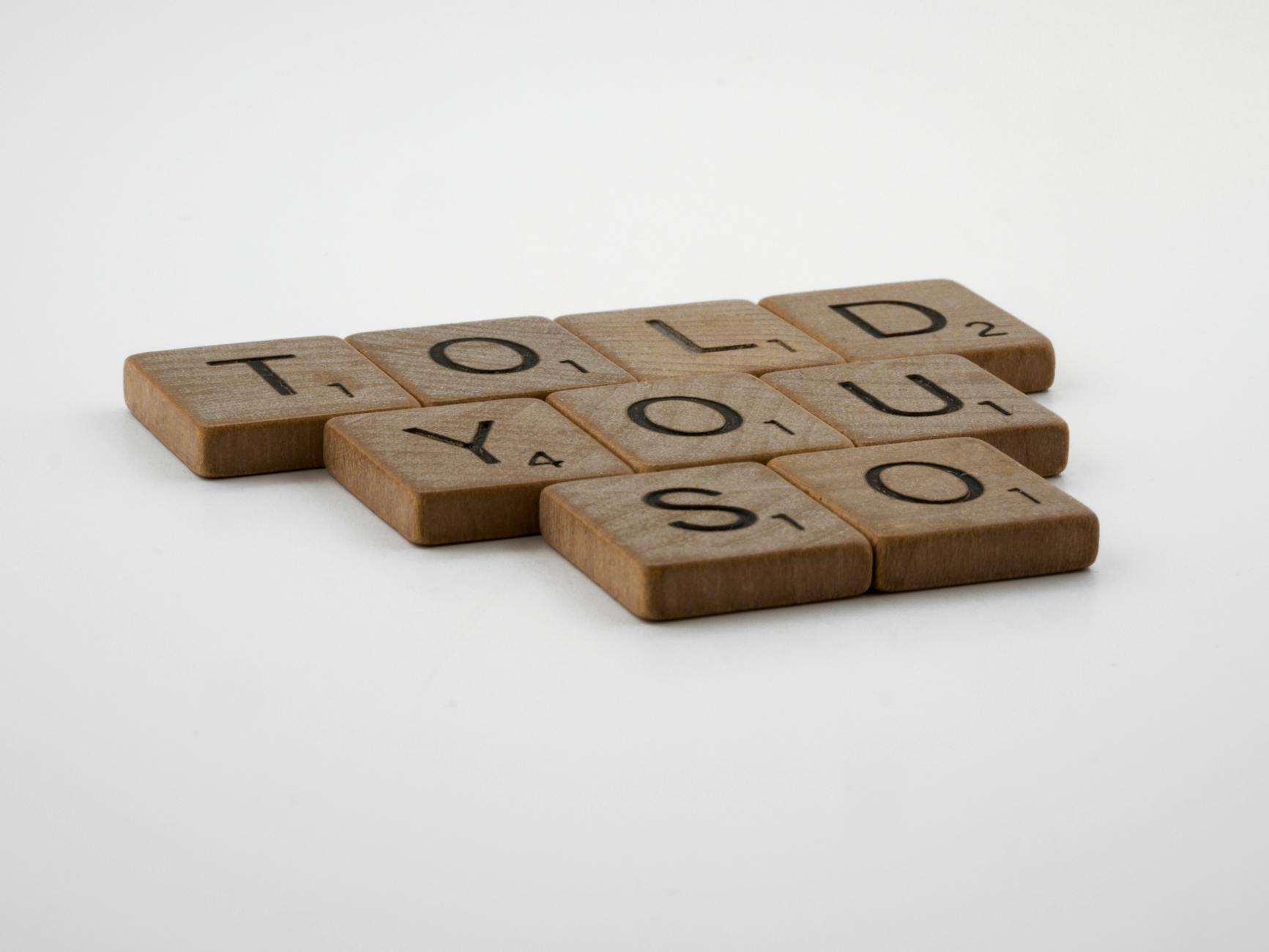
Kick a teenager when they are down guarantees they will not come to you next time. Making mistakes is a crucial part of learning and they usually already know they messed up. Rubbing their face in an error serves only your ego and hurts their feelings. Support during failure builds a safety net that encourages them to try again.
You Will Change Your Mind One Day

Predicting their future feelings dismisses their current convictions and values. Whether it concerns a career or a relationship or a belief it feels condescending. It tells the teen that they do not know their own mind. Respecting their current stance shows that you value them as thinking individuals.
Why Do You Always Do This

Using absolutes like always or never makes a teenager feel defensive and attacked. It suggests a permanent character flaw rather than a specific behavioral mistake. This leads to arguments about the frequency of the behavior rather than the behavior itself. Addressing specific instances allows for constructive criticism without character assassination.
That Is Not A Real Job

The career landscape has changed dramatically and new paths are constantly emerging. dismissing aspirations in creative or digital fields shows a lack of understanding of the modern economy. It crushes enthusiasm and discourages them from exploring their passions. Encouraging them to research the viability of their dream is more helpful than shutting it down.
You Are Overreacting
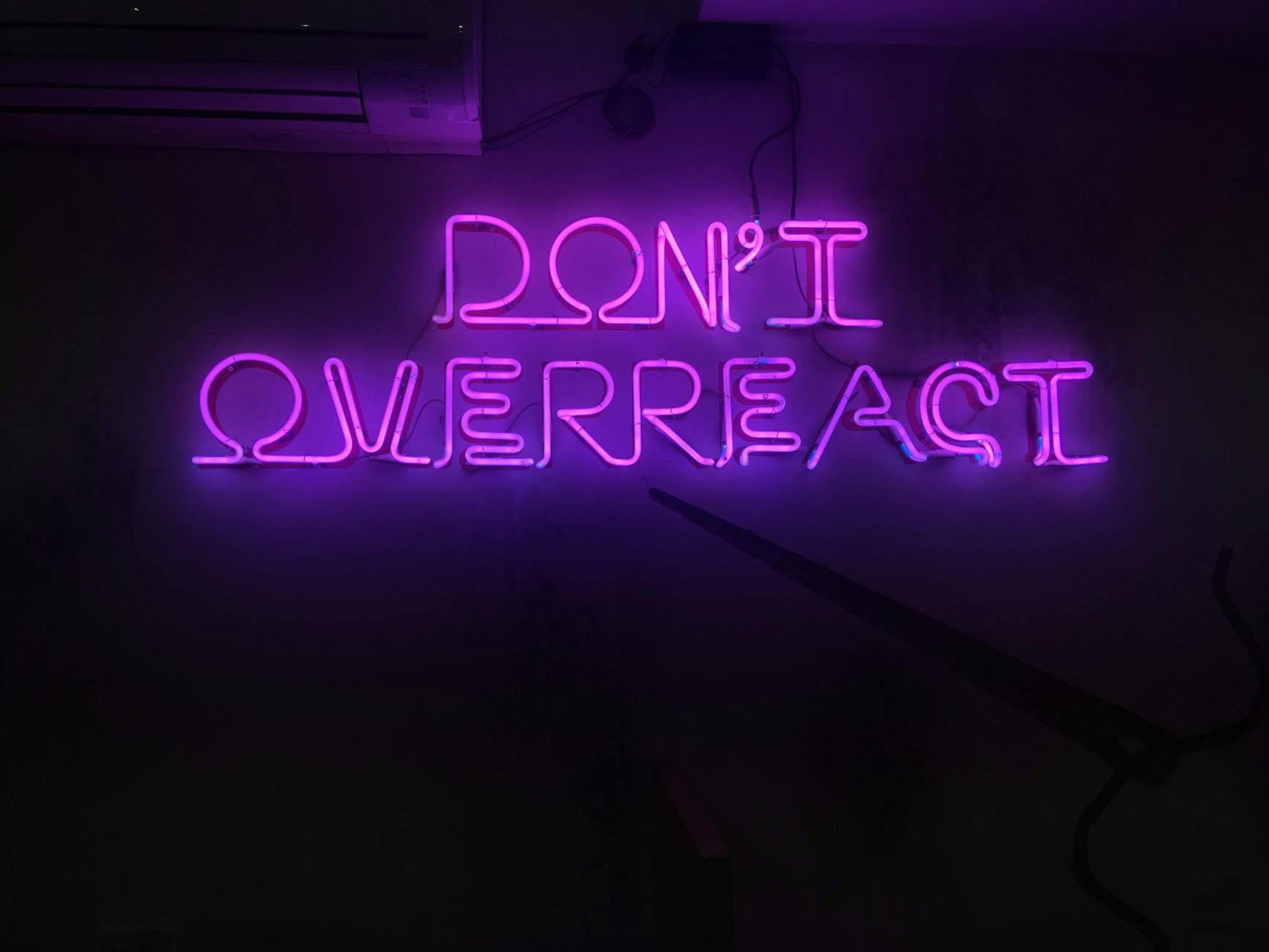
Minimizing a teenager’s emotional response teaches them to suppress their feelings. What seems small to an adult can feel earth-shattering to an adolescent brain. Validation helps them process emotions and move forward more effectively. Telling them to calm down usually has the exact opposite effect.
Money Does Not Grow On Trees

This cliché is often used to shut down requests rather than teach financial literacy. It can cause unnecessary guilt or anxiety about family finances. Explaining the family budget or the value of items is a better educational tool. Transparency about financial priorities helps them understand limitations without feeling like a burden.
You Look So Much Better Without Makeup

Unsolicited comments on appearance can feel like criticism of their grooming choices. Makeup is often a form of art and self-expression rather than just a beauty aid. Telling them they look better without it dismisses the effort they put into their look. Complimenting their skill or creativity is a positive alternative.
Don’t Be So Sensitive

labeling a teen as sensitive frames their empathy or emotional depth as a weakness. It encourages them to harden themselves and hide their true feelings. Sensitivity is often a strength that leads to high emotional intelligence. Acceptance of their emotional nature builds confidence and self-awareness.
Your Friends Are Bad Influences

Attacking a teenager’s social circle usually drives them closer to those very friends. It creates an us versus them dynamic where the teen defends their peers. It is more effective to discuss specific behaviors you are concerned about. This helps them evaluate their friendships critically without feeling the need to rebel.
You Should Smile More

commanding a teenager to change their facial expression is invalidating and intrusive. It implies that their natural resting state or current mood is unacceptable. This phrase places the comfort of others above the teen’s authentic feelings. Allowing them to express a full range of emotions is vital for mental health.
As Long As You Live Under My Roof

Threatening a teenager’s housing security destroys their sense of safety at home. It uses power dynamics to force compliance rather than fostering cooperation. This ultimatum creates a transactional relationship based on fear. A secure home environment is the foundation for a teenager to grow into a healthy adult.
Please share your own thoughts on communicating with teenagers in the comments.




