Plastic pollution remains one of the most pressing environmental challenges facing households today. Small and consistent changes in daily habits can significantly reduce the amount of non-biodegradable waste ending up in landfills. This comprehensive guide explores practical swaps and lifestyle adjustments that anyone can implement immediately. Adopting these methods helps preserve natural ecosystems while often saving money in the long run.
Reusable Grocery Bags
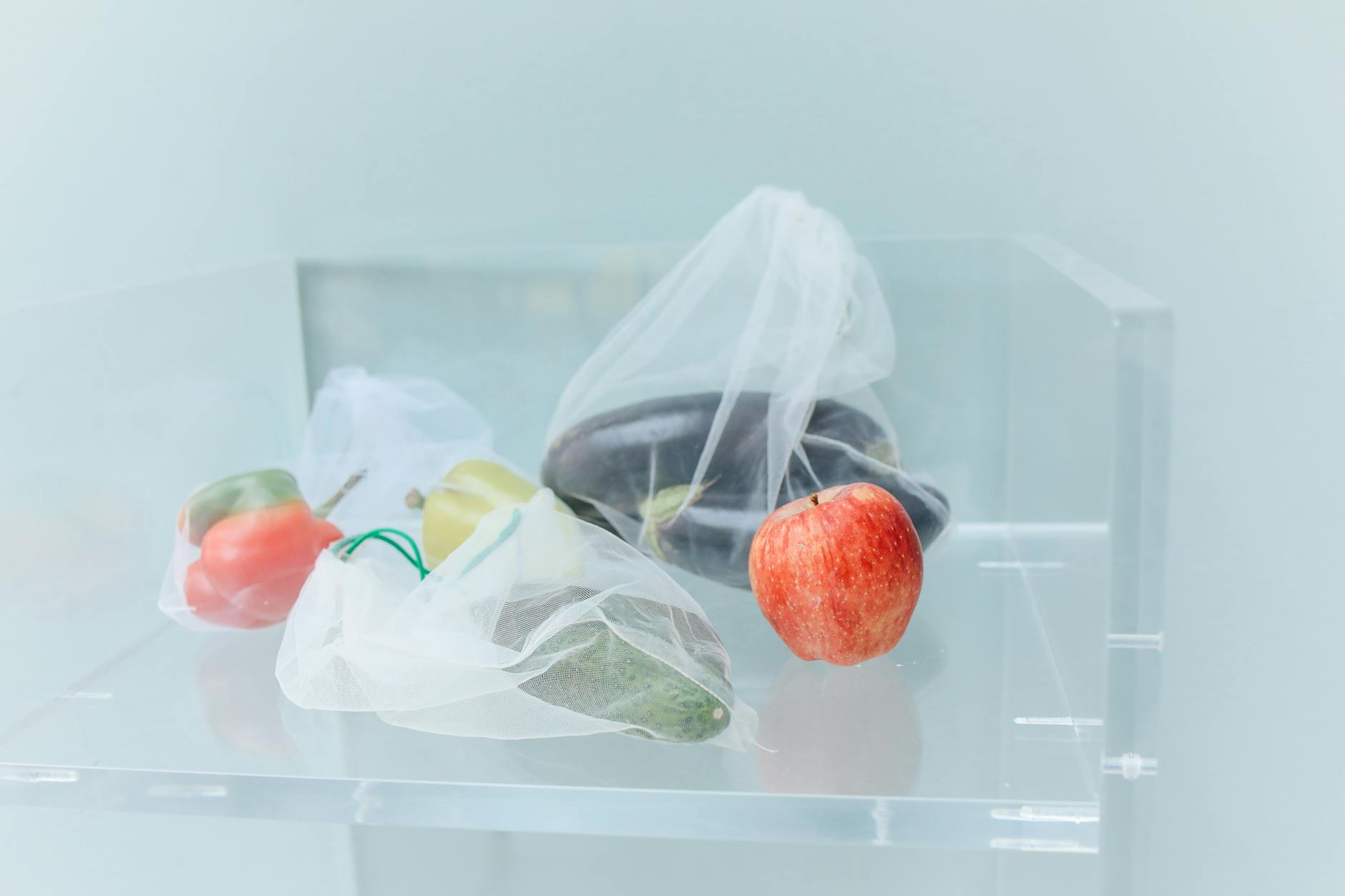
Most supermarkets now offer sturdy alternatives to flimsy single use plastic bags that often tear before you reach home. You can keep a stash of canvas or jute totes in your car or near the front door to ensure you never forget them. These durable carriers handle heavy loads of canned goods and glass bottles without breaking under the pressure. Many brands design them to be washable so you can easily clean up any spills or food residue.
Stainless Steel Water Bottles
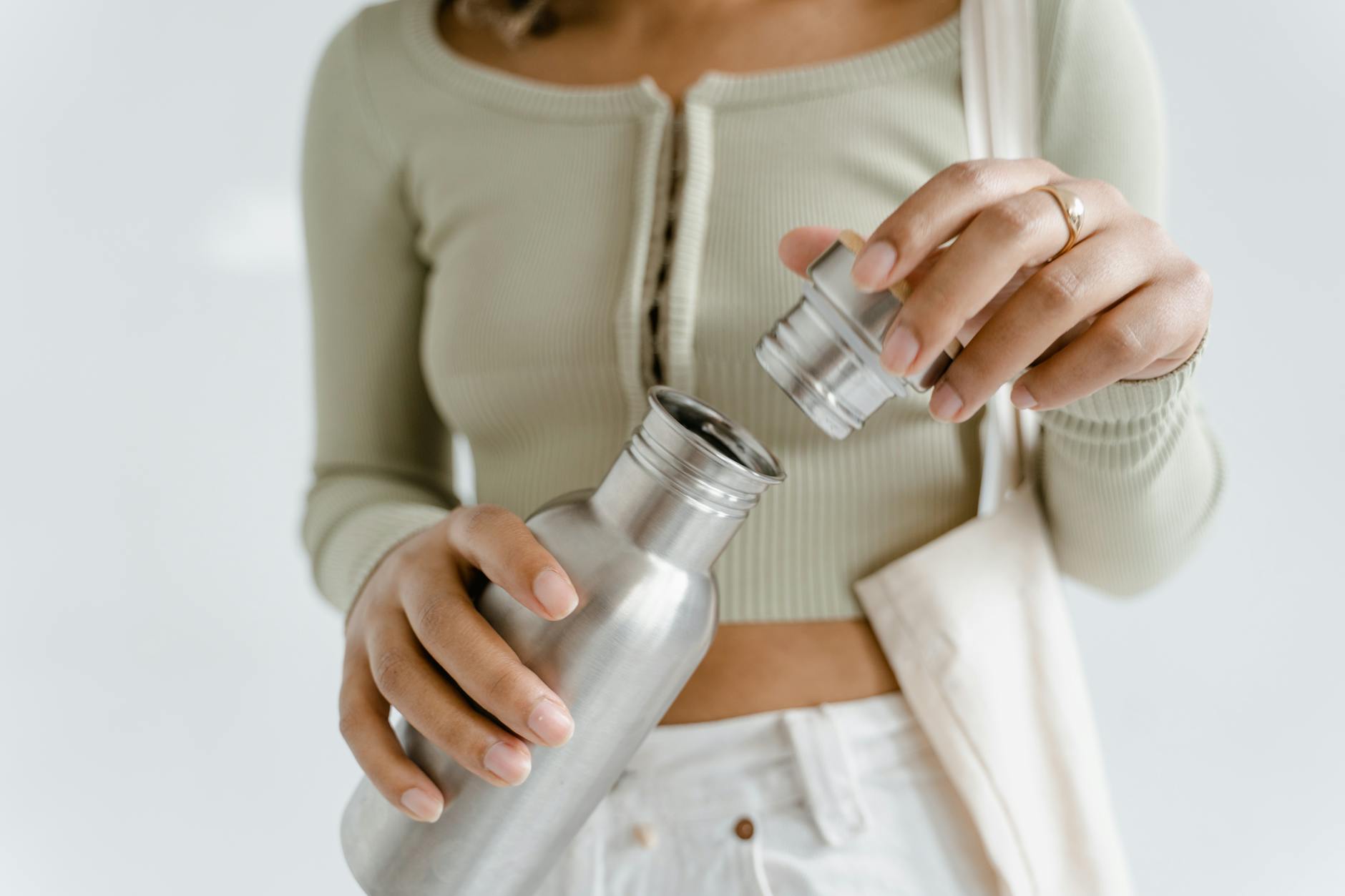
Single use plastic water bottles generate a massive amount of unnecessary waste and often contain harmful microplastics. High quality stainless steel bottles keep your beverages cold for twenty four hours or hot for twelve without leaching chemicals. Investing in a durable vessel eliminates the need to purchase bottled water while you are commuting or exercising. You can find them in various sizes and colors to suit your personal style and hydration needs.
Bamboo Toothbrushes
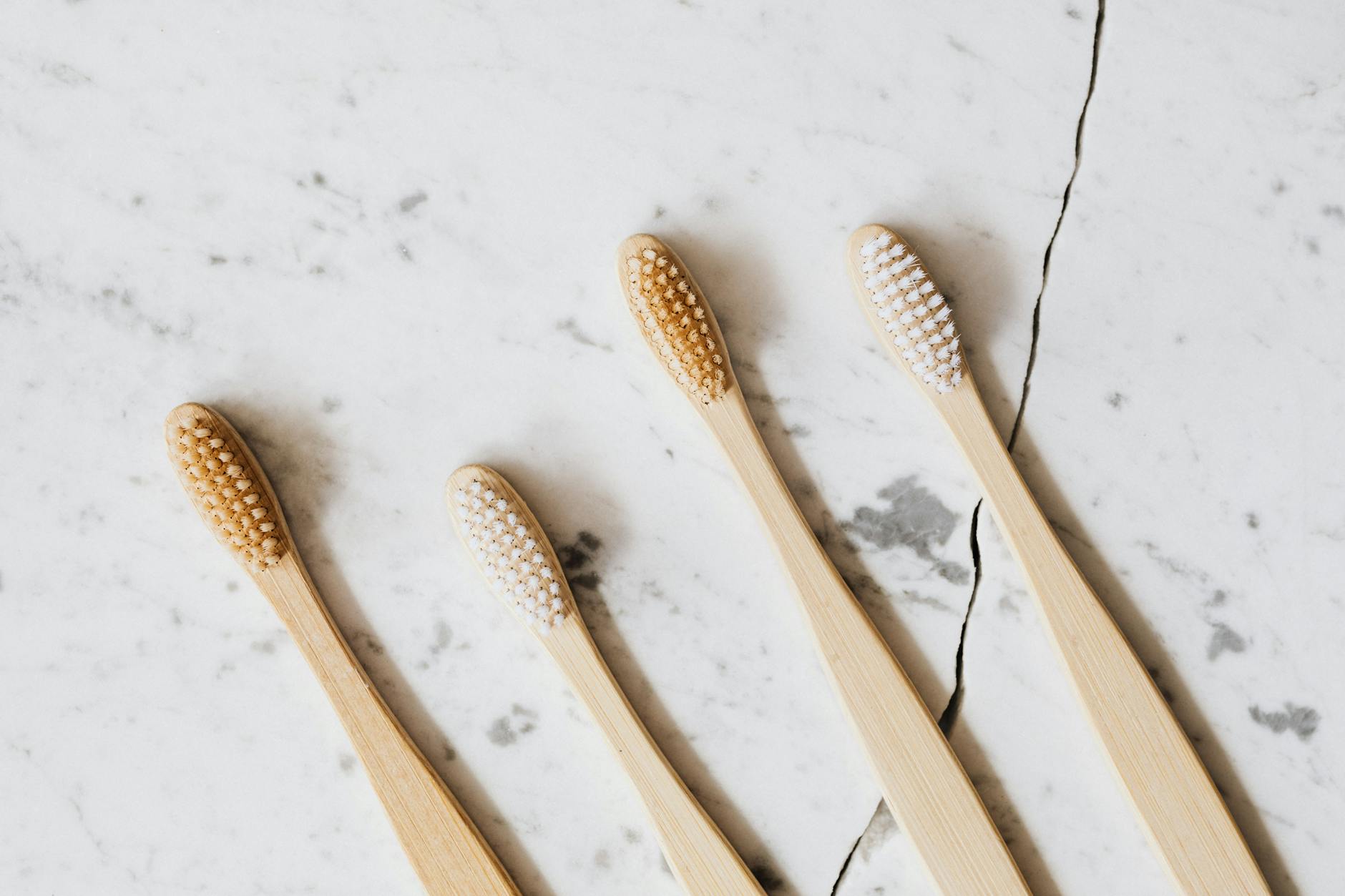
Traditional plastic toothbrushes take hundreds of years to decompose and contribute significantly to landfill mass. Bamboo handles are completely biodegradable and can be composted once you remove the nylon bristles. This sustainable switch functions exactly like a standard brush but offers a much lower environmental footprint. Many companies now offer subscription services to ensure you replace your brush regularly without generating excess waste.
Beeswax Food Wraps
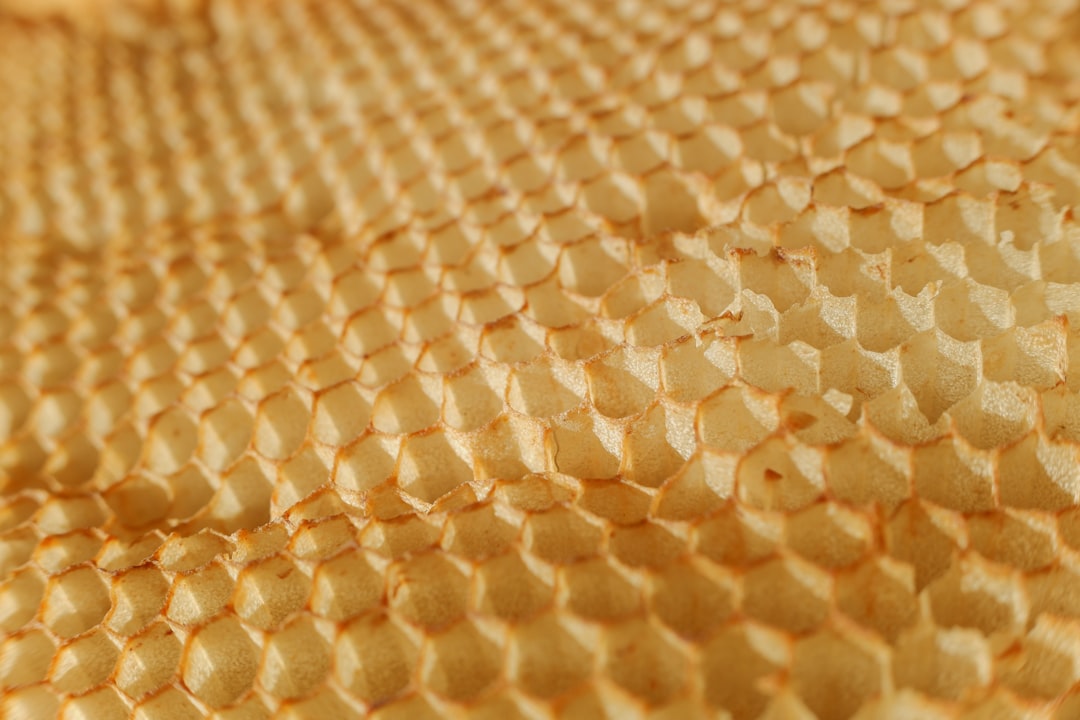
These organic cotton sheets infused with beeswax serve as an excellent replacement for plastic cling film. You can mold them around fruit or bowls using just the warmth of your hands to create a seal. They wash easily with cool water and mild soap to remain effective for up to a year of regular use. You can cut them into strips and compost them once they lose their adhesive properties.
Glass Storage Containers
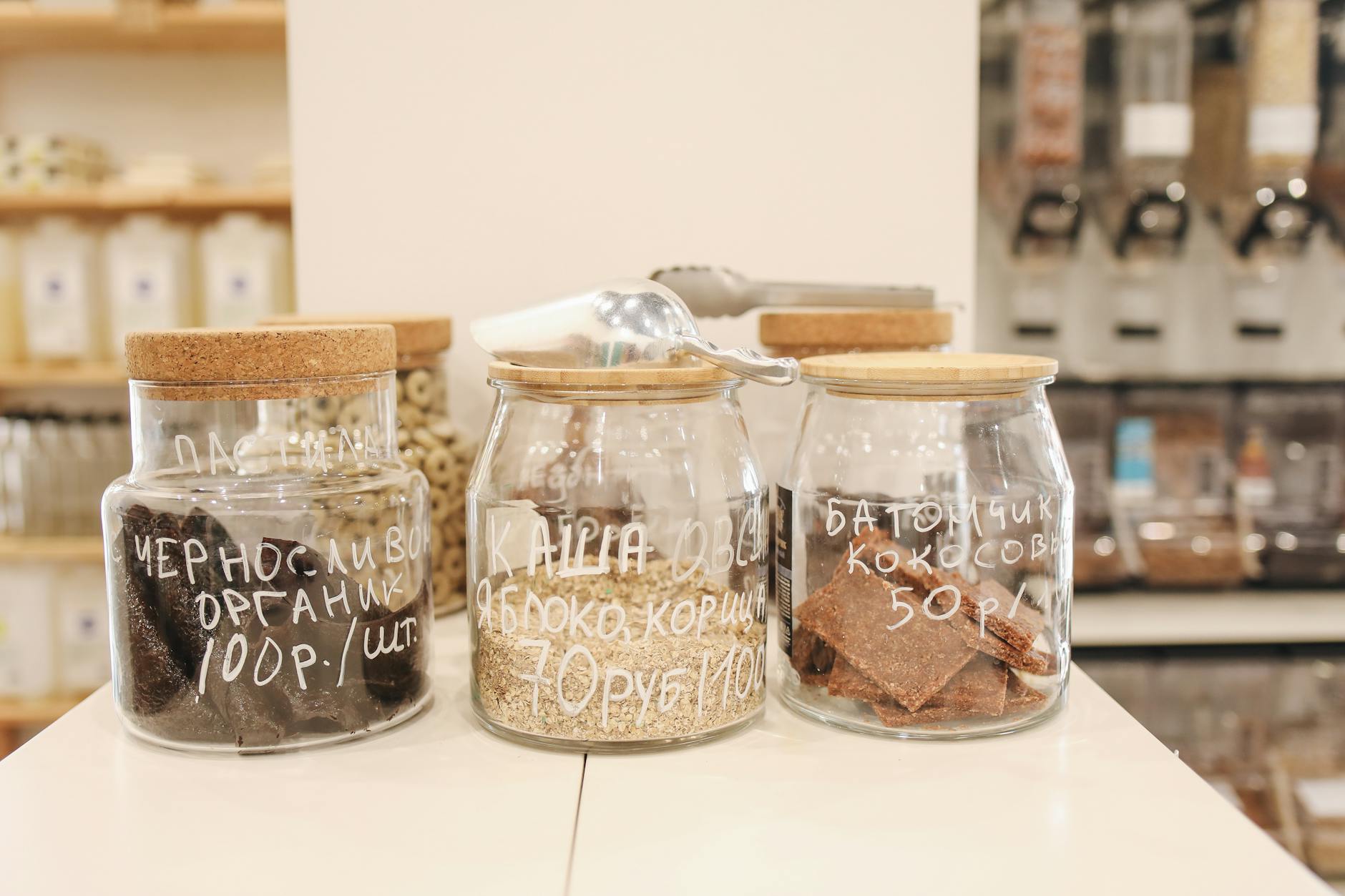
Plastic tupperware often stains or warps over time and may release chemicals when heated in a microwave. Glass containers offer a non-porous surface that does not absorb odors or flavors from spicy foods. They are safe for use in ovens and freezers which makes meal preparation and reheating much more convenient. These durable vessels allow you to see exactly what is inside your refrigerator to reduce food waste.
Shampoo Bars
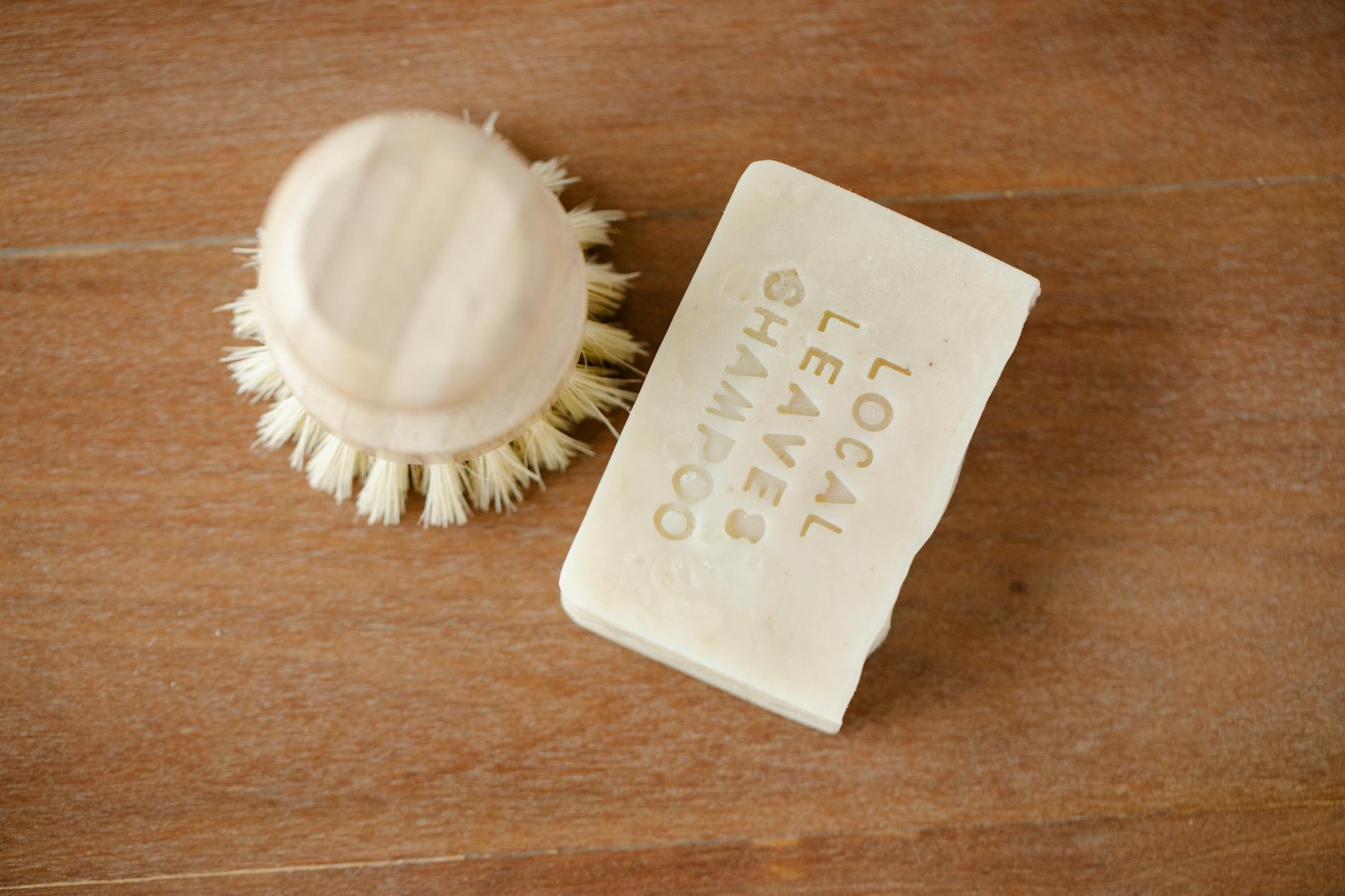
Liquid shampoo bottles consist mostly of water and require heavy plastic packaging for transport and storage. Solid shampoo bars contain concentrated ingredients that lather beautifully without the need for a plastic bottle. One bar can last as long as three bottles of liquid shampoo to save you money and storage space. They are also perfect for travel since they eliminate the risk of liquids leaking in your luggage.
Safety Razors

Disposable plastic razors contribute billions of pieces of trash to landfills every single year. A metal safety razor uses a single double edged blade that provides a closer shave with less irritation. The metal handle lasts a lifetime while the steel blades are recyclable and incredibly inexpensive to replace. This classic tool requires a bit of practice but offers a superior shaving experience.
Bulk Food Shopping
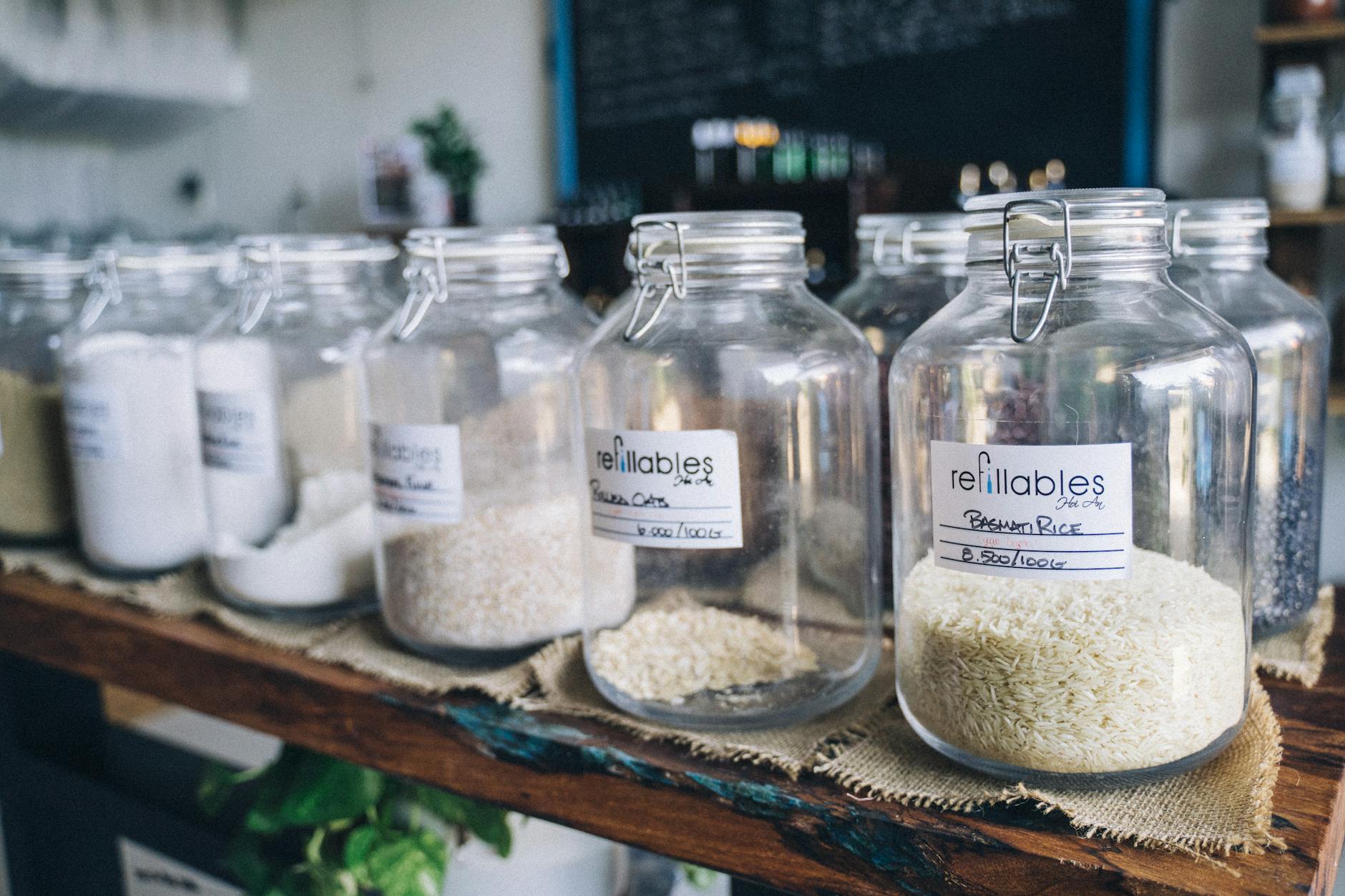
Buying dry goods like rice and pasta from bulk bins eliminates the need for individual plastic packaging. You can bring your own cotton bags or glass jars to fill up exactly the amount you need. This method often costs less per pound since you are not paying for branding and marketing materials. It also encourages you to try new ingredients in smaller quantities before committing to a large purchase.
Silicone Baking Mats
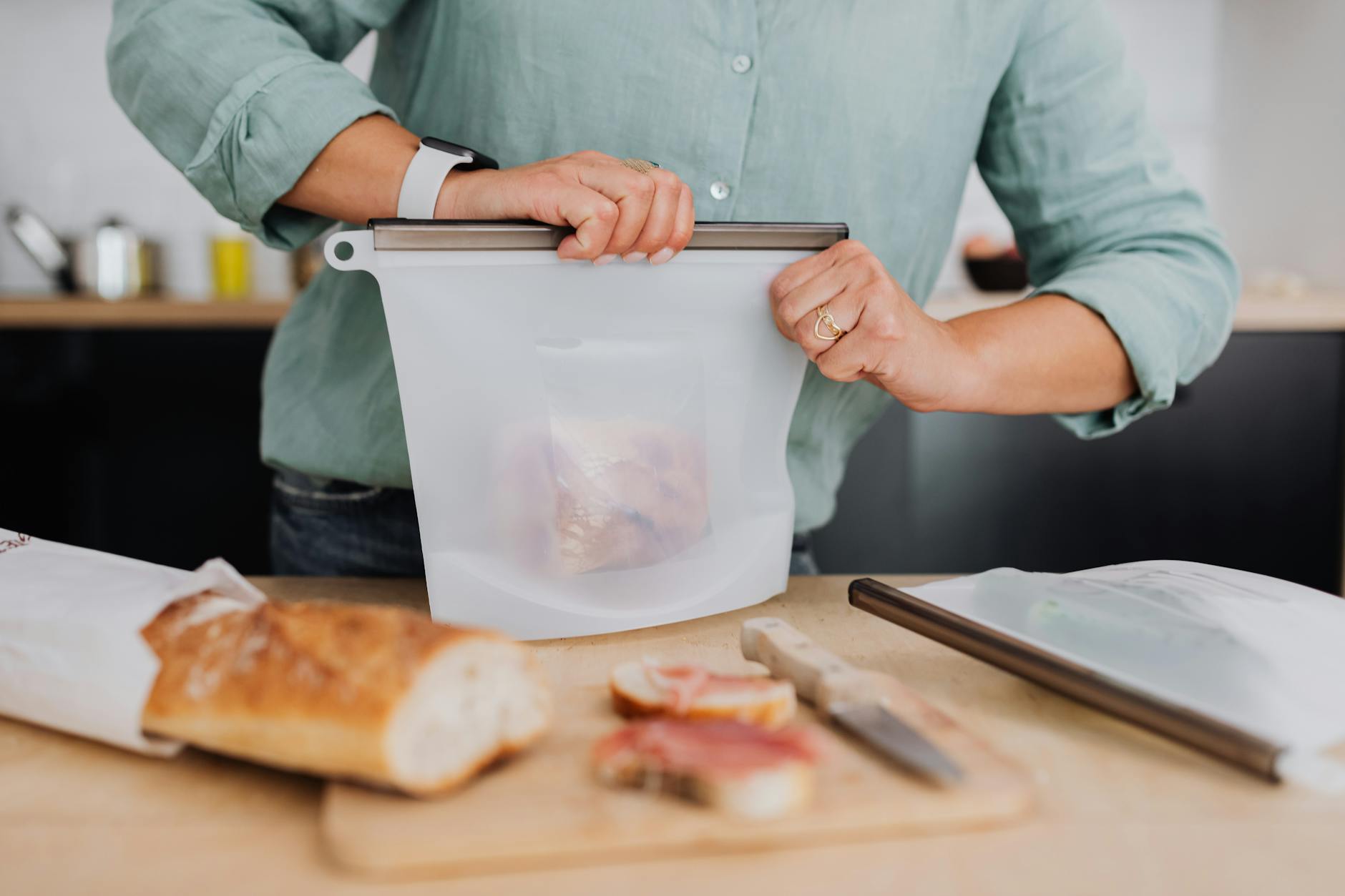
Parchment paper and aluminum foil often end up in the trash after a single use in the oven. A silicone baking mat provides a reusable non-stick surface that withstands high temperatures for years. You simply wipe it clean or place it in the dishwasher after baking cookies or roasting vegetables. This simple swap reduces kitchen waste and saves money on disposable baking supplies.
Loose Leaf Tea
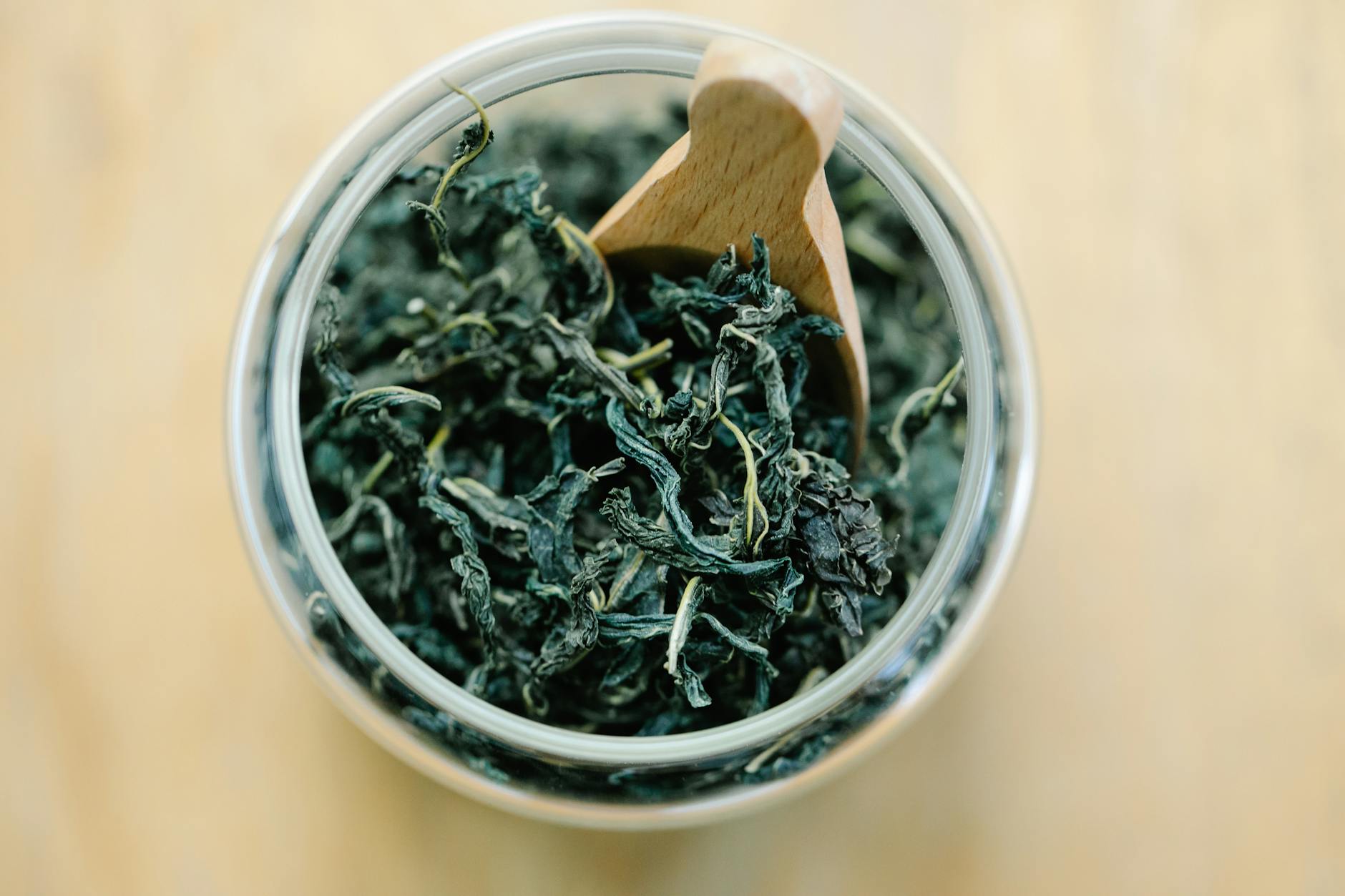
Many tea bags contain polypropylene plastic to help them keep their shape in hot water. loose leaf tea offers a higher quality flavor profile and comes without the hidden plastic content. You can use a metal strainer or a french press to brew your favorite blends effortlessly. The used tea leaves can go directly into your compost bin to nourish your garden soil.
Cloth Napkins
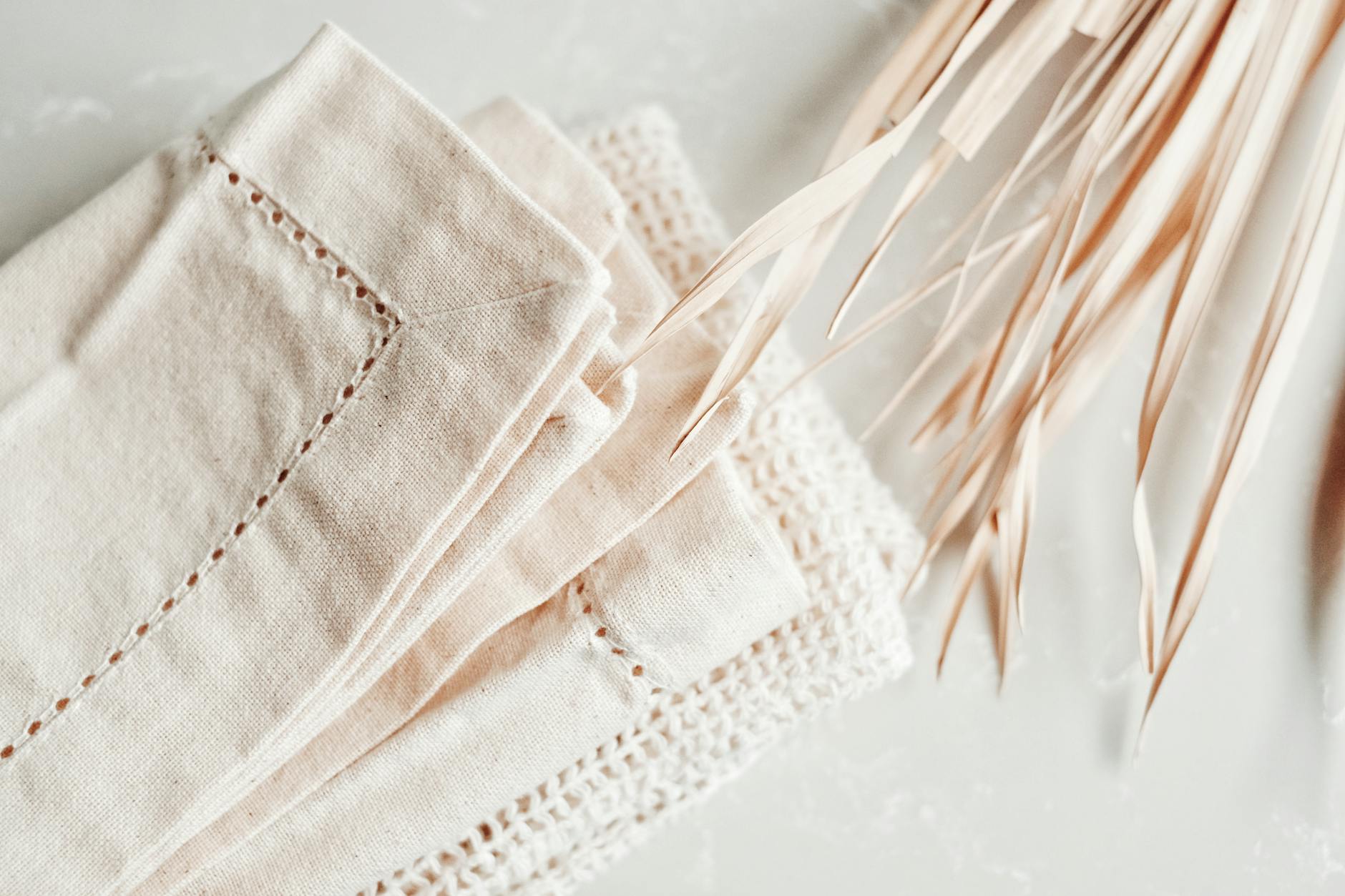
Paper napkins usually come wrapped in plastic and are discarded after a single messy meal. Cloth napkins add a touch of elegance to your dining table and can be washed and reused indefinitely. You can keep a small basket of them accessible for daily meals to discourage the use of disposables. They become softer and more absorbent with every wash to provide better utility than paper.
Refillable Cleaning Products

Standard cleaning sprays result in an endless cycle of buying and discarding plastic spray bottles. Many companies now sell concentrated tablets that you dissolve in water using a permanent glass bottle. This system drastically reduces shipping weight and eliminates the need for single use plastic containers. You get the same cleaning power without the environmental guilt or clutter under your sink.
Wooden Dish Brushes
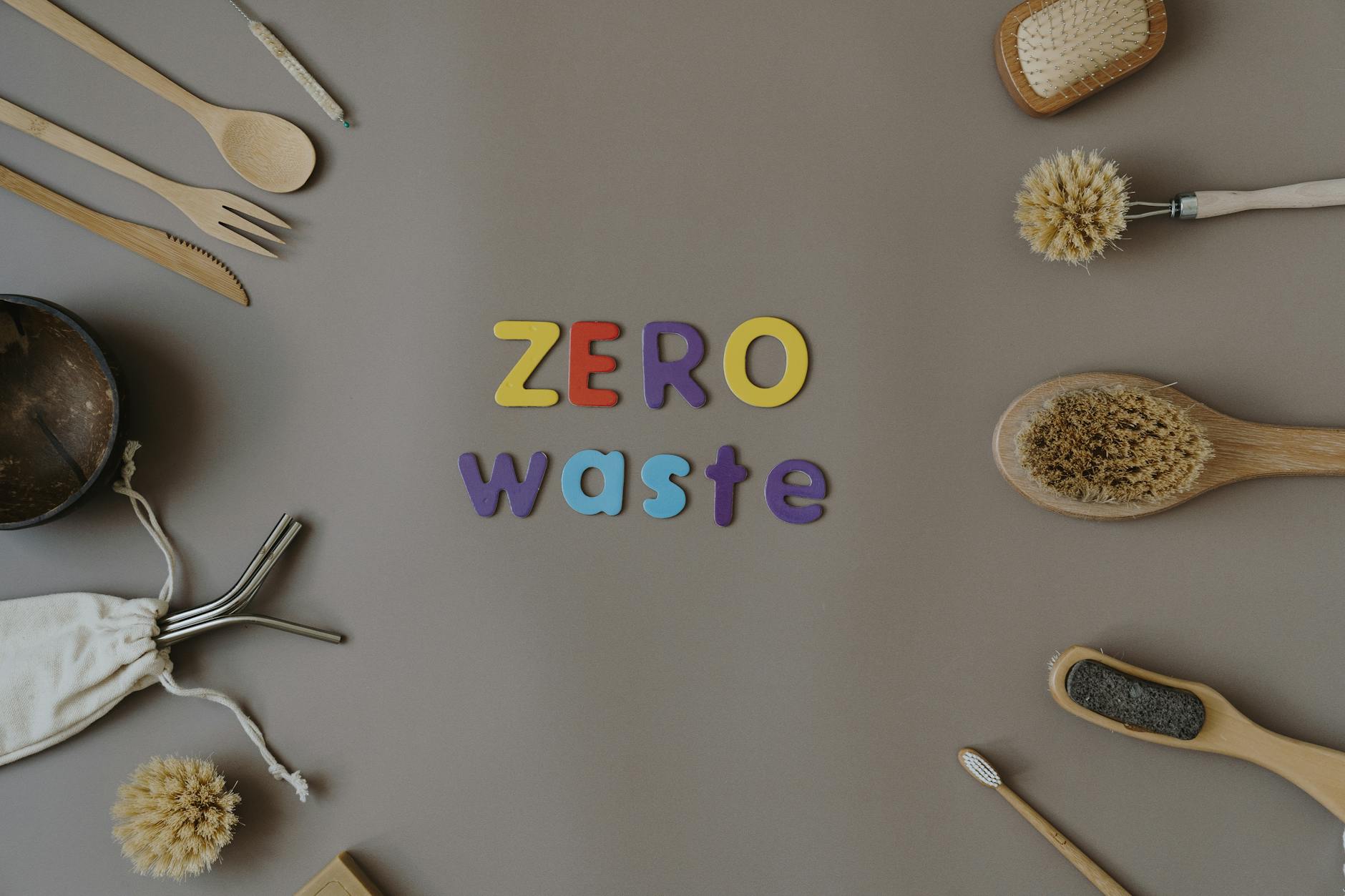
Synthetic sponges shed microplastics into the water system every time you wash the dishes. A wooden brush with plant fiber bristles cleans effectively and dries quickly to prevent bacterial growth. You can replace just the head of the brush when it wears out while keeping the sturdy handle. The old brush head is compostable and returns to the earth rather than sitting in a landfill.
Natural Fiber Loofahs
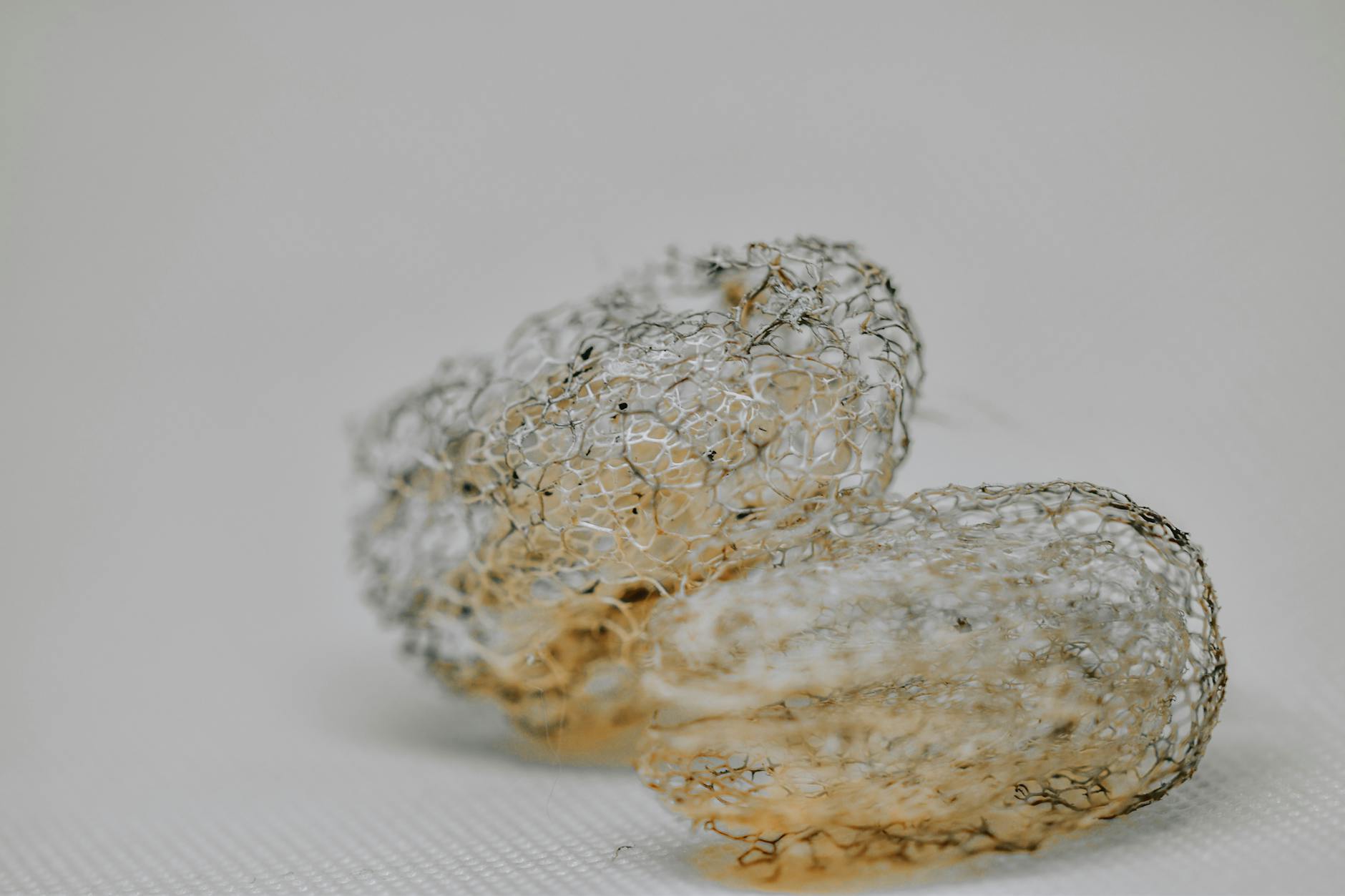
Plastic shower poufs are made from synthetic netting that eventually unravels and heads to the garbage. Natural loofahs grow from a gourd plant and provide excellent exfoliation for your skin. They are fully biodegradable and can be composted when they reach the end of their useful life. You can even grow them in your own garden if you live in a suitable climate.
Menstrual Cups

Tampons and pads create significant plastic waste through their packaging and applicators every month. A medical grade silicone cup collects fluid rather than absorbing it and can be reused for years. This device offers up to twelve hours of protection and eliminates the need for emergency pharmacy runs. It is a comfortable and eco-friendly alternative that saves a substantial amount of money.
Powdered Laundry Detergent
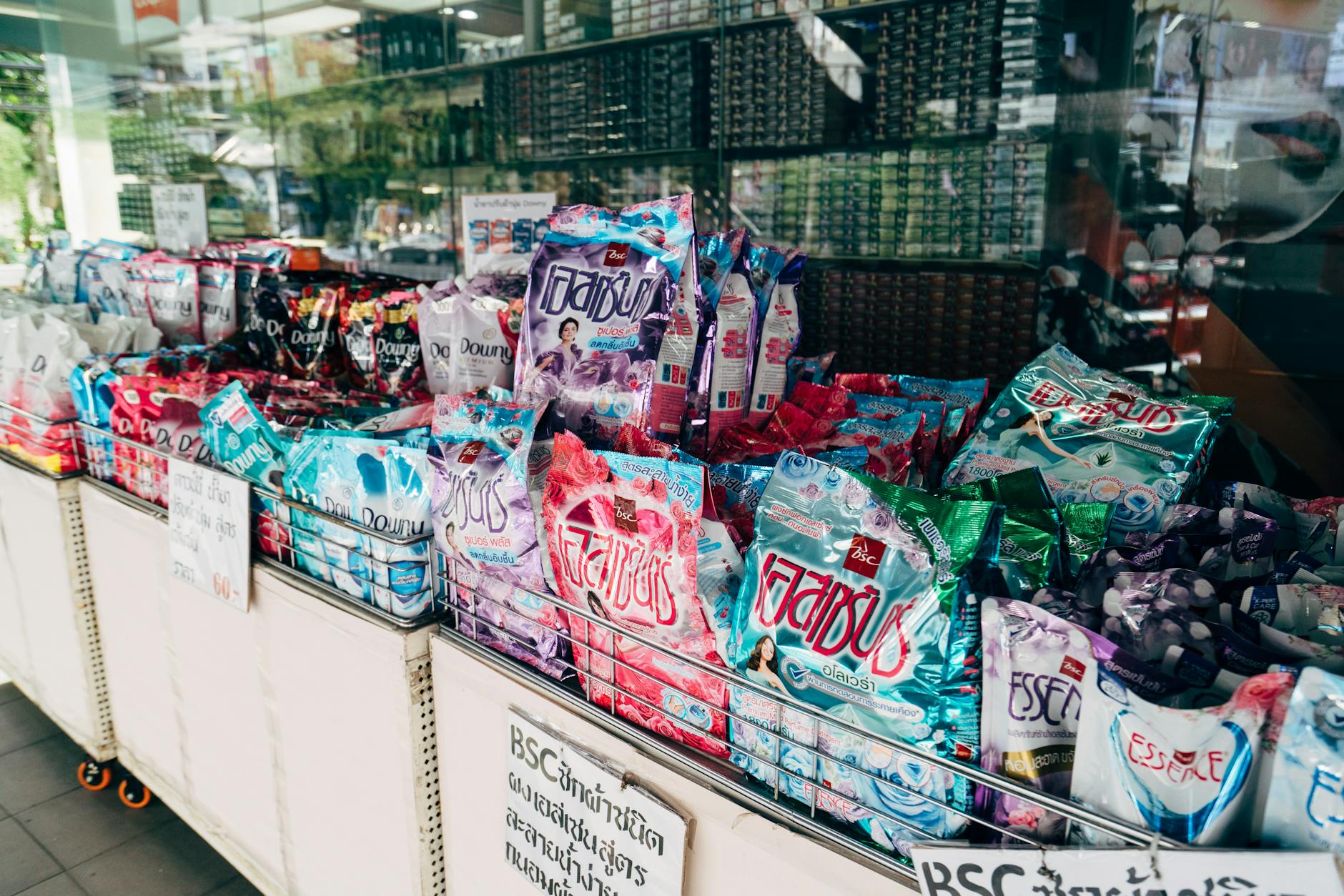
Liquid laundry detergent comes in heavy plastic jugs that are difficult to recycle effectively. Powdered detergent often comes in cardboard boxes that are easily recycled or composted. The concentrated powder cleans clothes just as well as liquid versions without the excess water weight. You can measure the exact amount needed to prevent overuse and extend the life of the product.
Farmers Market Produce
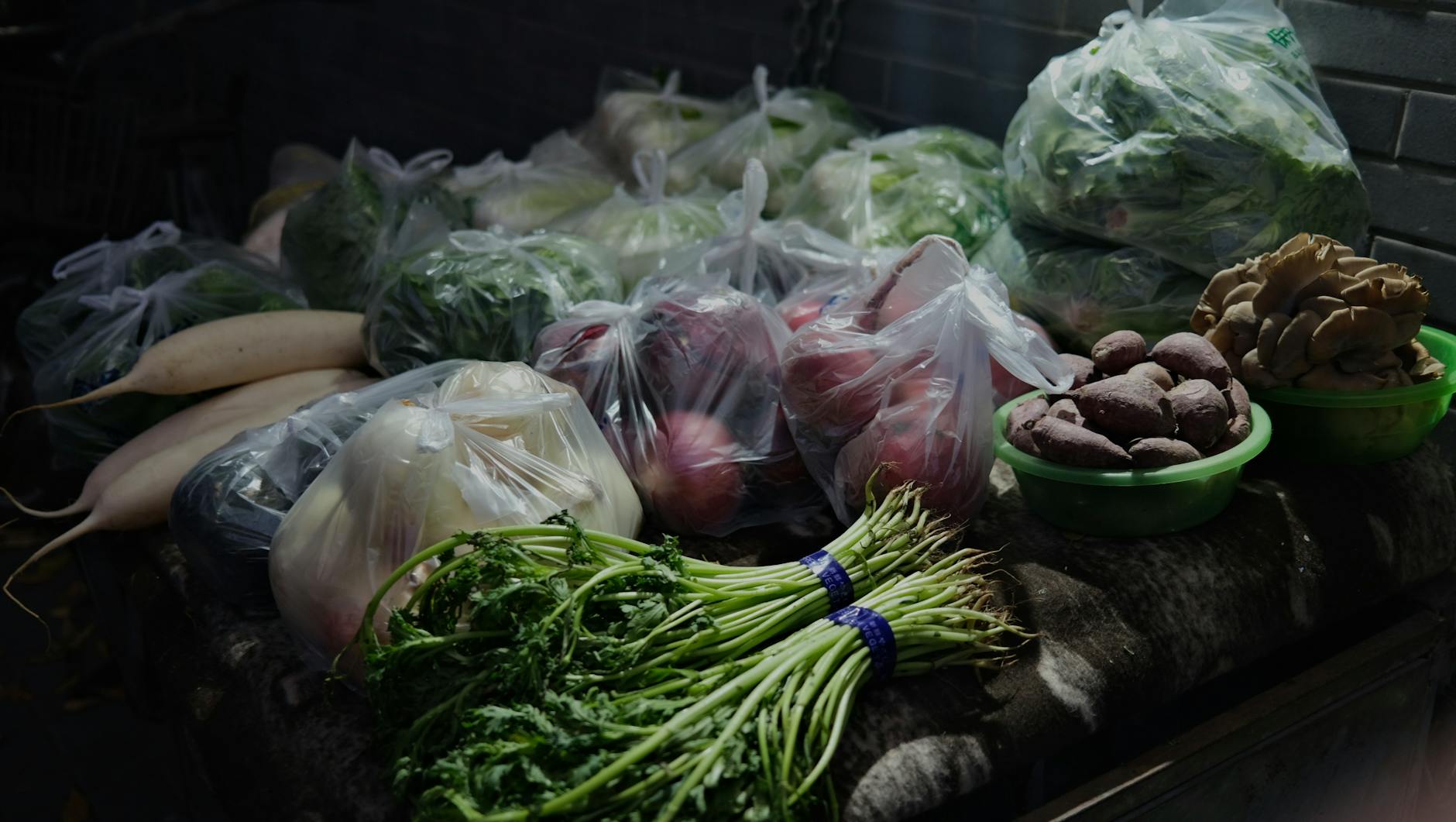
Supermarket produce is frequently wrapped in unnecessary layers of plastic film and trays. Farmers markets typically sell fruits and vegetables loose so you can place them directly in your own bags. This supports local agriculture while ensuring your food travels fewer miles to reach your plate. You also get the benefit of fresher seasonal ingredients that taste better than imported goods.
Metal Straws
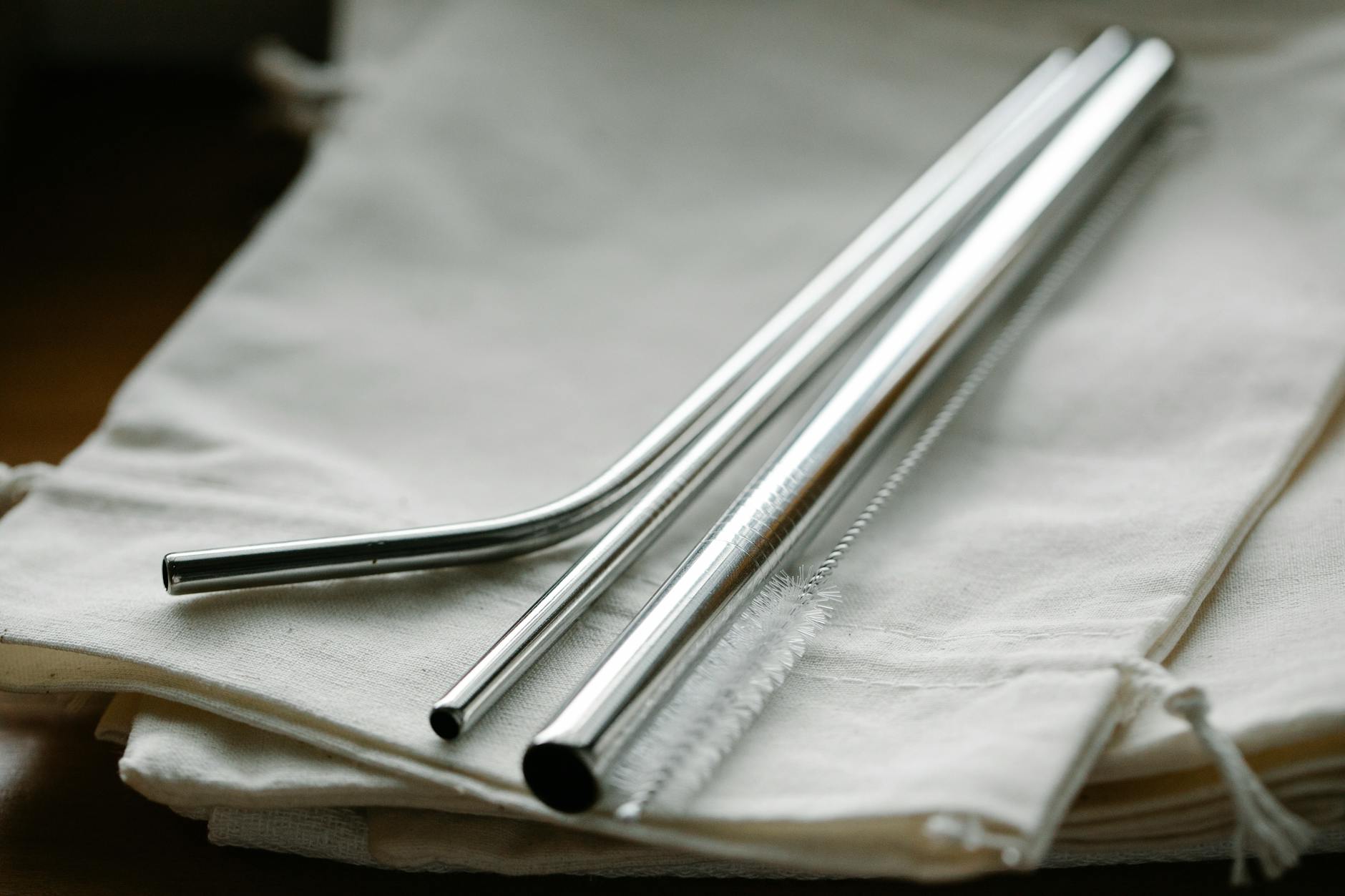
Plastic straws are a major source of marine pollution and are difficult to recycle due to their size. Stainless steel straws are durable and easy to clean with the included small brush. You can keep one in your bag or car to use whenever you order a drink on the go. Many restaurants are happy to accommodate your request for no straw when you have your own.
Glass Jars for Leftovers
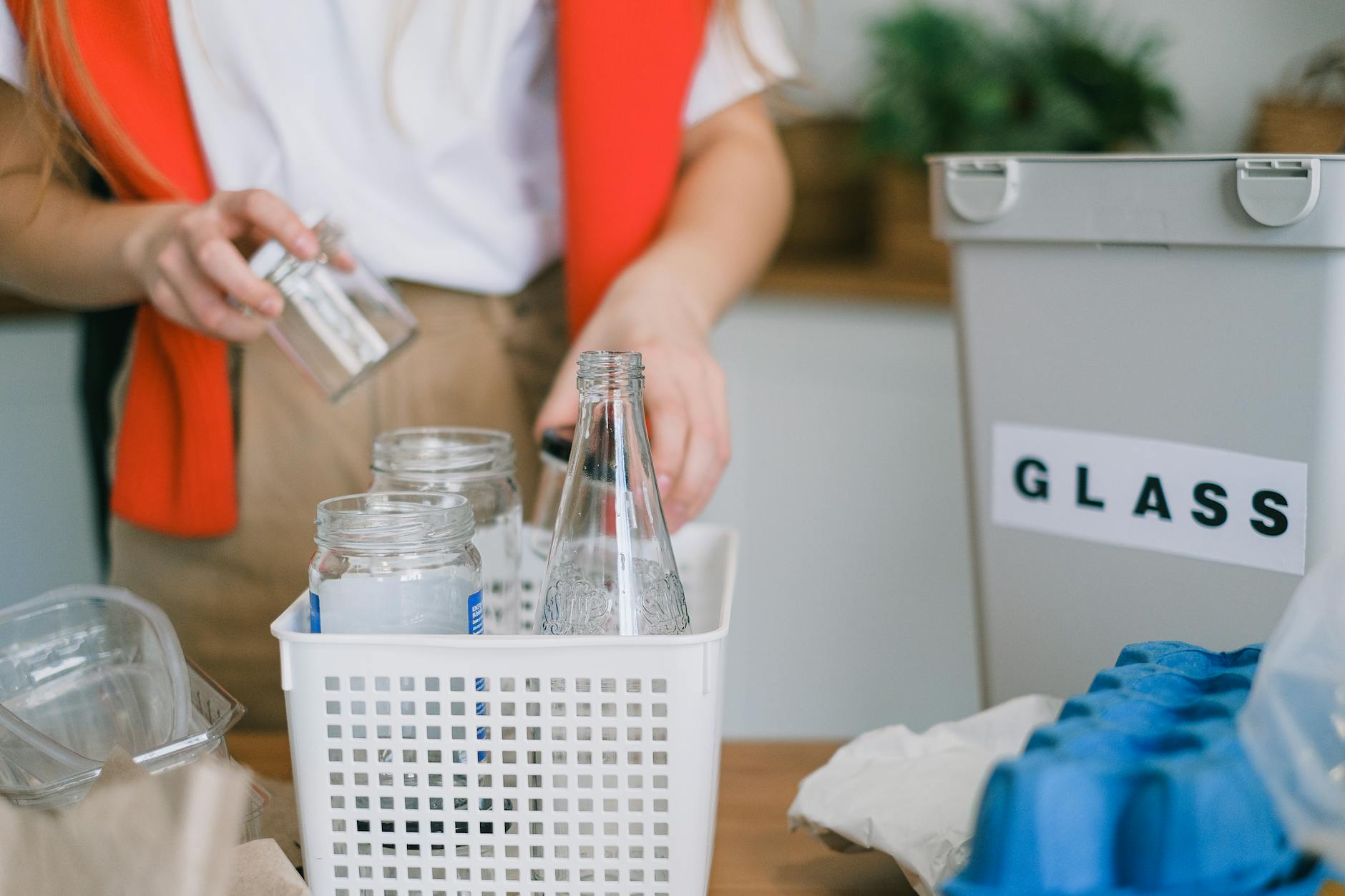
Reusing glass jars from sauces and pickles is a cost effective way to store food. These jars are perfect for soups and salads or organizing small items in the pantry. You can remove the labels with warm water and baking soda to create a uniform look. This practice gives a second life to packaging that would otherwise be thrown away.
Bamboo Utensils
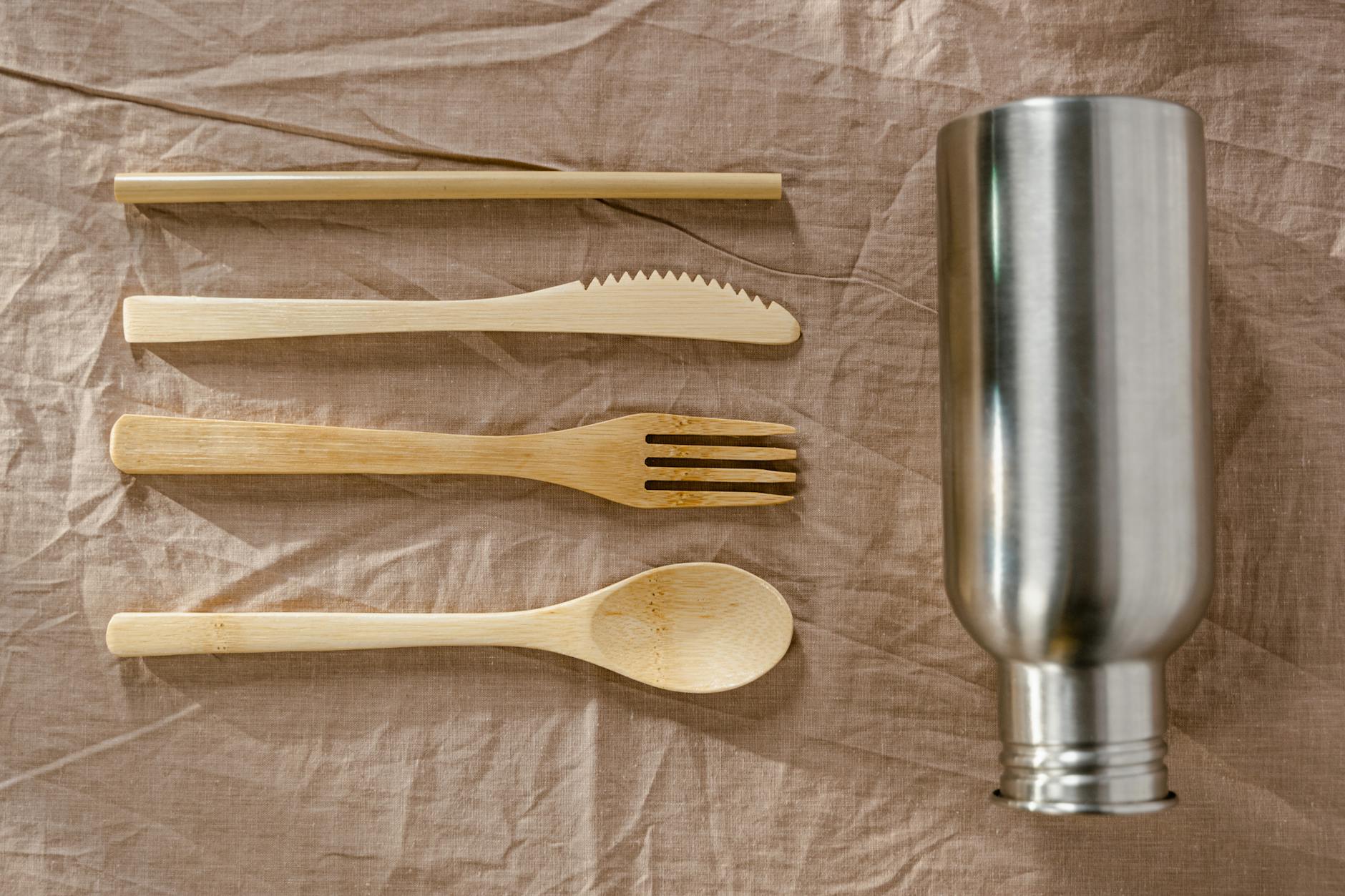
Plastic cutlery is often used once for a few minutes and then discarded to linger for centuries. A small set of bamboo utensils is lightweight and easy to carry in a purse or backpack. You will always be prepared for takeout meals or picnics without needing disposable forks and spoons. Bamboo is naturally antimicrobial and resists staining from colorful foods.
Bar Soap
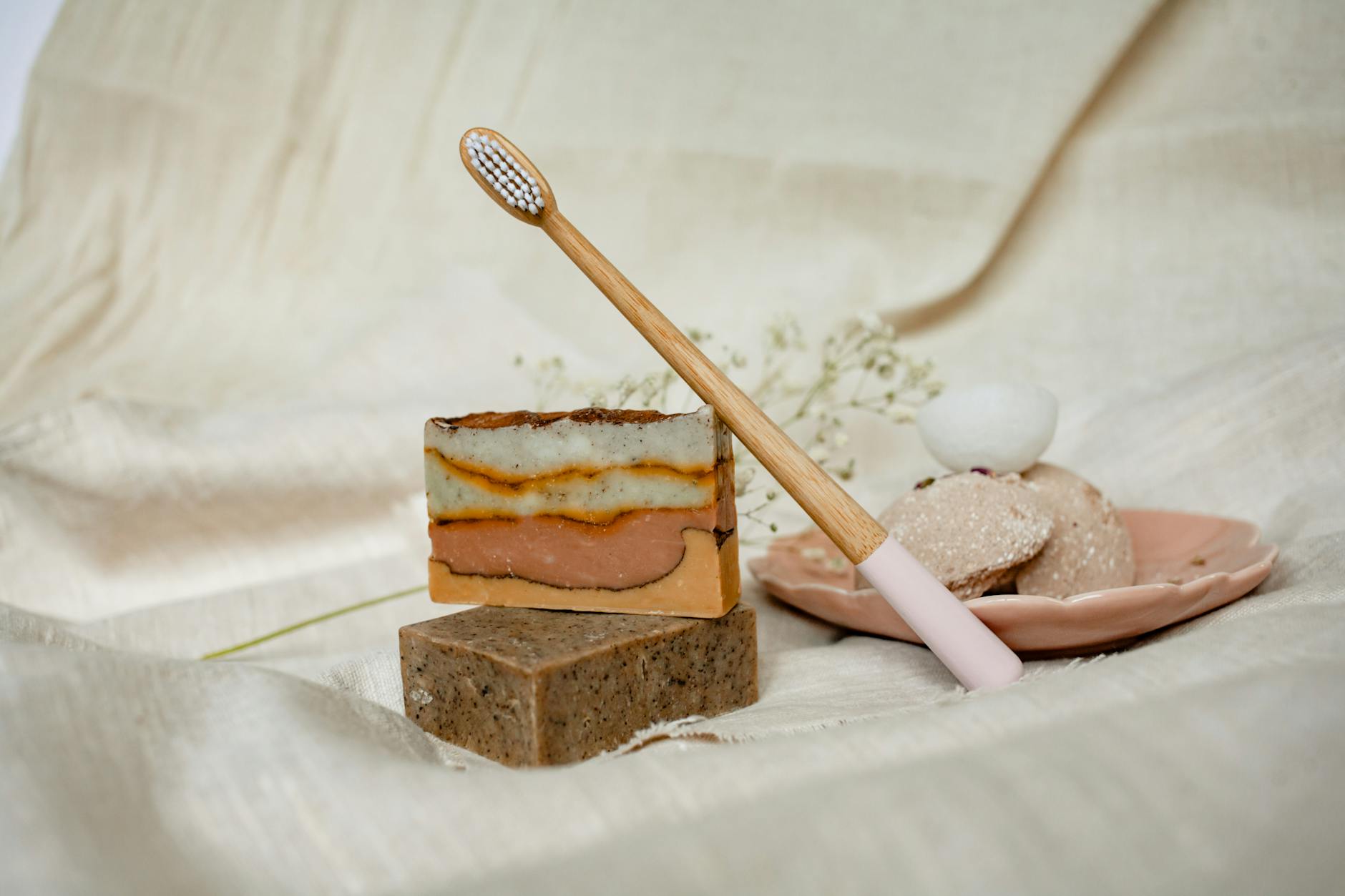
Body wash usually comes in large plastic bottles that are pumped and discarded regularly. Traditional bar soap often comes wrapped in paper or cardboard which makes it a plastic free option. You can find bars with moisturizing ingredients that are just as gentle on the skin as liquid versions. Using up the entire bar ensures zero waste is left behind in your shower.
Compostable Coffee Pods
Standard single serve coffee pods are a notorious source of non-recyclable plastic waste. Compostable pods are made from plant materials that break down in industrial composting facilities. You can enjoy the convenience of a quick cup of coffee without the long term environmental impact. Some brands even offer reusable pods that you can fill with your own coffee grounds.
Wool Dryer Balls
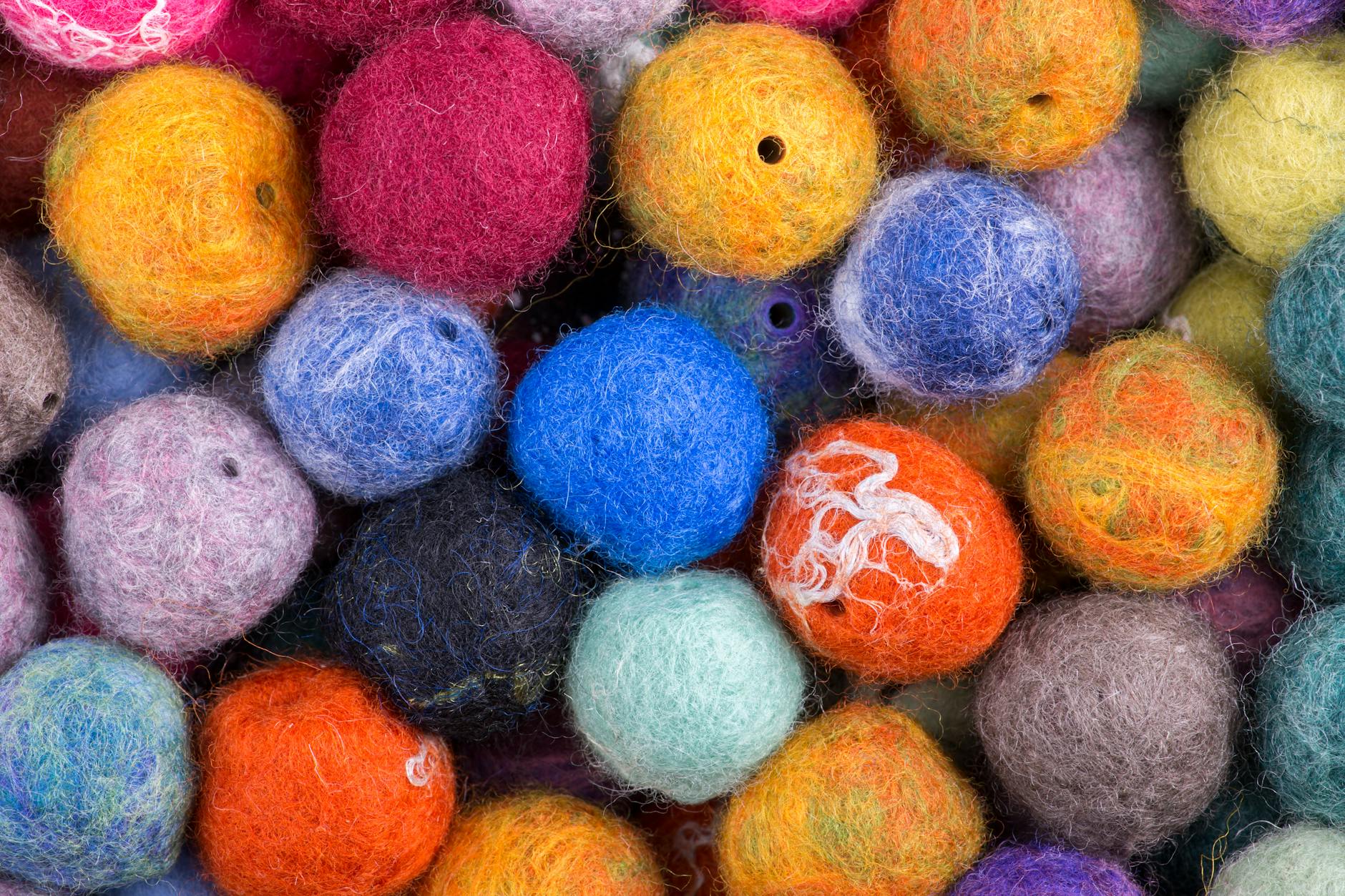
Fabric softener sheets contain synthetic fibers and chemicals that coat your clothes and dryer vent. Wool dryer balls naturally soften fabrics and reduce drying time by improving air circulation. They can be used for hundreds of loads and effectively reduce static cling without waste. You can add a few drops of essential oil to the balls if you prefer scented laundry.
Sustainable Deodorant
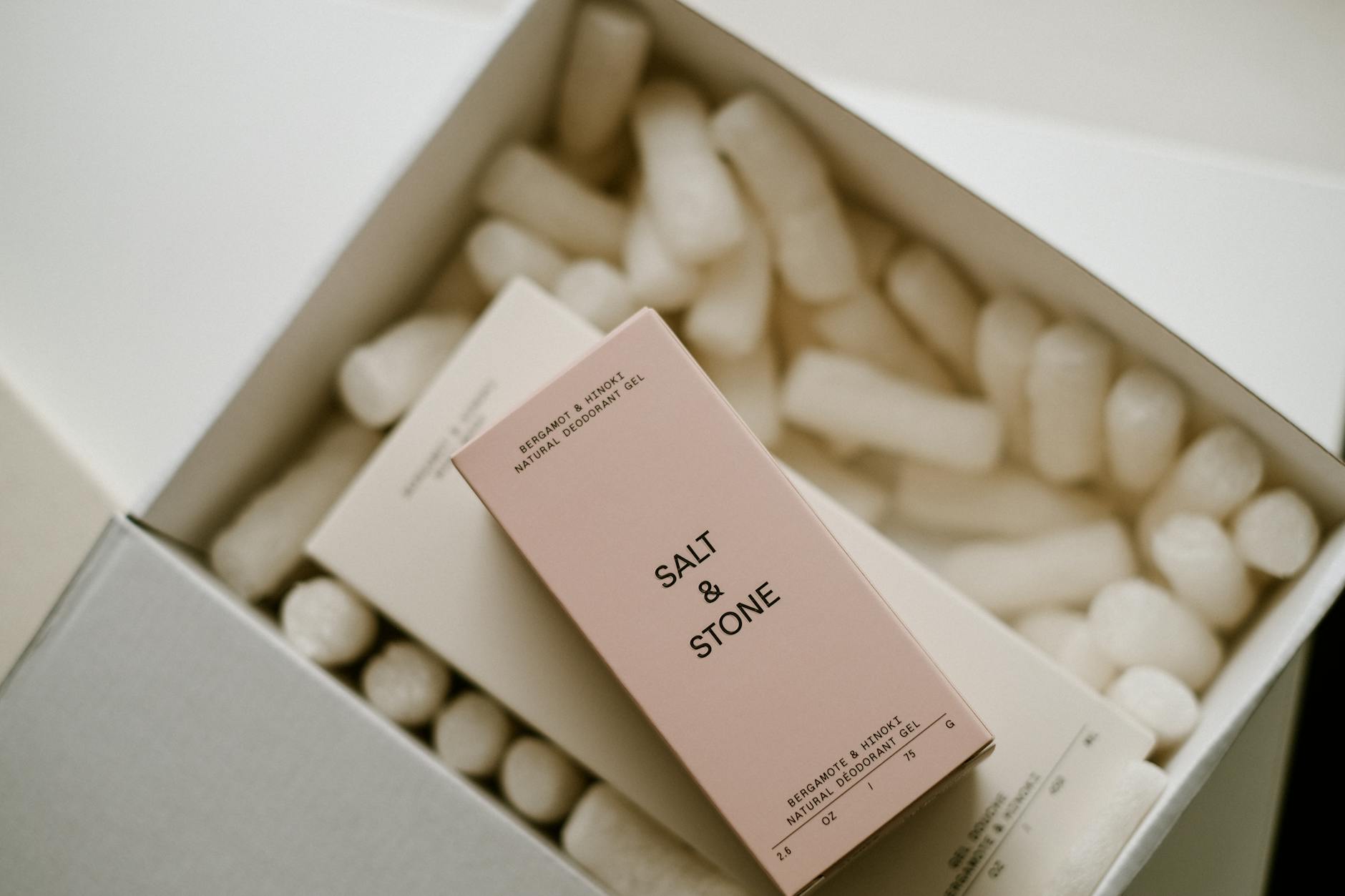
Conventional deodorant sticks are housed in hard plastic mechanisms that are rarely recyclable. Many natural brands now package their deodorant in cardboard tubes or glass jars. You push up the product from the bottom or apply it with your fingers like a cream. These formulas often use simple ingredients like baking soda and coconut oil to neutralize odors.
Silk Dental Floss
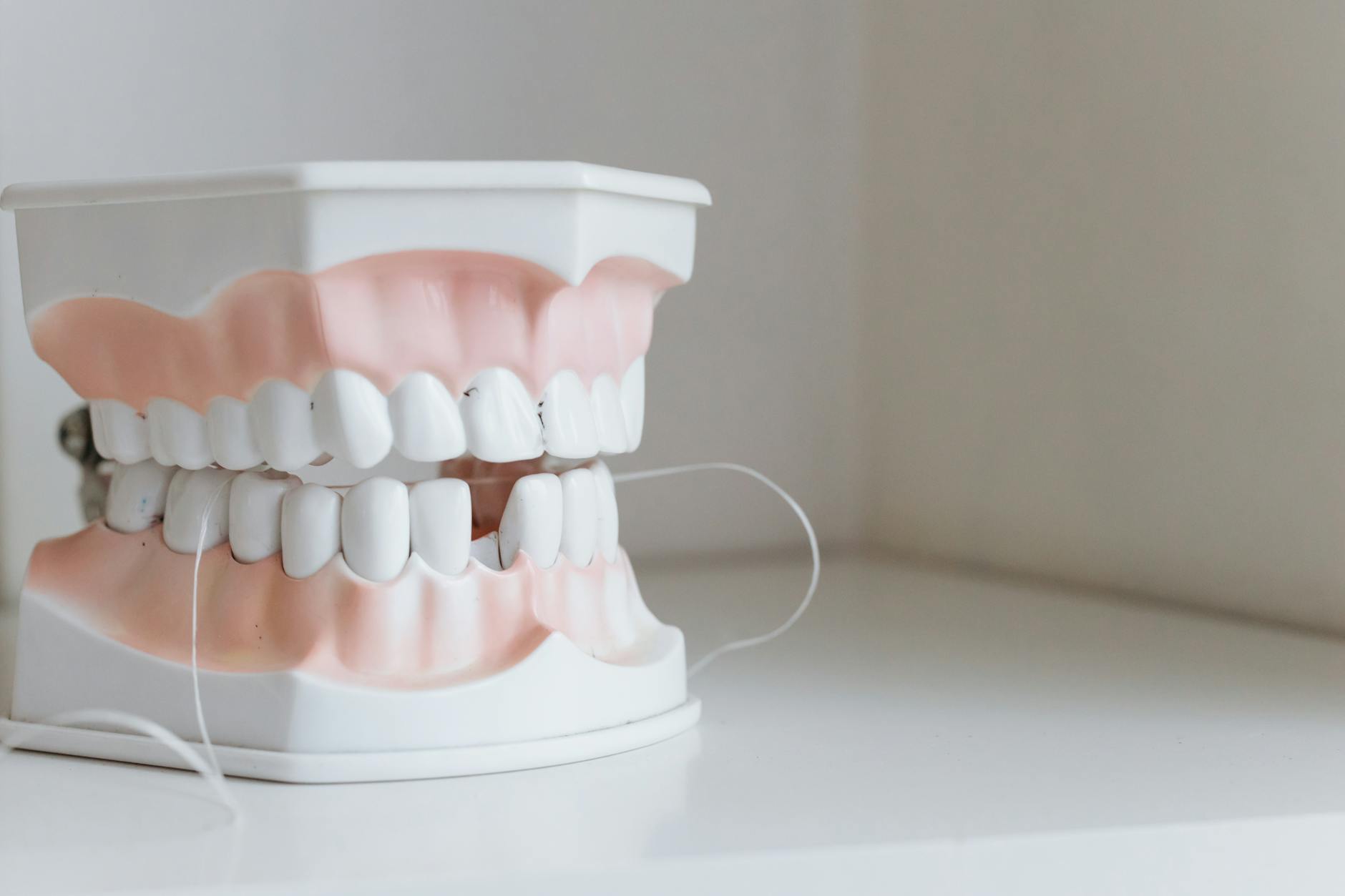
Regular dental floss is typically made of nylon or teflon and packaged in a small plastic container. Silk floss is a natural alternative that is fully biodegradable and often coated in natural wax. It usually comes in a refillable glass vial that you can use indefinitely. This small switch prevents yards of synthetic thread from entering the waste stream.
Matches
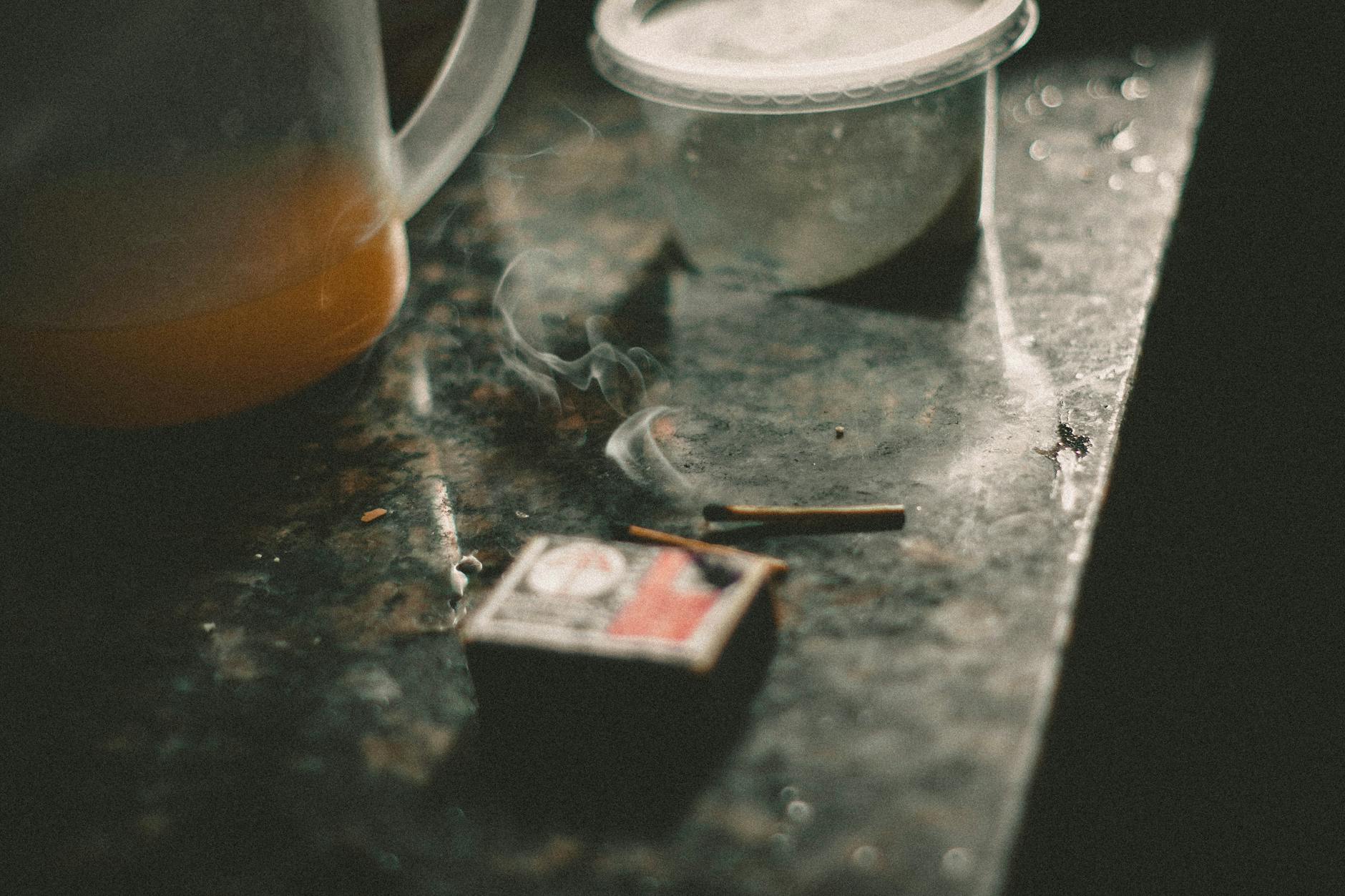
Disposable plastic lighters are filled with butane and generally end up in landfills when empty. Wooden matches are a biodegradable way to light candles or stoves without plastic waste. You can buy large boxes of matches to reduce the overall packaging material. They offer a classic aesthetic and function reliably without complex mechanical parts.
Natural Fiber Brooms

Most modern brooms feature plastic bristles that bend and fray over time. Brooms made from corn straw or other plant fibers are durable and sweep dust effectively. The wooden handles are sturdy and biodegradable when they eventually break or wear down. These traditional tools often look better in your home and last longer than cheap plastic versions.
Refillable Pens

Disposable plastic pens are ubiquitous and contribute significantly to office waste. A fountain pen or a high quality metal ballpoint pen can be refilled with ink repeatedly. This investment provides a superior writing experience and reduces the need for constant replacements. You can choose a pen that fits your hand perfectly and lasts for a lifetime.
Wooden Toys

Plastic toys often break easily and are difficult to repair or recycle. Wooden toys are robust and can be passed down through generations of children. They encourage imaginative play without the need for batteries or electronic components. Natural wood is also safer for small children who may put toys in their mouths.
Digital Subscriptions

Physical magazines and DVDs often come wrapped in plastic and create clutter in the home. Digital subscriptions allow you to access unlimited content without any physical waste. You can read magazines on your tablet or stream movies directly to your television. This approach saves physical space and reduces the energy used for manufacturing and shipping.
Silicone Stasher Bags
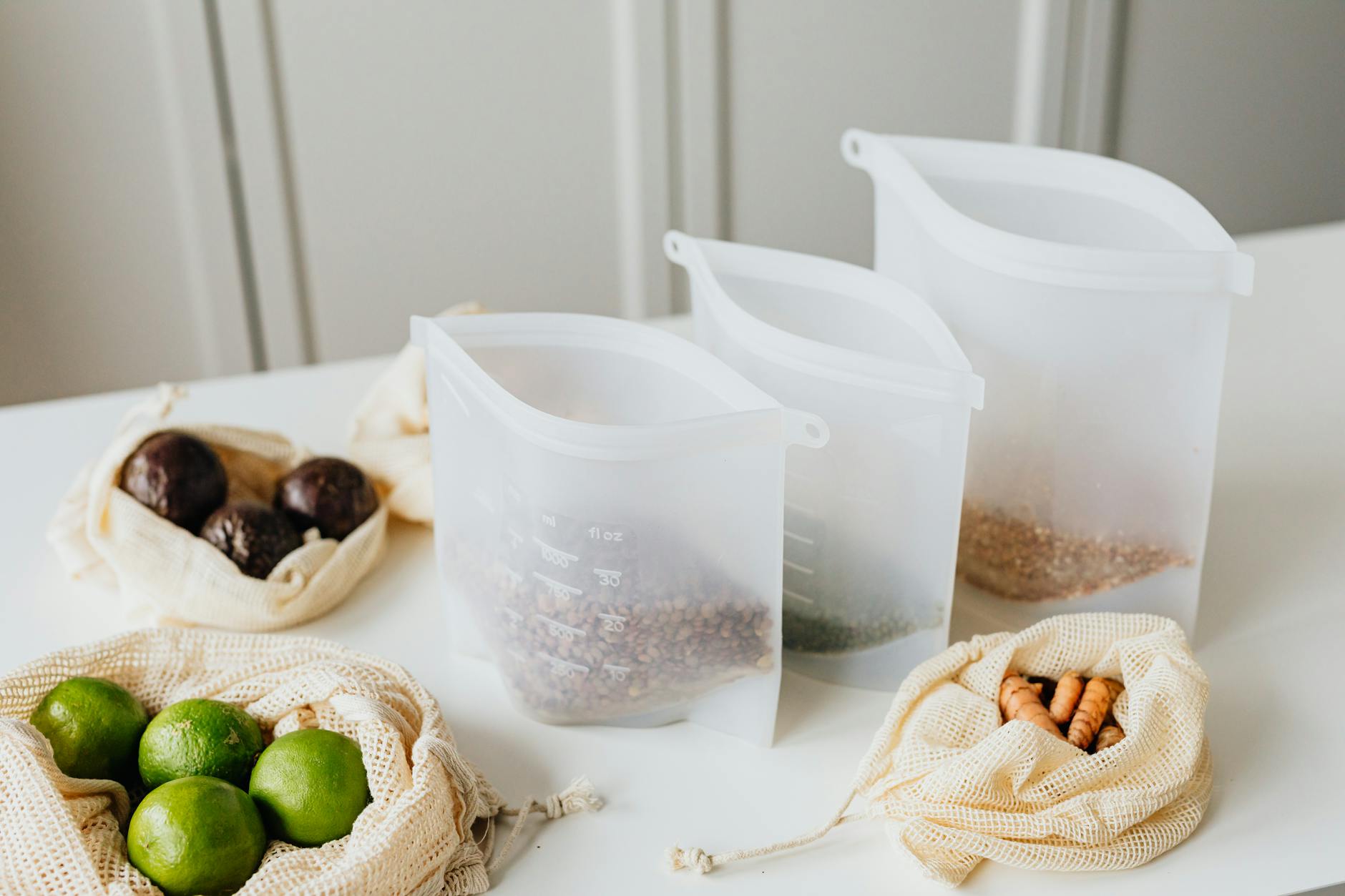
Zip top plastic bags are a common single use item in many kitchens for snacks and storage. Platinum silicone bags are durable and can be washed in the dishwasher for endless reuse. They are safe for the freezer and microwave and can even be used for sous vide cooking. The airtight seal keeps food fresh without the need for disposable plastic.
DIY Cleaning Vinegar
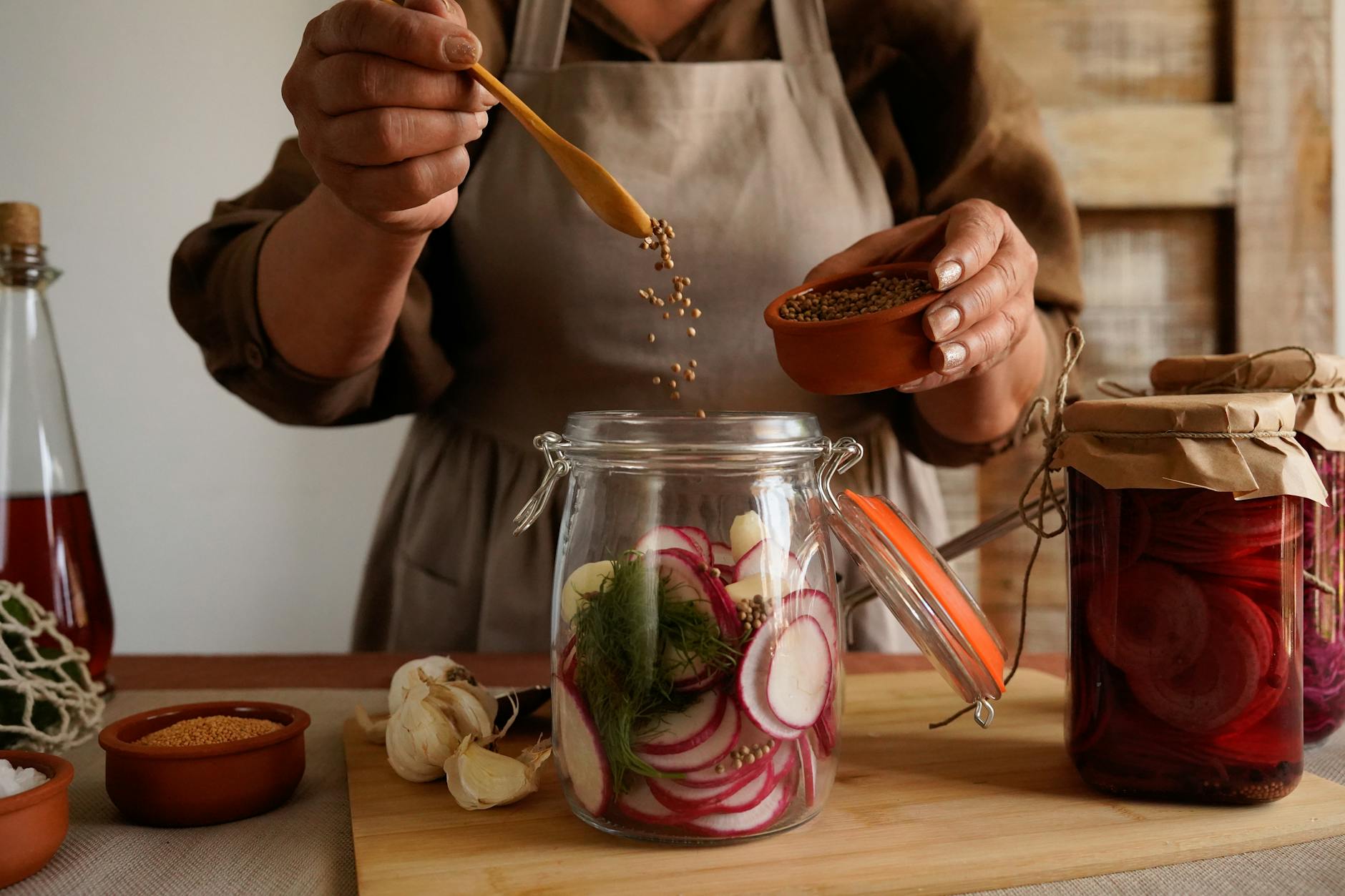
White vinegar is a powerful natural cleaner that can replace many specialized plastic bottled products. You can infuse vinegar with citrus peels in a glass jar to create a pleasant scent. Mixing it with water creates an effective all purpose spray for counters and windows. Buying vinegar in large glass jugs or bulk reduces the overall plastic packaging significantly.
Reusable Cotton Rounds
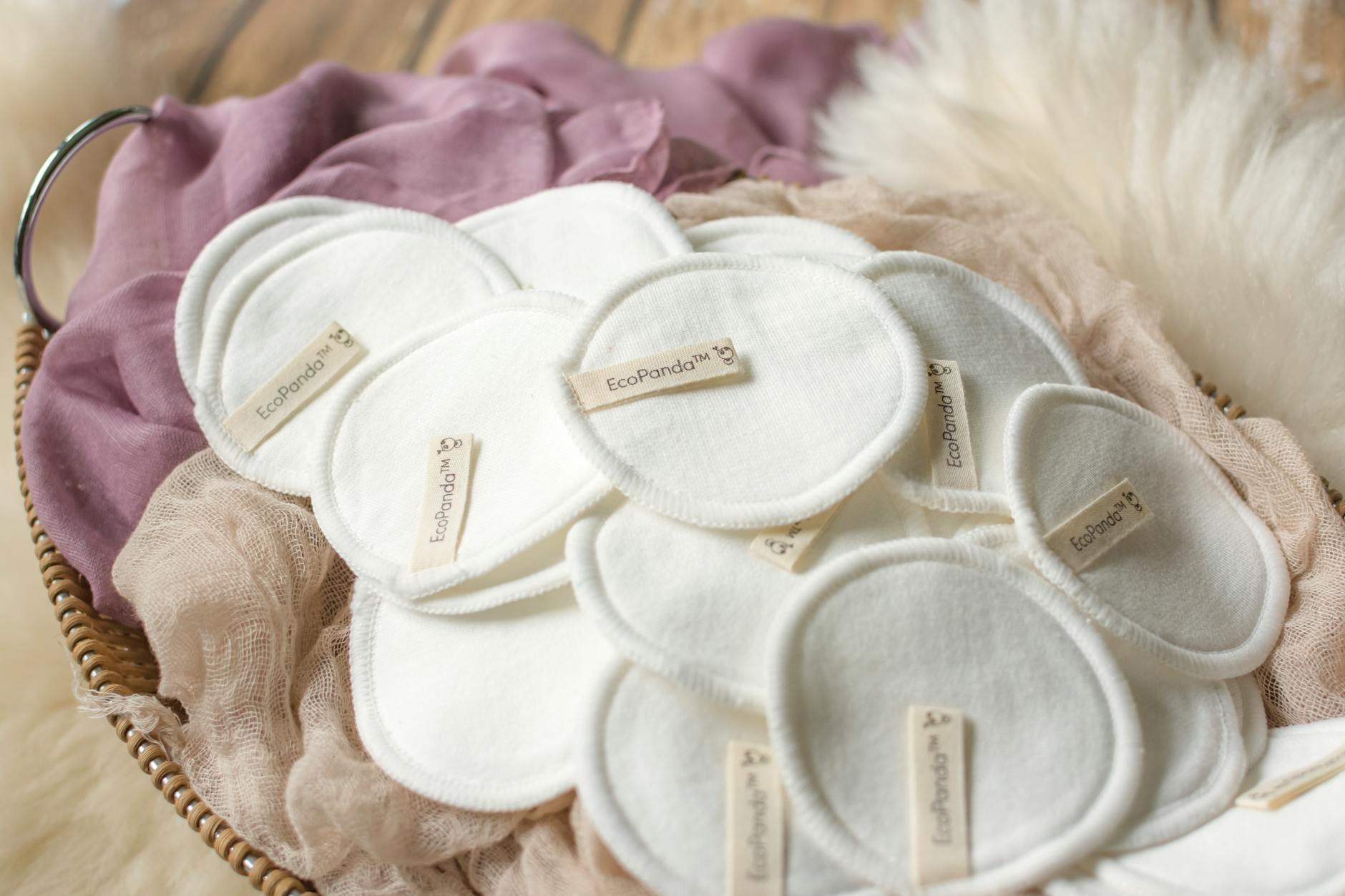
Disposable cotton pads often come in plastic sleeves and are used once for makeup removal. Reusable rounds made from bamboo or cotton can be washed with your laundry and used again. They are soft on the face and do not shred or leave lint behind like disposable versions. A small mesh bag keeps them together in the washing machine for easy cleaning.
Plastic Free Gum

Most chewing gum contains a synthetic rubber base which is essentially a type of plastic. Natural gum brands use chicle or other plant bases that are biodegradable. These options come in cardboard boxes rather than plastic blister packs or wrappers. You can enjoy chewing gum without worrying about leaving plastic residue on sidewalks.
Powdered Toothpaste

Toothpaste tubes are made of mixed materials including plastic and aluminum which makes them hard to recycle. Tooth powder often comes in glass jars or metal tins that are easily recyclable or reusable. You simply dip your wet toothbrush into the powder or use a small spoon to apply it. This alternative cleans teeth effectively and leaves your mouth feeling fresh.
Stainless Steel Tiffins
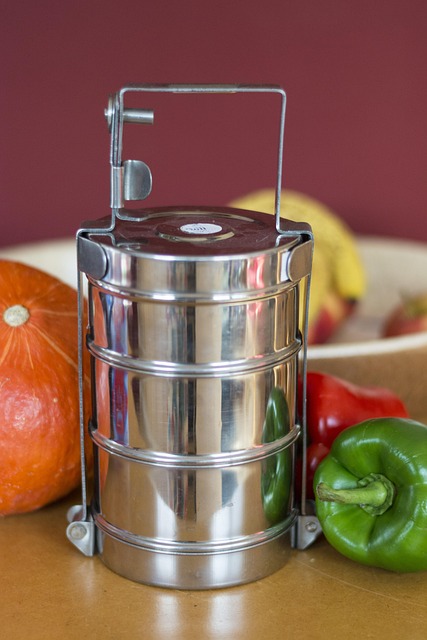
Carrying lunch in plastic containers often leads to leaks and stains that are hard to remove. Stainless steel tiffins feature stackable compartments that lock together securely. They are perfect for separating different dishes and are extremely durable for daily transport. You can heat them in an oven or toaster oven if you need to warm your food.
Natural Sponges
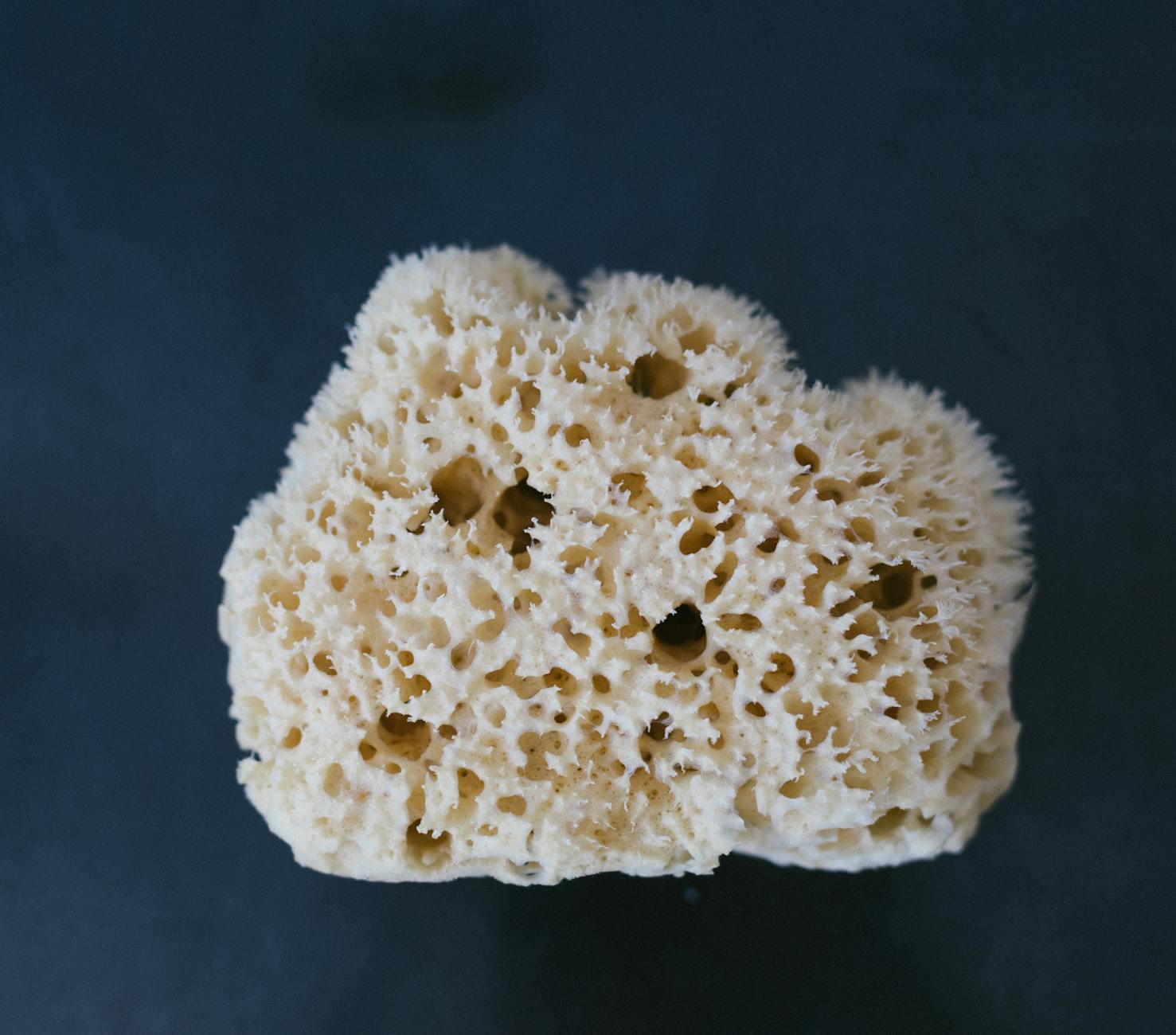
Synthetic kitchen sponges are made from petroleum based plastics and harbor bacteria easily. Cellulose sponges or dried squash luffas are plant based and fully compostable. They absorb water well and provide good scrubbing power for dishes and surfaces. You can sanitize them in boiling water or the microwave to extend their lifespan.
Wooden Cutting Boards
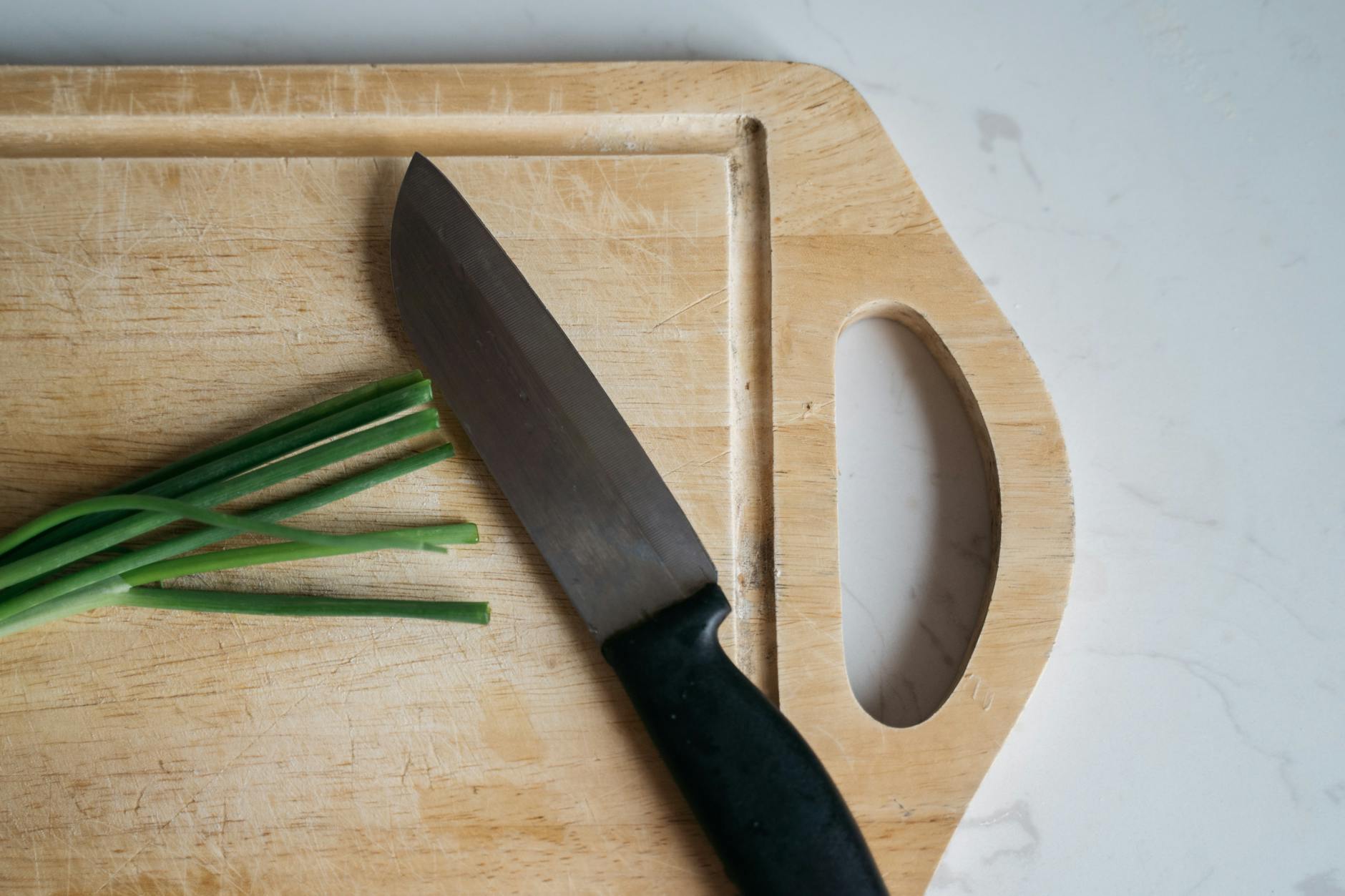
Plastic cutting boards develop deep grooves that trap bacteria and release microplastics into food. Solid wood boards have natural antibacterial properties and can be sanded down to restore a smooth surface. With proper oiling and care a good wooden board will last for many years. They are also gentle on your knife blades to keep them sharper for longer.
Cardboard Deodorant
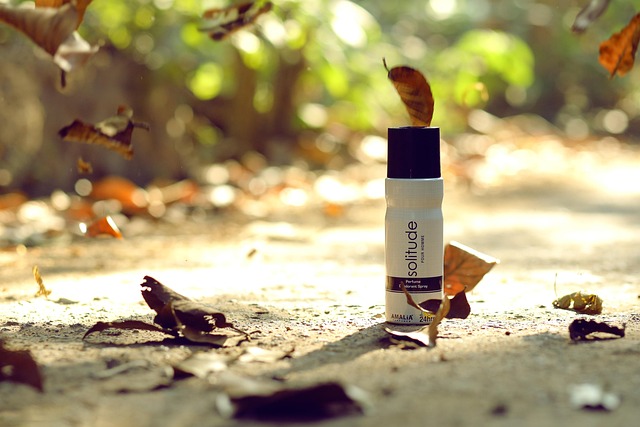
Many deodorant brands are shifting to paper push up tubes to eliminate plastic casing entirely. These tubes are compostable and biodegradable which solves the waste problem of traditional sticks. The deodorant formula inside is usually solid and melts upon contact with your skin. This packaging innovation makes personal care much more sustainable.
Bread Bags
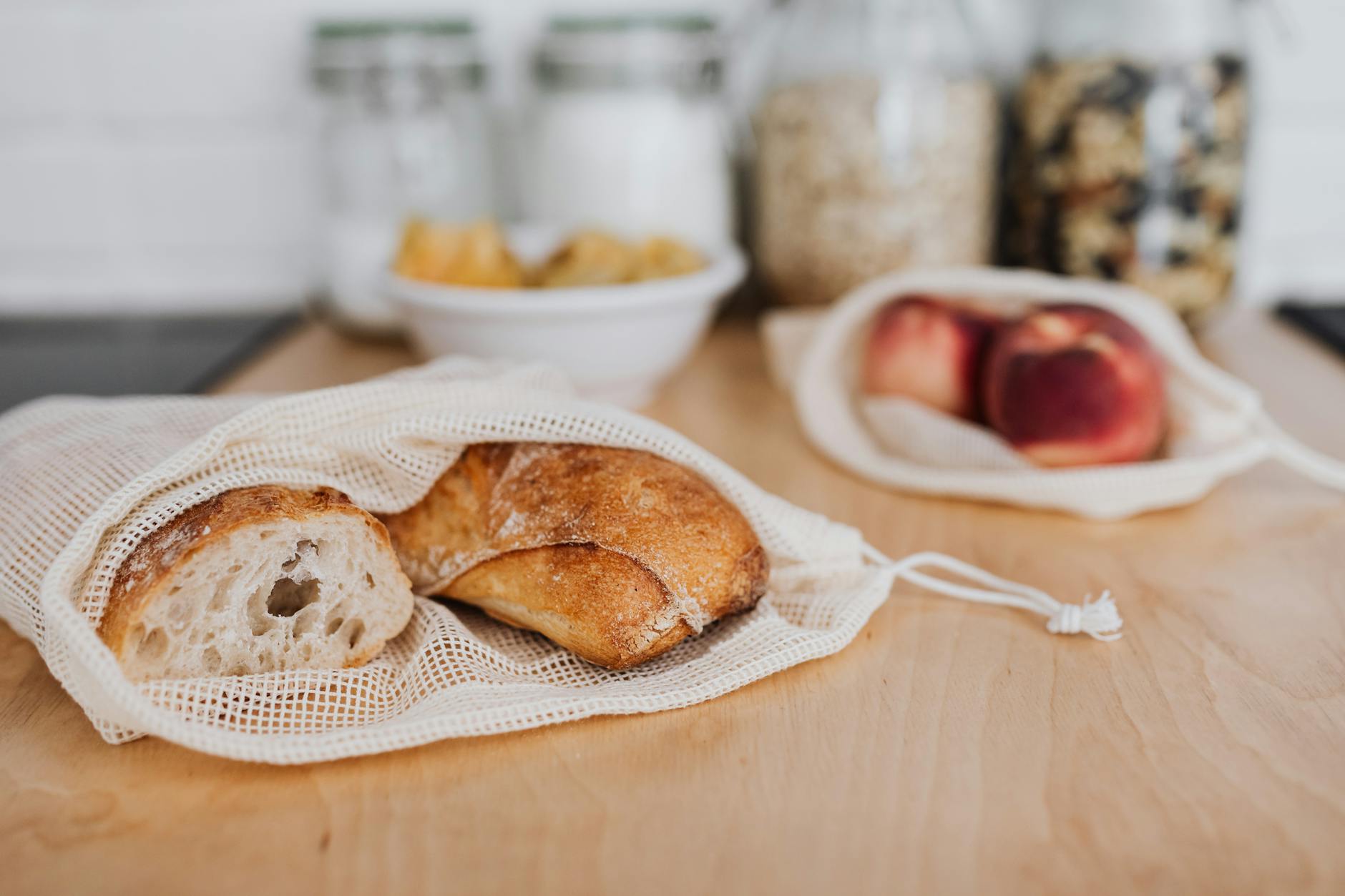
Plastic bags from the bakery are flimsy and only serve to transport bread home. A linen or cotton bread bag keeps your loaf fresh while allowing it to breathe. You can bring it to the bakery to have your bread sliced and placed directly inside. The fabric naturally regulates humidity to prevent the bread from becoming moldy too quickly.
Share your favorite plastic reduction tips and experiences in the comments to help inspire our community.




