Creating a sanctuary for rest requires attention to sensory details and the removal of disruptive elements. A truly relaxing bedroom goes beyond aesthetics to function as a tool for better sleep and mental decompression. The following methods focus on optimizing lighting, comfort, and spatial organization to transform any sleeping area into a peaceful retreat.
Decluttering Surfaces

Removing excess items from nightstands and dressers instantly lowers visual stress levels. A clutter-free environment signals to the brain that the day is done and allows for mental decompression. You might use small trays or drawer organizers to keep necessary items out of sight but within reach. This simple habit transforms a chaotic room into a serene sanctuary suitable for deep rest.
Warm Lighting Temperatures

Harsh overhead lights often disrupt natural circadian rhythms and make winding down difficult. Swapping cool bulbs for warm-toned LEDs creates a softer and more inviting glow in the evening. Lamps with dimmer switches offer control over brightness levels depending on the time of night. This adjustment helps stimulate melatonin production and prepares the body for a good night of sleep.
Blackout Curtains
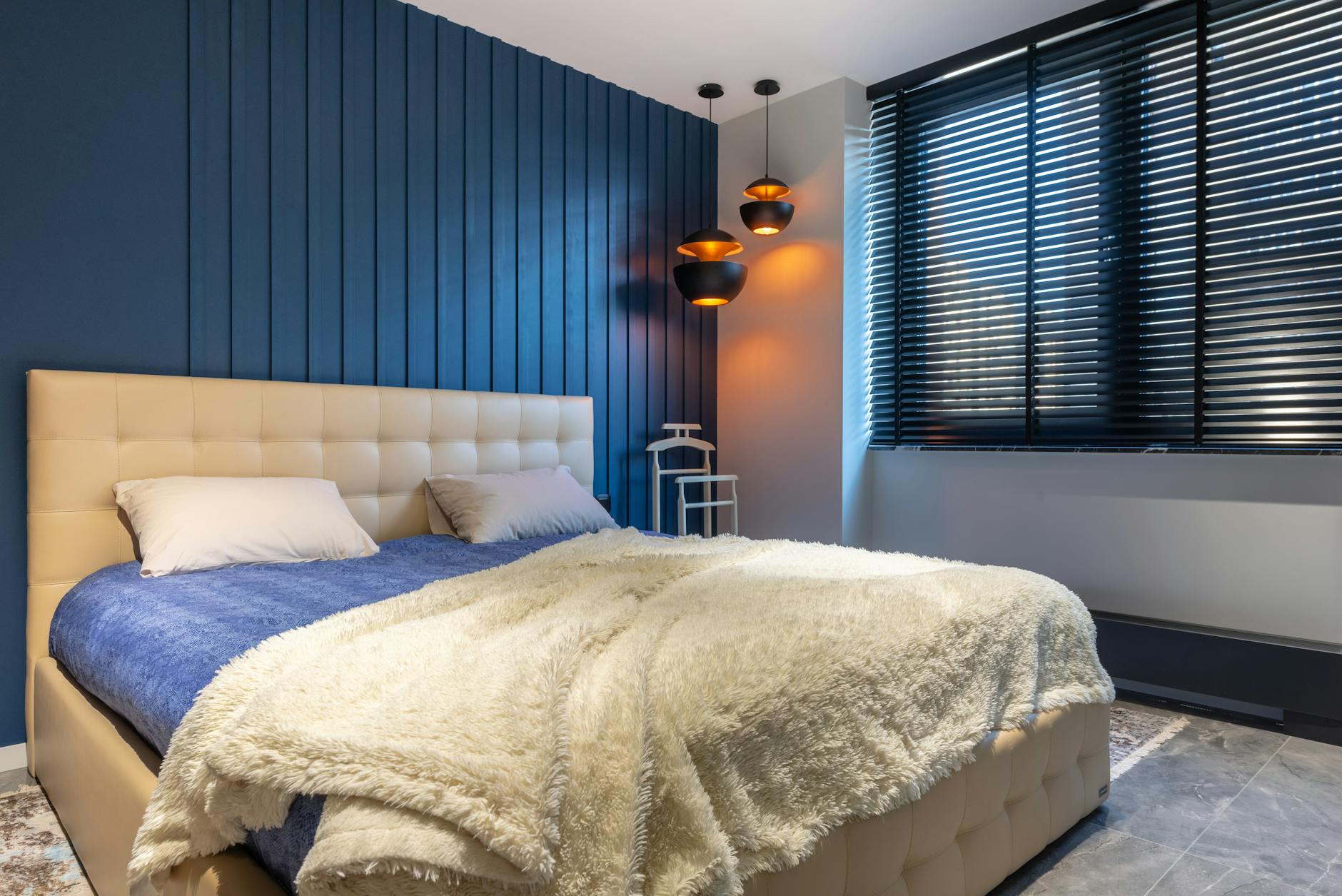
External light pollution from streetlamps or cars can significantly interfere with sleep quality. Installing thick blackout curtains ensures the room remains dark enough to support deep REM cycles. These window treatments also help insulate the room against outside noise and temperature fluctuations. A dark environment triggers the brain to release necessary sleep hormones faster.
Calming Color Palette
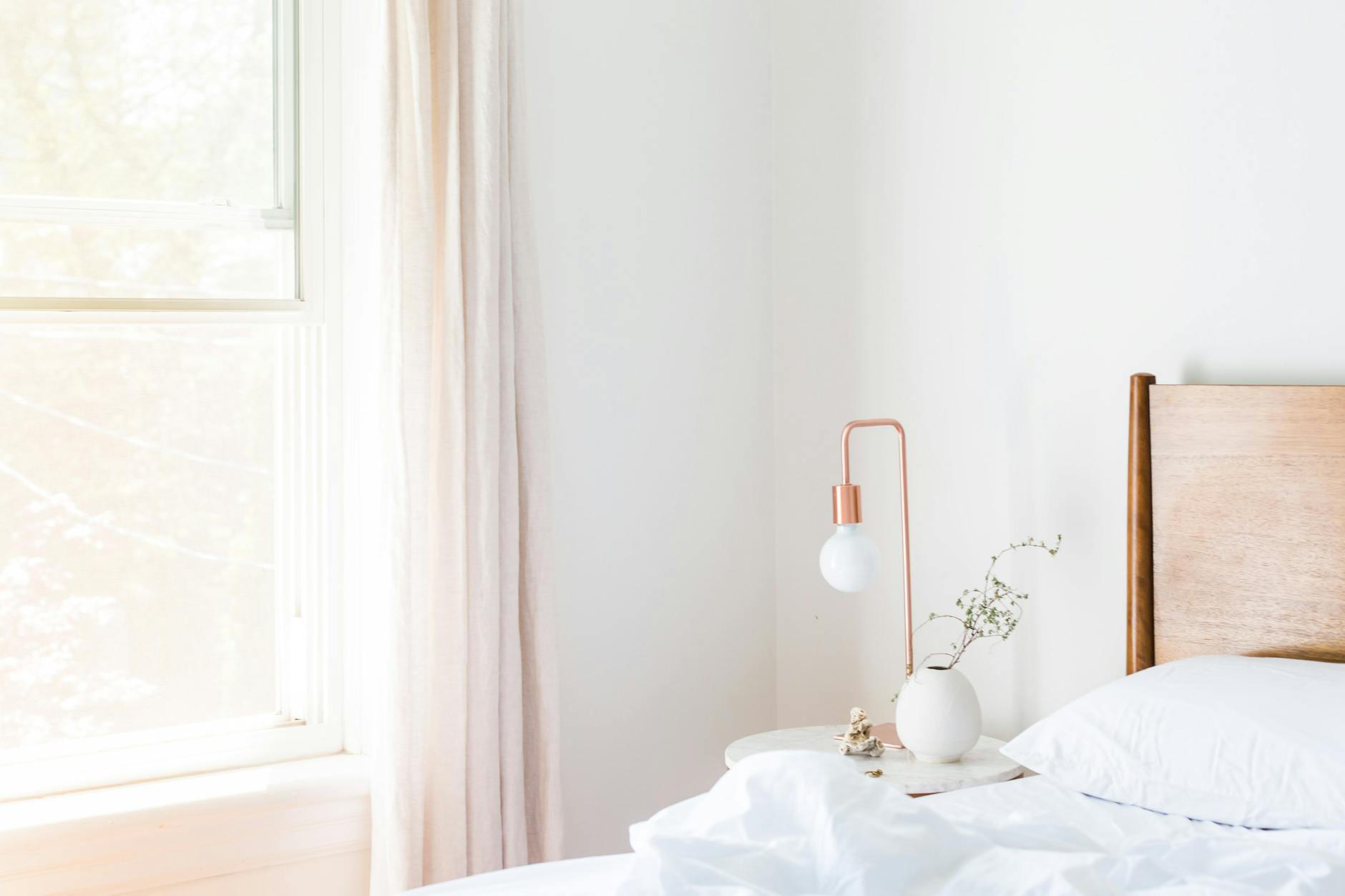
Soft and neutral tones like sage green or pale blue are scientifically proven to lower heart rates. Avoid bright reds or oranges that might stimulate energy levels right before bed. Painting walls in these calming shades creates a cocoon-like atmosphere conducive to relaxation. Consistent color schemes throughout the room help to unify the space and reduce visual fragmentation.
Quality Mattress Support

The foundation of a relaxing bedroom is a mattress that provides proper spinal alignment. An old or uncomfortable bed can lead to tossing and turning that prevents true relaxation. Investing in a mattress suited to your specific sleep position eliminates physical discomfort. Waking up without aches reinforces the bedroom as a place of healing and restoration.
Natural Fiber Bedding

Synthetic fabrics often trap heat and cause discomfort during the night. Sheets made from cotton, linen, or bamboo allow the skin to breathe and regulate body temperature. The tactile experience of soft and natural fibers contributes to a feeling of luxury and ease. Keeping cool and comfortable is essential for falling asleep quickly.
Minimalist Furniture Layout
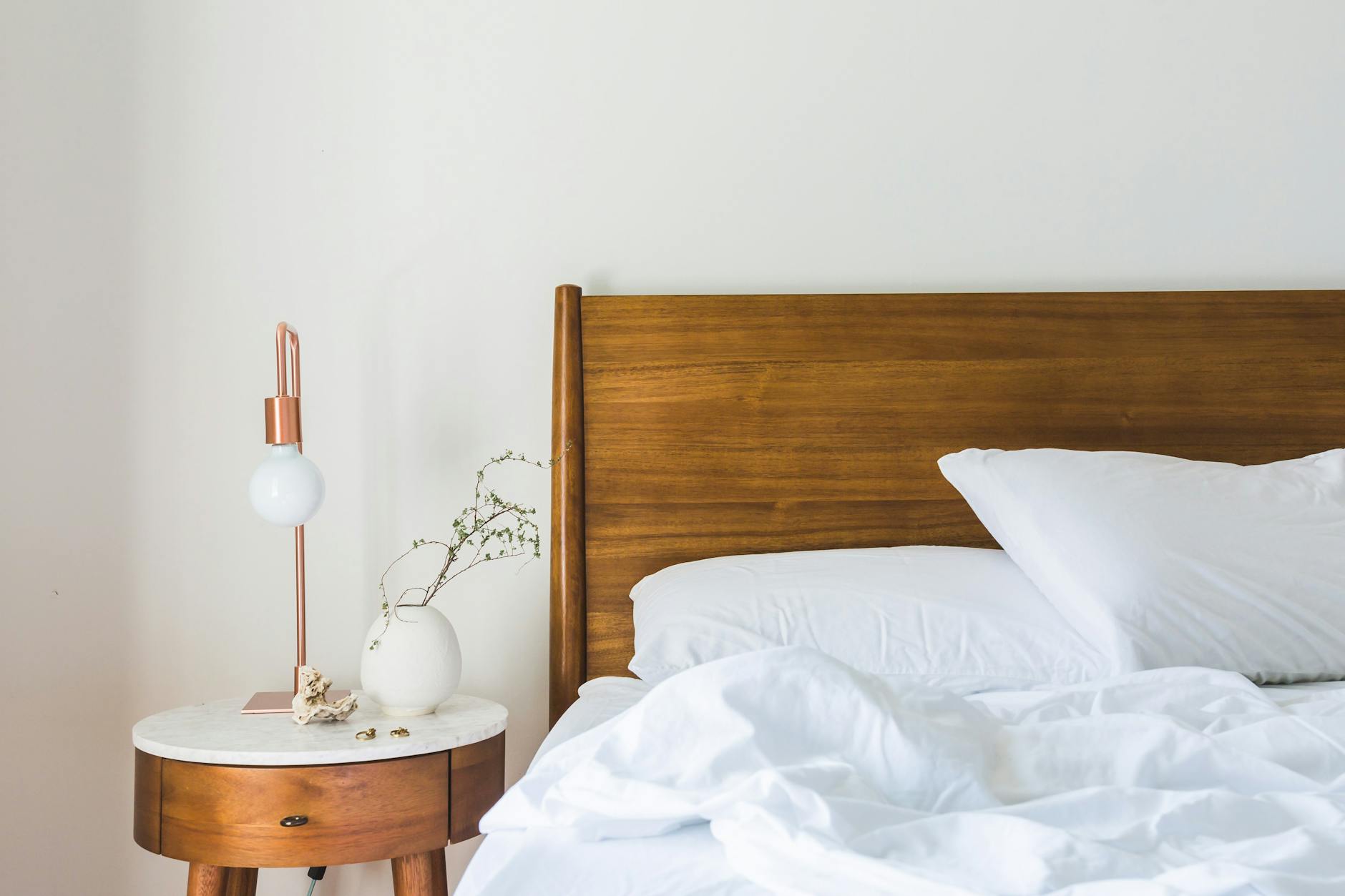
Overcrowding a room with too much furniture makes the space feel cramped and stressful. Ensuring there are clear pathways to the bed and door promotes a sense of flow and openness. Removing unnecessary chairs or bulky dressers allows the room to breathe visually. A spacious layout inherently feels more relaxing and less chaotic to the mind.
Aromatherapy Diffusers

Scent has a direct pathway to the emotional center of the brain and can instantly alter mood. Using an essential oil diffuser with lavender or chamomile fills the room with a spa-like fragrance. These specific scents are known to reduce anxiety and lower blood pressure. Establish a routine of turning the diffuser on an hour before bed to set the mood.
Houseplants
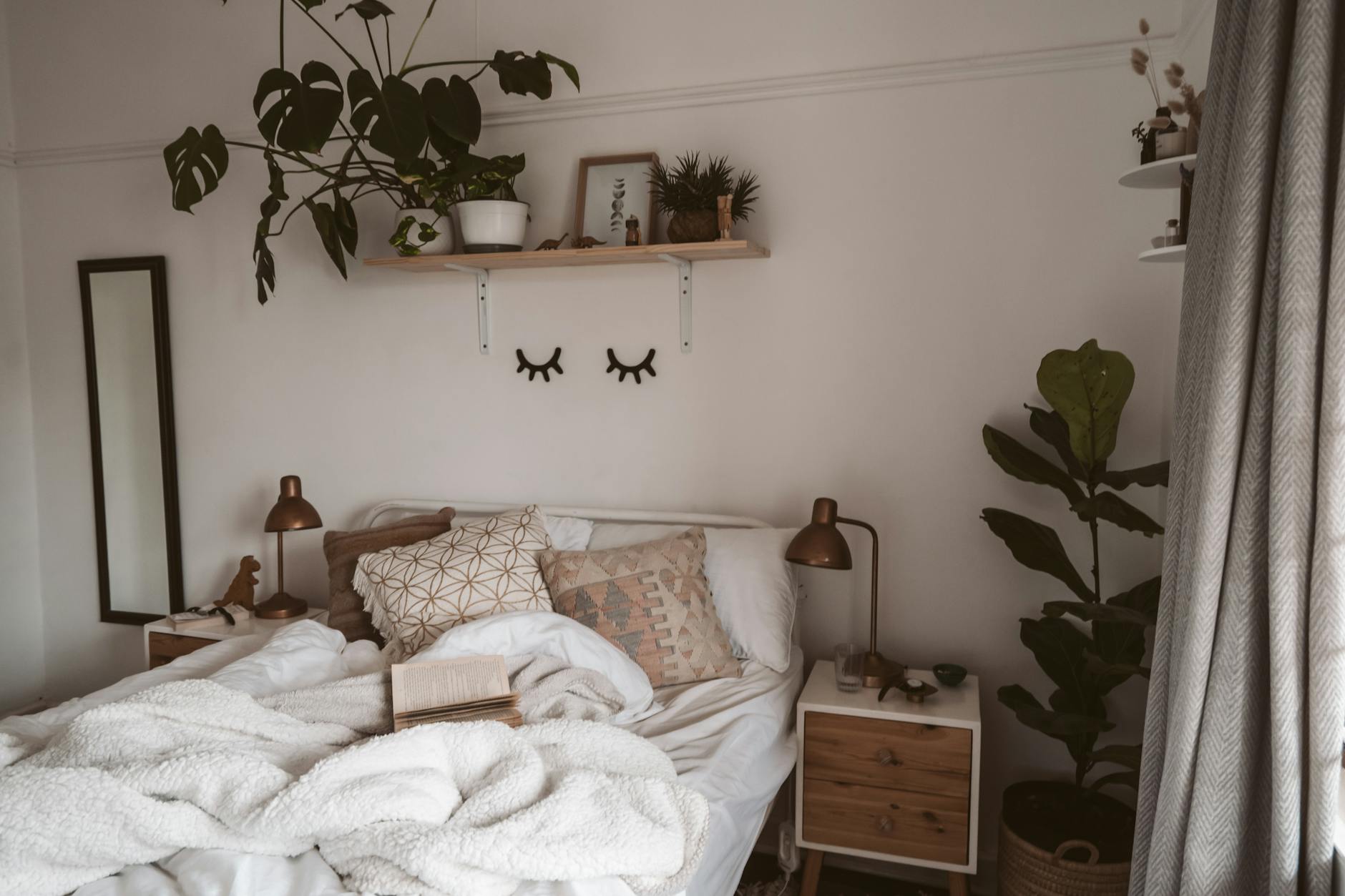
Living greenery adds a touch of nature that softens the harsh lines of modern furniture. Snake plants and peace lilies are excellent choices because they improve air quality by filtering toxins. The presence of plants has been shown to reduce psychological stress and improve overall well-being. Caring for a plant can also become a grounding daily ritual.
Weighted Blankets
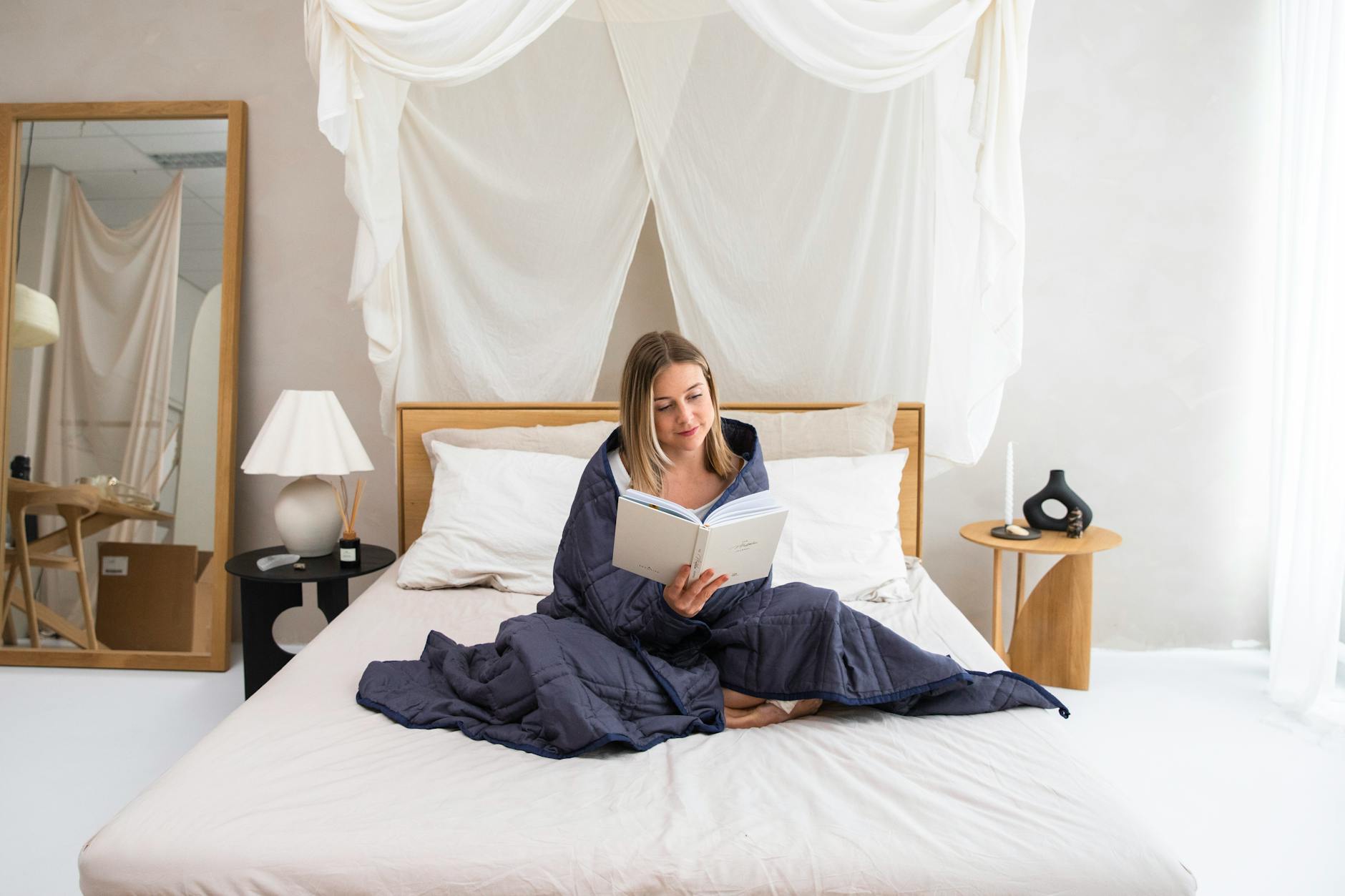
Deep pressure stimulation from a weighted blanket mimics the feeling of being held or hugged. This sensation increases serotonin and decreases cortisol levels in the body. Many people find that the gentle weight helps to quiet a racing mind at the end of the day. It serves as a physical cue that it is time to feel safe and secure.
Sound Machines

Inconsistent background noise is a common cause of sleep disturbances in urban environments. A white noise machine creates a consistent audio backdrop that masks sudden sounds like barking dogs or traffic. Options like rain sounds or ocean waves can also induce a meditative state. Consistent auditory input helps the brain tune out distractions and focus on rest.
Bedside Analog Clocks

Checking a smartphone for the time exposes the eyes to blue light and potential notification anxiety. Replacing the phone with a simple analog alarm clock removes these digital distractions from the bedside table. This switch encourages a separation between the connected world and your private rest space. It prevents the urge to doomscroll right before falling asleep.
Soft Area Rugs
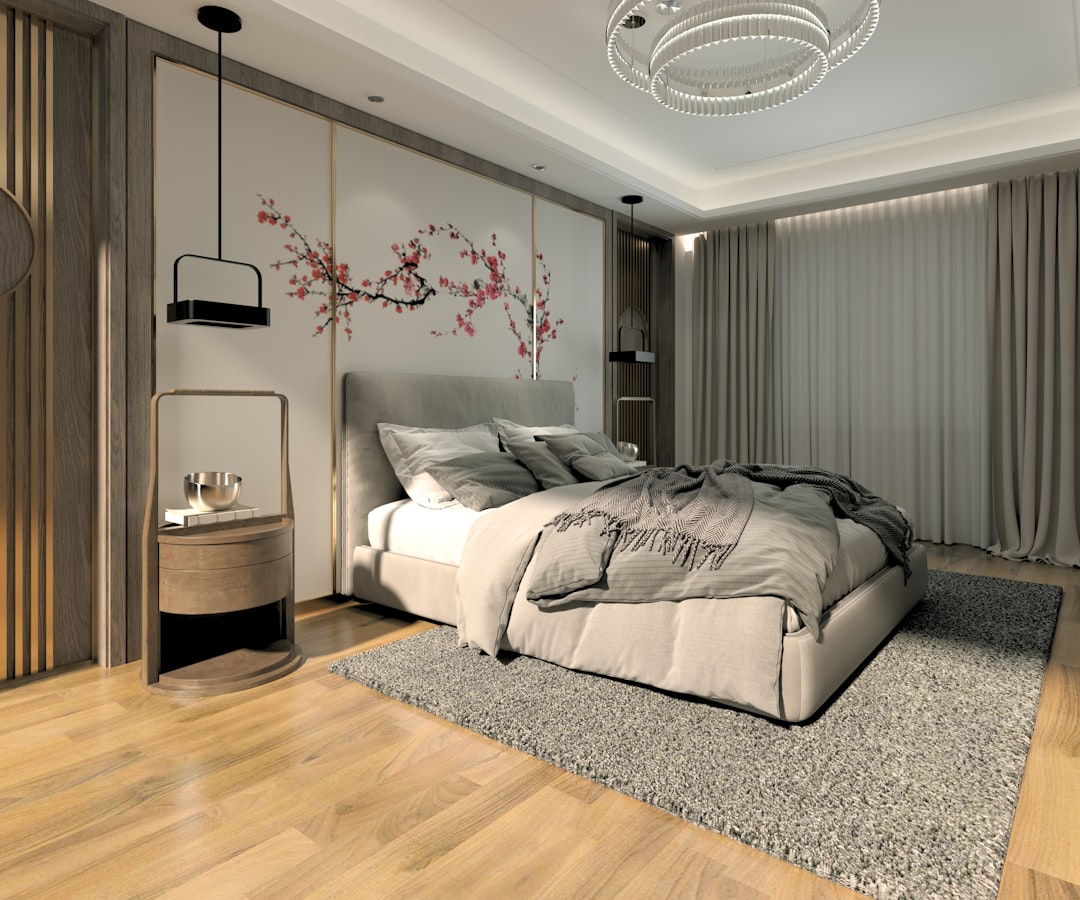
Stepping onto a cold floor first thing in the morning can be a jarring start to the day. Placing a plush area rug under or beside the bed adds warmth and texture to the room. This soft landing creates a sense of comfort and coziness immediately upon waking or retiring. It also helps dampen sound within the room for a quieter atmosphere.
Hidden Storage Solutions
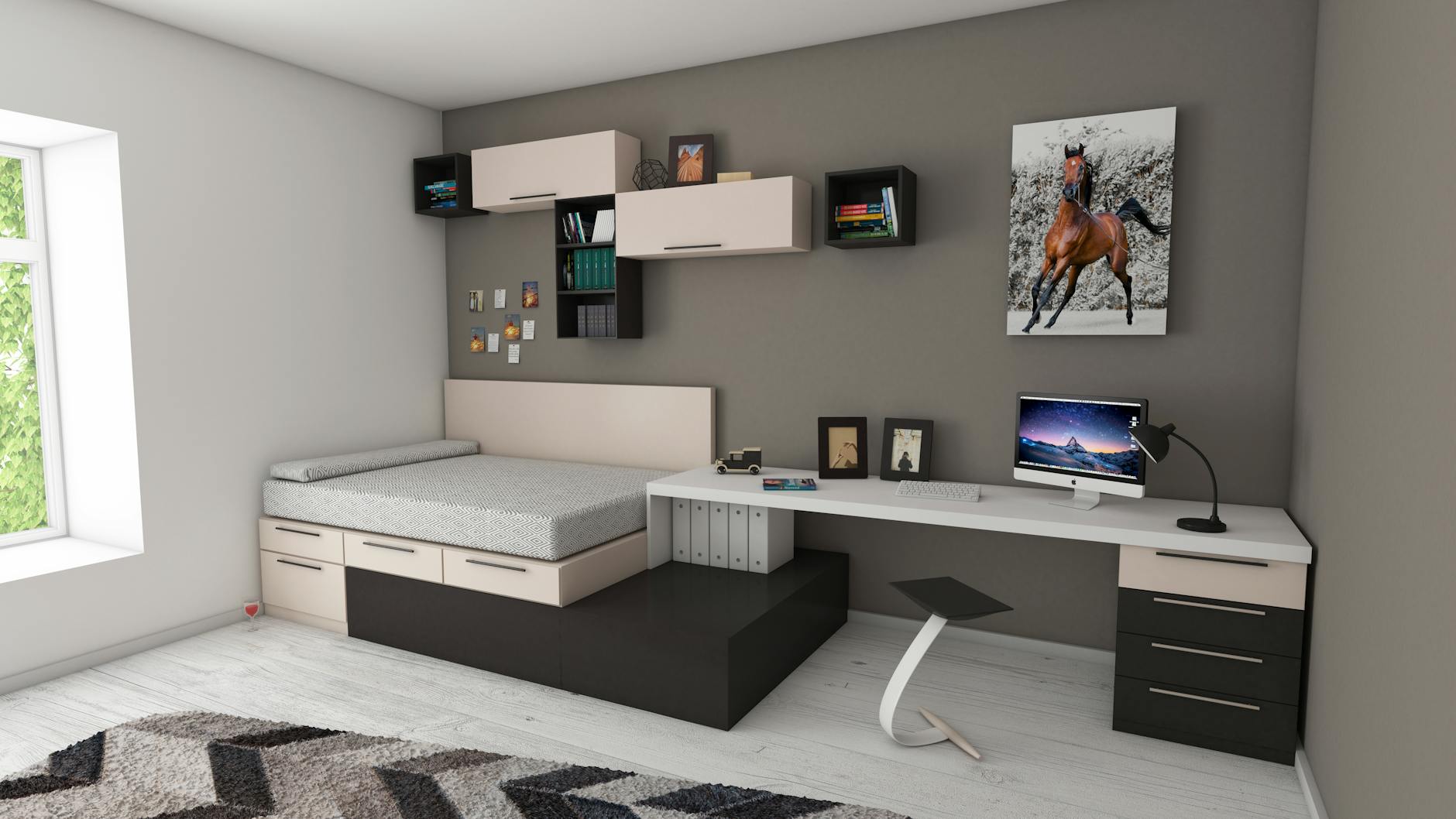
Visible clutter under the bed or in corners acts as a constant visual reminder of unfinished tasks. Utilizing under-bed storage bins or ottomans with hidden compartments keeps these items out of view. A room that appears tidy allows the mind to relax rather than worry about cleaning. Organized storage systems are key to maintaining a peaceful environment long-term.
Artwork Selection
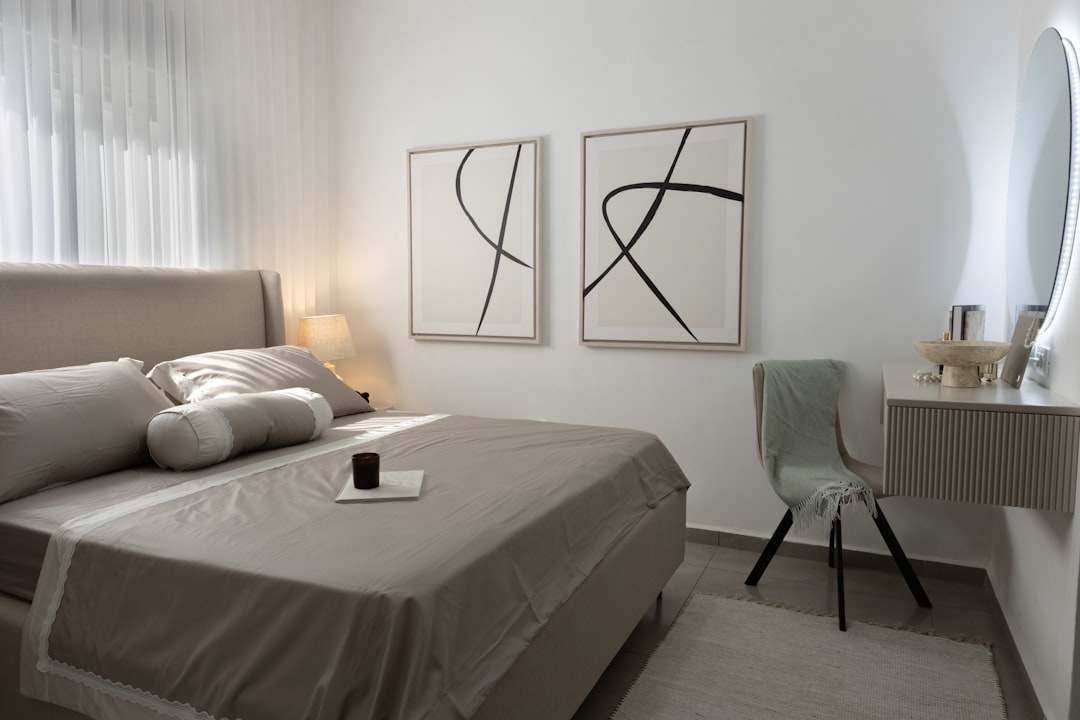
Art that features chaotic patterns or aggressive colors can be overstimulating in a bedroom setting. Choosing prints with landscapes or abstract forms in soothing colors promotes a meditative vibe. The imagery on the walls should evoke feelings of peace rather than excitement or intense thought. Curating a gallery of calming visuals helps set the tone for the entire room.
Cable Management

Tangled cords and flashing lights from electronics create visual clutter and mental agitation. Using clips or sleeves to bundle cables behind furniture keeps them organized and out of sight. Covering small standby lights with dimming stickers ensures the room remains properly dark. Managing these small technical details reduces subconscious irritation.
Reading Nook

Dedicating a corner of the room to reading creates a specific zone for winding down. A comfortable armchair with a soft throw blanket invites quiet reflection away from the bed itself. This separation helps train the brain to associate the bed strictly with sleep. It provides a transitional space to decompress before actually getting under the covers.
Layered Lighting
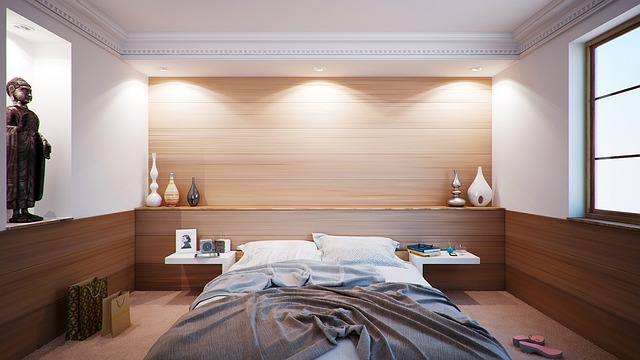
Relying on a single light source creates flat and unappealing shadows in a room. Using a combination of floor lamps, table lamps, and wall sconces allows for adjustable ambiance. You can lower the light levels gradually as the evening progresses to signal the approach of bedtime. This layered approach adds depth and warmth to the bedroom environment.
Temperature Control
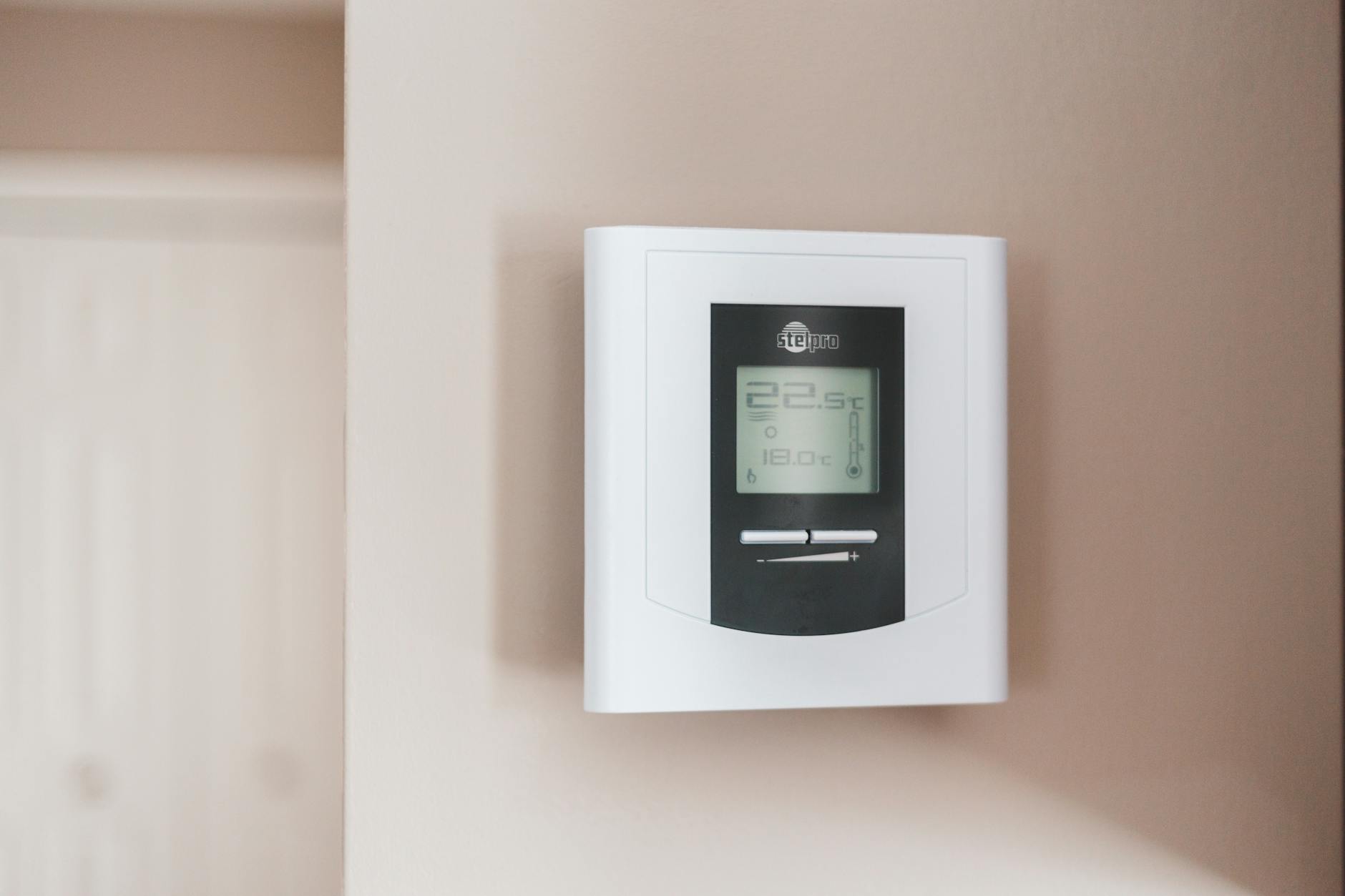
A room that is too warm interferes with the body’s natural temperature drop during sleep. keeping the bedroom thermostat slightly cooler is generally recommended for optimal rest. Using a ceiling fan or opening a window can help maintain fresh airflow throughout the night. Proper thermal regulation is a critical component of physical comfort.
Symmetrical Design
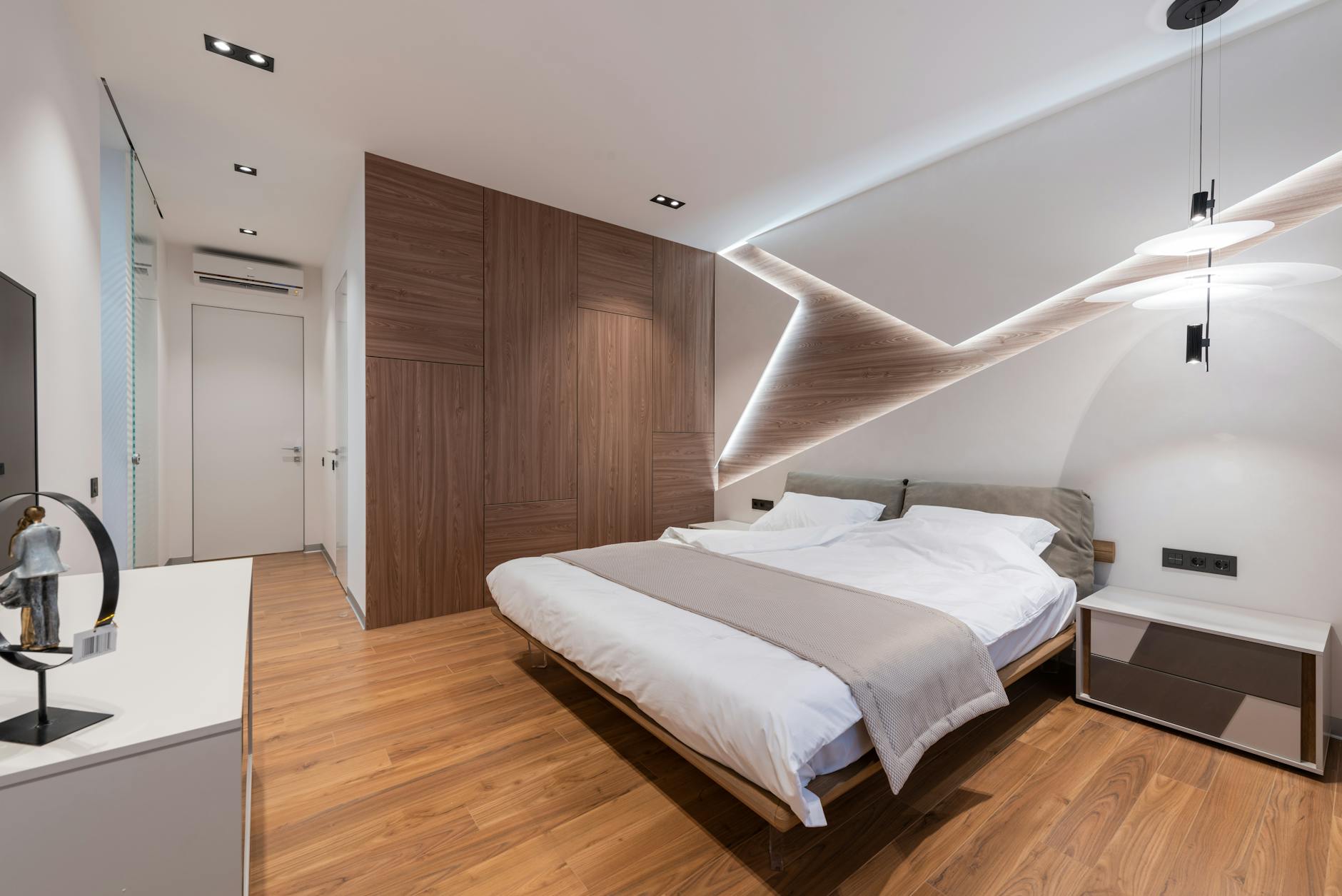
The human brain naturally finds symmetry pleasing and calming to look at. Matching bedside tables and lamps on either side of the bed creates a sense of balance. This visual order reduces the cognitive load required to process the room’s layout. Symmetry implies stability and harmony which translates to a more relaxing feeling.
Silk Pillowcases

Traditional cotton pillowcases can sometimes feel rough against sensitive skin or cause friction. Silk offers a frictionless surface that stays cool to the touch throughout the night. This material is gentle on skin and hair which adds a tactile element of self-care. The luxurious feeling of silk elevates the sleeping experience significantly.
Bedside Carafes

Waking up thirsty in the middle of the night can disrupt sleep if you have to walk to the kitchen. Keeping a water carafe and glass on the nightstand ensures hydration is effortlessly accessible. This simple addition removes a potential barrier to returning to sleep quickly. It also serves as a reminder to hydrate first thing in the morning.
Textile Textures
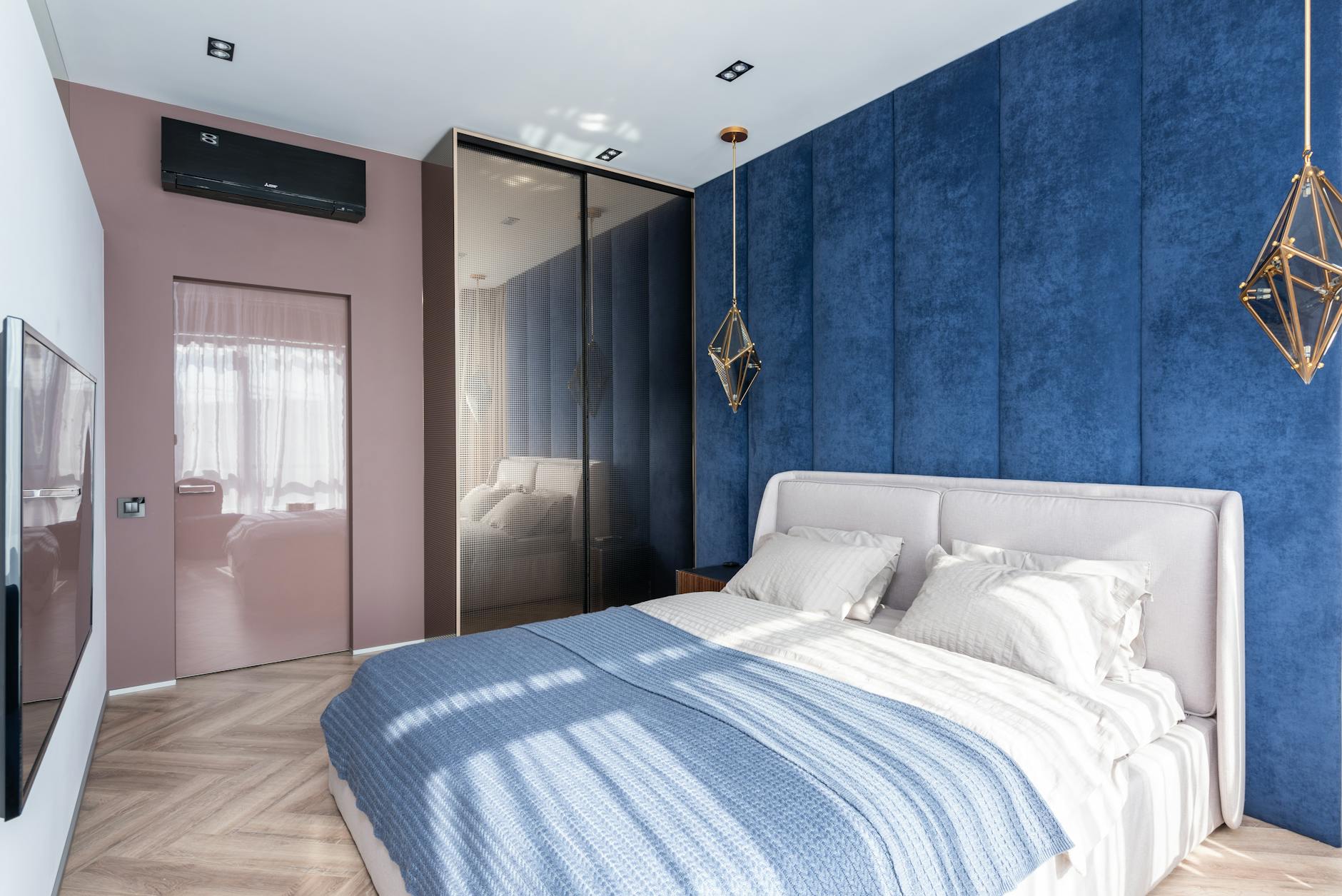
Incorporating various textures adds richness and comfort to a neutral bedroom design. Mixing materials like velvet cushions with chunky knit throws creates a cozy and inviting tactile landscape. These soft elements encourage tactile engagement and make the bed look more welcoming. A variety of soft surfaces enhances the feeling of physical security.
Ceiling Fans

Stagnant air can make a room feel stuffy and claustrophobic over time. A ceiling fan provides a gentle breeze that keeps air circulating without the noise of an AC unit. The rhythmic movement and slight white noise of the fan can be hypnotic and soothing. Fresh air circulation prevents the room from feeling oppressive.
Privacy Window Film

Ground-floor bedrooms or those facing neighbors often suffer from a lack of privacy. Applying frosted window film allows natural light to enter while blocking the view from outside. This solution eliminates the need to keep heavy curtains drawn all day. Feeling unobserved is fundamental to true relaxation in a private space.
Dedicated Phone Docking

Charging phones across the room or in another room entirely prevents late-night screen usage. A dedicated charging station away from the bed physically enforces a digital boundary. This habit protects sleep quality by eliminating blue light exposure before sleep. It ensures the bed remains a place for rest rather than social media scrolling.
Neutral Bed Frames
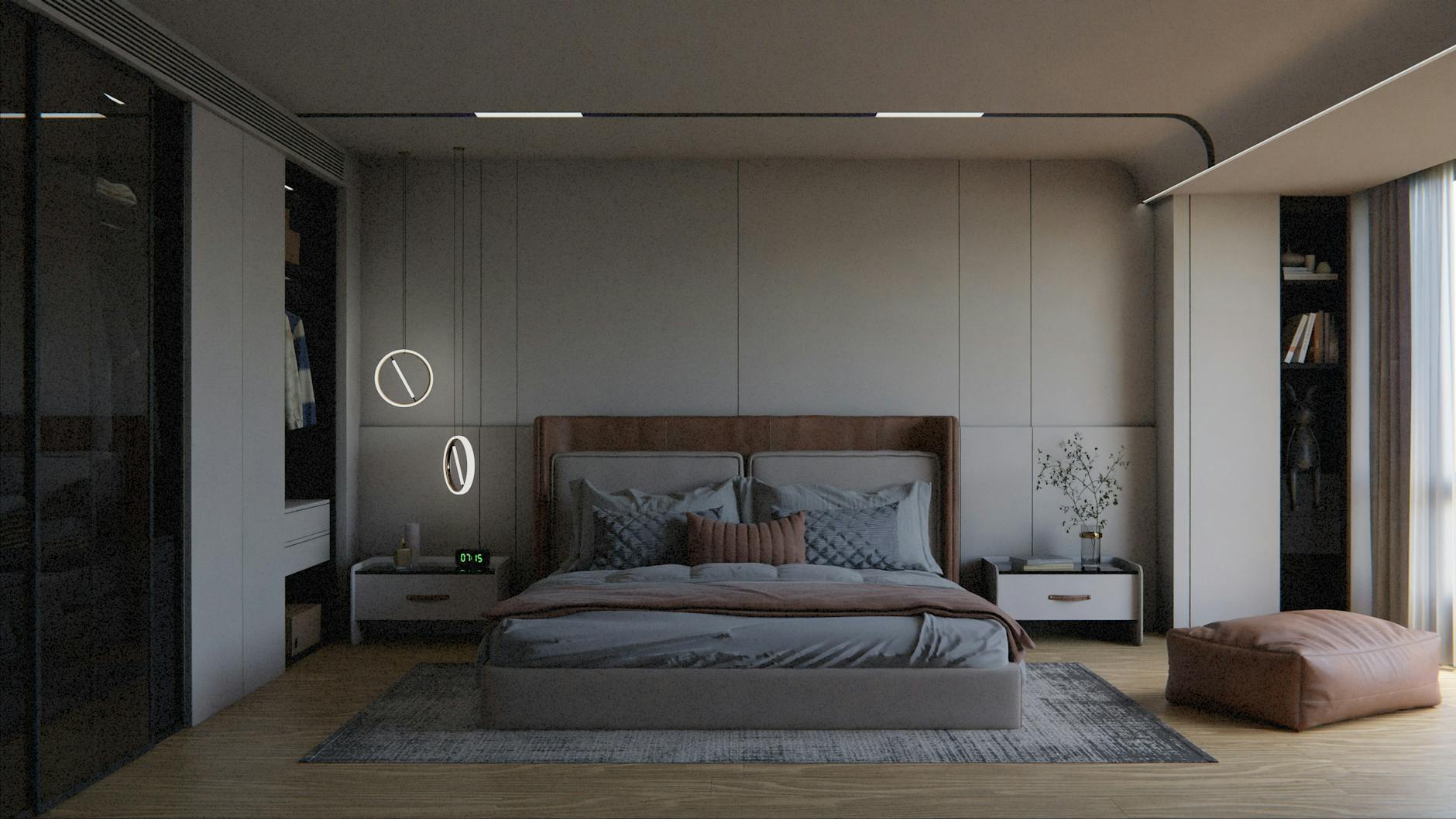
ornate or brightly colored bed frames can dominate a room and create visual noise. A simple upholstered or wood frame in a neutral tone anchors the bed without overwhelming the space. Low-profile frames often make the room feel larger and more airy. The bed should invite rest rather than demand attention as a design statement.
Himalayan Salt Lamps

The soft pink glow of a salt lamp creates a warm and candlelight-like ambiance. This spectrum of light is free from blue wavelengths that suppress melatonin. Many people find the natural shape and warm color visually comforting in the evening. It acts as a perfect low-light nightlight for winding down.
Pillow Variety

Different activities like reading or sleeping require different levels of neck support. Keeping a variety of pillow densities on the bed allows for customizable comfort. You can prop yourself up with firm pillows to read and switch to softer ones for sleep. This versatility ensures physical comfort regardless of how you are using the bed.
Breathable Wall Paint
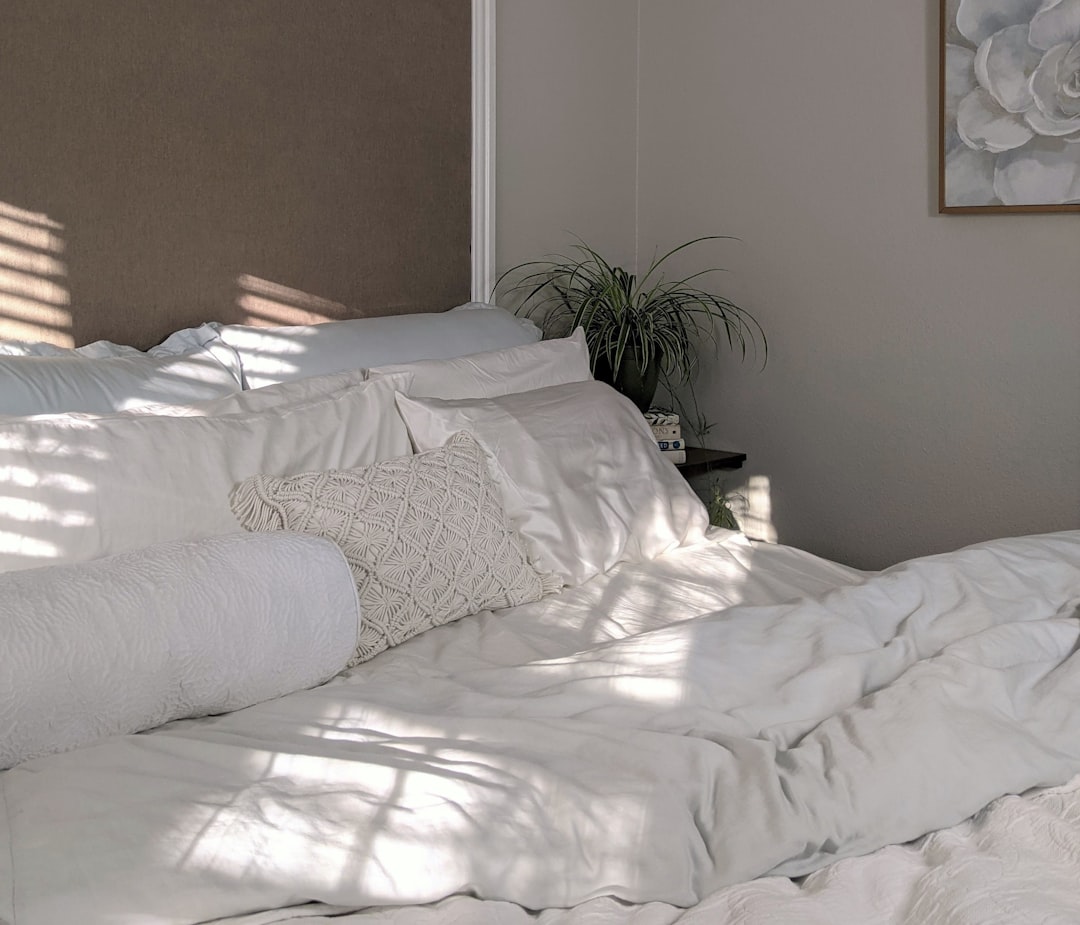
Using paints with low volatile organic compounds prevents chemical odors from lingering. Better air quality contributes to a healthier sleeping environment and fewer headaches. Matte finishes are preferable to glossy ones as they absorb light rather than reflecting it. Soft and matte walls create a velvety texture that feels calm.
Sunrise Alarm Clocks

Waking up to a blaring alarm triggers a stress response that can linger throughout the morning. Sunrise alarms gently increase light intensity to mimic a natural dawn before sound begins. This method wakes the body gradually and aligns with biological rhythms. Starting the day calmly sets a relaxed tone for the hours to follow.
Acoustic Paneling

Thin walls can let in noise from other rooms or neighbors which disturbs peace. Decorative acoustic panels can absorb sound waves and dampen external noise intrusion. These panels come in various artistic designs that complement the decor while serving a function. a quieter room naturally feels more isolated and secure.
Candlelight Rituals
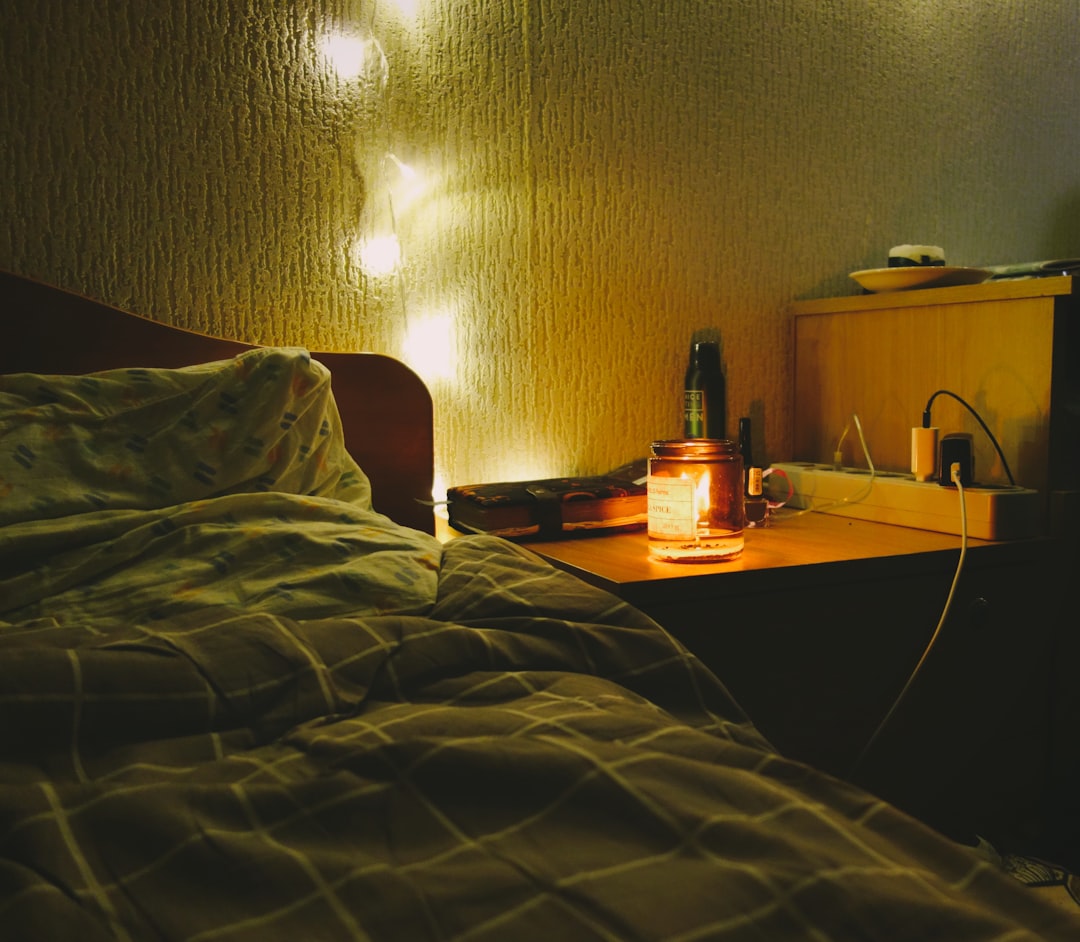
The flickering flame of a candle has a primal soothing effect on the human nervous system. Lighting a candle during a nightly routine creates a visual focal point for meditation. Soy or beeswax candles burn cleanly without adding toxins to the air. Always remembering to extinguish it before sleep adds a moment of mindfulness.
Clean Lines

Furniture with simple and clean lines reduces visual complexity in the bedroom. Avoiding ornate carvings or busy patterns helps the eye travel smoothly across the room. Modern or Scandinavian design principles often utilize this concept to create serenity. Simplicity in form supports simplicity in thought.
Daily Bed Making

Making the bed each morning is a small ritual that sets a standard of order. Walking into a room with a neatly made bed instantly makes the entire space feel cleaner. It creates an inviting focal point to look forward to at the end of the day. This two-minute task yields high returns in mental clarity and satisfaction.
Please describe which of these relaxation techniques you plan to try first in the comments.




