Travelers often obsess over finding the perfect deal but frequently overlook the costly mistakes of booking at the wrong moment. Dynamic pricing algorithms used by airlines constantly adjust fares based on demand and timing to maximize profit from unwary buyers. Understanding these high-price windows helps you avoid paying significantly more for the exact same seat. The following list identifies the specific times when ticket prices consistently peak.
The Day of Departure
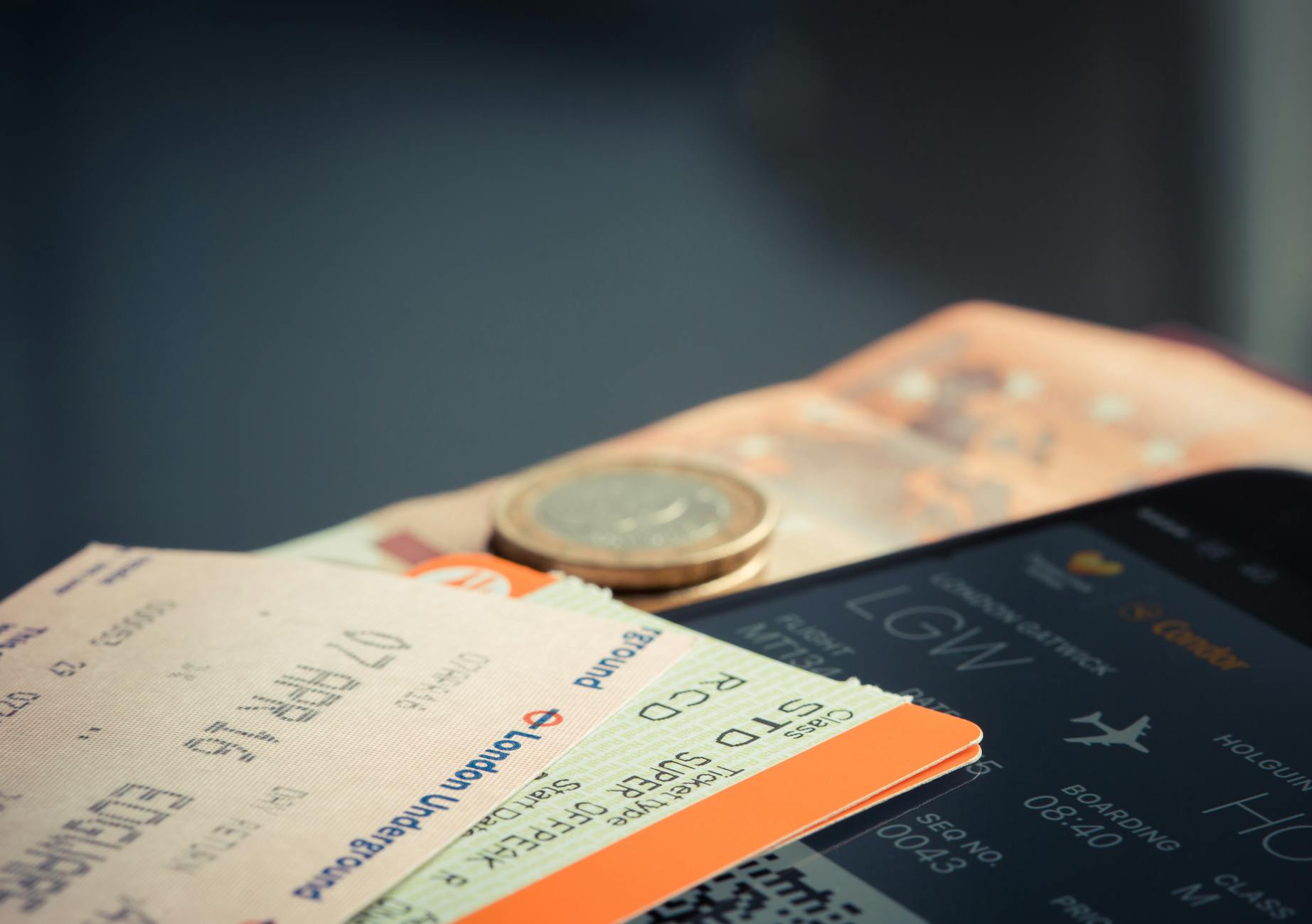
Buying a ticket on the day you intend to fly is almost always the most expensive financial decision a traveler can make. Airlines classify these last-minute purchases as distressed inventory and charge a premium because they know the buyer has no other option. Business travelers are often the target for these fares since their schedules are unpredictable and price sensitivity is lower. You will likely pay three times the standard rate for a seat that was cheap weeks ago.
Sunday Afternoons
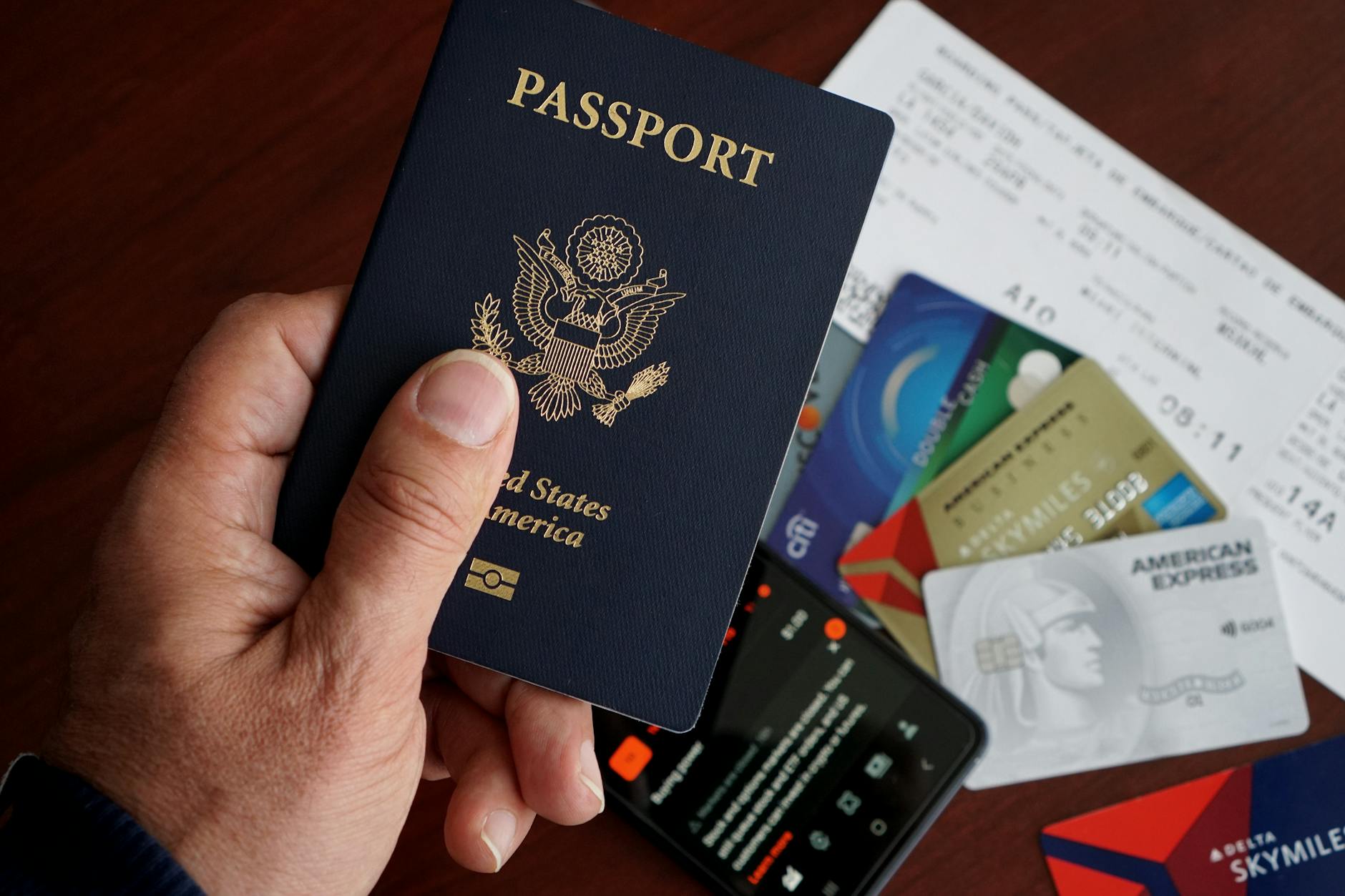
Weekends are prime time for travel planning because most people are off work and have free time to browse. Airlines anticipate this surge in search traffic and often keep prices higher to capitalize on the increased demand. Sunday is specifically noted as a high-volume booking day where deals are scarce compared to mid-week lulls. waiting until Tuesday or Wednesday to finalize the purchase can result in noticeable savings.
Less Than Three Weeks Before

The twenty-one-day mark is a critical threshold in airline revenue management systems where lower fare classes are automatically removed. Prices typically jump significantly once this window closes to target travelers who are booking on relatively short notice. This period is designed to catch business travelers and procrastinators who lack the flexibility to book months ahead. Securing your itinerary before this deadline is essential for avoiding the first major price hike.
Peak Summer Months

Attempting to book travel for July or August during those same months guarantees you will face the highest seasonal rates of the year. Demand is at its absolute zenith during summer school breaks and airlines have no incentive to offer discounts. Most routes are already near capacity by this time and the remaining seats are sold at a premium. Planning these trips during the preceding winter is the only reliable way to secure a reasonable price.
Fridays
Fridays are notorious for high fares because they coincide with the rush of travelers looking to start weekend getaways. The increased volume of searches and purchases triggers dynamic pricing software to raise rates across the board. Airlines know that people feeling spontaneous about a weekend trip are less likely to be price-sensitive. Booking earlier in the week avoids competing with this surge of leisure travelers.
More Than Six Months in Advance
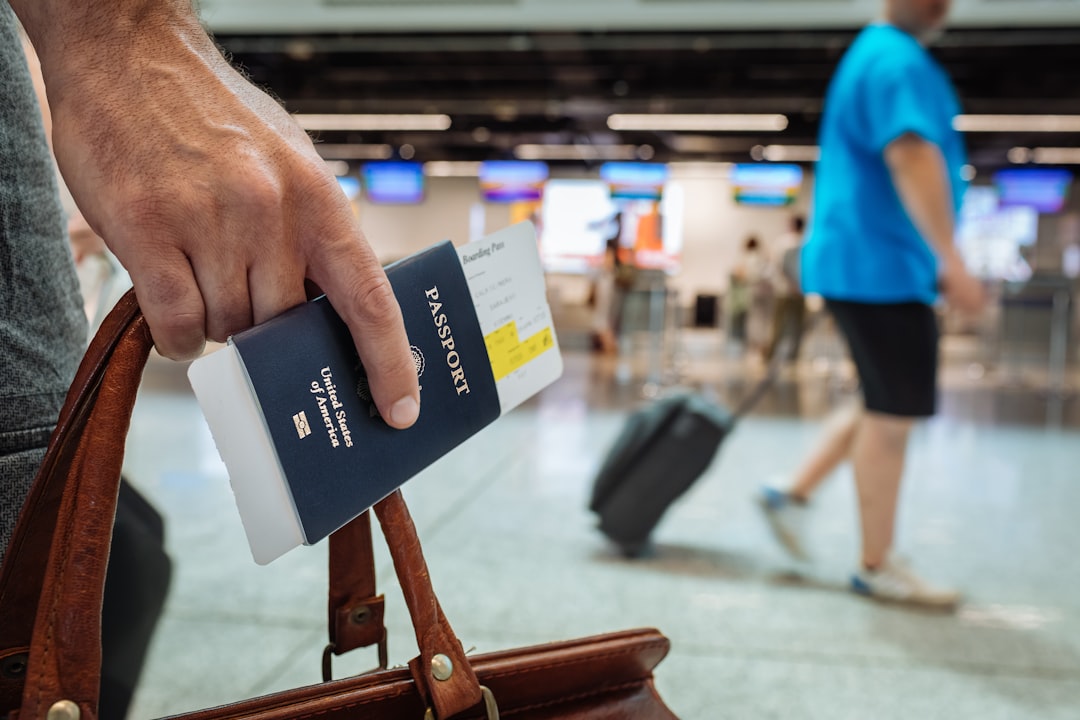
Booking domestic flights too far ahead can be just as damaging to your wallet as booking too late. Airlines often load their flight schedules with conservative baseline fares that are higher than the eventual selling price. They have not yet begun to manage yield actively or release cheaper fare buckets this far out. You risk locking in a high rate before the competitive sales cycle even begins.
Major Public Holidays
Travel around Thanksgiving or Christmas sees the most aggressive pricing structures in the entire industry. Algorithms predict massive demand on specific dates and keep prices elevated regardless of when you look. Booking specifically for the Wednesday before Thanksgiving or the days surrounding Christmas ensures you pay top dollar. Flexibility with dates is the only defense against these rigid holiday pricing spikes.
Spring Break Season
March and April bring a predictable surge in travel demand that rivals the summer peak season. Families and students flock to warmer destinations and drive up prices for flights to Florida, Mexico, and the Caribbean. Airlines strictly control inventory during these weeks to maintain high yields on leisure routes. Buying tickets during this window for immediate travel often results in exorbitant costs.
Monday Mornings
Monday morning is when business travelers return to their desks and secretaries begin booking corporate travel for the week. This influx of high-budget corporate bookings signals high demand to airline computers. Prices often stay elevated until the initial rush of the work week subsides later in the day or on Tuesday. Smart leisure travelers avoid searching during these peak business hours to bypass the inflated rates.
During Major Local Events
Flying into a city while it hosts the Super Bowl, Olympics, or a massive festival guarantees inflated airfare. Airlines track event calendars and manually adjust floor prices for flights entering that specific market. The demand is inelastic because attendees must arrive by a certain date and have few alternatives. Tickets for these periods should always be purchased as soon as the event dates are announced to avoid the surge.
Share your own experiences with overpriced flights in the comments.




