Reflecting on the end of life often reveals profound truths about how we spend our limited time on Earth. Palliative care nurses and researchers have observed consistent themes when speaking with patients in their final days. These insights serve as a powerful reminder to shift priorities before it becomes too late to make changes. The following points highlight the most frequent lamentations expressed by those looking back on their personal history. Understanding these regrets can inspire a more intentional and fulfilling approach to daily living.
Not Living a Life True to Self

This is frequently cited as the most common regret among those facing the end of their lives. Many individuals realize they spent decades fulfilling the expectations of others instead of honoring their own dreams. The pressure to conform to societal norms often suppresses authentic desires until time runs out. Looking back reveals how many aspirations went unfulfilled due to a lack of courage to break free from external demands.
Working Too Hard
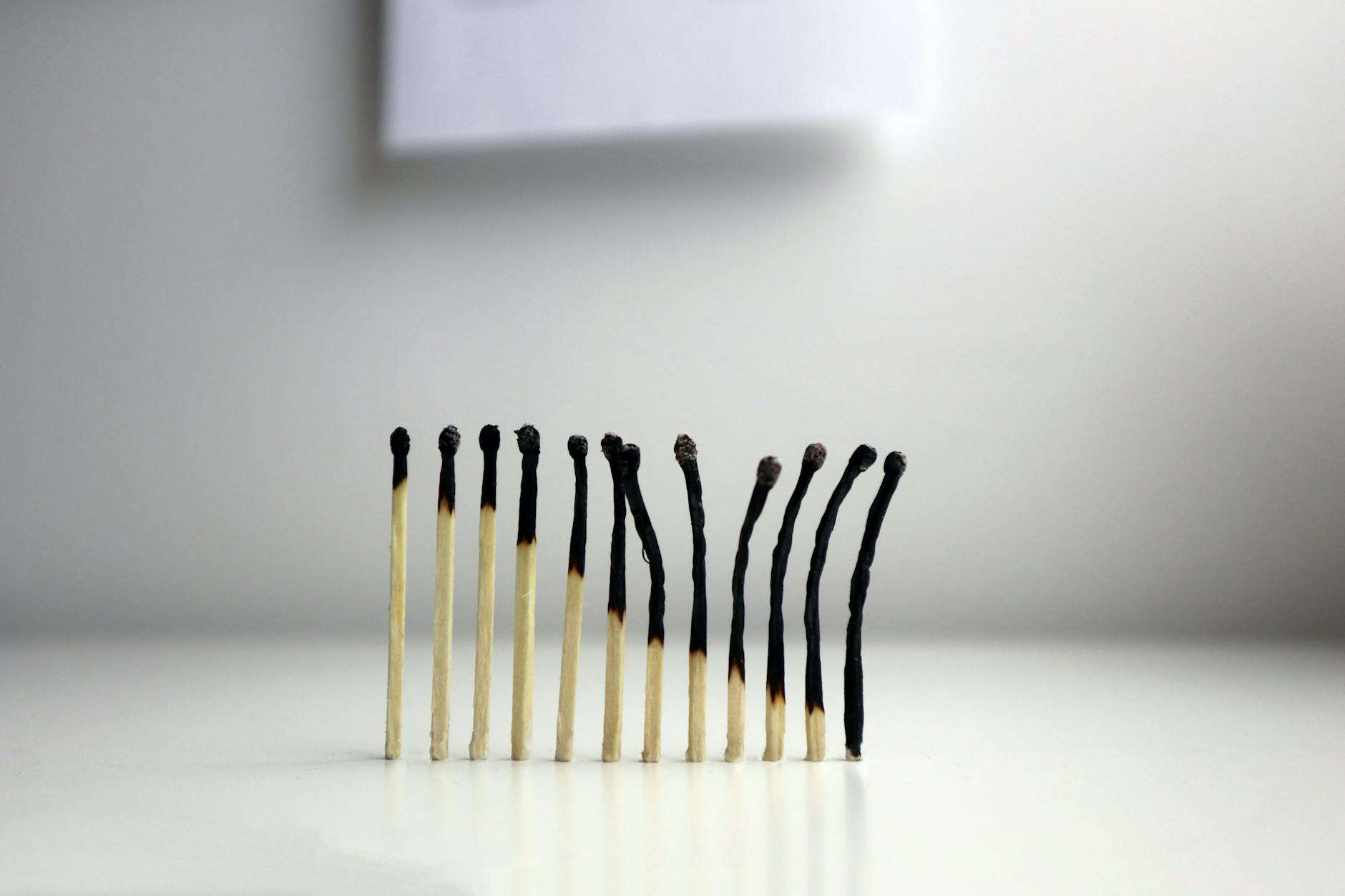
Patients often express deep remorse over the excessive hours they dedicated to their careers at the expense of personal lives. This regret is particularly common among those who feel they missed their children’s youth or their partner’s companionship. The pursuit of financial success or professional status frequently overshadows the simple joys of daily existence. Realization comes too late that the treadmill of work did not provide the lasting comfort found in human connection.
Not Having the Courage to Express Feelings

Many people suppress their true emotions in order to keep peace with others or to avoid uncomfortable conflicts. This suppression often results in a mediocre existence where deep connections are never fully realized or explored. Unexpressed feelings can lead to lingering resentment or illness that burdens the individual for years. The final days bring a wish that they had been more honest about their love and their grievances.
Losing Touch with Friends

The busyness of daily life causes many valuable friendships to drift apart over the years without intentional maintenance. deeply regrets often surface regarding the failure to give these relationships the time and effort they truly deserved. Developing a career and raising a family often take precedence over maintaining bonds with old companions. Facing the end often triggers a deep longing for those friends who knew the individual during their formative years.
Not Letting Oneself Be Happier

A surprising number of people do not realize until the end that happiness is actually a personal choice. Many stayed stuck in old patterns and habits because the familiarity provided a false sense of security. The fear of change had them pretending to others and to themselves that they were content when they were not. They wish they had laughed more and allowed themselves to be silly instead of maintaining a serious facade.
Worrying Too Much

Chronic anxiety consumes vast amounts of mental energy that could have been directed toward positive experiences. Individuals looking back often see that the majority of their fears never actually came to pass. This realization brings a sense of sadness for the time lost to stress over uncontrollable future events. A life spent in the present moment would have offered much more peace and enjoyment than one spent in apprehension.
Not Taking Care of Physical Health

Neglecting the body in earlier years frequently leads to limitations and pain that could have been prevented. People often regret taking their mobility and vitality for granted until those faculties begin to decline. Poor diet and lack of exercise are seen in hindsight as missed opportunities to invest in long-term well-being. The wish to have treated the body as a temple rather than a tool is a recurring theme.
Not Traveling Enough

The postponement of travel plans for retirement often results in those trips never happening due to health or financial issues. Many wish they had prioritized seeing the world and experiencing different cultures while they still had the vigor to do so. The memories of adventures not taken can weigh heavily when the opportunity for exploration has passed. Prioritizing experiences over possessions becomes a clear lesson when looking back at a stationary life.
Holding Grudges

Carrying anger and resentment toward others is viewed in the final days as a waste of precious emotional resources. The realization strikes that forgiveness would have liberated the self more than it would have exonerated the offender. Years spent in bitterness are seen as time that could have been used for love and reconciliation. The heavy burden of old arguments feels trivial when viewed from the perspective of mortality.
Not Spending Enough Time with Family

The assumption that family will always be there leads many to prioritize other obligations over quality time with relatives. Parents often regret not playing more with their children while adult children regret not visiting aging parents. The specific memories of missed holidays and skipped gatherings become painful points of reflection. Reconnecting is often desired when the window for shared moments has nearly closed.
Taking Life Too Seriously

A common reflection involves the realization that most problems were not as catastrophic as they seemed at the time. People wish they had allowed themselves to play more and worry less about maintaining a perfect image. The stress of upholding a serious reputation is seen as an unnecessary barrier to joy and spontaneity. Laughter and lightness are recognized too late as the true essentials of a well-lived life.
Staying in a Bad Relationship

Fear of being alone often keeps individuals in toxic or unfulfilling partnerships for far longer than necessary. The regret centers on the years wasted trying to fix something that was fundamentally broken or harmful. Looking back reveals that the pain of leaving would have been temporary compared to the chronic unhappiness of staying. The desire for a supportive and loving partner remains a poignant unfulfilled wish for many.
Not Learning a New Skill or Language

Intellectual complacency often leads to a feeling of wasted potential when reflecting on personal growth. Many people wish they had disciplined themselves to master an instrument or speak a foreign tongue. The excuses of not having enough time are revealed as a lack of prioritization rather than a lack of opportunity. The satisfaction of learning is recognized as a key component of a vibrant life that was missed.
Letting Fear Dictate Decisions
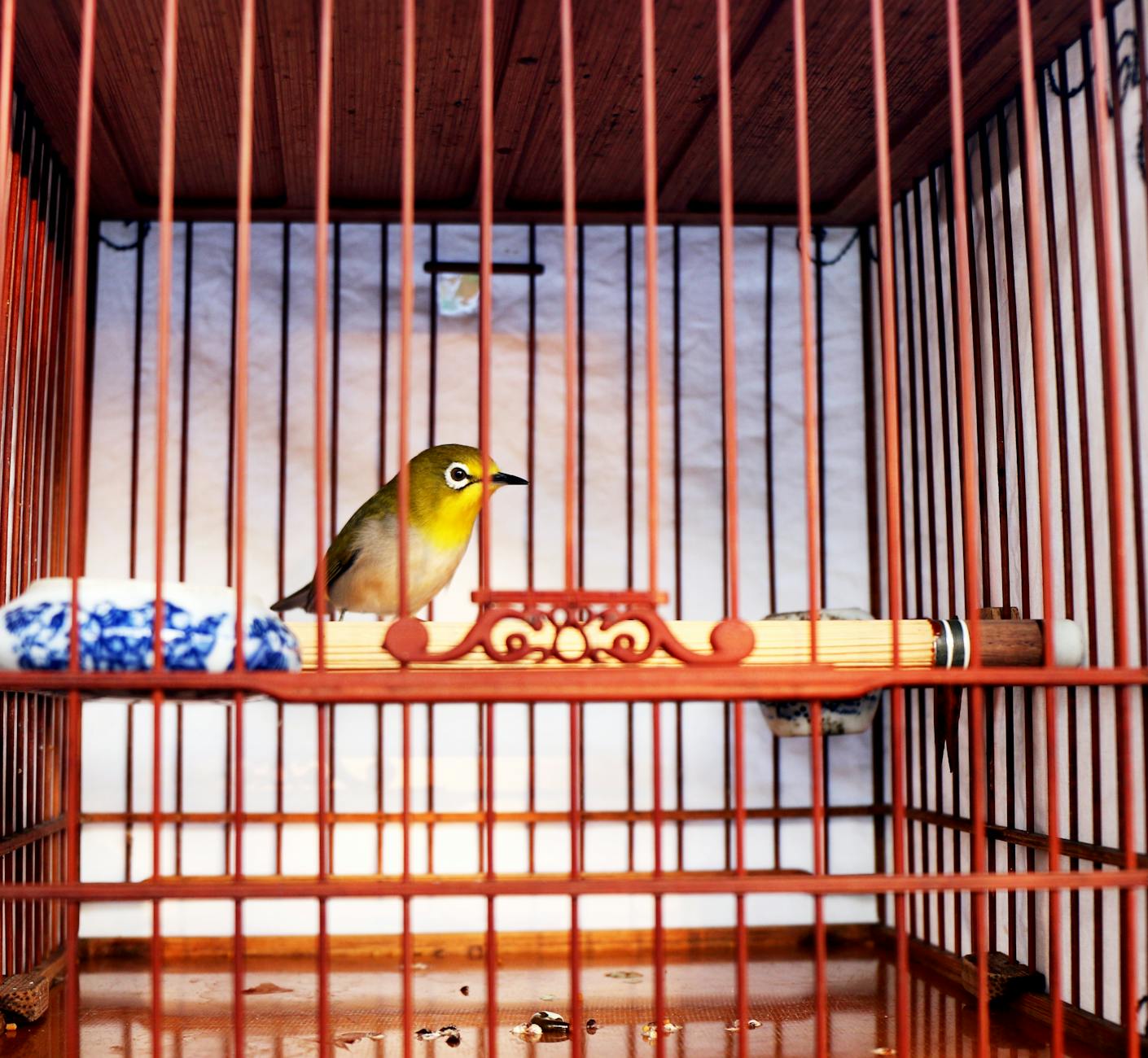
Fear of failure or rejection frequently prevents people from taking the risks necessary for great rewards. This regret encompasses the business not started and the book not written and the move not made. The safety of the known path is seen in hindsight as a cage that restricted true potential. The realization is that the pain of failure is less than the pain of never trying.
Not Saying “I Love You” Enough

Withholding verbal affection is a major source of sorrow when time runs short. People realize they assumed their loved ones knew how they felt without hearing the words explicitly. The vulnerability required to speak these words is seen as strength rather than weakness in the final analysis. There is a deep wish to have left no doubt in the minds of those who mattered most.
Caring Too Much About What Others Think

The paralysis caused by the fear of judgment is a significant source of regret for many individuals. A life lived to avoid criticism is often a life lived in the shadows of one’s true potential. The realization eventually comes that most people were too focused on their own lives to judge others deeply. Breaking free from the need for external validation is a freedom that arrived too late.
Not Trusting Intuition

Ignoring the inner voice in favor of logic or advice from others often leads to decisions that feel wrong. People regret not following their gut instincts regarding career moves or relationships or major life changes. The internal guidance system is recognized in hindsight as having been accurate all along. Trusting oneself is seen as a crucial skill that was undervalued.
Prioritizing Possessions Over Experiences

The accumulation of material goods often feels meaningless when facing the end of life. Individuals realize that the joy derived from objects was fleeting compared to the lasting impact of memories. Money spent on clutter is wished to have been spent on trips or concerts or meals with friends. The legacy of a life is found in stories rather than in storage units.
Not Apologizing Sooner

Pride often prevents people from mending fences until the opportunity for reconciliation becomes awkward or impossible. The regret lies in allowing minor disputes to sever valuable connections for years or decades. The discomfort of admitting fault is seen as trivial compared to the loss of the relationship. A simple apology is recognized as a powerful tool that was underutilized.
Not Leaving a Legacy

Many feel a sense of sadness that they did not do enough to leave a positive mark on the world. This regret involves not volunteering or mentoring or creating something that outlasts the individual. The desire to have contributed to the greater good becomes a priority only when personal ambition fades. A life focused solely on self-preservation is often viewed as a missed opportunity for meaning.
Please share which of these regrets resonated with you the most in the comments.




