Navigating the healthcare system can sometimes feel like trying to solve a complex puzzle with missing pieces. Medical professionals operate under strict time constraints and often focus solely on the immediate symptoms rather than holistic wellness. Patients frequently leave appointments with unanswered questions simply because they did not know the right words to say. Understanding the nuances of medical advice can empower you to take better control of your personal health journey.
Generic Medications

Brand name drugs often cost significantly more than their generic counterparts despite containing the exact same active ingredients. Pharmaceutical companies spend millions on marketing to convince patients that the branded version offers superior results or safety. Your doctor might write a prescription for the brand name out of habit unless you explicitly request a generic alternative. The FDA requires generic medications to have the same quality and performance as brand name drugs.
Antibiotic Overuse

Many viral infections like the common cold or flu do not respond to antibiotics yet patients frequently demand them for peace of mind. Taking these strong medications when they are not necessary contributes to the growing global crisis of antibiotic resistance. Doctors sometimes prescribe them to satisfy a patient even when rest and fluids are the only real cure. You should always ask if an antibiotic is absolutely essential for your specific diagnosis.
Vitamin Supplements
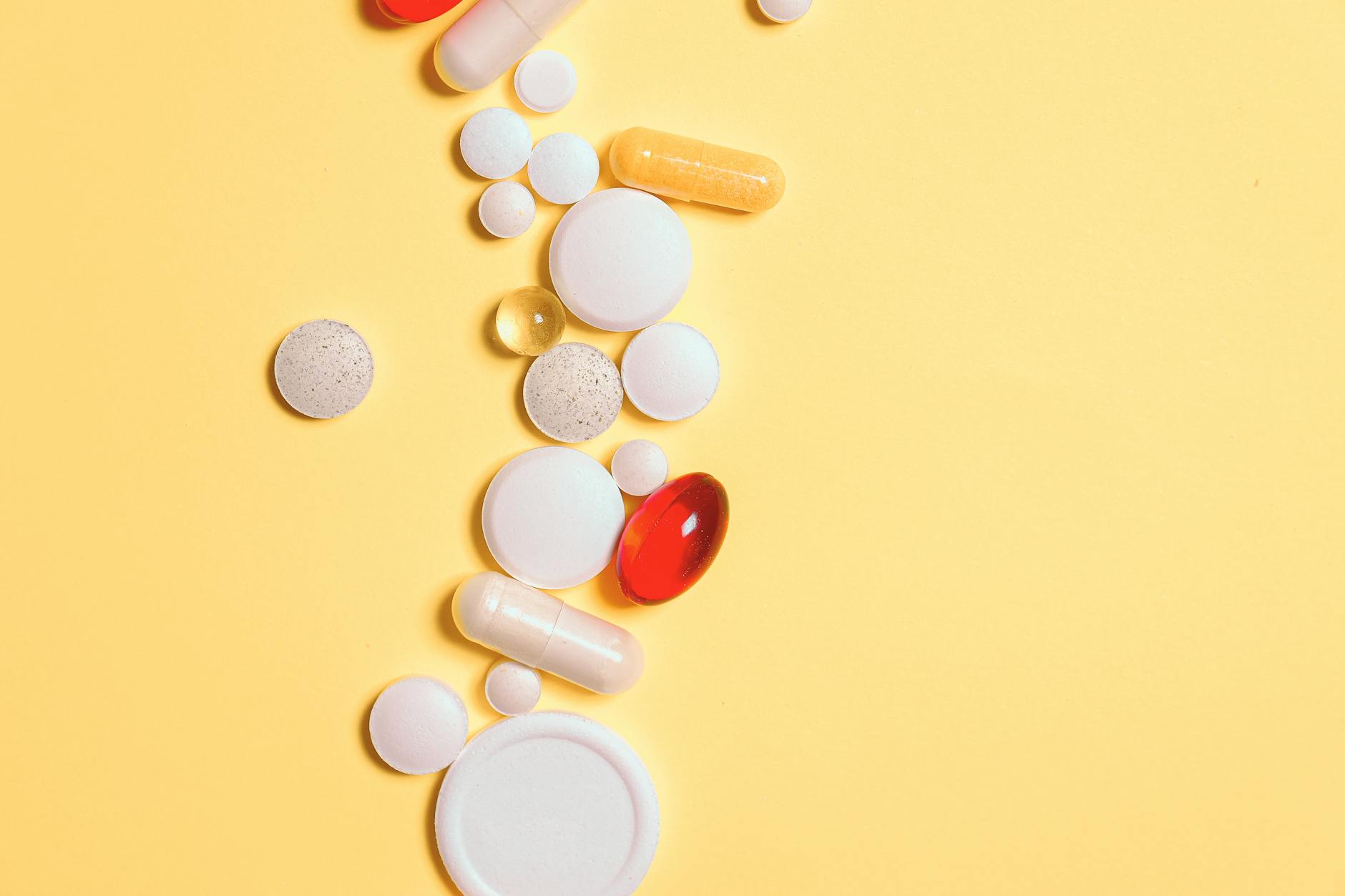
Most healthy individuals can get all necessary vitamins and minerals from a well-balanced diet full of fruits and vegetables. Physicians often avoid debunking the supplement industry because patients feel proactive when taking a daily pill. High doses of certain fat-soluble vitamins can actually be toxic and accumulate in the body over time. Blood tests are the only accurate way to determine if you have a true deficiency that requires supplementation.
The Placebo Effect

The power of the mind plays a substantial role in healing and symptom relief for many chronic conditions. A doctor might prescribe a mild treatment knowing that your belief in its effectiveness is the primary driver of recovery. This phenomenon demonstrates that a positive expectation of healing can trigger genuine physiological changes in the body. Discussing this open secret can help you understand the psychological components of your physical health.
Surgical Learning Curves

Every surgeon has to perform a specific procedure for the first time at some point in their career. You have the right to ask how many times your doctor has performed the specific surgery you are scheduling. High volume surgeons typically have lower complication rates and better patient outcomes than those who rarely operate. Hospitals generally do not volunteer this specific data unless a patient proactively inquires about experience levels.
Second Opinions

Good doctors are never offended when a patient seeks a second opinion for a serious diagnosis or treatment plan. Medical professionals understand that pathology can be complex and another set of eyes might catch something different. Hesitation to seek another perspective often comes from the patient worrying about insulting their primary physician. You should view a second opinion as a standard safety step rather than a breach of trust.
Diet Soda Impact

Switching from sugary sodas to diet versions might not be the weight loss solution many patients hope it will be. Artificial sweeteners can trick the brain into craving more sugar and potentially disrupt metabolic function. Doctors know that water or unsweetened tea are the only truly healthy hydration options for long-term wellness. Relying on diet drinks often perpetuates the cycle of sugar dependence rather than breaking it.
Appointment Times

The first appointment of the morning is usually the best time to be seen if you want to avoid long wait times. Doctors frequently run behind schedule as the day progresses due to emergency cases or complex patient needs. Booking a late afternoon slot almost guarantees a longer stay in the waiting room than an early morning visit. You receive more attentive care when the medical team is fresh and not rushing to catch up.
Mental Health Connection

Physical symptoms like chronic headaches or stomach pain are often direct manifestations of untreated anxiety or stress. Doctors may treat the physical pain without digging deeper into the emotional root cause due to lack of time. It is crucial to volunteer information about your stress levels or emotional state during a physical checkup. Treating the mind is often the most effective way to resolve persistent and unexplained physical ailments.
Hospital Teaching Status

Teaching hospitals often have the latest technology and treatments but your care may be managed by residents in training. These residents are fully qualified doctors but they are still in the supervision phase of their specialized education. You can ask if a resident or an attending physician will be performing your procedure or managing your daily care. Understanding the team structure helps you know who is truly making the final decisions.
Medical Errors

Mistakes happen in medicine just as they do in any other high-pressure profession involving complex human systems. Doctors are encouraged to disclose errors but fear of litigation sometimes keeps minor mistakes out of the conversation. Asking about the specific risks and potential failure rates of a treatment opens the door for honest dialogue. You must be your own advocate by double-checking medications and verifying procedures before they happen.
Online Research

Doctors often get frustrated when patients arrive with a terrifying self-diagnosis found on the internet. However they also know that an informed patient is generally easier to treat than a passive one. The key is to present your research as a set of questions rather than a definitive statement of fact. Bringing a list of concerns shows you are engaged but you must remain open to professional interpretation.
Weight Bias

Excess weight is often blamed for a wide variety of health issues even when the connection is tenuous. Some doctors may overlook other underlying conditions because they focus entirely on the number on the scale. You have the right to ask if the diagnosis and treatment plan would be the same for a thin patient. This question forces the provider to consider the clinical evidence beyond just body mass index.
Sleep Hygiene

Prescription sleeping pills are rarely intended for long-term use and can create a difficult dependency. Physicians prefer that patients improve their sleep hygiene by removing screens and keeping consistent hours. The root cause of insomnia is often behavioral rather than chemical and requires lifestyle adjustment. Asking for a pill is a quick fix that often masks the need for better daily habits.
Hand Washing

Hospital acquired infections are a serious risk that can complicate recovery for even minor procedures. You are perfectly within your rights to ask any medical provider if they washed their hands before touching you. Doctors and nurses are human and can occasionally forget this basic step during a busy shift. A gentle reminder can prevent the transmission of dangerous bacteria during your examination.
Screening Accuracy

Medical screening tests are not infallible and can produce both false positives and false negatives. A false positive can lead to unnecessary anxiety and invasive follow-up procedures that carry their own risks. Doctors weigh the statistical likelihood of disease against the potential harm of over-testing. You should ask about the accuracy rate of any test and what the plan is for a borderline result.
Nutrition Education

Medical school curriculums traditionally dedicate very little time to in-depth nutritional science or dietary training. Your doctor is an expert in medicine and physiology but may not be the best resource for a detailed meal plan. A registered dietitian is usually the better professional to consult for specific food strategies. Relying solely on a general practitioner for weight loss advice might lead to generic or outdated recommendations.
Pharmaceutical Influence

Drug representatives frequently visit medical offices to promote the newest and most expensive medications on the market. These visits can subtly influence prescribing habits even among the most ethical medical professionals. You can ask if there is an older and less expensive drug that has a longer track record of safety. Newer is not always better when it comes to pharmaceutical interventions and safety profiles.
Pain Management

Complete elimination of pain is not always a realistic or safe goal after a surgery or injury. Doctors aim to manage pain to a tolerable level that allows for movement and recovery. Expecting zero pain can lead to dissatisfaction and requests for dangerously high doses of opioids. Honest conversations about pain expectations help set realistic goals for the recovery period.
Exercise as Medicine

Regular physical activity is often more effective than medication for managing conditions like mild depression or high blood pressure. Doctors may not emphasize this enough because they assume patients will not comply with a rigorous exercise routine. Asking for a prescription for exercise can help frame physical activity as a non-negotiable part of treatment. Movement is a powerful tool that impacts nearly every system in the body simultaneously.
Skin Cancer Checks

A quick glance during a standard physical is not the same as a comprehensive dermatological skin check. General practitioners might miss subtle changes in moles that a specialist would identify immediately. You need to specifically ask for a full body skin exam if you have concerns about sun exposure. Seeing a dermatologist annually is the best way to catch dangerous changes early.
Hydration Hype

The rule about drinking eight glasses of water a day is a general guideline rather than a strict scientific requirement. Your hydration needs fluctuate based on activity level and climate and food intake. Doctors know that your body is very good at signaling thirst before dehydration becomes a medical emergency. You should drink when you are thirsty rather than forcing fluid consumption to meet an arbitrary number.
Terminal Diagnoses
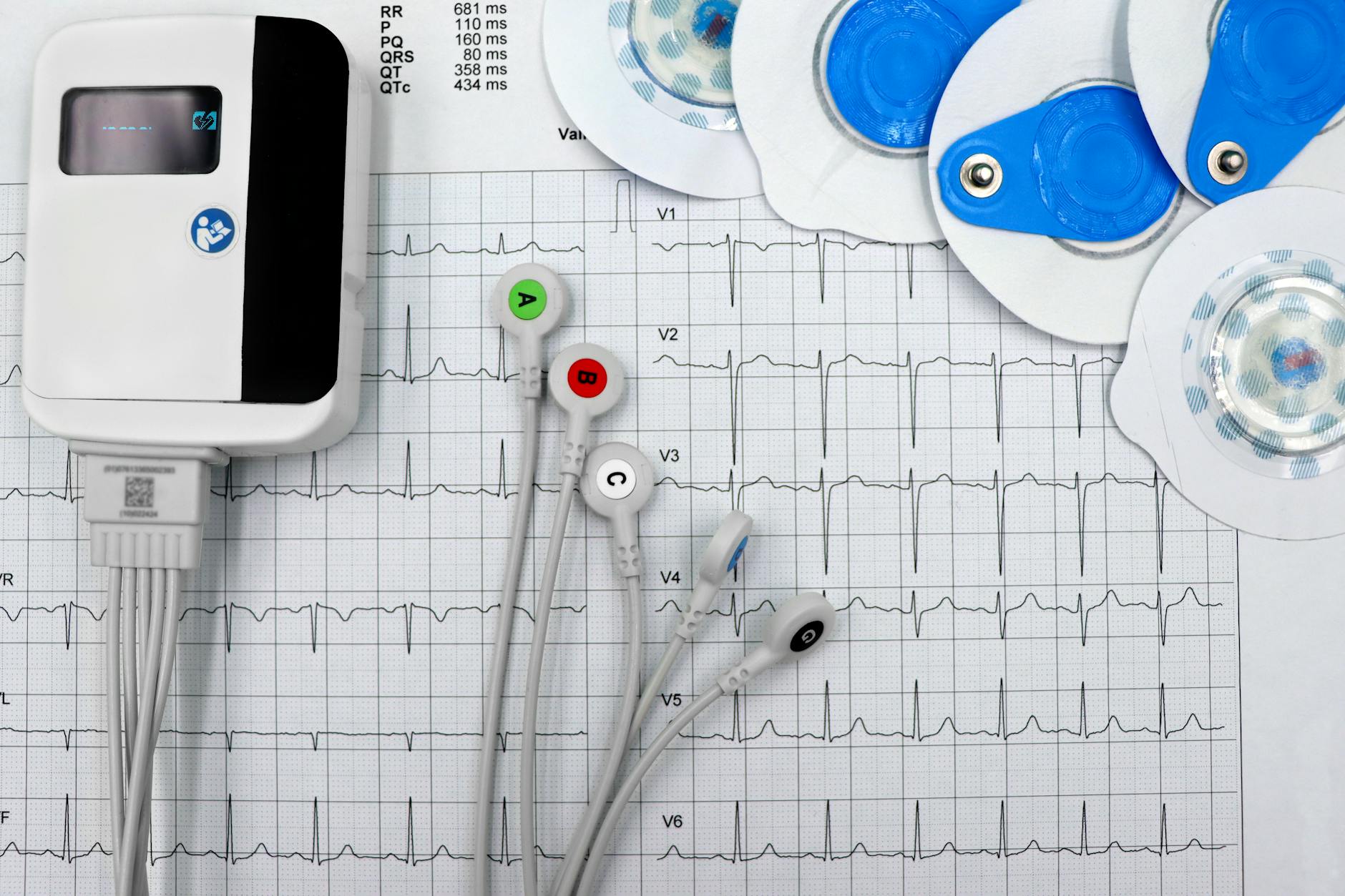
Predicting exactly how much time a terminally ill patient has left is an imprecise science. Doctors often overestimate life expectancy to preserve hope or underestimate it to prevent false promises. Statistics provide a general median but cannot account for individual biological resilience. It is better to focus on the quality of life remaining rather than fixating on a specific calendar date.
Alcohol Consumption

Many patients drastically underreport their weekly alcohol intake when asked by their physician. Doctors often double the number you give them to get a more accurate picture of your health risks. Honest reporting is critical because alcohol interacts with many medications and affects liver function. Shame should never prevent you from disclosing the true amount you drink.
Gut Health

Emerging research links the health of your gut microbiome to everything from immune function to mood regulation. Doctors are just beginning to understand how antibiotics and diet affect this complex internal ecosystem. Asking about probiotics and fermented foods can open a conversation about supporting your microbiome. A healthy gut is increasingly seen as a foundational element of overall vitality.
Thyroid Function

Fatigue and weight gain are often dismissed as signs of aging when they could signal thyroid dysfunction. Standard blood tests might show levels within the normal range while you still experience symptomatic issues. You can ask for a full thyroid panel rather than just the basic screening test. Advocating for more detailed testing can reveal subclinical issues that a basic screen misses.
Blood Pressure Accuracy
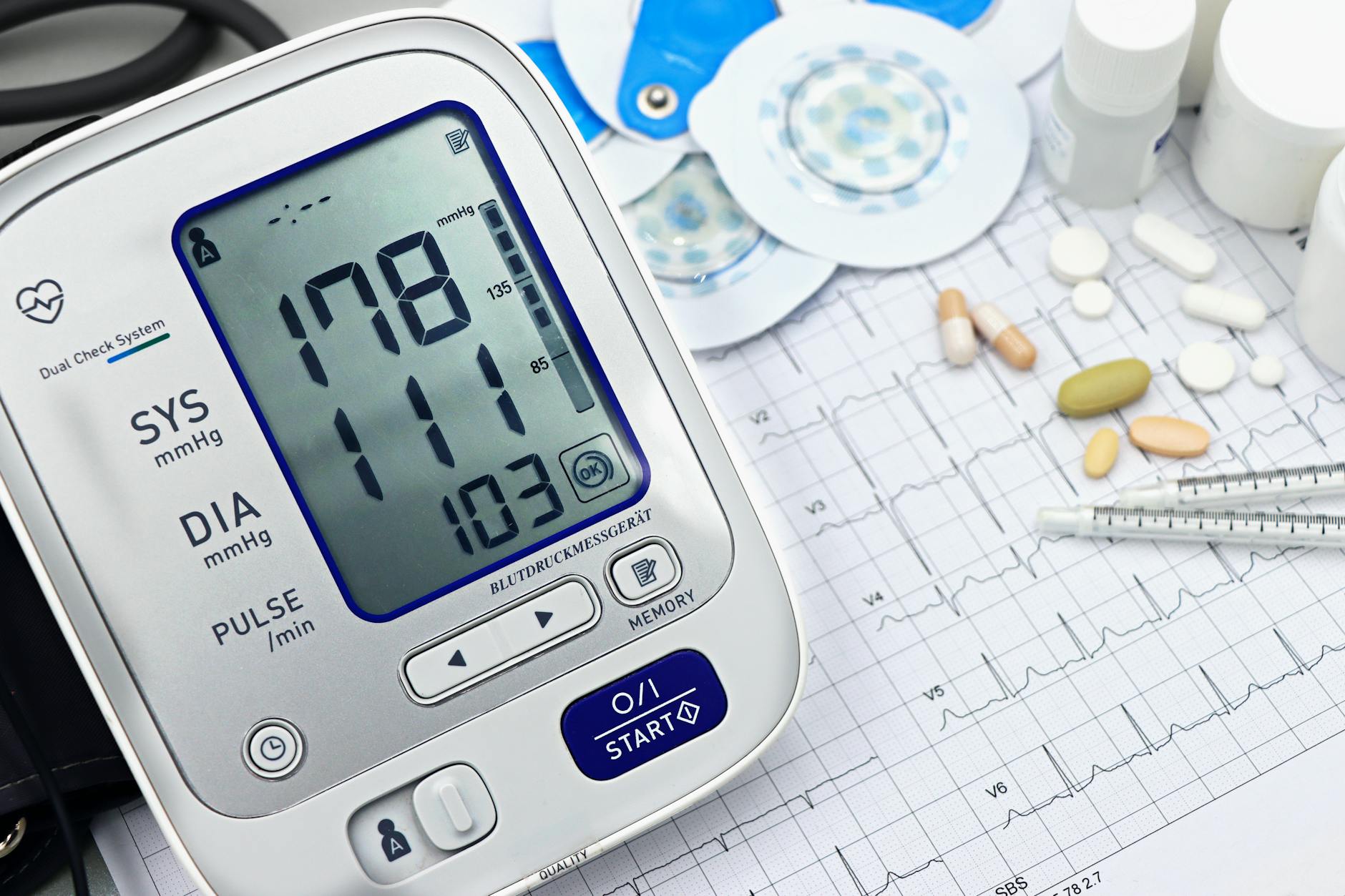
Your blood pressure reading in the doctor’s office is often higher than normal due to the stress of the appointment. This phenomenon is known as white coat hypertension and can lead to unnecessary medication. You should ask to have your pressure taken at the end of the appointment or monitor it at home. verified home readings are often a better reflection of your true cardiovascular health.
Vaccine Boosters
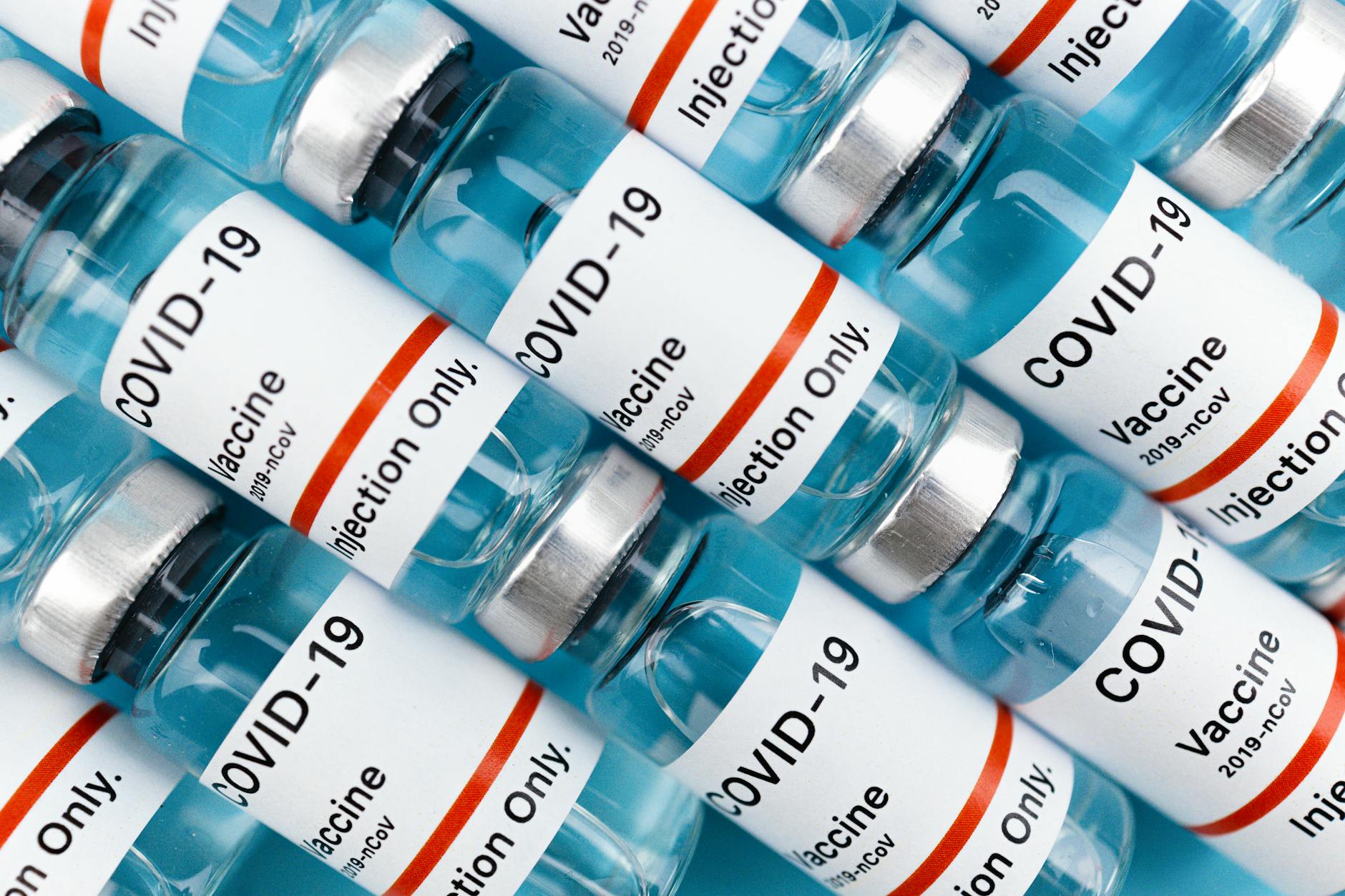
Adults often assume that the vaccinations they received in childhood provide lifetime protection against diseases. Immunity to conditions like tetanus and pertussis fades over time and requires periodic booster shots. You should ask your doctor to review your immunization history to see if you are due for updates. Staying current on vaccines protects both you and vulnerable members of your community.
Hearing Loss
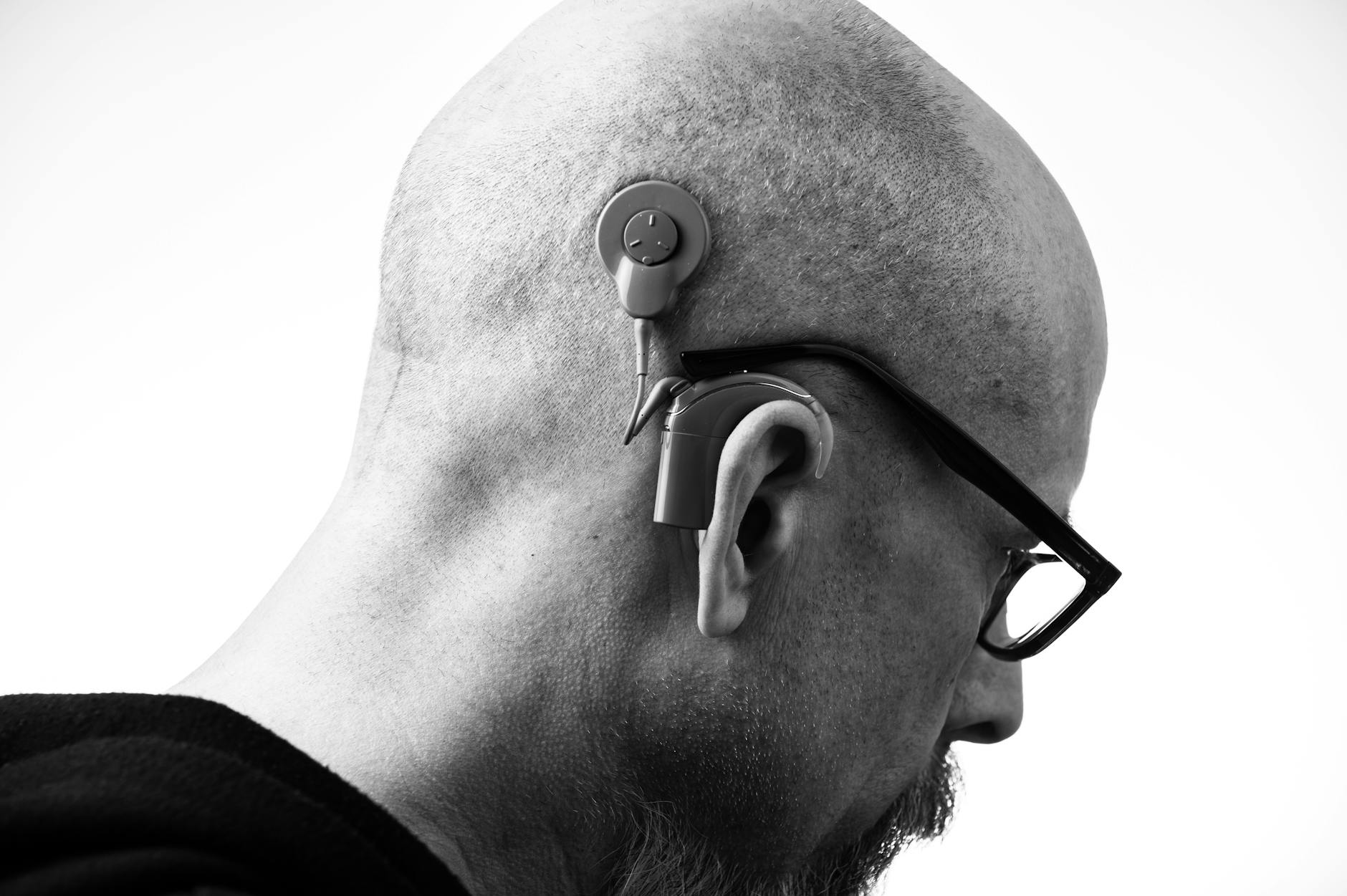
Gradual hearing loss is frequently linked to cognitive decline and social isolation in older adults. Doctors might not screen for this unless you specifically mention difficulty following conversations. Early intervention with hearing aids can significantly improve quality of life and brain health. You should request a referral to an audiologist if you notice you are constantly turning up the TV volume.
Dental Health

Poor oral hygiene is linked to serious systemic issues including heart disease and diabetes. Your general practitioner rarely looks inside your mouth or asks about your flossing habits. You must bridge the gap between your dentist and your doctor by sharing information across providers. Gum disease is a silent source of inflammation that affects the entire body.
Sunscreen Usage

Most people apply significantly less sunscreen than is needed to actually achieve the SPF rating on the bottle. Doctors know that a thin layer of SPF 50 provides much less protection than you think. You need to ask about proper application volume and frequency to be truly safe. Daily sun protection is the single most effective anti-aging product available.
Sugar Addiction

Sugar triggers the same reward centers in the brain as addictive drugs and can be incredibly difficult to quit. Doctors often advise cutting back without explaining the withdrawal symptoms you might experience. You should ask for strategies to manage cravings during the first few weeks of dietary changes. Understanding the biological hook of sugar makes it easier to navigate the reduction process.
Generic Testing

Direct-to-consumer genetic testing kits can provide interesting data but are not always clinically actionable. Doctors warn that these results can cause unnecessary alarm without the context of a genetic counselor. You should discuss any concerning results with a professional before making medical decisions. Medical grade testing is far more rigorous and private than commercial kits.
Emergency Room Wait Times

Going to the ER for a non-life-threatening condition often results in hours of waiting and a massive bill. Urgent care centers can handle stitches and fevers and minor fractures much faster and cheaper. You should ask your doctor for a list of recommended urgent care facilities before an emergency strikes. Saving the ER for true emergencies ensures better resource allocation for everyone.
Recovery Timelines

Patients often expect to bounce back from surgery or illness much faster than is biologically realistic. Doctors might give an optimistic estimate to keep your morale high before a procedure. You should ask for the worst-case scenario recovery timeline to plan your work and home life accordingly. True healing takes energy and time that cannot be rushed.
Herbal Supplements

Natural remedies can interact dangerously with prescription medications and anesthesia. Patients often forget to list herbal teas or supplements on their medication history forms. You must explicitly tell your doctor about everything you ingest to avoid adverse reactions. Natural does not automatically mean safe when combined with modern pharmaceuticals.
Cholesterol Numbers

Total cholesterol is less important than the ratio between your HDL and LDL and triglycerides. Doctors sometimes focus on the total number without explaining the nuance of particle size. You should ask for a breakdown of your lipid panel to understand your true heart risk. High HDL can actually be protective even if your total number appears elevated.
Walking Speed

Your walking speed is a surprisingly accurate predictor of longevity and overall physical resilience. Doctors observe how you walk from the waiting room to the exam room to gauge your vitality. You can ask about incorporating gait training or strength work to improve your mobility. Keeping your body moving briskly is a key sign of youthful function.
Social Isolation

Loneliness is a health risk factor comparable to smoking and obesity in terms of long-term impact. Doctors are increasingly recognizing the importance of social connection for maintaining immune and cognitive health. You should mention if you are feeling isolated so they can recommend community resources. Building a social support network is a valid and necessary medical intervention.
Morning Stiffness

Waking up with stiff joints that loosen up after an hour is a classic sign of inflammatory arthritis. Doctors rely on you to report the timing and duration of pain to make an accurate diagnosis. You should track your symptoms to see if they follow a specific daily pattern. Early diagnosis of autoimmune conditions prevents permanent joint damage later.
Snoring Risks

Loud snoring is often dismissed as a nuisance but can indicate obstructive sleep apnea. This condition deprives your heart and brain of oxygen hundreds of times per night. You should ask for a sleep study if your partner mentions you gasp or stop breathing during sleep. Treating apnea can dramatically lower your risk of stroke and heart attack.
MRI Radiation

Patients often confuse MRI scans with CT scans regarding radiation exposure risks. MRI uses magnetic fields and radio waves and involves absolutely no ionizing radiation. You can ask for an MRI instead of a CT scan if the diagnostic capability is similar. Avoiding unnecessary radiation is a smart long-term strategy for cancer prevention.
Chronic Inflammation
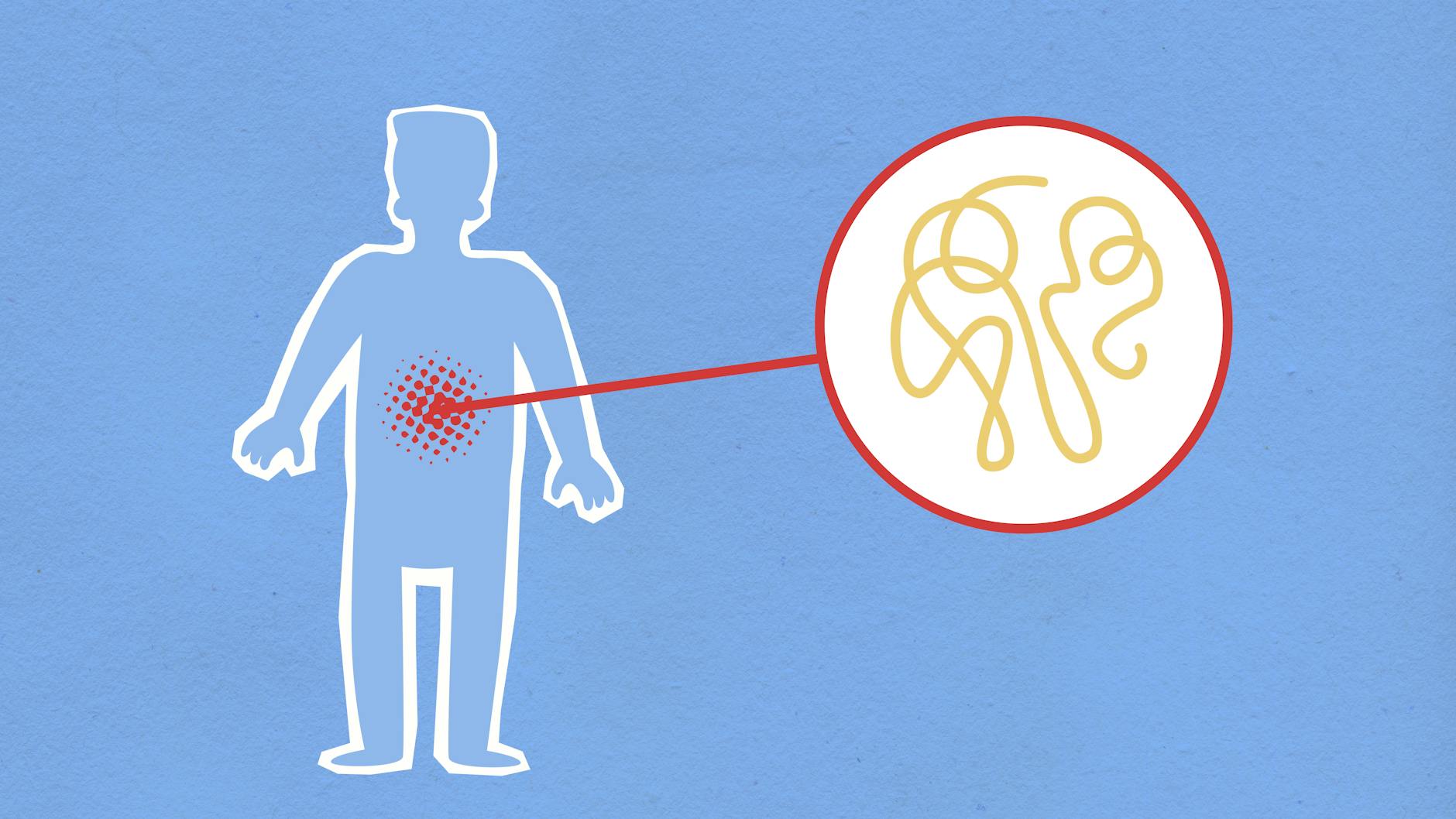
Inflammation is the common denominator for many major diseases including cancer and heart disease. Doctors can test for markers like C-reactive protein to gauge your systemic inflammation levels. You should ask about anti-inflammatory diet changes that can lower this hidden risk factor. lowering inflammation often resolves vague symptoms like fatigue and brain fog.
Foot Health

Your feet bear the weight of your entire body and can signal issues like diabetes or circulatory problems. Doctors might not ask you to remove your socks during a routine physical exam. You should request a foot check if you notice numbness or slow-healing cuts. Proper foot care is essential for maintaining mobility as you age.
Family History

Your family medical history is one of the most powerful tools your doctor has to predict your risks. Patients often provide vague answers because they do not know the specific details of their relatives’ health. You should interview your family members to get concrete information before your next checkup. Knowing who had what disease and at what age allows for targeted screening.
Test Results
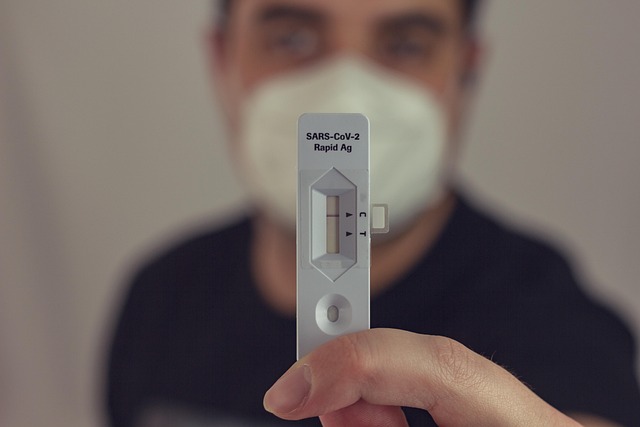
No news is not always good news when it comes to medical test results. Labs can get lost and administrative errors can happen in busy medical practices. You should always call the office if you have not received your results within the expected window. Taking ownership of your data ensures that nothing important slips through the cracks.
Pelvic Floor Health

Issues with incontinence are common but are not a normal part of aging that you must simply accept. Doctors might not bring this up because they assume you will mention it if it is bothering you. You should ask about pelvic floor therapy which can resolve many issues without surgery. strengthening these muscles improves core stability and bladder control.
Caffeine Sensitivity

Caffeine affects everyone differently and tolerance can change as you get older. Doctors know that jitteriness and heart palpitations are often caused by that extra cup of coffee. You should experiment with cutting back if you experience anxiety or sleep disruption. It is a powerful stimulant that stays in your system much longer than you might realize.
Sitting Disease

Sitting for prolonged periods is detrimental to your metabolic health even if you exercise daily. Doctors encourage frequent movement breaks to keep blood sugar stable and circulation moving. You should ask about strategies to increase non-exercise activity thermogenesis throughout your day. Standing up every thirty minutes is a simple habit with profound health benefits.
Aging Expectations

Many symptoms attributed to aging are actually the result of inactivity and poor nutrition. Doctors can help you differentiate between inevitable biological changes and reversible lifestyle factors. You should ask what is normal for your age and what can be improved with effort. Refusing to accept decline as inevitable is the first step toward healthy longevity.
I’d love to hear which of these points surprised you the most, so please share your thoughts in the comments.




