Navigating the grocery store aisles often involves difficult decisions between conventional produce and higher-priced organic alternatives. Many shoppers assume the organic label guarantees superior health benefits or safety across every single category of food. Agricultural experts and food scientists have identified specific items where conventional farming methods leave negligible pesticide residues. The natural defenses of certain fruits and vegetables can render the organic premium unnecessary for the average consumer. Understanding which foods possess these protective traits allows for smarter budgeting without compromising nutritional quality.
Avocados
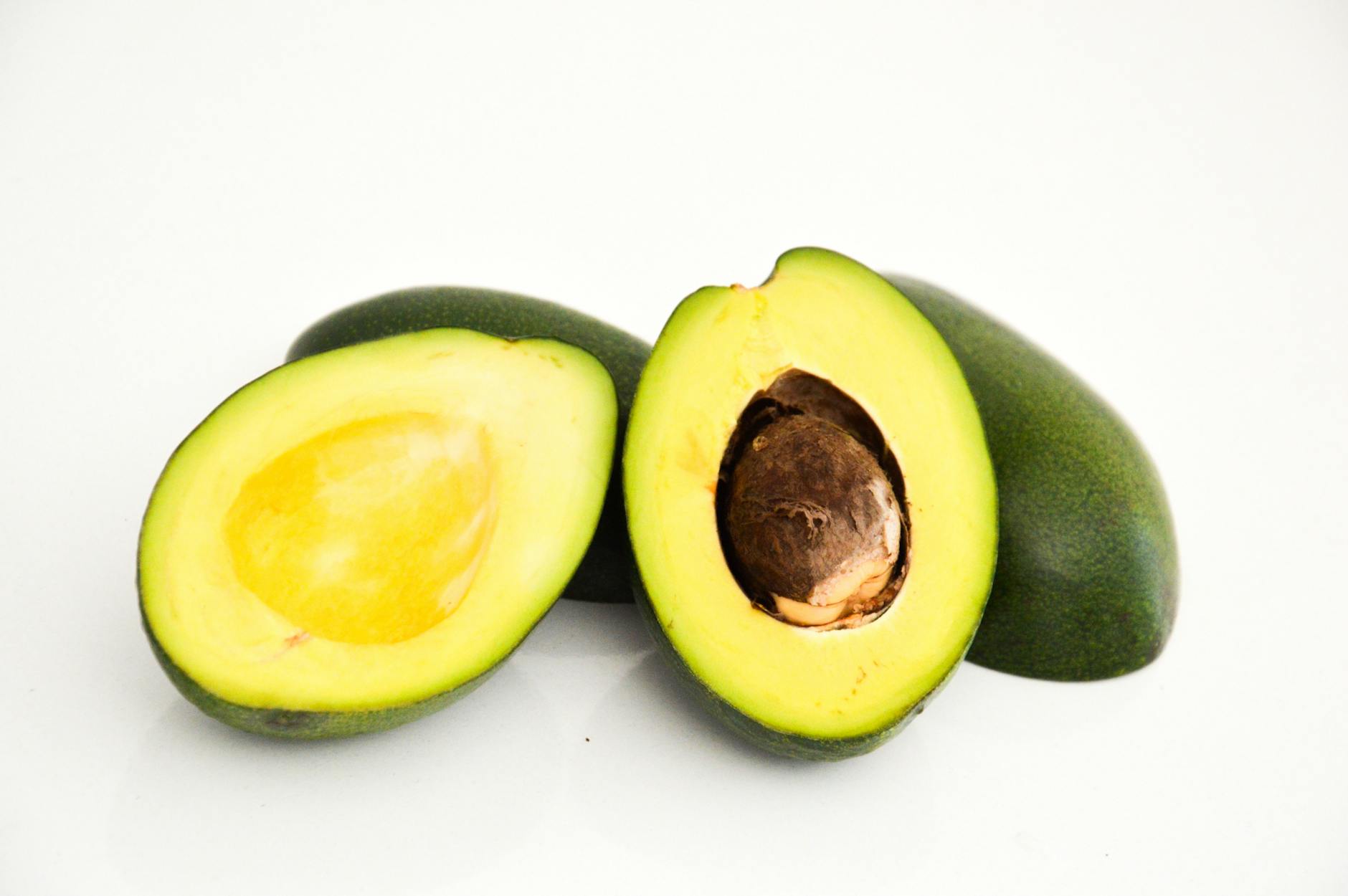
The thick and textured skin of an avocado serves as an effective barrier against agricultural sprays. Pesticides used in conventional farming rarely penetrate this outer layer to reach the edible green flesh inside. Samples tested by food safety organizations consistently show that conventional avocados are among the cleanest produce items available. Paying extra for the organic variety offers little additional safety benefit when the skin is discarded before consumption.
Sweet Corn
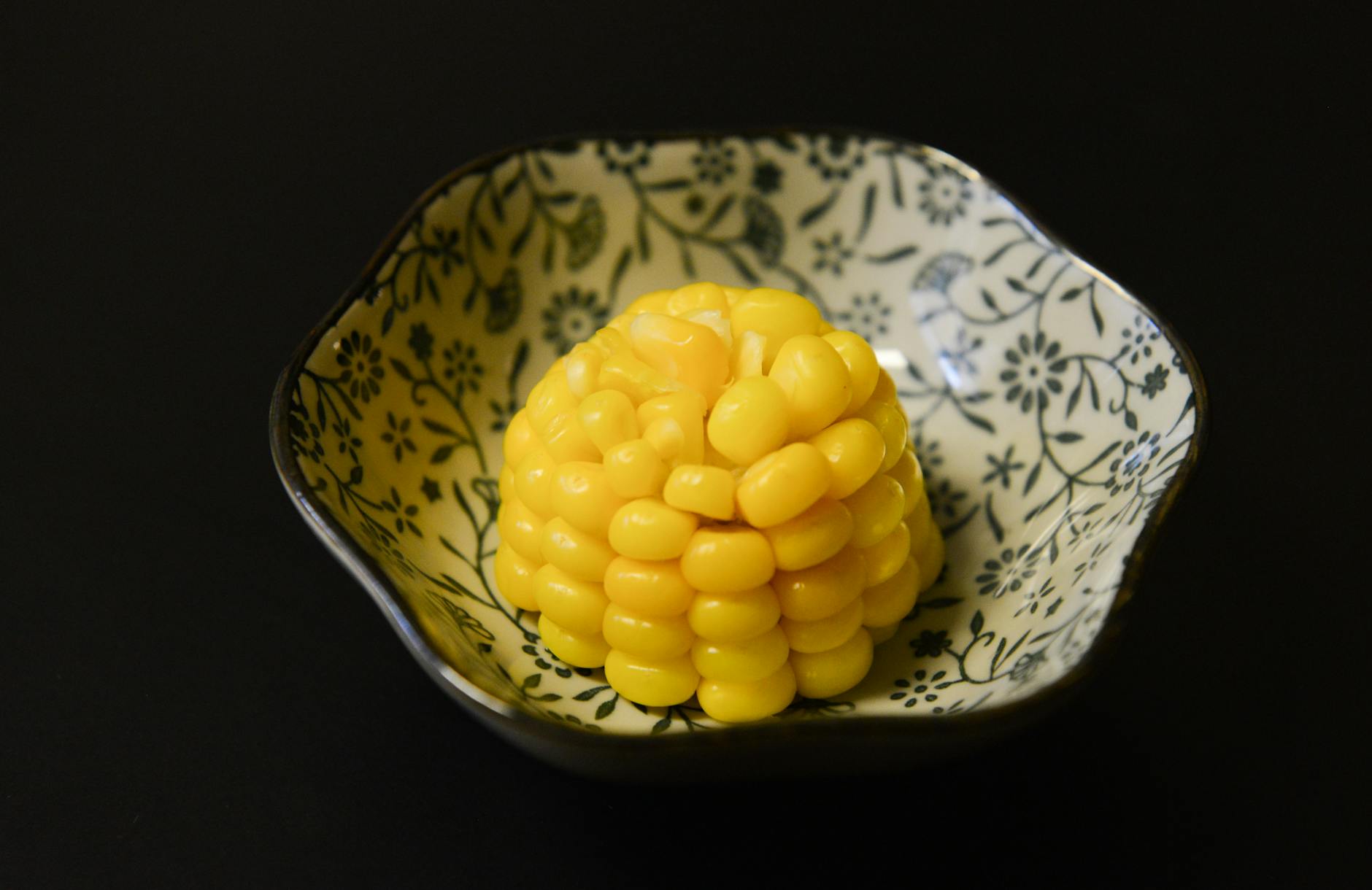
Conventionally grown sweet corn is protected by thick layers of husks that shield the kernels from direct contact with pesticides. Farmers use fewer chemicals on corn compared to other crops because of this natural protective covering. Most of the residue remains on the outer leaves which are stripped away before cooking or eating. Consumers should simply be aware that some conventional corn is genetically modified if that is a personal concern.
Pineapples
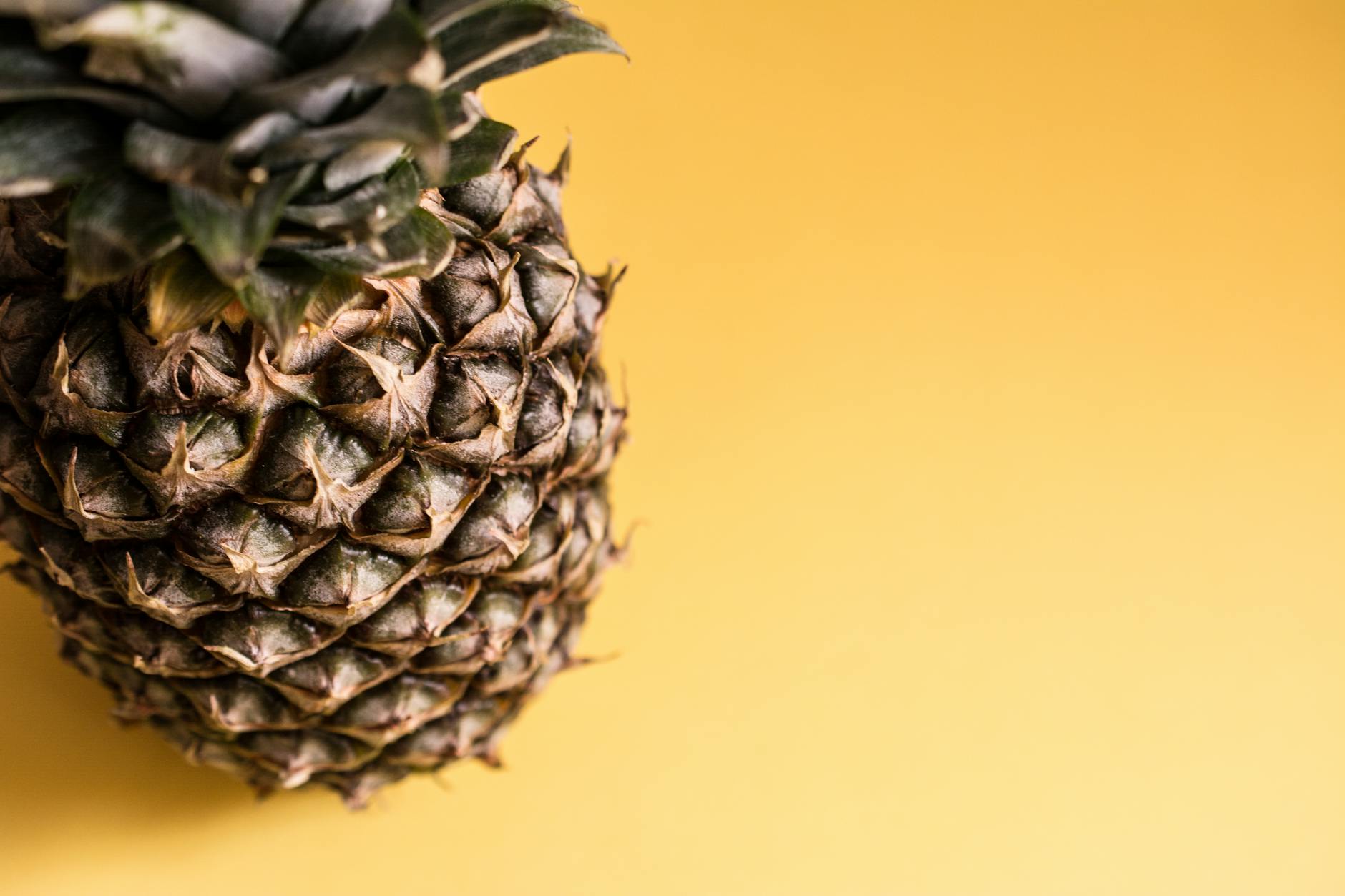
The tough and spiky exterior of a pineapple provides a formidable defense against chemical absorption. Agricultural studies indicate that the edible fruit inside remains largely free of pesticide residues even in conventional farming. You remove the thick rind and core during preparation so any surface treatments are effectively eliminated. This makes the significantly higher price tag of organic pineapples hard to justify for many budget-conscious shoppers.
Onions
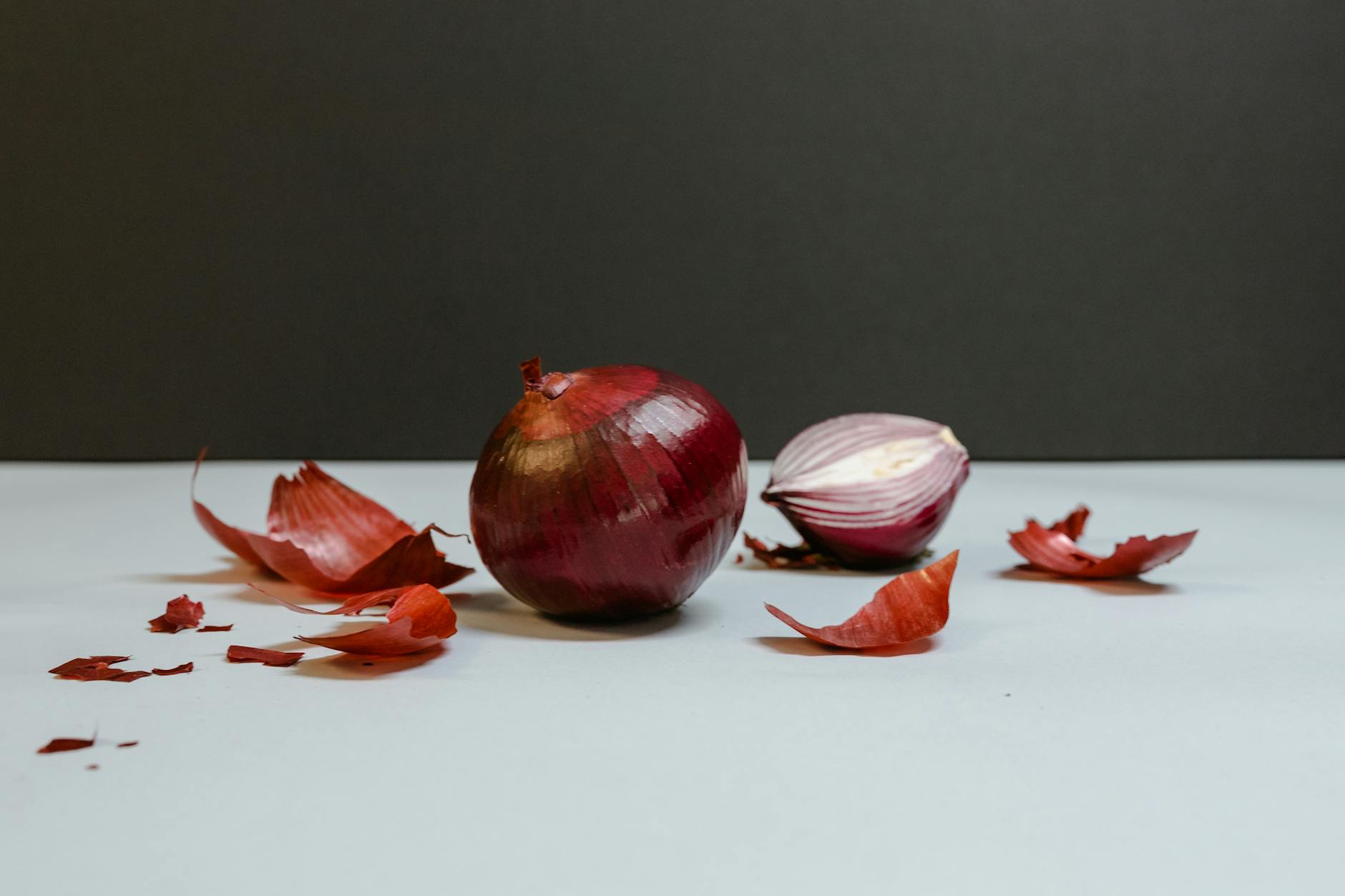
Onions grow underground and are naturally protected by multiple layers of papery skin that are peeled away before use. The pungent nature of onions also acts as a natural deterrent to many common garden pests and insects. This reduces the need for heavy chemical applications during the growing season compared to more vulnerable crops. Conventional onions typically test with very low or undetectable levels of pesticide residue.
Papayas
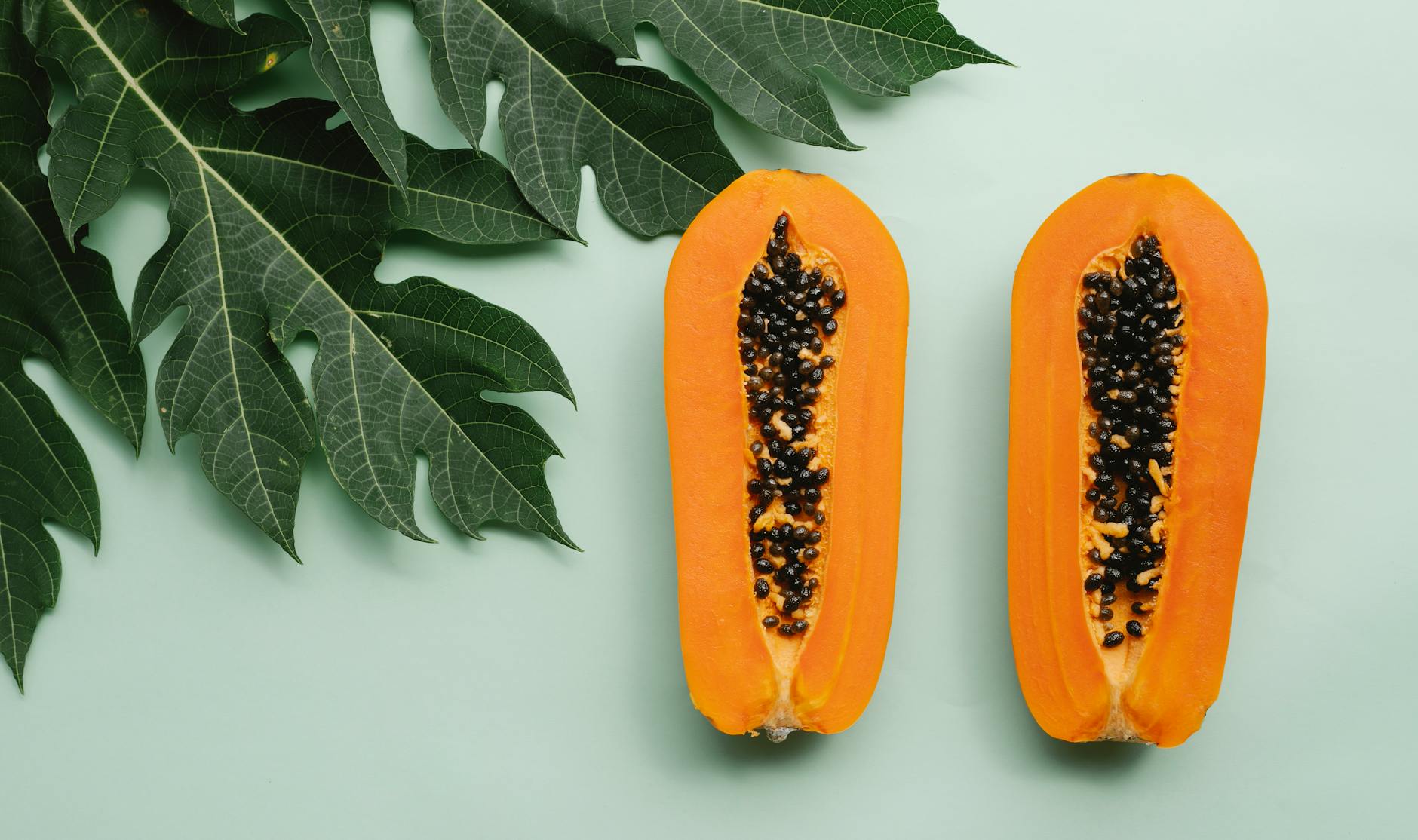
Most conventional papayas have a thick skin that prevents pesticides from reaching the sweet flesh inside. The vast majority of residues remain on the peel which is always removed before the fruit is eaten. Shoppers should note that a large percentage of conventional papaya crops are genetically modified to resist specific viruses. If avoiding GMOs is not a priority then the conventional version is a safe and economical choice.
Sweet Peas Frozen
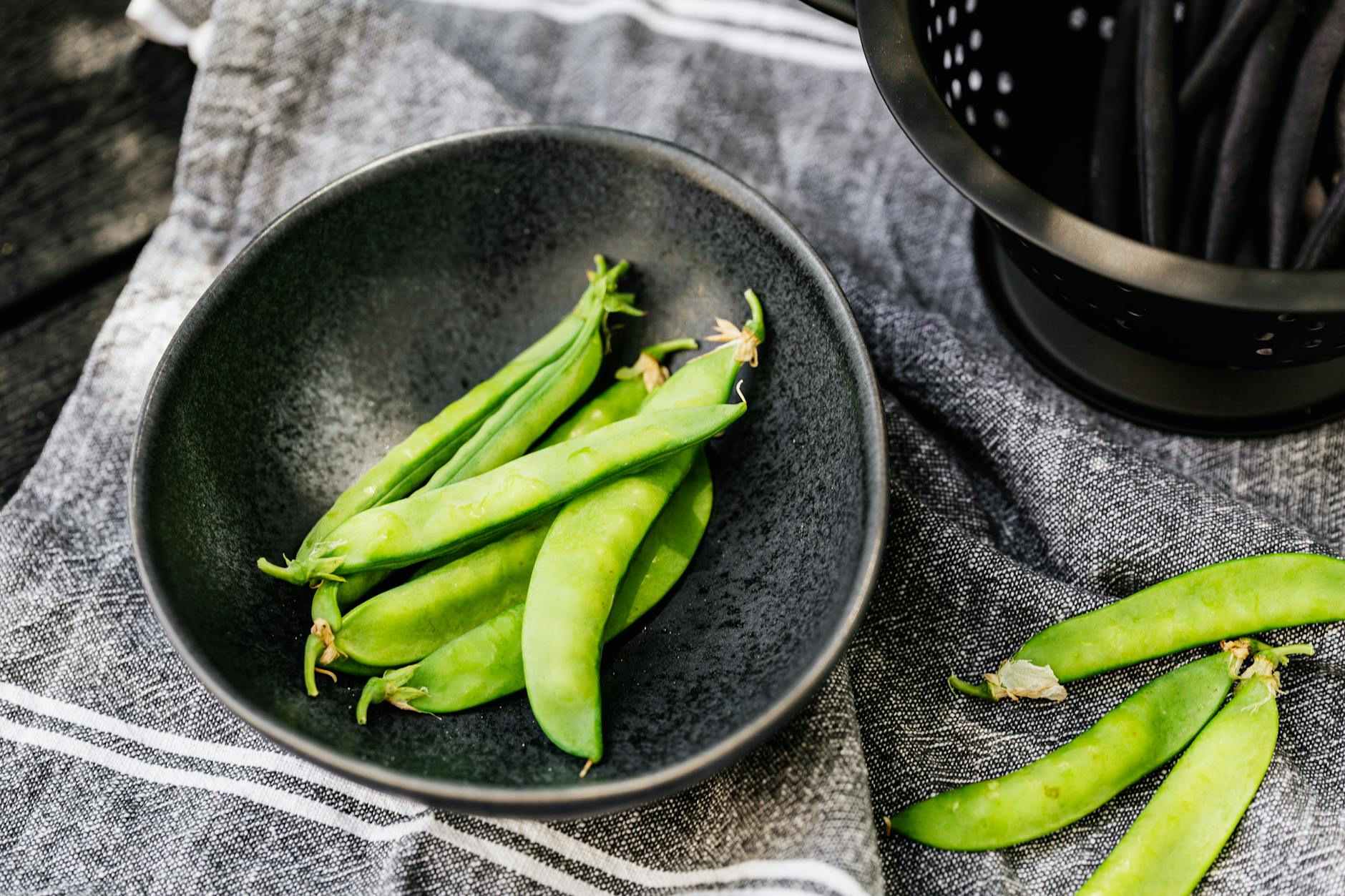
Frozen sweet peas are shelled before they are packaged which removes the pod where any potential residues would reside. The processing and washing involved in freezing vegetables further reduces any lingering surface chemicals. Conventional peas consistently rank as one of the cleanest vegetables according to annual pesticide residue reports. The nutritional difference between organic and conventional frozen peas is negligible in most laboratory analyses.
Asparagus
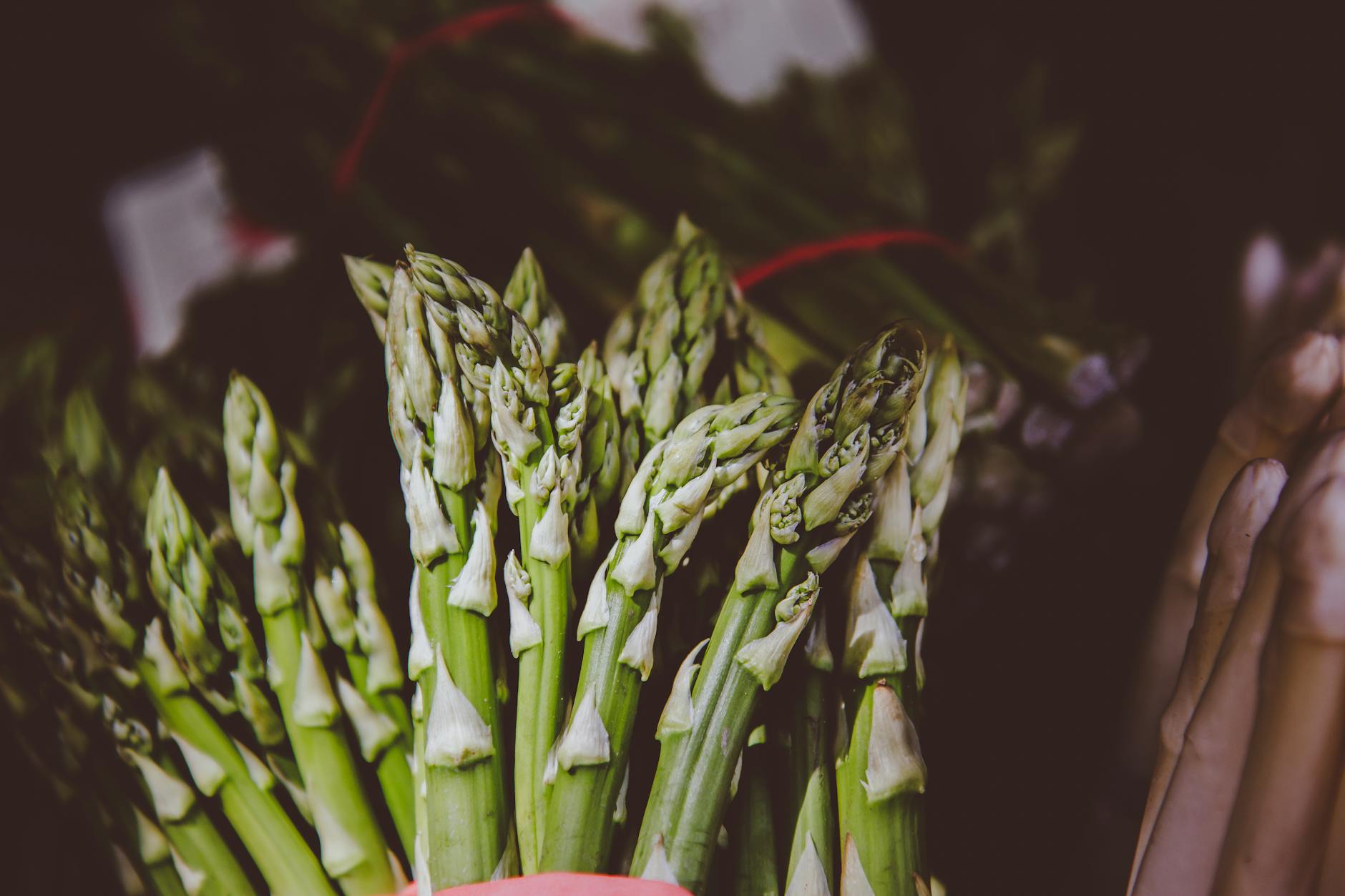
Asparagus plants produce an enzyme that naturally breaks down certain pesticides like malathion. This natural defense mechanism means fewer chemicals are required or found on the harvested stalks. The fast growth rate of asparagus during its peak season also leaves little time for pests to do damage. Conventional asparagus is widely considered one of the safest vegetables to buy without an organic label.
Honeydew Melon
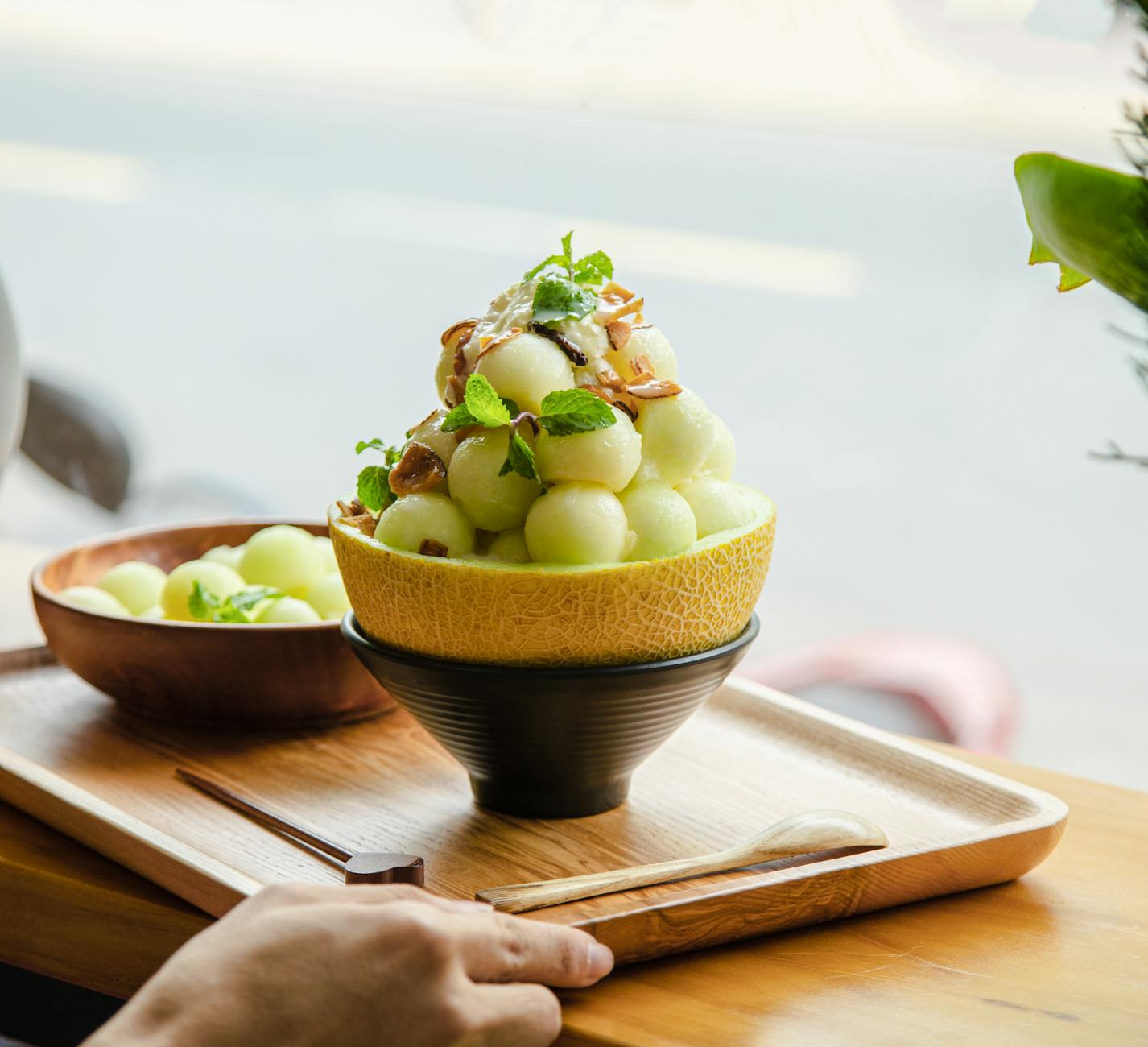
The thick rind of a honeydew melon acts as a shield that keeps pesticides from contaminating the fruit. While the skin is not as thick as a pineapple it is substantial enough to block most agricultural sprays. Thoroughly washing the outside of the melon before cutting prevents the knife from dragging surface residues into the flesh. The interior fruit remains clean and safe in conventional varieties found in most supermarkets.
Kiwi
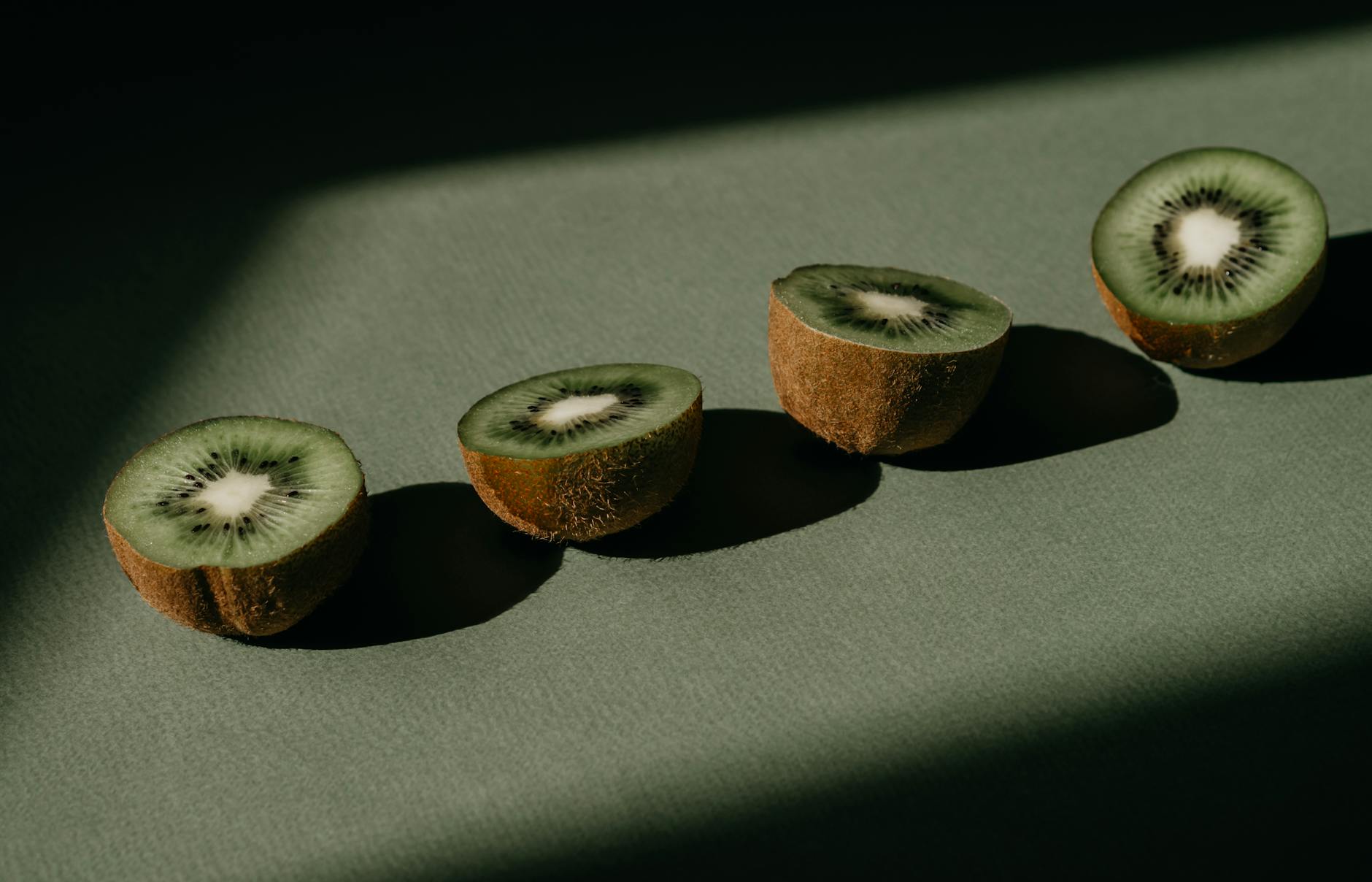
Pineapples and avocados are not the only fruits with protective skins as kiwis also possess a fuzzy barrier. Most people peel kiwis before eating them which removes the surface area where sprays would accumulate. Even when eaten with the skin on the residue levels on conventional kiwis remain exceptionally low. The organic premium is often substantial for this fruit despite the minimal difference in chemical exposure.
Cabbage

Cabbage leaves are tightly packed together and grow from the inside out which protects the inner portion of the head. Farmers may spray the outer leaves but these are typically removed during harvest or preparation in the kitchen. Cabbage does not require heavy pesticide use because it is a hardy crop that grows well in cooler conditions. The inner leaves used for slaws and cooking are generally free from significant chemical residues.
Mushrooms
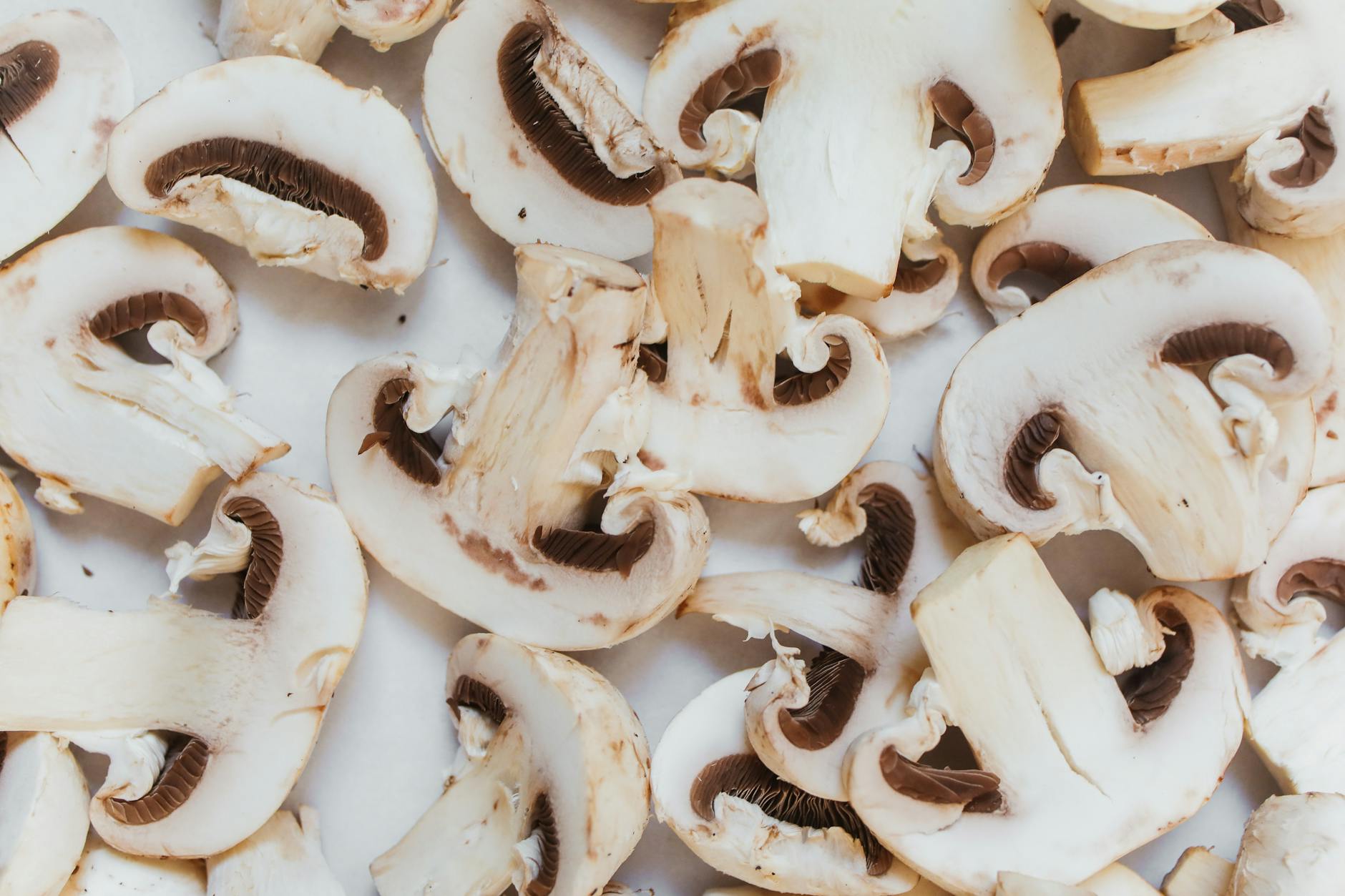
Commercially grown mushrooms are produced indoors in controlled environments rather than in open fields. This controlled setting eliminates the need for many pesticides that are used to combat outdoor pests and weeds. The growing medium is typically sterilized which further protects the crop from contamination and disease. Conventional mushrooms are essentially as clean as organic ones due to these standardized indoor farming practices.
Mangoes
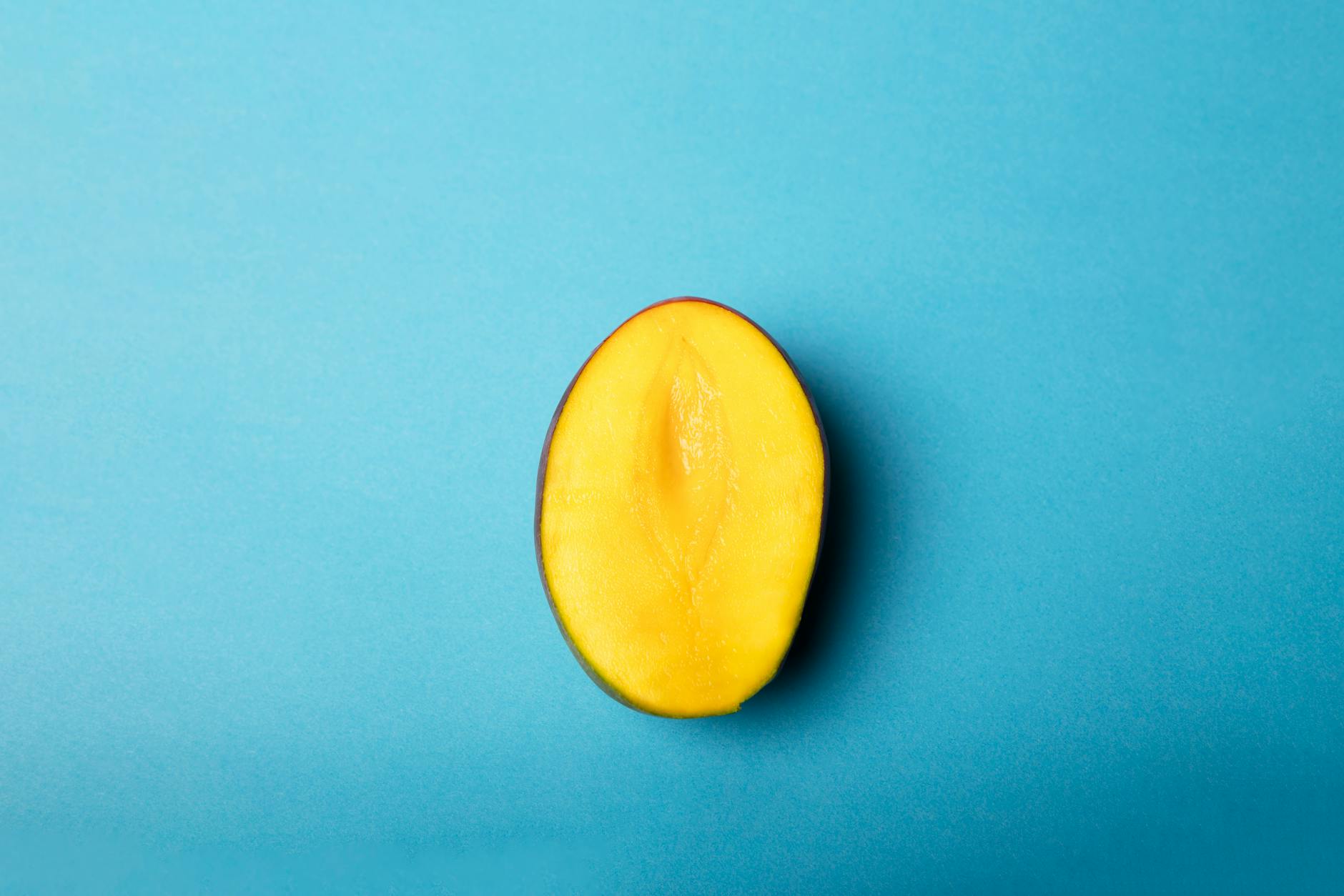
The sweet flesh of a mango is protected by a thick and waxy skin that is always peeled or cut away. This peel creates an effective barrier that prevents pesticides from absorbing into the fruit itself. Residue testing confirms that the edible portion of conventional mangoes contains little to no detectable chemicals. Choosing conventional mangoes allows you to enjoy this tropical treat at a fraction of the organic price.
Watermelon
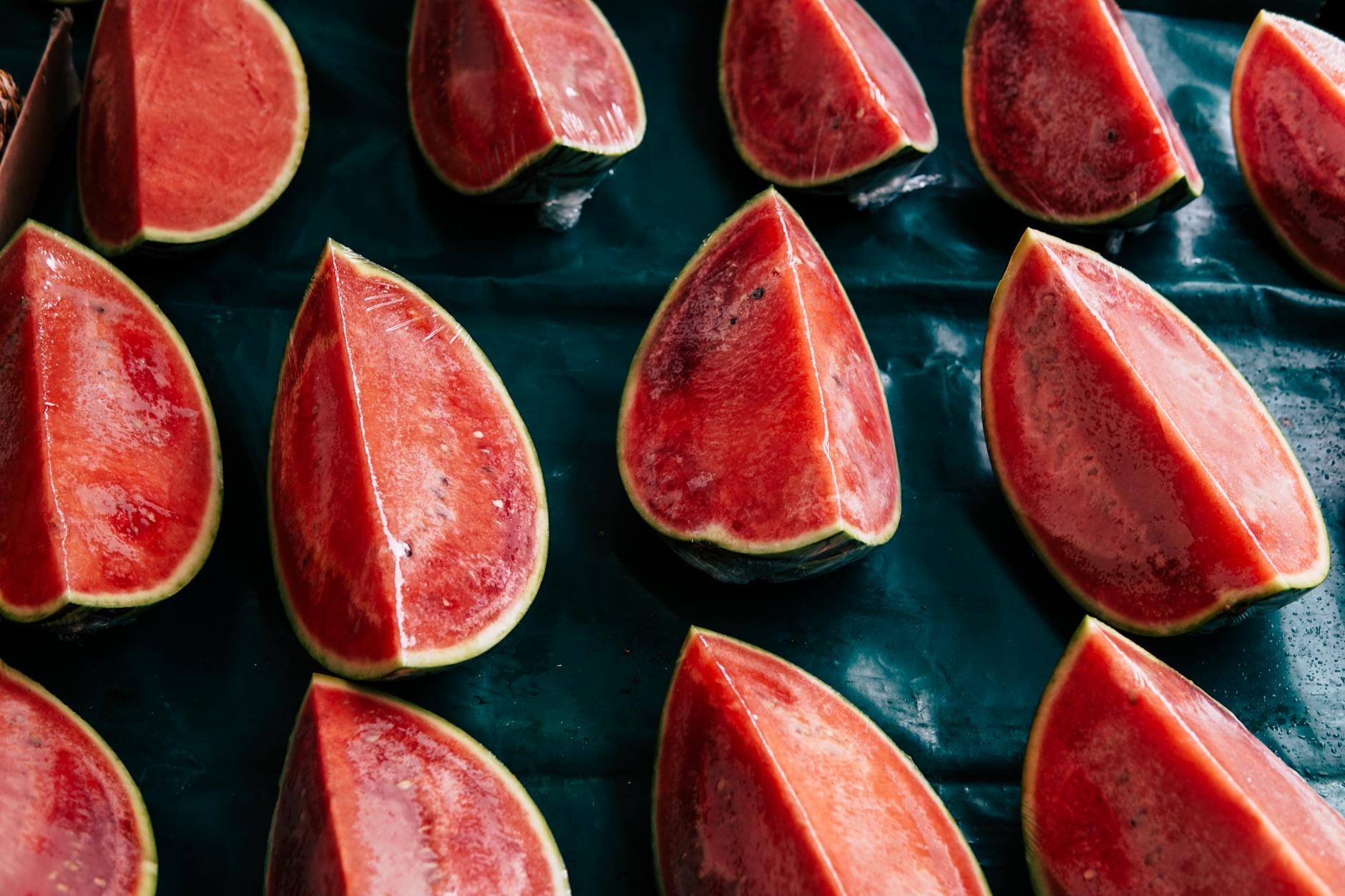
Watermelons have a thick rind that serves as armor against insects and chemical applications during the growing process. The fruit inside is well insulated from the environment and remains protected until it is sliced open. Rinsing the melon under running water before cutting is sufficient to manage surface cleanliness. The dense nature of the watermelon rind makes the organic version an unnecessary expense for most households.
Sweet Potatoes

Sweet potatoes are root vegetables that have a natural hardiness against many pests and diseases. The vast majority of pesticide residues found in testing remain on the skin rather than penetrating the flesh. Peeling sweet potatoes or scrubbing them thoroughly removes most traces of chemicals used in conventional farming. The nutritional profile of conventional sweet potatoes rivals that of their organic counterparts.
Grapefruit
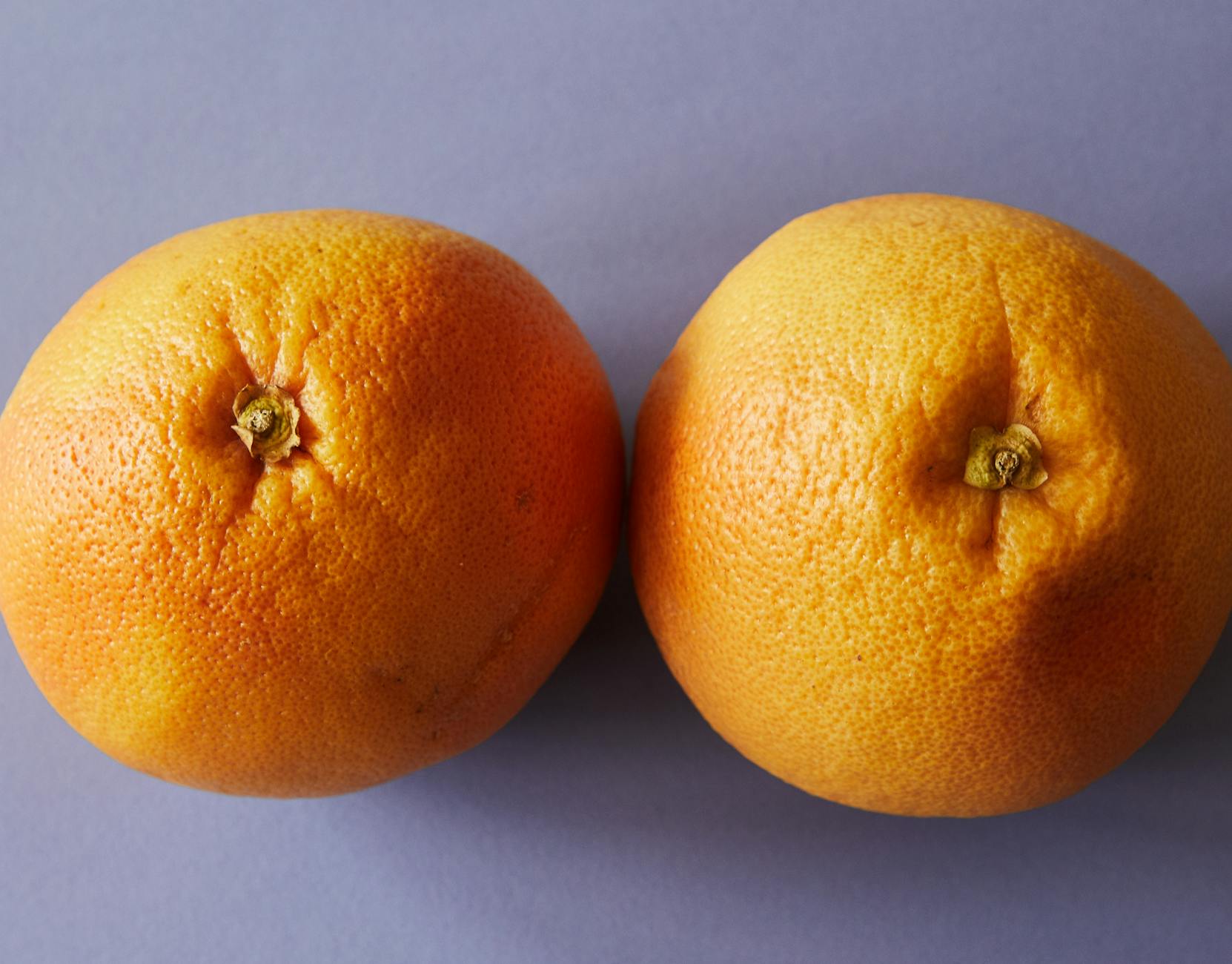
A thick and bitter peel surrounds the juicy segments of a grapefruit and blocks pesticide absorption. You discard this outer layer entirely which removes the surface area that was exposed to agricultural sprays. The fruit inside remains untouched by the chemicals used to protect the tree during the growing season. Conventional grapefruit offers the same vitamin C benefits without the markup associated with organic certification.
Eggplant
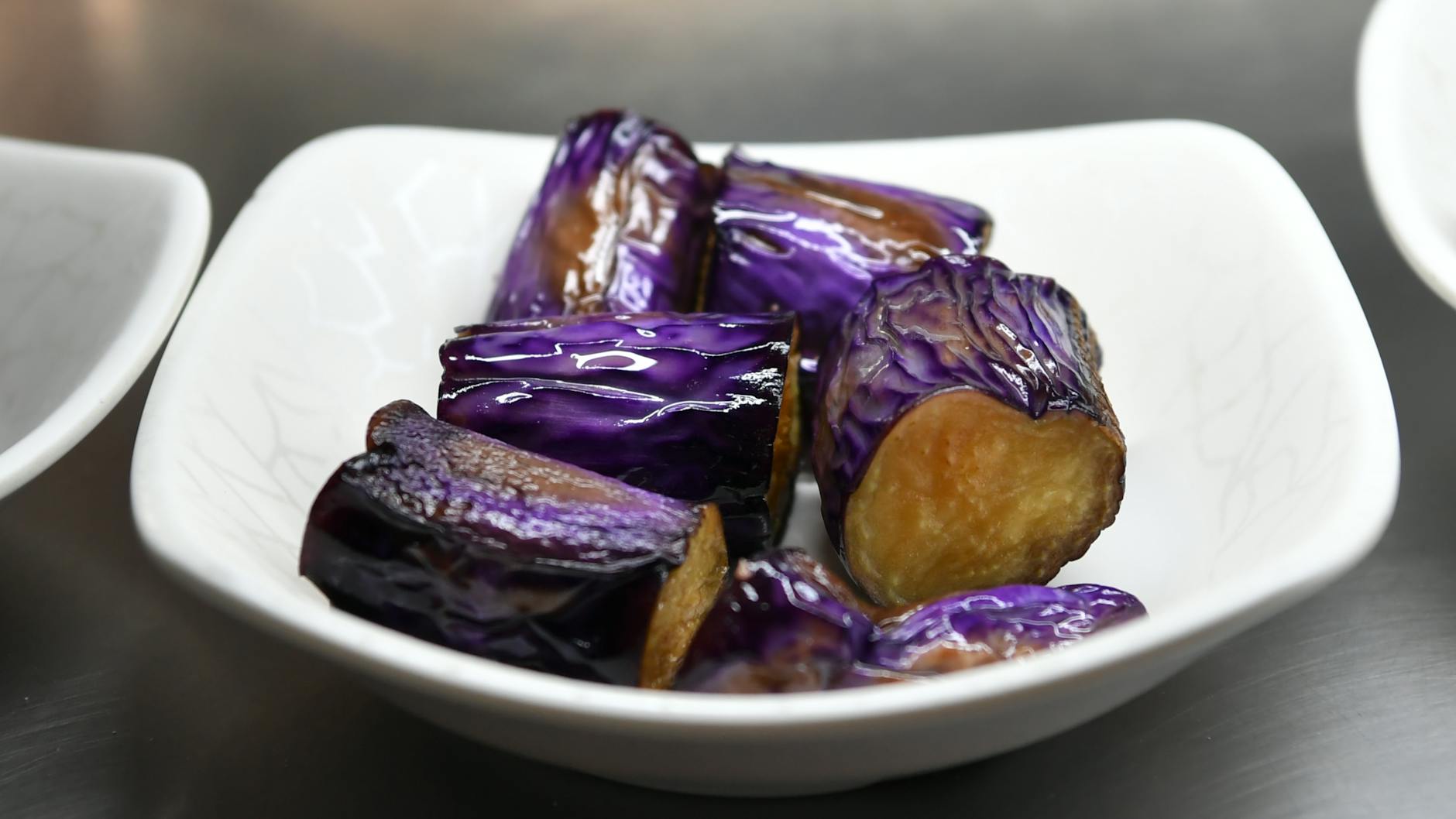
The smooth and glossy skin of an eggplant is surprisingly effective at keeping chemical residues on the surface. Many recipes call for peeling the eggplant which eliminates the primary source of potential exposure. Even when cooked with the skin on the pesticide levels found on conventional eggplant are relatively low. The interior sponge-like flesh stays clean and safe for consumption in conventional varieties.
Cantaloupe
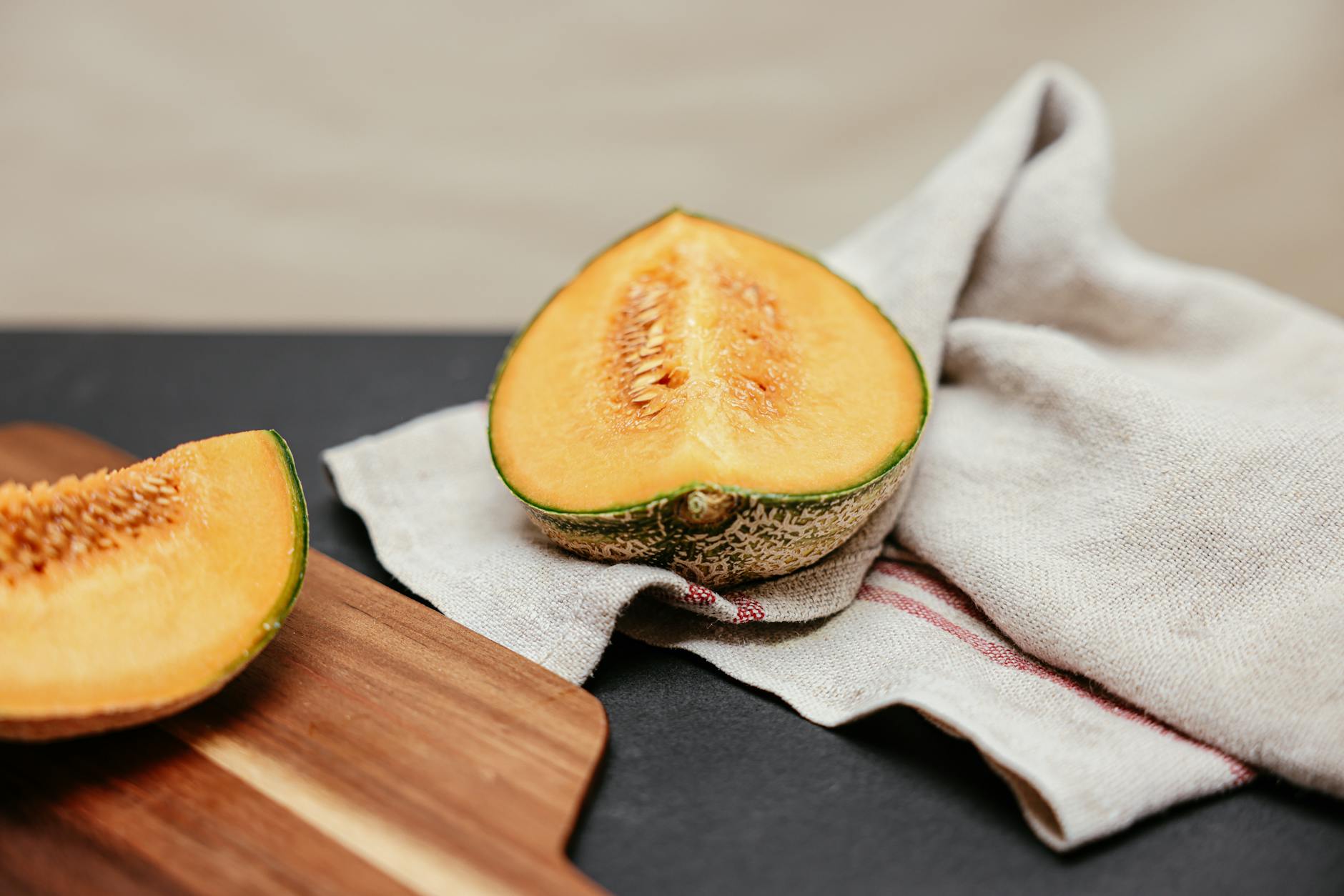
The netted and thick rind of a cantaloupe provides a strong defense against pesticide penetration. Residues tend to get trapped in the texture of the outside skin rather than soaking into the edible fruit. Scrubbing the exterior with a produce brush before cutting ensures that the knife remains clean. The flesh of a conventional cantaloupe is chemically very similar to that of an organic one.
Cauliflower
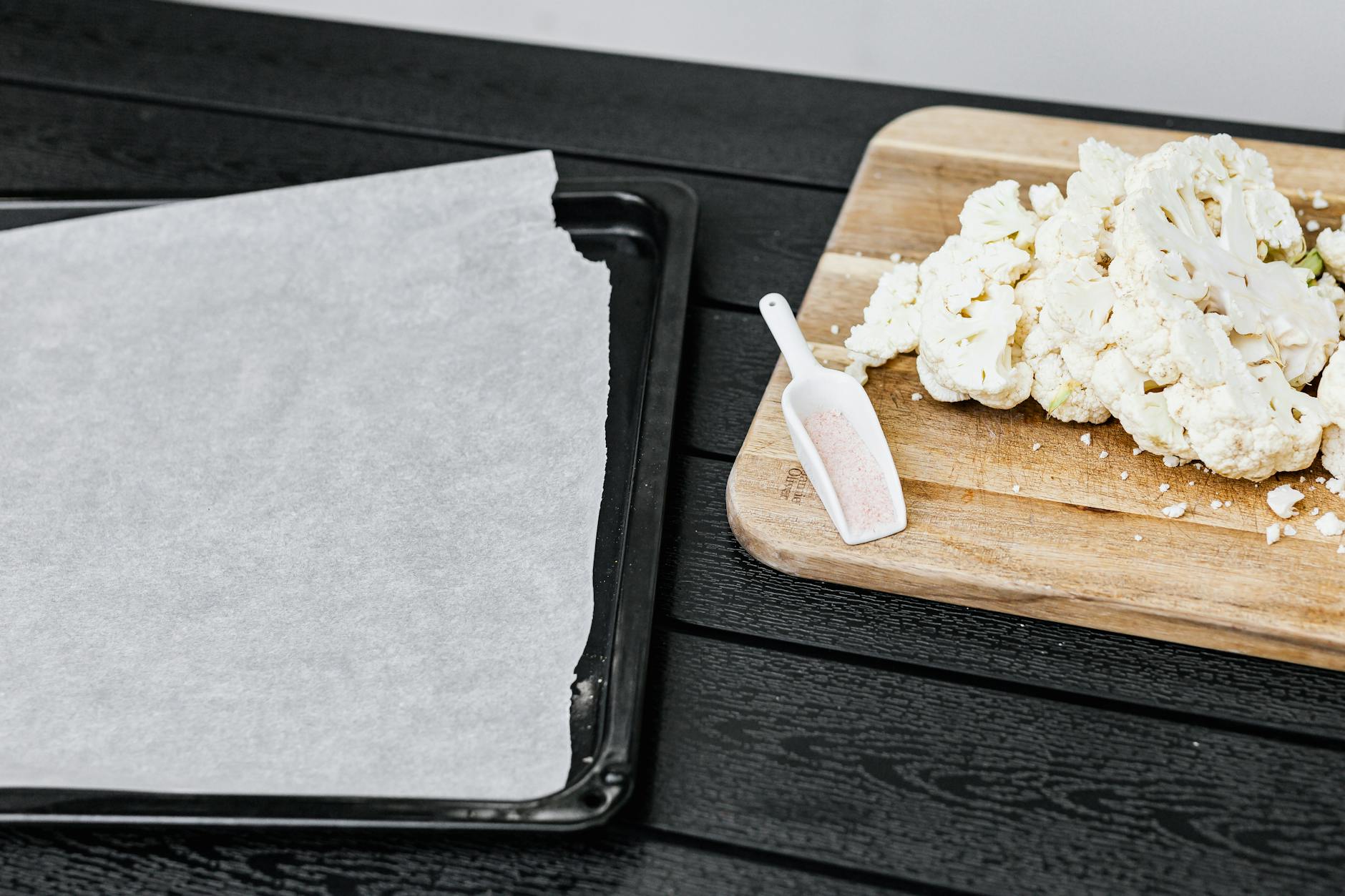
Cauliflower heads are often protected by surrounding leaves as they grow which shields the curds from direct spray. This vegetable requires fewer pesticides than other brassicas because it is harvested before pests can cause major infestation. The florets have a structure that does not easily absorb or retain chemical residues from the field. Conventional cauliflower is consistently ranked as a low-residue vegetable by food safety watchdogs.
Broccoli
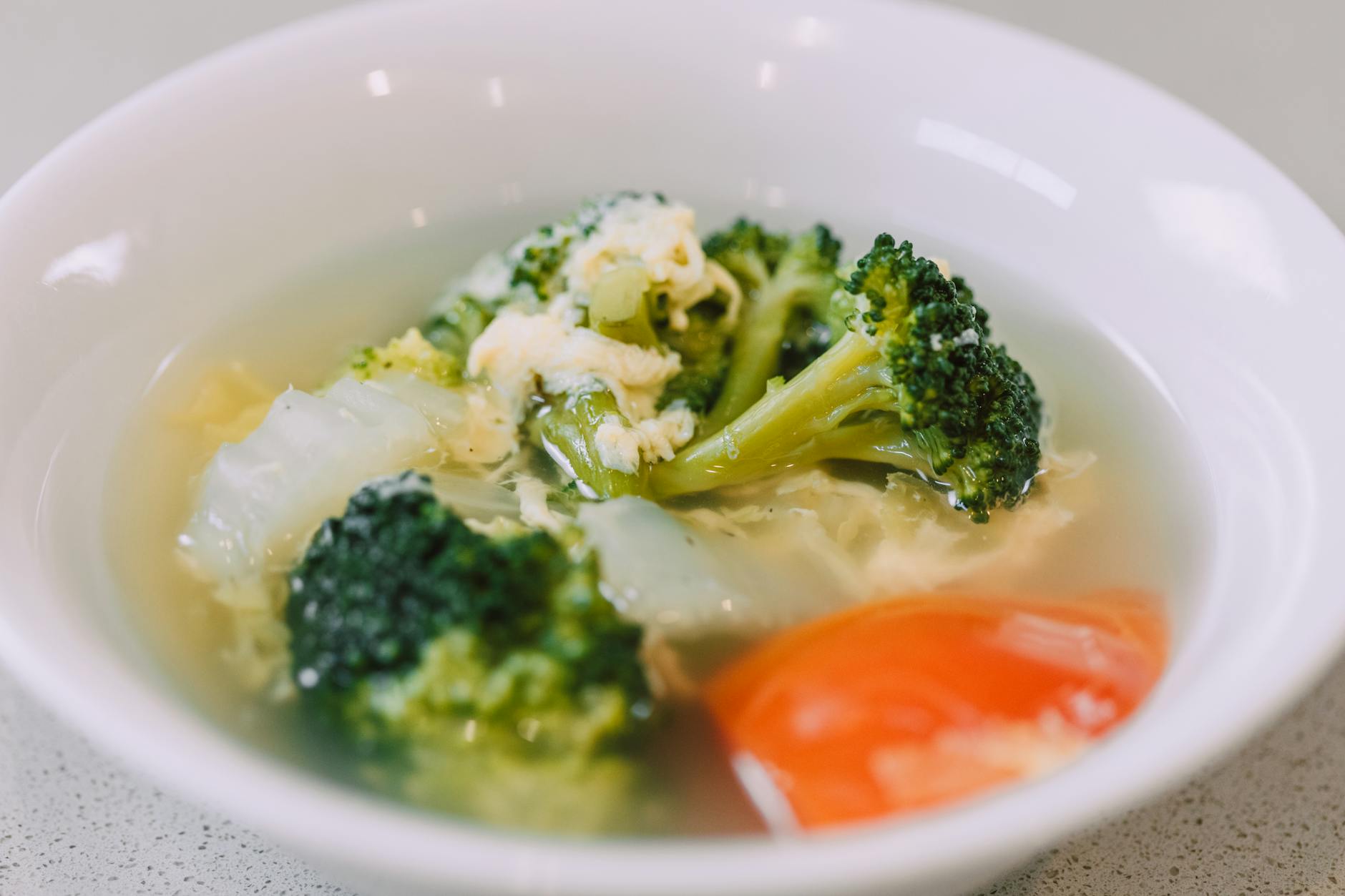
Broccoli is a hardy vegetable that does not typically harbor high levels of pesticide residues in its florets. The plant grows quickly and the parts you eat are often protected until late in the growth cycle. Washing conventional broccoli under running water effectively removes dust and minor surface treatments. There is rarely a significant safety advantage to buying organic broccoli given its naturally low chemical load.
Oranges
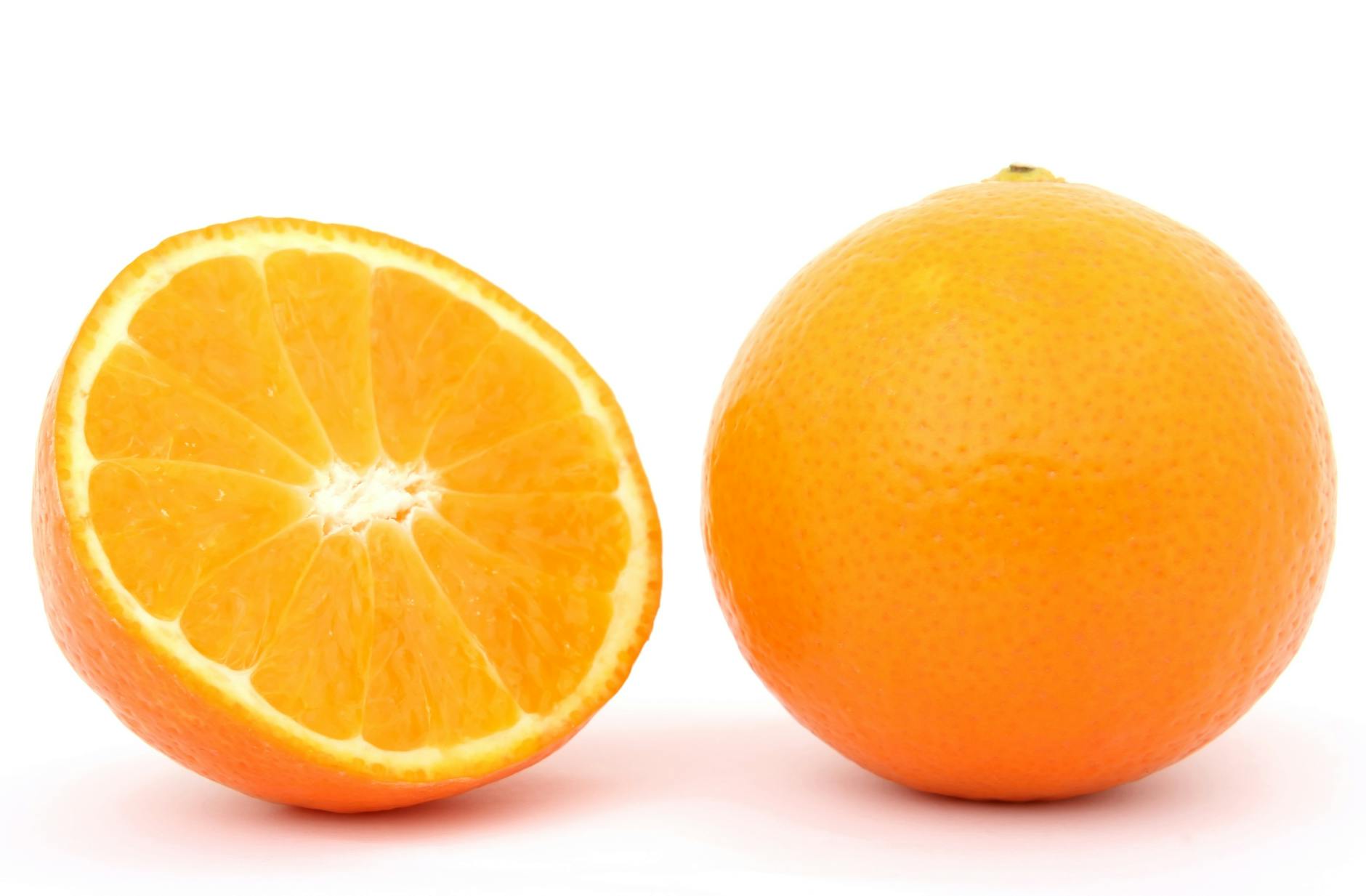
The thick peel of an orange is discarded before eating and takes the majority of pesticide residues with it. Chemicals applied to citrus groves do not easily penetrate the oily skin to reach the juice vesicles inside. Most conventional oranges test clean for residues in the edible portion of the fruit. You can save money for other grocery items by choosing conventional bags of oranges.
Tangerines
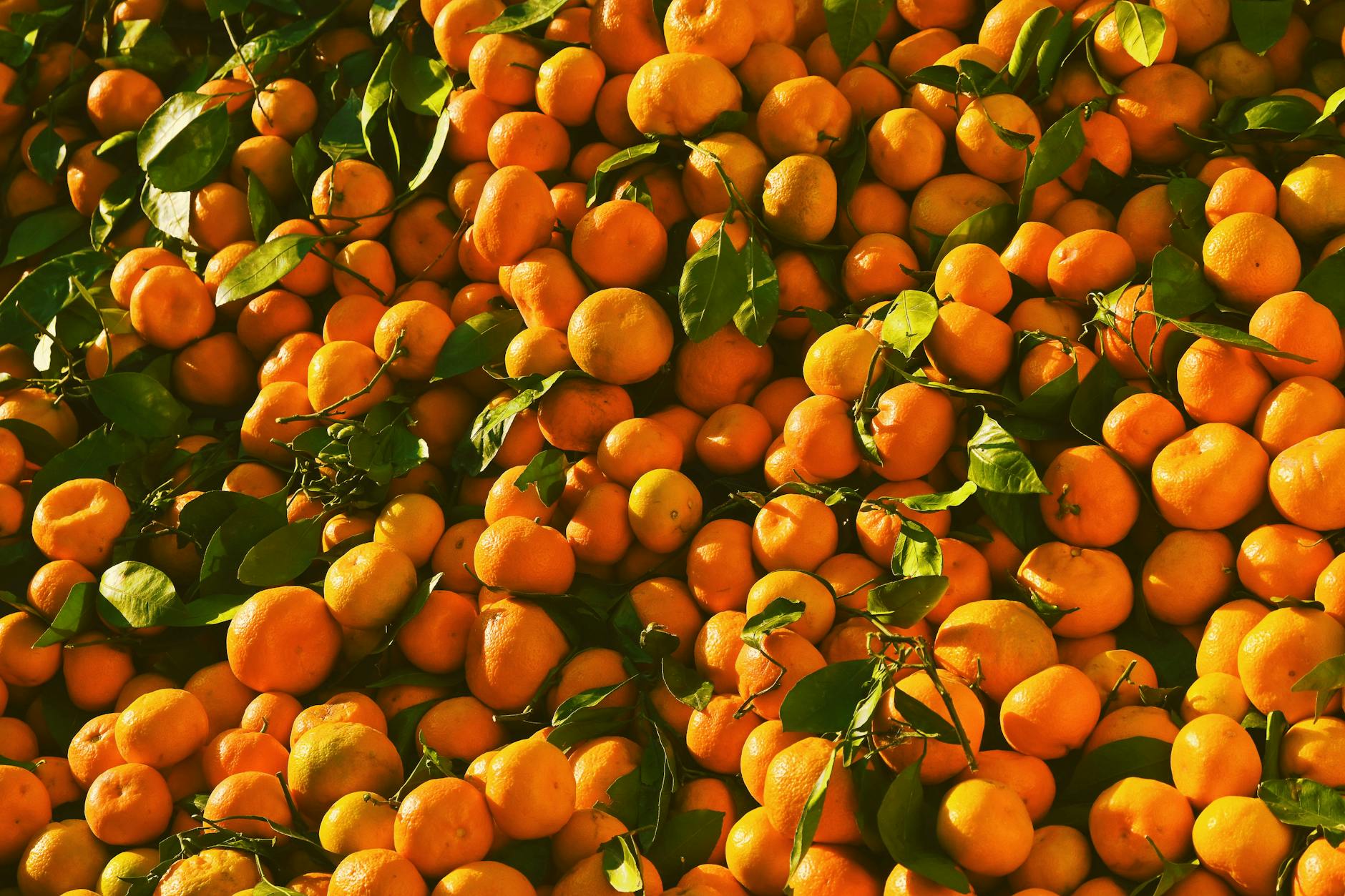
Tangerines share the same protective characteristics as other citrus fruits with their inedible peeling. The loose skin is easily removed and carries away the surface treatments used during cultivation. The segmented fruit inside is naturally shielded from contact with agricultural sprays. Buying conventional tangerines is a safe way to enjoy this snack without paying organic prices.
Lemons

Lemons are protected by a zesty rind that serves as a barrier to external chemical applications. You typically use the juice or flesh which are insulated from direct contact with pesticides. If you plan to zest the lemon for baking then washing it or choosing organic might be considered. For general juicing purposes the conventional lemon is a safe and economical option.
Limes
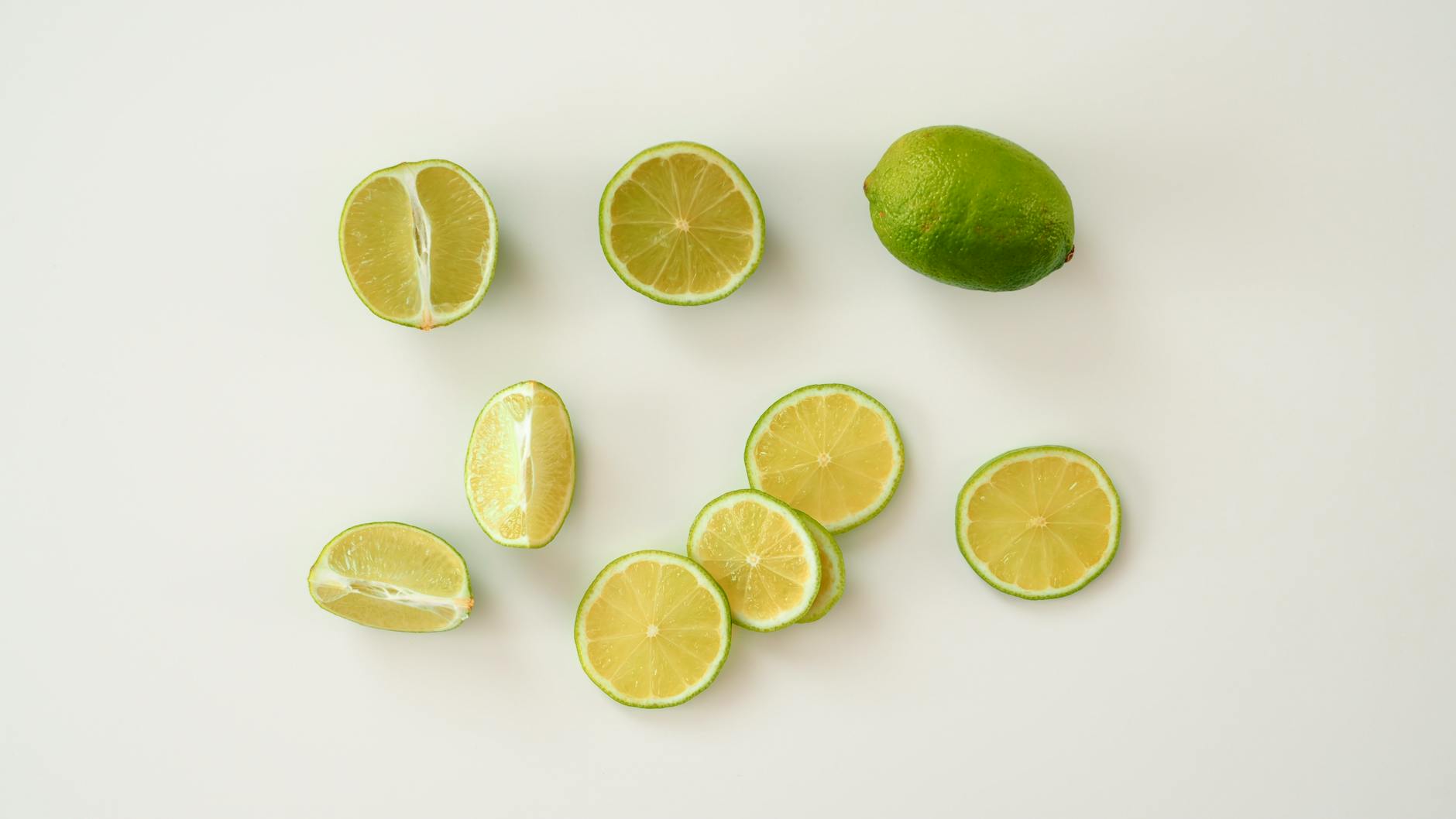
The tough green skin of a lime prevents agricultural chemicals from reaching the tart interior pulp. Most recipes utilize the juice which remains free from significant residues in conventional farming. Rinsing the fruit before slicing it helps maintain hygiene and prevents cross-contamination. The organic label on limes adds cost without providing a proportional reduction in pesticide exposure.
Quinoa
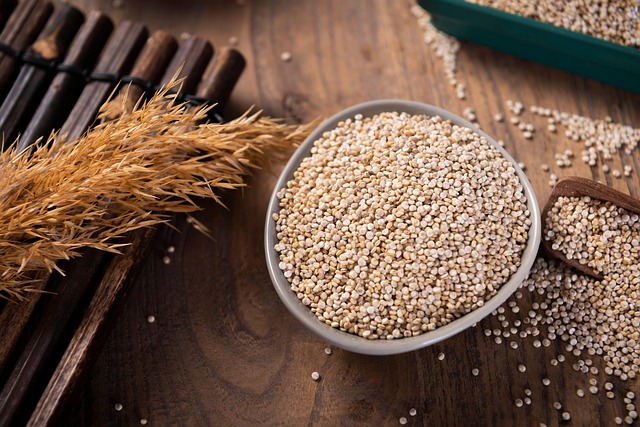
Most commercially available quinoa is processed and pre-washed to remove a naturally occurring bitter coating called saponin. This vigorous washing process also helps to remove surface residues from conventional farming. The grain grows in high-altitude environments where pest pressure is often naturally lower. Conventional quinoa is a safe pantry staple that offers the same protein content as organic versions.
Dried Spices
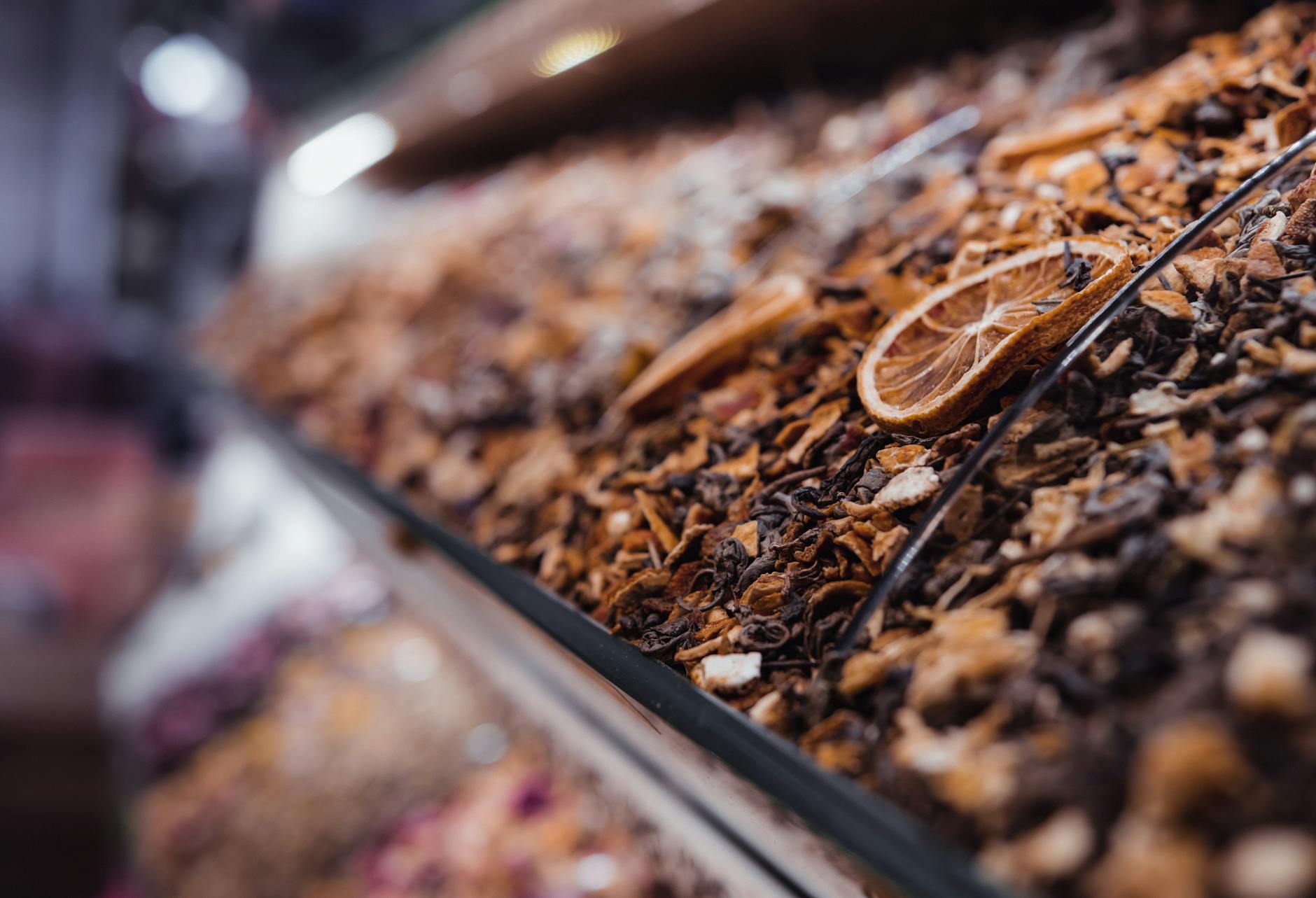
The processing involved in creating dried spices often degrades or removes pesticide residues that might have been present. Many conventional spices are irradiated to kill bacteria and ensure shelf stability which further alters chemical structures. The tiny quantities of spices used in cooking mean that total exposure to any residue is infinitesimal. Paying a premium for organic spices often results in a minimal difference in actual health safety.
Organic Cookies

Organic cookies are still processed foods loaded with sugar and fats regardless of the agricultural certification. The use of organic flour and sugar does not change the high caloric density or low nutritional value of the product. Manufacturers often use the organic label to create a “health halo” around otherwise unhealthy junk food. Your body processes organic sugar and conventional sugar in the exact same way.
Organic Chips
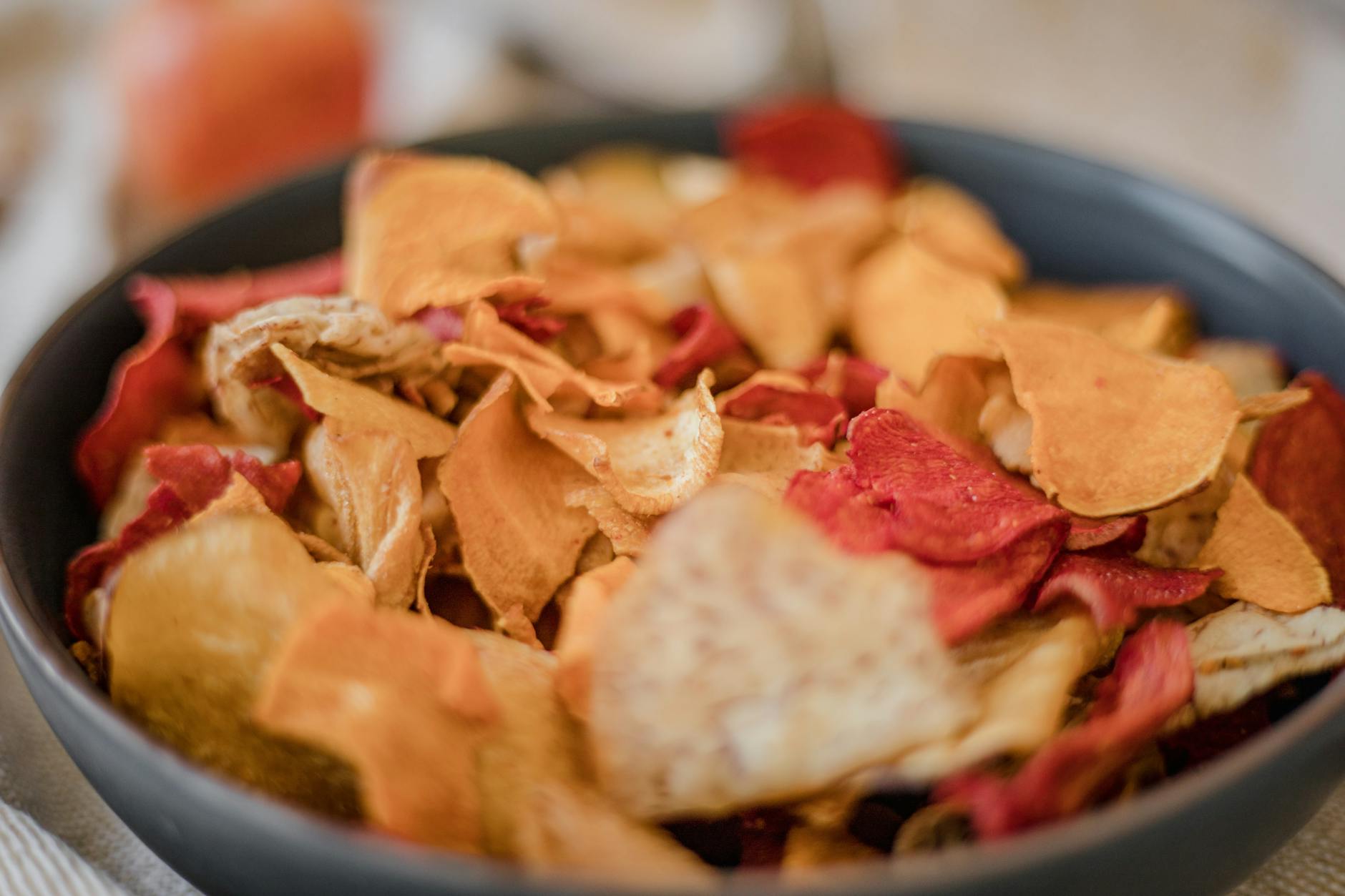
Potato chips made from organic potatoes are deep-fried in oil and salted just like their conventional counterparts. The processing destroys many of the subtle nutritional differences that might exist in the raw ingredients. The primary health concern with chips is the fat and sodium content rather than pesticide residue. Spending more on organic chips does not transform them into a healthy snack option.
Organic Soda

Soda made with organic cane sugar contains the same amount of empty calories as soda made with high fructose corn syrup. The lack of artificial pesticides does not negate the metabolic impact of drinking liquid sugar. Organic sodas often lack the preservatives of big brands but offer no real nutritional advantage. This is a clear case where the organic label distracts from the unhealthy nature of the product.
Organic Candy
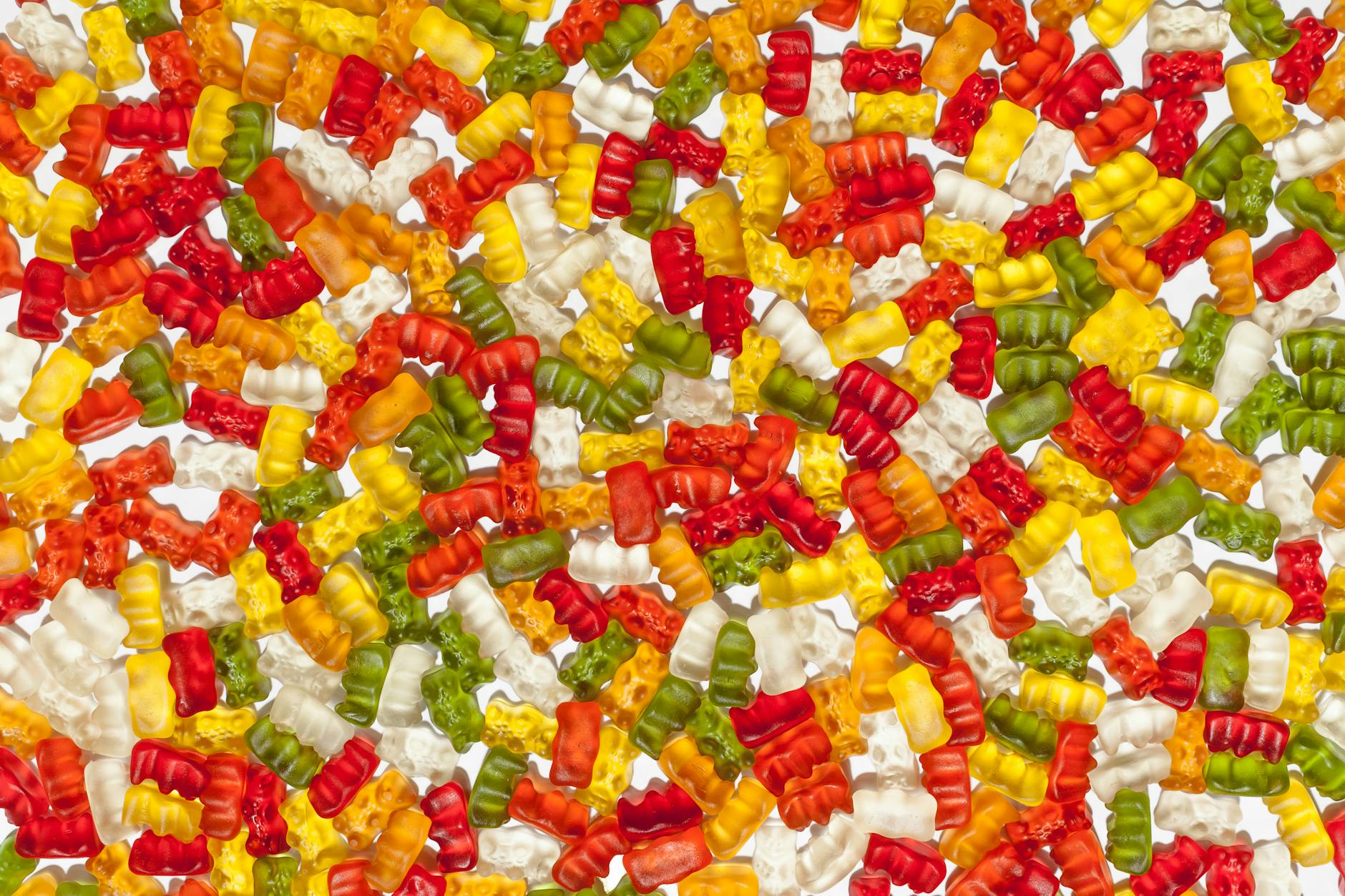
Gummy bears and chocolate bars made with organic ingredients are strictly treats and not health foods. The sugar content remains the primary ingredient and the driver of the product’s impact on your health. Organic certification does not reduce the cavity-causing potential or blood sugar spikes associated with candy. It is more effective to limit portion sizes than to pay extra for organic sweets.
Seafood
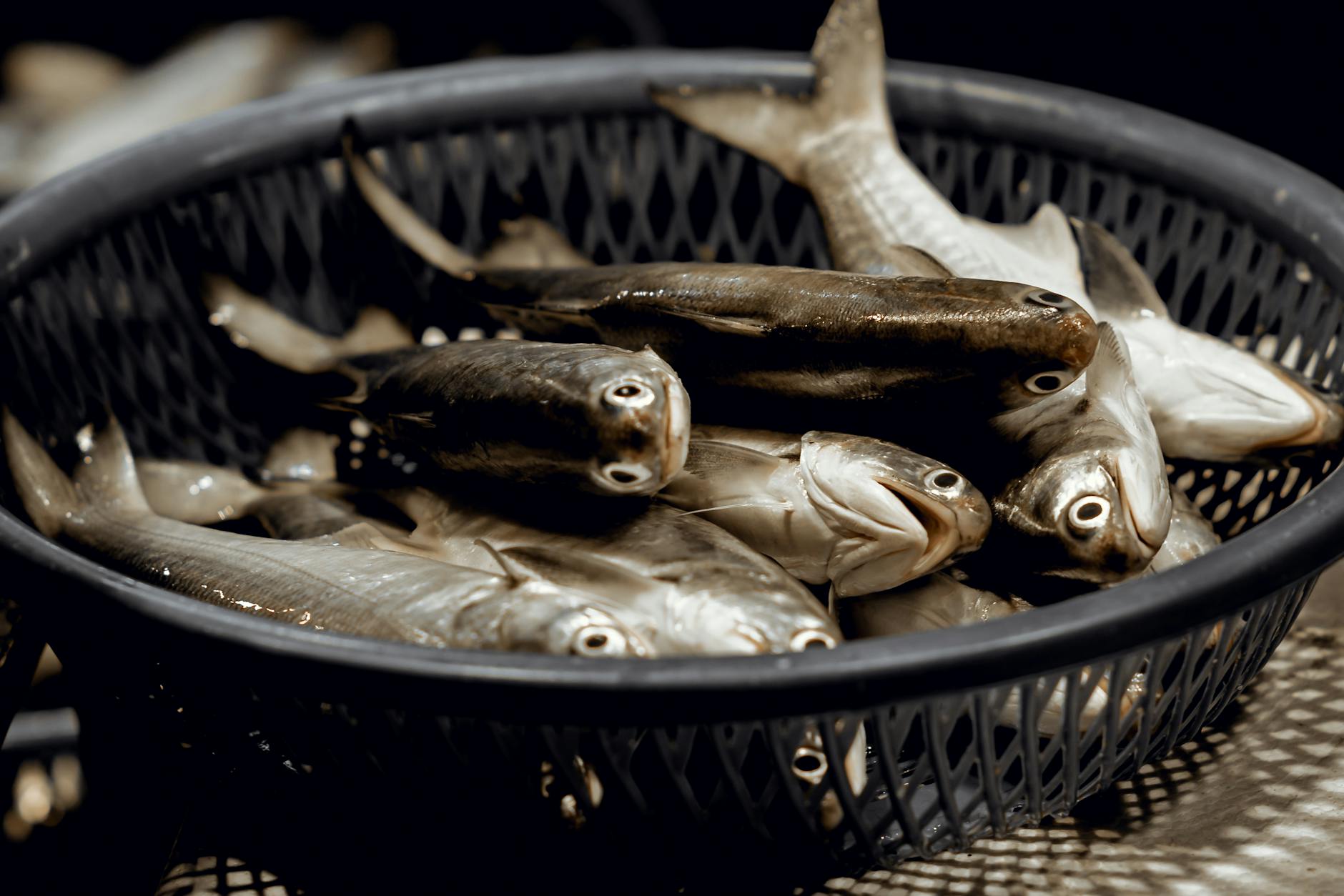
The USDA does not currently have finalized standards for certifying organic aquaculture or wild-caught seafood. Labels claiming seafood is organic often rely on foreign certifications with varying standards of enforcement. Wild-caught fish from clean waters is generally superior to farmed fish regardless of organic claims. Consumers are better off focusing on sustainability ratings and mercury levels than organic labels for fish.
Maple Syrup

Maple trees grow in wild forests where pesticides and fertilizers are rarely if ever used. The sap is collected from trees that are naturally maintained by the forest ecosystem without human intervention. Conventional maple syrup is essentially organic by default due to the way it is harvested. There is little reason to pay a premium for a certification that simply confirms standard practice.
Coconut Oil
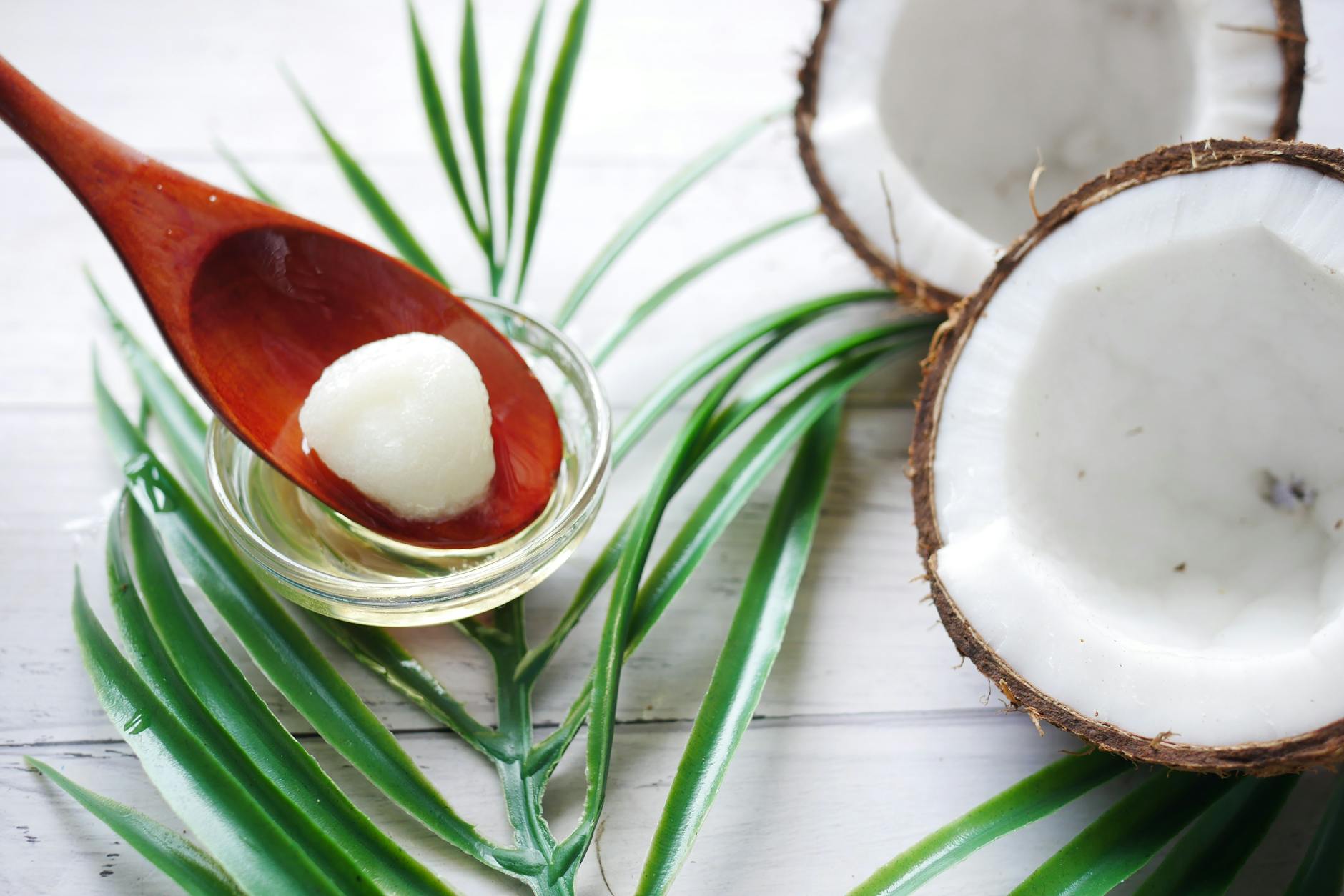
Coconuts grow high up on palm trees and are protected by an incredibly thick and fibrous husk. The meat inside is further protected by a hard shell that is impervious to agricultural sprays. The processing of coconut oil involves pressing the meat which is far removed from any surface treatments. Conventional virgin coconut oil provides the same medium-chain triglycerides as the organic version.
Pasta

Dried pasta is made from wheat flour that has undergone significant processing and refinement. The milling process removes the outer bran of the wheat kernel where pesticide residues would concentrate. Most conventional pasta tests with very low levels of any agricultural chemicals. The textural and nutritional experience of conventional pasta is indistinguishable from organic pasta for most people.
Rice
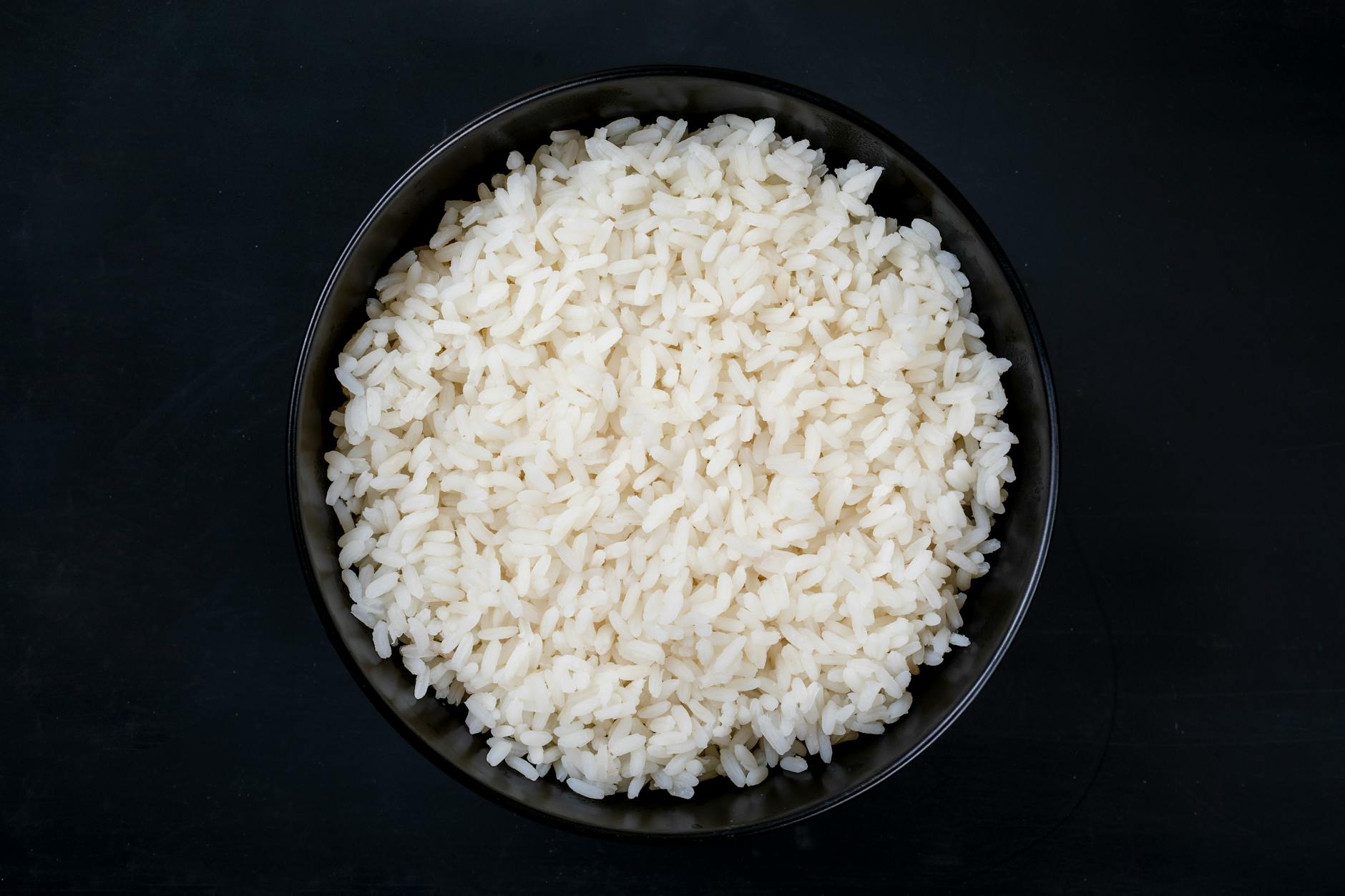
The inedible husk of the rice grain is removed during processing which takes many potential contaminants with it. White rice is further polished which removes the bran layer and further reduces residue levels. Cooking rice in water also helps to leach out trace amounts of arsenic or chemicals. Conventional rice is a staple food that is safe for consumption without the organic markup.
Shelled Nuts
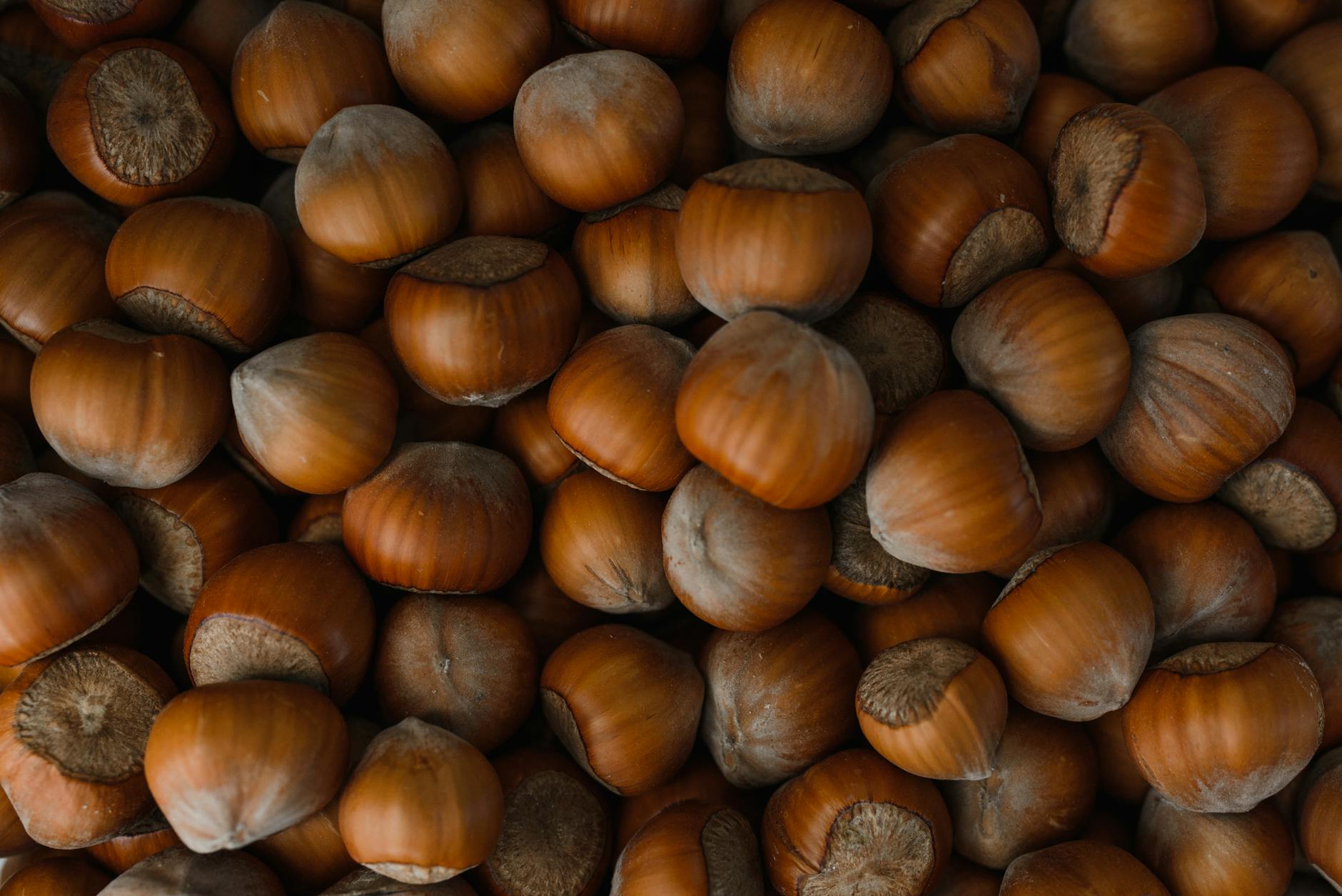
Nuts grow inside hard shells that are excellent natural barriers against pests and sprays. The shelling process removes the outer layer that was exposed to the environment during growth. Roasting nuts further degrades any potential chemical residues that might remain. Conventional nuts like almonds and walnuts are nutritious and safe choices for snacking.
We invite you to detail which of these items you plan to swap for conventional versions in the comments.




