Planning a wedding without children requires clear communication and firm boundaries to ensure the couple’s vision is respected. Many families find these restrictions difficult to accept due to traditional expectations or logistical challenges. Couples often face pushback when prioritizing an adult atmosphere over family inclusivity. Navigating these conversations demands tact and unwavering consistency from the hosts.
The Explicit Invitation Suite

The invitation suite serves as the first line of defense by clearly stating the event is for adults only. Couples often use specific wording like “adult reception” to leave no room for ambiguity. This text should appear on the main invite and the response card to reinforce the message. Guests reading this early notice have ample time to arrange childcare or decline the invitation. Writing the names of invited guests only on the inner envelope further clarifies exactly who is welcome.
The Website FAQ Section

A wedding website provides the perfect space to elaborate on the guest policy without cluttering the formal invitation. Couples can address the restriction directly in the Frequently Asked Questions section to prevent confusion. This digital resource allows for a polite explanation regarding venue constraints or safety concerns. Guests can reference this information at any time during the planning process. Directing family members here saves the couple from repeating the same uncomfortable explanation multiple times.
The Age Cutoff Definition

Establishing a strict age limit eliminates gray areas regarding who qualifies as a child. Most couples set the cutoff at eighteen or twenty-one to ensure a strictly legal drinking environment. This rule must apply to everyone to avoid accusations of favoritism among family branches. Cousins who are seventeen might feel slighted but a firm line prevents a slippery slope of exceptions. Clear definitions help parents understand exactly why their teenager cannot attend.
The Flower Girl Exception
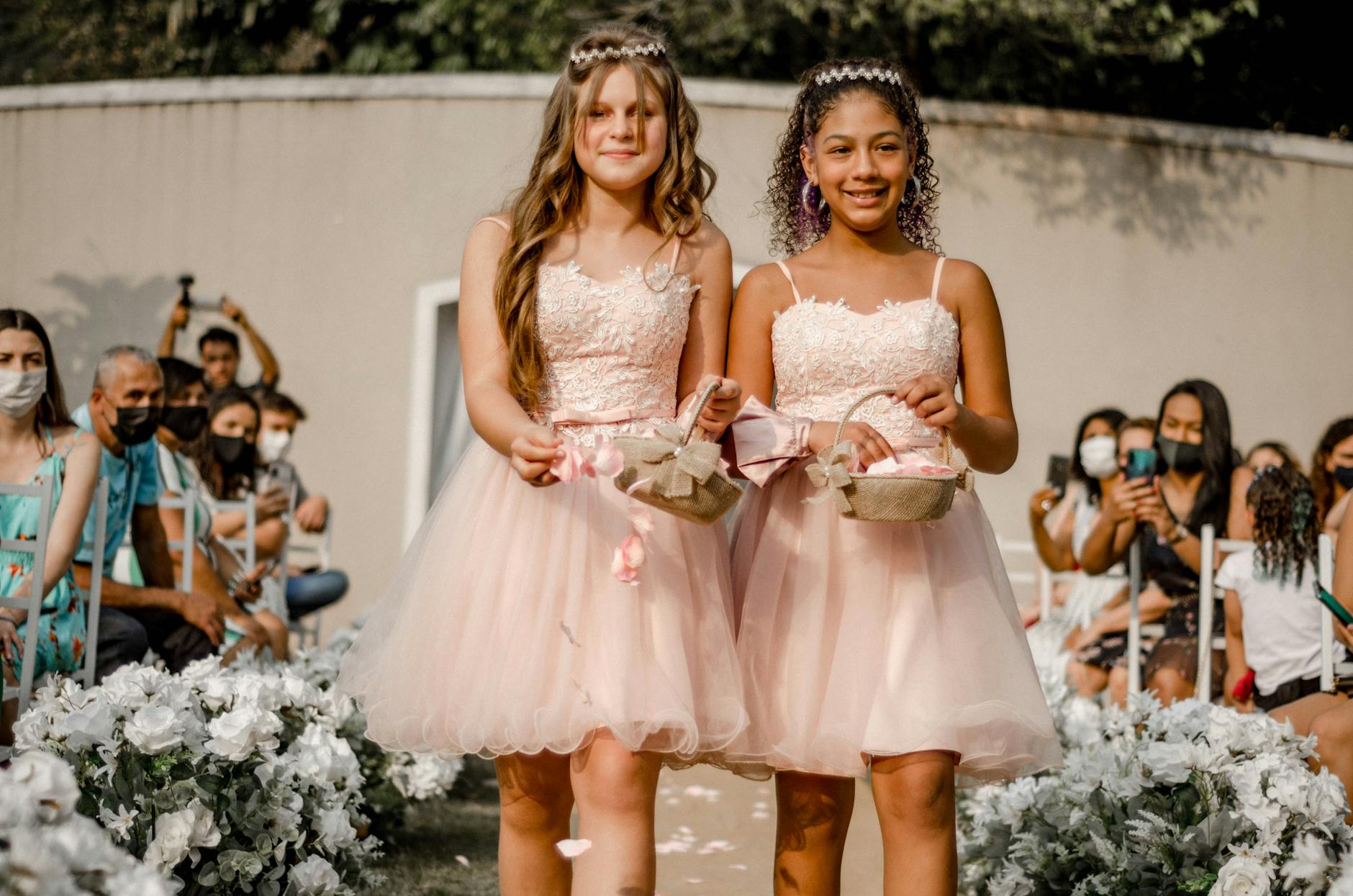
Some couples choose to include children only in the ceremony as flower girls or ring bearers. These young participants typically leave immediately after their duties or before the reception dinner begins. This compromise allows for traditional photo opportunities while preserving the adult vibe of the party. Parents must arrange for a guardian to pick up the children after the vows are exchanged. It creates a logistical hurdle that requires precise coordination between the couple and the parents.
The Nursing Infant Clause

Newborns relying solely on breastfeeding often receive a special exemption at otherwise child-free events. This exception acknowledges the physical dependency of the infant on the mother during the reception. Other guests may view this as unfair so discreet communication is necessary to manage expectations. The presence of a baby changes the dynamic slightly but usually does not disrupt the evening party atmosphere. Couples must decide beforehand if this specific nuance fits their overall vision.
The No Exceptions Rule

Maintaining a blanket policy for every guest is the only way to avoid hurt feelings. Making an exception for a sibling or close friend inevitably insults others who secured babysitters. Fairness dictates that the rule applies equally to local guests and those traveling from out of town. Relatives will test this boundary but yielding once undermines the entire strategy. Consistency remains the most critical tool for navigating family pressure successfully.
The Venue Safety Defense

Citing the venue as the reason for excluding children provides a neutral and non-personal justification. Locations with open water or steep cliffs offer legitimate safety hazards for unsupervised minors. Historic homes often have strict policies regarding children to protect antique furniture or art. Using the venue as the bad guy shifts the blame away from the couple’s personal preference. This tactic often silences arguments effectively by framing the decision as a liability issue.
The Limited Guest Count

Strict venue capacity limits often force couples to cut the guest list significantly. Removing children from the count is a logical way to accommodate more adult friends and family. This financial and logistical reality provides a solid defense against angry relatives. Couples can explain that including children would mean uninviting adult guests they truly want there. It frames the exclusion as a necessary sacrifice rather than a personal slight.
The Expensive Plate Cost

High catering costs often make paying for children’s meals unfeasible for the wedding budget. Venues may charge full price for older children or teenagers regardless of what they eat. Explaining the per-head cost to pushy parents can sometimes illuminate the financial burden. This approach frames the wedding as a significant investment rather than a casual family gathering. Budgetary restrictions are generally understood even if they are not happily accepted.
The Late Night Timeline

Evening receptions starting late often foster an environment unsuitable for young children. Loud music and an open bar create an atmosphere focused entirely on adult entertainment. Sleepy or overstimulated children can become a distraction during speeches or the first dance. Emphasizing the late hours helps parents realize their children would be miserable anyway. This reasoning appeals to the parent’s desire for their child’s well-being.
The Destination Wedding Logistics

Asking guests to travel without their children adds a significant layer of complexity and expense. Guests must arrange for multi-day childcare back home or bring a nanny along for the trip. This requirement inevitably results in a higher decline rate among parents with young families. Couples choosing this route must accept that key family members might not attend. The exclusivity of the destination reinforces the adult-centric nature of the celebration.
The RSVP Follow-Up Call
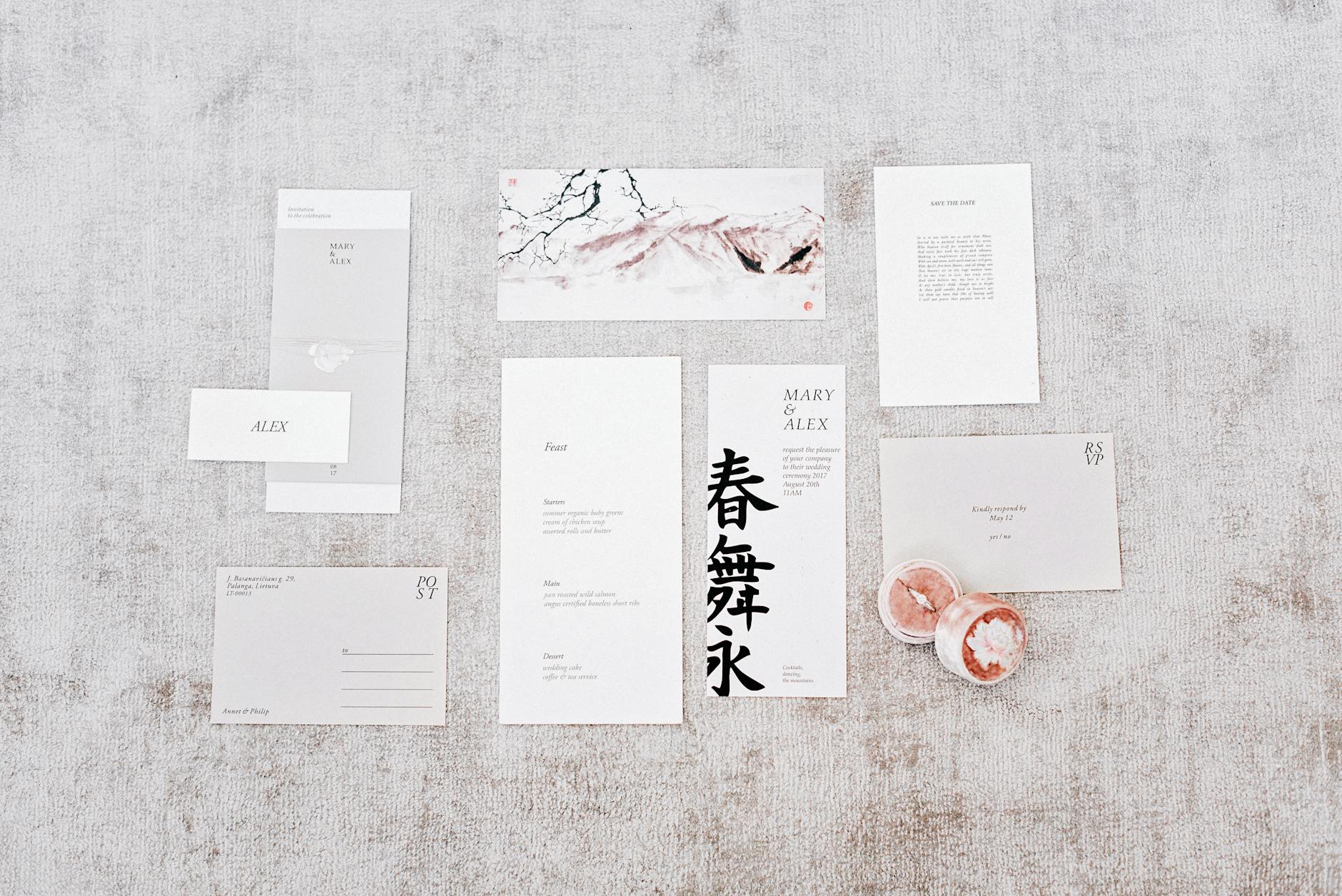
Guests frequently ignore instructions and write their children’s names on the response card anyway. A polite but firm phone call is required immediately to correct this misunderstanding. Ignoring the error leads to awkward confrontations at the reception door on the wedding day. The couple must explain that the invitation was addressed strictly to the adults listed. This conversation is uncomfortable but essential for maintaining the guest list integrity.
The Babysitting Service Offer

Providing professional childcare at the hotel or a nearby room softens the blow for traveling parents. This gesture shows that the couple cares about the children even if they are not at the reception. Parents can drop their kids off for the evening and enjoy the party worry-free. It requires an extra budget allocation but significantly reduces family friction. This solution bridges the gap between excluding children and accommodating out-of-town guests.
The Rehearsal Dinner Policy
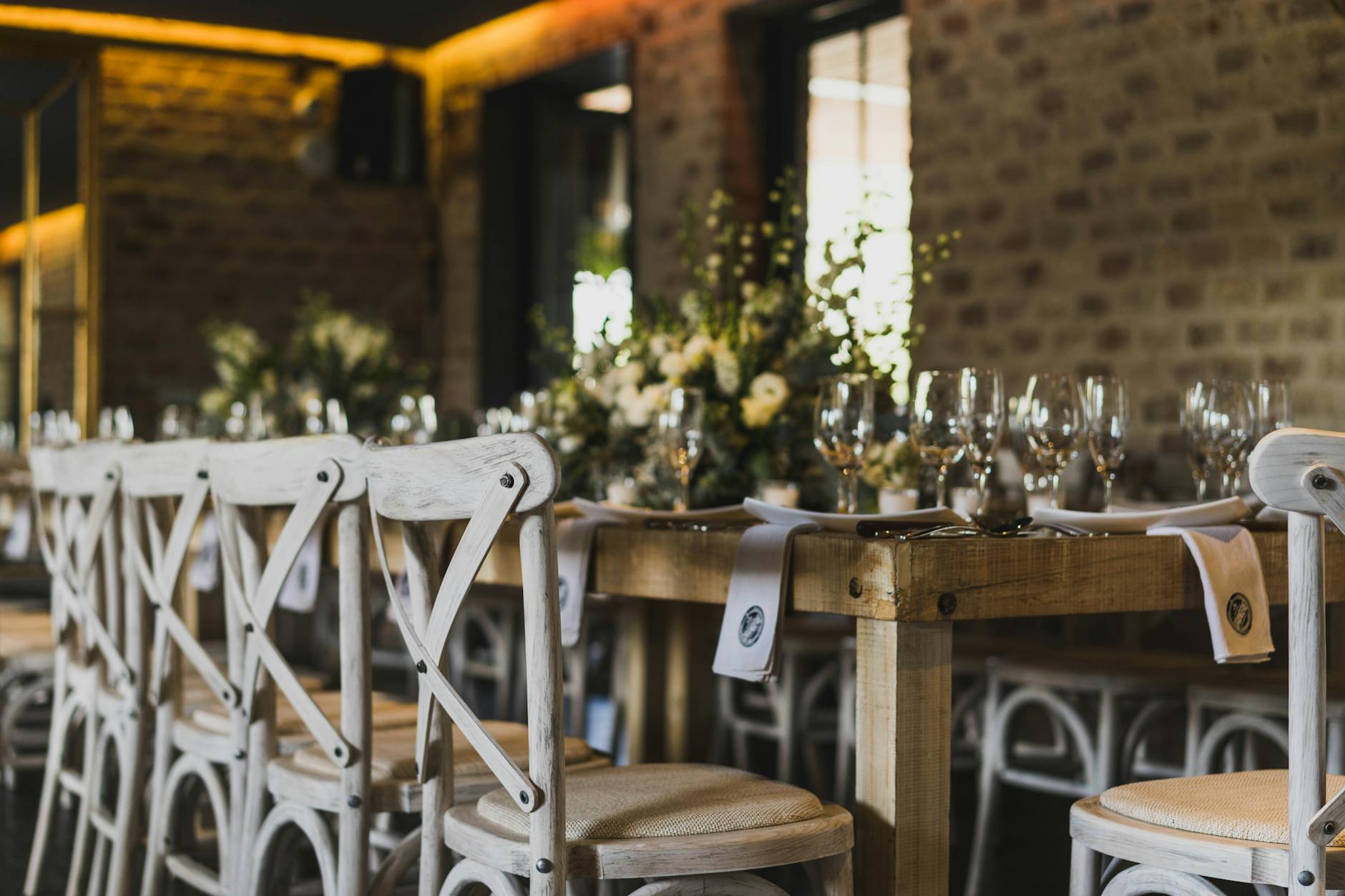
Consistency extends to the events surrounding the actual wedding day such as the rehearsal dinner. Allowing children at the welcome party but not the wedding sends mixed signals to guests. Parents might assume the wedding rule has been relaxed after seeing kids at the rehearsal. Maintaining the adult-only theme throughout the weekend prevents confusion. It establishes a cohesive tone for the entire celebration.
The Ceremony Seating Usher

Ushers play a critical role in enforcing the rules before the ceremony begins. They can politely direct unexpected families with children to a designated area or turn them away. This aggressive step is a last resort for handling guests who blatantly disregarded the invitation. It protects the sanctity of the vows from potential crying or disruption. Assigning this task to a firm friend relieves the couple of wedding day stress.
The No Ring Bearer Choice
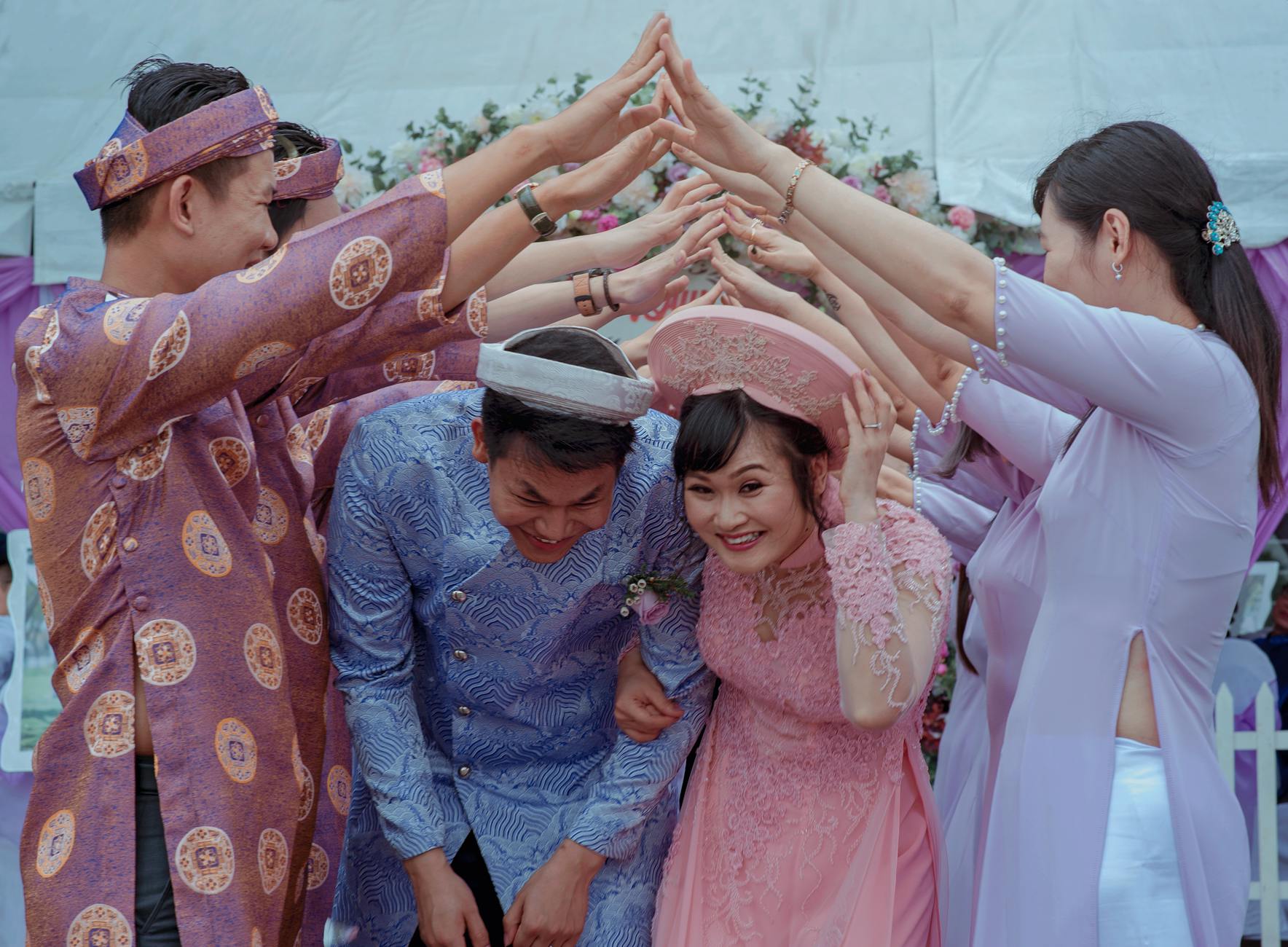
Eliminating the roles of flower girl and ring bearer entirely removes any ambiguity. Having no children in the wedding party signals a complete commitment to the adult theme. It prevents questions about why some children were included while others were excluded. This decision streamlines the processional and focuses all attention on the bride and groom. It simplifies the rehearsal logistics significantly as well.
The Morning-After Brunch Inclusion

Hosting a casual brunch the next day offers a chance for the children to finally participate. This event allows the couple to see their nieces and nephews in a relaxed setting. It serves as a compromise that placates family members who traveled with kids. The atmosphere is typically loud and family-friendly compared to the formal reception. This strategy separates the formal adult event from the family reunion aspect.
The Verbal Warning

Word of mouth acts as a powerful tool before formal invitations are ever sent. Mentioning the child-free policy during engagement parties sets the expectation early. Family members have months to process the information and vent their frustrations. Getting the shock out of the way early preserves the joy of the actual invitation arrival. It allows the couple to gauge potential fallout well in advance.
The Vendor Meal Count

Caterers require a final headcount that strictly determines the food preparation and staffing levels. Unexpected children act as uncounted guests who take meals away from vendors or other adults. Venue staff often refuse to serve those who are not on the official seating chart. This strict adherence to the contract protects the couple from surprise overage charges. It reinforces the reality that a wedding is a paid event rather than a free-for-all.
The Addressing Etiquette
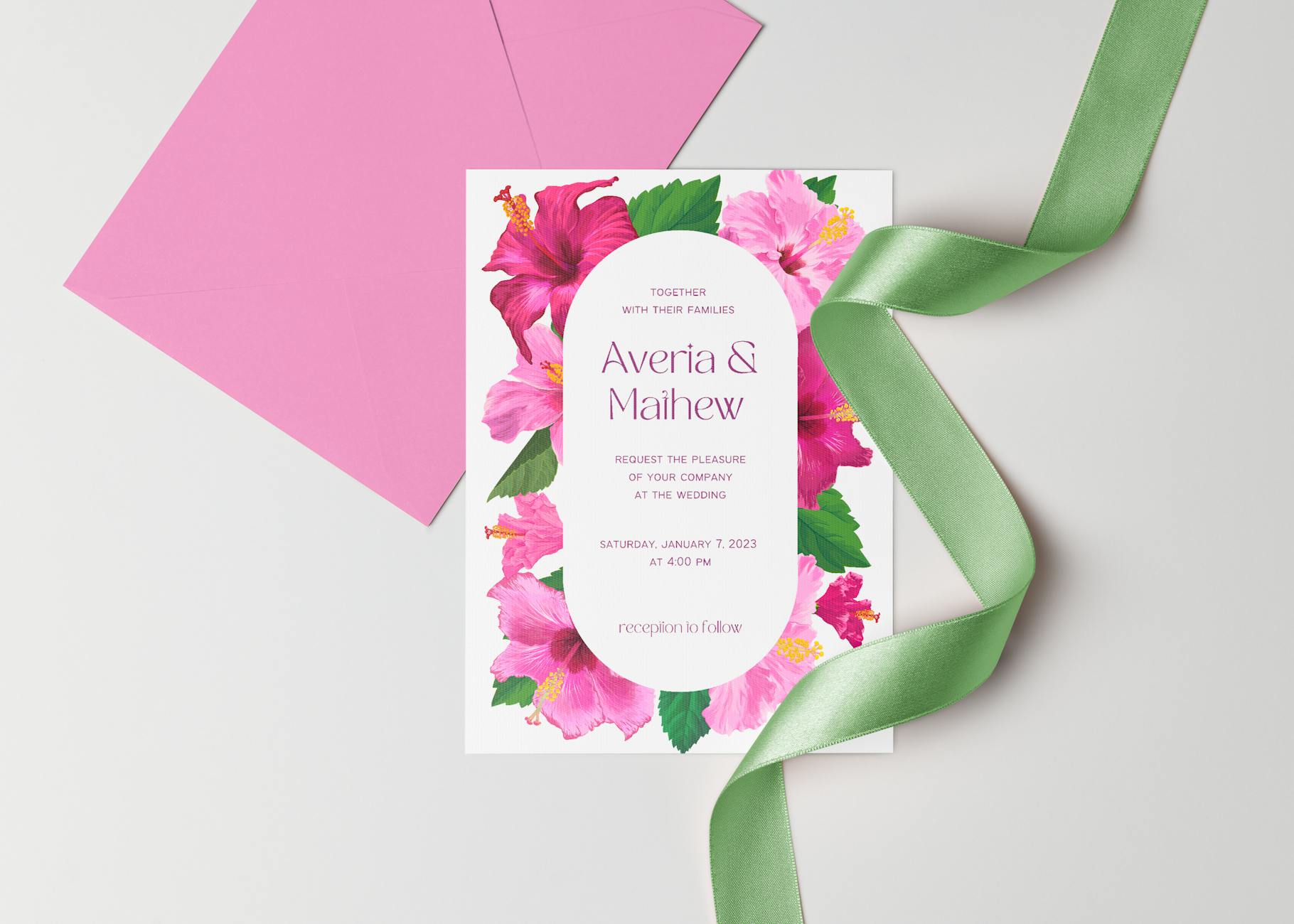
Proper etiquette dictates that only the names of the invited guests appear on the envelope. Using “The Smith Family” implies that the entire household including children is welcome to attend. Specificity is the best way to avoid misinterpretation by hopeful parents. Couples must double-check every envelope to ensure the addressing matches their intent. This small detail prevents the majority of misunderstandings before the envelope is even opened.
The Mass Email Notification

Sending a logistical email to all guests a week before the wedding serves as a final reminder. This communication can reiterate the timeline and the adult-only nature of the event. It catches those who may have forgotten the rule or planned to sneak a child in. Framing it as a helpful update makes the reminder feel less aggressive. It ensures everyone arrives on the same page regarding the guest list.
The Security Guard Presence

High-profile or large weddings may require security personnel at the entrance to manage the guest list. These professionals can handle uninvited guests or children with detachment and authority. It prevents the bride or groom’s parents from having to play the villain at the door. Security ensures that the couple’s wishes are respected without emotional negotiation. This measure provides peace of mind for couples anticipating family drama.
The Adult Reception Signage

Placing a sign at the entrance of the ceremony or reception acts as a visual boundary. It gently reminds arriving guests that the environment is intended for adults. This serves as a final check for anyone who might be confused about the policy. It reinforces the theme and atmosphere immediately upon arrival. While potentially controversial it leaves absolutely no room for doubt.
The Grandma Defense

Enlisting a matriarch or patriarch to spread the word can be more effective than the couple doing it. Older relatives often command more respect and can enforce family discipline more easily. They can explain to cousins and siblings that the decision is final and must be respected. This strategy uses existing family hierarchy to manage the lower ranks. It insulates the couple from direct conflict with their peers.
The Wedding Planner Buffer
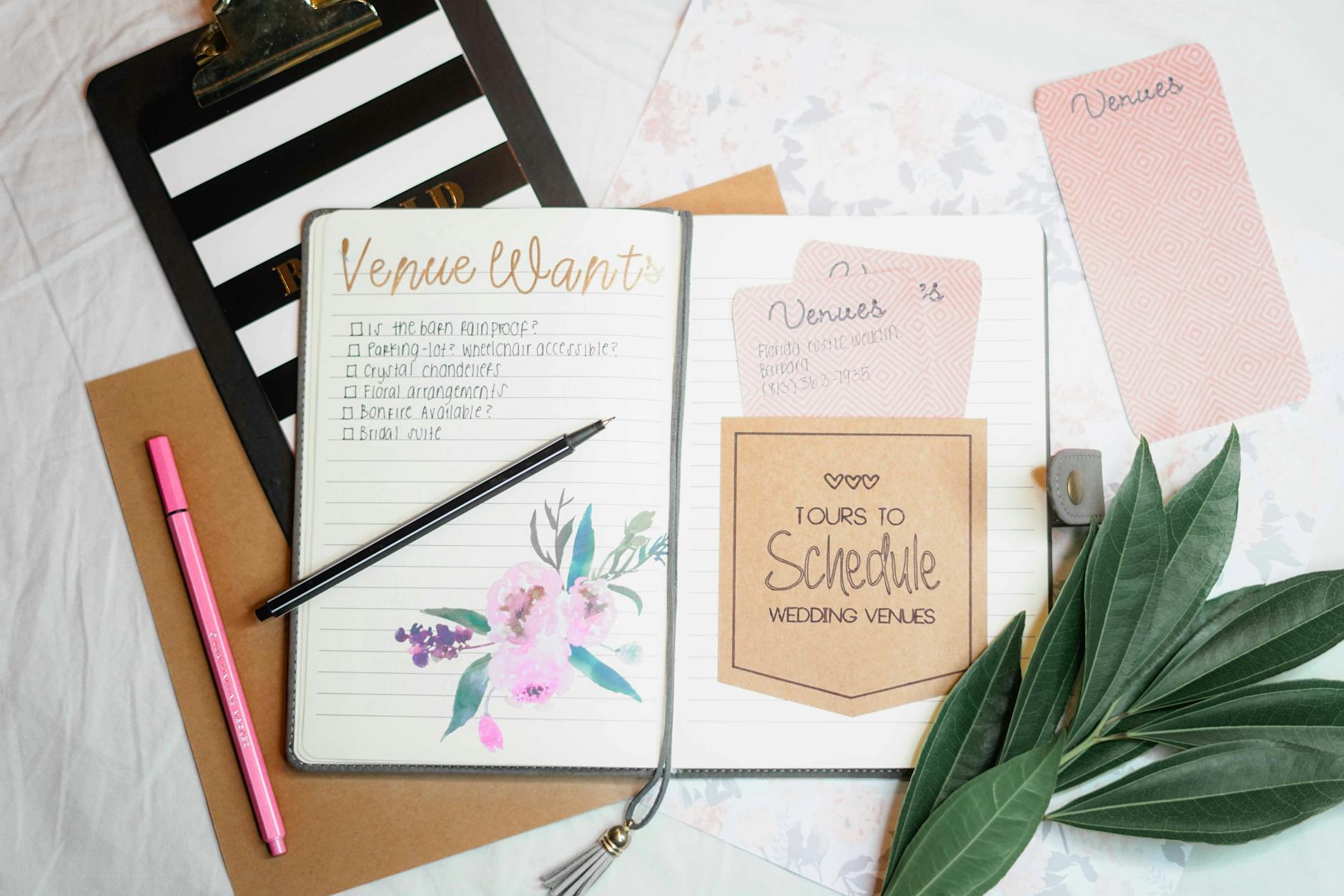
A professional wedding planner often takes on the role of the bad guy regarding guest list enforcement. They can answer awkward emails and phone calls on behalf of the couple. Their professional distance allows them to state the rules without emotional baggage. Referencing “planner policy” can sometimes diffuse a heated family situation. This service is one of the most valuable aspects of hiring a coordinator.
The Not Personal Script

Parents often feel their specific child is well-behaved enough to be the exception. The couple must use a script emphasizing that the rule is about the event style rather than the child’s behavior. Repeating that they love the children but want an adult party helps soften the rejection. Avoiding discussions about specific behavior prevents the conversation from becoming an argument. Staying on message is key to maintaining relationships.
The Social Media Announcement

Couples sometimes use social media posts to share excitement about their adult-only celebration. This public declaration sets a wide expectation among the entire social circle. It signals to potential guests that this is a defining feature of the event. Friends see the post and understand the vibe before receiving an invite. It normalizes the concept within the peer group.
The Separate Room Solution
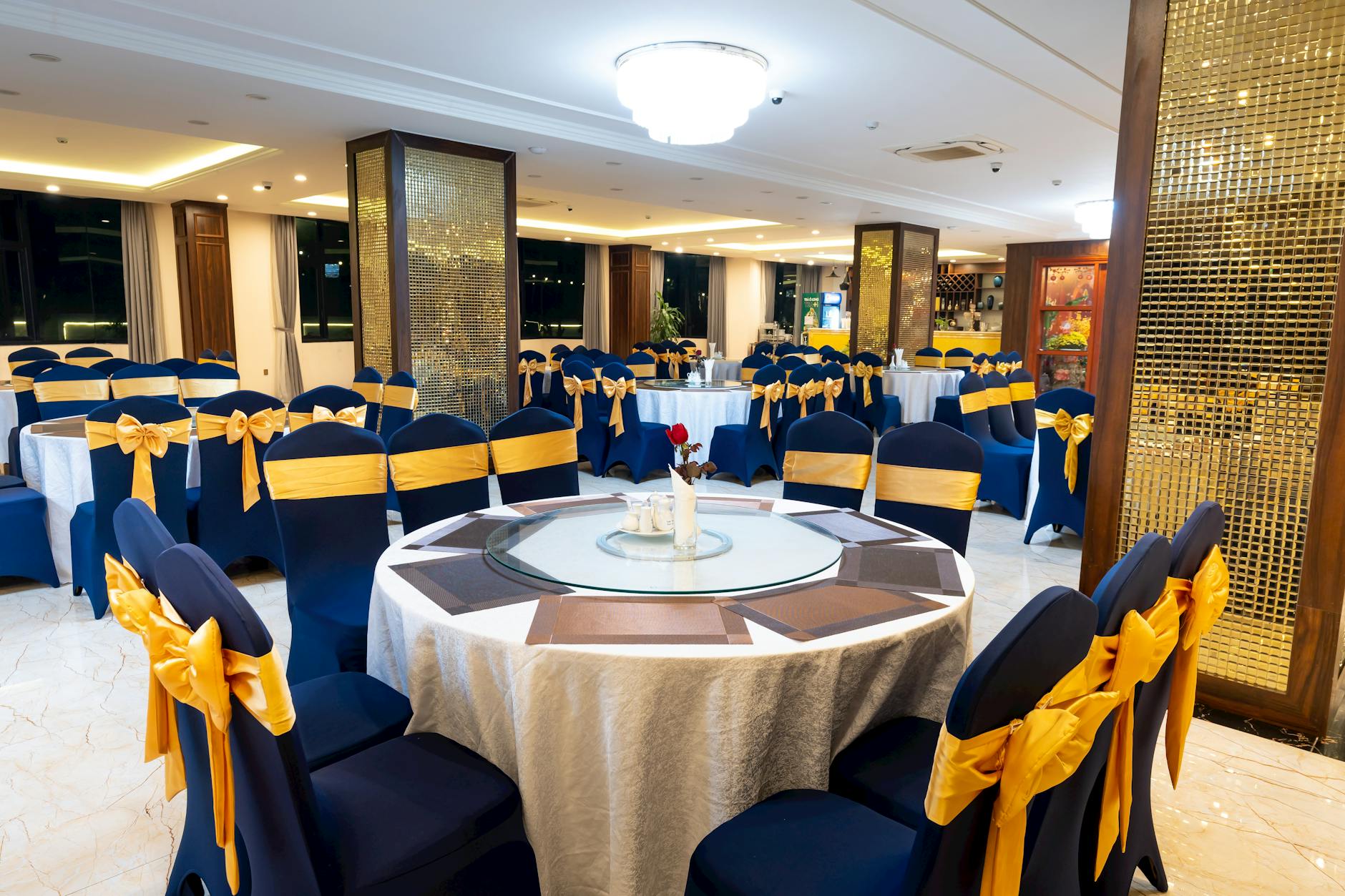
Some venues offer a separate banquet room where children can eat and play supervised. This keeps the kids on-site but completely out of sight and earshot of the reception. It requires hiring entertainment and sitters to keep the children occupied for hours. This expensive compromise satisfies parents who refuse to leave their children at home. It protects the reception atmosphere while accommodating parental separation anxiety.
The Decline Acceptance
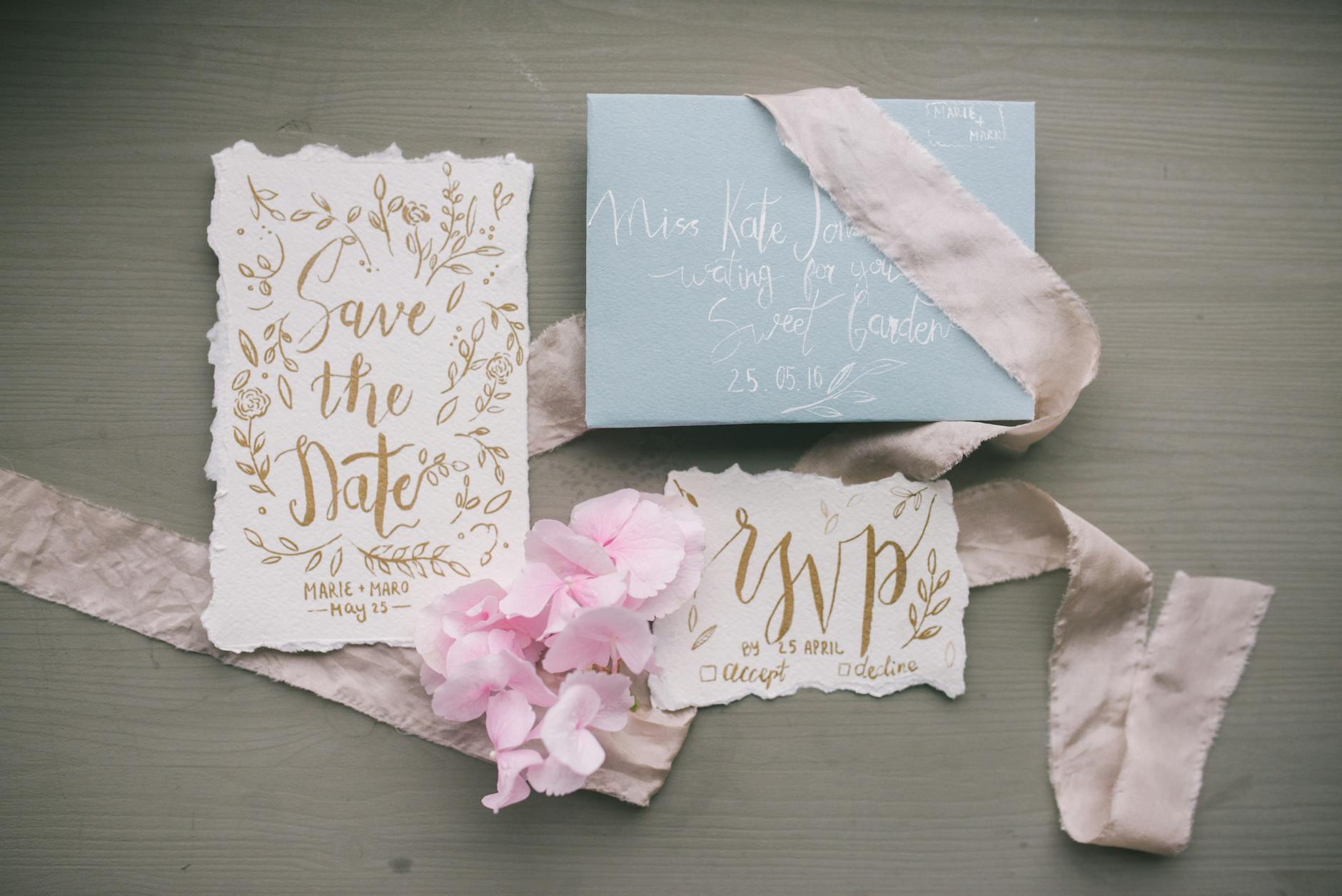
Couples must be prepared to graciously accept “no” RSVPs from close family members. Enforcing a child-free rule inevitably means some key people will choose not to attend. Expressing regret but understanding the parent’s predicament is the only mature response. Guilt-tripping parents into attending without their kids creates resentment. Respecting their choice to prioritize their children preserves the relationship long-term.
The Elopement Alternative
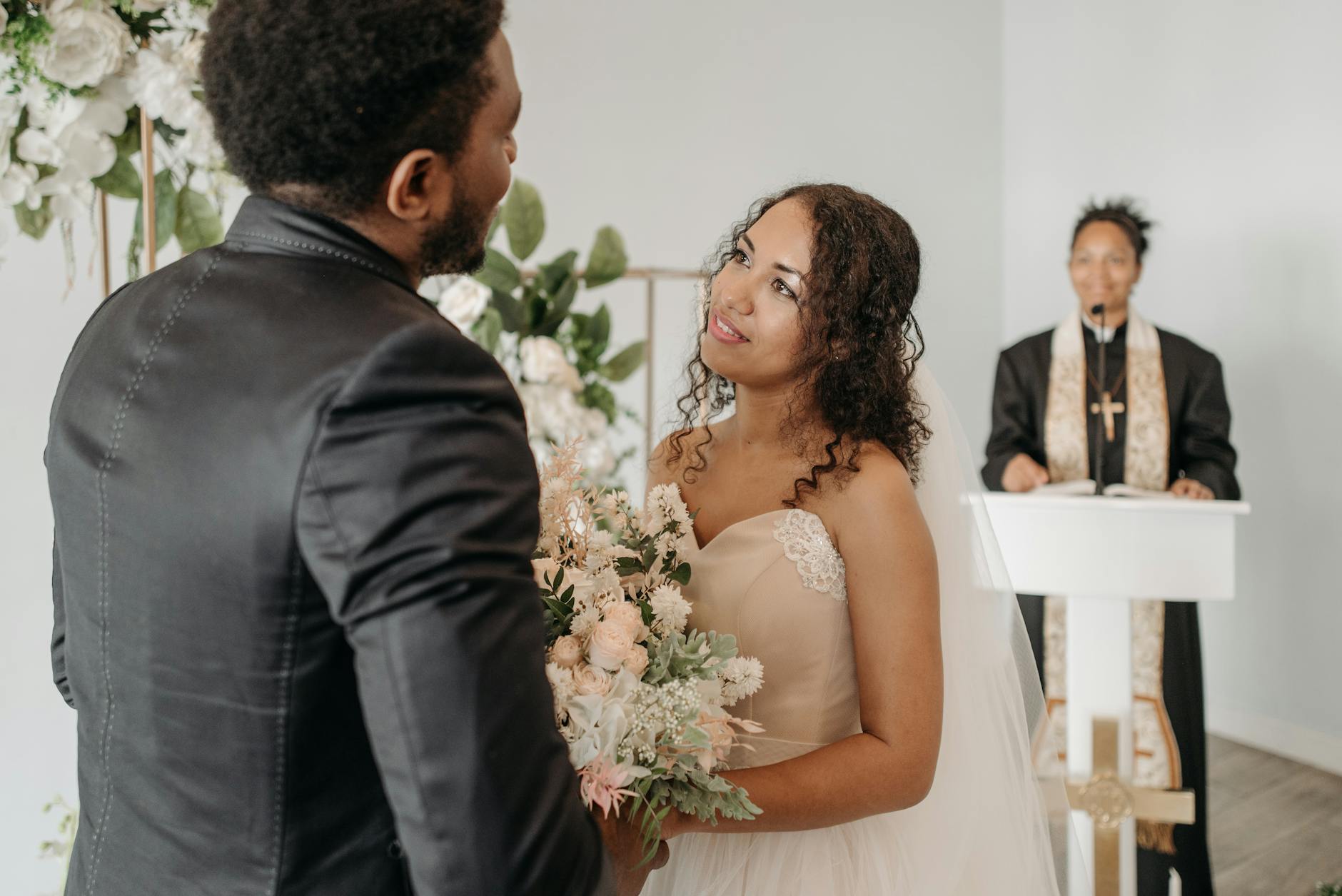
Eloping eliminates the entire issue of managing a guest list and offending relatives. A private ceremony with just the couple removes the pressure to accommodate family expectations. It ensures the day is exactly what the couple wants without compromise. Post-elopement parties can then include children or not with lower stakes. This radical step is the ultimate solution for avoiding wedding family politics.
Please share your thoughts and experiences with child-free wedding rules in the comments.




