Owning a pet comes with the responsibility of making daily decisions that impact their long-term health and happiness. While many habits seem harmless or affectionate to owners they can actually cause significant medical or behavioral issues. Veterinarians frequently see the results of these common mistakes during exams and emergency visits. Understanding what not to do is just as important as knowing the right care techniques. Here are twenty habits experts recommend breaking for the sake of your furry friend.
Skipping Heartworm Prevention

Many owners believe heartworm protection is only necessary during summer months or in specific warm regions. Veterinarians emphasize that consistency is key because mosquitoes can survive in unexpected microclimates throughout the year. Missing even one dose can leave a pet vulnerable to this potentially fatal parasite. Treatment for the actual disease is painful and expensive compared to the relatively low cost of monthly prevention. Stick to the schedule prescribed by your vet to ensure year-round safety.
Feeding Table Scraps
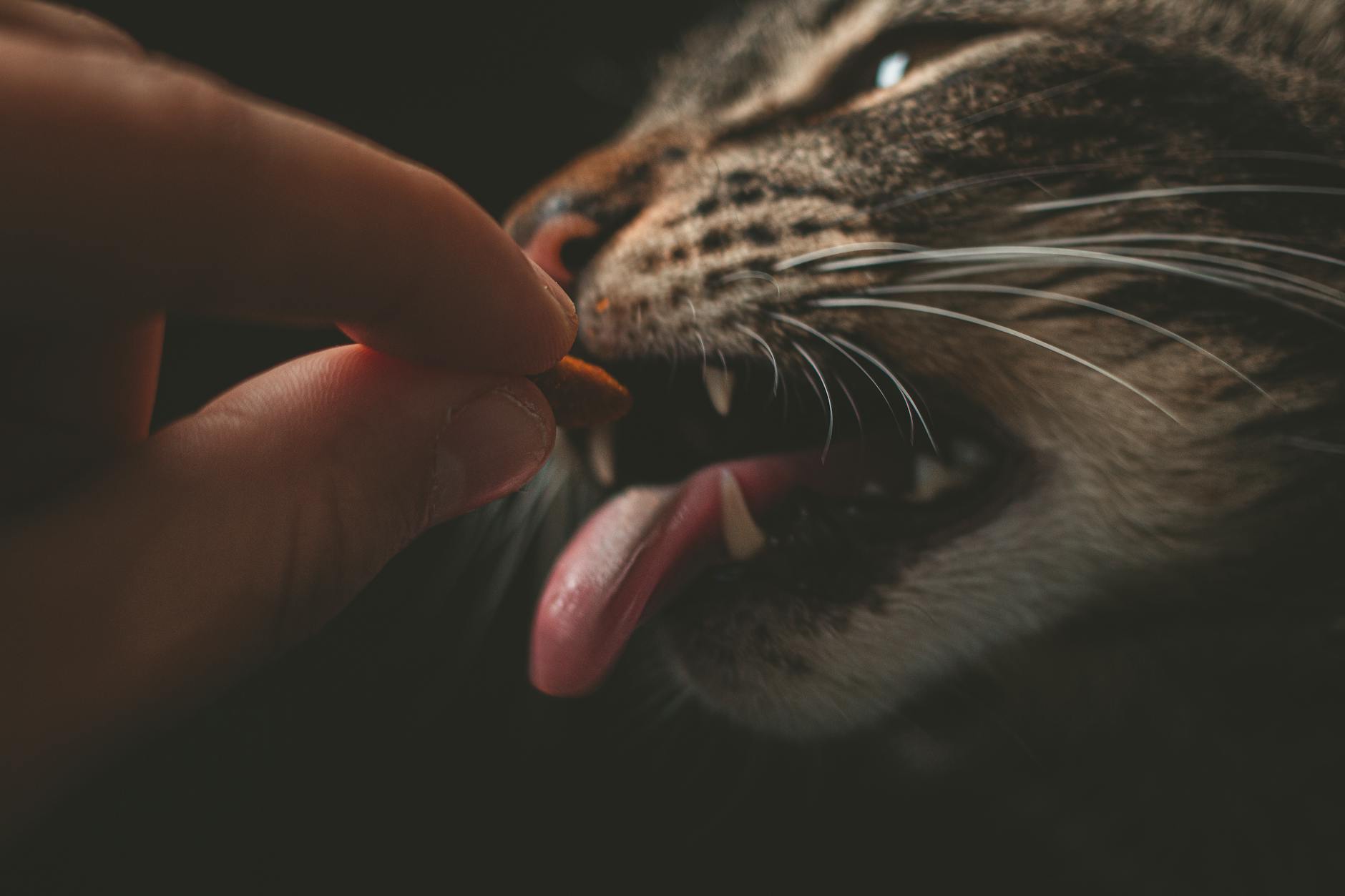
Sharing human food with pets is a common way owners try to show affection. Many foods we enjoy contain ingredients like onions or garlic that are toxic to animals. High fat content in seemingly safe scraps can trigger dangerous pancreatitis attacks that require hospitalization. Even small amounts of safe human food can disrupt a balanced diet and lead to nutrient deficiencies. It is safer to stick to treats formulated specifically for pet consumption.
Ignoring Dental Health
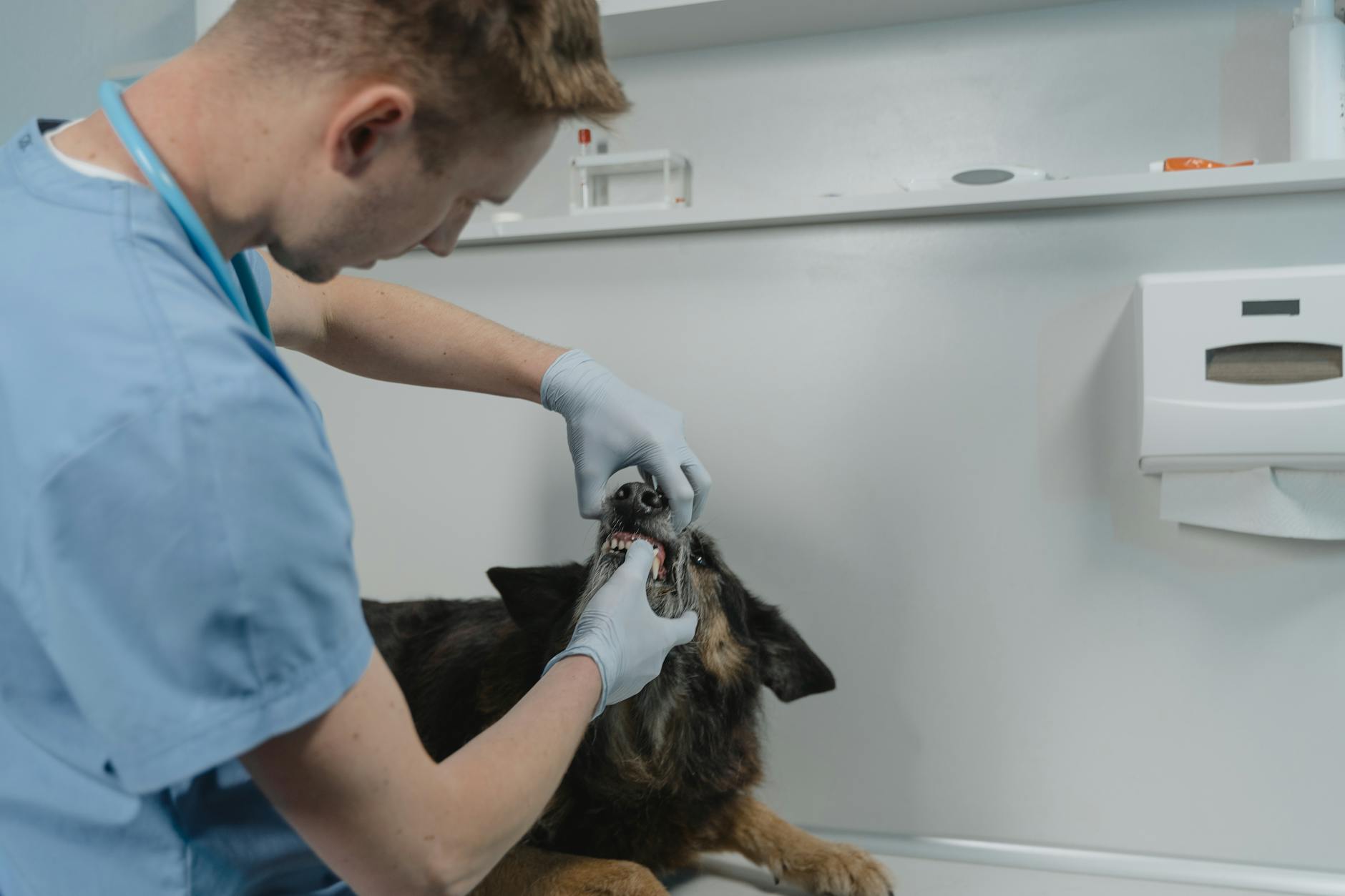
Dental disease is not just a cosmetic issue involving smelly breath or yellow teeth. Bacteria from the mouth can enter the bloodstream and damage the heart and kidneys over time. Regular brushing at home combined with professional cleanings is essential for long-term health. Ignoring swollen gums or tartar buildup often leads to painful tooth extractions later in life. Prevention is far more comfortable for the animal than invasive dental surgery.
Using Human Medication
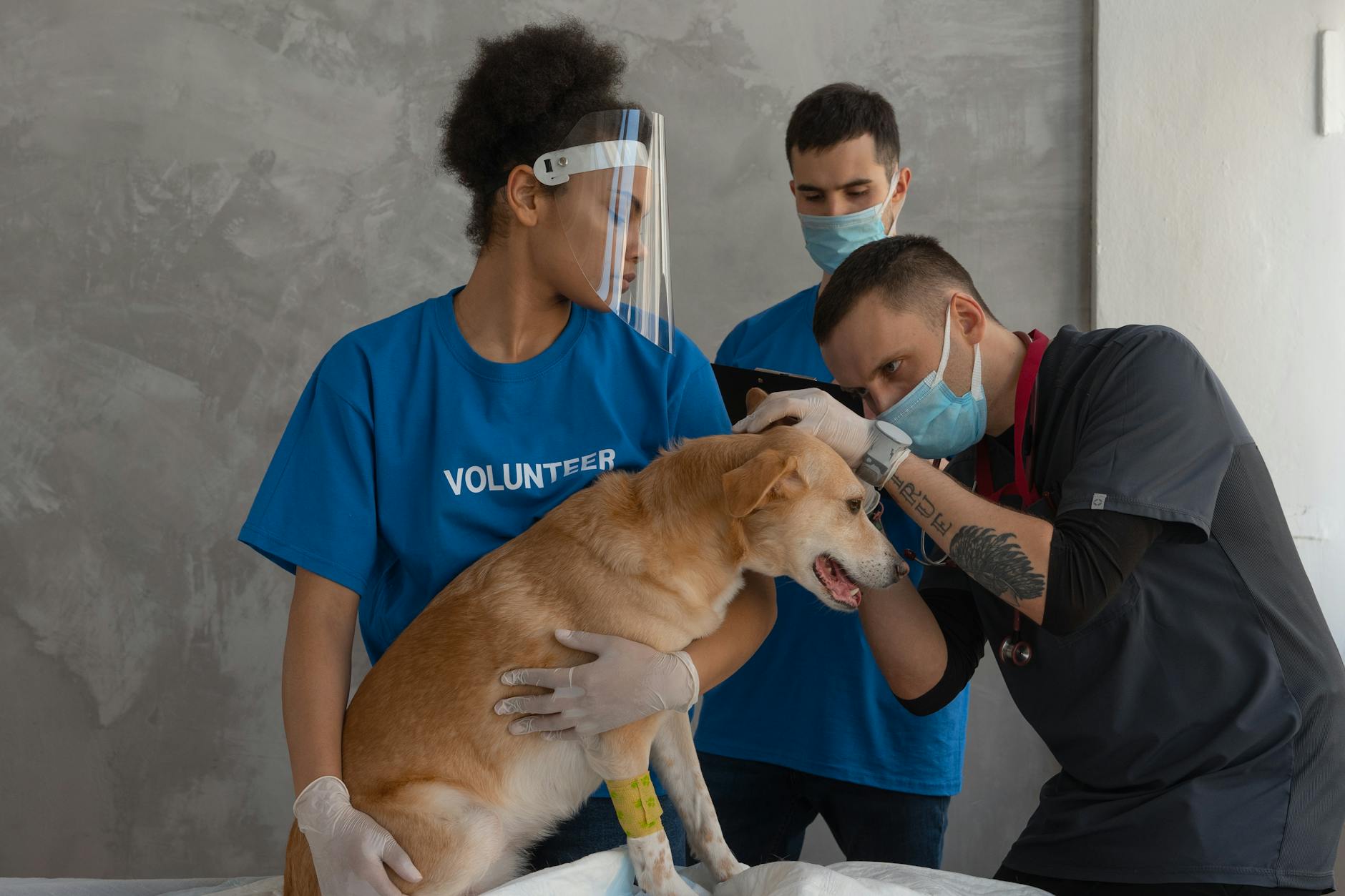
A common and dangerous mistake involves giving pets over-the-counter human pain relievers. Medications like ibuprofen or acetaminophen are toxic to cats and dogs even in small doses. These drugs can cause kidney failure or severe gastrointestinal ulcers very quickly. Pet owners should never assume a human dosage is safe for an animal based on weight. Always contact a veterinary clinic before administering any form of medication found in your cabinet.
Overfeeding Treats
Obesity is a growing epidemic in the pet population that significantly shortens lifespans. Owners often equate food with love and fail to account for the calories in treats. Carrying extra weight puts immense strain on joints and increases the risk of diabetes. Veterinarians urge pet parents to use measuring cups rather than estimating serving sizes. Consult a professional to determine the exact caloric needs for your specific animal.
Smoking Indoors

Secondhand smoke affects pets just as negatively as it affects human family members. Animals living with smokers have a higher risk of developing lung cancer and respiratory issues. Cats are particularly vulnerable because they ingest toxic particles from their fur while grooming. This leads to an increased risk of oral squamous cell carcinoma. Maintaining a smoke-free environment is crucial for the respiratory health of your pets.
Inconsistent Training

Allowing a pet to jump on people sometimes while scolding them other times creates confusion. Animals thrive on routine and clear expectations regarding acceptable behavior. Inconsistency leads to anxiety and can manifest as destructive behavior or aggression. Everyone in the household needs to enforce the same rules to help the pet succeed. Professional training classes can help establish a common language between owner and pet.
Skipping Annual Checkups
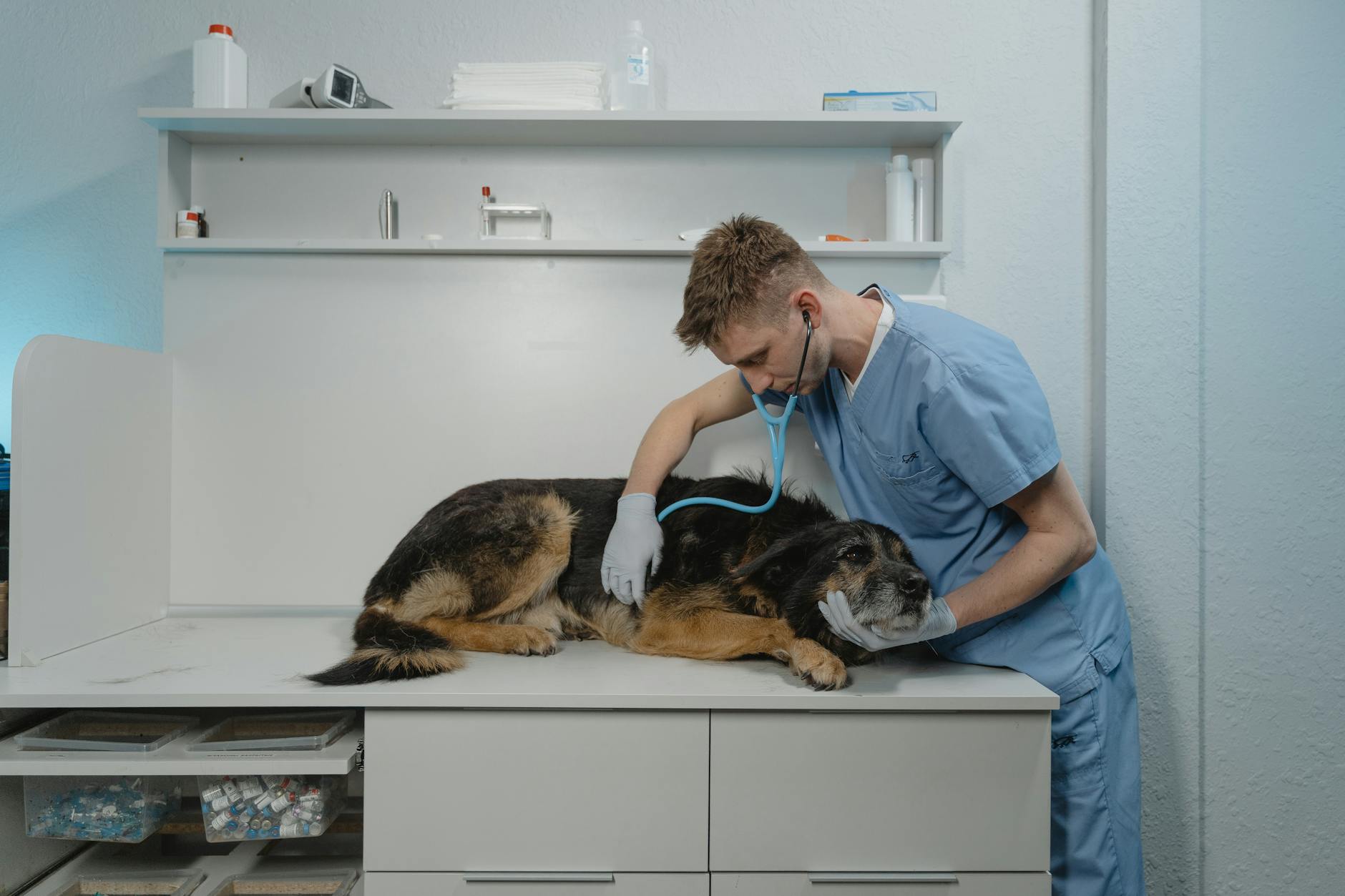
Many pet parents only visit the vet when their animal is visibly sick or injured. Animals are experts at masking pain and illness until the condition is advanced. Annual exams allow veterinarians to catch subtle changes in weight or heart rhythm early. Early detection usually means more effective and less expensive treatment options. Regular preventive care is the foundation of a long and healthy life.
Declawing Cats

This procedure involves the amputation of the last bone of each toe rather than just a nail trim. It often causes long-term pain and can change the way a cat walks. Many cats develop behavioral issues like biting or litter box avoidance after the surgery. Veterinarians strongly advocate for alternatives like scratching posts or regular nail trims. It is widely considered an unnecessary mutilation rather than a cosmetic convenience.
Leaving Dogs in Cars

Temperatures inside a parked car can escalate to deadly levels within minutes. Cracking the windows does very little to lower the internal temperature on a warm day. Dogs cannot cool themselves efficiently and heatstroke can cause permanent organ damage very quickly. It is always safer to leave the pet at home if they cannot come inside with you. Even mild days can present a significant risk depending on the sunlight.
Self-Diagnosing Online
The internet is full of conflicting advice that often delays proper medical treatment. Home remedies found online can worsen conditions or interact negatively with prescribed medications. Veterinarians spend years studying medicine to provide accurate diagnoses based on physical exams. Relying on search engines for medical advice puts your pet at unnecessary risk. Trust your veterinarian over an unverified article or forum post.
Using Retractable Leashes

These leashes offer less control and can cause serious injuries to both pets and owners. The thin cord can snap or cause severe friction burns if wrapped around legs. It allows dogs to get too far ahead which makes them vulnerable to approaching cars or aggressive animals. A standard six-foot leash provides a safe boundary for training and walking. Veterinarians often treat injuries directly related to the use of these devices.
Neglecting Grooming

Matting in fur can pull tightly on the skin and cause constant pain or infection. Long nails can alter the foot structure and make walking uncomfortable or difficult. Regular brushing helps distribute natural oils and allows owners to check for lumps or bumps. Grooming is a health necessity rather than just an aesthetic choice. Professional groomers can handle tasks that are difficult to do at home.
Shaving Double-Coated Dogs
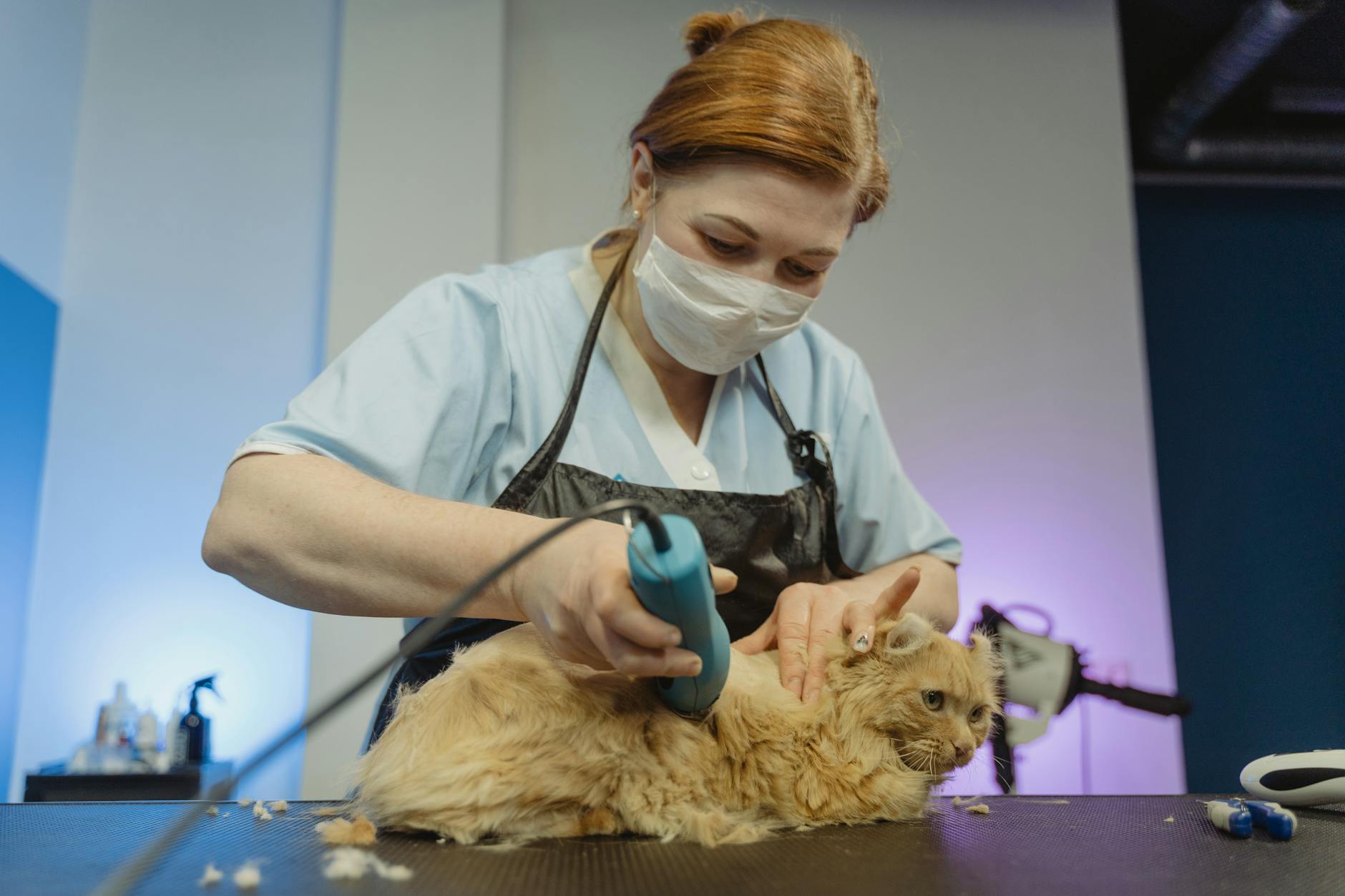
Breeds like Huskies and Golden Retrievers have coats designed to insulate them from both heat and cold. Shaving them removes this natural protection and exposes their skin to sunburn. The undercoat may not grow back correctly which permanently alters the texture. It actually makes it harder for the dog to regulate their body temperature. Regular brushing is the correct way to manage shedding for these breeds.
Punishing Accidents

Rubbing a nose in a mess or yelling does not teach a pet proper house training. It only teaches the animal to fear the owner or to hide when they need to relieve themselves. Positive reinforcement when they go outside is a much more effective training tool. Accidents can sometimes signal a medical issue like a urinary tract infection. Patience and consistency yield better results than punishment.
Buying Cheap Food

Foods filled with fillers and artificial colors often lack the nutritional density pets need. Poor nutrition can manifest as a dull coat or digestive issues and low energy. High-quality diets are formulated to support immune health and longevity. Investing in better food often saves money on veterinary bills in the long run. Ask your vet for recommendations based on your pet’s age and lifestyle.
Skipping Parasite Control
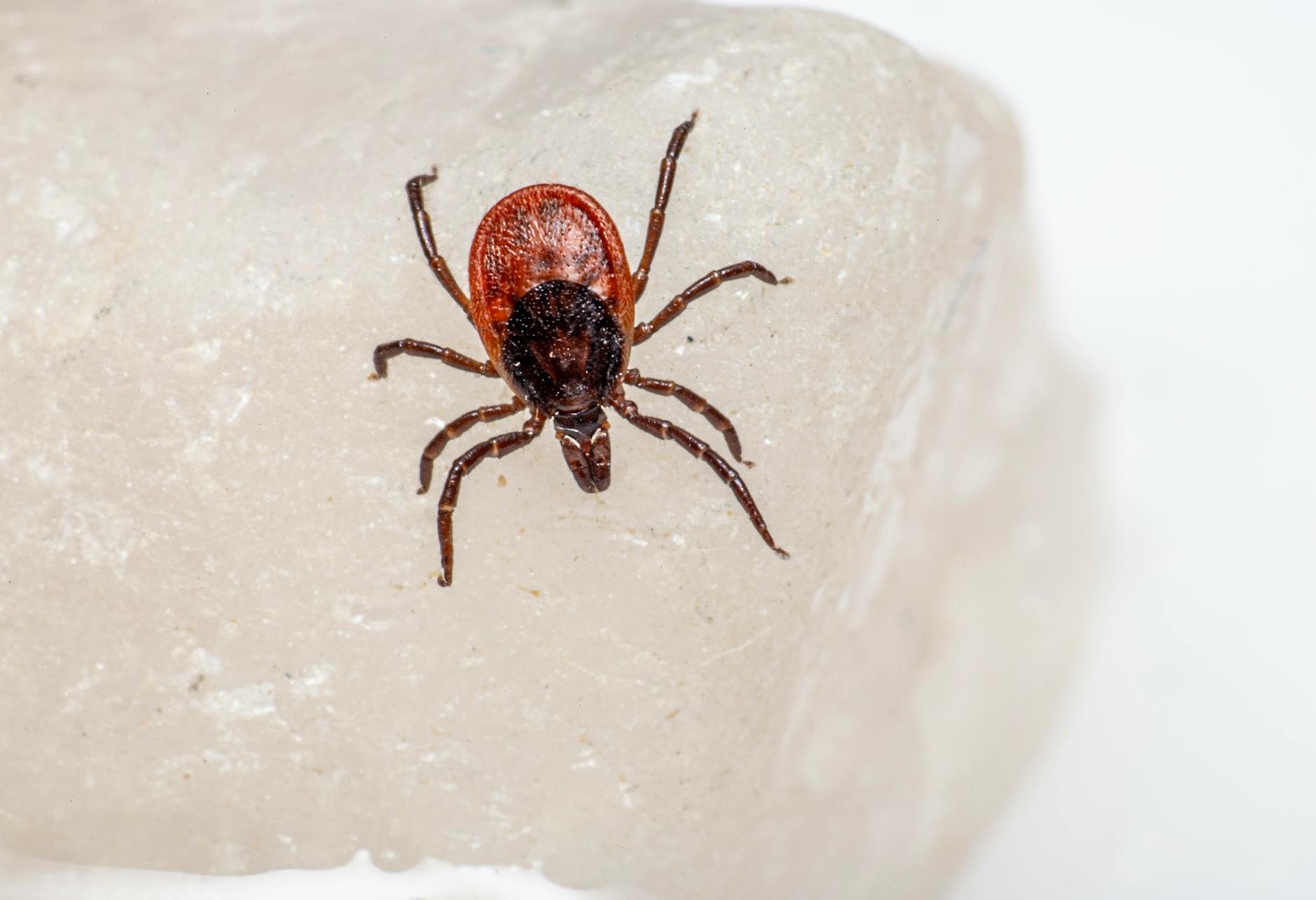
Fleas and ticks carry diseases that can affect both pets and human family members. An infestation in the home is difficult and expensive to eradicate completely. Prevention is far easier than trying to treat a pet suffering from flea allergy dermatitis. Over-the-counter collars are often ineffective compared to veterinary-prescribed options. Year-round prevention is the standard of care recommended by experts.
Not Socializing Puppies
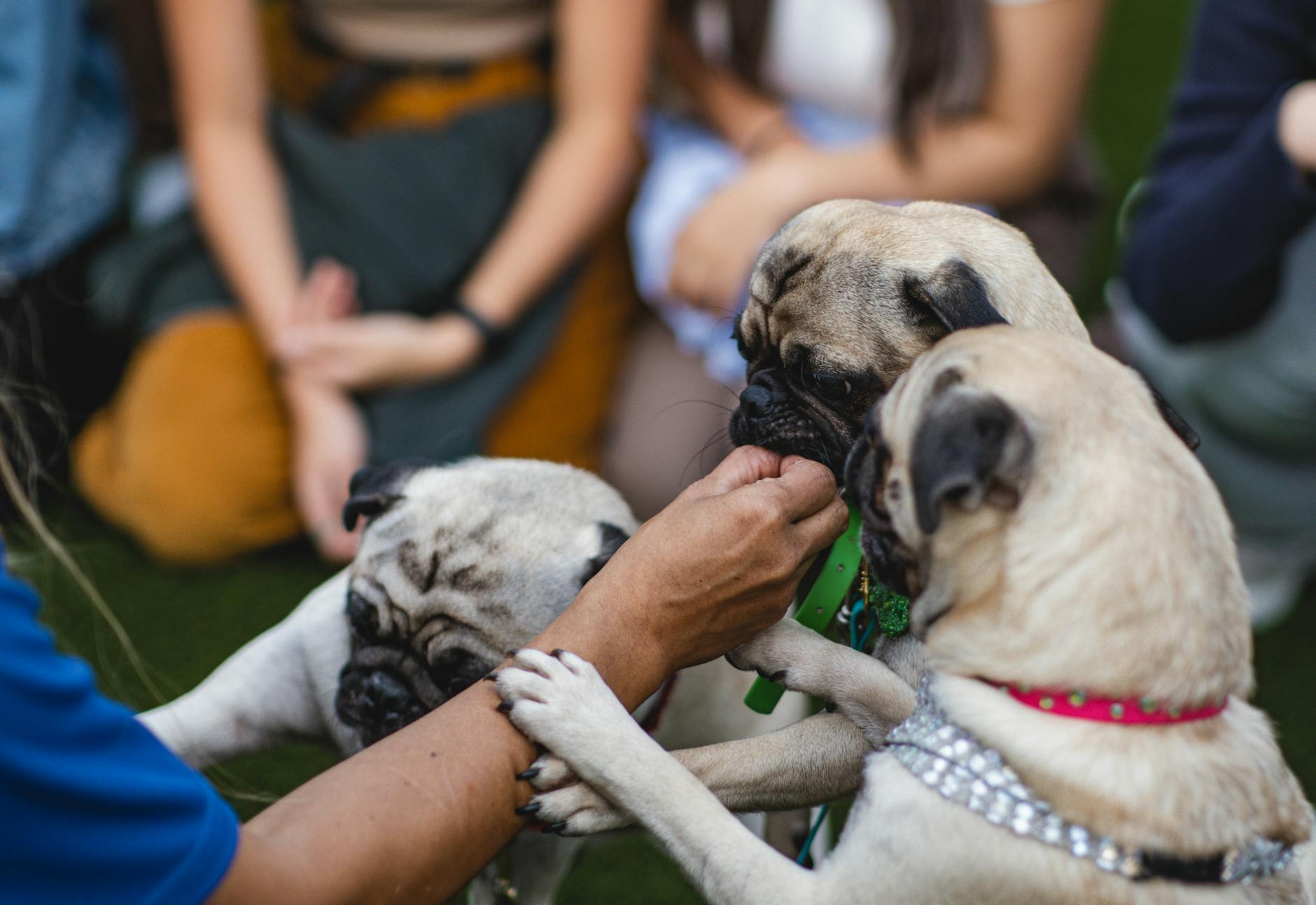
The critical window for socialization closes relatively early in a puppy’s development. Keeping a dog isolated can lead to fear and aggression towards strangers or other dogs. Controlled exposure to new sights and sounds builds confidence and stability. A well-socialized dog is safer to handle and happier in various environments. Puppy classes provide a safe space for these necessary interactions.
Ignoring Behavior Changes
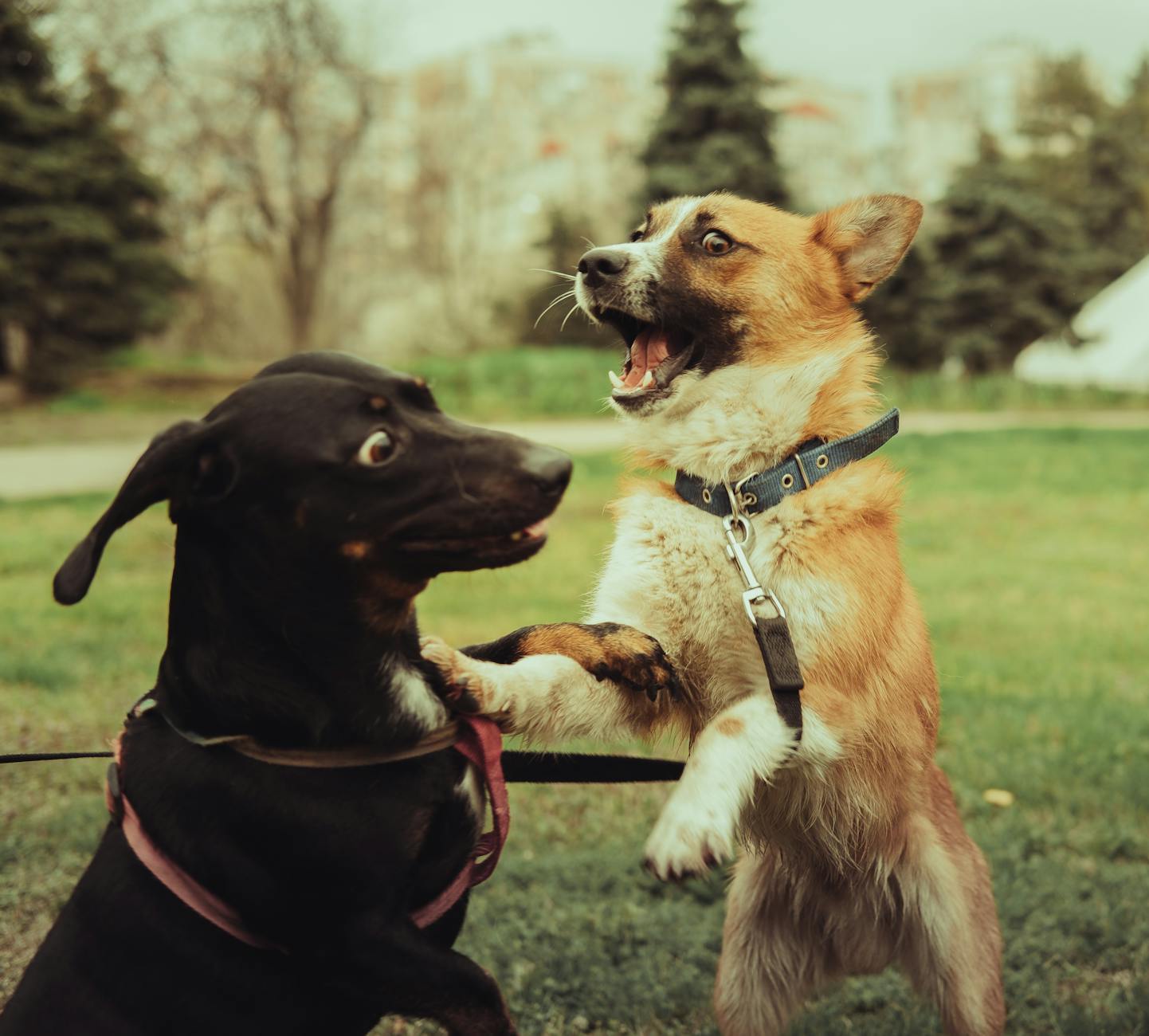
A sudden change in temperament or habit is often the first sign of illness. A usually friendly cat hiding under the bed may be in significant pain. An active dog refusing to go for walks might have joint issues or heart trouble. Dismissing these changes as simple aging can delay necessary treatment. Always report sudden behavioral shifts to your veterinarian.
Exercising in Heat
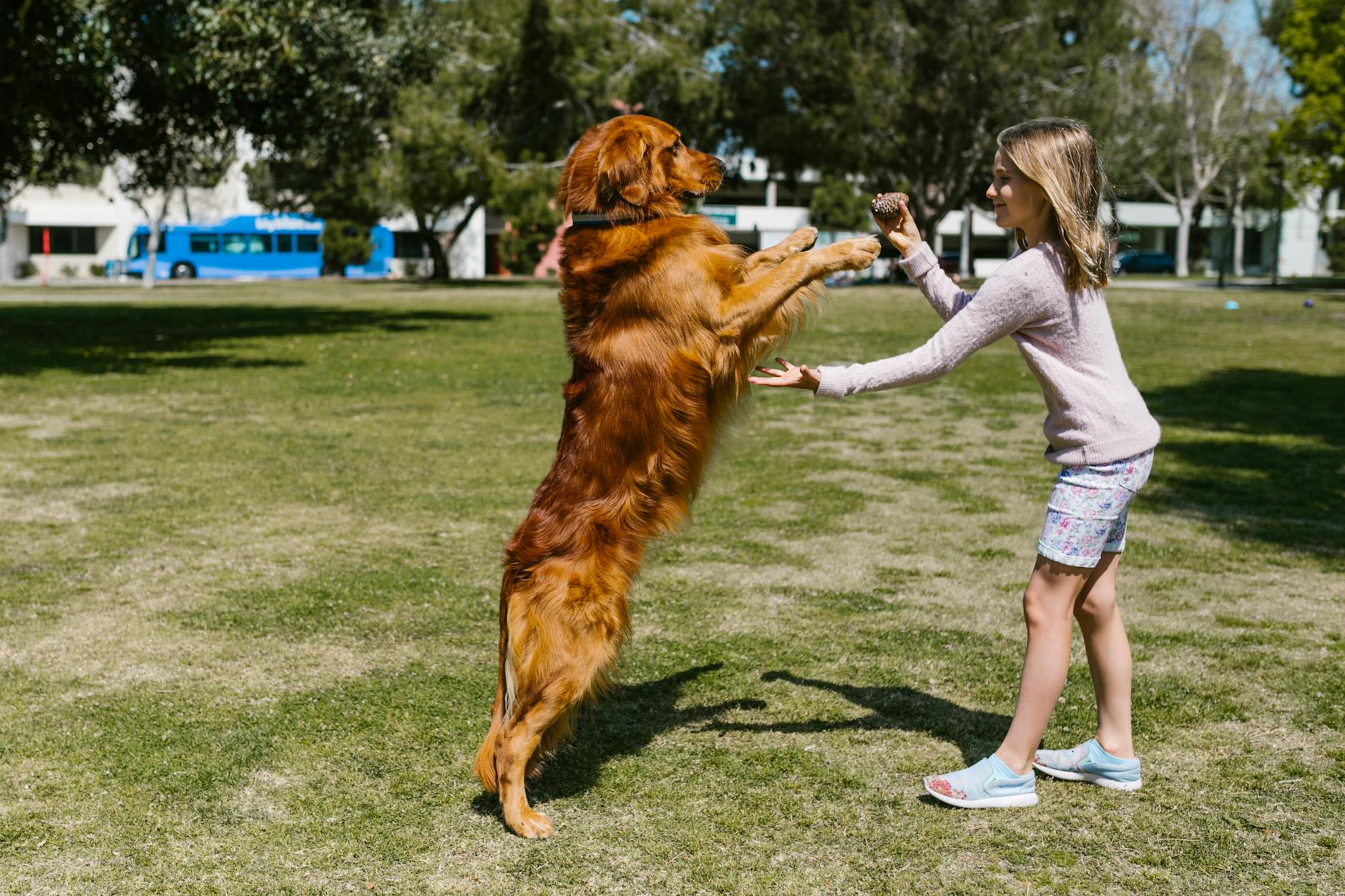
Brachycephalic breeds like Pugs and Bulldogs have a very low tolerance for heat and exercise. Pushing them to run or walk during the hottest part of the day is dangerous. Their shortened airways make it difficult for them to pant and cool down effectively. Heat exhaustion happens faster in these breeds than many owners realize. Walks should be limited to early mornings or late evenings during summer.
Please mention in the comments which of these habits you are committed to changing for the well-being of your pet.




