Societal shifts and technological advancements have dramatically altered how daily tasks are approached in the modern world. Many skills that were once essential for survival or social standing have faded into obscurity with the rise of digital convenience. Examining the habits of older generations reveals a treasure trove of capabilities that prioritized patience and tangible effort. These practices offer a stark contrast to the instant gratification and automation defining the lives of Millennials and Gen Z.
Penmanship

Schools formerly placed a heavy emphasis on cursive writing and proper script formation as essential communication tools. The physical act of writing by hand improved memory retention and allowed for a unique personal expression that standard fonts lack. Individuals took pride in their signature and the legibility of their correspondence in professional and personal settings. This discipline fostered fine motor skills that many younger people now struggle to master due to keyboard dominance.
Garment Repair

The ability to darn a sock or sew on a button was once a standard domestic skill found in almost every household. People understood the value of high-quality fabrics and extended the lifespan of their clothing through careful mending. This practice significantly reduced textile waste and cultivated a mindset of stewardship rather than disposability. It was common to see repair kits in homes as a first line of defense against wear and tear.
Analog Navigation

Drivers previously relied on physical maps and a strong internal sense of direction to navigate road trips. This skill required planning a route in advance and paying close attention to landmarks and cardinal directions while moving. The absence of turn-by-turn GPS forced travelers to understand the geography of their surroundings rather than blindly following voice commands. Getting lost was part of the process and often led to improved spatial awareness and problem-solving.
Mental Arithmetic

Calculators were not always accessible in pockets so people developed the ability to perform math in their heads. Calculating change at a grocery store or splitting a bill at dinner was done quickly without digital assistance. This daily practice kept the mind sharp and ensured a fundamental understanding of numbers and percentages. Relying on mental math fostered a sense of independence and confidence in handling everyday financial transactions.
Face-to-Face Conversation

Socializing occurred primarily in person without the distraction of smartphones or constant notifications. People learned to read body language and vocal cues which led to deeper and more empathetic connections. The art of holding a conversation involved active listening and the ability to sit through silences without reaching for a device. These interactions built strong community bonds and social resilience that digital communication often fails to replicate.
Food Preservation

Canning and pickling were vital methods for extending the harvest and ensuring food supply throughout the winter. Families would spend days processing seasonal produce at its peak ripeness to lock in flavor and nutrition. This skill required knowledge of food chemistry and safety along with a significant investment of time and patience. The result was a pantry stocked with wholesome ingredients that reduced reliance on processed grocery store items.
Letter Writing

Communication across distances was a deliberate act that involved sitting down to compose thoughtful letters. Writers had to organize their thoughts coherently because there was no backspace key to delete errors. The delay between sending and receiving mail made every correspondence feel significant and cherished. This practice cultivated patience and allowed for a depth of expression rarely seen in instant messaging.
Delayed Gratification

The culture of waiting for a movie release or saving up for a purchase built strong character and impulse control. Older generations understood that not every desire could be met instantly and found joy in the anticipation of an event. This mindset fostered a greater appreciation for the final reward once it was obtained. Developing patience was a natural byproduct of a world without on-demand streaming or same-day shipping.
DIY Home Maintenance
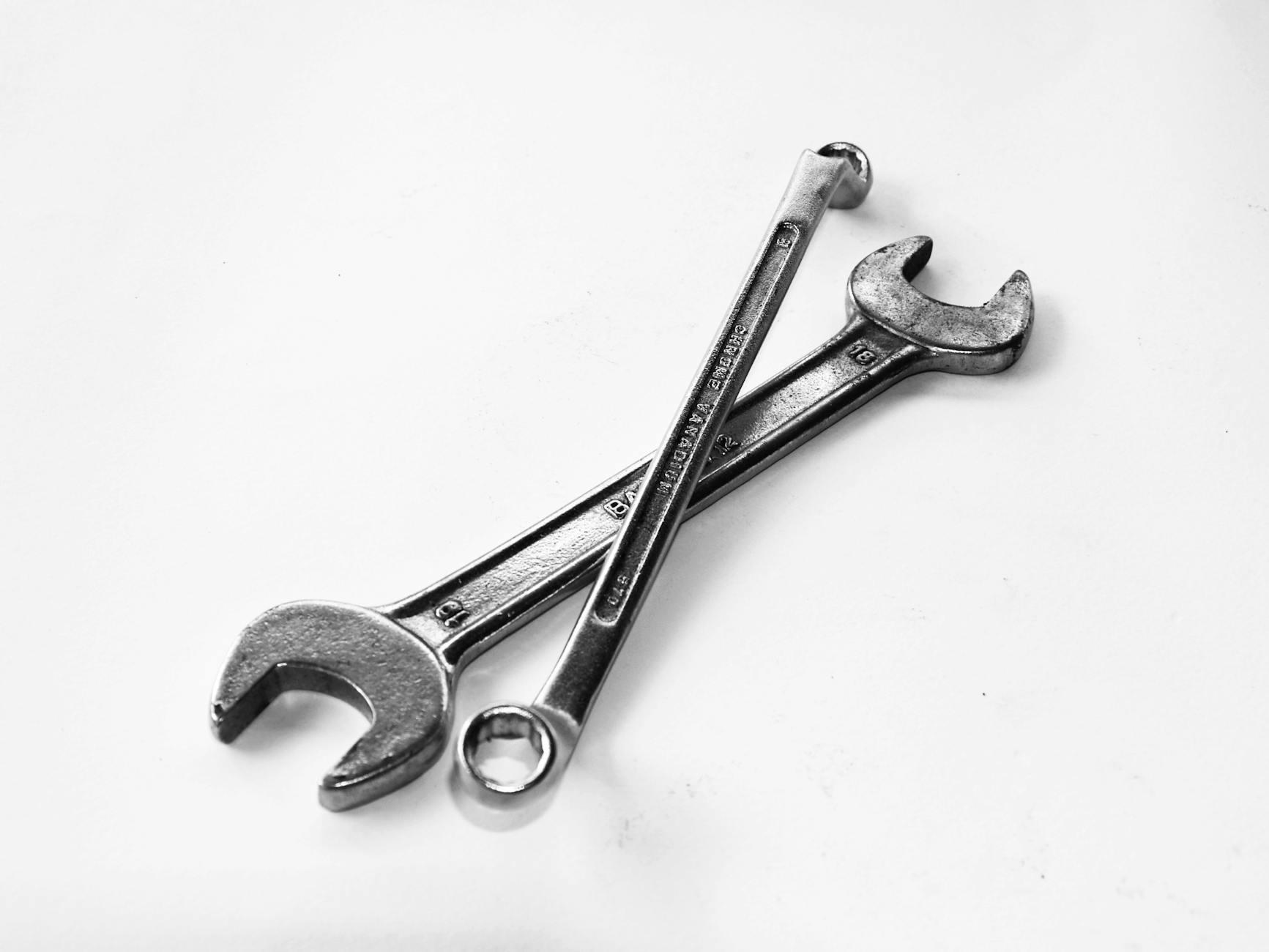
Homeowners often tackled plumbing issues or electrical repairs themselves rather than immediately calling a professional. Knowledge of how household systems worked was passed down and honed through trial and error. This self-reliance saved money and provided a deep sense of satisfaction upon fixing a problem. Tools were considered essential investments and maintaining a home was an active and ongoing responsibility.
Memorization
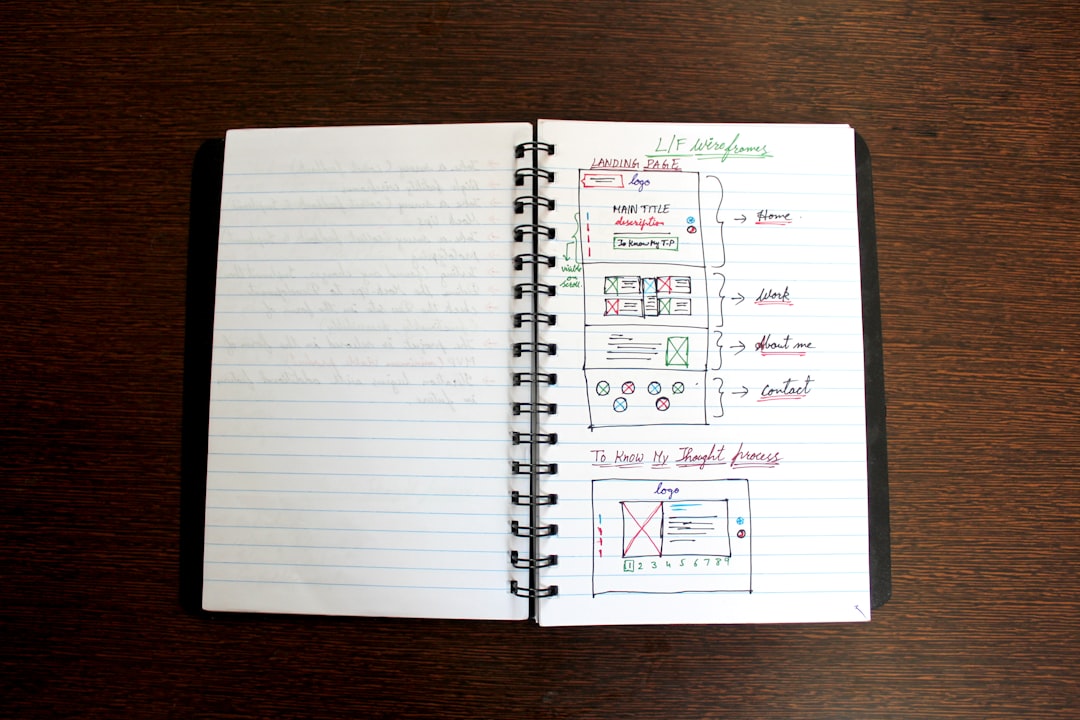
Telephone numbers and addresses were committed to memory because there were no digital contacts lists to rely on. This cognitive exercise strengthened the brain and improved overall recall abilities for other information. Knowing important numbers by heart was a safety net that ensured connection even without a personal address book. The reliance on internal memory created a sharper and more attentive mind.
Dining Etiquette

Meals were formal affairs where table manners and proper utensil usage were strictly observed. Understanding the placement of silverware and napkins showed respect for the host and the food being served. Conversation at the table was polite and inclusive while distractions like television or reading were generally banned. These shared rituals reinforced social structures and taught discipline from a young age.
Deep Reading

Reading involved immersing oneself in a book or newspaper for hours without the interruption of hyperlinks or notifications. This sustained attention allowed for complex arguments and narratives to be fully understood and appreciated. The ability to focus on a single text improved critical thinking and vocabulary acquisition significantly. Older generations valued the quiet contemplation that came with undisturbed reading sessions.
Handling Boredom
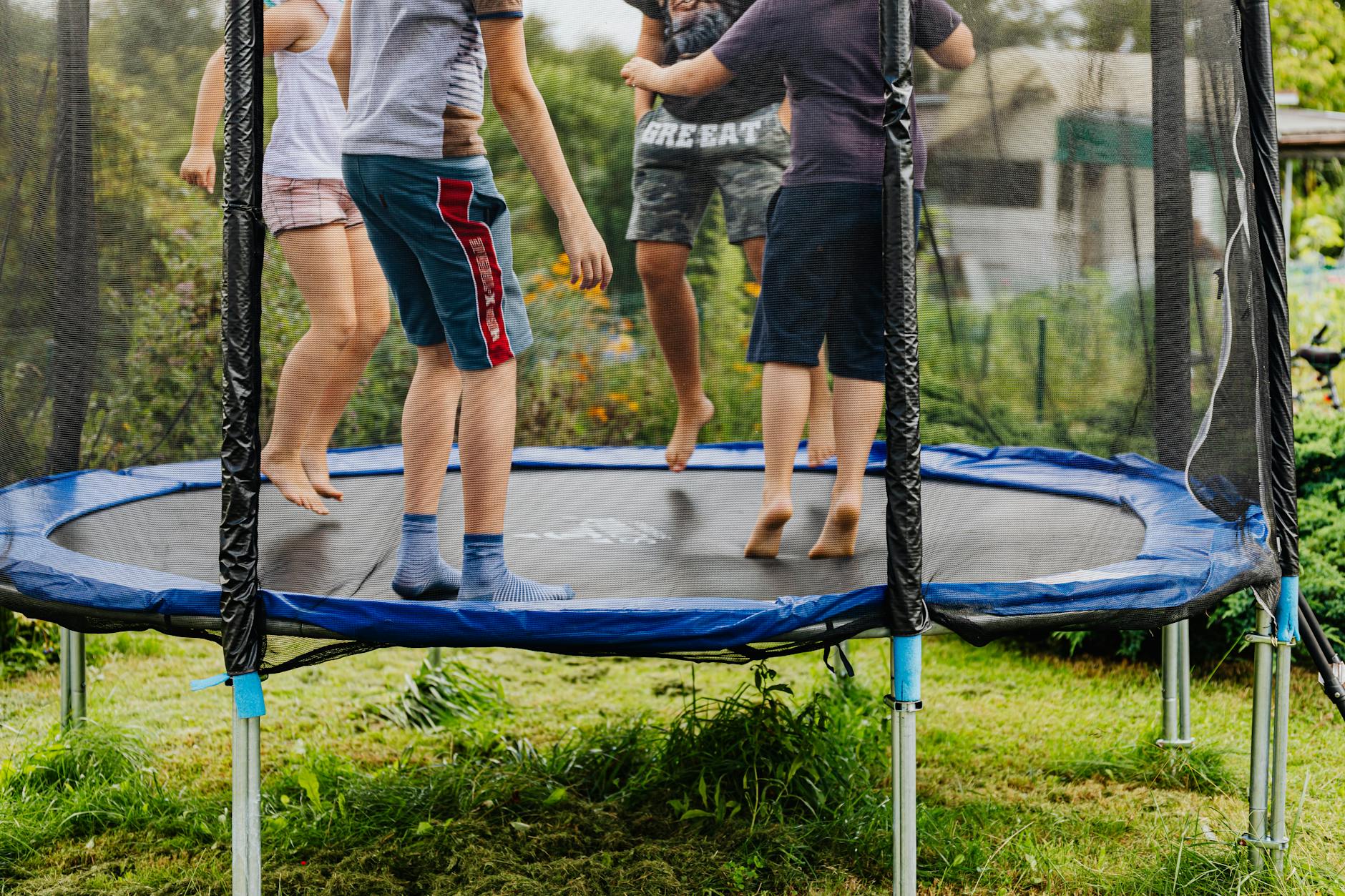
Children and adults alike were accustomed to periods of inactivity without immediate digital entertainment. These moments of boredom often sparked creativity and encouraged children to invent games or explore the outdoors. The inability to escape into a screen forced people to be present with their own thoughts and surroundings. Learning to be alone with oneself was a crucial developmental step for emotional stability.
Formal Dressing

Leaving the house often meant dressing up as a sign of respect for oneself and the public. People wore suits and hats for travel or shopping trips rather than athleisure or pajamas. This attention to appearance signaled that everyday activities were worthy of effort and dignity. The ritual of dressing well boosted confidence and maintained a certain level of public decorum.
Privacy Maintenance
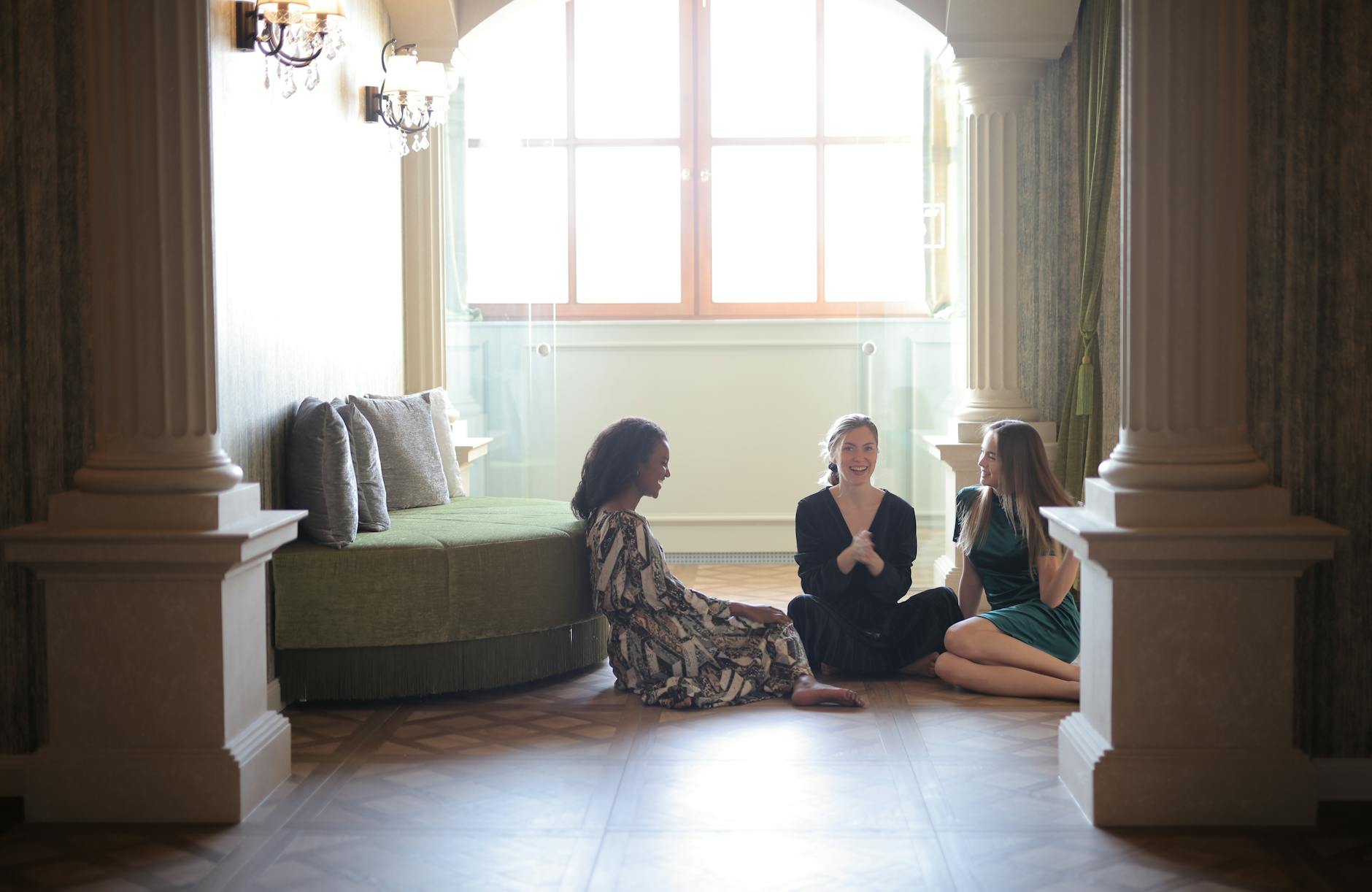
Personal lives were kept private and intimate details were shared only with a close circle of trusted friends. There was no pressure to broadcast every meal or vacation to a global audience for validation. This discretion protected individuals from public scrutiny and preserved the sanctity of personal milestones. Living without an online footprint allowed for a freedom and anonymity that is rare today.
Long-term Employment

Employees frequently stayed with a single company for decades and climbed the corporate ladder internally. This loyalty was often reciprocated with pensions and job security that provided a stable foundation for families. Building a career in one place allowed for deep expertise and strong professional relationships to develop. The modern concept of job hopping was viewed as unstable and risky.
Community Civic Duty
Participation in local clubs and town meetings was a standard expectation for responsible citizens. People felt a personal obligation to contribute to the well-being of their immediate neighborhood and local institutions. This engagement created a strong social fabric where neighbors knew and supported one another. Civic responsibility was active and visible rather than limited to online activism.
Physical Media Collection

Music and movies were owned on vinyl or tape which encouraged a deeper appreciation for the art form. Listeners would play an album from start to finish and study the liner notes and artwork intently. This physical connection to media created a sense of ownership and value that streaming subscriptions cannot match. Collections were curated with care and served as a reflection of personal taste.
Uninterrupted Sleep

Sleep schedules were dictated by the sun or television broadcasting hours rather than a 24-hour digital cycle. The absence of blue light from screens in the bedroom allowed for deeper and more restorative rest. People generally woke up feeling more refreshed because their circadian rhythms were not constantly disrupted. Respecting the body’s need for downtime was easier without the temptation of endless scrolling.
Critical Listening

Listening to radio programs or speeches required sustained auditory attention and imagination. Without visual aids people had to construct mental images and follow complex verbal narratives. This skill enhanced language processing and trained the brain to focus on spoken information. The ability to listen intently is a lost art in an age of visual dominance.
Seasonal Eating

Diets were naturally aligned with the seasons because global shipping of produce was not yet ubiquitous. People anticipated the arrival of specific fruits and vegetables and enjoyed them at their peak flavor. This cyclical approach to eating connected individuals to the rhythms of nature and local agriculture. It also ensured that meals were fresher and more nutrient-dense.
Phone Etiquette

Making a phone call was a deliberate action that followed a specific set of polite protocols. Callers identified themselves immediately and asked if it was a convenient time to speak. There was a clear distinction between appropriate times to call and times to respect household quiet. This etiquette minimized intrusions and ensured that conversations were welcome and respectful.
Conflict Resolution

Disagreements were handled face-to-face which required courage and the ability to articulate feelings clearly. Without the shield of a screen people had to confront the emotional impact of their words immediately. This directness often led to faster resolutions and prevented misunderstandings from festering. Learning to navigate uncomfortable conversations in person built emotional intelligence.
Resourcefulness

A lack of instant access to information or products forced people to be incredibly resourceful with what they had. Solutions to problems were improvised using available materials and ingenuity. This “make do and mend” attitude fostered creativity and a refusal to give up easily. Limitations were viewed as challenges to be overcome rather than roadblocks.
Networking Offline

Professional networks were built through handshakes and face-to-face meetings at industry events. Trust was established through personal interaction and consistent reliability over time. These relationships were often deeper and more resilient than connections made solely via social platforms. The effort required to maintain these bonds demonstrated genuine commitment.
Scheduling Reliability

Making plans required a firm commitment because changes could not be communicated instantly while en route. If a meeting was set for a specific time and place people made sure to be there. This reliability showed respect for the other person’s time and built a reputation for dependability. Flaking on plans was difficult and socially costly.
Focused Attention

Completing a task was done with single-minded focus without the constant interruption of multitasking. The quality of work produced was often higher because the mind was not fragmented by competing demands. This state of flow allowed for mastery of skills and efficient completion of duties. Deep work was the standard rather than the exception.
Financial Frugality

Saving for a rainy day was a primary financial strategy ingrained in older generations. Credit was used sparingly and the concept of living within one’s means was strictly followed. This conservative approach to money provided a safety net during economic downturns. Financial literacy focused on saving and compounding interest rather than leverage and debt.
Ironing

Presentation matters and crisp clothing was achieved through the regular practice of ironing. Understanding heat settings and fabric types was necessary to avoid damaging garments. This chore ensured that people looked polished and professional in all settings. The discipline of maintaining one’s appearance extended to the care of the clothes themselves.
Taking Photos Sparingly

Photography was limited by the number of exposures on a film roll which forced photographers to be selective. Every shot had to count so composition and lighting were considered carefully before clicking the shutter. This restraint meant that people experienced the moment rather than viewing it constantly through a lens. The resulting physical albums were treasured archives of truly special occasions.
Relationship Commitment

Marriages and partnerships were often viewed as lifelong commitments that required work and compromise. The mindset was to fix problems rather than abandon the relationship when difficulties arose. This dedication provided stability for families and allowed couples to grow together over decades. Enduring through hard times was seen as a testament to the strength of the bond.
Handwriting Thank You Notes

Gratitude was expressed through the formal and personal gesture of a handwritten thank you note. Taking the time to select stationery and write a message showed genuine appreciation for a gift or kindness. This tradition strengthened social ties and ensured that generosity was acknowledged properly. It was a hallmark of good breeding and thoughtfulness.
Protecting Nature

Conservation was often a practical lifestyle choice involving reusing glass bottles and limiting waste. People spent more time outdoors and developed a direct appreciation for the natural world. This connection fostered a desire to preserve the environment for future enjoyment. Stewardship was action-based rather than performative.
Manual Transmission Driving

Operating a vehicle with a manual transmission required coordination and a feel for the engine’s mechanics. Drivers were more engaged with the act of driving and had better control over the vehicle. This skill made driving an active experience rather than a passive one. It also provided a deeper understanding of how the machine functioned.
Separating Work and Life
Leaving the office meant leaving work behind because there were no emails on phones to check at home. Evenings and weekends were truly protected time for family and hobbies. This clear boundary prevented burnout and allowed for genuine relaxation. The separation of professional and personal spheres contributed to better mental health.
Please share your thoughts on these generational differences in the comments.




