Modern parenting philosophies have shifted significantly toward empathy and understanding over the last decade. Many caregivers now prioritize emotional validation above obedience to foster deeper connections with their children. This approach aims to raise emotionally intelligent adults who can articulate their feelings with ease. Critics suggest that misinterpretations of this method may inadvertently hinder a child’s development in key areas. The following points explore potential drawbacks that can arise when gentle parenting lacks necessary structure.
Misunderstanding Permissiveness

Many well-meaning parents confuse gentle parenting with a total lack of discipline or boundaries. This confusion often results in a household where children face no consequences for their actions. Kids raised without clear limits may struggle to understand acceptable behavior in social settings. They might believe that all their actions are valid simply because they have feelings associated with them. A lack of distinction between feelings and behavior can lead to significant social friction later in life.
Reduced Frustration Tolerance

Constant validation of every minor emotion can prevent children from learning to sit with discomfort. Children need opportunities to experience frustration in manageable doses to build psychological callousness. When parents immediately intervene to soothe every upset they deny their kids the chance to self-regulate. This creates adults who crumble under minor stressors because they never practiced navigating emotional hurdles. Resilience requires exposure to adversity rather than constant shielding from it.
Struggle with Authority Figures

Gentle parenting often encourages endless negotiation to make children feel heard and respected. This dynamic can cause issues when a child encounters authority figures who do not negotiate. Teachers and employers rarely have the time or inclination to explain every instruction or rule. Children accustomed to debating every request may be perceived as disrespectful or uncooperative in formal environments. Adapting to hierarchical structures becomes difficult for those used to an egalitarian home life.
Over-Reliance on Co-Regulation
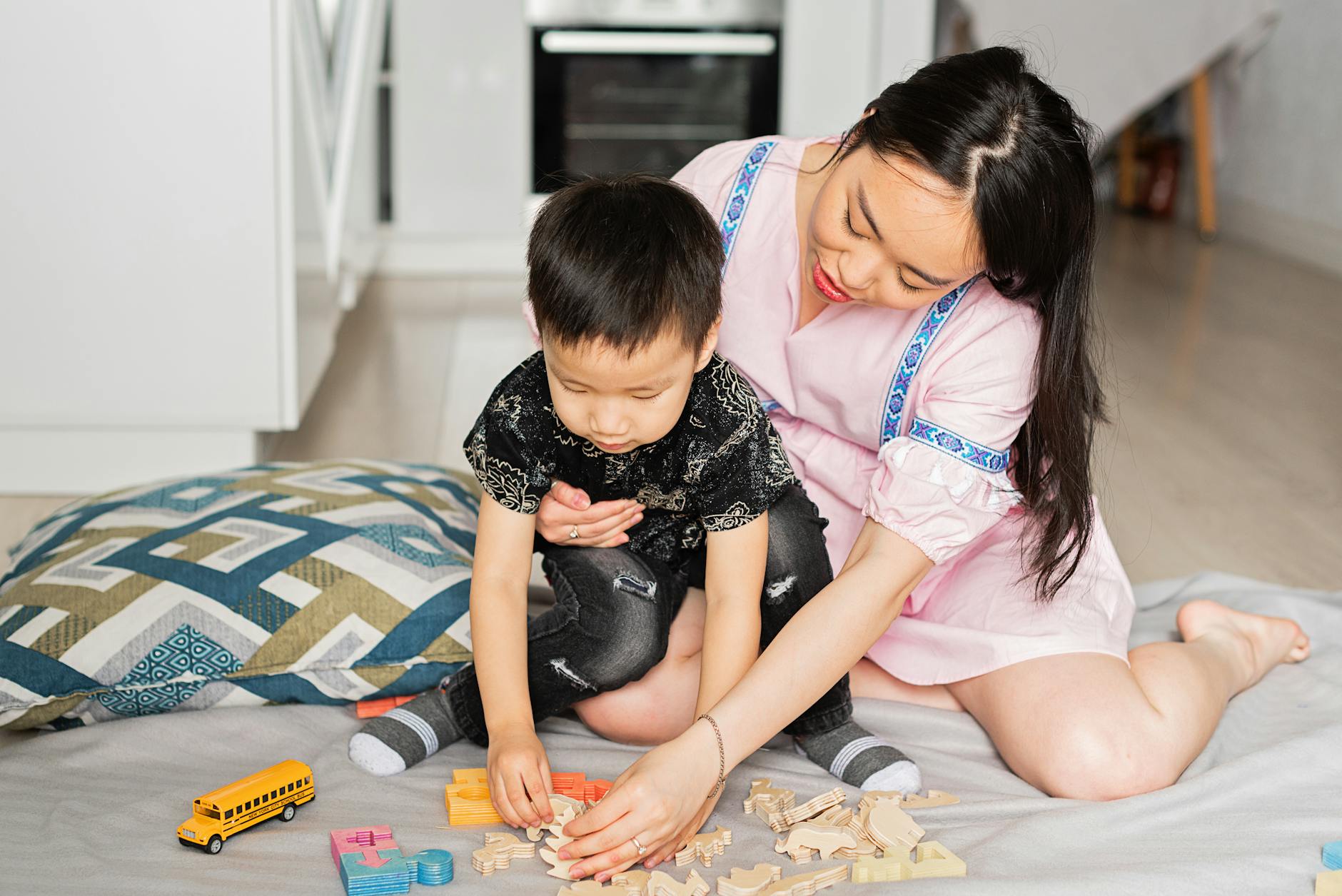
Proponents emphasize co-regulation where the parent calms the child until they can do it themselves. Some children become dependent on their parents to manage their emotions well past the appropriate developmental stage. This dependency can hinder the development of independent self-soothing mechanisms needed for adulthood. An adult who requires external validation to calm down faces significant challenges in personal and professional relationships. True emotional maturity involves processing feelings internally without relying on another person.
Analysis Paralysis

Parents often offer too many choices to respect a child’s autonomy and foster decision-making skills. Young children can feel overwhelmed by the burden of making constant decisions about their daily lives. This cognitive load can lead to anxiety and an inability to make simple choices quickly. Kids often feel safer when adults take charge of the big decisions and provide a secure framework. Excessive choice can backfire by creating hesitation rather than confidence.
Inability to Handle Rejection

Shielding children from the word no is a common practice in some variations of this parenting style. Children who rarely hear a direct refusal may develop an inflated sense of entitlement. They may struggle to accept rejection in friendships or romantic relationships later in life. Learning that they cannot have everything they want is a crucial life lesson for social integration. Coping with denial is a skill that must be practiced during childhood.
Poor Conflict Resolution Skills

Gentle parenting focuses heavily on validating feelings during conflicts rather than solving the problem objectively. This can lead to a belief that feeling hurt implies the other person was wrong. Children may struggle to see perspectives that do not center on their own emotional experience. Effective conflict resolution requires compromise and the ability to move past feelings to find solutions. Focusing solely on emotions can stall the resolution process indefinitely.
Decreased Grit
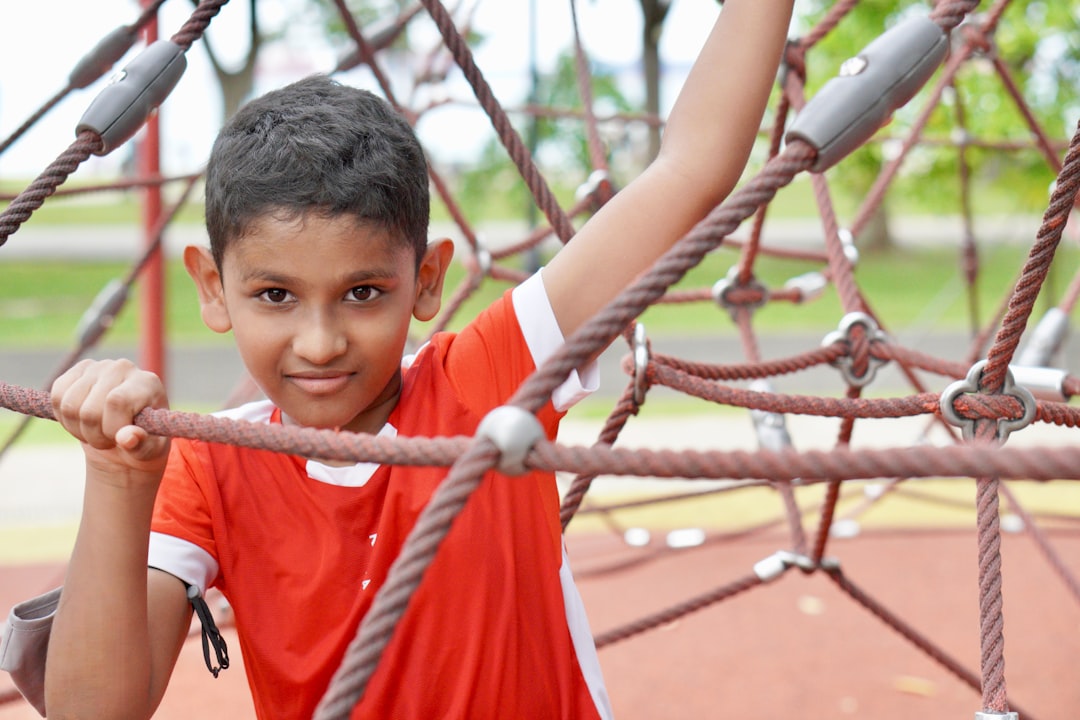
The emphasis on emotional safety can inadvertently discourage children from taking necessary risks. Kids might avoid challenging activities if they fear the negative emotions associated with failure. Grit creates success through perseverance despite difficulty and emotional discomfort. Prioritizing immediate emotional comfort over long-term achievement stunts the growth of tenacity. Success often demands pushing through bad feelings rather than stopping to validate them.
Difficulty with Negative Feedback

Constant praise and validation can make genuine constructive criticism feel like an attack. Children raised in highly affirmative environments may lack the thick skin needed for professional growth. They might interpret performance reviews or academic corrections as personal failures rather than learning opportunities. Acceptance of imperfection is vital for improvement and skill acquisition. A fear of criticism limits potential by discouraging the trial and error process.
Unrealistic Expectations of the World
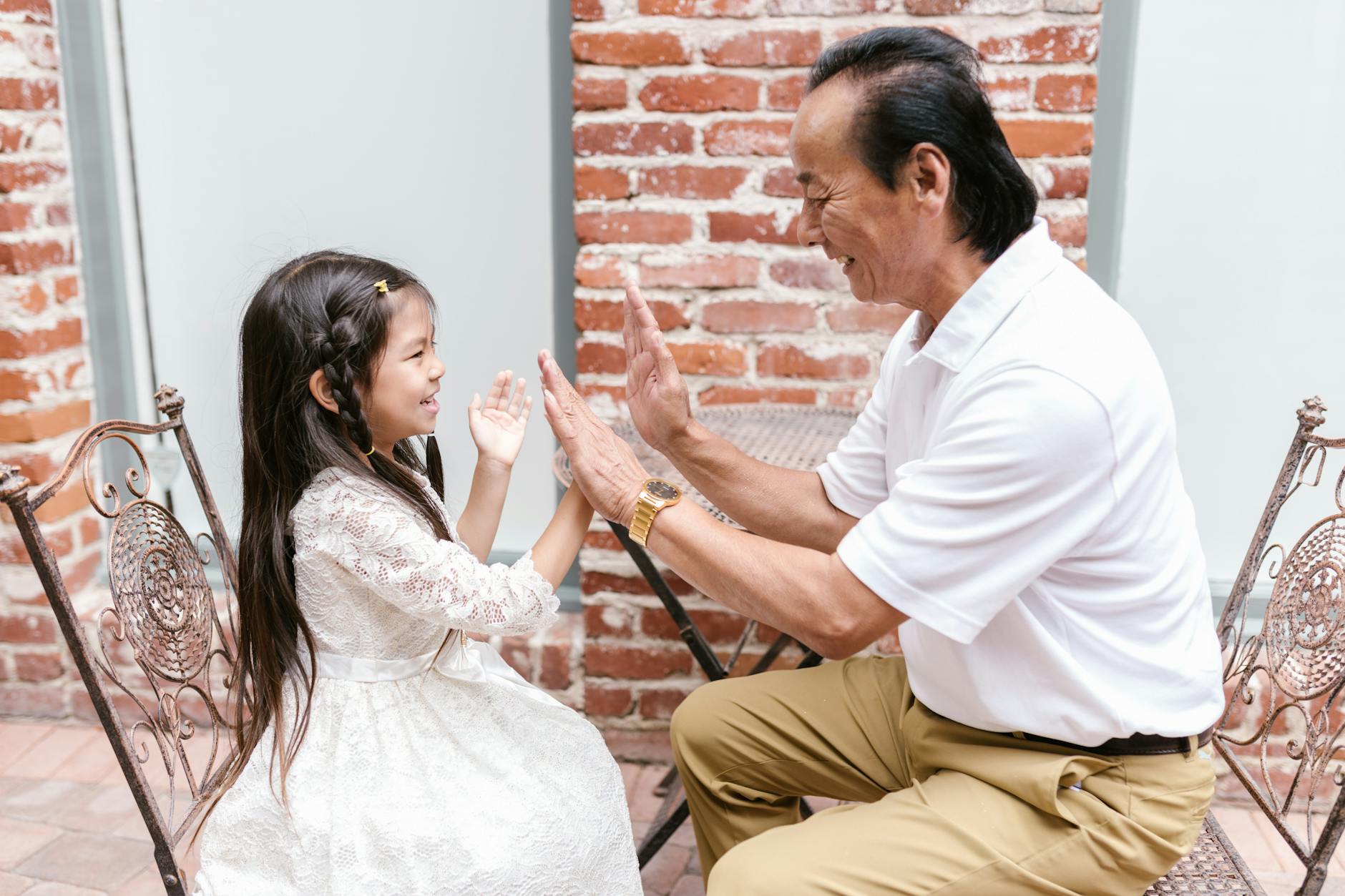
The real world is rarely as accommodating or empathetic as a gentle parenting household. Children may grow up expecting everyone to care deeply about their internal emotional state. This mismatch between expectation and reality can lead to severe disillusionment in adulthood. Strangers and colleagues are generally focused on results rather than feelings. Preparing a child for a world that is indifferent to their mood is a form of protection.
Parental Burnout Affecting Care

The immense emotional labor required for gentle parenting often leads to severe parental exhaustion. Depleted parents may struggle to maintain consistency or provide genuine engagement. Children can sense when a parent is emotionally checked out or performing patience. This disconnection can lead to insecurity and acting out to get a genuine reaction. A balanced parent is more effective than a perfect but exhausted one.
Erosion of Parental Hierarchy

Treating children as equals in all matters can confuse the natural family structure. Children need to know that there is a capable leader in charge of their safety and well-being. When parents abdicate their authority to appear more relatable they may lose their child’s respect. This loss of hierarchy can make it impossible to enforce safety rules or crucial guidelines. Security comes from knowing a confident adult is at the helm.
Confusion Over “Safe” vs “Uncomfortable”

The language of gentle parenting often labels emotional discomfort as feeling unsafe. This conflation makes it difficult for children to distinguish between genuine danger and nervousness. They may avoid new experiences or public speaking because the anxiety feels like a threat. Learning to differentiate between fear and danger is essential for navigating the world. Avoiding discomfort limits a life to a very small comfort zone.
Delayed Social Skills

Peers on the playground will not use gentle parenting scripts to resolve disputes over toys. Children who rely on adult intervention to mediate every conflict may lack independent social strategies. They might struggle to negotiate or stand up for themselves without a script. Peer interactions often require quick thinking and adaptability that formal scripts do not provide. Natural social friction teaches lessons that parental mediation prevents.
Impact on Sibling Dynamics

Parents mediating every sibling squabble can prevent brothers and sisters from working things out. Siblings often learn negotiation and compromise through unsupervised but safe conflict. Constant intervention denies them the chance to establish their own equilibrium and boundaries. This can lead to resentment if one child feels the parent always takes the side of the emotional one. Autonomy in sibling relationships fosters a unique bond.
Fear of Disappointing Others

Some children become hyper-aware of their parents’ emotional regulation efforts and try to manage them. They may suppress their own negative behavior to keep the peace and be “good”. This creates a pattern of people-pleasing where the child ignores their own needs. True authenticity requires the freedom to be messy without fearing it will break the parent’s composure. Suppressing needs to maintain harmony is a difficult habit to break.
Lack of Time Management

Allowing children to move at their own pace ignores the reality of external schedules. Schools and workplaces operate on strict timetables that do not account for emotional readiness. Children who are never rushed or held to a clock may struggle with punctuality. Respecting other people’s time is a social value that must be taught. Chronic lateness can be perceived as selfishness in professional settings.
Over-Intellectualizing Emotions
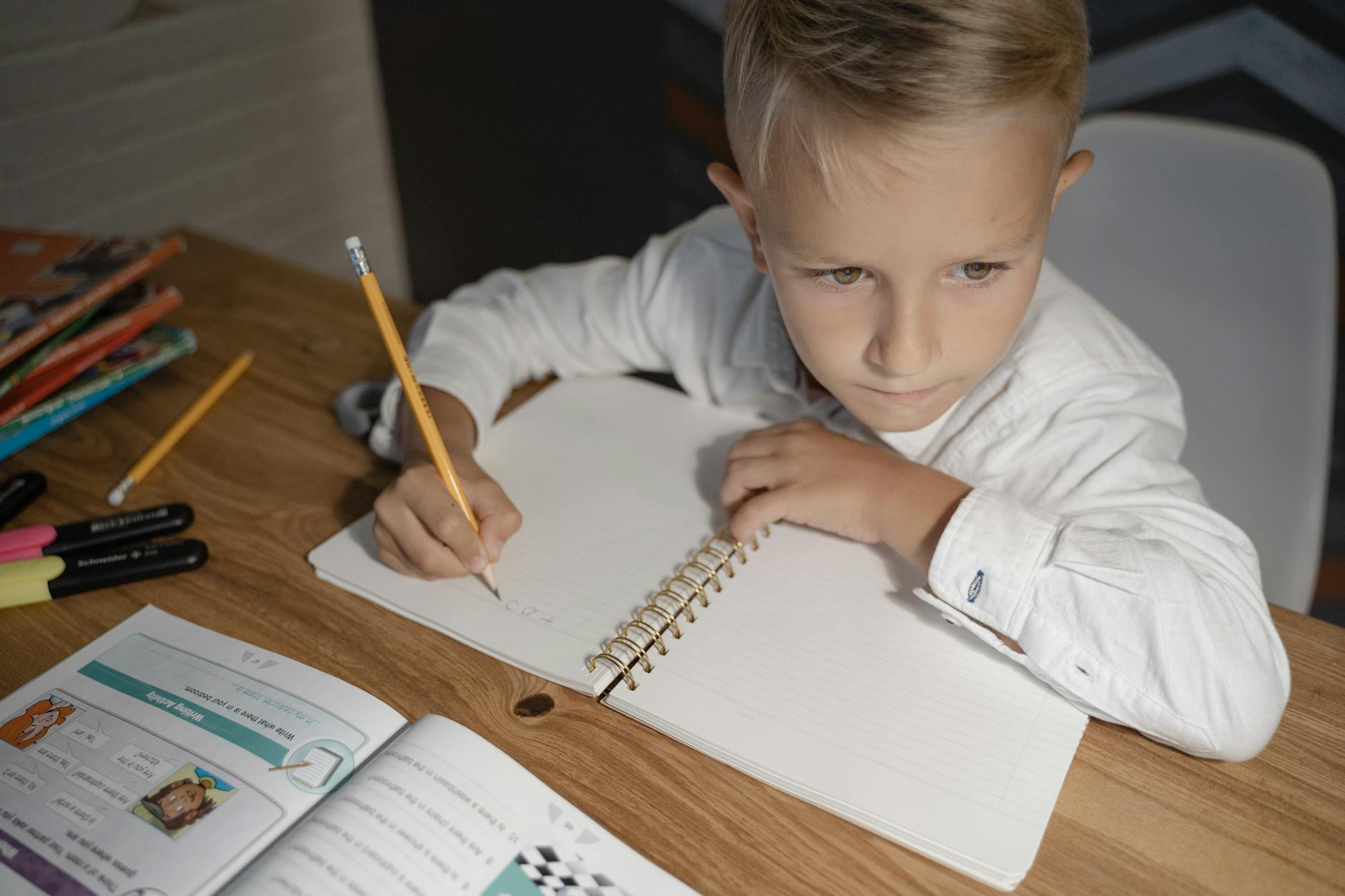
Talking endlessly about feelings can lead to a habit of over-analyzing every fleeting sensation. Children may begin to ruminate on emotions that would otherwise pass naturally. This hyper-focus on internal states can increase anxiety rather than alleviate it. Sometimes distraction and moving on are healthier coping mechanisms than deep analysis. Living in one’s head prevents full engagement with the present moment.
Dependence on Verbal Processing

Not all children have the verbal skills to articulate complex emotions effectively. Gentle parenting relies heavily on talking which can frustrate children who process differently. These children may feel inadequate if they cannot put their feelings into words. Action-oriented kids may need physical outlets rather than long conversations. Forcing verbalization can stifle other natural forms of expression.
Reduced Respect for Public Spaces

Prioritizing a child’s expression over social norms can lead to disruptive behavior in public. Parents may ignore screaming or running in inappropriate places to avoid suppressing the child. This lack of consideration for shared spaces teaches children that their impulses matter more than the community. Understanding collective responsibility is a key part of citizenship. Respecting the environment is as important as respecting oneself.
Inconsistent Discipline

The desire to be gentle can lead to wavering when it comes time to enforce a consequence. Parents might threaten a limit but back down when the child becomes upset. This intermittent reinforcement actually encourages testing boundaries more aggressively. Children need to know that no means no regardless of their reaction. Consistency provides the predictability that children crave.
Neglect of Basic Manners

Some proponents view forcing manners like “please” and “thank you” as inauthentic. Skipping these social lubricants can make children appear rude or ungrateful to outsiders. Manners are not just words but signals of respect and acknowledgment of others. Omitting them can close doors and create negative first impressions. Social rituals facilitate smoother interactions in the wider world.
Entitlement to Explanations

Children raised with constant explanations may demand reasons for every request made of them. They may refuse to comply with safety instructions if they don’t agree with the logic. In emergency situations immediate compliance is often necessary for safety. Believing they are owed an explanation for everything creates a false sense of parity. Sometimes instructions must be followed simply because an authority figure said so.
Fragility in Competitive Environments

Competition involves winners and losers which can be hard for gentle parenting advocates to navigate. Children shielded from the concept of losing may not develop good sportsmanship. They might quit activities where they are not immediately successful or praised. Learning to lose with grace is a character-building experience. Competition drives improvement and resilience when approached correctly.
Difficulty with Self-Motivation

Reliance on connection and validation to complete tasks can hinder intrinsic motivation. Children may wait for a parent to engage them before doing homework or chores. This lack of internal drive becomes a major hurdle in higher education and careers. Self-starters are valued because they do not require constant emotional maintenance. cultivating internal drive requires stepping back and letting the child take ownership.
Please share your own experiences with modern parenting styles in the comments.




