Home design trends move at a rapid pace and often leave homeowners with outdated interiors faster than they anticipate. Real estate agents frequently encounter properties filled with specific stylistic choices that deter potential buyers or lower perceived value. Certain fads that dominated Pinterest boards just a few years ago now signal a need for renovation rather than indicating a modern aesthetic. Professionals in the housing market advise sellers to prioritize timeless elements over fleeting crazes to maximize their return on investment.
Word Art Decor
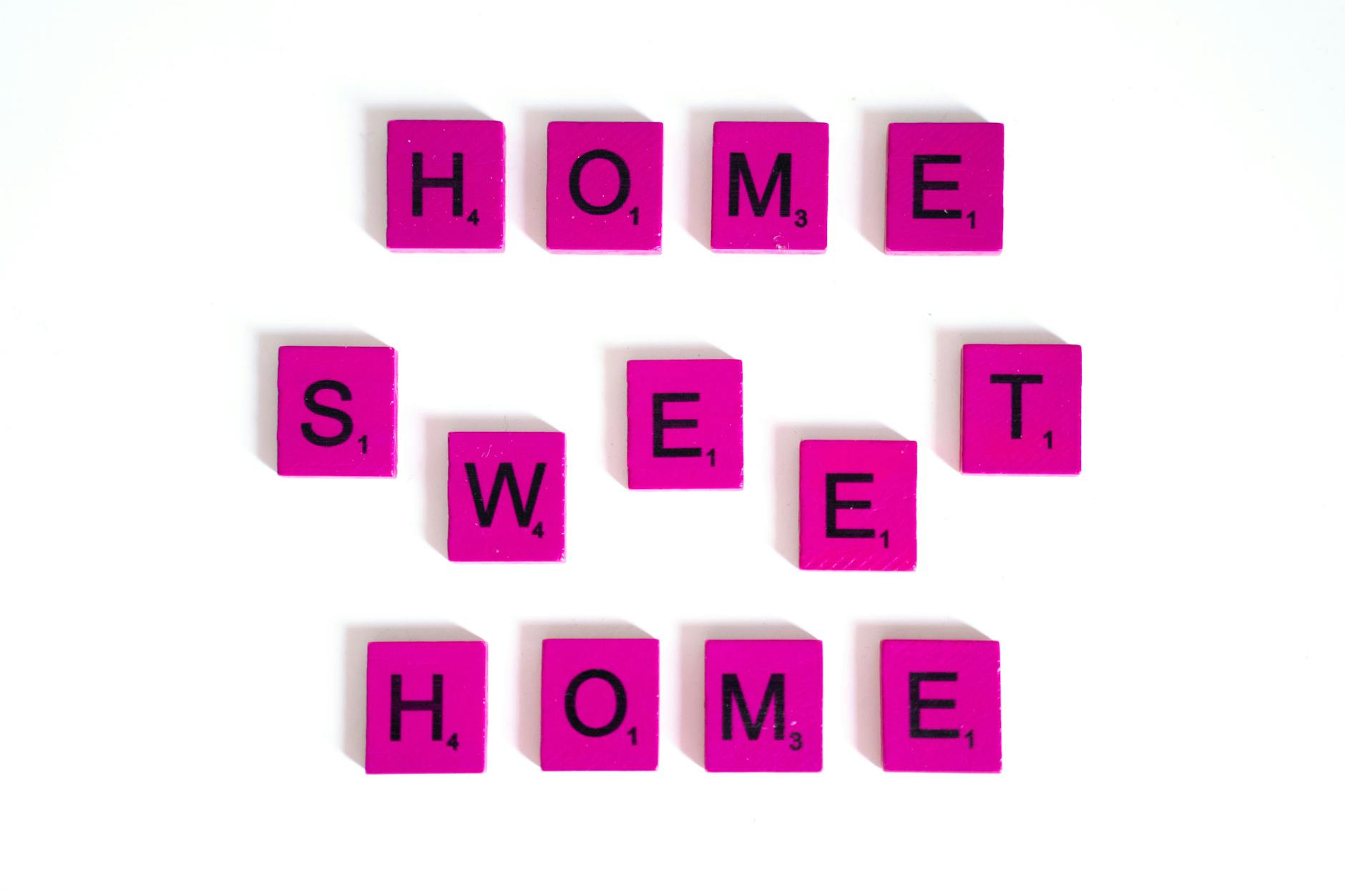
Oversized wooden signs instructing residents to eat or gather are often the first thing real estate agents suggest removing before listing a home. These typographic elements clutter walls and distract buyers from the actual architectural features of a room. Most interior designers agree that art should evoke emotion rather than provide literal instructions for living in a space. Buyers generally prefer neutral canvases where they can envision their own personal style without typographic interference.
Grey Laminate Flooring
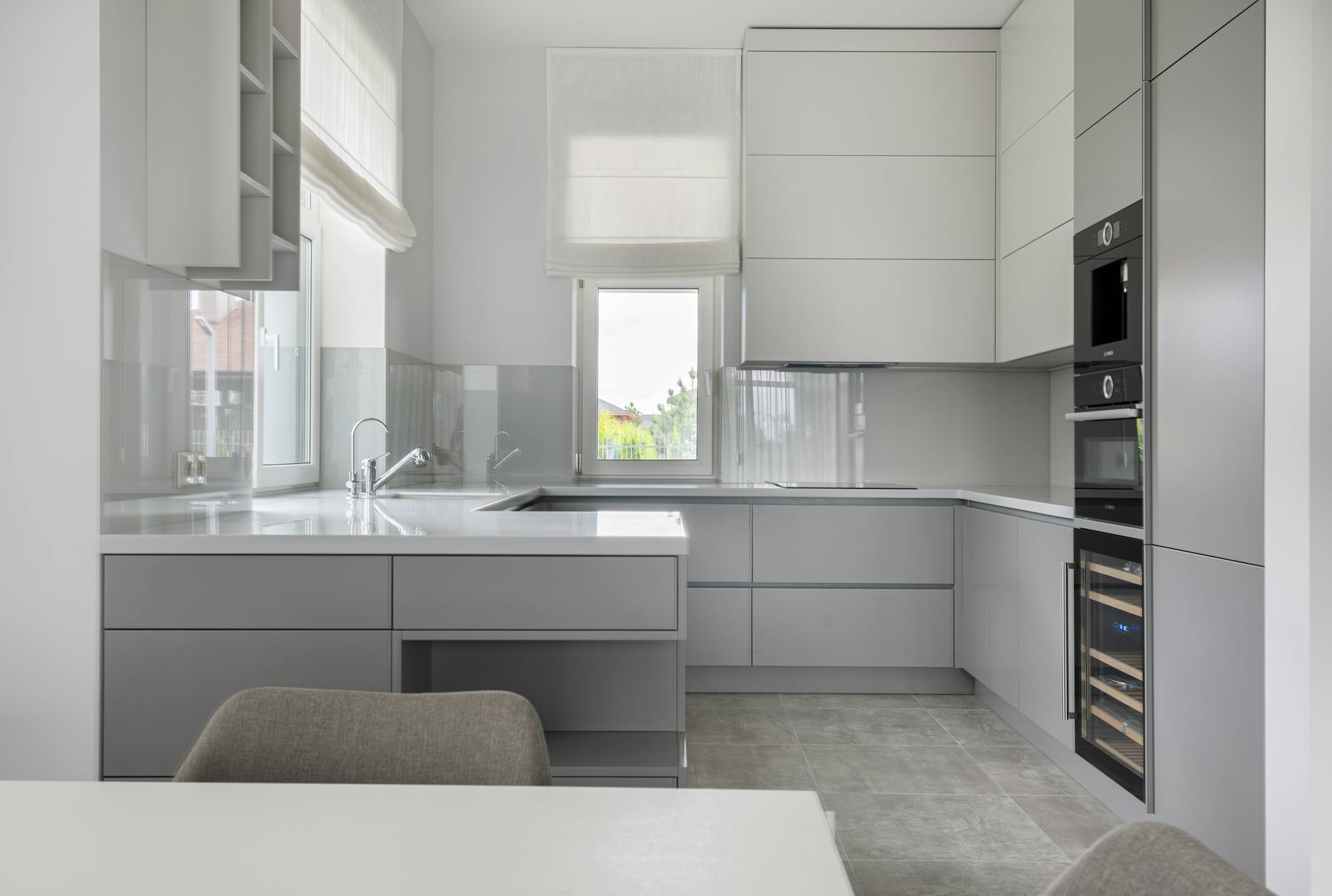
The ubiquity of grey wood-look flooring has saturated the market to the point of exhaustion for many prospective homebuyers. This specific shade often makes spaces feel cold and sterile rather than warm and inviting like natural wood tones do. It can also clash significantly with warm furniture pieces or vintage rugs that buyers might already own. Agents often recommend replacing this flooring with natural oak or warmer LVP options to broaden appeal.
Barn Doors
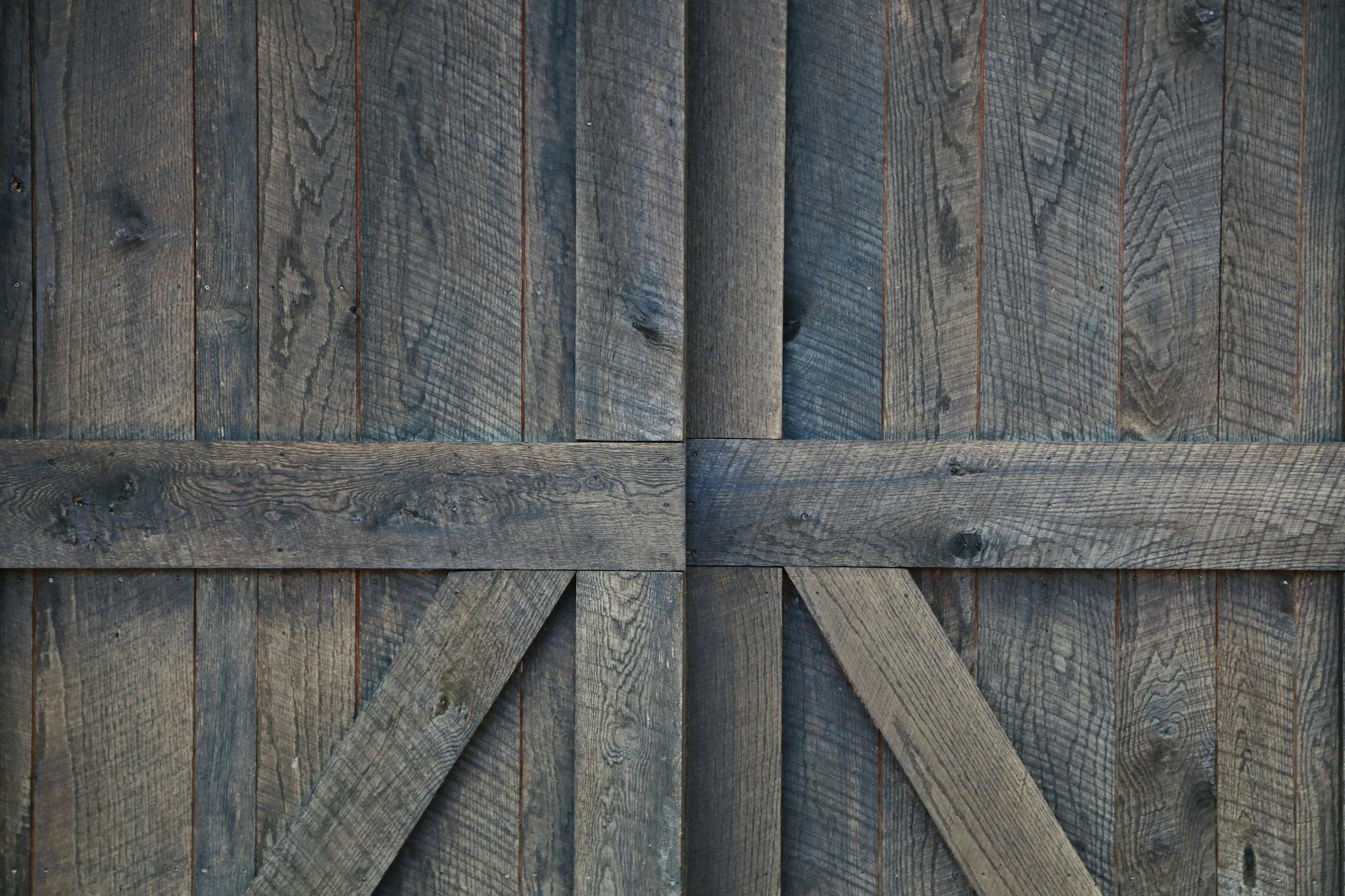
Sliding barn doors became a farmhouse staple but they frequently offer poor sound insulation compared to traditional swinging doors. Their bulky hardware and rustic aesthetic can look out of place in contemporary or traditional homes that lack other farmhouse elements. Bathroom privacy is a common complaint among buyers touring homes with these installations. The trend is now largely seen as a specific moment in design history rather than a timeless feature.
Shiplap Walls
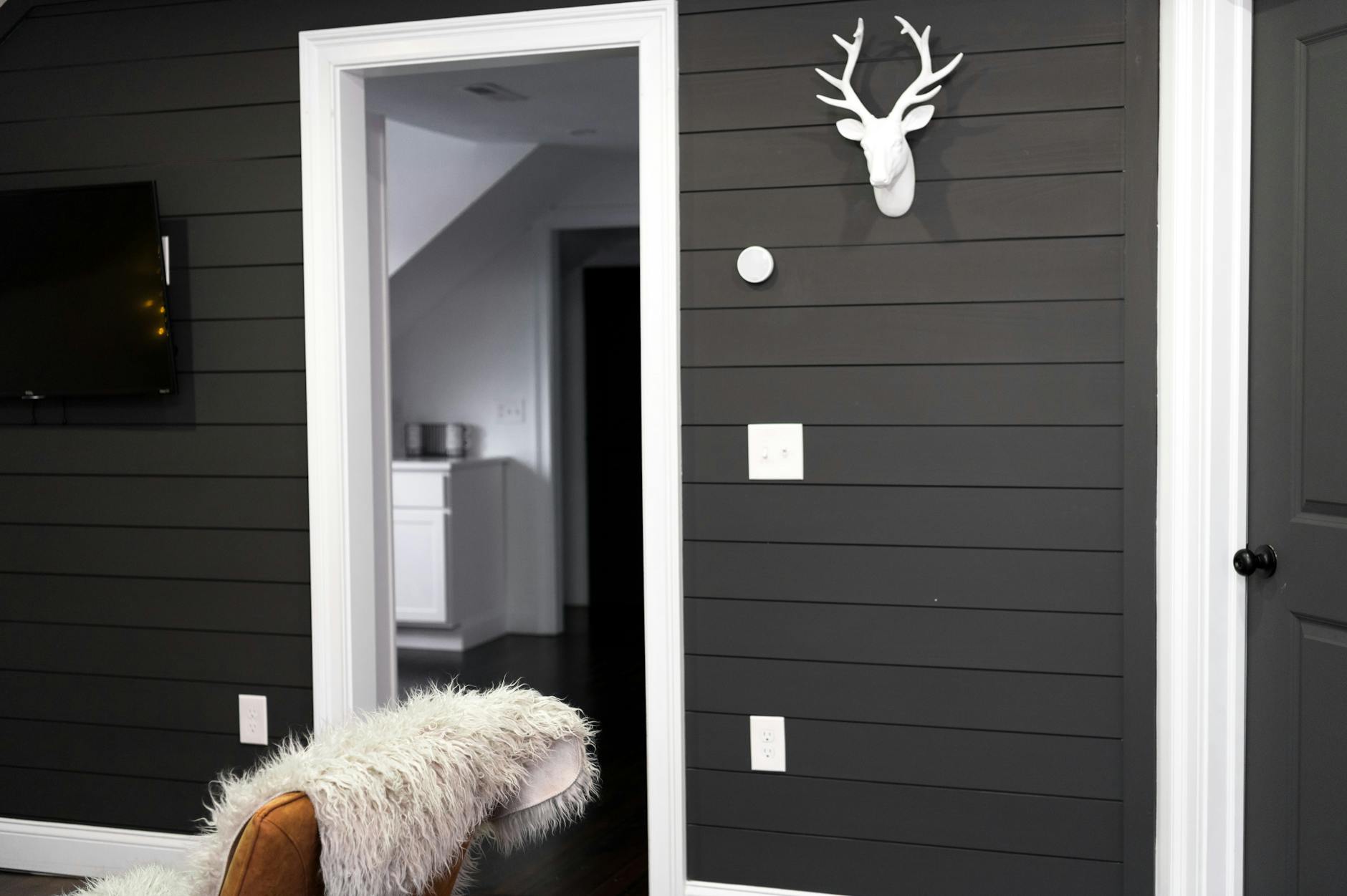
Covering entire rooms in horizontal wood paneling was a massive trend that has quickly started to look dated in many residential markets. The extensive use of shiplap can make a home feel too specific to the farmhouse style and difficult to modernize without significant effort. Removing the boards often results in damaged drywall that requires expensive repair and repainting. Buyers today generally prefer smooth walls that serve as a versatile backdrop for various design aesthetics.
Vessel Sinks
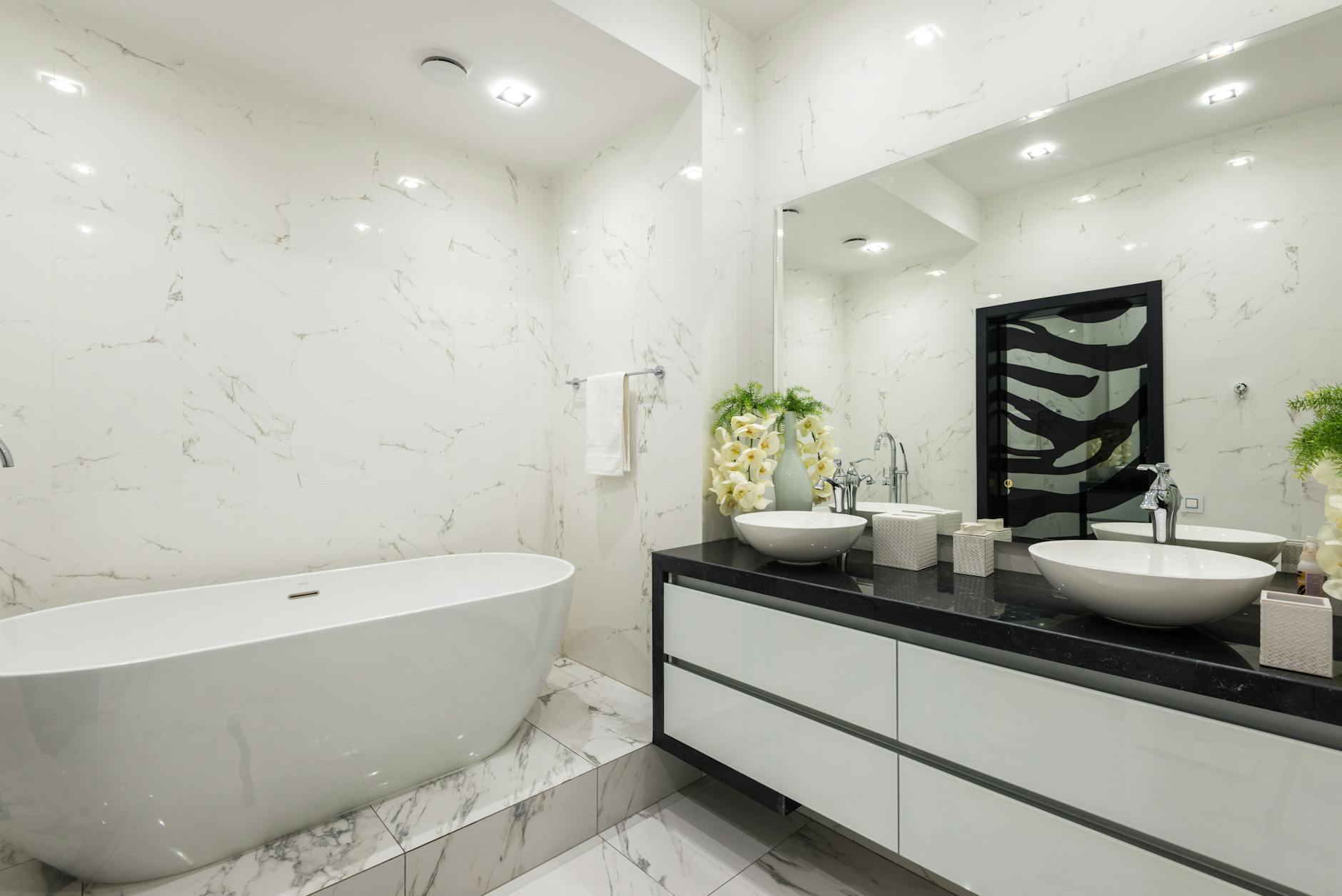
These bowl-style basins sitting atop vanity counters were once considered the height of modern bathroom luxury. Practicality issues such as splashing water and difficult cleaning around the base have made them less desirable for daily use. Families with small children often find the height of the bowl makes the sink inaccessible and harder to maintain. Many renovations now favor undermount sinks for their sleek look and ease of cleaning.
Open Shelving in Kitchens
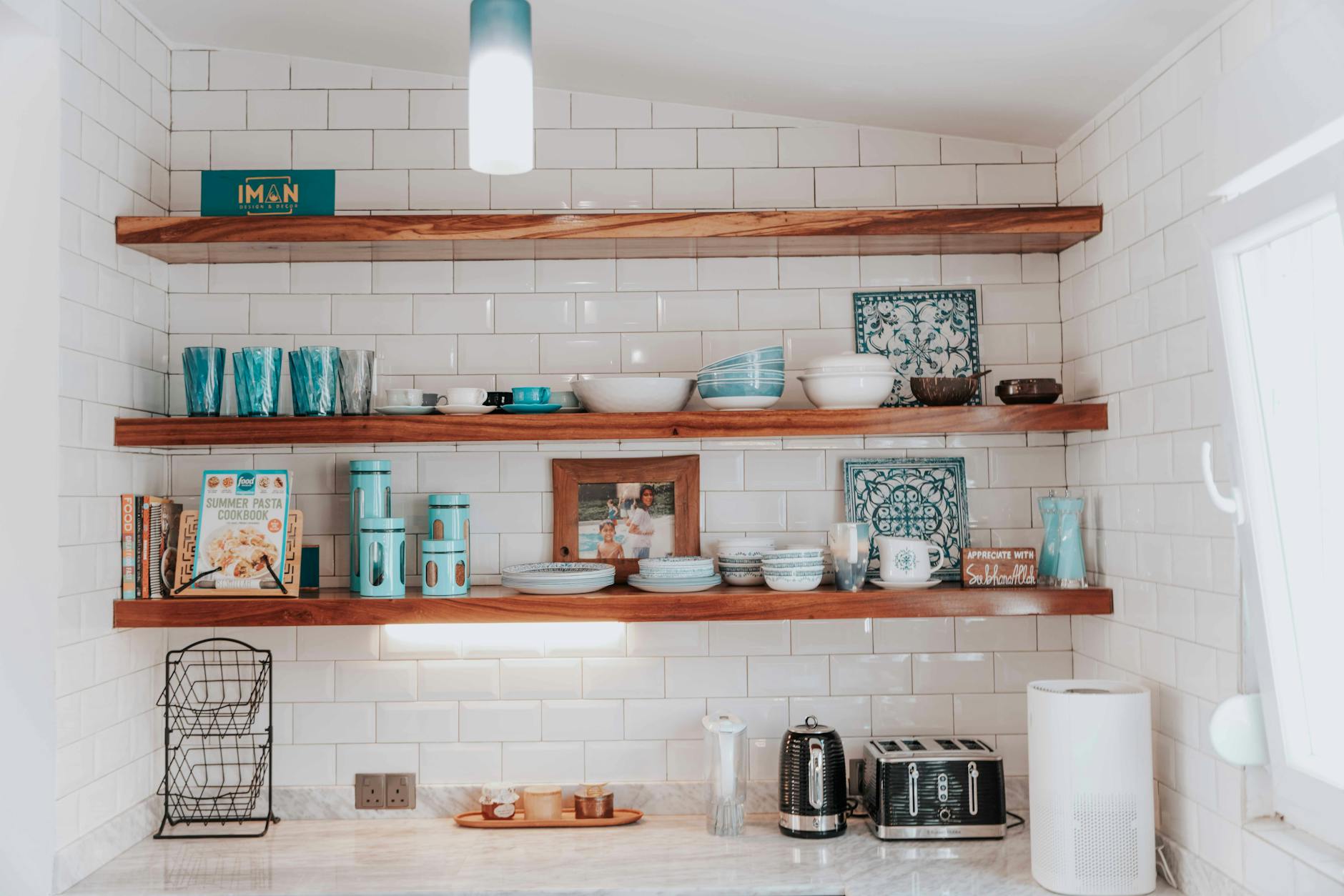
While beautiful in curated photographs open shelving demands constant organization and pristine matching dishware. Real estate agents note that buyers often view them as maintenance burdens that collect dust and grease near cooking areas. The loss of concealed upper cabinet storage is a significant negative factor for families who need practical functionality. Enclosed cabinetry is returning as the preferred choice for keeping kitchen clutter hidden from view.
Geometric Accent Walls
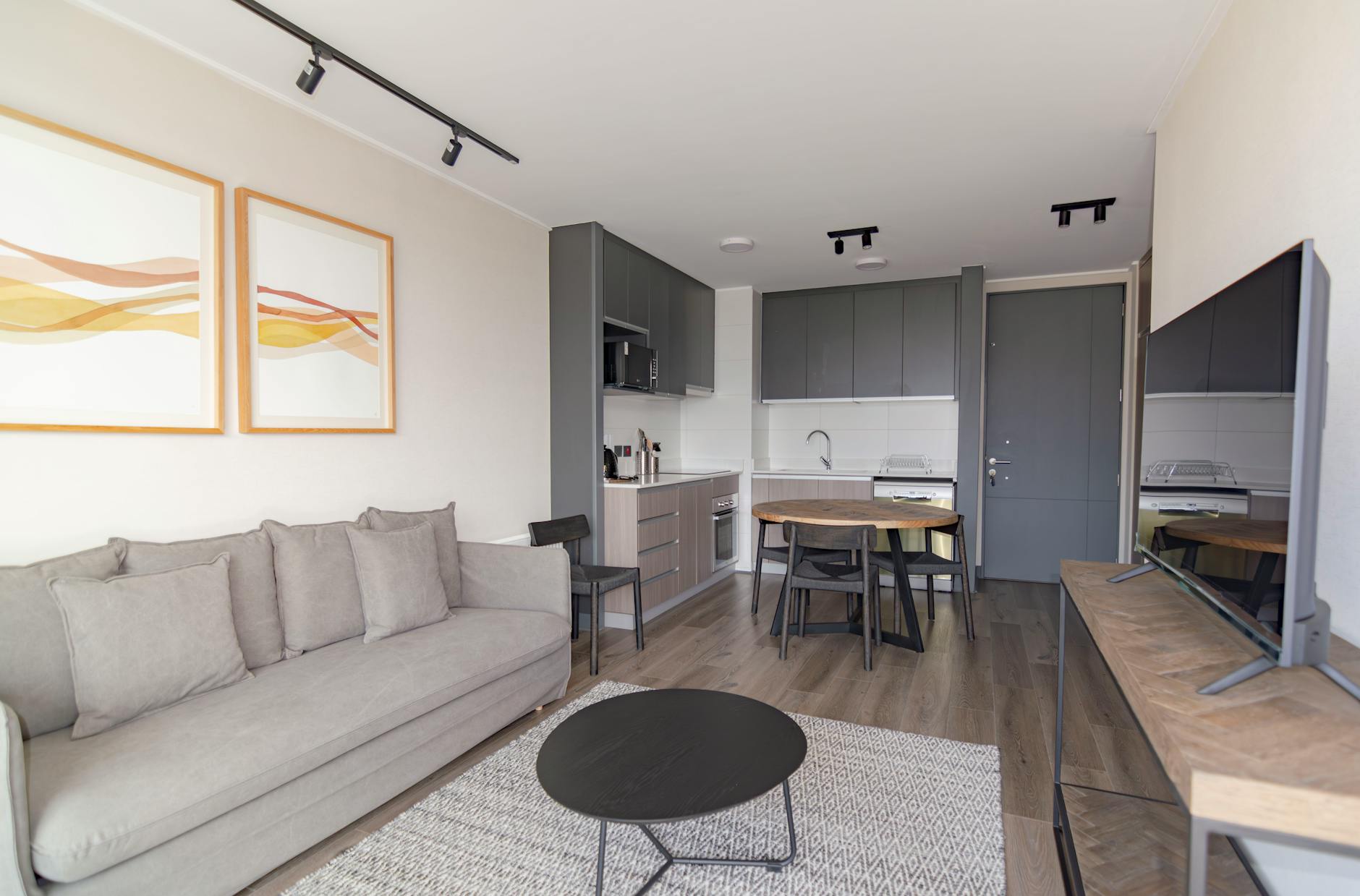
Bold geometric shapes painted on a single wall were a popular DIY project that now often reads as amateurish to discerning buyers. These highly specific designs force new owners to repaint immediately if their taste does not align perfectly. The sharp lines and contrasting colors can visually shrink a room and disrupt the flow of the house. Neutral paint colors continue to be the safest bet for maximizing resale potential.
Faux Fur Everything

Excessive use of synthetic fur on pillows and throws and rugs creates a cluttered and chaotic visual texture. These items tend to trap dust and lose their tactile appeal quickly after regular use. Staging a home with too many textural gimmicks can make a space feel cheap rather than luxurious. Agents recommend high-quality natural fabrics like linen or wool to convey a sense of genuine warmth and quality.
Rose Gold Fixtures
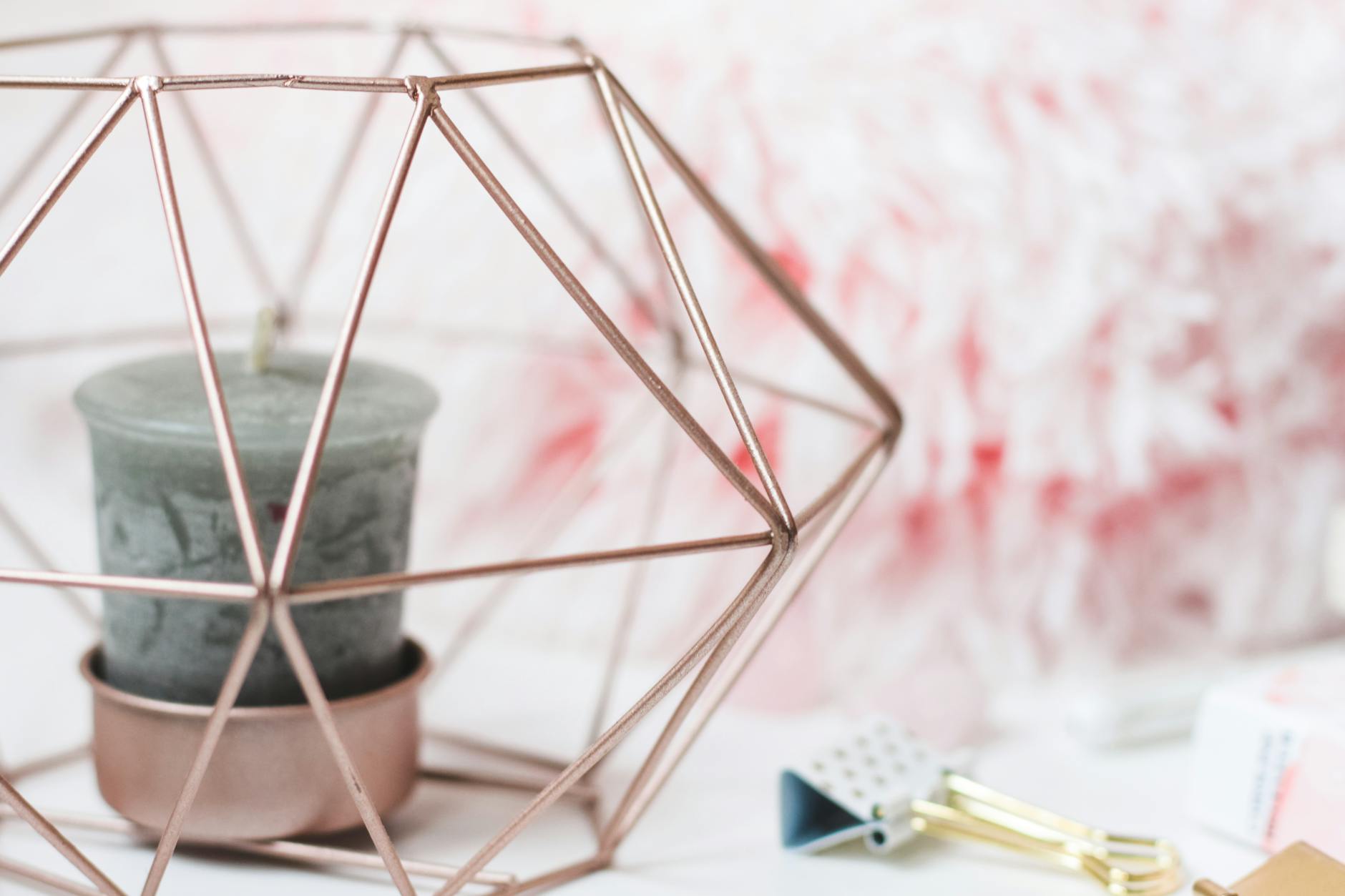
The pink-hued metal had a major moment but has proven difficult to match with other hardware finishes over time. A home full of rose gold faucets and handles creates a very specific timestamp that dates the renovation to the late 2010s. Buyers often calculate the cost of replacing these fixtures with more timeless chrome or brushed nickel options. Mixing metals is acceptable but a monotone rose gold theme is widely considered over.
Mason Jar Lighting

Lighting fixtures made from repurposed canning jars are heavily associated with a rustic aesthetic that is currently waning. These fixtures often provide poor illumination and cast uneven shadows due to the thickness of the glass. They can make a kitchen or dining area feel more like a themed restaurant than a sophisticated residence. Replacing these with simple glass pendants or classic chandeliers instantly updates the look of a room.
Chalkboard Walls

Painting an entire wall with chalkboard paint was a fun concept for playrooms or kitchens that has lost its novelty. The residual chalk dust creates a constant mess and the dark black color absorbs significant light from the room. These walls are notoriously difficult to paint over due to the texture and dark primer required. Buyers typically view them as a project to be fixed rather than a feature to enjoy.
Distressed White Furniture
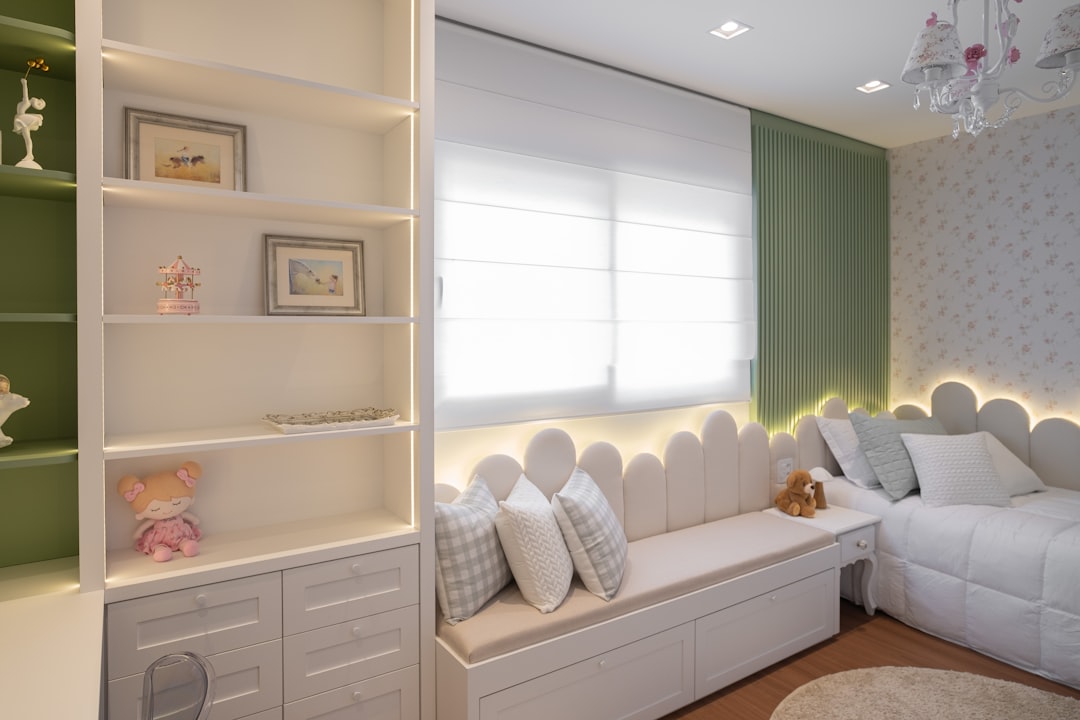
Pieces that have been artificially aged with sanded edges often look mass-produced rather than genuinely vintage. This shabby chic look can make a home feel cluttered and less substantial to prospective buyers. The trend often clashes with the clean lines and solid construction preferred in modern interior design. Agents suggest removing these pieces during staging to present a more polished and upscale environment.
Chevron Patterns
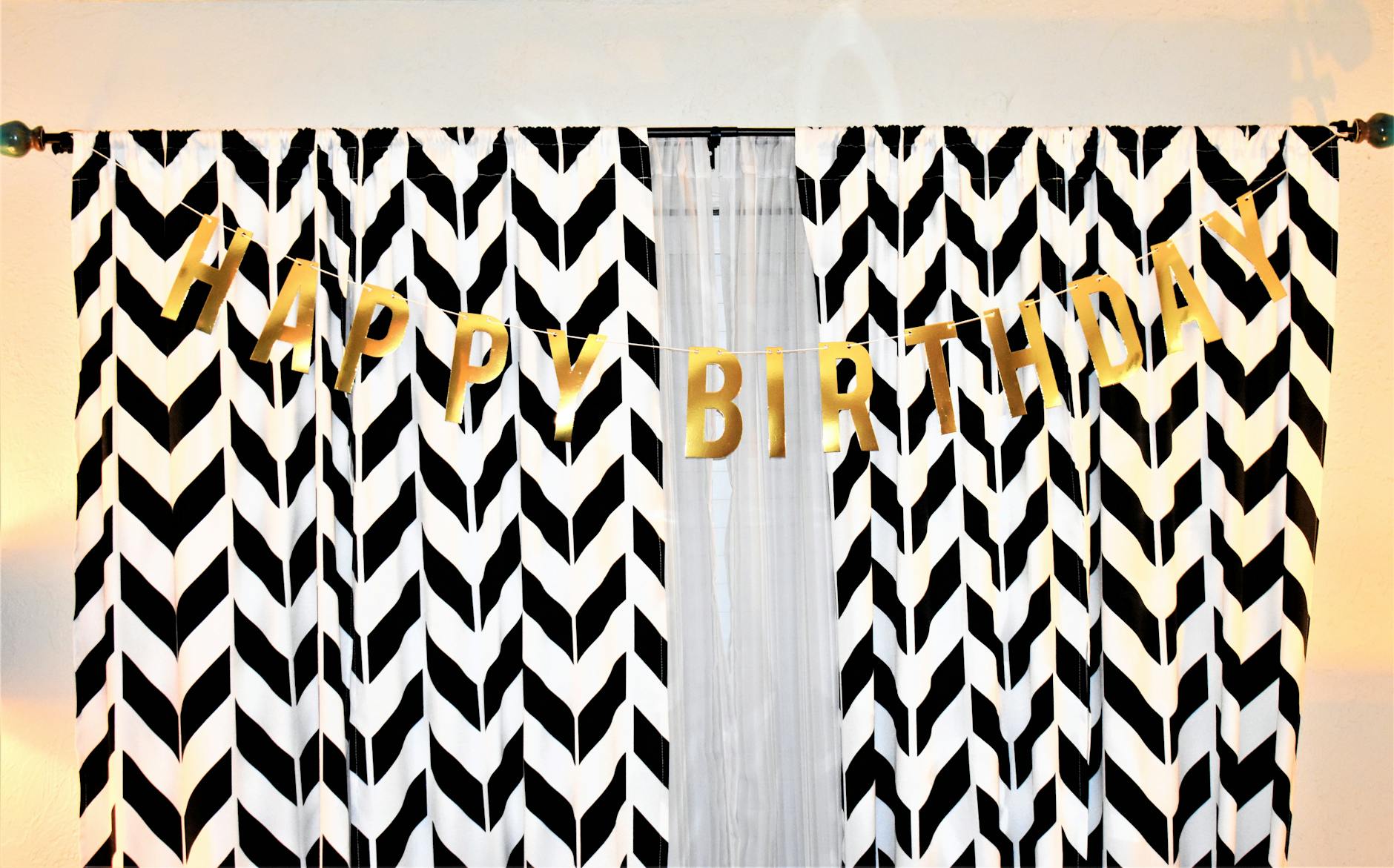
The sharp zigzag pattern of chevron was ubiquitous on curtains and rugs and pillows for several years. This high-contrast design is visually aggressive and can make a room feel busy or anxious. It is one of the most recognizable indicators of a dated interior from the past decade. Softer geometrics or organic patterns are now preferred for adding visual interest without overwhelming the eye.
Industrial Pipe Shelving
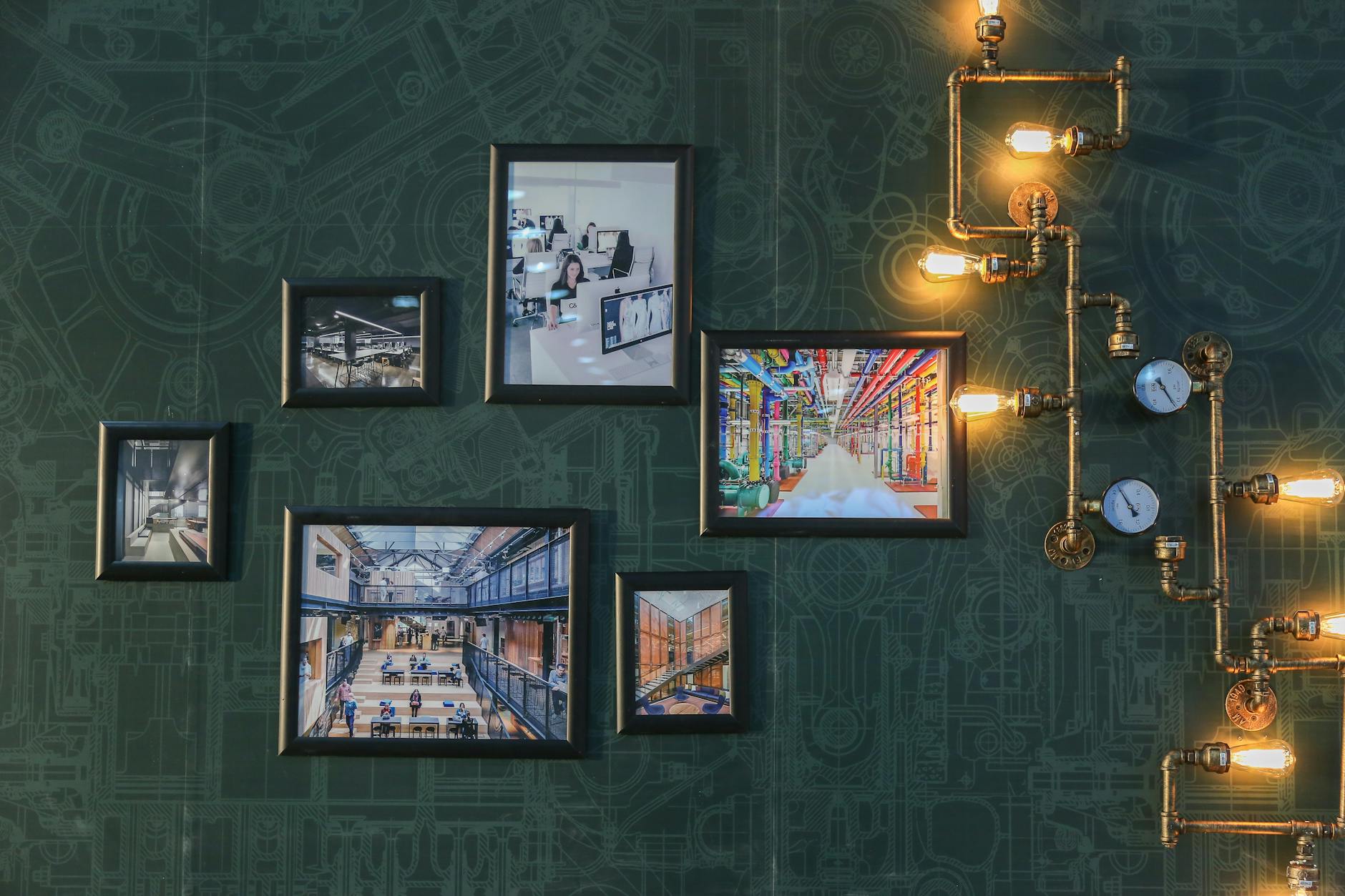
Shelving units constructed from black iron plumbing pipes offer a heavy and masculine aesthetic that limits mass appeal. The look is specifically tied to the industrial loft trend and feels out of place in standard suburban homes. Dusting the complex piping and fittings is a practical annoyance that homeowners quickly discover. Buyers generally prefer built-in joinery or floating shelves with concealed hardware for a cleaner look.
Peel-and-Stick Backsplash
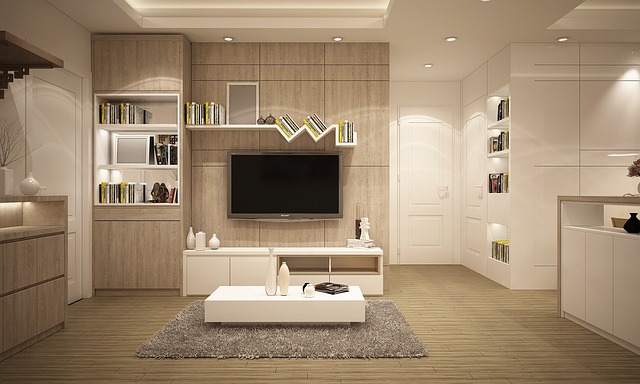
Adhesive tiles are frequently used for quick updates but often fail to mimic the quality of real ceramic or stone. The seams and lack of grout lines are dead giveaways that the finish is a temporary solution. Heat and humidity in kitchens can cause the adhesive to fail and the tiles to peel at the corners. Real estate agents advise investing in permanent materials to ensure the home conveys value and durability.
Oversized Wall Clocks
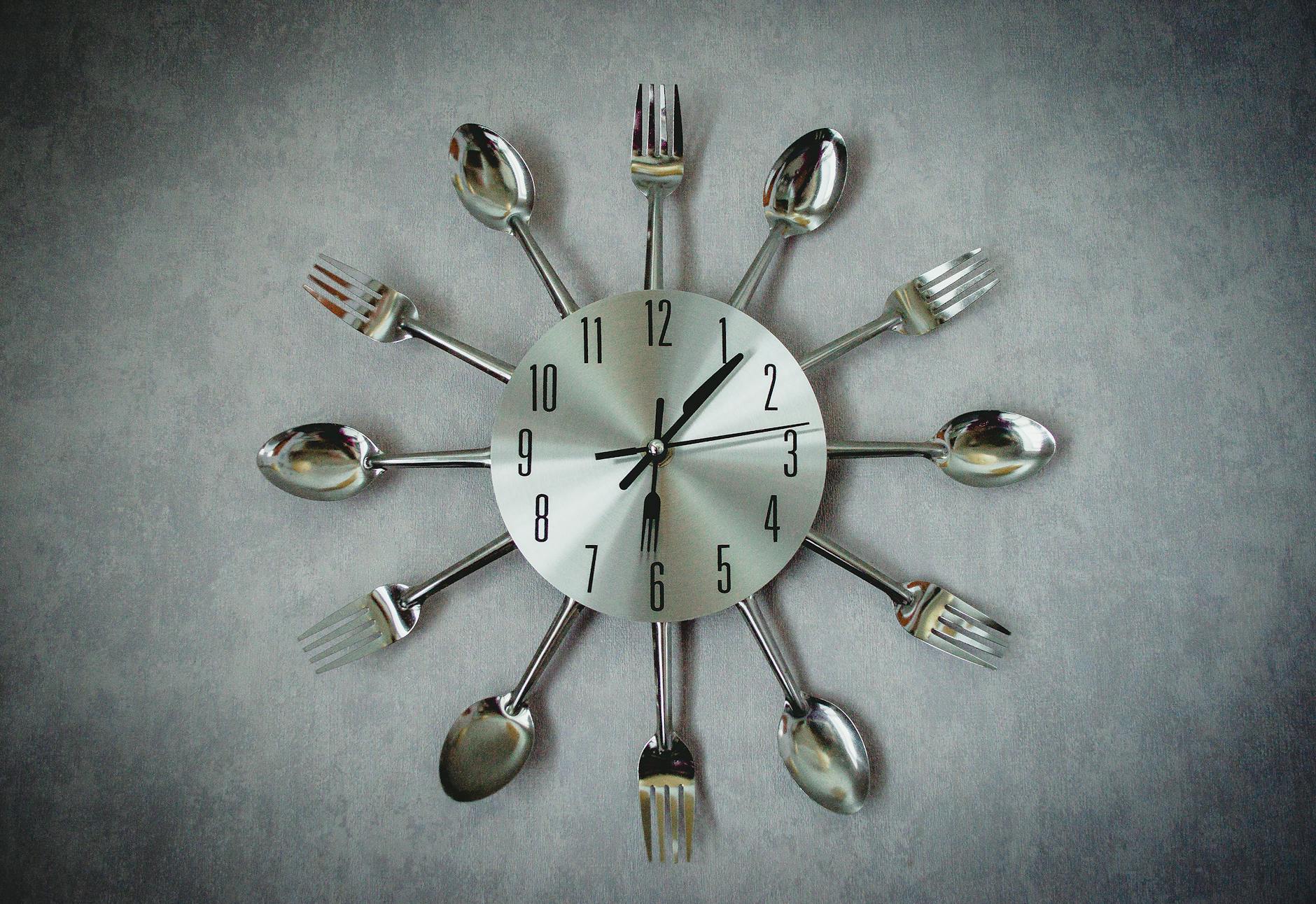
Giant clocks that span several feet of wall space are another form of decor that serves little functional purpose. They dominate a room and dictate the focal point in a way that many buyers find overbearing. This trend is closely linked with the farmhouse aesthetic and suffers from the same fatigue in the current market. Art or mirrors are better choices for filling large wall spaces without creating visual noise.
All-White Interiors
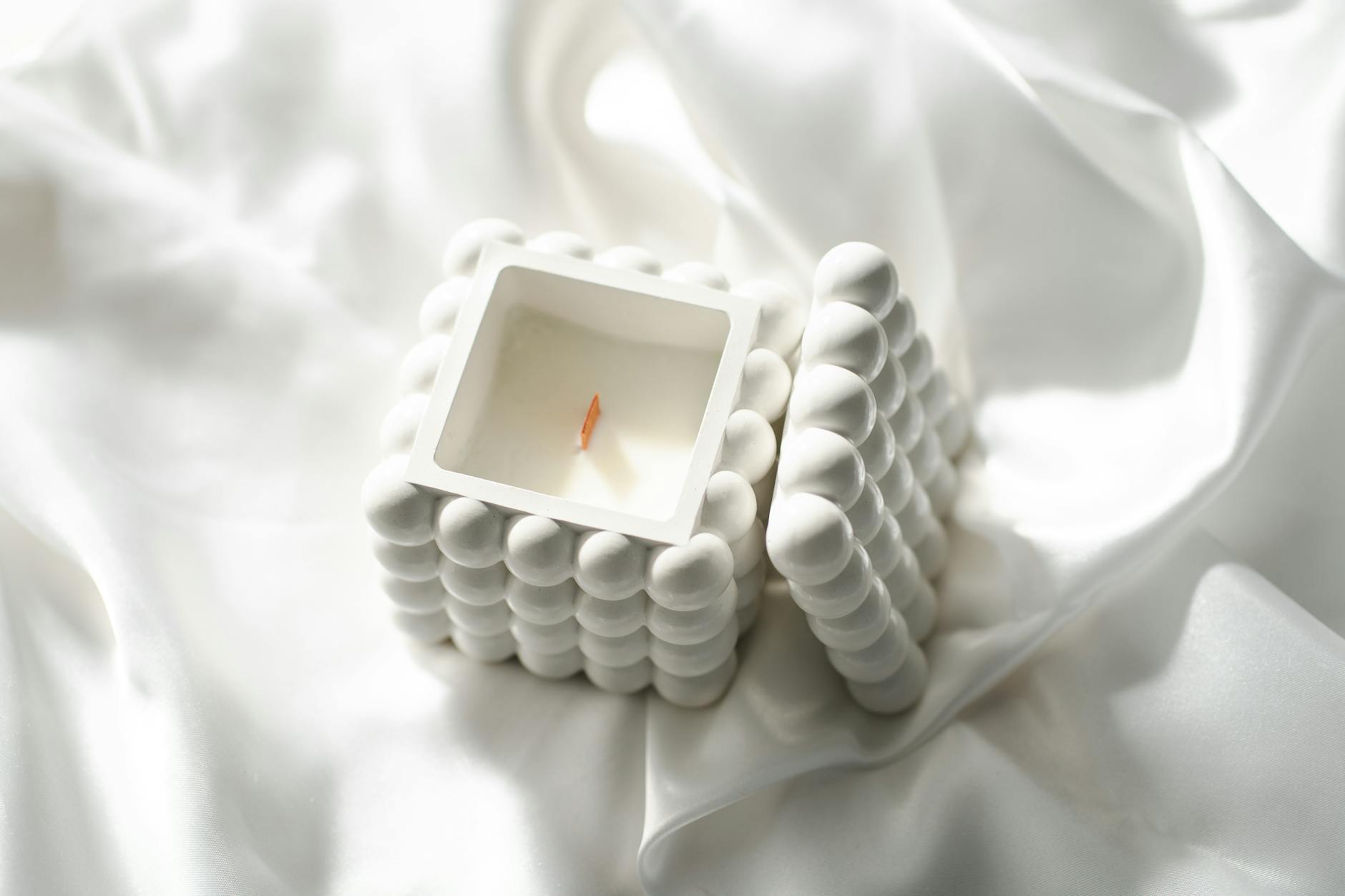
Clinical white rooms with white furniture and white floors are proving too sterile for post-pandemic living. The lack of color and warmth can make a home feel like a hospital rather than a sanctuary. Maintenance of pristine white surfaces is a major concern for buyers with children or pets. Warmer neutrals and earth tones are replacing the stark white box look to create cozier environments.
Macramé Wall Hangings

Intricate knotted rope hangings have saturated the market and are now seen as clutter rather than art. They collect dust easily and can harbor allergens which is a turnoff for hygiene-conscious buyers. The bohemian look they represent is specific and does not always translate well to general resale markets. Professional stagers typically remove these items to create cleaner lines and open up wall space.
Pallet Wood Projects
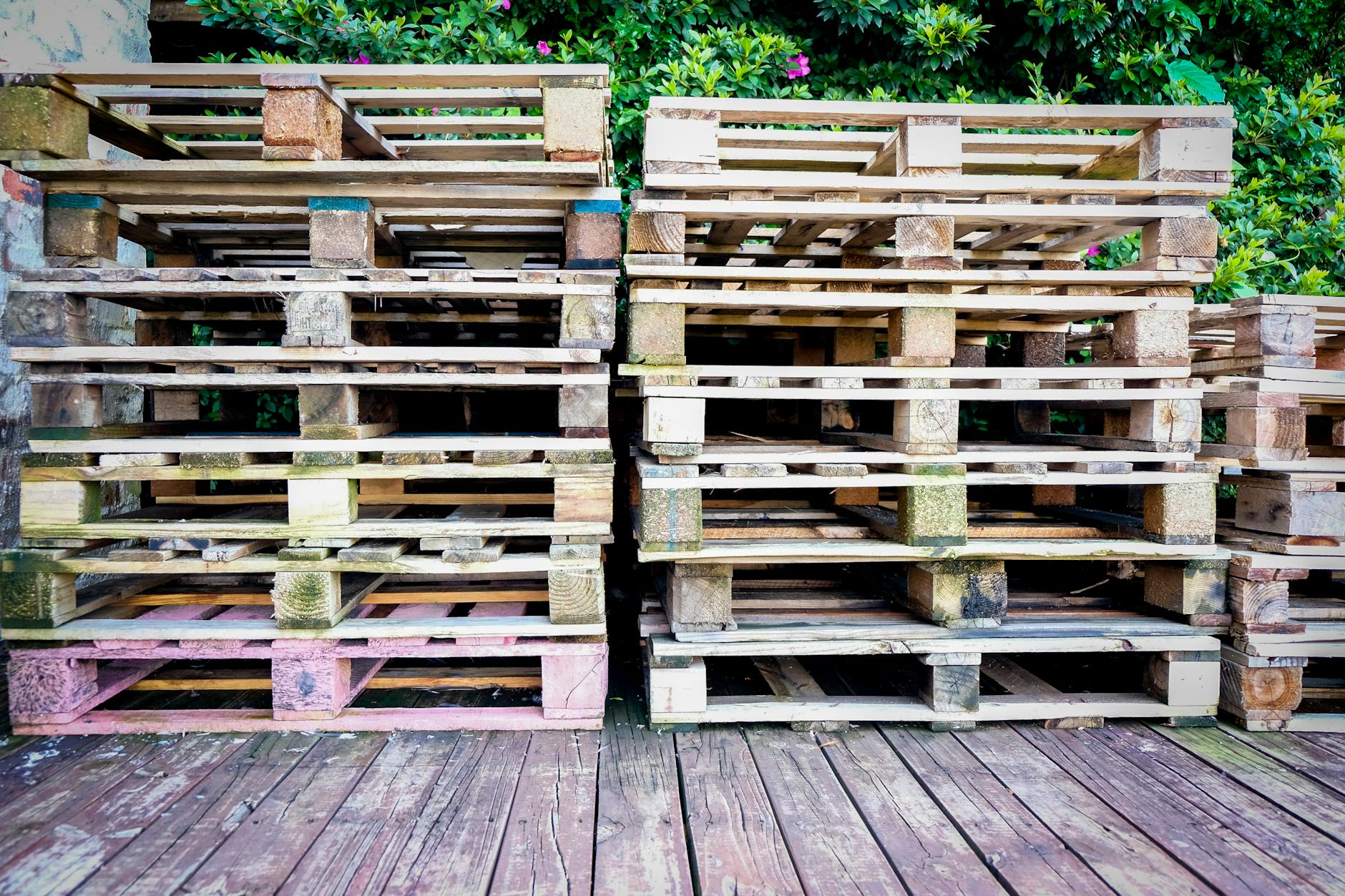
Furniture or walls made from reclaimed shipping pallets often look unfinished and rough in a residential setting. There are frequently concerns about the chemical treatments used on the wood during its original industrial life. The rough texture creates a hazard for snagging clothes and collecting dust in the crevices. Buyers prefer finished materials that suggest professional craftsmanship rather than a weekend hobby project.
Mirrored Furniture
Dressers and nightstands covered in mirrored panels were intended to add glamour but often end up looking tacky. They are magnets for fingerprints and smudges that require constant polishing to look presentable. The reflective surfaces can create disorienting visual clutter in a bedroom setting. This trend is fading in favor of natural wood grains and matte painted finishes.
Themed Kids’ Rooms
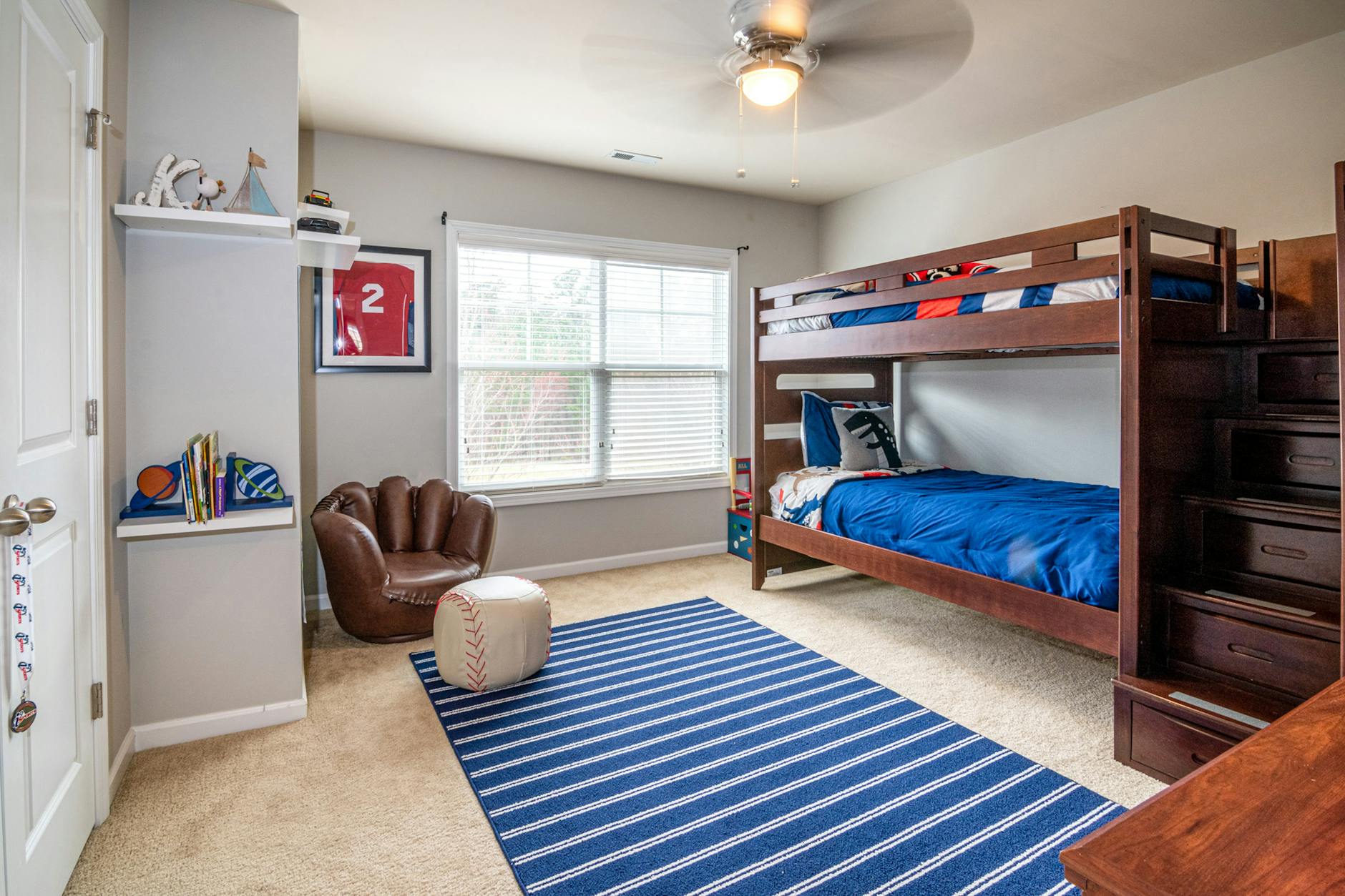
Highly specific murals and custom beds shaped like race cars or castles can limit the imagination of potential buyers. Future owners often see these rooms as immediate renovation projects requiring significant labor to neutralize. Children grow out of themes quickly which makes these designs impractical for long-term value. Neutral bases with themed accessories are a much smarter approach for longevity and resale.
Exposed Edison Bulbs

The trend of hanging bare bulbs with visible filaments has led to lighting that is often too dim or painfully bright. The glare from exposed bulbs can be uncomfortable for the eyes and unflattering for skin tones. Many buyers perceive this look as unfinished or reminiscent of a commercial coffee shop. Shades and diffusers are necessary to create soft and ambient lighting that feels residential.
Sliding Glass Room Dividers
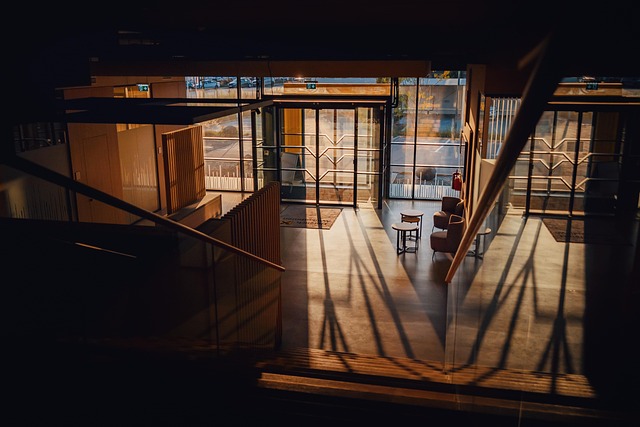
Frosted glass sliding doors intended to separate spaces often feel like office partitions rather than home features. They offer little acoustic privacy and can rattle or stick if the track hardware is not premium quality. The corporate aesthetic clashes with the desire for comfortable and private living areas. Traditional framed doors or open archways are generally preferred for residential flow.
Patterned Cement Tiles
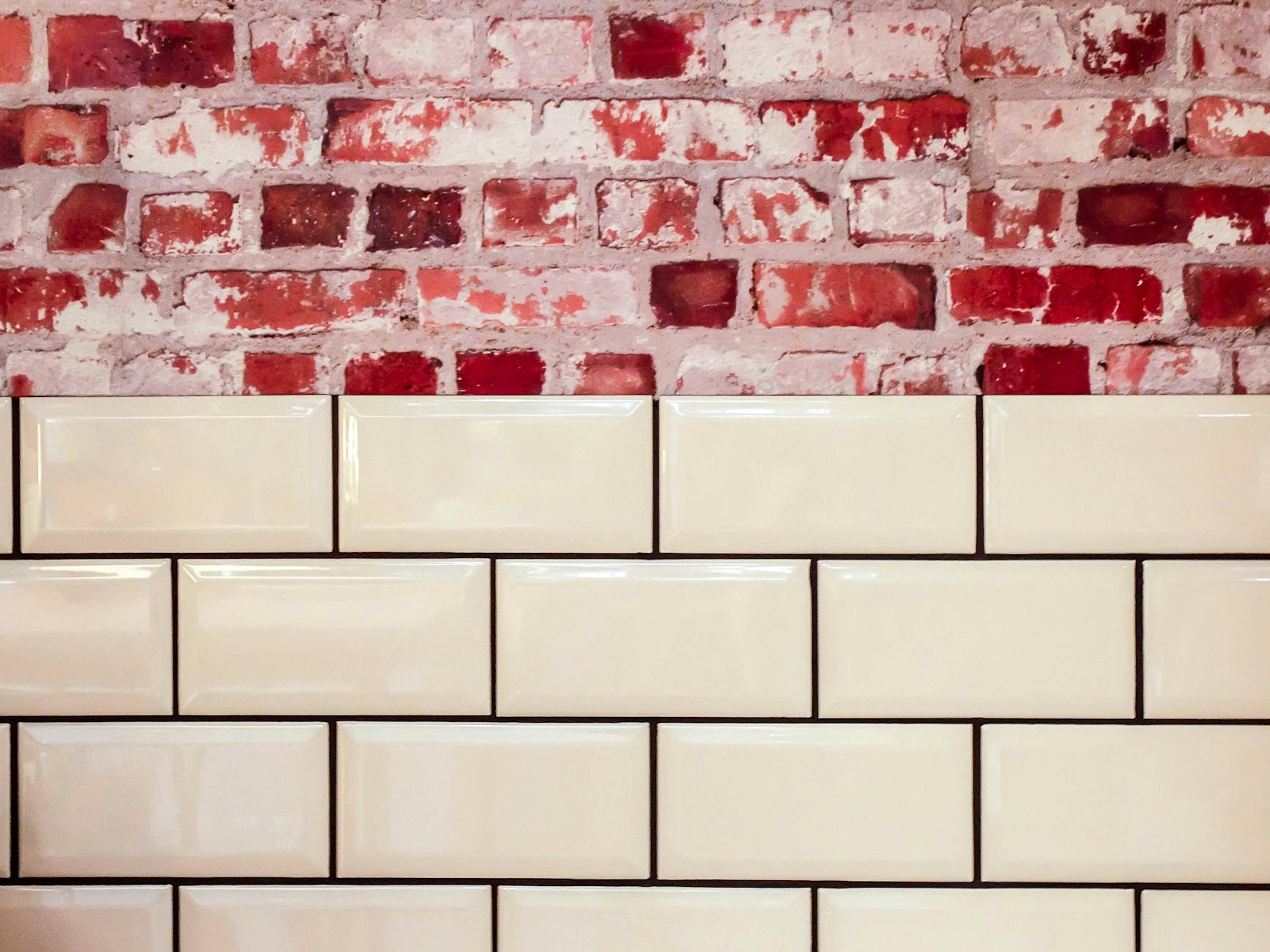
Boldly patterned encaustic tiles make a strong statement but can quickly become visually exhausting. The porous nature of cement tiles requires regular sealing and maintenance to prevent staining. Once the specific pattern falls out of fashion the floor becomes a permanent and expensive fixture to replace. Classic tile shapes in neutral colors offer a timeless appeal that withstands changing trends.
Velvet Sofas
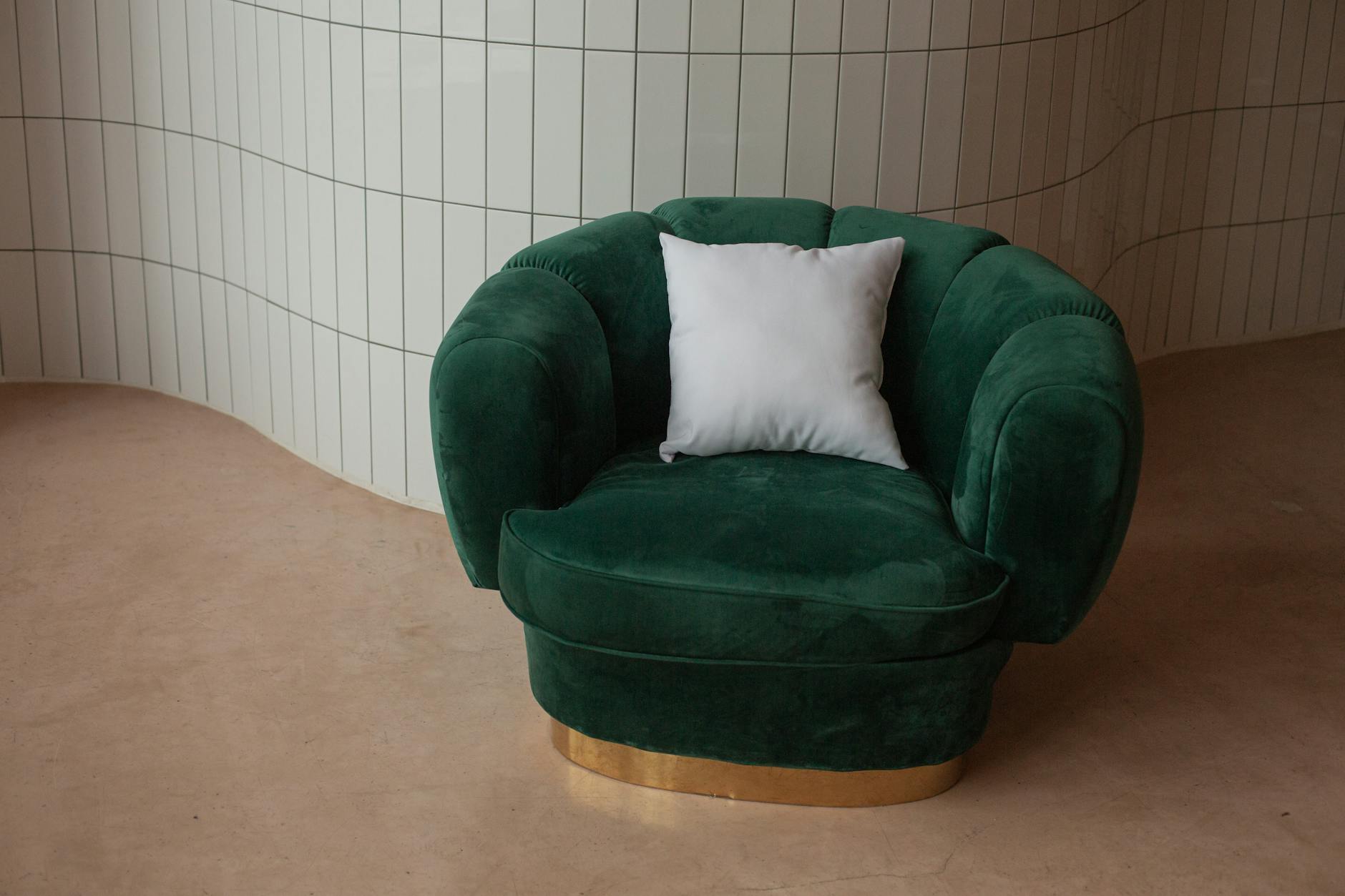
Jewel-toned velvet sofas look stunning in catalogues but can show wear patterns and crush marks rapidly. The fabric is difficult to clean and attracts pet hair like a magnet. Heavy velvet furniture can dominate a room and make it feel smaller or darker than it actually is. Performance fabrics with a linen or cotton weave are more practical for everyday living and selling.
Faux Plants
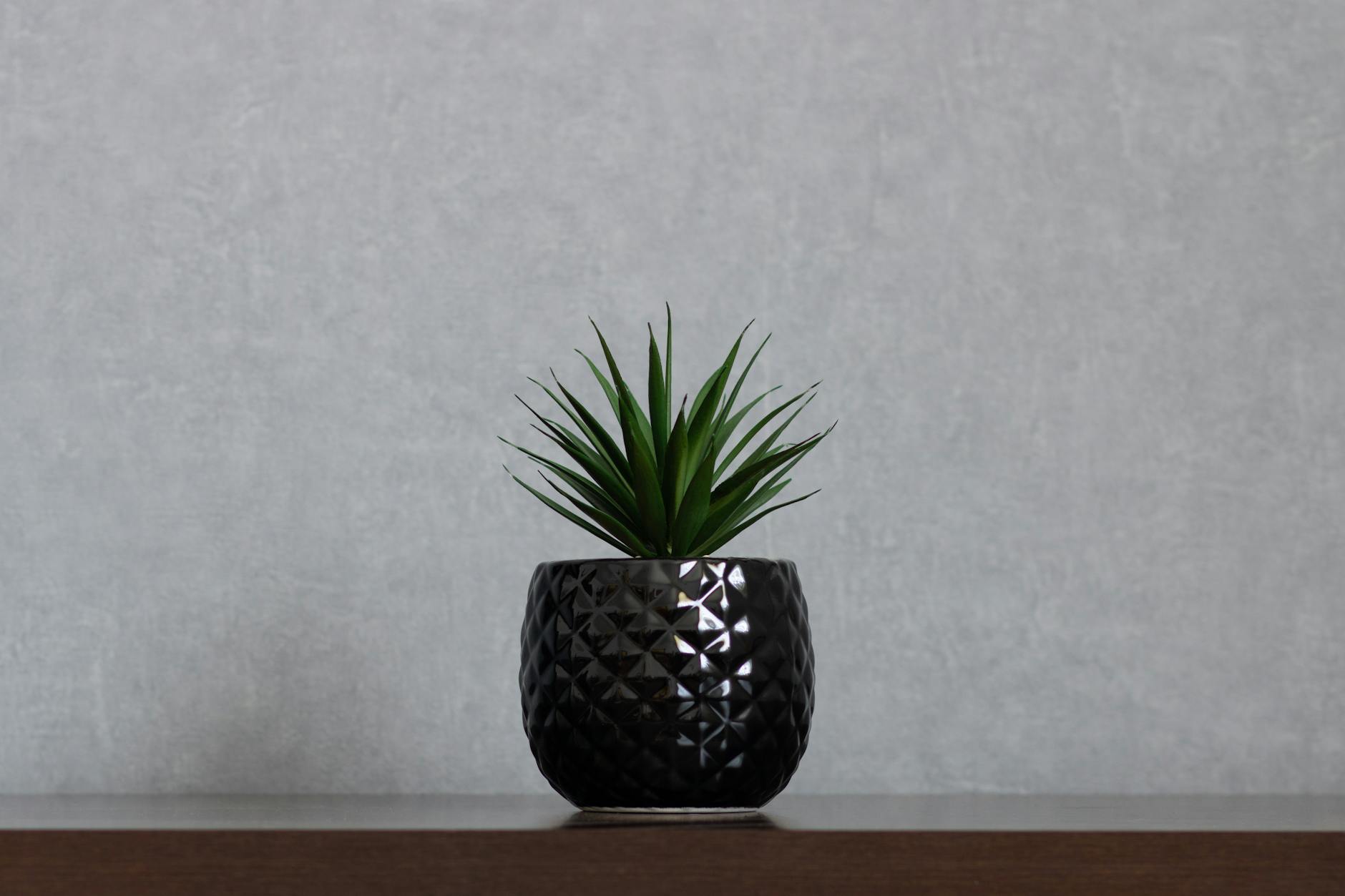
Plastic greenery has improved in quality but still lacks the vibrancy and air-purifying qualities of real plants. Dust accumulation on fake leaves is a dead giveaway and creates a grimy appearance over time. Agents note that an abundance of artificial plants can make a home feel staged and impersonal. A few healthy real plants or simply clear surfaces are far superior for showing a home.
Kitchen Desk Areas
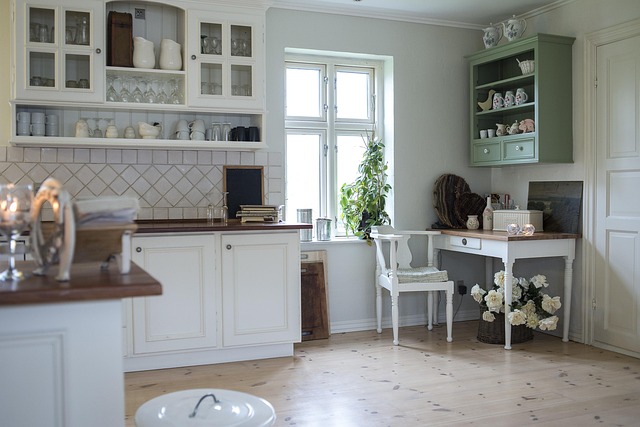
Built-in desks in the kitchen were a 90s staple that became a clutter magnet for mail and junk. Modern families rarely sit in the kitchen to use a desktop computer or pay bills. These nooks are often viewed as wasted space that could have been used for pantry storage or counter space. Removing the desk to create a beverage center or pantry is a common value-add project.
Mosaic Glass Backsplash
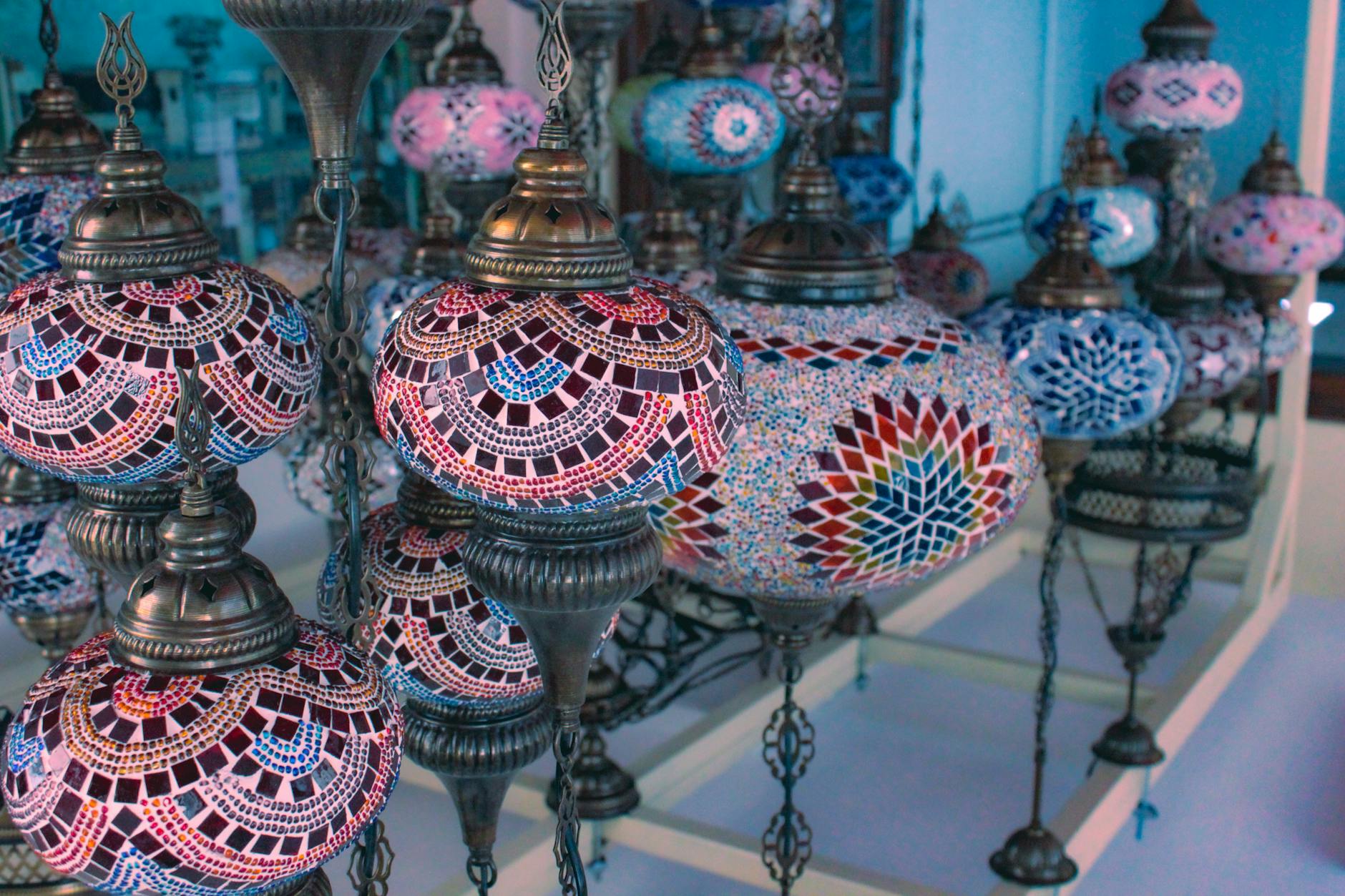
Sheets of small glass tiles in multicolored mixes were the default choice for kitchen updates for years. The busy patterns visually clutter the kitchen and compete with countertop veining. This look is now one of the most common indicators that a kitchen was renovated fifteen years ago. Larger format tiles or slab backsplashes are the current standard for a seamless and modern look.
Tufted Headboards
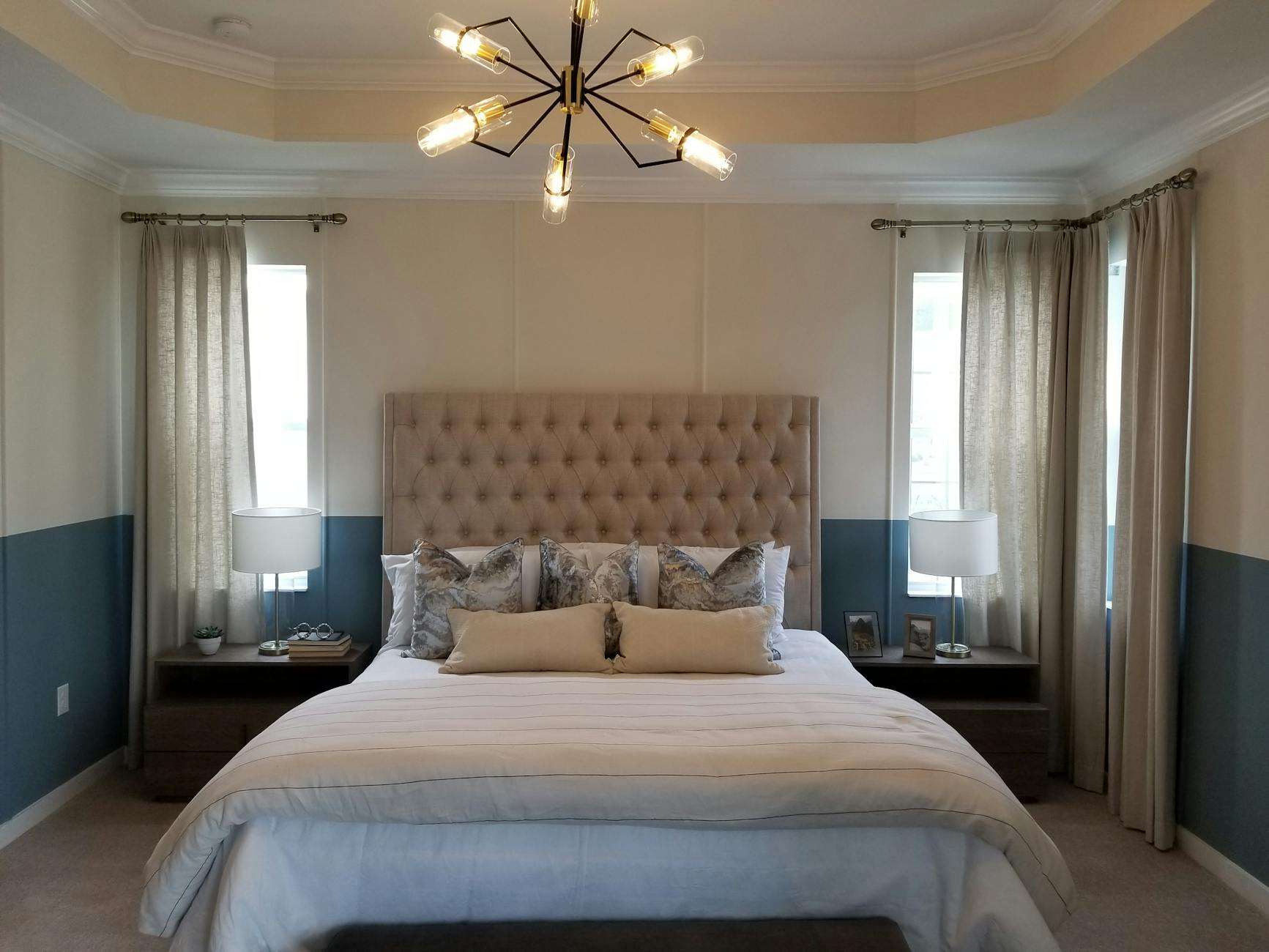
Oversized and deeply tufted fabric headboards can trap dust and allergens right where people sleep. The dramatic look often overwhelms small bedrooms and dictates the entire style of the space. Cleaning these upholstered pieces is difficult and stains are nearly impossible to remove completely. Simple wooden or metal bed frames offer a cleaner aesthetic that appeals to a wider range of buyers.
Farmhouse Sinks
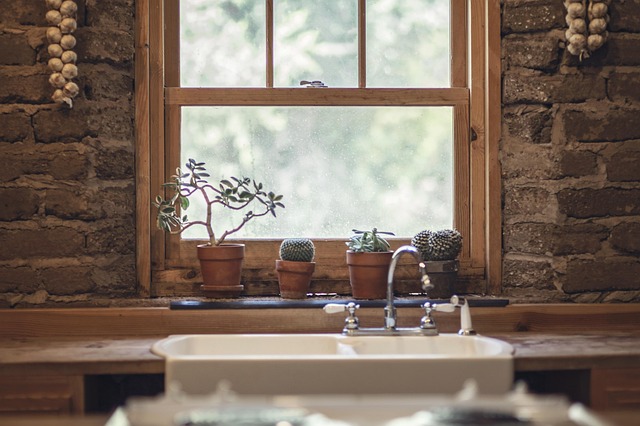
Apron-front sinks are aesthetically pleasing but can be prone to scratching and chipping depending on the material. They require specific cabinet modifications that make them difficult to switch out for a standard sink later. The deep basin can be unergonomic for taller people who have to bend over further to wash dishes. Stainless steel undermount sinks remain the functional favorite for most practical homebuyers.
Terrazzo Print
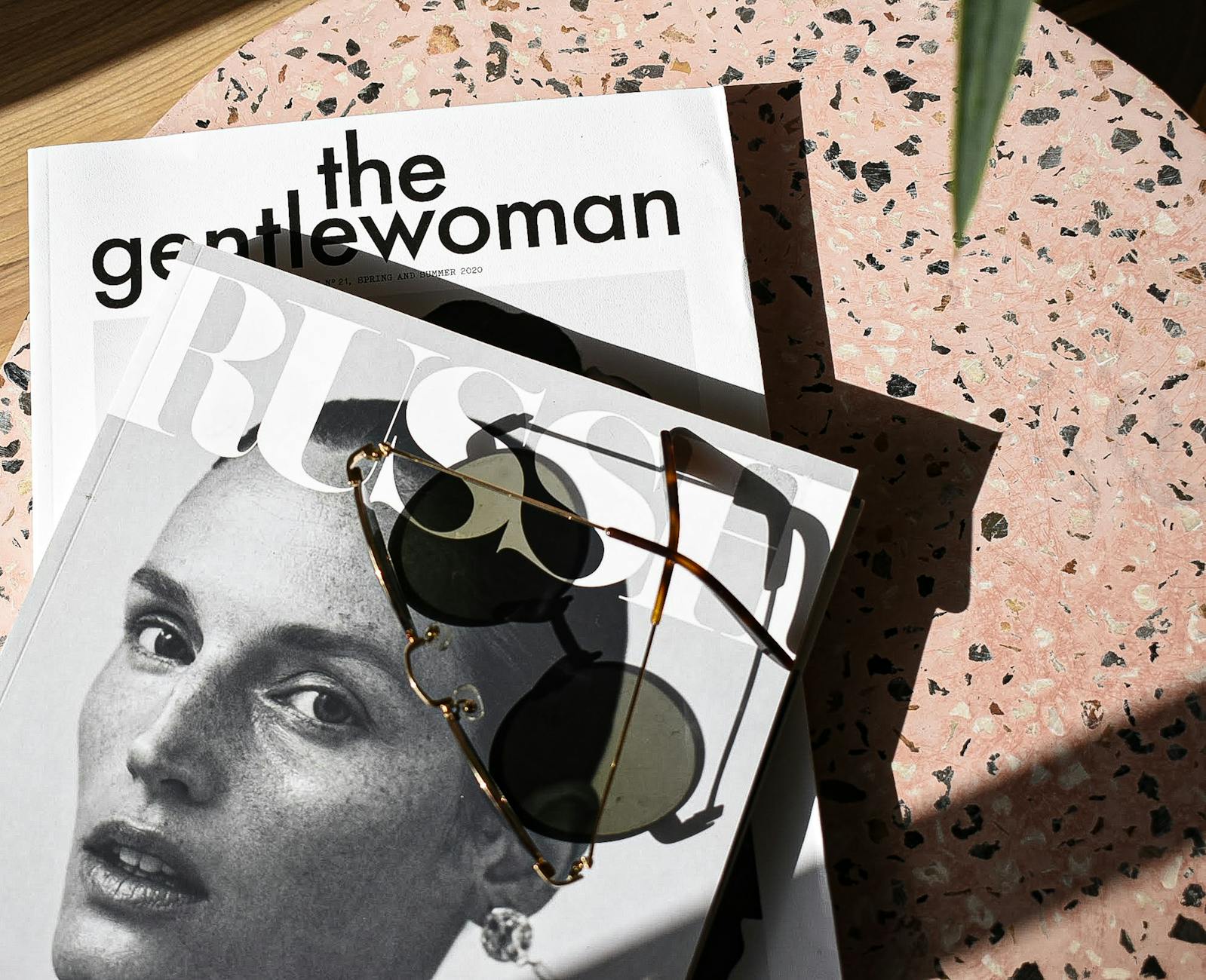
The revival of terrazzo has led to a flood of printed terrazzo patterns on wallpapers and textiles. These imitations lack the depth and durability of the actual material and often look cheap. The busy speckled pattern can look chaotic when applied to large surfaces like walls or bedding. Genuine terrazzo flooring is a classic but the printed trend is likely to fade quickly.
Jungle Wallpaper

Large-scale palm leaf prints create a dramatic effect that dominates a room and limits furniture choices. This specific tropical look is difficult to coordinate with existing decor and furniture styles. Wallpaper removal is a notorious headache that many buyers want to avoid at all costs. Paint remains the versatile choice that allows buyers to envision their own art on the walls.
Brass Hardware Overload
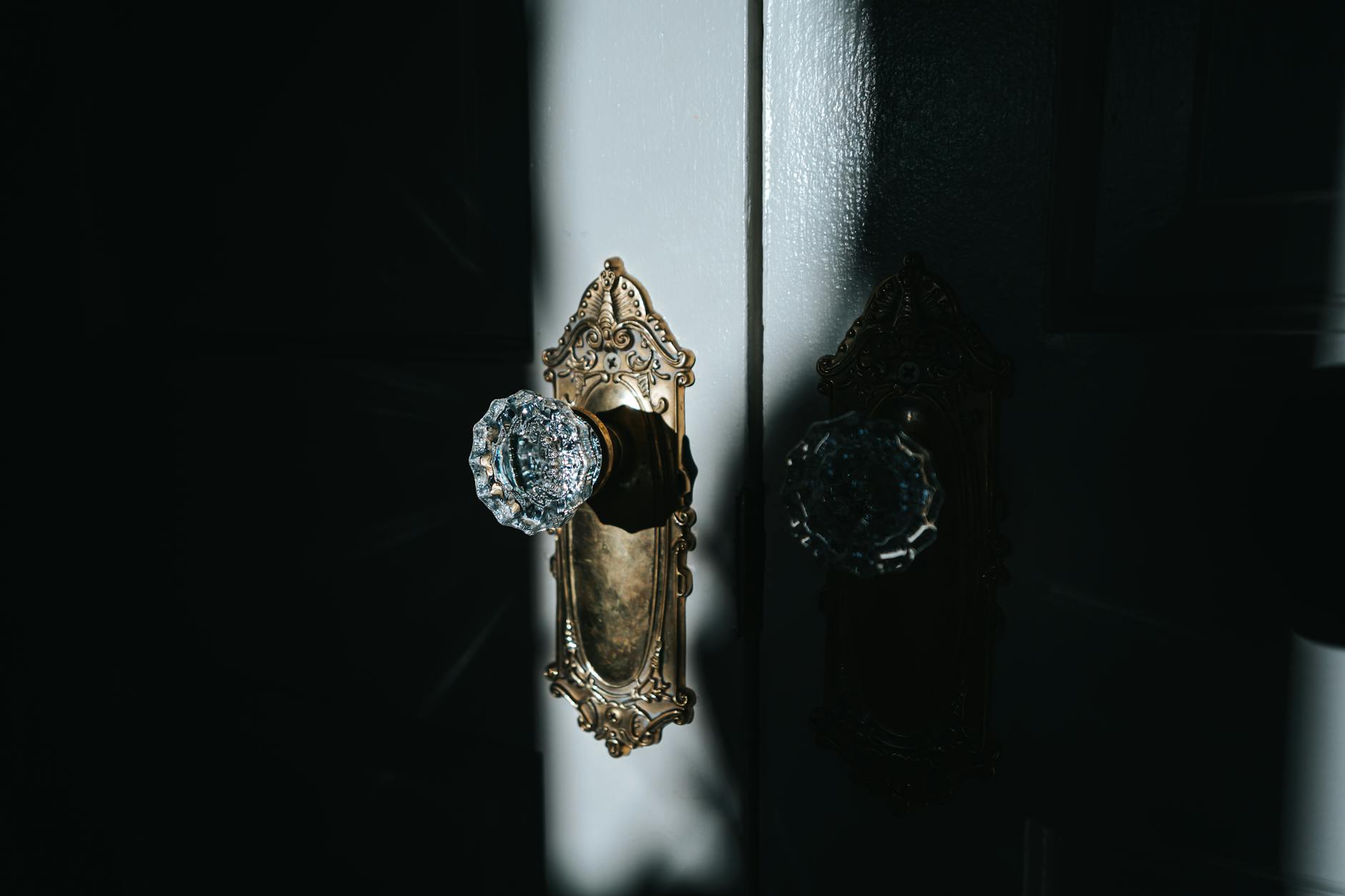
While gold tones are popular an entire house outfitted with shiny brass can feel gaudy and dated. The finish shows fingerprints and water spots easily which requires constant wiping. Consistency is good but a mix of metals often feels more curated and less builder-grade. Satin nickel or matte black offer more resistance to wear and broader appeal.
Dried Pampas Grass
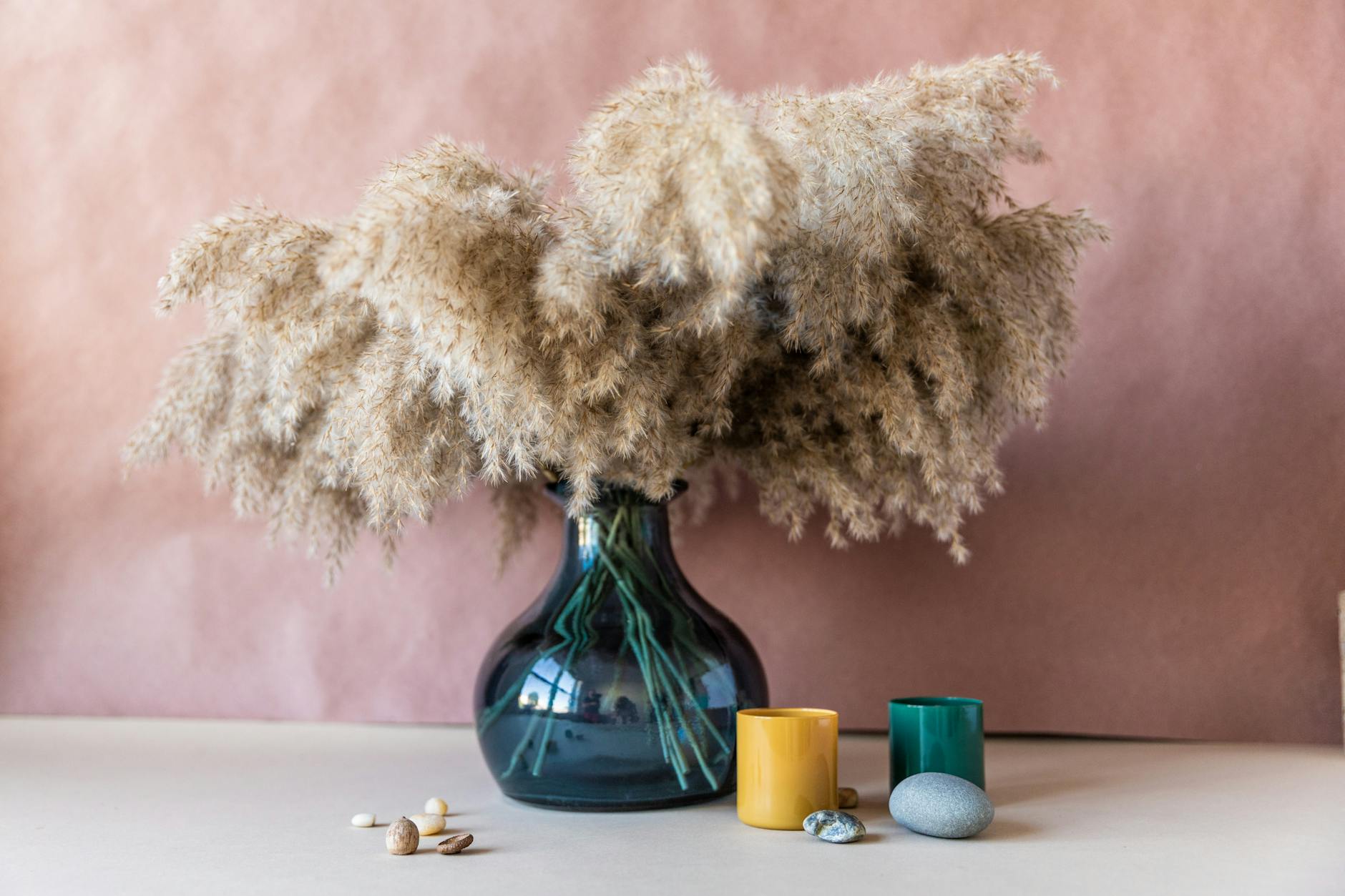
Tall vases filled with shedding dried grass were a massive social media trend that is losing its luster. The shedding creates a constant mess on floors and surfaces surrounding the arrangement. The beige on beige aesthetic contributes to the blandness that many designers are now moving away from. Fresh flowers or structural branches provide a cleaner and more lively decorative element.
Neon Signs
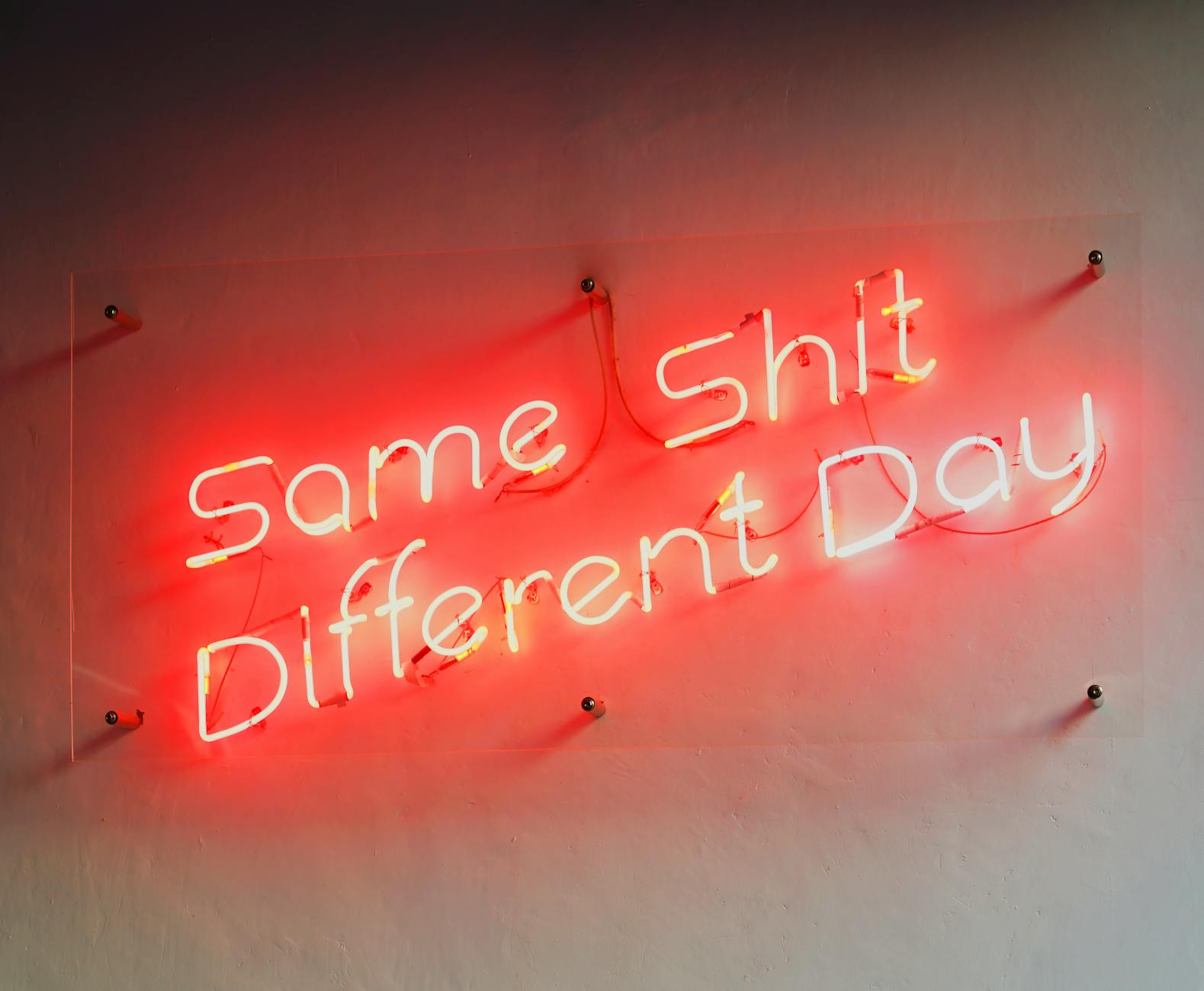
Custom neon signs featuring names or phrases add a commercial vibe that feels out of place in a relaxing home. The harsh colored light can distort the natural colors of the room and create an unwanted nightclub atmosphere. They require unsightly cords and transformers that are difficult to hide on a residential wall. Soft accent lighting is far more effective for creating mood and ambiance in a living space.
Tell us which of these design trends you would happily leave behind in the comments.




