Diet soda has been marketed for decades as the guilt-free alternative to sugary beverages, but mounting research continues to challenge that narrative. Millions of people reach for these calorie-free cans every day believing they are making a healthier choice, yet scientists and nutritionists have spent years uncovering a more complicated picture. The ingredients inside these brightly colored cans interact with the human body in ways that the average consumer has never been told. What follows are fifteen facts that beverage giants have had little interest in amplifying.
Artificial Sweeteners Trigger Insulin Response

Even though diet soda contains no sugar, the sweet taste alone is enough to prompt the pancreas to release insulin in many individuals. This hormonal response occurs because the body anticipates an incoming source of glucose based on taste signals. Over time, repeated insulin spikes without corresponding blood sugar can disrupt metabolic balance. Research has linked habitual diet soda consumption to increased risk of type 2 diabetes despite the absence of any actual sugar. This paradox catches many health-conscious consumers completely off guard.
Phosphoric Acid Weakens Bone Density

Diet sodas commonly contain phosphoric acid as a preservative and flavor enhancer that gives the beverage its characteristic sharp taste. This compound has been shown to interfere with the body’s ability to absorb calcium effectively over prolonged periods. Studies tracking long-term diet soda drinkers have found measurably lower bone mineral density compared to non-consumers. Women past the age of forty appear to face the greatest risk given their already elevated vulnerability to osteoporosis. The effect accumulates quietly over years before symptoms or fractures make it visible.
Gut Microbiome Disruption Is Widely Documented

The community of beneficial bacteria living in the human digestive system is extraordinarily sensitive to environmental inputs including food and drink. Artificial sweeteners such as saccharin and sucralose have been shown in peer-reviewed studies to reduce the diversity and population of healthy gut bacteria. A compromised microbiome has been connected to inflammation, weakened immunity and difficulties with mood regulation. The digestive consequences of regular diet soda consumption are rarely mentioned in advertising campaigns. Scientists now consider gut health to be one of the most important pillars of overall wellness.
Caramel Coloring Contains a Known Carcinogen
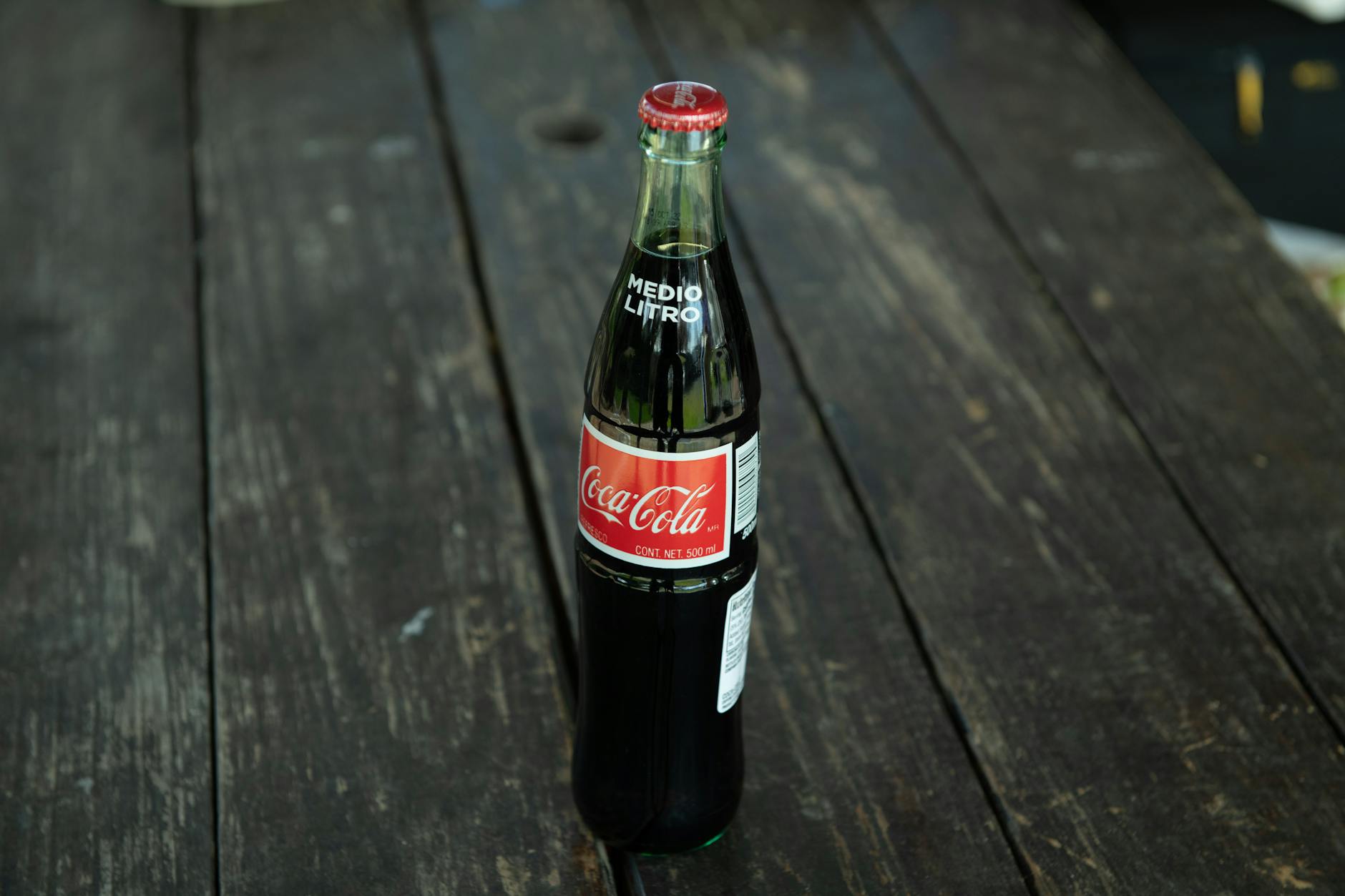
The dark brown color that makes cola beverages visually recognizable comes from a manufactured ingredient called caramel coloring. One byproduct of this production process is 4-methylimidazole, a compound classified as a possible human carcinogen by major health authorities. California introduced labeling regulations specifically to address this ingredient after its risks were quantified. Many major beverage brands reformulated their products in that state while continuing to use higher levels elsewhere. The disparity in formulation depending on regional regulation raises significant questions about consumer transparency.
Aspartame Has a Contested Safety Record

Aspartame remains one of the most studied food additives in history and also one of the most debated among researchers and regulatory bodies. It breaks down in the body into methanol, aspartic acid and phenylalanine, each of which affects physiology in distinct ways. Individuals with the genetic condition phenylketonuria are explicitly warned to avoid it due to their inability to metabolize phenylalanine safely. In 2023 the World Health Organization’s cancer research division listed aspartame as possibly carcinogenic to humans. Regulatory agencies maintain it is safe at current consumption levels though debate among independent researchers continues.
Diet Soda Is Linked to Increased Appetite

One of the most counterintuitive findings in nutrition science is that diet soda can actually make people eat more rather than less. Sweet taste without caloric delivery appears to confuse the brain’s hunger and satiety signaling systems over time. The brain begins to distrust the connection between sweetness and energy, which can lead to overconsumption at mealtimes. Several large observational studies have found higher caloric intake overall among regular diet soda drinkers compared to water drinkers. This finding directly undermines the primary reason most people choose diet beverages in the first place.
Sodium Content Encourages Further Drinking
Many diet sodas contain surprisingly high levels of sodium relative to their total ingredient profile. Sodium stimulates thirst and creates a subtle craving cycle that encourages consumers to drink more of the same beverage. This mechanism is well understood by food scientists and beverage formulators who design products with it in mind. The resulting dehydration loop means the drink meant to quench thirst often perpetuates it. Nutritional labels rarely highlight sodium content in ways that draw a consumer’s attention effectively.
Enamel Erosion Happens Without Sugar
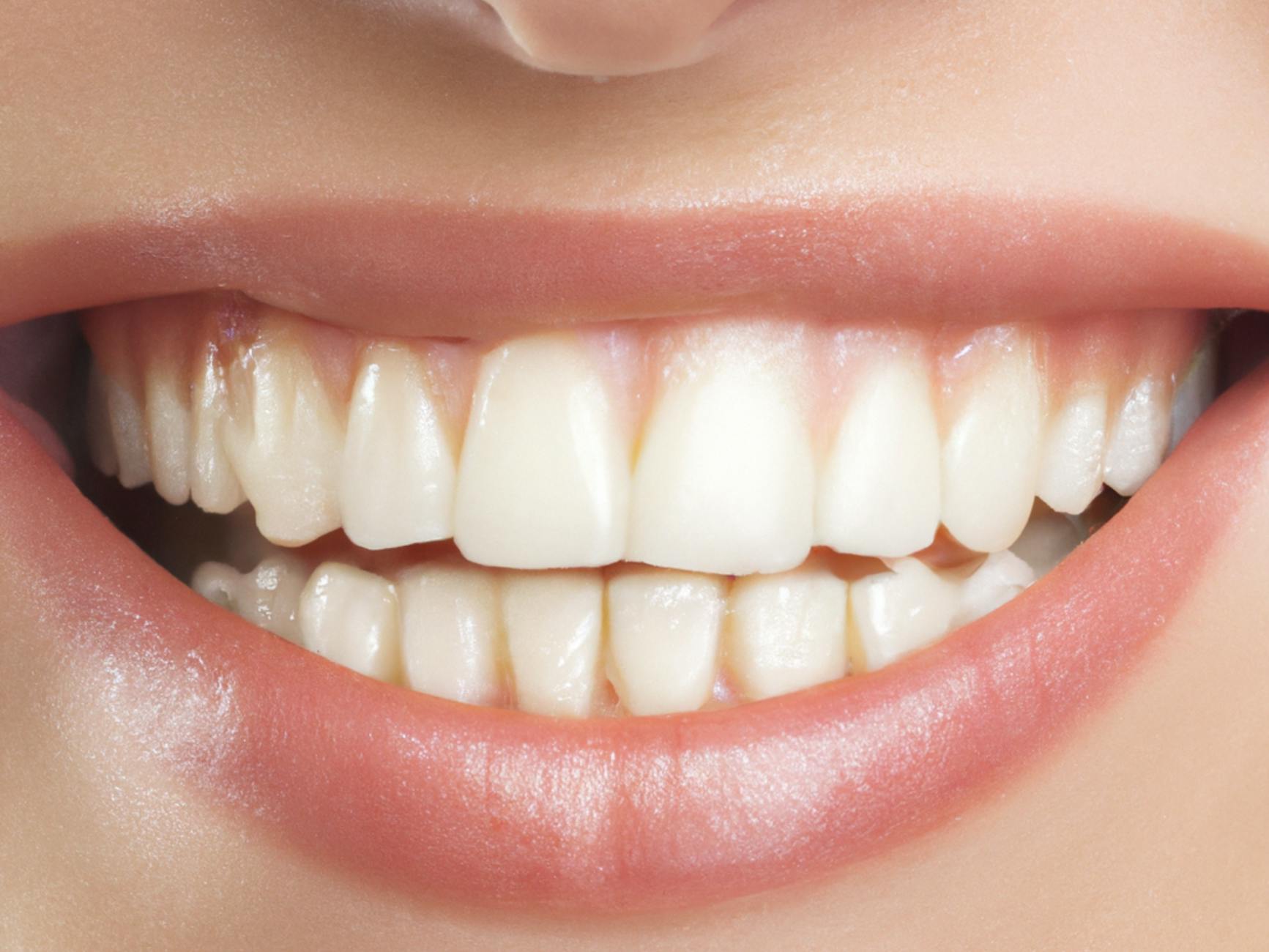
A common misconception is that only sugary drinks are responsible for the erosion of dental enamel over time. Diet sodas are highly acidic with a pH level that can fall between 3 and 4 depending on the brand and formulation. Prolonged contact between this acid and tooth enamel dissolves the protective outer layer regardless of sugar content. Dentists have documented significant enamel damage in patients who drink diet soda regularly but avoid sugary alternatives. The dental consequences of diet soda consumption are rarely communicated by manufacturers in their health-forward marketing.
Caffeine Dependency Develops Gradually

Most diet colas contain meaningful amounts of caffeine that the body begins to rely on with regular consumption. Caffeine dependency manifests as headaches, fatigue and irritability when the substance is withheld even briefly. Because diet soda is positioned as a healthy or neutral choice, consumers often fail to account for it as a significant caffeine source in their daily intake. The combination of caffeine and artificial sweeteners creates a complex neurological response that reinforces the habitual consumption pattern. Breaking the cycle often proves far more difficult than drinkers initially anticipate.
Formaldehyde Is a Metabolic Byproduct
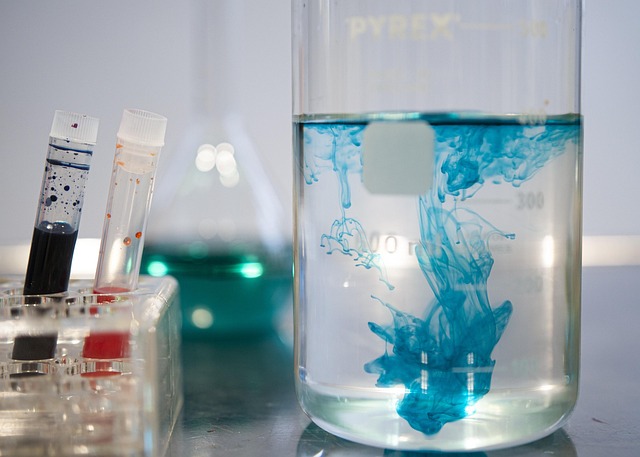
When aspartame metabolizes inside the body one of the resulting compounds is methanol which the body subsequently converts into formaldehyde. Formaldehyde is a known toxic substance more commonly associated with industrial applications and preservation processes. The quantities produced through normal consumption are considered small by regulatory standards but long-term cumulative exposure remains a subject of scientific inquiry. Some researchers argue that even low-level chronic exposure warrants greater scrutiny than it currently receives from food safety authorities. This metabolic pathway is almost never mentioned in consumer-facing communications from diet soda brands.
Marketing Specifically Targets Weight-Loss Communities

Beverage companies have historically invested heavily in positioning diet soda within the weight management and fitness space. Sponsorships of diet programs, gyms and wellness influencers have created powerful associations between diet soda and healthy living. This strategic placement shapes consumer perception before any nutritional evaluation takes place. Regulatory bodies in several countries have begun scrutinizing these associations more closely given the growing body of contradictory health evidence. The gap between perception created by marketing and reality established by research is considerable.
Kidney Function Decline Shows in Long-Term Drinkers
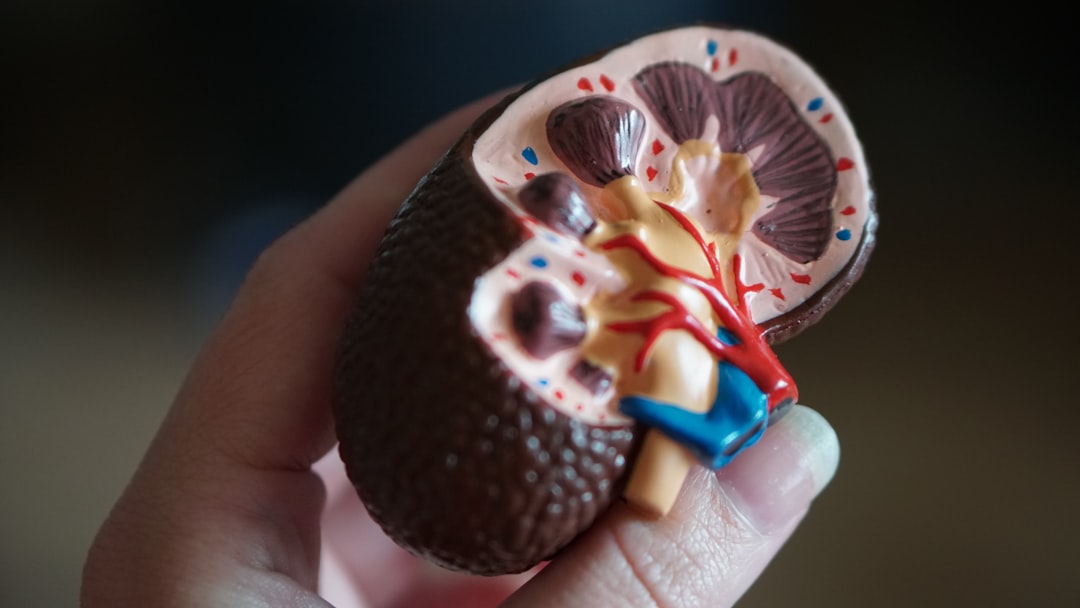
Studies tracking dietary habits and organ health over extended periods have found associations between high diet soda consumption and declining kidney function. The combination of artificial sweeteners, phosphoric acid and sodium is believed to place chronic stress on renal filtration systems. Women in particular showed accelerated decline in kidney function in studies that controlled for other dietary variables. The kidneys are responsible for filtering every substance consumed and cumulative strain from processed ingredients compounds over years. This area of research remains underfunded relative to the scale of diet soda consumption globally.
Neurological Effects Are Being Studied Closely
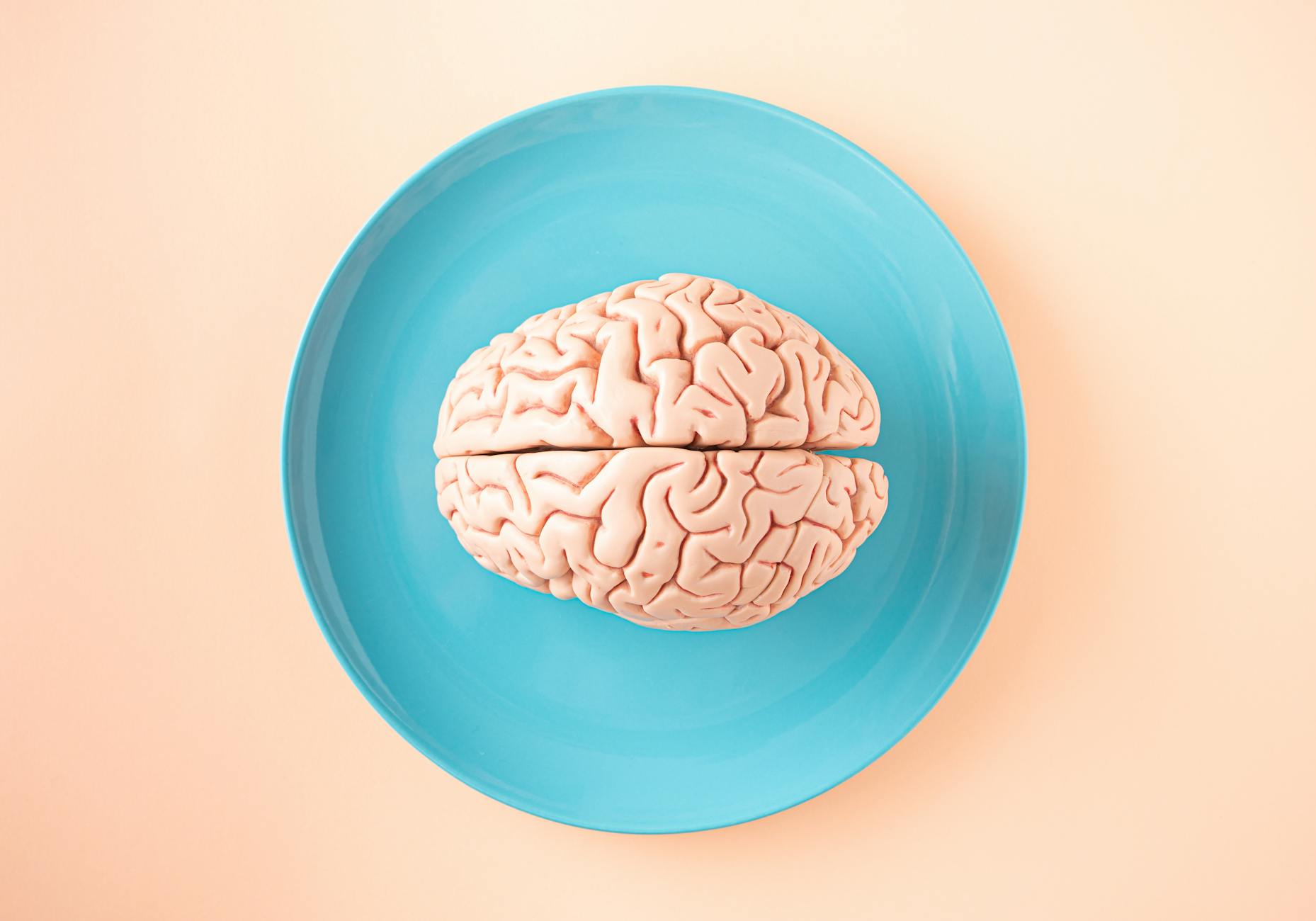
Emerging research is examining how artificial sweeteners interact with the brain’s reward circuitry at a neurochemical level. Some findings suggest that intense artificial sweetness may alter dopamine sensitivity in ways that mirror patterns seen with addictive substances. Animal studies have shown neurological changes following prolonged artificial sweetener exposure that researchers are working to replicate in human models. The long-term implications for mood, cognition and behavioral regulation remain an open question in nutritional neuroscience. Funding for this area of research has historically come disproportionately from sources with commercial interests in particular outcomes.
Increased Stroke and Dementia Risk Has Been Observed
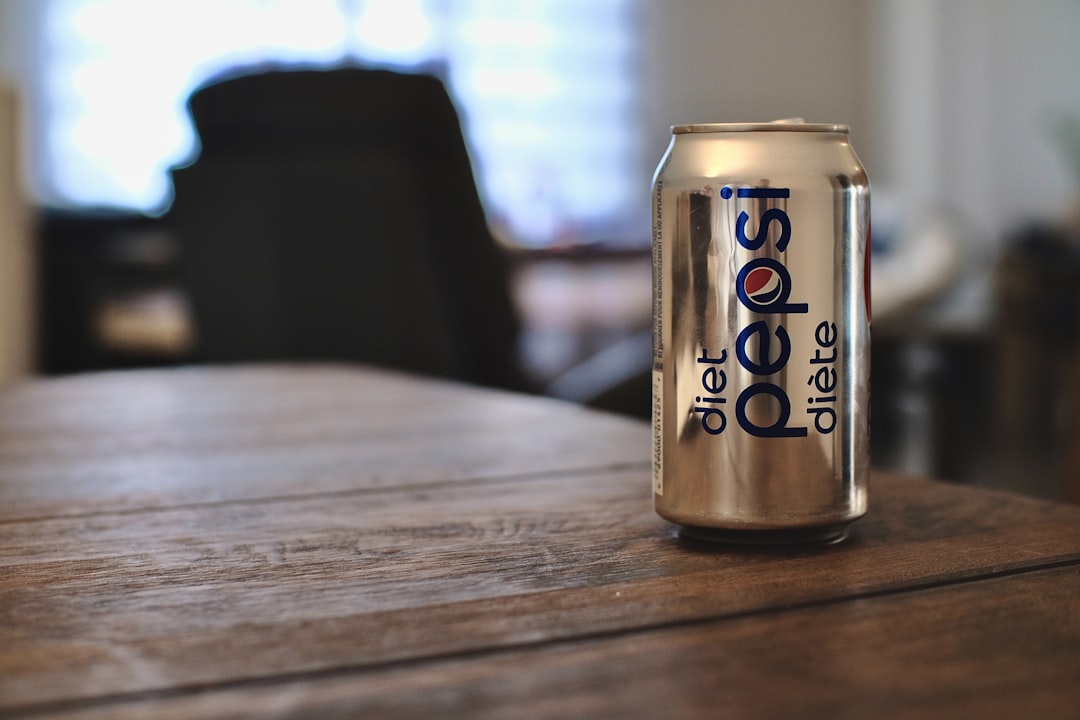
A notable study published in a major medical journal found that people who drank diet soda daily were nearly three times as likely to have a stroke or develop dementia compared to those who consumed it rarely. The mechanisms behind this association are not yet fully understood and researchers emphasize that correlation does not establish direct causation. The findings were significant enough to prompt calls for larger confirmatory trials across diverse population groups. Cardiovascular and neurological health are now central concerns in the broader scientific conversation about artificially sweetened beverages. This risk profile sits in stark contrast to the light and refreshing image cultivated by decades of advertising.
Zero-Calorie Labeling Creates a False Permission Structure

The psychological effect of a zero-calorie label is a well-documented phenomenon in consumer behavior research. People who consume diet sodas frequently compensate by granting themselves permission to eat larger portions or higher-calorie foods elsewhere in their diet. This behavioral pattern erases any theoretical caloric benefit the diet drink was meant to provide. Food psychologists refer to this as the licensing effect and it has been observed consistently across different demographic groups and geographies. The label communicates an absence of one variable while obscuring a wide range of others that matter equally to long-term health.
Share your thoughts on diet soda and what you wish you had known sooner in the comments.




