The wellness industry has long capitalised on the human desire for quick health fixes, and few tactics have proven more profitable than labelling ordinary foods with the word “superfood.” This term has no official scientific or regulatory definition, meaning any brand can apply it to virtually any product to justify a dramatic price increase. Many of the foods carrying this label have been eaten for centuries by ordinary people as affordable staples, long before a marketing team gave them a glamorous rebrand. Understanding which foods fall into this category can save consumers significant money without any sacrifice to nutritional quality.
Goji Berries
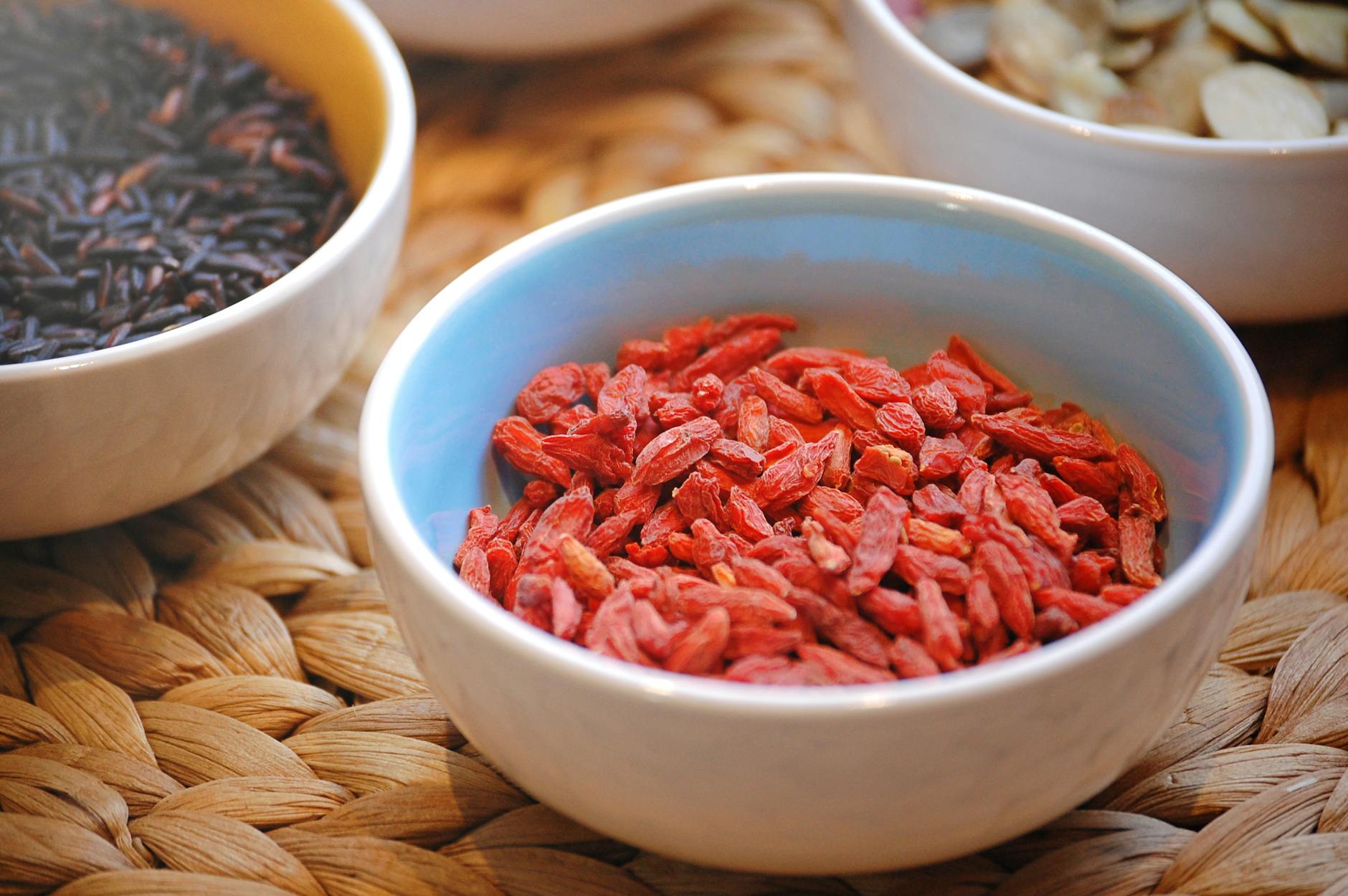
Goji berries are frequently positioned as an ancient secret to longevity and exceptional antioxidant power. The antioxidants they contain are also found in far cheaper and more accessible fruits such as blueberries, strawberries, and grapes. Research into their specific health benefits beyond general antioxidant activity remains limited and inconclusive. Dried goji berries sold in wellness stores are often imported and carry a price tag many times higher than comparable local produce. Standard raisins or dried cranberries offer a nutritionally similar profile at a fraction of the cost.
Açaí

Açaí bowls became a social media phenomenon that transformed a regional Amazonian fruit into a global luxury health food. The berry itself contains antioxidants and healthy fats but performs no better in controlled studies than other dark berries widely available in any supermarket. Pre-packaged açaí products are frequently loaded with added sugars that negate many of the nutritional benefits the fruit is marketed for. A frozen açaí pack can cost several times more than an equivalent serving of frozen blueberries or blackberries. The visual appeal of an açaí bowl has driven its popularity far more than any unique or measurable health outcome.
Spirulina
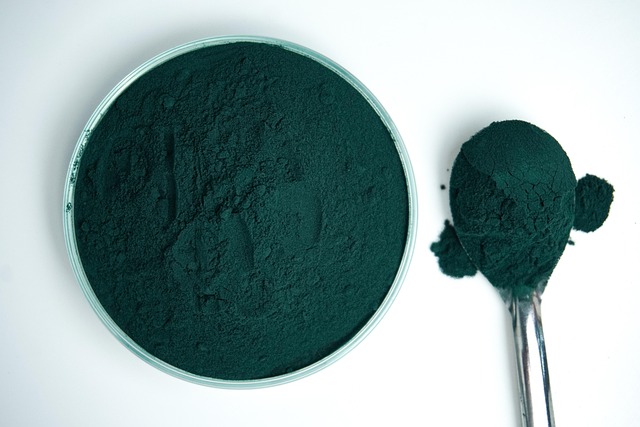
Spirulina is a blue-green algae sold in powder or tablet form and marketed as a complete protein source and nutritional powerhouse. While it does contain protein and some vitamins, the quantity required to meet meaningful nutritional targets would far exceed a typical serving size. The taste is strongly described as pond-like by most consumers, making it difficult to incorporate into a regular diet without heavy masking from other ingredients. Regular plant-based protein sources such as lentils, chickpeas, and eggs deliver comparable or superior nutrition at dramatically lower prices. Studies on spirulina’s more exotic claimed benefits such as immune boosting and heavy metal detoxification remain preliminary and largely underpowered.
Matcha
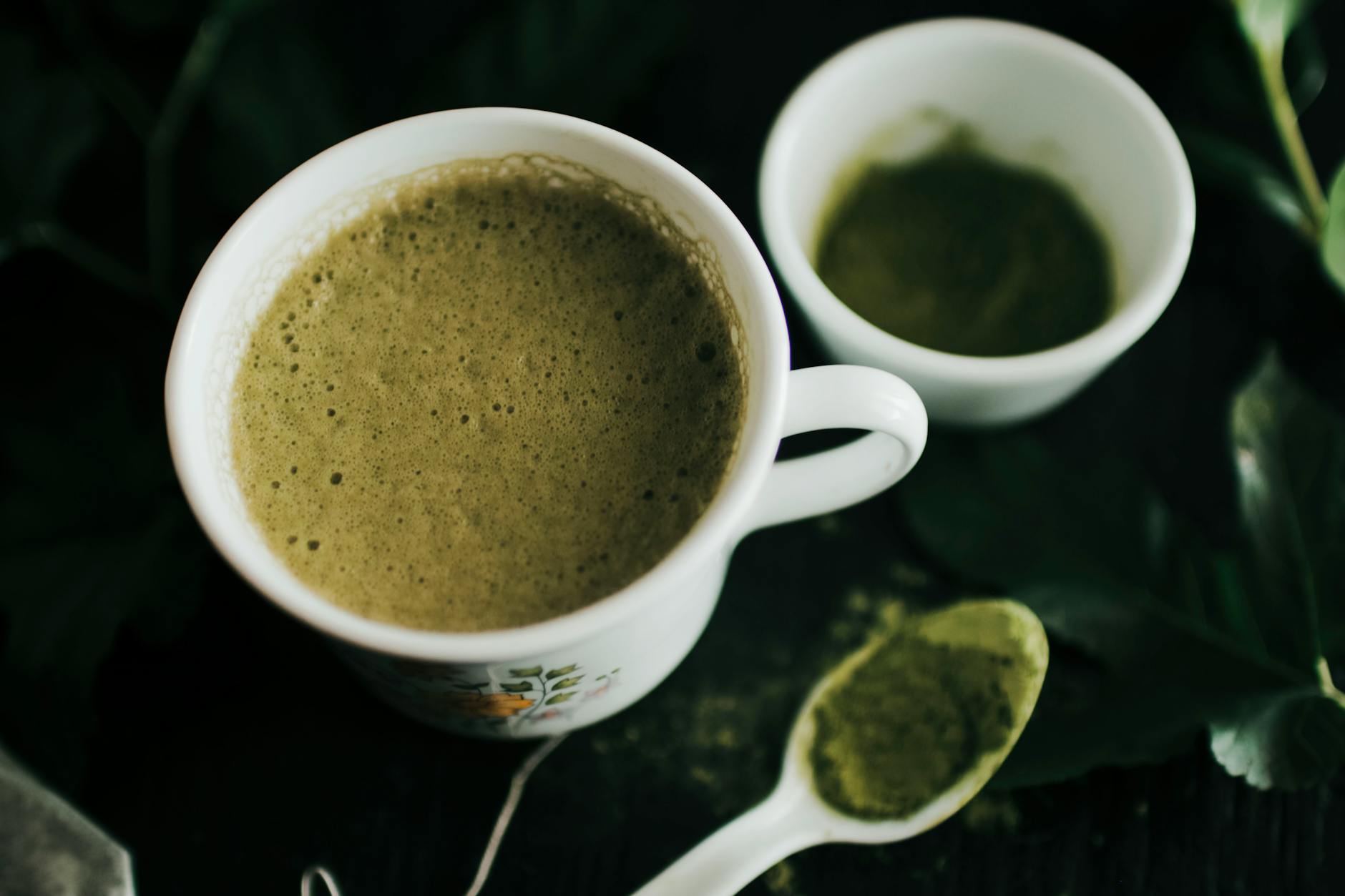
Matcha is powdered green tea that has been consumed in Japan for centuries as part of a traditional tea ceremony practice. Ceremonial-grade matcha sold through Western wellness brands is priced at extraordinary levels for what is, functionally, a form of green tea. The caffeine and L-theanine combination it provides is also present in a standard cup of brewed green tea, which costs a small fraction of the price. Much of the matcha sold in cafes and as supplements is culinary grade, meaning the quality does not justify the premium positioning. Drinking regular green tea delivers overlapping health associations without the inflated cost of the powdered format.
Manuka Honey

Manuka honey is produced in New Zealand and Australia and has been heavily marketed for its antibacterial properties linked to a compound called methylglyoxal. The concentration of this compound varies enormously between products and the grading system used on labels is proprietary and inconsistently applied across brands. Studies on its antibacterial effects are largely conducted in laboratory settings and do not translate directly to the same outcomes when consumed orally. Raw local honey contains its own range of enzymes and antimicrobial compounds and is available at grocery stores for a fraction of the price. The premium paid for Manuka honey is driven largely by origin branding and grading mystique rather than conclusive clinical evidence.
Chlorophyll Water

Chlorophyll water emerged as a wellness trend driven largely by social media videos claiming benefits ranging from clearer skin to internal deodorising effects. Most chlorophyll water products use chlorophyllin, a semi-synthetic derivative of chlorophyll, rather than the naturally occurring compound found in plants. The body processes liquid chlorophyll differently from the chlorophyll absorbed through eating green vegetables. Evidence supporting the specific claims made by chlorophyll water brands is thin and the research that does exist is preliminary at best. Eating spinach, broccoli, or kale delivers genuine chlorophyll alongside a wide range of fibre and micronutrients that a bottled drink cannot replicate.
Collagen Powder

Collagen powder has been marketed aggressively as a way to improve skin elasticity, strengthen joints, and support gut health. When consumed, collagen protein is broken down by digestion into amino acids just like any other protein source. The body then redistributes those amino acids according to its own priorities, with no guarantee they will be directed toward skin or joint tissue. High-quality evidence that supplemental collagen powder produces the cosmetic or structural outcomes advertised remains limited. Consuming adequate total protein from whole food sources such as eggs, fish, and legumes provides the same amino acid building blocks at considerably lower expense.
Hemp Seeds
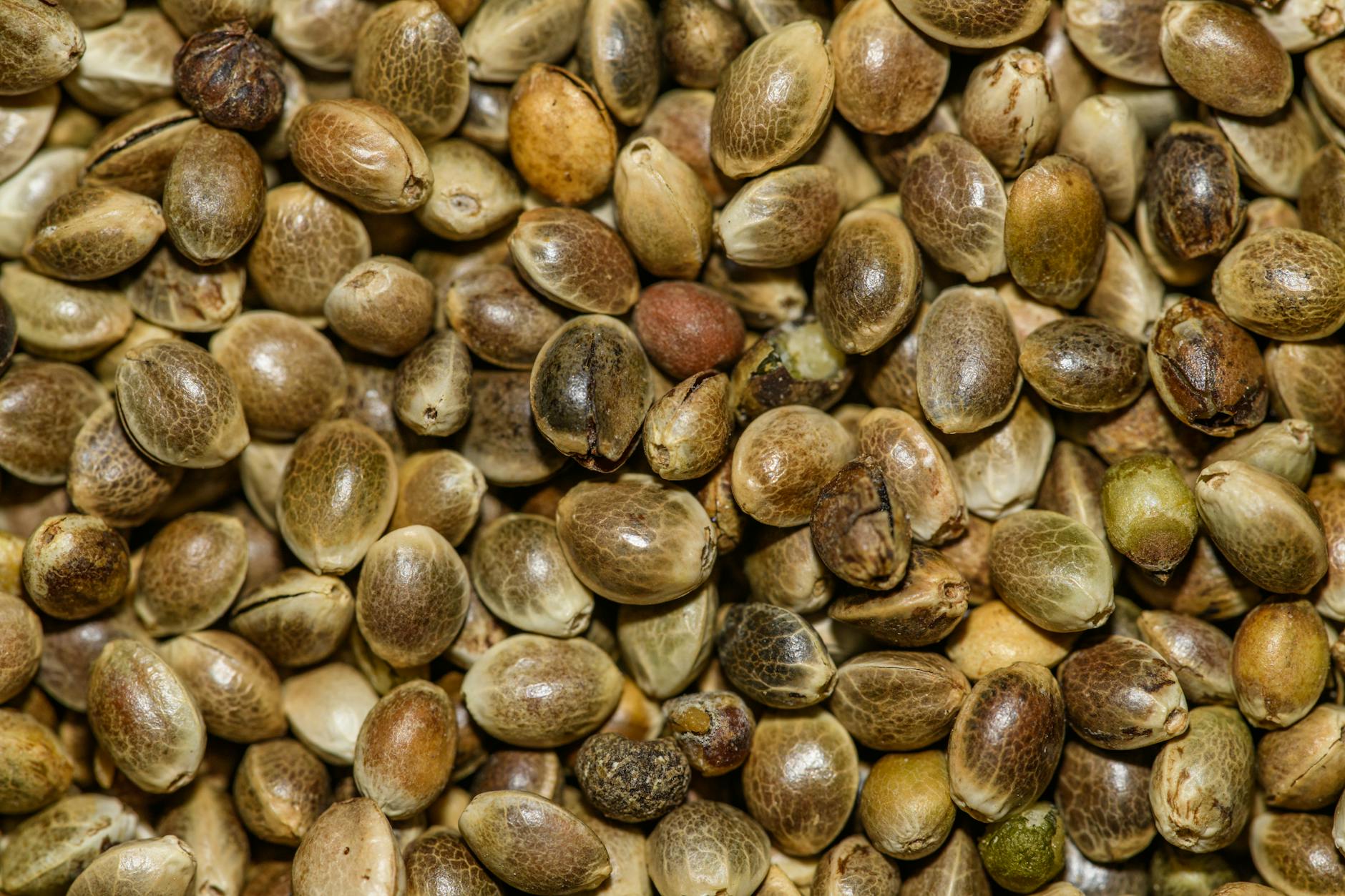
Hemp seeds are nutritious and contain a good balance of omega-3 and omega-6 fatty acids along with plant-based protein. They are regularly sold through health food retailers at prices that bear little relation to their actual rarity or complexity as a crop. Flaxseeds and chia seeds offer a closely comparable nutritional profile and are available in most supermarkets at lower price points. Walnuts are another affordable source of omega-3 fatty acids and have a more substantial body of long-term research behind them. The wellness marketing around hemp seeds has been amplified by their association with the cannabis plant, which adds cultural cachet without adding nutritional superiority.
Cacao Nibs

Cacao nibs are marketed as a raw and unprocessed form of chocolate that delivers antioxidants and minerals without the sugar of conventional chocolate. The flavanols found in cacao nibs are the same compounds present in dark chocolate with a high cocoa percentage, which is far more palatable and widely accessible. Cacao nibs are intensely bitter and require significant added ingredients to make them enjoyable, often eliminating the caloric advantage they are sold on. Regular dark chocolate containing seventy percent or more cocoa solids has been studied extensively and offers demonstrable cardiovascular associations. The nib format primarily serves as a premium positioning tool rather than a meaningful nutritional upgrade over quality dark chocolate.
Bone Broth

Bone broth has been repackaged as a gut-healing superfood and protein source worthy of a dedicated retail category. It is essentially stock, a preparation that home cooks have made from leftover animal bones for generations as an economical use of kitchen waste. The collagen extracted during the cooking process undergoes the same digestive breakdown described for collagen supplements and does not arrive intact at gut tissue. Protein content per serving is modest and inconsistent depending on cooking method, bone type, and simmering duration. Homemade stock produced from roasted chicken or beef bones costs almost nothing and delivers the same nutritional profile as a premium packaged broth.
Moringa
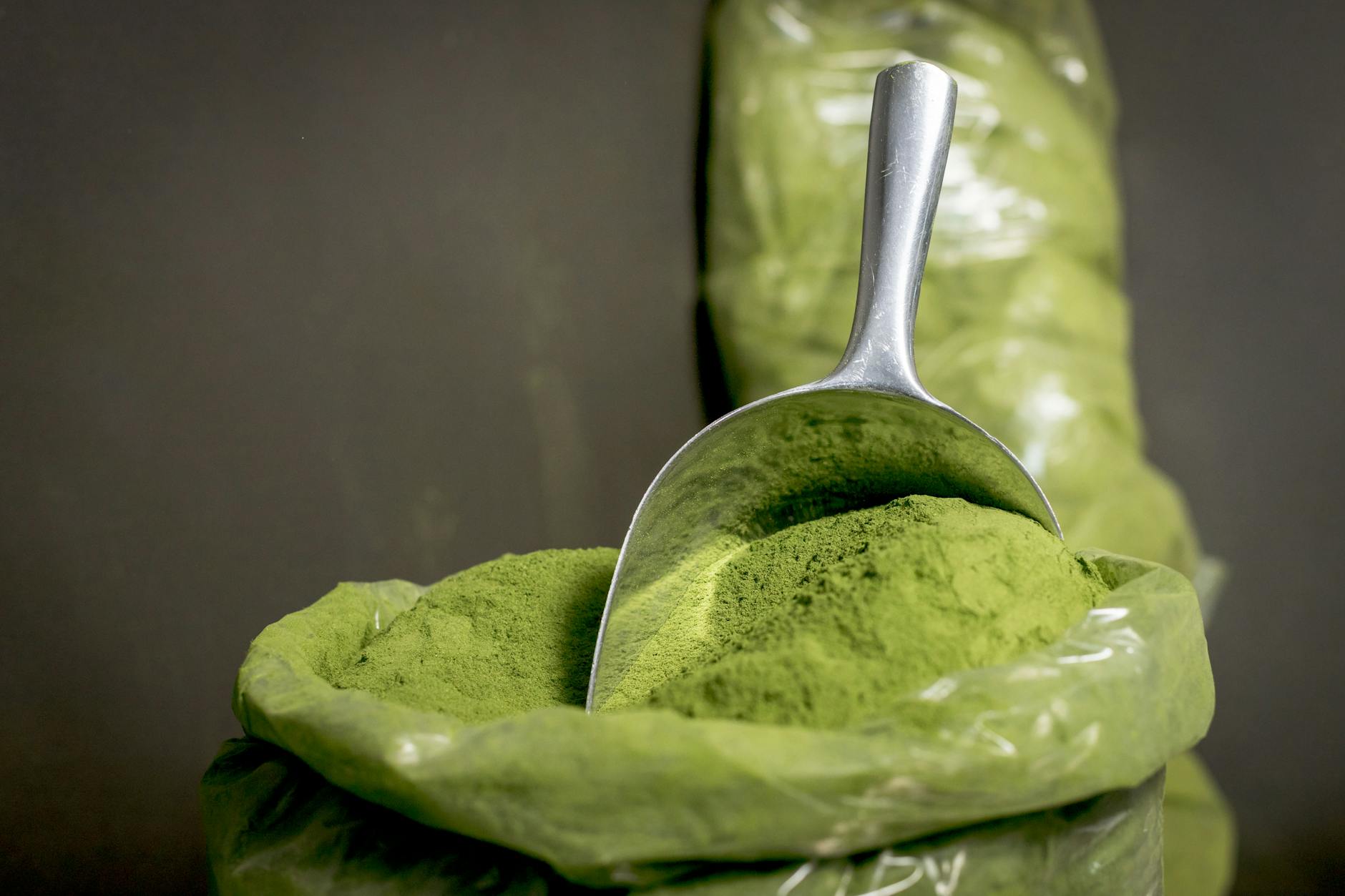
Moringa is a fast-growing tree native to South Asia and parts of Africa where its leaves have long been used as an inexpensive and accessible food source in communities with limited dietary diversity. Exported to Western markets in powder form, moringa is sold at prices that make it inaccessible to the populations for whom it historically served a genuine nutritional purpose. It contains iron, calcium, and vitamin C, nutrients that are readily available through far cheaper vegetables such as spinach, broccoli, and citrus fruit. Research into moringa’s more specific claimed effects on blood sugar and inflammation is early-stage and not yet at a level that supports the health language used on packaging. The global demand for moringa as a wellness product has also raised questions about supply chain sustainability and fair pricing for origin communities.
Turmeric Supplements
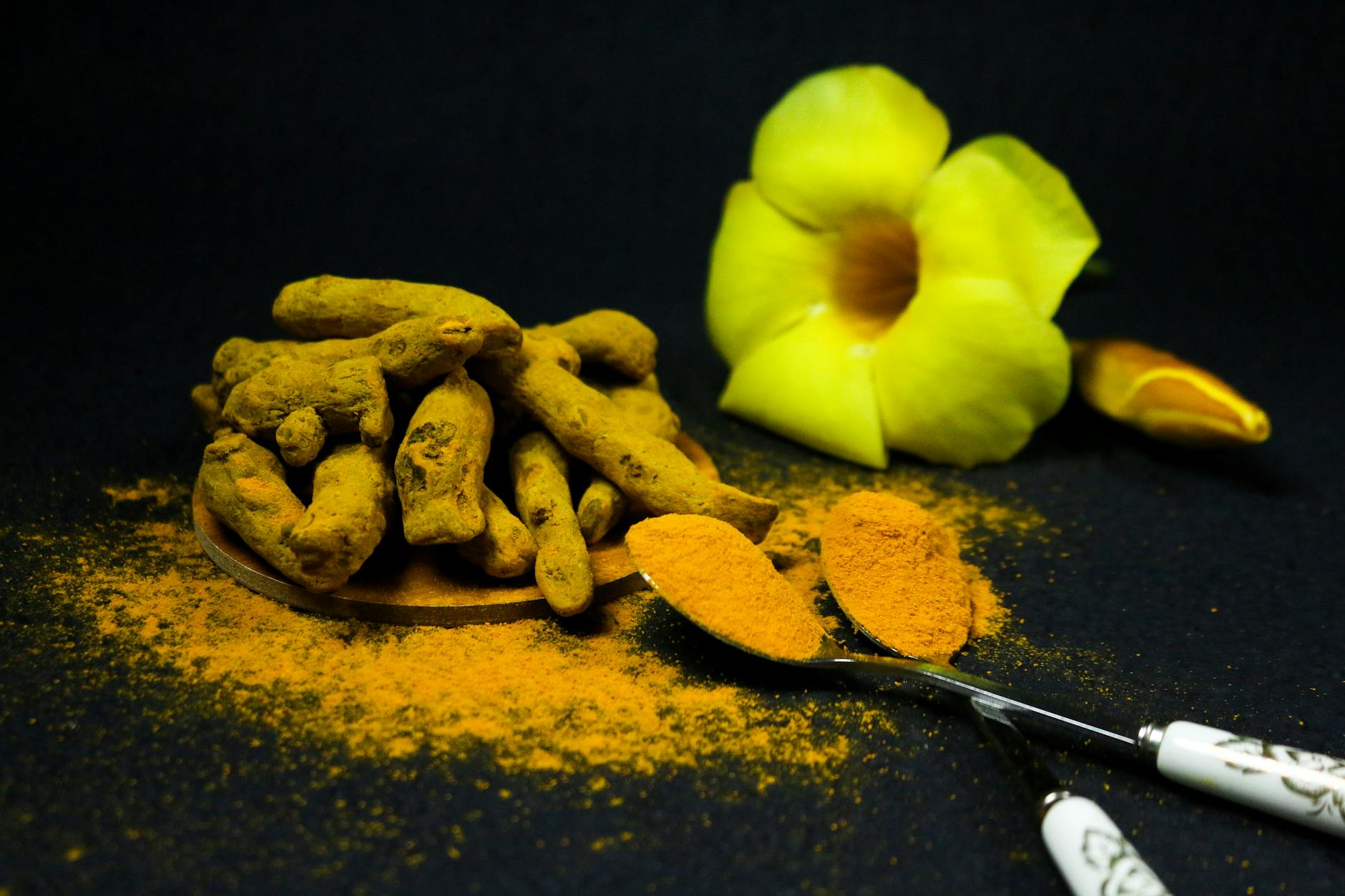
Turmeric has genuine research behind its primary active compound curcumin, but the supplement industry has extended these findings well beyond what the evidence supports. Curcumin has notably poor bioavailability, meaning the body absorbs very little of it when taken in standard supplement or powder form without specific formulation enhancements. Many turmeric supplements contain only modest quantities of curcumin relative to the doses used in studies showing positive effects. Using ground turmeric as a culinary spice alongside black pepper, which improves absorption, delivers the compound in a food matrix for a few cents per serving. The supplement format commands a significant premium while often delivering less bioavailable curcumin than a well-seasoned home-cooked curry.
Tiger Nuts

Tiger nuts are small root vegetables that have been consumed in West Africa and the Mediterranean for thousands of years as an ordinary and inexpensive staple food. In Western health food markets they are sold as a prebiotic superfood with a price markup that has little basis in scarcity or production complexity. Their fibre content is comparable to that found in oats, barley, and other whole grains that cost significantly less and are more versatile in everyday cooking. The resistant starch they contain is a genuine nutritional attribute but is also present in cooled cooked potatoes, green bananas, and whole grain foods. Much of the marketing around tiger nuts leans on their ancient or ancestral framing rather than any measurable advantage over familiar staple foods.
Activated Charcoal

Activated charcoal was absorbed into the wellness food trend as an ingredient in black ice cream, lemonade, and detox supplements claiming to bind toxins in the digestive system. The medical use of activated charcoal is real but it applies specifically to acute poisoning situations and is administered in clinical settings in precise doses. When consumed as a food ingredient it can actually bind to and reduce absorption of medications and essential nutrients rather than selectively targeting harmful substances. No credible body of research supports activated charcoal as a general dietary detoxification tool for healthy individuals. The dramatic black colouring it produces made it a visually striking social media trend, which accounts for most of its commercial popularity.
Wheatgrass

Wheatgrass shots became associated with juice bars and health-conscious lifestyles and carry strong associations with cleansing and alkalising the body. The nutrients found in wheatgrass are also present in spinach, kale, parsley, and other widely available leafy greens that cost a fraction of the price per serving. The taste is widely considered unpleasant and the portion size in a typical shot is too small to deliver meaningful quantities of the nutrients listed on marketing materials. Claims around wheatgrass alkalising the blood have no physiological basis since the body regulates blood pH within a very narrow range regardless of dietary input. The ritual and visual language around wheatgrass shots has sustained their presence in wellness culture well beyond any nutritional justification.
Sea Moss

Sea moss is a type of red algae that has gained significant popularity following endorsements from wellness influencers who credit it with wide-ranging health benefits. It contains iodine and some trace minerals but the iodine content is highly variable and can actually exceed safe daily limits depending on the quantity consumed. Most of the specific claims made about sea moss targeting thyroid function, skin clarity, and joint lubrication are not supported by robust peer-reviewed research. Seaweed in general is a nutritious food category that can be enjoyed affordably through accessible formats like dried nori or wakame. The gel form in which sea moss is often sold commands a premium price that is disproportionate to its nutritional contribution compared to a balanced diet.
Maca Powder
Maca is a root vegetable grown in the high Andes of Peru and has been a dietary staple in that region for centuries, consumed as an ordinary food rather than a medicinal supplement. Exported in powder form to global wellness markets it is positioned as an adaptogen capable of balancing hormones, boosting energy, and enhancing fertility. The clinical evidence for these effects in humans is limited and the study sizes are generally small with inconsistent methodologies. Its primary nutritional contribution is carbohydrates and some minerals, which are available from far more familiar and affordable root vegetables. The adaptogen framing has allowed maca to command supplement-level pricing despite being, at its core, a dried and powdered root vegetable.
Bee Pollen
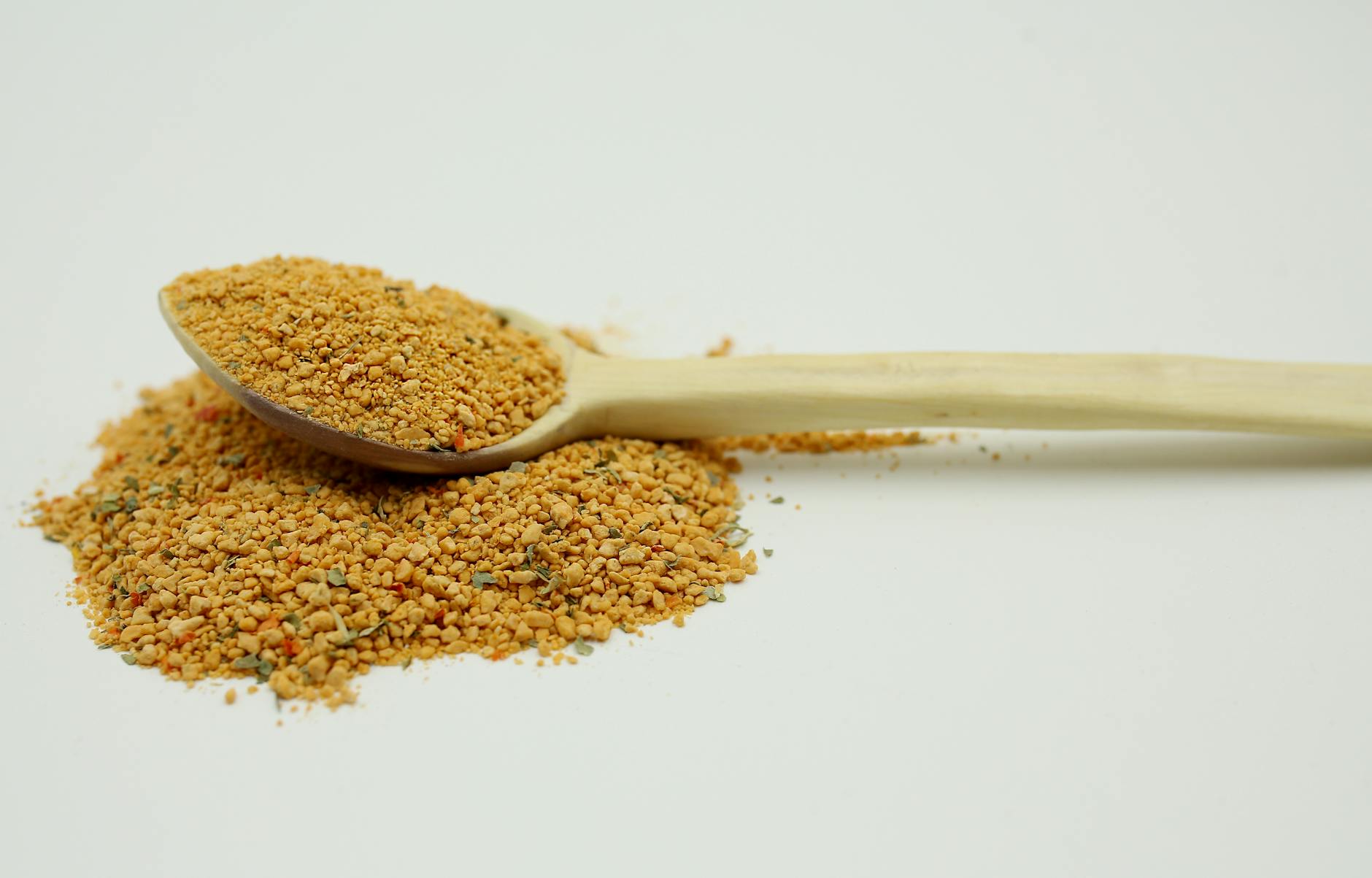
Bee pollen is harvested from the bodies of bees and sold in granule form as a complete nutritional supplement said to boost immunity and athletic performance. The protein it contains is poorly absorbed relative to conventional protein sources due to the hard outer shell of the granules, which digestion does not reliably break down. A small proportion of individuals experience allergic reactions to bee pollen including anaphylaxis in severe cases, making it an inappropriate general-population recommendation. The quantities of vitamins and minerals present in a typical serving are not substantial enough to represent a meaningful contribution to daily nutritional targets. Conventional food sources deliver the same micronutrients more reliably, more safely, and at significantly lower cost.
Ashwagandha

Ashwagandha is an adaptogenic root with a history in Ayurvedic medicine and has attracted increasing attention from the supplement industry in recent years. Some studies do show modest benefits for perceived stress and cortisol levels but these studies often involve standardised pharmaceutical-grade extracts rather than the generic powder sold in most retail products. The quality and concentration of the active compounds called withanolides varies enormously between commercial products with little standardisation in the industry. Sustainable stress management practices such as consistent sleep, physical activity, and social connection have a far more substantial evidence base than any supplement. The supplement form of ashwagandha is frequently sold at high price points that are not proportionate to the strength or consistency of the evidence supporting its effects.
Black Seed Oil
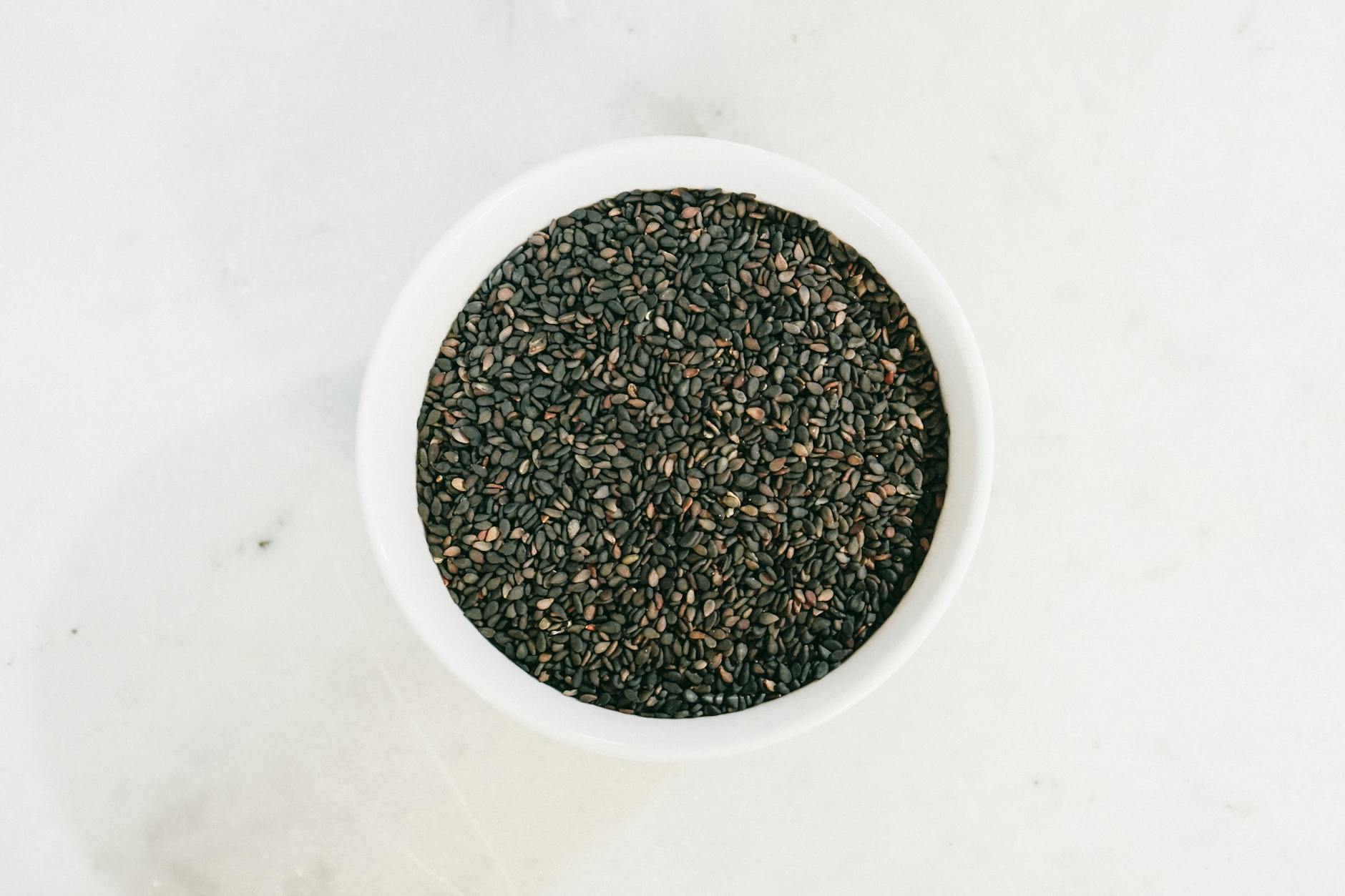
Black seed oil is derived from Nigella sativa seeds and has been present in traditional medicine across the Middle East and South Asia for a very long time. Its active compound thymoquinone has been studied in laboratory and animal research settings with some interesting preliminary findings. The translation of these findings to human clinical outcomes through typical supplement doses has not been robustly established. Many of the health claims associated with black seed oil products extend far beyond what the current human trial evidence supports. Cold-pressed versions are sold at premium prices in wellness retail environments where the gap between the marketing language and the science is particularly wide.
Lucuma Powder
Lucuma is a Peruvian fruit that has been marketed as a natural sweetener and nutrient-dense superfood alternative to conventional sugar. Its glycaemic impact is somewhat lower than refined sugar but so is that of many other more affordable alternatives including coconut sugar and whole fruit. The micronutrient content per serving is modest and unlikely to make a meaningful contribution to daily nutritional intake given typical usage quantities in smoothies or baked goods. Lucuma powder is imported and sold through specialist health food retailers at prices that are considerably higher than locally available fruit or conventional sweetener alternatives. The superfood narrative around lucuma has been supported primarily by the Peruvian export industry’s investment in international marketing rather than independent nutritional research.
Baobab Powder

Baobab is the fruit of an African tree and has been consumed in various parts of the continent as a nutritious food for generations. In Western markets it is sold in powder form as a vitamin C superfood and digestive health supplement. While it does contain vitamin C and fibre, a single orange or a serving of broccoli provides comparable or greater quantities of these nutrients at a fraction of the price. The importation, drying, and packaging process involved in converting baobab to a retail-ready powder creates a supply chain that adds significant cost without adding nutritional value. The premium attached to baobab in Western wellness retail reflects its geographic exoticism rather than any unique compositional advantage.
Sacha Inchi

Sacha inchi is a seed native to the Peruvian Amazon marketed for its omega-3 content and complete amino acid profile. The omega-3 fatty acid it provides is alpha-linolenic acid, the same plant-based form found in flaxseed and walnuts, which are dramatically less expensive. The body’s conversion of alpha-linolenic acid to the more biologically active EPA and DHA forms is inefficient regardless of the source. Sacha inchi seeds are available in Western markets primarily through specialist health food importers at prices that reflect their niche positioning rather than their nutritional distinction. Walnuts and ground flaxseed remain the most cost-effective sources of plant-based omega-3 fatty acids for the vast majority of consumers.
Reishi Mushroom Powder

Reishi mushrooms have been used in East Asian traditional medicine for a very long time and have attracted significant commercial interest from the modern wellness supplement industry. The active compounds studied in reishi research are beta-glucans and triterpenoids, which have shown interesting effects in laboratory and some preliminary human research. The doses used in studies showing positive effects are typically far higher than those found in the small sachets of reishi powder sold in coffee blends and wellness tonics. Oyster mushrooms, shiitake, and maitake are more affordable edible fungi that also contain beta-glucans and are supported by a comparable or broader body of general research. The mystique surrounding reishi as a longevity mushroom with roots in ancient tradition has made it a very effective marketing platform for products with modest and uncertain clinical benefits.
Kefir

Kefir is a fermented dairy drink that has been consumed for centuries across Eastern Europe and Central Asia as a perfectly ordinary and affordable food. In Western wellness retail it has been repositioned as a premium probiotic superfood with elevated pricing to match its new health identity. Plain live yoghurt contains comparable populations of beneficial bacteria and is widely available at significantly lower price points in virtually every supermarket. The research on probiotics and gut health is genuinely interesting but applies broadly to fermented foods as a category rather than to kefir as a uniquely superior product. Homemade kefir can be produced at minimal cost using a starter culture, which highlights how far the retail markup on commercial versions has drifted from the actual cost of production.
Chia Seeds

Chia seeds contain omega-3 fatty acids in the alpha-linolenic acid form, fibre, and some minerals and are genuinely nutritious. The superfood category has inflated their price beyond what their nutritional profile objectively justifies relative to similar foods. Ground flaxseeds offer a comparable nutritional profile and are typically sold at lower prices, though they lack the textural novelty that made chia seeds popular in puddings and smoothies. The gel-forming property of chia seeds when hydrated is culinarily useful but does not represent a health advantage over other high-fibre foods. Chia seeds are not a poor nutritional choice but they are frequently overpriced relative to functionally equivalent alternatives that attract less marketing attention.
Coconut Oil
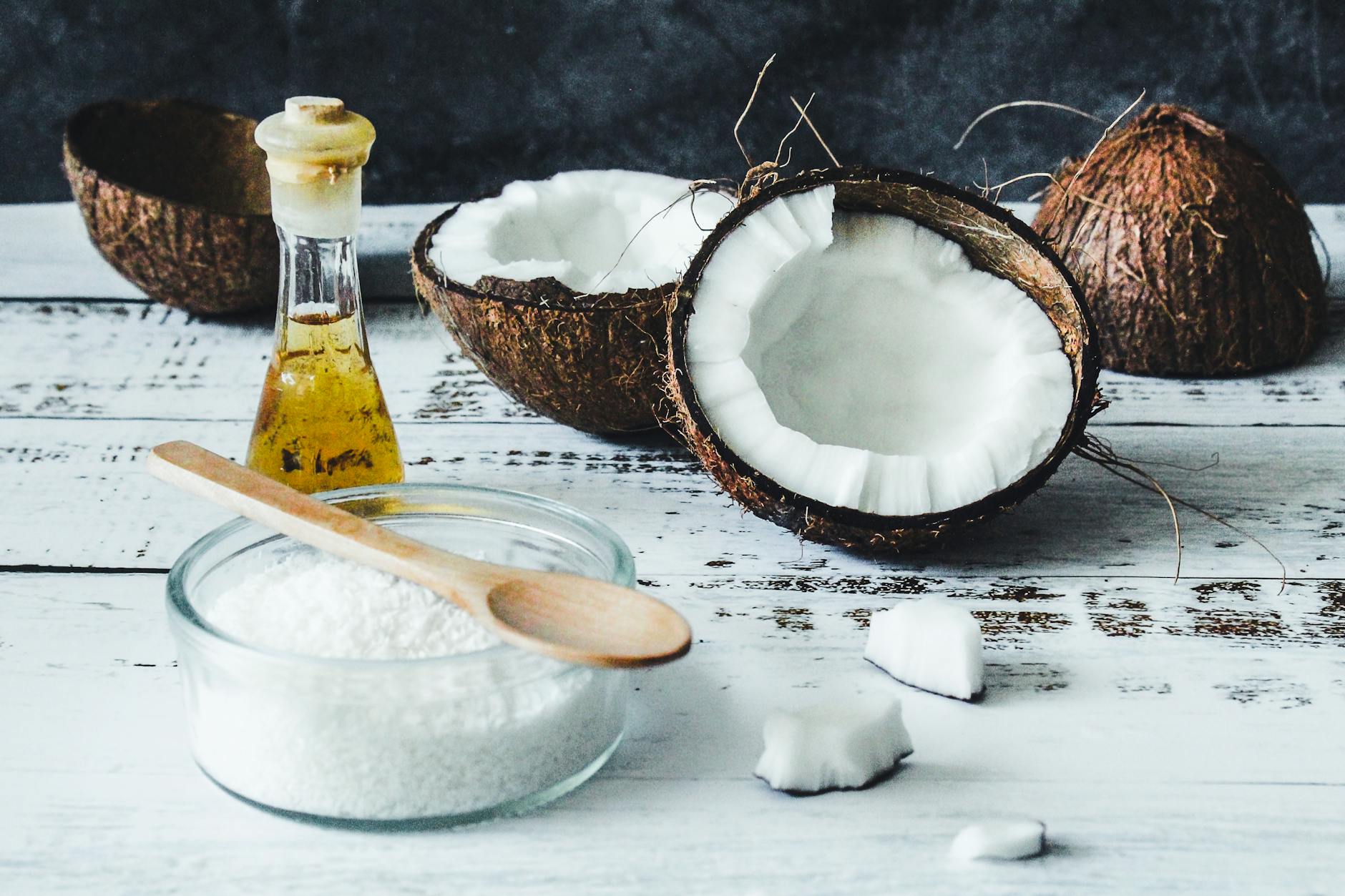
Coconut oil was extensively marketed as a heart-healthy alternative to conventional cooking oils based on selective interpretation of research related to medium-chain triglycerides. The majority of the fat in coconut oil is saturated fat and major nutrition and cardiology organisations have consistently advised that it should be used in moderation. The specific type of saturated fat it contains does raise HDL cholesterol alongside LDL cholesterol, which some proponents cite favourably, though the net cardiovascular effect remains debated among researchers. Olive oil has a substantially stronger and longer-established body of evidence behind its cardiovascular associations and is available at comparable or lower prices. The rapid rise and partial decline of coconut oil’s superfood status stands as one of the most instructive case studies in wellness trend marketing.
Aloe Vera Juice

Aloe vera juice has been marketed as a digestive soother, skin hydrator from the inside out, and general wellness tonic. The inner gel of the aloe vera leaf contains compounds that can help with constipation but the whole-leaf extract contains aloin, a compound that has raised safety concerns and has been removed from many commercial products as a precaution. Clinical evidence for the broader digestive and skin benefits attributed to regular aloe vera juice consumption is not substantial. Plain water with adequate daily intake addresses hydration far more effectively than a bottled aloe product. Most commercial aloe vera juices contain added sugar and flavouring that significantly alter the nutritional character of the product relative to its natural source.
Flaxseed Oil

Flaxseed oil is sold as a convenient omega-3 supplement but loses a significant portion of its beneficial compounds when exposed to heat, light, and air, making it highly unstable compared to other oils. The omega-3 it provides is alpha-linolenic acid, the same plant-based form that requires conversion in the body with limited efficiency. Ground flaxseeds deliver the same fatty acids alongside fibre and lignans that are absent from the extracted oil and are available at considerably lower cost per serving. The refrigeration requirements and short shelf life of flaxseed oil make it a less practical option than whole flaxseeds for most households. Supplement-grade flaxseed oil products carry price premiums that are not warranted by their performance relative to simply grinding whole flaxseeds at home.
Protein Water

Protein water is among the more recent additions to the functional beverage category and positions hydration and protein supplementation as a single convenient solution. The protein content per bottle is typically modest and falls well below what is provided by a standard portion of chicken, eggs, or legumes. Most products rely on hydrolysed whey or collagen as the protein source, both of which are less nutritionally complete than whole food protein sources. The combination of filtered water, protein isolate, flavouring, and health-oriented branding allows manufacturers to charge several times the cost of a comparable quantity of protein from conventional food. Drinking plain water alongside a protein-rich meal delivers the same outcome at negligible cost, making protein water a product that primarily solves a problem that does not need a premium solution.
Spending more on food does not automatically mean eating better, and the superfood label is a reminder that marketing language and nutritional science are rarely the same thing. Share your thoughts in the comments on which of these so-called superfoods you have spent money on and whether you feel the price was justified.




