Buying a brand new car might feel like the ultimate symbol of financial freedom, but savvy lifestyle and money experts consistently argue the opposite. The moment a new vehicle leaves the dealership lot, it loses a significant portion of its value almost instantly. Depreciation curves on new models are steep and unforgiving, making the financial case for new car ownership surprisingly weak even for high earners. Understanding the alternatives can completely reshape how you think about one of the largest purchases most people will ever make. These fifteen reasons reveal why skipping the new car showroom is one of the smartest moves you can make regardless of your income.
Instant Depreciation Hits Hard

A brand new car can lose anywhere from fifteen to twenty-five percent of its value within the first year of ownership. This means a vehicle purchased for fifty thousand dollars could be worth significantly less before its first service appointment. The financial loss happens regardless of how carefully the car is driven or maintained. Certified pre-owned vehicles allow buyers to sidestep this initial depreciation cliff entirely while still enjoying a relatively modern and reliable ride.
Someone Else Absorbs the First-Year Loss

When another buyer purchases a new vehicle and takes on that initial depreciation hit, they are effectively subsidizing your future purchase. Buying a car that is just one to two years old means accessing nearly identical features and technology at a noticeably reduced price. The mechanical condition of a well-maintained one-year-old vehicle is virtually indistinguishable from a brand new one. This gap in price represents real money that can be redirected toward investments, experiences, or other financial priorities.
Insurance Costs Are Significantly Higher

Brand new vehicles almost always carry higher comprehensive and collision insurance premiums compared to slightly older models. Insurers calculate premiums based in part on the replacement value of the vehicle, which is naturally higher for new cars. A two or three-year-old vehicle of the same make and model will typically attract lower monthly insurance costs. Over the course of several years, these savings accumulate into a substantial sum that many buyers fail to account for when making their initial purchase decision.
Registration Fees Favor Older Vehicles
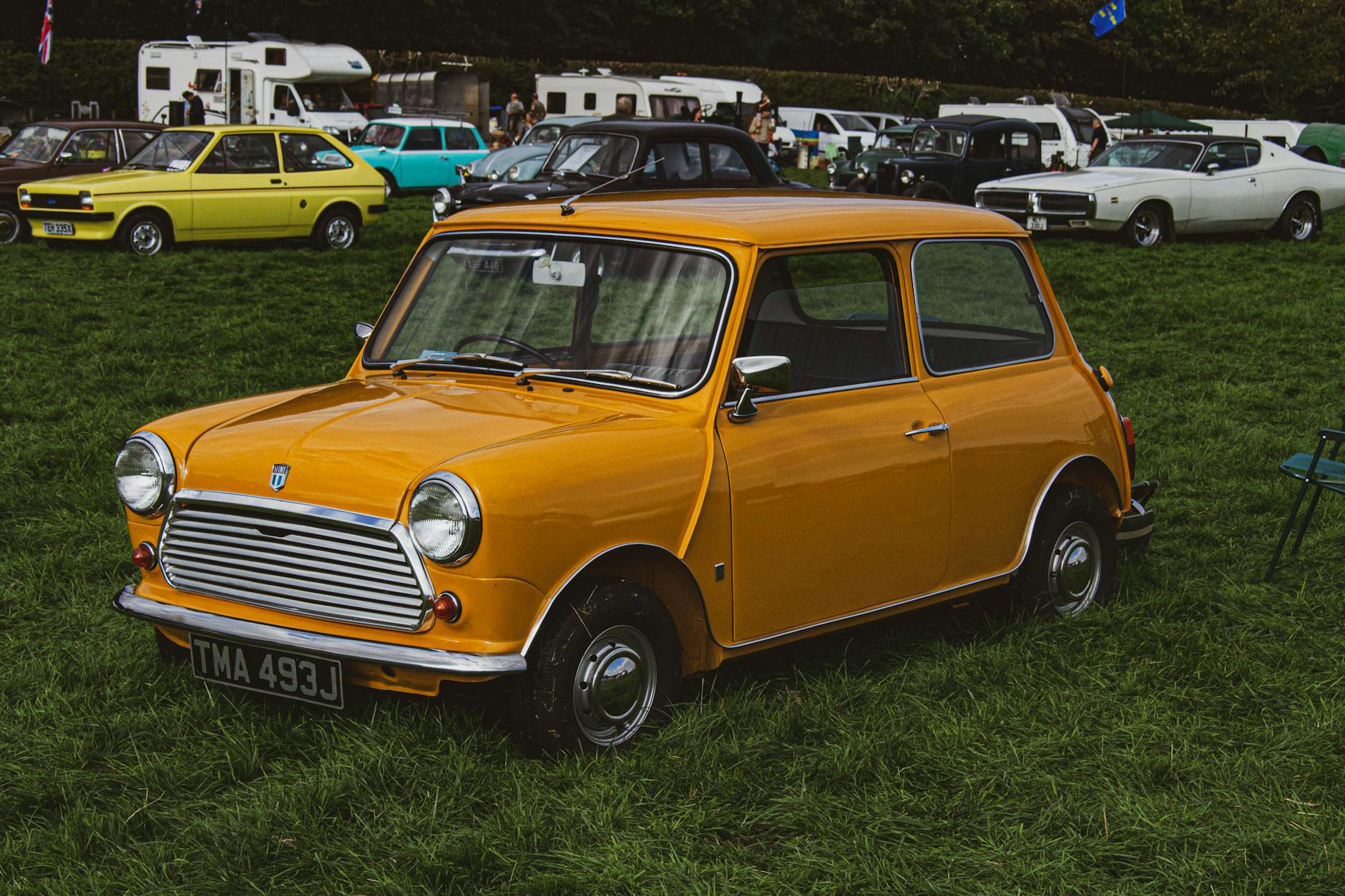
In many regions, annual vehicle registration fees are calculated based on the car’s value or model year. Brand new cars therefore attract the highest registration costs in their first several years on the road. Buyers of slightly used vehicles benefit from reduced registration expenses from the very first renewal cycle. This ongoing annual saving is another frequently overlooked component of the true cost of new car ownership.
Certified Pre-Owned Programs Offer Strong Protection
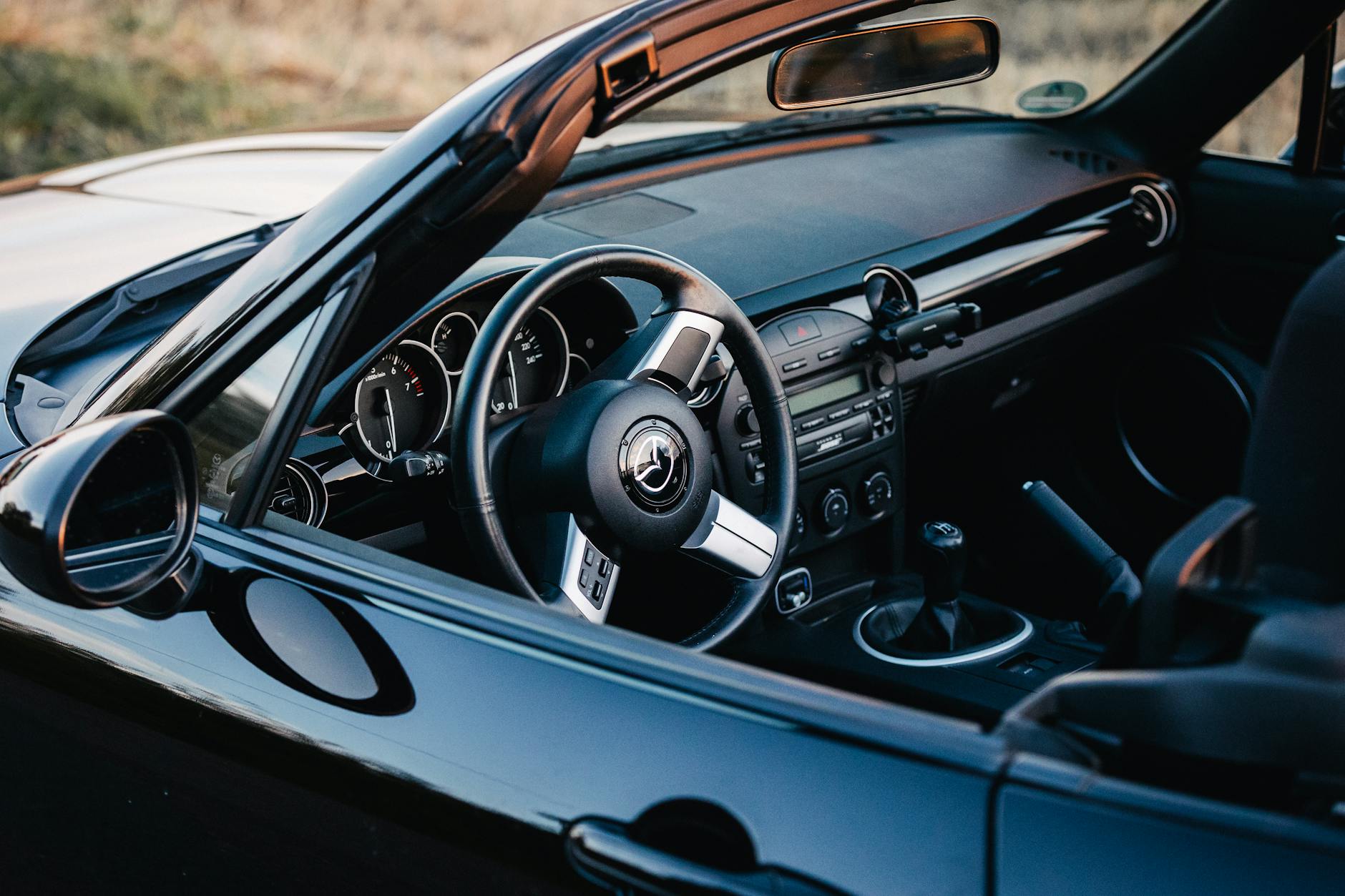
Many manufacturers now offer certified pre-owned programs that include rigorous multi-point inspections and extended warranty coverage. These programs effectively bridge the reliability gap that once made used car buying feel risky or uncertain. A certified pre-owned vehicle can come with roadside assistance, powertrain guarantees, and dealer-backed peace of mind. Buyers receive much of the security associated with new car ownership without paying the premium price attached to it.
Financing Rates Can Still Be Competitive

The assumption that new cars attract far superior financing terms is increasingly outdated in today’s lending environment. Many banks and credit unions offer competitive interest rates on used vehicles, particularly those that are only a few years old. A strong credit score gives buyers significant negotiating power regardless of whether the vehicle is new or pre-owned. Savvy buyers can often secure financing deals on used vehicles that make the total cost of ownership even more attractive.
New Car Features Become Standard Quickly
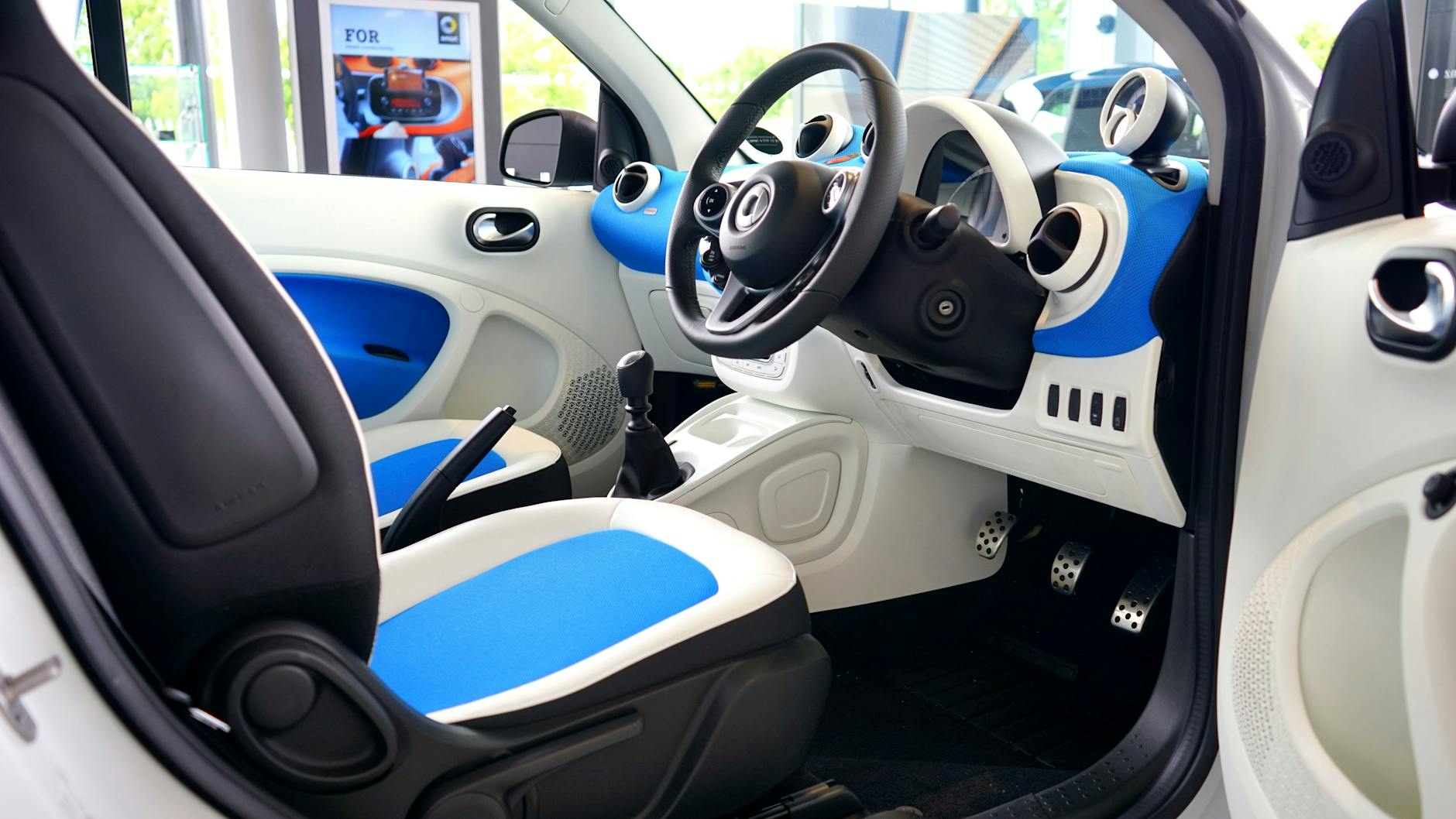
Technology and safety features that feel exclusive to brand new models often become widely available across the used car market within just a couple of years. Adaptive cruise control, lane departure warnings, and advanced infotainment systems can all be found in recent model years at used car prices. Buyers chasing the latest features may find that waiting just twelve to twenty-four months brings those same features within much easier financial reach. The pace of automotive technology adoption means the gap between new and recent used is narrower than ever before.
Wealthy Buyers Often Choose Used Vehicles Strategically

Many high-net-worth individuals and financially disciplined professionals deliberately choose pre-owned vehicles as part of a broader wealth-building strategy. The logic is straightforward in that capital not spent on depreciation can be deployed in assets that grow in value over time. Financial advisors frequently cite vehicle depreciation as one of the most overlooked drains on household wealth. Choosing a used vehicle is not a compromise for those who can afford new but rather a deliberate and calculated financial decision.
Wider Selection Opens Up Better Options
The new car market limits buyers to current model year inventory and whatever the local dealership happens to have in stock. The pre-owned market by contrast offers access to a much wider range of makes, models, trim levels, and years at any given moment. Buyers can take their time identifying exactly the specification they want rather than settling for available new inventory. This expanded selection often results in a purchase that is a much closer match to the buyer’s actual needs and preferences.
Environmental Impact Deserves Consideration

Manufacturing a brand new vehicle requires enormous quantities of raw materials, energy, and industrial processes that carry a significant environmental footprint. Extending the usable life of an existing vehicle by purchasing it second-hand reduces the demand for new manufacturing activity. From a lifecycle emissions perspective, keeping a well-maintained used car on the road is often a more environmentally responsible choice than triggering the production of another new model. Growing numbers of environmentally conscious consumers factor this manufacturing impact into their purchasing decisions.
Negotiation Power Is Greater With Used Cars

Private sellers and independent dealerships selling used vehicles are generally far more flexible on price than franchised new car showrooms. New car pricing tends to be tightly controlled by manufacturer guidelines and dealer agreements that leave little room for meaningful negotiation. A used car transaction by contrast is far more likely to reward a well-prepared and patient buyer with a genuine discount. The ability to negotiate aggressively on price adds another dimension of financial advantage to the pre-owned market.
Mechanical History Can Be Thoroughly Verified
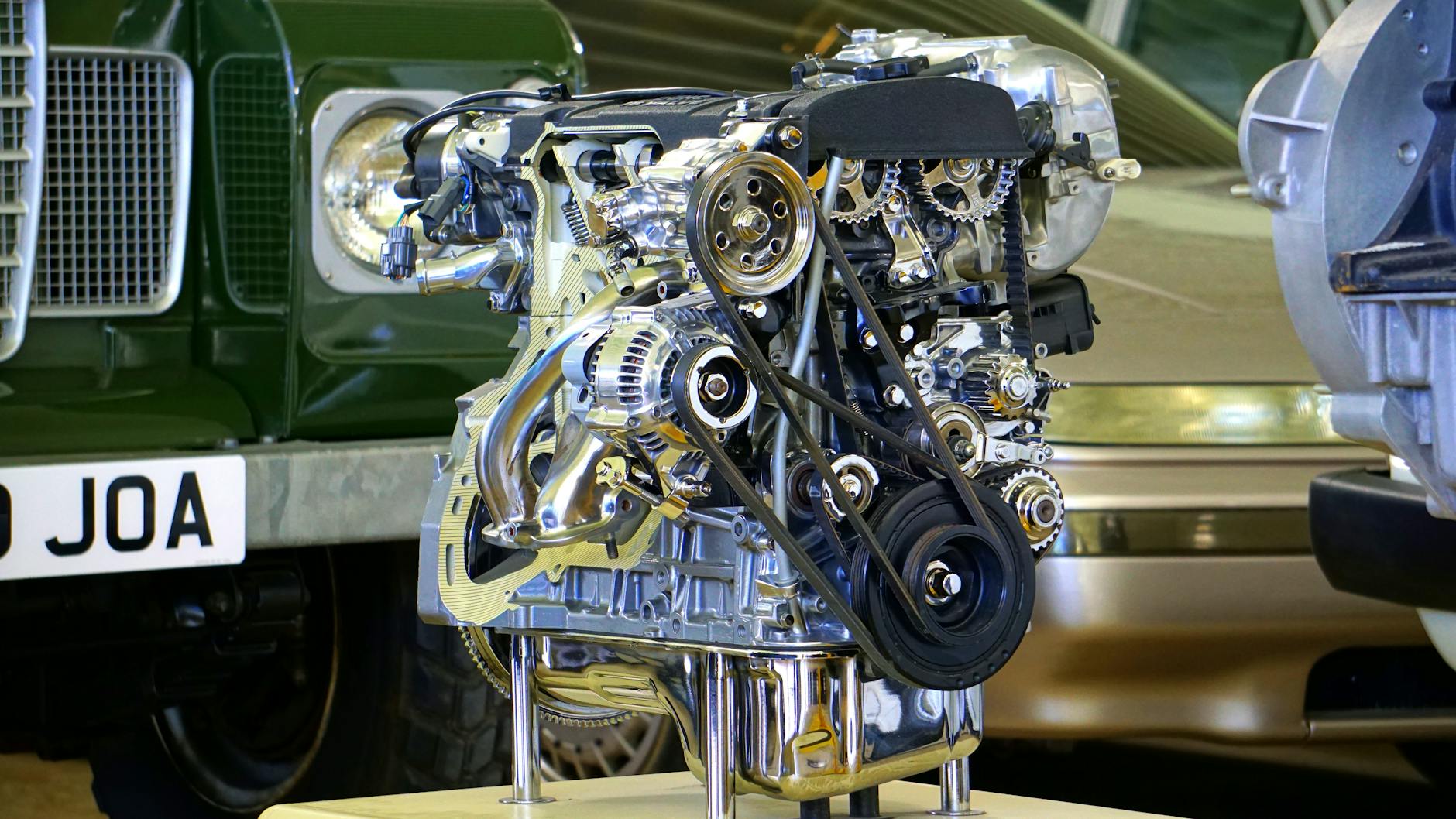
Modern vehicle history reporting tools make it easier than ever to review a used car’s ownership record, service history, and accident reports before committing to a purchase. A pre-purchase inspection carried out by an independent mechanic can reveal the true mechanical condition of any prospective vehicle. Buyers who invest a small amount in due diligence can significantly reduce the risk associated with used car purchases. This level of transparency was not available to previous generations of used car buyers and has fundamentally changed the risk profile of the pre-owned market.
Luxury Vehicles Become Accessible

Depreciation works most dramatically at the upper end of the automotive market, where premium and luxury vehicles can shed tens of thousands in value within their first two years. A buyer who would never consider stretching to purchase a new luxury vehicle can often afford a two or three-year-old equivalent comfortably. The ownership experience including the quality of materials, performance, and features remains largely unchanged from new. This dynamic allows more buyers to access segments of the market that would otherwise be financially out of reach.
Stress Around Minor Damage Is Reduced
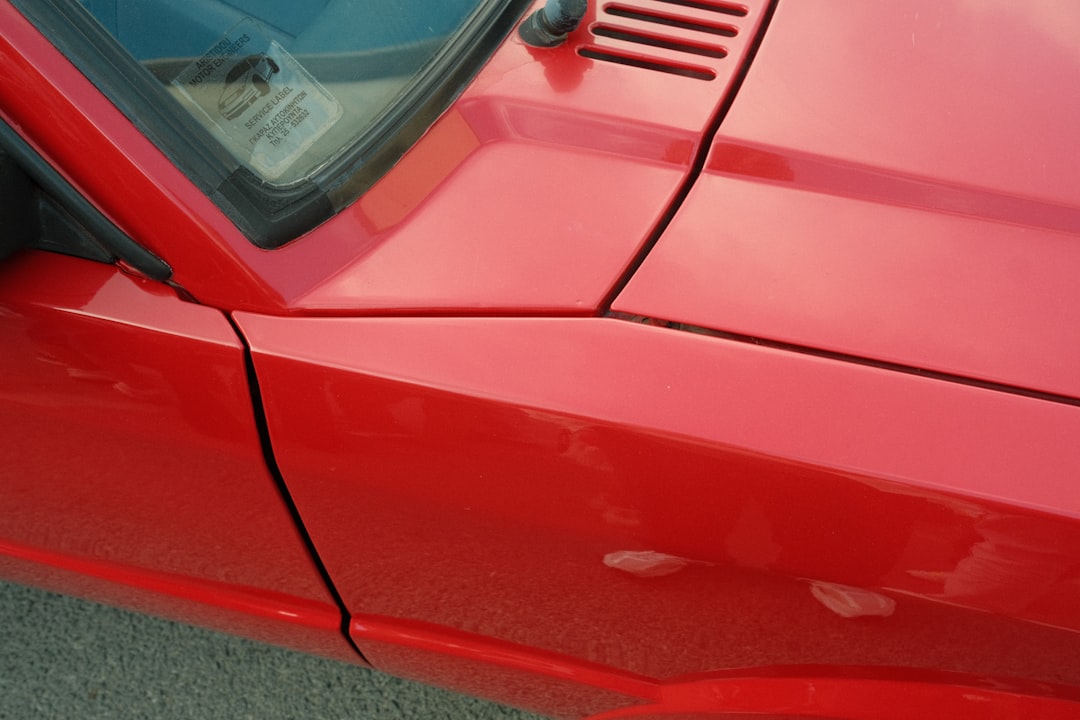
The psychological burden of owning a brand new car is a genuine but rarely discussed cost of new vehicle ownership. Every minor parking lot scratch, stone chip, or scuff on a new car tends to cause disproportionate stress for the owner. A pre-owned vehicle that already has a few years and minor cosmetic wear behind it allows owners to use and enjoy the car without the same level of anxiety. This reduction in ownership stress contributes meaningfully to overall lifestyle satisfaction and daily peace of mind.
Long-Term Wealth Building Wins Every Time

Viewed across a decade of vehicle ownership, the compounding effect of avoided depreciation, lower insurance, reduced registration fees, and smarter capital allocation is substantial. Money redirected away from new car premiums and into index funds, property, or business investment can grow significantly over the same period. Financial independence literature consistently highlights vehicle choice as one of the highest-leverage decisions available to everyday consumers. The numbers make a compelling case that the smartest purchase a well-resourced buyer can make is almost always a nearly new car rather than a brand new one.
What are your thoughts on buying new versus used and has this changed how you see your next car purchase? Share your perspective in the comments.




