Maintaining a friendship with a former romantic partner is something millions of people attempt every year, often with complicated emotional consequences. Research in relationship psychology consistently reveals that staying close to an ex can interfere with emotional recovery and personal growth. The bonds formed during romantic relationships activate deep neurological pathways that do not simply switch off when the relationship ends. Understanding the science behind post-breakup behavior can help people make more informed decisions about their emotional wellbeing. What follows explores fifteen evidence-backed reasons why cutting ties may be the healthiest choice you can make.
Neurological Attachment Persists
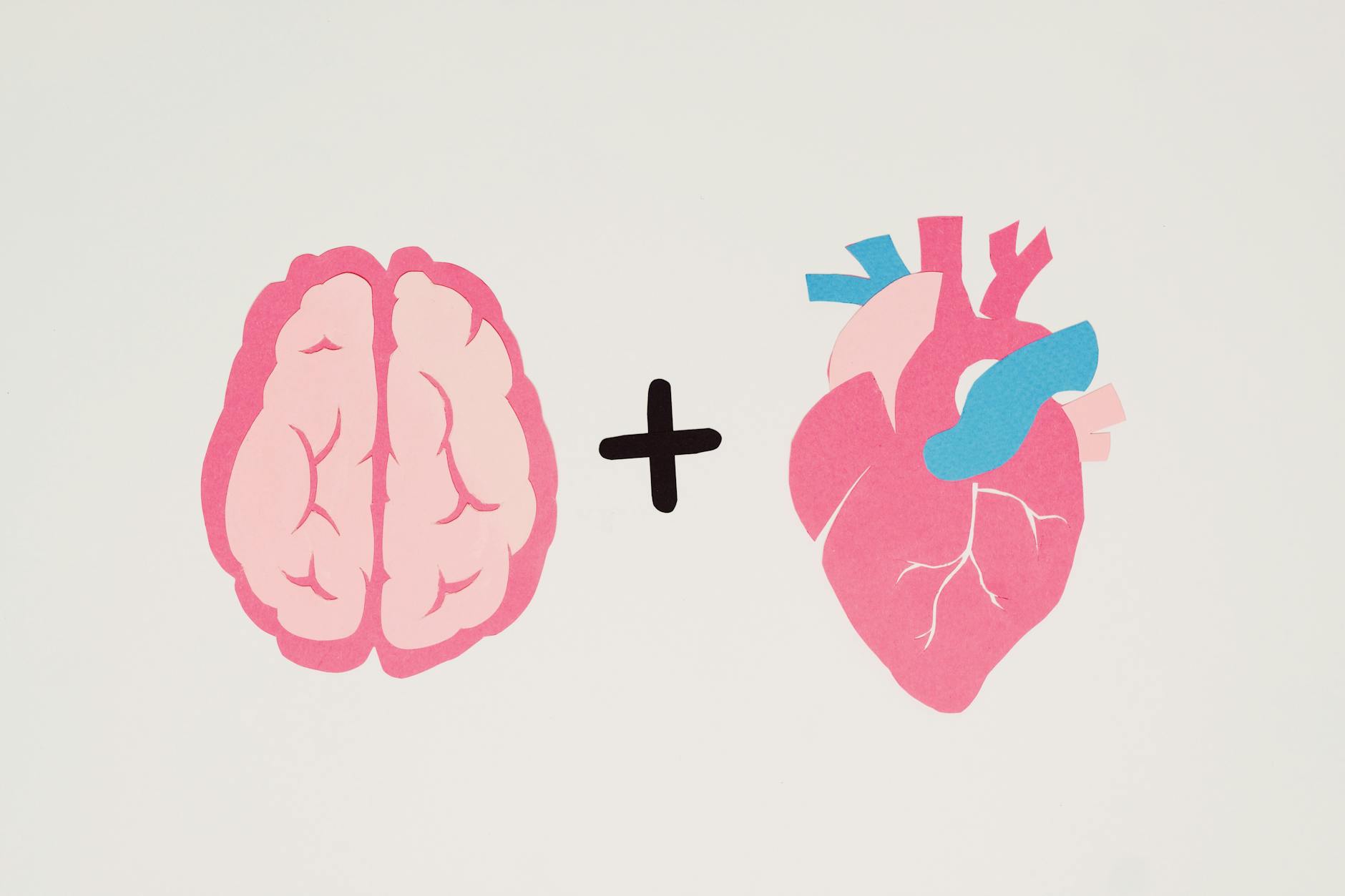
The brain processes romantic love in regions associated with reward and motivation, creating deeply ingrained neural pathways. These pathways do not dissolve simply because a relationship has officially ended. Continued proximity to an ex reactivates these circuits and prolongs the neurological experience of attachment. Studies using brain imaging have shown that viewing a former partner triggers responses similar to those seen in active addiction. The brain essentially continues to crave what it has been conditioned to want.
Cortisol Levels Remain Elevated

Regular contact with an ex has been linked to sustained elevation of cortisol, the body’s primary stress hormone. Chronic cortisol elevation disrupts sleep, weakens immune function, and impairs cognitive performance over time. Even friendly interactions can trigger subtle stress responses rooted in the emotional complexity of the past relationship. The nervous system often perceives an ex as an unresolved threat regardless of conscious intention. This physiological stress response can persist for months without the individual fully recognizing its source.
Emotional Processing Is Disrupted

Grief researchers have identified a series of emotional stages that follow significant relationship loss. Remaining in contact with a former partner interrupts the natural progression through these stages. The presence of an ex provides emotional ambiguity that prevents the brain from fully categorizing the relationship as concluded. This ambiguity keeps the emotional processing system in a state of suspension rather than resolution. Clean separation has been shown to accelerate healthy emotional recovery in clinical settings.
Oxytocin Confusion Occurs

Oxytocin is a bonding hormone released during physical closeness and positive social interaction. When two people who share romantic history spend time together as friends, oxytocin continues to be released in familiar patterns. The brain does not easily distinguish between friendly and romantic oxytocin release when the same person is involved. This hormonal confusion can reignite feelings of attachment that both parties believed had faded. The result is an emotional cycle that perpetuates connection rather than enabling independence.
Self-Identity Recovery Is Slowed

Romantic partnerships often involve a significant merging of identity and self-concept over time. After a breakup, rebuilding a clear and autonomous sense of self is a critical part of psychological recovery. Continued friendship with an ex keeps the shared identity dynamic partially intact and delays independent self-reconstruction. Psychological research on post-relationship adjustment consistently identifies identity clarification as a key marker of healthy recovery. Distance from a former partner gives the individual the psychological space needed to rediscover personal values and goals.
New Romantic Attachment Is Hindered

Emotional availability is a fundamental requirement for forming meaningful new romantic connections. When a significant portion of emotional energy remains invested in a friendship with an ex, that availability is reduced. Potential new partners often sense this emotional preoccupation even when it is not openly discussed. Research on attachment behavior suggests that unresolved bonds with former partners are among the most common obstacles to successful new relationships. Freeing emotional bandwidth through separation creates the conditions necessary for genuine new intimacy.
Rumination Patterns Are Reinforced

Rumination refers to the repetitive and passive focus on distressing feelings and their causes. Contact with an ex provides ongoing material that the mind uses to fuel ruminative thought cycles. Each interaction, no matter how casual, can generate hours of retrospective analysis and emotional processing. Clinical psychology identifies rumination as a significant contributing factor to depression and anxiety disorders. Reducing exposure to triggers, including a former partner, is a standard recommendation in cognitive behavioral approaches to emotional recovery.
Social Circle Dynamics Are Complicated

Shared friendships are one of the most practically complex dimensions of post-breakup life. Attempting to maintain a friendship with an ex often places mutual friends in positions of divided loyalty and social discomfort. Group social settings become layered with unspoken tension that affects the quality of interactions for everyone involved. Research on social network disruption following breakups shows that these complications can lead to broader friendship losses beyond the original relationship. Clear relational boundaries tend to preserve the integrity of the wider social group more effectively.
Sleep Quality Is Negatively Affected

Sleep disturbance is one of the most commonly reported symptoms following romantic relationship dissolution. Ongoing contact with a former partner has been shown to prolong and intensify these disturbances. The emotional stimulation generated by interactions with an ex activates arousal systems in the brain that are incompatible with restful sleep. Poor sleep quality then compounds emotional vulnerability, creating a feedback loop that deepens psychological distress. Studies on bereavement and loss consistently link social separation from reminders of a loss to improved sleep outcomes.
Dopamine Cycles Create False Hope
Dopamine is the neurochemical most directly associated with anticipation and reward. In the context of a post-breakup friendship, sporadic positive interactions trigger dopamine releases that the brain interprets as signals of renewed possibility. This chemical reinforcement creates an unpredictable reward cycle that mirrors the dynamics of intermittent reinforcement. Behavioral science identifies intermittent reinforcement as one of the most powerful and difficult-to-break patterns in human psychology. The friendship effectively becomes a mechanism for sustaining hope that the romantic relationship may be restored.
Psychological Boundaries Become Unclear

Healthy interpersonal relationships are built on clearly understood boundaries and mutually agreed expectations. The transition from romantic partners to platonic friends requires a fundamental renegotiation of every boundary that defined the relationship. Research on post-romantic friendships shows that most individuals struggle to consistently maintain newly defined platonic boundaries. Moments of intimacy, habit, and shared history regularly challenge the integrity of those boundaries. The resulting confusion generates ongoing psychological instability for both individuals involved.
Personal Growth Is Constrained

Periods following the end of significant relationships are among the most fertile for personal development and self-discovery. Psychological studies on post-breakup growth show that individuals who fully disengage from former partners report greater gains in self-awareness and life satisfaction. A continuing friendship keeps one foot anchored in a past version of oneself and limits the momentum of forward growth. The energy directed toward maintaining the friendship is energy that could be invested in new experiences, skills, and relationships. Full separation creates the conditions for transformational personal evolution.
Emotional Triggers Remain Active

Every shared memory, habit, location, and phrase between former partners carries emotional significance encoded during the relationship. Ongoing contact continuously reactivates these emotional triggers, preventing the brain from completing its natural desensitization process. Neuroscience research on emotional memory shows that repeated re-exposure to triggers without resolution reinforces rather than diminishes their intensity. The friendship environment makes avoidance of these triggers nearly impossible. Sufficient time and distance are the primary variables that allow emotional trigger responses to naturally diminish.
Mental Health Outcomes Are Measurable

Population-level psychological research has consistently found correlations between post-breakup contact and poorer mental health outcomes. Individuals who maintain close friendships with former romantic partners report higher rates of depression, anxiety, and emotional instability in the months following separation. These outcomes are observed across age groups, relationship durations, and breakup circumstances. The data suggests that the intent to remain friendly does not neutralize the psychological cost of continued contact. Mental health professionals frequently recommend structured no-contact periods as a first step toward genuine emotional stabilization.
Biological Stress Responses Are Prolonged

Beyond cortisol, the broader physiological stress response system is affected by unresolved romantic attachment. The autonomic nervous system remains in a state of low-level alert when emotional processing is incomplete. Biological markers including heart rate variability, inflammatory indicators, and hormonal rhythms all show measurable disruption in individuals maintaining contact with former partners. The body responds to emotional ambiguity as a form of chronic stress that has documented long-term health implications. Physical health recovery from emotional distress follows a faster and more complete trajectory when clear relational boundaries are established.
If you have navigated the complexity of a post-breakup friendship, share your thoughts and experiences in the comments.




