The wellness industry has exploded into a multi-billion dollar space where social media personalities hold enormous sway over daily health decisions. Millions of people adjust their diets, sleep schedules, exercise habits, and mental health routines based on content created by individuals with no formal training or clinical credentials. The appeal is understandable as influencers offer accessibility, relatability, and a steady stream of visually compelling content. The problem is that the gap between entertaining health content and evidence-based guidance is vast and often dangerous. Understanding exactly why this dynamic is worth questioning could be one of the most important health decisions a person makes.
Unqualified Advice Reaches Millions Before It Can Be Corrected
A single viral video can reach tens of millions of viewers within hours while scientific rebuttals take months or years to circulate. Many wellness influencers hold no medical degrees, dietitian certifications, or clinical psychology credentials of any kind. Their authority is built on follower counts and aesthetics rather than peer-reviewed research or supervised clinical experience. Health misinformation spreads at a speed that regulatory bodies and medical institutions are fundamentally not equipped to match. The scale of reach combined with the absence of accountability creates a uniquely modern public health problem.
Financial Incentives Quietly Shape Every Recommendation
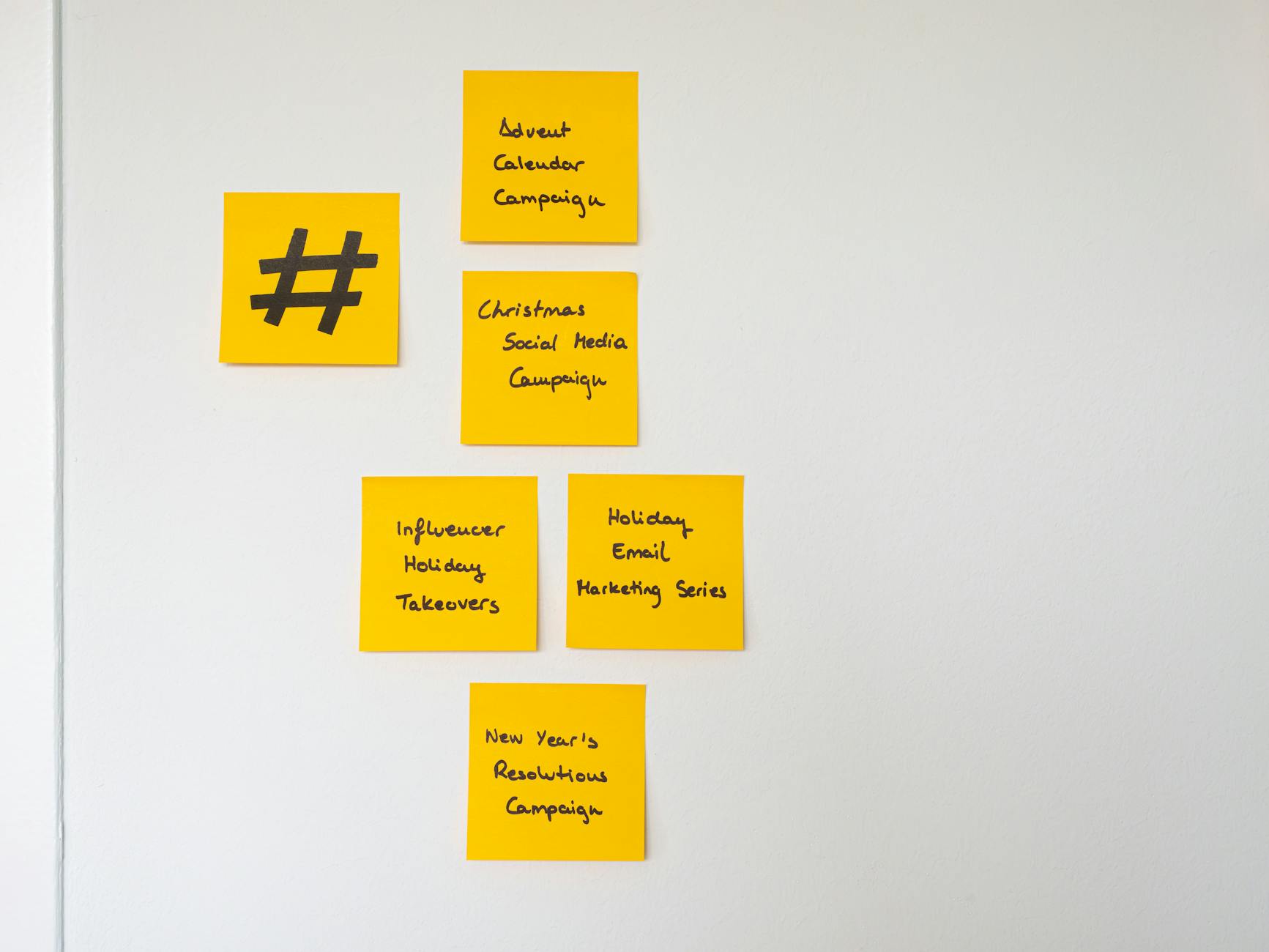
The vast majority of wellness influencer content is directly or indirectly tied to product sales, brand partnerships, or affiliate commission structures. A supplement recommendation that appears organic and heartfelt is frequently the result of a paid sponsorship agreement signed weeks before filming. Disclosure regulations exist in many countries but enforcement is inconsistent and audiences often miss or ignore the small print. The financial architecture of influencer marketing creates a structural conflict of interest that is baked into every piece of content produced. Viewers who trust a personality without understanding this economic framework are making health decisions shaped by marketing rather than medicine.
Anecdotal Results Are Presented as Universal Truths
Influencers routinely share personal health transformations as though individual outcomes represent reliable guidance for a general audience. A detox protocol that one person credits with clearing their skin may be entirely unrelated to the result they experienced or actively harmful to someone with a different health profile. Human physiology varies dramatically across individuals and no wellness trend exists that works identically for every body. The storytelling format of social media is purpose-built to make personal narratives feel universally applicable and emotionally persuasive. Confusing one person’s anecdote with actionable health advice is a cognitive trap that social media platforms are designed to encourage.
Trending Wellness Cycles Create Chronic Health Anxiety
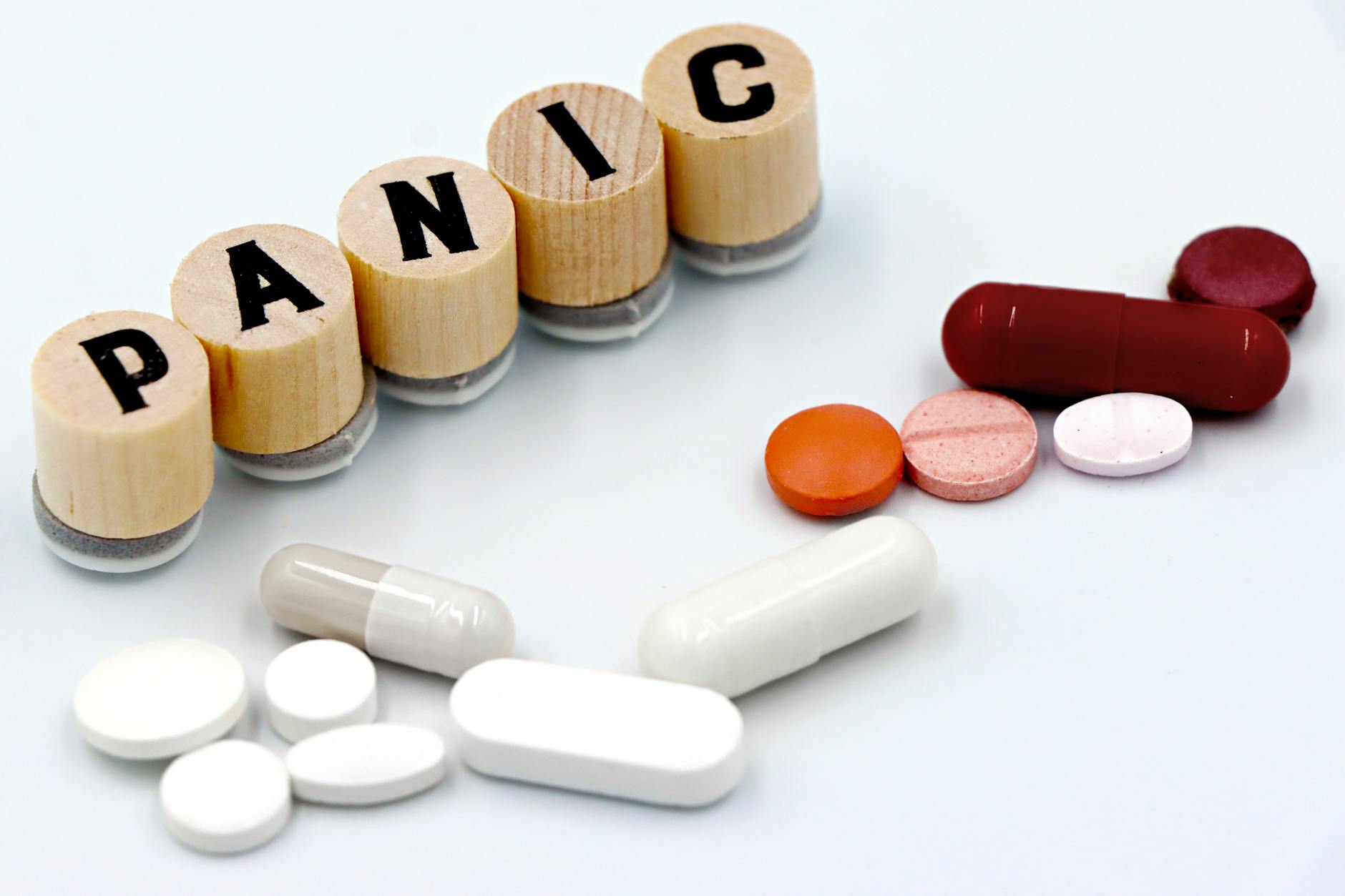
The influencer economy depends on a constant rotation of new trends to sustain engagement and advertising revenue. Audiences are cycled through elimination diets, adaptogen stacks, biohacking protocols, and somatic breathwork routines at a pace that no legitimate research cycle could ever validate. Each new trend implicitly frames whatever came before it as insufficient or even harmful, creating ongoing uncertainty about basic health choices. This manufactured urgency keeps audiences dependent on influencer guidance rather than empowered to make stable long-term decisions. The psychological toll of perpetual health optimization culture is increasingly well-documented in clinical mental health research.
Vulnerable Audiences Face the Greatest Risk
People navigating chronic illness, eating disorders, hormonal conditions, or mental health challenges are disproportionately drawn to wellness content that promises relief outside conventional medicine. Influencer advice aimed at these audiences frequently delays appropriate medical care and can directly worsen existing conditions. A recommendation to replace prescribed medication with herbal supplements or to fast aggressively while managing an underlying condition carries serious clinical risks. Platforms hosting this content bear minimal legal responsibility for health outcomes while creators operate with almost no liability framework. The populations most in need of accurate health information are often the most exposed to its least reliable sources.
Algorithms Reward Confidence Over Accuracy
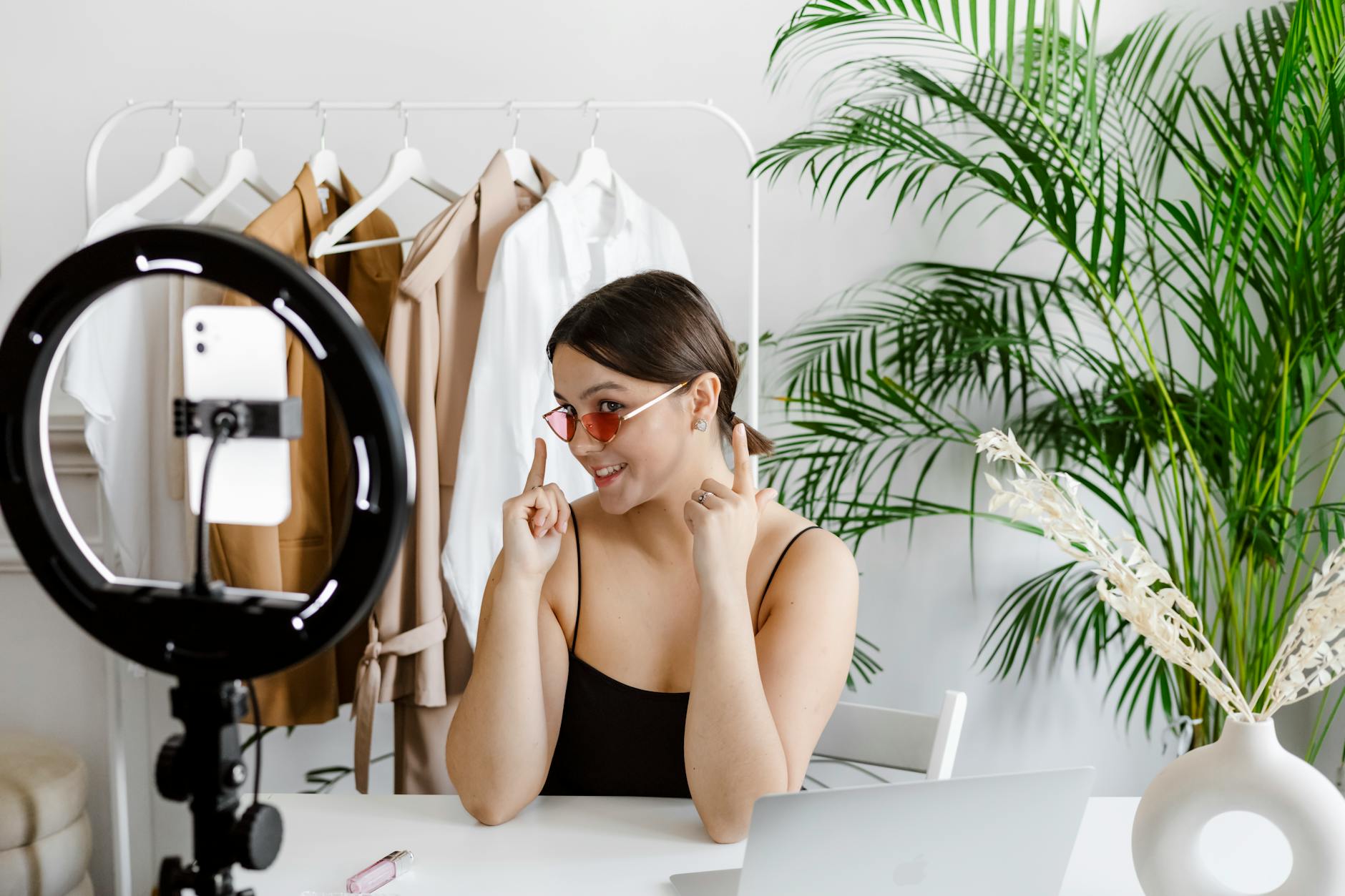
Social media recommendation systems are optimized for watch time, shares, and emotional engagement rather than factual reliability or clinical soundness. Content that delivers bold health claims with confident delivery and high production value consistently outperforms nuanced, evidence-based guidance in algorithmic distribution. A video presenting a complex nutritional topic with appropriate caveats and professional hedging will almost always underperform against one that promises dramatic results in thirty days. This creates a selection pressure where the most oversimplified and sensationalized health content achieves the widest distribution. The architecture of the platforms themselves is structurally biased against the kind of measured communication that genuine health expertise requires.
The Language of Wellness Disguises a Lack of Evidence
Phrases like gut reset, hormone balancing, cellular detox, and nervous system healing carry the linguistic texture of clinical medicine without any corresponding scientific definition or regulatory meaning. This vocabulary allows influencers to make health-adjacent claims that feel authoritative while technically avoiding the specific language that would trigger advertising regulations or medical board scrutiny. Audiences without scientific training have no reliable mechanism for distinguishing clinically meaningful terminology from invented wellness jargon. The sophistication of this language has increased significantly as the industry has matured and faced greater public skepticism. Understanding that persuasive health language is not the same as validated health science is a foundational media literacy skill in the current information environment.
Credentials Are Easy to Fabricate and Hard to Verify
Online wellness certifications can be obtained in days or weeks from unaccredited organizations with no connection to established medical or scientific bodies. Titles like certified health coach, wellness expert, or nutritional therapist carry no standardized meaning and in most jurisdictions require no formal examination or oversight. Influencers routinely lead with credential-adjacent titles that audiences interpret as equivalent to licensed clinical training. The visual language of wellness content including white lab coats, clinical settings, and scientific-looking graphics further reinforces false impressions of professional authority. A viewer has almost no practical way to assess whether a creator’s stated qualifications reflect genuine expertise without conducting research most audiences will never perform.
Short-Form Content Cannot Responsibly Cover Complex Health Topics

The formats that dominate wellness content including sixty-second videos, carousel posts, and story sequences are structurally incompatible with the nuance that health guidance requires. Conditions like thyroid dysfunction, autoimmune disease, gut dysbiosis, and mood disorders involve intersecting variables that licensed specialists spend years learning to navigate. Compressing this complexity into a shareable format inevitably strips out the caveats, contraindications, and individual variations that make clinical advice safe and responsible. The entertainment demands of short-form content push creators toward simplification even when simplification is genuinely dangerous. Audiences are rarely aware that the format itself is a barrier to receiving health information that is both complete and safe to act on.
Passive Consumption Replaces Active Engagement With Qualified Professionals
Regular wellness content consumption can create a false sense of health literacy that reduces the likelihood of seeking qualified medical advice. People who absorb large volumes of influencer content often feel informed enough to self-diagnose, self-prescribe, or override recommendations made by licensed practitioners. Research in health communication suggests that high media exposure to health content does not correlate with improved health outcomes when that content originates outside clinical expertise. The relationship between a viewer and a wellness influencer is one-directional and cannot replicate the individualized assessment that a clinical consultation provides. Building a parasocial health dependency on content creators rather than cultivating relationships with actual medical professionals represents one of the more consequential shifts in modern preventive health behavior.
Diversity and Inclusion Claims Often Mask Narrow Health Ideals

The wellness influencer space has adopted the language of body positivity and inclusive health while frequently continuing to center narrow physical ideals in aspirational content. Transformation narratives remain commercially dominant and continue to link visible physical change with health achievement in ways that clinical evidence does not consistently support. Content marketed as inclusive often reflects the health experiences of young, able-bodied individuals with access to premium food, facilities, and recovery resources. Audiences from different economic backgrounds, health statuses, and body types receive advice calibrated to a demographic that may bear little resemblance to their own lived reality. The gap between the inclusivity messaging and the actual content architecture of the wellness influencer economy remains significant.
The Detox Industry Is Built on Physiologically Inaccurate Premises

Detox and cleanse products represent one of the most commercially successful and scientifically unsupported categories in the entire wellness influencer space. The human liver and kidneys perform continuous detoxification functions as standard physiological processes and no commercially available supplement or dietary protocol meaningfully augments this capacity in a healthy individual. Claims that specific juices, powders, or elimination diets remove toxins from the body lack clinical definition since the toxins in question are almost never named or measured. Regulatory agencies in numerous countries have issued guidance challenging detox marketing claims without generating meaningful change in how this content is produced or distributed. The persistence of detox culture in influencer wellness content reflects the marketing power of the category rather than any emerging scientific consensus.
Mental Health Content Carries Especially High Stakes
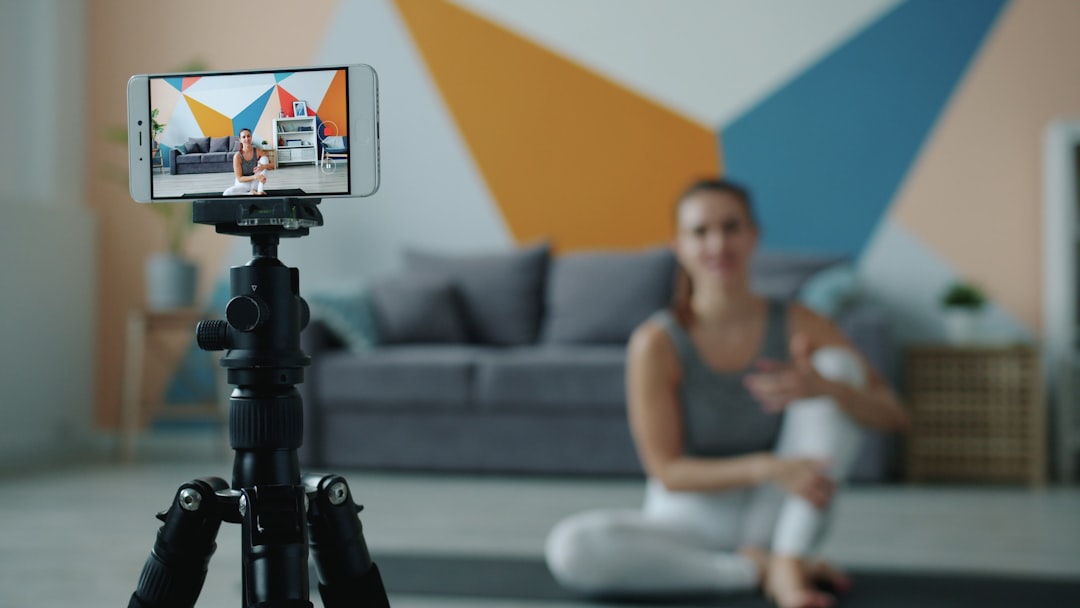
Wellness influencers increasingly address depression, anxiety, trauma, and nervous system dysregulation using frameworks drawn from clinical psychology without the training or supervisory oversight that clinical application requires. Somatic exercises, trauma release techniques, and attachment theory content are being delivered to audiences who may be in active psychological distress by creators with no clinical licensure. Misapplication of therapeutic techniques in unsupervised contexts carries genuine risks including the reactivation of trauma responses without appropriate containment or professional support. The therapeutic language used in this content space is compelling precisely because it addresses real and widespread human suffering with apparent empathy and accessibility. Mental health is an area where the distance between compassionate, engaging content and clinically responsible guidance is especially wide and especially consequential.
Regulatory Gaps Leave Audiences Unprotected
The legal frameworks governing health advertising in most countries were developed before social media existed and have not kept pace with the scale or sophistication of influencer marketing. A pharmaceutical company making the same claims as a wellness influencer would face stringent regulatory review while the influencer operates in a largely unmonitored space. Platform community standards address some categories of health misinformation but leave vast areas of pseudoscientific wellness content entirely unmoderated. The burden of critical evaluation falls almost entirely on individual viewers who lack the scientific training to assess what they are consuming. Until regulatory frameworks evolve to address the specific dynamics of influencer health content, audiences remain largely unprotected by the systems designed to maintain public health communication standards.
Peer Pressure Dynamics Discourage Critical Thinking
Wellness communities built around influencer content develop strong in-group cultures that can make questioning the creator’s recommendations socially costly for followers. Comment sections and community spaces frequently reinforce the influencer’s guidance with testimonials and discourage dissenting voices through social pressure. The parasocial intimacy of the influencer format creates loyalty that functions more like personal attachment than like the critical consumer relationship appropriate for health information. People who challenge specific wellness claims within these communities are often dismissed as cynical, closed-minded, or captured by pharmaceutical industry narratives. The social architecture of wellness fandom actively works against the skeptical engagement that responsible health information consumption requires.
Confirmation Bias Shapes What Audiences Choose to Believe
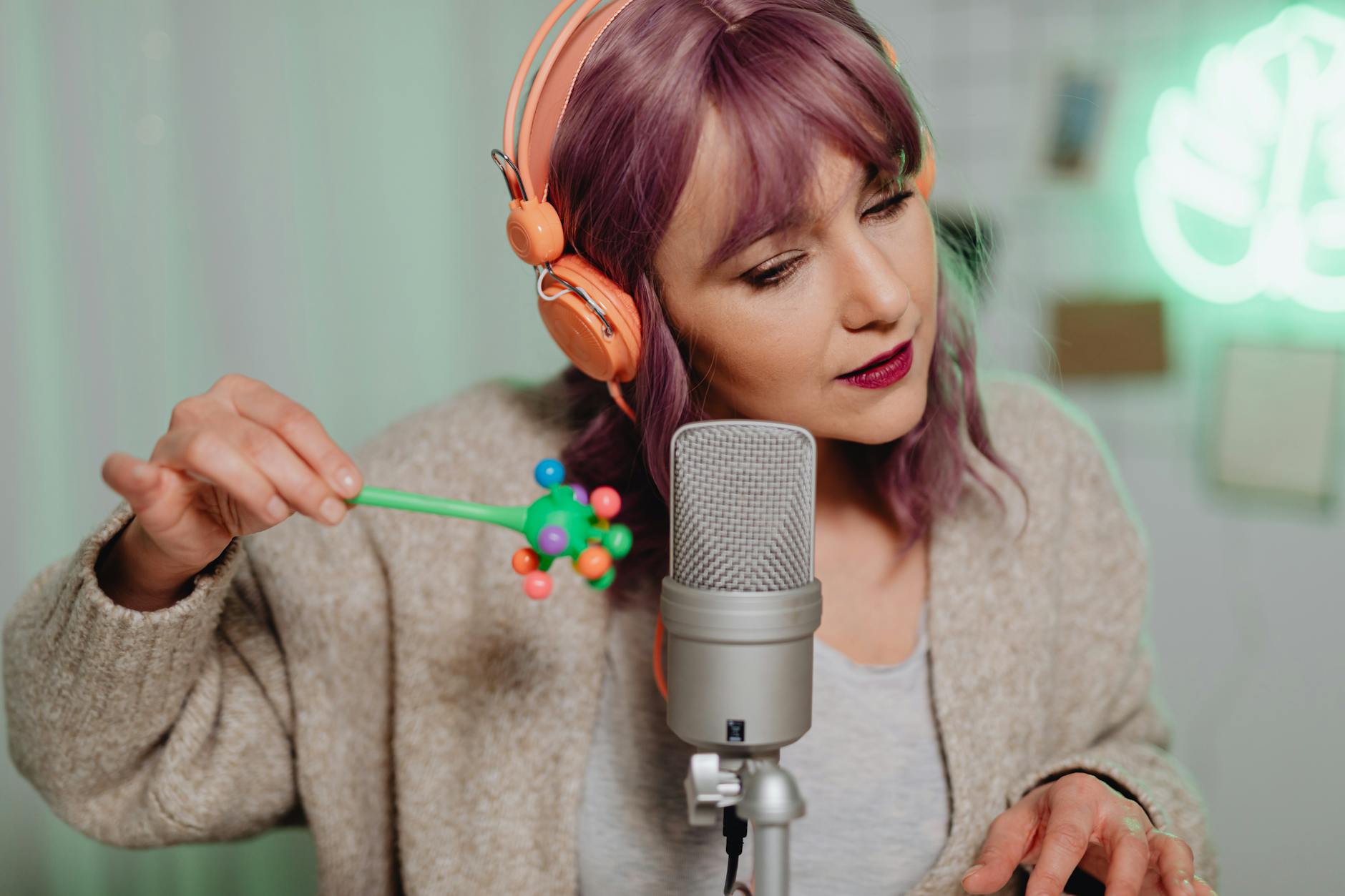
Recommendation algorithms deliver wellness content that aligns with a viewer’s existing beliefs and preferences, creating information environments where confirming evidence accumulates rapidly. A person who believes that conventional medicine is inadequate will be served a continuous stream of content that validates and deepens that belief. The psychological phenomenon of confirmation bias means that emotionally resonant health claims require far less evidence to be accepted than claims that challenge existing beliefs. Influencer wellness culture is adept at positioning itself as the suppressed truth that mainstream medicine does not want audiences to discover, a framing that makes critical scrutiny feel like complicity rather than due diligence. Understanding the role of algorithmic confirmation bias in shaping health beliefs is essential to consuming any form of digital health content responsibly.
The Optimization Mindset Has No Endpoint

Wellness influencer culture is structurally committed to the idea that health is an ongoing optimization project rather than a stable, achievable state. The commercial logic of the space requires that audiences always be engaged in the next protocol, the next biohacking experiment, or the next supplement stack. Research in behavioral psychology suggests that this perpetual improvement framing can shift a person’s relationship with their body from one of baseline acceptance to one of chronic inadequacy. The optimization model of health is commercially productive for creators and brands while being psychologically costly for many of the audiences it reaches. A health culture that celebrates endless refinement rather than functional wellbeing may be generating its own category of harm alongside whatever benefits it occasionally delivers.
Glossy Production Values Signal Credibility They Have Not Earned
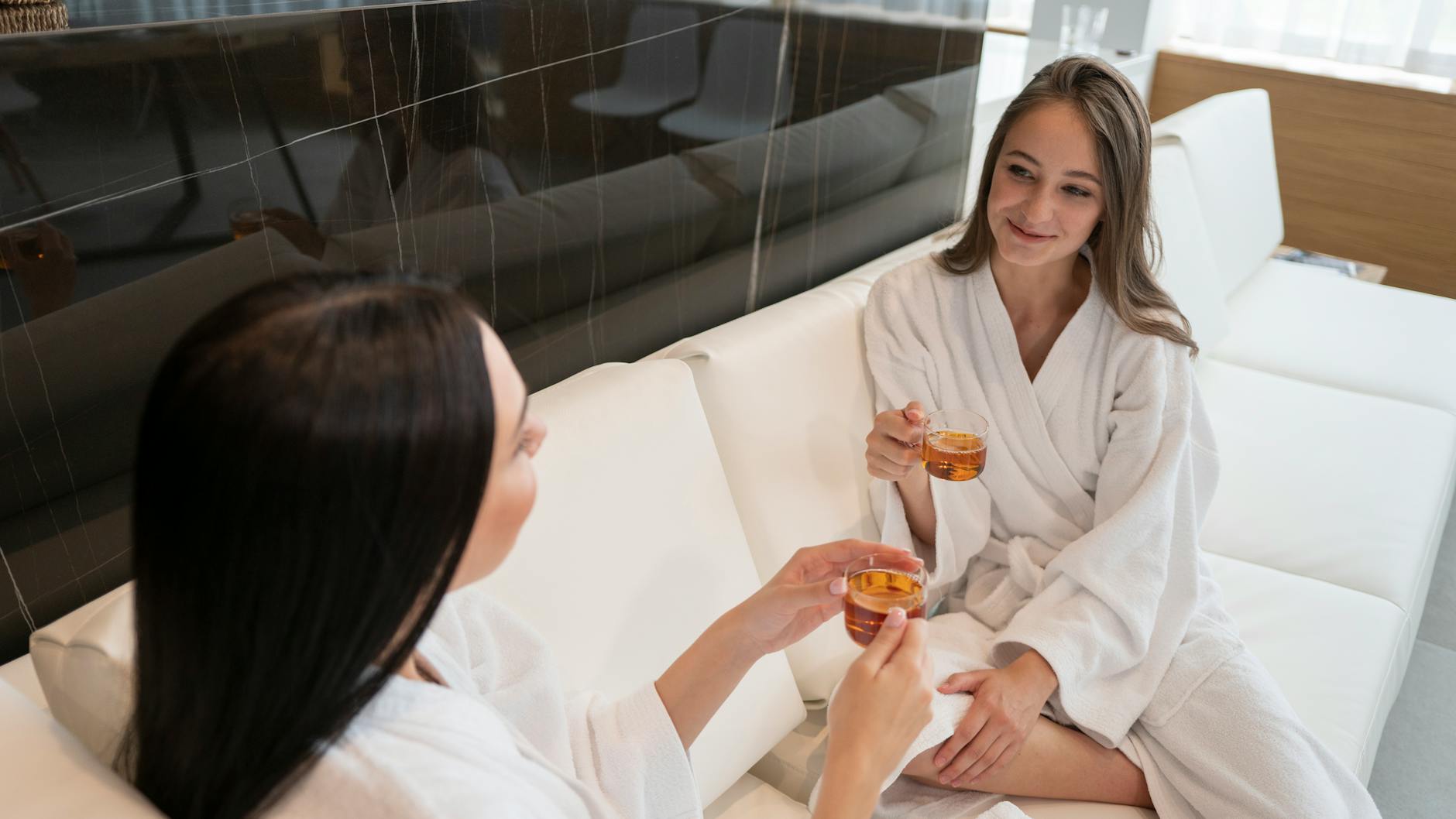
The production quality of influencer wellness content has increased dramatically as the industry has scaled and the barrier between professional media and personal content has eroded. Cinematic visuals, expert sound design, and sophisticated graphic elements create a sensory experience that audiences associate with institutional credibility and careful fact-checking. The aesthetics of high production value content trigger the same cognitive trust responses as a well-produced documentary or a clinical educational resource. Creators have become sophisticated in their use of visual grammar to communicate authority that their credentials and research processes do not support. Learning to separate the aesthetic experience of consuming content from an assessment of its evidentiary basis is a critical skill that media literacy education has not yet adequately addressed.
Wellness Culture Frequently Pathologizes Normal Human Experience
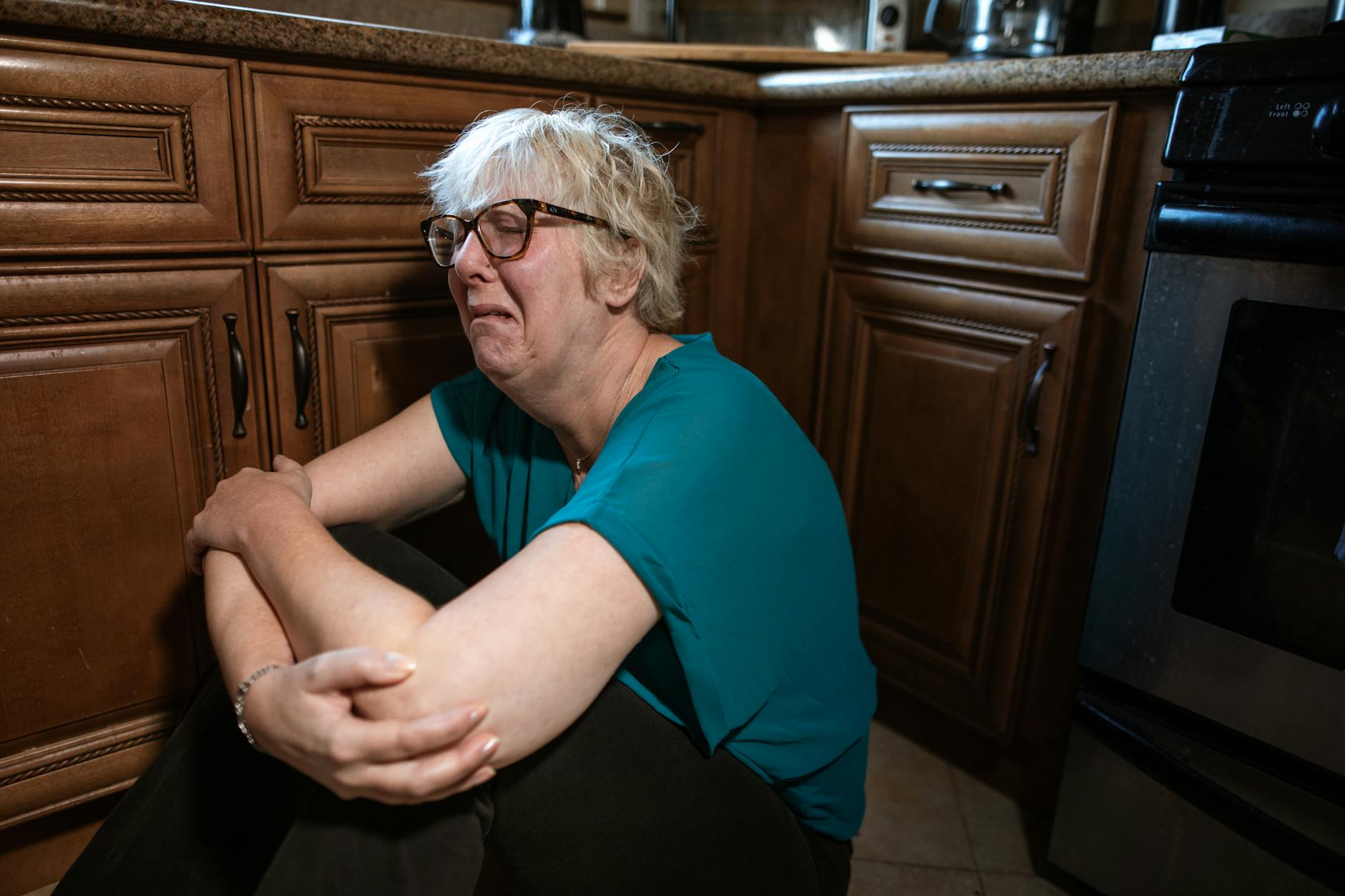
Influencer wellness content routinely frames ordinary human experiences including fatigue, emotional fluctuation, digestive variability, and periods of low motivation as symptoms requiring intervention. This pathologizing of normal physiological and psychological experience creates markets for products and protocols designed to address problems that may not require clinical or behavioral management. The medicalization of everyday life in wellness content is commercially useful because it expands the population of people who believe they need wellness products. Clinical practitioners report increasing numbers of patients presenting with anxiety about normal bodily functions amplified by wellness content consumption. A framework that treats ordinary human experience as a condition to be optimized may be generating health anxiety at scale rather than supporting genuine wellbeing.
The Fitness Industrial Complex Profits From Insecurity
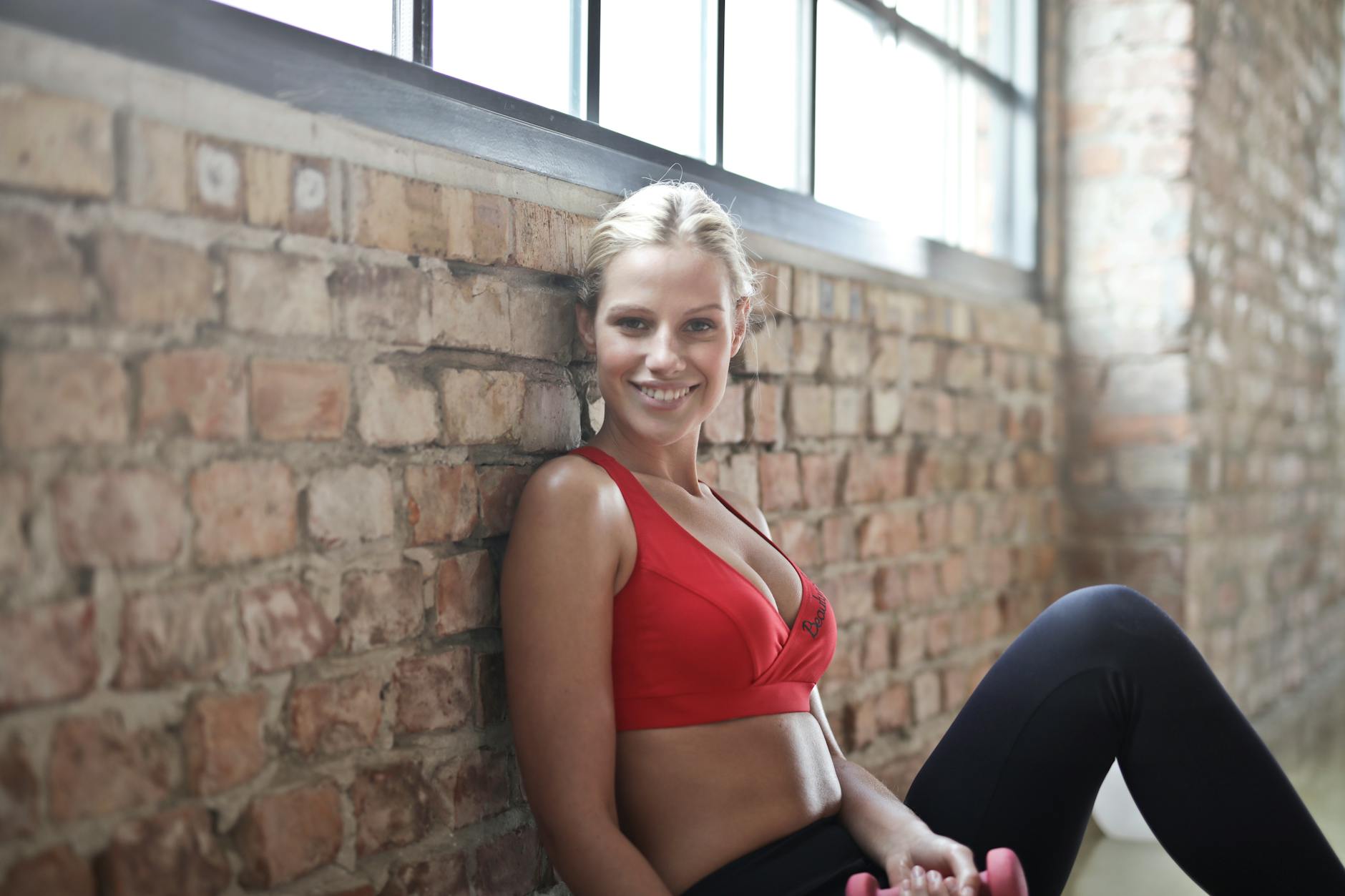
The fitness and body-focused segment of the wellness influencer economy is deeply entangled with supplement brands, gym equipment companies, and apparel businesses whose commercial interests align with perpetuating body dissatisfaction. Content that generates insecurity about physical appearance or athletic performance creates audiences who are highly receptive to product recommendations in the same space. Research in consumer psychology consistently demonstrates that insecurity is a more powerful purchase motivator than aspiration or satisfaction. Influencers who present idealized physical standards while simultaneously recommending the products that supposedly achieve those standards are participating in a commercial loop that benefits from the insecurity it generates. The fitness segment of wellness influencer culture warrants particular scrutiny because of how directly its economic model depends on maintaining dissatisfaction with the body.
Trust Should Be Built on Credentials Not Charisma

Charisma, relatability, and storytelling ability are powerful communication tools that have no relationship to the accuracy or safety of health information being delivered. Licensed medical professionals spend years in supervised clinical training precisely because health guidance that seems reasonable on the surface can carry serious risks in application. The qualities that make wellness influencers compelling communicators are entirely separable from the qualities that make health guidance trustworthy and safe. Audiences are wired through centuries of social evolution to extend trust to confident, warm, and persuasive individuals regardless of whether the domain in question requires verified expertise. Distinguishing between a person who communicates well about health and a person who is qualified to guide health decisions is one of the most important critical thinking skills available to anyone navigating the current information environment.
Share your perspective on wellness culture and influencer health advice in the comments.




