Your 30s feel invincible. The energy is still there, the recovery time feels manageable, and the consequences of today’s habits seem comfortably distant. But the choices made in this decade quietly build the foundation of your health, wealth, and happiness decades down the road. What feels harmless now can compound into serious limitations by the time your 60s arrive. These are the 40 habits worth reconsidering before it is too late.
Skipping Strength Training

Muscle mass begins its slow decline in the 30s, a process called sarcopenia that accelerates with each passing decade. Failing to build a foundation of strength now means entering your 60s with significantly less physical capacity and a higher risk of falls and fractures. Resistance training also supports bone density, metabolic health, and joint stability over the long term. Even two sessions per week during this decade can dramatically change the quality of movement in later life. The window to build lasting physical resilience is open right now.
Ignoring Your Sleep

Chronic sleep deprivation in the 30s is strongly associated with elevated cortisol levels, impaired memory consolidation, and increased inflammation throughout the body. Many adults in this decade sacrifice sleep for productivity, socialising, or screen time without understanding the long-term neurological cost. Poor sleep hygiene established now tends to worsen with age rather than correct itself. Research consistently links decades of insufficient sleep to heightened risk of cognitive decline and cardiovascular disease. Treating sleep as a non-negotiable health pillar in your 30s pays significant dividends later.
Living on Ultra-Processed Foods

A diet dominated by ultra-processed foods silently drives inflammation, insulin resistance, and arterial damage over many years. The convenience of packaged meals and fast food fits easily into a busy decade but creates metabolic consequences that surface more aggressively in later life. Excess sodium, refined sugars, and industrial seed oils found in these products accumulate their effects on the cardiovascular and digestive systems quietly. Nutrition patterns established in the 30s heavily influence cholesterol levels, blood pressure, and gut microbiome diversity by the 60s. Shifting toward whole foods now is one of the most powerful investments in future health.
Neglecting Annual Health Screenings

Many people in their 30s skip routine checkups under the assumption that youth equals health, missing the opportunity to catch developing conditions early. Blood pressure, cholesterol, blood sugar, and thyroid function can all begin shifting in this decade without producing obvious symptoms. Early detection of these changes allows for lifestyle interventions that prevent progression into serious disease. Establishing a relationship with a primary care physician during this period also creates a medical history that becomes invaluable in later years. Preventive care in the 30s is consistently more effective and less costly than reactive treatment in the 60s.
Carrying Chronic Stress Without Management Tools

Unmanaged chronic stress floods the body with cortisol and adrenaline over extended periods, damaging the cardiovascular system, suppressing immune function, and accelerating cellular aging. Many adults in their 30s normalise high stress levels as simply part of a demanding life stage. Without developing effective coping strategies now, the nervous system becomes conditioned to a state of hyperarousal that grows harder to reverse with age. Stress-related conditions including hypertension, anxiety disorders, and autoimmune dysfunction are strongly linked to prolonged exposure during midlife. Building a personal toolkit of regulation practices during this decade is essential for long-term wellbeing.
Drinking Alcohol Regularly

Regular alcohol consumption in the 30s is frequently underestimated as a health risk because its effects accumulate gradually and quietly. The liver, brain, cardiovascular system, and gut microbiome all sustain measurable damage from consistent intake over years and decades. Social drinking that feels moderate now contributes to elevated cancer risk, liver stress, and neurological changes that manifest more visibly in later life. Alcohol also disrupts sleep architecture, hormonal balance, and nutrient absorption in ways that compound over time. Reducing intake during this decade represents a meaningful and lasting shift in long-term health outcomes.
Sitting for Prolonged Periods

A sedentary lifestyle defined by long hours of desk work, commuting, and screen use is one of the most pervasive health threats of the modern 30s. Extended sitting contributes to poor posture, weakened glutes and hip flexors, impaired circulation, and metabolic dysfunction regardless of whether exercise happens outside those hours. The structural imbalances created by chronic sitting in this decade often manifest as chronic pain, spinal issues, and reduced mobility in the 60s. Breaking up seated time with movement throughout the day has measurable benefits on metabolic and musculoskeletal health. Movement integration rather than exercise compensation is the more effective long-term strategy.
Neglecting Your Dental Health

Oral health is one of the most overlooked predictors of systemic health outcomes in later life. Gum disease established in the 30s has been strongly linked to cardiovascular disease, diabetes complications, and cognitive decline in older adults. Skipping regular dental cleanings, ignoring early signs of gum recession, or neglecting flossing creates a pathway for chronic bacterial inflammation that affects the entire body. Tooth loss in later decades is largely preventable with consistent oral hygiene habits established now. The mouth is considered a window into overall health and deserves the same attention as any other system.
Avoiding Sun Protection
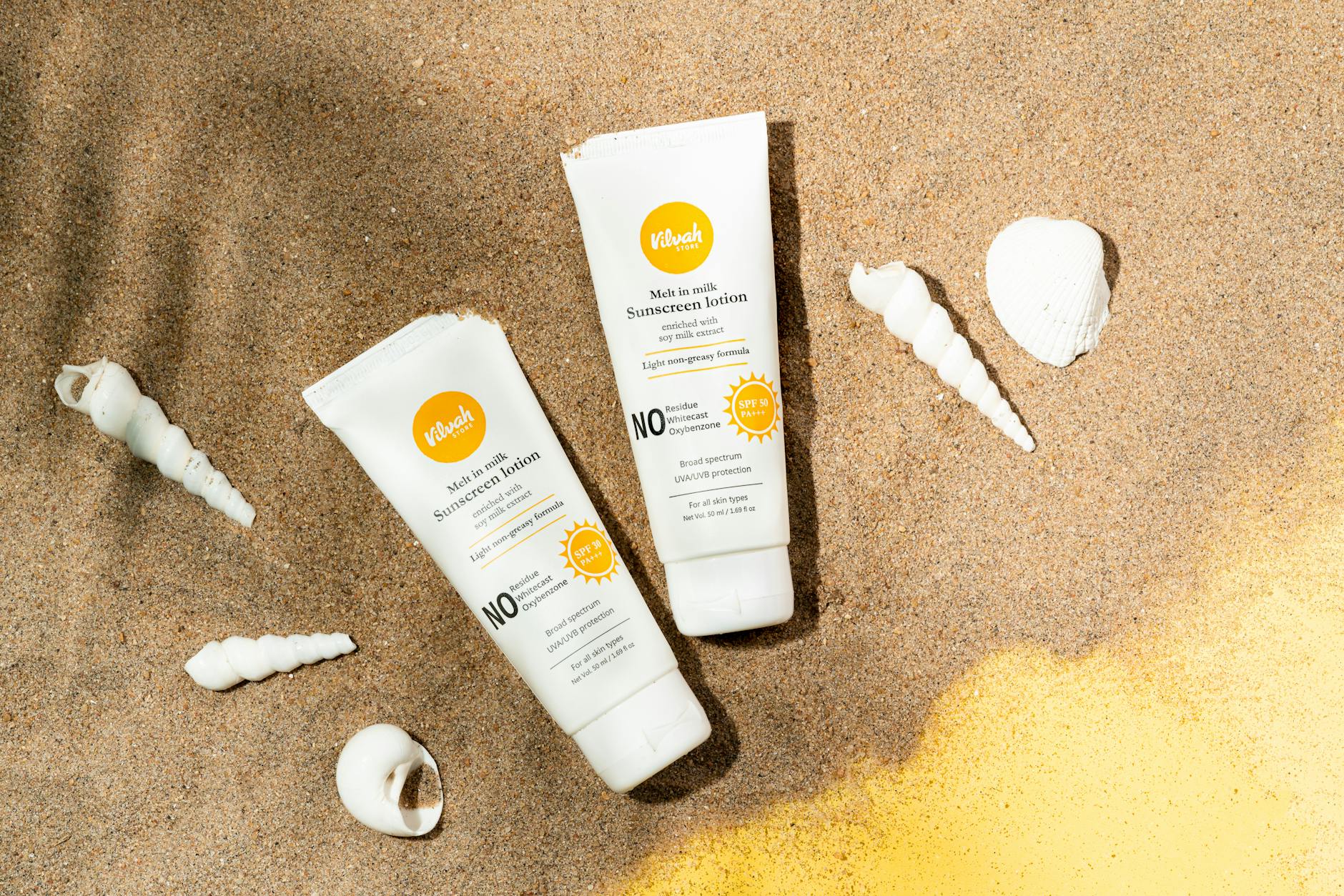
Cumulative sun exposure across the 30s and 40s is the leading cause of premature skin aging and significantly elevates the lifetime risk of skin cancer. Many adults in this decade reserve sunscreen for beach days rather than integrating it as a daily habit regardless of season or cloud cover. Ultraviolet radiation causes DNA damage in skin cells that accumulates silently over years before appearing as wrinkles, pigmentation, and structural skin changes in later decades. Daily SPF use is the single most evidence-supported cosmetic and medical intervention available for long-term skin health. Developing a consistent protection habit now preserves both the appearance and integrity of skin into the 60s and beyond.
Neglecting Mental Health

Mental health challenges that go unaddressed in the 30s rarely resolve on their own and often intensify under the accumulated pressures of midlife and aging. Anxiety, depression, unresolved trauma, and chronic low mood all have measurable effects on physical health, immune function, and cognitive resilience over time. The stigma around seeking professional support causes many people to delay intervention until symptoms become significantly more disruptive. Early therapeutic work builds emotional regulation skills, self-awareness, and relational patterns that support wellbeing across decades. Treating psychological health with the same urgency as physical health in this decade creates compounding returns.
Not Building an Emergency Fund

Financial stress is one of the most consistent drivers of physical and psychological health decline across all age groups. Entering the 40s and 50s without a liquid financial buffer leaves individuals vulnerable to debt accumulation, anxiety, and compromised decision-making during unexpected life events. An emergency fund covering three to six months of living expenses provides the stability that prevents one crisis from triggering a cascade of financial damage. The habit of consistent saving established in the 30s also builds the psychological relationship with money that supports retirement security later. Financial resilience and physical wellbeing are far more interconnected than most people recognise.
Ignoring Your Posture

The postural habits formed during years of desk work, phone use, and sedentary activity in the 30s have a direct and measurable impact on spinal health, nerve function, and pain patterns in later decades. Forward head posture, rounded shoulders, and anterior pelvic tilt are extremely common in this age group and rarely self-correct without intentional intervention. These structural imbalances place chronic stress on joints, discs, and surrounding musculature that accumulates into significant dysfunction over time. Physiotherapy, targeted exercise, and ergonomic awareness are all effective tools for addressing and preventing postural deterioration. The spine that is cared for in the 30s functions significantly better at 60 and beyond.
Overusing Anti-Inflammatory Medications

Frequent reliance on over-the-counter anti-inflammatory medications for headaches, muscle soreness, and general discomfort is common in the 30s and largely underestimated as a long-term risk. Regular use of NSAIDs has been associated with gastrointestinal damage, kidney stress, and cardiovascular complications when sustained over years. Using these medications to mask pain signals rather than addressing their underlying causes delays necessary intervention and allows contributing issues to progress. The gut microbiome is particularly vulnerable to repeated NSAID exposure, and its disruption has wide-reaching effects on immunity and inflammation regulation. Exploring root cause approaches to recurring pain in this decade reduces dependence and long-term risk.
Skipping Flexibility and Mobility Work

Flexibility and joint mobility decline significantly without deliberate maintenance, and the 30s are the decade when this process quietly begins. Neglecting stretching, yoga, or mobility training in favour of more intense exercise forms creates muscular tightness and restricted range of motion that compounds over time. Inflexible joints and shortened muscles in later life are major contributors to injury risk, chronic pain, and loss of independence in daily activities. Regular mobility work also supports circulation, posture, and nervous system regulation in ways that benefit overall health. Dedicating even ten minutes daily to this practice in the 30s creates a body capable of moving well for many decades ahead.
Letting Friendships Fade

Social connection is one of the most robustly supported predictors of longevity and quality of life in older adults, and the erosion of friendship networks often begins in the 30s. Career demands, parenting, and relocation cause many people to gradually deprioritise the maintenance of close relationships without recognising the long-term consequences. Individuals who enter midlife and beyond with weak social ties face significantly higher rates of depression, cognitive decline, and mortality than those with strong networks. Friendship in later life is also considerably harder to build from scratch without the shared contexts that form organically in earlier years. Investing in relationships consistently throughout the 30s builds the social infrastructure that sustains health and happiness in the 60s.
Not Prioritising Cardiovascular Fitness

Cardiovascular health established in the 30s is one of the strongest predictors of both lifespan and healthspan across the subsequent decades. Many adults in this age group engage in minimal aerobic activity while assuming that general busyness constitutes sufficient physical output. The heart and vascular system require consistent and progressive aerobic challenge to maintain elasticity, efficiency, and resilience over time. Elevated resting heart rate, poor VO2 max, and arterial stiffness that develop from inactivity in this decade are difficult and slow to reverse later. Building a sustainable cardio habit now protects the most vital organ system in the body for the long term.
Comparing Yourself to Others Constantly

The habit of chronic social comparison produces measurable psychological damage that worsens in its impact when it persists across decades. In the age of social media, the 30s present an environment of near-constant exposure to curated portrayals of success, wealth, relationships, and appearance. Research consistently links habitual comparison to increased anxiety, reduced self-worth, impaired decision-making, and lower life satisfaction over time. The psychological patterns reinforced by this habit in the 30s shape the internal narrative that accompanies a person into every subsequent life stage. Developing a practice of intentional self-focus and genuine gratitude in this decade builds psychological resilience with lasting effects.
Neglecting Your Eye Health

Vision changes that begin subtly in the 30s are frequently dismissed or left unexamined until they become disruptive. Regular comprehensive eye exams are important not only for detecting refractive changes but for identifying early signs of glaucoma, macular degeneration, and diabetic retinopathy before significant damage occurs. Prolonged screen exposure without adequate breaks contributes to digital eye strain, disrupted sleep from blue light exposure, and potentially accelerated visual fatigue over years. Wearing appropriate UV-protective eyewear outdoors also reduces cumulative damage to the lens and retina that contributes to cataracts in later life. Establishing consistent eye care habits and annual exams in the 30s protects vision well into the 60s and beyond.
Living Without a Long-Term Financial Plan

Many adults in their 30s operate without a clear understanding of their net worth, retirement trajectory, or investment strategy, assuming that financial planning belongs to a later life stage. Compound growth works most powerfully over long timeframes, meaning that funds invested in the 30s carry dramatically more weight than equivalent amounts invested in the 50s. Without a deliberate plan, lifestyle inflation tends to absorb income increases without producing meaningful wealth accumulation. The financial habits and knowledge gaps formed in this decade have a direct and compounding effect on the material security and freedom available in the 60s. Engaging with professional financial guidance or structured self-education during this period is among the highest-return actions available.
Neglecting Bone Density

Bone density reaches its lifetime peak in the late 20s to early 30s, making this decade the final significant opportunity to maximise skeletal strength through nutrition and exercise. Inadequate calcium and vitamin D intake, combined with low physical activity, accelerates the natural bone loss that begins in this period and intensifies post-menopause for women. Osteoporosis and stress fractures in the 60s and 70s are among the most debilitating and life-limiting conditions affecting older adults, yet they are largely preventable with earlier lifestyle choices. Weight-bearing exercise, resistance training, and appropriate nutrient intake during the 30s are the most effective tools for protecting skeletal integrity long term. Bone health is one of the least visible but most consequential areas of investment during this decade.
Suppressing Emotions

The chronic suppression of difficult emotions is associated with elevated physiological stress responses, immune dysfunction, and a range of mental and physical health consequences when practised habitually over years. Many adults in their 30s develop sophisticated patterns of emotional avoidance in response to demanding environments, time pressure, and cultural norms around productivity and stoicism. Unprocessed emotional material tends to accumulate and eventually surfaces in more disruptive forms during major life transitions, which become more frequent in midlife and beyond. Therapeutic modalities, journaling, mindfulness, and trusted relationships all offer effective pathways for emotional processing when used consistently. Building emotional literacy in this decade creates a more resilient and self-aware foundation for every decade that follows.
Not Protecting Your Hearing
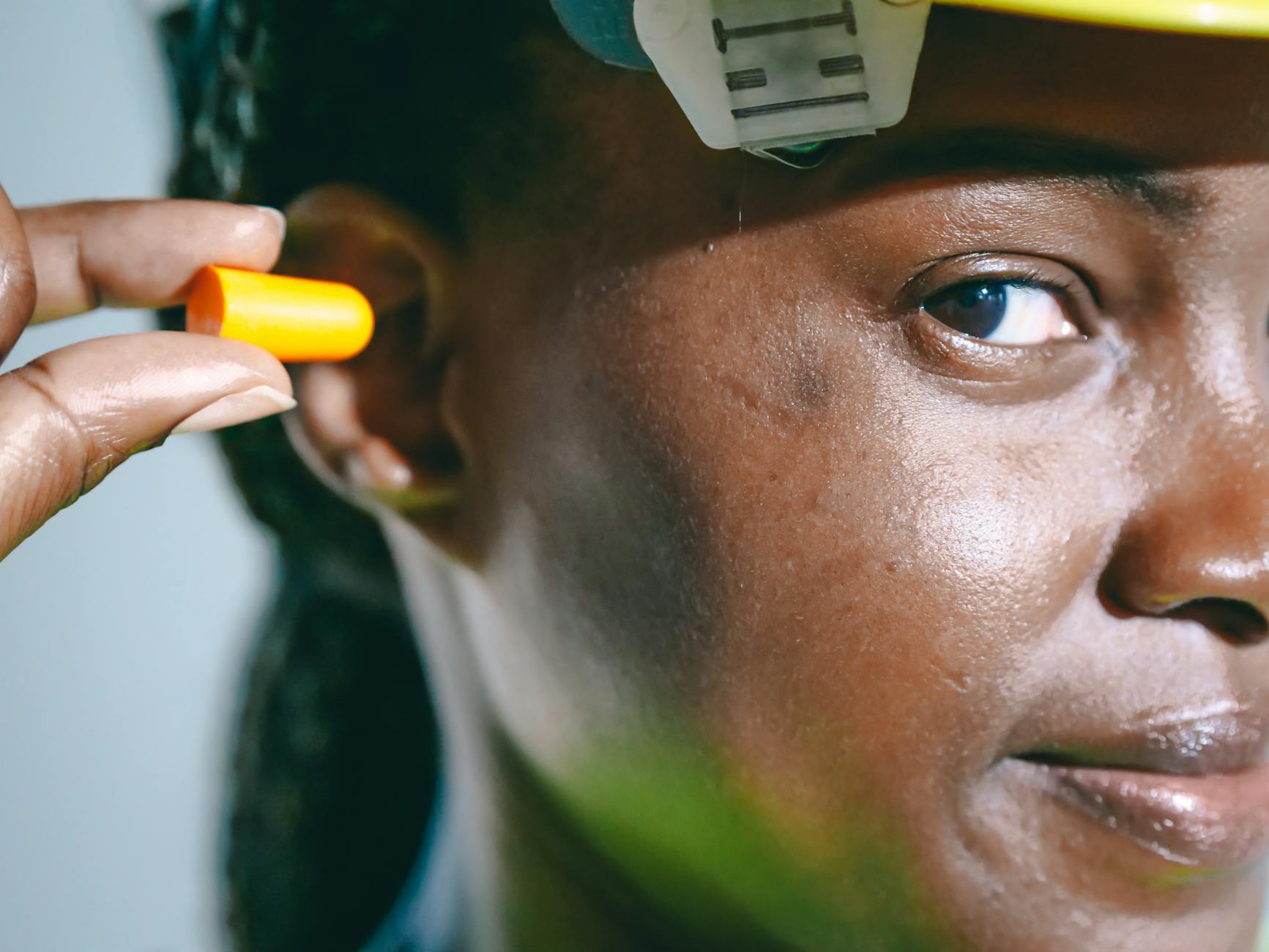
Noise-induced hearing loss is cumulative and irreversible, and the damage sustained through habitual loud headphone use, concerts, and workplace noise in the 30s does not become apparent until years later. Many adults vastly underestimate the decibel exposure they accumulate through streaming services at high volumes during commutes and exercise sessions. Hearing loss in the 60s is directly associated with social withdrawal, depression, cognitive decline, and increased dementia risk, making early prevention a matter of broader health significance. Simple protective measures including volume limits, noise-cancelling headphones used at moderate levels, and ear protection in loud environments significantly reduce lifetime risk. Hearing is one of the most social and cognitively important senses, and it deserves proactive protection from this decade onward.
Relying Heavily on Caffeine

Using caffeine as the primary mechanism for managing energy and cognitive function in the 30s often masks underlying issues with sleep quality, adrenal health, and nutrient status rather than addressing them. High and habitual caffeine intake is associated with elevated cortisol levels, disrupted sleep architecture, increased anxiety, and dependency that requires progressively larger doses to achieve the same effect. The adrenal and hormonal stress that accompanies chronic overconsumption in this decade contributes to energy dysregulation and mood instability that becomes more pronounced with age. Cultivating sustainable energy through sleep, nutrition, movement, and stress management produces more consistent and long-lasting results than stimulant reliance. Reducing caffeine dependency in the 30s supports a more stable physiological baseline for the decades ahead.
Ignoring Hormonal Health

Hormonal imbalances affecting thyroid function, cortisol, insulin, testosterone, and oestrogen frequently begin manifesting symptoms in the 30s and are often misattributed to stress or lifestyle fatigue. Leaving these imbalances unexamined and unaddressed allows them to compound in their effects on metabolism, mood, fertility, bone density, and cardiovascular health over the following decades. The 30s represent a period when hormonal profiling provides actionable and preventive information that can meaningfully alter the trajectory of health in midlife and beyond. Lifestyle factors including sleep, exercise, nutrition, and stress all interact directly with hormonal regulation and can be optimised before more significant intervention is required. Hormonal health is a foundational system that touches virtually every aspect of physical and psychological function.
Avoiding Strength of Character Challenges

Consistently avoiding difficulty, discomfort, and challenging experiences in the 30s produces a psychological brittleness that becomes increasingly costly in later life when adversity becomes less avoidable. Resilience is developed through the experience of navigating hardship and recovering from setbacks, and it builds cumulatively through repeated exposure rather than through comfort. Adults who reach the 60s without a developed capacity for tolerating difficulty face life transitions such as bereavement, health challenges, and career endings with significantly fewer internal resources. Voluntary exposure to moderate discomfort through physical challenge, difficult conversations, and new learning creates the psychological adaptability that sustains wellbeing across the lifespan. Resilience built in the 30s is among the most valuable and transferable assets carried into later decades.
Not Reading or Engaging in Continuous Learning

Cognitive reserve, the brain’s resilience against age-related decline and neurodegenerative disease, is built through a lifetime of mental stimulation and learning. The 30s represent a period when many adults plateau in their intellectual engagement after formal education ends, settling into routines that provide insufficient cognitive challenge. Reading widely, learning new skills, studying new subjects, and engaging with complex ideas all stimulate the neural connections that form a protective buffer against cognitive decline in later life. The relationship between lifelong learning and reduced dementia risk is among the most consistently supported findings in neuroscience and gerontology. Treating intellectual growth as a daily and lifelong practice rather than a phase of youth is a foundational investment in the brain’s future.
Neglecting Your Relationship With Nature

Regular exposure to natural environments has well-documented effects on cortisol reduction, blood pressure regulation, immune function through phytoncide exposure, and psychological restoration. Many adults in their 30s live increasingly indoor and urban lives that progressively disconnect them from access to green and natural spaces. This disconnection accumulates in its effects on stress levels, attentional capacity, and overall wellbeing in ways that are difficult to isolate until the deficit has grown significant. Research into the health outcomes of adults with consistent nature exposure across their lifespan consistently shows advantages in longevity, mood, and physical health markers. Building a regular relationship with outdoor and natural environments in this decade supports the nervous system in ways that few other interventions can replicate.
Carrying Excess Visceral Fat

Visceral fat, the metabolically active fat stored around the abdominal organs, is a significant driver of systemic inflammation, insulin resistance, cardiovascular disease, and hormonal disruption. It accumulates gradually in response to poor diet, chronic stress, insufficient sleep, and physical inactivity, and its presence in the 30s is a strong predictor of metabolic disease in the 60s. Unlike subcutaneous fat, visceral fat is not simply a cosmetic concern but an active endocrine tissue that releases inflammatory compounds continuously. The good news is that it responds relatively quickly to lifestyle intervention, making the 30s an ideal decade to address it proactively. Monitoring waist circumference and metabolic markers regularly provides early warning and motivation for action before the condition compounds.
Underinvesting in Your Sleep Environment

The physical environment in which sleep occurs plays a significant but underappreciated role in sleep quality and its downstream health effects. Room temperature, light exposure, noise levels, mattress quality, and pre-sleep screen use all influence the depth and restorative quality of sleep across decades. Many adults in their 30s prioritise screen access and social media scrolling over consistent wind-down routines that support the circadian rhythm. Chronic disruption of circadian alignment affects hormonal regulation, immune function, and cellular repair processes that are essential to long-term health. Treating the sleep environment as a serious health investment in this decade creates the conditions for restorative sleep that the body increasingly depends on with age.
Not Developing a Consistent Hydration Habit
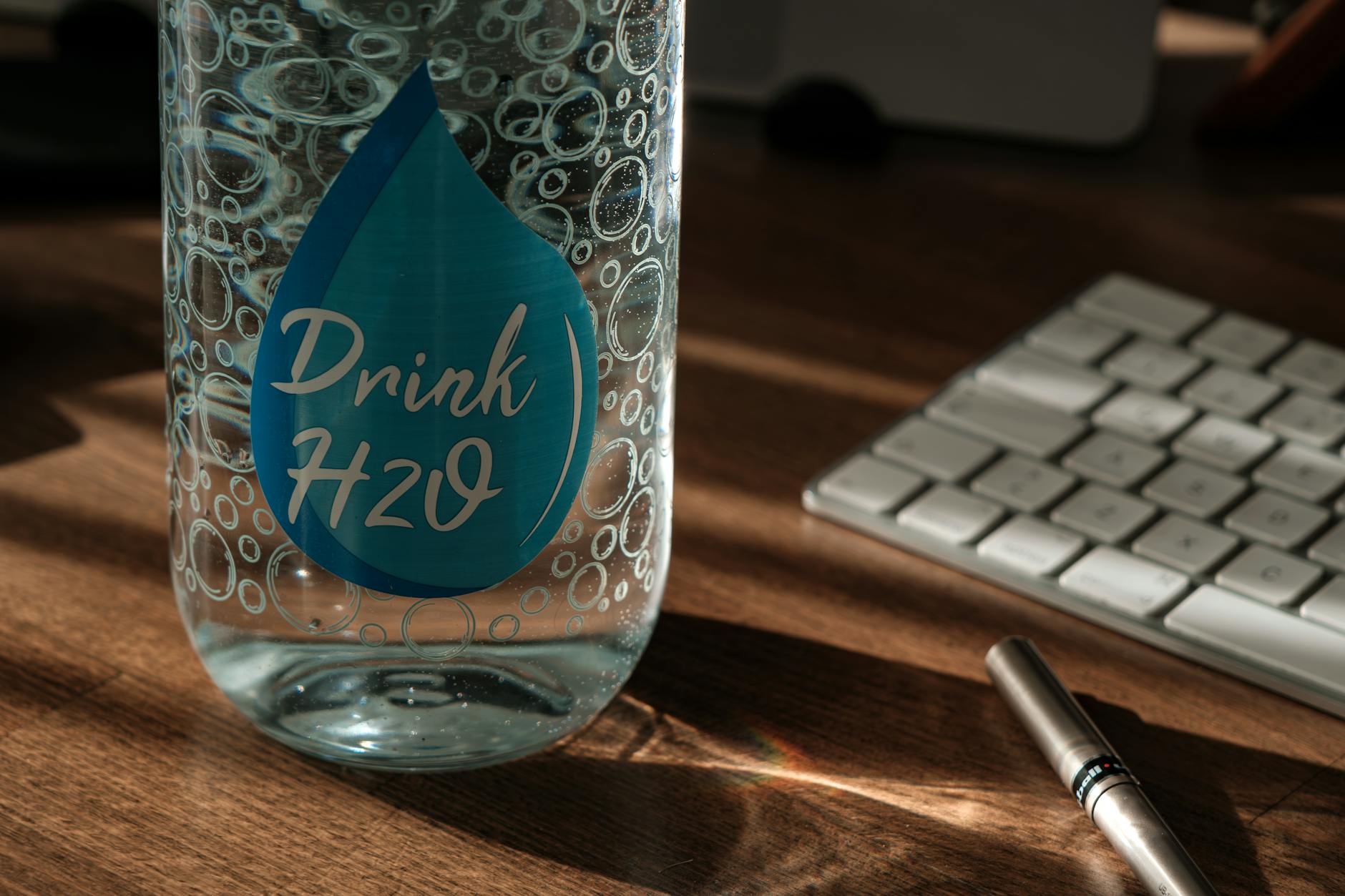
Mild chronic dehydration is exceptionally common among adults in their 30s and produces ongoing effects on cognitive function, kidney health, skin integrity, joint lubrication, and cardiovascular efficiency. The kidneys process a lifetime of filtration, and adequate hydration in earlier decades directly supports their long-term function and resilience. Many adults consistently replace water intake with coffee, alcohol, and sweetened beverages without recognising the compounding deficit this creates in overall hydration status. Kidney disease, urinary tract issues, and chronic fatigue in later life are all associated with sustained underhydration over many years. Establishing a simple and consistent daily water intake habit in the 30s is one of the lowest-effort and highest-impact health practices available.
Letting Your Creativity Go Dormant

Creative engagement has measurable benefits for psychological wellbeing, stress regulation, cognitive flexibility, and sense of purpose across the lifespan. Many adults in their 30s abandon creative pursuits formed in earlier years under the weight of professional and domestic responsibility. The consistent absence of creative expression contributes to a narrowing of identity and emotional outlet that compounds into a loss of vitality and meaning in later decades. Engagement with art, music, writing, craft, cooking, or any personally resonant creative form activates neural pathways associated with reward, focus, and emotional regulation. Keeping creativity active in this decade supports both psychological health and the sense of aliveness that sustains quality of life well into the 60s and beyond.
Not Investing in Quality Footwear

The feet bear the full mechanical load of the body across an entire lifetime, and the footwear choices made across the 30s have a direct and cumulative effect on the health of the feet, ankles, knees, hips, and lower back. Ill-fitting shoes, unsupportive footwear, and habitual high heel use all alter the biomechanics of gait and load distribution in ways that accelerate joint wear over decades. Bunions, plantar fasciitis, Achilles issues, and knee degeneration in later life are frequently traceable to prolonged poor footwear habits established earlier. Investing in biomechanically supportive footwear and addressing any gait abnormalities with professional assessment during this decade protects the entire kinetic chain. The foundation of the body deserves the same quality of attention as any other structural element.
Avoiding Difficult Conversations

The habitual avoidance of conflict and difficult conversation in the 30s creates unresolved interpersonal dynamics, unspoken resentments, and weakened relational foundations that compound in their damage over time. Relationships including partnerships, family connections, and professional relationships that lack the capacity for honest and direct communication tend to deteriorate or produce chronic low-level stress when issues go unaddressed. The communication skills and emotional courage required for effective conflict navigation are developed through practice and become harder to cultivate without it. Unresolved relational damage accumulated across decades is among the most significant contributors to loneliness, regret, and psychological distress in later life. Developing the capacity for honest and respectful communication in this decade builds the relational health that sustains wellbeing long into the future.
Spending Without Tracking

Financial unconsciousness in the 30s, the habit of spending without awareness of patterns, totals, or direction, reliably produces outcomes of debt, insufficient savings, and a sense of disempowerment around money. Without tracking, lifestyle inflation absorbs income increases invisibly while retirement accounts remain underfunded and financial goals remain abstract. The relationship with money developed during this decade tends to persist and intensify rather than self-correct without deliberate intervention. Even basic awareness tools such as budgeting apps or monthly spending reviews create the visibility needed to make meaningful changes before the consequences become harder to reverse. Financial awareness is not about restriction but about the agency that comes from knowing where resources are actually going.
Neglecting Gut Health

The gut microbiome is increasingly understood as a central regulator of immune function, mental health, metabolic efficiency, and inflammation throughout the body. Diets low in fibre and diverse plant foods, combined with antibiotic use and chronic stress common in the 30s, progressively deplete the microbial diversity that supports these functions. The consequences of poor gut health accumulate over years and are associated with elevated risk of autoimmune conditions, mood disorders, metabolic disease, and compromised immunity in later life. Fermented foods, diverse plant intake, prebiotic fibre, and stress management all support microbiome health in ways with measurable downstream benefits. Treating gut health as a primary rather than secondary health concern in this decade pays significant dividends across all major body systems.
Not Cultivating a Sense of Purpose

A clearly felt sense of purpose and meaning in life is one of the most consistently powerful predictors of longevity, psychological resilience, and health outcomes in older adults identified across gerontological research. Many adults in their 30s operate in reactive mode, meeting external demands without investing in the question of what genuinely matters to them beyond immediate roles and responsibilities. The absence of purpose produces a subtle but pervasive psychological depletion that compounds into disillusionment, disconnection, and diminished vitality over time. Individuals who arrive at the 60s with a strong sense of what they are living for consistently demonstrate better cognitive function, stronger immune markers, and greater social engagement than those without it. Actively exploring and cultivating purpose in this decade is not a luxury but a meaningful health practice.
Not Wearing SPF on Your Hands

The hands are one of the most reliably telltale indicators of biological age, yet they are among the most consistently neglected areas in sun protection routines. UV exposure on the hands across decades produces pigmentation changes, skin thinning, and structural damage that dramatically accelerates their visible aging. Many people apply SPF carefully to the face while completely omitting the hands during the same daily routine. The skin on the back of the hands is thin and particularly vulnerable to photoaging and the development of actinic keratoses, which are precancerous lesions, over time. Extending daily SPF application to the hands as part of a consistent routine in the 30s produces a visible and health-protective difference across the following decades.
Living Disconnected From Your Body’s Signals

The habit of overriding hunger, fatigue, pain, emotional discomfort, and other physiological signals in the service of productivity and external demands is extremely common among high-functioning adults in their 30s. Chronic disconnection from the body’s internal communication system means that warning signs of developing health issues are routinely ignored until they become impossible to dismiss. Interoception, the ability to accurately sense and respond to the body’s internal state, is a trainable capacity that supports everything from eating regulation to stress management to early symptom identification. Adults who develop a responsive rather than suppressive relationship with their body in this decade consistently navigate health challenges earlier and more effectively. Tuning in rather than pushing through is not a soft recommendation but a serious long-term health strategy.
Share your thoughts in the comments on which of these habits you are working to change in your own life.




