From ostentatiously correcting the pronunciation of foreign words at dinner to casually dropping the names of obscure philosophers into unrelated conversations, certain habits reveal more about insecurity than sophistication. The desire to appear cultured and refined has long inspired a particular set of behaviors that often miss the mark entirely. What follows is a look at thirty of the most recognizable pretentious habits adopted by people who mistake performance for genuine class.
Correcting Everyone’s Wine Order

Some people make a point of redirecting table selections toward obscure natural wines from regions most guests have never heard of. The correction is always delivered with a slightly pained expression suggesting the menu has personally offended them. A genuine appreciation for wine rarely requires an audience or unsolicited commentary. This habit tends to emerge most aggressively at casual gatherings where it is entirely unwelcome.
Refusing to Watch Subtitled Films

A loud declaration that foreign cinema is the only legitimate art form frequently accompanies this habit. The person in question will reference specific directors by their full name and country of origin at every opportunity. Any mainstream film is dismissed with a wave of the hand and a vague reference to commercialism. The irony is that genuine cinephiles tend to celebrate all forms of storytelling rather than weaponizing their preferences.
Conspicuously Reading Dense Philosophy in Public

The book is always turned outward at precisely the right angle to catch passing eyes. Titles by Nietzsche, Heidegger, or Schopenhauer appear in coffee shops with remarkable frequency among this particular group. The reader rarely looks absorbed and more frequently looks around to gauge whether anyone has noticed. Authentic intellectual curiosity does not typically require a visible prop or a strategically chosen public venue.
Dropping French Phrases Into English Conversation

A perfectly serviceable English word is routinely abandoned in favor of its French equivalent with an exaggerated accent. Phrases like “c’est la vie” and “je ne sais quoi” are inserted into conversations where they add no additional meaning. The habit is especially common among people who have visited Paris once and consider the experience transformative. It signals a desire to seem worldly rather than any genuine fluency or cultural connection.
Dismissing Restaurants as Too Commercial
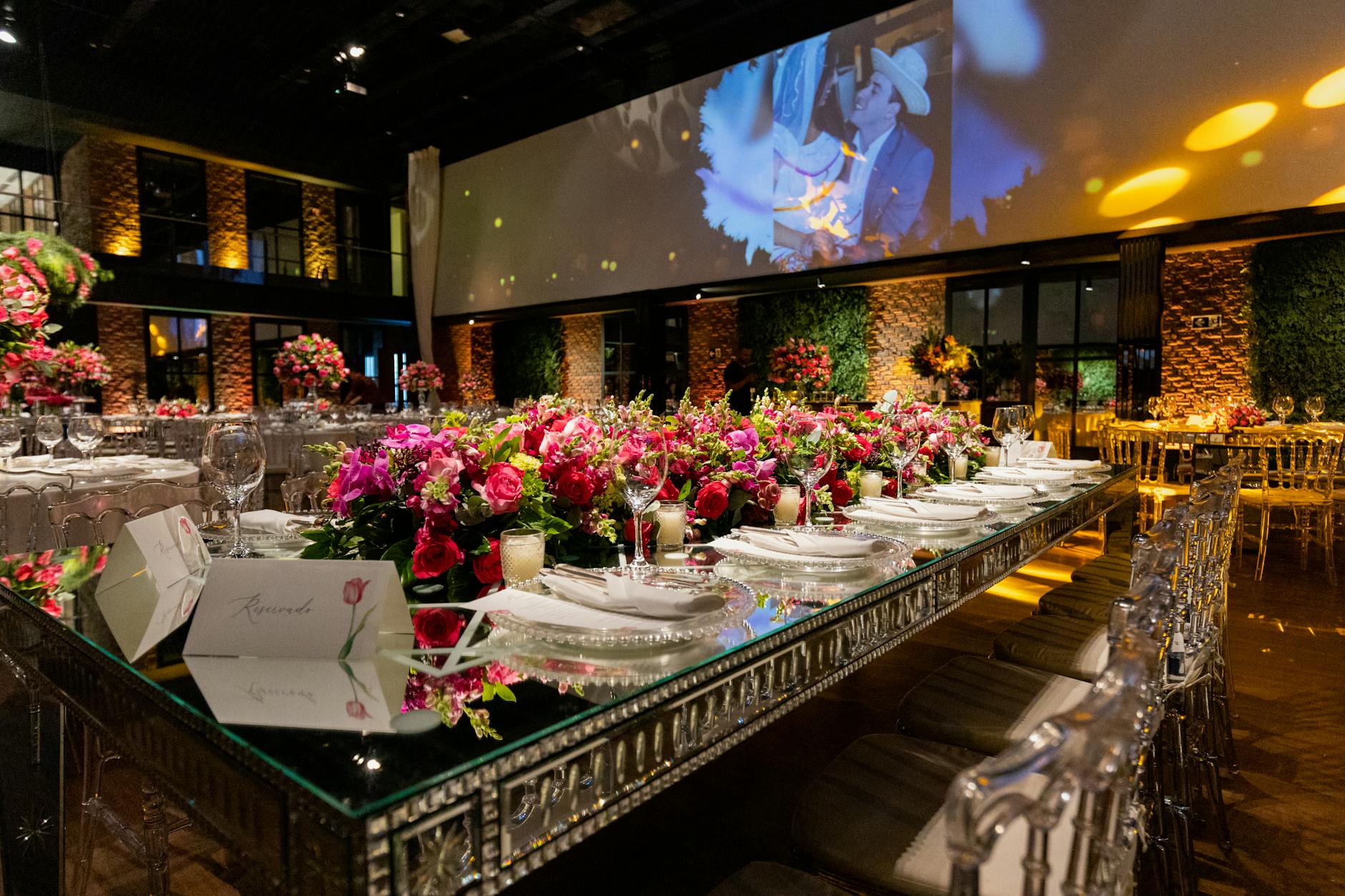
Any establishment with more than one location is immediately declared inauthentic and beneath consideration. The preferred dining spot is always a place that requires either a reservation made weeks in advance or the knowledge of a specific name to drop at the door. Descriptions of past meals focus heavily on the chef’s personal philosophy rather than the taste of the food. This habit treats dining as a form of social currency rather than a straightforward pleasure.
Owning a Record Player Purely for Display
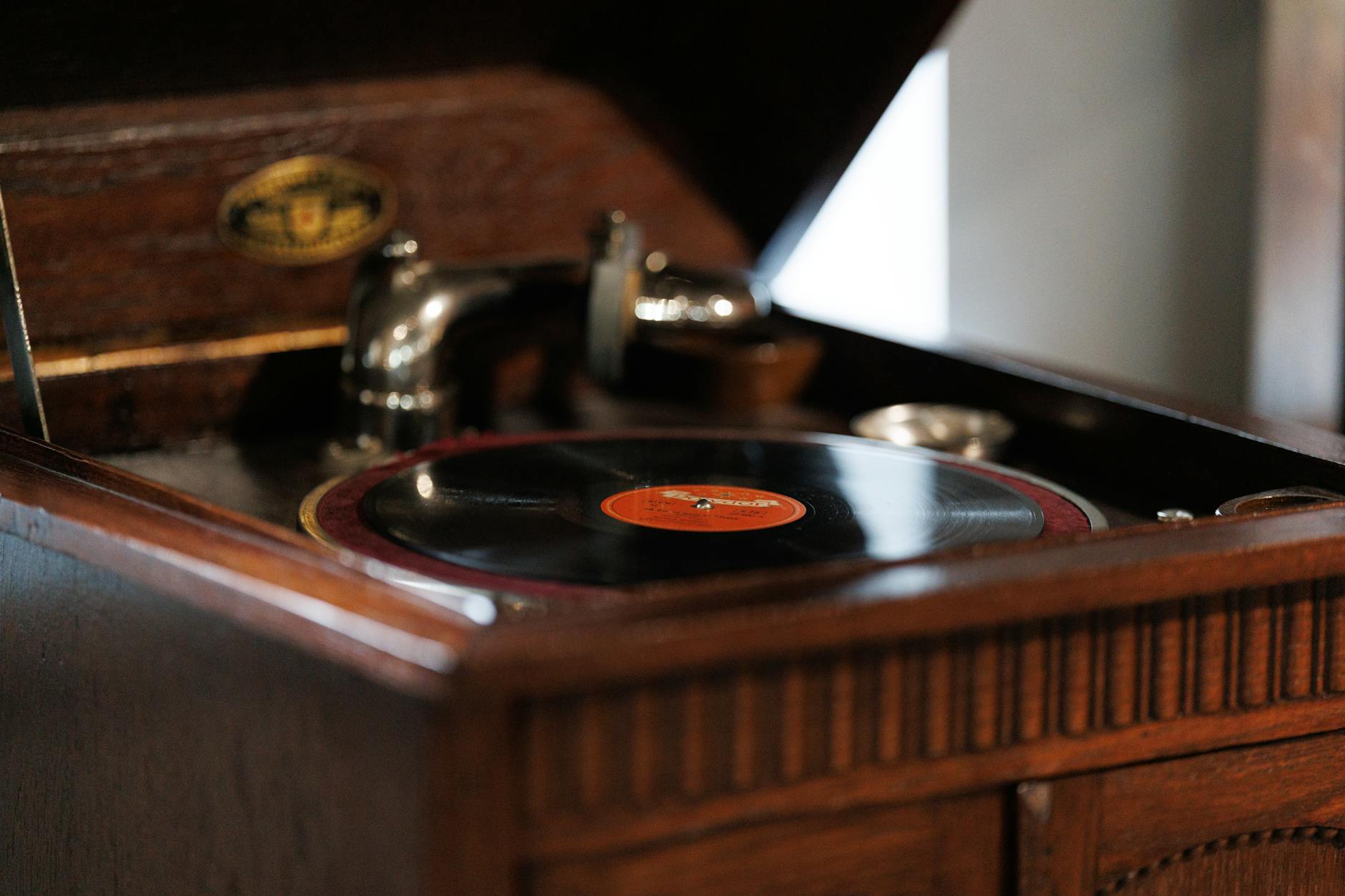
The vinyl collection is alphabetized and prominently displayed but rarely actually played. Questions about favorite albums produce names of artists who stopped releasing music before most guests were born. The record player itself is always a vintage or boutique model that was purchased at considerable expense. Music streaming services are referred to with visible contempt despite being used privately on a daily basis.
Name-Dropping Obscure Travel Destinations

Common holiday destinations are met with polite but unmistakable pity. The preferred conversational move is to mention a village in a remote region that no travel guide has yet discovered. Stories about these trips focus almost entirely on how few other tourists were present. The underlying goal is to position personal travel as an act of cultural exploration rather than rest or enjoyment.
Maintaining an Elaborate Coffee Ritual
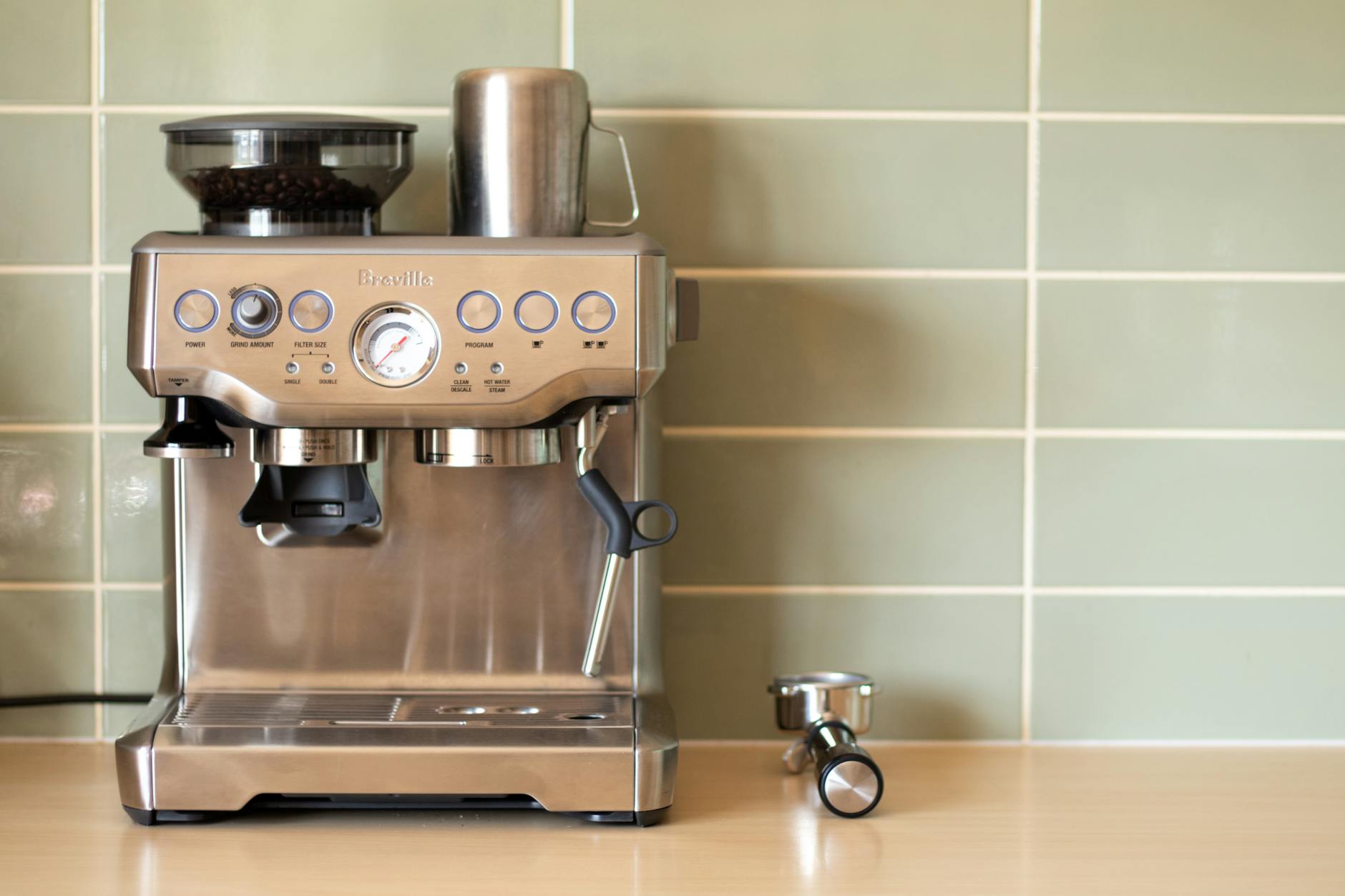
The home espresso setup resembles the back counter of a specialty café and cost roughly the same amount. Any coffee made by another person is accepted graciously but assessed with a quiet and visible skepticism. Conversations about bean origins, roast profiles, and extraction times arise whether or not anyone asked. Instant coffee offered in someone else’s home is treated as evidence of a fundamental character flaw.
Referring to Their Home as a Curated Space
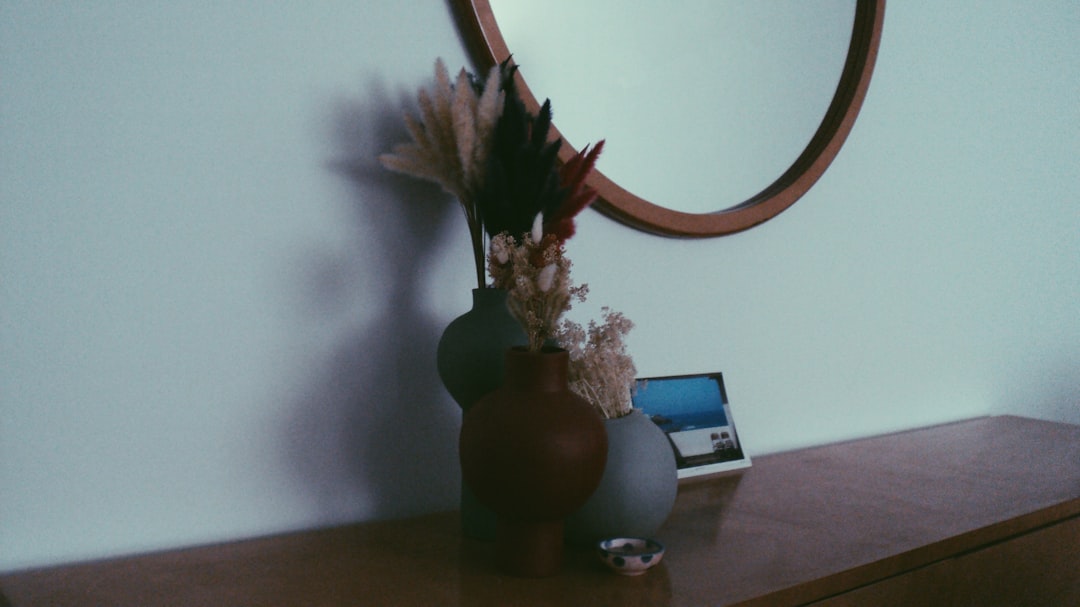
Every item in the home has a story involving a market in another country or a designer whose work is almost impossible to source. Furniture described as “intentional” or “considered” takes the place of words like comfortable or practical. Guests are guided through the space with the energy of a museum docent rather than a welcoming host. The distinction between living in a home and staging it for admiration becomes increasingly difficult to locate.
Casually Mentioning Therapy as a Status Symbol

References to their therapist appear in casual conversation with the frequency and ease of mentioning a hairdresser. The specific modality of therapy being undertaken is always named and briefly explained whether or not context demands it. This habit conflates genuine mental health work with a lifestyle accessory that signals self-awareness and means. It reduces a meaningful practice to a talking point deployed for social positioning.
Performing Discomfort at Loud Restaurants
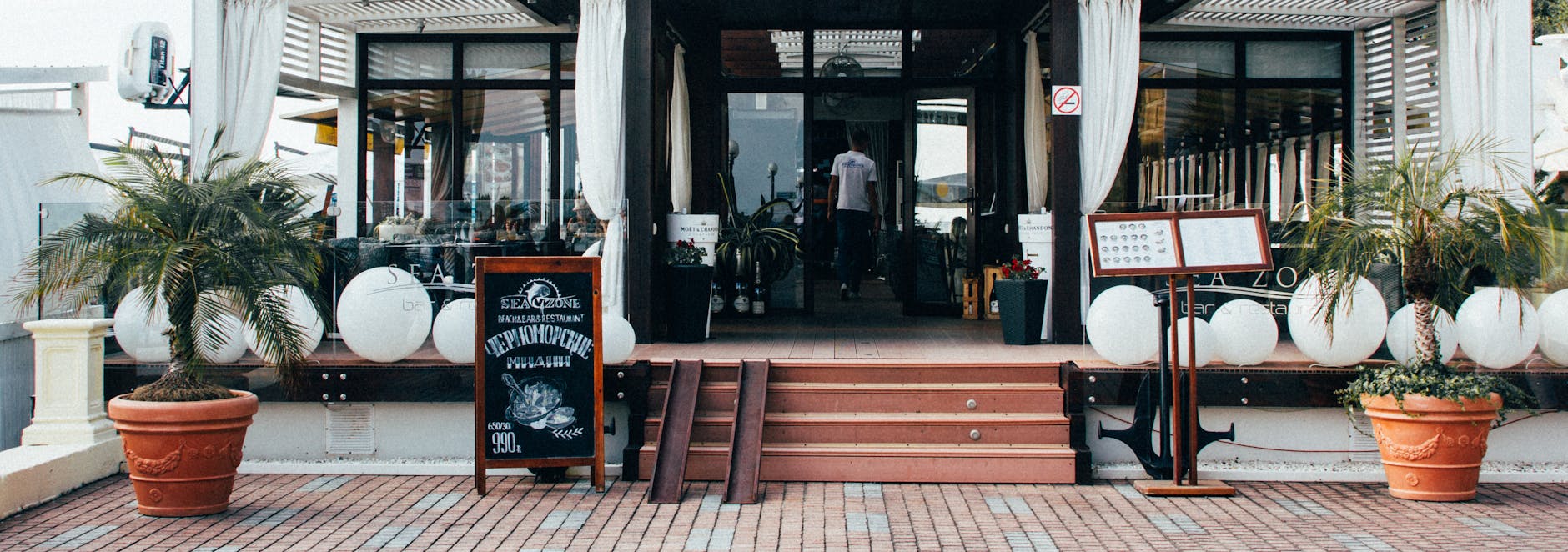
A slightly furrowed brow and lowered voice appear the moment the ambient noise of any restaurant rises above library levels. Comments about preferring intimate venues where conversation can flow are delivered with the gravity of a serious complaint. The same person can often be found at loud social events without any visible distress. The performance is reserved specifically for situations where an audience is present to witness the refined sensitivity.
Carrying a Tote Bag From a Literary Institution

The tote is always from a bookshop, museum, or arts organization that requires some degree of cultural knowledge to recognize. Supermarket bags or practical carryalls are never used when the literary tote is available regardless of whether it suits the occasion. The bag functions less as a carrying vessel and more as a wearable declaration of intellectual identity. Its contents are rarely books.
Speaking Quietly to Signal Superiority

The volume of the voice drops noticeably when entering a social situation as a deliberate contrast to what is perceived as the vulgarity of loud speech. Others in conversation are required to lean in or ask for repetition which is absorbed as confirmation of attentiveness. This vocal habit is entirely performative and distinct from natural softness of speech. It creates a mild but persistent social discomfort that is very much the intended effect.
Insisting on Eating Seasonally at All Times

Menu choices at any restaurant are immediately cross-referenced against what should theoretically be in season. An item appearing out of its natural season prompts a quiet but pointed comment to the table. Home cooking is described in terms of farmers market visits and relationships with specific producers. The habit is presented as ecological mindfulness but functions primarily as a dining credential.
Collecting Things No One Else Has Heard Of
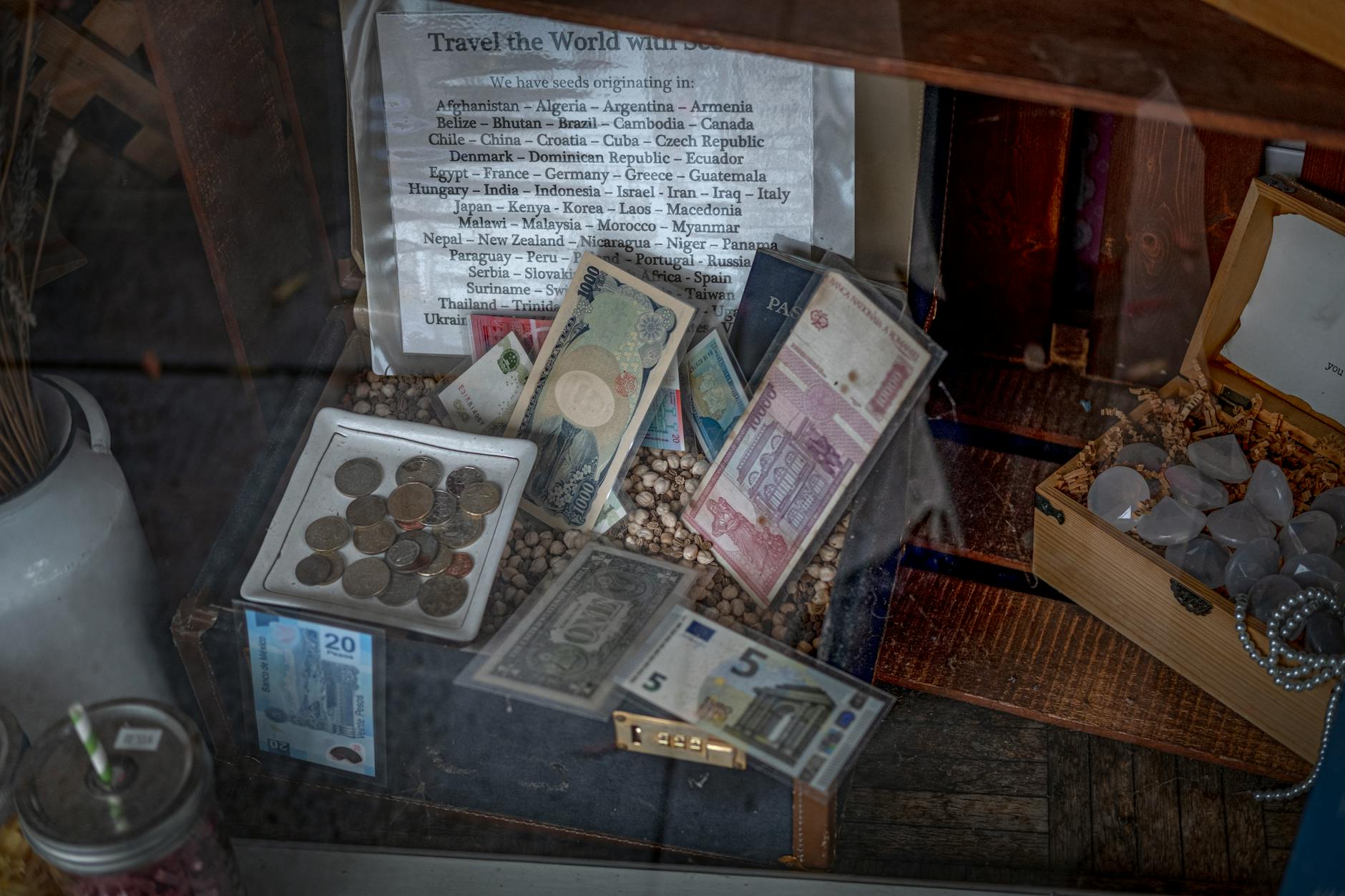
The collection is always of something obscure enough that explaining it takes several minutes. Vintage matchbooks, rare ceramic glazes, early twentieth century pharmaceutical packaging, and typefaces from defunct foundries are popular choices. The value of the collection is framed entirely in terms of cultural significance rather than monetary worth. Any suggestion that the collection is unusual is met with gentle surprise that others have not yet discovered it.
Refusing to Explain Their Taste in Music
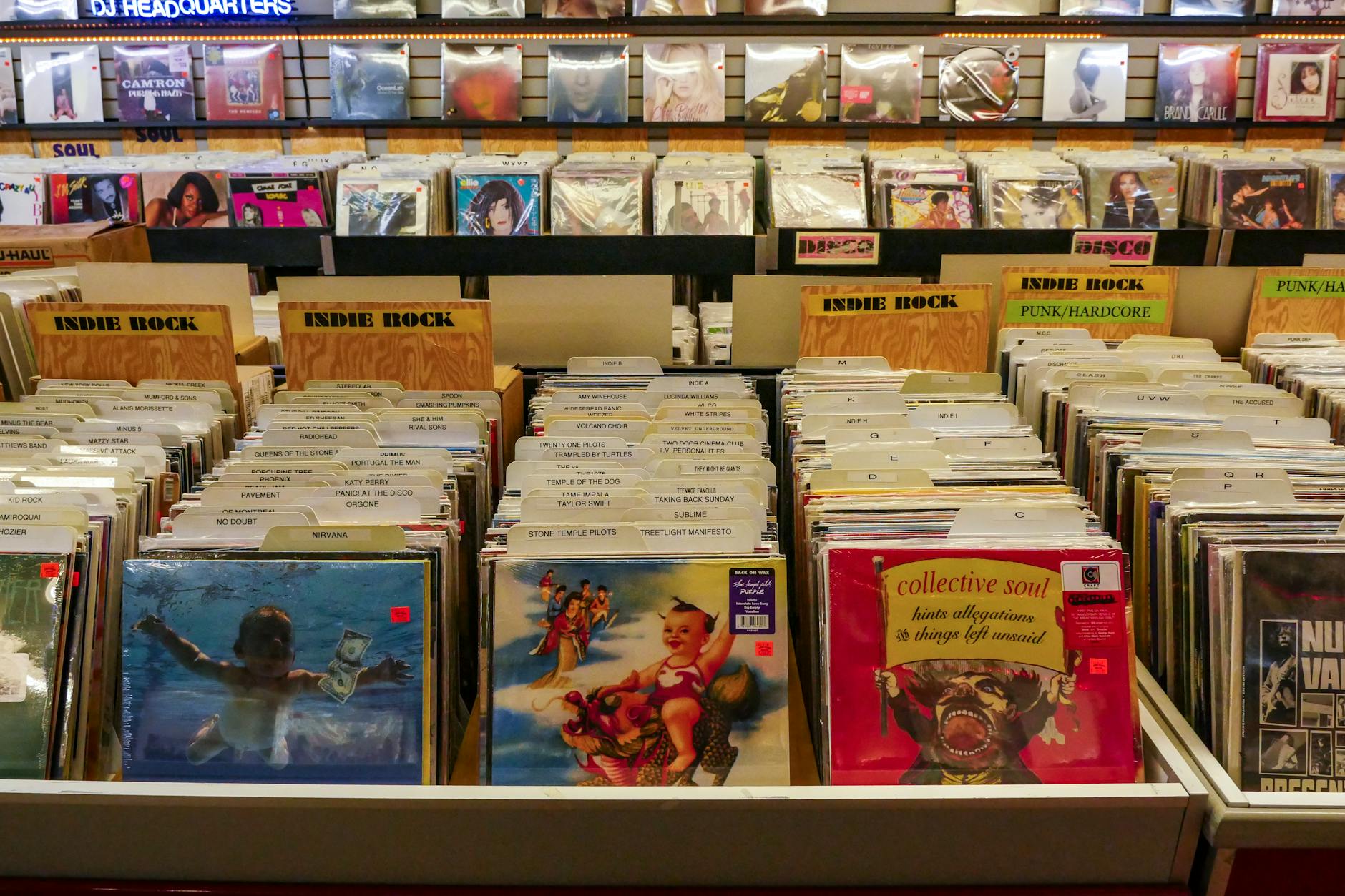
When asked about their musical preferences the response involves a long pause and a comment about how music resists categorization. Specific artist names are offered only reluctantly and are always followed by the caveat that most people would not know them. Playlists are described as deeply personal documents not intended for casual sharing. The entire interaction functions as an advertisement for a rich inner life that cannot be accessed by ordinary listeners.
Over-Pronouncing Foreign Cuisine
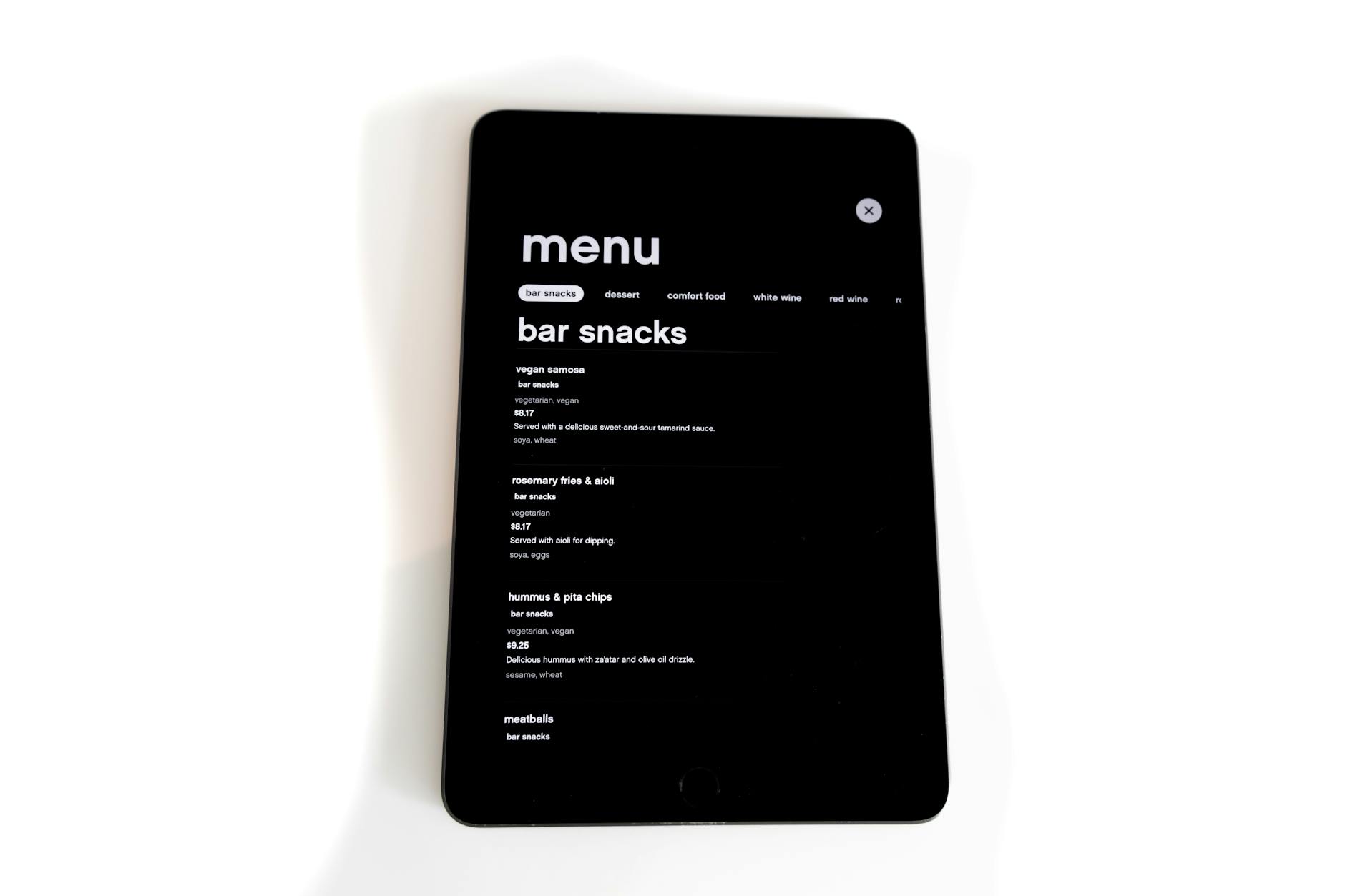
The menu at any international restaurant becomes an opportunity to demonstrate linguistic range to the entire table. Each dish name is delivered with what is presented as an authentic regional accent regardless of the speaker’s actual connection to that culture. Corrections of other people’s pronunciation are offered unprompted and with an air of doing them a favor. The performance extends to ordering still or sparkling water in whatever language feels most impressive.
Referencing Childhood Summers Abroad
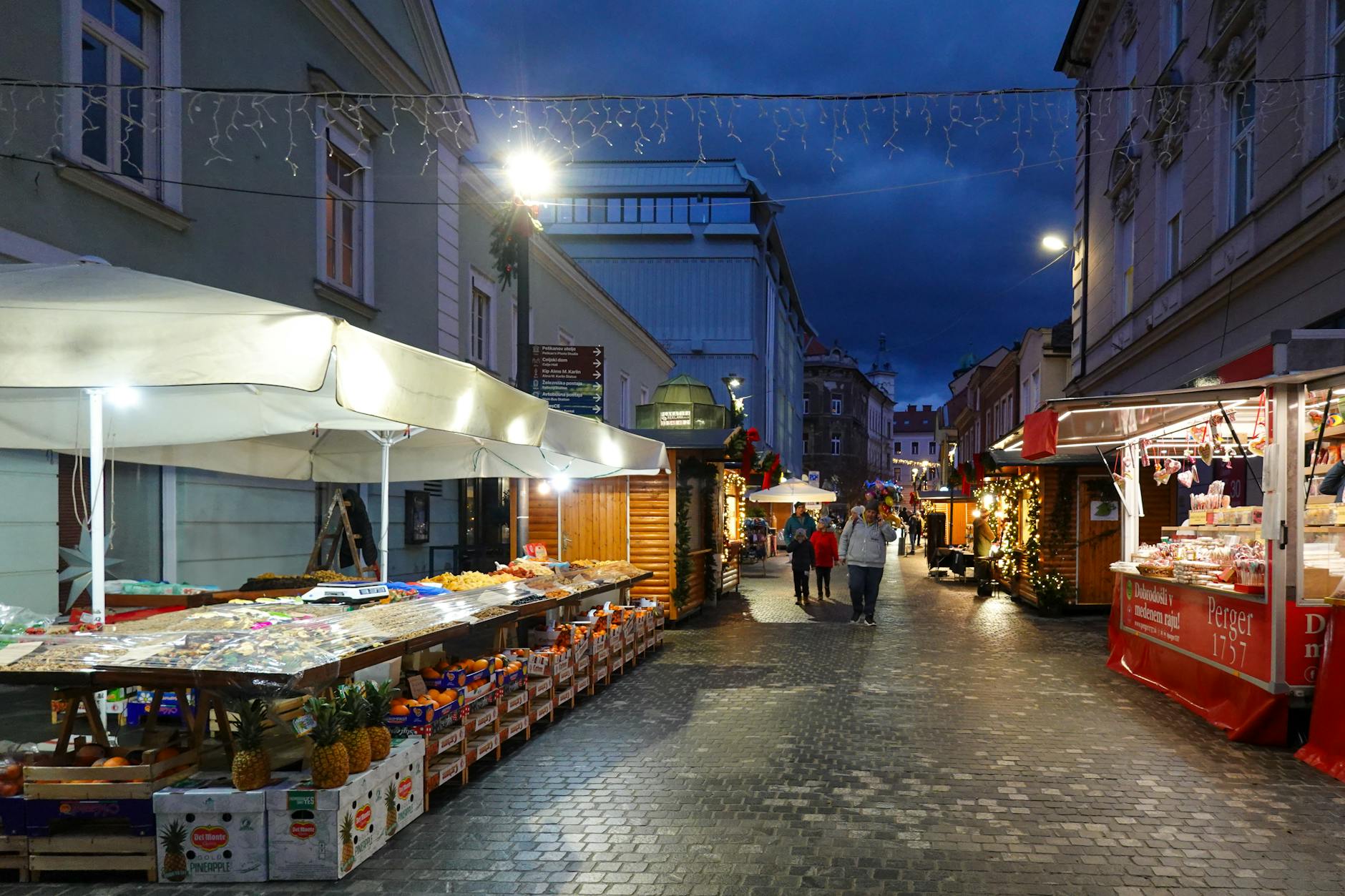
Early memories are almost entirely set in European countries and involve market scenes, ancient architecture, and family friends who were artists or academics. These stories surface naturally in conversations about food, travel, language, or really any topic where they can be made to fit. The frequency with which these memories appear suggests they function as biographical credentials rather than genuine recollection. A childhood spent locally is never referenced with equivalent affection or frequency.
Treating Dinner Parties as Performance Art
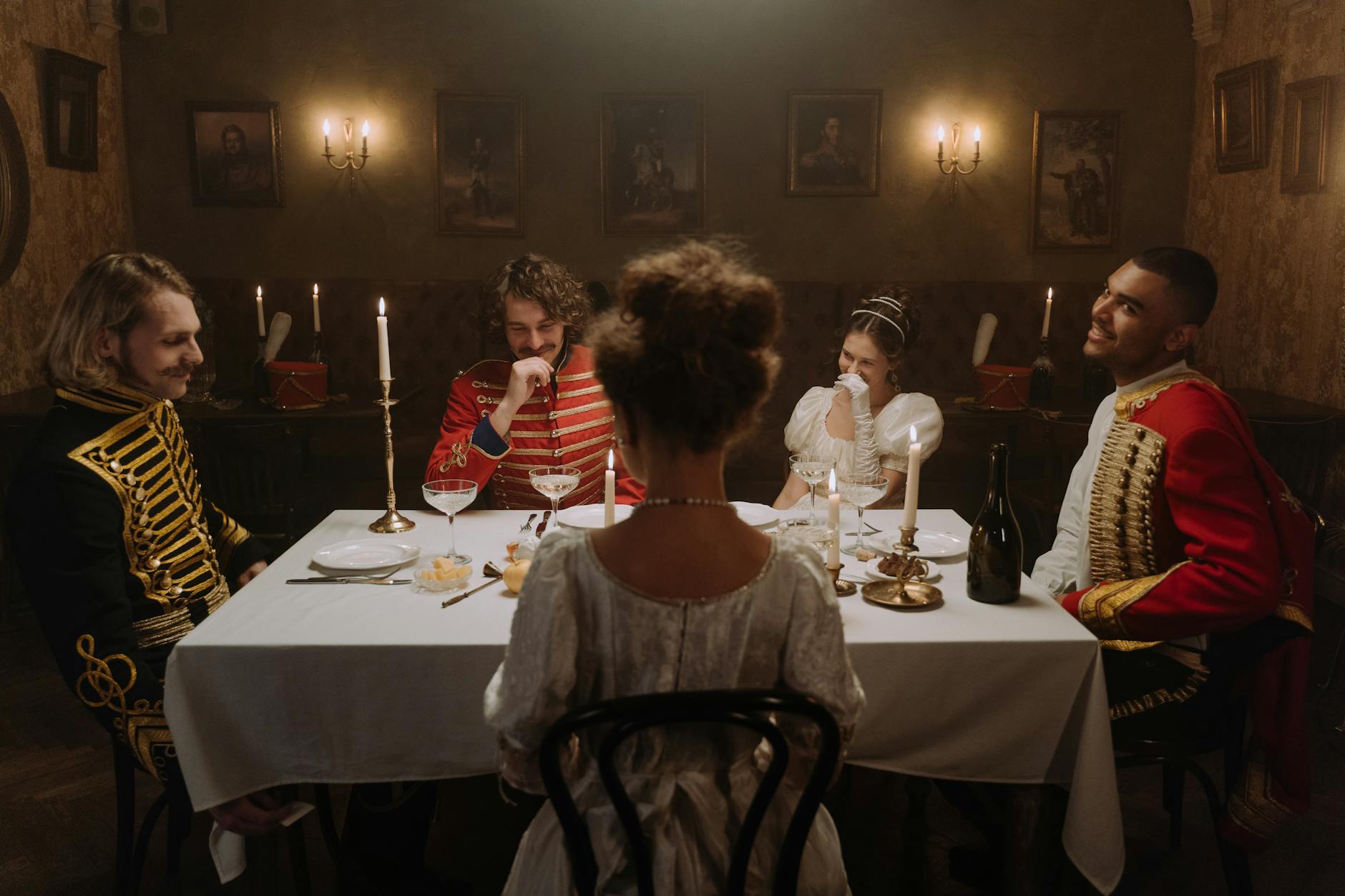
The evening is planned with the intensity of a theatrical production including a mood board for the table setting and a printed menu card. Guests are seated according to a logic that is explained at length and involves considerations of conversational chemistry. The food is always something that requires a brief explanation before it can be eaten. Spontaneous gatherings are described as lovely in theory while being quietly considered beneath the standard of proper hospitality.
Having Very Strong Opinions About Fonts

Typography enters conversations at moments that surprise everyone except the person introducing it. Specific typefaces are described as corrupt or dishonest and their use by certain brands is treated as evidence of cultural decline. The opinion is delivered with the certainty usually reserved for ethical positions rather than aesthetic preferences. Comic Sans functions as a reliable shorthand for everything this person considers wrong with the world.
Subscribing to Multiple Print Magazines They Never Read

The coffee table holds a carefully arranged spread of publications covering architecture, literary fiction, international affairs, and contemporary art. Each magazine is positioned to display its cover and none shows signs of having been opened recently. Subscriptions are described as a way of supporting important journalism rather than as reading material. The stack is rotated seasonally to maintain the impression of active intellectual engagement.
Using the Word “Problematic” Constantly

Any cultural product consumed by a large number of people is eventually described using this word with a tone that closes further discussion. The analysis rarely extends beyond the initial designation into anything more specific or constructive. It functions as a way of signaling critical awareness without requiring the effort of actual criticism. Popular enjoyment is treated as prima facie evidence that something deserves scrutiny.
Maintaining Extremely Specific Dietary Restrictions
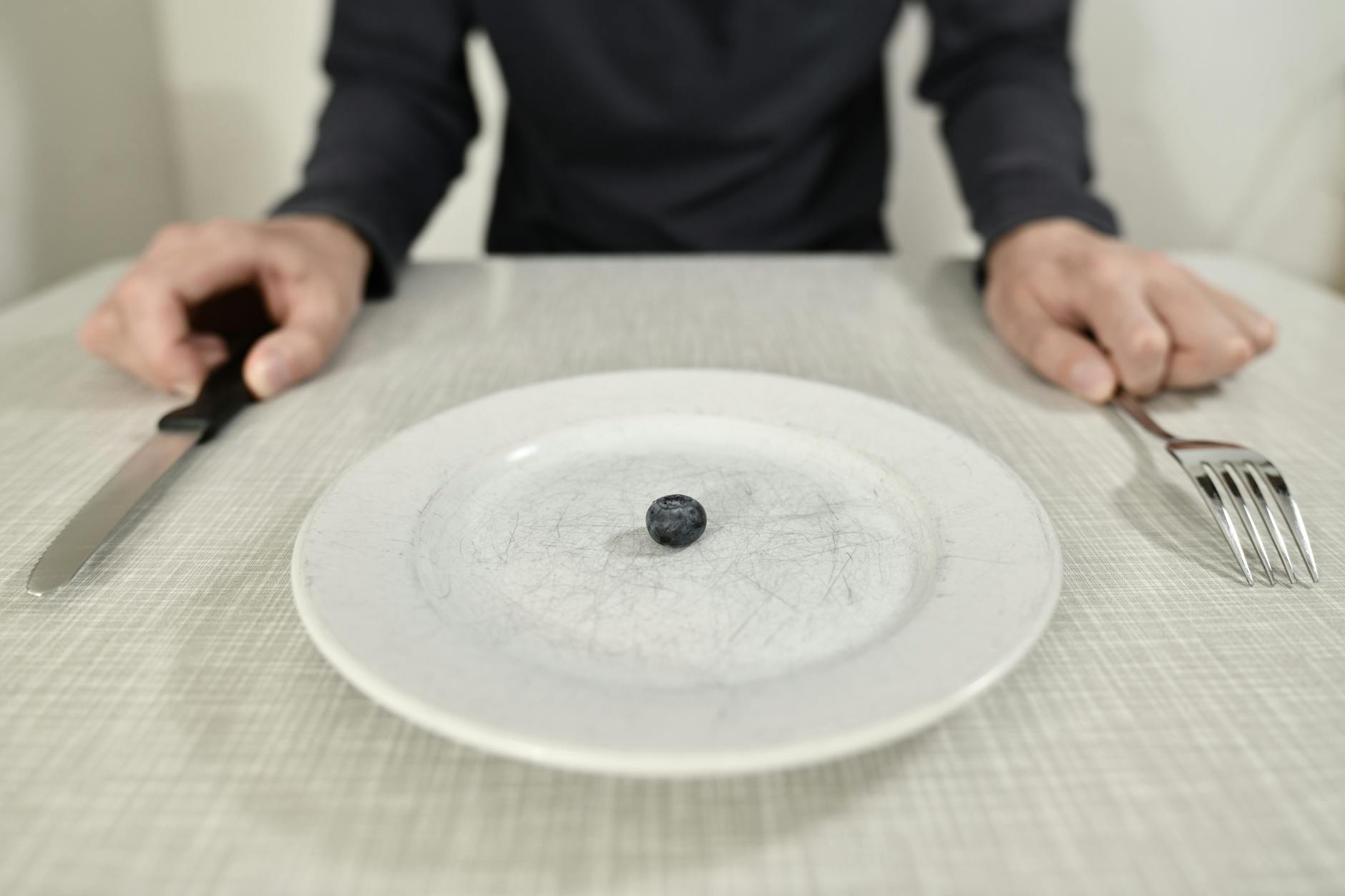
The restrictions shift periodically but always require modification of dishes at restaurants and detailed explanation at dinner parties. The reasoning behind each restriction involves a combination of environmental ethics, ancestral wisdom, and personal biochemistry that takes some time to fully convey. Foods eaten without restriction in other contexts occasionally contradict the stated rules. The restrictions serve as a reliable conversation topic that centers the individual at any shared meal.
Displaying Books Spine-Inward

The shelves are beautiful and the effect is undeniably striking from a purely visual standpoint. Questions about specific titles cannot be answered without pulling books from shelves and examining them individually. The arrangement prioritizes the room over the literature which is a fairly direct statement of values. Guests who comment on the aesthetic are rewarded with a brief history of the interior design decision.
Describing Everything as a “Practice”

Exercise, cooking, journaling, and even resting have been elevated to the status of intentional disciplines pursued with rigor and consistency. Each practice is described in terms of its role within a broader philosophy of living rather than as an ordinary daily activity. The language implies a level of devotion that transforms the mundane into the meaningful. Watching television or scrolling through a phone is notably absent from the list of personal practices.
Owning Art That Requires Explanation
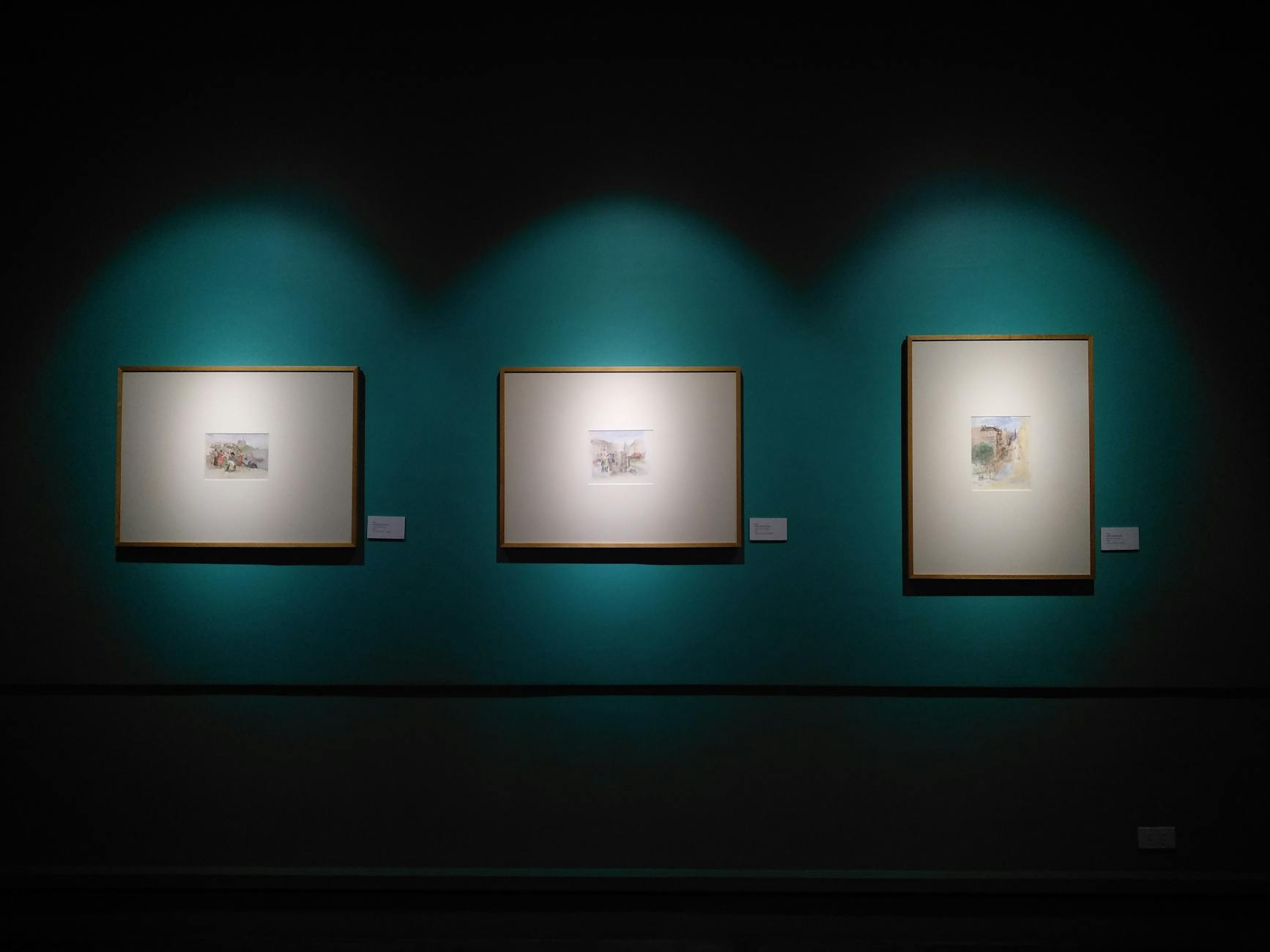
Every piece in the home was acquired through a relationship with the artist or a recommendation from someone with curatorial credentials. Visitors who respond to the work with simple aesthetic pleasure are gently guided toward a more conceptual reading. The explanation always involves the artist’s background, the cultural moment in which the work was made, and the particular challenge it poses to conventional expectations. Work that can be appreciated immediately without context is treated as decoration rather than art.
Speaking About Money by Never Speaking About Money

The topic is handled exclusively through implication and the studied avoidance of any specific figure. Expensive things are referenced by their qualities rather than their cost and budget is a word that never appears. When the subject becomes unavoidable it is redirected toward value and investment rather than price. This elaborate performance of financial ease is itself one of the more reliable indicators that the ease is not entirely genuine.
Having a Relationship With a Tailor

The existence of a personal tailor is mentioned whenever clothing becomes even a tangential subject. Ready-to-wear garments are acknowledged to exist but treated as a practical concession made by people who have not yet discovered an alternative. The specific adjustments made to everyday items like trousers and shirt collars are described in detail that suggests the listener should find this information transformative. The tailor’s name is always first name only.
Sighing at Mispronounced Words

The sigh is barely audible and is accompanied by a slight tilt of the head that communicates patient suffering. The correction follows immediately and is delivered as an aside rather than a direct address to soften what is nonetheless a fairly direct critique. Common targets include foreign place names, culinary terms, and the names of artists or architects. The habit is presented as a commitment to precision and received almost universally as something else entirely.
Treating Their Morning Routine as a Philosophy

The routine begins before sunrise and involves a sequence of activities that has been refined over years of personal experimentation. Each element has a specific physiological or psychological rationale that is available upon request and often without it. Deviating from the routine on a travel day is treated as a genuine hardship requiring acknowledgment and sympathy. The routine is described in interviews, on social platforms, and in conversation with a consistency suggesting it is among the most important things about the person.
Share your thoughts on these habits and tell us which ones you recognize most in the comments.




