The modern movement for accepting diverse body shapes has revolutionized how society views physical appearance and mental wellbeing. This cultural shift aims to reduce stigma and promote psychological health across all demographics. Medical professionals note that sometimes the messaging unintentionally discourages individuals from pursuing necessary physical improvements. Examining these nuances reveals how extreme interpretations of the movement can occasionally conflict with evidence based medical advice.
Normalization of Medical Risks

Accepting personal physical appearance should not negate the biological realities of carrying excess visceral fat around major organs. Health experts consistently point out that prolonged metabolic strain increases the likelihood of developing chronic conditions like diabetes and heart disease. Ignoring these internal markers in favor of external acceptance creates a dangerous blind spot for preventative healthcare. True wellness requires acknowledging both mental self esteem and objective physiological metrics without letting one override the other.
Misinterpretation of Health Metrics
The rejection of body mass index often leads people to discard all forms of medical measurement regarding weight. Doctors rely on blood pressure and cholesterol panels alongside body composition to determine overall physical resilience. Patients who wholly dismiss clinical guidelines lose valuable data points that could predict future physiological decline. Regular screening remains a fundamental tool for longevity regardless of current aesthetic trends or social movements.
Avoidance of Routine Screenings

Individuals entrenched in acceptance communities sometimes skip annual medical checkups to avoid discussions about weight management. This defensive behavior prevents physicians from catching early warning signs of unrelated illnesses like thyroid dysfunction or hormonal imbalances. Preventative care relies heavily on open communication between patient and doctor about all lifestyle factors including nutrition. Attending regular appointments ensures that serious pathological issues are addressed before they become unmanageable emergencies.
Shaming of Intentional Weight Loss
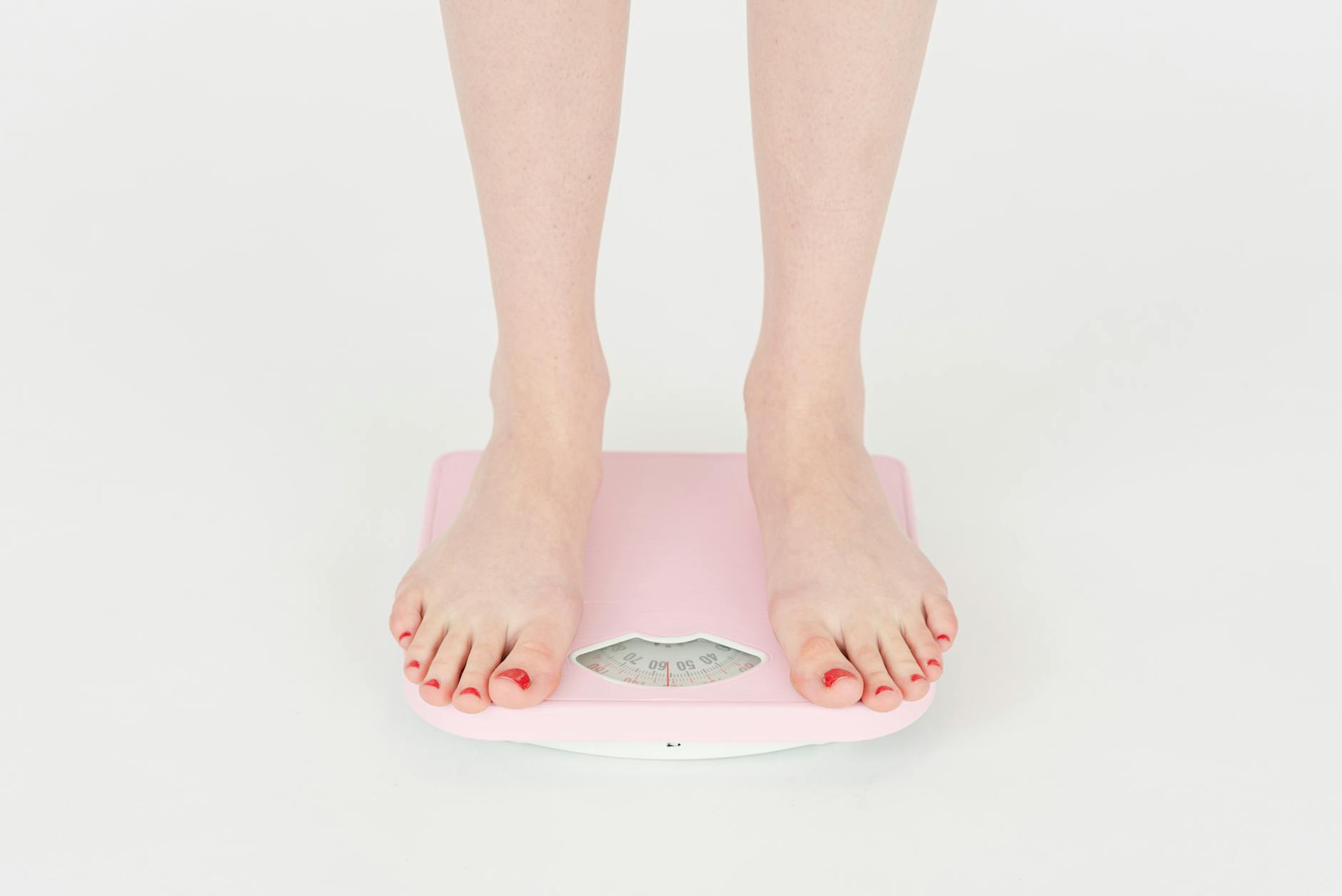
Online communities dedicated to size acceptance frequently criticize members who decide to pursue fitness or dietary changes. This peer pressure creates a toxic environment where individuals feel guilty for prioritizing their cardiovascular endurance or joint mobility. Making healthy lifestyle modifications becomes an isolating experience when friends interpret personal health goals as a betrayal of group values. Everyone deserves the autonomy to alter their physical habits without facing judgment from the very groups preaching acceptance.
Confusion Between Diet Culture and Nutrition

Rejecting restrictive eating disorders often spirals into completely abandoning basic nutritional science and portion control. Consuming balanced macronutrients is essential for optimal brain function and immune system support across all ages. Framing every attempt at healthy eating as toxic diet culture prevents individuals from understanding how food impacts their daily energy levels. Proper nourishment requires a pragmatic approach to ingredients rather than emotional rebellion against perceived societal standards.
Denial of Joint Degradation

Carrying excess weight places measurable mechanical stress on the knees and hips over decades of movement. Orthopedic specialists warn that this physical burden accelerates the erosion of cartilage and leads to premature osteoarthritis. Treating joint pain simply as an inevitable part of aging ignores the very real impact of physics on the human skeletal system. Maintaining a functional range of motion often necessitates evaluating how body mass affects structural integrity during daily activities.
Dismissal of Cardiovascular Strain
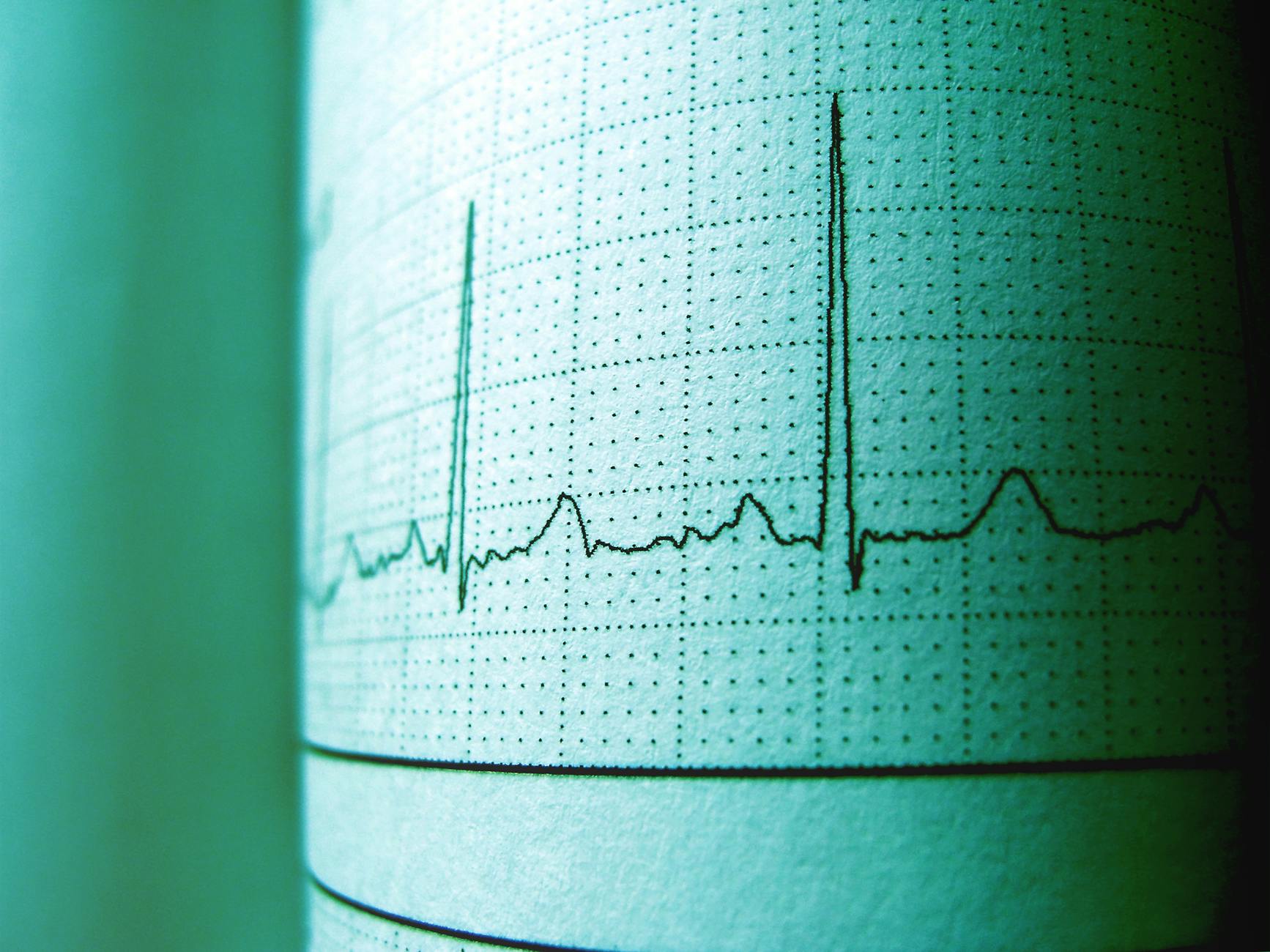
The heart must pump harder to supply oxygenated blood through a larger network of tissue and capillaries. Chronic elevation in resting heart rate and blood pressure quietly damages arterial walls over long periods of time. Cardiologists emphasize that subjective feelings of wellness do not always align with the objective functioning of the circulatory system. Prioritizing heart health requires objective assessments of cardiovascular output independent of how one feels about their reflection.
Overlooking Sleep Apnea Risks
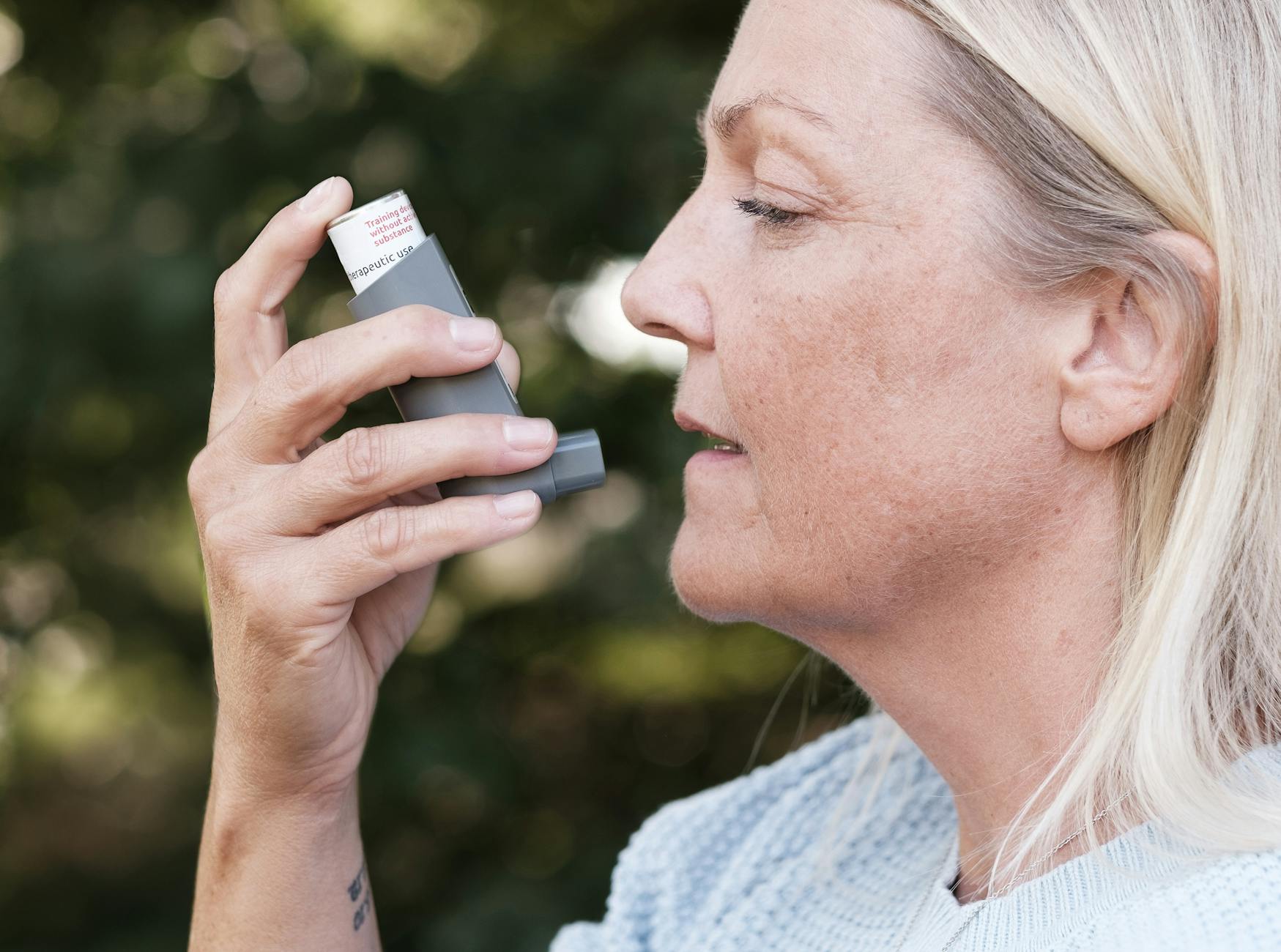
Increased adipose tissue around the neck and throat frequently obstructs airways during deep sleep cycles. This nocturnal breathing interruption deprives the brain of oxygen and prevents the body from achieving restorative rest. Chronic fatigue and elevated stress hormones inevitably follow when patients dismiss loud snoring as a harmless quirk. Addressing respiratory blockages often involves exploring weight reduction strategies alongside specialized medical devices to restore healthy sleep architecture.
Toxic Positivity Masking Depression

Forcing a constantly cheerful attitude about physical size can bury underlying psychological struggles related to trauma or stress. Therapists note that using food as an emotional coping mechanism requires professional intervention rather than simple validation. Plastering over deep seated insecurities with slogans prevents individuals from doing the difficult work of healing psychological wounds. Authentic mental health requires facing difficult emotions and addressing the root causes of destructive behavioral patterns.
Enabling Sedentary Lifestyles

The push to decouple health from weight sometimes results in individuals completely abandoning regular physical exertion. Muscles naturally atrophy without consistent resistance training or sustained cardiovascular effort over time. Human physiology demands movement to maintain bone density and regulate insulin sensitivity throughout the lifespan. Embracing the body as it is should ideally include keeping it strong and capable rather than accepting progressive physical decline.
Polarization of Fitness Spaces

Gyms and exercise studios are increasingly viewed as hostile environments by those fully immersed in size acceptance ideology. This perception creates a self fulfilling prophecy where individuals avoid places equipped to help them build strength and endurance. Group fitness classes and public recreation centers offer valuable community support that goes completely unutilized due to ideological barriers. Accessing proper exercise equipment is vital for maintaining physical independence and preventing injuries in later life.
Misunderstanding Genetic Limitations
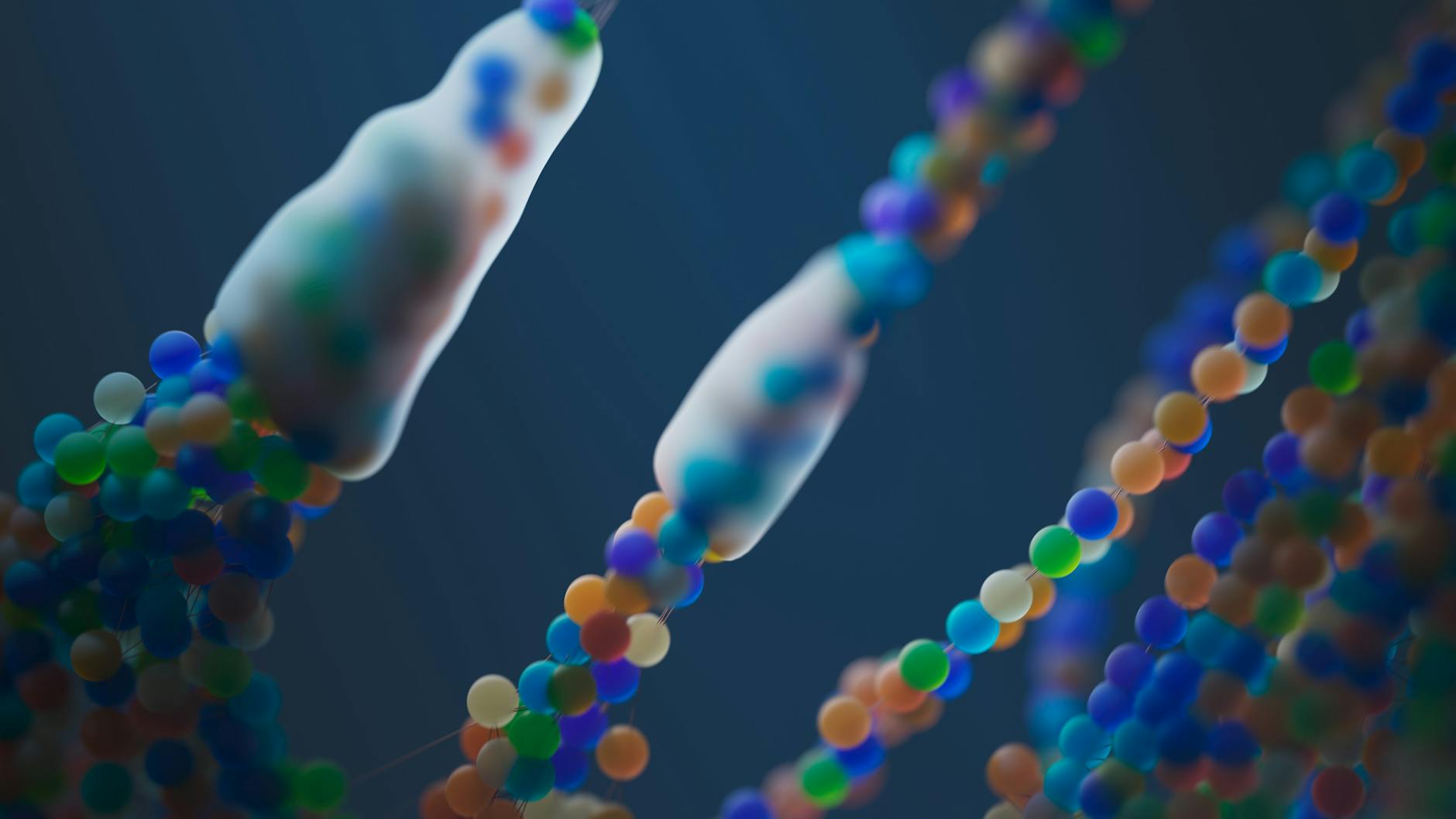
While genetics undoubtedly influence skeletal structure and fat distribution they do not entirely dictate metabolic destiny. Blaming poor health markers solely on hereditary factors strips individuals of their agency to make positive lifestyle changes. Epigenetics demonstrates that environmental factors and daily habits heavily influence how certain genes express themselves physically. Taking personal responsibility for manageable dietary choices empowers people to optimize their genetic baseline rather than surrendering to it.
Rejection of Medical Authority

A growing trend involves completely dismissing the consensus of major medical organizations regarding obesity and chronic disease. Relying entirely on social media influencers for health information creates dangerous echo chambers disconnected from clinical research. Physicians spend years studying human physiology to provide informed guidance aimed at extending life expectancy and improving life quality. Integrating expert medical advice into daily routines is crucial for navigating complex physiological challenges safely and effectively.
Neglecting Future Mobility

Focusing solely on current comfort levels often blinds individuals to the long term consequences of physical inactivity. Seniors who fail to maintain muscle mass and joint flexibility face severe limitations in their daily independence. The ability to walk up stairs or get up from the floor dictates the quality of life in later decades. Investing effort into physical conditioning now directly preserves the freedom to move without assistance in the future.
Conflating Aesthetics with Functionality
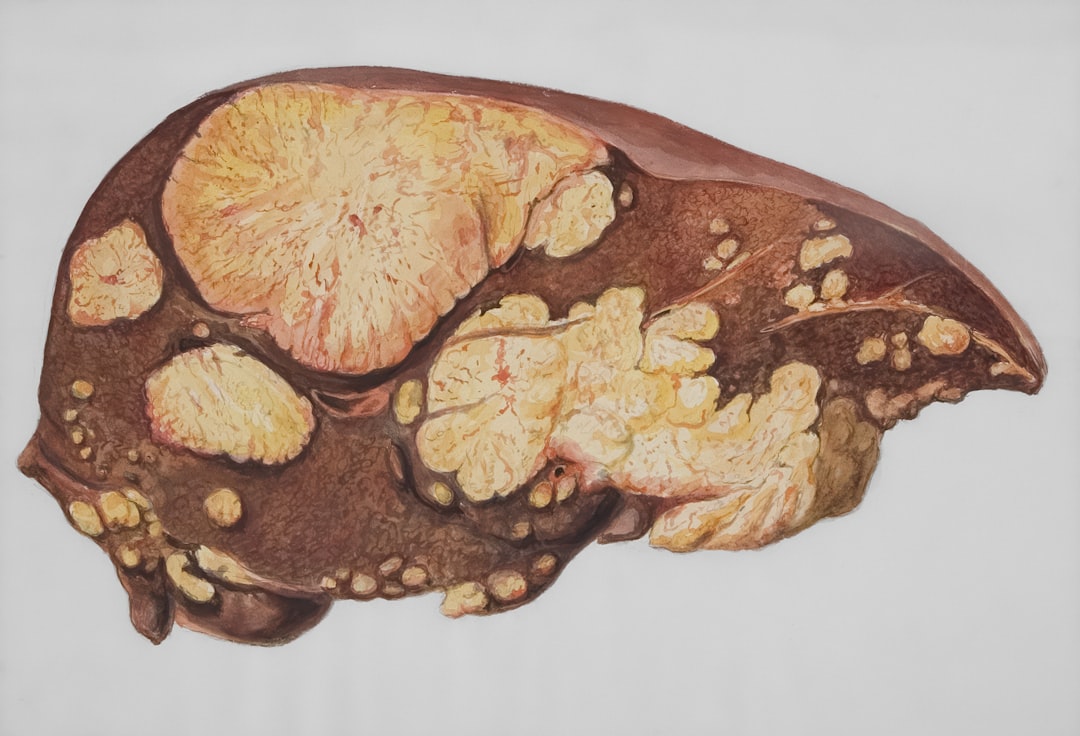
The movement correctly asserts that beauty exists in all forms but incorrectly applies this logic to internal organ function. A liver overwhelmed by fatty deposits cannot perform essential detoxification processes regardless of societal beauty standards. Biological systems operate on strict chemical principles that do not respond to cultural shifts in aesthetic appreciation. Separating how the body looks from how the body operates allows for a clearer understanding of true physiological health.
Minimizing Chronic Inflammation

Adipose tissue is not merely inert storage but an active endocrine organ that secretes inflammatory cytokines into the bloodstream. Systemic inflammation serves as a primary driver for numerous autoimmune conditions and metabolic disorders. Ignoring the chemical signals produced by excess body fat leaves the immune system in a state of constant heightened alert. Reducing systemic inflammation through lifestyle modifications significantly lowers the risk of developing debilitating chronic conditions over time.
Stigmatization of Healthy Cooking

Meal preparation and macro tracking are sometimes vilified as obsessive behaviors tied exclusively to eating disorders. Understanding the nutritional composition of ingredients actually provides freedom and control over personal energy levels and digestion. Culinary education empowers individuals to create meals that satisfy both taste preferences and physiological requirements. Celebrating wholesome ingredients and balanced recipes should be viewed as an act of self care rather than a restrictive punishment.
Ignoring Hormonal Imbalances

Excess body fat dramatically alters the production and regulation of crucial hormones like insulin and estrogen. These chemical disruptions can lead to fertility issues and severe mood fluctuations that impact daily quality of life. Medical interventions aimed at balancing hormones often include recommendations for altering body composition through diet and exercise. Refusing to address weight as a factor in endocrine health denies patients access to highly effective natural remedies for hormonal dysfunction.
Artificial Division of Mind and Body

Championing mental acceptance while allowing physical health to deteriorate creates a harmful disconnect between the brain and the body. Neurological health relies heavily on good circulation and the nutrients absorbed through the digestive tract. Physical vitality and mental clarity are inextricably linked through a complex web of biological feedback loops. Achieving holistic wellness demands equal attention to both psychological resilience and physical maintenance.
Complacency in Personal Growth

True self love involves pushing oneself to evolve rather than settling for a baseline of mere survival. Comfort zones eventually become stagnant traps that prevent individuals from discovering their full physical and mental potential. Setting challenging fitness goals builds character and demonstrates a deep respect for the incredible capabilities of the human form. Continuous improvement remains a fundamental aspect of the human experience that should not be discarded in the name of simple acceptance.
Please share your thoughts on balancing personal acceptance with physiological health in the comments.




