Sugar is one of the most heavily disguised ingredients in the modern food supply, and the food industry has spent decades perfecting the art of keeping it hidden in plain sight. Manufacturers use a combination of misleading language, strategic labeling, clever marketing, and nutritional misdirection to ensure consumers keep reaching for products loaded with added sugars. Understanding these tactics is one of the most powerful steps toward making genuinely informed choices at the grocery store. From breakfast to dessert and every snack in between, the tricks are embedded in nearly every aisle.
Hidden Sugar Names on Ingredient Labels
The food industry uses over 60 different names for sugar on ingredient labels, making it extremely difficult for shoppers to identify how much they are actually consuming. Names like maltose, dextrose, sucrose, and barley malt extract all refer to forms of added sugar but rarely trigger the same alarm as the word sugar itself. Manufacturers exploit this confusion intentionally, knowing that most consumers will not recognize every alias. Reading a label carefully and researching unfamiliar ingredient names is the only reliable way to uncover the full sugar content of a product.
Multiple Sugar Sources Listed Separately
Ingredient lists are ordered by weight from highest to lowest, so a product with five different types of sugar spread across the list can make each one appear minor. By splitting sugar into several different forms such as corn syrup, honey, molasses, and cane juice, manufacturers push each one further down the list. This creates the illusion that sugar is only a small component of the product when combined it may actually be the dominant ingredient. Regulators in some countries have begun pushing for combined sugar totals on labels, but the practice of splitting remains widespread.
“No Added Sugar” Claims
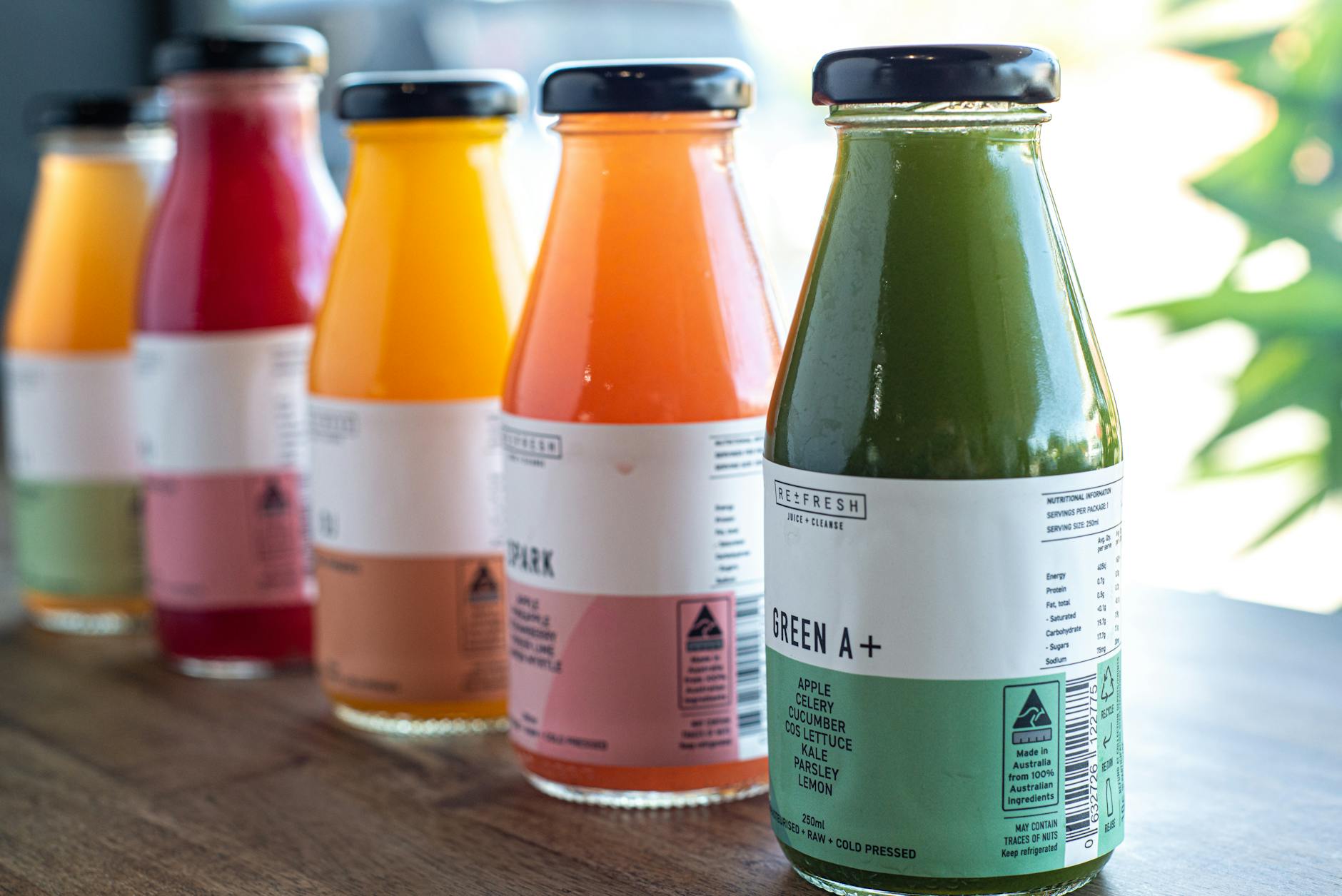
Products labeled as containing no added sugar are often still very high in total sugar content derived from concentrated fruit juices or naturally occurring sugars. The claim technically refers only to the absence of sugar added during manufacturing but does not account for ingredients that behave identically to refined sugar in the body. Consumers frequently interpret this label as meaning the product is low in sugar overall, which is rarely accurate. A glass of unsweetened apple juice, for example, can contain as much sugar as a can of soda.
Fruit Juice Concentrates
Fruit juice concentrate is a highly processed ingredient that strips away the fiber from whole fruit and leaves behind a dense source of fructose. It is widely used as a sweetener in products ranging from cereals to energy bars and fruit snacks, and it is often positioned as a natural or wholesome alternative to refined sugar. Despite its fruit origin, the body processes concentrated fruit sugars in much the same way as other added sugars. The word “concentrate” in an ingredient list is a reliable signal that a significant sugar load is present.
Low-Fat Products

When fat is removed from a food product, the flavor profile changes dramatically and becomes less satisfying. To compensate, manufacturers routinely add significant amounts of sugar, salt, or both to restore palatability and ensure consumers enjoy the product enough to repurchase it. Low-fat yogurts, salad dressings, and peanut butters are classic examples where the reduced fat version contains considerably more sugar than the full-fat original. The “low-fat” label on packaging creates a health halo that causes many people to overlook the sugar content entirely.
Serving Size Manipulation
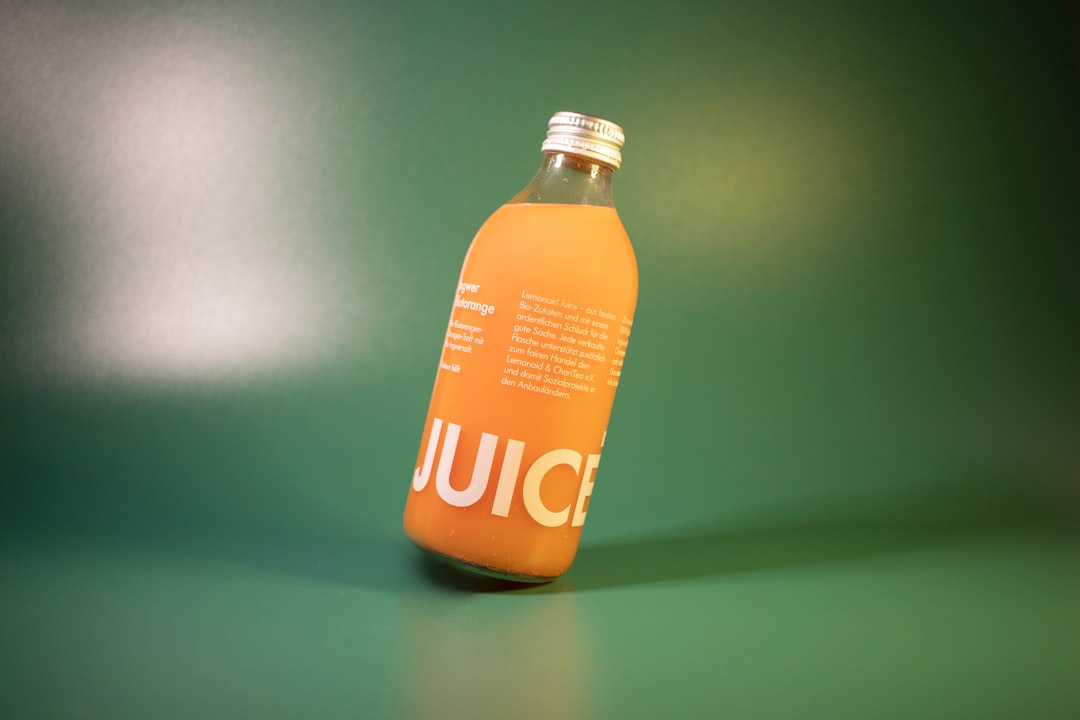
Nutrition labels display sugar content per serving, but manufacturers frequently set unrealistically small serving sizes to make the numbers appear more favorable. A bottle of juice labeled as two and a half servings means the sugar figure on the label must be multiplied to reflect what most people would actually drink in one sitting. This tactic is particularly common with beverages, snack bags, and dessert products. Checking the total sugar content for the entire package rather than the stated serving is a far more accurate way to assess what you are consuming.
Granola and Breakfast Bars

Granola and breakfast bars are widely perceived as healthy, wholesome options suitable for active lifestyles. Many commercially produced varieties are held together with sugar syrups, honey, or brown rice syrup and may contain chocolate chips, dried fruit, or sweetened yogurt coatings on top. A single bar can contain the sugar equivalent of a small candy bar while being marketed with imagery of mountains, athletes, and natural ingredients. The association with outdoor activity and wellness allows manufacturers to charge premium prices for what is effectively a sugary snack.
Flavored Yogurts
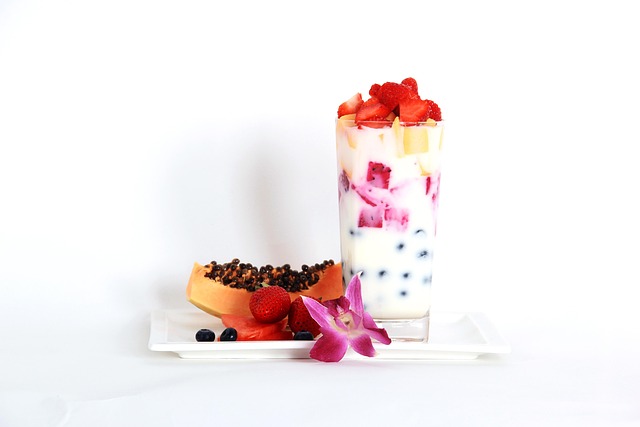
Plain yogurt is a genuinely nutritious food, but flavored varieties from major brands can contain between 15 and 25 grams of added sugar per serving. Fruit-at-the-bottom yogurts often contain fruit preserves that are predominantly sugar with a small amount of fruit for flavor and color. Even yogurts marketed specifically toward children can contain more sugar than a glazed doughnut. Choosing plain yogurt and adding fresh fruit is a straightforward way to enjoy the nutritional benefits without the added sugar load.
Breakfast Cereals
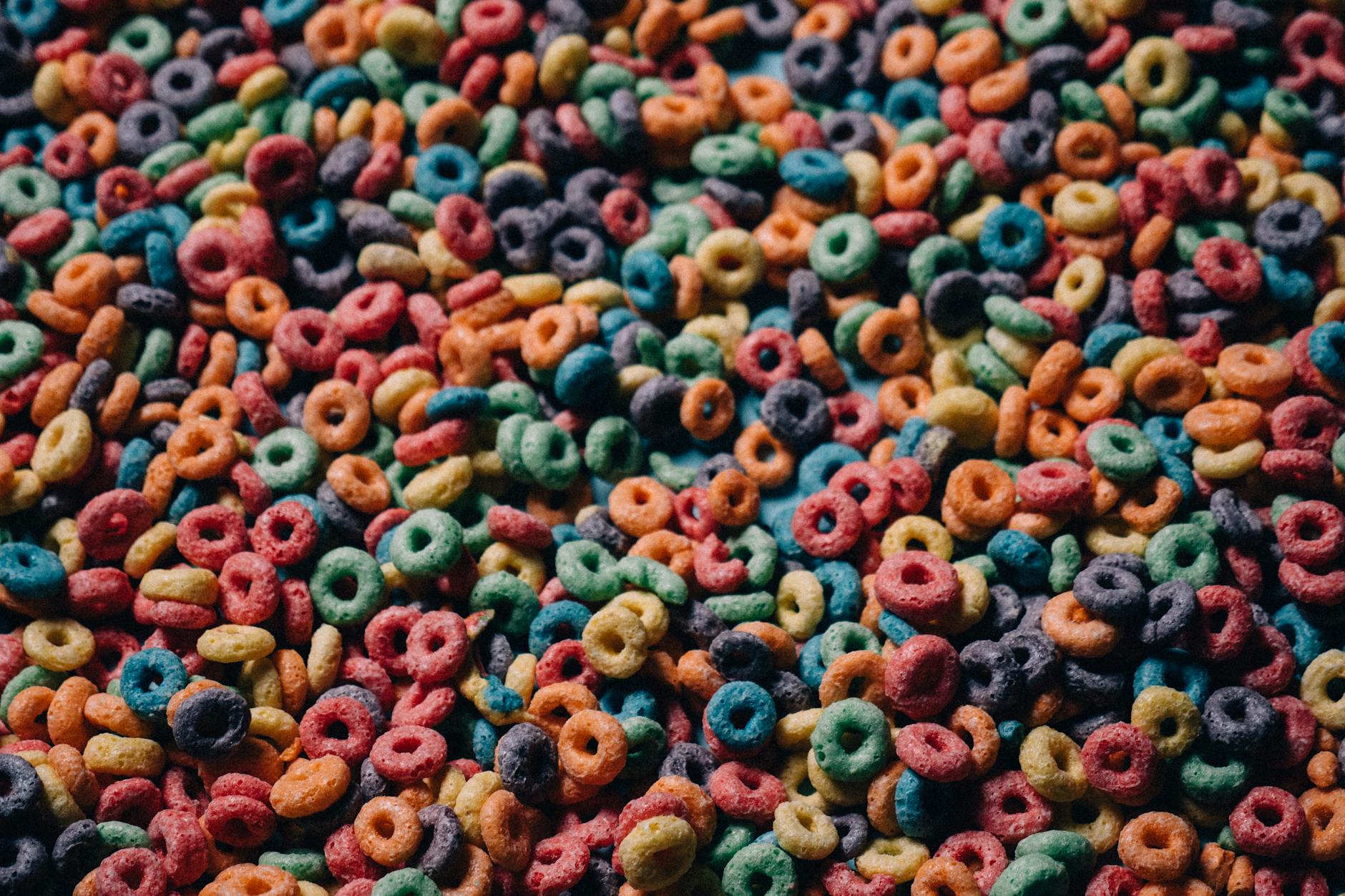
The breakfast cereal category is one of the most heavily sweetened sections of the supermarket, with many popular brands containing between 10 and 18 grams of sugar per serving. Cereals targeting children are typically the most sugar-dense, and they are placed at eye level for small children on supermarket shelves to drive product requests. Even cereals marketed as wholesome or fiber-rich can contain several teaspoons of sugar to improve taste and encourage repeat purchases. Opting for plain oats or low-sugar whole grain options is one of the simplest dietary adjustments a person can make.
Sports Drinks

Sports drinks were originally formulated to replenish electrolytes and carbohydrates in elite athletes undergoing prolonged intense physical activity. They have since been marketed to the general population as an everyday hydration choice, despite most consumers not engaging in the level of exercise that would justify the sugar content. A standard 500ml bottle can contain up to 34 grams of sugar alongside artificial coloring and flavoring. For most people, water is an entirely sufficient hydration tool without the added sugar burden.
Vitamin Waters

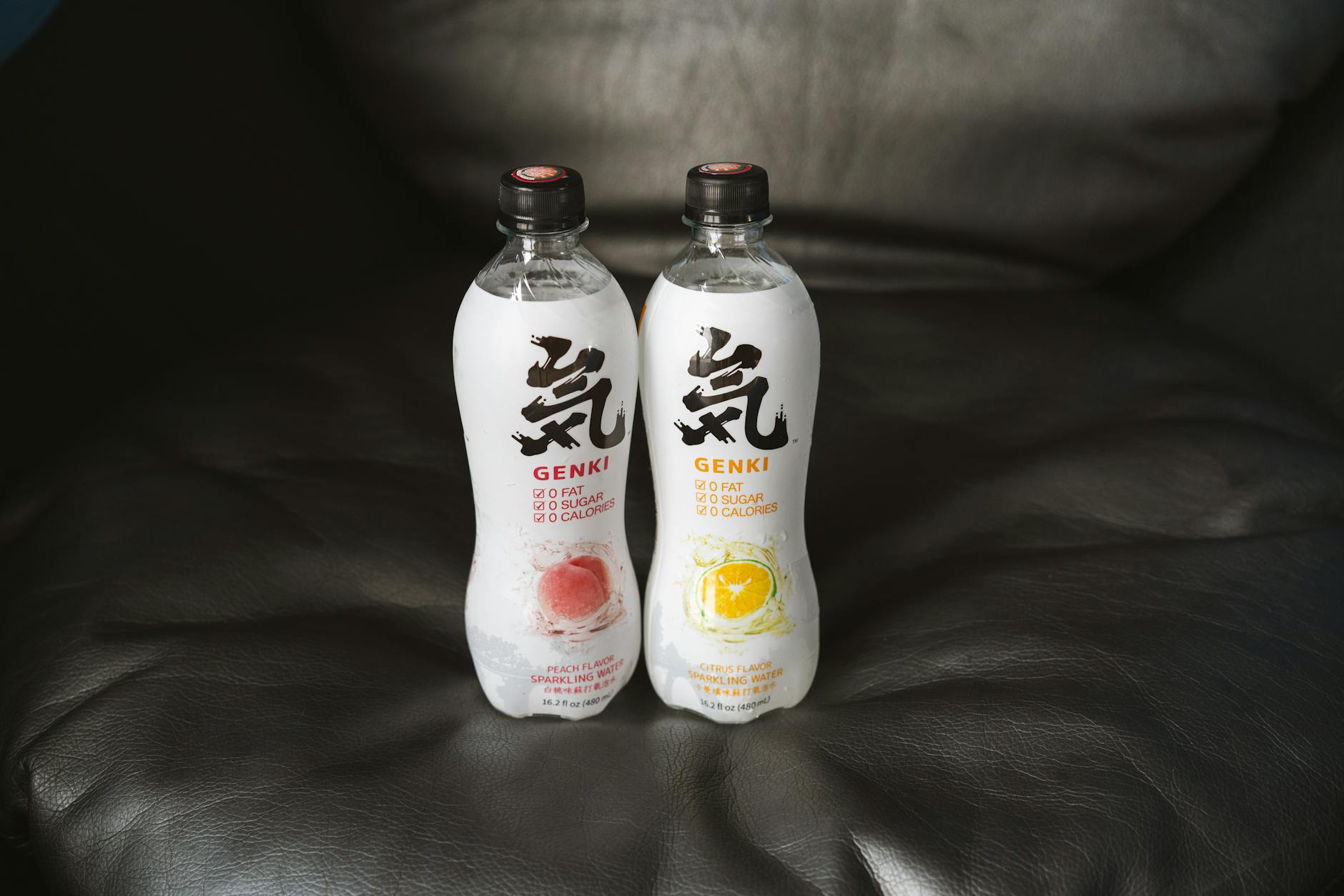
Vitamin-enhanced waters present the appearance of a health product while frequently containing 25 to 32 grams of sugar per bottle. The inclusion of vitamins in the product creates a powerful health association that overshadows the high sugar content in marketing materials and packaging design. Many of the vitamins added are already consumed in sufficient quantities through a normal diet, making the vitamin content of limited practical benefit. The combination of bright packaging, health language, and vitamin inclusion positions these drinks as superior to plain water when the sugar content tells a different story.
Instant Oatmeal

Plain oats are among the most nutritionally beneficial breakfast options available, but instant oatmeal packets sold in flavored varieties often contain between 10 and 14 grams of added sugar per serving. Flavors like maple brown sugar, peach and cream, and cinnamon apple are designed to taste indulgent and convenient while being perceived as a healthy morning meal. The oat content alone is sufficient to deliver fiber and satiety without any added sweetening. Purchasing plain instant oats and adding cinnamon or fresh fruit provides the same convenience with a fraction of the sugar.
Dried Fruit
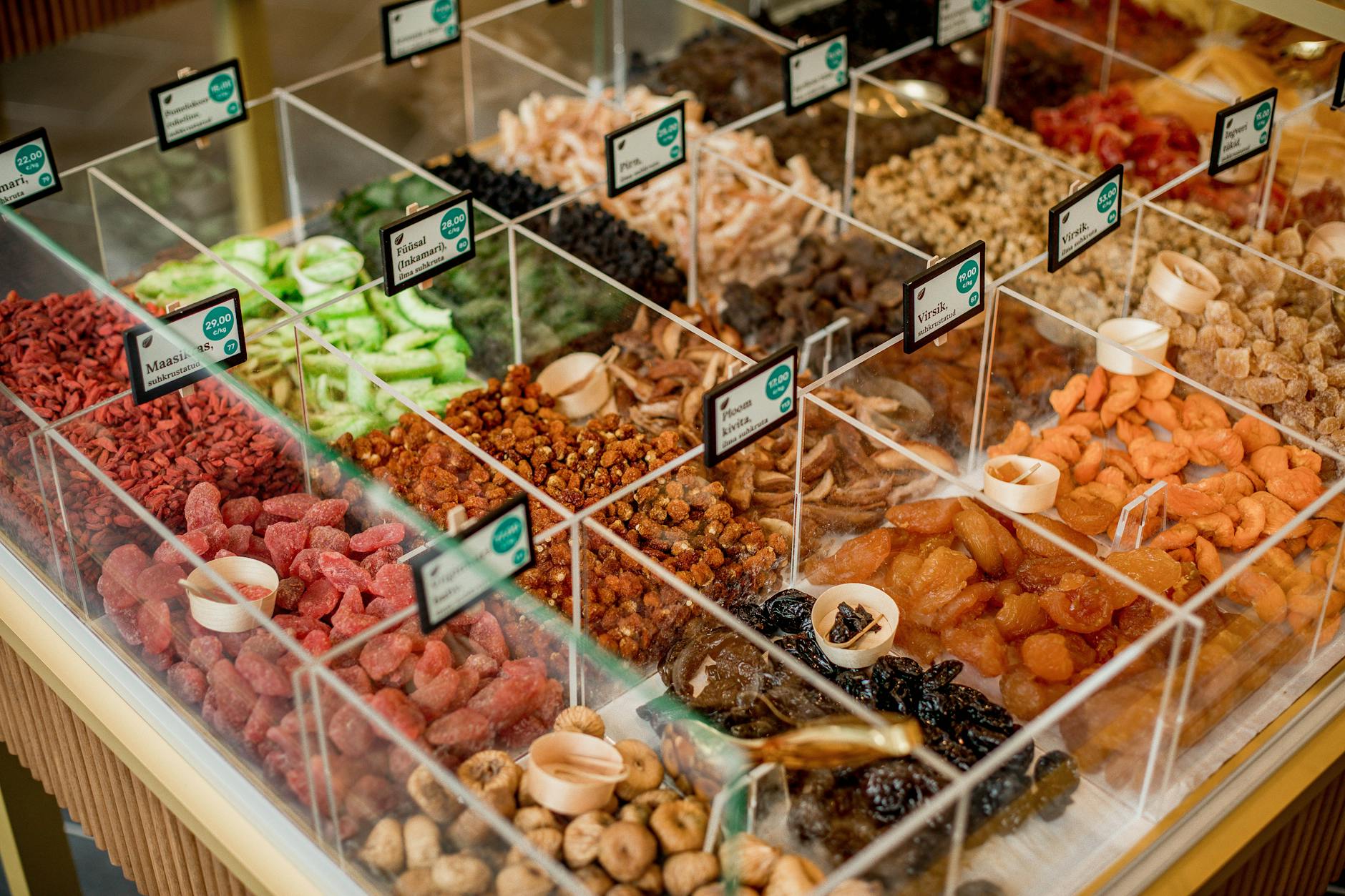
Dried fruit undergoes a significant concentration of natural sugars when moisture is removed during processing, and many commercial varieties also have sugar added before or after drying. A small handful of raisins contains roughly the same sugar content as a full cup of fresh grapes, making portion size especially important. Some dried fruits including cranberries and pineapple are almost always sweetened because their natural flavor is too tart or sour for mainstream consumer appeal. Reading ingredient labels on dried fruit products is essential as many that appear natural contain added sugars as a primary ingredient.
Condiments and Sauces

Ketchup, barbecue sauce, sweet chili sauce, and teriyaki sauce are among the most widely consumed condiments in the world and are heavily loaded with added sugar. A single tablespoon of ketchup contains roughly one teaspoon of sugar, and most people apply it in quantities far exceeding that. Barbecue sauces can contain up to 15 grams of sugar per serving and are typically used generously in cooking and at the table. Because condiments are not the main component of a meal, their sugar contribution is frequently overlooked when assessing overall dietary sugar intake.
Pasta Sauces
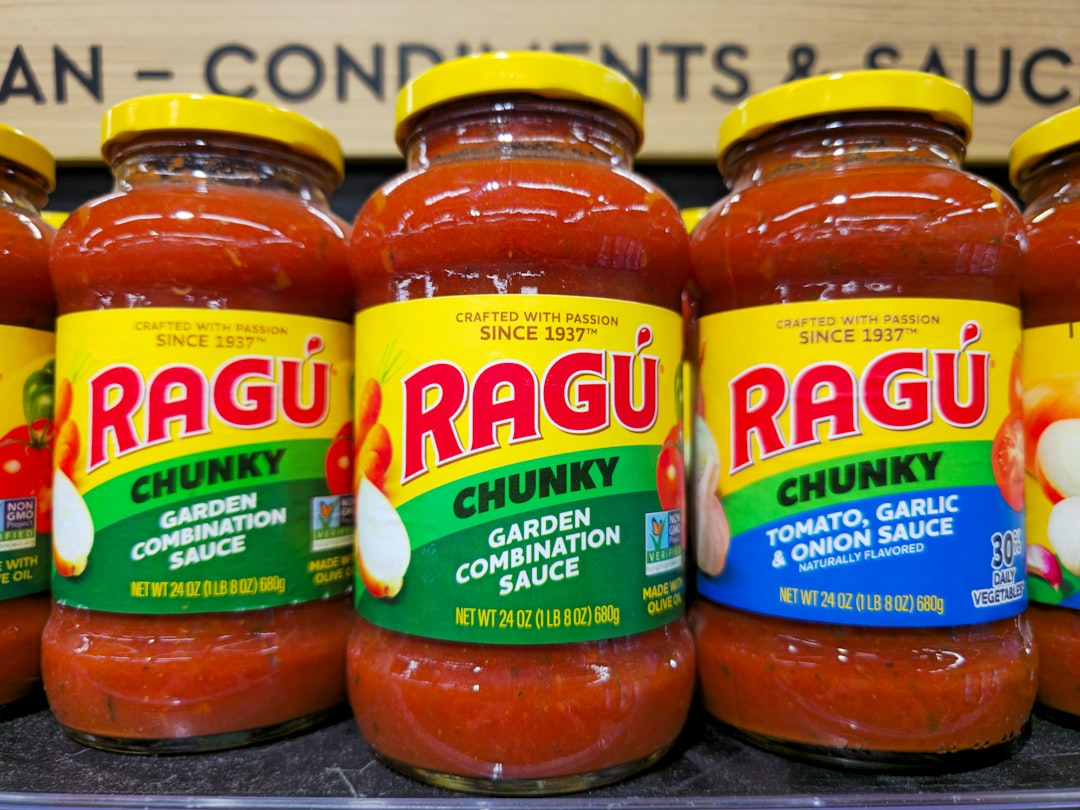
Jarred pasta sauces are a convenience staple in millions of households, but many leading brands add substantial amounts of sugar to balance the acidity of tomatoes and enhance flavor. A half-cup serving of a popular branded pasta sauce can contain between 6 and 12 grams of added sugar, meaning a full portion poured over pasta could deliver the sugar equivalent of a small dessert. Sugar is often not the first ingredient but appears relatively high on the list after tomatoes and water. Making sauce from scratch with whole canned tomatoes, garlic, and herbs is a straightforward way to eliminate added sugar entirely from this meal component.
Bread

White bread and many whole wheat varieties sold in supermarkets contain added sugar to improve texture, extend shelf life, and enhance flavor. A single slice of commercial sandwich bread can contain between 2 and 4 grams of added sugar, meaning two slices for a sandwich deliver a notable sugar contribution before any fillings are considered. Sugar helps create the soft, slightly sweet texture that consumers have come to associate with mainstream bread products. Artisan or sourdough breads made with minimal ingredients tend to contain significantly less or no added sugar.
Salad Dressings

Commercially produced salad dressings are one of the most overlooked sources of added sugar in the diet because salads are strongly associated with health-conscious eating. Sweet varieties like honey mustard, raspberry vinaigrette, and thousand island are obvious sources, but even seemingly savory dressings like Caesar and Italian can contain several grams of sugar per serving. A standard two-tablespoon serving is typically considerably less than what people pour over a salad, multiplying the actual sugar intake. Making a simple dressing with olive oil, lemon juice, and herbs at home removes the added sugar entirely.
Protein Bars

Protein bars are marketed as fitness foods and meal replacements but frequently contain between 20 and 30 grams of sugar per bar to make them palatable alongside large quantities of protein powder. The emphasis placed on protein content in marketing materials draws consumer attention away from the sugar figure on the nutrition label. Many bars use multiple sweeteners combined with chocolate coatings, caramel layers, or fruit fillings to achieve a candy-bar-like experience while maintaining a fitness-oriented brand identity. A bar with 20 grams of protein and 25 grams of sugar is providing roughly the same sugar as a standard chocolate bar.
Smoothies
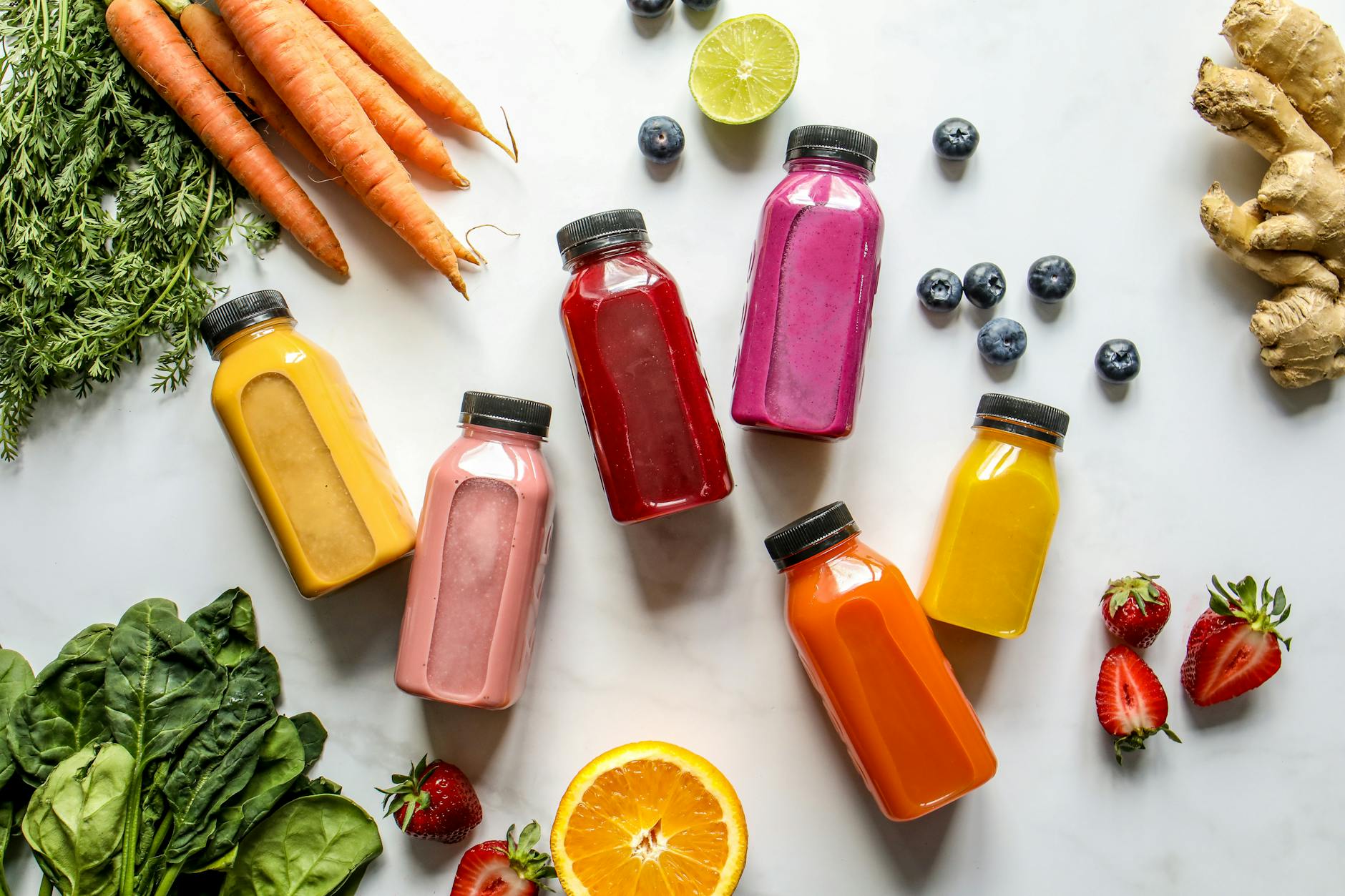
Pre-made smoothies sold in supermarkets and coffee chains can contain staggering amounts of sugar from a combination of fruit juice bases, flavored syrups, sweetened yogurt, and added sweeteners. A large commercial smoothie made with mango, pineapple, and orange juice can easily contain 60 to 70 grams of sugar in a single cup. Because the sugar originates predominantly from fruit, many consumers perceive smoothies as unlimited health foods with no dietary downside. Blending whole fruit at home with water or unsweetened milk and no added juice creates a far lower-sugar alternative.
Flavored Milks
Chocolate milk, strawberry milk, and other flavored dairy beverages are popular among children and adults alike, and they contain significantly more sugar than plain milk. A 250ml carton of chocolate milk can contain up to 25 grams of sugar, of which roughly 14 grams are added on top of the naturally occurring lactose. These products are frequently positioned as a nutritious post-workout recovery drink in fitness marketing, legitimizing their consumption in contexts where plain milk or water would be equally effective. The calcium and protein content is used to justify the sugar load in nutritional discussions, even though the same nutrients are available without added sweeteners.
Canned Soups
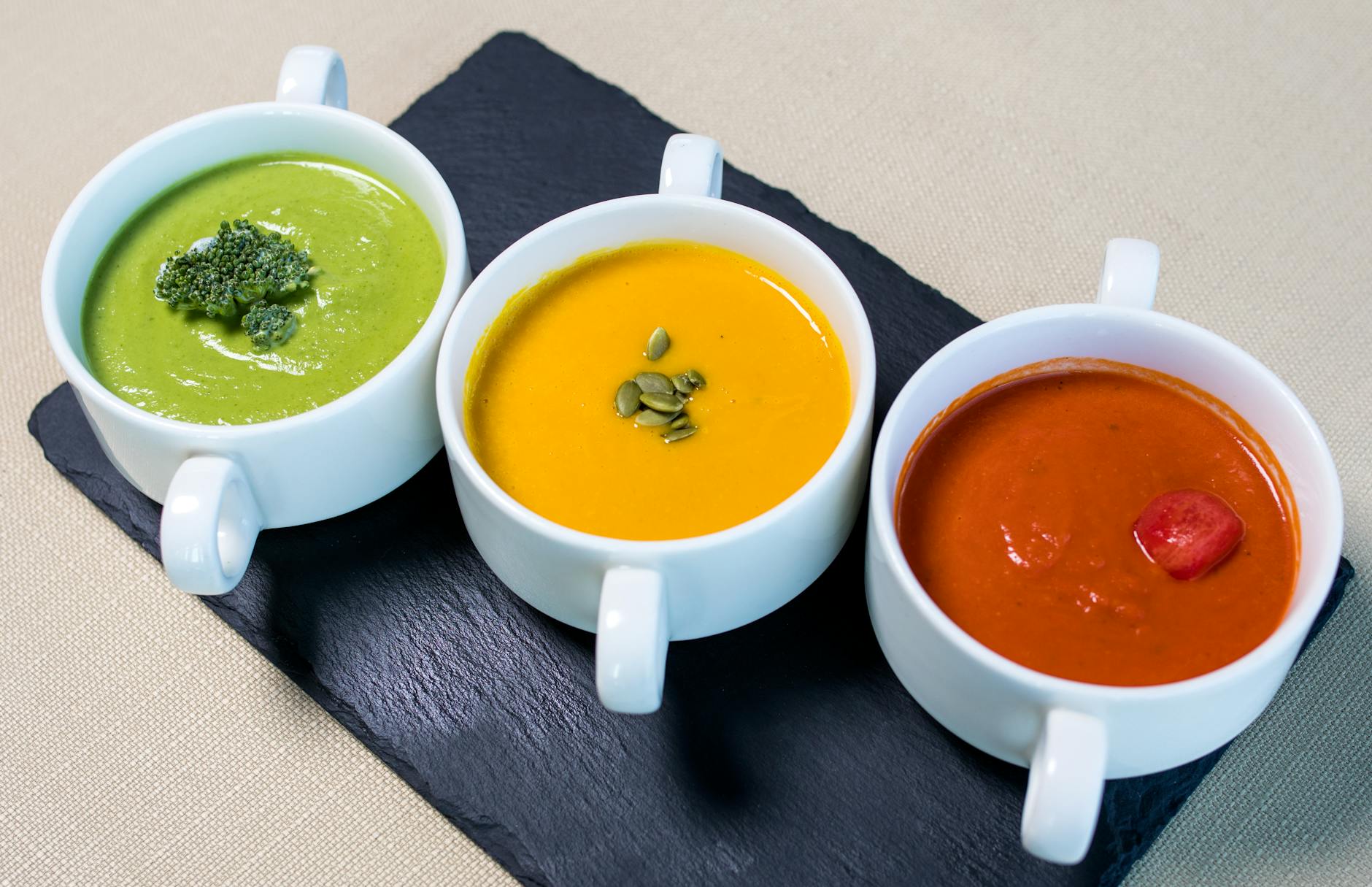
Canned soups are a convenient meal option that many consumers consider a relatively neutral savory food choice, yet numerous popular varieties contain between 5 and 12 grams of added sugar per serving. Tomato-based soups, sweet corn chowders, and hearty stews often contain sugar or corn syrup to round out flavor profiles and mask acidity. Because soup is not conceptually associated with sweetness in the way that desserts or beverages are, consumers rarely think to check its sugar content. Reviewing the ingredient list and nutrition panel on canned soup before purchasing is a simple habit that can reveal surprising levels of added sweetener.
Energy Drinks
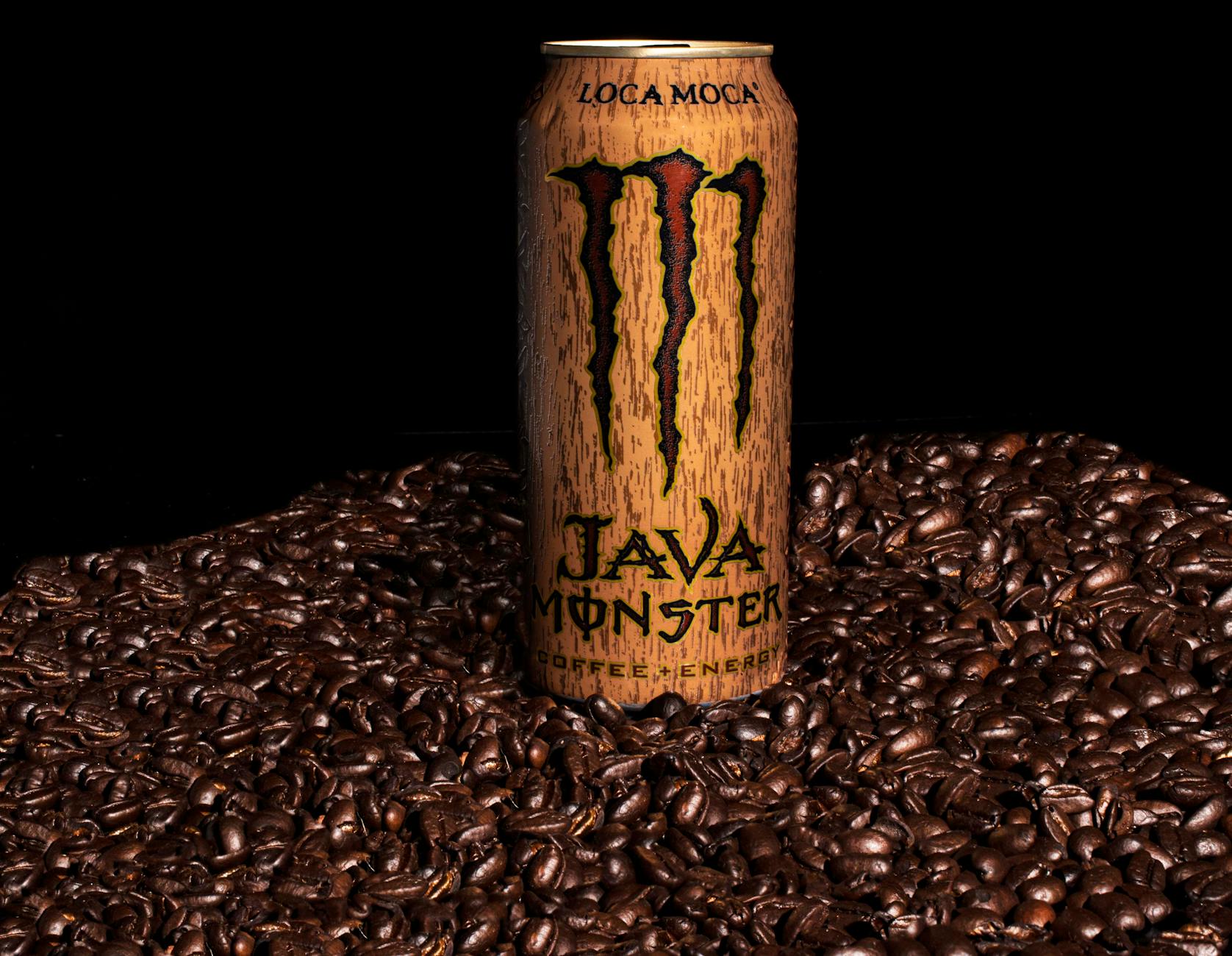
Energy drinks combine caffeine with high levels of sugar to produce a rapid boost in alertness and physical energy, with many standard cans containing between 27 and 39 grams of sugar. The association with athletic performance, focus, and productivity embedded in their branding attracts a young consumer base that may not fully consider the health implications of regular consumption. Even sugar-free varieties are sweetened with artificial sweeteners and may influence cravings for sweet foods and beverages over time. The stimulating effect of caffeine in these products can mask the blood sugar crash that follows the consumption of such high sugar quantities.
Flavored Nuts

Plain roasted nuts are a nutritionally dense snack with naturally low sugar content, but flavored varieties including honey roasted, sweet chili, and maple glazed are coated in substantial amounts of sugar or sweetened seasonings. The presence of nuts in the product provides a health association that carries over to consumer perception of the flavored varieties even when they have been significantly altered from their natural state. A small handful of honey-roasted peanuts can contain the same sugar as a small candy. Reading the ingredient label carefully on packaged nuts reveals the difference between a minimally processed snack and one that has been heavily sweetened.
Rice Cakes
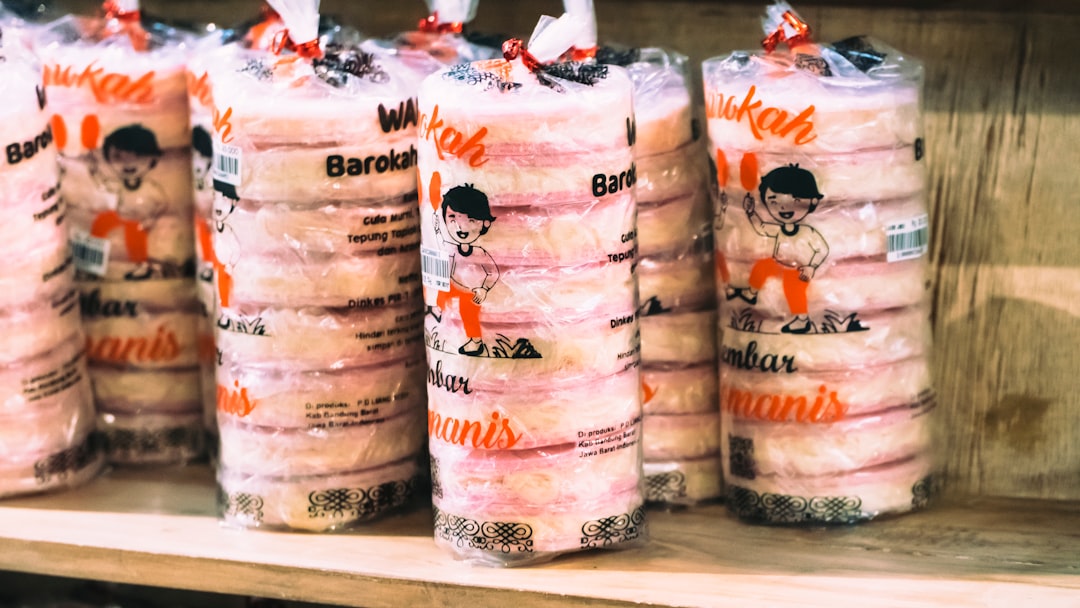
Plain rice cakes are frequently promoted as a diet-friendly, low-calorie snack suitable for weight management. Flavored varieties including caramel, apple cinnamon, and chocolate fudge are coated with sweetened compounds that add meaningful amounts of sugar to what would otherwise be a neutral food. Because rice cakes are strongly associated with diet culture and restrained eating, their sweetened versions rarely attract the same scrutiny as other confectionery products. The low calorie count on flavored rice cake packaging often becomes the headline selling point while the sugar content receives far less attention.
“Natural” Sweetener Labeling

Ingredients like cane juice, coconut sugar, date syrup, and raw honey are frequently positioned as healthier alternatives to refined white sugar in health-oriented food products. While these ingredients may carry trace minerals or a marginally lower glycemic index in some cases, the body processes them in broadly similar ways to conventional sugar when consumed in comparable quantities. Labeling these sweeteners as natural creates a perception gap between how the ingredient is understood and how it actually functions metabolically. Products marketed as sweetened only with natural alternatives still require attention to total sugar content.
Organic Sugar

The organic label on a food product or an ingredient like organic cane sugar refers exclusively to the farming practices used in production and has no bearing on the sugar content or its effects on the body. Organic sugar is chemically identical to conventional refined sugar and behaves identically once consumed. Consumers paying premium prices for organic products often assume that the organic certification extends to healthfulness across all nutritional dimensions. An organic chocolate chip cookie with organic cane sugar still delivers the same blood sugar impact as a conventionally sweetened equivalent.
Sugar-Free Products With Sugar Alcohols

Products labeled as sugar-free frequently contain sugar alcohols such as sorbitol, xylitol, erythritol, or maltitol as sweetening agents. While these compounds are technically not sugars, some of them still affect blood glucose levels and can cause digestive discomfort including bloating and diarrhea when consumed in larger quantities. Maltitol in particular has a glycemic index high enough to cause noticeable blood sugar elevations in sensitive individuals. The sugar-free label is not a reliable indicator that a product is metabolically neutral or appropriate for people managing blood sugar conditions without further research.
Front-of-Pack Health Claims
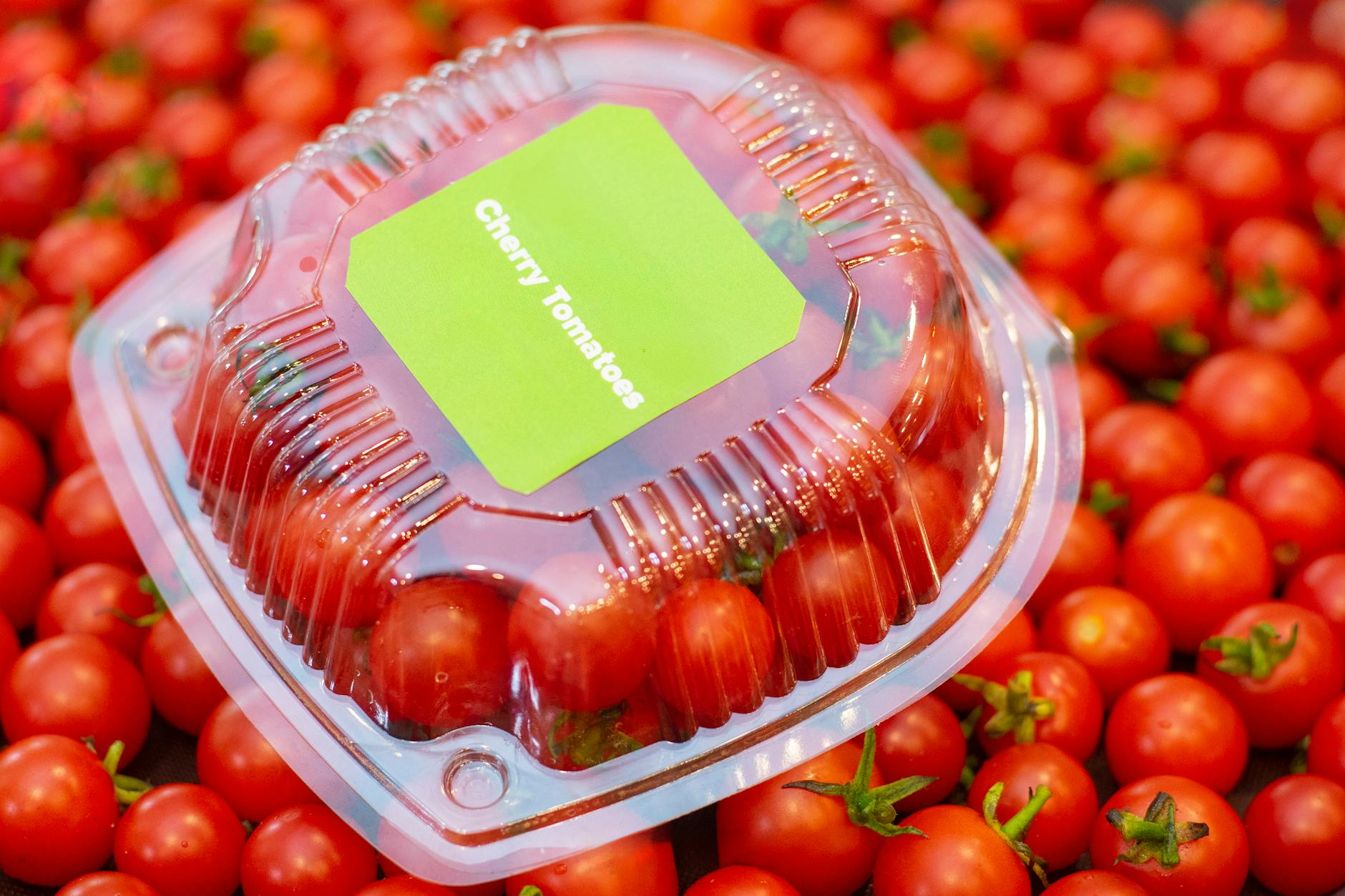
Packaging regulations in many countries allow manufacturers to prominently display phrases like “high in fiber,” “source of protein,” or “contains whole grains” on the front of products regardless of how much sugar those products contain. These claims direct consumer attention toward a single positive nutritional attribute while the full nutritional profile remains on the back of the pack in smaller print. A cereal can truthfully claim to be high in whole grains while simultaneously containing more sugar than a glazed doughnut. Front-of-pack claims are marketing tools approved by regulators for accuracy in isolation but not for their cumulative effect on consumer perception.
Brown and Earthy Packaging Design

The food industry uses packaging design as a powerful tool for communicating perceived healthfulness, with brown kraft paper, earthy tones, and rustic typography consistently associated with natural, unprocessed foods. Products housed in this kind of packaging receive an immediate health association in consumer perception that is entirely unrelated to their nutritional content. Heavily sweetened granolas, sugar-laden protein products, and candy-adjacent snack bars are routinely sold in minimalist brown packaging that signals wholesomeness without any nutritional basis. Packaging design communicates nothing about what is inside the bag and should never be used as a proxy for reading the actual nutrition label.
Portion Distortion in Packaging
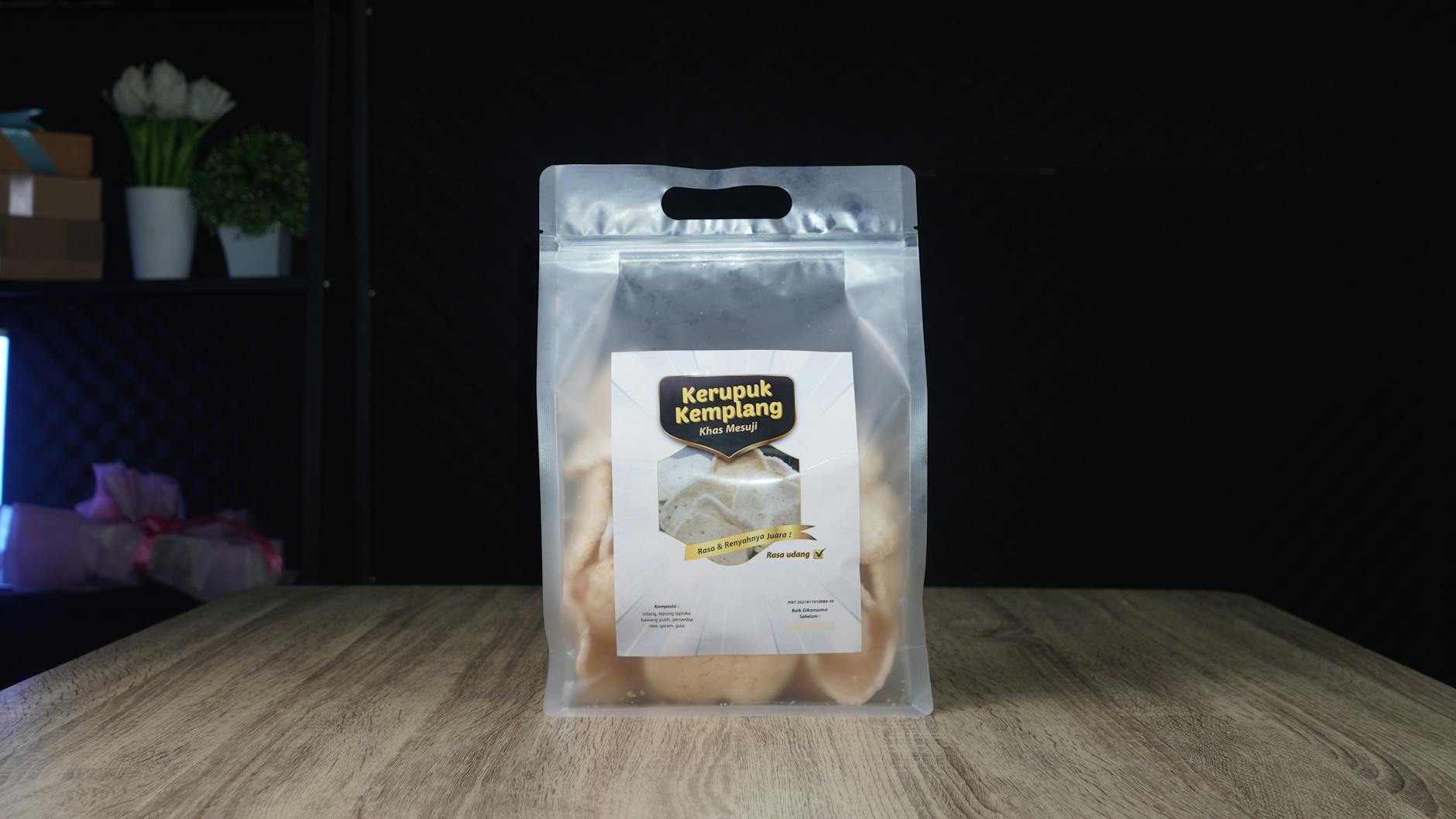
Large bag or container sizes subtly encourage consumers to eat more than the stated serving size in a single sitting by creating an abundance cue. When a product comes in a large bag that suggests a single-use occasion, most people consume far more than the nutrition label serving and therefore consume multiples of the stated sugar content. Resealable packaging was introduced not as a genuine portion control tool but primarily as a feature that justified larger pack sizes and higher retail prices. Decanting snacks into smaller containers at home is one of the few practical strategies for countering this environmental nudge.
Supermarket Placement Strategy

Sugary products receive prominent placement at the ends of supermarket aisles and at checkout counters to maximize impulse purchasing, as these areas attract the highest foot traffic and buyer attention. Breakfast cereals marketed to children are positioned at lower shelf heights corresponding to a child’s eye level, creating a direct line of sight that prompts product requests to parents. Premium eye-level shelf positions in high-traffic areas are frequently purchased by food manufacturers rather than earned through product quality, ensuring the most heavily marketed products receive the most consumer exposure. Understanding that shelf placement is a commercial arrangement rather than an endorsement of quality or nutritional value fundamentally changes how a supermarket visit can be approached.
Celebrity and Athlete Endorsements

Professional athletes and celebrities regularly endorse products including sugary drinks, cereals, and confectionery items in exchange for commercial agreements that have no relationship to the endorser’s actual dietary habits. Consumers frequently interpret celebrity endorsement as an implicit personal recommendation and assign greater credibility to the nutritional positioning of the endorsed product. A professional athlete endorsing a sugary energy drink benefits the brand’s association with peak physical performance without the athlete necessarily consuming the product personally. Endorsement partnerships are commercial transactions and carry no meaningful information about a product’s nutritional value or suitability for the endorsed individual’s lifestyle.
Wellness Branding
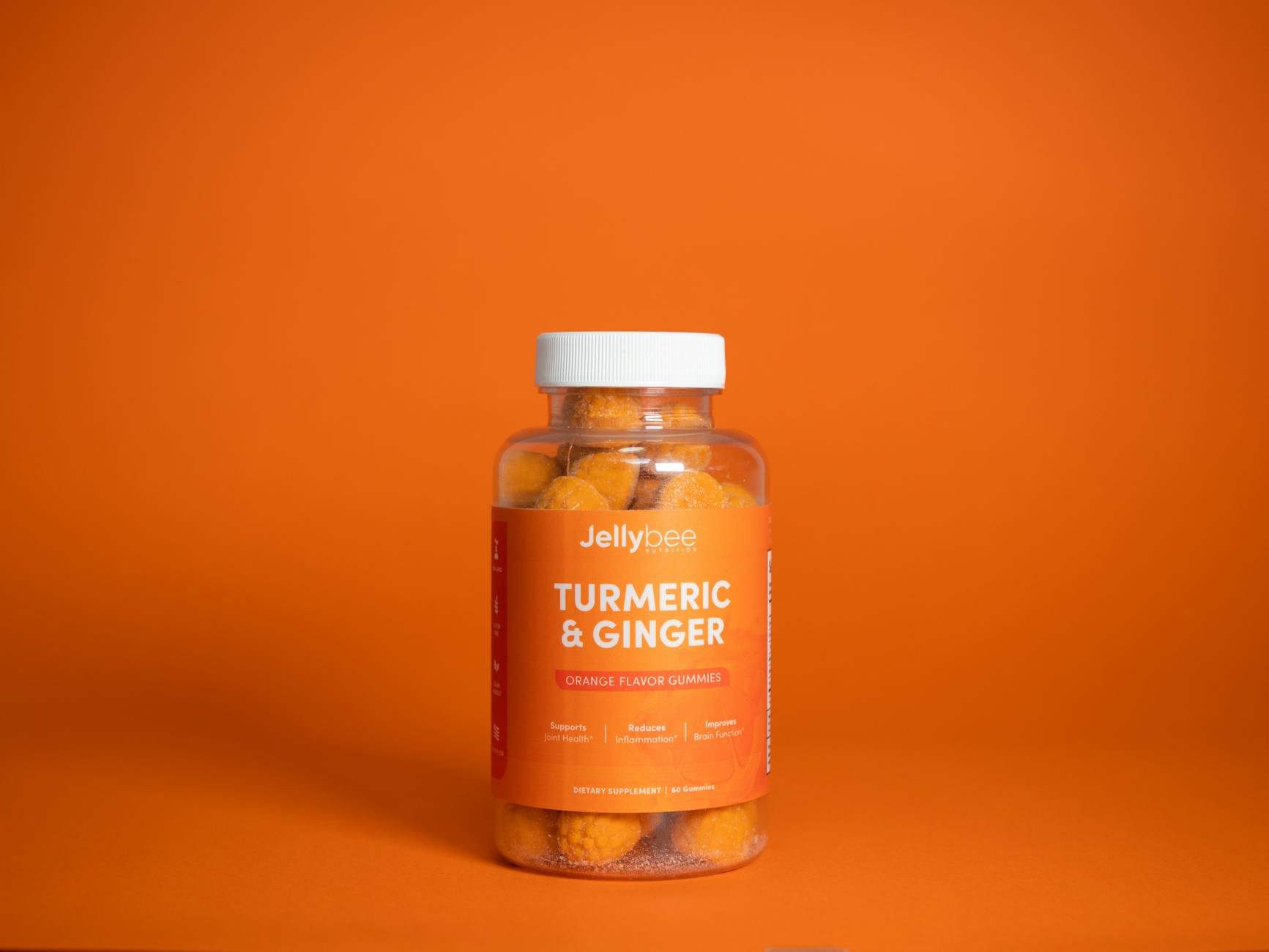
A growing category of food products uses the language and aesthetics of wellness culture to position high-sugar items as functional health foods. Bars, snacks, and beverages that include ingredients like adaptogens, collagen, or spirulina are marketed with a wellness framework that overrides scrutiny of the sugar content in consumer perception. The premium pricing associated with wellness products reinforces the perception that they are nutritionally superior, even when the total sugar per serving is comparable to conventional confectionery. Wellness branding is a marketing strategy and does not indicate that a product meets any specific nutritional standard.
Savory Snacks With Hidden Sugar
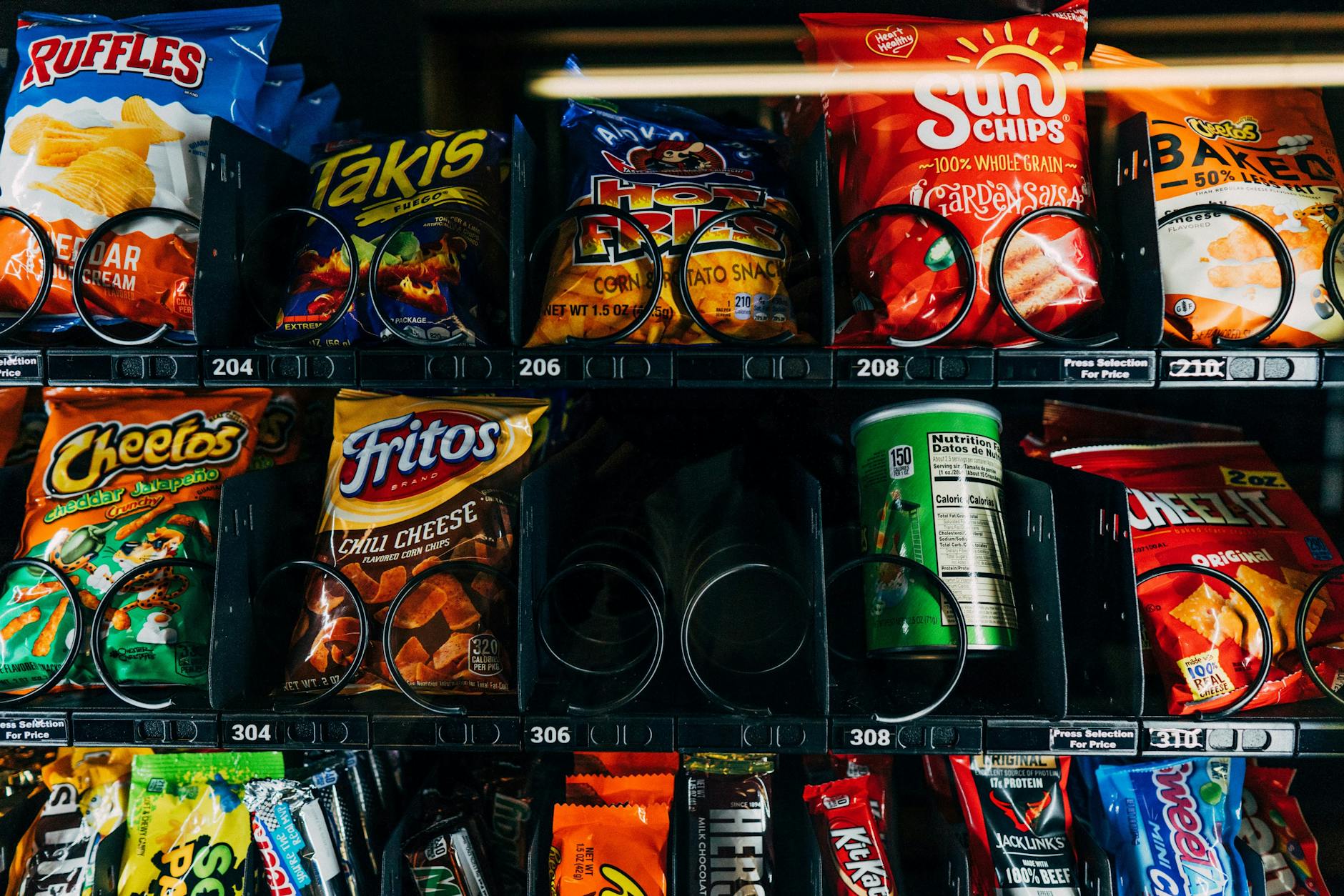
Crackers, popcorn, pretzels, and other savory snack foods are frequently perceived as sugar-free or negligible in their sugar contribution because they taste primarily salty rather than sweet. Many commercial crackers contain between 2 and 5 grams of added sugar per serving to round out their flavor and create an addictive balance of sweet, salty, and starchy notes. Flavored popcorn varieties including kettle corn, caramel, and white cheddar can contain significant sugar additions alongside their salt content. Checking the ingredient list on snacks that taste savory is worthwhile because sugar is a common background ingredient even when its taste is not immediately detectable.
Meal Replacement Shakes

Meal replacement shakes and powders are marketed as convenient nutrition solutions for busy people seeking to manage their weight or improve dietary habits. Many commercial varieties contain between 15 and 30 grams of added sugar per serving to improve the flavor of protein powders, vitamins, and minerals that would otherwise taste unpalatable. The structured “meal replacement” framing encourages consumers to accept the product uncritically as a complete nutritional solution rather than scrutinizing individual ingredients. A shake that replaces a balanced meal while delivering the sugar content of a dessert may undermine the dietary goals it is intended to support.
Probiotic Drinks
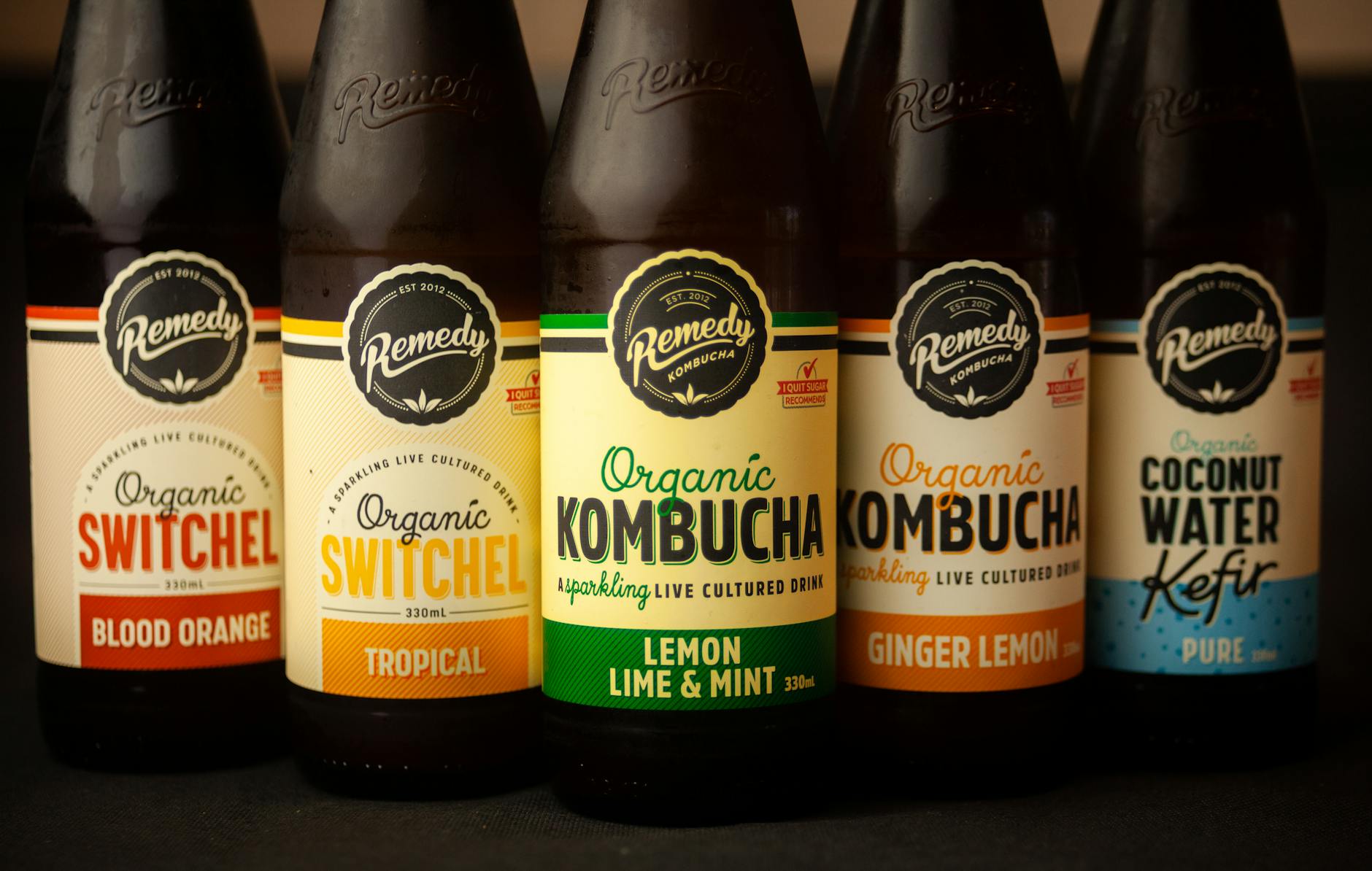
Probiotic beverages including kefir drinks, kombucha, and cultured dairy drinks have expanded rapidly as consumer interest in gut health has grown. Many commercially produced varieties in mainstream supermarkets are sweetened substantially with added sugars to improve their naturally tart or sour flavor for general consumer appeal. While the probiotic bacterial cultures themselves may provide benefit, pairing them with a high sugar delivery mechanism creates a nutritional trade-off that many consumers are unaware of. Choosing unsweetened or very lightly sweetened probiotic products or reading total sugar content before purchasing is recommended for those seeking the gut health benefit without significant added sugar.
Children’s Food Marketing

Products designed and marketed for children consistently rank among the most heavily sweetened in the supermarket, and they use cartoon characters, bright colors, and toy promotions to build brand loyalty from an early age. Research has consistently demonstrated that young children are particularly susceptible to food advertising, and manufacturers invest significantly in creating emotional attachments to sugar-dense products through entertainment and play associations. Breakfast cereals, fruit snacks, flavored yogurt pouches, and lunchbox items targeting children frequently contain sugar as a primary ingredient by weight. The cheerful and playful packaging is specifically designed to override parental scrutiny by ensuring that the child’s enthusiasm for the product becomes a factor in the purchasing decision.
Free Samples in Stores

Supermarkets and food brands regularly offer free samples of sweet or sweetened products in high-traffic store locations to drive trial and purchase intent. When a consumer tastes a product and enjoys it in a social, positive retail setting, the dopamine response from both the sugar and the pleasant social experience creates a strong association that increases the likelihood of purchase. Free sample programs are most common for new product launches where building rapid consumer familiarity is a commercial priority. The cost of sampling programs is factored into product pricing and is regarded by manufacturers as one of the most effective tools for converting new consumers.
Flavor Enhancers That Mask Bitterness

Sugar functions not only as a sweetener but as a bitterness suppressor, and food scientists use it widely to mask the natural bitterness of vegetables, whole grains, legumes, and highly processed protein sources. Products that include these nutritious but inherently bitter ingredients often require significant sugar additions to achieve a flavor profile acceptable to mainstream consumers. This means that many products carrying a genuine nutritional benefit are simultaneously delivering a sugar load designed to make those ingredients acceptable. The bitterness-masking function of sugar is one reason it is so difficult to remove from processed foods without significantly altering their taste.
Syrups Disguised as Healthy Sweeteners

Brown rice syrup, agave nectar, maple syrup, and coconut nectar are among a range of sweetening syrups positioned in health food marketing as superior alternatives to refined sugar. While they differ in their composition and origin, these syrups are still concentrated sugar sources that contribute to overall daily sugar intake in meaningful ways. Agave nectar in particular is extremely high in fructose, which is processed by the liver and may contribute to metabolic complications when consumed in excess. The nutritional framing of these products as healthy sweeteners does not change the basic reality of their impact when used in large quantities.
Restructured Fruit Products

Fruit leathers, fruit snacks, fruit gummies, and fruit rolls are products derived from or inspired by fruit but are generally far removed from whole fruit in terms of nutritional value. These products typically contain concentrated fruit puree combined with added sugars, corn syrup, and artificial flavors, and the fruit-derived content provides negligible fiber compared to eating the original whole fruit. The fruit association makes them appear to parents as a reasonable snack for children, and they are frequently placed in the produce or health food sections of supermarkets to reinforce this perception. A piece of whole fruit delivers the same or greater sweetness alongside fiber that slows sugar absorption significantly.
Sweetened Coffee Drinks

The coffee shop and ready-to-drink coffee market has expanded dramatically and brought with it a range of beverages that use coffee as a vehicle for delivering large quantities of sugar, flavored syrups, and sweetened dairy or non-dairy additions. A single caramel latte from a major coffee chain can contain between 35 and 60 grams of sugar depending on size, which is comparable to drinking a can of soda with each visit. Seasonal beverages are routinely more sweetened than standard menu items and are promoted intensively through social media to drive high-volume short-term sales. Requesting drinks with fewer syrup pumps, choosing unsweetened milk alternatives, or opting for a plain espresso-based drink are practical ways to reduce sugar intake in this category.
Plant-Based Meat Alternatives

Plant-based burgers, sausages, nuggets, and deli slices have grown substantially in popularity as consumers seek to reduce meat consumption for environmental or health reasons. Many of these products contain added sugars to enhance flavor, improve texture, and create the savory taste associations consumers expect from meat-based equivalents. Sugar is used alongside significant quantities of sodium and various binders and stabilizers to achieve a product that mimics the sensory experience of conventional meat. The environmental and ethical positioning of plant-based products can create a health halo that leads consumers to assume the nutritional profile is straightforward when it frequently contains several less desirable additions.
Frozen Meals

Frozen meals marketed as light, healthy, or diet-friendly options often contain added sugars in their sauces, glazes, and marinades to improve flavor and palatability within a lower calorie framework. Asian-inspired frozen dishes including sweet and sour chicken, teriyaki bowls, and pad thai tend to be among the highest in sugar within the frozen meal category. The structured format of a pre-portioned frozen meal creates an impression of dietary control that may not reflect the full nutritional picture. Checking the total sugar per serving on frozen meal packaging is particularly important for products featuring sauce-heavy cuisines or fruit-inclusive dishes.
Veggie Chips and Alternative Snacks
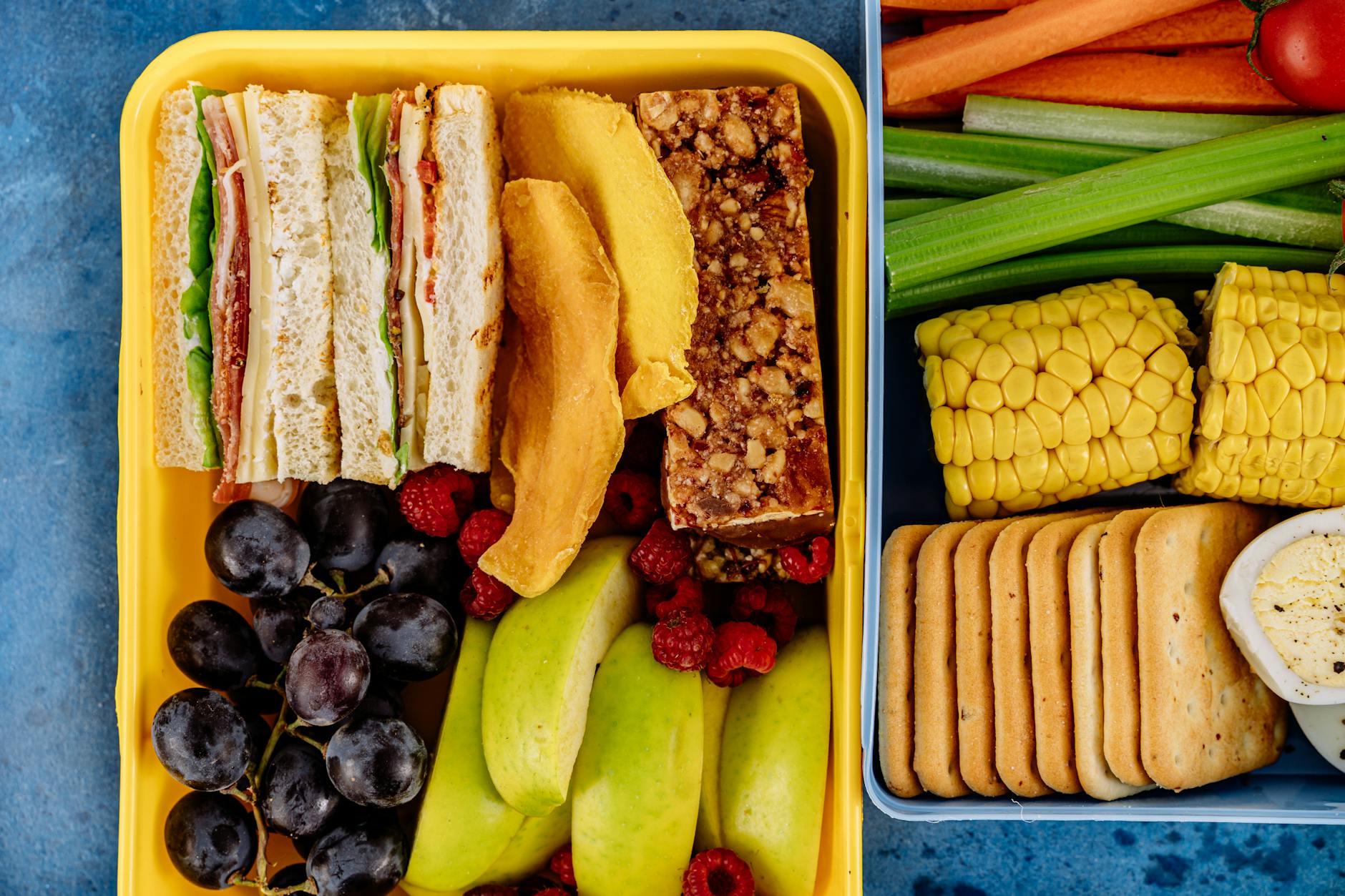
Vegetable-based chips and snacks including kale chips, beet chips, and pea puffs carry an immediate health association with consumers due to their vegetable-sourced branding. Flavored varieties frequently include added sugars in their seasoning blends, and even plain varieties may be processed with sweetening agents to round out their flavor. The portion sizes listed on packaging for these products are typically small and the calorie and sugar counts listed can mislead consumers who eat a larger quantity. The vegetable imagery on packaging does not indicate that the product provides meaningful vegetable nutrition or that it is low in sugar.
Trail Mix

Trail mix was originally developed as a calorie-dense, portable energy food for outdoor activities requiring sustained physical output. Commercial trail mix varieties sold in supermarkets frequently include candy-coated chocolates, yogurt-covered raisins, sweetened dried cranberries, and honey-roasted nuts that dramatically elevate their sugar content beyond what the nuts and seeds alone would provide. The outdoor and adventurous branding of trail mix positions it as a functional performance food while many commercial varieties are closer in sugar content to a bag of mixed confectionery. Making trail mix at home with raw nuts, seeds, and plain dark chocolate provides similar variety and convenience without the added sweetening.
“Reduced Sugar” Product Claims

Products labeled as reduced sugar contain less sugar than the original full-sugar version of the same product, but this claim does not indicate that the actual sugar content is low in any absolute sense. A product that originally contained 40 grams of sugar per serving can legitimately claim a 30 percent reduction while still delivering 28 grams per serving. The reduced label implies meaningful dietary progress in the mind of many consumers, even when the change is incremental. These labels require cross-referencing with the actual nutrition panel to understand whether the sugar content is appropriate for a person’s dietary goals.
Gut Health Products With Added Sugar
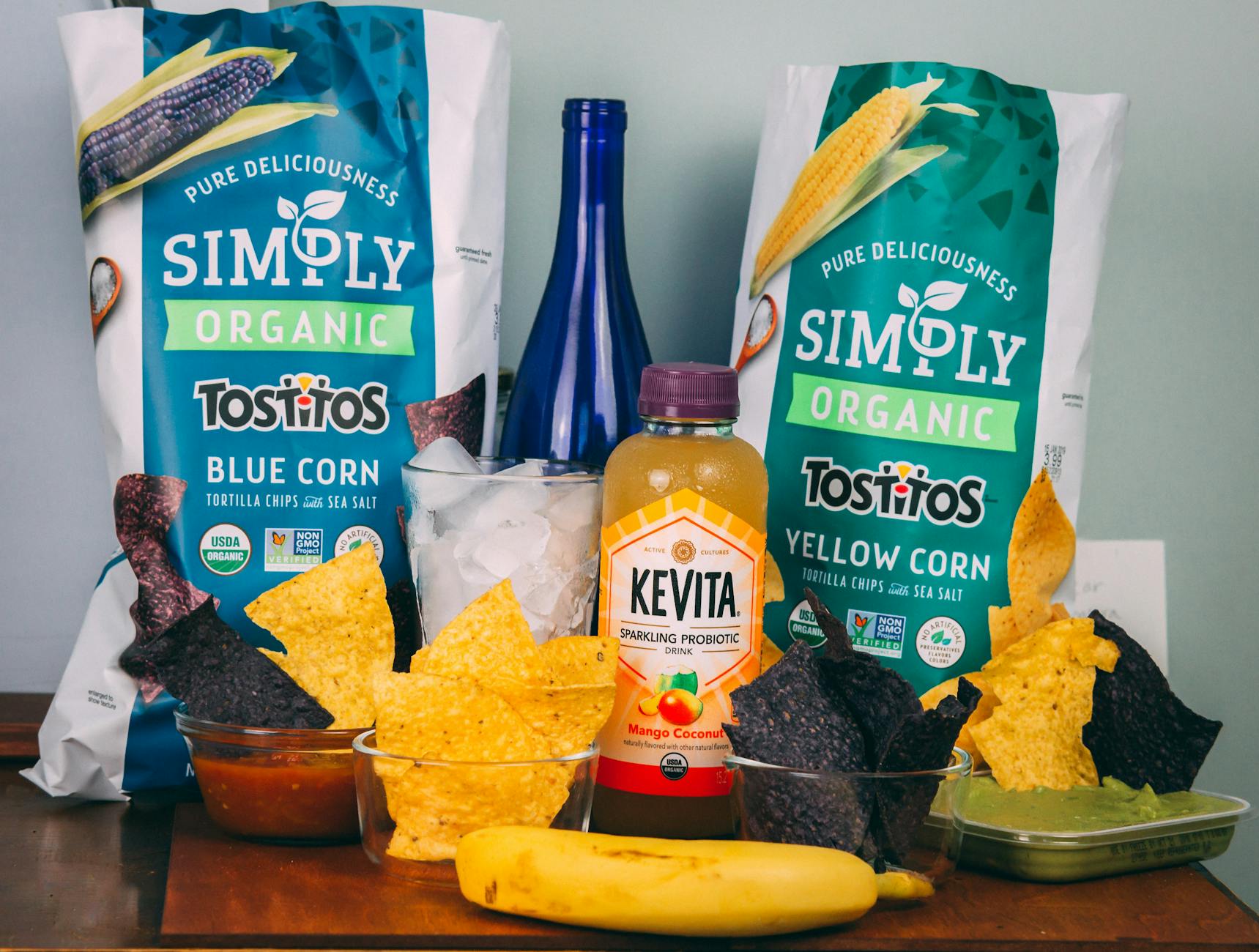
The gut health category has expanded to include probiotic capsules, fermented food products, gut-supporting snack bars, and digestive wellness beverages that frequently contain added sugars as a primary ingredient. Sugar feeds certain gut bacteria and can undermine the intended benefit of a product designed to support a healthy gut microbiome when consumed in excess. Manufacturers leverage the credibility of gut health science to position these products as medical or functional foods, commanding premium prices while the ingredient list does not always support the health claim being made. Scrutinizing the sugar content of gut health products alongside their active functional ingredients provides a more complete picture of their likely effect.
Sweetened Non-Dairy Milks

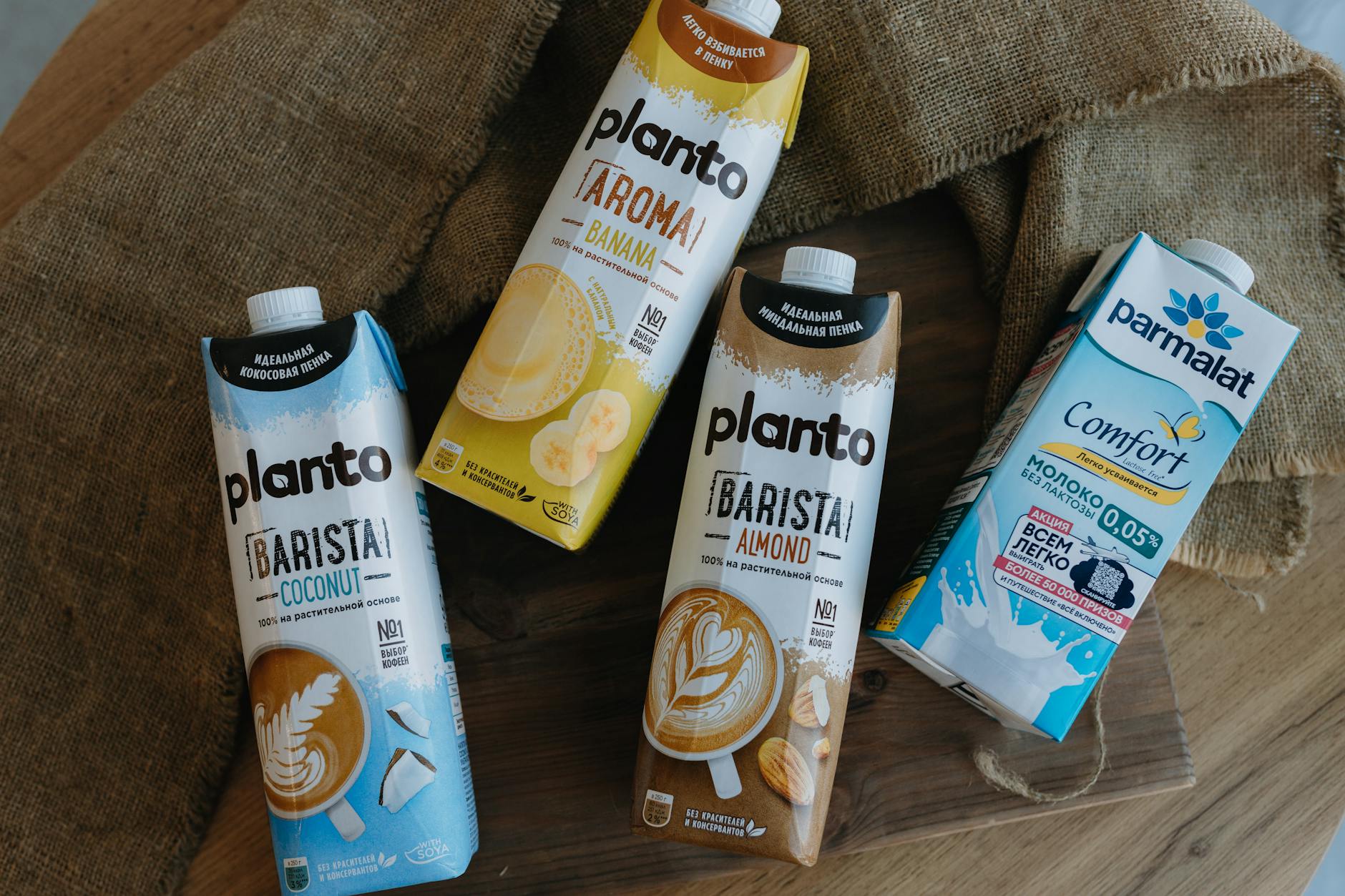
Oat milk, almond milk, soy milk, and other plant-based milk alternatives have grown enormously in popularity, with the original or sweetened varieties of many brands containing added sugars to improve flavor. Oat milk in particular has a naturally higher carbohydrate content than other alternatives and when sweetened versions are consumed, the total sugar content can rival that of dairy milk with added flavorings. Barista editions sold in coffee shops are frequently sweetened to complement espresso and improve steaming qualities, adding sugar to each beverage made with them. Choosing unsweetened versions of non-dairy milks is a simple adjustment that reduces sugar intake across every drink and recipe in which they are used.
Supplement Gummies
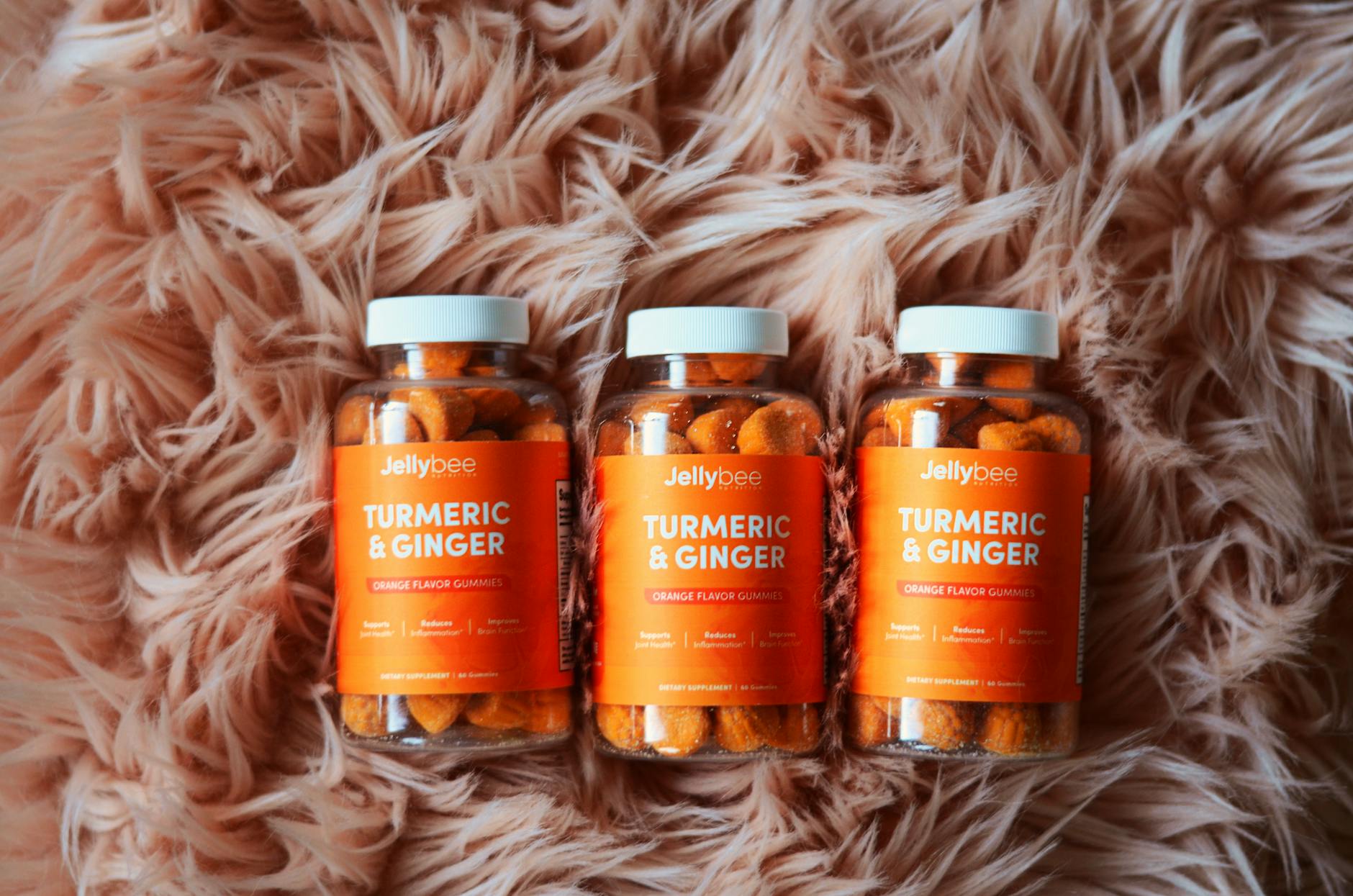
The supplement industry has shifted substantially toward gummy formats for vitamins, minerals, omega-3s, and other health products to improve consumer compliance with taking them regularly. Gummy supplements require significant amounts of sugar or sweeteners to achieve a palatable, candy-like texture and flavor, and many products contain between 2 and 5 grams of added sugar per serving. For people taking multiple gummy supplements daily across a household, the cumulative sugar contribution adds up in a way that is rarely considered alongside dietary sugar from food sources. Capsule or tablet formats of the same supplements deliver identical nutritional benefits without the sugar content required to make the gummy format enjoyable.
Product Reformulation Without Disclosure

Food manufacturers periodically reformulate products by adjusting ingredient ratios, and these changes are rarely communicated to consumers on packaging because no regulatory obligation requires disclosure. Sugar content can increase in a reformulated product while the packaging remains identical, and consumers who have already assessed a product and built a habit of purchasing it are unlikely to re-check the nutrition label at every subsequent purchase. Comparing the current nutrition label of a long-purchased product with the values you remember or noted previously is the only way to catch undisclosed reformulations. This practice has been documented across numerous major food brands and is particularly common when ingredient costs fluctuate.
Sensory Marketing in Retail Environments

Beyond the product itself, the food industry uses scent diffusion, background music tempo, ambient lighting, and store temperature to influence purchasing behavior in retail environments. These environmental cues are designed to lower consumer cognitive engagement and increase reliance on habitual or impulse-driven decisions, which tend to favor familiar, palatable, and heavily marketed products. Research in consumer behavior science confirms that shoppers in slower-tempo music environments spend more time browsing and make more unplanned purchases, particularly of sensory products like food. Being aware that the retail environment itself is engineered to influence purchasing decisions is a meaningful step toward making more deliberate choices about what enters the shopping basket.
The sugar tactics used by the food industry are sophisticated, deeply embedded, and constantly evolving, but the consumer who knows what to look for is far better equipped to navigate the supermarket with clarity. Share your thoughts in the comments.




