Raw meat handling is one of the most critical food safety practices in any kitchen, yet dangerous errors occur daily in homes and professional settings alike. Bacteria such as Salmonella, E. coli, and Listeria can multiply rapidly when meat is mishandled, leading to severe foodborne illness. Understanding the most common mistakes is the first step toward a safer cooking environment for everyone at the table.
Thawing Meat on the Counter
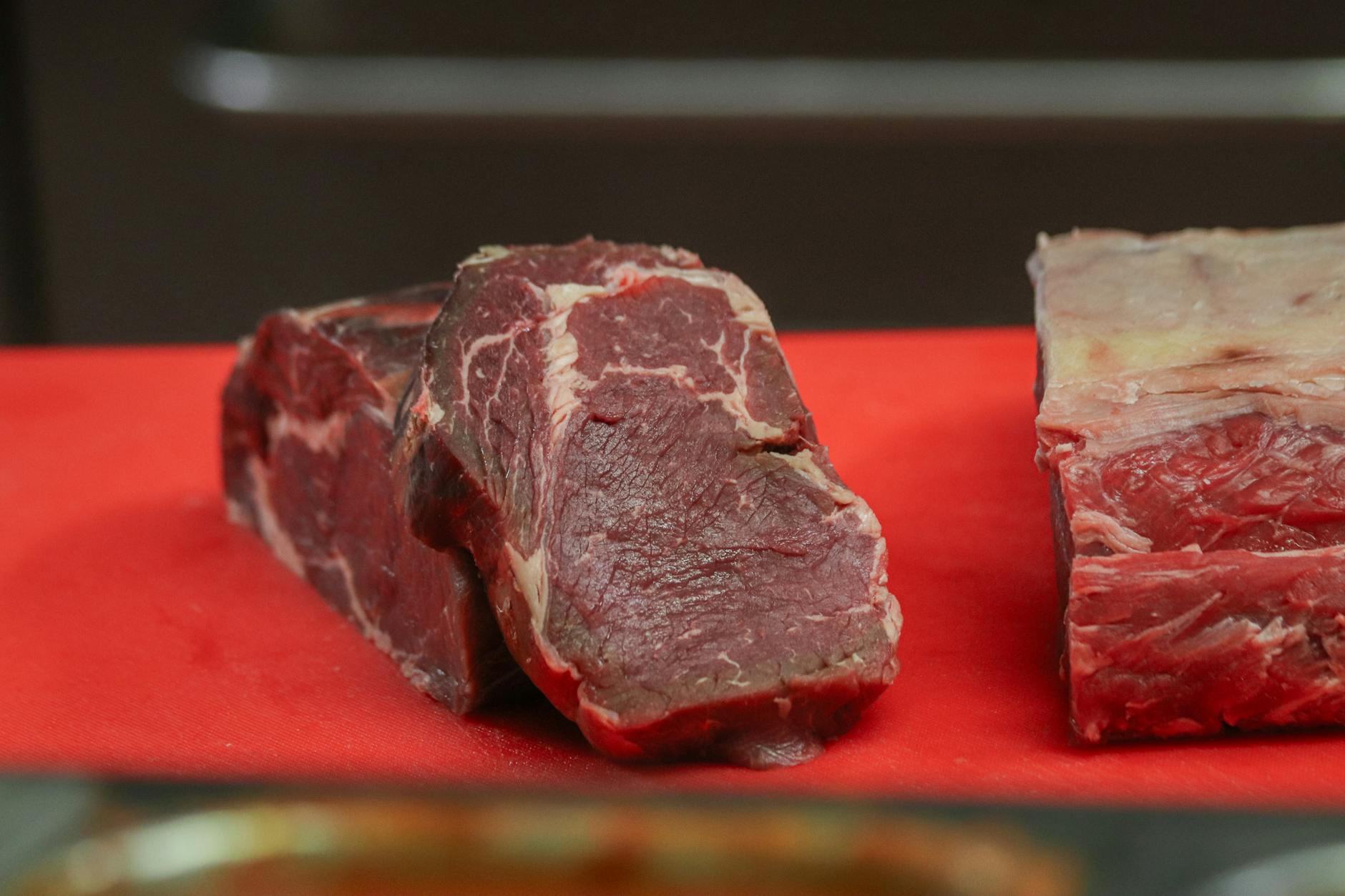
Leaving raw meat to thaw at room temperature allows the outer layers to reach the bacterial danger zone of 40 to 140 degrees Fahrenheit long before the center has defrosted. During this window, harmful pathogens can double in number every 20 minutes on the surface of the meat. The safest thawing methods include refrigerator thawing overnight, cold water submersion with regular water changes, or using the defrost setting on a microwave. Microwave-thawed meat must be cooked immediately afterward to prevent uneven bacterial growth. Millions of food poisoning cases each year are linked directly to improper thawing practices at home.
Using the Same Cutting Board for Meat and Produce
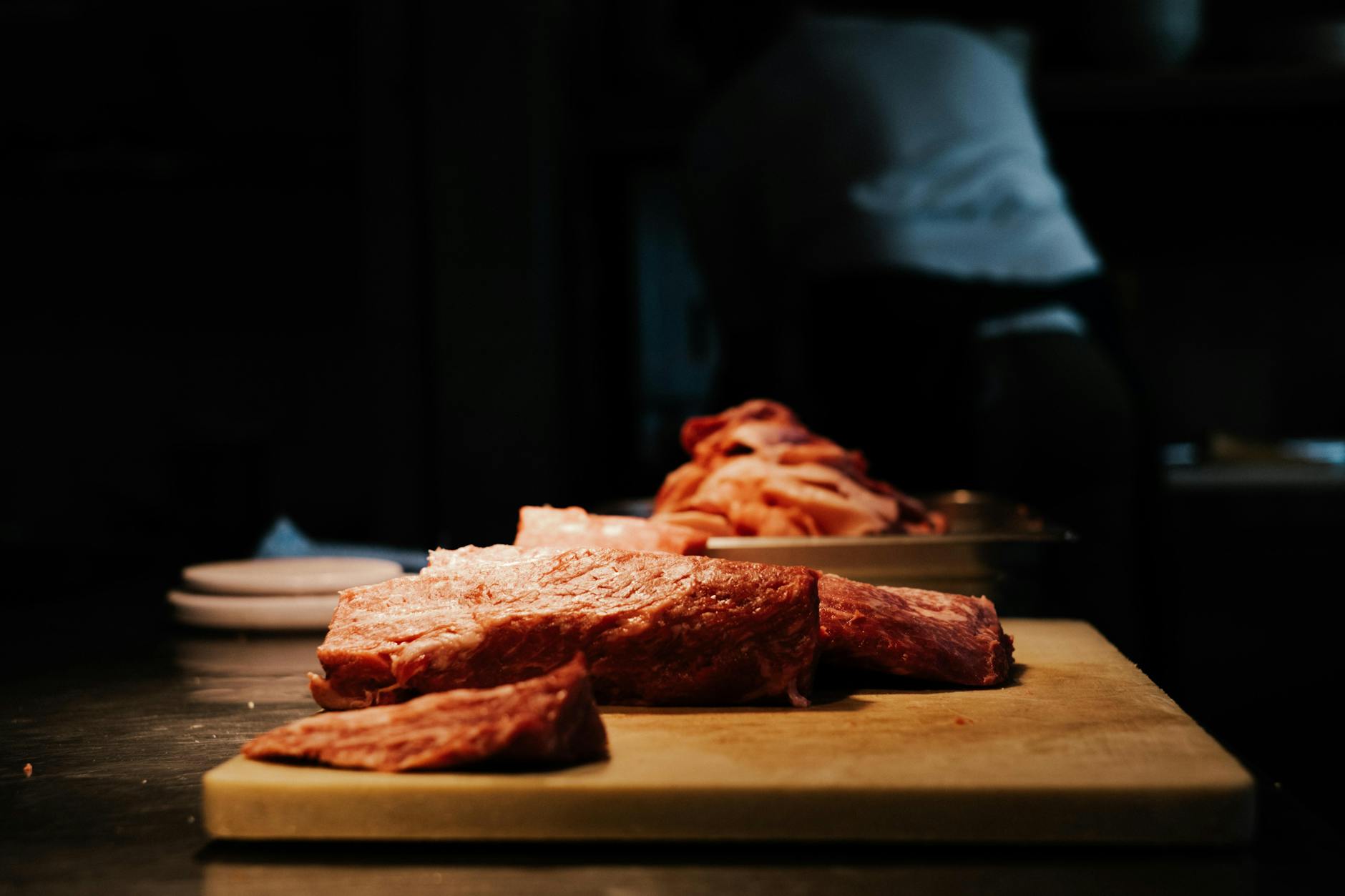
Cross-contamination from a shared cutting board is one of the most well-documented pathways for foodborne illness in domestic kitchens. Raw meat juices seep into the grooves and pores of a cutting board and transfer directly onto ready-to-eat foods like vegetables and fruit. Food safety authorities recommend using color-coded cutting boards to separate raw proteins from fresh produce and cooked foods. Plastic boards can be sanitized more thoroughly in a dishwasher, though deeply grooved boards of any material should be replaced regularly. Even a brief lapse in this separation can introduce dangerous bacteria into a meal that requires no further cooking.
Washing Raw Chicken or Meat in the Sink
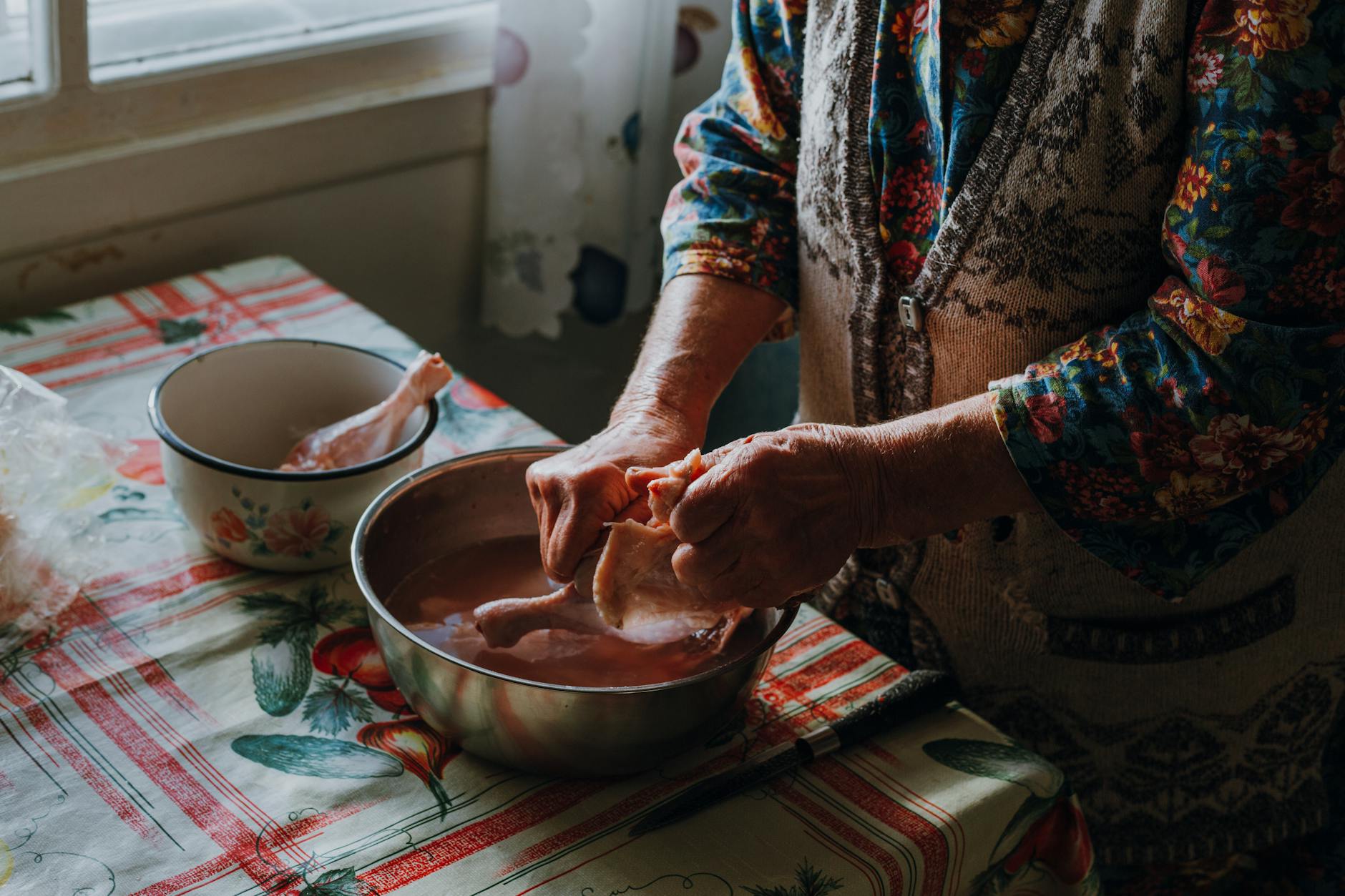
Many home cooks believe rinsing raw chicken or meat under running water removes bacteria from the surface. In reality, washing raw poultry spreads contaminated water droplets up to three feet across nearby surfaces, utensils, and dishes in a process known as aerosolization. The bacteria present on raw meat are not removed by water and can only be destroyed through proper cooking temperatures. Major food safety organizations including public health agencies have formally advised against this practice for decades. Countertops, faucet handles, and even dish racks can become contaminated from a single rinsing session.
Not Washing Hands Thoroughly Before and After Handling
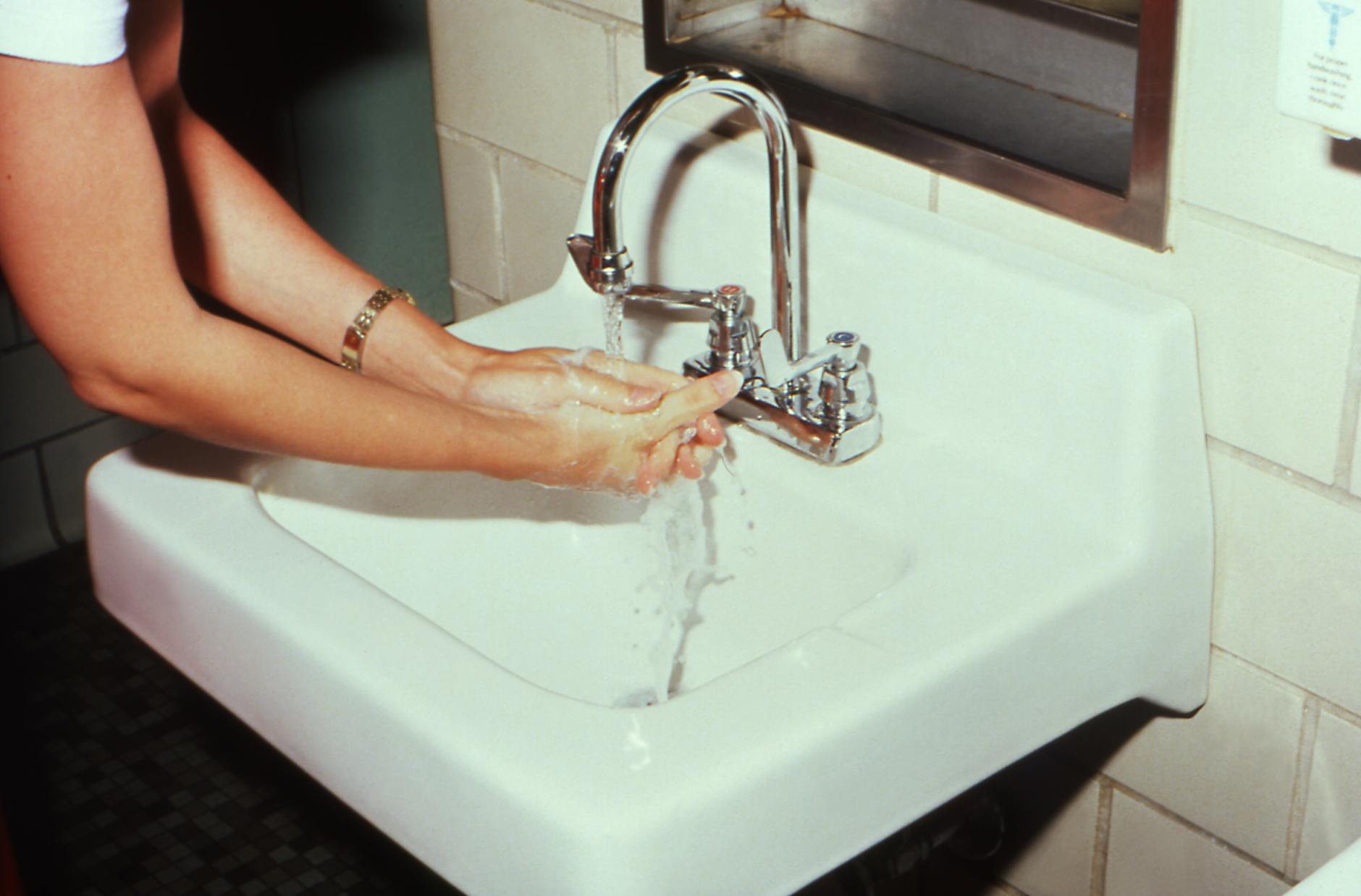
Hands are the primary vehicle through which bacteria travel from raw meat to other surfaces, foods, and people in a kitchen. A quick rinse under water is insufficient since proper handwashing requires at least 20 seconds of scrubbing with soap, including between the fingers and under the nails. Touching a phone, refrigerator handle, or spice jar between handling raw meat and other tasks creates an invisible contamination trail throughout the kitchen. Studies show that a significant percentage of home cooks do not wash their hands adequately at critical points during meal preparation. This single habit change reduces the risk of cross-contamination more than almost any other kitchen safety measure.
Storing Raw Meat Above Ready-to-Eat Foods in the Refrigerator
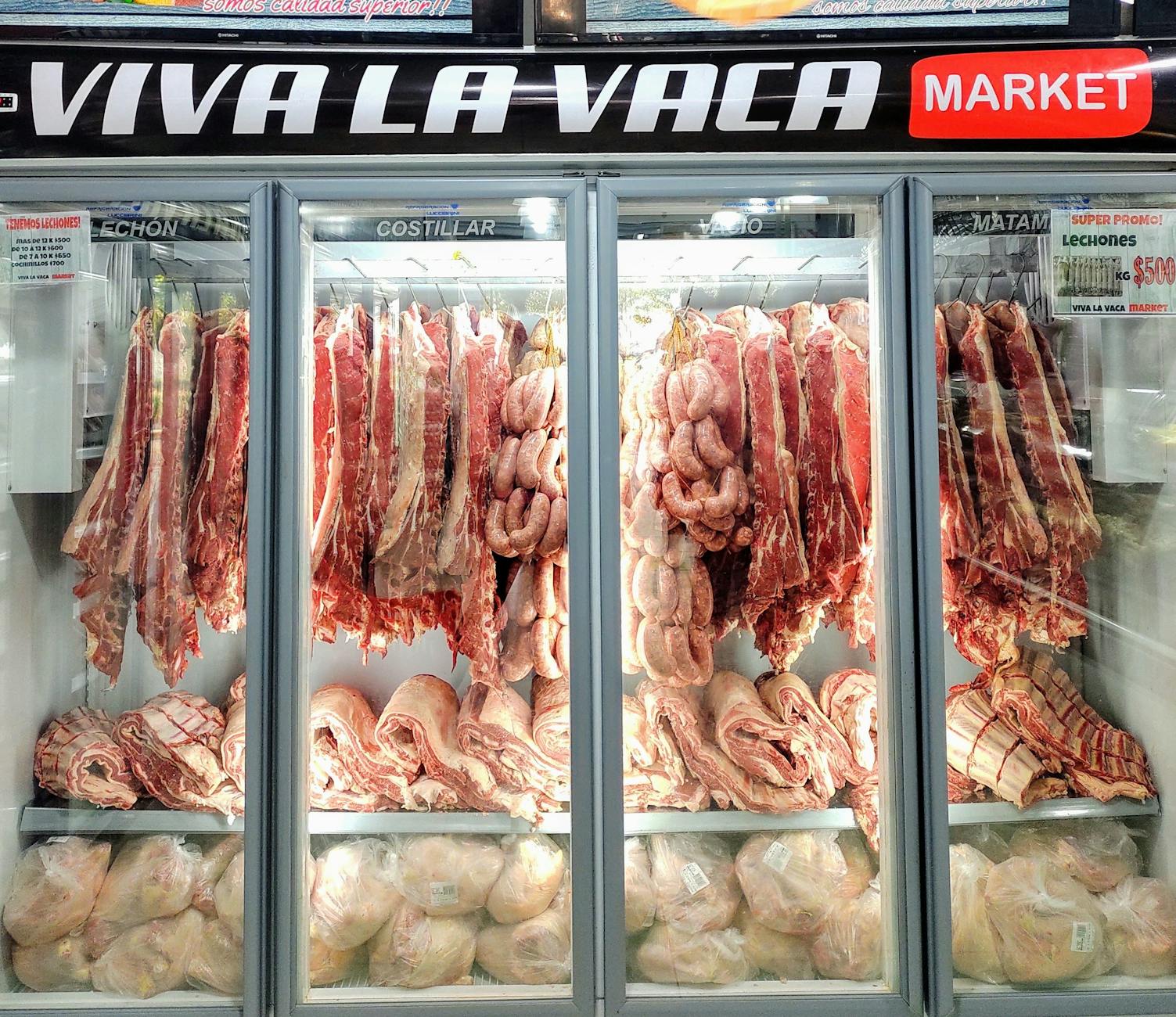
Raw meat stored on upper refrigerator shelves can drip juices onto dairy products, cooked leftovers, fruits, and vegetables stored below. Even sealed packaging can develop small leaks, particularly with ground meats or poultry that have been handled multiple times before reaching the home. Food safety guidelines consistently recommend storing raw meat on the lowest shelf of the refrigerator, ideally in a sealed container or tray to catch any liquid. Whole cuts of beef and pork should be stored above ground meat and poultry due to their lower internal contamination risk. Proper refrigerator organization is a passive but powerful layer of defense against cross-contamination.
Marinating Meat at Room Temperature
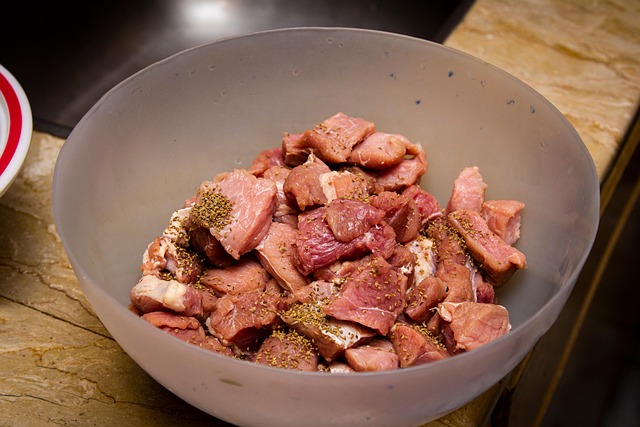
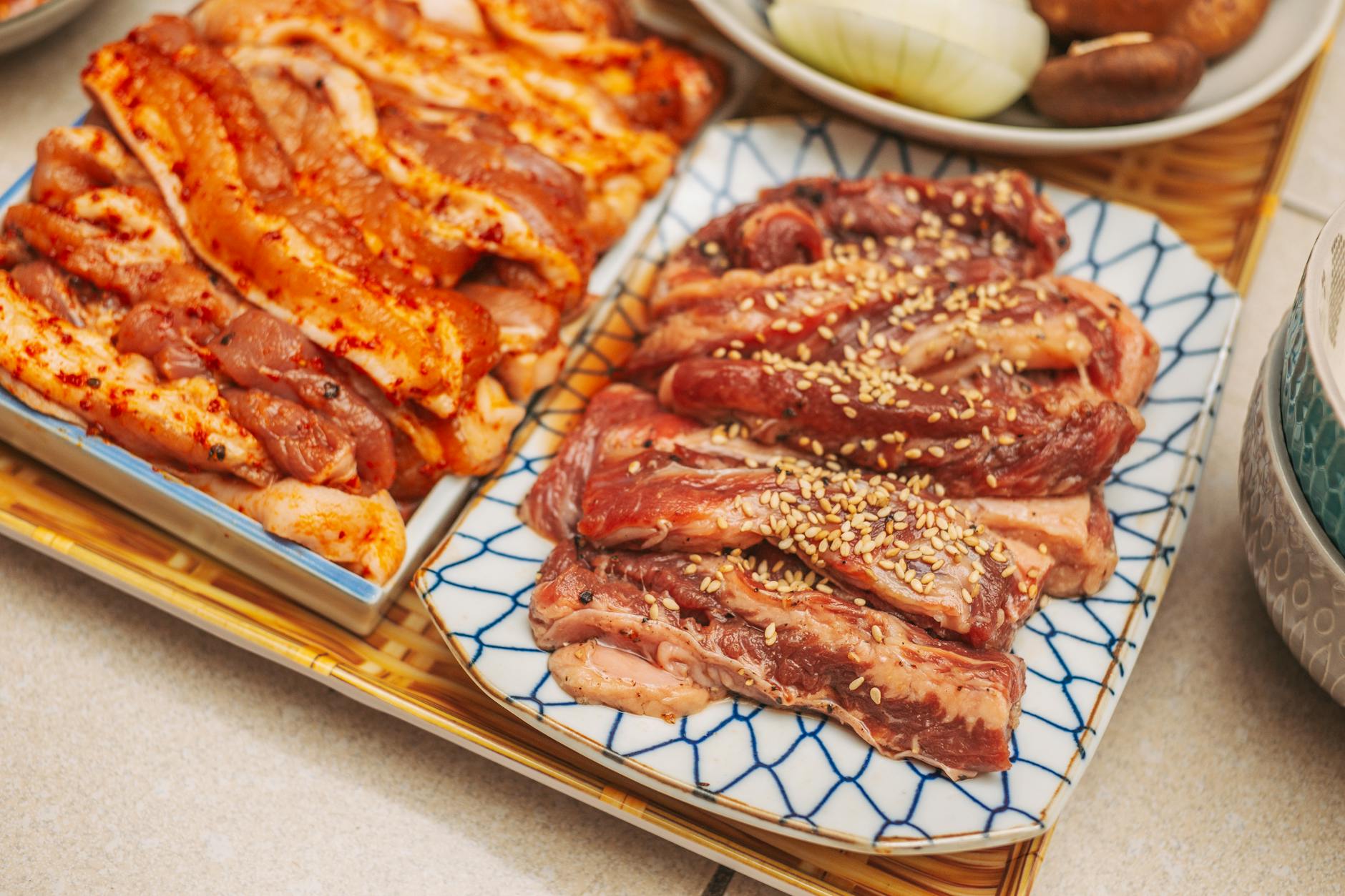
Marinating raw meat on the counter to save time or to allow flavors to develop is a widespread practice that carries significant health risks. As the meat sits at room temperature, bacteria on its surface multiply at an accelerating rate regardless of the acidic or flavorful properties of the marinade. Acids in marinades such as citrus juice or vinegar do not kill bacteria quickly enough to make room-temperature marinating safe. All marinating should be done in a sealed container placed in the refrigerator for the entire duration. Used marinade that has come into contact with raw meat must never be reused as a sauce unless it is brought to a full boil first.
Undercooking Meat Due to Guessing Internal Temperature
Relying on color, texture, or cooking time alone to determine doneness is an unreliable and dangerous practice. The only accurate method for confirming that meat has reached a safe internal temperature is using a calibrated food thermometer inserted into the thickest part of the cut. Ground beef must reach 160 degrees Fahrenheit, poultry must reach 165 degrees Fahrenheit, and whole cuts of pork and beef should reach a minimum of 145 degrees Fahrenheit followed by a rest period. Pink color does not always indicate undercooked meat, and brown color does not always confirm that bacteria have been destroyed. Foodborne illness outbreaks at cookouts and family gatherings are frequently traced back to this single oversight.
Reusing Plates That Held Raw Meat
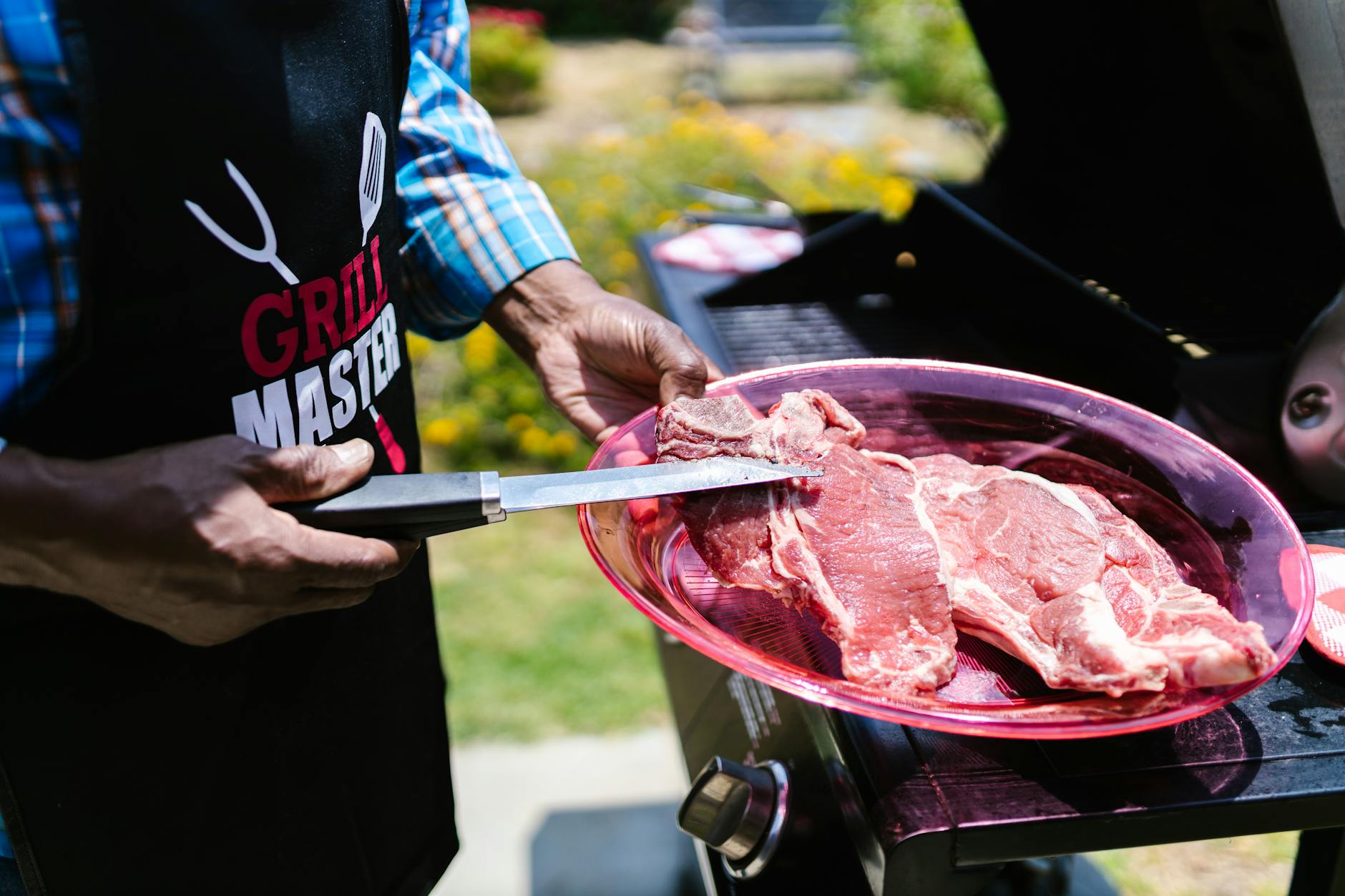
Placing cooked meat back onto the same plate that held the raw version is a mistake that immediately negates the safety achieved through proper cooking. Raw meat juices left on the plate are loaded with pathogens that transfer directly onto the fully cooked food. This error is particularly common during outdoor grilling where separate plates are not always prepared in advance. A simple solution is to bring two plates to the grill area, one for the raw meat going on and one for the cooked meat coming off. Food safety professionals consider this one of the most preventable yet consistently repeated mistakes at summer gatherings.
Leaving Cooked Meat Out for Extended Periods
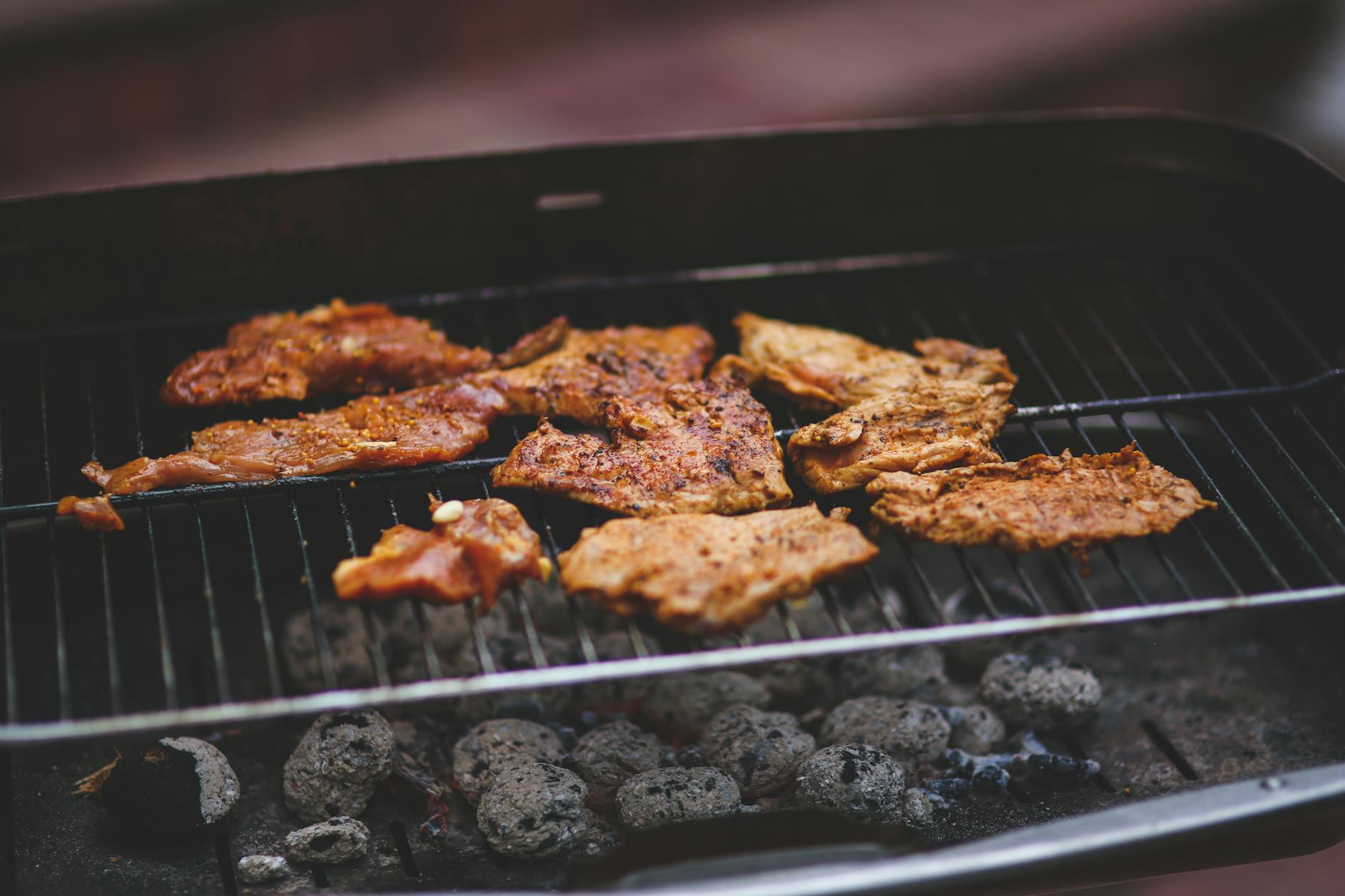
Once meat has been cooked, it enters the temperature danger zone again as soon as it begins to cool below 140 degrees Fahrenheit. The two-hour rule established by food safety agencies states that perishable foods must not be left at room temperature for more than two hours, or one hour in temperatures above 90 degrees Fahrenheit. Bacteria that were not present before cooking can still land on cooked meat from the surrounding environment and multiply rapidly if food is left sitting on a buffet or table. Large gatherings and holiday meals are high-risk scenarios because dishes often sit out for extended periods while guests graze. Cooked meat should be transferred to shallow containers and refrigerated promptly to preserve both safety and quality.
Using Dull or Damaged Kitchen Tools
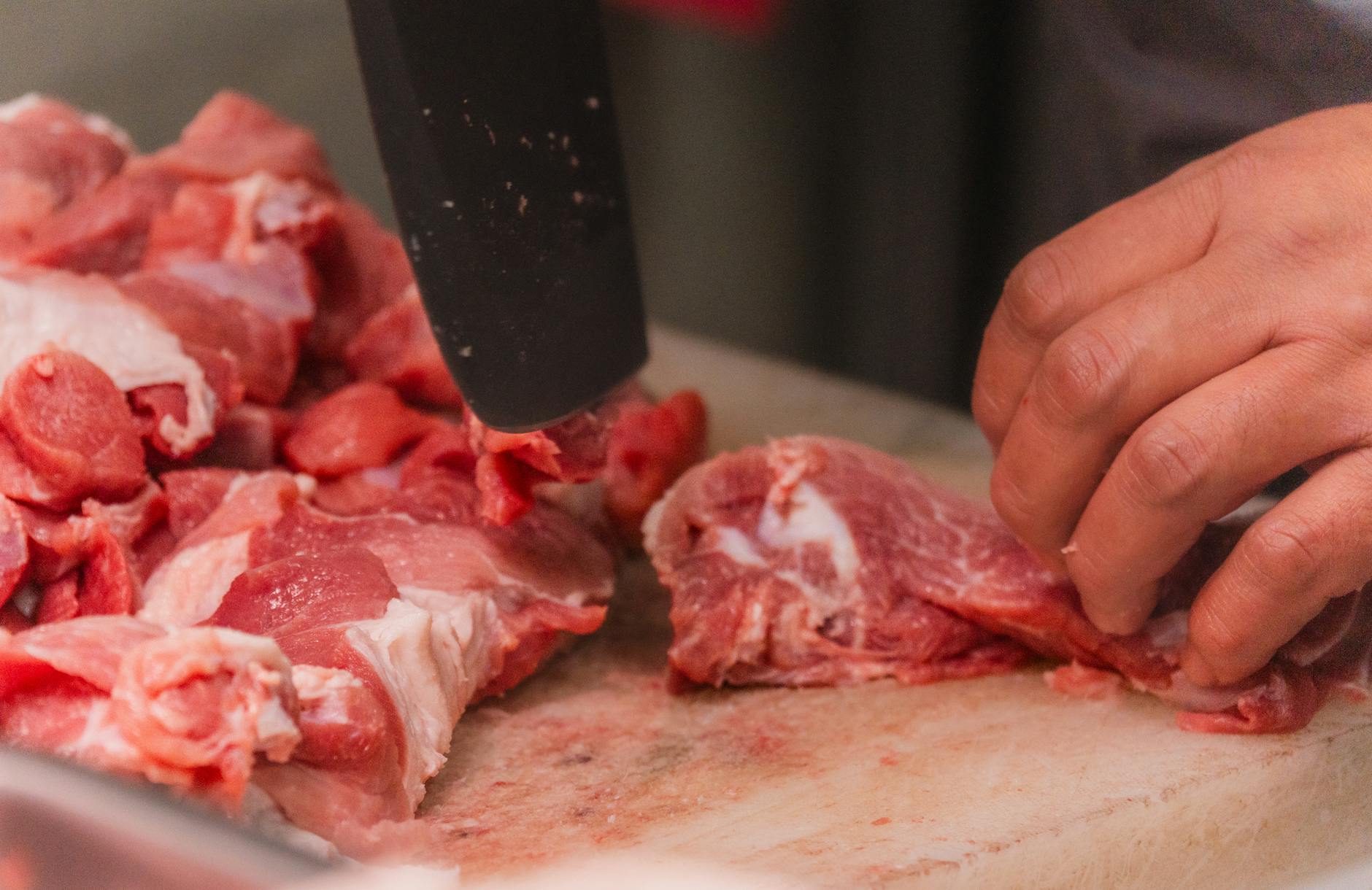
Dull knives and damaged utensils create more surface area through tearing rather than clean cutting, which increases the spread of meat juices across surfaces and hands. Cracked or chipped cutting boards harbor bacteria in their crevices that cannot be removed through standard washing. Meat mallets, grinders, and slicers with worn surfaces accumulate residue in hard-to-clean areas where bacterial colonies can persist between uses. Kitchen tools used with raw meat should be inspected regularly and replaced when they show signs of significant wear or damage. Keeping tools sharp, smooth, and in good repair is a foundational element of safe raw meat handling that is frequently overlooked in home kitchens.
Not Separating Raw Meat During Grocery Shopping

Contamination does not begin at home but can start in the shopping cart and grocery bag. Raw meat packaging placed alongside fresh produce, bakery items, or ready-to-eat foods in a shopping cart allows bacteria to transfer through packaging contact and drips. Requesting separate plastic bags for raw meat at the checkout and placing it away from other groceries in the cart are simple precautions with a significant impact. During transportation, raw meat should be stored in a cooler bag or kept separate in the trunk to prevent temperature rise and cross-contamination with other items. The handling chain for raw meat must be considered to begin the moment it leaves the store shelf.
Ignoring Expiration and Use-By Dates
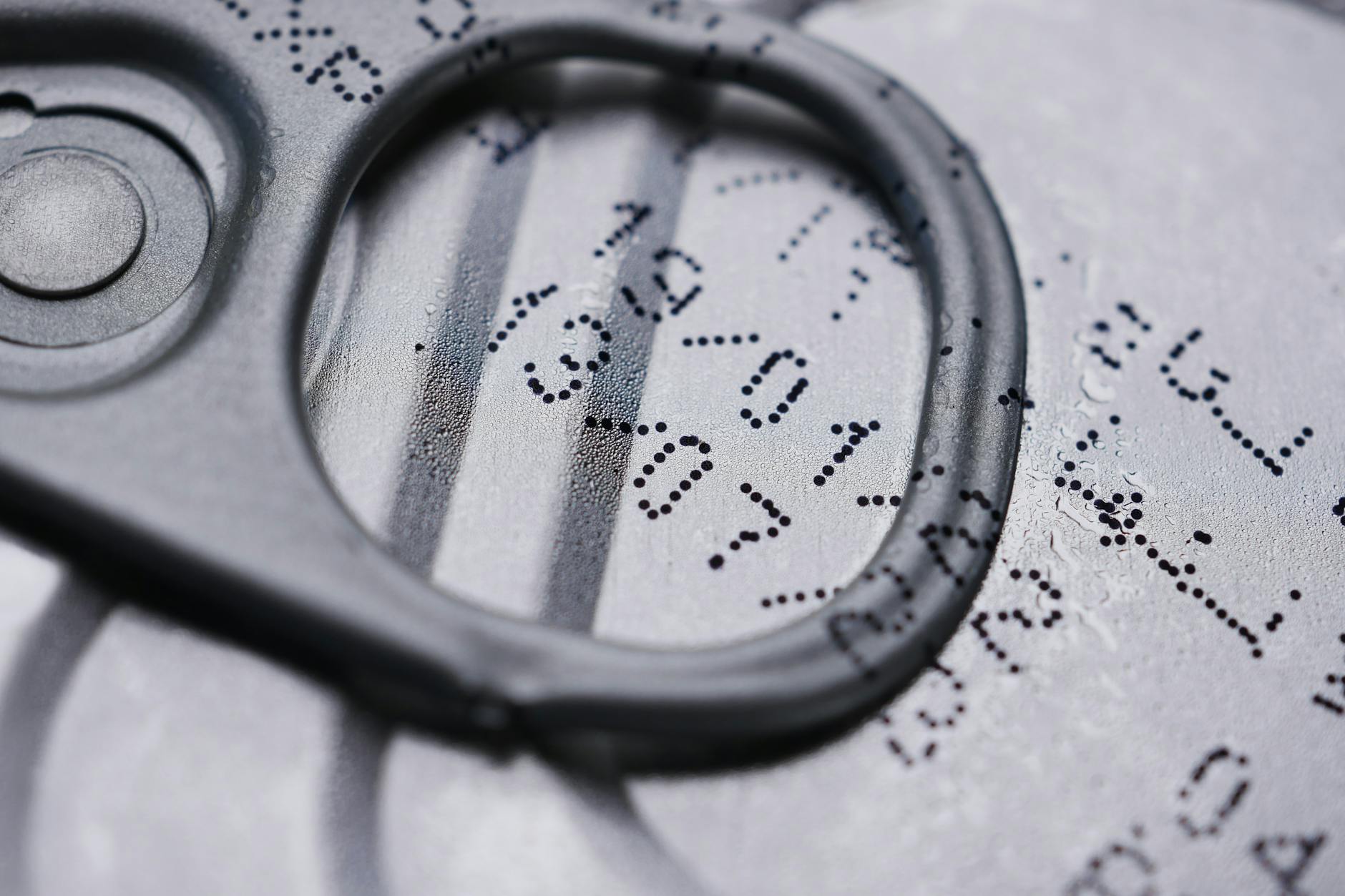
Use-by and sell-by dates on raw meat packaging are critical safety indicators established to communicate the limits of a product’s freshness under proper storage conditions. Meat kept beyond its use-by date may harbor elevated bacterial loads even when it appears and smells acceptable to the consumer. Ground meat is particularly vulnerable to rapid spoilage due to the increased surface area created during processing. Discoloration, off odors, and a slimy texture are warning signs of spoilage but their absence does not guarantee safety beyond the labeled date. When in doubt about the freshness of any raw meat product, discarding it is always the safest course of action.
Using the Same Sponge or Cloth to Wipe Meat Surfaces and Other Areas
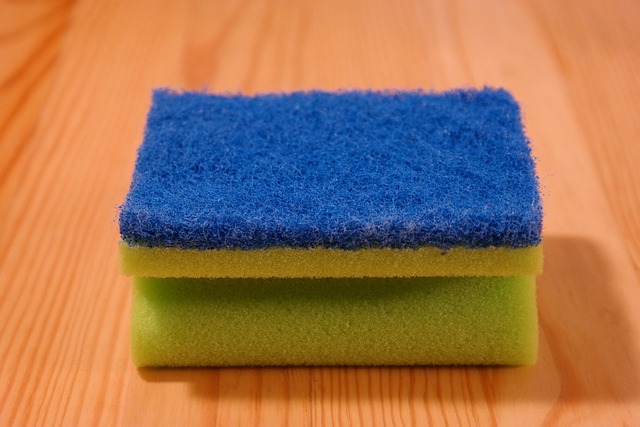
Kitchen sponges and cloths used to wipe down surfaces after raw meat preparation are among the most contaminated objects in the average household. A sponge that contacts raw meat juices and is then used to wipe a countertop, stove handle, or dish becomes a vehicle for spreading bacteria throughout the entire kitchen. Disposable paper towels are significantly safer for cleaning up after raw meat handling since they are used once and immediately discarded. If cloth towels are used, they should be laundered on a hot wash cycle after any contact with raw meat surfaces. Regularly sanitizing sponges through microwave heating or replacing them frequently reduces bacterial populations but does not eliminate the cross-contamination risk entirely.
Failing to Clean and Sanitize Surfaces Immediately After Preparation
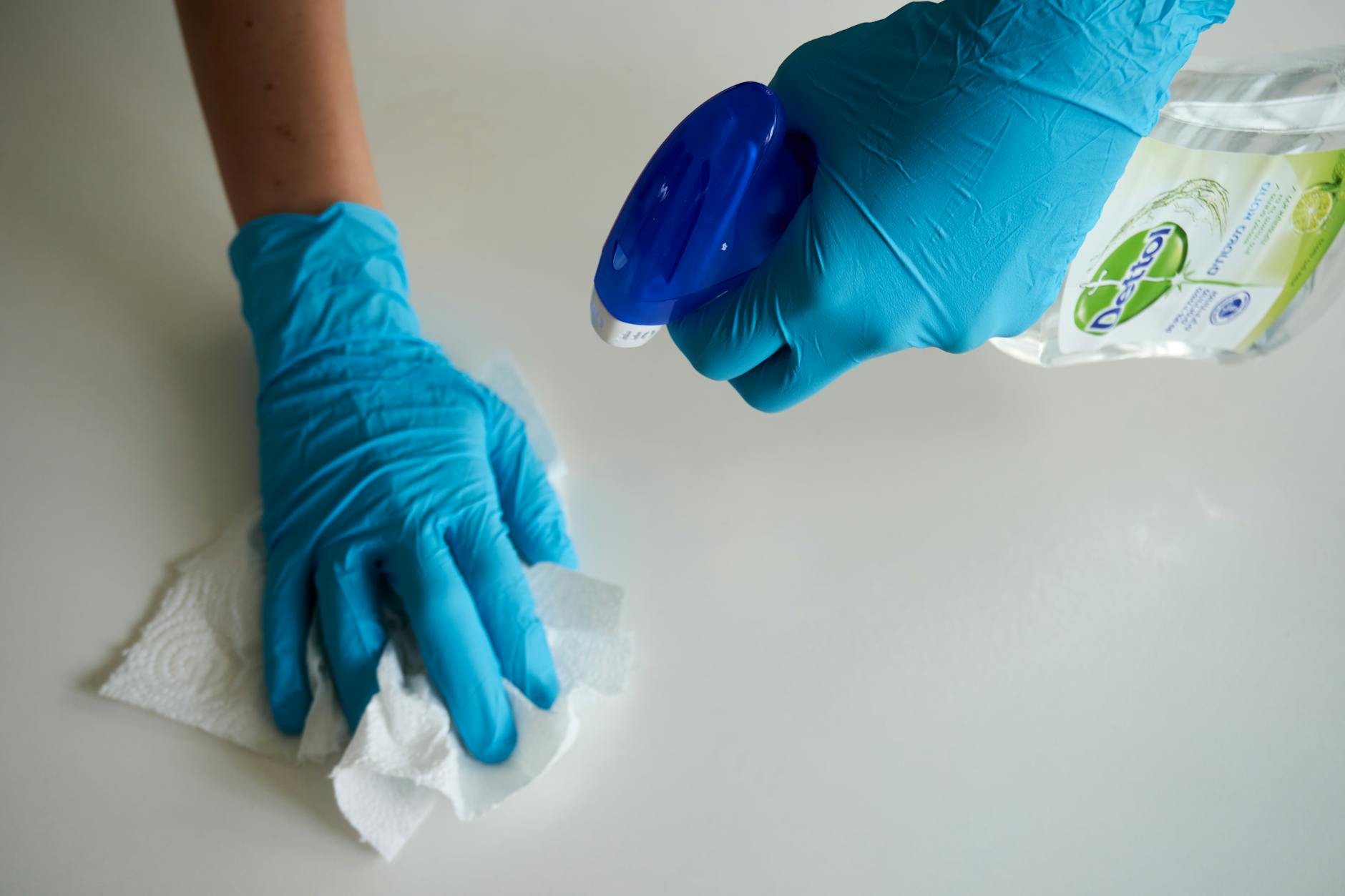
Allowing raw meat residue to dry on countertops, stovetops, or sink basins makes bacterial contamination harder to remove and increases the risk of transferring pathogens during subsequent kitchen activities. Cleaning removes visible debris while sanitizing with an appropriate food-safe solution kills bacteria that remain invisible to the eye. Simply wiping a surface with a damp cloth is not sufficient since this often spreads rather than removes bacteria. A two-step process of washing with hot soapy water followed by a sanitizing spray is the recommended approach from food safety authorities. Immediate post-preparation cleanup is especially important in kitchens where children, elderly individuals, or immunocompromised people are present.
Defrosting Meat in Hot Water
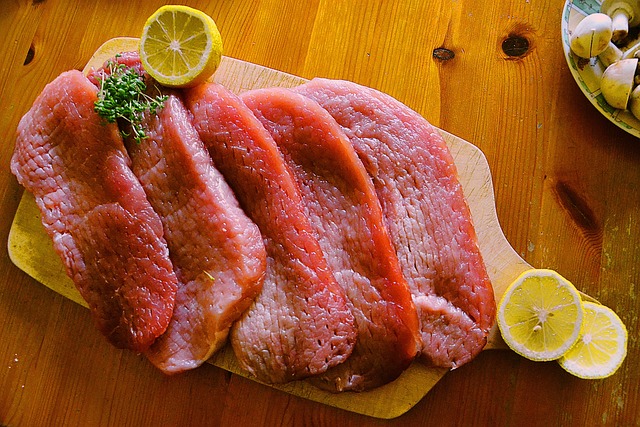
Attempting to speed up the defrosting process by submerging meat in hot or warm water raises the surface temperature of the meat into the bacterial danger zone far too quickly. While the interior of the meat remains frozen, the outer layers become a warm and nutrient-rich environment in which bacteria thrive. Cold water thawing is the approved rapid-thaw alternative, requiring the meat to remain in a sealed bag submerged in cold water that is refreshed every 30 minutes. This method keeps the surface of the meat at a safe temperature while still defrosting it more quickly than refrigerator thawing. The convenience of hot water thawing is not worth the significant safety risk it introduces.
Handling Raw Meat While Sick or With Open Wounds
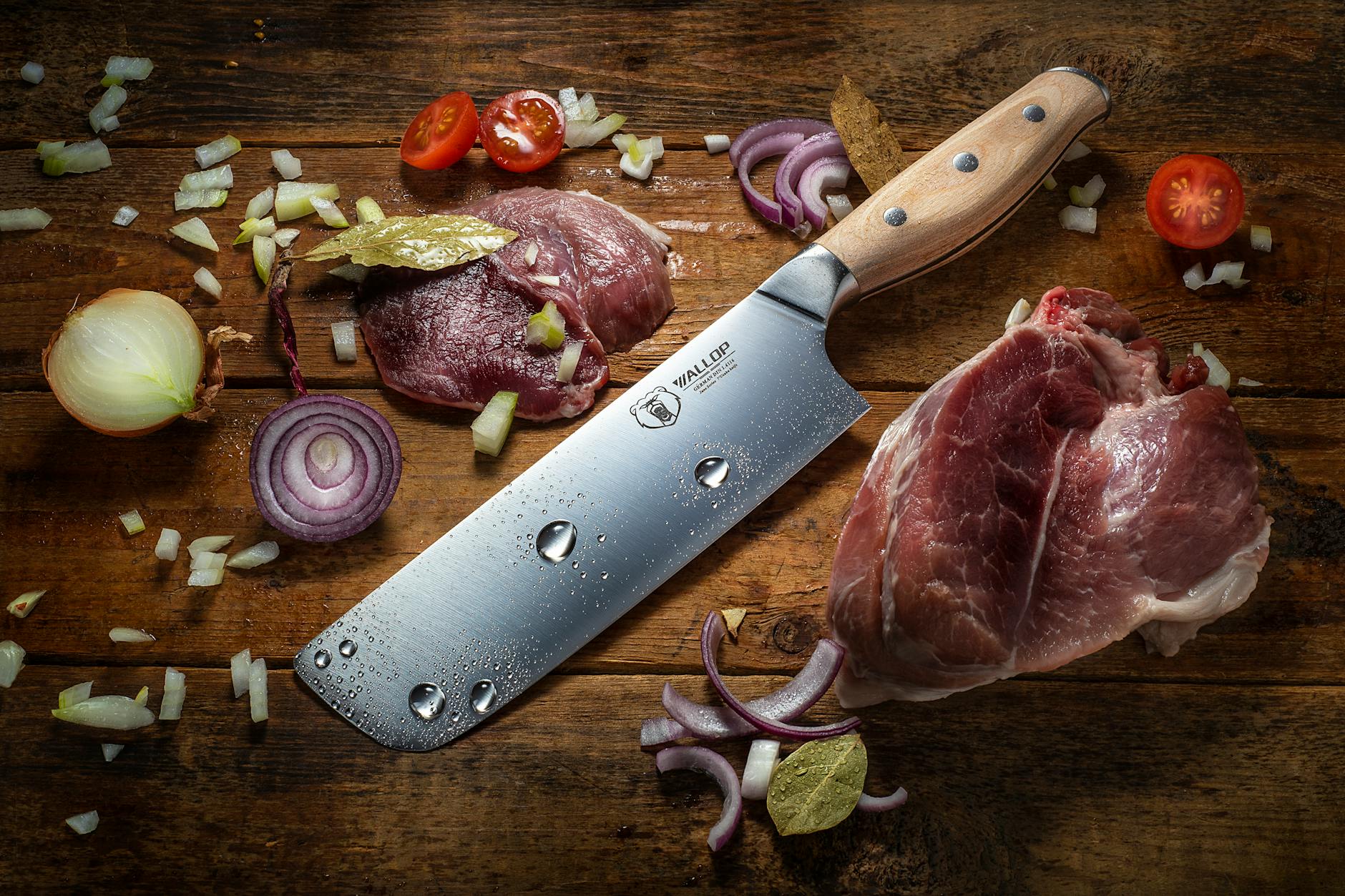
Preparing food while experiencing symptoms of illness such as vomiting, diarrhea, or fever creates a serious risk of transmitting pathogens to the food supply within the household. Open cuts or sores on the hands provide both an entry point for bacteria from the meat and an exit point for Staphylococcus aureus, which can cause severe foodborne illness. Food safety guidelines recommend that individuals with active gastrointestinal illness avoid all food preparation until they have been symptom-free for at least 48 hours. When minor cuts are present, waterproof bandages covered by food-safe gloves are required at a minimum. Professional food service workers are legally required to follow these standards, and the same principles apply equally in home kitchens.
Not Refrigerating Ground Meat Promptly After Purchase

Ground meat presents a higher food safety risk than whole cuts because the grinding process distributes any surface bacteria throughout the entire product. The increased surface area and disrupted muscle fibers in ground meat create an environment where bacterial growth accelerates faster than in intact cuts. Ground beef, pork, lamb, or poultry should be refrigerated immediately after purchase and used within one to two days, or frozen for longer storage. Leaving ground meat in a hot car, warm shopping bag, or on a counter while other groceries are put away significantly shortens its safe window. This product category requires stricter time and temperature management than almost any other raw protein.
Storing Raw Meat in Leaking or Damaged Packaging
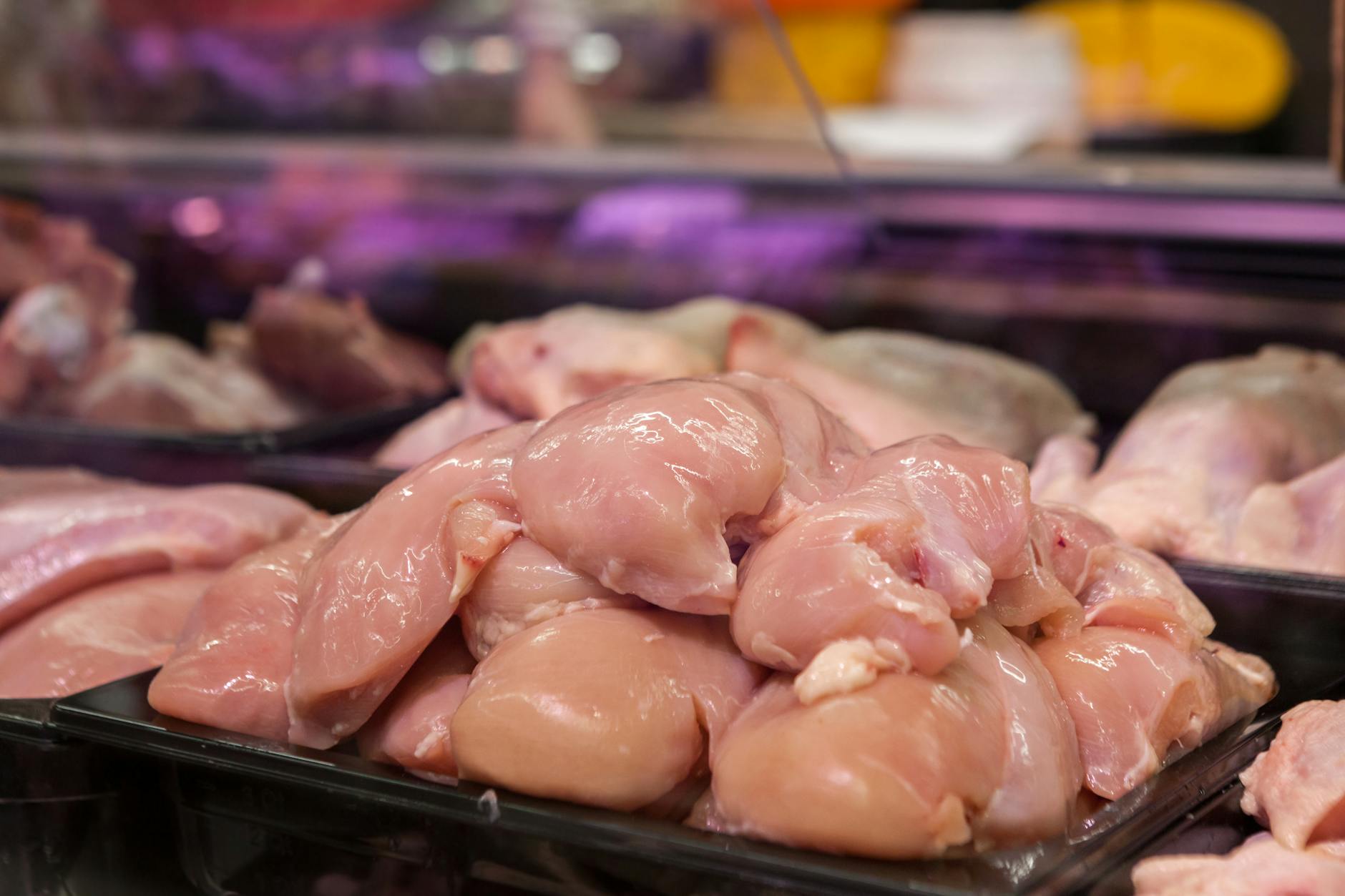
Original store packaging is often not sufficient for extended refrigerator storage since it can leak, tear, or allow air exposure that accelerates bacterial growth. Raw meat stored in compromised packaging contaminates refrigerator shelves, drawers, and nearby food items with every drop of expressed liquid. Transferring raw meat to a clean airtight container or resealable bag upon arrival home is a practical step that dramatically reduces the risk of refrigerator cross-contamination. Vacuum-sealed packaging for home use can also extend the safe storage window significantly by limiting oxygen availability for aerobic bacterial growth. Inspecting packaging integrity before storage takes only seconds but prevents a cascade of contamination risks.
Assuming All Parts of a Whole Animal Carry Equal Risk
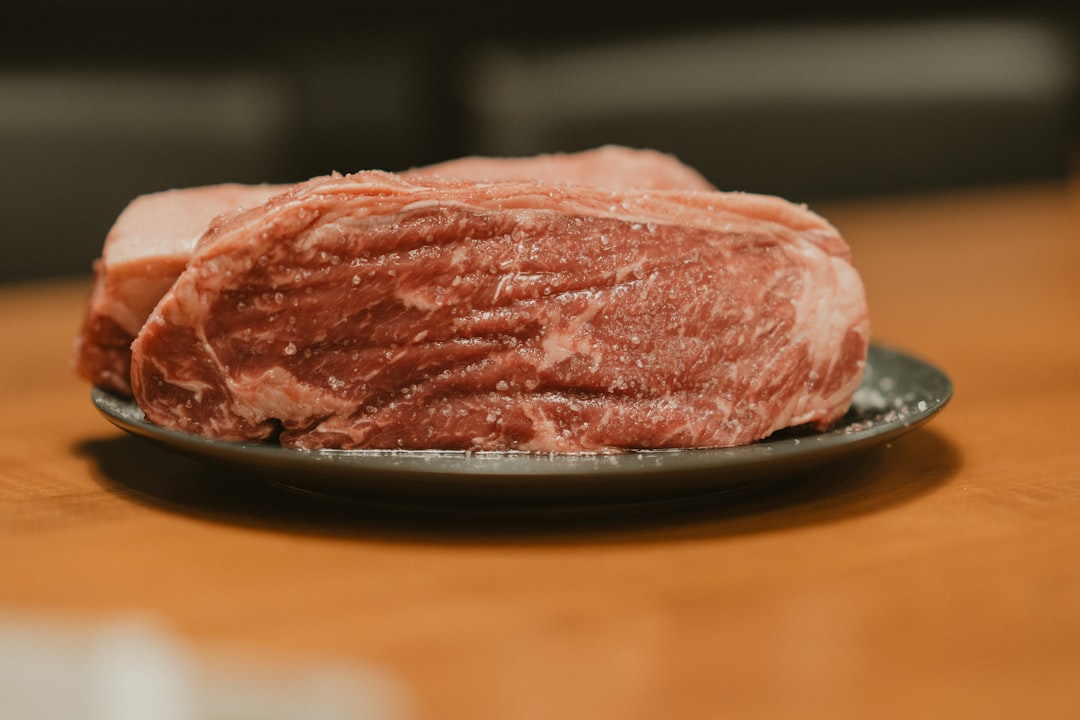
Different cuts and preparation forms of the same animal carry vastly different levels of bacterial contamination risk that require tailored handling approaches. Whole muscle cuts such as steaks and roasts harbor bacteria primarily on the surface, which is eliminated through standard cooking. Ground meat, mechanically tenderized cuts, and stuffed products carry internal contamination risks that demand higher internal cooking temperatures throughout. Organ meats including liver, kidney, and heart require particular care due to their dense tissue and proximity to bacterial sources during slaughter. Understanding the specific risk profile of each meat type helps home cooks apply the appropriate handling and cooking protocols rather than treating all raw meat as interchangeable.
Overlooking the Risk of Raw Meat Juice Splatter While Cooking
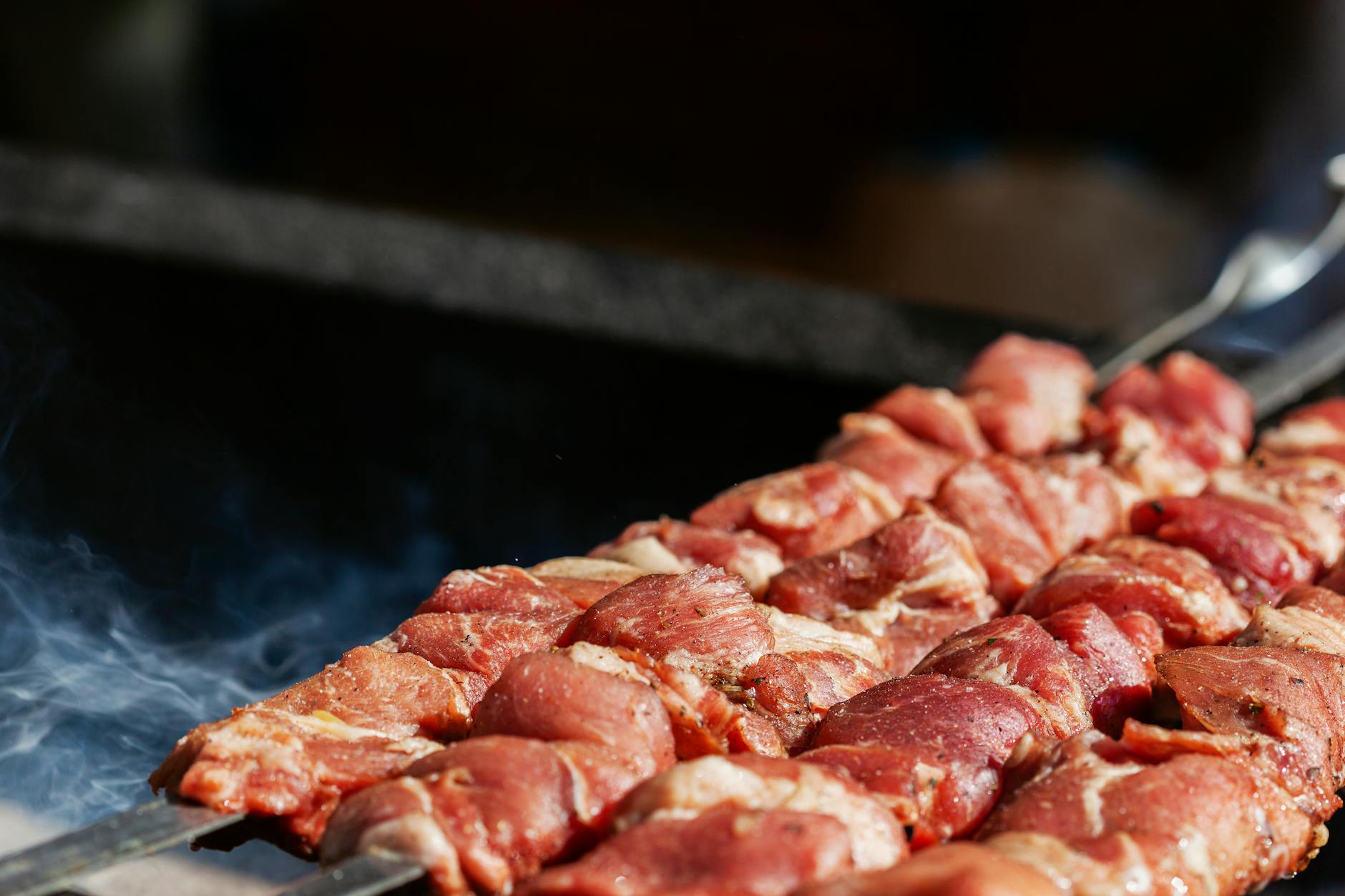
The act of cooking raw meat introduces a final opportunity for cross-contamination that many home cooks fail to anticipate. Oil splatter, steam condensation, and juices expelled during cooking can carry bacteria onto nearby surfaces, utensils, and uncovered foods on adjacent burners. Using a splatter screen when pan-frying and maintaining appropriate pan temperatures to control excessive spitting reduces the dispersal of raw juices during cooking. Utensils used to place raw meat into a pan should not be used to stir or flip the meat partway through cooking unless they have been thoroughly washed in between. Awareness of this cooking-phase contamination risk is an important and often overlooked final step in a comprehensive raw meat safety routine.
Share your own kitchen safety habits or any raw meat handling tips you swear by in the comments.




