Airports are masterclasses in captive-audience retail, where prices soar as high as the planes outside and convenience quietly costs a fortune. Every terminal is lined with glossy shops and urgent-looking kiosks designed to make travelers feel that buying is necessary. The markup on everyday goods at airports can reach anywhere from 30 to 400 percent above standard retail prices. Understanding what to avoid purchasing before you board can save significant money and prevent post-trip regret. These are the items that consistently deliver the worst value in any airport, anywhere in the world.
Bottled Water

Airport water bottles are among the most aggressively overpriced items in any terminal retail environment. A standard 500ml bottle that costs under a dollar at a supermarket routinely sells for three to five times that amount past security. Most airports in developed countries have clean, perfectly safe drinking water available from fountains throughout the terminal. Carrying an empty reusable bottle through security and filling it at a fountain is one of the simplest money-saving habits a frequent traveler can adopt.
Sunscreen

Sunscreen at airport shops is priced as a luxury skincare product rather than a practical sun-protection essential. The same SPF 50 formula available at a drugstore for a few dollars can cost three or four times more inside a terminal. Travel-size versions in particular offer poor value since the volume is dramatically reduced while the price climbs. Packing sunscreen in checked luggage or purchasing it at your destination pharmacy is always the smarter financial choice.
Phone Chargers and Cables
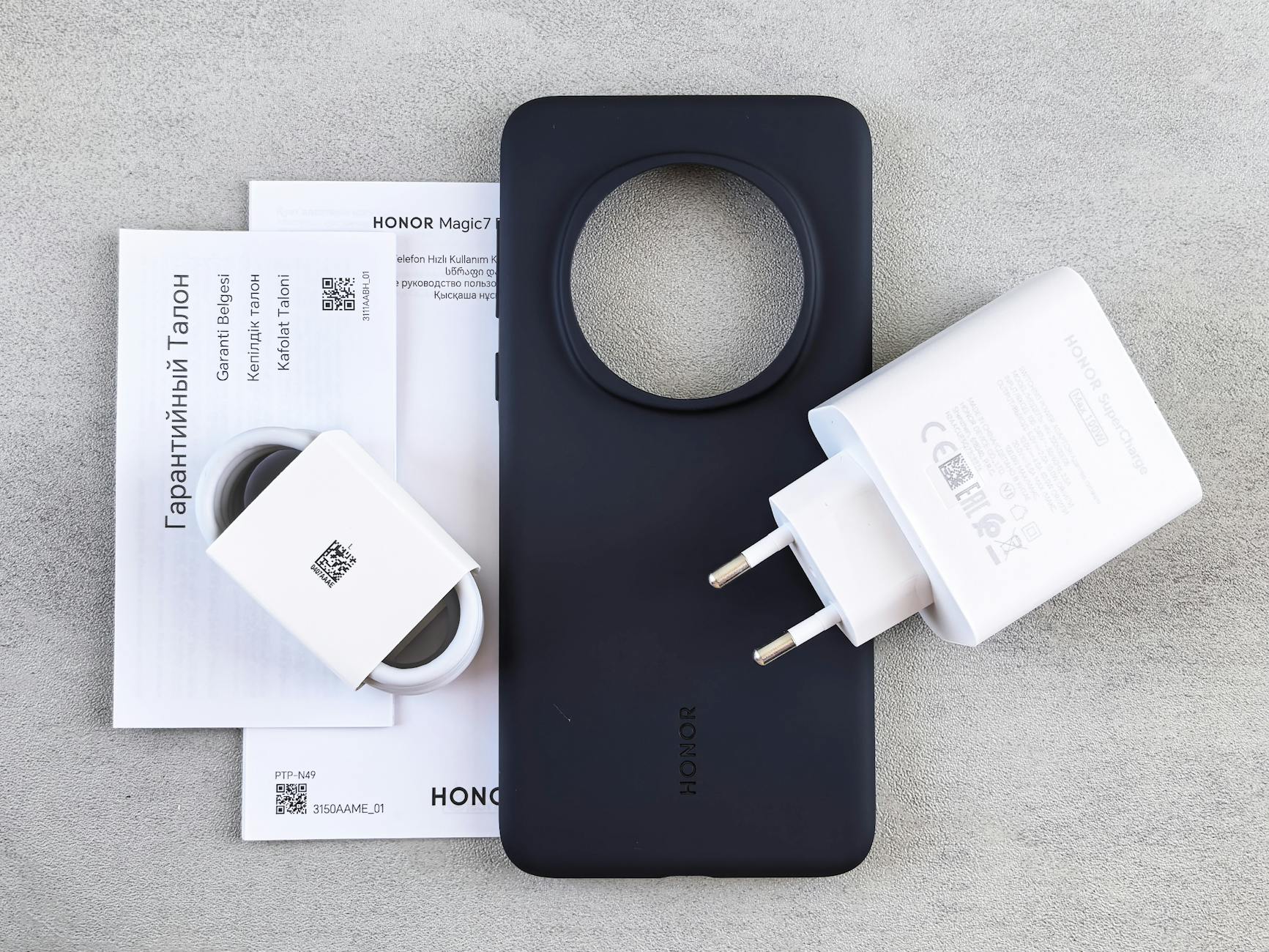
Technology accessories at airport retailers carry some of the highest markups in the entire travel retail ecosystem. A basic USB-C cable that retails for two to five dollars online can sell for fifteen to thirty dollars in a terminal shop. The quality of these cables is often no better than budget alternatives available elsewhere. Keeping a spare charger in your carry-on before you leave home eliminates any temptation to pay inflated airport prices for something fundamentally ordinary.
Over-the-Counter Medication

Painkillers, antacids, antihistamines, and other common medications are routinely priced at a significant premium in airport pharmacies and convenience stores. A packet of ibuprofen that costs pennies per tablet in a supermarket can reach eye-watering per-unit prices once inside a terminal. These products are identical to those available at any high-street pharmacy and carry no special travel formulation. Packing a small personal medical kit in your hand luggage before departure is a practical habit that consistently saves money.
Travel Pillows

Neck pillows displayed near departure gates are marketed heavily to tired and stressed travelers who feel the immediate need for comfort. The quality of these pillows rarely justifies the inflated price, with cheap memory foam and thin fabric commonly sold at premium rates. Many experienced travelers find that a rolled-up jacket or a scarf provides equivalent neck support at no additional cost. Purchasing a travel pillow from a home goods or online retailer well before your trip yields far better quality for a fraction of the airport price.
Currency Exchange Services
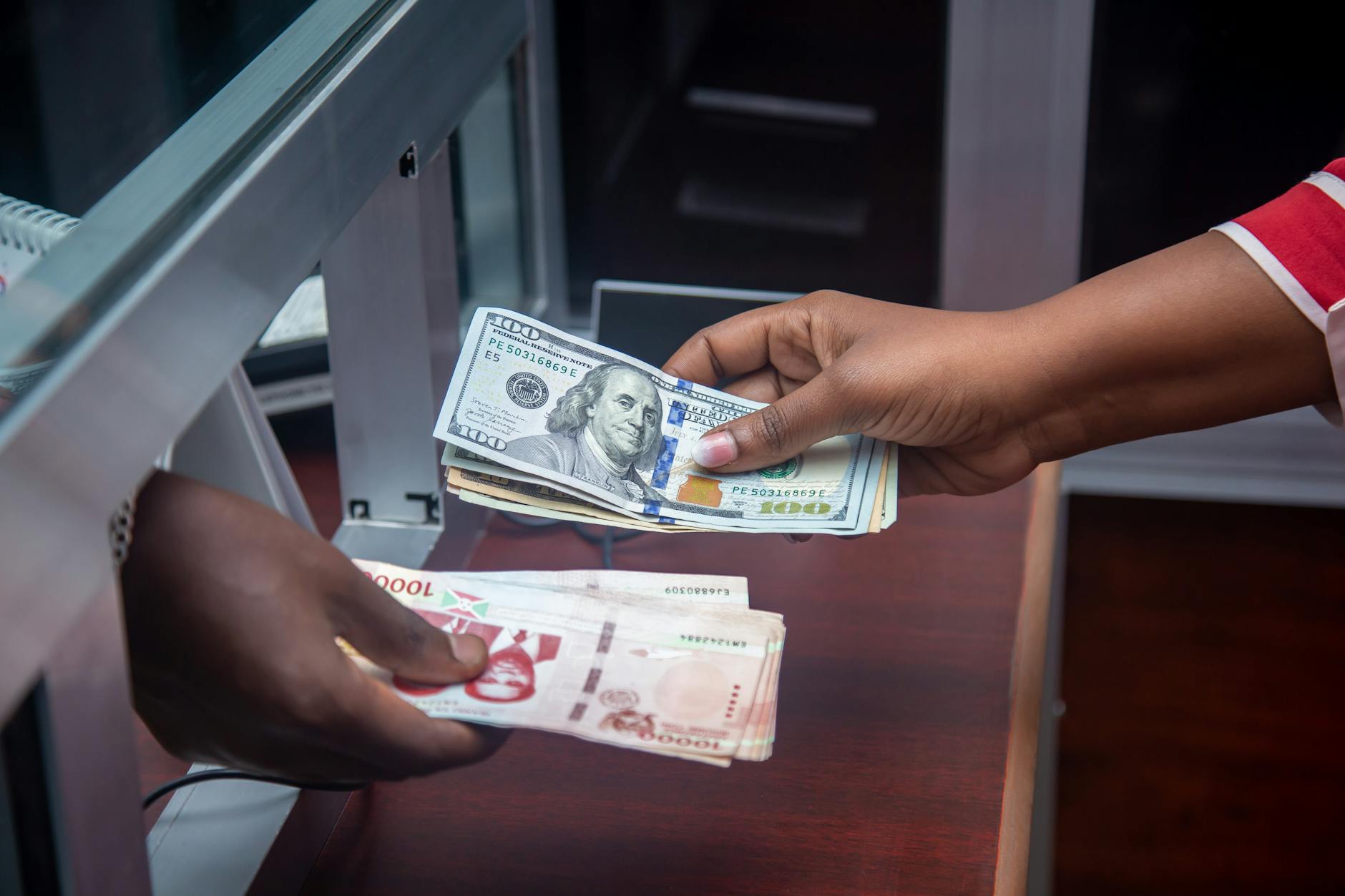
Airport currency exchange counters are widely regarded as the worst place to convert money anywhere in the financial ecosystem of travel. The exchange rates offered are typically several percentage points less favorable than those available from ATMs or high-street banks. Many airport exchange services also add flat service fees on top of the poor rate, compounding the total loss. Withdrawing local currency from a bank ATM at your destination or using a no-fee travel card delivers substantially better value.
Books and Magazines

Airport bookshops charge full recommended retail price and sometimes above it for titles that are discounted online and in most regular bookstores. A bestselling novel or travel guide that can be purchased digitally for a few dollars costs considerably more in print form inside a terminal. Downloading e-books or podcasts before departure removes any need to purchase reading material at airport prices. For travelers who prefer physical books, picking up titles from a local library or used bookshop before the trip is a far more economical approach.
Airport Souvenirs

Souvenirs sold inside departure terminals are nearly always more expensive than identical or superior versions sold in the city or town being visited. Mass-produced keychains, magnets, and branded merchandise at airport gift shops typically carry markups that reflect rent costs rather than product quality. Items presented as locally authentic are frequently manufactured overseas and sold at inflated prices to departing travelers in a hurry. Buying souvenirs in local markets, independent shops, or town centers during the trip itself provides better quality, greater authenticity, and lower prices.
Alcohol from Duty-Free Shops
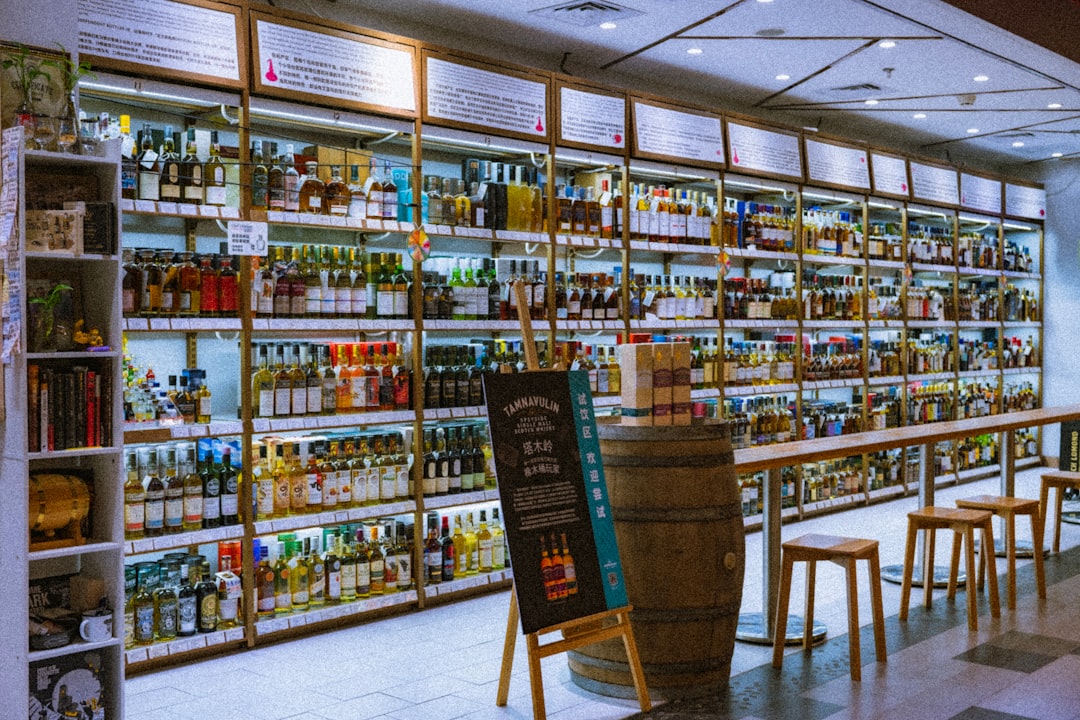
Duty-free alcohol is one of the most commonly misunderstood supposed bargains in airport retail. While prices are occasionally lower than domestic retail on specific premium spirits, the savings are frequently far smaller than the marketing suggests. Many duty-free shops sell bottles at prices that only marginally undercut high-street retailers or offer no saving at all on mid-range products. Comparison shopping before travel often reveals that online wine merchants and supermarket promotions offer better deals on the same bottles.
Packaged Snacks
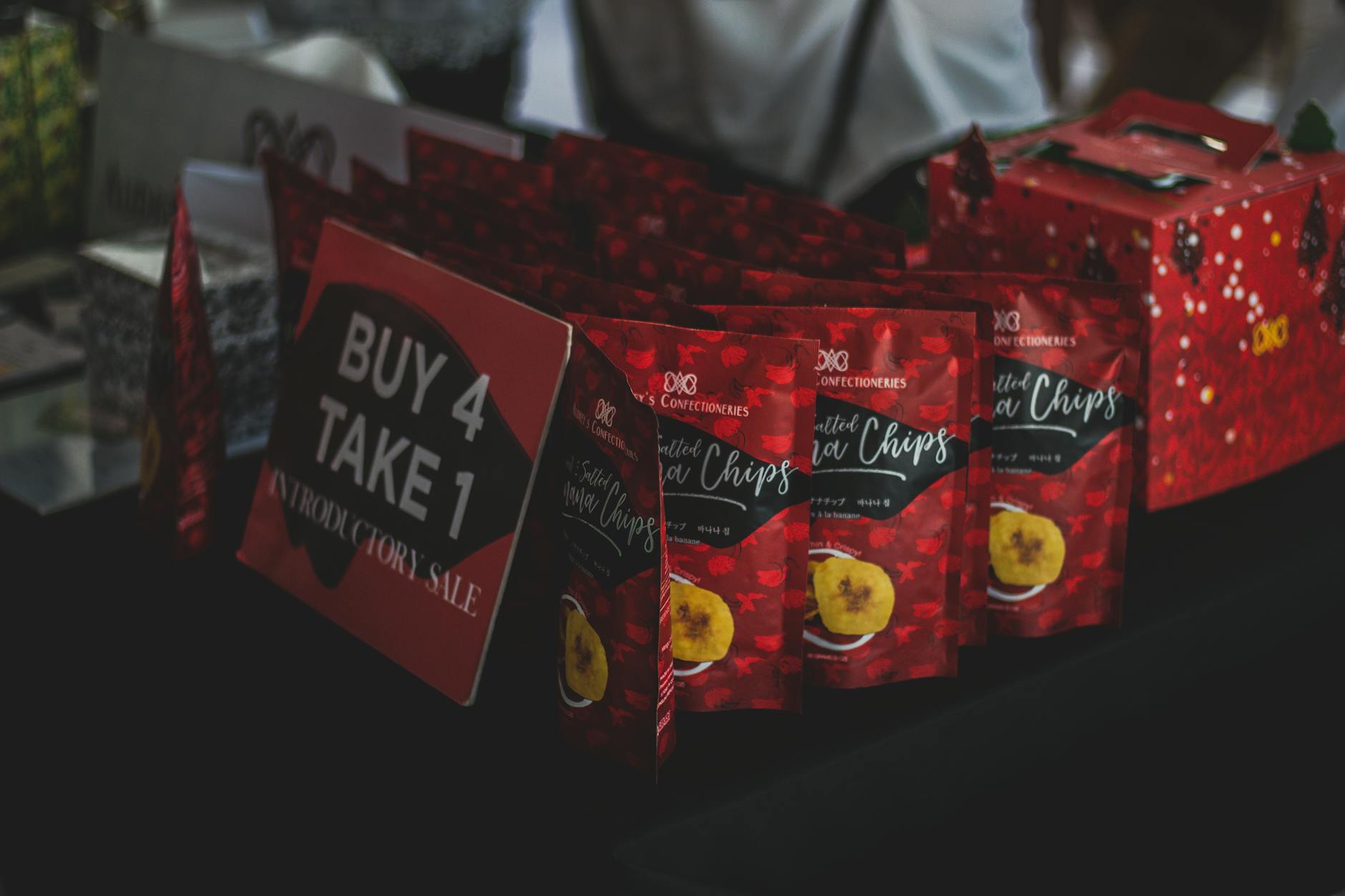
Crisps, nuts, chocolate bars, and other packaged snacks found in airport convenience stores are priced dramatically above standard supermarket equivalents. A small bag of mixed nuts that might cost one dollar at a grocery store can reach four or five dollars in a departure lounge shop. The portion sizes are also frequently reduced while the packaging implies a standard serving. Packing snacks from home or a local supermarket before heading to the airport eliminates this expense entirely.
Coffee from Branded Chain Outlets
Airport branches of well-known coffee chains apply a location-based surcharge that pushes prices noticeably above their standard high-street rates. A medium latte that costs four dollars at a regular branch of the same chain can cost six or seven dollars in a terminal. This price inflation reflects the premium rent paid by retailers in airport concourses rather than any improvement in the product itself. Eating and drinking before arriving at the airport or using terminal water fountains to stay hydrated is a straightforward way to avoid this cost.
Luggage
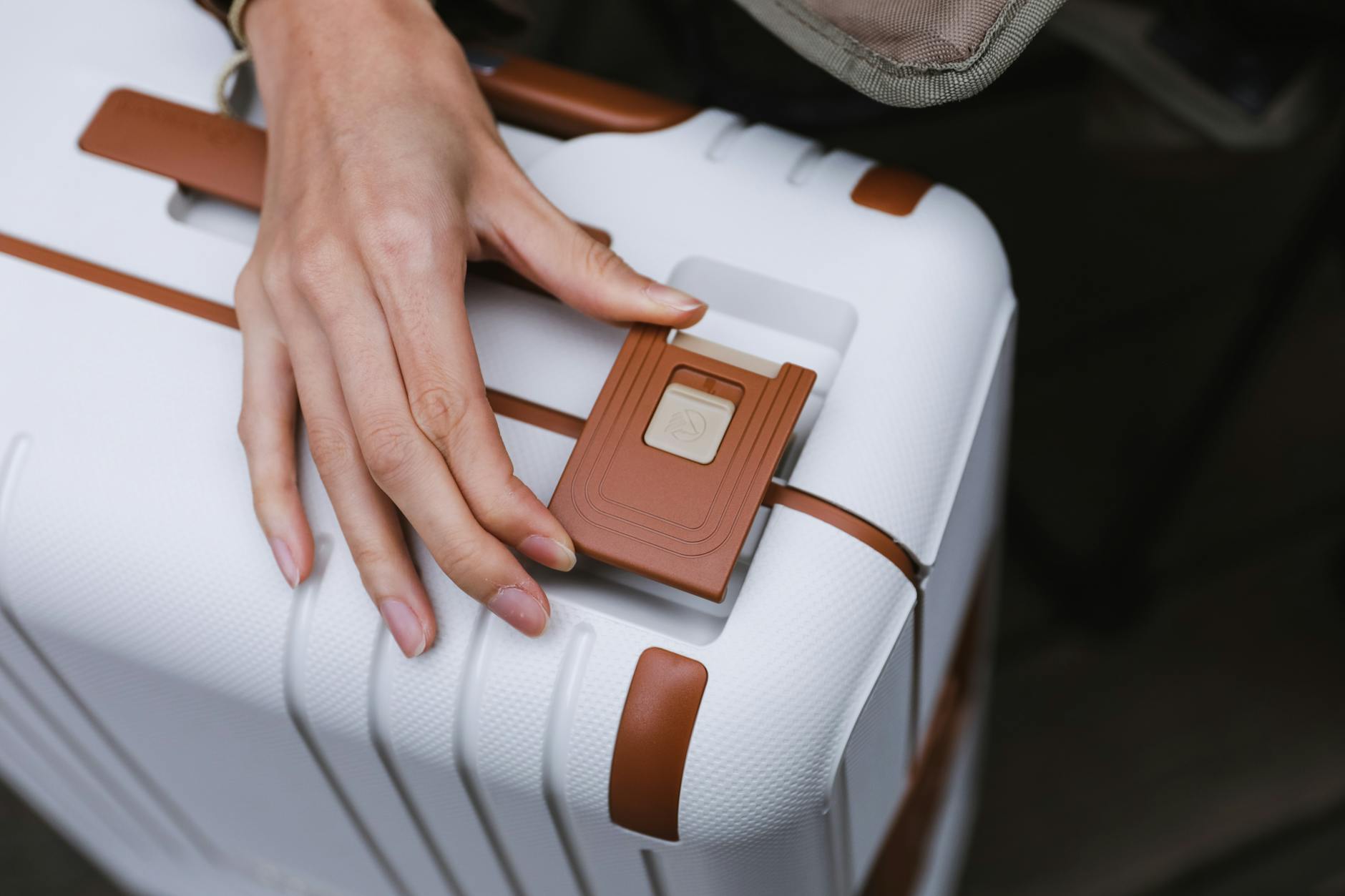
Purchasing luggage at an airport, even when a bag is damaged or lost, is an option that almost always results in serious overpayment. Airport luggage retailers stock a limited selection at full or above-retail prices with no competitive pressure to offer discounts. Emergency replacement luggage is better sourced from a nearby superstore, pharmacy, or department store near the airport if time permits. If a bag must be replaced urgently at the terminal, purchasing the cheapest available option for immediate use and replacing it properly at the destination is the more financially sound decision.
Perfume and Cologne

Fragrance retailers inside airports present themselves as offering exclusive deals but pricing rarely reflects genuine savings for most consumers. Common perfumes sold in duty-free zones are often available at comparable prices from online fragrance discounters without the need to navigate an airport. Heavy glass perfume bottles also add significant weight and fragile risk to carry-on luggage during a journey. Purchasing fragrance before travel from a dedicated discounter or waiting to buy at the destination often yields better pricing and a wider selection.
Vitamins and Supplements

Vitamins, protein bars, and wellness supplements are sold at airport health shops with markups that dwarf prices at regular health food retailers. A standard bottle of vitamin C tablets that costs a few dollars at a pharmacy can reach ten or more dollars in a terminal wellness store. The products themselves are identical formulations to those available through mainstream retail channels at a fraction of the cost. Packing a travel supply of any regularly used supplements before departure is both cheaper and more practical.
Travel-Sized Toiletries

Mini versions of shampoo, conditioner, moisturizer, and toothpaste sold in airport convenience stores offer extremely poor value by volume. A 100ml bottle priced at four dollars works out to a per-liter cost far exceeding even premium full-size equivalents. These products are available far more cheaply in supermarkets and can be prepared and packed well ahead of any trip. Many hotels also provide complimentary toiletries, making the airport purchase unnecessary in many travel scenarios.
Sandwiches and Pre-Made Meals

Pre-packaged sandwiches, wraps, and ready meals in airport food sections are consistently overpriced relative to their ingredients and quality. A simple ham and cheese sandwich can cost five to eight dollars in a terminal food court when the same sandwich made at home costs under two dollars. Quality is rarely commensurate with price, as airport food is prepared in bulk and designed for extended shelf life rather than flavor. Eating a proper meal before arriving at the airport is both more satisfying and significantly more cost-effective.
Children’s Toys

Toy shops and kiosks in airport departure areas sell items at prices well above standard toy retail, targeting parents managing stressed or bored children before a flight. A simple activity kit or small toy priced at three or four dollars in a toy store can appear on airport shelves at double or triple the cost. Bringing entertainment from home including downloaded games, colouring books, and familiar small toys removes any reliance on overpriced terminal purchases. Planning ahead with a dedicated carry-on entertainment bag for children is a standard recommendation among experienced family travelers.
Jewelry

Airport jewelry boutiques present their wares in sleek, premium-looking displays that frame ordinary pieces as exclusive finds. Markups in airport jewelry retail are substantial, often reaching two to three times the price of identical styles available from independent jewelers or online retailers. The selection is also narrower than what any dedicated jewelry shop or department store would offer. Purchasing jewelry as a travel memento is almost always better done at local markets, artisan shops, or destination boutiques where authenticity and value are more reliably found.
Sunglasses

Sunglasses displayed in airport optical shops and accessory kiosks routinely carry inflated prices on both designer and non-designer frames. Mid-range sunglasses sold for forty to sixty dollars at a regular optical retailer can appear in airport shops for eighty to one hundred dollars or more. Packing a pair of sunglasses in carry-on luggage before departure is the simplest way to avoid this category of airport spending. Even purchasing sunglasses from a convenience store near the airport before entering the terminal is likely to yield a better price.
Phone Cases

Phone accessories including cases, screen protectors, and popsockets are priced at a significant premium in airport technology retailers and kiosks. A basic silicone phone case available online for two or three dollars can reach fifteen or twenty dollars in a departure lounge. The designs available in airport shops are also limited compared to the enormous variety available through regular online or high-street channels. Replacing a damaged phone case is far better handled before or after the airport experience than during it.
Headphones and Earbuds

Audio accessories sold in airport electronics shops represent one of the most extreme markup categories in the entire travel retail landscape. Entry-level wireless earbuds available online for twenty dollars can appear in terminal shops at fifty to sixty dollars or more. The same brands and models are available without any premium from regular electronics retailers or online platforms. Ensuring that earphones are packed and charged before departure is a small preparation that avoids this expensive impulse purchase entirely.
Chewing Gum and Mints
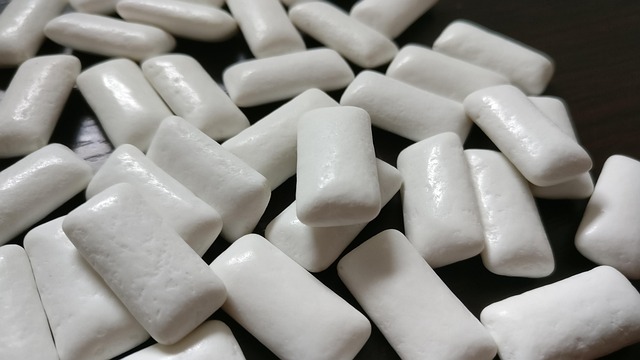
While individually inexpensive, chewing gum and breath mints in airport shops are priced at a rate that compounds quickly for frequent travelers. A pack of gum priced at fifty cents at a supermarket checkout is commonly sold for one to two dollars inside a terminal. These are among the easiest items to pack in advance and among the most consistently overpriced relative to their actual cost of production. Including a pack in a travel bag before leaving home is a small but habitual money-saving practice.
Umbrellas

Umbrellas in airport shops are sold to travelers who have been caught unprepared by weather forecasts and face limited options under time pressure. The quality of airport umbrellas is frequently poor, with flimsy construction sold at premium prices due to the captive nature of the buying situation. Checking a weather forecast before departure and packing a compact travel umbrella in advance is a straightforward habit that eliminates this purchase. Purchasing an umbrella at a supermarket or general store near the destination is also considerably cheaper than any airport option.
Adapter Plugs
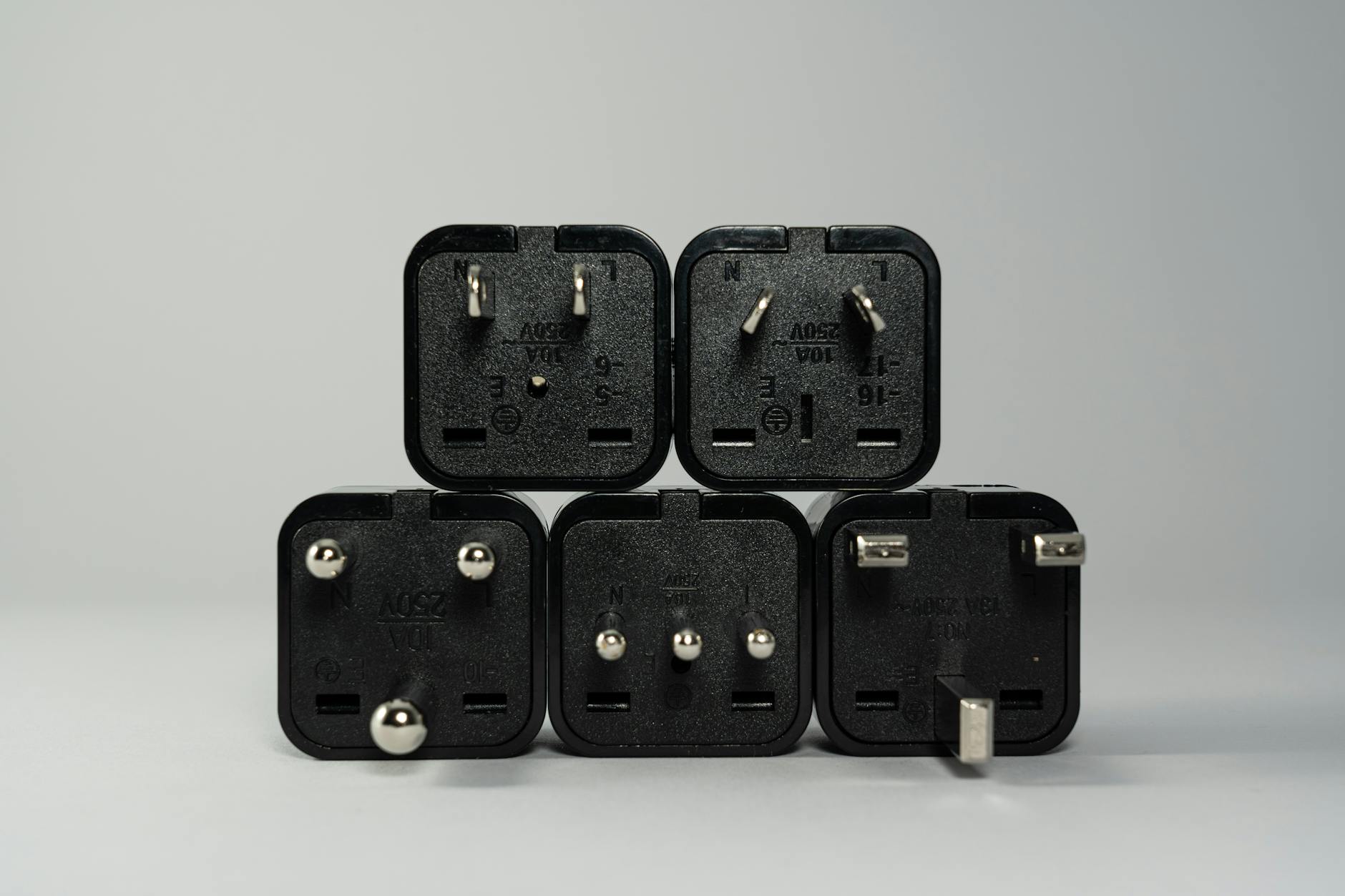
Universal travel adapters and plug converters are sold at airport electronics retailers with markups that heavily exploit traveler urgency. A basic two-prong to three-prong adapter available online for three to five dollars routinely sells for fifteen to twenty-five dollars in a departure terminal. The quality of airport-purchased adapters is not demonstrably better than those available through regular retail channels. Keeping a universal travel adapter in a dedicated travel kit at home ensures it is always ready to pack and never needs to be purchased at an airport.
Airport Branded Merchandise
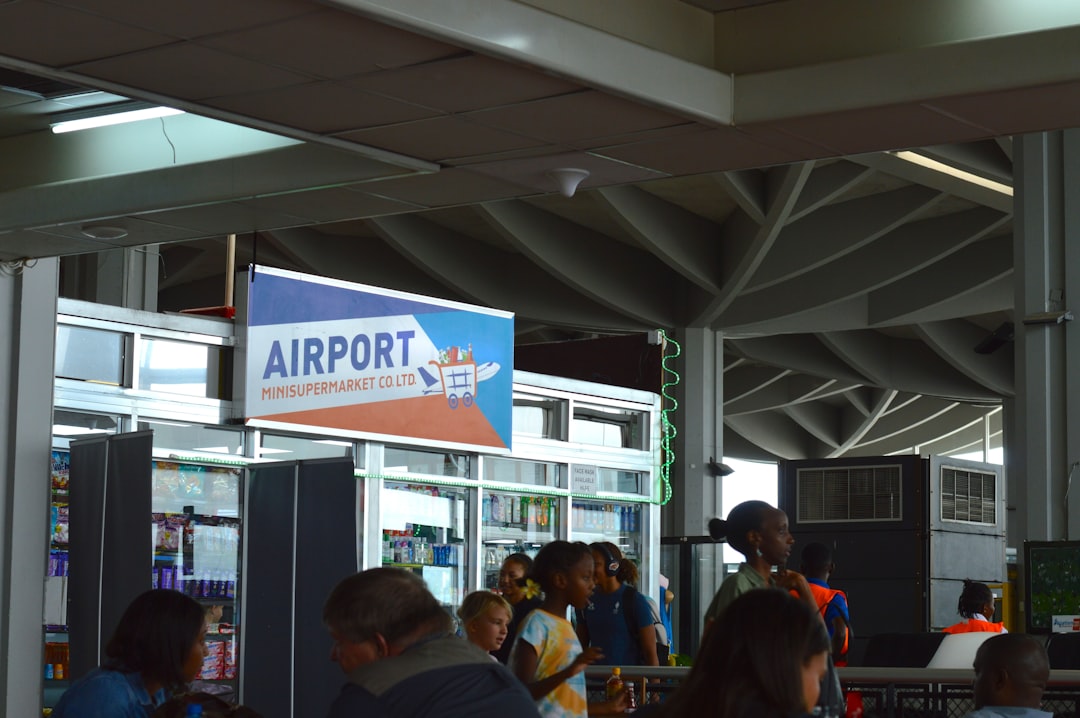
Clothing, mugs, and accessories bearing the logo or name of a specific airport are among the lowest-value souvenir purchases a traveler can make. These items are produced cheaply and sold at disproportionate prices to travelers seeking a last-minute memento of their journey. The airport brand carries no cultural or geographic significance that would make the item meaningful as a keepsake. Items representing the destination city or country itself are consistently more meaningful and better priced when purchased locally during the trip.
Hot Food from Fast Food Chains
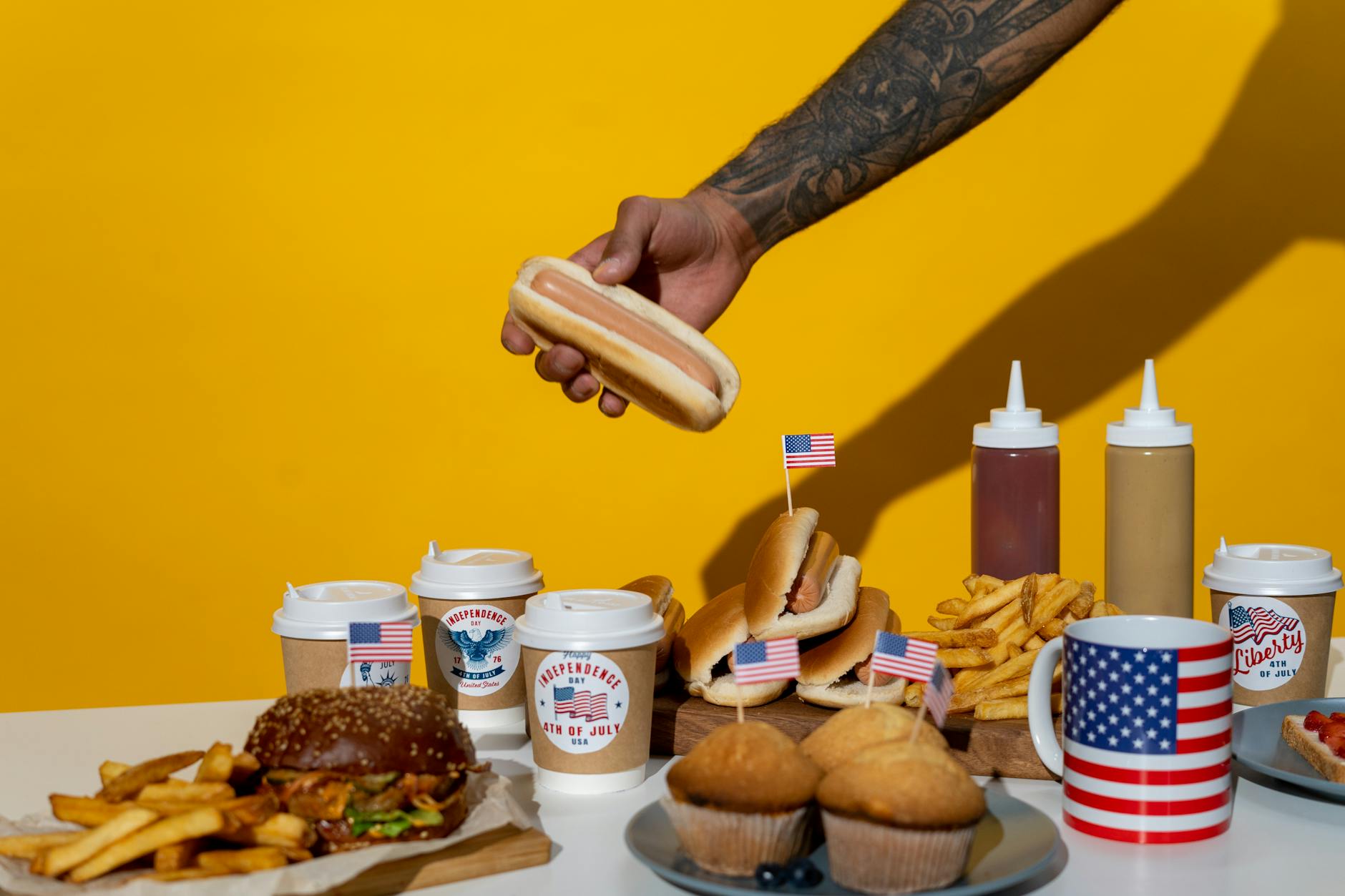
Major fast food brands operating inside airport terminals apply a location-specific pricing structure that exceeds even city-centre pricing at the same chains. A combo meal that costs seven dollars at a standard location of the same brand can cost ten to thirteen dollars inside a departure lounge. The food itself is identical in preparation and ingredients to any other location of that chain. Eating before reaching the airport or waiting to eat upon arrival at the destination avoids this predictable markup entirely.
Protein Bars and Energy Bars
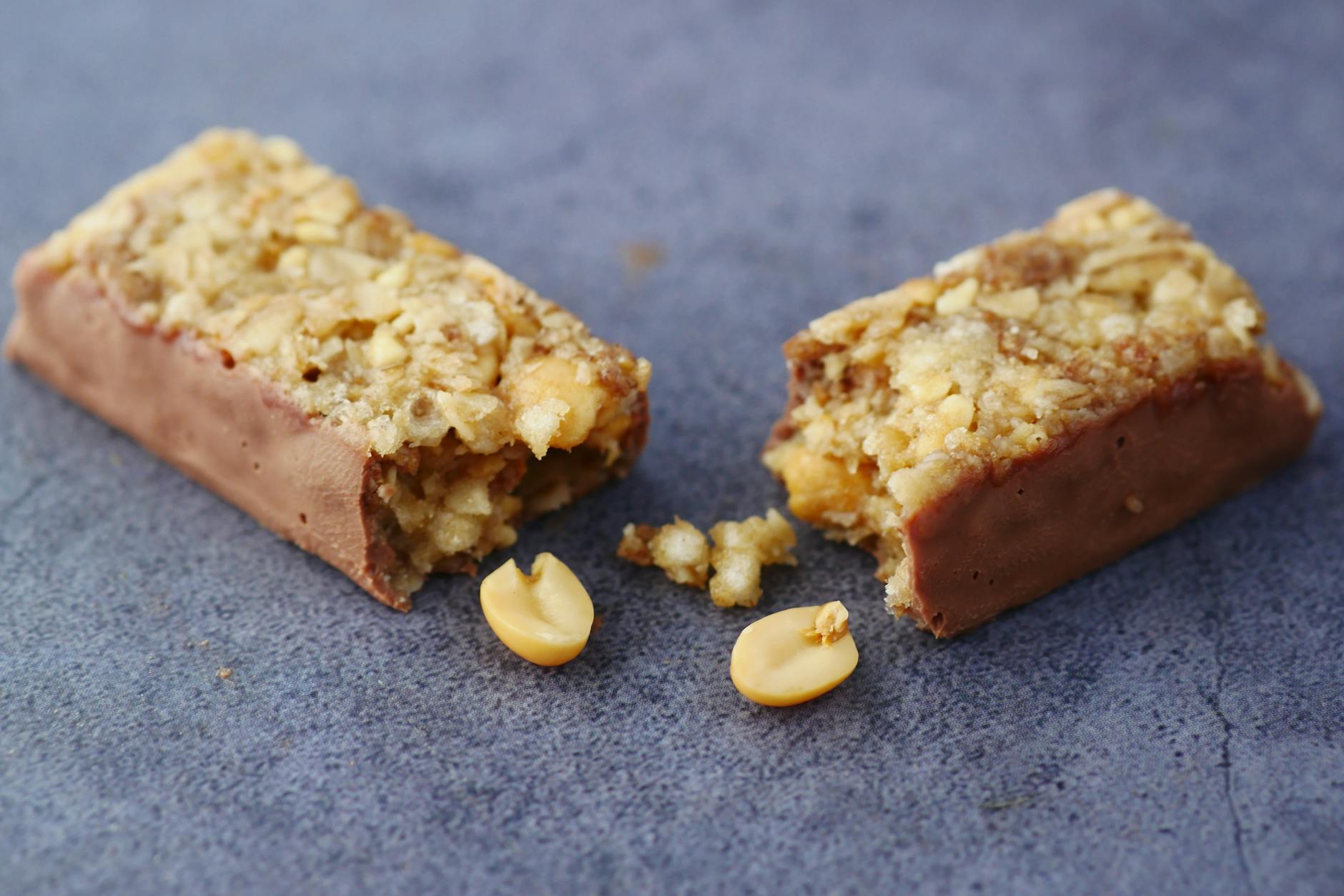
Nutrition bars sold individually in airport convenience stores are among the highest per-calorie costs in airport retail. A single protein bar priced at four or five dollars in a terminal is available in multipacks online or at supermarkets for under one dollar per bar. These are particularly high-margin products for airport retailers because travelers associate them with health and urgency. Packing a small selection of bars from a supermarket before any trip is one of the easiest and most consistent travel savings available.
Gift Wrap and Packaging

Gift bags, tissue paper, and wrapping materials sold in airport shops are aimed at travelers who have purchased duty-free items and want to present them as gifts. The prices charged for basic packaging materials in terminal gift shops are dramatically higher than equivalent items at any stationery or supermarket. Bringing a small selection of reusable gift bags or tissue paper from home adds negligible weight to luggage and eliminates this unnecessary expense. Most recipients of travel gifts are entirely satisfied with presentation that does not involve airport-purchased packaging.
Printed Photographs and Photo Books

Kiosks offering instant printed travel photos or personalised photo books in some international airports charge a significant premium for the immediacy of the service. The same photo products are available through online printing services at a fraction of the cost with delivery to any home address. Digital photographs preserved on a phone or cloud service lose nothing by being printed at a later time through a more economical channel. The airport photo printing service is a product built almost entirely around the artificial urgency of the travel environment.
Lottery Tickets
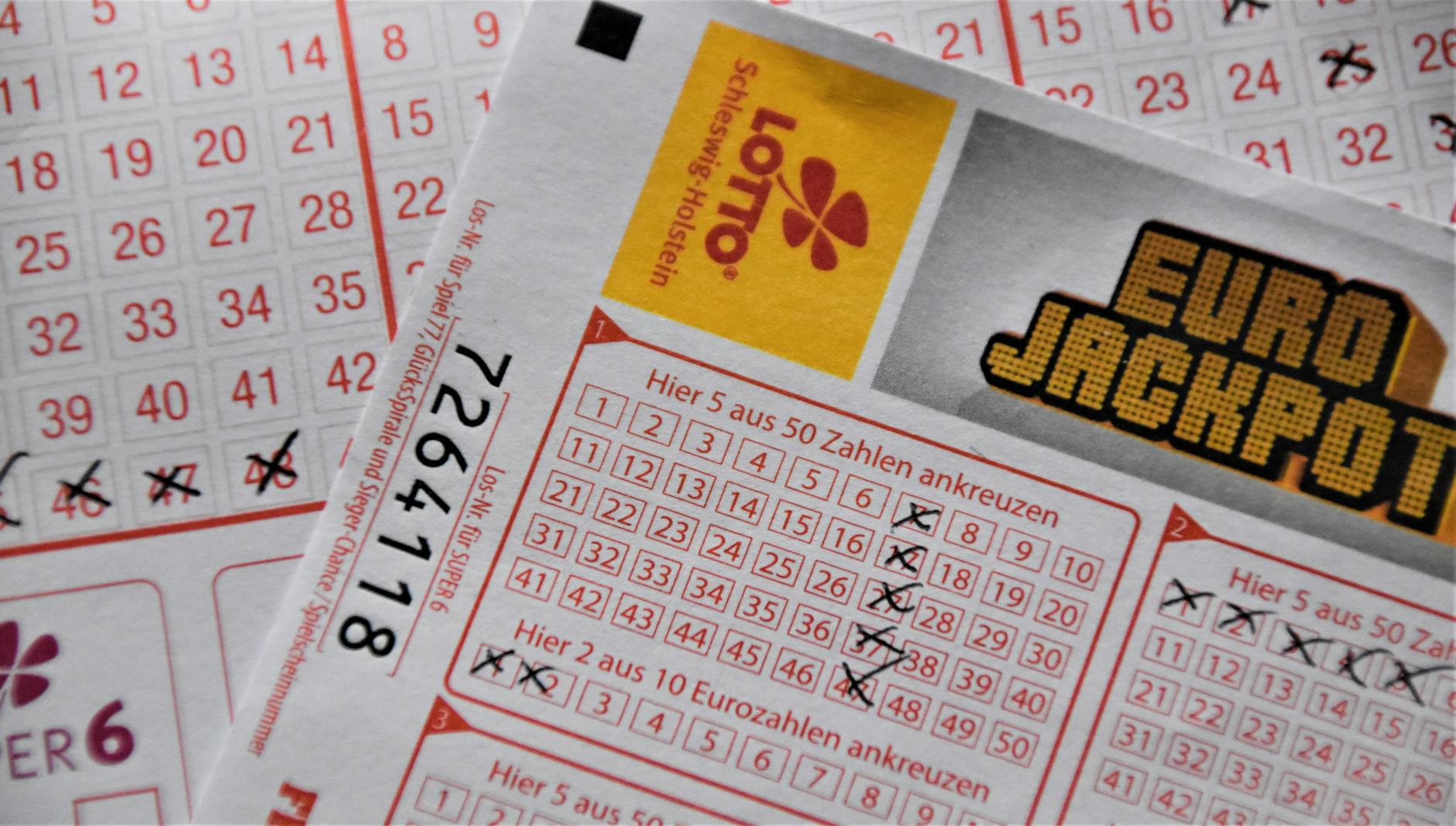
Airport lottery ticket vendors operate in several major international terminals and target travelers with the appeal of a windfall during their journey. The odds associated with airport lottery products are no different from those in any other retail environment, yet prices are sometimes inflated for convenience or exclusivity. Lottery tickets are not an investment and their purchase is not improved by the context of travel or the energy of an airport. The combination of poor odds, no special value, and occasional premium pricing places this firmly among the least worthwhile airport purchases a traveler can make.
What things have caught you off guard with their airport prices, and what do you always make sure to pack in advance to avoid overpaying? Share your experiences in the comments.




