The decision to rent or buy a home is one of the most financially and emotionally loaded choices a person can make in their lifetime. Both paths carry genuine advantages and real drawbacks depending on where you are in life. Understanding the full picture on both sides empowers you to make a choice that actually fits your circumstances rather than following what society tells you to do. This article lays out twenty compelling reasons that fall on either side of the debate so you can weigh what matters most.
Building Long-Term Equity

Every mortgage payment made on a home contributes to ownership of a real asset rather than funding someone else’s investment. Over decades, that accumulated equity can represent a substantial portion of a household’s total net worth. Property values have historically trended upward over the long run, meaning homeowners often sell for more than they paid. This wealth-building mechanism simply does not exist when writing a rent check each month.
Freedom to Customize Your Space

Homeownership gives residents the legal right to renovate, repaint, landscape, and structurally alter their living environment. This creative freedom allows people to design a space that genuinely reflects their personality and practical needs. Renters are typically bound by lease restrictions that prohibit even minor changes like hanging shelves or changing fixtures. For those who value a home that feels truly their own, ownership provides a level of autonomy that renting rarely allows.
Predictable Monthly Costs With a Fixed Mortgage

A fixed-rate mortgage locks in a consistent monthly principal and interest payment for the entire loan term. This stability makes long-term financial planning considerably more straightforward for households on a budget. Renters in competitive markets often face annual rent increases that can significantly outpace inflation. Knowing exactly what housing will cost each month for the next thirty years is a powerful financial advantage.
Tax Benefits for Homeowners

In many countries, homeowners can deduct mortgage interest and property taxes from their taxable income during the years those costs are highest. First-time buyers may also qualify for government credits and incentives designed to encourage homeownership. These tax advantages can meaningfully reduce the overall cost of owning a home over the long term. A qualified tax professional can help homeowners identify every eligible deduction available to them.
The High Cost of a Down Payment
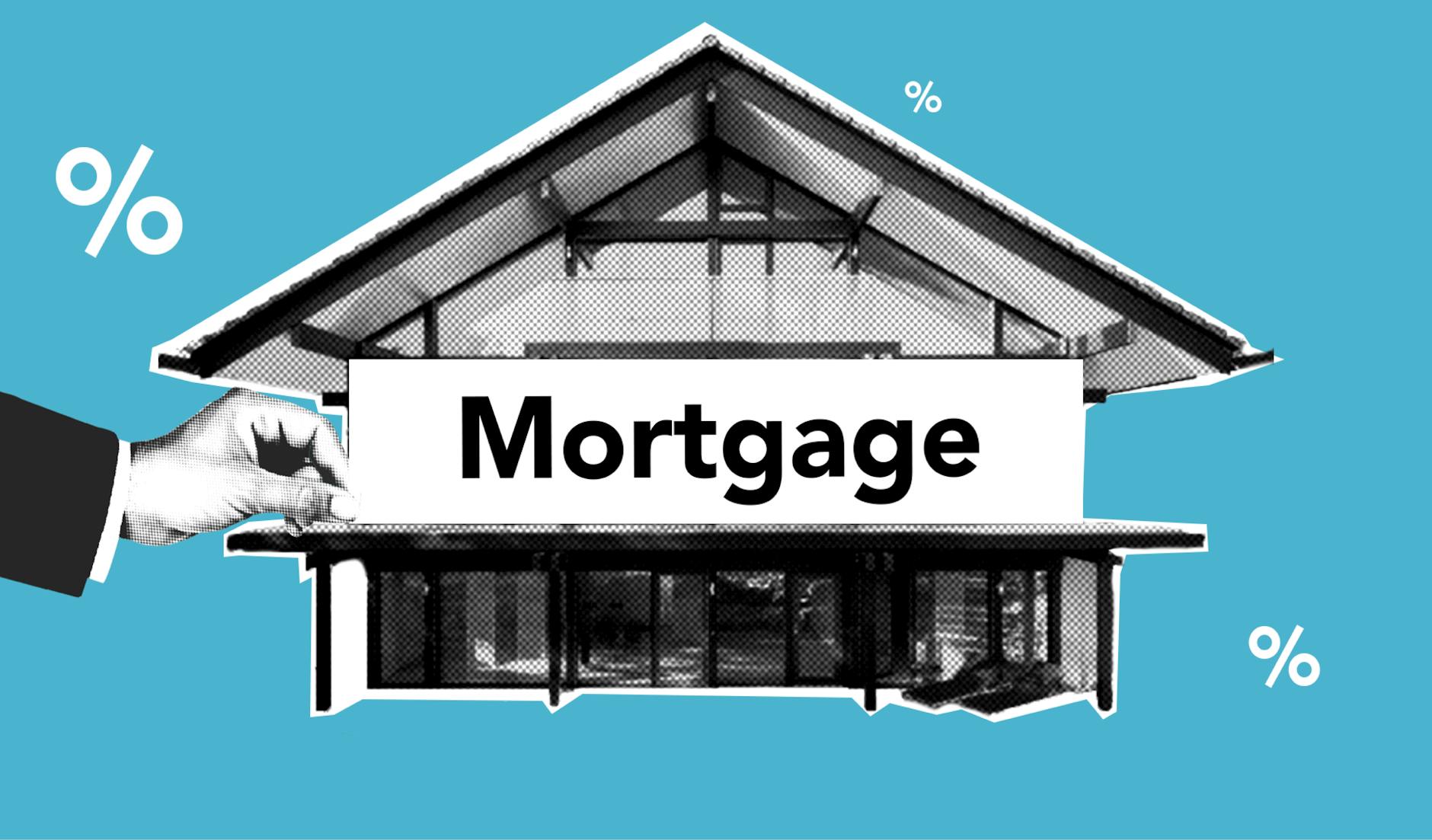
Purchasing a home typically requires a down payment of anywhere from three to twenty percent of the purchase price. In expensive urban markets, that figure can represent hundreds of thousands of dollars that many people simply do not have accessible. Beyond the down payment, buyers must also cover closing costs, inspections, and immediate repair expenses. For those without significant savings, renting remains the far more financially accessible option.
Maintenance Falls Entirely on the Owner
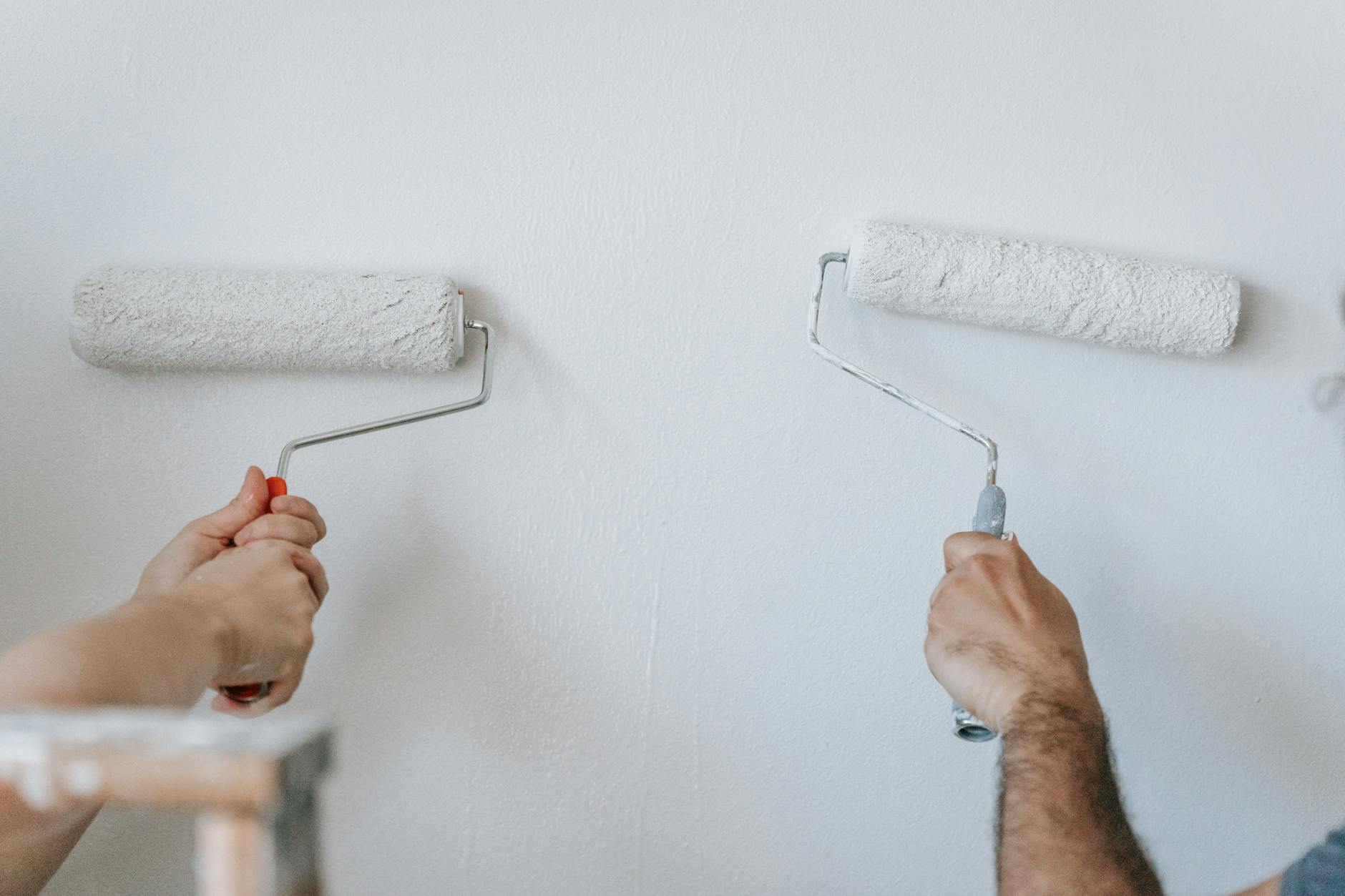
When a pipe bursts or a roof begins to leak, a homeowner bears full financial and logistical responsibility for repairs. Annual maintenance costs are commonly estimated at one to two percent of a property’s value every year. Renters, by contrast, can simply contact a landlord and have issues resolved without personal expense. For those who prefer not to manage a property or lack the skills to do so, renting offers a welcome layer of insulation from those burdens.
Flexibility to Relocate Quickly

Renting allows individuals to move at the end of a lease term with minimal financial consequence. This flexibility is especially valuable for young professionals, those in volatile industries, or anyone anticipating life changes in the near future. Selling a home is a lengthy and costly process that can take months and involve real estate commissions and closing fees. For people who value mobility over stability, a rental arrangement is simply a better fit.
Protection Against Market Downturns

Renters are not exposed to the financial risk of a declining property market. When housing values drop, homeowners can find themselves owning properties worth less than what they owe on their mortgage. Selling in a down market can result in significant financial losses that take years to recover from. Those who rent during uncertain economic periods avoid this form of concentrated housing risk entirely.
Stability for Families With Children

Owning a home in a chosen school district gives families the ability to stay rooted in one community for the long term. Children benefit from consistent friendships, familiar teachers, and a stable environment during critical developmental years. Renters face the possibility of lease non-renewals or landlord decisions that force families to uproot and relocate unexpectedly. For parents prioritizing continuity in their children’s lives, homeownership offers a layer of security that renting cannot guarantee.
Building a Sense of Community

Homeowners tend to invest more deeply in their neighborhoods because they have a financial and personal stake in the area. Studies consistently show that homeowners are more likely to participate in local civic activities, neighborhood associations, and community improvement efforts. This deeper engagement often creates stronger social bonds and a more meaningful sense of belonging. Renters who move frequently may struggle to establish the same depth of connection with those around them.
The Opportunity Cost of Tied-Up Capital

The money used for a down payment on a home could alternatively be invested in diversified assets such as index funds or retirement accounts. In some markets, the return on those investments over a twenty-year period may outpace the appreciation of a residential property. Homeownership concentrates a significant amount of wealth in a single illiquid asset, which carries its own financial risks. For financially savvy renters who invest the difference aggressively, renting can actually produce greater overall wealth accumulation.
Renting Enables Geographic Arbitrage

Renters have the ability to live in lower-cost cities or regions while earning income remotely from higher-paying markets. This lifestyle strategy, known as geographic arbitrage, can dramatically accelerate savings and investment timelines. Homeowners tied to a specific property have far less flexibility to take advantage of regional cost-of-living differences. As remote work becomes more normalized, this advantage of renting continues to grow in practical significance.
Homeownership as Forced Savings

For individuals who struggle with consistent saving habits, mortgage payments function as a form of disciplined wealth accumulation. Each payment gradually reduces the loan balance and increases the homeowner’s stake in a tangible asset. Without this structure, some renters may find it difficult to consistently invest the equivalent amount on their own. Homeownership can serve as a practical financial tool for those who benefit from built-in accountability.
No Landlord Interference in Daily Life

Homeowners do not need to navigate landlord relationships, property inspections, or the anxiety of a lease not being renewed. Renters can find themselves subject to rent hikes, sale of the property by the owner, or changes in management that disrupt their living situation. The autonomy of owning a home extends beyond physical customization to include total control over one’s own housing security. This independence is a significant quality-of-life benefit that many homeowners cite as a primary motivation for buying.
Insurance and Hidden Costs of Renting

While renting may appear cheaper on the surface, the total cost picture is more complex when examined closely. Renters must pay for renters insurance, parking fees, storage units, and pet deposits that add up over time. In some cities, rental prices have risen so dramatically that monthly rent now exceeds what a comparable mortgage payment would cost. Running a careful side-by-side comparison of actual costs in a given market can reveal that buying is financially competitive even in the short term.
Uncertainty for Long-Term Renters
Renting indefinitely means accepting that housing costs will continue to rise over time without the benefit of equity accumulation. A renter who spends thirty years paying rent will have no asset to show for that expenditure at the end of it. In retirement, without a paid-off home, housing remains a significant ongoing expense that can strain fixed incomes. Long-term renters must plan exceptionally carefully to ensure they have sufficient savings to cover housing costs throughout their later years.
Access to Better School Districts Through Ownership

In many markets, purchasing a home is the most reliable path to securing residency in a high-performing school district. Rental inventory in these areas is often limited and priced at a premium that makes long-term occupancy difficult. Homeowners who purchase in desirable districts gain access to educational opportunities that can have a lasting impact on their children’s trajectories. For families prioritizing education above other factors, buying in the right location is often viewed as a long-term investment in the next generation.
Renting Reduces Stress for Minimalists

For those who embrace a minimalist lifestyle, renting aligns well with a preference for owning fewer possessions and maintaining a lighter footprint. The absence of property maintenance responsibilities frees up significant time and mental energy for other pursuits. Homeownership comes with an ongoing list of tasks, upgrades, and concerns that can become a source of chronic low-level stress. Renters who find peace in simplicity often report that their arrangement supports their broader lifestyle values more effectively than ownership would.
Emotional Attachment and Financial Decision-Making

Homeownership carries deep emotional significance for many people, which can occasionally lead to financially suboptimal decisions. Buyers sometimes overpay for properties in competitive bidding situations driven by attachment rather than numbers. Renters are able to evaluate their housing choices with a degree of emotional detachment that protects them from impulsive decisions. Separating the emotional appeal of owning a home from the financial reality is essential for making a clear-headed choice.
The Right Answer Depends on Your Life Stage
No universal rule exists that makes buying better than renting or renting better than buying for every person. Financial readiness, career stability, family plans, and local market conditions all play a decisive role in determining which path makes more sense at any given moment. Someone who buys too early may find themselves financially stretched while someone who rents too long may miss a generational opportunity to build wealth through property. The smartest approach involves regularly reassessing which option aligns with your current goals rather than defaulting to social pressure.
Whether you are currently renting, considering buying, or questioning a decision you have already made, share your own experience and perspective in the comments.




