What was once the ultimate symbol of wealth and sophistication can transform almost overnight into a cultural punchline. The fashion world moves in cycles of desire and disgust and certain luxury brands have found themselves victims of their own mass appeal. Logo fatigue, overexposure, and shifts in what signals genuine taste have collectively reshaped how consumers perceive once-coveted names. Understanding why these brands lost their aspirational shine reveals something fascinating about the psychology of status and style.
Louis Vuitton
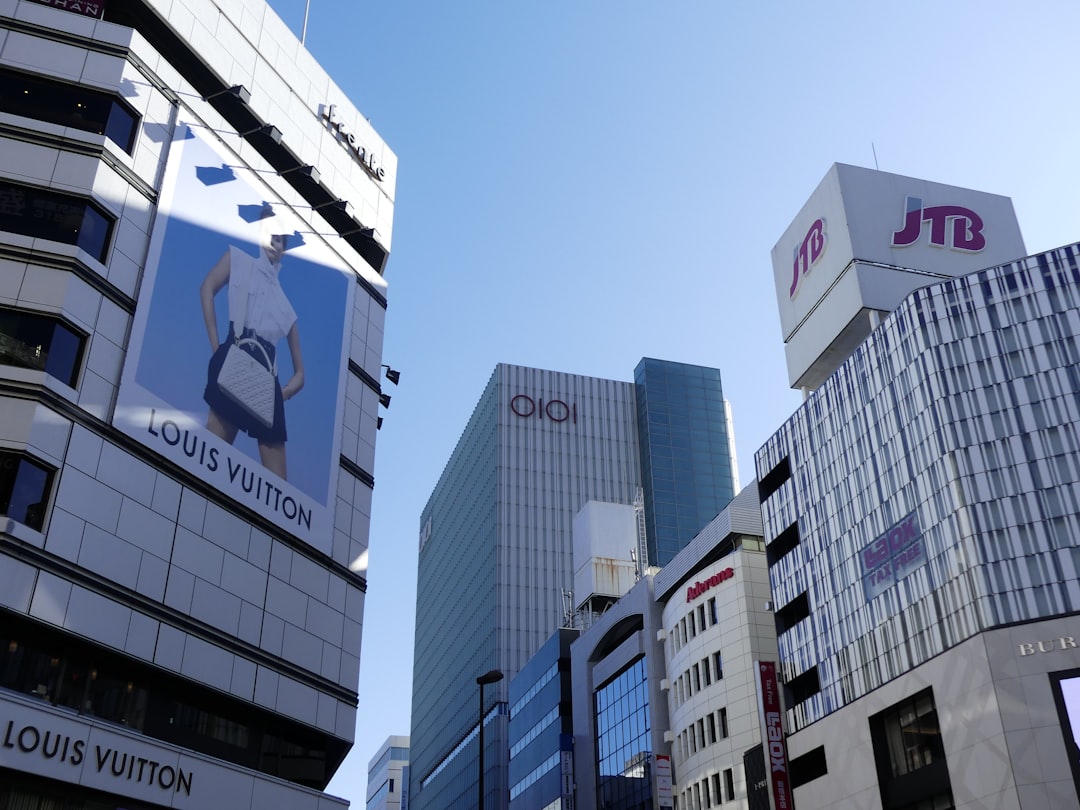
The iconic LV monogram canvas was once the pinnacle of Parisian elegance and a genuine marker of refined travel. Aggressive licensing and an explosion of counterfeit goods throughout the early 2000s diluted the exclusivity that made the brand desirable in the first place. The monogram became so widely replicated and mass-purchased that it stopped reading as rare and started reading as conspicuous. Younger luxury consumers now gravitate toward quieter, logo-free pieces that signal taste without broadcasting a price tag. The brand’s own success became the very thing that undermined its prestige.
Gucci
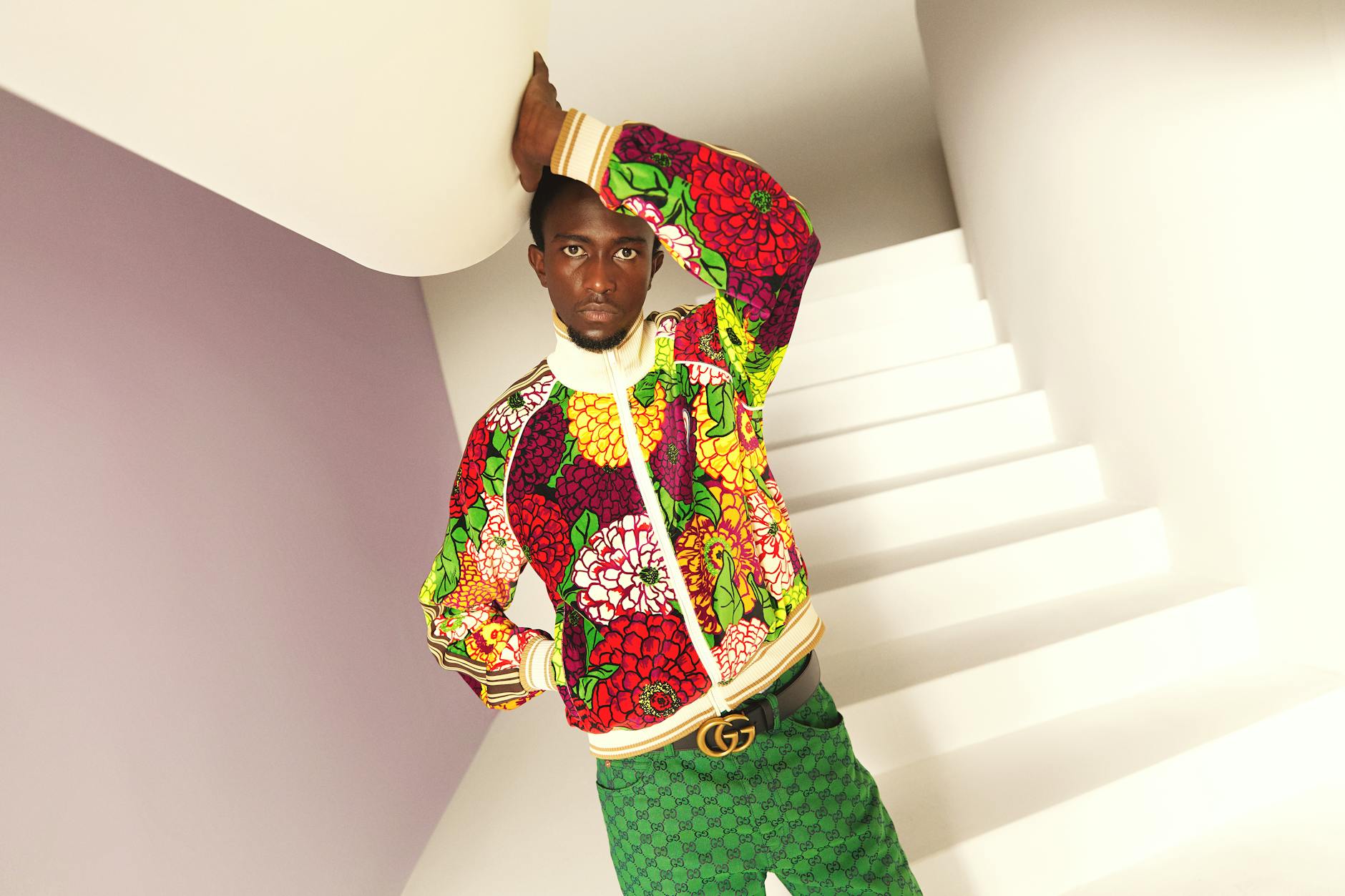
Gucci’s interlocking GG logo print experienced a stratospheric rise during the Tom Ford era before settling into a kind of visual noise. The brand’s maximalist identity under Alessandro Michele brought renewed attention but also flooded the market with highly recognisable and widely replicated pieces. When a logo becomes instantly recognisable to absolutely everyone it loses its function as an insider signal. Streetwear culture absorbed the aesthetic and blurred the line between high fashion and costume. For a new generation of discerning buyers the loudness of the branding now works against rather than for the brand’s luxury positioning.
Burberry
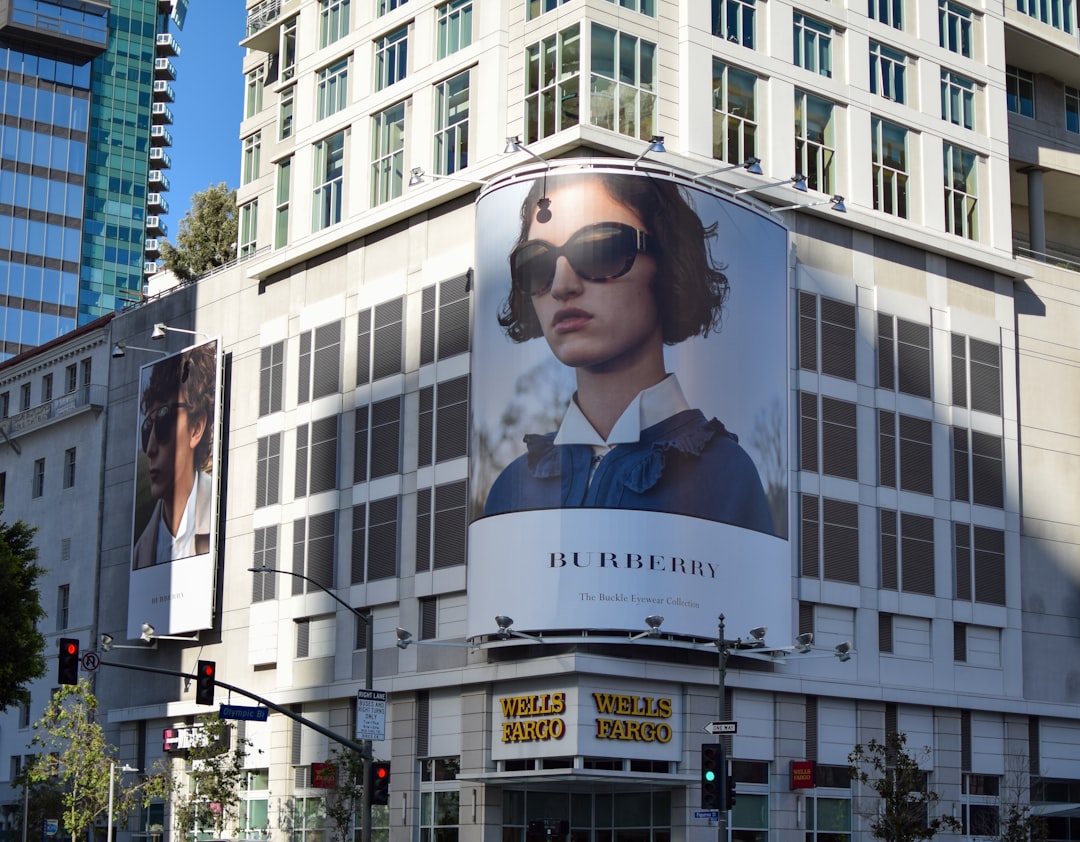
The classic Burberry check plaid was for decades synonymous with British heritage and understated class. Its widespread adoption by football culture in the UK during the early 2000s permanently altered the brand’s social associations in the minds of many consumers. The pattern became so heavily copied and so broadly worn that its connection to exclusivity essentially evaporated. Burberry has since worked hard to modernise and reposition but the check print still carries complicated cultural baggage for older audiences. It is a textbook example of how a signature motif can become a liability when it escapes the brand’s control.
Von Dutch
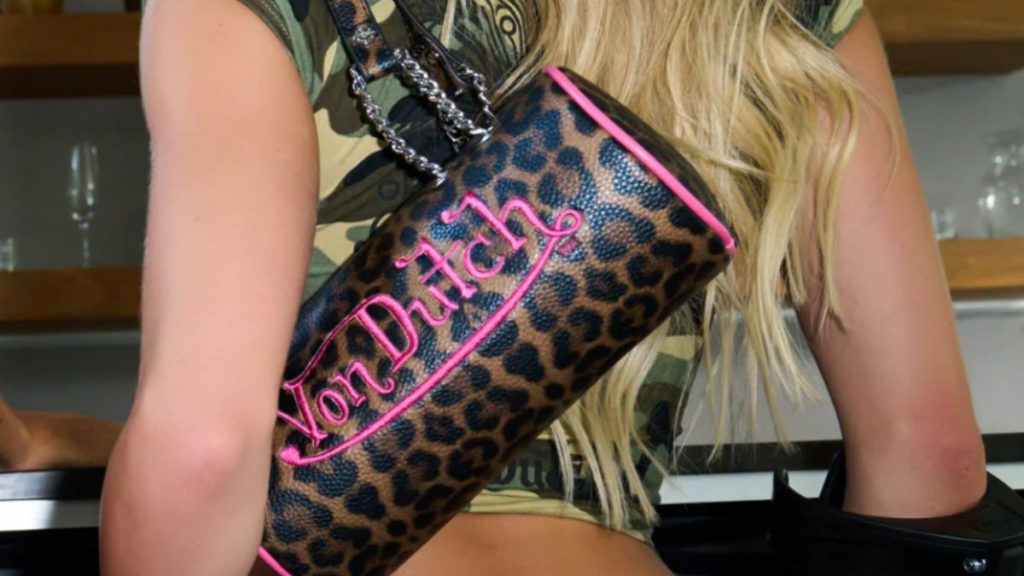
Von Dutch exploded onto the celebrity fashion scene in the early 2000s with trucker hats that became synonymous with a very specific moment in pop culture excess. The brand’s rapid saturation of the market through celebrity endorsement and mass retail distribution meant the product quickly lost any sense of exclusivity. Once Paris Hilton and Ashton Kutcher were photographed wearing them they became inescapable and then almost immediately unwearable. The brand now functions primarily as a nostalgia reference point rather than a legitimate fashion statement. Its recent attempted comeback has been met with ironic enthusiasm rather than genuine desire.
Ed Hardy
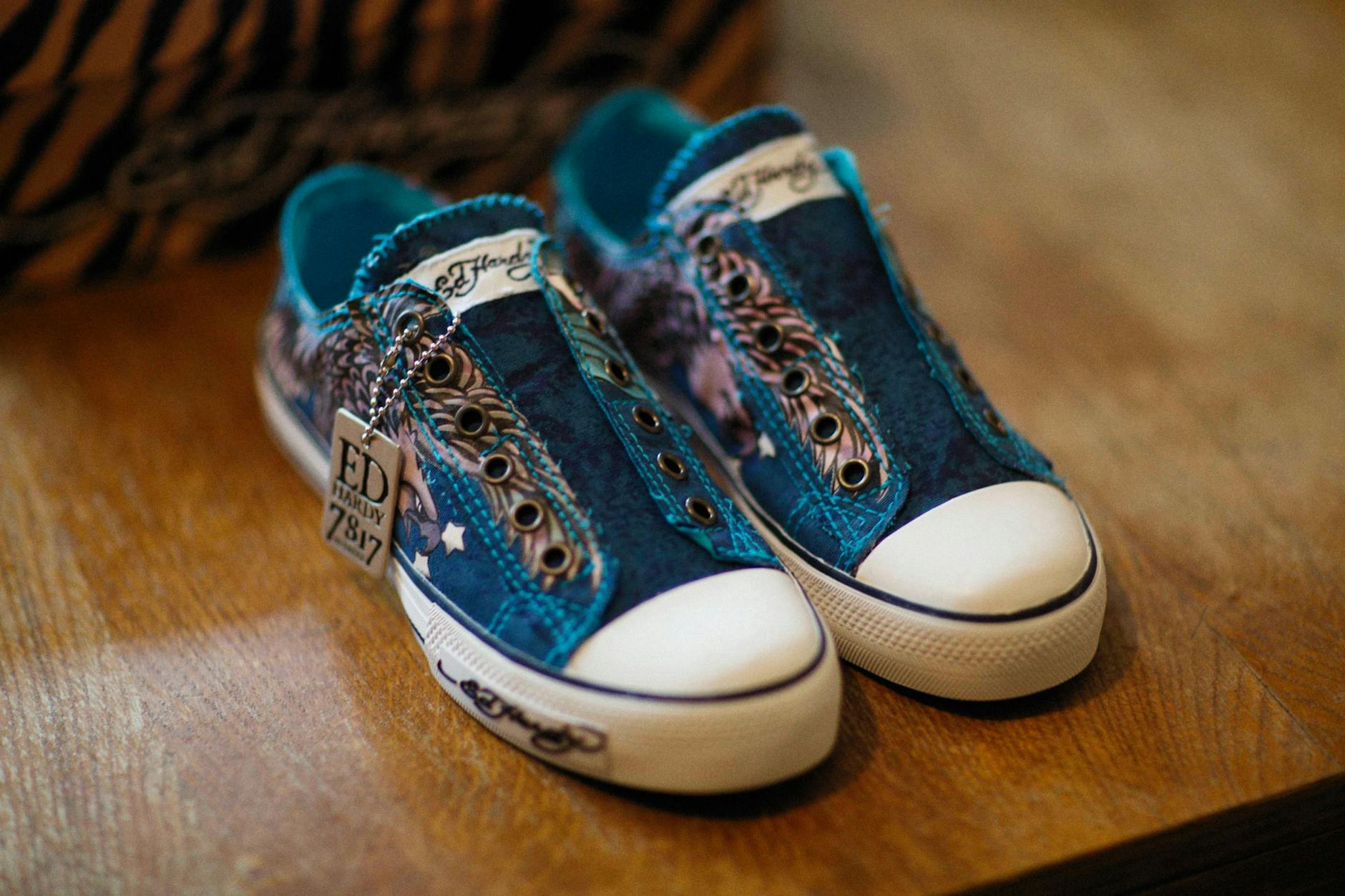
Don Eddy Hardy’s authentic tattoo artistry was translated into a clothing line by Christian Audigier that initially felt bold and genuinely countercultural. The designs quickly became a uniform for a particular early 2000s nightlife aesthetic that aged very poorly in the eyes of fashion critics and consumers alike. The rhinestone embellishments and aggressive graphic prints that once felt edgy became shorthand for a very specific kind of conspicuous consumption. Mass distribution through department stores and heavy celebrity placement accelerated the brand’s descent into perceived tackiness. It now sits comfortably in the cultural conversation about fashion’s most unfortunate decades.
Juicy Couture
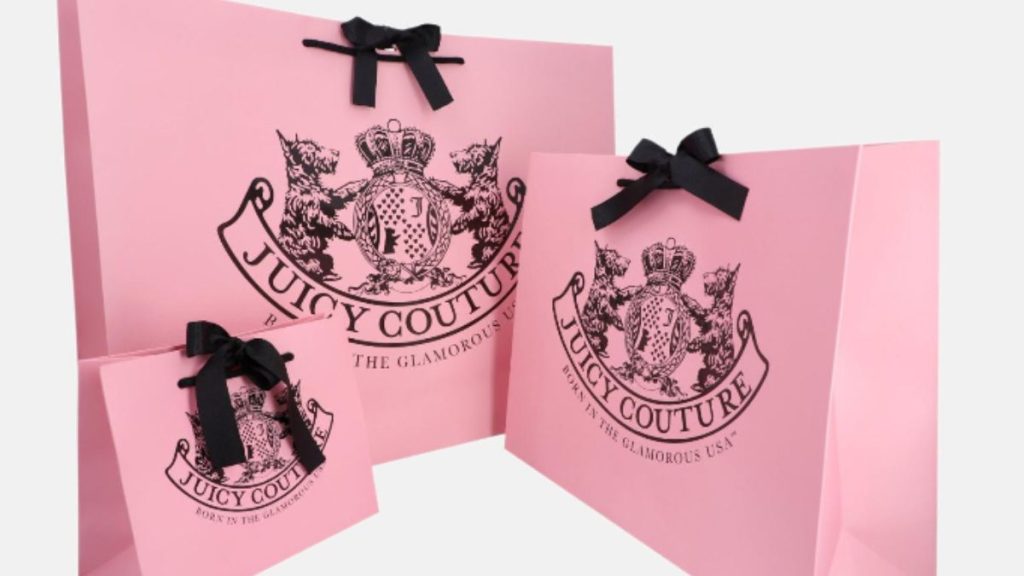
The velour tracksuit was Juicy Couture’s signature contribution to early millennium fashion and it was genuinely everywhere for a period that many consumers would prefer to forget. The matching pastel sets emblazoned with “Juicy” across the back became a uniform for a certain type of aspirational celebrity-adjacent lifestyle. Heavy retail expansion and mass availability stripped away any sense that the product was genuinely luxurious or hard to access. The brand has leaned into its nostalgic status but the revival has struggled to escape the irony with which younger consumers approach it. It remains a powerful cultural artifact of a very particular moment in aspirational dressing.
Christian Audigier
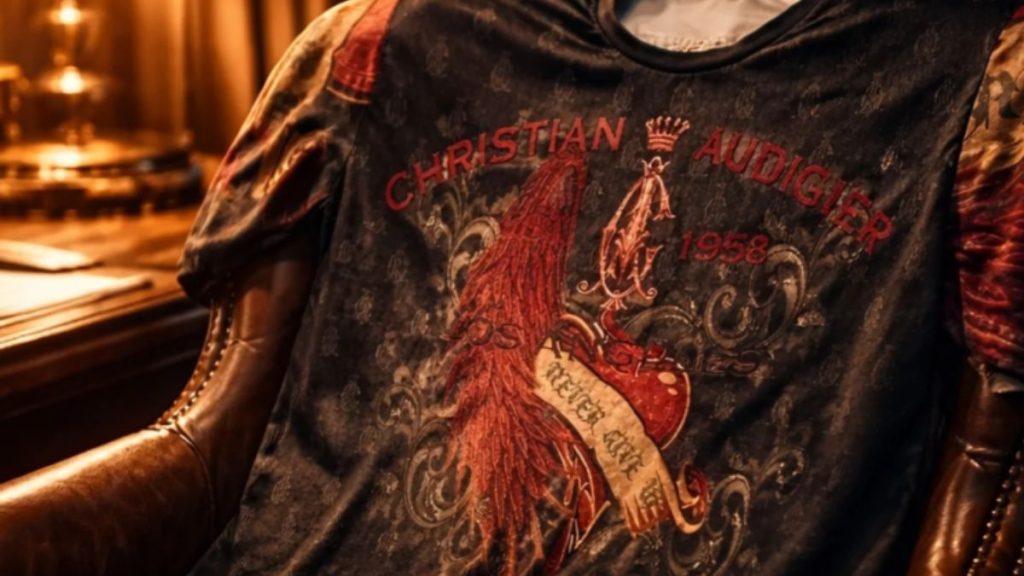
Christian Audigier built a fashion empire by commercialising both the Von Dutch and Ed Hardy aesthetics to a degree that ultimately destroyed both brands and his own reputation. His approach to branding was defined by maximum visibility with celebrity placement and logo saturation across every possible product category. The rhinestones the scrollwork and the aggressive graphics that defined his signature style became cultural shorthand for a specific era of bad taste. Fashion historians now study his career as a cautionary tale about the dangers of prioritising exposure over exclusivity. The brands he helmed achieved massive commercial success before collapsing into irrelevance at remarkable speed.
True Religion

True Religion jeans occupied a very specific niche in the mid-2000s as a premium denim brand whose horseshoe logo stitching was instantly recognisable. The brand became a status symbol in hip-hop culture and then experienced the inevitable consequence of that kind of rapid mainstream absorption. Wide distribution through outlet malls and heavy discounting permanently damaged the perception that the product was genuinely premium. The oversized stitching and logo hardware that once signalled in-the-know denim knowledge began to read as excessive and dated. The brand filed for bankruptcy twice and its cultural moment passed in a way that felt swift and absolute.
Coach

Coach’s signature C monogram canvas defined an accessible luxury positioning that worked brilliantly until it worked against the brand entirely. The pattern became so aggressively replicated in counterfeit markets that consumers found it nearly impossible to distinguish authentic pieces from fakes at a glance. Outlet store expansion created a situation where the brand was simultaneously sold at full price and heavily discounted making its value proposition deeply confusing. Fashion-forward consumers migrated toward competitors with cleaner aesthetics and less visible branding. The brand has since pivoted toward quieter design language but the legacy of the monogram canvas remains a complicated part of its identity.
Michael Kors
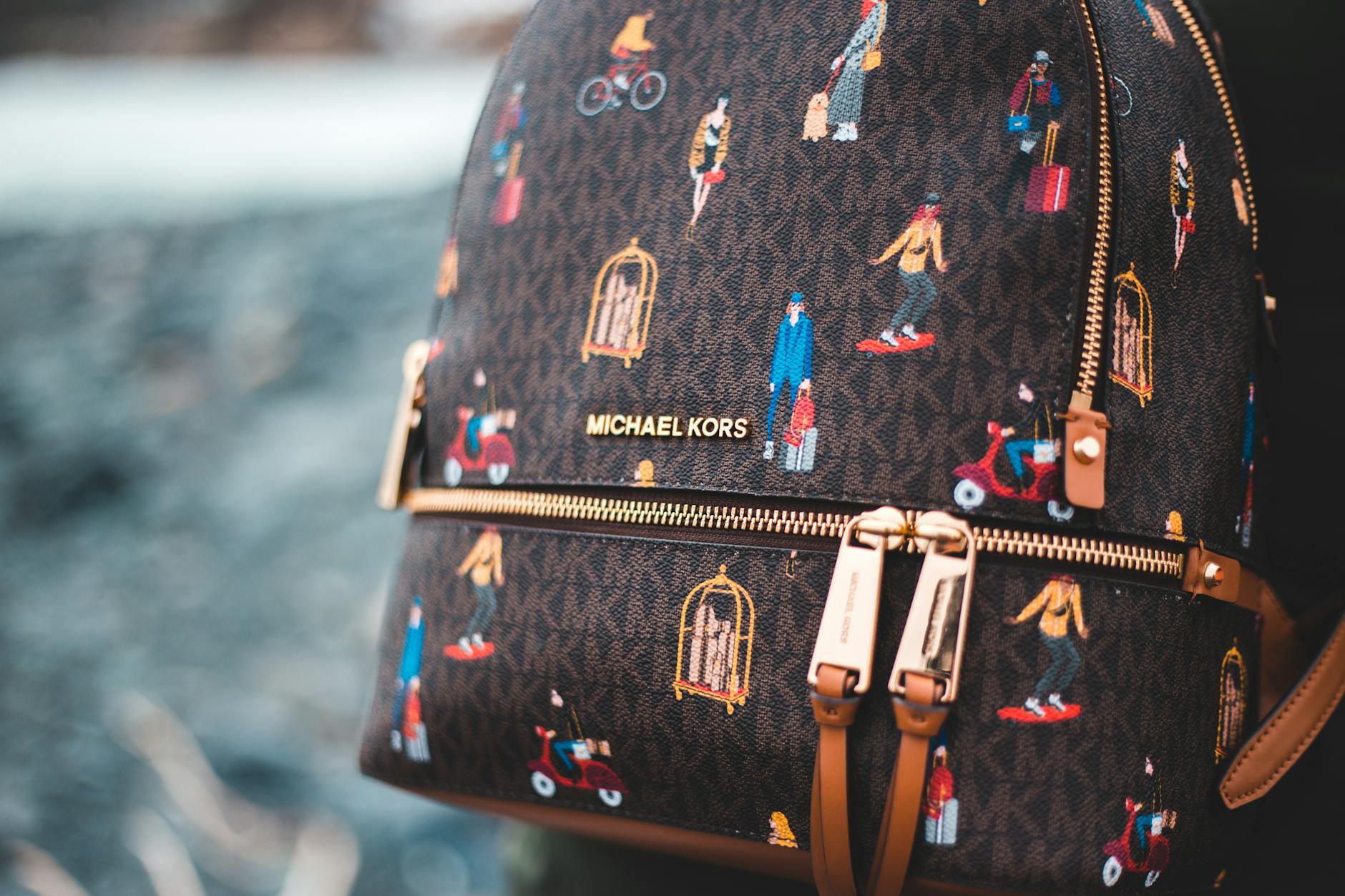
Michael Kors achieved extraordinary commercial success by making accessible luxury feel genuinely attainable for a broad consumer audience. That accessibility ultimately became the brand’s most significant challenge as saturation in the market eroded its aspirational appeal almost entirely. The gold hardware the logo straps and the recognisable silhouettes became so ubiquitous that they stopped reading as special. Fashion insiders began to use the brand’s name as shorthand for a certain kind of uninspired safe style choice. The brand’s own financial reports have acknowledged that overexposure and aggressive discounting created lasting damage to its positioning.
Roberto Cavalli

Roberto Cavalli built a reputation on maximalist animal prints and body-conscious silhouettes that felt glamorous and transgressive in the late 1990s and early 2000s. The aesthetic was adopted heavily by the celebrity and reality television world which amplified it to a point of oversaturation. What once felt like confident European sensuality gradually read as excessive and costume-like in a fashion landscape moving toward minimalism. The brand’s heavy association with a specific kind of yacht-and-champagne excess made it a target for fashion critics reassessing that era’s values. The house has gone through significant upheaval in its attempt to find relevance with a new generation of buyers.
Dolce and Gabbana
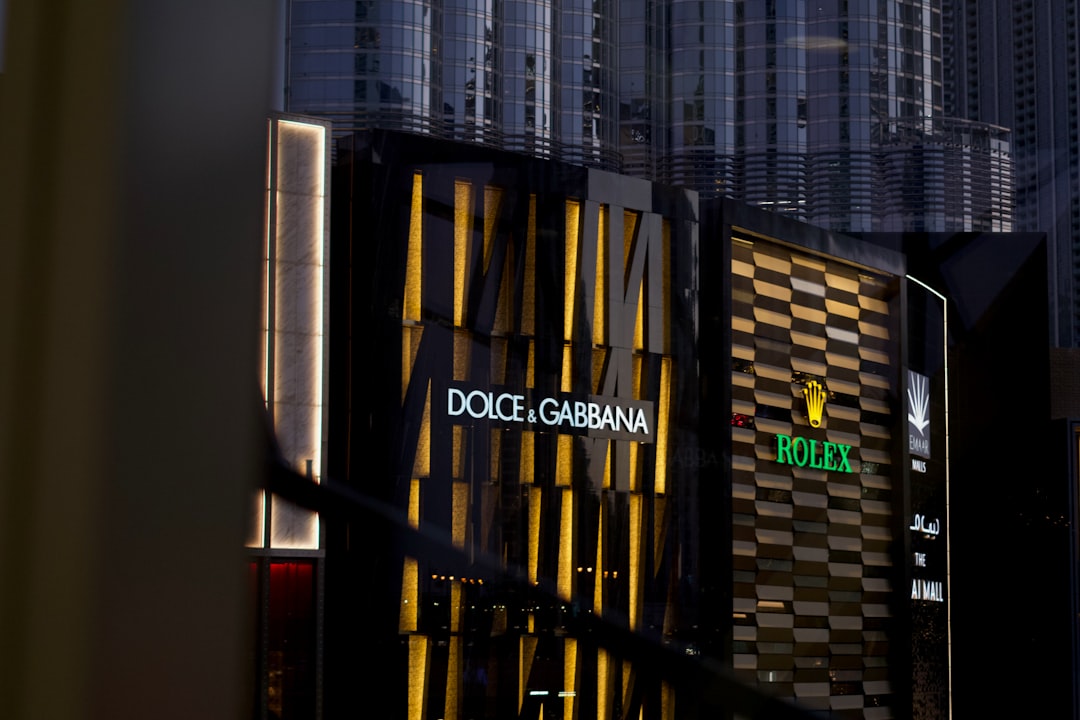
Dolce and Gabbana’s maximalist aesthetic was once considered the pinnacle of Mediterranean glamour with its baroque prints and unapologetically bold sensibility. A series of high-profile controversies involving the founders’ public statements created significant reputational damage that extended beyond the fashion community. The brand’s association with a loud and aggressive visual identity became harder to separate from those controversies in the minds of consumers. Chinese markets which were central to the brand’s global growth strategy retracted significantly following one particularly damaging campaign. The aesthetic has retained loyal fans but its standing in the broader luxury conversation has shifted considerably.
Fendi
The Fendi FF double-logo print experienced a moment of intense cultural saturation as logo-mania swept through mainstream fashion during the late 2010s. Collaborations and high-profile product placements brought enormous visibility but also introduced the aesthetic to audiences far beyond the brand’s traditional customer base. The baguette bag which Fendi reintroduced rode a wave of nostalgia that briefly revived interest before the cycle of overexposure began again. Luxury consumers who prize exclusivity found the logo’s ubiquity a deterrent rather than an appeal. The brand continues to navigate the tension between visibility and the kind of quiet prestige that defines lasting luxury perception.
BAPE

A Bathing Ape built its entire identity around scarcity with limited drops and deliberate inaccessibility that made its shark hoodies and camo prints genuinely covetable. Wide distribution deals and retail expansion in Western markets throughout the 2010s eroded the underground credibility that was central to the brand’s appeal. The camo print and shark face motifs became so widely replicated in fast fashion that the originals lost much of their cultural signalling power. Streetwear’s broader mainstreaming accelerated this process as the codes that once marked insiders became universally legible. The brand retains a loyal following but its cultural cachet has diminished considerably from its early 2000s peak.
Supreme
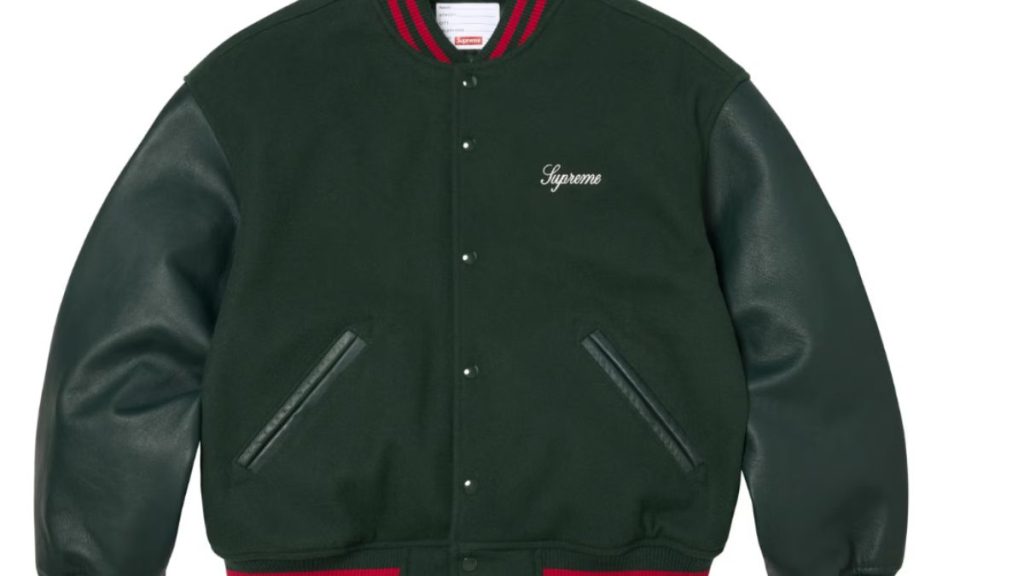
Supreme’s genius was in creating a luxury model built entirely on artificial scarcity and community gatekeeping rather than traditional craftsmanship or heritage. As the brand grew globally and partnered with Louis Vuitton its underground status became increasingly difficult to maintain in any credible sense. The resale market which once amplified the brand’s desirability became a mechanism that priced out genuine fans and attracted speculators instead. VF Corporation’s acquisition of the brand signalled a shift toward commercial priorities that ran directly counter to its original identity. The boxlogo tee remains culturally recognisable but the conversation around its status has shifted from reverence to complicated ambivalence.
Affliction
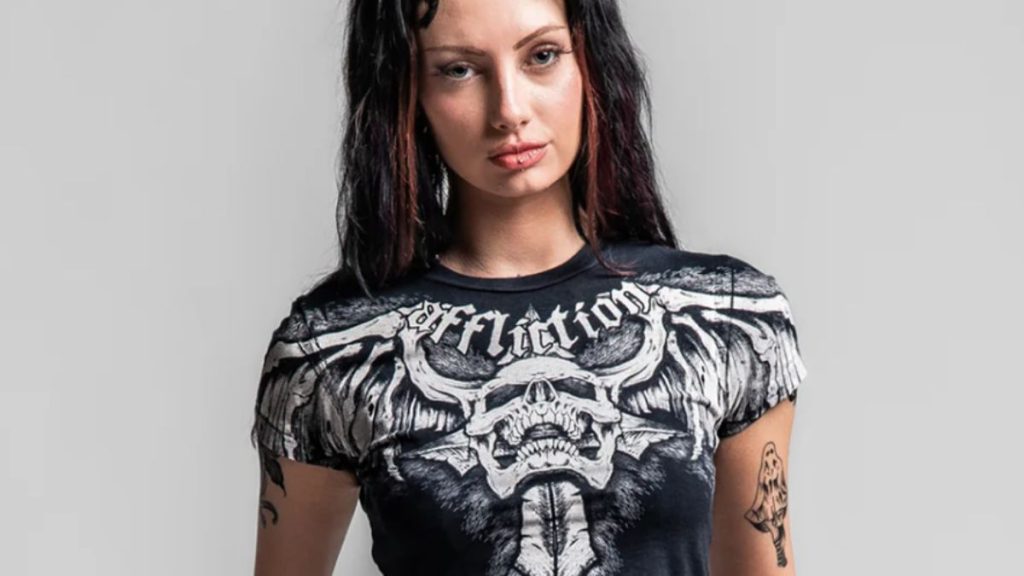
Affliction emerged from the mixed martial arts world with a gothic aesthetic of wings skulls and ornate graphics that appealed to a very specific early 2000s masculine style sensibility. The brand became closely associated with a cultural archetype that fashion observers have collectively assigned to a moment of particularly self-conscious masculinity. Heavy retail distribution and celebrity placement outside its original MMA context stripped the brand of the subcultural authenticity that gave it meaning. The aesthetic aged very rapidly as menswear moved toward cleaner and more considered silhouettes. It now serves primarily as a reference point in broader conversations about fashion and masculine identity in the 2000s.
Kate Spade

Kate Spade’s original identity was built around witty playful femininity with a graphic sensibility that felt genuinely fresh when the brand launched in the 1990s. Aggressive retail expansion and brand licensing across an enormous range of product categories gradually diluted the sense of specialness that had made the original bags so desirable. The brand became a common gift choice and aspirational starter purchase which positioned it more as accessible than genuinely luxurious. After the founder’s passing and subsequent rebranding efforts the brand has struggled to define a clear identity that connects with modern consumers. The polka dots and ladybug motifs that once felt charming began to read as cutesy in a way that limited the brand’s aspirational ceiling.
Moschino

Moschino under Jeremy Scott delivered a highly entertaining and meme-worthy aesthetic that translated brilliantly to social media during the mid-2010s. The brand’s embrace of pop culture references fast food imagery and ironic commentary on fashion itself generated enormous cultural visibility. That visibility came at the cost of a certain kind of seriousness with critics questioning whether the constant winking undermined the brand’s ability to be taken seriously as a fashion house. The most photographed pieces became so associated with a specific social media era that they now feel dated in ways that more restrained designs do not. Scott’s departure from the brand in 2023 marked the end of a chapter that was commercially interesting but aesthetically divisive.
Philipp Plein

Philipp Plein built a brand identity on diamond skull motifs aggressive hardware and an aesthetic that deliberately conflated luxury with excess and provocation. The target audience for that maximalist vision has contracted significantly as luxury consumers have moved toward understated and craftsmanship-focused brands. The brand’s heavy use of celebrity endorsement and flashy marketing created significant noise but did not build the kind of long-term brand equity that supports genuine luxury positioning. Fashion critics have consistently placed the brand outside of serious luxury conversations despite its premium price points. The aggressive visual language that once seemed transgressive now reads to many observers as a performance of wealth rather than an expression of taste.
Versace
Versace’s baroque Medusa-head iconography and the iconic gold and black print were once genuinely transgressive expressions of Italian maximalism at its most confident. The brand’s wide licensing agreements over the decades placed the aesthetic across products ranging from bedding to perfume to hotel interiors in ways that dispersed its luxury signalling power. Heavy adoption by hip-hop culture in the 1990s gave the brand genuine cultural currency but also accelerated the mainstreaming of its most recognisable visual codes. The Versace chain-link and Medusa motifs became so universally legible that they stopped functioning as markers of insider knowledge or genuine exclusivity. The brand remains powerful but its loudest signatures now signal conspicuous consumption more than considered taste to many fashion observers.
Share your thoughts on which brand’s fall from grace surprised you most in the comments.




