Modern parenting is shaped by love, protection, and the deeply human desire to shield children from difficulty. Yet many of the habits that feel nurturing in the moment are quietly working against the development of capable, confident, and self-sufficient young people. Research in child psychology consistently shows that children build resilience, problem-solving skills, and emotional strength through age-appropriate challenge and autonomy. The road to independence is paved with small daily opportunities that parents unknowingly take away. Understanding these patterns is the first step toward raising children who can genuinely thrive on their own.
Doing Their Homework For Them

When a parent sits down and completes a child’s assignment to avoid a meltdown or save time, the child loses a critical opportunity to build persistence and cognitive endurance. Homework is not merely about getting the right answers but about training the brain to work through difficulty independently. Children who are rescued from academic struggle never develop the frustration tolerance needed for real-world challenges. Over time, they begin to associate difficulty with incompetence rather than with growth. The habit also sends an unspoken message that the parent does not trust the child to figure things out alone.
Packing Their Bags Every Morning

Preparing a child’s school bag, sports kit, or overnight bag well into their primary school years removes a foundational organizational skill from their development. Remembering what is needed, gathering items, and planning ahead are executive function skills that only develop through repeated practice. A child who never packs their own bag has no internal system for managing responsibilities. When they eventually must do it alone, the absence of that practiced routine creates anxiety and failure. Allowing them to forget a book or a snack once teaches far more than a perfectly packed bag ever will.
Intervening in Every Peer Conflict
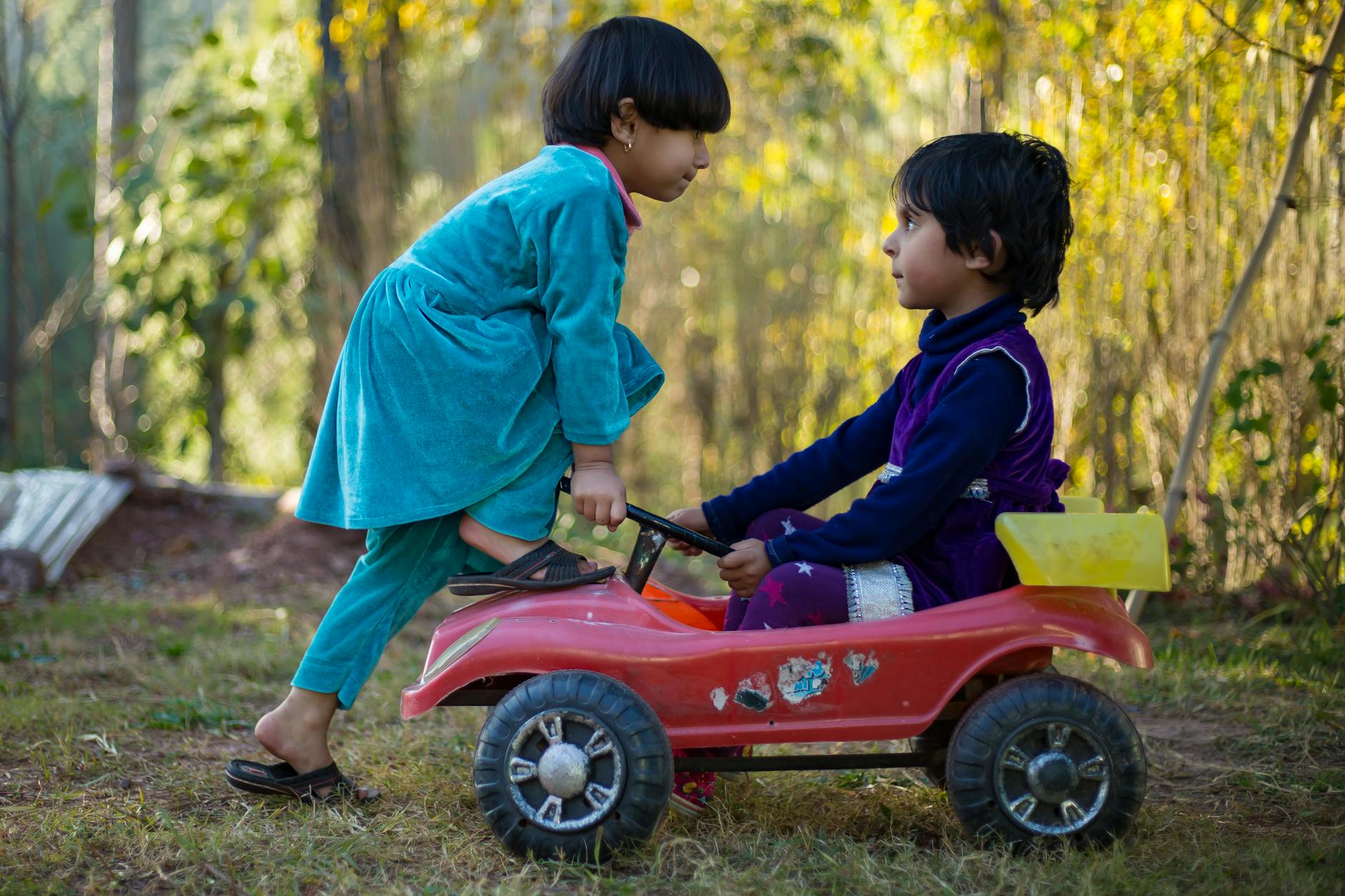
Rushing in to mediate or resolve disagreements between children the moment tension arises prevents them from developing negotiation and social repair skills. Children need the experience of feeling social discomfort, attempting resolution, and sometimes failing before trying again. Constant parental intervention communicates that conflict is something to be feared rather than navigated. Children raised without this practice often struggle deeply with workplace relationships and adult friendships. Age-appropriate conflict is one of the richest classrooms available to a young person.
Never Allowing Boredom

Filling every idle moment with structured activities, screens, or entertainment deprives children of the mental space required for creativity and self-direction. Boredom is neurologically productive, as it prompts the brain to generate its own stimulation through imagination and curiosity. Children who are always entertained never learn to self-regulate attention or initiate purposeful play. The capacity to sit with discomfort and find one’s own way through it is foundational to adult independence. A child who can entertain themselves is a child who trusts their own inner resources.
Making All Their Decisions

Choosing a child’s extracurricular activities, friendships, clothing, and hobbies without their meaningful input erodes their trust in their own preferences and judgment. Decision-making is a skill that requires practice across thousands of small, low-stakes choices before it becomes reliable. Children who are never consulted grow into adults who defer to others out of habit rather than choosing out of conviction. Allowing a child to make a poor choice and live with its mild consequences is far more valuable than a parent making a consistently good one. Autonomy over small decisions builds the confidence needed for larger ones.
Speaking for Them in Social Situations
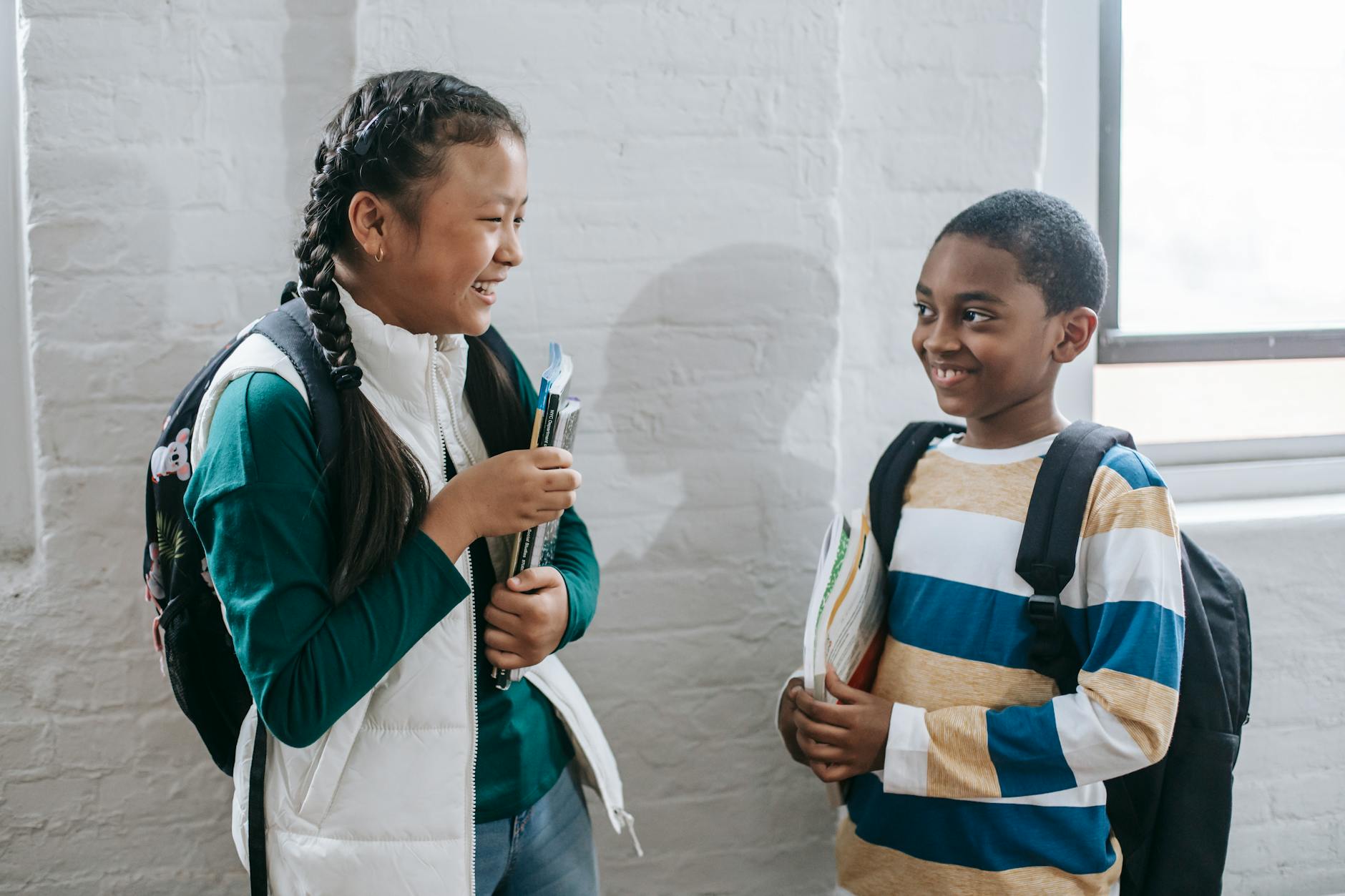
Answering on behalf of a child when an adult asks them a direct question teaches them that their voice is either inadequate or unnecessary. Children need repeated practice initiating conversation, answering questions, and holding social space in order to develop confidence in social settings. When parents routinely step in, children learn to look to adults for cues rather than generating their own responses. This pattern is especially damaging in scenarios involving doctors, teachers, or unfamiliar authority figures. Allowing a moment of awkward silence is a gift that teaches a child to fill it themselves.
Rescuing Them From Failure

Preventing a child from experiencing failure by adjusting outcomes, negotiating grades, or removing obstacles before they are encountered eliminates the most powerful teacher available to them. Failure teaches children how to assess what went wrong, adjust their approach, and try again with new information. Children shielded from failure develop a fragile relationship with their own abilities and often interpret setbacks as catastrophic. The research on growth mindset consistently shows that children who are allowed to fail in safe environments develop greater academic and professional resilience. A parent’s job is not to prevent failure but to support a child in recovering from it.
Carrying Their Backpack

Taking a child’s school bag or sports gear from them the moment they express reluctance sends the message that physical effort and personal responsibility are optional. Carrying one’s own belongings is a basic act of ownership that reinforces accountability for personal items. Children who are regularly relieved of this task do not develop the habit of tracking and managing their own property. It also subtly communicates that difficulty is a signal to seek help rather than to persist. The weight of a backpack is a manageable challenge that builds both physical capability and the habit of personal ownership.
Waking Them Up Every Single Morning

Serving as a child’s daily alarm clock well past the age when they are capable of managing their own wake time prevents the development of self-regulation and morning routine ownership. Children who rely on a parent to get them out of bed each day never internalize a morning structure that is genuinely their own. The habit also creates a daily dependency that can be difficult to break as they enter secondary school and eventually adult life. An alarm clock and natural consequences for oversleeping are reliable teachers. The discomfort of being late once or twice is far more effective than years of being woken on demand.
Choosing Their Clothes Daily

Selecting outfits for children who are old enough to dress themselves removes an important early arena for self-expression and decision-making. Clothing choices teach children to consider weather, context, comfort, and personal identity in a low-stakes environment. Children who are dressed by their parents have no practice in translating their preferences into a real-world outcome. Over time, this small daily dependency contributes to a broader pattern of looking outward for guidance rather than trusting internal judgment. Allowing a child to wear something you might not choose is a meaningful investment in their autonomy.
Ordering Their Food at Restaurants

Speaking for a child when a server comes to take orders eliminates an accessible opportunity to practice communication with unfamiliar adults. Ordering food requires a child to make a decision, hold it in mind, make eye contact, speak clearly, and manage any uncertainty about the outcome. These skills are foundational to confident communication and are best built through frequent low-pressure practice. Parents who consistently order on behalf of their children often do so to avoid delay or awkwardness, but the minor inconvenience of waiting is worth the developmental return. Encouraging a child to order their own meal from an early age plants seeds of social confidence that grow steadily over time.
Finishing Their Sentences

Completing a child’s thought when they pause, stumble, or search for words prevents the development of verbal fluency and communicative persistence. Children need the experience of working through the process of expressing themselves even when it is slow or imperfect. When adults step in to complete sentences, children learn that their communication attempts will be handled for them rather than supported. This habit is especially common with shy or younger children and is often well-intentioned but counterproductive. Sitting with a child’s verbal struggle and allowing them to arrive at their own words is a powerful act of respect for their developing voice.
Solving Every Problem Immediately

Jumping to fix a child’s problem the moment it is voiced removes the critical pause in which children learn to think through challenges independently. Problem-solving is a cognitive skill that must be exercised repeatedly in order to become reliable. Children whose problems are consistently solved for them never build the internal toolkit needed to navigate adult life with confidence. A simple question such as asking what the child thinks they could try is enough to redirect the process back to them. Even if their solution is imperfect, the act of generating it builds far more capacity than receiving a ready-made answer.
Not Assigning Age-Appropriate Chores

Raising children without regular household responsibilities sends the message that domestic life is managed by others and that their contribution is not needed or expected. Chores build practical skills, a sense of competence, and an understanding of how shared spaces are maintained. Children who grow up without domestic responsibilities often struggle significantly when living independently for the first time. Research consistently shows that children who do chores develop stronger work ethic and greater empathy for others. The standard of the completed task matters far less than the habit of contributing one being built.
Monitoring Every Friendship

Closely scrutinizing, approving, or steering a child’s friendships prevents them from developing the social discernment and relational judgment they need as adults. Children learn who is a good friend and who is not through lived experience including disappointment, loyalty, and sometimes betrayal. Parents who manage friendships too tightly often produce children who struggle to evaluate relationships independently. Offering observations and questions is far more developmentally productive than issuing friendship directives. Children need the freedom to navigate peer relationships with support available but not interference built in.
Never Letting Them Cook or Help in the Kitchen
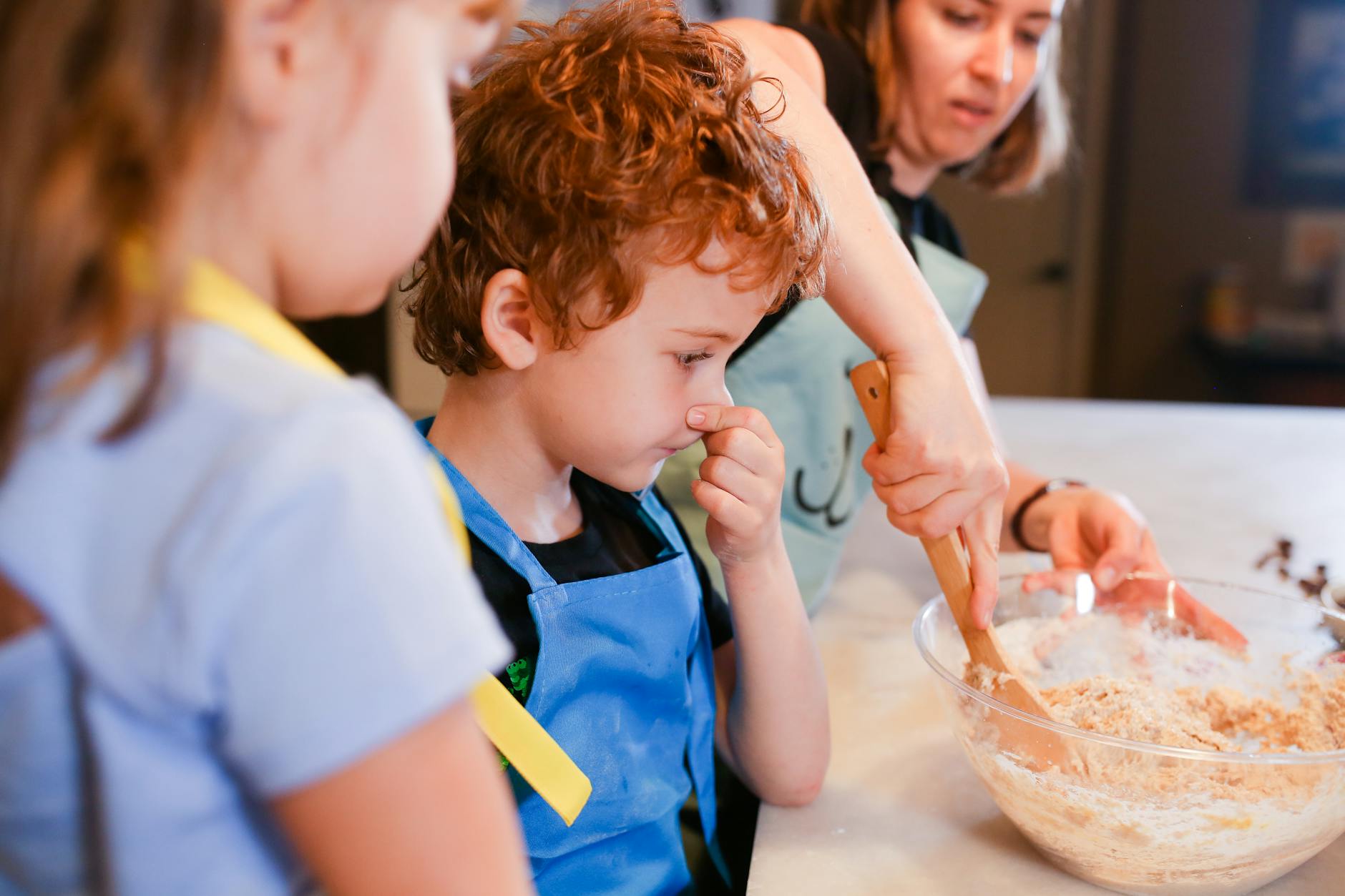
Excluding children from cooking and food preparation out of concern for mess or safety deprives them of a practical life skill they will need every single day as adults. Kitchen participation builds numeracy through measuring, science through observing changes in food, and confidence through producing something edible and useful. Children who are welcomed into the kitchen from a young age develop a practical relationship with food, nutrition, and self-sufficiency. Age-appropriate tasks such as stirring, washing vegetables, and eventually chopping build capability progressively. A child who can feed themselves is a child who is genuinely closer to independence.
Keeping Them From All Risky Play
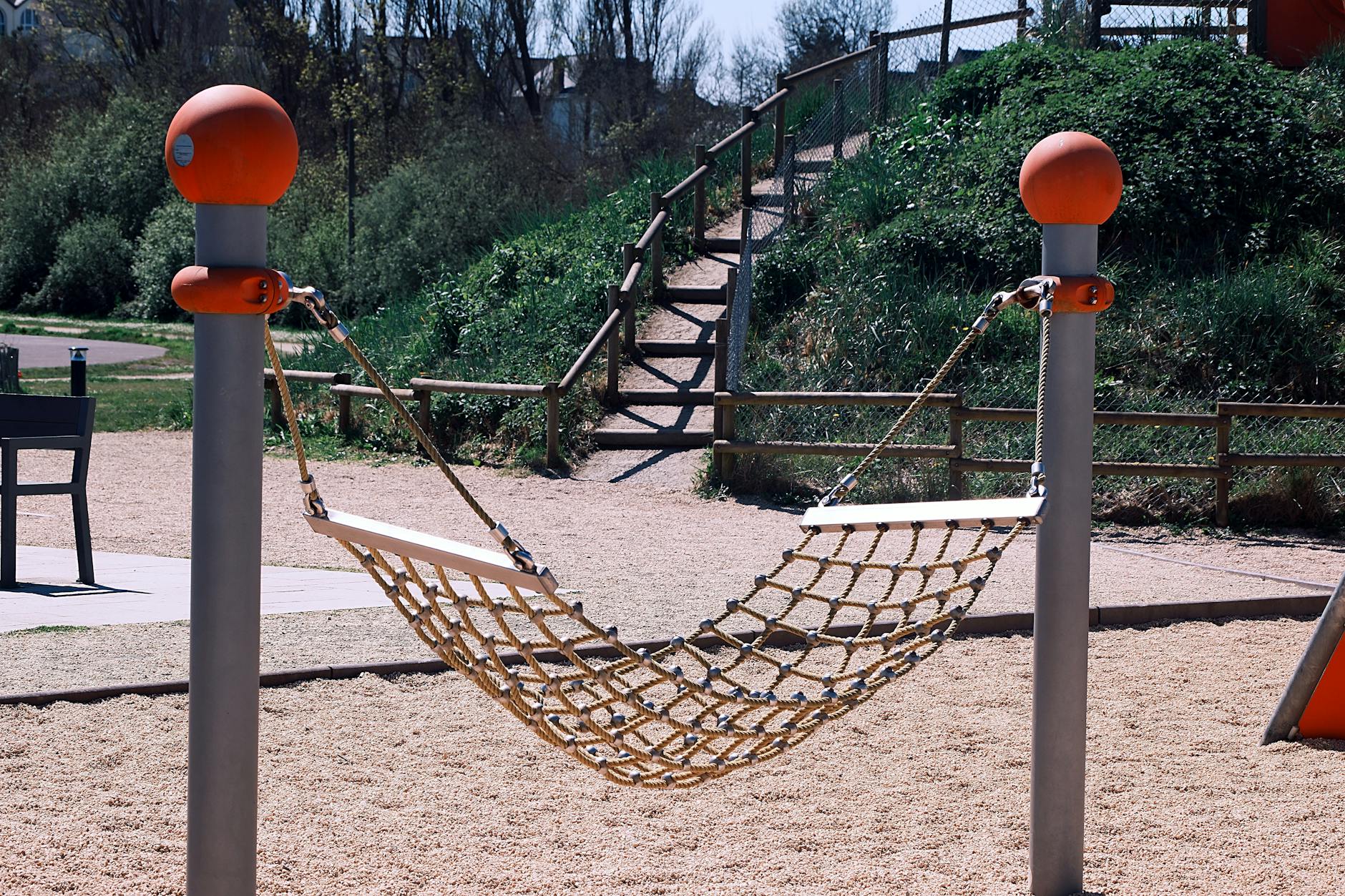
Eliminating all forms of physical risk from a child’s play environment prevents the development of physical confidence, spatial awareness, and risk assessment skills. Research in developmental psychology consistently shows that children who engage in rough, adventurous, and physically challenging play develop stronger emotional regulation and risk management abilities. Climbing trees, navigating uneven terrain, and testing physical limits are all ways that children learn the boundaries of their own capabilities. Over-sanitized play environments produce children who are poorly calibrated to assess real-world physical risk. Supervised exposure to manageable physical challenge is an investment in long-term bodily confidence and judgment.
Not Teaching Financial Basics

Shielding children entirely from money management, budgeting, and the value of earned income leaves them unprepared for one of the most consequential areas of adult life. Financial literacy developed in childhood through pocket money, savings goals, and understanding the cost of things creates adults who are far more capable of managing their own resources. Children who never handle money or make financial decisions grow into adults who are often anxious and impulsive around spending. Age-appropriate financial conversations normalize money as a manageable tool rather than a mysterious or stressful subject. Even small decisions like budgeting for a toy teach proportionality and delayed gratification.
Apologizing to Others on Their Behalf

Stepping in to apologize for a child’s behavior before they have had the chance to do so themselves removes a formative experience in accountability and empathy. An authentic apology requires a child to recognize the impact of their actions, feel remorse, and choose to repair the relationship. When parents routinely issue apologies on behalf of their children, this entire emotional and moral process is bypassed. Children who never apologize for themselves struggle to take genuine accountability as adults. Prompting and coaching a child toward their own apology is far more valuable than a polished one delivered by the parent.
Telling Them How to Feel

Labeling or correcting a child’s emotional experience rather than reflecting and validating it interferes with their developing emotional intelligence. Statements that minimize a child’s distress or prescribe how they should feel teach them to distrust their own emotional perceptions. Children need to practice identifying, expressing, and regulating their own emotions without being told those emotions are wrong or exaggerated. Emotional self-awareness is one of the strongest predictors of adult mental health and relational success. A parent who reflects feelings back without judgment creates a child who trusts and understands their inner world.
Discouraging Time Alone
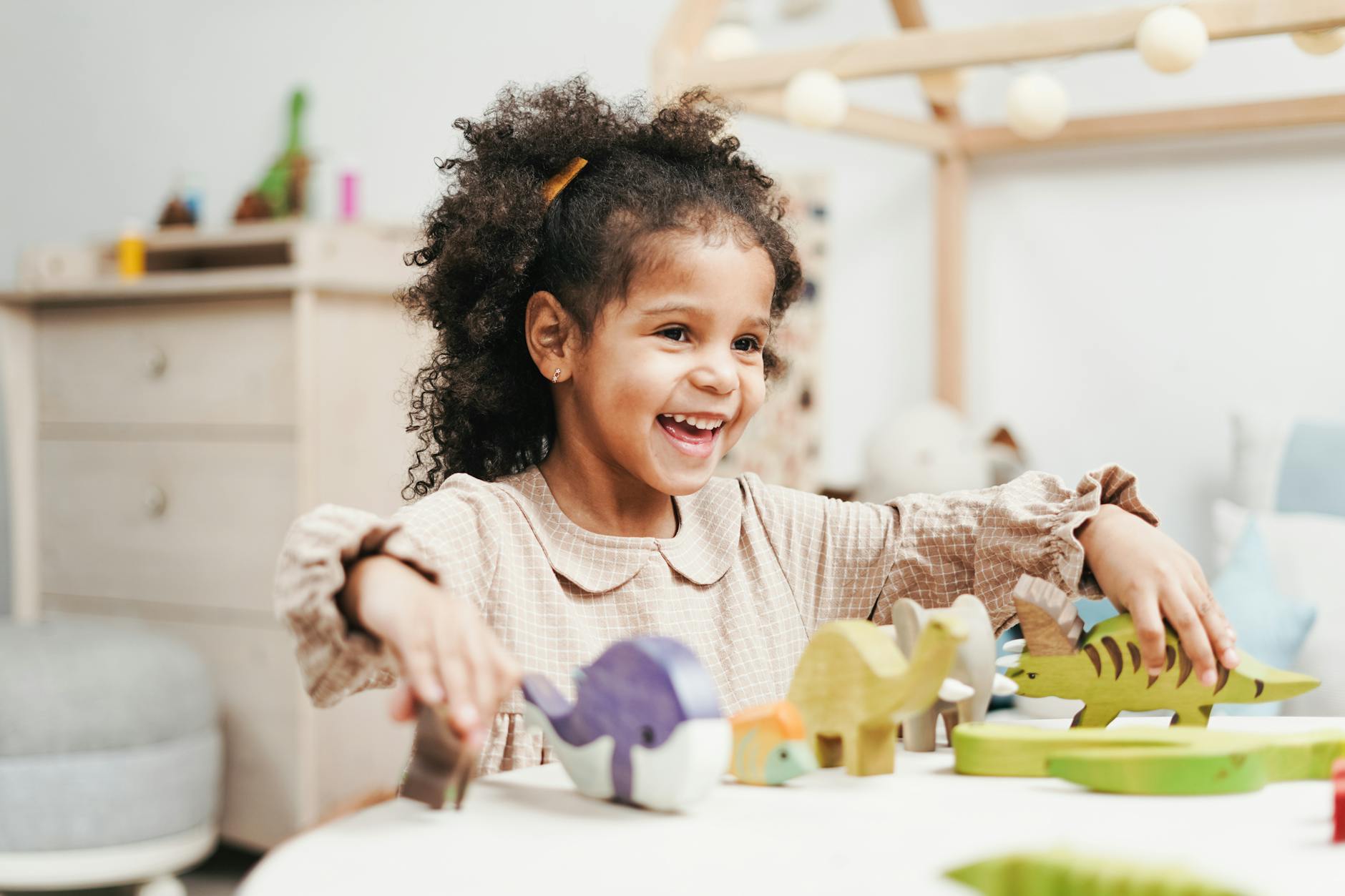
Pushing children toward constant social interaction and filling their time with family activities or playdates at the expense of solitary time prevents the development of self-sufficiency and inner calm. Children need time alone to process experiences, develop imagination, and become comfortable in their own company. Adults who cannot tolerate solitude often struggle with anxiety, overreliance on external validation, and poor self-regulation. A child who is comfortable playing, thinking, and simply existing alone has a foundational quality that serves them throughout life. Solitude is not a punishment or a problem but a developmental necessity.
Always Giving In to Avoid Conflict

Relenting to a child’s demands in order to end an argument or tantrum teaches them that persistence and emotional escalation are effective strategies for getting what they want. Boundaries that are consistently enforced even under pressure are the scaffolding on which self-regulation and frustration tolerance are built. Children who learn that pushing back on adults produces results carry that dynamic into their peer and eventually professional relationships. The discomfort of holding a boundary in the face of a child’s distress is temporary while the developmental benefit of doing so is lasting. Consistent limits are one of the most important gifts a parent can give.
Carrying On Over Minor Physical Injuries

Reacting with significant alarm to small bumps, scrapes, or falls teaches children to interpret minor physical pain as cause for distress rather than as a normal and manageable part of an active life. A child who observes a calm adult response to minor injury learns to self-soothe, dust themselves off, and continue. Excessive parental concern communicates that the child’s body is fragile and that pain is dangerous rather than temporary. Children who are repeatedly treated as though minor physical incidents are crises often develop heightened physical anxiety. A measured and reassuring response to small injuries builds physical confidence and realistic pain tolerance.
Over-Praising Everything

Offering enthusiastic praise for every action regardless of effort or quality distorts a child’s ability to accurately gauge their own performance and progress. Authentic feedback tied to specific effort creates a more reliable internal compass than blanket affirmations. Children raised on constant praise often develop a fragile self-image that depends entirely on external approval. When real-world feedback is inevitably more measured, children who have only known unconditional praise find it deeply destabilizing. Specific, honest encouragement builds genuine self-esteem far more reliably than reflexive celebration of every output.
Not Letting Them Walk or Cycle Independently

Driving children everywhere well into the ages when independent travel is appropriate removes their experience of navigating the physical world on their own terms. Walking or cycling to school, a friend’s house, or a local shop independently builds spatial awareness, confidence, and a functional relationship with the surrounding environment. Children who are chauffeured everywhere often struggle with wayfinding and experience heightened anxiety in unfamiliar physical environments as they grow older. Independent movement also builds incidental social skills developed through interactions encountered along the way. The gradual release of mobility is an essential part of raising children who can operate in the world without a parent present.
Doing Their Laundry Without Teaching Them

Handling laundry entirely without ever involving the child past a reasonable developmental age creates an adult who cannot perform a basic and essential self-care task. Teaching laundry progressively from sorting to loading to folding gives children ownership over their personal hygiene and domestic environment. Adults who leave home without this skill often cite it as one of the most practically disorienting absences in their preparation for independence. The laundry routine is also an opportunity to teach care for belongings and the value of maintaining them. Inviting children into the process rather than performing it for them transforms a chore into a capability.
Responding to Every Cry or Complaint Immediately
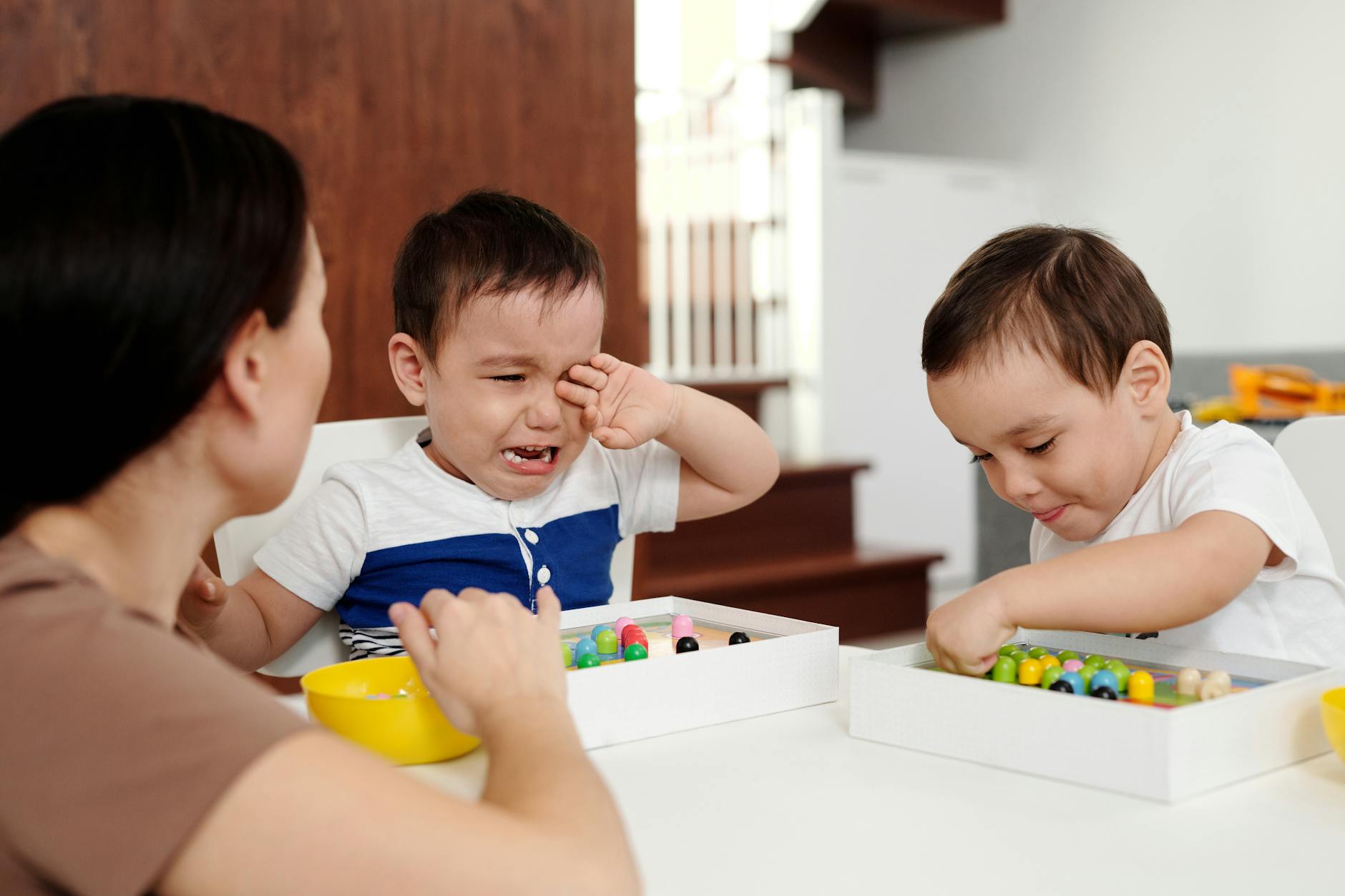
Beyond toddlerhood, rushing to respond to every expression of discomfort without pause prevents children from developing the capacity to self-soothe, problem-solve, and regulate independently. Children who experience a brief gap between discomfort and adult response learn that discomfort is survivable and that they have some capacity to manage it. The habit of immediate response to every complaint can produce adults who expect external intervention whenever they experience difficulty. This is particularly relevant in sibling dynamics where children who are not given a moment to resolve things themselves never develop conflict resolution skills. A slight pause before responding is a developmental invitation rather than a withdrawal of care.
Scheduling Every Moment of Free Time

Enrolling children in back-to-back extracurricular activities with no unstructured time eliminates the developmental space where initiative, imagination, and self-directed exploration live. Unstructured time is where children discover what they actually enjoy, separate from adult instruction or approval. Children who are always in a structured program or class never learn to direct their own attention and interests. The absence of free time also creates children who associate value with productivity and who struggle with rest and leisure as adults. Some of the most important developmental work a child does happens in the hours that are entirely their own.
Cutting Their Food Past Appropriate Ages

Continuing to cut a child’s food into small pieces well beyond the developmental stage where they can manage a knife and fork themselves removes a basic skill and signals that they are not capable of the task. Fine motor skills around eating are built through practice with real utensils in real settings. A child who has never been taught to handle a knife at the table will arrive at school lunch, a friend’s house, or a restaurant without a skill their peers have long since mastered. This small daily habit is representative of a broader pattern where parents perform tasks for children simply because they can. Teaching a child to manage their own food builds practical ability and quiet confidence.
Narrating and Directing Their Play

Hovering over children during play and narrating, directing, or correcting what they are doing undermines the intrinsic and self-directed quality that makes play developmentally powerful. Play is the primary medium through which children explore identity, test social rules, and develop creativity. When adults insert themselves into the content and direction of play, children begin to perform for the adult rather than genuinely explore for themselves. Research in early childhood development shows that child-led play produces stronger cognitive and social outcomes than adult-directed play. Stepping back and observing from a distance rather than participating uninvited is one of the most respectful things a parent can do.
Answering Questions They Could Research Themselves

Providing immediate answers to every factual question a child asks removes the process of inquiry, research, and discovery that builds intellectual independence. Children who are directed toward resources, encouraged to hypothesize, and supported in finding their own answers develop a fundamentally different relationship with knowledge than those who simply receive it. The habit of giving instant answers also models a passive relationship with curiosity that can translate into a lack of intellectual initiative. Asking a child what they think the answer might be before providing it is a small shift with large developmental implications. Curiosity that is regularly exercised becomes a durable tool for lifelong learning.
Making Excuses for Their Behavior

Explaining away a child’s poor behavior to teachers, coaches, or other parents prevents the child from experiencing the social accountability that shapes character over time. While context is sometimes important, habitually excusing behavior communicates to the child that they are not fully responsible for their actions. Children who are regularly excused grow into adults who struggle to accept feedback and who default to external attribution when things go wrong. Allowing a child to face mild social consequences for their behavior is a necessary and valuable experience. Supporting a child through accountability is very different from shielding them from it.
Buying Everything They Ask For

Meeting every material request without requiring waiting, earning, or prioritization removes the experience of delayed gratification and the understanding that resources are finite. Children who receive everything they ask for have no practice managing desire, tolerating waiting, or valuing what they have. The experience of wanting something and not immediately receiving it is a formative encounter with the basic structure of adult economic life. Introducing systems where children save for or contribute toward desired items builds patience and a healthy relationship with material wants. What a child does not receive is often as instructive as what they do.
Doing All the Talking at Parent-Teacher Meetings

Attending school meetings and doing all the speaking without involving the child in any part of the conversation removes their connection to their own educational experience. Children who are included in discussions about their progress, challenges, and goals develop ownership over their learning in a way that those excluded from these conversations simply do not. Being heard and consulted about one’s own development is a powerful experience for a child’s sense of agency. Progressive involvement in parent-teacher dialogue also prepares children for the self-advocacy they will need in higher education and employment. A child who understands their own academic narrative is far better equipped to direct it.
Avoiding Conversations About Difficulty and Failure

Protecting children from hearing about life’s challenges, disappointments, and setbacks leaves them unprepared for the emotional texture of adult experience. Age-appropriate conversations about difficulty, resilience, and recovery build a child’s psychological framework for handling adversity. Children who have never heard adults discuss failure honestly often grow up with the belief that struggle is shameful or abnormal. Modeling how to process setbacks openly and constructively is one of the most powerful things a parent can do for a child’s emotional development. A family culture in which difficulty is named and navigated openly produces children who approach their own challenges with far greater confidence and equanimity.
Share your thoughts and experiences in the comments and let us know which of these habits you are working on changing in your own home.




