Millions of consumers pay a premium for organic food each year under the belief that it means zero pesticide exposure. The reality is far more complicated and worth understanding before your next grocery run. Organic certification has strict standards but also significant loopholes that allow certain chemicals to remain in use. These 25 factors reveal exactly where pesticide exposure can still sneak into an otherwise organic lifestyle.
Cross-Contamination from Neighboring Farms
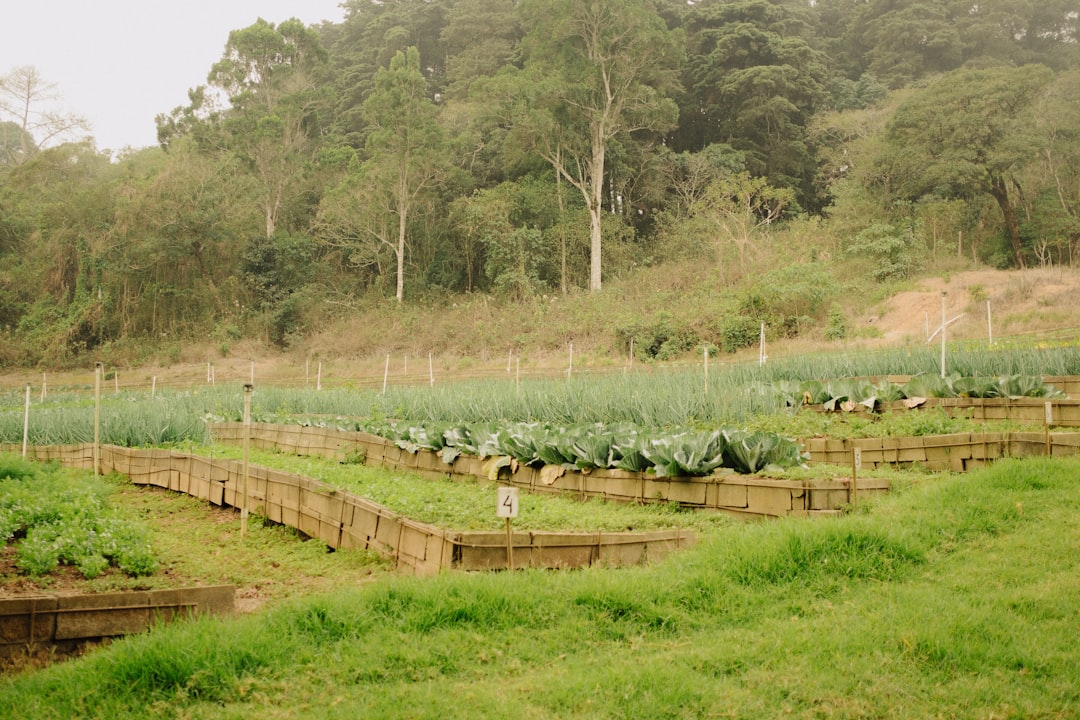
Organic farms located next to conventional operations are highly vulnerable to pesticide drift, which occurs when chemical sprays travel through the air and settle onto adjacent crops. Wind speed, spray timing, and the type of equipment used by neighboring farmers all influence how far these particles can travel. Studies have detected residues on certified organic produce grown within close proximity to conventional fields. Buffers zones are recommended but not always enforced with sufficient rigor.
Approved Organic Pesticides

Organic certification does not mean pesticide-free and many people are unaware that a list of approved natural pesticides exists for use in certified organic farming. Substances like copper sulfate, spinosad, and pyrethrin are all permitted under organic regulations yet carry their own toxicity profiles. Copper sulfate in particular has been linked to soil degradation and can accumulate in produce at measurable levels. The assumption that “natural” automatically equals “safe” or “residue-free” is one of the most persistent misconceptions in the organic food space.
Contaminated Irrigation Water
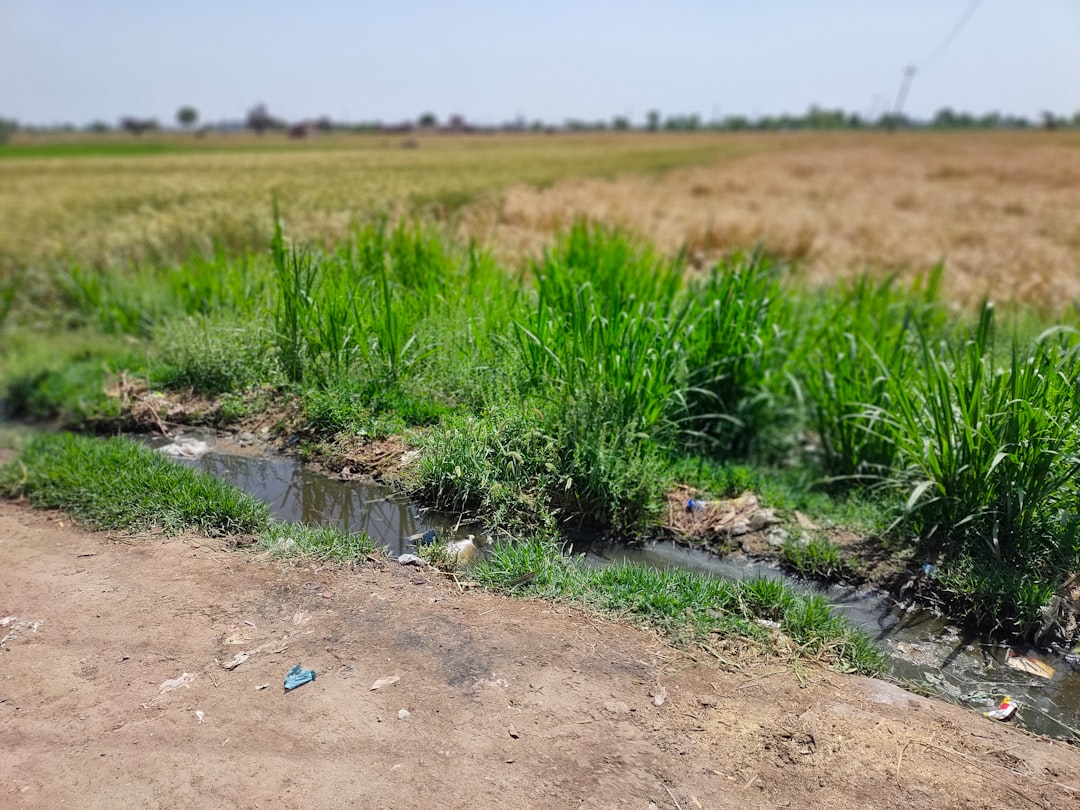
Water used to irrigate organic crops can carry pesticide residues from runoff originating miles away from the farm. Agricultural regions with dense conventional farming activity often have groundwater and surface water supplies that contain detectable chemical levels. Organic certification standards require farms to use water sources that meet quality guidelines but testing frequency and enforcement vary widely by region. Produce irrigated with compromised water can absorb residues directly through its root system.
Imported Organic Produce

Organic certification standards differ significantly from one country to another, and produce imported into domestic markets may have been grown under far less rigorous guidelines. Some countries permitted to export certified organic goods have weaker enforcement mechanisms and fewer routine inspections. Residue testing at ports of entry is not comprehensive enough to catch every shipment. Shoppers purchasing imported organic berries, grapes, or leafy greens may be receiving produce that barely meets certification thresholds.
Shared Processing and Packing Equipment

Even when a crop is grown without any pesticide use, it can become contaminated during processing if the same equipment is used to handle both organic and conventional produce. Packing houses that process mixed loads are required to clean between runs but the thoroughness of this cleaning is not always verified. Cross-contact residues can transfer from conveyor belts, sorting machinery, and storage bins onto certified organic items. This is a particularly common issue during high-volume harvest seasons when speed is prioritized.
Soil Memory from Previous Conventional Use

Farmland that was previously used for conventional agriculture can retain pesticide residues in its soil for years or even decades after chemical applications have stopped. Persistent organochlorine compounds and other long-lasting chemicals bind to soil particles and can be absorbed by crops grown in that ground. Organic certification requires a transition period of three years during which no prohibited substances are applied but residual chemicals already present in the soil are not addressed. Root vegetables like carrots and potatoes are especially susceptible to absorbing soil-bound contaminants.
Organic Packaged and Processed Foods

Certified organic packaged goods contain organic ingredients but the processing aids, solvents, and equipment sanitizers used during manufacturing may introduce trace chemical exposure. The organic label on a bag of crackers or a frozen meal refers to the ingredients and not necessarily every substance involved in production. Some additives and processing agents are approved for use in organic manufacturing despite having chemical properties that consumers might find concerning. Reading beyond the organic seal and examining full ingredient lists offers a more complete picture.
Pesticide Residues on Organic Animal Products

Animals raised on certified organic feed can still be exposed to pesticides through environmental contamination of pastures and water sources. Organic dairy cows and egg-laying hens that graze outdoors may consume grasses carrying trace pesticide residues from aerial drift or contaminated soil. Fat-soluble pesticide compounds have the ability to accumulate in animal tissue and concentrate in products like butter, cheese, and egg yolks. Organic certification for animal products governs feed and living conditions but cannot fully control environmental exposure.
Pesticide Residues in Organic Wine

Grapes are one of the most heavily sprayed crops in conventional agriculture and organic vineyards face significant pressure from mold, insects, and disease. Copper-based fungicides are widely used in organic viticulture and can appear at detectable levels in finished wine. Testing of organic wines from various regions has revealed residues of both approved and prohibited substances attributable to drift and shared processing. Consumers who drink organic wine regularly as part of a clean lifestyle may still be receiving consistent low-level exposure.
Organic Baby Food Contamination

Baby food marketed as organic has been the subject of multiple independent investigations revealing detectable levels of heavy metals and pesticide residues. Ingredients like organic rice, sweet potatoes, and carrots naturally accumulate substances from soil and water that no certification standard can prevent. The concentration process involved in making purees can increase residue levels relative to fresh whole produce. Parents choosing organic baby food for maximum safety benefit from diversifying ingredients and staying informed about recall and testing data.
Certified Organic Labels on Herbs and Spices

Dried herbs and spices imported under organic certification from regions with inconsistent regulatory oversight have repeatedly tested positive for residues of prohibited pesticides. The drying and concentration process in spice production means that any residues present in the raw plant become more concentrated in the final product. Oregano, turmeric, and paprika are among the spices most frequently flagged in residue testing programs. Using these ingredients daily in cooking can result in a consistent exposure pathway that most organic shoppers do not consider.
Organic Produce Washed in Municipal Water

Washing produce with tap water before consumption can introduce trace amounts of chlorine compounds and other treatment chemicals that interact with any residues already present on the surface. Some research suggests that chlorinated water can react with certain pesticide residues to form new chemical byproducts. While washing remains an important food safety practice, it does not eliminate all surface residues and introduces its own variables. Filtered water or diluted vinegar rinses are increasingly recommended by food safety researchers as preferable options.
Contamination During Retail and Transport

Organic and conventional produce frequently travel together in the same refrigerated trucks and are stored in adjacent areas in distribution centers. Physical contact between the two categories during sorting, shelving, and display can transfer residue particles from conventional items to certified organic ones. Retail environments are not required to store organic and conventional produce in entirely separate conditions. The organic label reflects how the item was grown but not necessarily every condition it encountered between the farm and the store shelf.
Organic Certification Fraud

Fraudulent organic certification has been documented in multiple countries and involves farms or distributors falsely labeling conventional goods as organic to capture premium pricing. Investigations have uncovered cases where grain, produce, and even livestock feed certified as organic tested positive for prohibited pesticide levels inconsistent with legitimate organic production. The certification supply chain involves multiple third-party certifiers of varying reliability and the system depends heavily on paperwork and periodic audits rather than continuous verification. Consumers have limited tools for independently verifying that a product’s organic status is authentic.
Pesticide Residues in Organic Cooking Oils

Oils extracted from organic seeds and nuts undergo processing that concentrates any fat-soluble residues present in the raw materials. Organic sunflower, canola, and soybean oils in particular come from crops grown in agricultural regions with high conventional farming density where drift contamination is common. The refining process reduces but does not always eliminate all residue content. Choosing organic cold-pressed oils from single-origin sources with transparent testing records reduces but does not fully eliminate potential exposure.
Glyphosate Contamination in Organic Grain

Glyphosate, the world’s most widely used herbicide, has been detected in certified organic oats, wheat, and other grains at levels that exceed what should be possible if organic protocols were followed. The contamination pathways include pre-harvest use on neighboring conventional fields, equipment sharing during milling, and residues in storage facilities. Organic grain products including granolas, cereals, and breads have shown up in independent testing with glyphosate residues. The prevalence of this compound in the food supply has made even the most conscientious organic purchasing insufficient to guarantee complete avoidance.
Organic Tea and Coffee
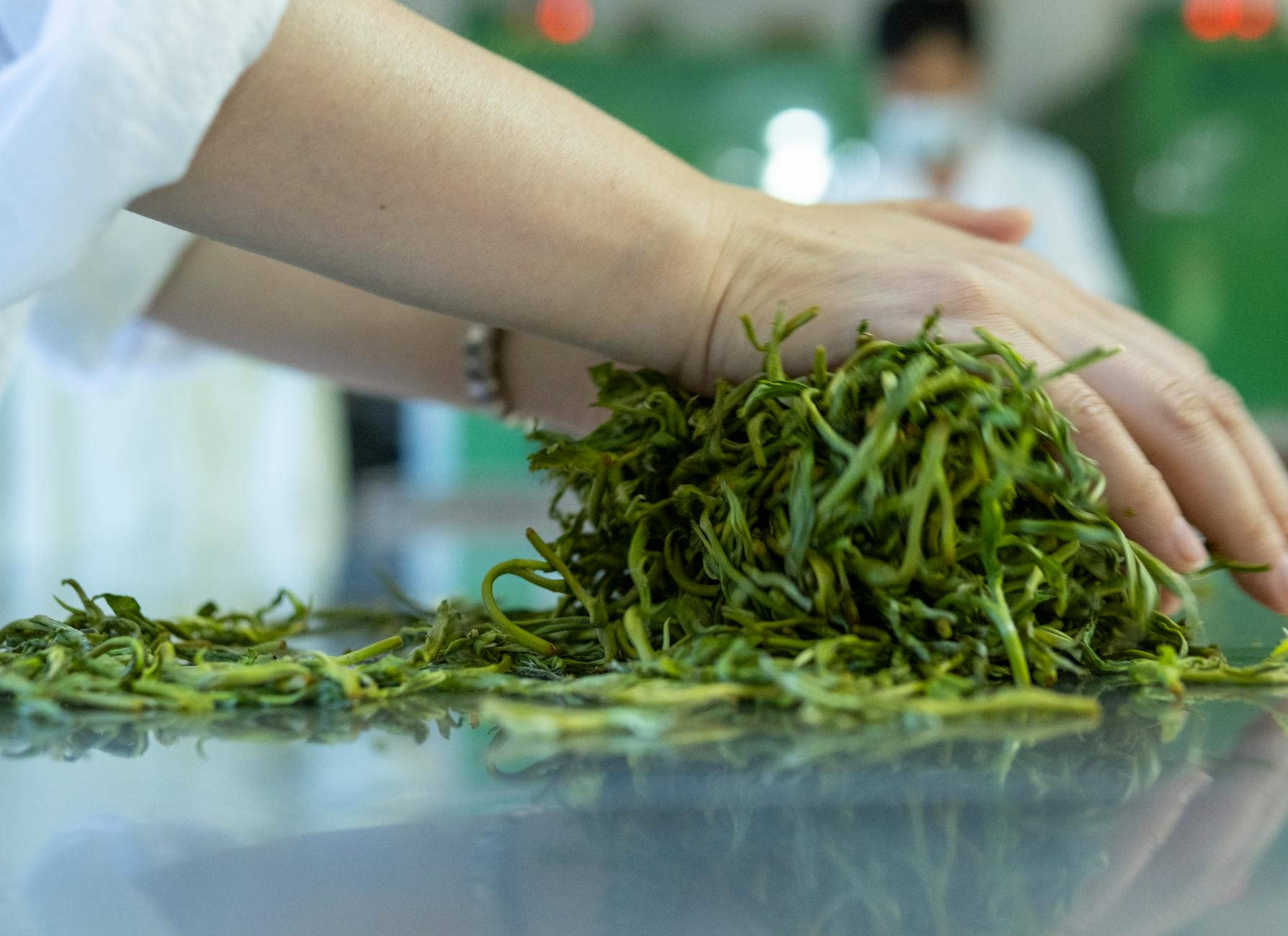
Tea and coffee are grown predominantly in developing countries where organic certification bodies may operate with limited resources and oversight capacity. Residue testing of certified organic teas has revealed pesticides banned in the country of sale but still in use in the country of origin. The brewing process does extract some residues into the cup but the degree to which this occurs varies by compound and steeping time. Consumers who drink multiple cups of organic tea or coffee daily accumulate exposure across each serving.
Pesticides in Organic Pet Food

Households that purchase organic produce for themselves but conventional pet food introduce pesticide-laden products into the same kitchen and living environment. Handling conventional pet food, washing bowls, and storing bags near food preparation areas creates indirect exposure for health-conscious consumers. Organic pet food markets are growing but the supply chain integrity issues that affect human food categories apply equally here. Families committed to reducing household pesticide exposure benefit from extending their purchasing criteria to animal products as well.
Wax Coatings on Organic Produce

Some organic fruits and vegetables receive post-harvest wax coatings to extend shelf life and improve appearance during retail display. These coatings can trap residues against the skin and reduce the effectiveness of surface washing. Apples, cucumbers, and citrus fruits are among the most commonly waxed items in both organic and conventional categories. Peeling these items reduces exposure but also removes fiber, nutrients, and antioxidants concentrated in and just beneath the skin.
Organic Frozen Vegetables

Frozen organic vegetables undergo blanching before packaging, which reduces but does not eliminate residue content on their surfaces. The produce used in frozen organic lines is sometimes sourced from multiple farms and countries within a single product, making supply chain traceability more complex. Storage and transport in shared cold chain facilities can introduce additional cross-contact opportunities. Residue content in frozen organic products is generally lower than in fresh conventional equivalents but is rarely zero.
Indoor Air as an Exposure Route

Pesticide residues brought into the home on organic produce, shoes, and clothing accumulate in household dust and circulate through indoor air systems. Even consumers who eat exclusively organic foods can experience pesticide exposure through inhalation and skin contact with contaminated surfaces. Indoor dust in homes located near agricultural areas has tested positive for a broad spectrum of pesticide compounds. A comprehensive approach to reducing pesticide exposure includes air filtration, frequent cleaning, and removing shoes at the door.
Organic Certification Does Not Cover All Farm Inputs
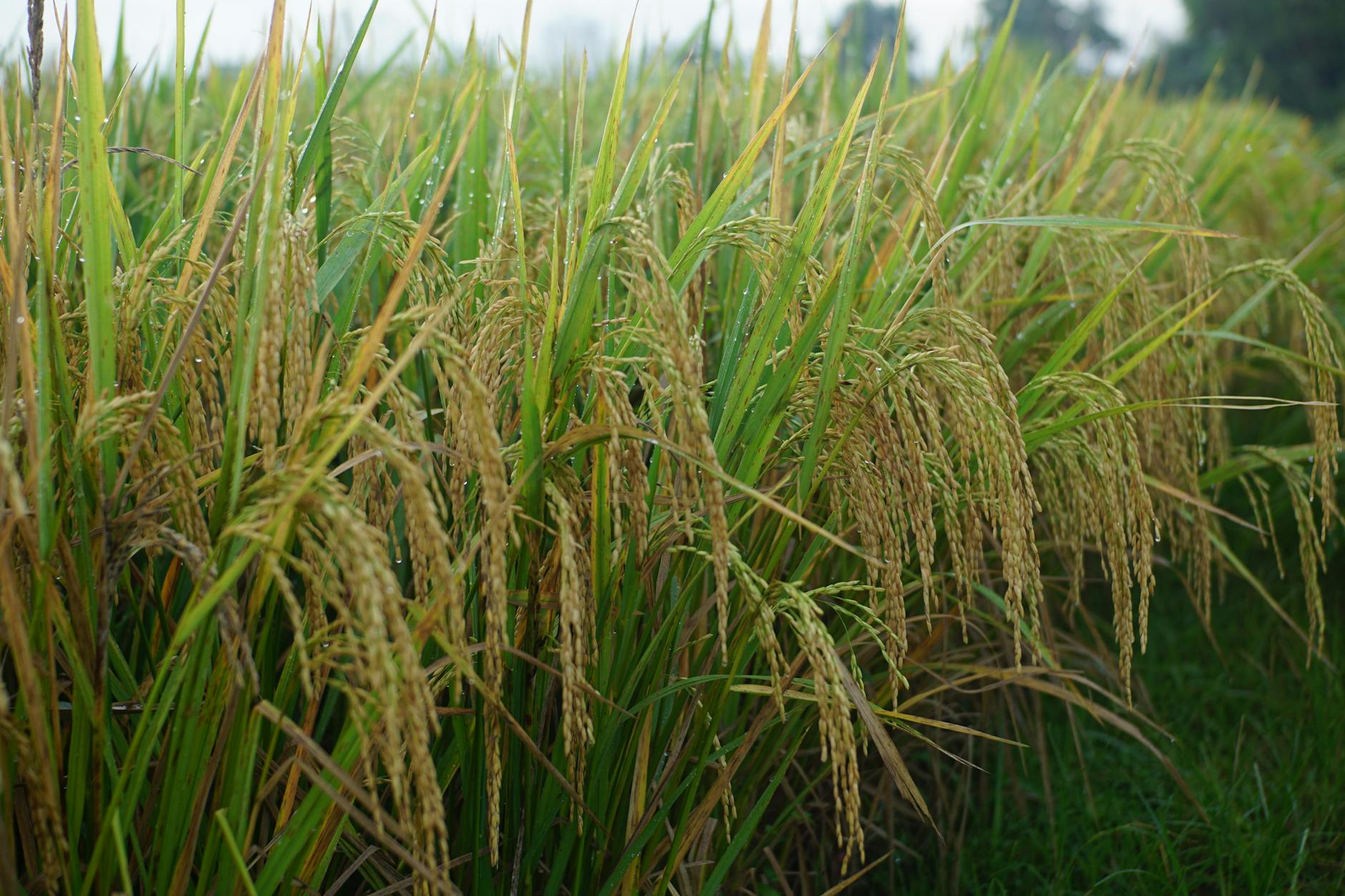
Certain inputs used in organic farming including some fertilizers, soil amendments, and pest traps are permitted under certification guidelines despite containing chemical components. Processed manure and compost used as fertilizer in organic operations can carry residues from the feed and medications given to the animals from which it was sourced. Some approved biological pesticide applications involve microorganisms or derived compounds that have not been as extensively studied as synthetic alternatives. The certification standard is designed to reduce synthetic chemical use and not to guarantee a fully inert growing environment.
Pesticide Residues in Organic Honey

Bees used in organic honey production forage over a wide radius that frequently extends well beyond the boundaries of certified organic land. Conventional farms, golf courses, and urban green spaces treated with pesticides all fall within a typical bee’s foraging range. Residue testing of organic honey has detected neonicotinoids and other systemic insecticides at levels that reflect the broader landscape rather than just the beekeeper’s practices. Organic certification for honey addresses hive management and processing but cannot fully control what bees encounter in the open environment.
Thin-Skinned Produce Absorbs More Residues

Strawberries, raspberries, grapes, and cherry tomatoes have surfaces that are highly permeable and absorb residues more readily than thick-skinned produce regardless of how they were grown. When these crops are grown organically near conventional fields, their thin skins provide minimal barrier against drift contamination. Surface washing has limited effectiveness on produce with textured or porous skin structures. Prioritizing organic purchases for these high-absorption crops while accepting conventional versions of thick-skinned items is a strategy many nutrition professionals endorse.
Cumulative Low-Level Exposure

The regulatory framework for evaluating pesticide safety typically assesses individual chemicals against safety thresholds rather than accounting for the combined effect of multiple compounds consumed simultaneously. An organic diet may contain trace amounts of dozens of different pesticides across a day’s worth of meals, none of which individually exceeds a safety limit. Research into the combined or synergistic effects of low-level multi-pesticide exposure is still developing and current standards do not fully address this complexity. Awareness of cumulative exposure encourages a more nuanced approach to food choices beyond simply choosing the organic label.
Share your thoughts on how you navigate pesticide exposure in your own organic routine in the comments.




