Being single is a valid, fulfilling, and often deeply intentional way to live. Yet well-meaning friends, relatives, and even strangers have a habit of saying things that unintentionally sting. The comments usually come from a place of love but land with the weight of judgment. Understanding what not to say is one of the kindest social skills anyone can develop.
“You’ll Find Someone When You Stop Looking”

This phrase implies that a person’s singleness is somehow their own fault for trying too hard. It reduces the complex landscape of modern relationships to a passive waiting game. The logic also contradicts itself since most meaningful things in life require intentional effort. Saying this dismisses the genuine emotional experience of someone navigating their love life thoughtfully.
“You’re Too Picky”

Standards and self-respect are not character flaws and treating them as obstacles is deeply unhelpful. This comment suggests that the single person should lower their expectations to simply avoid being alone. It also assumes that settling for less would somehow lead to a happier outcome. Compatibility matters enormously in long-term relationships and discernment is a healthy trait.
“But You’re So Attractive”

Attractiveness and relationship status have never been directly linked and this comment reveals a shallow understanding of human connection. It implies that physical appearance should be enough to guarantee a partner which is reductive. People choose relationships based on emotional chemistry, timing, values, and circumstance. The comment also unintentionally suggests that less attractive people deserve to be single.
“Your Clock Is Ticking”

Invoking biological timelines as a conversational grenade is rarely helpful or welcome. This phrase adds unnecessary pressure to what is already a deeply personal life decision. It assumes that having children is universally desired and that it must happen within a narrow window. Many people have healthy families through various paths and timelines that differ from traditional expectations.
“Have You Tried Dating Apps”
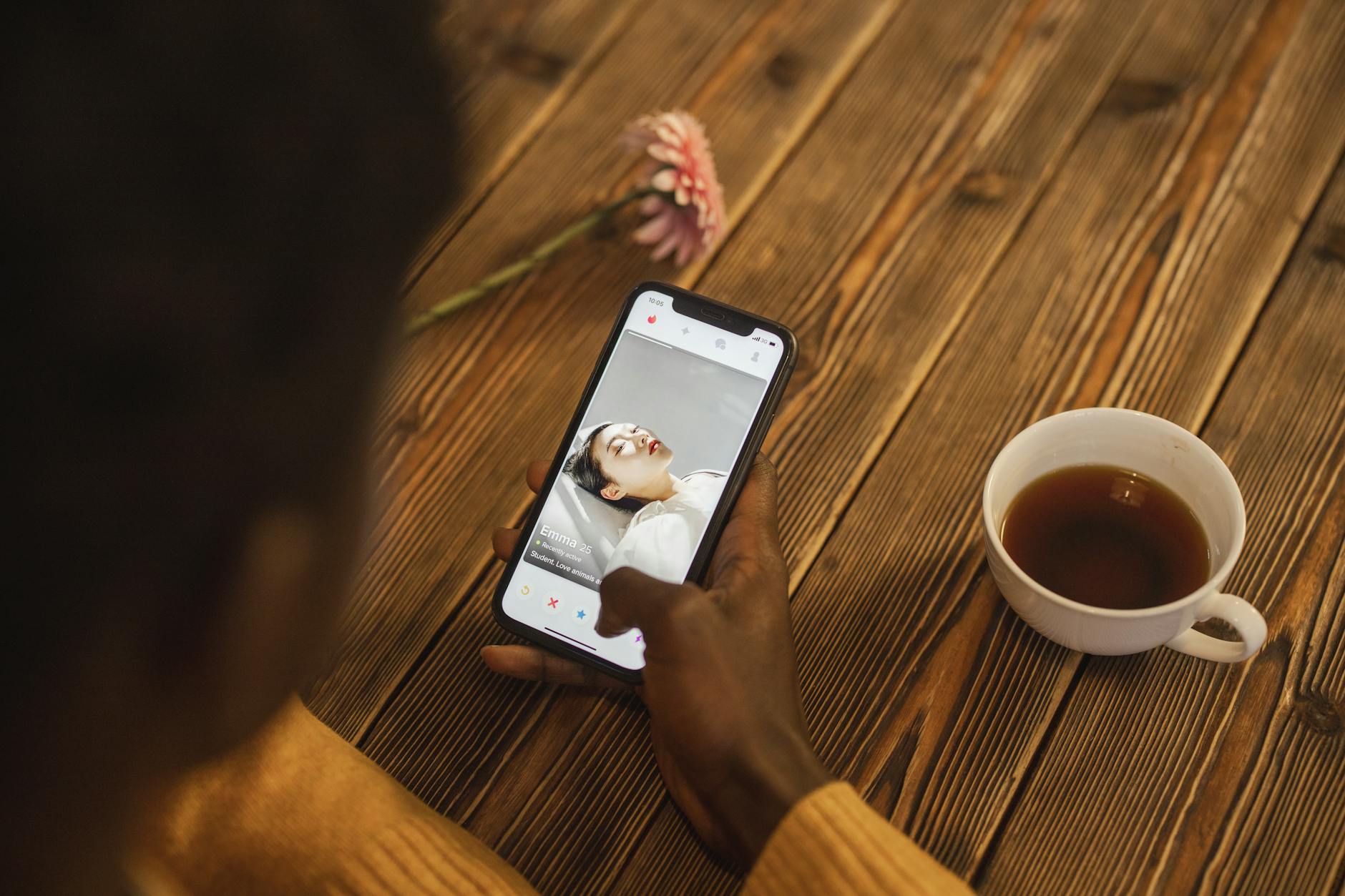
This question implies that the single person has not considered the most obvious solution to their supposed problem. It can feel patronising coming from someone who has never navigated modern digital dating. Most single people today are well aware of every available platform and have likely used several. Offering unsolicited tech advice about someone’s love life is rarely the support they are looking for.
“I Know Someone Perfect for You”

Blind setups can occasionally work but announcing one without any prior conversation puts immediate pressure on everyone involved. It assumes you understand what your single friend needs in a partner better than they do. It also frames singleness as a problem that needs your personal intervention to solve. If someone wants to be set up they will usually ask directly.
“You Must Love the Freedom Though”

This comment romanticises singleness in a way that can feel just as dismissive as pitying it. It assumes that every single person is delighted by their situation and experiencing endless carefree adventure. Some people genuinely want a relationship and hearing this feels like their feelings are being minimised. Freedom is lovely but it does not cancel out the human desire for intimacy and partnership.
“Maybe You’re Just Not Ready”

Deciding on someone else’s emotional readiness without any real evidence is presumptuous at best. This phrase subtly implies that something is unresolved or broken within the single person. It shifts the narrative away from circumstance or timing and places the entire responsibility on the individual. Readiness is personal and not something a casual comment can accurately diagnose.
“Relationships Take Work You Know”

Single people are generally aware that relationships require effort and do not need a reminder. This statement implies that they have either avoided relationships out of laziness or naivety. It can come across as condescending especially from someone whose relationship is far from perfect. Everyone’s understanding of love and commitment is shaped by their own lived experiences.
“Are You Seeing Anyone”

This question is so common it has become a reflexive greeting but it still centres relationship status as the most important update a person can give. It suggests that romantic news is the first thing worth asking about. Single people often dread this opener at family gatherings or reunions because it signals a line of questioning that tends to follow. Leading with curiosity about someone’s life beyond romance is almost always more connecting.
“Don’t You Get Lonely”

Everyone experiences loneliness at some point regardless of their relationship status. This question implies that being single is inherently a lonely existence which is a significant assumption. Many single people have rich social lives, deep friendships, and a strong sense of self that keeps loneliness at bay. Asking this in a pitying tone can feel like an accusation rather than genuine concern.
“You Seem So Together Though”

This comment suggests confusion that someone capable and self-sufficient could possibly be single. It implies a hidden flaw must exist beneath the surface that explains their relationship status. Competence and romantic availability are entirely unrelated qualities. Everyone has their own story and journey and it rarely maps neatly onto assumptions made from the outside.
“I Worry About You Being Alone”

Expressing worry about someone’s singleness places your anxiety onto them unnecessarily. It frames their life situation as something alarming that warrants concern. Single people who are content do not need to manage other people’s discomfort about their choices. Worry like this often says more about the speaker’s fears than it does about the reality of the single person’s life.
“Have You Ever Thought About What You Might Be Doing Wrong”

This is one of the more harmful questions someone can ask because it assumes the single person is to blame for their status. It invites unnecessary self-criticism and suggests that love is something that can be won through correct behaviour. Relationships involve two people and timing and factors entirely outside anyone’s control. No one should have to troubleshoot their own worth in order to find a partner.
“My Cousin Was Single Until 40 and Then”

Anecdotes about late-blooming romances are often meant to comfort but they can feel like veiled warnings. The subtext is usually “don’t worry there is still hope for you too” which implies hope was needed to begin with. Every person’s path is different and one relative’s love story is not a universal blueprint. Well-intentioned stories like this can accidentally reinforce the idea that singleness is a temporary problem awaiting a solution.
“You Just Haven’t Met the Right Person Yet”

While this may be technically true it offers little of value in a real conversation. It reduces singleness to a simple gap in the universe that will eventually be filled by the right arrival. It also dismisses the possibility that the person may be single by preference or peaceful circumstance. Platitudes rarely feel as warm as the person delivering them intends.
“Isn’t It Expensive Being Single”

Financial commentary on someone’s relationship status is rarely appropriate. While it is true that many expenses are shared in partnerships, framing singleness as a financial disadvantage adds an uncomfortable layer of pressure. Single people manage their finances just as thoughtfully and competently as anyone else. This question can feel intrusive and reductive.
“You Should Put Yourself Out There More”

This phrase implies that the single person is hiding away from potential partners out of fear or passivity. It assumes a lack of social effort is the reason love has not arrived. Most single people are fully engaged in social, professional, and community life without this leading to a relationship. The idea that more visibility automatically solves singleness is an oversimplification.
“Do Your Parents Ask About It a Lot”

Bringing up parental pressure in conversation reinforces the idea that singleness is something families should stress about. It also invites the person to relive any uncomfortable dynamics they may have around that subject. The question normalises external pressure around relationship timelines which is rarely healthy. Personal life decisions deserve protection from ongoing social interrogation.
“You Deserve Someone Great”

Although this sounds like a compliment it accidentally implies that the person does not currently have what they deserve. It assumes that being single means something is missing or that a void exists waiting to be filled. Deserving someone great is universal and has nothing to do with current relationship status. Framing it this way can feel unexpectedly hollow even with the best intentions.
“Have You Considered Therapy to Work Through Your Patterns”

Suggesting therapy as a fix for singleness implies that being without a partner is a symptom of unresolved psychological issues. While therapy is genuinely valuable for many reasons, linking it directly to relationship status is reductive. It implies that single people must be emotionally damaged or stuck in harmful cycles. This is an intrusive assumption to make based purely on someone’s romantic availability.
“You’re Living Your Best Life Anyway”

This phrase attempts to reframe singleness positively but often lands as a consolation prize. It implies that a relationship would somehow interrupt the good life they currently have. The comment rarely lands as empowering because it arrives unsolicited and feels defensive. Authentic support looks like listening rather than repackaging someone’s reality into a lifestyle trend.
“My Relationship Isn’t Perfect Either You Know”

Attempting to bond over imperfection in relationships while someone is single is a clumsy form of solidarity. It suggests that the single person should feel better knowing that partnerships are not always rosy. This comparison rarely comforts and can come across as minimising the single person’s experience. People in relationships and people who are single often need entirely different forms of emotional support.
“Maybe You’re Too Independent”

Independence is widely celebrated as a virtue until someone applies it to explain why a person is single. This comment frames self-sufficiency as a flaw that repels potential partners. It implies the person needs to become more dependent or less capable in order to attract love. This logic is both outdated and deeply unhelpful.
“Have You Tried Being More Open to Different Types”

This question suggests that the person has a rigid and possibly unrealistic idea of who they should be with. It frames their lack of a relationship as a failure of imagination or flexibility. What reads as advice often lands as criticism of their taste and judgment. Compatibility is nuanced and no one should feel pressured to ignore what genuinely matters to them.
“At Least You Don’t Have to Deal With Drama”

This is a backhanded way of validating singleness by insulting relationships at the same time. It reduces romantic partnerships to dramatic conflict rather than acknowledging their genuine richness. Single people who want relationships are not looking to avoid drama and this comment misses the point entirely. Framing coupling as a burden does not comfort someone who genuinely desires partnership.
“You’d Be a Great Partner for Someone”

While intended as a compliment this phrase accidentally raises the question of why that someone has not appeared yet. It positions the single person as a prize on a shelf waiting to be discovered. Most people know their own value and do not need external validation of their partnership potential. The comment can unintentionally highlight absence rather than affirm the person standing in front of you.
“I Thought You Were Dating Someone”

Asking this with surprise implies that being single is an unexpected development or a step backward. It brings attention to a transition that may have been painful and that the person may not wish to discuss. Relationship changes are deeply personal and not always open for casual conversation. Checking in with genuine care looks different from catching someone up on their own love life.
“You Should Lower Your Standards a Little”

This is perhaps one of the most damaging things to say because it directly encourages someone to accept less than what they want. Standards are not obstacles to love and treating them that way sends a harmful message. The suggestion implies that the single person is single because they think too highly of themselves or what they want. Everyone deserves to pursue a relationship that genuinely feels right.
“You’re So Much Fun When You’re Single”

This comment implies that entering a relationship will somehow dim the person’s personality or social presence. It frames singleness as a performance of freedom rather than a legitimate life stage. It also places the speaker’s entertainment above the other person’s wellbeing. People do not exist to be fun for others regardless of their relationship status.
“Being Single Is Basically a Full-Time Job Now”

Jokes about the exhausting nature of modern dating are common but not always welcome. This comment can feel dismissive of the genuine emotional effort that goes into looking for connection. It also trivialises the experience by treating it as a logistical burden rather than a meaningful pursuit. Humour about someone’s love life rarely lands unless they have invited it.
“Your Ex Seems Happy Now”

Comparing someone’s current singleness to an ex-partner’s new relationship is unkind regardless of the intent. It introduces unnecessary comparison and can reopen emotional wounds. This kind of comment rarely serves any purpose beyond causing discomfort. Respecting what someone has moved on from means not dragging it back into the conversation uninvited.
“Maybe Love Just Isn’t for Everyone”

This is one of the most resigned and discouraging things to say and it implies that some people are simply not meant to experience romantic love. It frames the single person as an exception to a universal human experience. While said with a shrug it can land with significant emotional weight. Everyone deserves to feel that love is possible for them without exception.
“You Need to Love Yourself First”

Self-love is important but using it as an explanation for why someone is single places the blame squarely on their inner world. It implies that the single person is operating with a deficit of self-regard that must be corrected before a relationship is possible. The phrase has become so overused it rarely carries meaning and often lands as a dismissal. People at every stage of self-awareness and self-love are in and out of relationships constantly.
“Have You Thought About What You Actually Want”

Asking this implies that the person has been wandering through their romantic life without any clarity or intention. Most single people have thought at length about what they want and do not need to be prompted by casual conversation. The question positions the speaker as a life coach rather than a supportive friend. It can feel condescending even when delivered with the warmest tone.
“You Should Come Out With Us More Often”

This suggestion implies that social frequency is the missing ingredient in someone’s romantic life. It assumes that more exposure to group settings will naturally produce a relationship. While socialising is enjoyable it is not a guaranteed pathway to partnership. Reducing love to a numbers game in social environments is an oversimplification.
“Don’t You Think You Should Start Settling Down”

The phrase “settling down” implies that the single person is currently unsettled, wild, or adrift in a way that needs correcting. It carries a traditional timeline expectation that may not align with the person’s values or life goals. Many people live full and grounded lives without fitting into the conventional idea of settling. The comment often says more about the speaker’s worldview than it does about the person they are talking to.
“Are You Sure You’re Not Just Afraid of Commitment”

Diagnosing someone’s emotional landscape without any real information is presumptuous. This question implies that fear of commitment is the default explanation for anyone who is single. Many single people have been in committed relationships and simply are not in one right now. Reducing singleness to a fear response is both inaccurate and dismissive.
“You’ll Understand When You’re in a Relationship”

This phrase implies that single people lack the emotional depth or understanding that only relationships can provide. It creates an unnecessary hierarchy between coupled and single experiences. Single people accumulate enormous amounts of wisdom and insight about human connection from their own unique vantage point. Implying otherwise is both patronising and false.
“You Look Like You’d Be High Maintenance”

This comment crosses into personal territory and suggests that the speaker has identified a flaw worth naming. It is unkind dressed up as observation. Labelling someone as high maintenance implies their standards or personality are too demanding for a reasonable partner. This kind of remark causes harm regardless of how casually it is delivered.
“Isn’t It Hard Watching Your Friends Get Married”

This question forces the person to confront social comparison in real time and often stirs emotions that were sitting quietly. It implies that watching friends reach relationship milestones must naturally feel painful. Single people can genuinely celebrate their friends without experiencing personal grief and assuming otherwise is unfair. Asking this question rarely opens a meaningful conversation.
“You Don’t Seem Like Someone Who Would Be Single”

This comment implies that single people have a recognisable look or quality that marks them as different from those in relationships. It suggests a contradiction between what the person presents and what their life reflects. There is no type of person who belongs in a relationship and no type who belongs outside of one. Singleness is not a characteristic.
“Maybe If You Smiled More”

Physical directives aimed at improving romantic prospects are rarely welcome and often rooted in outdated gender expectations. This comment implies that the person’s facial expression is somehow deterring potential partners. It reduces the complexity of human attraction to a matter of approachability signalling. No one owes the world a smile in order to deserve love.
“Just Enjoy It While It Lasts”
This phrase frames singleness as a temporary phase to be endured or hurried through before the real life begins. It implies that a relationship will eventually arrive and that everything before it is merely a waiting period. Not everyone is single by default or circumstance and treating the phase as finite can feel dismissive. Life in any relational state deserves to be taken seriously and lived fully.
“I Just Want You to Be Happy”

This sounds kind but when used in the context of singleness it subtly implies that the person cannot be happy without a relationship. It places the speaker’s idea of happiness onto someone whose definition may differ entirely. Genuine care means trusting that someone knows what makes them happy rather than projecting happiness as a destination only a partner can provide. Single people can be profoundly happy and that happiness deserves to be taken at face value.
What comment have you heard that belongs on this list? Share your thoughts in the comments.




