Weaponized incompetence is a behavioral pattern where one partner deliberately performs tasks poorly or claims inability in order to be relieved of household responsibilities. It often goes unnoticed because it can look like genuine clumsiness or forgetfulness rather than a calculated avoidance strategy. Over time this dynamic creates an unequal division of labor that quietly erodes relationship satisfaction. Recognizing the signs is the first step toward rebalancing the workload and building a fairer partnership.
They Ruin the Task on Purpose

A load of laundry comes out pink because a red sock was tossed in with the whites despite having done laundry successfully before. The mistake is presented with an innocent shrug and a suggestion that perhaps you should just handle it from now on. This pattern tends to repeat itself with suspiciously convenient timing. Tasks that require no special skill suddenly produce dramatic errors only when your partner is the one assigned to do them.
They Claim Total Ignorance of Basic Household Functions

A fully functioning adult professes to have no idea how the dishwasher works despite having operated one for years prior to the relationship. The confusion is expressed with enough sincerity to make questioning it feel unreasonable. Basic appliances and household routines suddenly become mysterious and overwhelming territory. This selective amnesia tends to apply only to chores and never to hobbies or tasks they personally enjoy.
They Ask an Excessive Number of Questions

Rather than attempting a simple task independently they pepper you with so many clarifying questions that it becomes faster to do it yourself. Every step of sweeping the floor or emptying the bins requires your direct instruction and supervision. The questions are not asked out of genuine curiosity but function as a friction mechanism that exhausts your patience. Eventually you step in and take over just to stop the interrogation.
They Do the Task So Slowly It Becomes Impractical

A chore that takes fifteen minutes in your hands somehow stretches into an all-day ordeal when assigned to your partner. The slowness is accompanied by sighs and a general air of suffering that discourages future delegation. Tasks are technically started but rarely completed within a reasonable window of time. The message communicated is that assigning the chore costs more energy than simply doing it yourself.
They Conveniently Forget Every Single Time

Taking out the bins or wiping down the stovetop is forgotten with such regularity that a pattern becomes undeniable. Reminders are met with apologetic responses that never translate into changed behavior. The forgetfulness is remarkably selective and never seems to affect activities tied to personal enjoyment. Memory lapses around chores become a reliable feature of the weekly household routine.
They Set an Impossibly Low Standard

The task is completed but the result is so far below an acceptable standard that it must be redone entirely. Surfaces are wiped in a way that leaves more mess behind and floors are swept but the debris is simply relocated. When the poor result is pointed out your partner responds that they did their best and perhaps the standard is simply too high. Over time you stop assigning the task because correcting it takes more effort than doing it from scratch.
They Express Dramatic Helplessness

Folding a fitted sheet or descaling a kettle is met with a performance of confusion so theatrical it borders on comedy. The helplessness is expressed with exasperated sighs and a posture that communicates total defeat in the face of ordinary domesticity. These reactions do not reflect genuine inability but are designed to signal that the task is too burdensome to attempt independently. The performance is most pronounced when you are present and able to step in.
They Offer to Help Then Wait to Be Directed

Your partner announces their willingness to contribute to household tasks but then stands in the kitchen waiting for specific instructions. Without a detailed breakdown of what to do and how to do it no action is taken. This dynamic positions you as the household manager and them as a passive assistant requiring constant oversight. The offer to help is technically fulfilled while the actual labor and mental load remain entirely yours.
They Complete Half the Task and Abandon It

Dishes are washed but left stacked beside the sink rather than put away. Groceries are brought in from the car but remain in bags on the counter. The task is started with enough effort to constitute a defense and then abandoned at the point requiring the most attention. Half-finished chores often require your intervention to complete them properly.
They Use Prior Failure as a Permanent Excuse

A single incident of burning dinner years ago is cited indefinitely as proof that cooking is simply not within their capabilities. One garment shrunk in the wash becomes the founding mythology of a lifelong avoidance of laundry. These past mistakes are invoked with the confidence of established fact rather than isolated errors. The narrative of incompetence is carefully maintained and updated with any new evidence that supports it.
They Redirect Every Task Back to You

When asked to handle a specific chore they immediately identify a reason why you would be better suited to do it. Your familiarity with where things are kept or your superior folding technique is cited as justification for reassignment. The redirection is delivered with flattery that makes resistance feel like false modesty. The result is that nearly every household task migrates back into your domain.
They Make the Experience Unpleasant for Everyone
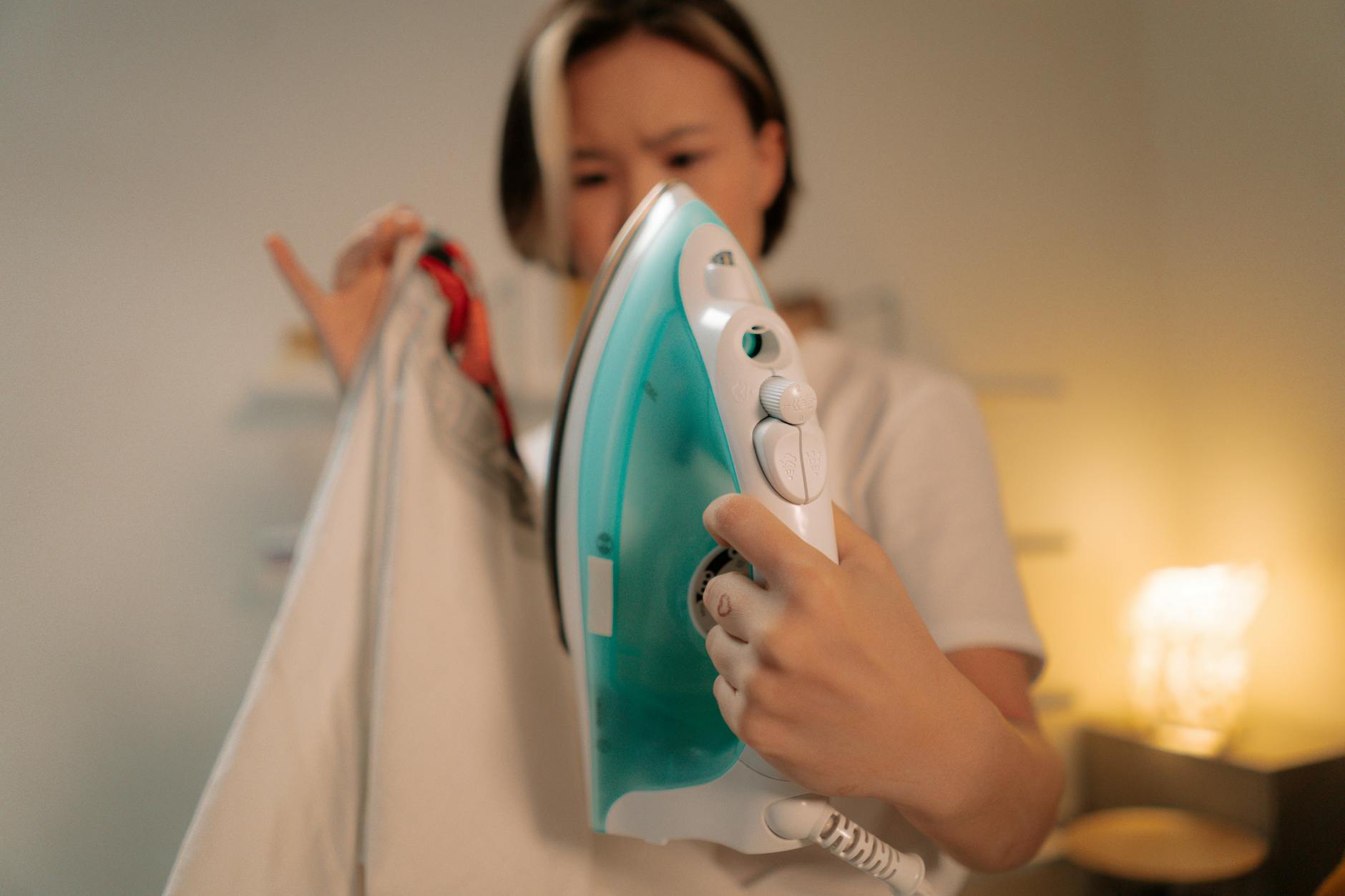
Chores assigned to your partner are accompanied by loud sighing audible from another room and a general atmosphere of martyrdom. The task is technically completed but the emotional toll inflicted on the household during the process acts as a deterrent to future requests. Assigning chores begins to feel like initiating a conflict rather than simply dividing labor. The unpleasantness is a learned and effective strategy for reducing how often responsibilities are delegated.
They Frame Domestic Work as Your Natural Domain

Household management is described using language that subtly positions it as your area of interest or natural expertise rather than a shared responsibility. Comments about how good you are at organizing or how much you clearly enjoy a clean space function as reassignment by flattery. Over time this framing becomes embedded in how the household dynamic is discussed and understood. The narrative shifts from shared labor to one partner managing what they supposedly love.
They Disappear at Peak Chore Times

Your partner consistently becomes unavailable during the windows when household tasks must be completed. Urgent phone calls materialize at the moment dishes need washing and sudden fatigue strikes precisely when bathrooms require cleaning. The disappearances follow a pattern that closely tracks the household chore schedule. By the time they return the tasks have been completed and the moment has passed.
They Praise Your Work to Avoid Doing It Themselves

Enthusiastic compliments about your superior cleaning or organizational skills are deployed strategically rather than sincerely. The praise elevates your standards in a way that makes it logical for you to take on the task permanently. Being told you do it so much better functions as an elegant offloading mechanism dressed as a compliment. The flattery feels good in the moment but consistently produces the same outcome of unequal labor distribution.
They Treat Instructions as Optional
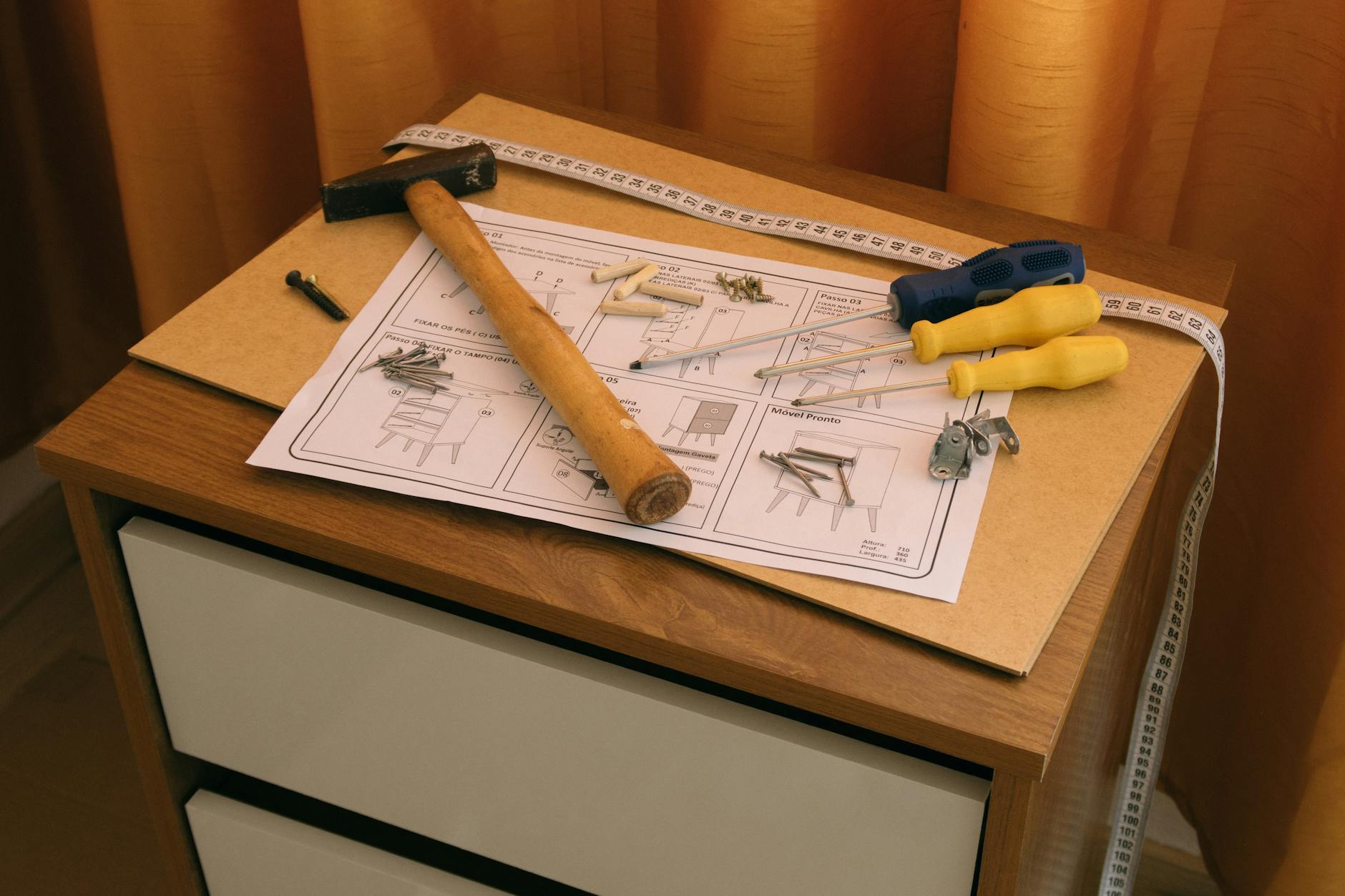
When specific guidance is provided about how to complete a task it is followed loosely or ignored entirely. Feedback about the result is received agreeably but produces no observable change in future attempts. The gap between instruction given and instruction followed remains constant regardless of how clearly expectations are communicated. The message received is that correct task completion is not a priority.
They Introduce Chaos to Reclaim Control

Your partner occasionally takes on a chore but introduces so much disorder in the process that the surrounding environment suffers. A reorganized pantry becomes impossible to navigate and a cleaned bathroom requires everything to be relocated before it can be used. The chaos is not malicious in appearance but it is reliably discouraging. The disruption functions as an invisible tax on delegating tasks to them.
They Compare Themselves Favorably to Unfair Benchmarks

Their domestic contribution is measured against the lowest possible standard rather than an equitable one. Comments about doing more than their own father did or more than their college roommates used to do are offered as evidence of adequate effort. The benchmark is designed to make a minimal contribution appear generous. This framing sidesteps any honest conversation about whether the current division of labor is actually fair.
They Weaponize Appreciation to Reset the Conversation

When the imbalance is raised your partner responds with genuine-sounding gratitude for everything you do around the house. The appreciation is warm enough to make continuing the conversation feel ungrateful or combative. Expressing thanks becomes a conversational circuit breaker that ends the discussion without addressing the underlying issue. The imbalance is acknowledged emotionally but never resolved practically.
They Frame Accountability as an Attack

Any direct conversation about unequal chore distribution is received as a personal accusation rather than a practical discussion. Your partner responds with defensiveness or hurt feelings that shift the emotional focus of the conversation entirely. The discomfort of being held accountable is redirected into a discussion about tone or fairness of criticism rather than the original concern. Addressing the labor imbalance becomes emotionally costly enough that many partners simply stop trying.
If any of these signs feel familiar in your relationship share your experiences and thoughts in the comments.




