Estrogen-mimicking chemicals found in food are broadly divided into two categories known as phytoestrogens and xenoestrogens. Phytoestrogens are naturally occurring plant compounds that can bind to estrogen receptors in the human body and produce effects similar to the hormone estrogen. Xenoestrogens are synthetic or environmental chemicals that enter the food supply through packaging, farming practices, and processing methods. Both types have attracted significant scientific attention due to their potential influence on hormonal balance, reproductive health, and metabolic function. The following foods are among the most notable sources of these compounds found in everyday diets around the world.
Soybeans
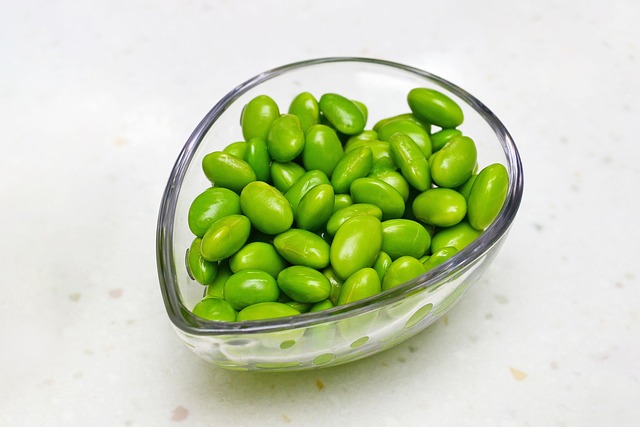
Soybeans are one of the most studied sources of phytoestrogens in the human diet and contain particularly high concentrations of isoflavones. The two primary isoflavones found in soybeans are genistein and daidzein, both of which bind to estrogen receptors throughout the body. Whole soybeans contain significantly more of these compounds than many processed soy products. Regular consumption of soybeans has been the subject of ongoing research into hormonal effects in both men and women.
Tofu
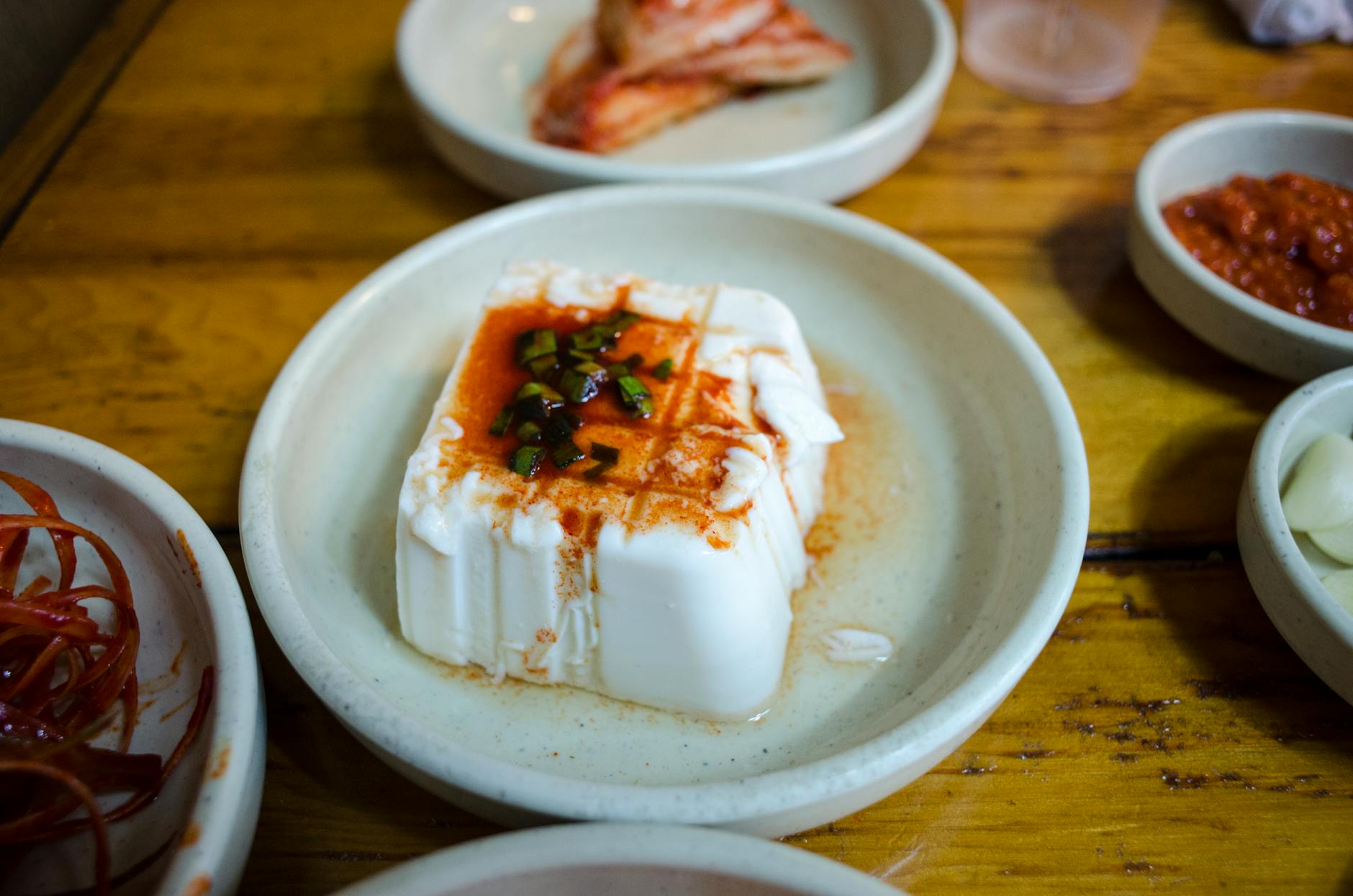
Tofu is made by coagulating soy milk and pressing the resulting curds into solid white blocks, retaining a notable portion of the isoflavones present in soybeans. A single serving of firm tofu can deliver a substantial dose of genistein and daidzein. The isoflavone content in tofu varies depending on how it is processed and whether it is silken, firm, or extra-firm. Tofu is widely consumed across East Asian populations where soy-based diets have been studied for their relationship to hormonal health outcomes.
Edamame
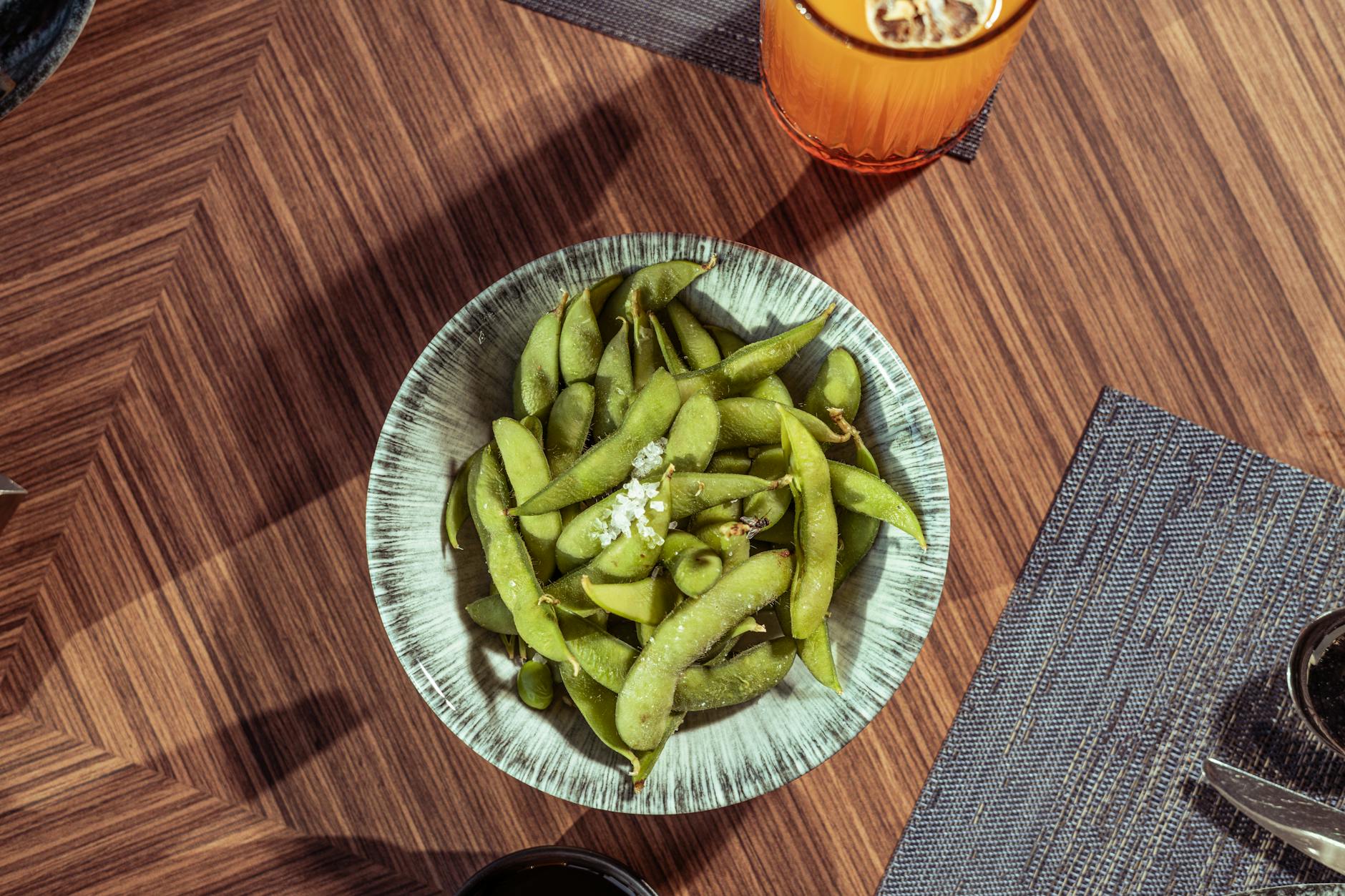
Edamame refers to young soybeans harvested before they fully ripen and are among the richest whole-food sources of isoflavones available. Because edamame is consumed in its least processed form, its phytoestrogen content is particularly concentrated compared to more refined soy products. A standard cup of boiled edamame contains levels of isoflavones that researchers consider nutritionally significant. The pod form of edamame is popular as a snack food and appetizer in Japanese cuisine and has grown considerably in popularity across Western markets.
Soy Milk
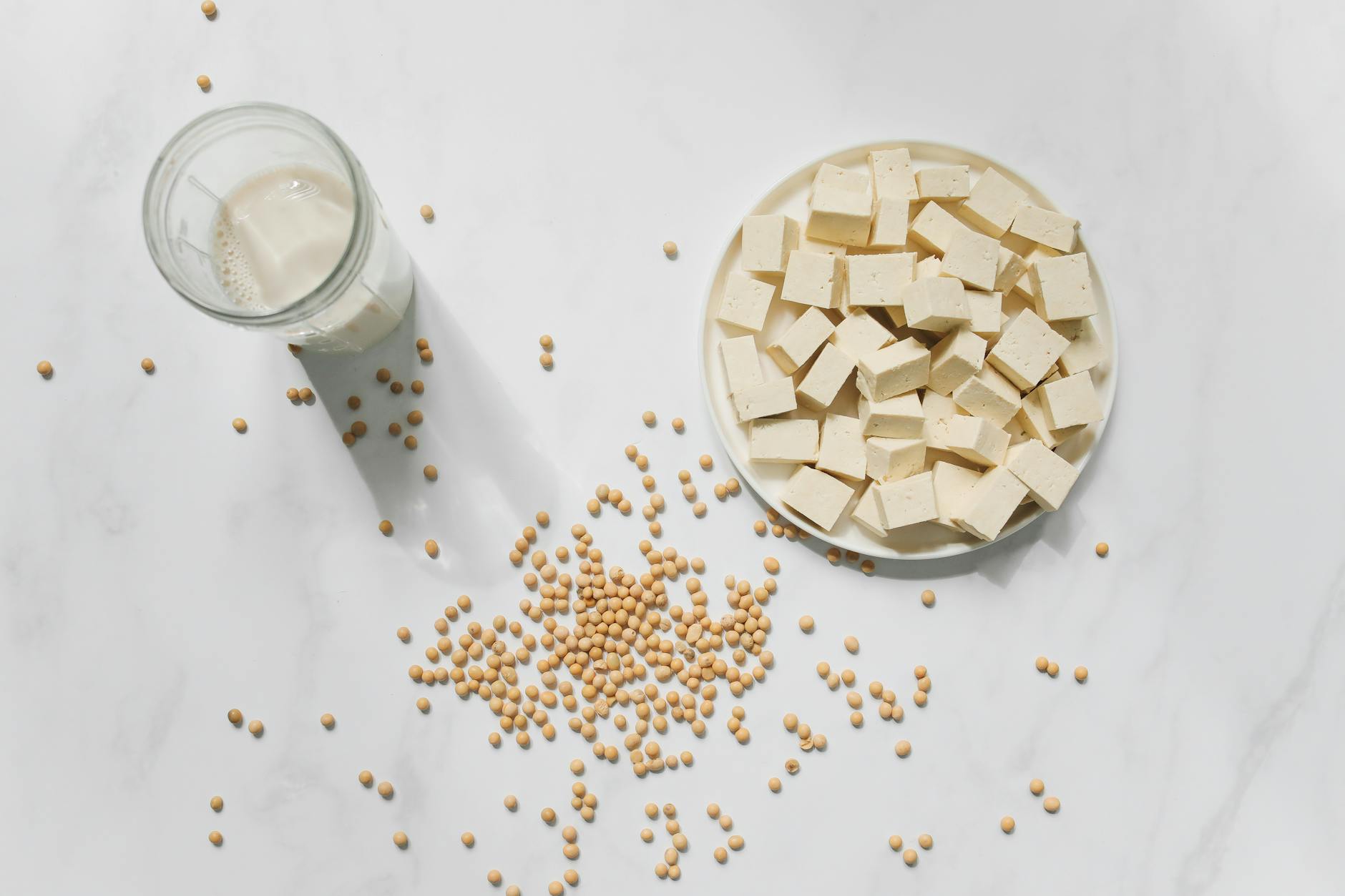
Soy milk is produced by soaking and grinding soybeans, then filtering out solid particles to create a plant-based liquid rich in isoflavones. It is frequently consumed as a dairy alternative and is a common ingredient in coffee drinks, smoothies, and baked goods. The isoflavone content in soy milk varies by brand and processing technique. Some manufacturers fortify soy milk with additional nutrients, though the phytoestrogen levels remain inherent to the soy base regardless of added ingredients.
Miso
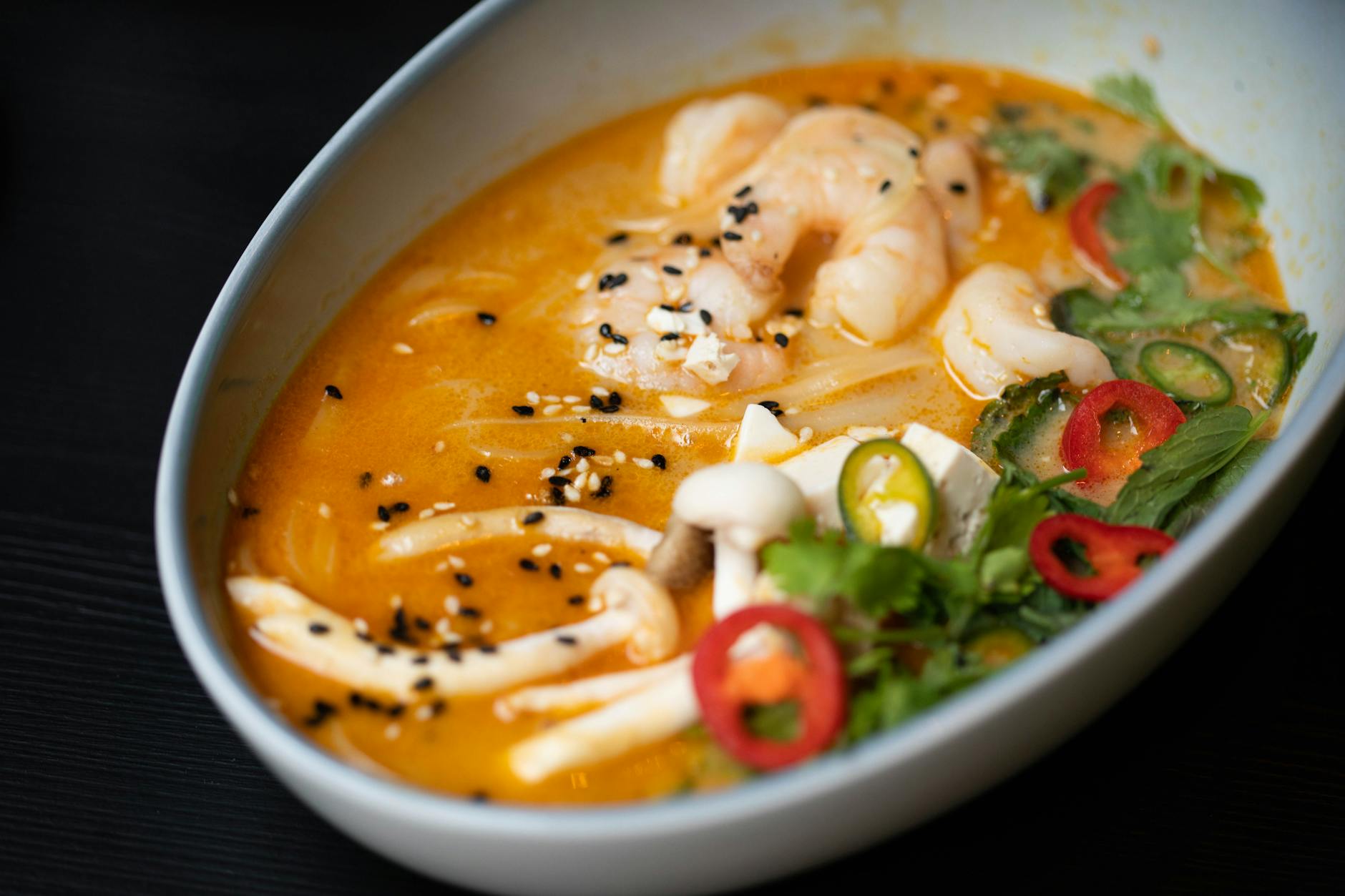
Miso is a fermented soybean paste that serves as a foundational ingredient in Japanese cooking and contains significant concentrations of isoflavones. The fermentation process that creates miso is believed to alter the bioavailability of its phytoestrogens, potentially making them easier for the body to absorb. Miso is used in soups, marinades, glazes, and dressings across a wide variety of culinary traditions. Research into fermented soy products and their estrogen-mimicking activity continues to be an active area of nutritional science.
Flaxseeds

Flaxseeds are the richest known dietary source of lignans, a class of phytoestrogens that the body converts into compounds with estrogen-like activity during digestion. Ground flaxseeds release their lignan content more effectively than whole seeds, as the hard outer shell resists digestion. The lignans in flaxseeds are converted by gut bacteria into enterolactone and enterodiol, which then interact with estrogen receptors in body tissues. Flaxseeds are commonly added to smoothies, yogurt, oatmeal, and baked goods as a nutritional supplement.
Sesame Seeds
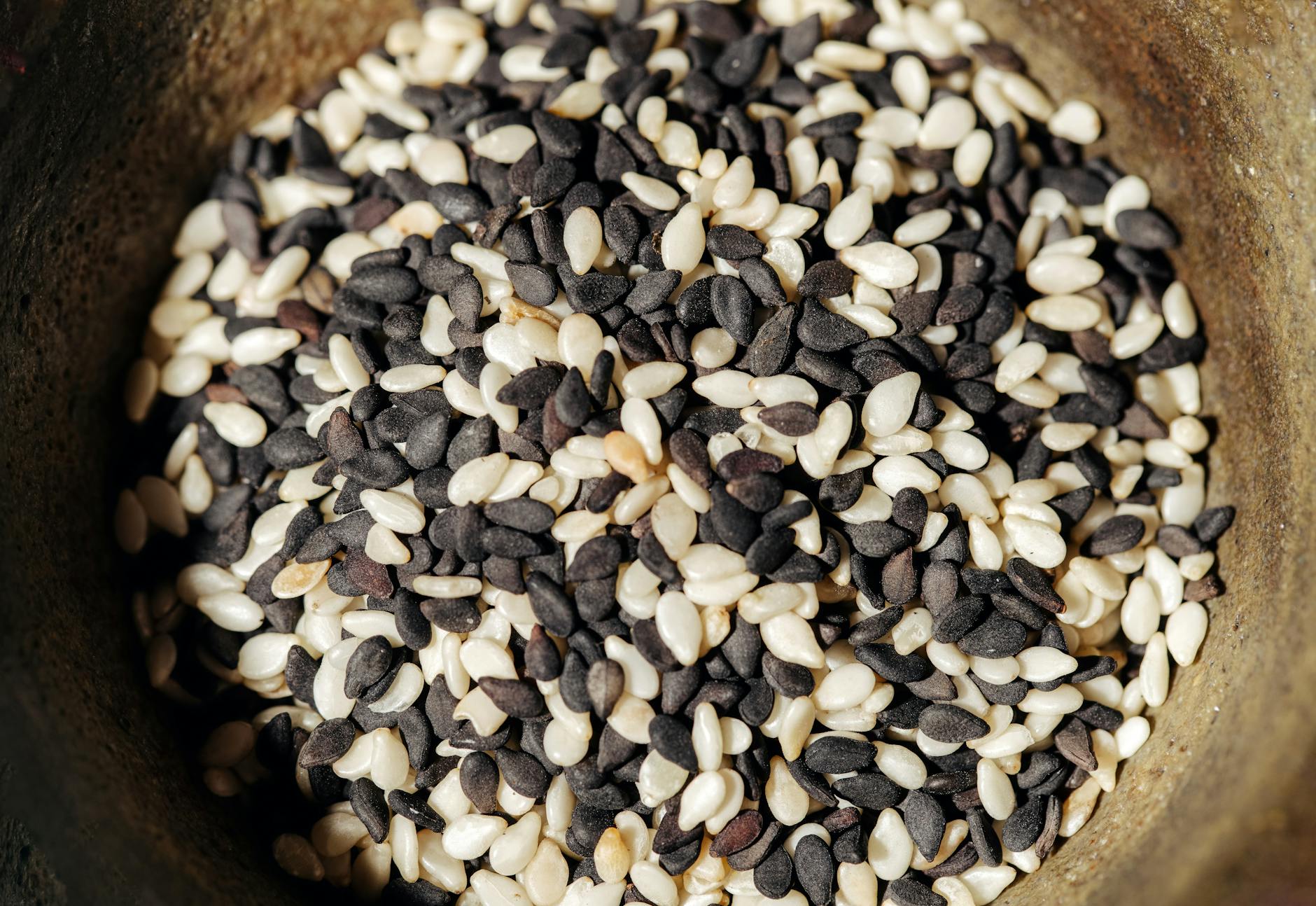
Sesame seeds contain lignans including sesamin and sesamolin, which contribute to their classification as a food with estrogen-mimicking potential. These small seeds are used extensively in Middle Eastern, Asian, and Mediterranean cuisines in both whole and paste form. Sesame oil and tahini, a paste made from ground sesame seeds, also retain measurable levels of these phytoestrogen compounds. Research suggests that the lignan content in sesame seeds may interact with estrogen metabolism pathways in the body.
Chickpeas
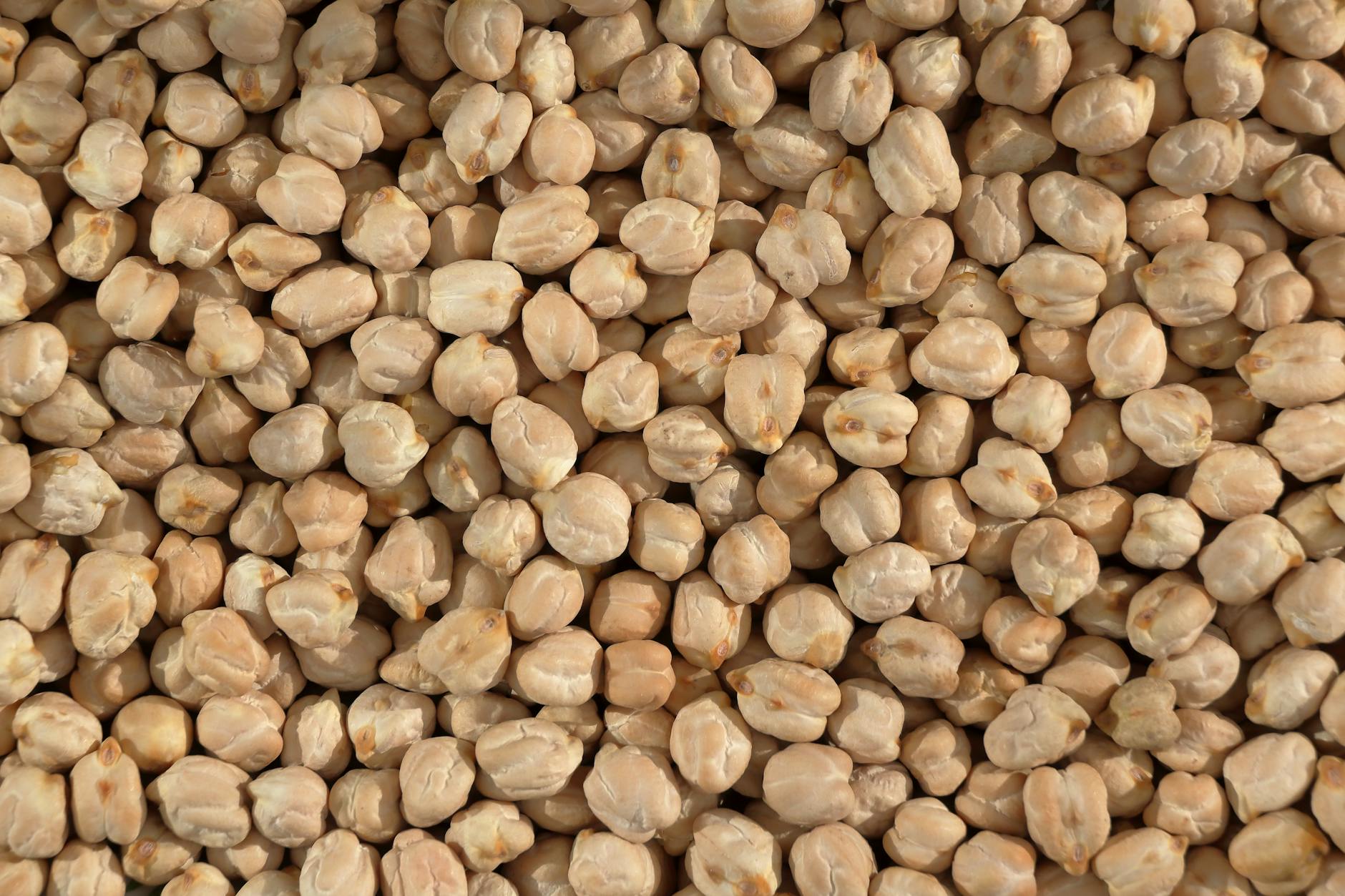
Chickpeas contain a variety of phytoestrogens including isoflavones and coumestans, placing them among the legumes most associated with estrogen-mimicking activity. They are a staple food in Middle Eastern, South Asian, and Mediterranean diets and are consumed in forms ranging from whole cooked beans to hummus and flour. The phytoestrogen content of chickpeas can vary depending on how they are prepared and whether they are canned or dried and cooked from scratch. Chickpeas have been studied in relation to menopausal symptom management due to their estrogen receptor binding activity.
Lentils
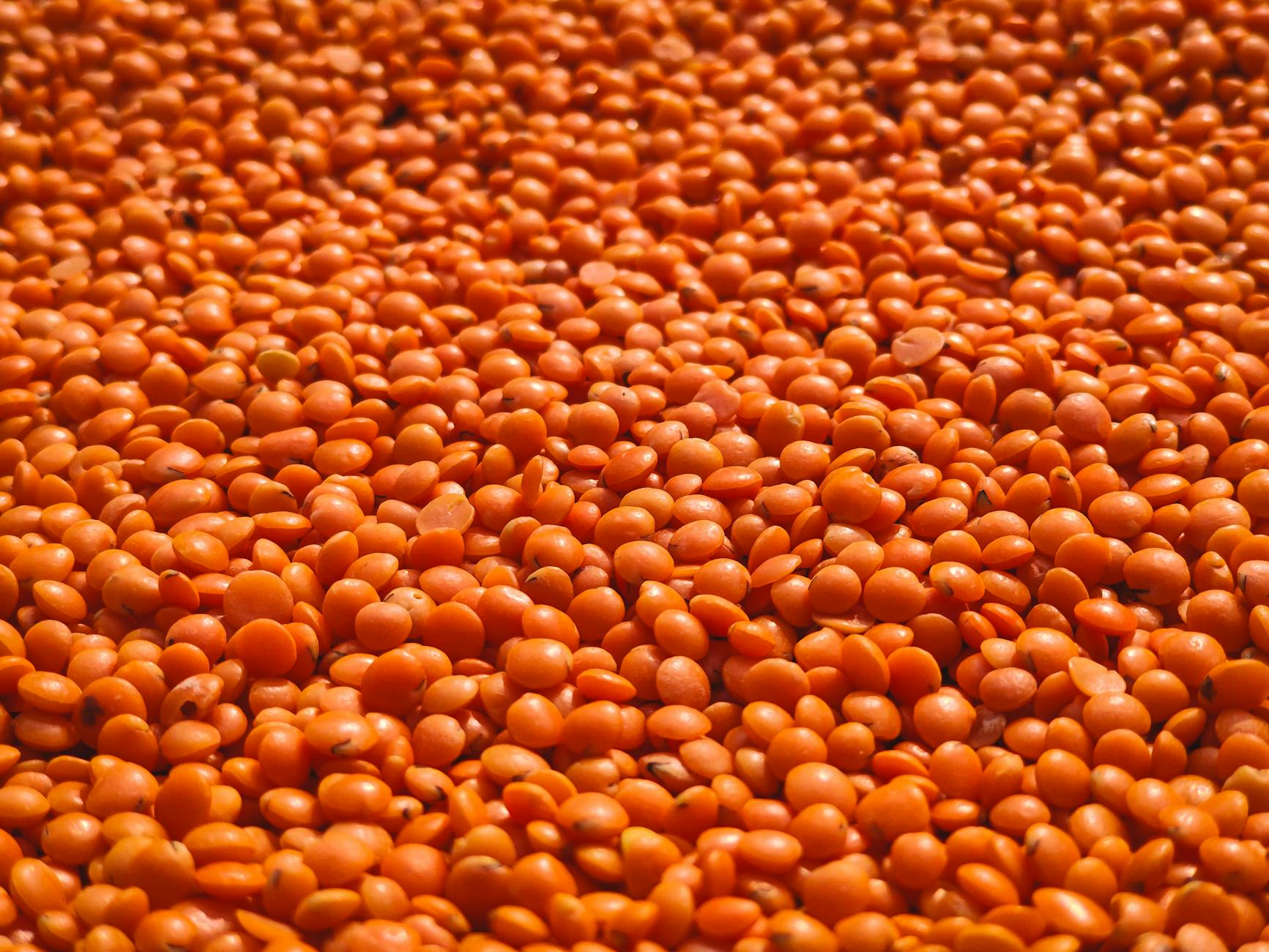
Lentils are a widely consumed legume that contains isoflavones and other phytoestrogen compounds at levels that nutritional researchers consider meaningful. They are a dietary staple in Indian, Middle Eastern, and European cuisines and are available in multiple varieties including red, green, black, and French lentils. Unlike soybeans, lentils have received less individual research attention despite their phytoestrogen presence. Their relatively high consumption in global diets makes them a relevant food to consider when evaluating overall dietary estrogen-mimicking compound intake.
Alfalfa Sprouts
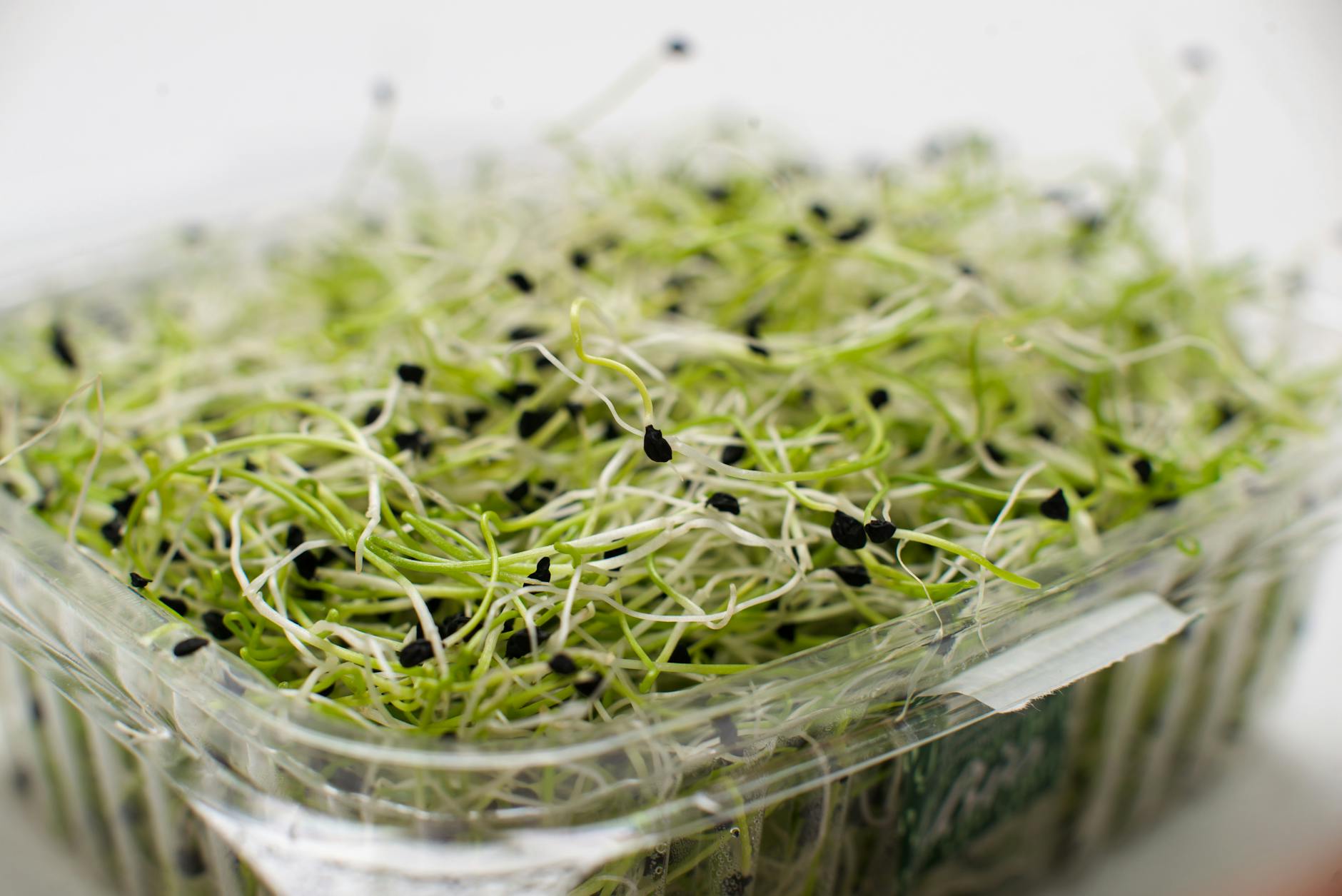
Alfalfa sprouts contain coumestrol, a coumestan compound with among the highest estrogenic potency of any naturally occurring phytoestrogen identified in food plants. Even in small servings, alfalfa sprouts deliver a concentrated dose of coumestrol relative to their calorie content. They are commonly added to sandwiches, salads, and wraps as a fresh crunchy topping. Scientists have noted that coumestrol binds more strongly to estrogen receptors than many other phytoestrogens found in commonly consumed foods.
Mung Bean Sprouts
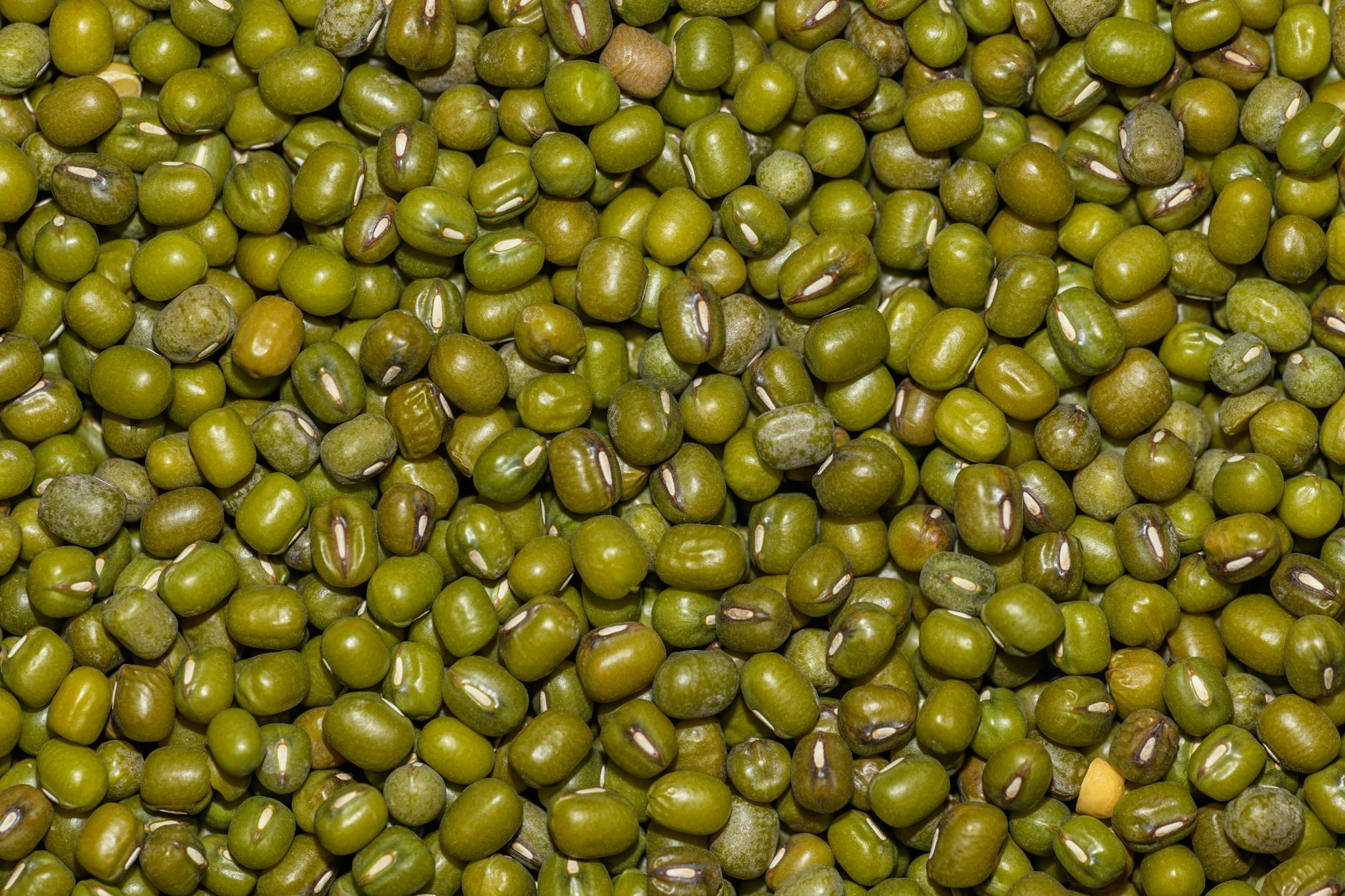
Mung bean sprouts contain coumestrol and other phytoestrogens, particularly when the beans are in their sprouted state rather than dried or cooked. The sprouting process activates and increases the bioavailability of various plant compounds including those with estrogenic activity. Mung bean sprouts are widely used in Asian cuisines, particularly in Chinese, Vietnamese, and Korean dishes. They are typically consumed raw or lightly stir-fried, preserving more of their phytoestrogen content than methods involving prolonged heat exposure.
Red Clover Sprouts

Red clover sprouts contain high concentrations of isoflavones including formononetin and biochanin A, two compounds that convert into active phytoestrogens during digestion. Red clover is more commonly encountered as a herbal supplement than as a food, but its sprouts are consumed in some health-conscious dietary circles. The isoflavone content of red clover has made it the focus of clinical studies examining its potential use in managing symptoms related to hormonal fluctuation. The estrogenic potency of red clover sprouts is considered comparatively high among plant-based food sources.
Oats
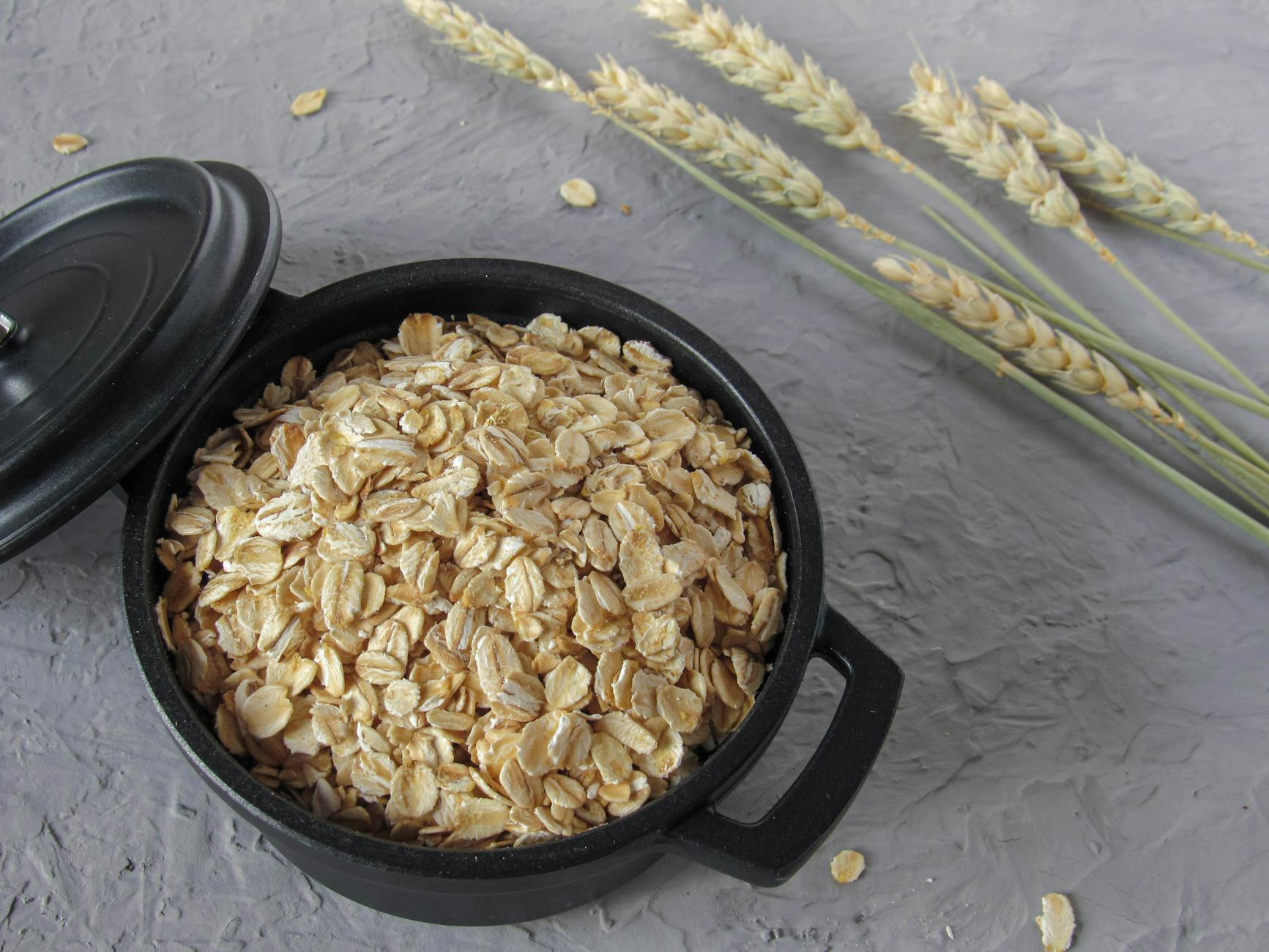
Oats contain lignans that contribute to their standing as a whole grain with measurable phytoestrogen activity. The lignan content in oats is lower than that found in flaxseeds but is considered nutritionally significant given how frequently oats are consumed as a daily breakfast food. Processing oats into rolled or instant formats does not eliminate their lignan content, though it may affect bioavailability to some degree. Oats also provide fiber that supports the gut bacteria responsible for converting plant lignans into their active estrogen-mimicking metabolites.
Barley
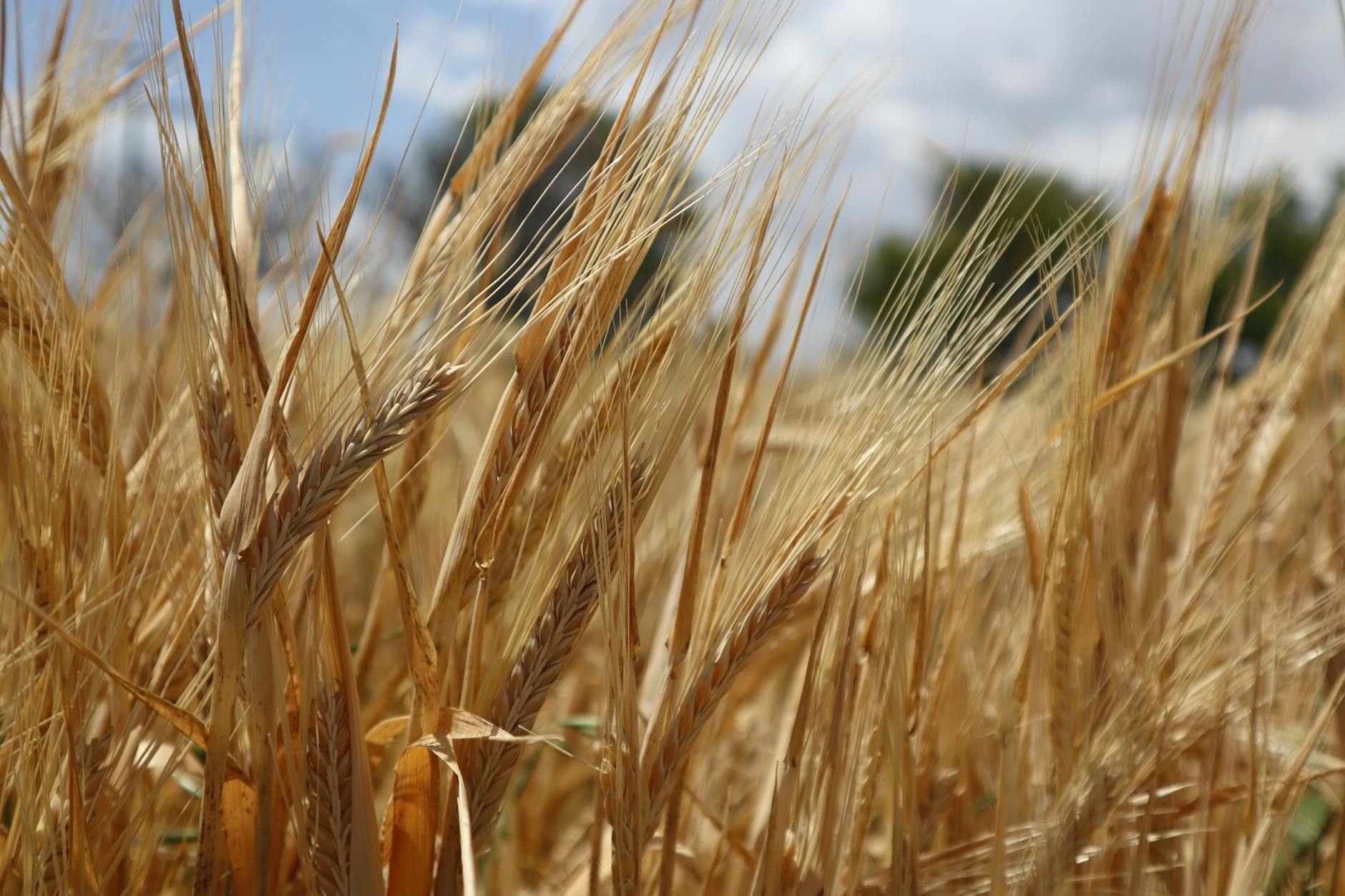
Barley is a whole grain that contains plant lignans as well as other phytochemicals associated with mild estrogenic activity. It is consumed as a whole grain side dish, in soups and stews, and as a base for malted beverages. Barley malt, used in brewing and baking, retains some of the lignan compounds present in the original grain. The phytoestrogen content of barley contributes to research interest in whole grain diets and their relationship to hormonal health markers.
Wheat Bran

Wheat bran is the outer layer of the wheat kernel and contains concentrated amounts of plant lignans that are largely absent from refined white flour. When wheat is milled into white flour, the bran is removed along with the majority of its phytoestrogen-related compounds. Whole wheat products retain more lignans than their refined counterparts, making bran-rich choices nutritionally distinct in this regard. Wheat bran is commonly consumed as a breakfast cereal ingredient, a baking addition, or a fiber supplement.
Dried Apricots
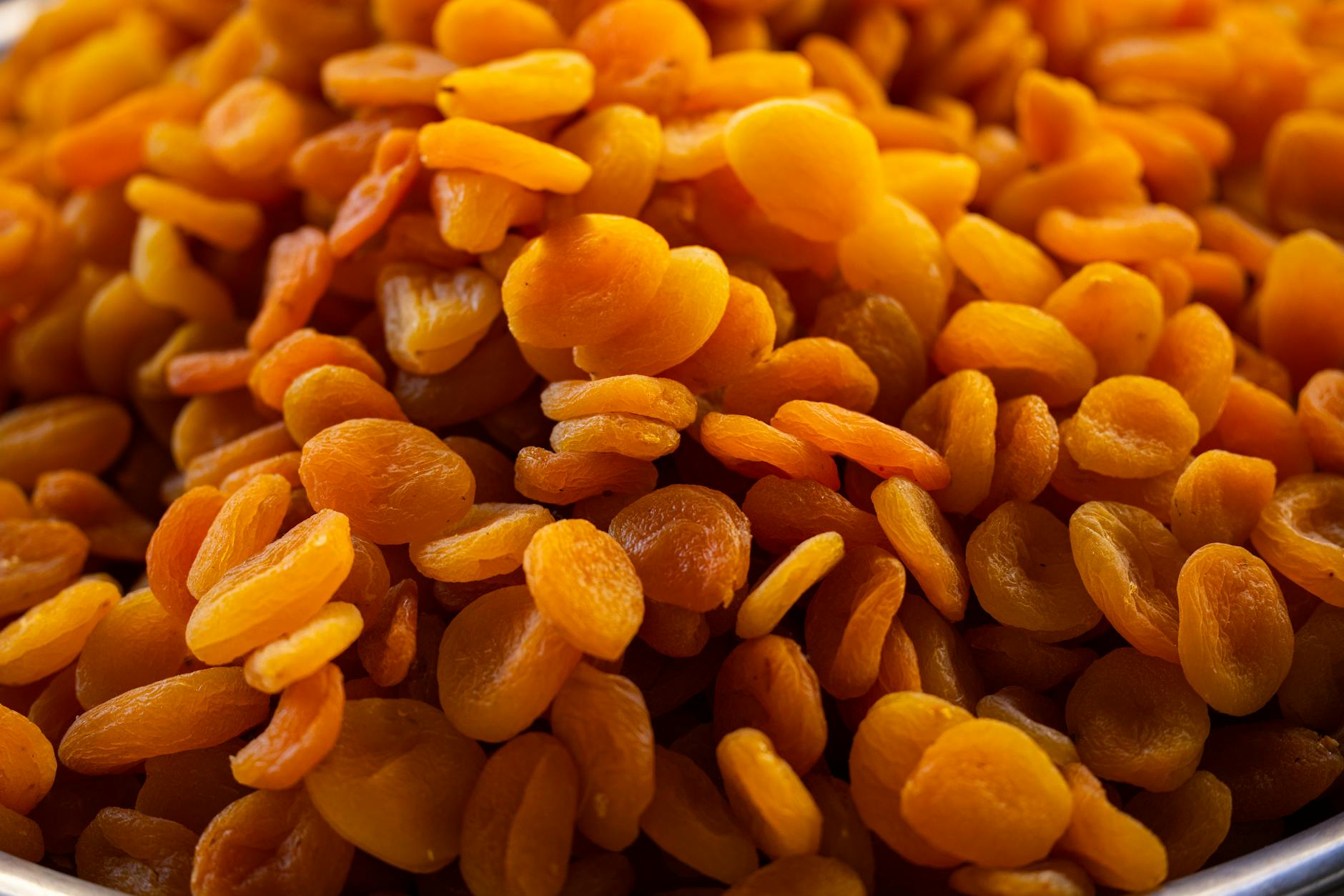
Dried apricots contain phytoestrogens in concentrations considerably higher than their fresh counterparts due to the removal of water during the drying process. The dehydration process naturally concentrates all compounds present in the fruit, including those with estrogen-mimicking activity. Dried apricots are widely consumed as a snack, a culinary ingredient in tagines and rice dishes, and as a component of trail mixes. Among dried fruits, apricots have been identified as having particularly notable phytoestrogen levels in nutritional analyses.
Dates
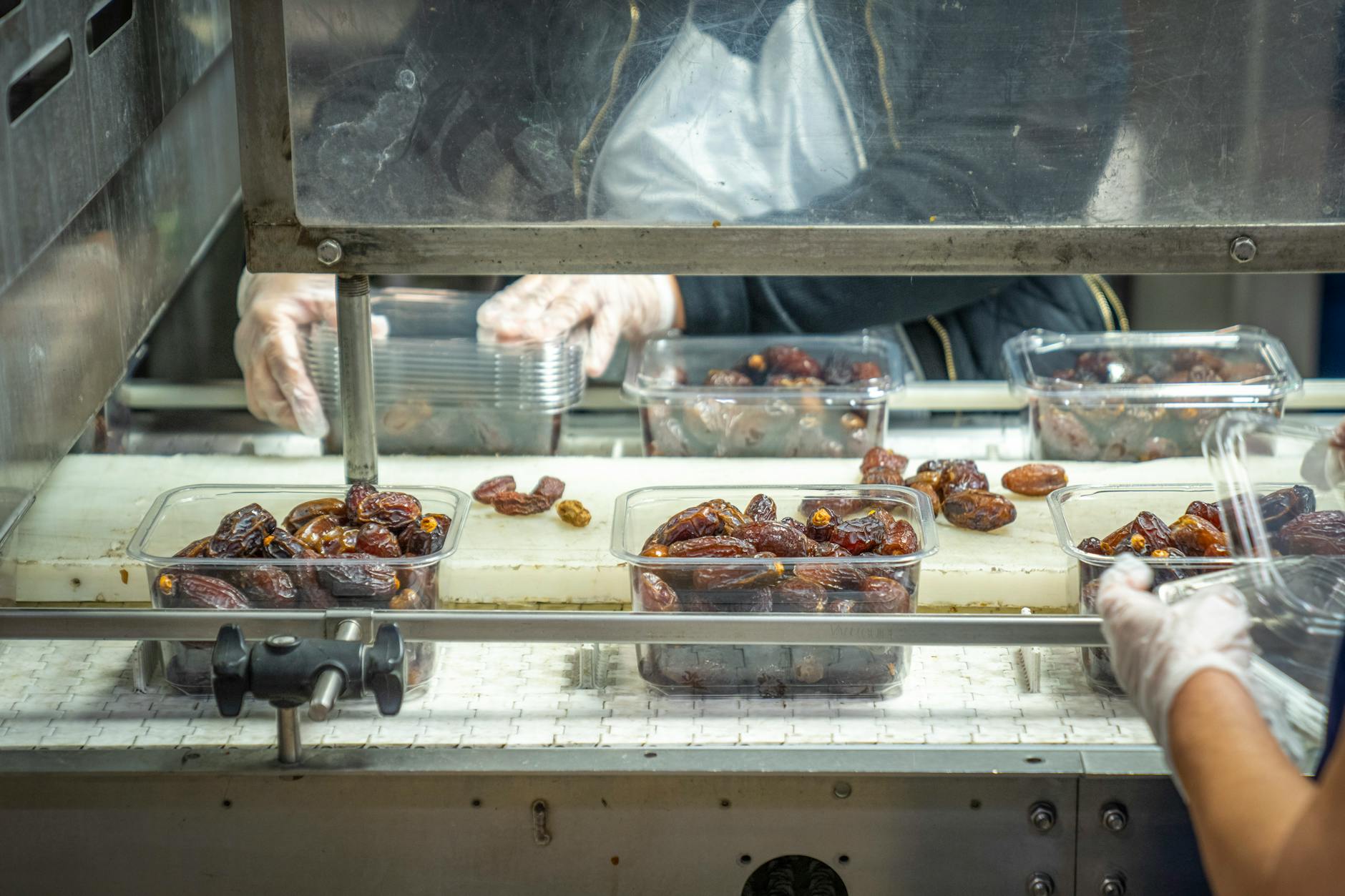
Dates are a dense, sweet fruit grown primarily in the Middle East and North Africa that contain phytoestrogens alongside their well-known concentration of natural sugars and fiber. Research into the phytoestrogen content of dates has grown in recent years as their global consumption has increased. Dates are used fresh or dried in confections, smoothies, sauces, and as natural sweeteners in health food products. Their phytoestrogen content is one of several biologically active compound groups under investigation by nutritional scientists studying the fruit.
Prunes
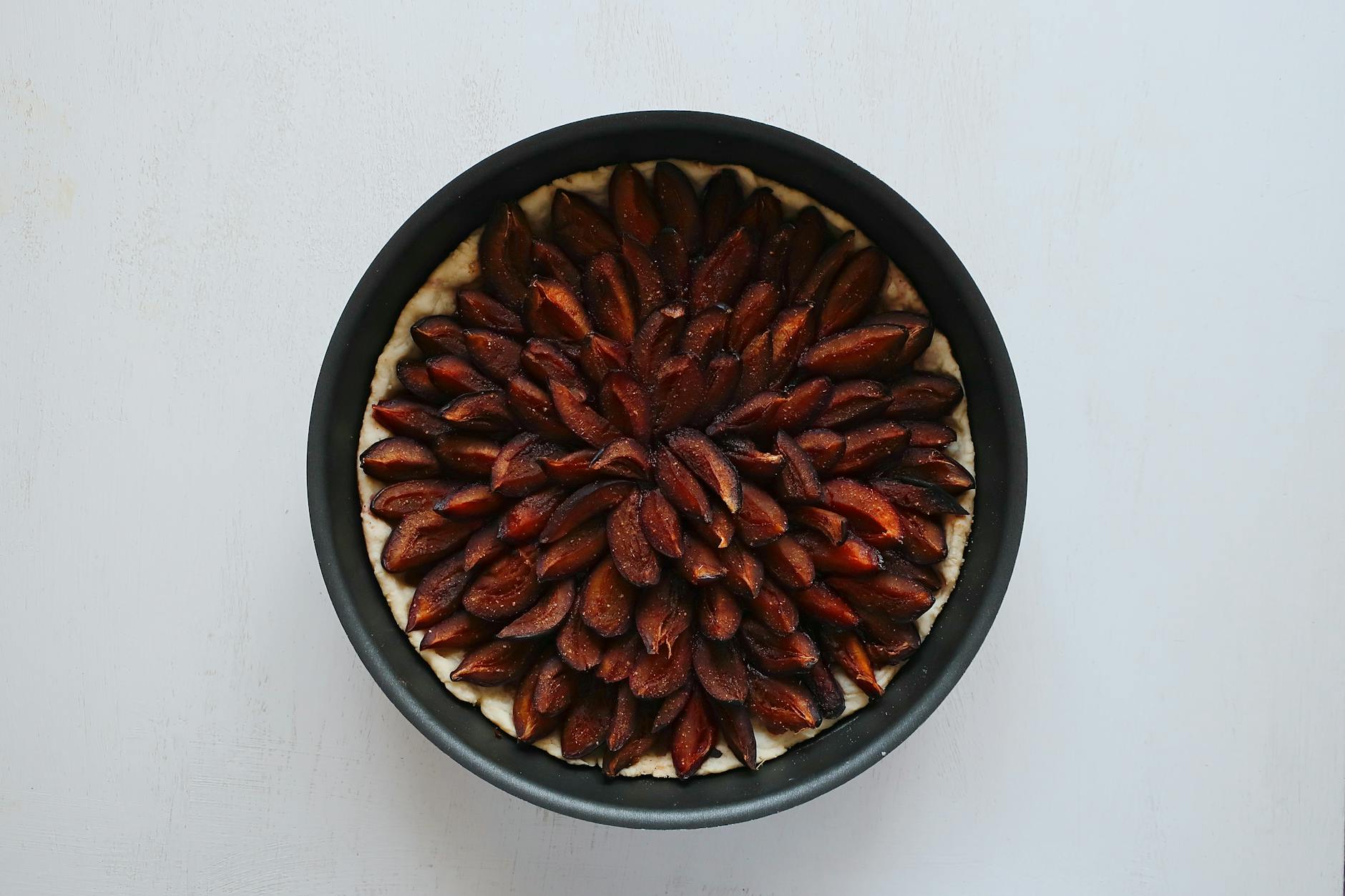
Prunes are dried plums that contain measurable amounts of phytoestrogens, particularly lignans, in addition to their well-documented fiber and sorbitol content. Like other dried fruits, the drying process increases the concentration of all plant compounds including those with estrogenic properties. Prunes are commonly consumed for digestive health and are a traditional remedy in many cultures for constipation. Their phytoestrogen content is an additional area of nutritional interest that has emerged in the context of bone health and hormonal research.
Peaches
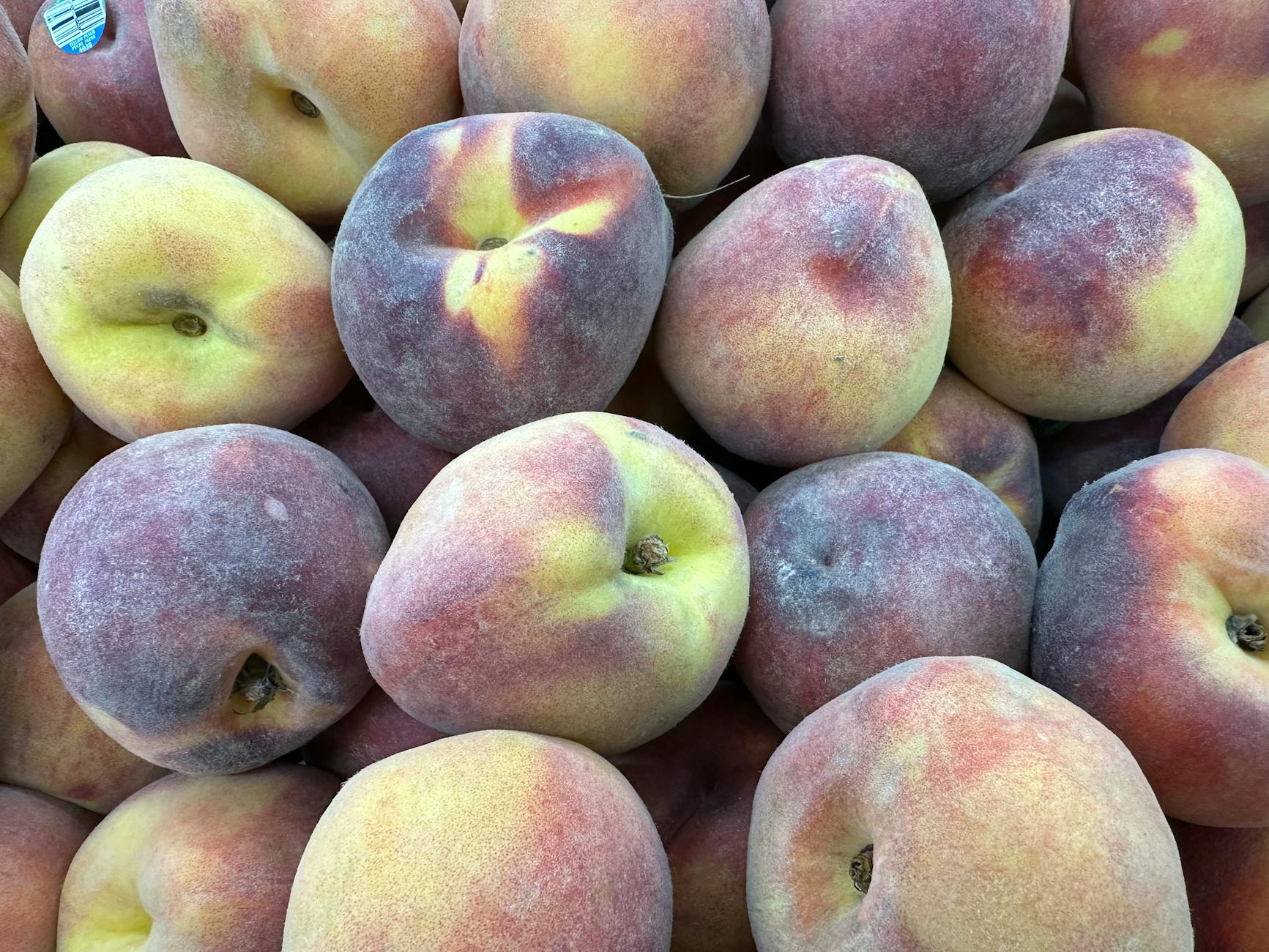
Peaches contain phytoestrogens including lignans and flavonoids that contribute to their classification as an estrogen-active fruit. Both fresh and canned peaches have been analyzed for their phytoestrogen content, with canned versions presenting an additional concern related to BPA exposure from certain types of can linings. The skin of the peach contains a higher concentration of these compounds than the flesh. Peaches are consumed fresh, dried, juiced, and preserved and are among the more commonly eaten tree fruits in temperate climates worldwide.
Apples
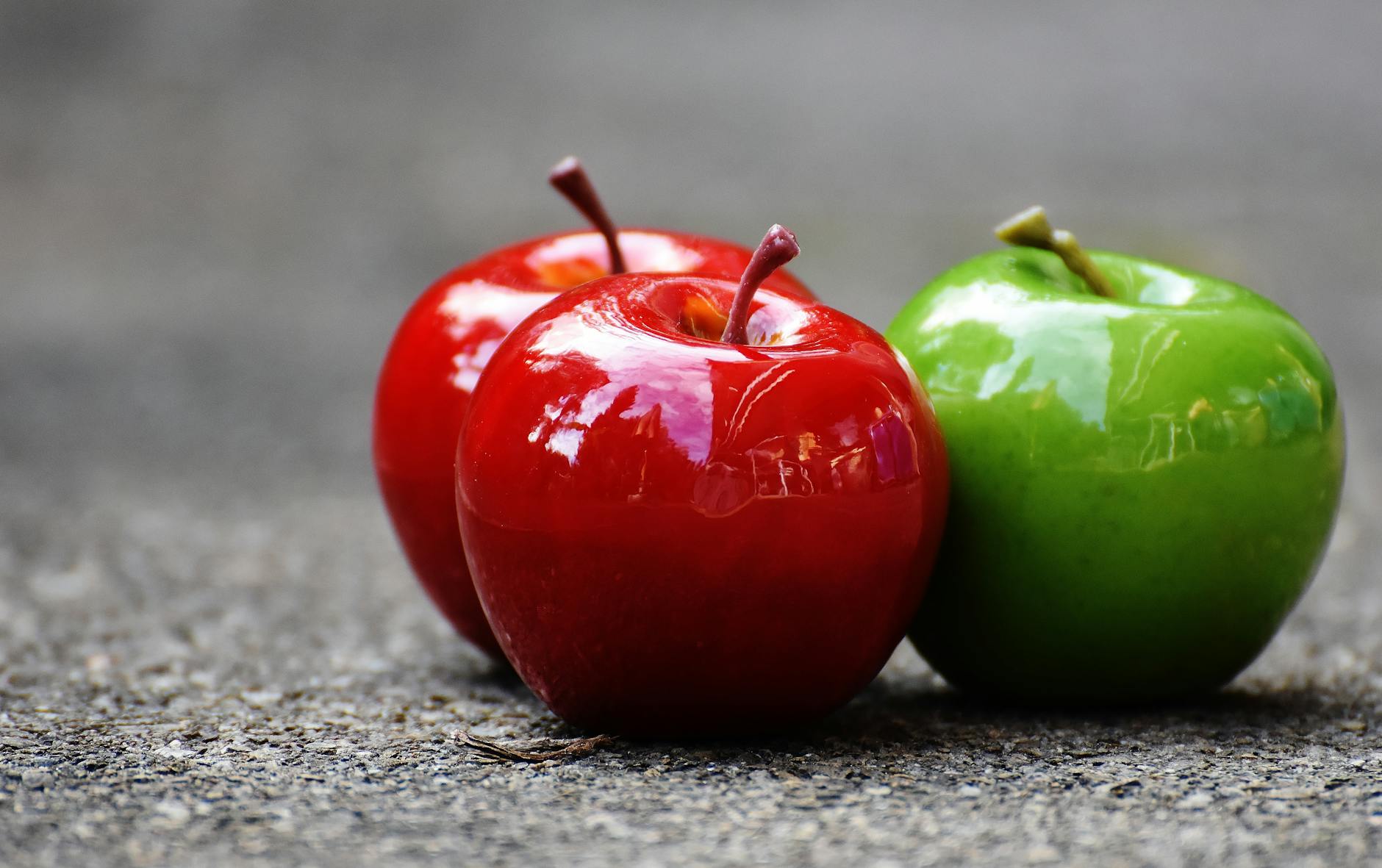
Apples contain phytoestrogens including quercetin and other flavonoids that have demonstrated the ability to interact with estrogen receptors in laboratory studies. The skin of the apple holds the highest concentration of these bioactive compounds, making whole unpeeled apples nutritionally distinct from peeled fruit. Apples are among the most widely consumed fruits globally and appear frequently in processed forms including juice, sauce, cider, and dried snacks. The quercetin and flavonoid content of apples is one reason they appear in nutritional research examining plant compounds with hormonal relevance.
Strawberries
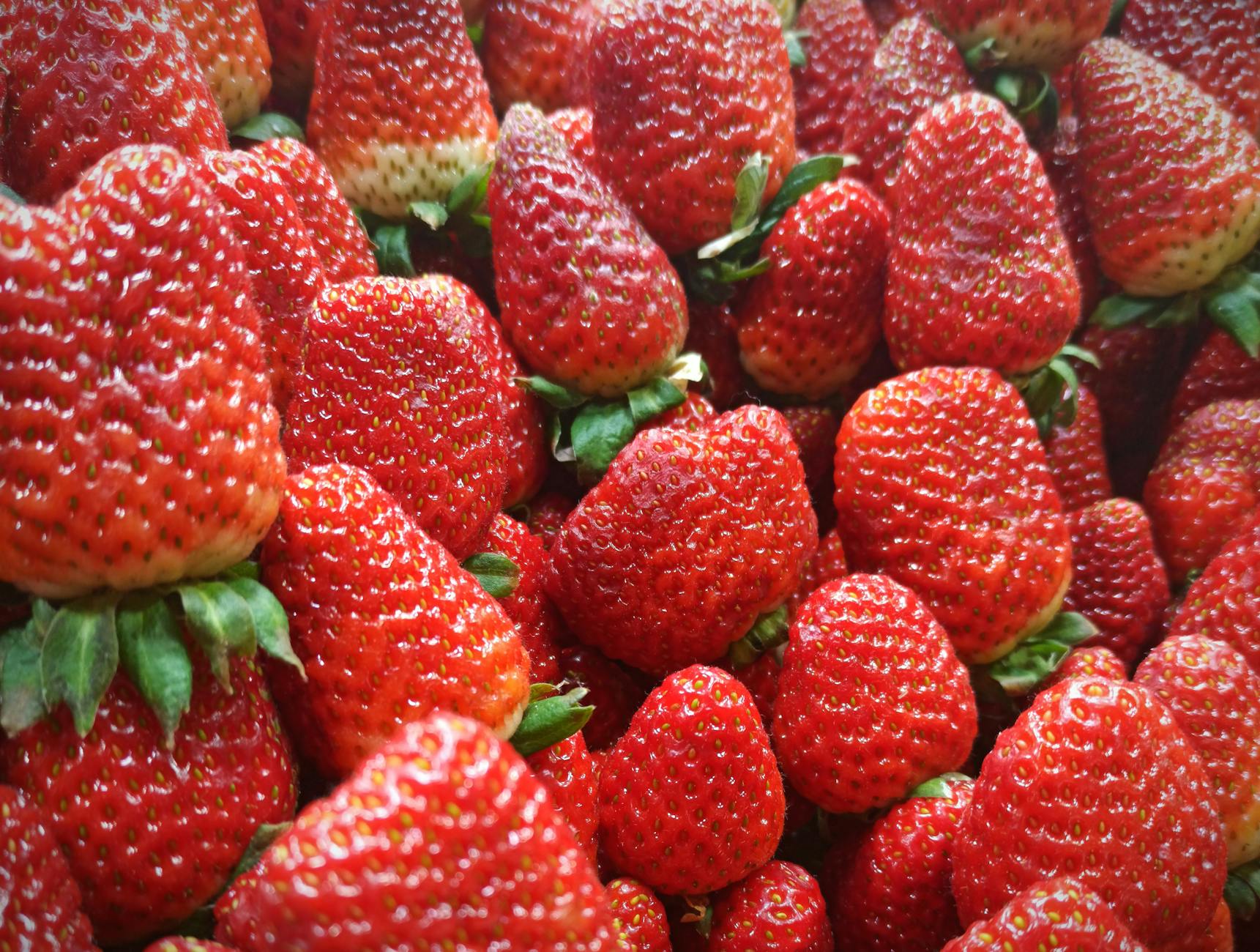
Strawberries contain phytoestrogens including quercetin, kaempferol, and other flavonoids with estrogen receptor binding capabilities. Fresh strawberries deliver these compounds in their most bioavailable form, while processed strawberry products such as jams and juices retain varying levels depending on preparation methods. Strawberries are also frequently grown with pesticide applications that can introduce synthetic xenoestrogenic residues onto the fruit’s surface, adding a second layer of estrogen-mimicking compound exposure. Washing strawberries thoroughly before consumption is a commonly recommended practice for reducing pesticide residue.
Raspberries
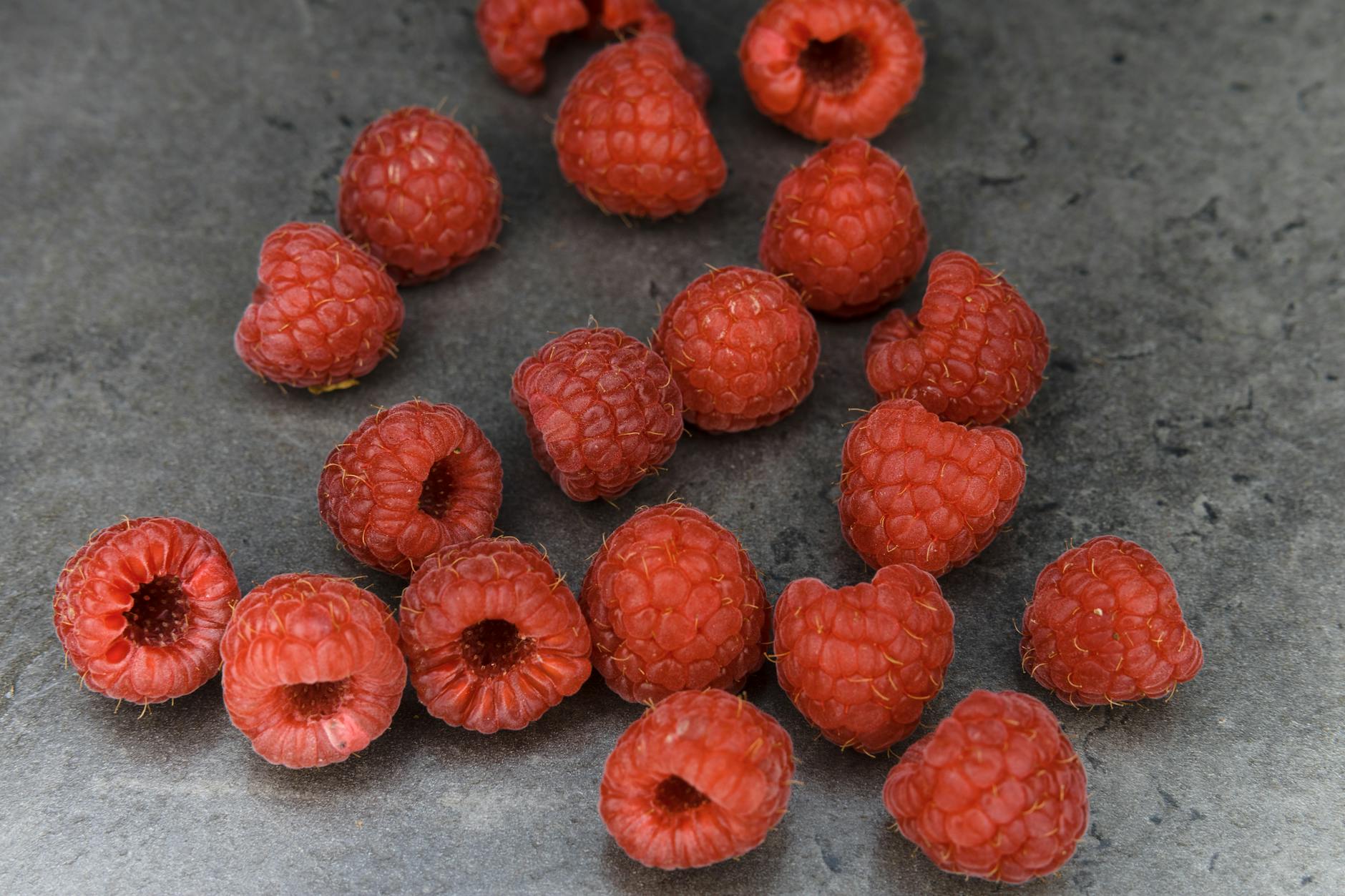
Raspberries are a berry rich in phytoestrogens including ellagitannins and flavonoids that have shown estrogen-mimicking properties in research settings. They contain relatively high levels of plant lignans for a berry and are often consumed raw, frozen, dried, or as jam. Raspberries appear on lists of fruits with the highest phytoestrogen content per serving among commonly available fresh fruit options. Their combination of antioxidant activity and estrogenic compound content makes them a subject of interest in research on diet and hormonal balance.
Carrots
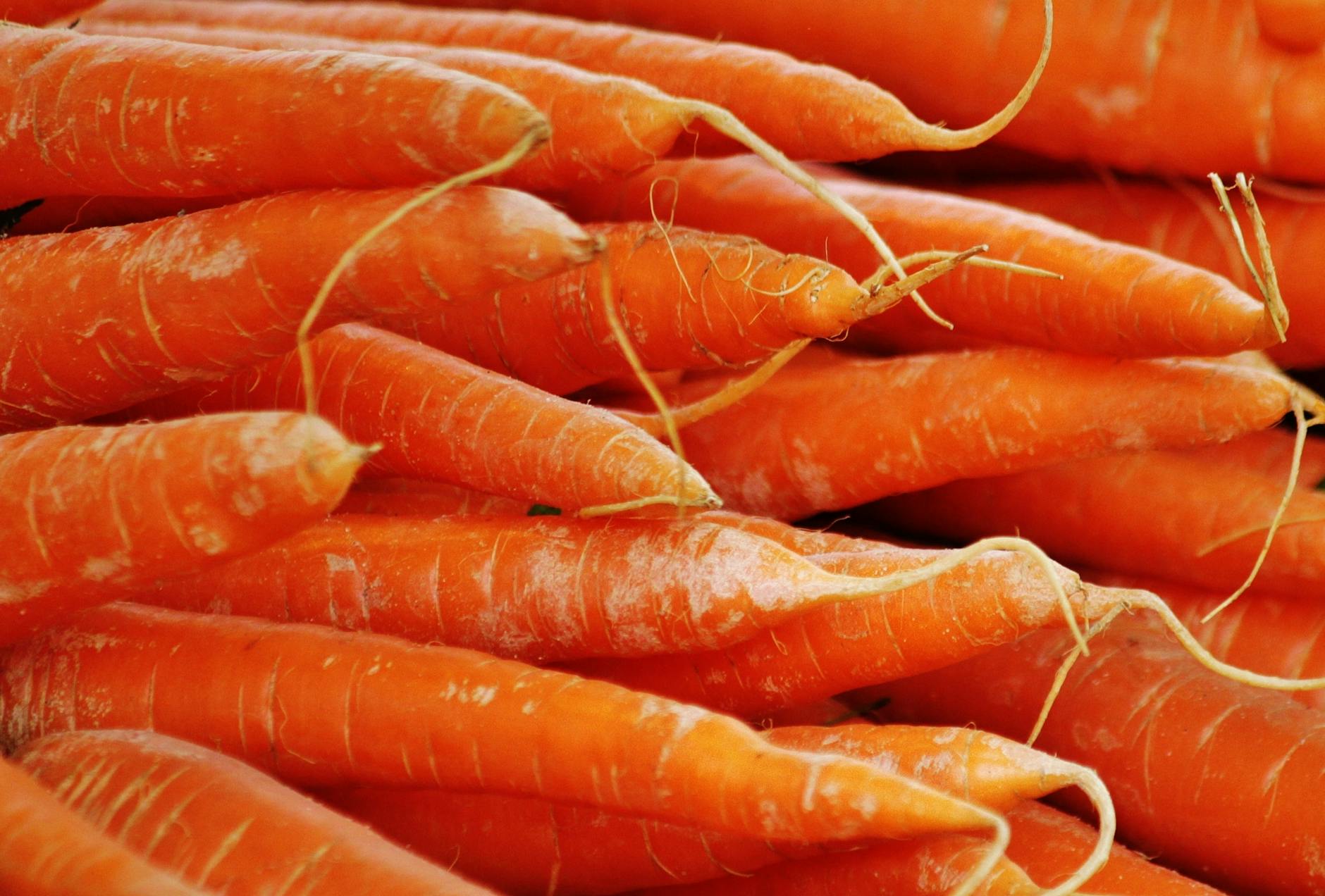
Carrots contain phytochemicals including carotenoids and plant lignans that place them among the vegetables studied for estrogen-mimicking activity. Raw carrots have received particular attention in some nutritional research for their potential role in binding to excess estrogen in the digestive tract, creating a more complex picture than simple estrogenic promotion. They are one of the most consumed root vegetables globally and are eaten raw, cooked, juiced, and in processed forms. The fiber content of carrots also supports gut bacteria that metabolize phytoestrogen precursors into active compounds.
Peas
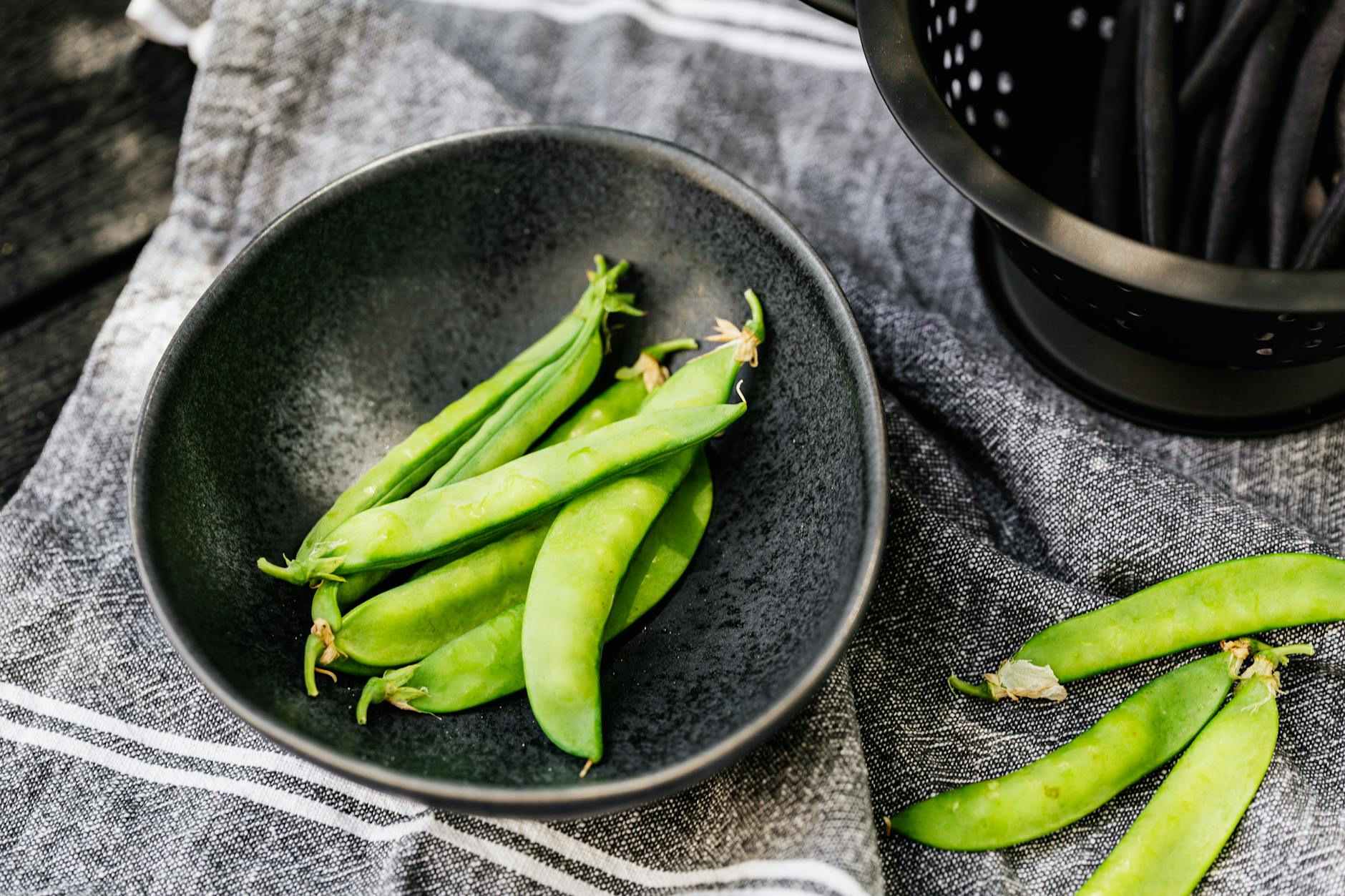
Green peas contain coumestans and isoflavones at levels that qualify them as a phytoestrogen-containing vegetable worth noting in dietary assessments. They are commonly consumed fresh, frozen, canned, and split-dried in a wide range of culinary applications from soups to curries to side dishes. Split peas in particular have a concentrated nutritional profile due to their dried form, which increases the density of all plant compounds including phytoestrogens. Peas belong to the legume family, which as a broader category is among the plant groups most consistently associated with phytoestrogen content.
Peanuts
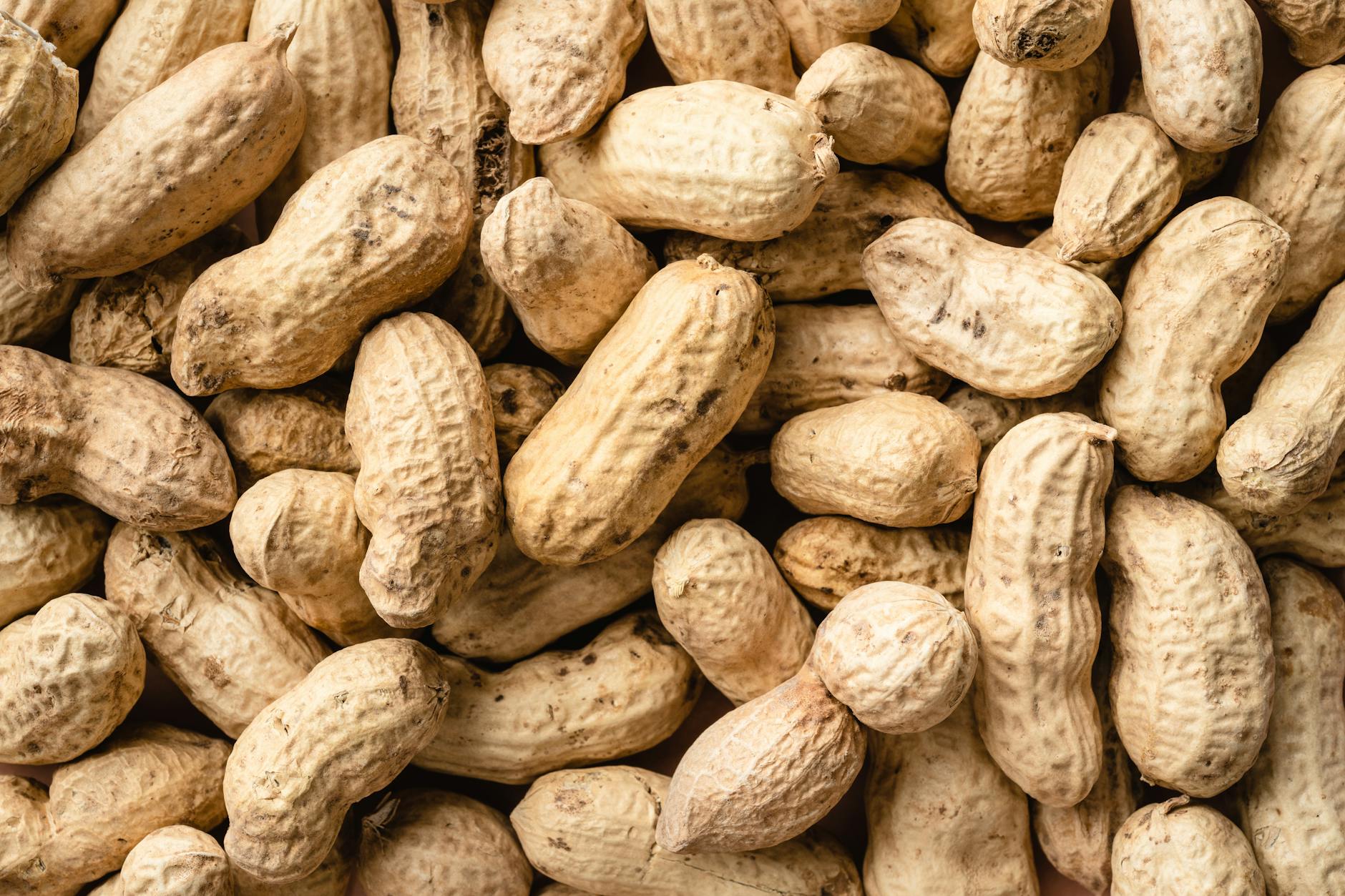
Peanuts are technically legumes rather than tree nuts and contain isoflavones and other phytoestrogens characteristic of the legume family. Peanut butter, a processed form that concentrates the properties of the nut, is among the most commonly consumed forms of peanut in Western diets. Commercially grown peanuts are also a crop frequently treated with pesticides including compounds classified as endocrine disruptors, adding synthetic estrogen-mimicking chemicals to their natural phytoestrogen content. Research into peanut consumption and hormonal effects reflects both their intrinsic phytoestrogen content and their potential for xenoestrogen contamination.
Sunflower Seeds
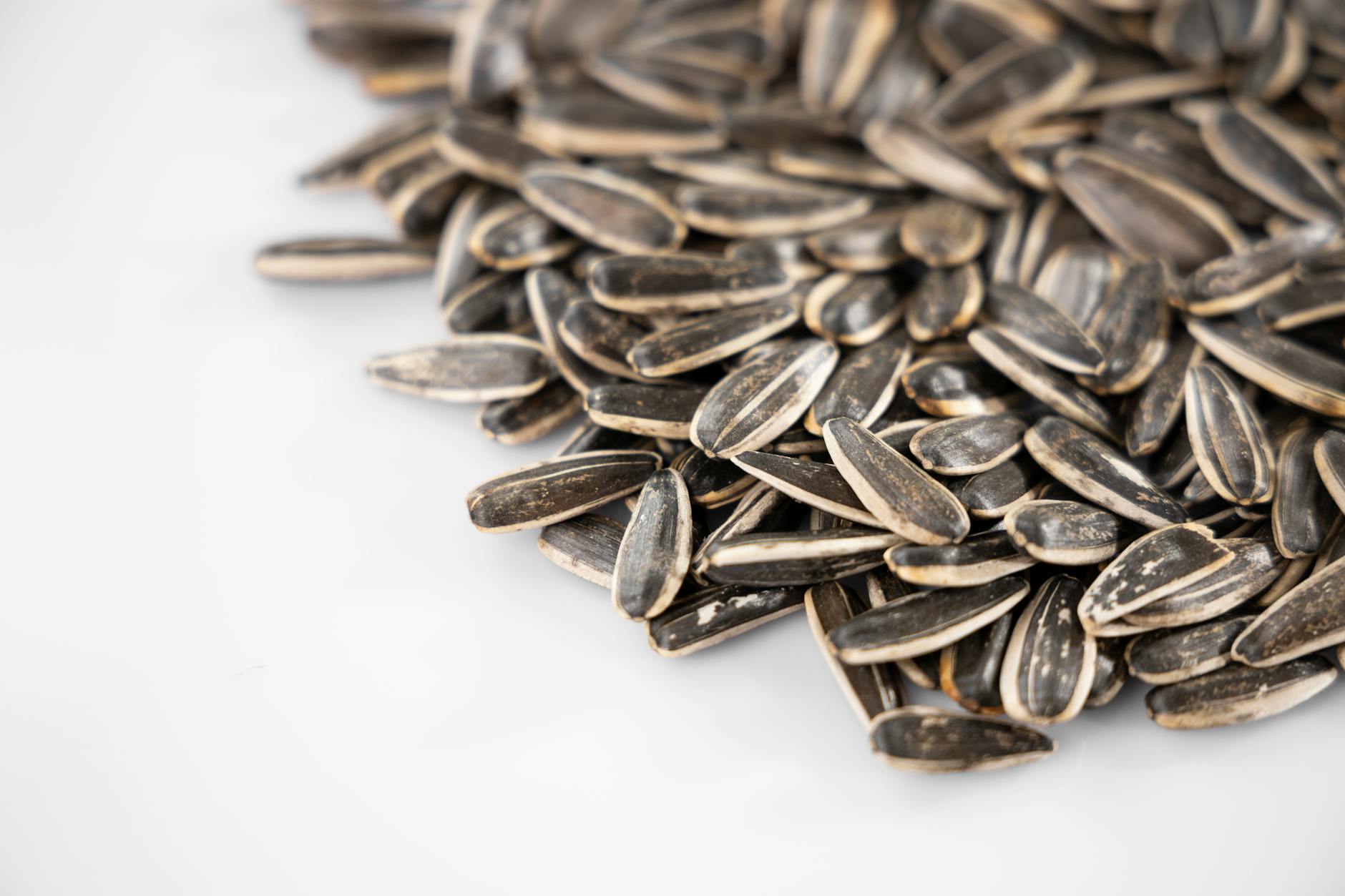
Sunflower seeds contain plant lignans that contribute to their classification as a food with mild phytoestrogen activity. They are consumed raw, roasted, and as sunflower seed butter and are a popular ingredient in breads, salads, trail mixes, and health food products. Sunflower oil, pressed from the seeds, retains some of the phytoactive compounds present in the whole seed. The lignan content of sunflower seeds is lower than that of flaxseeds but is considered relevant in diets where they are consumed frequently or in large quantities.
Pistachios
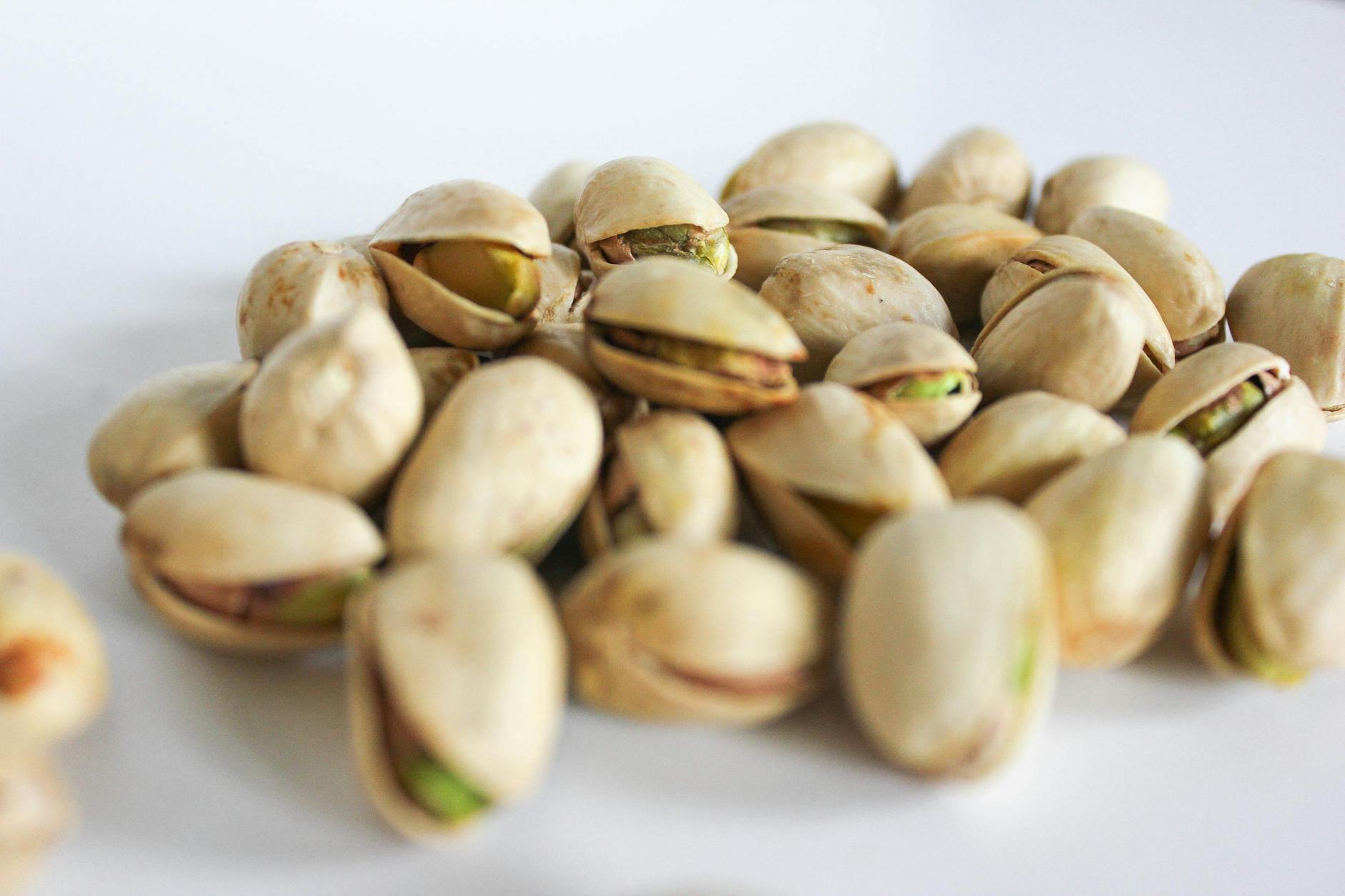
Pistachios contain phytoestrogens including isoflavones and have been the focus of research examining their hormonal effects in postmenopausal women. Among tree nuts, pistachios rank among the higher sources of phytoestrogens, particularly compared to almonds and cashews. They are consumed as a snack, used in Middle Eastern and Mediterranean confections, and increasingly featured in plant-based ice creams and dairy alternatives. The combination of phytoestrogens, healthy fats, and antioxidants in pistachios makes them a nutritionally complex food from a hormonal research perspective.
Walnuts
Walnuts contain plant lignans and phytosterols that contribute to their association with mild estrogen-mimicking activity. They are widely recognized for their omega-3 fatty acid content and their cardiovascular benefits, with their phytoestrogen properties receiving comparatively less public attention. Walnuts are consumed as a snack, added to salads and baked goods, and pressed into walnut oil used in culinary applications. Research into walnut consumption has examined their polyphenol content broadly, with lignan-related estrogenic activity forming one component of this broader nutritional interest.
Garlic
Garlic contains phytoestrogens including quercetin and other flavonoids that have demonstrated the ability to interact with estrogen receptors in scientific studies. It is one of the most universally used flavor ingredients across global cuisines and is consumed raw, cooked, powdered, and in supplement form. The bioactive compounds in garlic are found in higher concentrations in raw garlic than in garlic cooked at high temperatures for extended periods. Beyond its phytoestrogen content, garlic is also studied for its antimicrobial, cardiovascular, and anti-inflammatory properties.
Fennel
Fennel contains anethole, a compound that has been identified as a phytoestrogen with the ability to mimic estrogenic activity in the body. Both the fennel bulb and its seeds contain this compound, making the entire plant relevant from a phytoestrogen standpoint. Fennel seeds are commonly used as a spice in Italian sausage, Indian cooking, and digestive teas, while the bulb is eaten raw in salads or roasted as a vegetable. The estrogenic properties of fennel have been studied in the context of traditional herbal medicine where it has historically been used to address menstrual and lactation-related concerns.
Canned Tomatoes
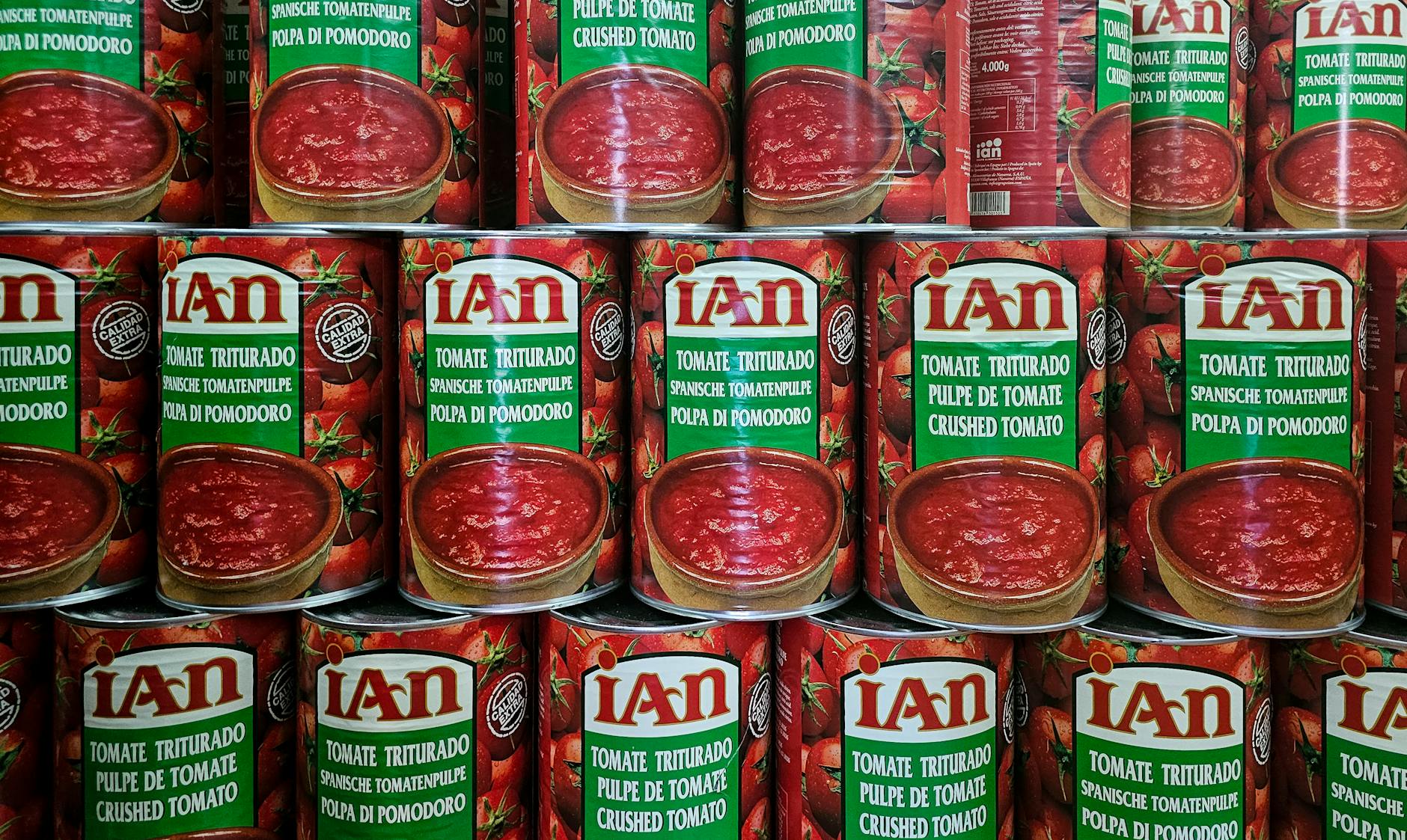
Canned tomatoes are associated with xenoestrogen exposure due to the widespread historical use of bisphenol A in the epoxy resin lining of metal cans. BPA is a synthetic chemical classified as an endocrine disruptor capable of mimicking estrogen in the body. The acidity of tomatoes is believed to accelerate the leaching of BPA from can linings into the food product itself, making canned tomatoes a particularly high-exposure concern relative to other canned goods. Many manufacturers have transitioned away from BPA-lined cans, though replacement compounds such as BPS have also raised concerns among researchers studying xenoestrogen exposure.
Dairy Milk
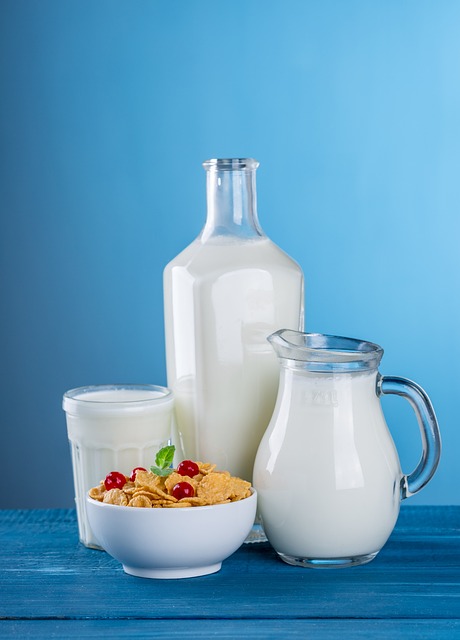
Conventional dairy milk contains naturally occurring estrogens produced by cows, particularly when cows are milked during pregnancy when estrogen levels are significantly elevated. The estrogens present in cow’s milk include estrone and other steroid hormones that pass into the milk and survive pasteurization. Research examining the relationship between dairy consumption and circulating estrogen levels in humans has produced results that continue to be debated within the scientific community. Organic and grass-fed dairy products may present different hormonal profiles than conventionally produced milk, though estrogen presence remains inherent to any form of dairy milk.
Coffee

Commercially grown coffee is among the crops most heavily treated with pesticides, many of which belong to chemical classes identified as endocrine disruptors with xenoestrogenic properties. Pesticide residues on non-organic coffee beans can include compounds that survive the roasting process and appear in brewed coffee. The coffee plant itself also contains small amounts of phytoestrogens including lignans, contributing both natural and chemical estrogen-mimicking compounds to a single beverage. Choosing certified organic coffee is a commonly cited practice among those seeking to reduce dietary xenoestrogen exposure from beverages.
Beer

Beer is brewed using hops, the flowering cones of the Humulus lupulus plant, which contain 8-prenylnaringenin, a phytoestrogen considered among the most potent plant-derived estrogen-mimicking compounds identified to date. The use of hops as a bittering and flavoring agent in beer means that even modest beer consumption introduces this compound into the body. Research into 8-prenylnaringenin has examined its receptor binding affinity and found it to be significantly stronger than many other dietary phytoestrogens. The estrogenic activity attributed to hops has also been studied in the context of agricultural workers who harvest hops by hand.
Red Wine

Red wine contains phytoestrogens including resveratrol and quercetin, both of which have demonstrated the ability to bind to and activate estrogen receptors in laboratory research. Resveratrol in particular has attracted extensive scientific attention for its range of biological activities, with estrogenic receptor binding being one component of this research. Grapes, the raw material for red wine, contain these compounds in their skin and seeds, and the fermentation and maceration process extracts them into the finished wine. The phytoestrogen content of red wine varies by grape variety, wine region, and production method.
Wheat-Based Processed Foods
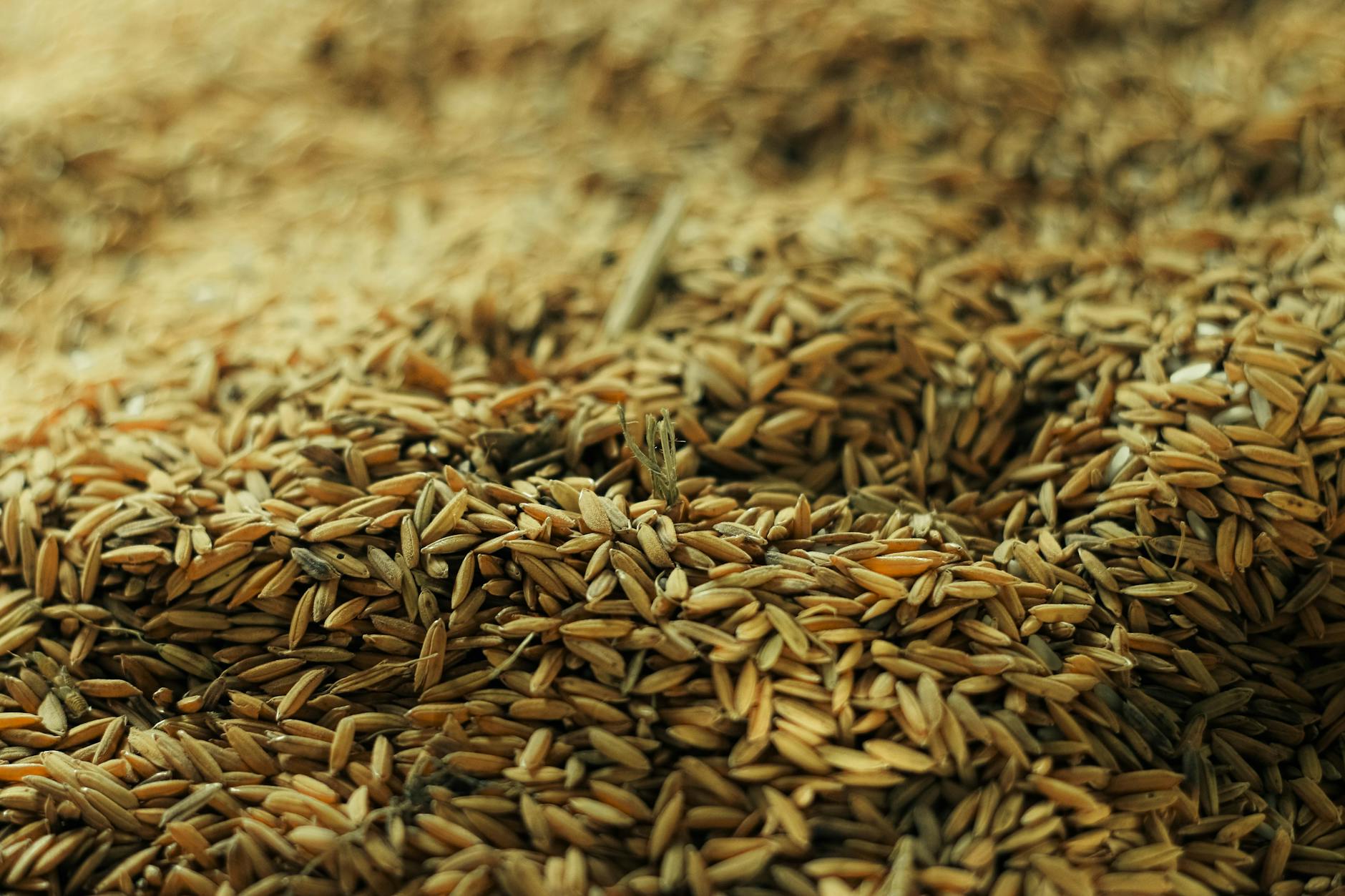
Processed wheat products including white bread, pastries, cereals, and pasta often contain residues from pesticide treatments applied to conventionally grown wheat crops. Glyphosate, a widely used herbicide applied to wheat and other grain crops, has been studied for its potential to disrupt endocrine function through mechanisms that may include estrogenic activity. Processing methods that strip the wheat of its bran also remove the fiber that supports healthy estrogen metabolism through the digestive system. The combination of pesticide residue and reduced fiber content makes refined wheat-based processed foods a dual source of estrogen-related dietary concern.
Conventionally Grown Strawberries Packaged in Plastic
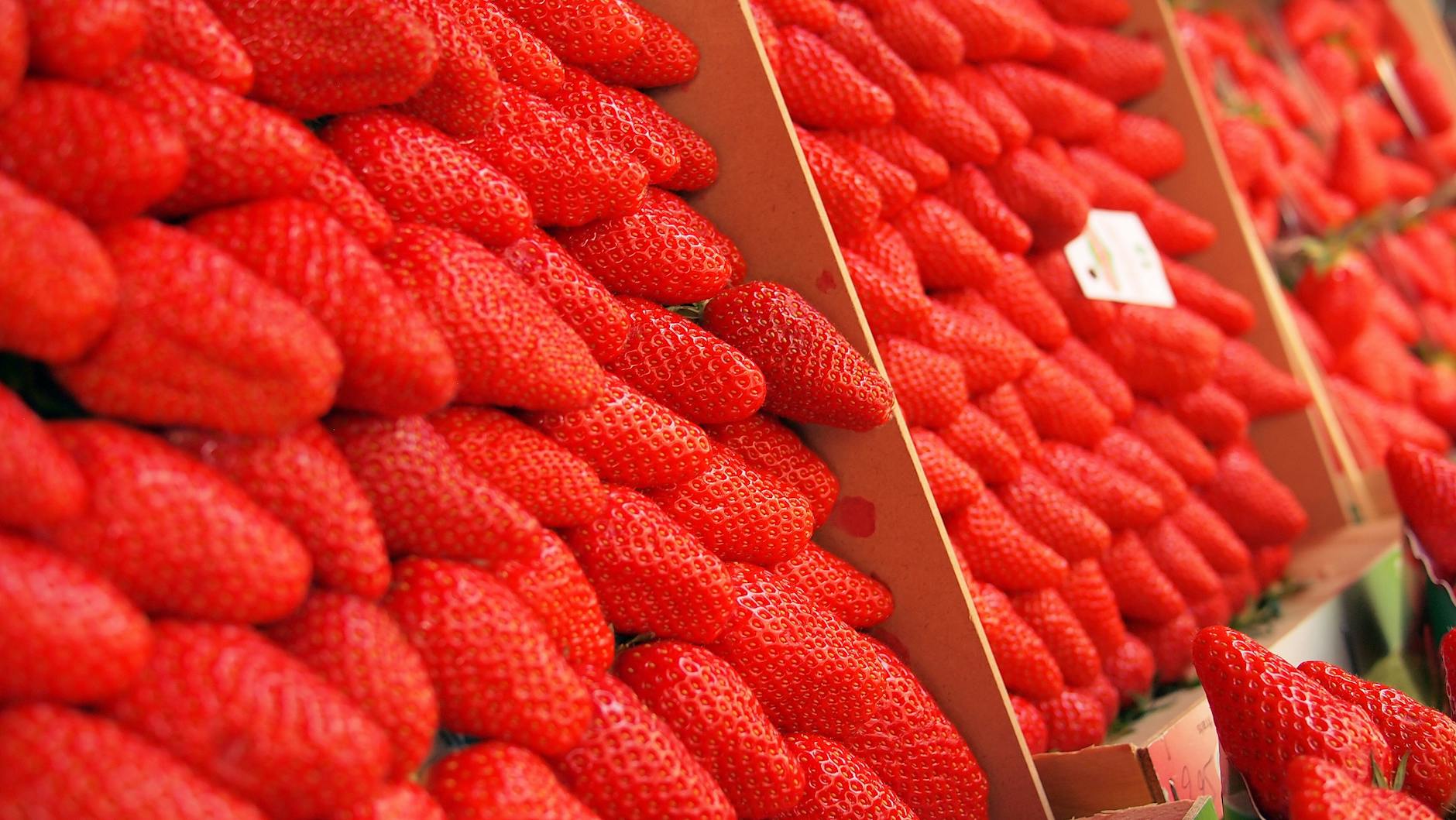
Conventionally grown strawberries packaged in plastic containers represent a dual source of estrogen-mimicking compound exposure through both pesticide residues on the fruit and xenoestrogens migrating from the packaging material. Plastic containers made with compounds such as phthalates and BPA can leach chemicals with estrogenic activity into food when exposed to temperature changes during transport and storage. Strawberries are among the fruits most frequently listed with high pesticide residue levels due to their thin skin and commercial growing practices. The combination of xenoestrogens from both agricultural chemicals and food packaging materials makes this a frequently cited example in discussions of dietary endocrine disruptor exposure.
If you have noticed any of these foods in your regular diet or have thoughts on how estrogen-mimicking compounds in food affect your lifestyle choices, share your experience in the comments.




