Falling in love with a stunning kitchen is one of the most common traps in the home buying process. Gleaming countertops and high-end appliances can cloud judgment and cause buyers to overlook serious issues elsewhere in the property. A kitchen can be renovated, updated, or completely redesigned for a fraction of what structural or foundational problems will cost to fix. Understanding the full picture of a home before signing anything is the smartest financial decision any buyer can make.
The Foundation and Structure
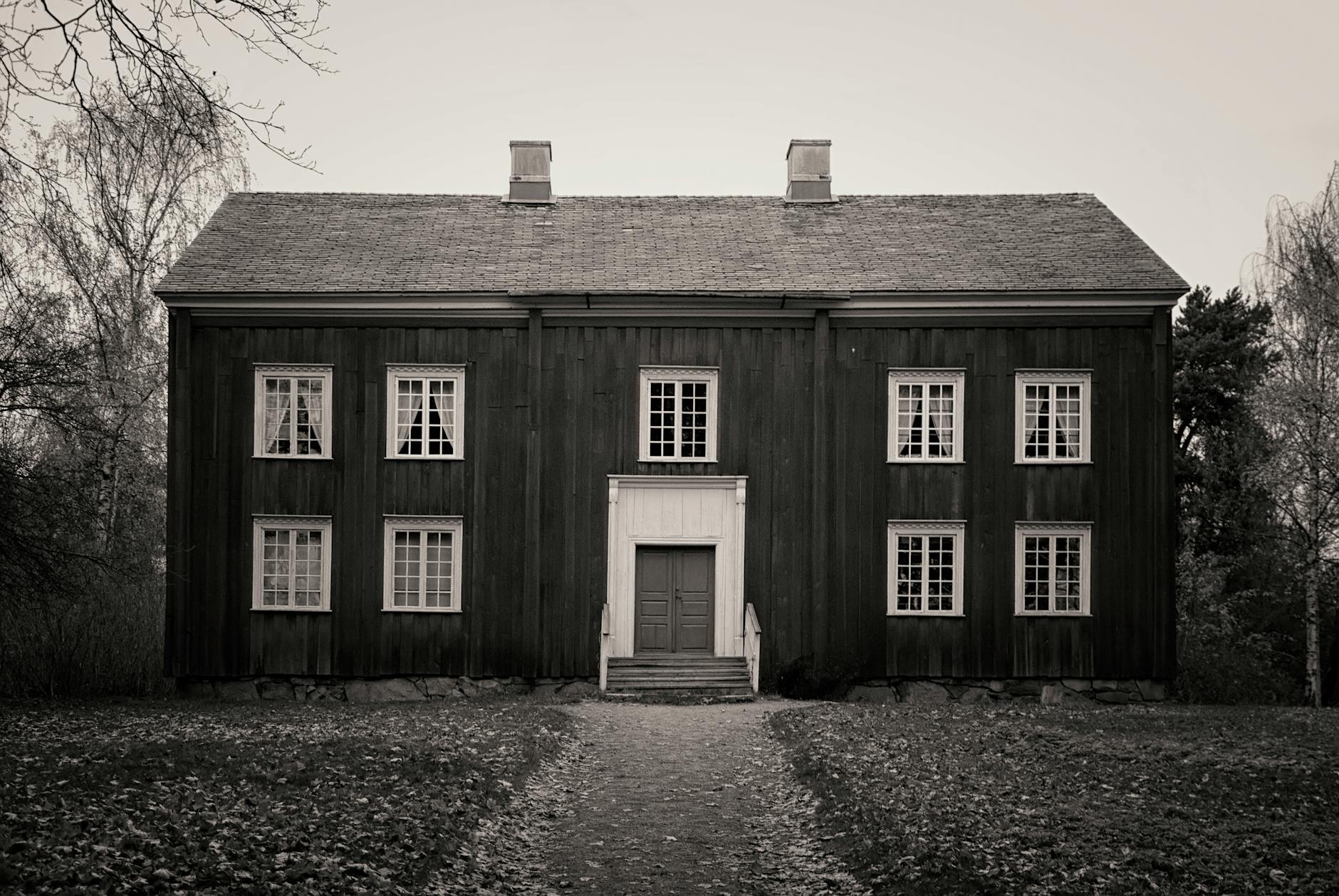
A home’s foundation is the single most expensive and consequential element of any property. Cracks, uneven flooring, or doors that stick can all signal foundational shifting that carries enormous repair costs. No amount of marble countertops offsets a compromised structural base. Buyers who skip a thorough structural inspection in favor of aesthetic excitement often face bills that dwarf their renovation budgets within the first few years of ownership.
The Roof Condition

A failing roof is one of the most financially devastating surprises a new homeowner can encounter. Replacing a roof depending on size and materials can cost tens of thousands of dollars and cannot be deferred for long without causing further interior damage. Water intrusion from a deteriorating roof leads to mold, rotted framing, and damaged insulation that compounds the original problem. Buyers should always request a dedicated roof inspection and ask for the age and maintenance history of the existing roof before proceeding.
The Neighborhood and Location
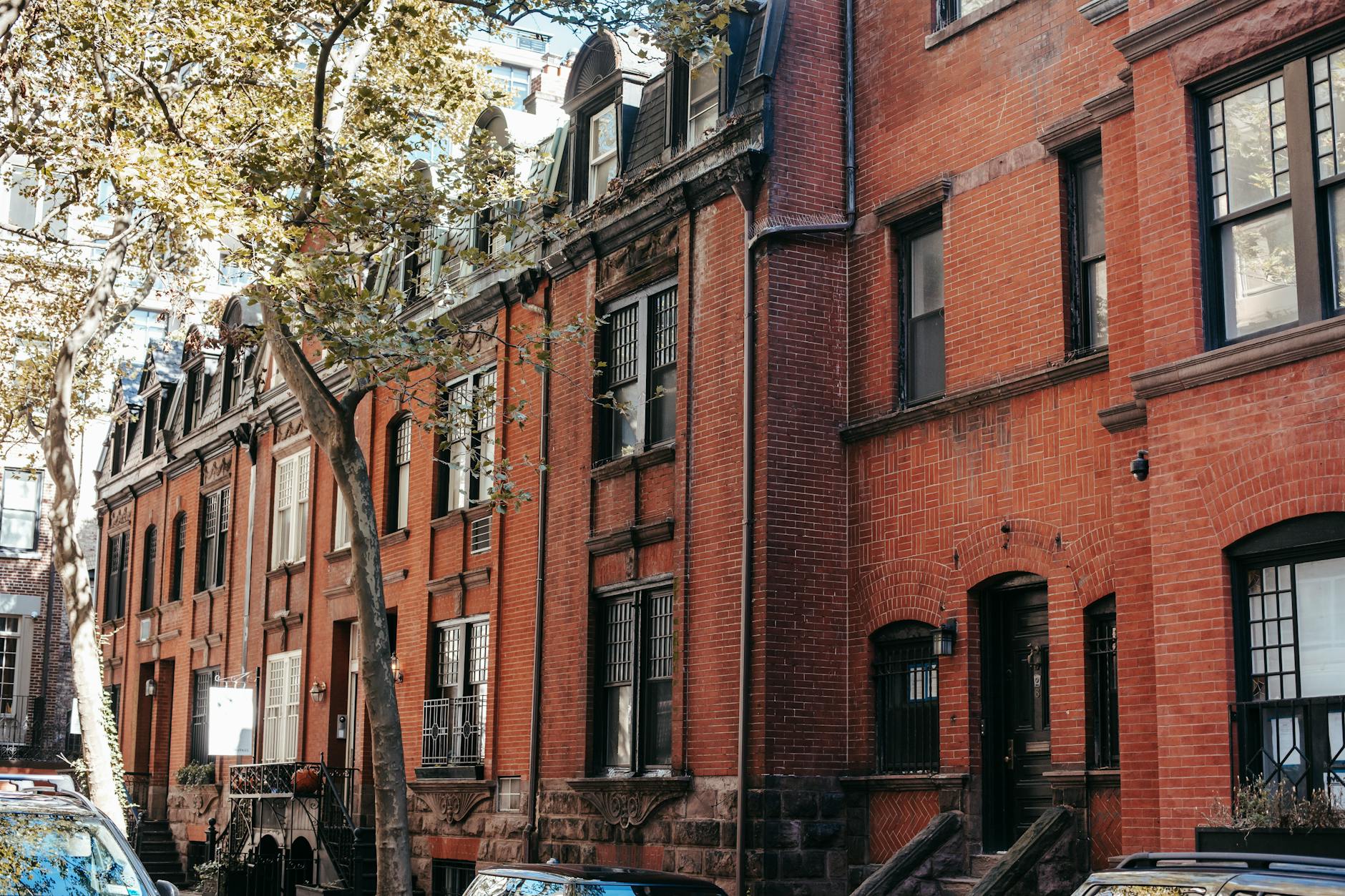
Property values are driven more by location than by any interior feature a home can offer. A beautifully appointed kitchen means little if the surrounding neighborhood has declining schools, rising crime, or limited access to employment and amenities. Resale potential is heavily tied to zip code and street-level desirability in ways that no renovation can change. Buyers should spend time in the neighborhood at different times of day and research local development plans before making any commitment.
The Plumbing System
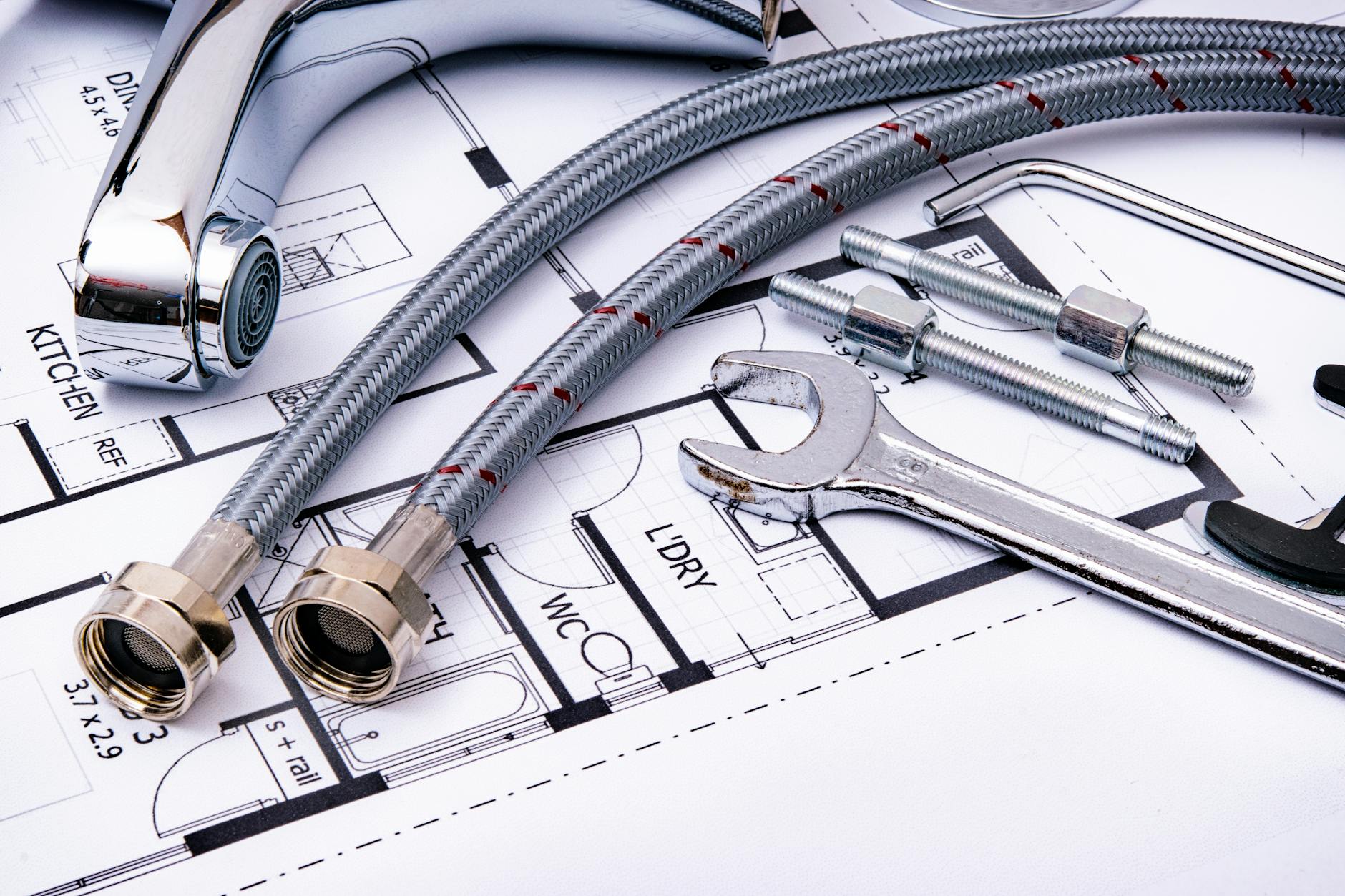
Outdated or failing plumbing systems are invisible during a casual walkthrough but can cause catastrophic damage once a buyer moves in. Galvanized pipes, corroded fixtures, and undersized water heaters are common in older homes and carry significant replacement costs. Poor water pressure, slow drains, and discolored water are all warning signs that deserve professional evaluation. A licensed plumber’s inspection provides clarity on what is a minor fix versus a full-scale repipe that changes the financial math of the purchase entirely.
The Electrical Wiring

Electrical systems that are outdated or improperly modified represent both a financial burden and a genuine safety hazard. Homes with older wiring types such as aluminum or knob-and-tube configurations may not meet current code and can be flagged by insurers, raising premiums or leading to coverage refusals. Adding circuits, upgrading panels, or rewiring sections of a home is labor-intensive and expensive work that requires licensed professionals. Buyers should always have an electrician evaluate the panel, outlets, and overall system capacity before closing.
The Lot Size and Outdoor Space
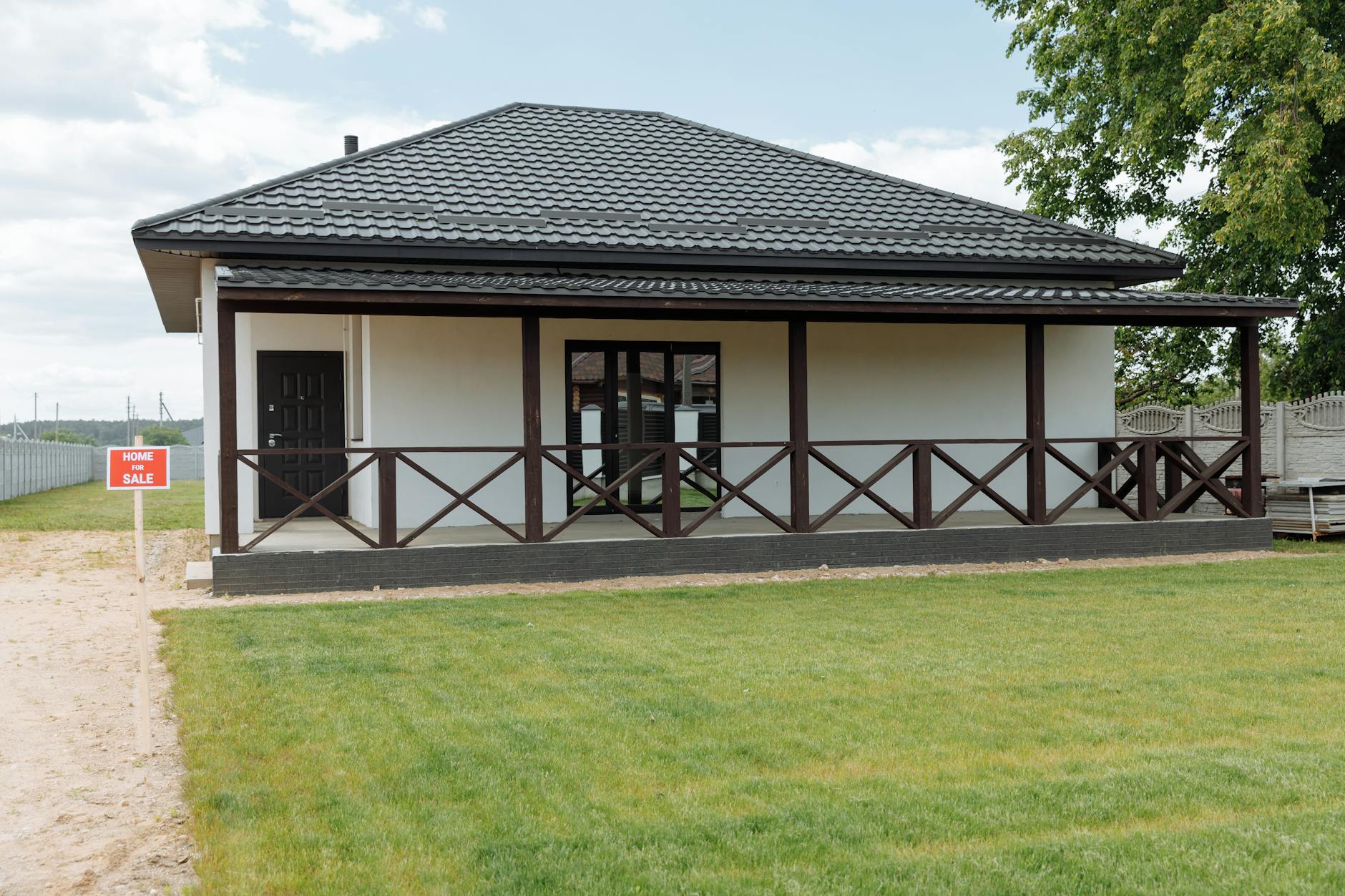
The usable land a home sits on plays a major role in long-term livability and resale value. A cramped or irregularly shaped lot limits options for outdoor entertaining, future additions, or simple enjoyment of outdoor space. Flood zone status, easements, and property line disputes are all lot-specific issues that no kitchen upgrade can resolve. Buyers should review the property survey carefully and understand exactly what they are purchasing beyond the four walls of the structure.
The Natural Light and Layout

The flow and spatial logic of a home affects daily quality of life in ways that are easy to underestimate during a showing. A kitchen that photographs beautifully may sit in the darkest corner of a home with a layout that feels cramped and disconnected from the living areas. Natural light has a profound effect on mood, energy, and the perceived size of interior spaces throughout the day. Buyers who walk through a property only once and only during peak daylight hours often miss how a home actually feels during ordinary morning and evening routines.
The HVAC System
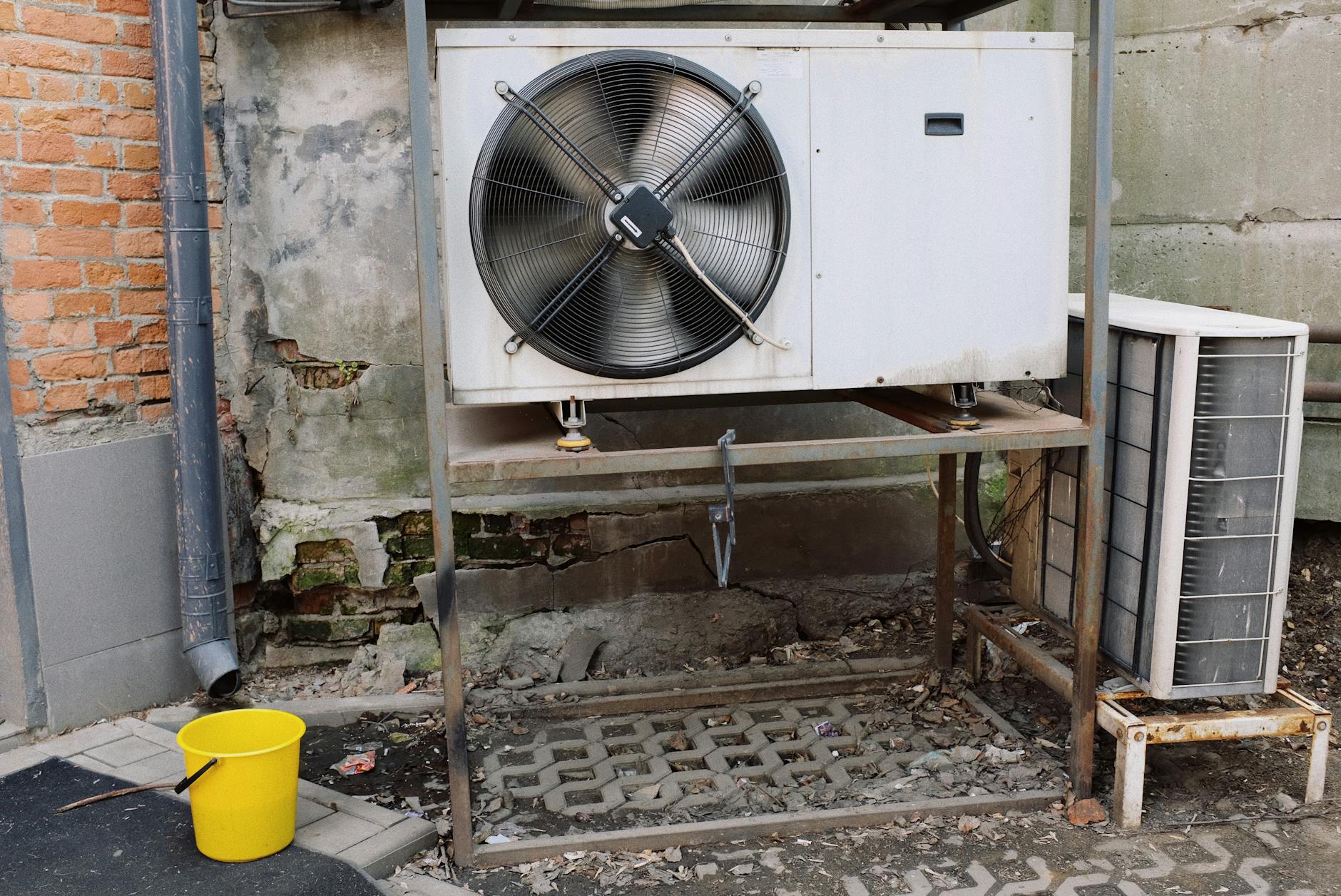
Heating, ventilation, and air conditioning systems are among the most expensive mechanical components a homeowner is responsible for maintaining and replacing. A system that is aging, undersized, or poorly maintained will drive up energy costs and require replacement sooner than buyers typically plan for. Uneven temperatures across rooms, unusual noises, and excess dust in the air are signs that a system is underperforming. Buyers should request service records and have an HVAC technician assess the system’s remaining lifespan before factoring it into their overall cost projections.
The Storage and Closet Space
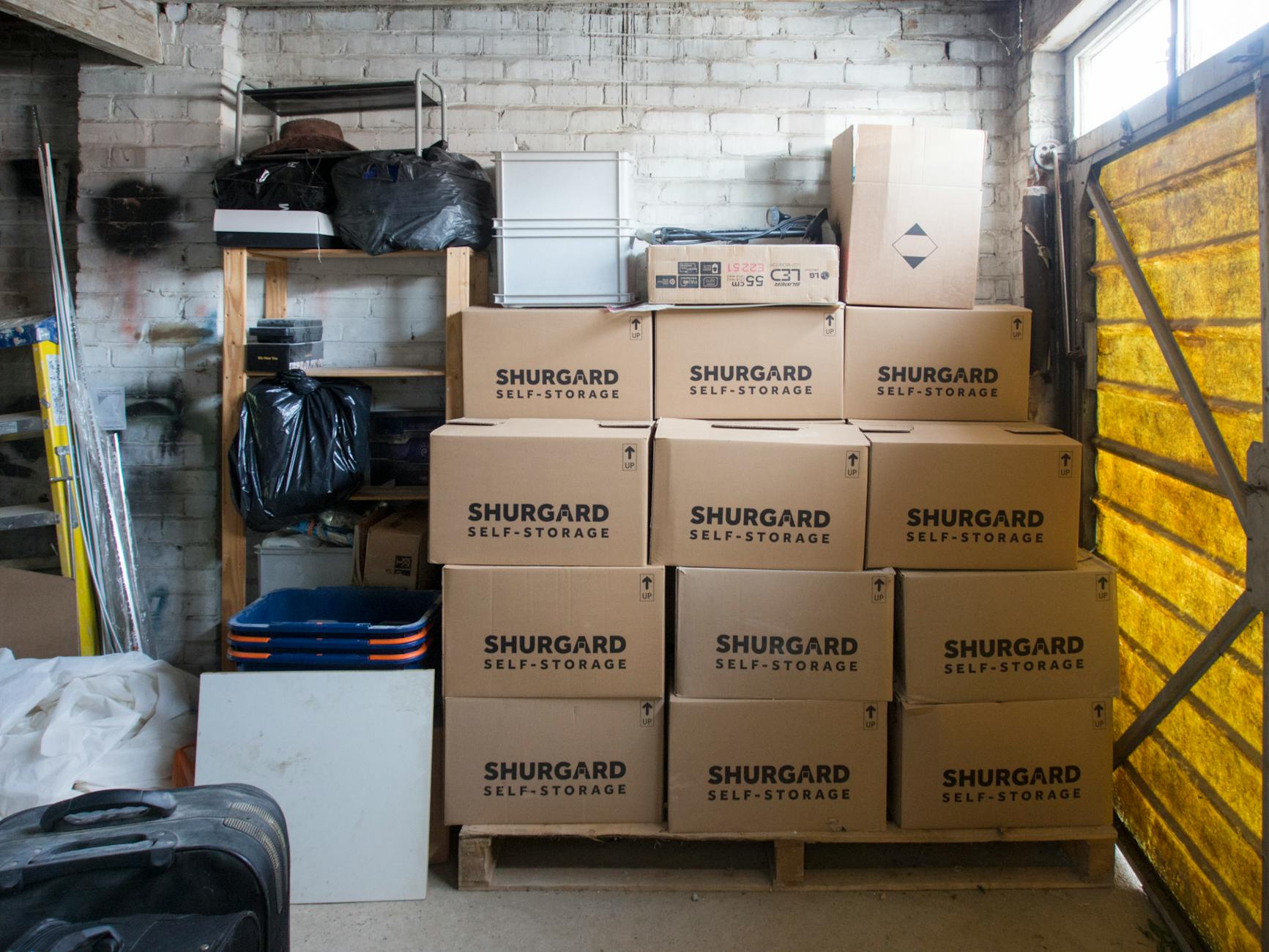
Adequate storage is one of the most cited regrets among homeowners who purchased based primarily on visible living spaces. Closets that look acceptable during a staged showing often prove entirely insufficient once a household’s belongings are moved in. Attic, basement, and garage storage capacity all contribute to how livable a home feels over years of actual use. Buyers should assess storage needs honestly and walk through every closet, utility room, and garage space with the same scrutiny they apply to main living areas.
The Windows and Insulation
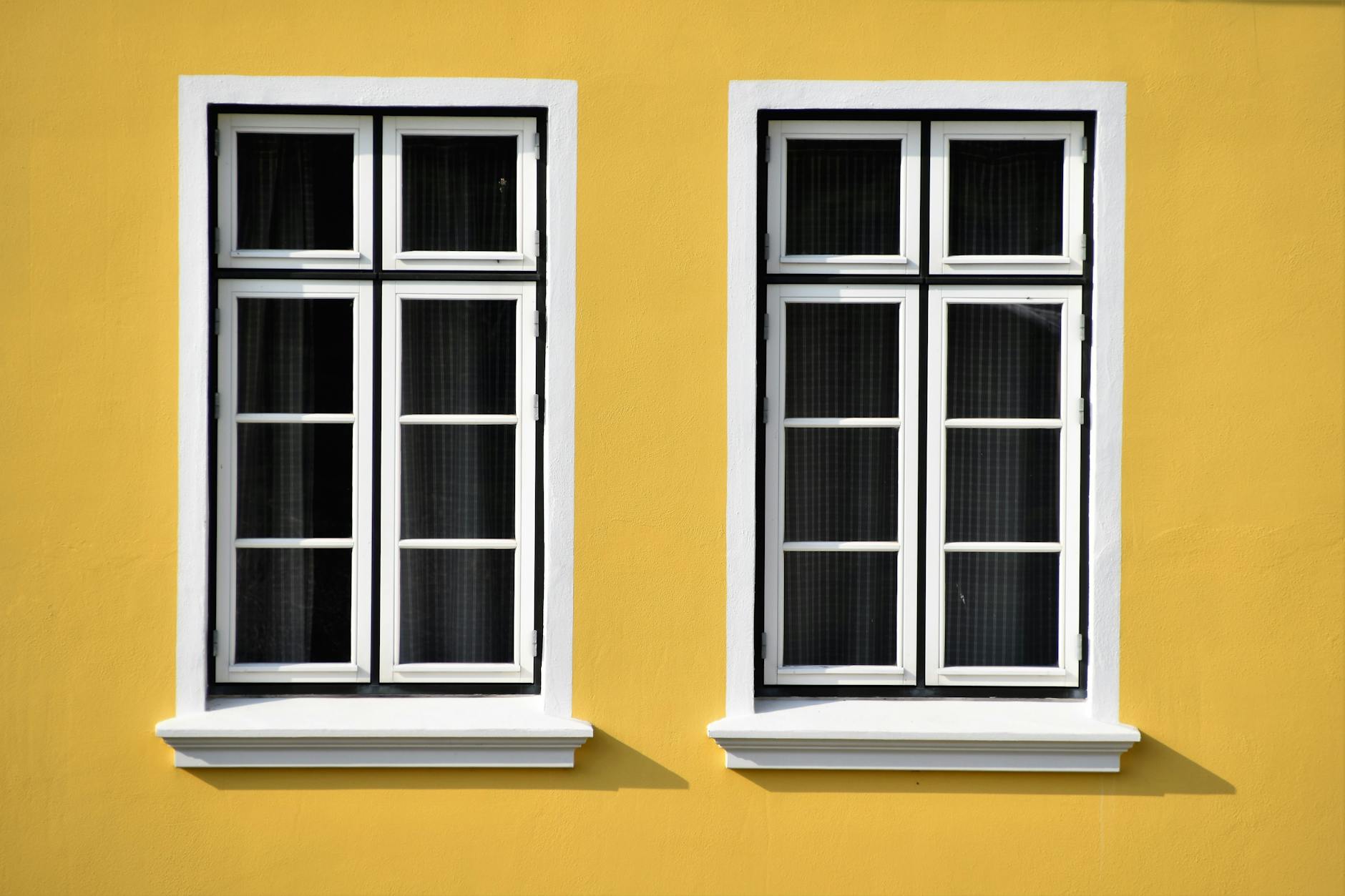
Energy efficiency is a long-term financial consideration that directly affects monthly operating costs for the life of ownership. Single-pane windows, gaps around doors, and inadequate attic insulation cause heating and cooling systems to work harder and cost more throughout every season. Replacing windows throughout an entire home is a significant investment that many buyers do not factor into their purchase calculations. An energy audit conducted before closing gives buyers a realistic picture of what the home will actually cost to operate beyond the mortgage payment itself.
The Basement and Crawl Space
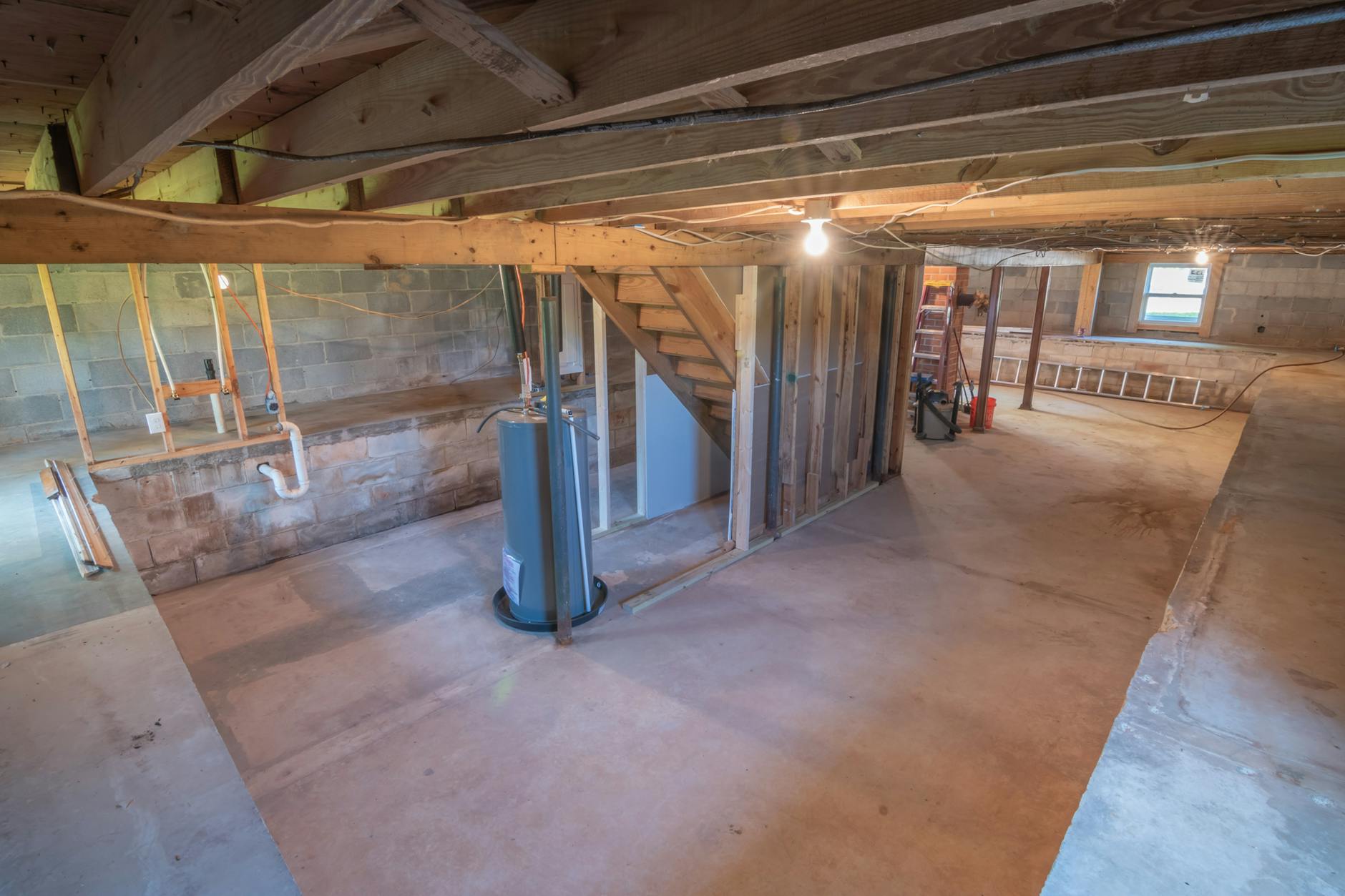
Below-grade spaces reveal a great deal about how well a home has been maintained over the years. Moisture intrusion, efflorescence on walls, musty odors, and evidence of past flooding are all indicators of drainage or waterproofing problems that can be expensive to remediate properly. Crawl spaces with inadequate vapor barriers or compromised structural supports present issues that affect the entire home above them. Buyers who skip a thorough inspection of these areas in favor of focusing on finished living spaces frequently discover costly problems only after the transaction has already closed.
The Noise and Environmental Factors

Proximity to highways, airports, train lines, or industrial areas creates ambient noise conditions that significantly affect day-to-day comfort and long-term resale appeal. These factors are impossible to change regardless of how many renovations a buyer chooses to undertake after purchasing. Environmental considerations including nearby land use, soil contamination history, and air quality are worth researching independently before committing to any property. Buyers who visit a home multiple times at different hours of the day get a far more accurate sense of the real acoustic environment they would be living in.
Share your thoughts and experiences about overlooked home buying factors in the comments.




