Modern culture has long celebrated the ability to juggle multiple tasks at once as a sign of productivity and intelligence. However, decades of neuroscience research paint a very different picture of what is actually happening inside the brain. What most people call multi-tasking is in reality rapid task-switching, a habit that carries measurable cognitive consequences. Understanding the specific ways this behavior affects the brain is the first step toward protecting long-term mental performance.
It Shrinks the Anterior Cingulate Cortex
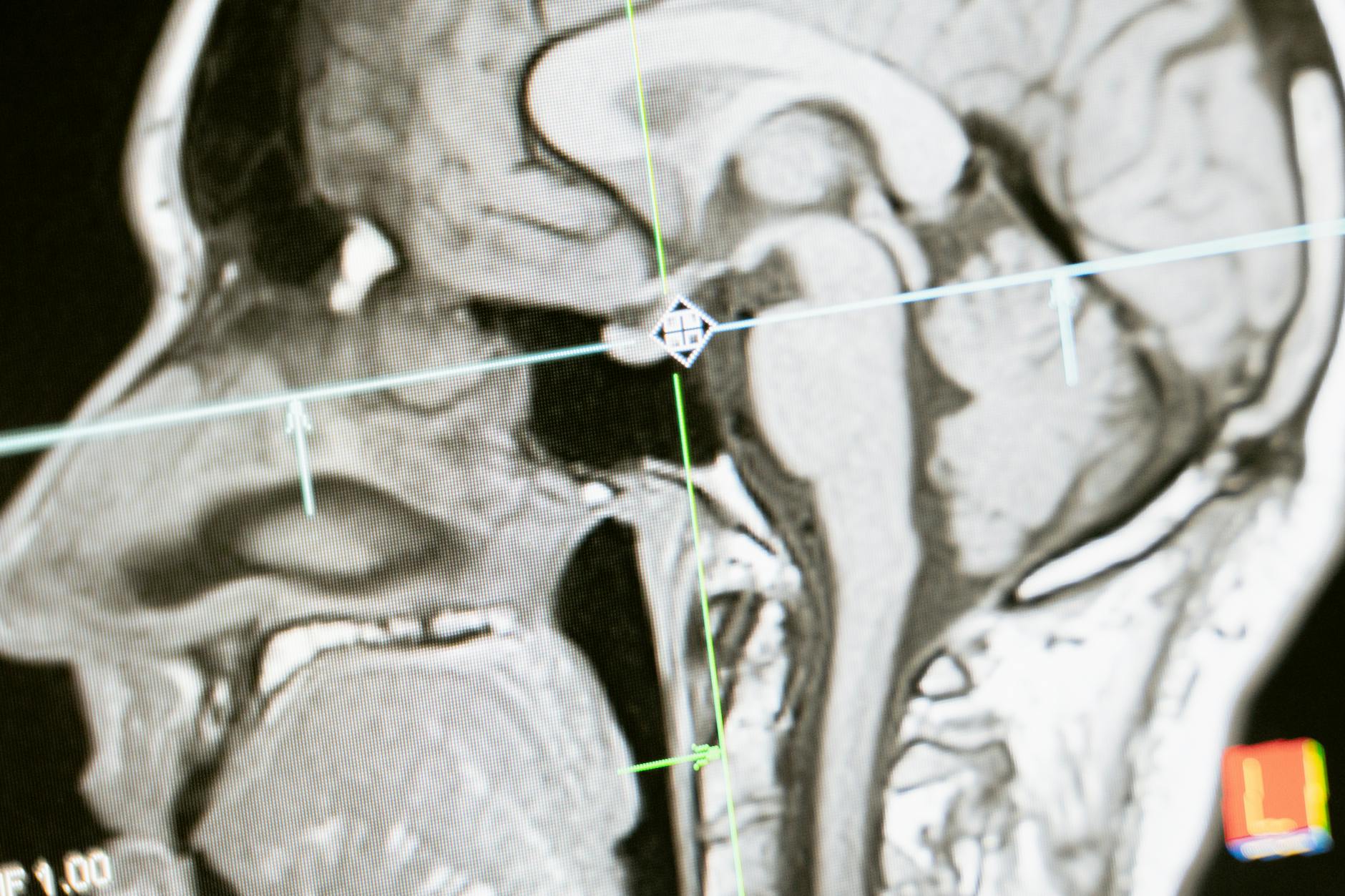
Research using brain imaging technology has shown that habitual multi-taskers display less grey matter density in the anterior cingulate cortex. This region of the brain is responsible for emotional regulation, decision-making, and attentional control. Repeated task-switching appears to physically alter the structure of this area over time. A smaller and less active anterior cingulate cortex is associated with reduced cognitive flexibility and emotional stability. This structural change can persist even when a person is not actively multi-tasking.
It Floods the Brain With Cortisol
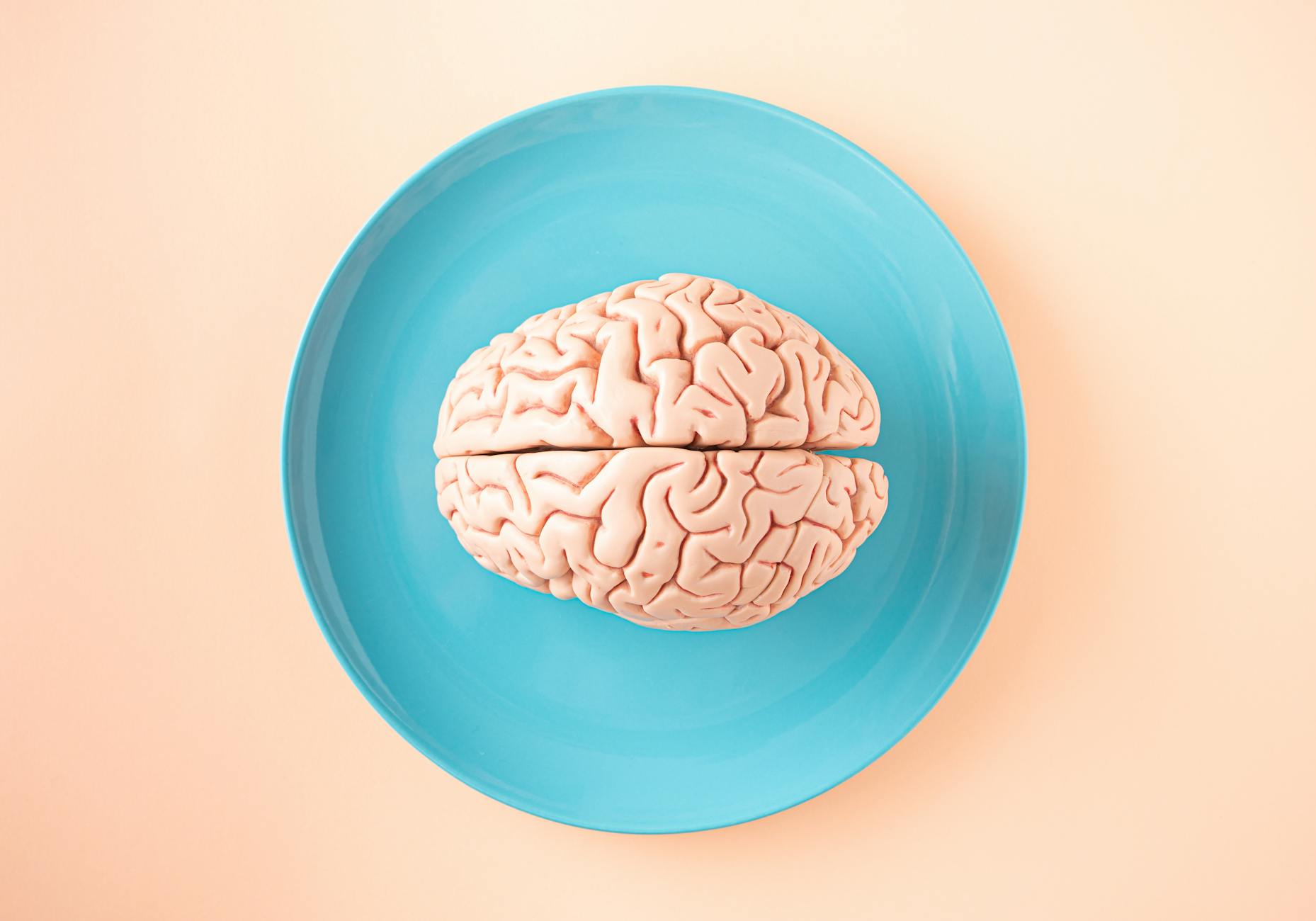
Every time the brain is forced to switch between tasks it registers the shift as a minor stressor. This triggers the release of cortisol, the body’s primary stress hormone, in small but frequent bursts throughout the day. Chronically elevated cortisol levels are linked to memory impairment, disrupted sleep cycles, and accelerated cognitive aging. The cumulative effect of these repeated hormonal surges is far greater than most people realize. Over months and years this pattern quietly erodes the brain’s resilience to stress.
It Reduces the Thickness of the Prefrontal Cortex
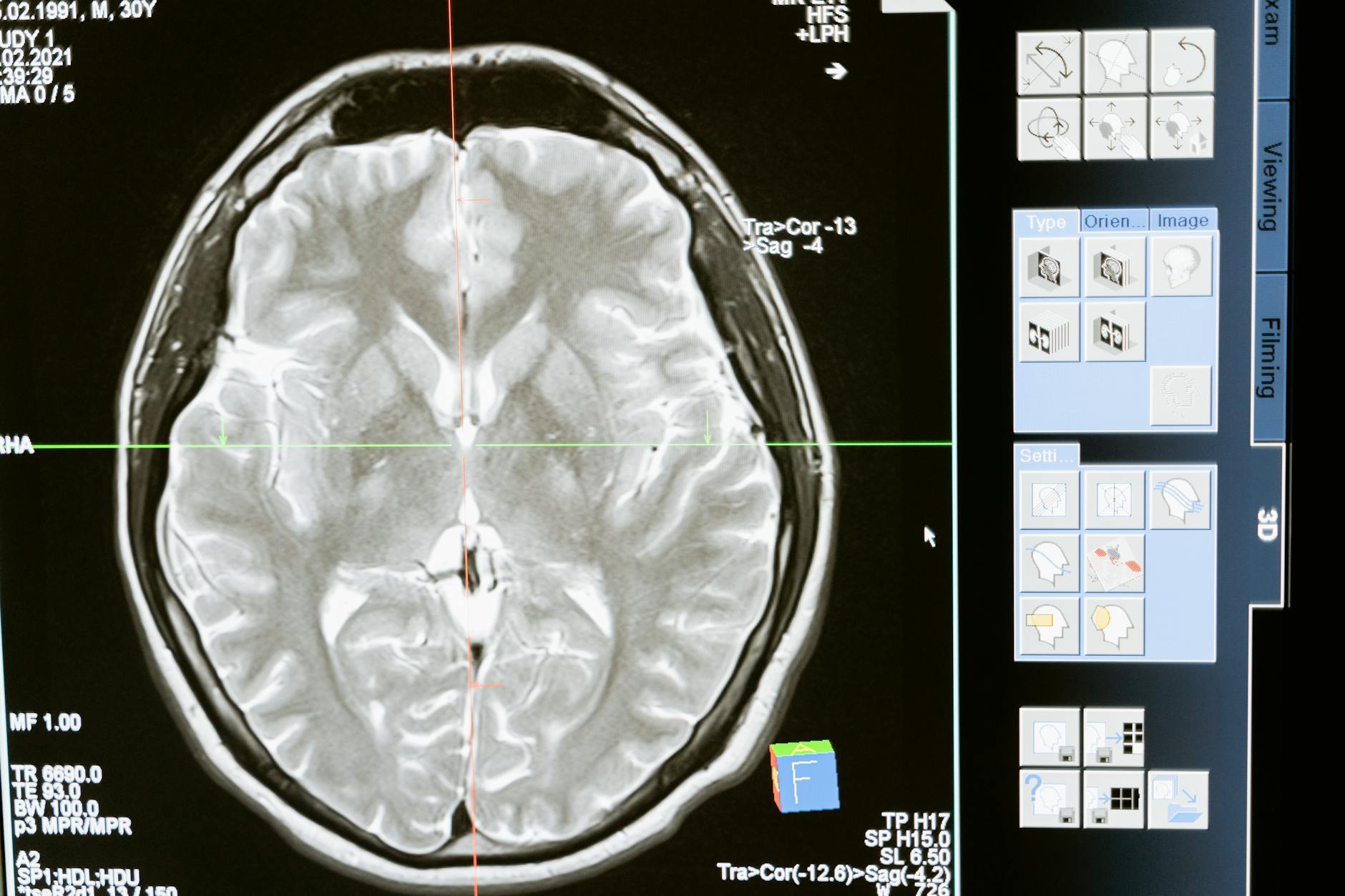
The prefrontal cortex governs higher-order thinking, impulse control, and long-term planning. Studies have found that individuals who frequently engage in heavy media multi-tasking show measurably reduced cortical thickness in this region. A thinner prefrontal cortex is associated with weaker working memory and poorer ability to filter out irrelevant information. This structural thinning has been observed in younger adults, suggesting the damage can begin well before middle age. The prefrontal cortex is one of the most energy-intensive areas of the brain and chronic multi-tasking depletes it significantly.
It Impairs Working Memory

Working memory is the cognitive system that holds and manipulates information in real time during complex tasks. Constant task-switching overwhelms this system by forcing it to continuously reload and reorient stored information. Studies show that people who multi-task heavily perform significantly worse on working memory assessments than those who focus on single tasks. The brain essentially loses the thread of what it was doing each time attention is redirected. Over time this repeated overloading weakens working memory capacity even during periods of focused activity.
It Trains the Brain to Crave Distraction

Neuroscience has confirmed that multi-tasking activates the brain’s reward circuitry by releasing small amounts of dopamine with each task switch. This creates a feedback loop in which the brain begins to associate novelty-seeking and distraction with pleasure. The result is a gradual reduction in the ability to sustain deep focus for extended periods. The brain essentially becomes conditioned to resist monotasking and actively seeks interruption. This rewiring of the reward system makes it progressively harder to engage in the kind of concentrated thinking that produces high-quality work.
It Increases the Rate of Cognitive Errors

When attention is divided across multiple tasks the brain’s error-detection systems become significantly less effective. The anterior cingulate cortex, which monitors for mistakes and conflicts in processing, cannot function optimally when it is managing competing streams of information. Studies have consistently shown that people make far more errors when multi-tasking than when performing the same tasks sequentially. These errors are not random but tend to cluster in the most cognitively demanding moments. The false sense of efficiency created by multi-tasking often masks a significant decline in the actual quality of output.
It Disrupts the Formation of Long-Term Memories

The hippocampus plays a central role in converting short-term experiences into long-term memories during a process called memory consolidation. Multi-tasking interferes with this process by preventing the brain from fully encoding information before the next input arrives. Research from the University of California found that interruptions during learning tasks cause information to be stored in less accessible regions of the brain. This means that even when something is learned while multi-tasking it is far more difficult to retrieve later. Sustained attention is not merely helpful for memory formation but is neurologically essential to it.
It Lowers Overall IQ Temporarily

A study conducted at the University of London found that participants who multi-tasked during cognitive tests experienced a temporary drop in IQ scores. In some cases the decline was comparable to the effect of losing a full night of sleep. The brain under task-switching conditions is operating at a fraction of its available processing power. This temporary cognitive dulling affects analytical thinking, verbal reasoning, and spatial awareness simultaneously. While IQ recovers after focused rest, repeated daily exposure to this state compounds into lasting performance deficits.
It Accelerates Mental Fatigue

The brain consumes a disproportionate amount of energy during task-switching compared to sustained single-task focus. Each transition requires a full reorientation of attentional resources, goal representations, and contextual memory, all of which are metabolically costly processes. This means that a multi-tasking brain burns through its available cognitive fuel far more rapidly than one engaged in deep work. Mental fatigue sets in earlier, decision quality deteriorates faster, and the ability to regulate emotions weakens by mid-afternoon for habitual multi-taskers. This accelerated depletion cycle has downstream effects on sleep quality and next-day cognitive performance.
It Damages the Brain’s Default Mode Network
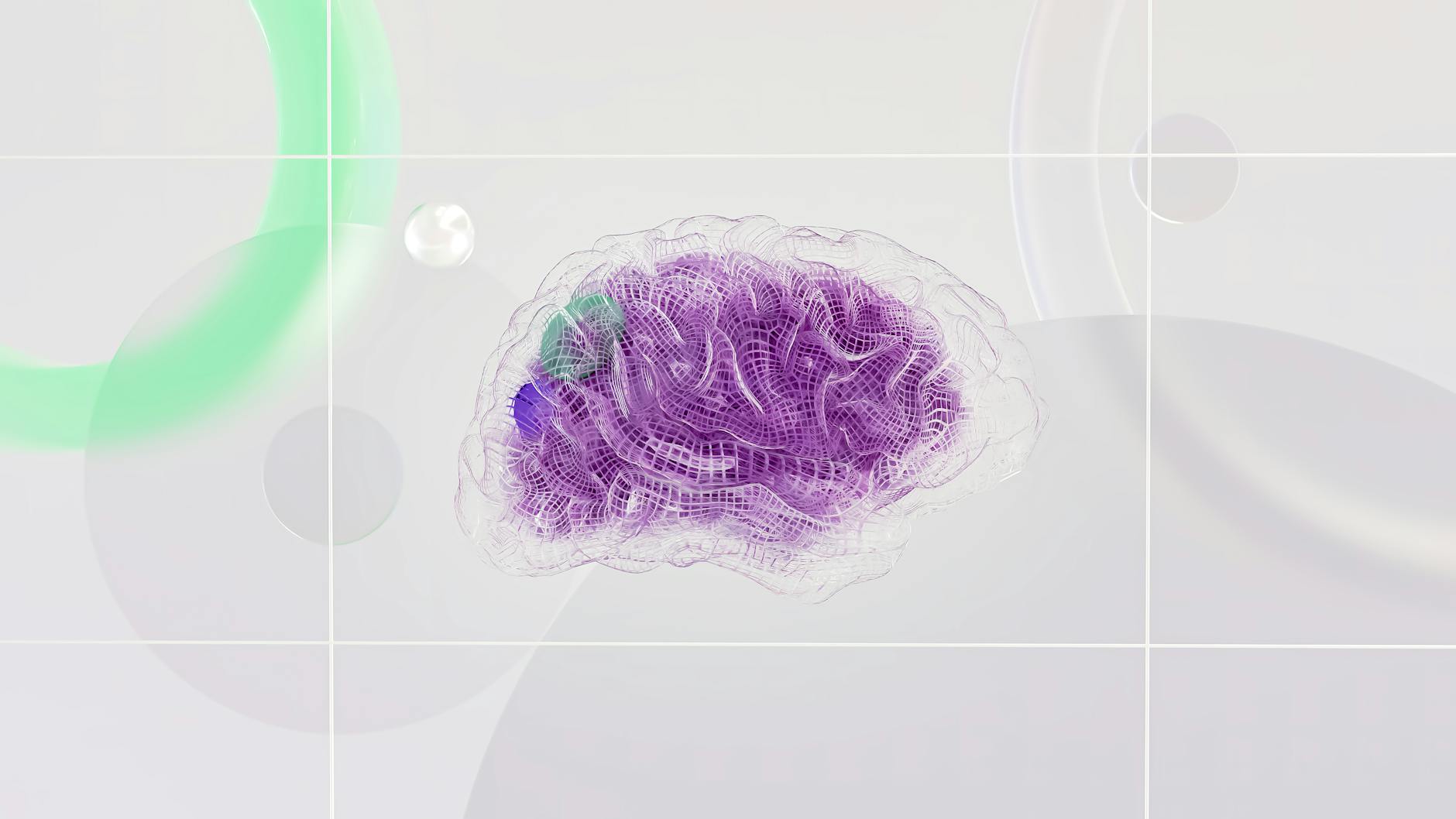
The default mode network is a set of interconnected brain regions that activate during rest, mind-wandering, and internally directed thought. This network plays a critical role in creativity, self-reflection, and the processing of complex social and emotional information. Chronic multi-tasking suppresses the natural activation of this network by never allowing the brain genuine periods of disengagement. Research has linked a weakened default mode network to reduced creative problem-solving and diminished capacity for empathy. The brain needs uninterrupted idle time to consolidate insights and repair itself, something multi-tasking structurally prevents.
It Weakens Attentional Filtering

The brain’s ability to suppress irrelevant information is just as important as its ability to focus on what matters. Chronic multi-taskers have been shown in multiple studies to be significantly worse at filtering out distractions than light media users. This attentional filtering weakness means the multi-tasking brain is increasingly vulnerable to interruption even when a person genuinely intends to focus. The filtering mechanism, largely governed by the prefrontal cortex, weakens through disuse just as a muscle atrophies without exercise. The practical consequence is a brain that becomes progressively less capable of choosing what to pay attention to.
It Increases Anxiety and Emotional Dysregulation

The persistent low-level stress generated by multi-tasking has measurable effects on emotional regulation over time. Elevated cortisol interacts with the amygdala, the brain’s threat-detection centre, making it more reactive and harder to calm. People who regularly multi-task report higher baseline levels of anxiety, irritability, and a reduced sense of being in control. This emotional dysregulation is not purely psychological but is rooted in the neurochemical environment created by chronic task-switching. Over time the brain becomes wired for reactivity rather than thoughtful, measured response.
It Reduces Creative Thinking Capacity

Creativity requires the brain to make unexpected connections between seemingly unrelated pieces of information, a process that demands both focused attention and open, wandering thought. Multi-tasking disrupts both ends of this spectrum by keeping the brain in a perpetual state of shallow, reactive processing. Studies have shown that insight-based problem-solving, the kind associated with genuine creative breakthroughs, is nearly impossible during multi-tasking states. The cognitive load imposed by simultaneous tasks leaves no mental bandwidth for the expansive thinking that creativity requires. Artists, writers, and innovators across disciplines have long intuitively understood what neuroscience has since confirmed.
It Creates a False Sense of Productivity

One of the most neurologically interesting aspects of multi-tasking is that it reliably makes people feel more productive even as it measurably reduces output quality. This is partly because the dopamine released during task-switching creates a sensation of momentum and engagement. The brain interprets busyness as accomplishment, triggering a rewarding sense of progress that is largely illusory. Research has demonstrated that people who believe they are strong multi-taskers are often the worst performers on objective cognitive assessments. This self-deception makes the habit particularly difficult to break because the neurological feedback actively reinforces the behavior.
If this has changed the way you think about your daily habits, share your thoughts in the comments.




