People who consistently maintain healthy savings accounts do not stumble into financial security by accident. They follow deliberate, repeatable habits that quietly build wealth over time without requiring dramatic lifestyle overhauls. These behaviours span everything from daily spending decisions to long-term financial planning strategies. Across income levels and life stages, the same core patterns appear again and again in the lives of those who always seem to have a financial cushion. Understanding these habits offers a practical roadmap for anyone looking to strengthen their own savings.
Automating Savings Transfers

Consistent savers frequently set up automatic transfers that move a fixed amount from their checking account to their savings account on payday. This removes the temptation to spend the money before it is set aside and eliminates the need for ongoing willpower. Many banks and financial apps allow these transfers to be scheduled down to the exact date and amount. Over time even modest automated contributions compound into meaningful balances. The habit works because it treats savings as a non-negotiable expense rather than an afterthought.
Paying Themselves First

The pay-yourself-first strategy involves directing a portion of every paycheck into savings before any other expense is addressed. Financial educators have promoted this approach for decades because it fundamentally reframes the relationship between earning and spending. When savings come out of income first the remaining amount naturally becomes the spending budget. This approach prevents the common pattern of spending everything and saving only whatever remains at the end of the month. It consistently produces higher savings rates across all income brackets.
Tracking Every Expense

People with strong savings habits tend to know exactly where their money goes each month. They use apps, spreadsheets, or notebooks to log purchases in categories such as groceries, transport, and entertainment. This visibility reveals patterns that are easy to overlook when relying on memory alone. Tracking does not require cutting all discretionary spending but it does make every financial choice more deliberate. Regular review of spending data allows for adjustments before small leaks become significant drains on savings.
Following a Monthly Budget

A written or digital monthly budget acts as a financial blueprint that guides spending decisions throughout the month. Dedicated savers build their budgets around fixed income and allocate funds to categories based on priority. Savings and essential expenses are always covered before discretionary categories receive any funding. Budgets are revisited and adjusted at the start of each new month to reflect changes in income or upcoming expenses. The discipline of sticking to a budget prevents overspending in one area from undermining savings progress in another.
Avoiding Lifestyle Inflation

Lifestyle inflation occurs when spending increases proportionally as income rises and it is one of the most common obstacles to long-term savings growth. People who maintain strong savings accounts deliberately choose not to upgrade their lifestyle every time they receive a raise or bonus. Instead they redirect the additional income into savings or investments while keeping their existing living standards stable. This practice is sometimes called living below your means and it creates an ever-widening gap between income and expenditure. Over a career spanning several decades the financial impact of avoiding lifestyle inflation can be substantial.
Meal Planning and Cooking at Home

Preparing meals at home is one of the most effective ways to reduce monthly expenditure without significantly affecting quality of life. Regular savers typically plan their weekly meals in advance and shop with a specific list based on that plan. This approach minimises food waste and prevents the last-minute takeaway orders that inflate food budgets. Home-cooked meals cost a fraction of restaurant or delivery equivalents even when premium ingredients are used. The habit requires modest time investment but delivers consistent monthly savings that accumulate significantly over a year.
Cancelling Unused Subscriptions

Subscription services have a way of multiplying quietly across streaming platforms, software tools, gym memberships, and delivery programmes. People who prioritise savings conduct regular audits of their recurring charges to identify services they no longer use. Cancelling even a handful of unused subscriptions can free up a meaningful amount each month. Many financial advisors recommend reviewing subscriptions every three to six months as providers frequently add new charges or auto-renew lapsed memberships. This habit ensures that outgoings reflect actual usage rather than forgotten sign-ups.
Building an Emergency Fund

An emergency fund acts as a financial buffer that prevents unexpected costs from derailing savings goals or forcing people into debt. Consistent savers treat the building of this fund as a primary financial priority before focusing on other goals. Most financial guidance suggests holding between three and six months of living expenses in a liquid accessible account. Having this cushion in place means that a car repair, medical bill, or job disruption can be handled without borrowing. The psychological security provided by an emergency fund also reduces financial anxiety and encourages continued saving.
Setting Specific Savings Goals

Vague intentions to save money tend to produce inconsistent results while specific goals with defined targets and timelines are far more effective. People who regularly save attach their efforts to concrete objectives such as a house deposit, a travel fund, or a retirement milestone. Breaking larger goals into monthly contribution amounts makes the process feel manageable and measurable. Tracking progress toward a named goal provides motivation that abstract saving cannot replicate. Research in behavioural finance consistently shows that goal-setting improves financial follow-through.
Using High-Yield Savings Accounts

Keeping savings in a high-yield account rather than a standard savings account allows money to grow faster through compound interest. Many online banks offer significantly higher annual percentage yields than traditional high-street institutions. People who prioritise savings research account options regularly and are willing to move funds to capture better rates. The difference between a low-yield and a high-yield account becomes increasingly significant as balances grow over time. This habit requires minimal ongoing effort but produces a measurable improvement in savings performance.
Avoiding Impulse Purchases

Impulse purchases are unplanned buying decisions triggered by emotion, marketing, or convenience rather than genuine need. Consistent savers have developed strategies to interrupt the impulse cycle before a purchase is completed. Common techniques include leaving items in an online cart for 48 hours before buying or avoiding browsing retail websites without a specific purpose. Reducing exposure to advertising and promotional emails also helps limit the frequency of impulse urges. Over a year the money saved by avoiding unplanned purchases adds up to a significant additional contribution toward savings goals.
Negotiating Bills and Rates

Many recurring expenses including insurance premiums, internet plans, and credit card interest rates are negotiable but only for those willing to ask. People with strong savings habits regularly contact service providers to request better rates or to compare competitor offers. Loyalty to a single provider often results in paying more than new customers for identical services. A single successful negotiation on an annual insurance policy or phone plan can save hundreds of dollars or pounds per year. The skill becomes easier with practice and the cumulative savings across multiple bills are considerable.
Buying in Bulk

Purchasing non-perishable goods and household staples in bulk reduces the cost per unit compared to buying smaller quantities more frequently. Warehouse club memberships and bulk sections of supermarkets are regularly used by those focused on long-term savings. Items well-suited to bulk buying include cleaning products, toilet paper, dry goods, and personal care items. The strategy works best when purchases are limited to products that are genuinely used regularly to avoid waste. The upfront cost of bulk buying is higher but the long-term reduction in unit costs produces consistent monthly savings.
Shopping with a List

Entering a supermarket or retail environment without a prepared list significantly increases the likelihood of purchasing unplanned items. People who consistently save money prepare detailed shopping lists before every trip and adhere to them strictly. The list is typically built around a meal plan or a genuine inventory of needed items rather than vague intentions. Shopping lists also reduce the number of trips required per week which further cuts down on incidental spending. This simple pre-shopping habit removes a significant amount of spontaneous spending from monthly budgets.
Using Cashback and Rewards Programmes
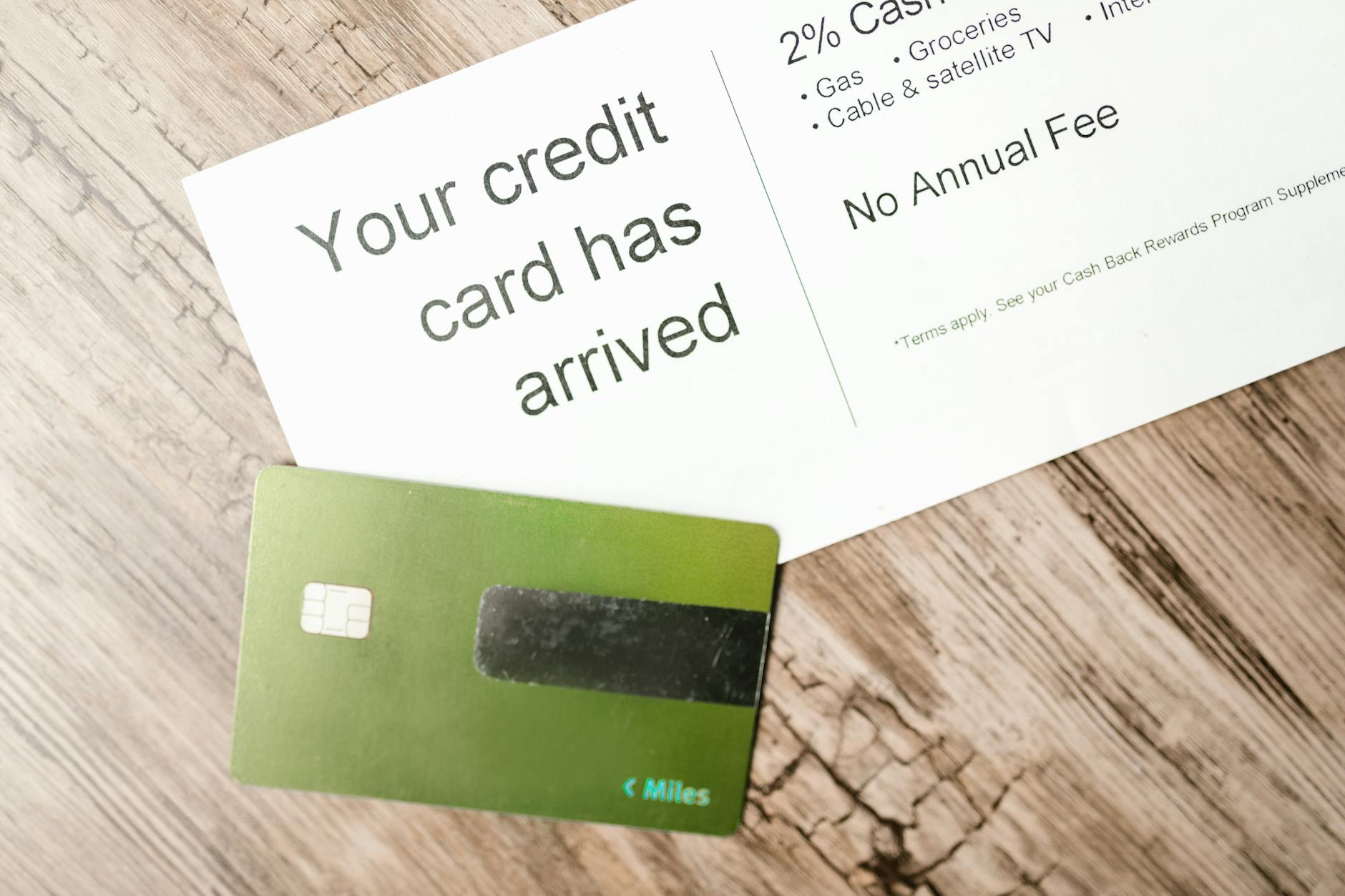
Cashback credit cards, loyalty programmes, and rewards apps allow consistent spenders to earn back a percentage of what they already spend. People who make the most of these tools direct their regular purchases through accounts that generate points or cash returns. The key discipline is paying off any credit card balance in full each month to avoid interest charges that would erase the rewards benefit. Over a year the cashback and points earned on everyday spending such as groceries, fuel, and utilities can amount to a meaningful sum. This habit treats unavoidable spending as an opportunity to build small but cumulative financial returns.
Investing Early and Consistently

Regular savers understand that keeping all their money in a cash savings account over the long term means it loses value to inflation. Many begin investing early in low-cost index funds or retirement accounts to allow compound growth to work over time. Consistency matters more than the size of individual contributions particularly in the early years of an investment horizon. People with strong savings habits treat their investment contributions with the same regularity as they do their savings transfers. The long-term impact of consistent investing from an early age is one of the most well-documented principles in personal finance.
Avoiding High-Interest Debt

High-interest debt particularly from credit cards or payday loans functions as a direct drain on financial resources. People who maintain healthy savings accounts are typically disciplined about not carrying balances on high-interest accounts. When debt does arise they prioritise paying it off aggressively before directing additional funds toward savings goals. Understanding the true cost of interest over time motivates faster repayment and more cautious borrowing decisions. Keeping debt low or non-existent allows a greater portion of income to flow directly into savings each month.
Practising the 24-Hour Rule

The 24-hour rule involves waiting a full day before completing any non-essential purchase above a certain value threshold. This pause disrupts the emotional momentum that drives impulsive spending and creates space for rational evaluation. Many people find that the desire to buy an item fades significantly within hours of first encountering it. The rule is particularly effective for online shopping where the path from browsing to purchasing can be completed in seconds. Applying it consistently to purchases above a self-defined threshold meaningfully reduces unplanned expenditure over the course of a year.
Reviewing Finances Weekly

A brief weekly financial review is a habit that keeps consistent savers informed and in control of their money. This review typically covers recent transactions, progress toward savings goals, and any upcoming large expenses on the horizon. Catching overspending in one category early in the month allows for adjustments before the damage becomes significant. Many people set aside fifteen to thirty minutes each week for this review using a banking app or personal finance tool. The regularity of the habit prevents financial surprises and reinforces mindful spending behaviour across all categories.
Living Below Their Means

Living below one’s means is the foundational principle underlying almost every other savings habit. It describes the practice of spending less than one earns regardless of income level or social pressure to spend more. People who internalise this principle make purchasing decisions based on what they can comfortably afford rather than what they could access through credit. This approach often involves choosing modest housing, driving practical vehicles, and prioritising experiences over possessions. The gap created between income and spending is the engine that powers long-term savings accumulation.
Keeping Housing Costs Low

Housing is typically the largest single expense in a personal budget and consistent savers pay close attention to this figure. Financial guidelines often suggest keeping total housing costs below 30 percent of gross income though many committed savers aim lower. Strategies include choosing smaller properties, living in less expensive neighbourhoods, taking on a housemate, or delaying property upgrades. Each dollar or pound saved on housing costs each month can be redirected into savings or investments with a compounding long-term effect. Decisions about housing have a larger impact on lifetime savings than almost any other spending category.
Driving Used Cars

New cars depreciate rapidly losing a significant portion of their value within the first few years of ownership. People focused on savings typically purchase used vehicles that are a few years old allowing someone else to absorb the initial depreciation. Reliable used cars in good condition provide transportation at a fraction of the cost of buying new. Lower purchase prices also translate to reduced insurance premiums and registration fees in many regions. Choosing a practical used vehicle over a new model is one of the highest-impact single financial decisions a person can make.
Avoiding Bank Fees

Monthly account fees, ATM charges, overdraft penalties, and foreign transaction fees are expenses that provide no value to the account holder. People who consistently save money take the time to choose bank accounts that align with their usage patterns and minimise unnecessary charges. Maintaining minimum balances to waive monthly fees, using in-network ATMs, and setting up overdraft alerts are common strategies. Switching to a fee-free online bank or credit union is an increasingly accessible option that eliminates many traditional banking costs entirely. While individual fees may seem minor they represent money that could otherwise be directed toward savings every single month.
Planning for Large Purchases

Predictable large expenses such as holidays, appliance replacements, annual insurance renewals, and back-to-school costs are planned for well in advance by consistent savers. Rather than treating these as financial emergencies they create sinking funds that accumulate small monthly contributions toward each upcoming cost. This approach eliminates the need to dip into savings or use credit when the expense arrives. Anticipating large costs also creates the opportunity to shop around and compare prices without the pressure of an urgent need. Proactive planning keeps savings accounts intact and reduces financial stress throughout the year.
Saving Windfalls and Bonuses

Tax refunds, work bonuses, gifts of money, and other unexpected financial inflows represent an opportunity to accelerate savings progress. People who regularly maintain savings accounts have a standing personal policy to save or invest a significant portion of every windfall received. The temptation to spend unexpected money on lifestyle upgrades is strong and resisting it requires a predetermined plan. Many consistent savers decide in advance what percentage of any bonus will go directly to savings before they receive it. Treating windfalls as savings opportunities rather than spending opportunities produces dramatic long-term differences in account balances.
Packing Lunch for Work

Buying lunch near a workplace is one of the most frequently cited daily expenses that quietly erodes savings potential. Workers who pack their own lunches typically save a significant amount per day compared to purchasing food from restaurants or cafes. Over a full working year the cumulative saving from this single habit can amount to hundreds or even thousands of dollars or pounds. Packed lunches also tend to be more nutritionally consistent than convenience food purchased under time pressure. The habit requires modest morning preparation time but delivers a disproportionately large financial return relative to the effort involved.
DIY Where Possible

Performing basic home repairs, maintenance tasks, and personal services independently reduces the need to pay for professional labour on routine matters. Consistent savers develop a working knowledge of tasks such as basic plumbing, painting, appliance maintenance, and garden upkeep. Online tutorials and instructional content have made it easier than ever to develop these practical skills without formal training. The financial savings from handling common tasks independently rather than outsourcing them can be substantial over the course of a year. This habit also builds practical competence that reduces dependence on expensive service calls for routine issues.
Comparing Prices Before Buying

Before completing any significant purchase people who prioritise savings invest time in comparing prices across multiple retailers and platforms. Price comparison websites, browser extensions that track price history, and basic internet searches are standard tools in the consistent saver’s toolkit. The same product can vary considerably in price across different sellers particularly for electronics, appliances, and insurance products. This habit ensures that money is never left on the table through inertia or convenience-driven purchasing. The time investment required is typically small relative to the savings achieved especially on higher-value items.
Avoiding Brand Loyalty for Commodities

For everyday consumable products such as cleaning supplies, basic clothing, and pantry staples consistent savers evaluate value rather than defaulting to premium brand names. Store-brand and generic alternatives frequently offer identical quality at significantly lower prices for commodity goods. The financial difference between branded and unbranded versions of common household products adds up considerably across a monthly grocery shop. Applying selective brand agnosticism to commodity purchases while reserving premium choices for genuinely differentiated products is a balanced and effective strategy. This approach reduces monthly spending without requiring any noticeable reduction in quality of life.
Limiting Dining Out

Restaurant meals and food delivery services carry significant markups over the cost of home-prepared equivalents. People who consistently save money treat dining out as a deliberate and occasional expense rather than a default solution to hunger or convenience. Setting a specific monthly budget for restaurant spending creates awareness and prevents the category from expanding unchecked. Choosing restaurants strategically such as opting for lunch menus over dinner or using booking platforms with dining deals also reduces per-meal costs. Treating dining out as a planned experience rather than a casual habit produces meaningful monthly savings without eliminating the pleasure of the activity.
Setting Up Multiple Savings Buckets

Rather than keeping all savings in a single account many consistent savers maintain separate accounts or sub-accounts for different financial goals. Common buckets include emergency funds, holiday savings, home maintenance reserves, and long-term investment accounts. This structure prevents money earmarked for one purpose from being casually redirected to another. Seeing progress in each individual bucket reinforces the motivation to continue contributing to every goal simultaneously. Many modern banks and savings apps offer features that make it easy to manage multiple savings goals within a single platform.
Keeping Financial Goals Visible

Keeping savings goals in a visible and regularly accessed format reinforces motivation and keeps financial priorities at the front of the mind. Methods include printed goal trackers on the refrigerator, phone wallpapers displaying savings targets, or progress bars within a budgeting app. Visibility creates a psychological connection between daily spending decisions and long-term financial outcomes. When savings goals feel real and present rather than abstract and distant the commitment to pursuing them strengthens. This habit costs nothing to implement and provides a consistent psychological reinforcement for all other savings behaviours.
Reading Personal Finance Content

People who consistently grow their savings accounts invest time in expanding their financial knowledge through books, podcasts, articles, and courses. Financial literacy is not typically taught in school and self-directed learning fills this gap with practical and actionable strategies. Regular exposure to personal finance content introduces new tools, account types, and investment vehicles that may be underutilised. It also reinforces established habits by contextualising them within broader frameworks of wealth-building and financial independence. The habit of continuous financial learning compounds over time just as money does.
Surrounding Themselves With Like-Minded People

Social environments have a documented influence on spending behaviour and financial norms. People who consistently save often cultivate friendships and social connections with others who share similar values around money and lifestyle choices. When the people around you prioritise experiences over status consumption and long-term security over short-term gratification the social pressure to overspend is reduced. Conversations with financially minded peers naturally introduce new savings strategies, product recommendations, and motivational support. The social dimension of savings habits is frequently underestimated but represents one of the most powerful environmental factors in financial behaviour.
Reviewing and Adjusting Savings Goals Regularly

Financial goals that made sense a year ago may need revision as income, expenses, and life circumstances evolve. Consistent savers schedule regular reviews of their goals typically every three to six months to assess whether targets and contribution rates remain appropriate. Increases in income should prompt an upward revision of savings contributions rather than an automatic increase in spending. Life events such as a new child, a property purchase, or a career change require corresponding updates to savings priorities and timelines. This habit of regular recalibration ensures that savings strategies remain aligned with current realities and long-term aspirations.
What habits have helped you grow your savings account? Share your thoughts in the comments.




