Fabric softener has been a laundry staple for decades, marketed as an essential step for fresh and fluffy clothes. However, a growing body of research and expert opinion suggests that this beloved product may be doing far more harm than good. From damaging your fabrics to harming your health and the environment, the reasons to ditch fabric softener are both numerous and compelling. Understanding what actually happens when you pour that fragrant liquid into your machine may change your laundry routine forever.
The Waxy Buildup Problem
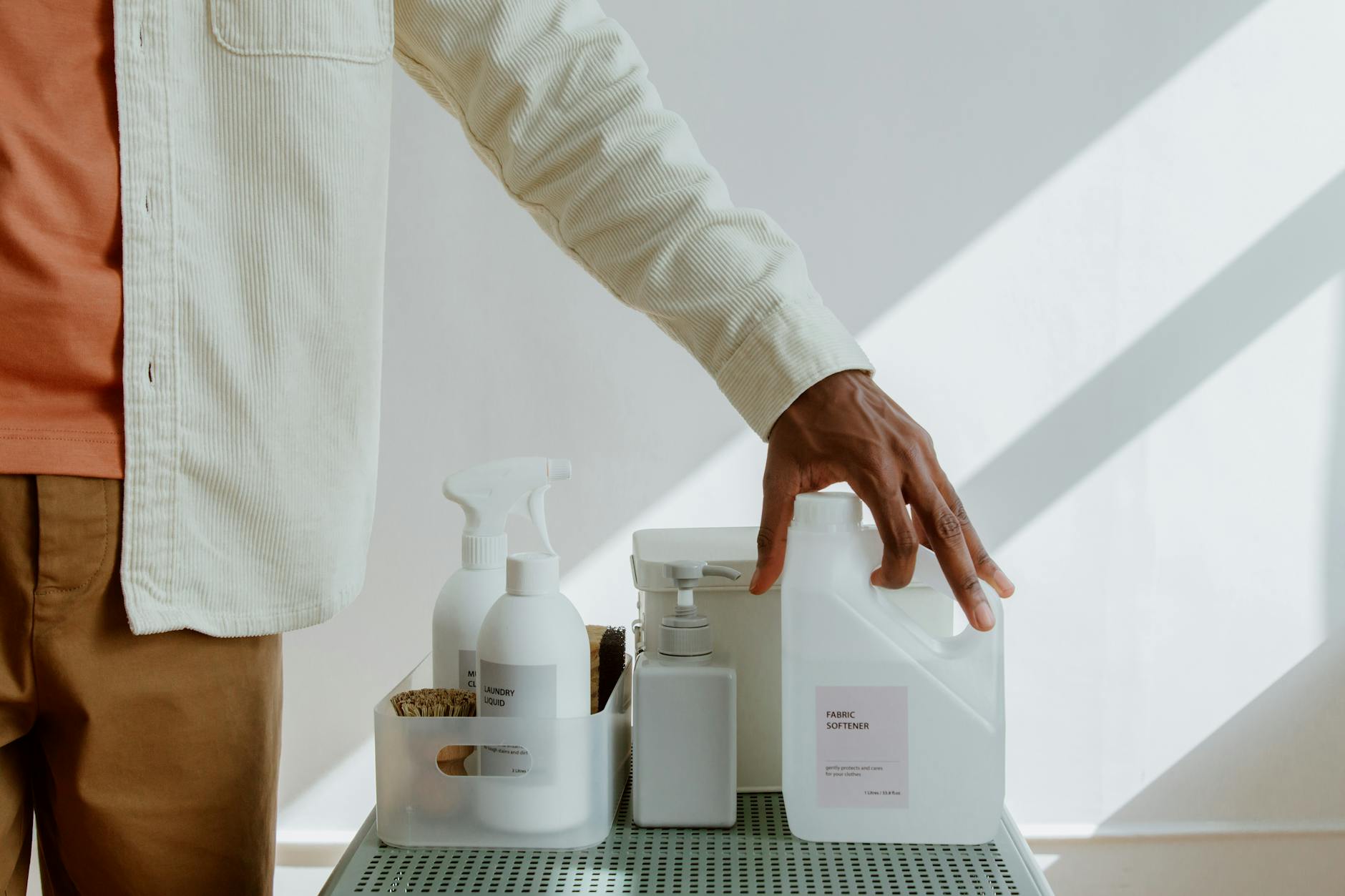
Fabric softener works by coating textile fibers with a thin layer of lubricating chemicals, most commonly quaternary ammonium compounds. Over time this waxy residue accumulates deep within the fabric structure and is extremely difficult to fully remove. The buildup causes clothes to feel artificially soft at first but eventually leads to a stiff and greasy texture after repeated washes. This coating also traps odor-causing bacteria within the fibers, meaning clothes can start to smell unpleasant even straight out of the wash.
Towel Absorbency Loss
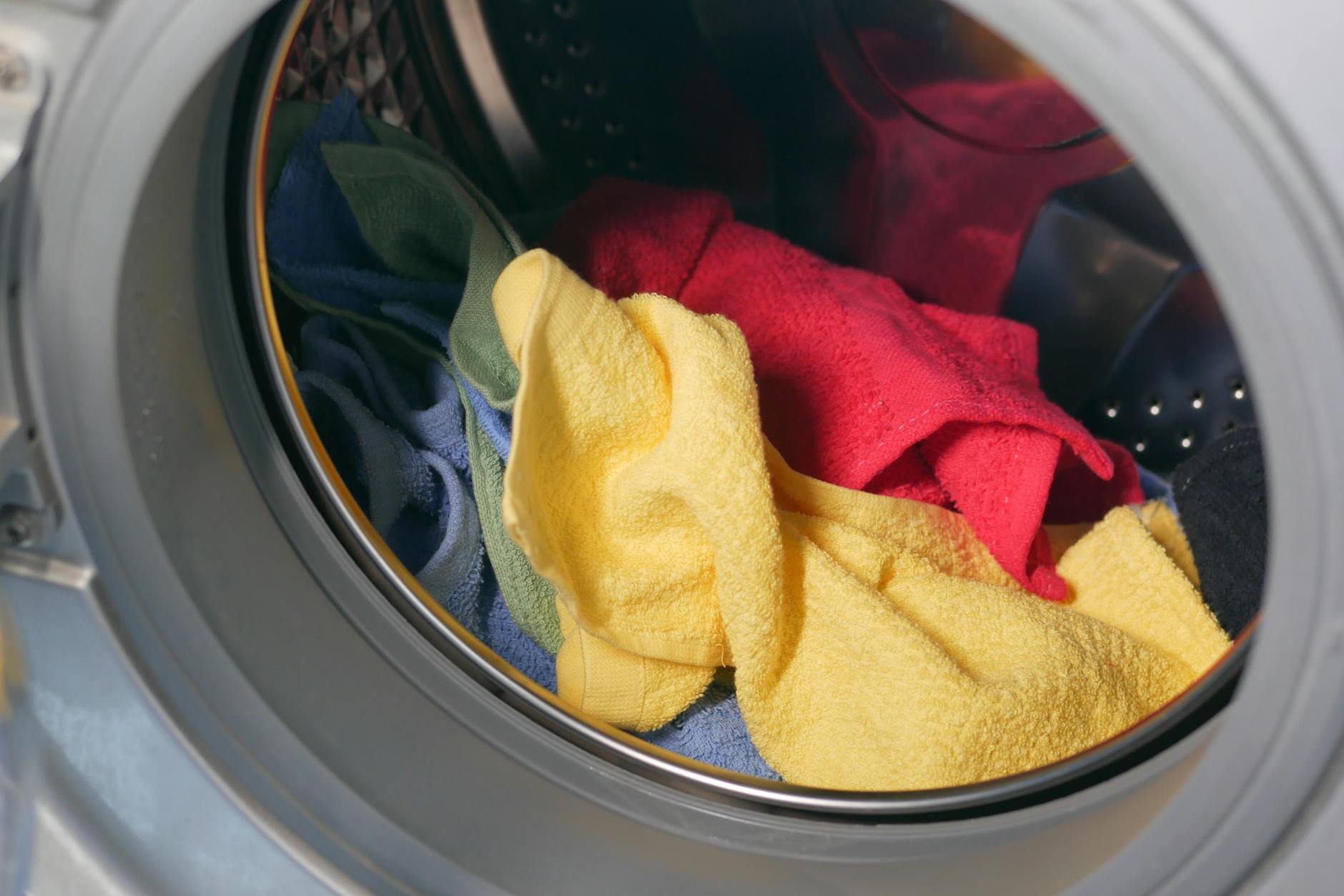
Towels treated with fabric softener gradually lose their ability to absorb water effectively. The chemical coating repels moisture rather than drawing it in, which defeats the entire purpose of using a towel. Studies in textile science have shown that absorbency can drop significantly after just a few uses of softener on cotton terry cloth. Many professional laundering services strictly prohibit fabric softener on towels for precisely this reason. Over time you end up with towels that smear water around rather than drying your skin properly.
Destruction of Moisture-Wicking Fabrics
Athletic wear and performance fabrics are engineered with precision to move sweat away from the skin during exercise. Fabric softener’s coating clogs the microscopic pores woven into these technical textiles, rendering the moisture-wicking function completely ineffective. Sports apparel brands including major names in athletic performance explicitly warn against using softener on their products in care label instructions. Once the technical properties of these garments are compromised they cannot be restored, meaning expensive workout gear is effectively ruined. Washing performance fabrics without softener preserves both their function and their lifespan considerably.
A Hidden Source of Indoor Air Pollution
When fabric softener-treated laundry tumbles through a dryer, the heat activates and releases a range of volatile organic compounds into the air. Research conducted by environmental scientists has identified dozens of chemical compounds emitted from dryer vents when softener-treated items are dried. Some of these compounds are classified as hazardous air pollutants under environmental protection regulations. The chemicals circulate not only outside through the vent but also inside the home when dryers are not properly sealed. Indoor air quality can be measurably affected in homes where fabric softener is used regularly.
Serious Skin Irritation Risks

The synthetic fragrances and preservatives found in most fabric softeners are among the leading causes of contact dermatitis and skin sensitization. These chemicals remain on clothing long after washing and stay in direct contact with the skin throughout the day. People with eczema, psoriasis, or sensitive skin conditions often find that their symptoms worsen significantly when using scented softeners. Even individuals without pre-existing skin conditions can develop reactions after prolonged exposure to residue-laden fabrics. Dermatologists frequently recommend eliminating fabric softener as one of the first steps in managing unexplained skin irritation.
Fire Retardancy Reduction

Children’s sleepwear is legally required in many countries to meet strict flammability standards to protect young children from fire hazards. Fabric softener applied to these garments coats the flame-retardant fibers and significantly reduces their protective effectiveness. Consumer safety organizations have published clear warnings advising parents never to use fabric softener on children’s pajamas or sleepwear for this reason. The risk applies not only to purpose-designed sleepwear but also to any treated fabrics that come near heat or open flame. This is one of the most critical safety concerns associated with regular softener use in family households.
Microfiber and Microplastic Pollution
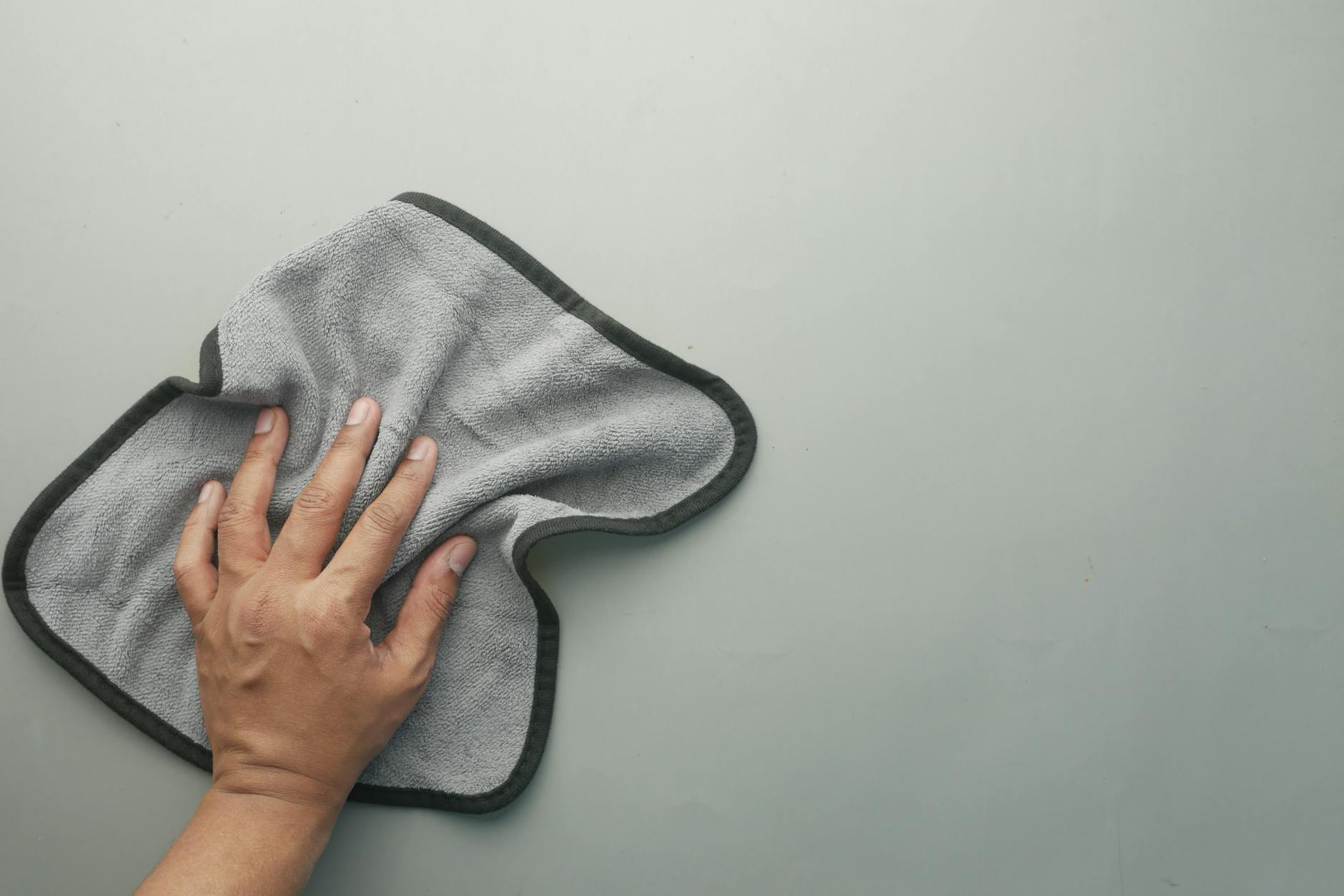
Many fabric softeners contain synthetic ingredients that break down into microplastics during the washing and rinsing cycle. These tiny particles pass through wastewater treatment systems and enter rivers, lakes, and oceans where they accumulate in aquatic ecosystems. Marine scientists have found microplastic contamination in fish, shellfish, and even drinking water sources around the world. Liquid fabric softeners in particular contribute to this growing environmental crisis with every single load of laundry. Choosing softener-free washing is a straightforward and effective way to reduce one’s contribution to microplastic pollution.
Elastic and Spandex Breakdown
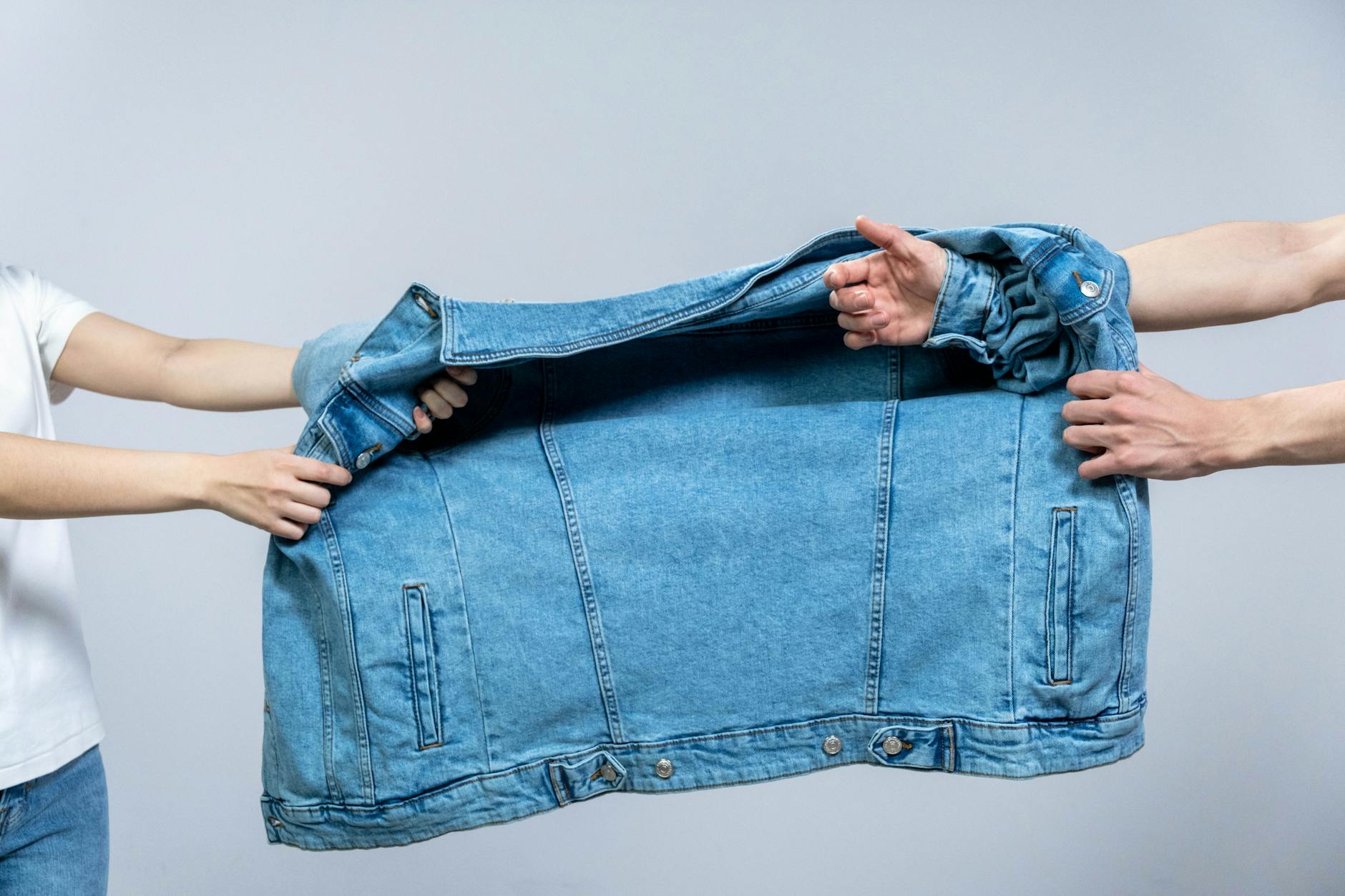
Elastic fibers such as spandex and elastane are extremely sensitive to the chemical compounds found in fabric softeners. The lubricating agents in softener degrade the polymer structure of elastic over time, causing it to lose its stretch and snap. Underwear, leggings, socks, and fitted garments all rely on elastic integrity to maintain their shape and function. Once elastic is broken down by repeated softener exposure the garment becomes baggy and unwearable and the damage is permanent. Eliminating softener from the wash cycle is one of the most effective ways to extend the life of stretch-based clothing.
Washing Machine Damage
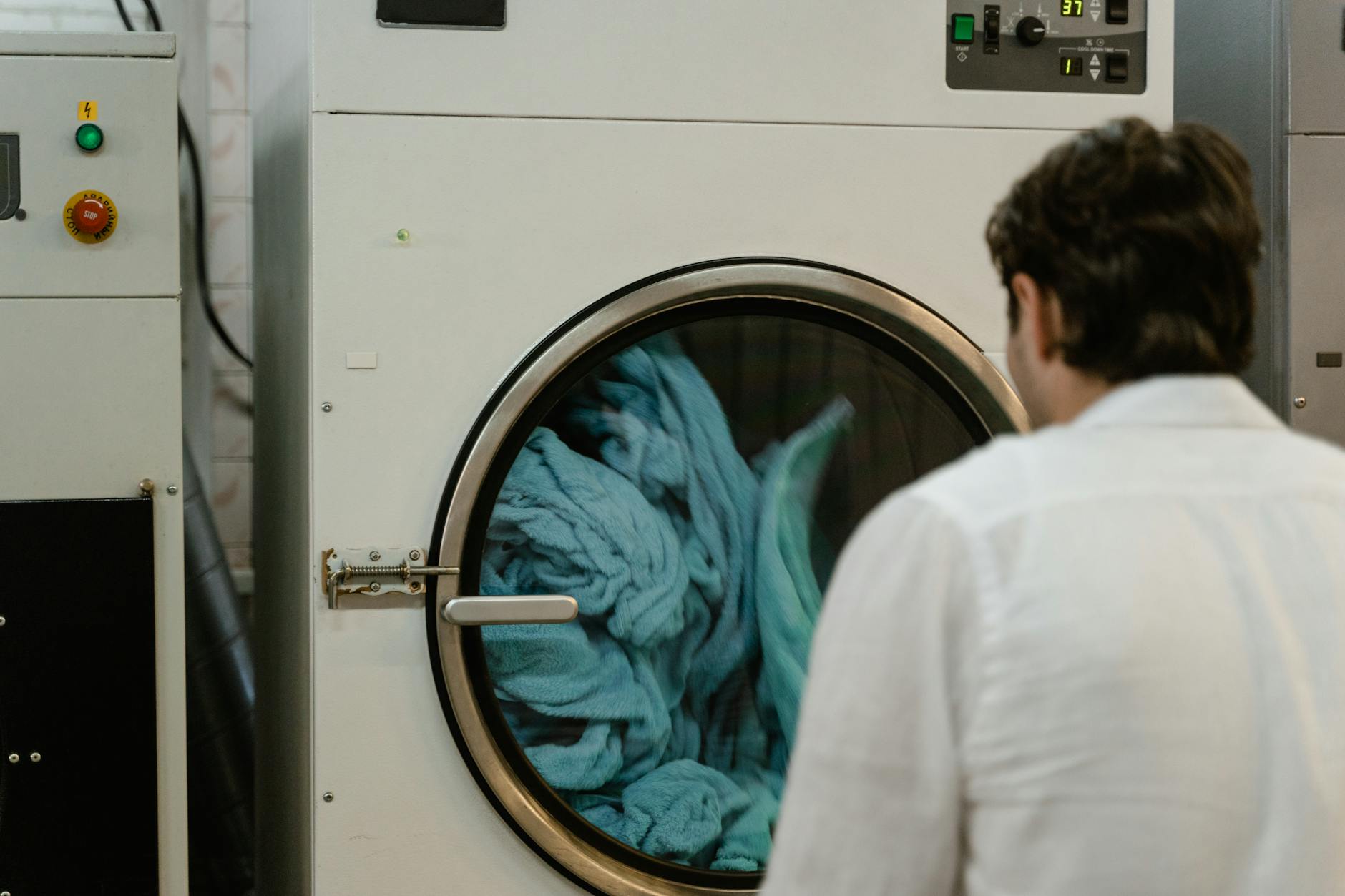
Fabric softener does not only affect clothes but also causes progressive damage to the washing machine itself. The waxy residue builds up inside the drum, rubber seals, and detergent dispenser drawers over time, creating an environment where mold and mildew thrive. Many appliance repair technicians report that softener buildup is a leading cause of foul odors emanating from machines and of seal degradation. The dispenser compartment in particular becomes clogged and difficult to clean, reducing the machine’s overall efficiency. Regular softener use can shorten the operational lifespan of a washing machine considerably and increase maintenance costs.
Fragrance Chemical Exposure
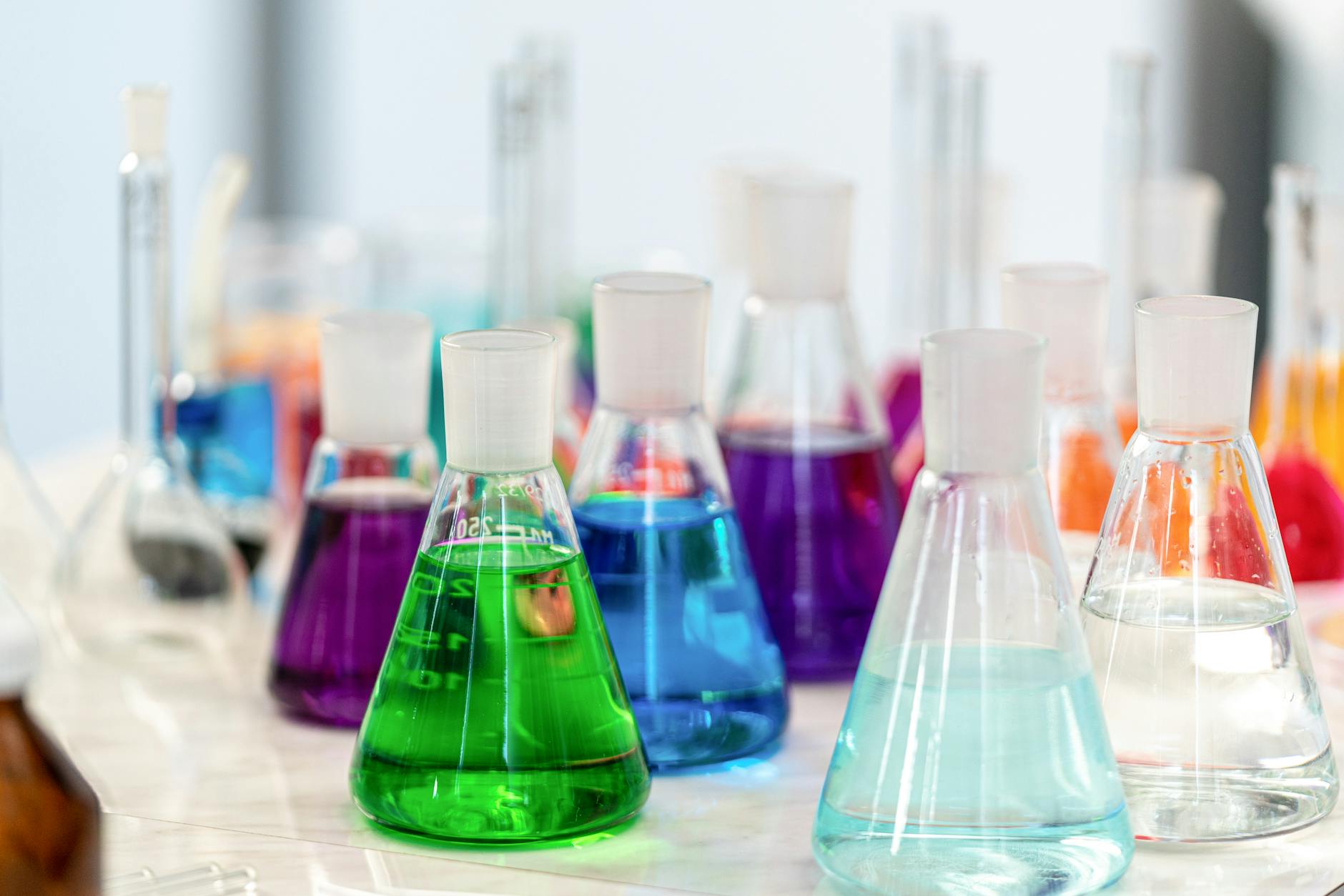
The pleasant scents associated with fabric softeners are typically produced using complex mixtures of synthetic fragrance chemicals. The International Fragrance Association lists hundreds of individual chemical compounds used in fabric scent formulations, many of which have not been fully tested for long-term human health effects. Some commonly used fragrance ingredients are classified as potential endocrine disruptors, meaning they may interfere with hormonal function in the body. Because fragrance formulas are considered trade secrets in most countries, manufacturers are not required to disclose individual chemical ingredients on packaging. This lack of transparency makes it very difficult for consumers to assess the true risk of the products they are using.
Color Fading Acceleration

Fabric softener accelerates the fading of colored and dark garments through repeated chemical exposure during the wash cycle. The coating agents interact with dye molecules in the fabric and gradually loosen their bond with the textile fibers. Bright colors and deep tones are particularly vulnerable, with noticeable fading often appearing within just a few months of regular softener use. Clothing care experts recommend washing dark items in cold water without any softener to preserve color intensity for as long as possible. Skipping softener is one of the simplest and most cost-effective ways to keep a wardrobe looking vibrant and new.
The Cost Factor Over Time

Fabric softener represents a recurring and largely unnecessary expense in the average household laundry budget. A family doing five or more loads of laundry per week can spend a significant amount annually on softener products that actually degrade their clothing and appliances. When the hidden costs of replacing damaged garments and repairing washing machines are factored in the true financial impact becomes even greater. The marketing behind fabric softener is highly effective at convincing consumers that it is an essential product when in reality it is entirely optional. Removing it from the shopping list creates immediate savings with no genuine downside to fabric care.
Impact on Babies and Infants

Infant skin is significantly more permeable and sensitive than adult skin, making babies particularly vulnerable to chemical residues left on fabrics. Pediatric dermatology guidelines consistently recommend using fragrance-free and additive-free products on all items that come into contact with newborns and young children. Fabric softener residues on baby clothes, blankets, and bedding can contribute to rashes, irritation, and respiratory sensitivity in infants. The developing immune systems of young children can be more easily sensitized to chemical compounds, potentially setting the stage for longer-term allergies. Parents who eliminate softener from their laundry routines often report noticeable improvements in their baby’s skin health.
Natural Alternatives That Actually Work
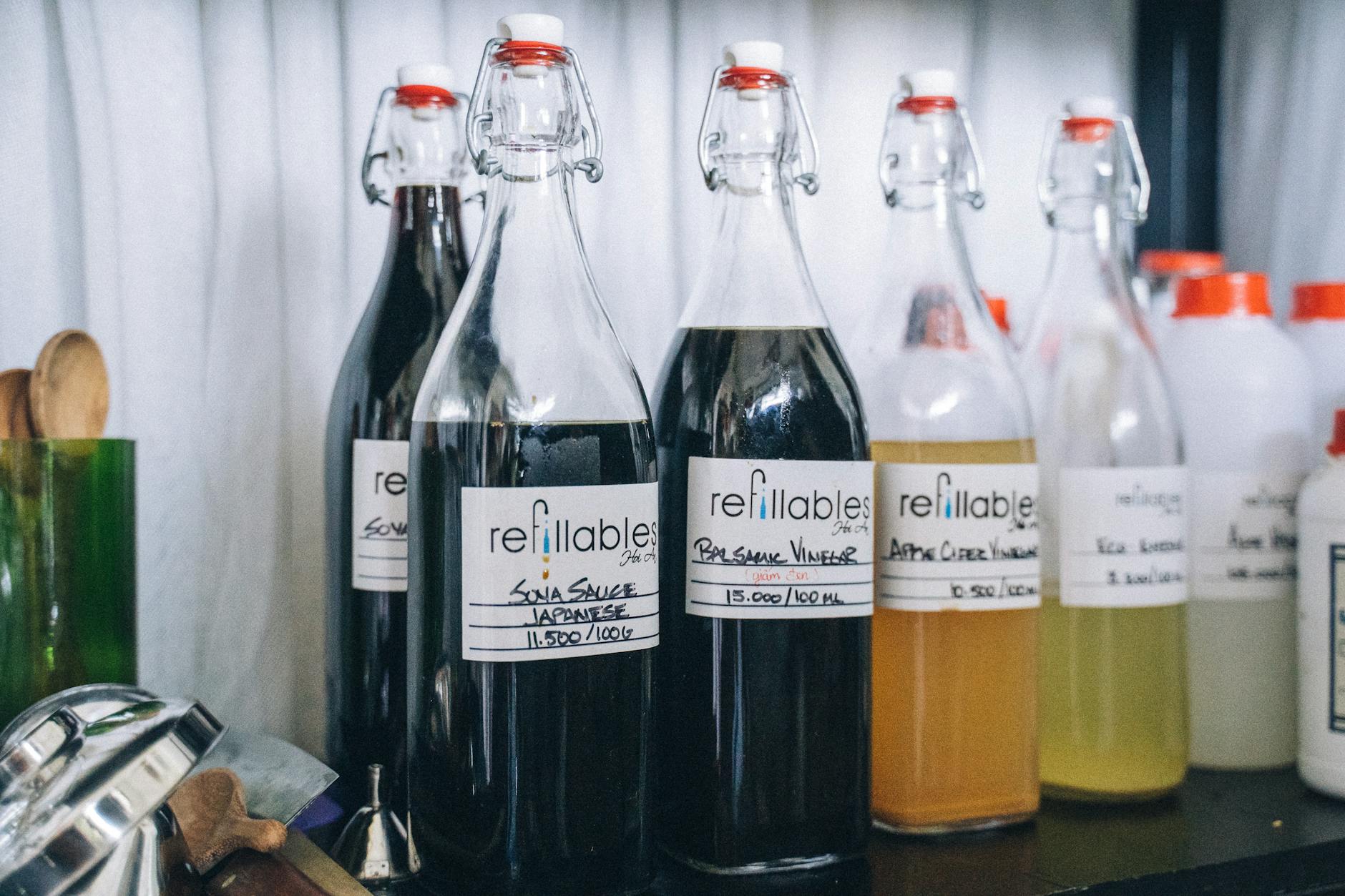
White vinegar added to the rinse cycle is one of the most well-established and effective natural alternatives to conventional fabric softener. It neutralizes alkaline detergent residue, softens fibers naturally, and leaves no scent once the laundry has dried completely. Wool dryer balls are another highly recommended alternative that physically soften fabrics by agitating fibers during the drying cycle without any chemical intervention. Baking soda added to the wash can further boost softness and deodorizing while being completely safe for all fabric types and skin sensitivities. These alternatives cost a fraction of commercial softeners and deliver genuine results without any of the associated risks.
The Greenwashing Problem
Many fabric softeners now marketed as natural, plant-based, or eco-friendly still contain chemical compounds that pose risks to health and the environment. The term natural on a product label has no standardized legal definition in most markets, allowing manufacturers to use it very loosely. Some so-called green softeners still include synthetic fragrances, preservatives, and compounds that contribute to aquatic toxicity when washed into waterways. Consumers who believe they are making a safer and more sustainable choice by purchasing these products may unknowingly still be exposed to the same underlying risks. Reading full ingredient lists rather than relying on front-of-label claims is the only reliable way to assess whether a product is genuinely safer.
If you have already made the switch away from fabric softener or are considering it, share your experience and your go-to alternatives in the comments.




