A home should feel like a deeply personal sanctuary that reflects the people living inside it. Certain decorating choices, however, can strip a space of its warmth and character, leaving it feeling anonymous and transient. These are the forty most common mistakes that rob a home of personality and give it the unmistakable look of a roadside motel room.
Pushing All Furniture Against the Walls
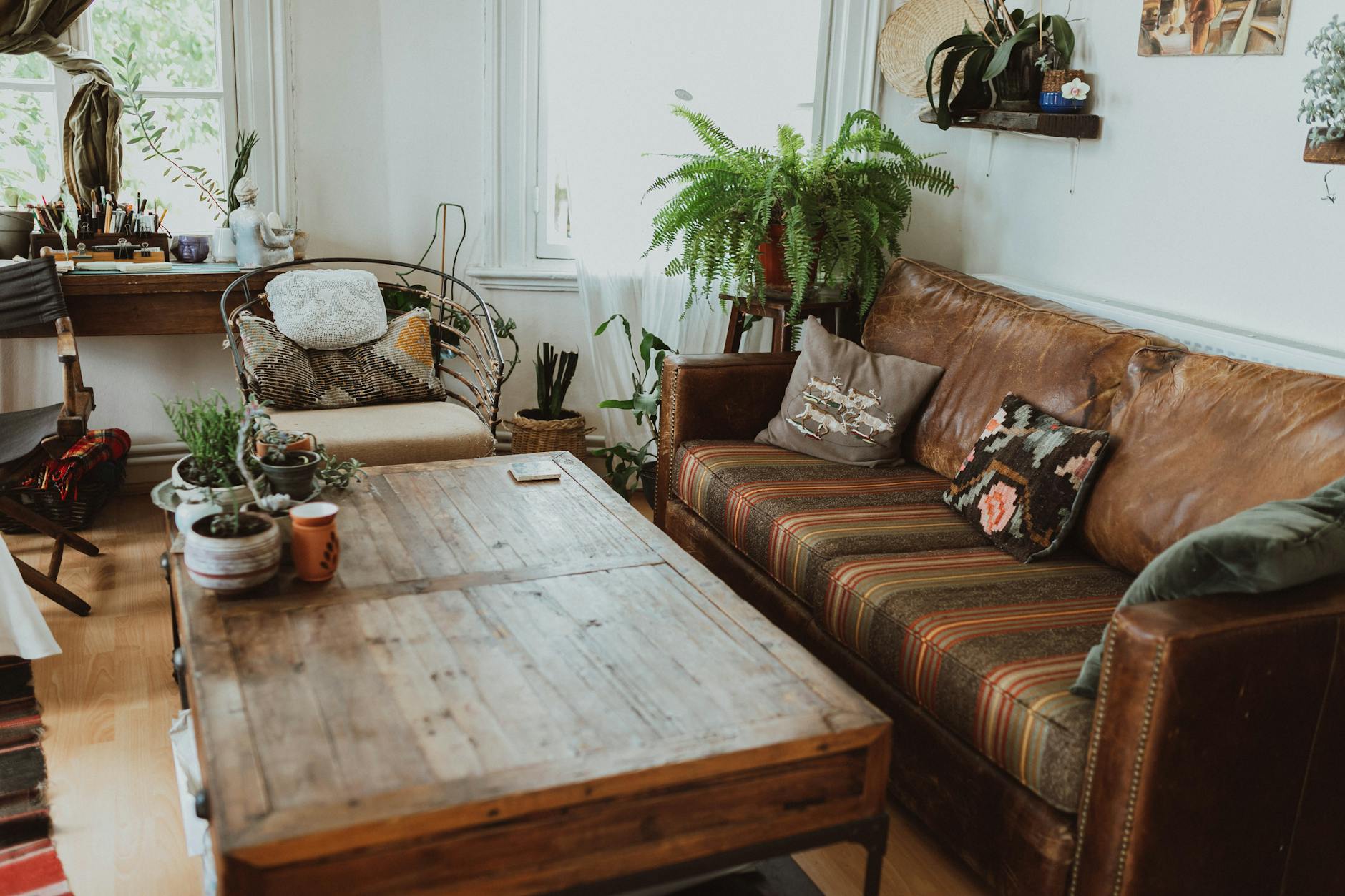
Many homeowners instinctively line every sofa and chair along the perimeter of a room to create more floor space. This approach actually makes a room feel hollow and disconnected rather than open and airy. Floating furniture toward the center of a space creates intimate conversation zones that feel intentional and lived in. Rugs anchoring furniture groupings help define areas and add warmth that wall-hugging arrangements simply cannot achieve.
Hanging Art Too High
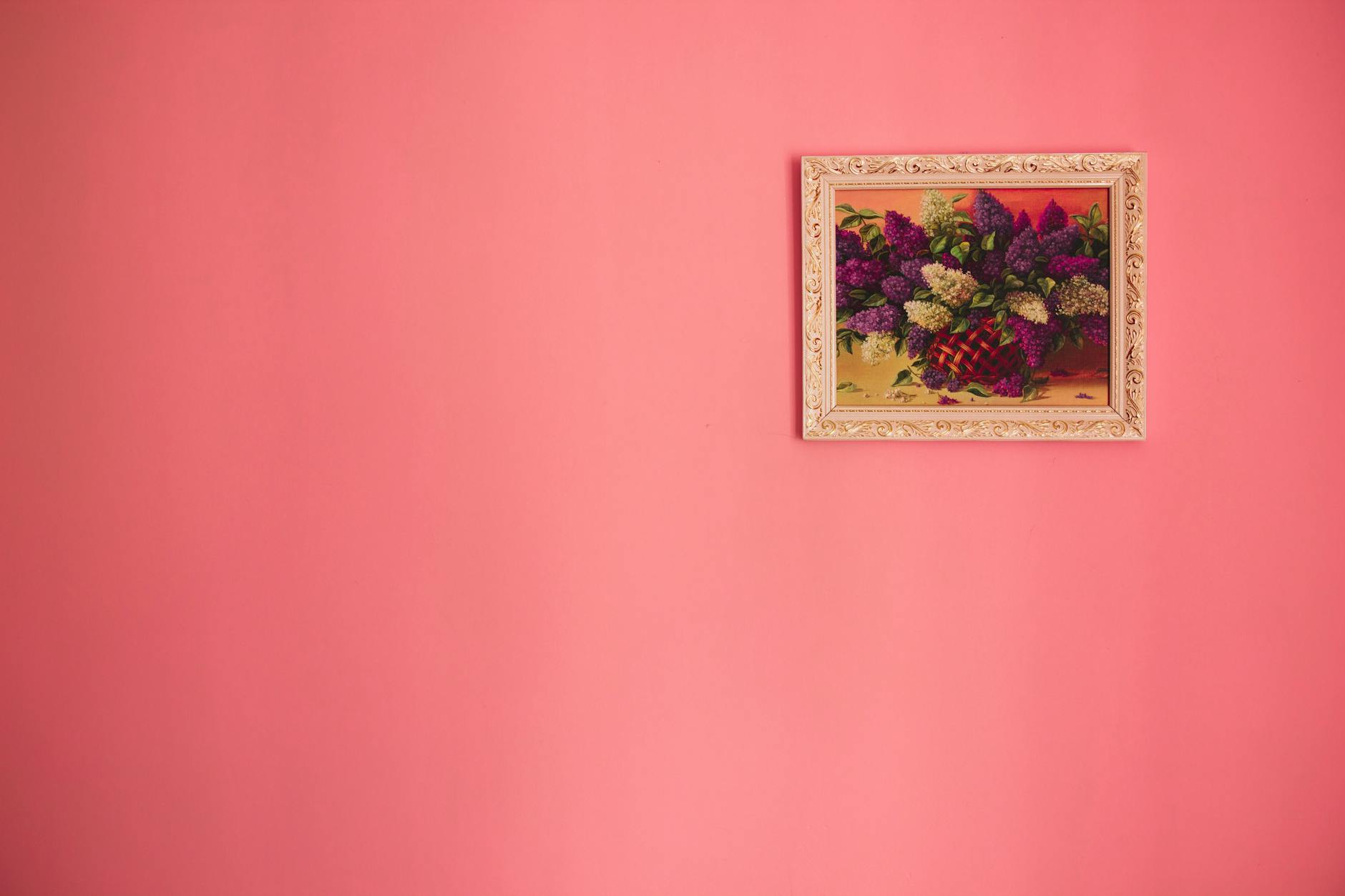
Artwork mounted near the ceiling is one of the most widespread and easily corrected decorating errors. The standard guideline is to center pieces at roughly 57 to 60 inches from the floor which corresponds to average eye level. When art is hung too high it visually disconnects from the furniture below and makes ceilings feel oppressively tall in an unflattering way. Groupings of frames should be treated as a single unit with the center of the arrangement hitting that same eye-level mark.
Using Only Overhead Lighting
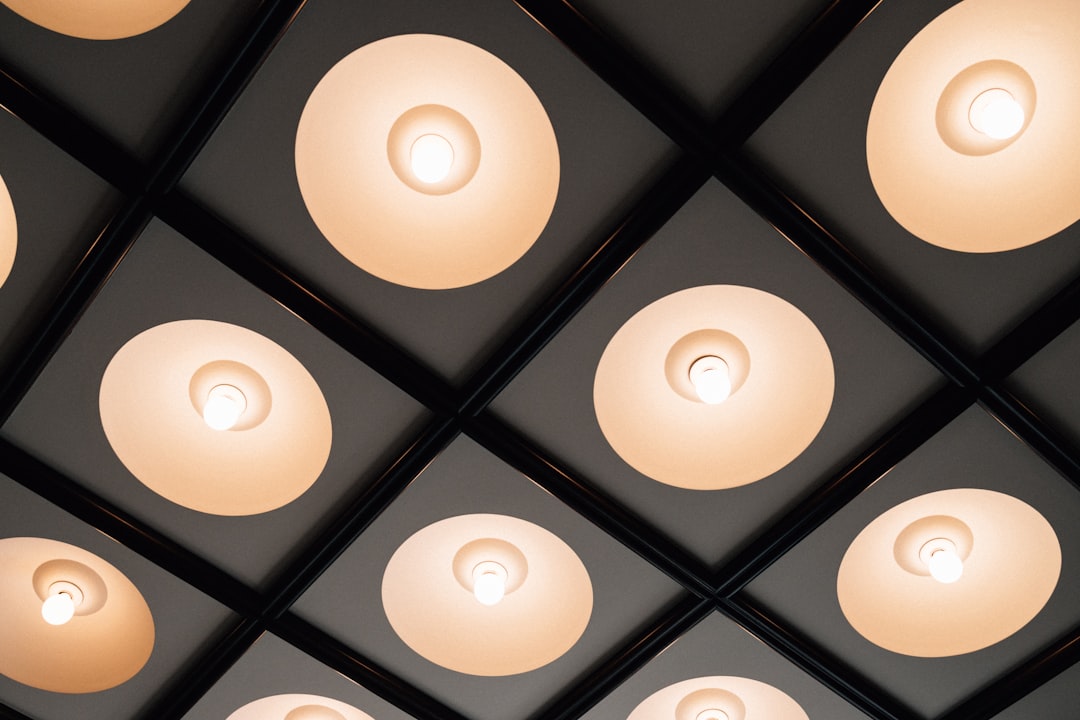
Relying on a single overhead fixture for all the light in a room creates flat, shadowless illumination that mirrors the look of a budget accommodation. Layered lighting combines ambient, task, and accent sources to create depth and dimension throughout a space. Table lamps, floor lamps, and wall sconces each contribute a different quality of light that makes a room feel curated and comfortable. The ability to control different lighting zones independently transforms the atmosphere of a room dramatically.
Matching Everything Too Perfectly

Purchasing a fully matched furniture set and placing it exactly as shown in a showroom is a shortcut that results in a stiff, impersonal space. Motel rooms are defined by their uniformity and the absence of anything that suggests individual taste or history. Mixing pieces from different eras, materials, and sources creates the collected-over-time feeling that characterizes a genuinely personal home. A single heirloom or vintage find can break the monotony of a matched set and add irreplaceable character.
Choosing the Wrong Rug Size
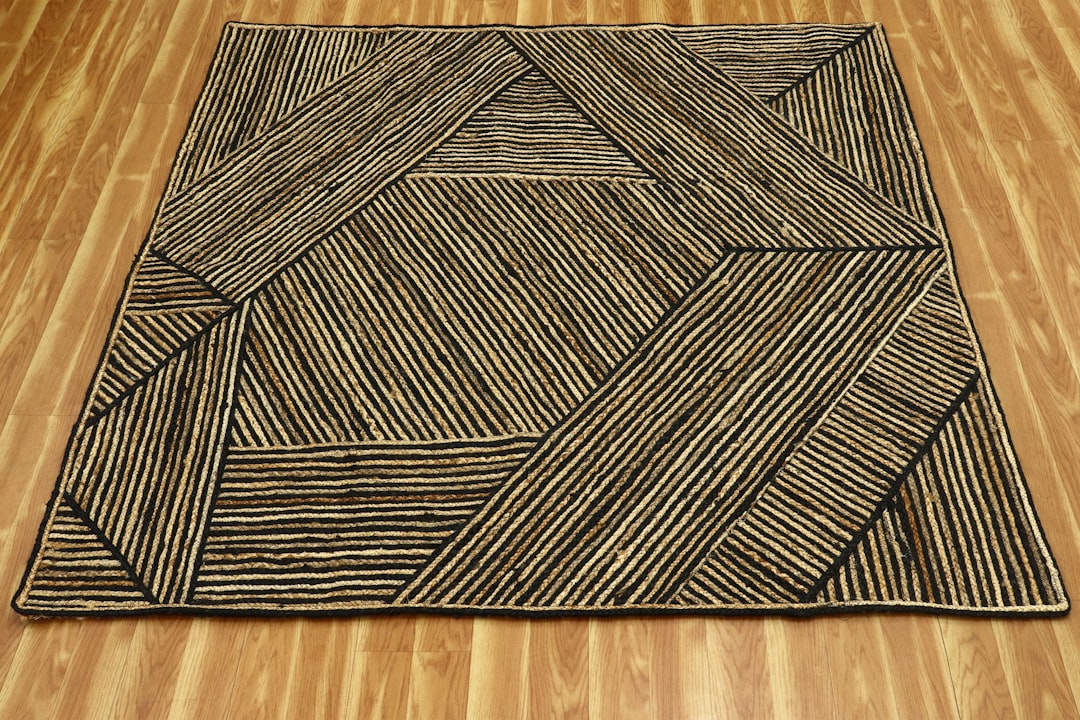
An undersized rug that only accommodates a coffee table while leaving all the surrounding furniture floating on bare floor is an extremely common mistake. A rug should be large enough for at least the front legs of every major seating piece to rest on it. In a dining room the rug must extend far enough beyond the table that chairs remain on the rug even when pulled out for seating. Correctly sized rugs visually anchor a room and signal an understanding of proportion that elevates the entire space.
Generic Framed Prints
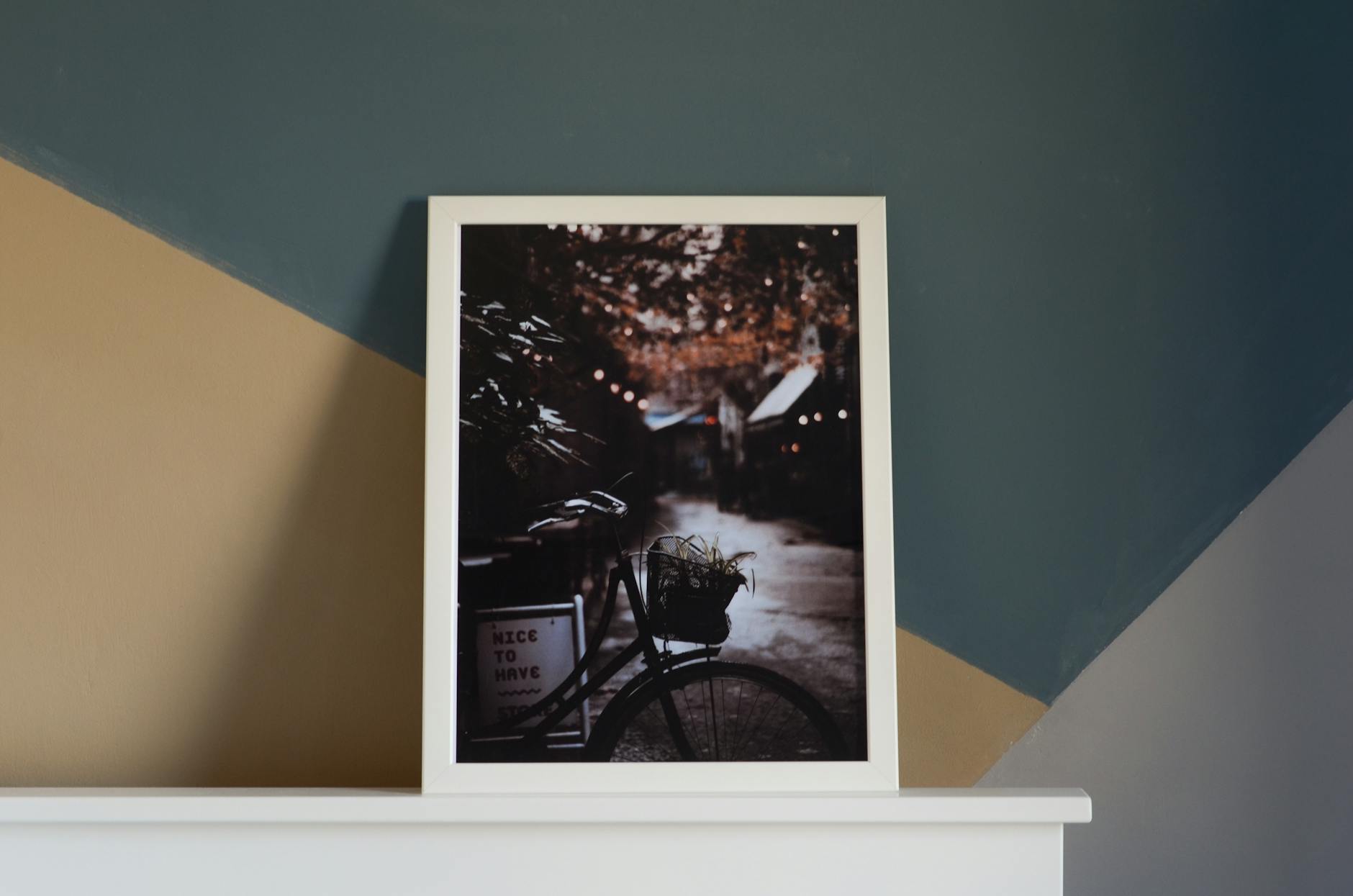
Mass-produced motivational quotes and identical botanical prints sold in big-box sets are among the clearest signals that a space lacks a personal point of view. Motel corridors are lined with inoffensive, interchangeable artwork precisely because it is chosen to appeal to no one in particular. Original artwork, photography with personal meaning, or even well-framed fabric samples tell a story about the people who live in a home. Investment in even a few genuinely meaningful pieces makes an entire wall feel considered and intentional.
Plastic Flower Arrangements

Faded or dusty artificial flowers in cheap plastic vases are a hallmark of spaces where no one is truly invested in the details. Real plants bring life, oxygen, and natural variation that synthetic versions cannot replicate regardless of quality. High-quality dried botanicals are an acceptable alternative that provides organic texture and a muted natural palette without maintenance demands. Fresh flowers, even simple grocery store stems in a good vessel, transform a surface in ways that plastic arrangements never can.
Single Bulb Ceiling Fixtures

The builder-grade light fixture consisting of a bare or semi-bare bulb mounted flush to the ceiling is present in an enormous number of homes and does enormous damage to the atmosphere. These fixtures produce harsh, unflattering light that illuminates a room the same way a storage unit is lit. Replacing them with pendants, chandeliers, or even a well-chosen flush mount dramatically changes the perceived quality of a space. The fixture itself becomes a design element rather than an afterthought when chosen with care.
Mismatched Bedding Without Intention
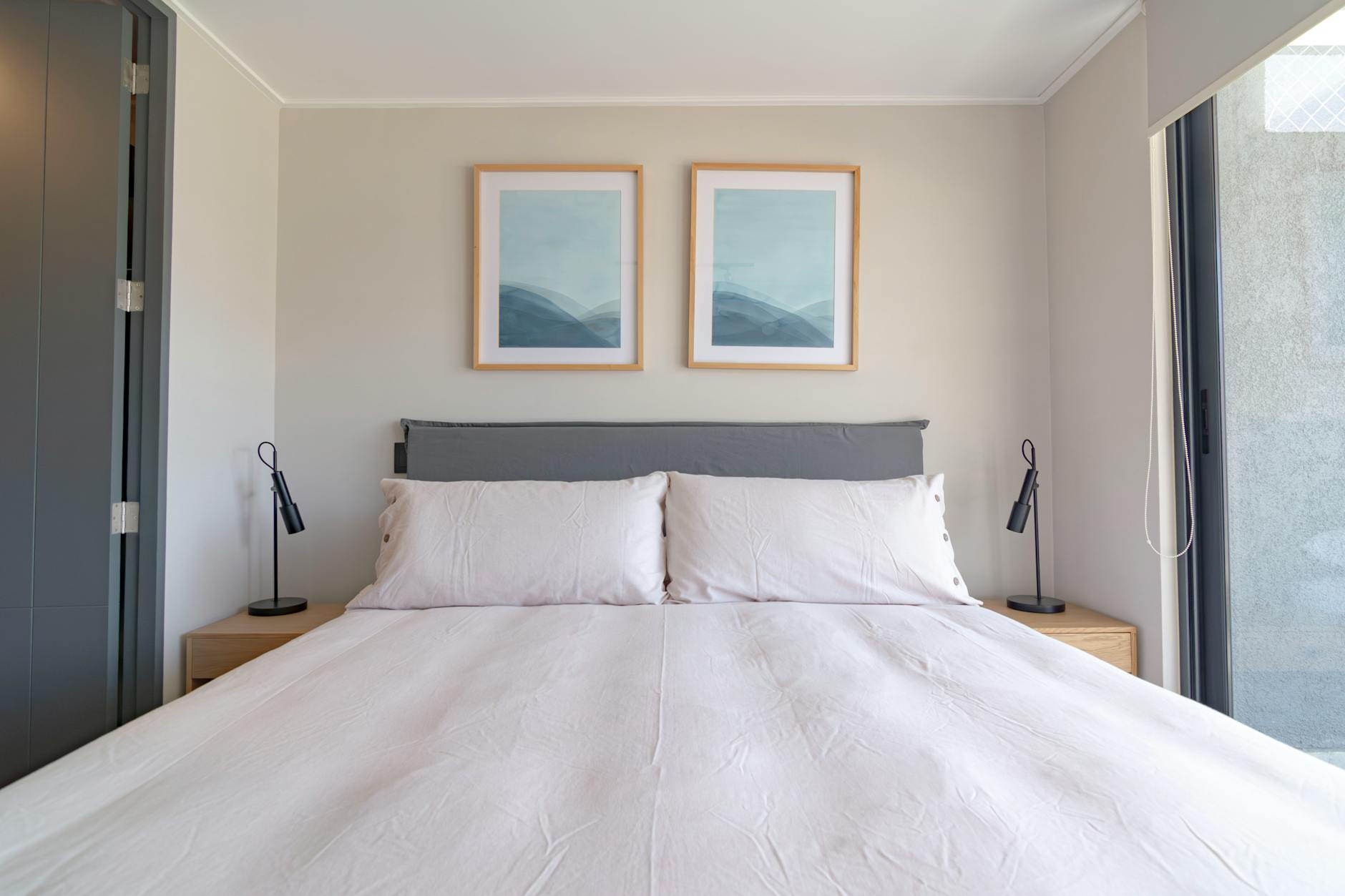
Randomly combined bedding in clashing prints, incompatible colors, and mismatched scales creates a visual chaos that reads as neglect rather than creativity. Motel beds are typically dressed in single-layer bedspreads precisely because layering requires taste and deliberate coordination. A thoughtfully layered bed with a fitted sheet, duvet, folded throw, and considered pillow arrangement communicates comfort and care. Even a limited budget can produce a beautiful result when coordination and restraint guide the selection process.
Ignoring the Entryway
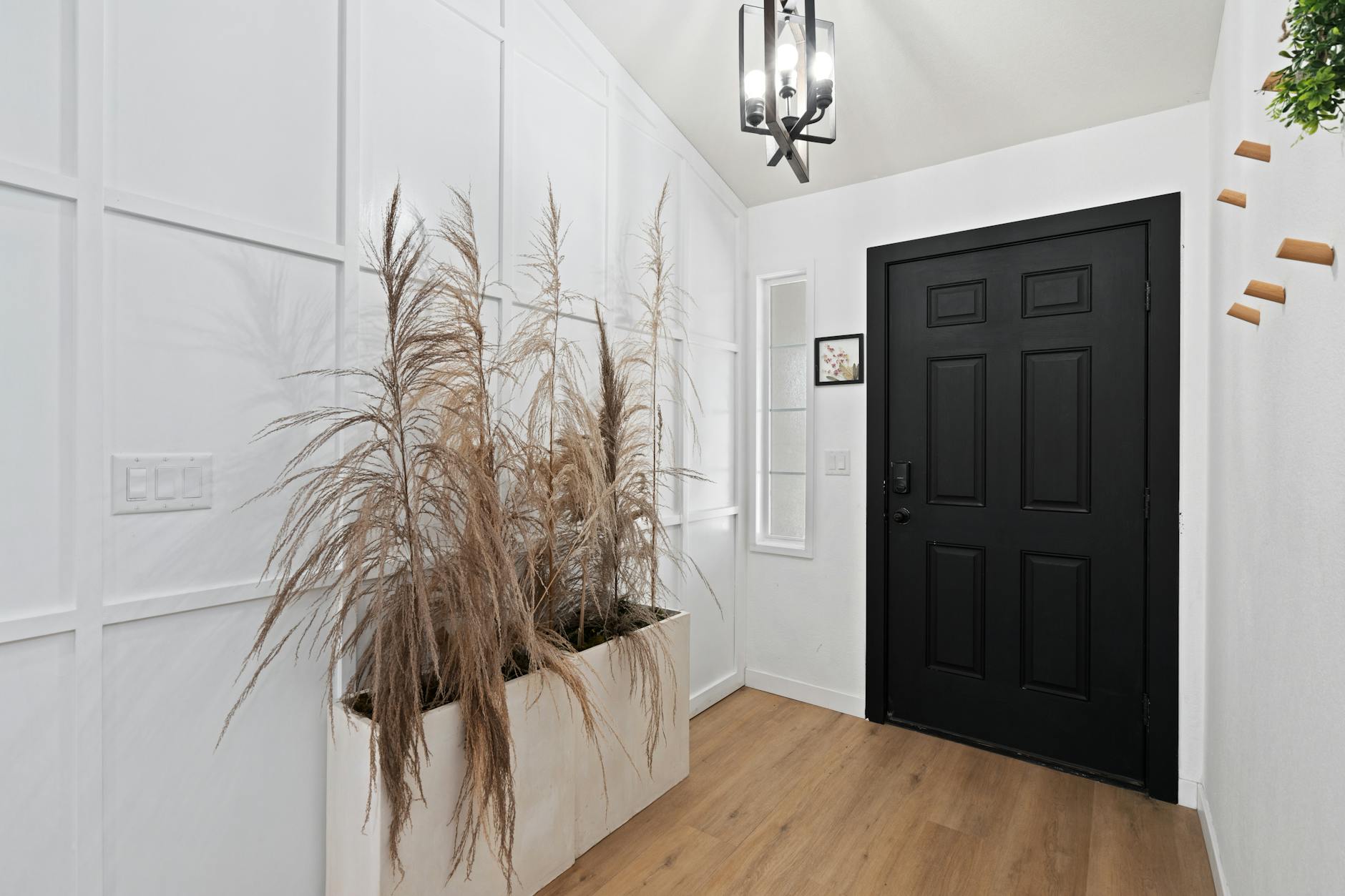
A front entry that offers no furniture, no lighting, and no intentional arrangement signals that design thinking stopped at the main living areas. The entryway sets the tone for every room that follows and a neglected one undermines the impact of even a beautifully decorated interior. A console table, a mirror, a place to hang keys, and a source of warm light are the basic components of a functional and welcoming entry. Even narrow or awkward entry spaces benefit enormously from even minimal intentional styling.
No Plants or Greenery
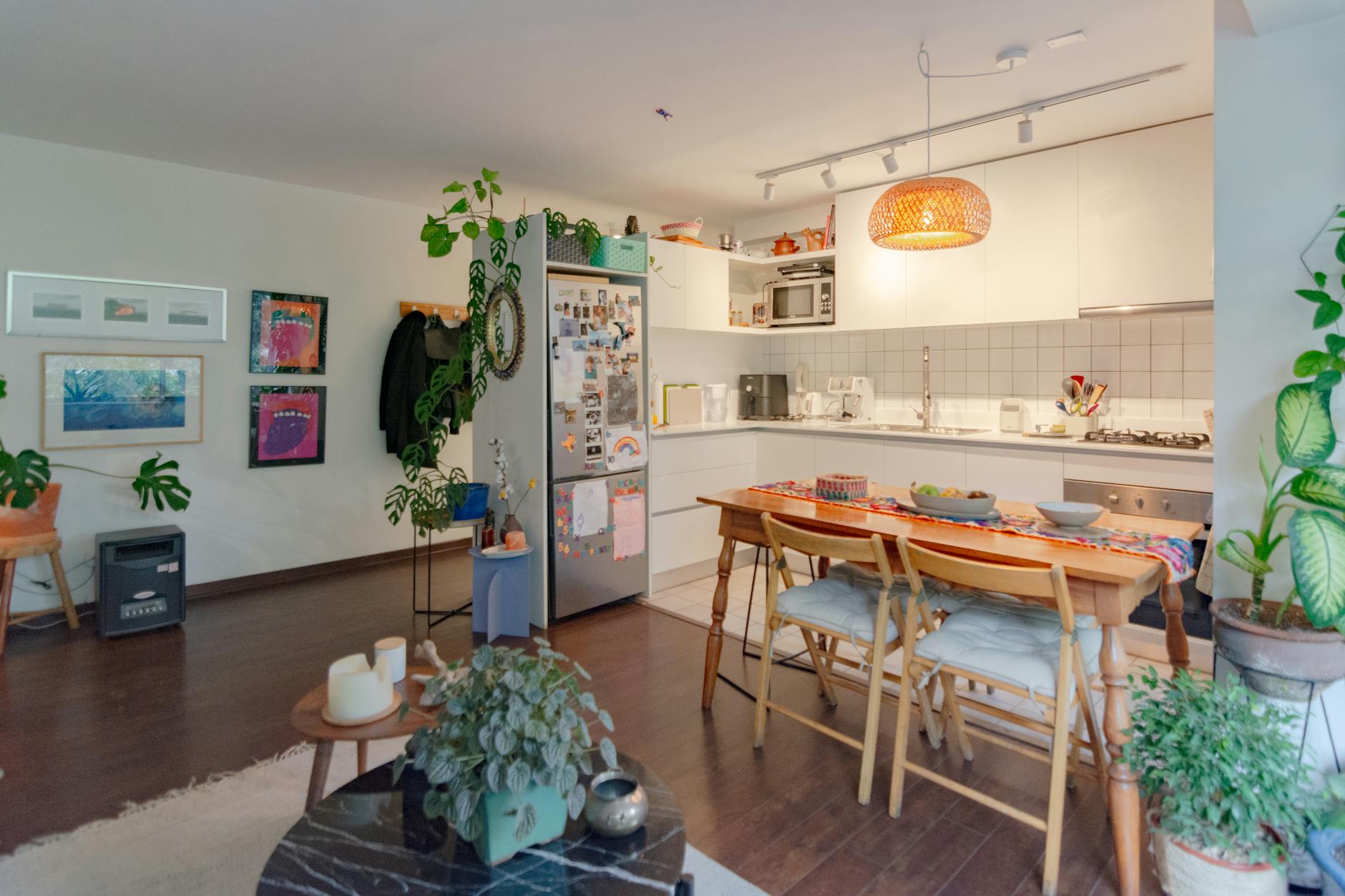
A home without any living plants or botanical elements has a stillness that feels institutional rather than residential. Plants introduce organic shapes, varied textures, and the subtle movement of living things that manufactured objects cannot replicate. Research consistently shows that indoor plants improve air quality and contribute to a sense of calm and well-being in interior spaces. Even a single large statement plant in a well-chosen pot can dramatically shift the energy of a room.
Bare Windows
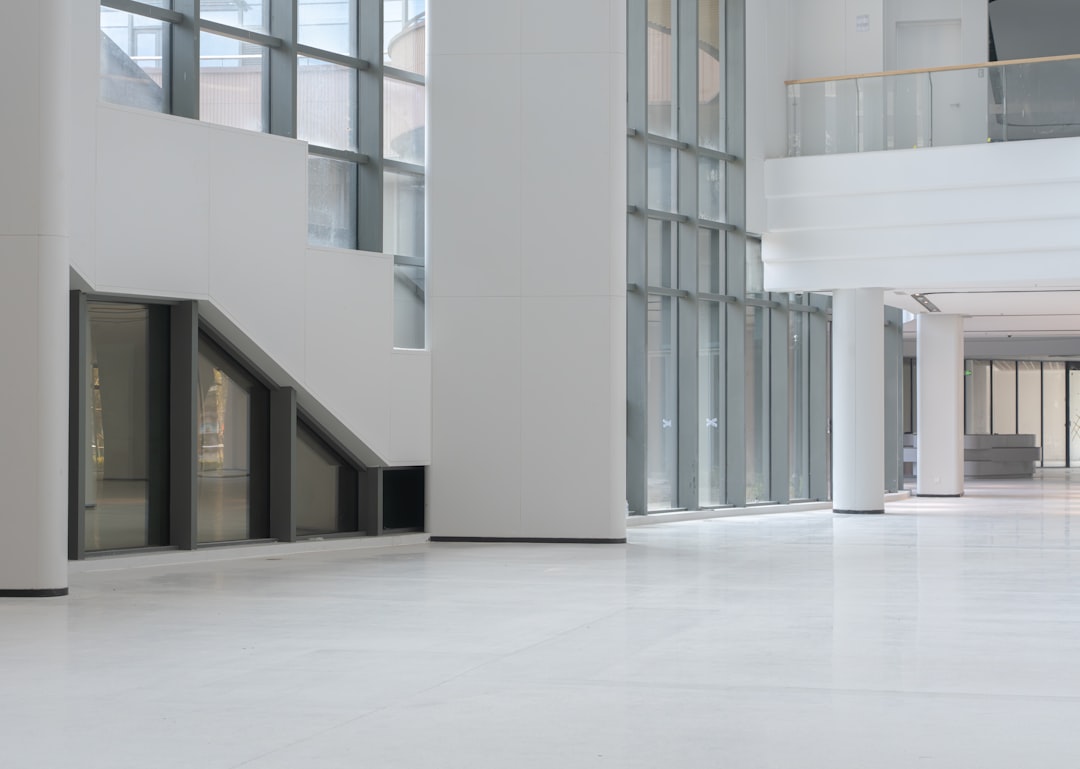
Uncovered windows in living spaces and bedrooms immediately evoke the look of temporary occupancy rather than settled home life. Window treatments serve multiple functions including light control, privacy, acoustic softening, and the introduction of pattern or texture to a room. Curtains hung at ceiling height and extending to the floor make rooms feel taller, more luxurious, and more deliberately designed. Even simple linen panels in a neutral tone make a room feel vastly more finished than bare glass.
Identical Throw Pillows
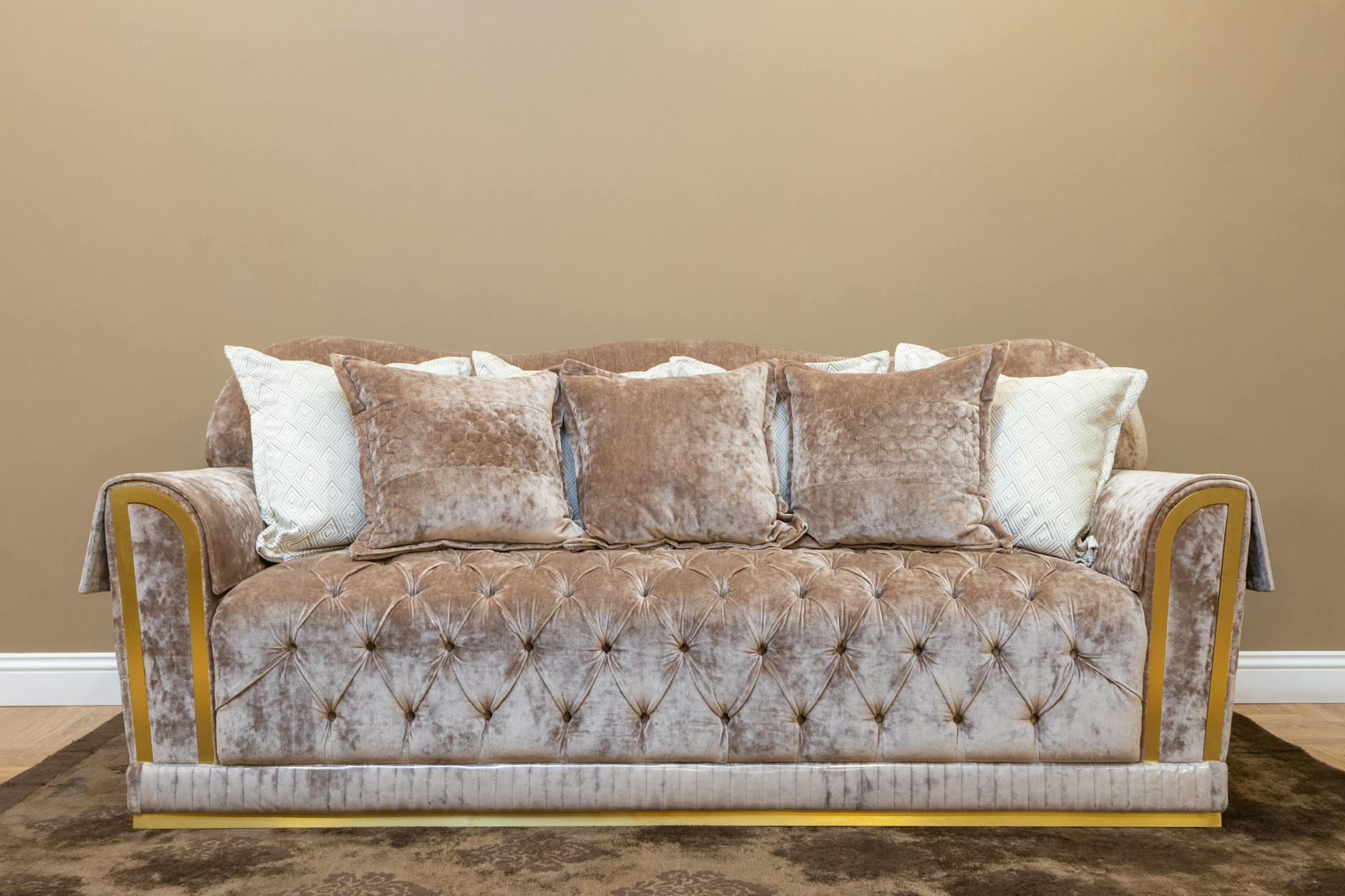
A sofa lined with four perfectly identical throw pillows in the same fabric, size, and arrangement is a subtle but persistent decorating error. This approach removes all visual interest and creates the kind of uniform presentation associated with hotel lobby seating. Varying pillow sizes, mixing solid and patterned fabrics, and combining different textures creates the layered look that characterizes well-designed living spaces. An odd number of pillows in a curated mix communicates far more design confidence than a matched set.
Neglecting Corners
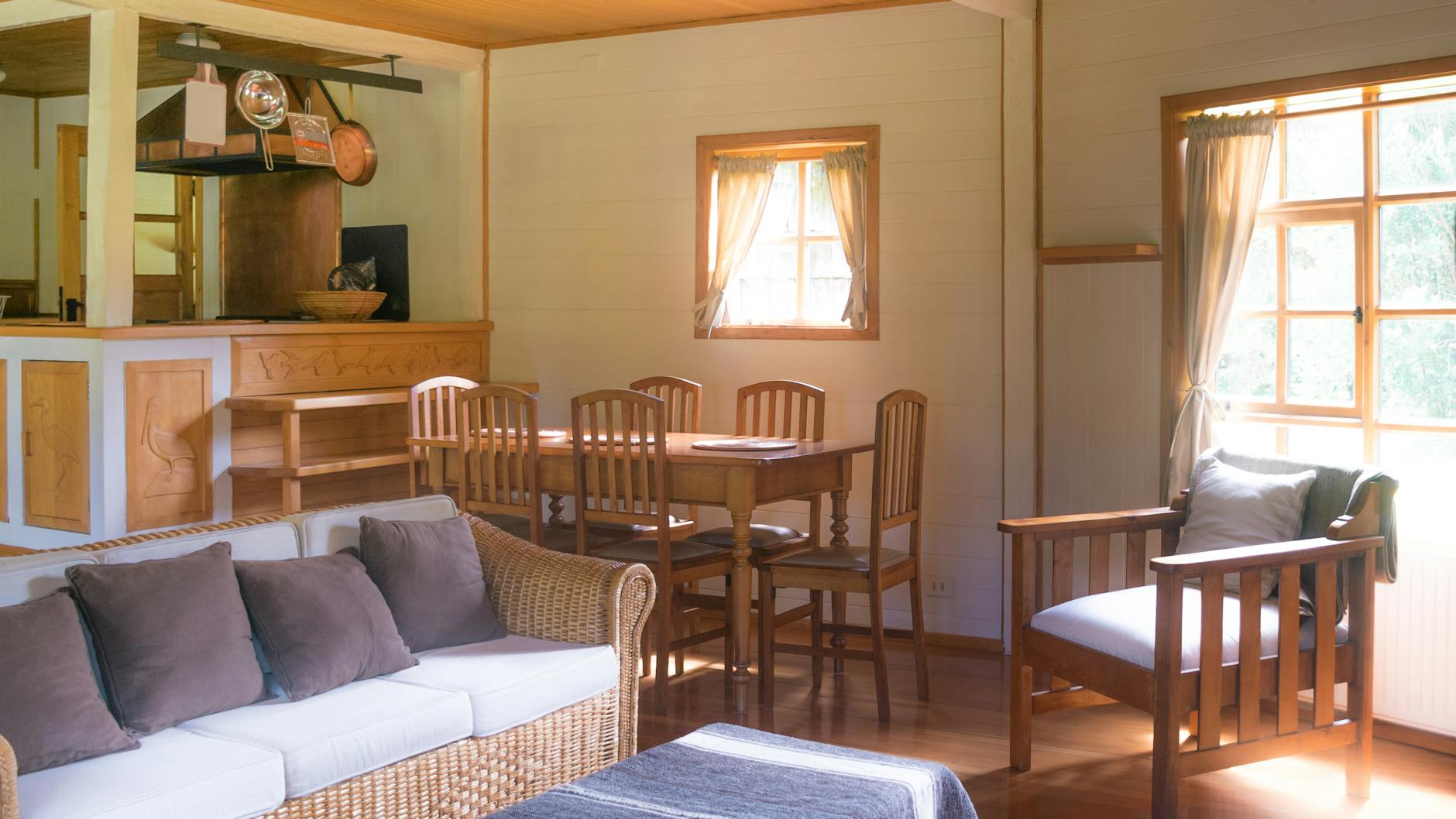
Empty corners are missed opportunities that accumulate in poorly designed rooms and create a sense of incompleteness. A floor lamp, a tall plant, a sculptural object, or a small chair can transform a dead corner into an intentional moment in a room. Corner spaces that are left bare make a room feel smaller because the eye has nowhere to travel beyond the main furniture arrangement. Thoughtfully addressed corners signal that the design of a space has been considered in its entirety.
Builder-Grade Hardware

Original cabinet knobs, drawer pulls, and door hardware left unchanged from builder installation are a widespread source of visual mediocrity in homes. These components are chosen for price rather than appearance and their ubiquity is precisely what makes them forgettable. Replacing hardware is one of the most cost-effective upgrades available in any home because the material and finish quality immediately elevates the perceived value of surrounding surfaces. Unlacquered brass, matte black, and aged bronze finishes each communicate a level of intention that standard chrome hardware cannot.
Popcorn Ceilings Left Unaddressed
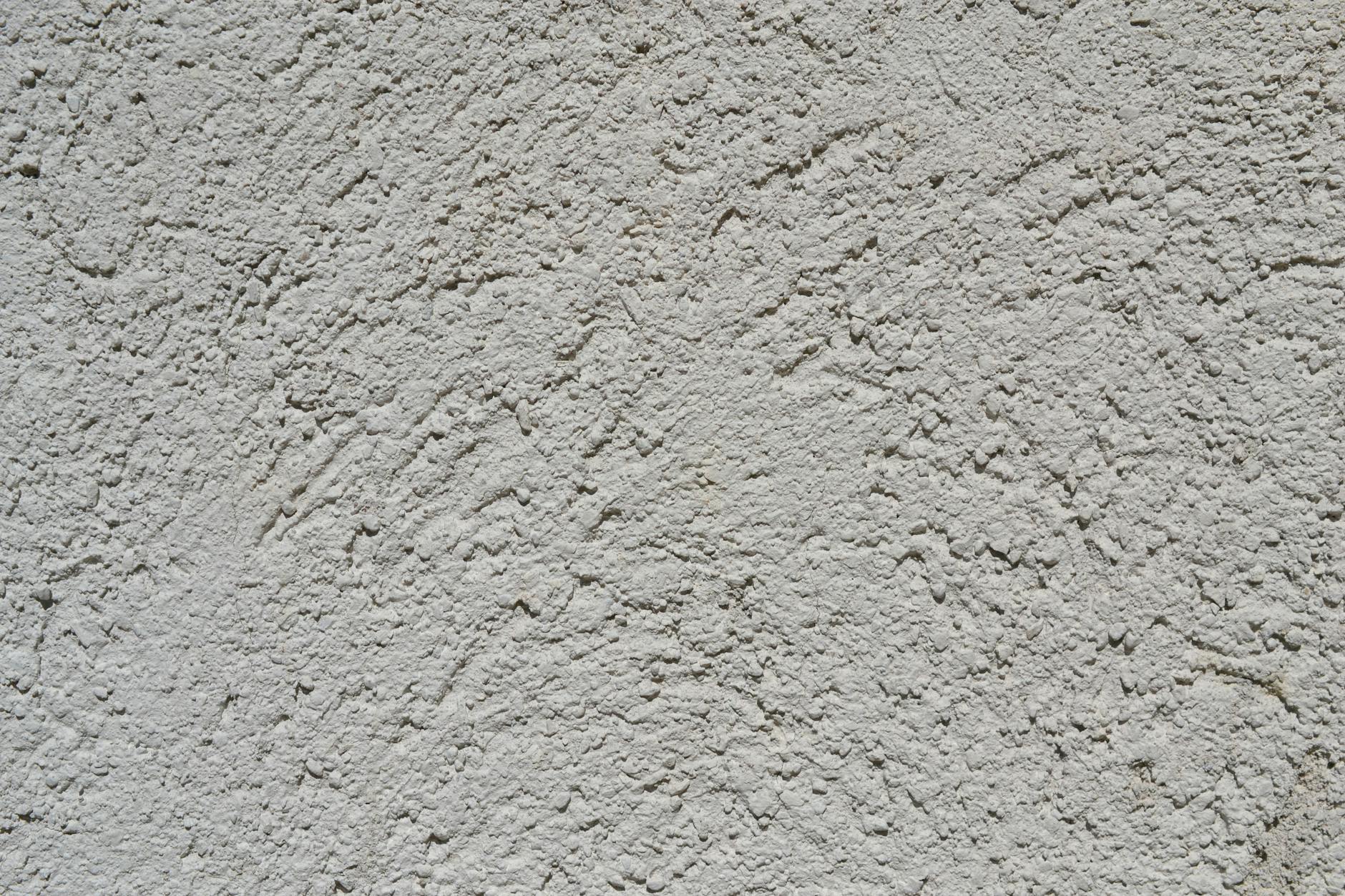
Textured popcorn ceilings are a visual element that immediately dates a space and creates a sense of frozen-in-time neglect. The texture accumulates dust, resists painting, and draws attention upward in an unflattering way. Removal or skim-coating is a renovation project with an outsized positive impact on the perceived modernity and cleanliness of a room. Smooth painted ceilings in white or a soft complementary tone create a clean upper plane that allows the rest of the room to breathe.
Visible Cords and Cables

Exposed power cords trailing across floors and walls are one of the clearest indicators of an unfinished interior. Cable management solutions range from simple cord covers and raceways to in-wall installation and furniture with integrated routing channels. The presence of tangled or visible wiring immediately undermines even well-executed furniture arrangement and styling choices. Addressing cord management is a practical step that has a disproportionately large effect on the visual cleanliness of a room.
Poor Curtain Height
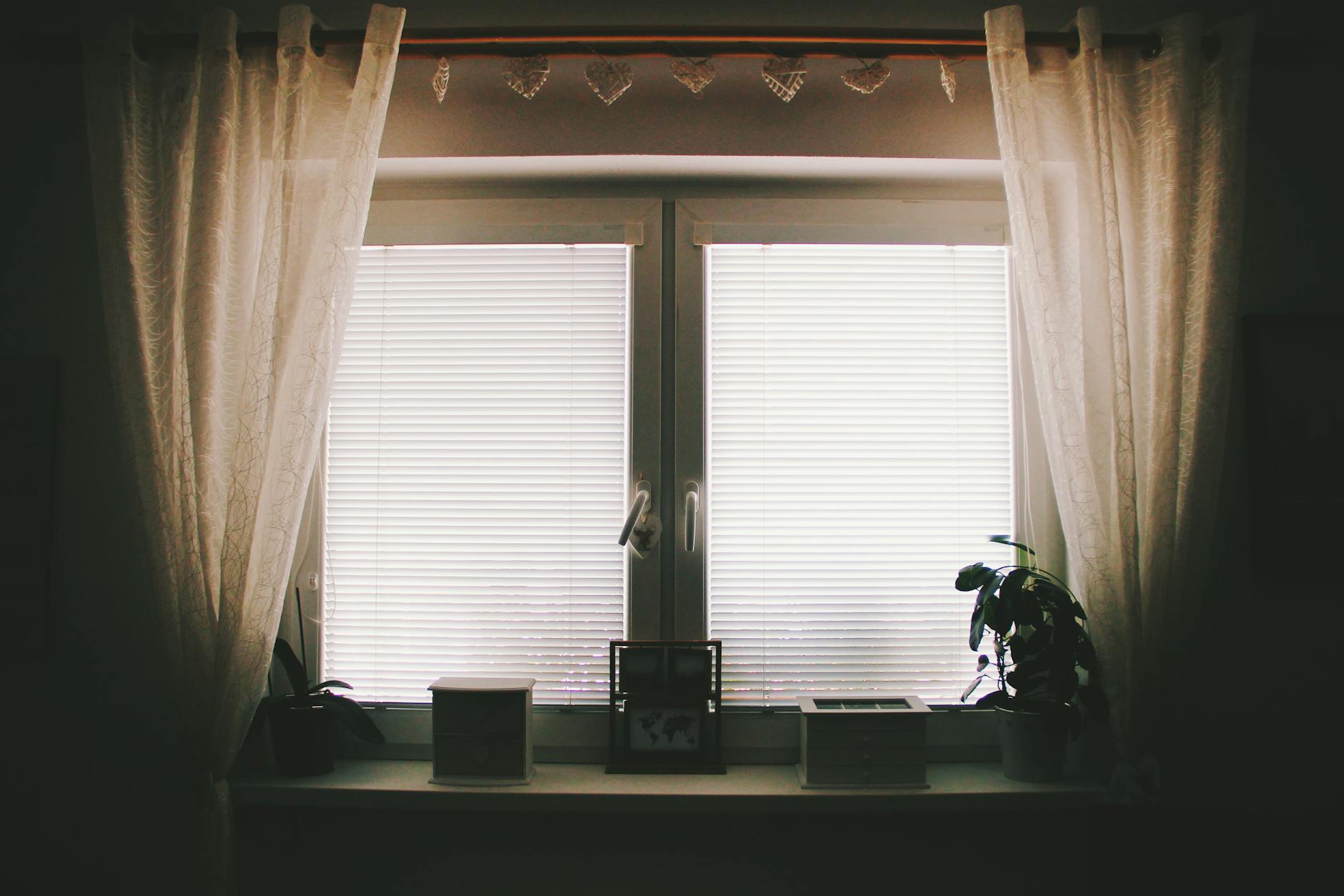
Curtains mounted at window-frame height rather than ceiling height are a shortcut that compresses a room visually and signals a lack of design knowledge. Hanging rods close to the ceiling and allowing fabric to fall to the floor creates the illusion of taller ceilings and more generous proportions. This technique is one of the most referenced by interior designers because the cost difference between correctly and incorrectly hung curtains is negligible. The fabric need not even touch the ceiling for the effect to be significant as long as the rod is positioned near the top of the wall.
Overcrowding with Small Furniture
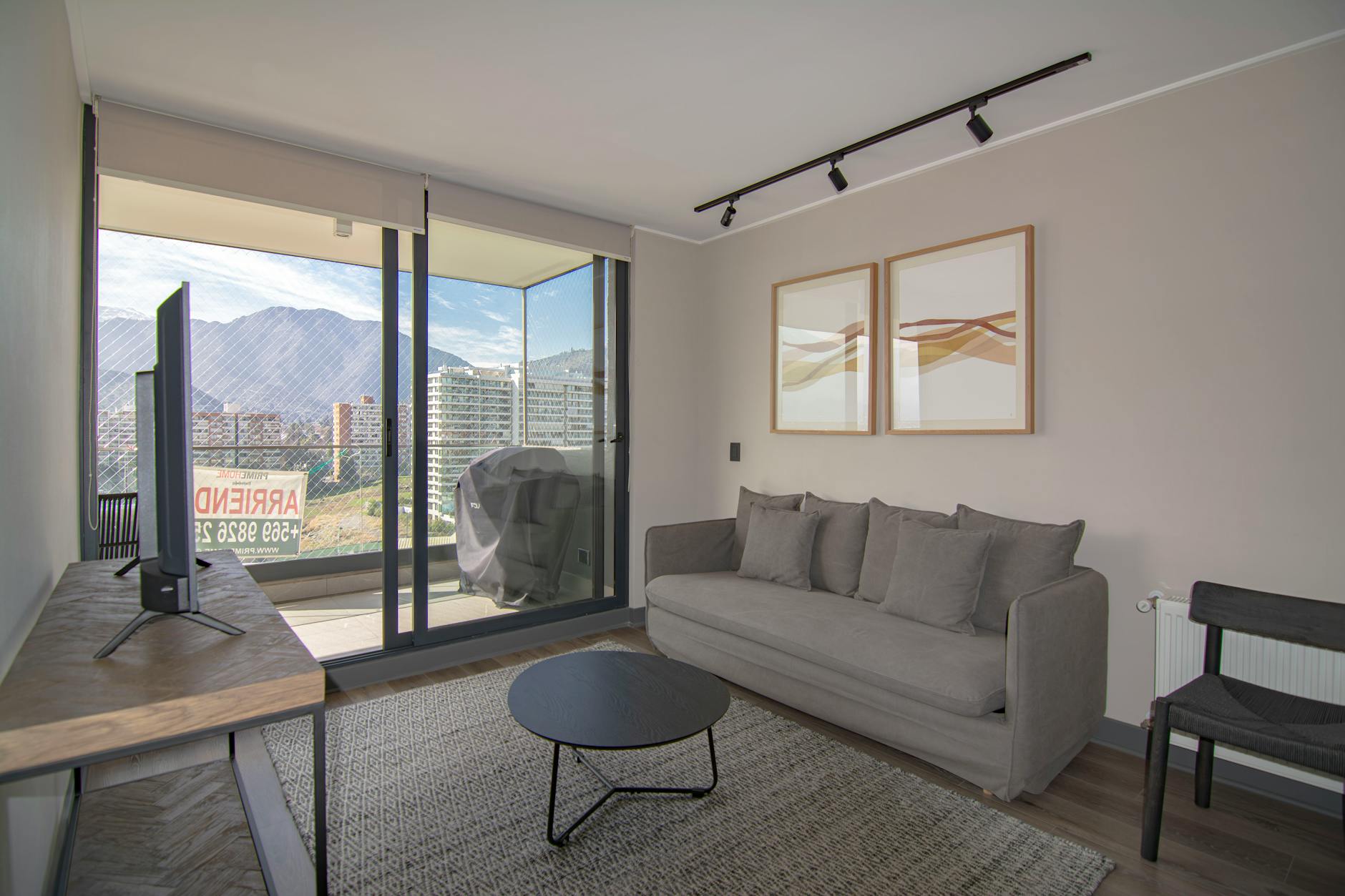
A room filled with too many small-scale pieces creates a cluttered, restless quality that prevents any single element from making an impact. Small furniture in large rooms is particularly problematic because it emphasizes the emptiness rather than filling it with purpose. Fewer, larger-scale pieces typically produce a more sophisticated and comfortable result than many smaller ones competing for attention. Editing furniture down to the essential pieces and scaling up where possible is a reliable path to a more considered interior.
All-Matching Wood Tones
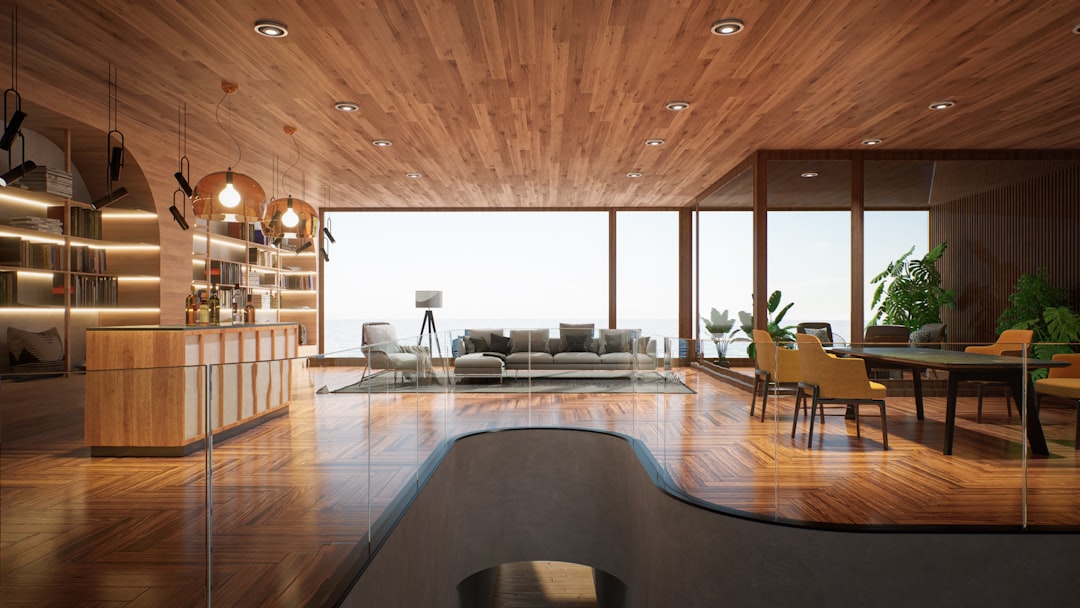
A room where every wood surface from the floor to the furniture to the trim is the same tone creates a monotonous, flat visual environment. Mixing warm and cool wood tones, or combining different species and finishes, creates the layered depth found in well-designed residential interiors. The contrast between a light oak floor and a darker walnut dining table, for example, grounds each piece and makes both more visible and interesting. Intentional mixing of wood tones is a hallmark of confident interior design.
Neglecting Scale and Proportion
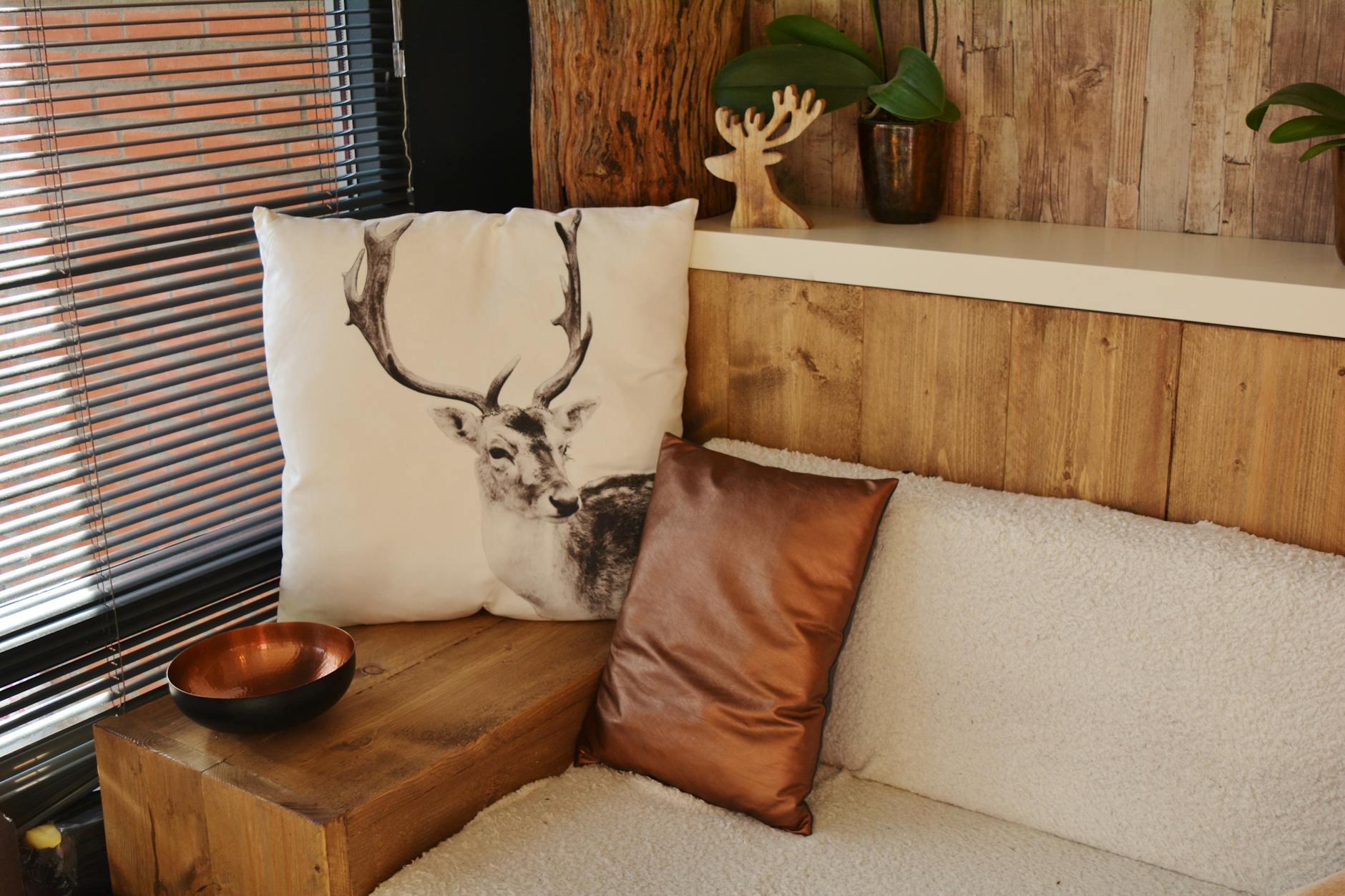
Placing a small sofa in a large room or hanging a tiny piece of art above a large fireplace creates a visual imbalance that makes the space feel unsettled. Scale refers to the size of objects relative to each other while proportion refers to their size relative to the room itself. Both must be considered simultaneously when making any significant furniture or art purchase. A room where scale and proportion are correctly managed feels immediately more polished regardless of the budget involved.
No Layered Textiles

A room with only one type of fabric or texture on display reads as bare and unfinished even when the furniture itself is high quality. Layering textiles means combining rugs, throw blankets, curtains, upholstery, and pillows in complementary materials and weights. The contrast between a nubby jute rug, a smooth linen sofa, and a velvet cushion creates tactile and visual richness. Textile layering is one of the primary techniques that distinguishes warm residential interiors from sterile commercial ones.
Clutter on Every Surface
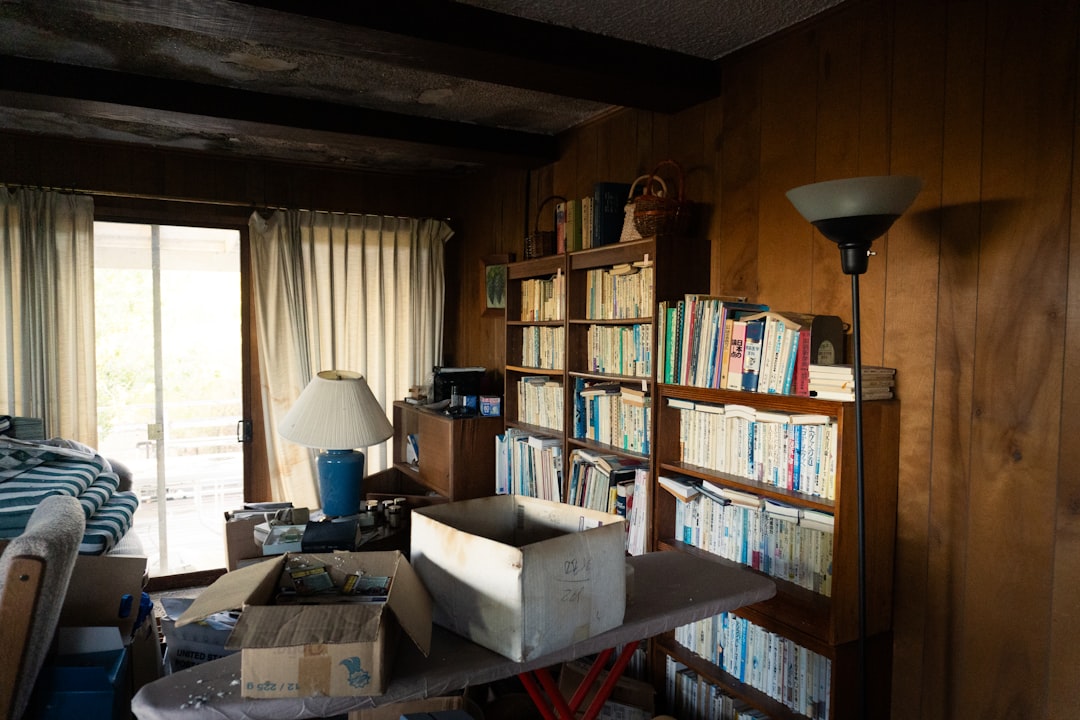
Covering every horizontal surface with unrelated objects creates visual noise that prevents any individual item from being noticed or appreciated. Intentional styling of a surface means grouping objects of varying heights, using trays to contain smaller items, and leaving deliberate negative space. A surface that is completely empty can feel stark but one that is thoughtfully styled with three to five objects creates a curated moment. The discipline of editing what is displayed is as important as the quality of the objects themselves.
Outdated Wallpaper Borders
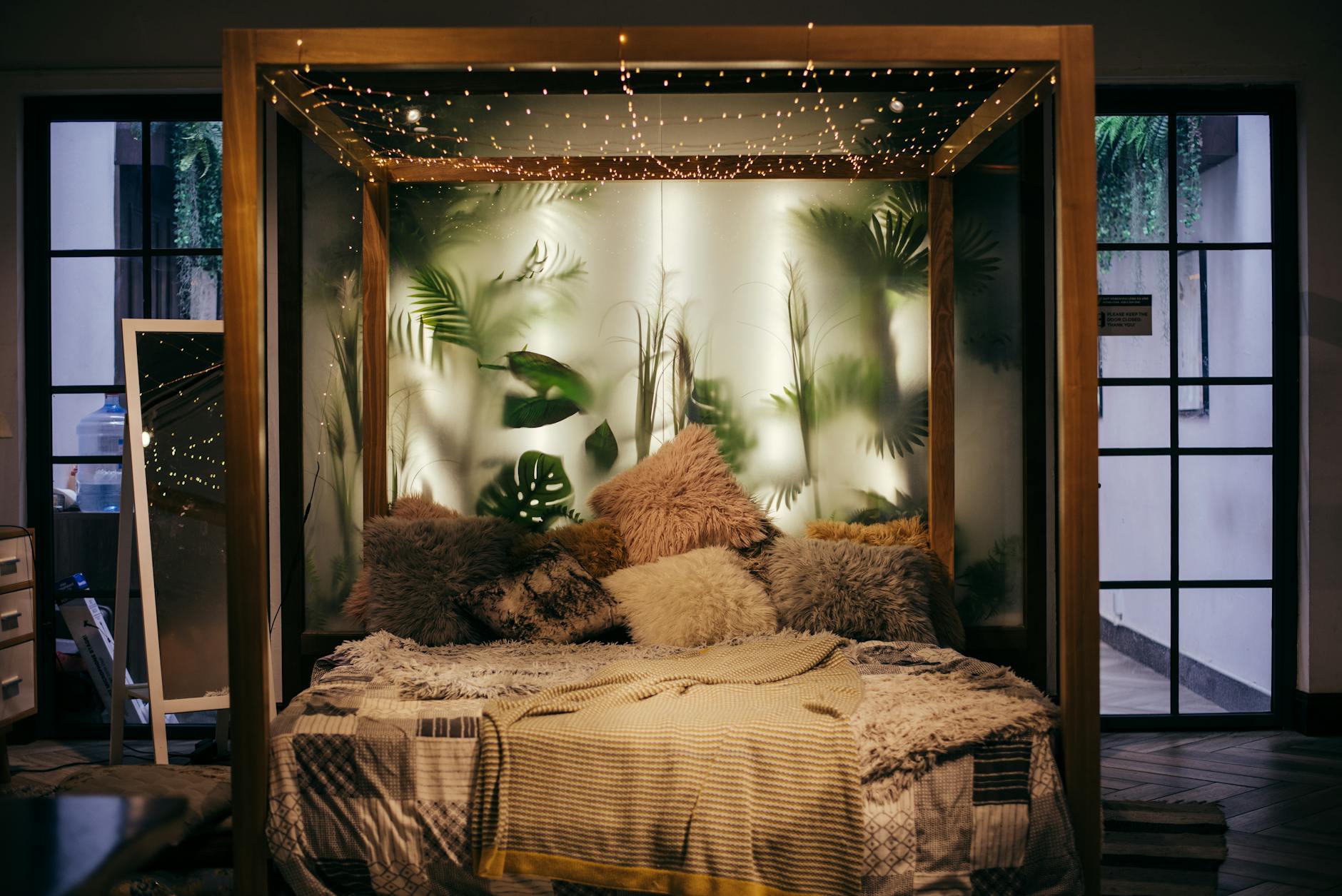
Wallpaper borders applied at the ceiling line or chair-rail height were a popular decorating trend that now reads as strongly dated. These borders create a visual interruption that chops walls horizontally and makes rooms feel shorter and busier than they are. Removal is the most straightforward solution and modern plaster repairs can address any damage left behind. Contemporary wallpaper applied to a full wall or used as an accent panel is a vastly more current and effective treatment.
Ignoring the Ceiling as a Design Surface

Treating the ceiling as an afterthought results in a blank plane that represents a significant missed opportunity for adding character. Paint, wallpaper, wood paneling, beams, or even a bold color applied to the ceiling transforms the perceived architecture of a room. Designers often refer to the ceiling as the fifth wall precisely because it has as much potential to contribute to a room’s character as any vertical surface. Even a simple coat of warm white on the ceiling rather than stark bright white makes a noticeable difference.
Uniform Shelf Styling
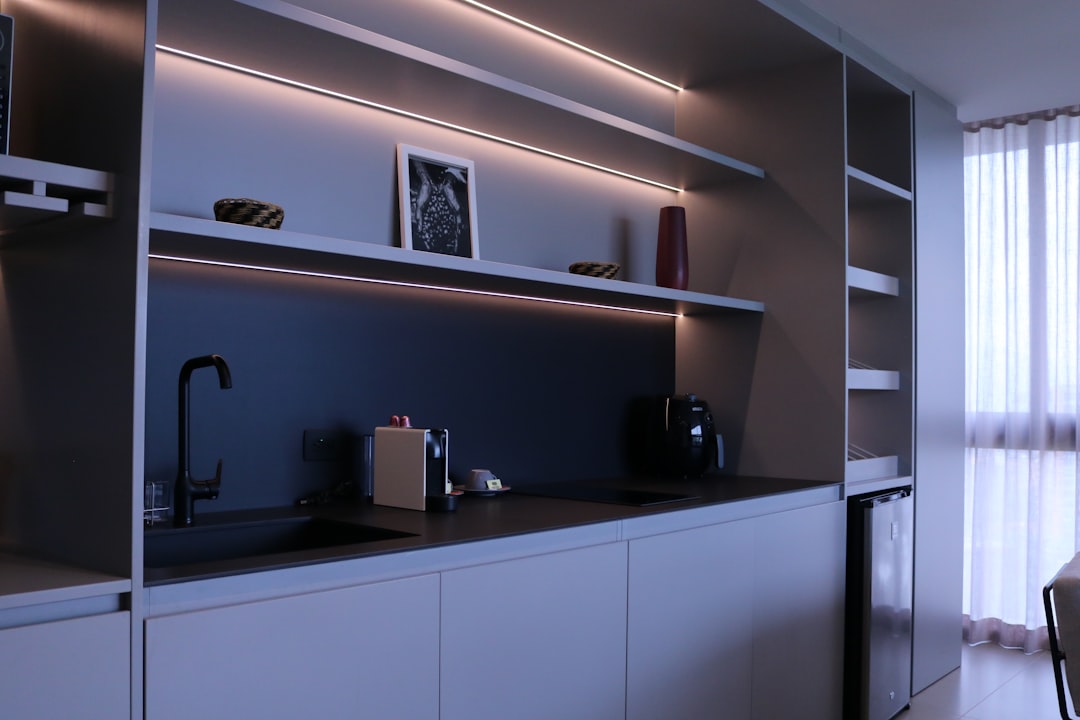
Shelves where every item is the same height, material, and color lack the visual rhythm that makes a well-styled bookcase or built-in genuinely attractive. Effective shelf styling combines books arranged in different orientations with objects of varying heights, materials, and scales. Plants, candles, framed photos, and decorative objects interrupt rows of books in a way that creates interest without tipping into clutter. Leaving some intentional negative space on shelves is as important as what is placed on them.
No Focal Point
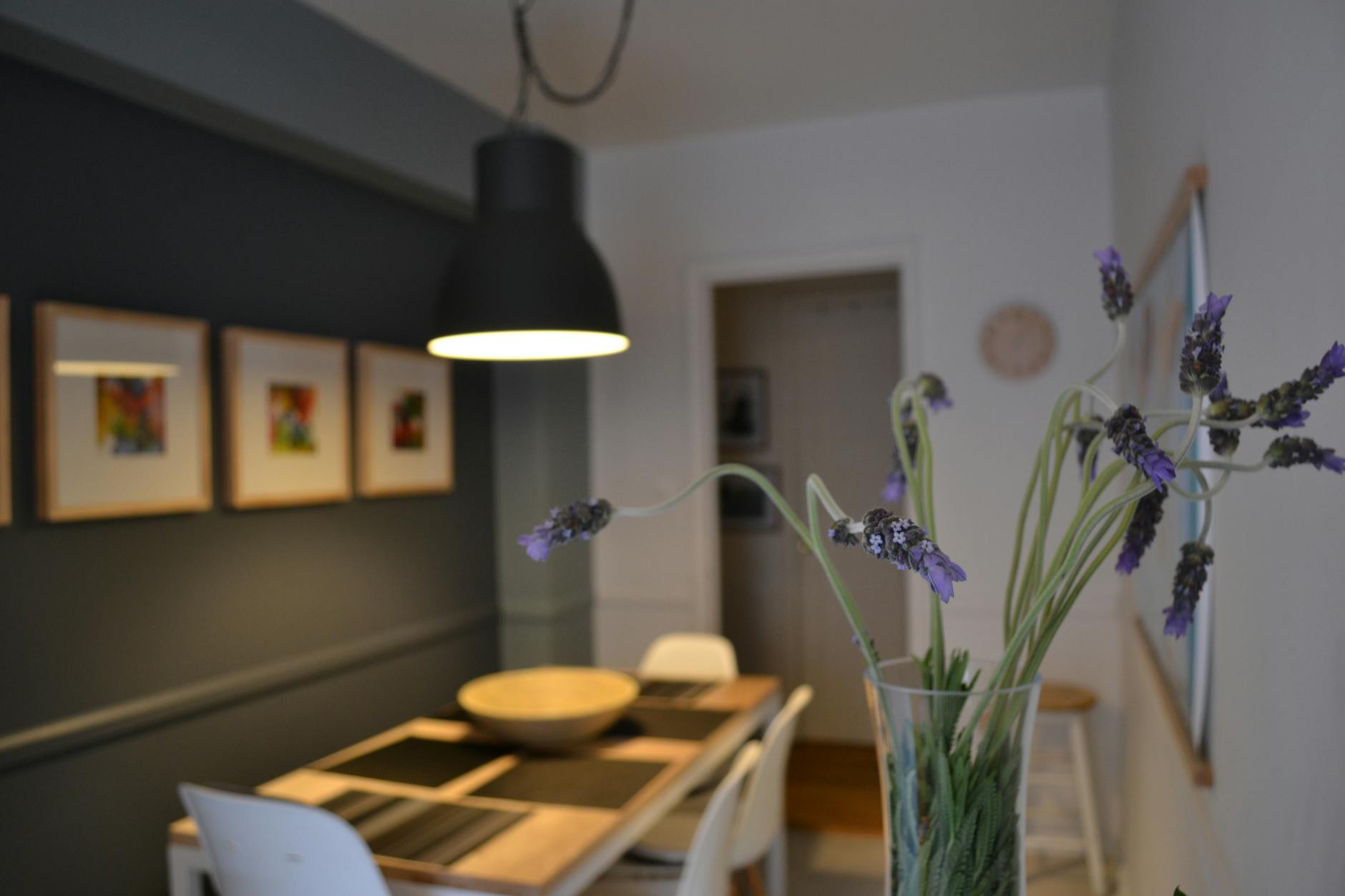
A room without a clear visual focal point feels directionless because the eye has no natural place to land when entering the space. Traditional focal points include fireplaces, large windows, statement artwork, and architectural details that anchor the arrangement of surrounding furniture. In rooms without natural focal points a large mirror, a gallery wall, or a piece of statement furniture can serve the same organizing function. All major furniture pieces should be oriented toward and in conversation with the room’s established focal point.
Generic Shower Curtains
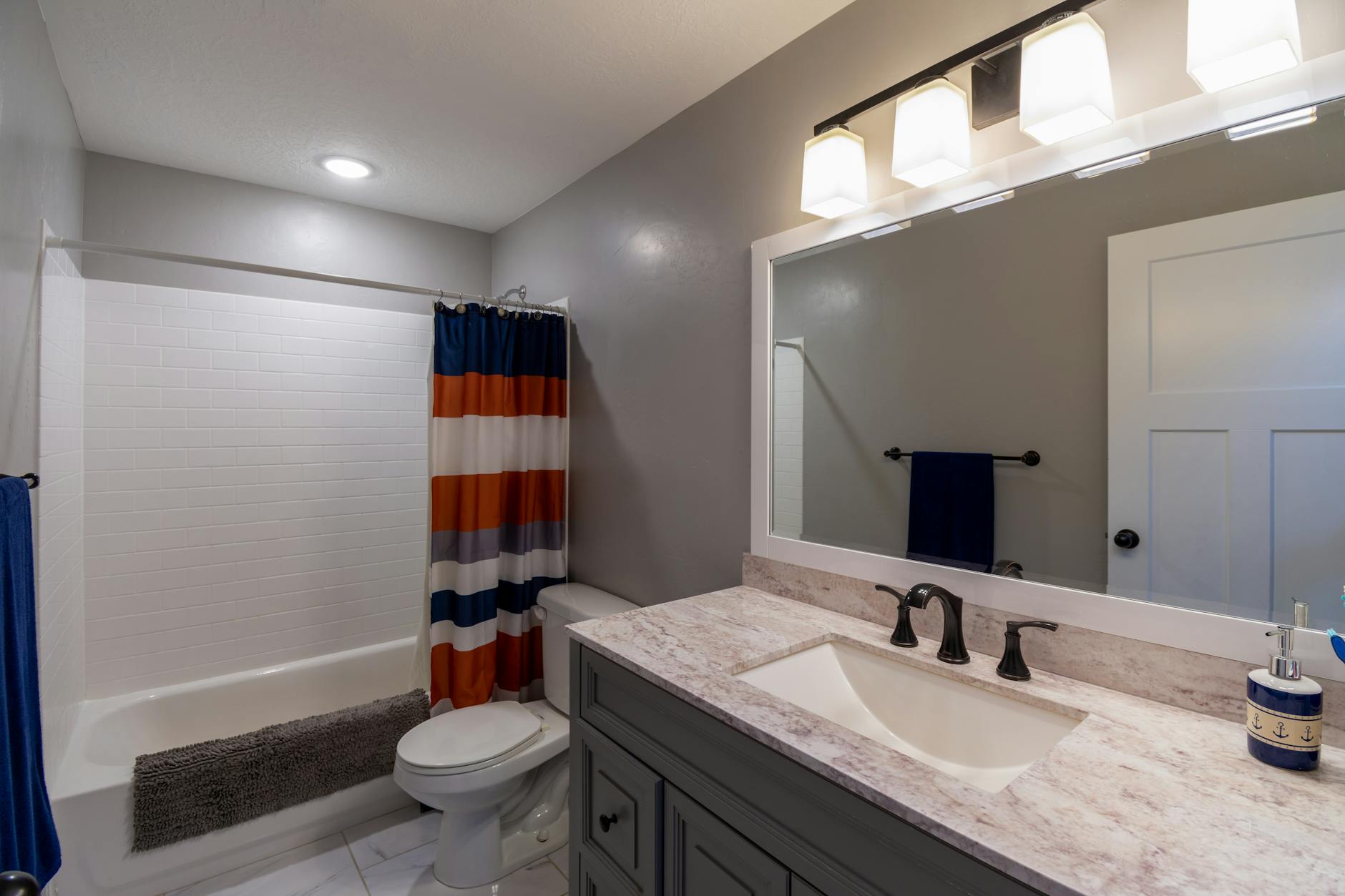
A clear plastic liner used as the visible shower curtain rather than a fabric one is a choice that immediately recalls a budget accommodation. The shower curtain occupies a significant visual footprint in most bathrooms and its material, pattern, and color have an outsized effect on the room’s overall character. A linen, cotton, or textured fabric curtain in a considered color introduces warmth and softness that plastic cannot provide. Pairing a fabric curtain with a simple plastic liner behind it is a practical and elegant solution.
Misused Mirrors
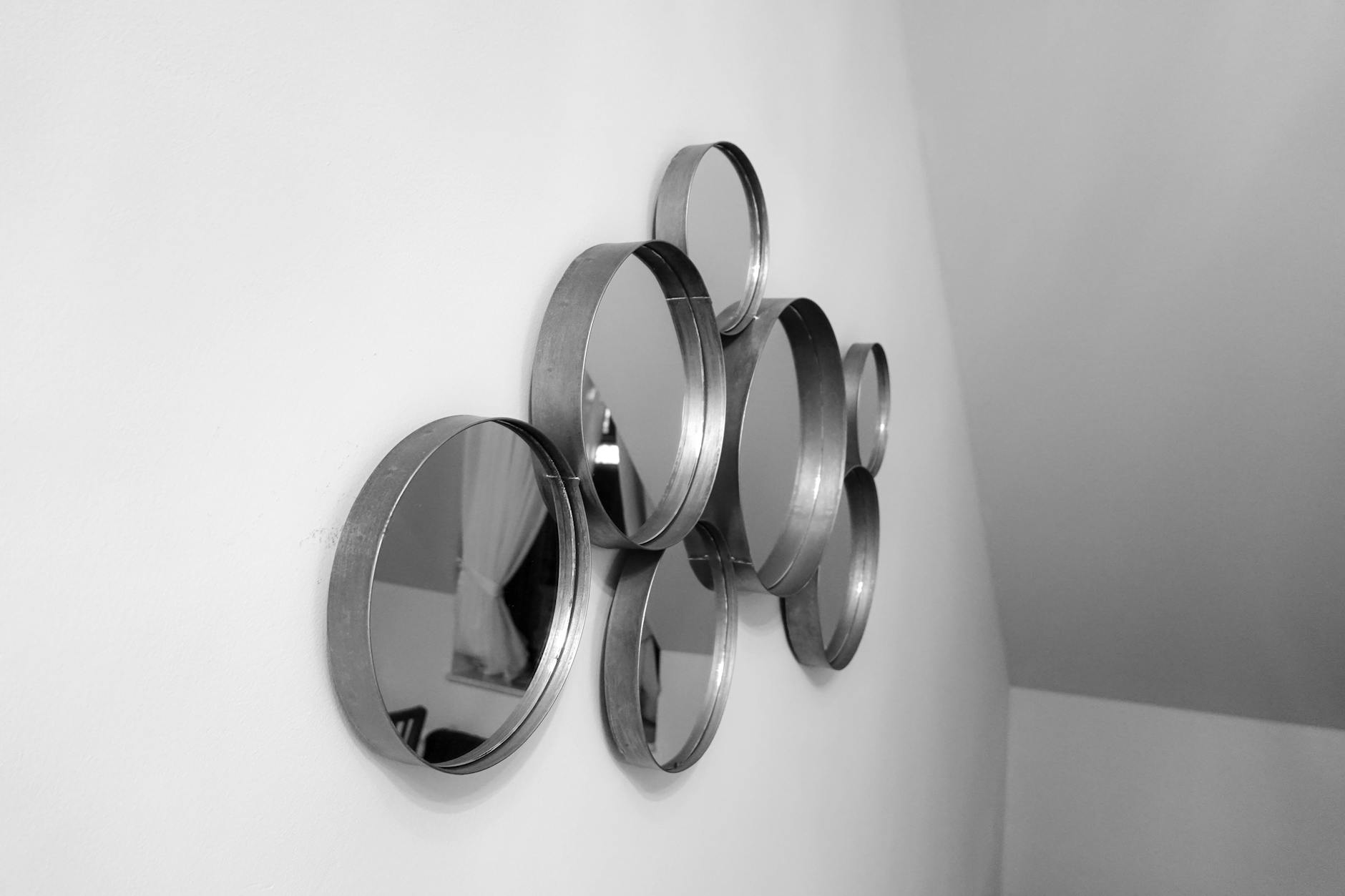
Mirrors hung randomly without regard to what they reflect can actually make a space feel more chaotic rather than larger and brighter. The effectiveness of a mirror depends entirely on its placement in relation to a light source or an attractive view within the room. A mirror reflecting a dark corner, a cluttered wall, or a blank surface contributes nothing and can draw attention to exactly what you want to minimize. Strategic placement opposite a window, above a mantel, or to reflect a light fixture maximizes the visual benefit.
Bare Dining Table
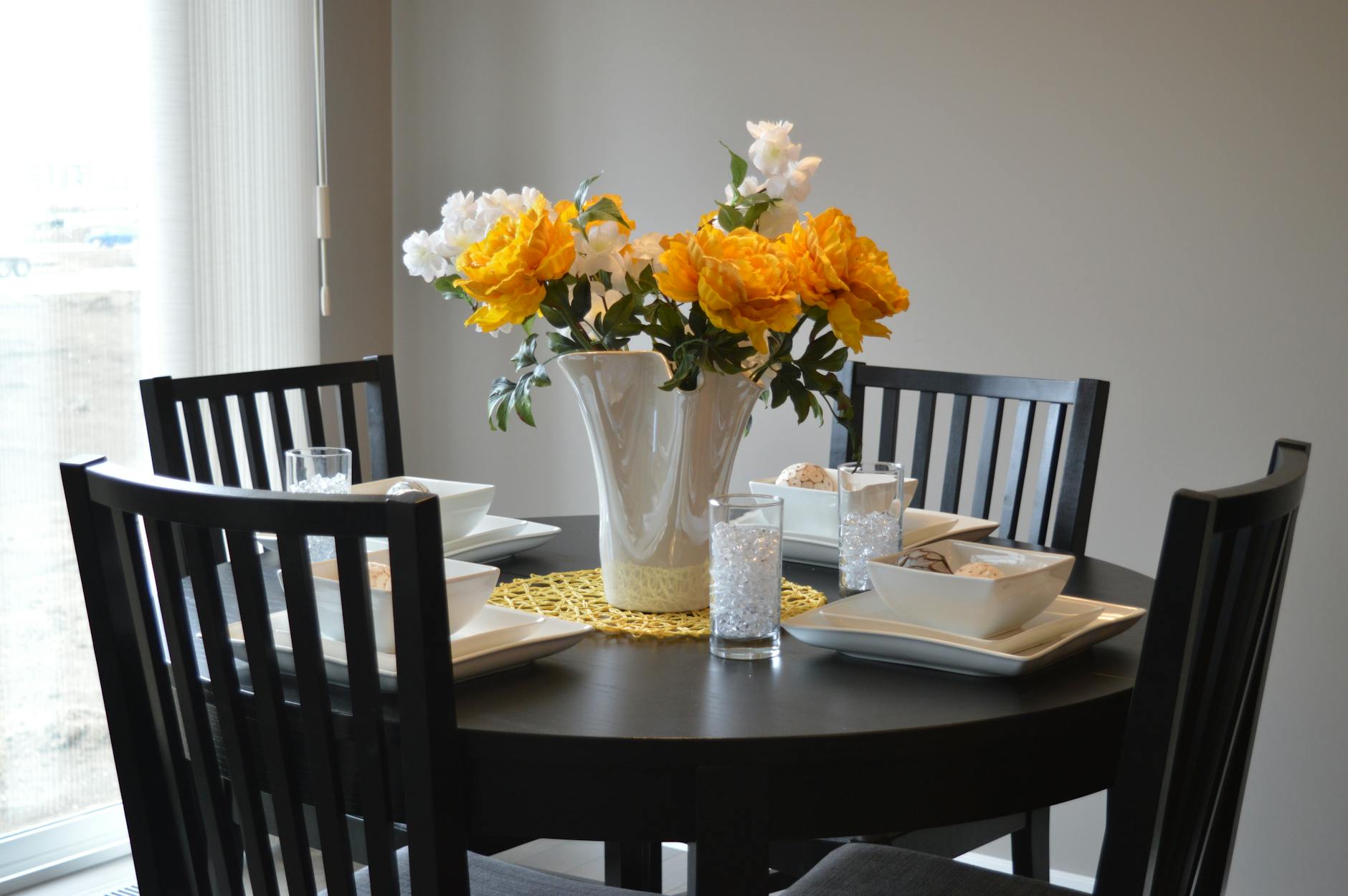
A dining table left completely bare between meals looks like a surface waiting to be used rather than an intentional part of the room. A simple centerpiece such as a bowl of fruit, a collection of candles at varying heights, or a low floral arrangement transforms the table into a designed element. The scale of the centerpiece should be proportional to the table with tall arrangements reserved for longer tables where sight lines across the table are not obstructed. A runner or placemats can further anchor the table and introduce texture and color.
Inadequate Bedroom Nightstand Lighting
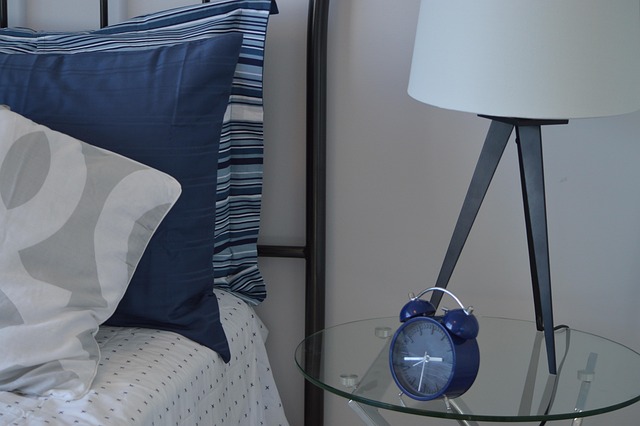
Overhead lighting used as the sole light source in a bedroom creates a harsh clinical environment that is not conducive to rest. Nightstand lamps or wall-mounted sconces positioned at the correct height for reading in bed are a functional and atmospheric necessity. The warmth of incandescent or low-temperature LED bulbs in bedside fixtures contributes significantly to the cozy quality of a sleeping space. Two matched or intentionally coordinated nightstand lamps immediately elevate the symmetry and sophistication of the primary bedroom.
Laminate and Faux Finishes Everywhere
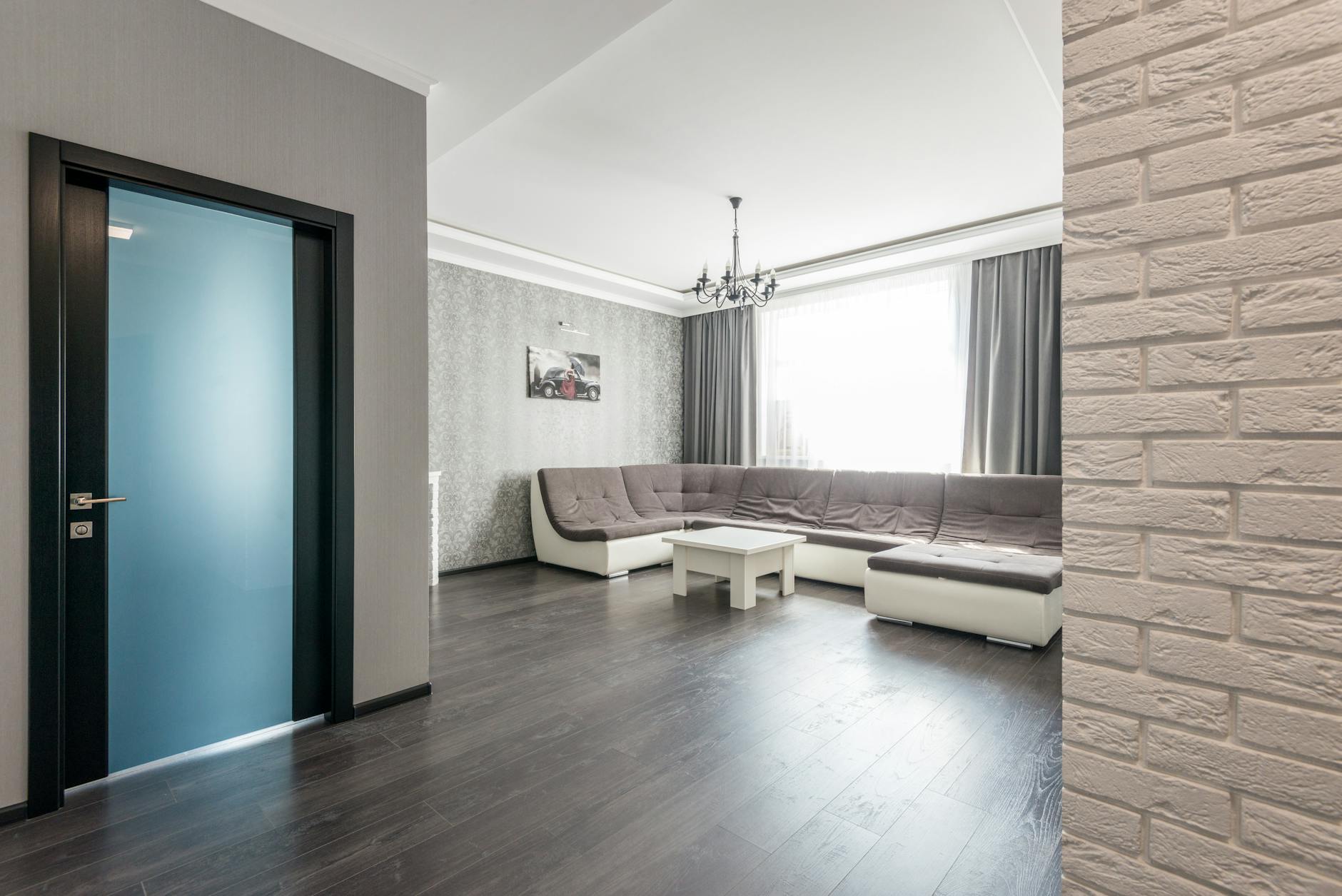
An overabundance of laminate surfaces mimicking wood, stone, or marble creates a sense of artificiality that undermines the entire feeling of a room. Used sparingly and in appropriate contexts these materials serve a practical purpose but when they dominate a space the effect is visually hollow. Mixing in genuine natural materials such as real wood, stone, ceramic, or metal provides tactile and visual authenticity that synthetic finishes cannot achieve. Even a single natural material element grounds a room and makes the surrounding surfaces feel more intentional.
Hotel-Style Bedspreads
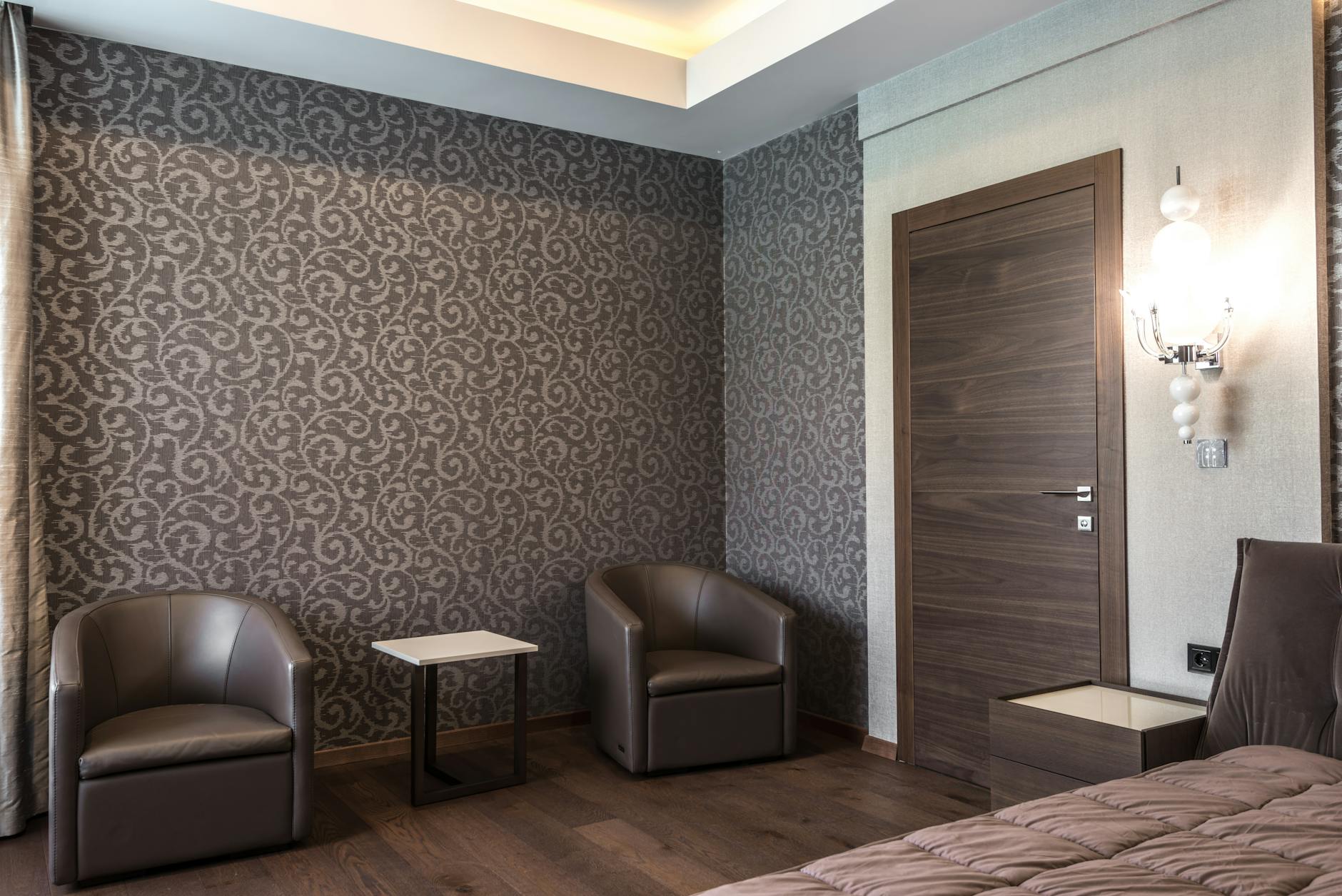
A single quilted bedspread pulled tightly over a mattress with pillows arranged symmetrically against a headboard is the signature look of a motel room. This approach prioritizes ease of making the bed over the layered, inviting quality of a properly dressed residential bed. A well-made residential bed incorporates at minimum a duvet or comforter, decorative shams, sleeping pillows, and a folded throw or accent blanket. The additional layers add visual depth and communicate a level of comfort and investment in the sleeping space.
No Personal Items on Display
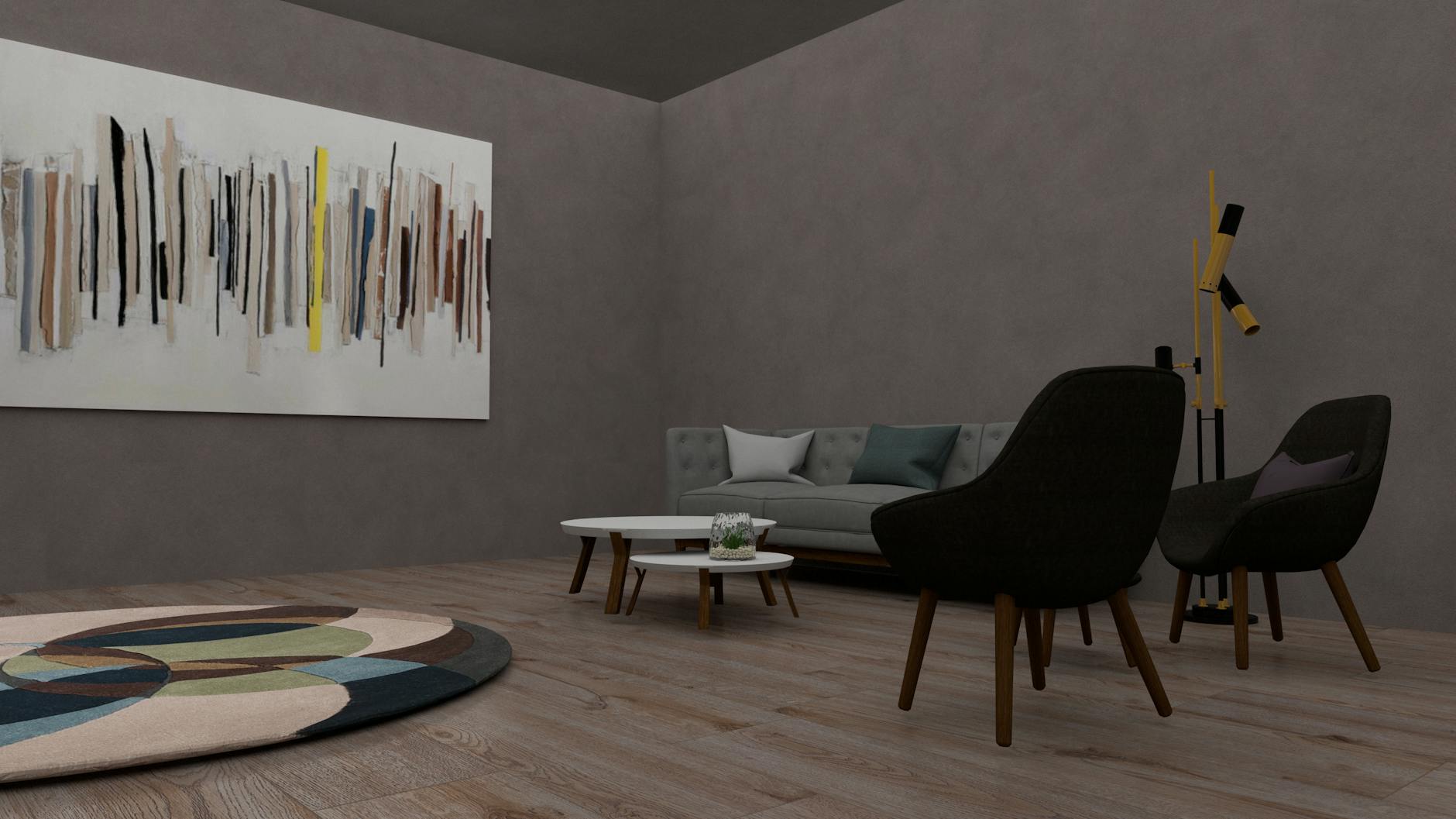
A home with no photographs, personal collections, meaningful objects, or evidence of the occupants’ lives feels like a rental property between tenants. Personal items are the primary vehicle through which a space communicates the identity and history of the people living in it. A gallery wall of family photographs, a collection of objects gathered during travel, or a display of books that reflect genuine reading interests all contribute irreplaceable character. The absence of personal items is the defining quality of a motel room and the most fundamental thing that separates a house from a home.
Floating Area Rugs
An area rug placed in the center of a room without any furniture legs resting on it appears to float without purpose or connection to the surrounding space. This arrangement makes both the rug and the furniture look smaller and more disconnected than they actually are. The relationship between a rug and the furniture above it is what creates a defined zone within a larger open floor plan. Front legs of all seating on the rug is a widely accepted minimum standard that immediately improves the composition of any living area.
Stark White Walls with No Variation
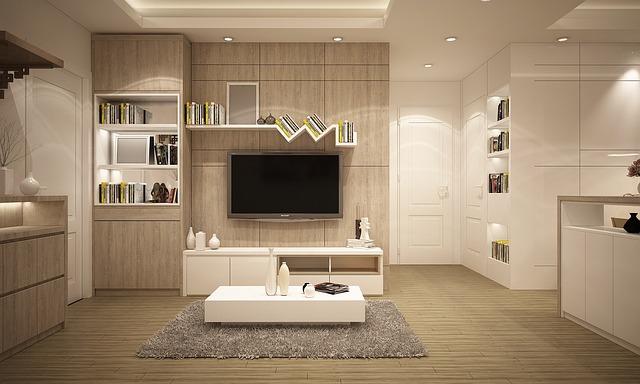
Unbroken bright white walls throughout every room of a home create a sterile, unfinished quality that reads more like a freshly painted rental than a lived-in home. White is a versatile and enduring neutral but the specific tone matters enormously as blue-whites, yellow-whites, and pink-whites each behave very differently in different light conditions. Introducing architectural interest through moldings, paneling, or wainscoting breaks up white walls and adds the depth that paint alone cannot provide. A single room painted in a deeper or warmer tone creates contrast that makes the adjacent white rooms feel more intentional by comparison.
Matching Bedroom Furniture Sets
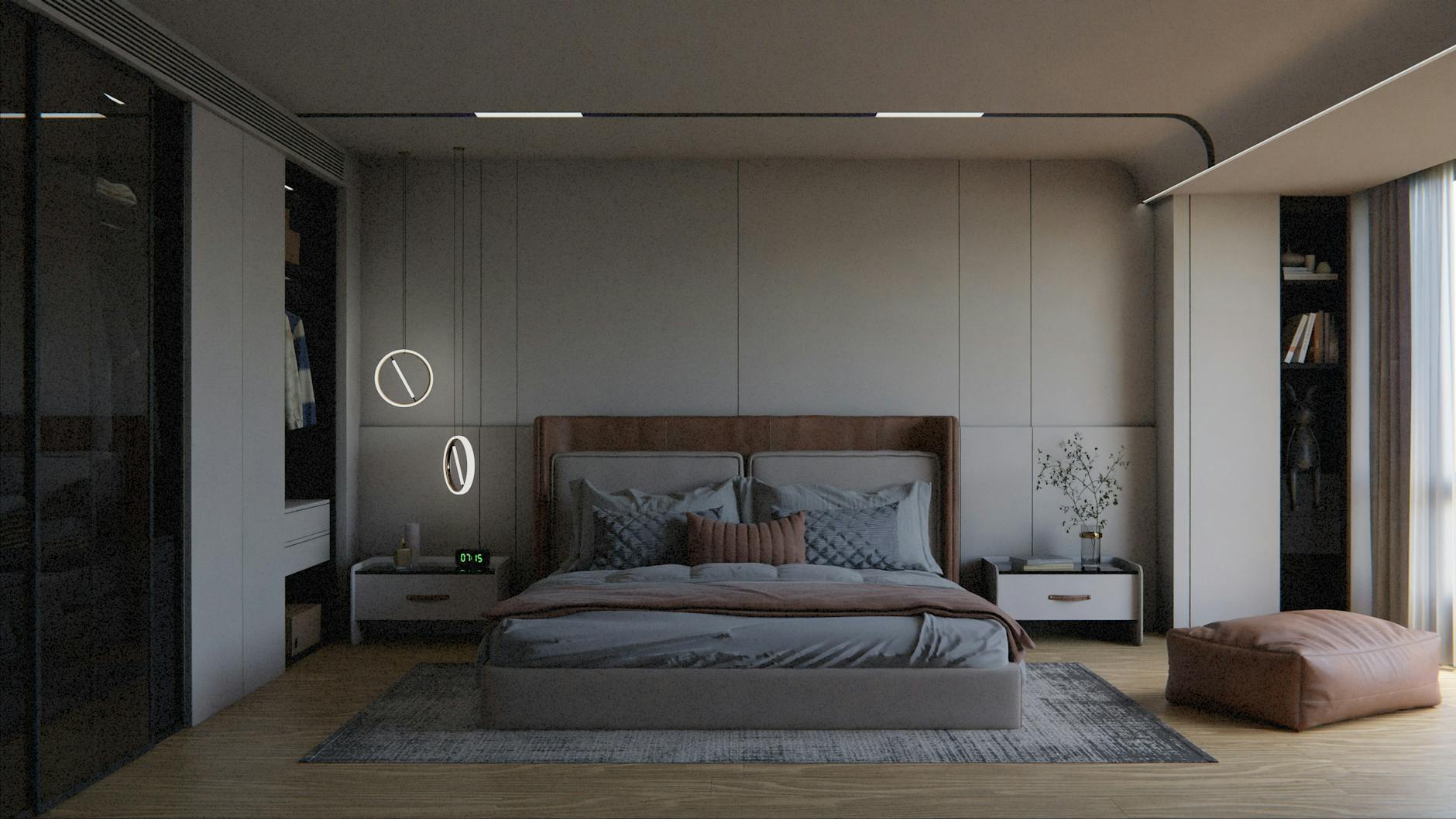
Purchasing a complete bedroom suite where every piece from the bed frame to the dressers to the nightstands is identical in finish and style creates a stiff, showroom-floor quality. Motel rooms are furnished in matched sets precisely because it is the most efficient and least personal approach. Mixing a bed frame from one source with dressers of a different style and nightstands of a contrasting material creates a collected quality that is far more appealing. The pieces should coordinate in proportion and general aesthetic without being visually identical.
Ignoring Acoustic Comfort

A room with hard surfaces on every plane including floors, walls, and ceilings produces an echo-prone acoustic environment that feels uncomfortable and institutional. Soft furnishings such as rugs, curtains, upholstered furniture, and cushions absorb sound and create the warm acoustic quality associated with comfortable homes. The absence of soft materials is a characteristic feature of budget accommodations where durability is prioritized over comfort. Adding even a single large rug and a set of lined curtains to a hard-surfaced room produces an immediate and perceptible improvement in how it feels to be inside it.
Mass-Produced Decorative Objects
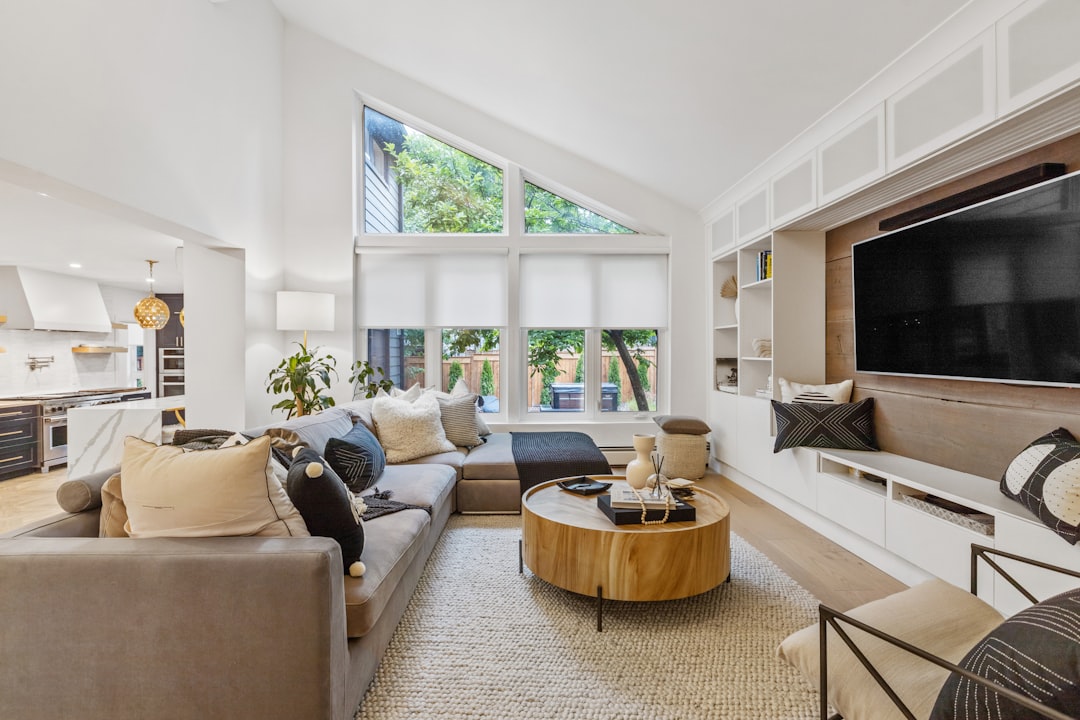
Filling shelves and surfaces exclusively with objects purchased from the same mass-market retailer results in a home that looks like a floor display rather than a personal space. The sameness of widely distributed decorative objects means that millions of homes contain identical arrangements of identical items. Mixing in handmade objects, vintage finds, items with personal history, and pieces gathered during travel creates a uniqueness that cannot be purchased in a single shopping trip. The story behind an object contributes as much to its value in a home as its visual appearance.
Missing Window Treatments in Secondary Rooms
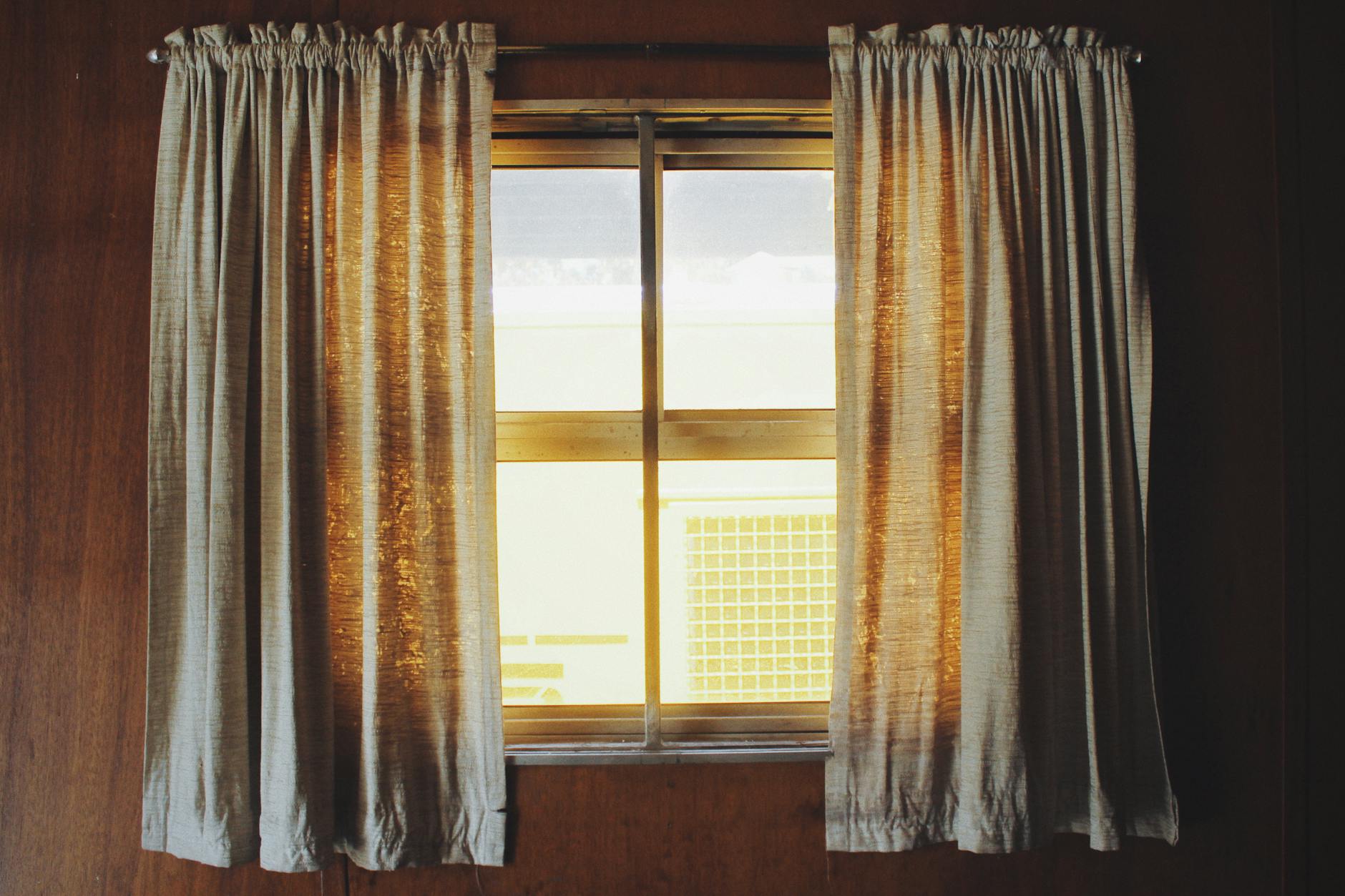
Bedrooms, home offices, and dining rooms often receive less decorating attention than main living areas and bare windows in these spaces create an unfinished quality that undermines the whole home. Consistency in the quality and intention of window treatments throughout a home is a hallmark of genuinely well-designed interiors. Secondary rooms do not require elaborate or expensive treatments but even simple roller shades or gathered linen panels communicate completion. The absence of any treatment signals that the design process stopped before the room was truly finished.
Share your most surprising home decorating revelations or the mistakes you have corrected in your own space in the comments.




