Millions of people follow what they believe to be a healthy diet yet find themselves unable to lose weight or improve their health markers. The problem rarely lies in a lack of willpower and far more often hides in subtle nutritional blind spots that go completely unnoticed. Understanding these hidden pitfalls is the first step toward building an eating pattern that actually delivers results. Here are thirty reasons your diet may be quietly working against you even when you think you are doing everything right.
Hidden Calories in “Healthy” Foods

Foods marketed as healthy such as granola, smoothie bowls, and plant-based snacks often contain surprisingly high calorie counts. A single serving of store-bought granola can contain as many calories as a full dessert when measured accurately. These foods are nutrient-dense in some respects but energy-dense in ways that disrupt a calorie deficit. Consuming them in uncontrolled portions makes it easy to significantly overshoot daily energy needs without realising it.
Portion Distortion

Research consistently shows that people underestimate their portion sizes by a significant margin when eating without measuring tools. What appears to be one cup of pasta on a large plate is frequently closer to two or three cups in reality. This miscalculation compounds over the course of a day into hundreds of unaccounted calories. Using a kitchen scale even temporarily provides an accurate baseline that recalibrates visual portion perception over time.
Liquid Calories

Juices, smoothies, coffees with added ingredients, and flavoured waters contribute caloric intake that the brain does not register as food in the same way solids do. A large blended fruit smoothie can easily contain over five hundred calories while doing little to reduce hunger. The absence of chewing and the rapid speed of consumption mean satiety signals are not properly triggered. Many people on structured diets overlook beverages entirely when calculating their daily intake.
Metabolic Adaptation

When calorie intake is reduced too aggressively for too long the body initiates a survival response that lowers its overall energy expenditure. This process known as adaptive thermogenesis means the body burns fewer calories at rest than it did before the diet began. Thyroid hormone output decreases and non-exercise movement unconsciously reduces as part of this metabolic downshift. Structured diet breaks and adequate calorie cycling are strategies used to prevent the body from fully adapting to a prolonged deficit.
Skipping Meals

Going without meals for extended periods leads to a sharp increase in hunger hormones particularly ghrelin by the time the next eating opportunity arrives. This physiological state makes controlled food choices significantly harder and promotes overeating at subsequent meals. Studies show that people who skip breakfast tend to consume more total calories throughout the day compared to those who eat regular structured meals. The pattern creates a cycle of restriction and overconsumption that undermines overall dietary consistency.
Chronic Stress

Elevated cortisol levels triggered by ongoing psychological stress directly stimulate appetite and promote cravings for calorie-dense foods. The body under stress prioritises energy storage as a survival mechanism which actively counteracts fat loss efforts. Cortisol also encourages fat accumulation specifically in the abdominal region regardless of total calorie intake. Managing stress through sleep, movement, and structured relaxation practices has a measurable impact on dietary outcomes.
Poor Sleep Quality

Insufficient sleep disrupts the hormonal balance between leptin and ghrelin the two primary hormones that regulate hunger and fullness. People who sleep fewer than seven hours per night consistently report higher appetite levels and stronger cravings the following day. Sleep deprivation also impairs decision-making in the prefrontal cortex making it harder to stick to planned food choices. The relationship between sleep and body composition is now considered one of the most significant factors in nutrition science.
Overlooking Condiments and Sauces

Salad dressings, mayonnaise, ketchup, hot sauces, and cooking glazes are rarely logged accurately in food diaries despite contributing meaningful calories. Two tablespoons of a standard creamy dressing can add over 150 calories to an otherwise low-calorie salad. Flavoured dipping sauces used with otherwise lean proteins can double or triple the calorie content of a meal. Choosing vinegar-based dressings and measuring condiment portions are small adjustments that produce consistent results over time.
Misreading Food Labels

Nutrition labels list values per serving size which is frequently a fraction of what most people actually consume in one sitting. A bag of nuts labelled as containing three servings is often eaten in full in a single snack session. The “low fat” designation on products does not indicate low calorie content as sugar is commonly added to compensate for reduced fat. Understanding how to read labels in the context of actual consumption patterns is a foundational nutrition skill.
Eating Too Quickly

The body takes approximately fifteen to twenty minutes to send satiety signals from the gut to the brain after food consumption begins. Eating at a rapid pace means most people have already consumed far more than their body requires before fullness is registered. Research published in nutritional behaviour journals confirms that slower eating is associated with reduced overall calorie intake at meals. Chewing thoroughly and setting down utensils between bites are practical techniques to slow the eating pace.
Mindless Snacking

Snacking in front of screens, during work calls, or while performing other tasks disconnects awareness from the actual quantity of food being consumed. Studies on distracted eating show that people consume significantly more during a snacking session when attention is divided. The calories from mindless snacking accumulate rapidly and are rarely accounted for in daily food tracking. Designating specific times and locations for eating creates a more conscious and regulated relationship with food.
Underestimating Restaurant Portions

Restaurant meals are consistently larger than home-cooked portions and are prepared with significantly more oil, butter, salt, and sugar than most diners anticipate. A standard restaurant pasta dish frequently contains two to three times the carbohydrate content of a home-prepared equivalent. Even salads at popular chain restaurants can exceed 1,000 calories when dressed and topped with croutons, cheese, and proteins cooked in oil. Reviewing nutritional information before ordering and requesting sauces on the side are practical strategies for navigating dining out.
Inaccurate Food Tracking
Self-reported food diaries are among the least reliable tools in nutrition research due to the consistent human tendency to underestimate intake. People typically under-log calorie-dense foods and over-log fruits, vegetables, and low-calorie items. The act of estimating rather than weighing food introduces compounding errors across multiple meals that can amount to several hundred unaccounted calories per day. Even experienced dieters benefit from periodic weighed logging to recalibrate estimation accuracy.
Hormonal Imbalances

Conditions such as hypothyroidism, polycystic ovary syndrome, and insulin resistance directly affect how the body processes and stores energy from food. A person with an underactive thyroid can have a resting metabolic rate that is significantly lower than what standard calorie calculators project. Insulin resistance causes glucose to be directed toward fat storage more readily than in a metabolically healthy individual. Identifying and managing underlying hormonal conditions through medical channels is an essential step before expecting dietary interventions to fully take effect.
Gut Microbiome Disruption

The composition of gut bacteria influences how efficiently calories are extracted from food, how inflammation is regulated, and how hunger hormones are expressed. A disrupted microbiome resulting from antibiotic use, high processed food intake, or chronic stress can impair the body’s ability to manage weight effectively. Certain bacterial strains have been shown to harvest more energy from the same foods compared to others, contributing to weight gain at identical calorie intakes. Probiotic-rich foods and high-fibre plant variety help support a diverse and functional gut microbiome.
Over-Reliance on “Diet” Products

Foods labelled as low-fat, sugar-free, or diet-friendly are often formulated with artificial sweeteners, refined starches, or bulking agents that affect appetite regulation and metabolic signalling. The psychological perception of consuming a “healthy” product frequently leads to compensatory overeating later in the day, a behaviour researchers call the health halo effect. Many diet products deliver minimal satiety despite their marketing claims, leaving people hungry again shortly after consumption. Whole, minimally processed foods consistently outperform diet-branded products in terms of satiety and nutritional quality.
Emotional Eating Patterns

Food is frequently used as a coping mechanism for negative emotions such as boredom, loneliness, anxiety, and frustration, particularly in cultures where food is closely tied to comfort. This pattern creates a conditioned association between emotional states and eating behaviours that operates largely outside of conscious awareness. Emotional eating episodes typically involve high-calorie, palatable foods that provide short-term relief but consistently undermine dietary goals. Addressing the emotional triggers through journalling, structured support, or behavioural coaching is more effective than attempting to override the pattern through willpower alone.
Inadequate Water Intake

Mild dehydration produces sensations that are frequently misinterpreted as hunger, prompting unnecessary food consumption throughout the day. The body requires adequate hydration to support efficient fat metabolism through a process called lipolysis. Drinking water before meals has been shown in multiple studies to reduce overall calorie intake at those meals by promoting early satiety signals. Many people operating on a structured diet consume far less water than their body weight and activity level requires.
Poor Meal Timing

The timing of meals relative to activity levels and the body’s circadian rhythm significantly influences how nutrients are utilised and stored. Consuming the majority of daily calories in the evening when metabolic rate and insulin sensitivity are lower promotes fat storage more readily. Eating the largest meal of the day earlier aligns with the body’s peak metabolic window and supports more efficient energy use. Chrononutrition, the study of how meal timing affects metabolism, is an increasingly recognised factor in dietary success.
Excessive Fruit Consumption

While fruit is nutritious and rich in vitamins, fibre, and antioxidants, consuming large quantities introduces substantial fructose into the diet. Fructose is metabolised primarily in the liver and in excess can contribute to fat accumulation, particularly visceral fat, even within a nominally healthy diet. Tropical fruits such as mangoes, grapes, and bananas have notably higher sugar content than berries and are more easily over-consumed. Treating fruit as part of total daily carbohydrate and sugar intake rather than as a free food produces more accurate dietary calculations.
Insufficient Protein Intake

Protein is the most satiating macronutrient and plays a critical role in preserving lean muscle mass during periods of calorie restriction. A diet low in protein accelerates muscle loss alongside fat during a deficit, which reduces resting metabolic rate over time. Protein requires more energy to digest than carbohydrates or fats, producing a thermogenic effect that contributes modestly but meaningfully to total daily calorie burn. Most adults attempting fat loss benefit from consuming between 1.6 and 2.2 grams of protein per kilogram of body weight daily.
Low Dietary Fibre
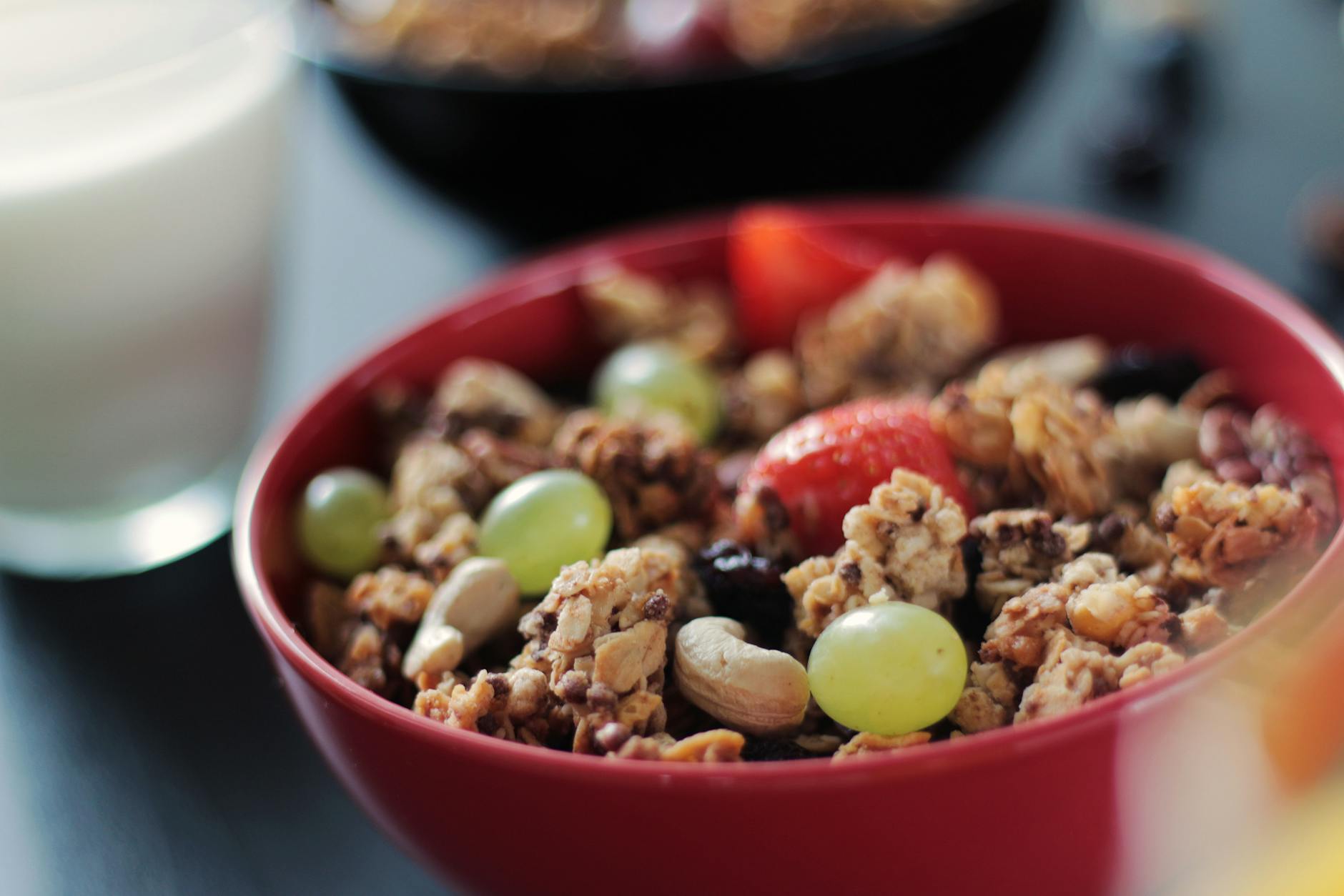
Fibre slows digestion, stabilises blood sugar, and feeds beneficial gut bacteria while also extending the feeling of fullness after a meal. Diets low in fibre are associated with faster gastric emptying and shorter satiety windows, which increase the frequency of hunger between meals. Many people believe they consume adequate fibre but fall significantly short of the recommended 25 to 38 grams per day. Increasing vegetable, legume, and whole grain variety is a practical approach to closing this gap without dramatic dietary overhauls.
High-Calorie Cooking Methods

The preparation method used to cook food can dramatically alter its final calorie content even when the raw ingredients remain identical. Frying, sautéing in excess oil, and roasting with heavy oil coatings can add several hundred calories to otherwise lean proteins and vegetables. A chicken breast prepared by poaching and one prepared by pan-frying in oil and butter can differ by over 200 calories by the time they reach the plate. Steaming, baking, grilling, and air-frying are lower-calorie preparation methods that preserve nutritional quality while reducing added fat content.
Weekend Dietary Drift

Research on dietary patterns shows that people who maintain a structured eating plan during weekdays frequently overconsume on Fridays through Sundays, negating the weekly deficit they created. A single day of overeating at social events, brunches, or weekend meals can offset three to four days of careful dietary adherence. The perception that weekends represent a break from a diet is a cognitive framework that consistently undermines progress. Maintaining looser but consistent food awareness across all seven days produces more reliable long-term results than strict weekday control followed by weekend abandon.
Medication Side Effects

Numerous commonly prescribed medications including certain antidepressants, corticosteroids, antihistamines, and beta blockers are associated with weight gain or reduced fat loss capacity. Some medications increase appetite directly while others slow metabolic rate, promote fluid retention, or alter the way fat is stored in the body. People taking these medications may find that standard dietary approaches produce little visible progress despite genuine compliance. Discussing the metabolic effects of current medications with a prescribing physician is an important step for anyone encountering unexplained dietary resistance.
Underestimating Cooking Oils

Cooking oils are one of the most calorie-dense foods in any kitchen with a single tablespoon of olive, coconut, or vegetable oil containing approximately 120 calories. Home cooks routinely use two to four tablespoons of oil per dish while estimating the contribution as negligible. In a household that prepares three meals daily using oil, this oversight alone can account for 500 or more uncounted calories each day. Measuring oils accurately rather than free-pouring is a simple adjustment that produces a noticeable impact on total daily calorie intake.
Distracted Eating

Eating while watching television, scrolling through a phone, or working has been shown repeatedly to reduce awareness of portion size, eating pace, and sensory satiety cues. The brain’s attention allocation during distracted eating is directed away from interoceptive signals that would otherwise communicate fullness. People in distracted eating studies consume significantly more calories per meal compared to those eating in an undistracted environment. Creating a designated eating environment free from screens and secondary tasks measurably reduces total daily calorie intake.
Unrealistic Calorie Burn Estimates

Fitness trackers, gym machines, and exercise apps consistently overestimate calorie expenditure during physical activity by a substantial margin. A person who believes they have burned 600 calories on a treadmill may have actually expended closer to 350 based on more accurate metabolic measurements. This overestimation creates a false caloric surplus allowance that leads people to eat more than their actual expenditure justifies. Treating exercise as a tool for health, muscle maintenance, and metabolic support rather than a direct mechanism for eating permission produces more sustainable dietary outcomes.
Food Sensitivities and Inflammation

Undiagnosed food sensitivities to ingredients such as gluten, dairy, soy, or certain food additives can trigger low-grade systemic inflammation that impairs fat metabolism and promotes water retention. This inflammatory response can mask fat loss progress by causing the body to retain fluid and shift energy partitioning toward storage. The foods triggering this response are often ones considered healthy and are consumed regularly without any obvious symptoms of intolerance. Working with a healthcare provider to identify and eliminate reactive foods has been shown to improve body composition outcomes for individuals with unresolved dietary resistance.
All-or-Nothing Thinking

The psychological pattern of categorising foods as either completely allowed or entirely forbidden creates a fragile dietary framework that collapses at the first deviation. Research in behavioural nutrition identifies this cognitive distortion as one of the most significant predictors of long-term dietary failure. A single unplanned meal or social eating event triggers a complete abandonment of the diet in people operating under this framework. Adopting a flexible, progress-focused approach that accommodates occasional deviations without self-penalisation produces significantly stronger long-term adherence.
Lack of Dietary Periodisation

The human body adapts to repeated stimuli over time and a static diet that never changes will eventually produce diminishing returns as the body adjusts to the consistent caloric and nutritional input. Periodising nutrition by cycling between different calorie levels, macronutrient ratios, or eating patterns prevents full metabolic adaptation and keeps hormonal responses more dynamic. Athletes and experienced nutrition practitioners regularly cycle between phases of different dietary intensities to maintain progress and metabolic flexibility. Building intentional variation into a long-term eating plan is a strategy that supports sustained results beyond the initial phases of a dietary change.
If any of these reasons resonated with your own experience, share which ones surprised you the most in the comments.




