A housewarming party is one of the most personal celebrations a host can throw, marking a significant life milestone in a brand new space. The unwritten rules of guest etiquette carry extra weight in this setting because the home is still fresh and the host is emotionally invested in every detail. What feels like a small misstep to a guest can leave a lasting impression on the person who just signed a mortgage or lease. Understanding what not to do is just as important as knowing how to be a gracious and welcome presence. These forty reminders will help any guest show up with confidence and leave with a glowing reputation.
Arriving Empty-Handed
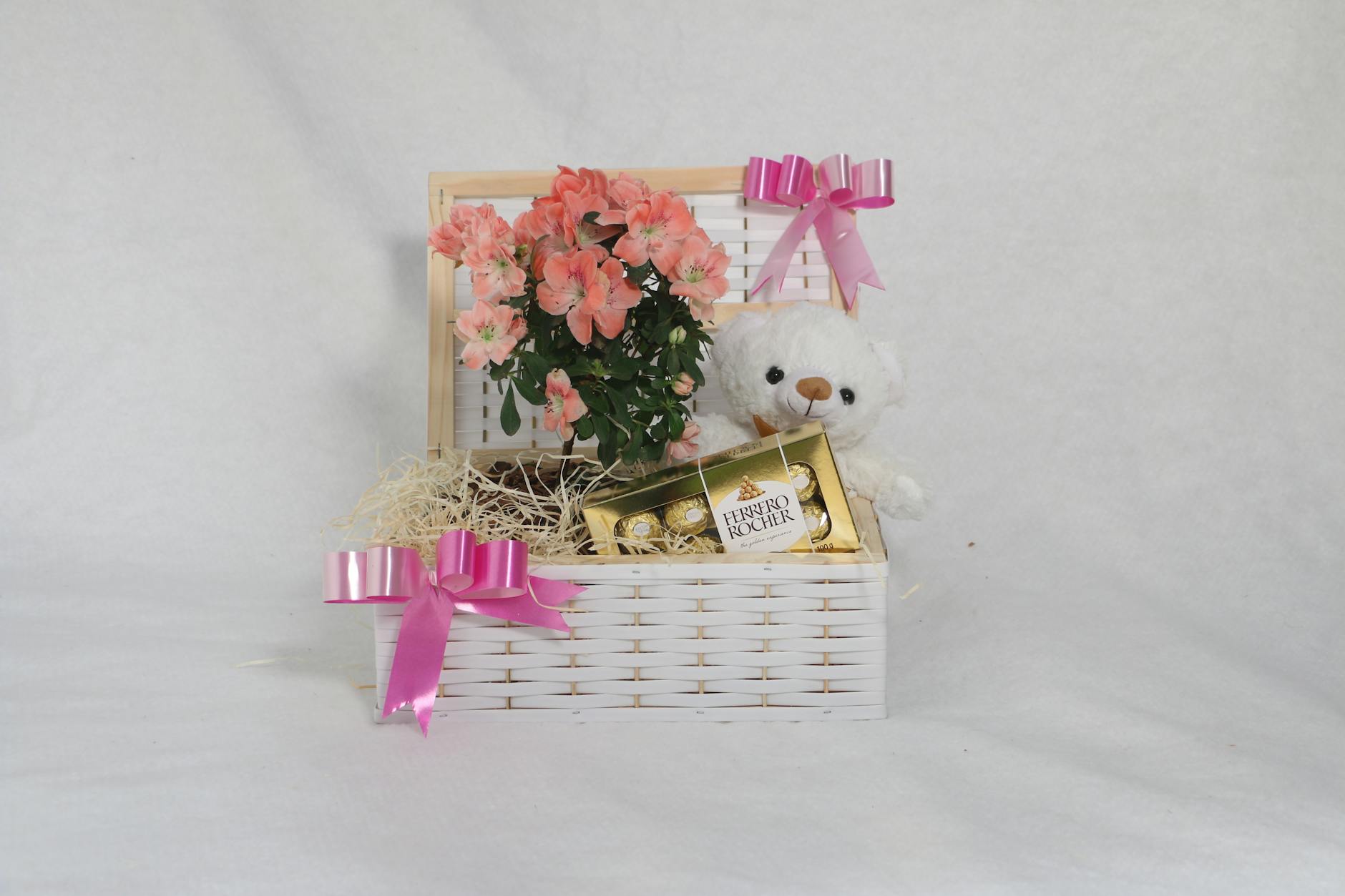
A housewarming gift is one of the oldest and most universally understood gestures of goodwill when visiting someone’s new home. Showing up without something to offer signals a lack of preparation and can come across as indifferent to the occasion. Common and well-received options include candles, plants, wine, or practical household items the host can actually use. The gift does not need to be expensive to feel thoughtful and appropriate. A small, well-chosen token goes a long way in setting a warm tone for the visit.
Showing Up Early

Arriving before the stated start time at a housewarming is widely considered one of the more inconsiderate things a guest can do. The host is likely still arranging food, finishing decorations, or getting dressed when early guests ring the doorbell. This forces the host to stop their preparations and shift into hosting mode before they are ready. Unlike casual get-togethers, housewarming parties often involve careful setup across an entirely new space that the host is still learning to navigate. Respecting the start time is a simple and meaningful way to honor the effort behind the event.
Bringing Uninvited Guests

Assuming a plus-one is welcome without explicit confirmation puts the host in an awkward and logistically challenging position. Space, food, and seating are often calculated based on a confirmed guest count, and extra arrivals can throw off those careful plans. It is always appropriate to ask in advance if bringing someone along is acceptable rather than simply showing up with them. This is especially important in smaller apartments or newly purchased homes where capacity matters. A quick message beforehand shows respect for the host’s planning and avoids unnecessary stress on the day.
Opening Cabinets and Drawers
Curiosity about a new home is entirely natural, but opening storage areas without being invited to do so crosses a clear boundary. Cabinets, drawers, closets, and pantries are private spaces that the host has not necessarily had time to fully organize. Rifling through them can feel intrusive and disrespectful regardless of how innocent the intention may be. Guests should wait to be shown around rather than exploring on their own terms. If a tour is not offered, it is always better to ask politely than to wander freely.
Giving Unsolicited Decorating Advice

Volunteering opinions about paint colors, furniture placement, or styling choices the host has not asked for is rarely well received. The host has likely spent considerable time and thought making decisions about how their new space looks and feels. Suggesting changes implies that their choices are wrong or need improving, which can feel dismissive of their personal taste. Even comments framed as helpful suggestions can land as criticism in this setting. Admiring what the host has created is always the more appropriate approach.
Asking What Everything Cost

Inquiring about the price of appliances, furniture, or the home itself is considered a significant breach of social etiquette in most cultures. Financial conversations of this nature can make hosts feel scrutinized or judged regardless of their actual budget. It can also create an uncomfortable dynamic that reduces a warm celebration to a conversation about money. If a guest genuinely admires something in the home, asking where it came from is a far more appropriate alternative. Keeping financial curiosity to oneself ensures the atmosphere remains celebratory.
Criticizing the Neighborhood
Making negative remarks about the street, the building, or the surrounding area can be deeply hurtful to someone who has just committed to living there. The host has made a significant decision and is likely proud of the location they have chosen, even if it comes with imperfections. Comments about noise, safety perceptions, or comparisons to other neighborhoods are unwelcome and unnecessary. A guest’s role is to support and celebrate the host’s new chapter, not to second-guess it. If the area is not to a guest’s personal taste, keeping that opinion private is the respectful choice.
Monopolizing the Host’s Time
A housewarming typically involves multiple guests, and the host has a responsibility to circulate and attend to everyone present. Attaching to the host for the entire event prevents them from fulfilling that role and can leave other guests feeling ignored. Socially confident guests mingle independently and allow the host the freedom to move around. If a guest feels the need for extended one-on-one time, scheduling a separate visit on another occasion is a better option. Being easy and low-maintenance is one of the most valuable qualities a guest can bring to the party.
Rearranging the Furniture

Shifting chairs, tables, or decorative objects without being asked is an overreach that can genuinely upset a host. Even if the intention is to create more space or improve flow, it communicates that the guest’s preferences take priority over the host’s decisions. The host may have placed items deliberately for aesthetic or practical reasons that are not immediately apparent. Any furniture-related suggestions should be made verbally and only if directly asked. Respecting the layout of someone’s home is a basic form of guest courtesy.
Getting Visibly Intoxicated

Drinking to excess at a housewarming is one of the fastest ways to become a memorable guest for all the wrong reasons. Slurred speech, loud behavior, and diminished coordination create a tense atmosphere that is difficult for the host to manage. There is also a heightened risk of accidents such as spilling drinks on new furniture or carpets in a home the host has just moved into. Housewarming events tend to be slightly more formal than typical house parties, and composure is expected. Drinking responsibly ensures the guest remains enjoyable company throughout the evening.
Bringing Strongly Scented Food

Arriving with dishes that produce powerful aromas can be an imposition when the host has not planned for them. Strong food smells can linger in a new home for hours or even days, which may not be welcome. If bringing food is part of the plan, coordinating with the host in advance about what would be appropriate is the considerate approach. Foods that require reheating or that generate intense odors are generally best avoided unless specifically requested. A neutral, crowd-friendly contribution is always the safer and more thoughtful choice.
Ignoring Other Guests

Retreating to a corner and engaging only with people already known to the guest misses the spirit of what a housewarming is meant to be. These events are an opportunity for the host to introduce their new home and their community to one another. Making an effort to introduce oneself, ask questions, and engage with unfamiliar faces enriches the gathering for everyone. Antisocial behavior can create awkward pockets of silence that the host feels compelled to fill. Being an active and engaged guest reduces the social burden on the host considerably.
Posting Photos Without Permission

Sharing images of someone’s home on social media without asking first is a privacy consideration that many guests overlook. The host may not want their address, layout, or personal belongings broadcast publicly. Some people are also cautious about announcing online that they have recently moved, for safety reasons. Asking before snapping and posting is a simple and important act of respect. If permission is granted, tagging the host should still be done thoughtfully and with awareness of their preferences.
Overstaying Your Welcome

Reading the room and recognizing when the party is winding down is a skill every considerate guest should develop. Hosts may be too polite to directly ask guests to leave, especially in a new home where they are eager to make a good impression. Lingering long after others have departed, dishes have been cleared, or the host has begun to tidy up sends an oblivious signal. A gracious guest watches for cues and wraps up the evening at an appropriate time. Leaving on a high note ensures the memory of the visit remains a positive one.
Smoking Inside Without Asking

Lighting up inside someone’s home without explicit permission is a serious violation of basic guest conduct. The smell of cigarette smoke can embed itself in walls, furniture, and fabrics, creating a lasting issue in a home the host may have just freshly painted. Even asking to smoke indoors is generally considered inappropriate unless the host is themselves a smoker and has designated an area. Stepping outside and moving away from open windows is the standard respectful practice. Assuming permission is never acceptable in this context.
Comparing the Home Unfavorably to Your Own
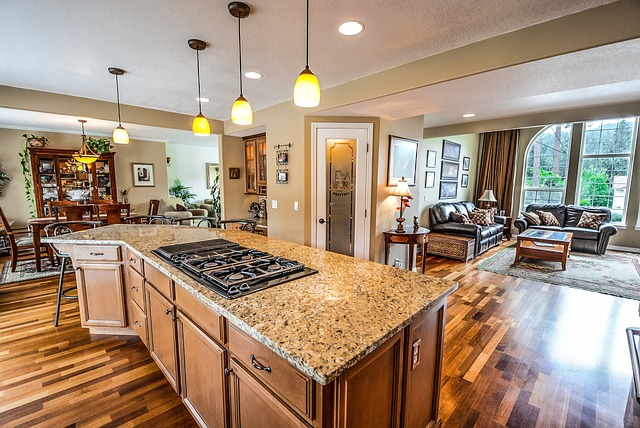
Making comments that position the host’s home as smaller, less modern, or less desirable than another space is a form of social diminishment. Phrases such as remarks about how much more room a guest has in their own apartment, for example, are both unnecessary and unkind. Every home represents a personal achievement and a reflection of the owner’s taste and circumstances. Genuine, specific compliments about what the host has created are always more welcome than comparisons. Celebrating someone’s milestone means meeting them where they are, not measuring them against an external standard.
Bringing Your Pet Uninvited

Arriving with an animal that was not accounted for in the host’s planning introduces a range of potential complications. The host may have allergies, existing pets that do not welcome strangers, or simply prefer a pet-free environment during the event. New homes often contain hazards for animals as well, from exposed wires to freshly applied finishes on floors or surfaces. It is essential to ask specifically and well in advance if bringing a pet is something the host is comfortable with. Assuming animals are always welcome in social settings is a common and avoidable mistake.
Using the Master Bedroom

Wandering into the host’s bedroom, even to set down a bag or take a phone call, is an intrusion into the most private part of the home. Unless the host has specifically included it on a tour or offered it as a space for guests, it should remain off-limits. This applies especially to sitting on the bed, using the en suite bathroom, or looking through personal items on display. Designating personal spaces is one of the first things a new homeowner establishes, and respecting those boundaries is fundamental. Guests should use only the areas that have been explicitly made available to them.
Bringing Uninvited Children
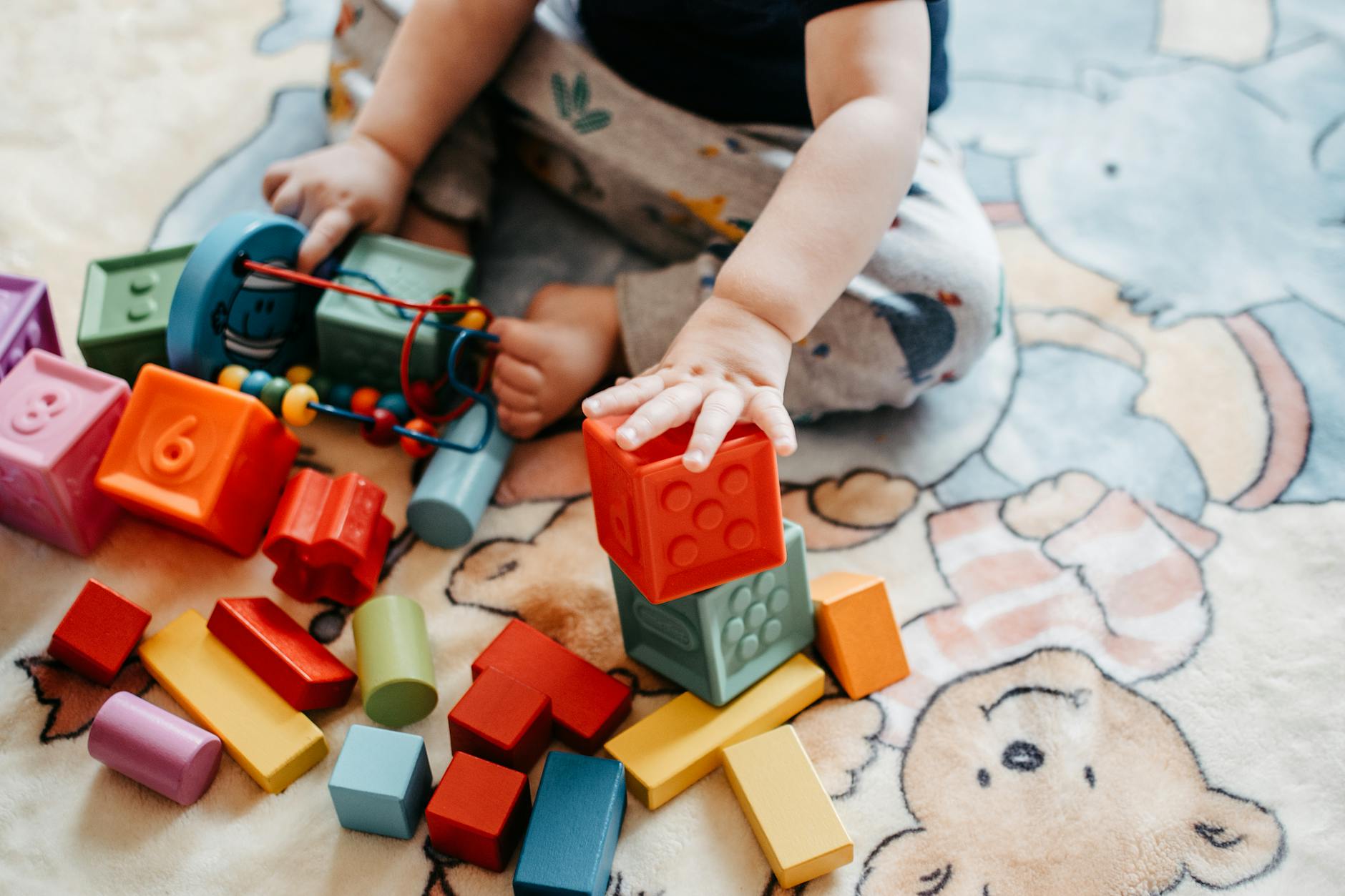
Bringing children to a housewarming that has not been designated as family-friendly can create logistical and safety challenges for the host. New homes may not be childproofed, and the host may have fragile items within reach or hazardous areas that are not yet secured. Other guests may not be expecting children to be present, which can shift the dynamic of the event. Asking in advance whether children are welcome is always the appropriate step. If childcare cannot be arranged and the event is adult-oriented, it is better to send regrets and celebrate with the host another time.
Forgetting to RSVP and Showing Up Anyway
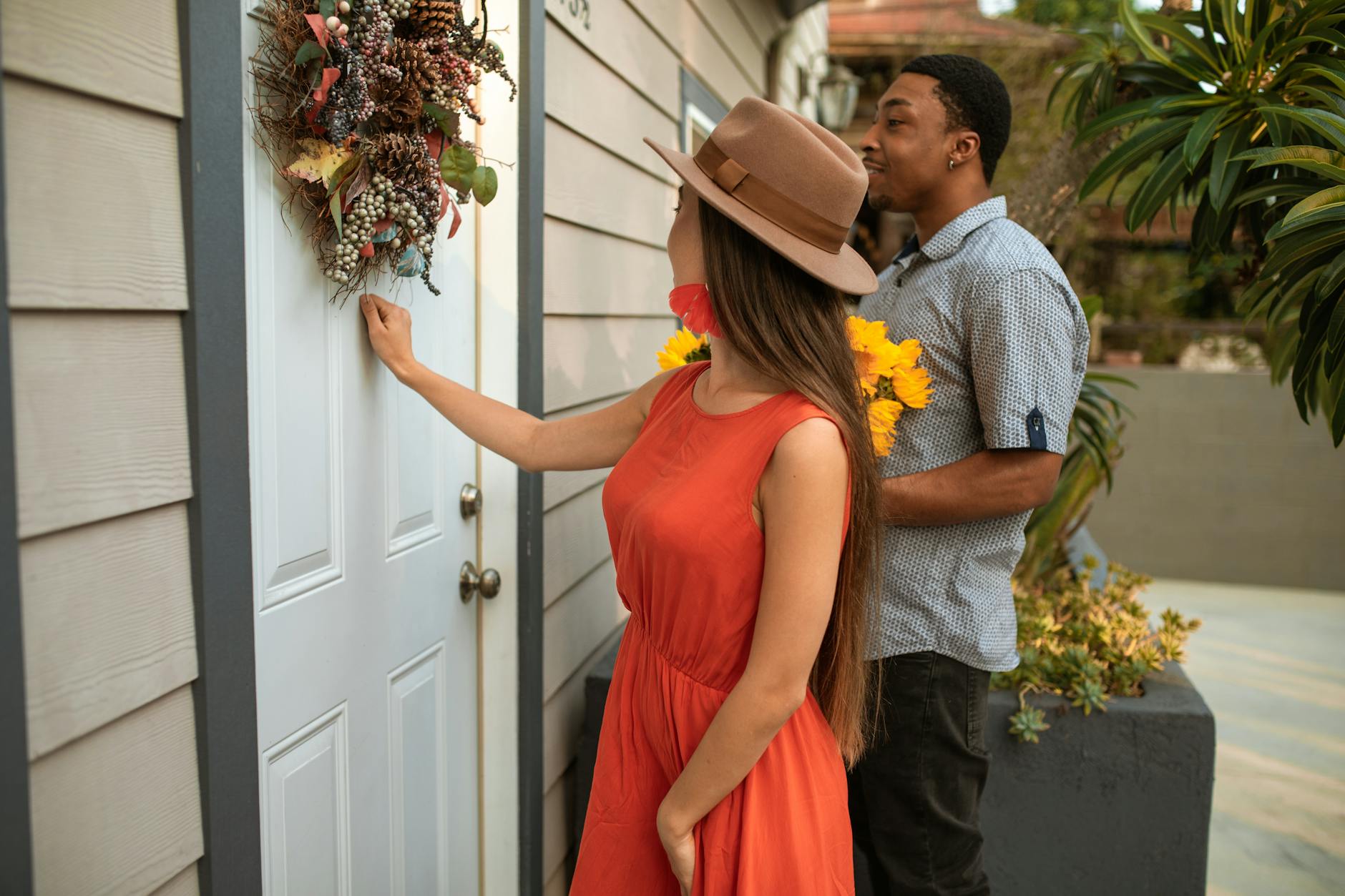
Appearing at a housewarming without confirming attendance beforehand is a logistical problem for the host who has planned food, seating, and space based on expected numbers. It can also signal to the host that their invitation was not taken seriously enough to warrant a response. RSVP etiquette exists precisely because hosting requires planning, and that planning depends on accurate headcounts. Sending a quick confirmation message is one of the easiest and most appreciated things a guest can do. If circumstances change after an RSVP is submitted, notifying the host promptly is equally important.
Making Negative Comments About the Home’s Size

Remarking on how small, compact, or limited the square footage of a home appears is unwelcome regardless of how casually it is said. Many people live happily and intentionally in smaller spaces, and a comment of this nature implies that their choice is somehow lacking. In cities where space is expensive and limited, a compact home can represent a significant financial achievement. Focusing instead on clever use of space, smart storage solutions, or the charm of the layout is a far more supportive approach. Size commentary of any kind is best left entirely unsaid.
Leaving a Mess

Dropping napkins, leaving plates in unexpected places, or failing to dispose of waste properly in someone’s new home is particularly disrespectful. The host has spent time setting up a clean and welcoming environment and should not have to chase debris left by careless guests. Being mindful of where food, drink, and packaging end up over the course of the evening is a basic standard of guest behavior. At minimum, guests should consolidate their own waste and bring items to the designated areas when they are done. Leaving the home in better condition than it was found is the gold standard of guest courtesy.
Raiding the Fridge Without Asking

Helping oneself to food or drinks from the kitchen that have not been put out for guests is a boundary overstep. The host has curated what they are serving, and items in the fridge may be reserved for other purposes or simply not part of the evening’s offering. This behavior can also catch the host off guard and force them into an uncomfortable position of having to redirect a guest. If a guest is hungry or thirsty and the available options are not sufficient, politely asking the host is always appropriate. Treating someone’s kitchen as a shared resource without permission is never acceptable.
Parking Inconsiderately

Blocking driveways, parking in front of neighboring homes without consideration, or taking up excessive space can create immediate tension with the host’s new neighbors. First impressions in a new neighborhood matter, and a parking-related complaint on the day of a housewarming is an avoidable embarrassment for the host. Guests should scout the area in advance, use designated visitor parking, or arrange alternative transportation if space is limited. Asking the host in advance about parking recommendations is a thoughtful and practical step. Respecting the surrounding community is an extension of respecting the host.
Starting Controversial Conversations

Introducing divisive topics such as politics, religion, or contentious current events into a festive social gathering is rarely appropriate. A housewarming is a celebratory occasion and the host has invested effort in creating an inclusive and enjoyable atmosphere for all their guests. Heated discussions can quickly make other guests uncomfortable and force the host into an unwanted mediating role. Keeping conversation light, positive, and focused on the occasion is the socially intelligent approach. There are plenty of other settings better suited to substantive debates.
Taking Food Home Without Asking

Packing up leftovers or party food to take home without the host’s explicit invitation crosses a clear line of propriety. The host may have plans for leftover food or may be offended by the assumption that their catering was surplus to requirements. If a host offers to send food home with guests, that is a gracious gesture to be accepted warmly. However, initiating that transaction as a guest is presumptuous. Waiting for an offer and responding with genuine gratitude is the correct approach.
Hounding the Host for a Tour

Persistently requesting to see every room in the home, especially after the host has not offered a tour, puts them in an uncomfortable position. The host may have areas that are not ready for presentation, still cluttered from the move, or simply private by preference. A tour is a gift that the host chooses to give, not an entitlement that guests can claim. If a tour is offered, being respectful and appreciative rather than critical or probing is essential. Accepting whatever level of access the host chooses to provide is a mark of good manners.
Giving a Regifted Present

Bringing a housewarming gift that is visibly second-hand or that the giver clearly did not select with care is a subtle but noticeable slight. Hosts often remember the gifts they receive at significant life events, and a regift can feel impersonal or dismissive of the occasion. If budget is a genuine concern, a small but thoughtfully selected item will always outperform a recycled one in terms of impact. Presentation and intention matter far more than monetary value. Taking even a small amount of time to choose something deliberately sends a meaningful message.
Ignoring the Host’s House Rules

Some hosts establish guidelines for their new home, whether it involves removing shoes at the door, avoiding certain areas, or keeping noise to a level that respects neighbors. Dismissing or ignoring these rules communicates that the guest’s comfort supersedes the host’s authority in their own space. New homeowners in particular may have practical reasons for rules that are not immediately obvious to guests. Following instructions graciously and without complaint or eye-rolling is a basic expectation. A guest who respects the rules makes the host’s job significantly easier and more enjoyable.
Bringing an Overwhelmingly Large Gift

While generosity is appreciated, arriving with a gift that is extremely large, difficult to store, or high-maintenance can become a burden for the host. New homeowners are already navigating space management and an oversized item can create an awkward obligation to display or accommodate it. Gifts that are practical, proportionate, and easy to integrate into daily life are typically the most welcome. It is always better to ask if there is something specific the host needs rather than making assumptions about what will suit the space. Thoughtfulness and practicality are the best guides when selecting a housewarming present.
Spilling Something and Saying Nothing

Accidents happen at any gathering, but failing to alert the host immediately after a spill in their new home is a serious lapse in guest responsibility. Fresh stains are far easier to treat than those that have been left to set into carpet, upholstery, or hardwood floors. Notifying the host promptly, offering to help clean up, and expressing genuine apology are the minimum expected responses. Quietly attempting to cover the evidence or hoping no one notices is not acceptable behavior. Being honest and proactive in these moments demonstrates respect for the host’s property.
Dominating the Music

Taking control of the music playlist without being asked or overriding choices the host has already made disrupts the carefully considered atmosphere of the party. Hosts often curate a playlist in advance as part of their hosting preparation, and having it hijacked can feel disrespectful of that effort. Musical preferences are subjective, and what one guest enjoys may alienate others in the room. If a guest has a suggestion, offering it politely and deferring to the host’s final decision is the appropriate way to engage. The soundtrack of the party belongs to the host.
Leaving Without Saying Goodbye

Quietly slipping out of a housewarming without thanking the host is sometimes called an Irish exit and while it may feel low-pressure, it can leave the host wondering whether the guest had a good time. A brief and warm goodbye moment allows the host to feel that their effort was acknowledged and appreciated. It also provides a natural and gracious endpoint to the visit. If the host is occupied, waiting a moment for a brief window to say farewell is well worth the patience. Closing the visit with genuine thanks is one of the simplest and most impactful things a guest can do.
Bringing Up the Host’s Previous Home
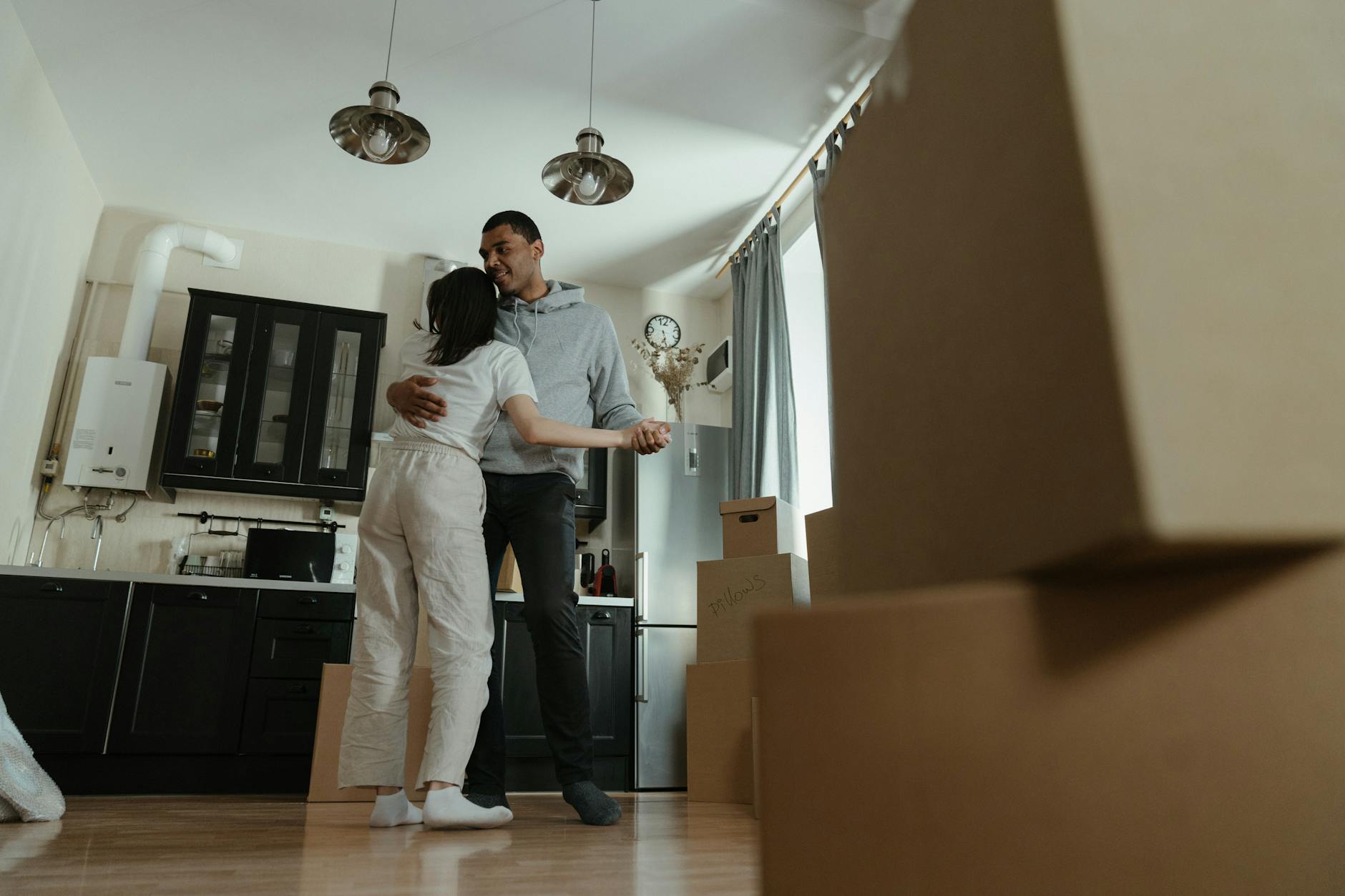
Referencing the place the host used to live, particularly in comparative terms, can inadvertently undermine their enthusiasm for the new space. The housewarming is a celebration of what is ahead, not a moment for nostalgia about what was left behind. Comments such as remembering how much the host loved their old garden or how convenient their former location was redirect focus away from the present occasion. Keeping conversation anchored in the present and the future supports the celebratory spirit of the event. The host has moved on intentionally, and guests should honor that momentum.
Asking Probing Questions About the Purchase

Inquiring about the terms of a mortgage, the asking price versus selling price, or details of the negotiation process is an intrusion into financial and personal territory. Real estate transactions involve sensitive information that hosts may not wish to discuss at a social event, especially with a mixed group of guests. The housewarming is not a debrief on the home-buying process but a celebration of its completion. If the host volunteers information about the transaction, listening is of course perfectly fine. But soliciting those details without invitation is an overreach.
Giving Backhanded Compliments

Remarks that appear positive on the surface but carry an implicit criticism are particularly damaging in the context of someone’s new home. Statements framed around surprise or comparison, such as noting that a room looks much better than it did in the listing photos, are not genuine compliments. The host is proud of their space and has worked hard to create an environment they are excited to share. Straightforward, sincere admiration is what the occasion calls for. Any compliment that requires a qualifier is better left unspoken.
Spending the Whole Evening on Your Phone

Being visibly absorbed in a device throughout a social gathering signals disengagement and a lack of interest in the event or the people present. Housewarming parties are inherently personal occasions and the host is sharing something meaningful with those they have chosen to invite. Constant phone use can make other guests feel awkward and place the burden of conversation on everyone else. Setting the phone aside and being present is not only good manners but also makes the event more enjoyable for all involved. Fully showing up is the most valuable thing any guest can bring.
Making the Evening About Yourself

Steering conversations repeatedly back to personal stories, achievements, or problems shifts the focus of the event away from the host and their milestone. A housewarming is explicitly a celebration of the host, and keeping that person at the center of the occasion is the guest’s social responsibility. Sharing experiences and anecdotes in conversation is natural, but balance and attentiveness to others are essential. Guests who listen as much as they speak tend to be the ones most fondly remembered. Being a generous conversationalist is as important as any gift brought through the door.
Commenting on the Mortgage or Rent

Speculating aloud about what the host must be paying each month, whether in admiration or concern, introduces financial stress into what should be a joyful occasion. Even remarks meant to sound impressed can make a host feel self-conscious about their financial situation in front of their guests. Property costs are deeply personal and tied to circumstances that are rarely visible from the outside. Respecting that boundary keeps the evening’s energy focused on celebration rather than financial scrutiny. What someone pays for their home is their business alone.
Leaving Without Sending a Thank-You

Failing to follow up with a message of thanks after attending a housewarming is a missed opportunity to close the occasion graciously. The host has invested time, money, and energy into making the event special, and acknowledging that effort after the fact is a meaningful gesture. A short message sent within a day or two of the party reinforces the warmth of the visit and strengthens the relationship. It does not need to be elaborate to be effective. This small act of follow-through leaves the host with a positive impression that lasts well beyond the party itself.
Share your own housewarming horror stories or the etiquette rules you swear by in the comments.




