Bottled water has long been marketed as the cleaner, safer, and more convenient alternative to tap water, but the reality behind that plastic bottle tells a very different story. From environmental destruction to hidden health risks, the bottled water industry has built a billion-dollar empire on a foundation of misleading perceptions. Millions of people worldwide are unknowingly contributing to a global crisis every time they crack open a fresh bottle. Understanding the full scope of what bottled water actually costs, both personally and collectively, is the first step toward making a meaningful change.
Plastic Pollution Is Accelerating at an Alarming Rate
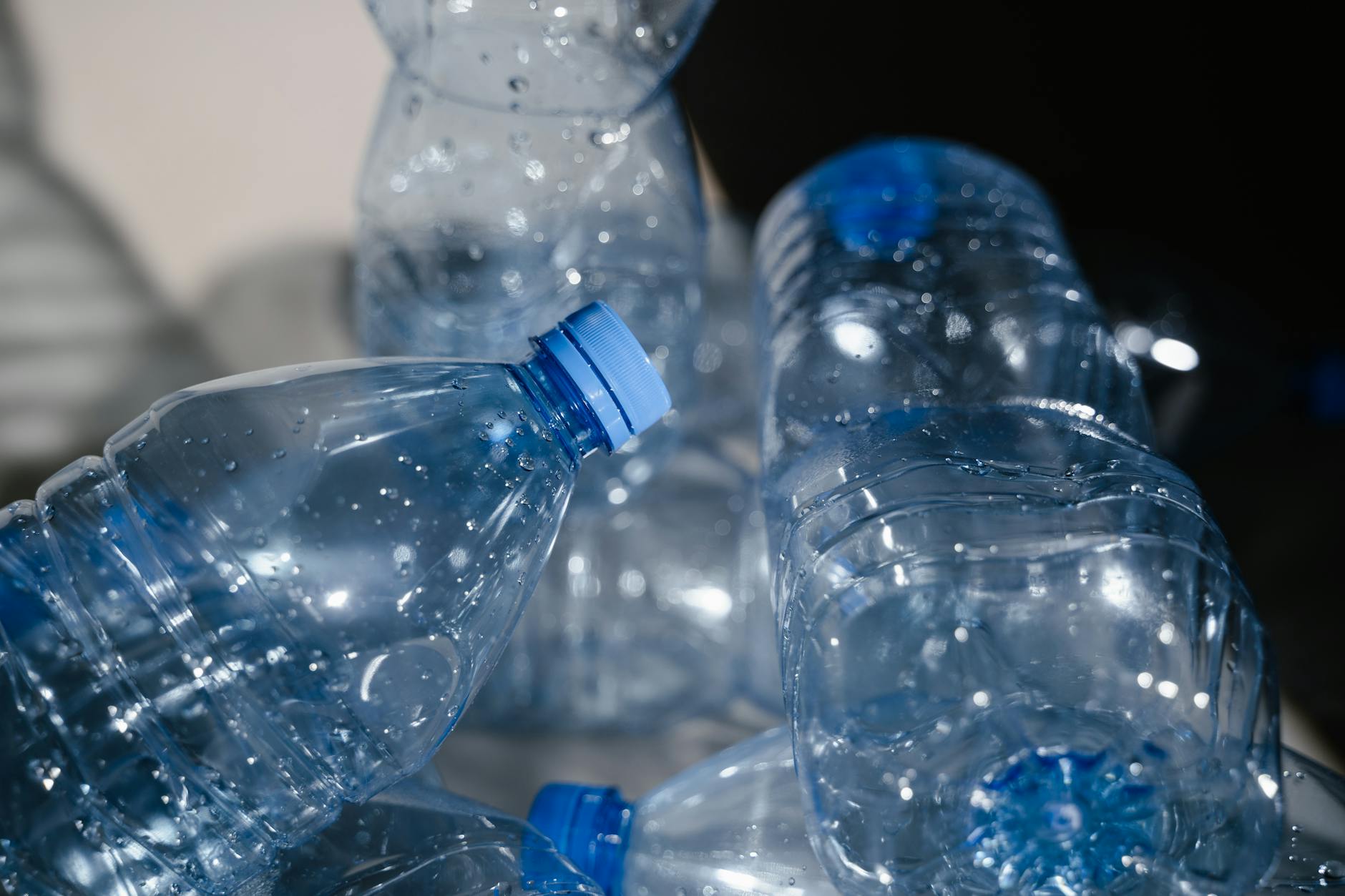
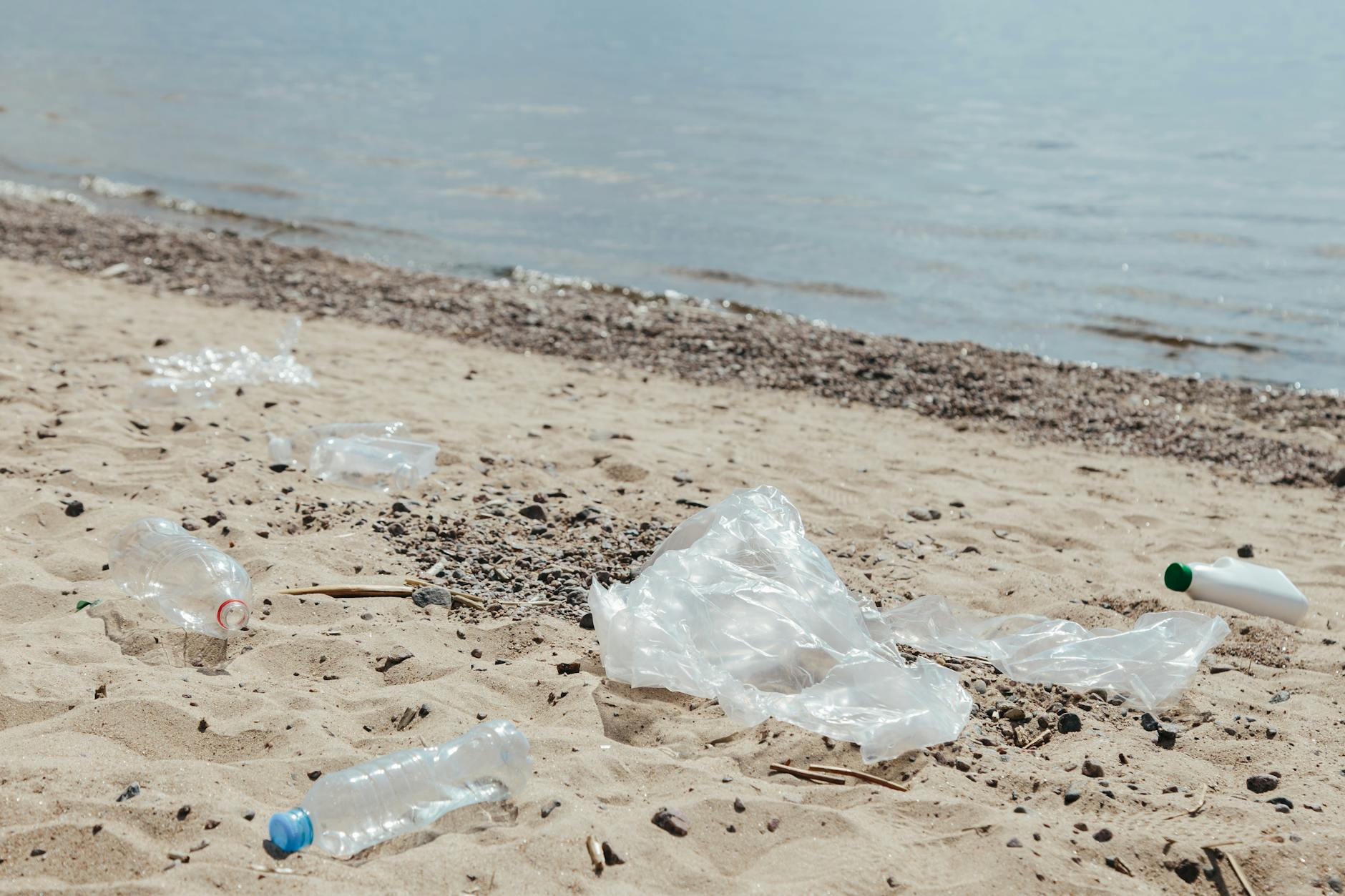
Over one million plastic bottles are purchased every single minute around the world, and the vast majority end up in landfills or oceans rather than recycling bins. Plastic takes up to 450 years to decompose, meaning every bottle ever produced still exists in some form on the planet today. Marine ecosystems are under severe strain as plastic fragments break down into microparticles that disrupt aquatic food chains. The sheer volume of plastic waste generated by bottled water consumption is one of the leading contributors to the global plastic pollution crisis.
Microplastics Are Ending Up Inside Your Body
Scientific studies have consistently detected microplastic particles inside commercially bottled water at concerning concentrations. These microscopic fragments enter the human body through ingestion and have been found in blood, lung tissue, and even placentas in recent research. The long-term health implications of chronic microplastic exposure are still being studied, but early findings suggest links to inflammation and hormonal disruption. Choosing bottled water does not protect you from contaminants and may in fact introduce an entirely new category of pollutants into your system.
Tap Water Is Strictly Regulated and Often Safer
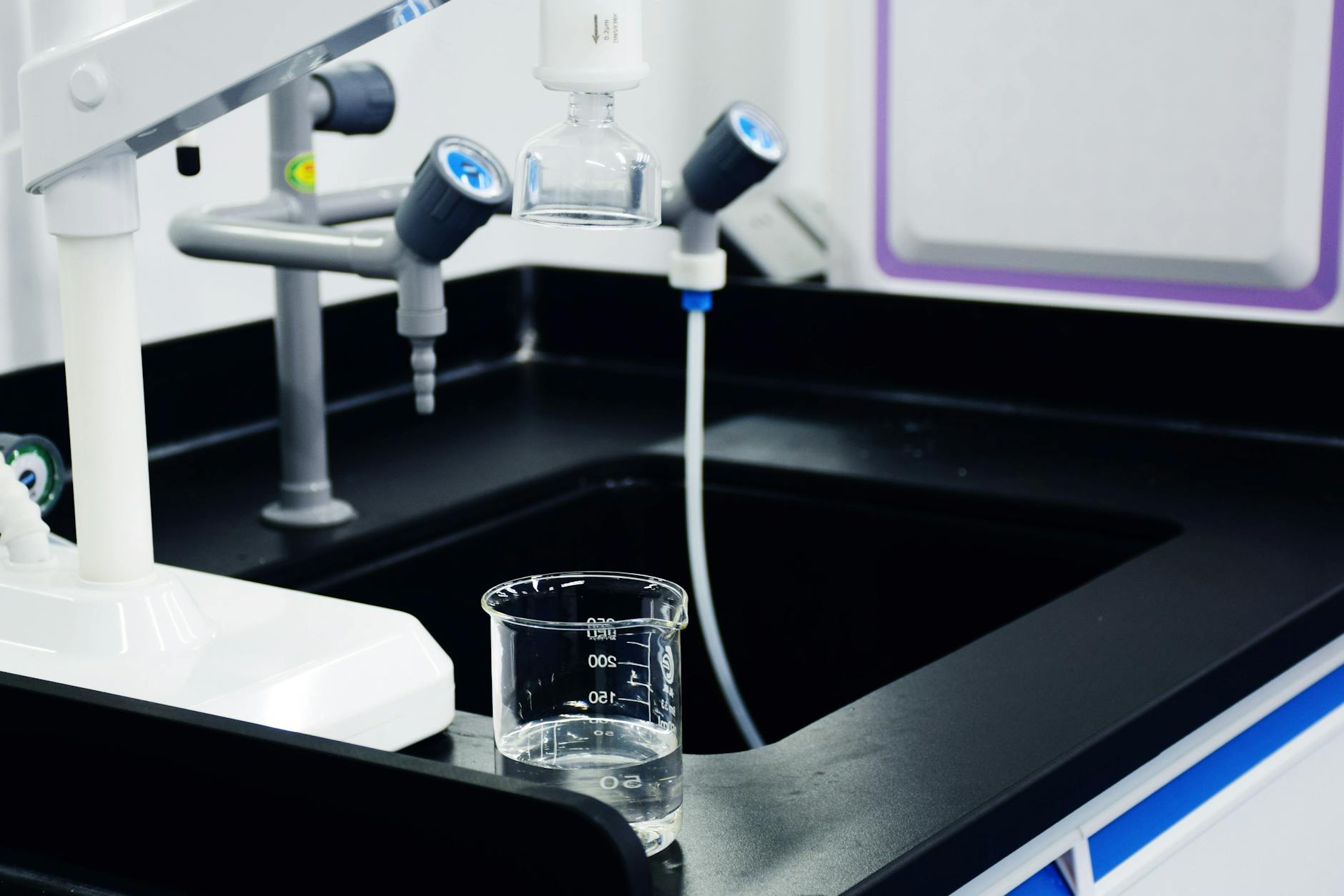
Municipal tap water in most developed countries is subject to rigorous daily testing and must meet strict government safety standards before it reaches your faucet. The regulatory framework governing public drinking water is far more demanding than the standards applied to bottled water production. Contaminant thresholds for tap water are frequently lower and more frequently monitored than those required of bottled water brands. In many cities, tap water consistently outperforms bottled alternatives in independent quality assessments.
Bottled Water Is Extraordinarily Expensive Compared to Tap
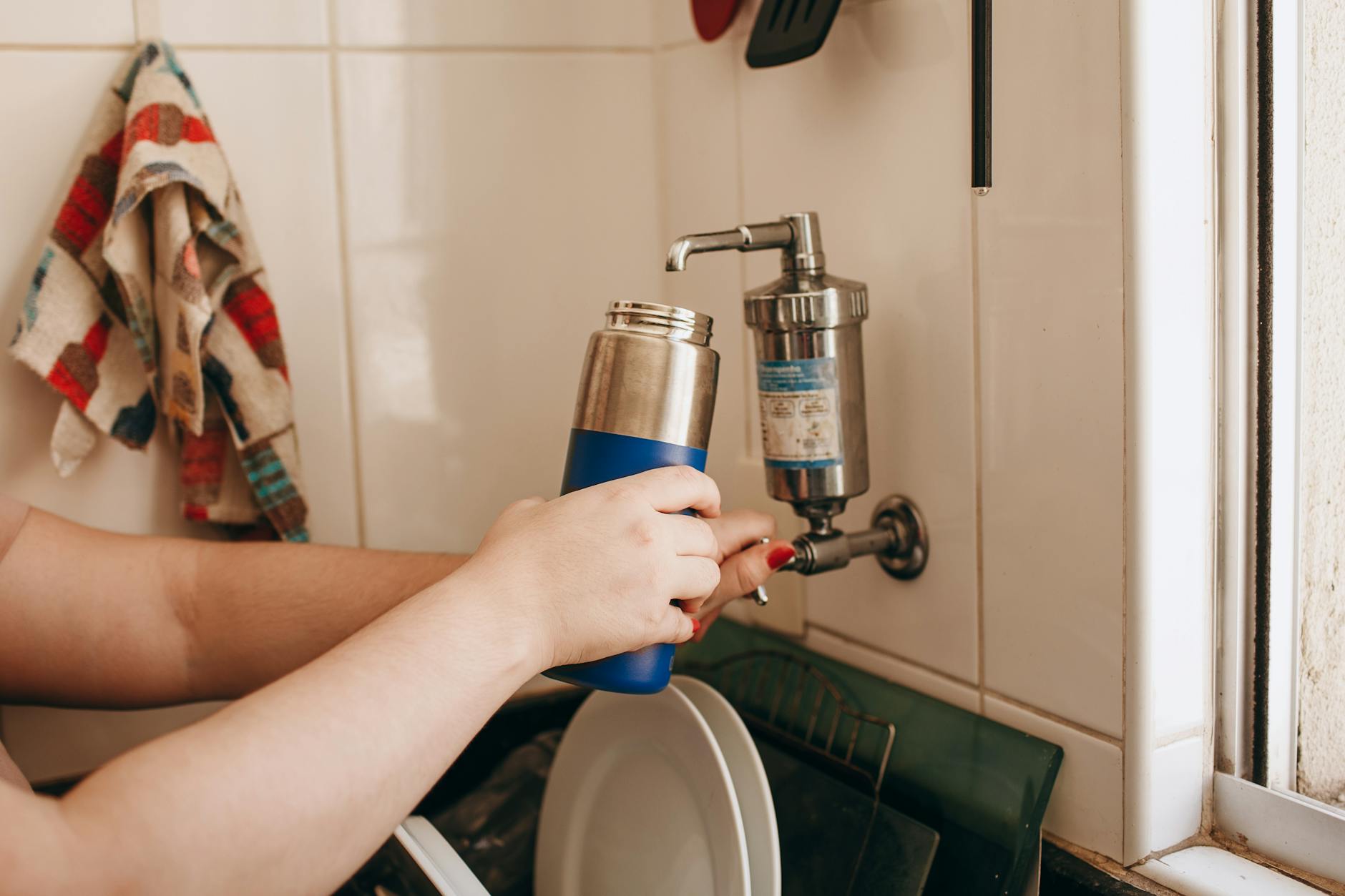
The cost per litre of bottled water can be anywhere from 300 to 2000 times more expensive than tap water depending on the brand and region. A household that relies on bottled water as its primary drinking source spends thousands of dollars annually on something available almost free from the kitchen sink. That financial burden falls disproportionately on lower-income families who are often targeted by bottled water marketing. Redirecting that spending toward a quality home filtration system pays for itself within weeks and delivers lasting value.
The Carbon Footprint of Bottled Water Is Enormous
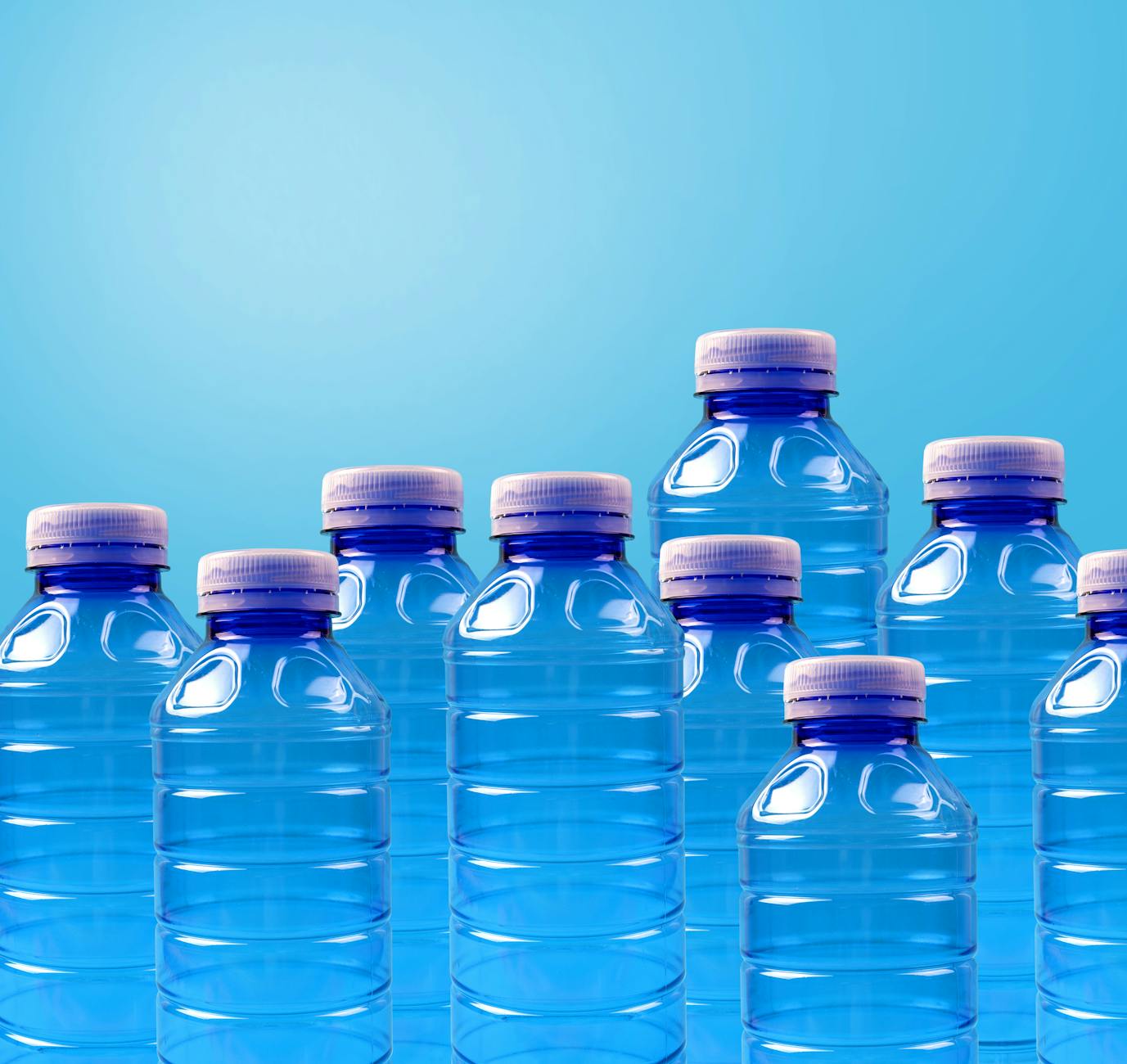
Producing, transporting, refrigerating, and disposing of plastic water bottles generates a significant volume of greenhouse gas emissions at every stage of the supply chain. The energy required to manufacture a single plastic bottle is estimated to be many times greater than the energy needed to deliver the same amount of tap water. Transportation alone accounts for a massive portion of bottled water’s carbon output, particularly for imported premium brands shipped across continents. Switching away from bottled water is one of the simplest lifestyle changes an individual can make to meaningfully reduce their personal carbon footprint.
Many Bottled Water Brands Are Simply Repackaged Tap Water
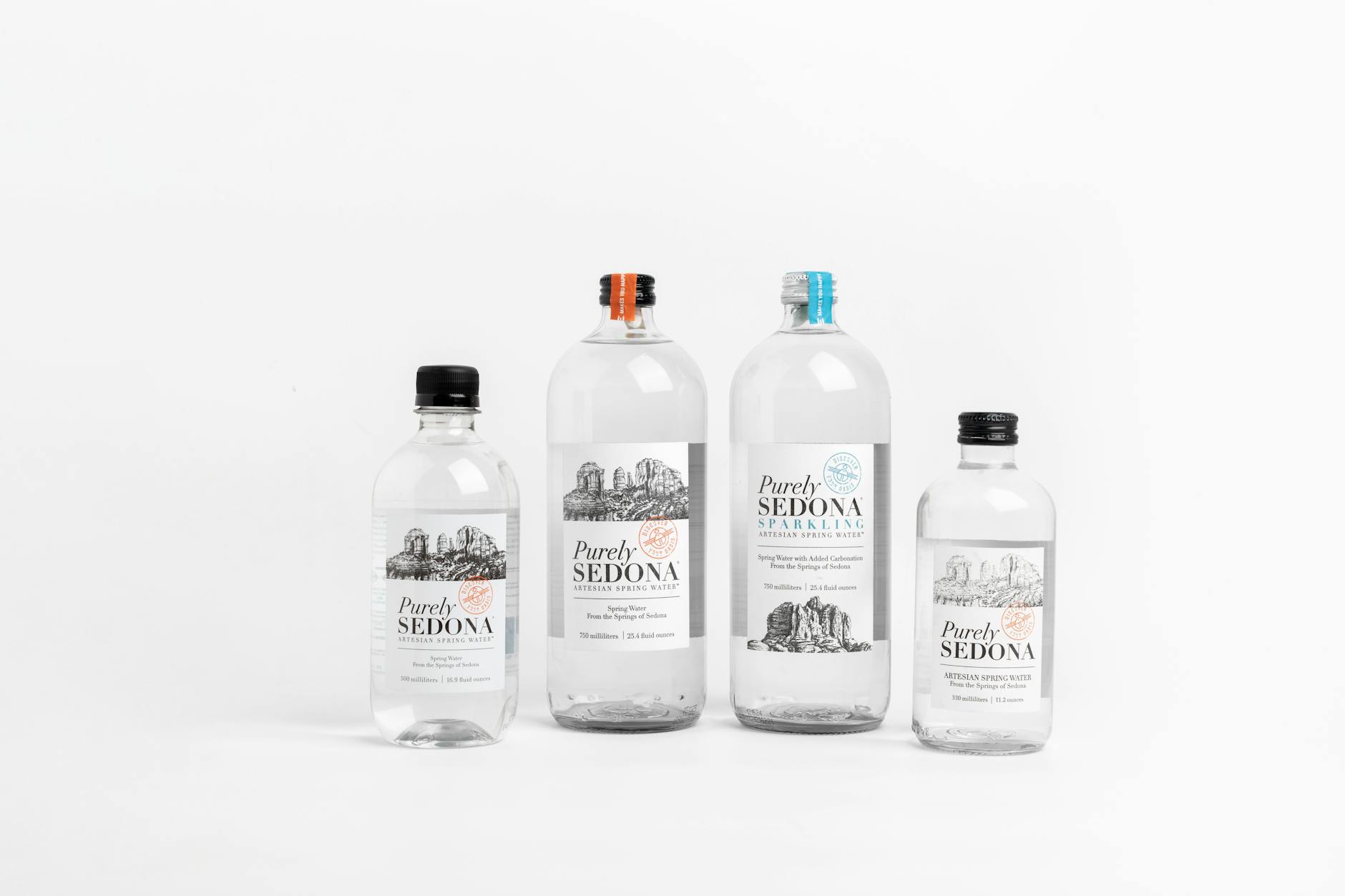
A substantial percentage of the world’s bestselling bottled water brands draw their supply directly from municipal tap water sources before filtering and repackaging it at a dramatic markup. Brands have faced regulatory scrutiny and public backlash after being caught misrepresenting the origins of their product as natural spring or glacier water. Consumers paying premium prices for exotic-sounding water names are often receiving a product that originated from the same infrastructure as their home supply. Independent laboratory analysis has repeatedly confirmed that many popular bottled waters offer no measurable quality advantage over properly filtered tap water.
Endocrine-Disrupting Chemicals Leach from Plastic Bottles
Chemicals such as BPA and its substitutes used in plastic bottle manufacturing have been shown to leach into the water contained within, particularly when bottles are exposed to heat or stored for extended periods. These compounds are classified as endocrine disruptors, meaning they can interfere with the body’s hormonal signaling systems even at very low concentrations. Children and pregnant individuals are considered especially vulnerable to the effects of endocrine-disrupting chemical exposure. Despite manufacturer claims of BPA-free formulations, replacement chemicals used in newer plastics have shown similar disruptive properties in emerging research.
Bottled Water Contributes to Global Water Inequality
Large beverage corporations frequently extract groundwater from local communities in developing regions at volumes that deplete aquifers and reduce access for residents who depend on those same sources. Rural and indigenous communities have repeatedly fought legal battles against bottling plants operating within their watersheds with little regulatory protection. The commodification of water by private corporations removes a fundamental human resource from public control and places it within profit-driven frameworks. Supporting the bottled water industry financially strengthens a system that has been widely criticized for deepening global water inequality.
Single-Use Plastic Is Clogging Global Recycling Systems
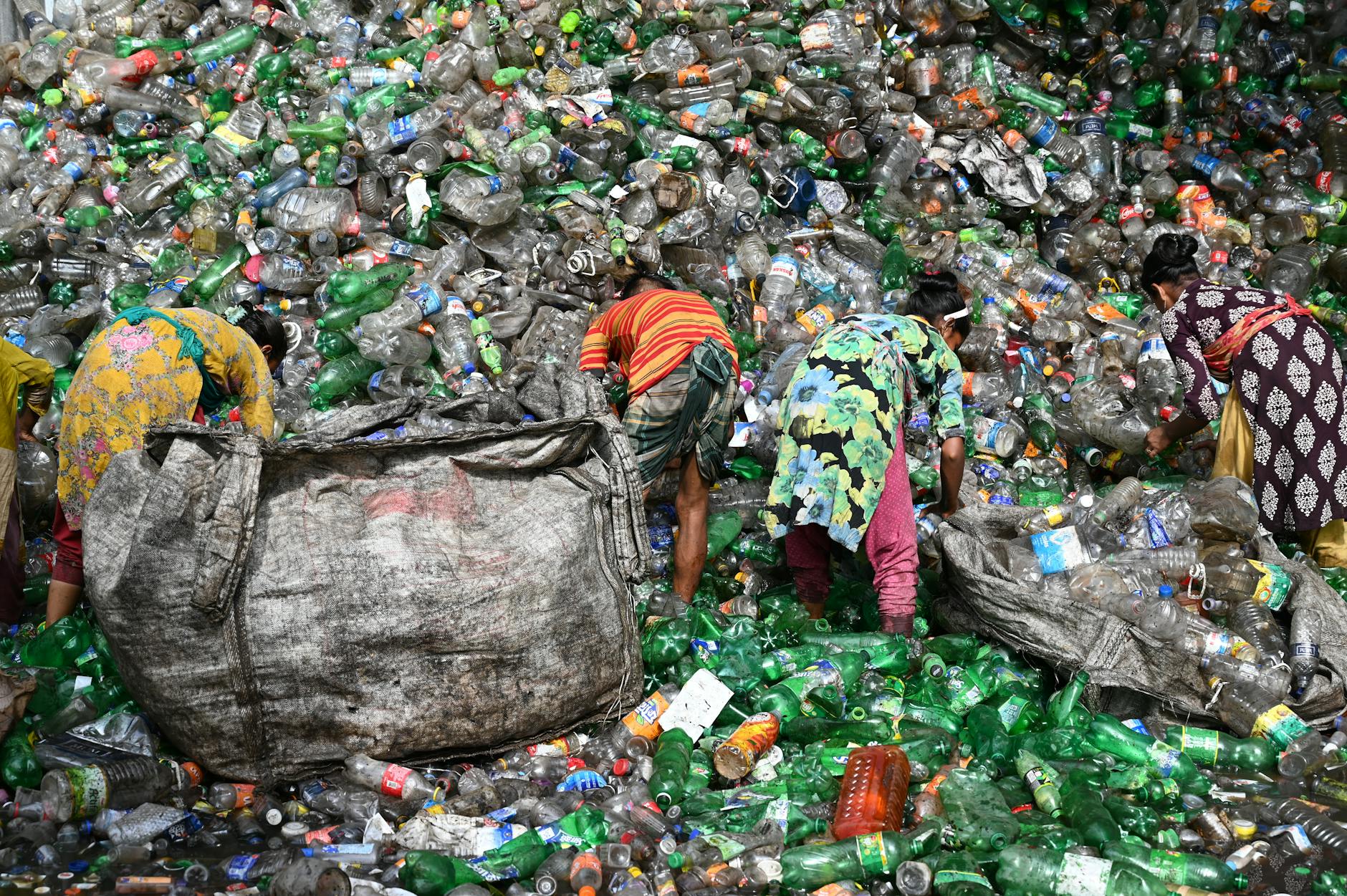
Despite widespread recycling campaigns, only a small fraction of plastic water bottles are actually recycled due to contamination, sorting failures, and insufficient infrastructure. Many municipalities that collect plastic bottles for recycling ultimately send a significant portion to landfill or incineration because the economics of recycling plastic are unfavorable. The recyclability promise on plastic packaging has been described by environmental advocates as a marketing strategy that gives consumers a false sense of responsible consumption. Reducing plastic bottle use at the source is far more effective than relying on a recycling system that is fundamentally overwhelmed.
Reusable Bottles Offer a Convenient and Stylish Alternative
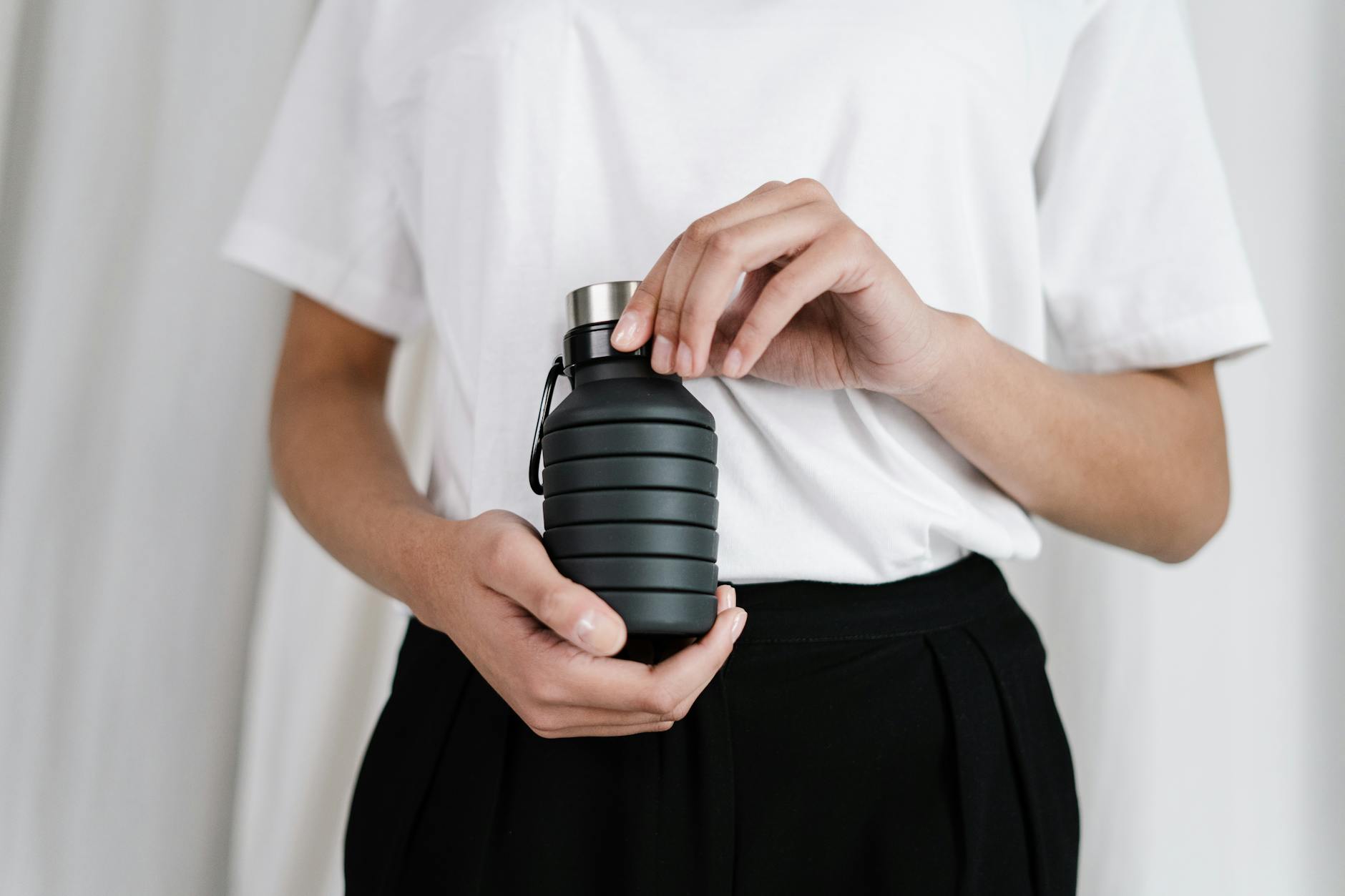
High-quality stainless steel and glass reusable water bottles are now widely available in a range of sizes, designs, and insulation levels to suit every lifestyle and preference. Many modern reusable bottles keep water cold for up to 24 hours and hot beverages warm for 12, outperforming anything a plastic bottle can offer. The initial investment in a durable reusable bottle is recovered almost immediately when compared to the ongoing expense of buying single-use alternatives. Carrying a reusable bottle has also become a widely recognized social signal of environmental awareness and personal responsibility.
Bottled Water Normalizes the Privatization of a Public Resource
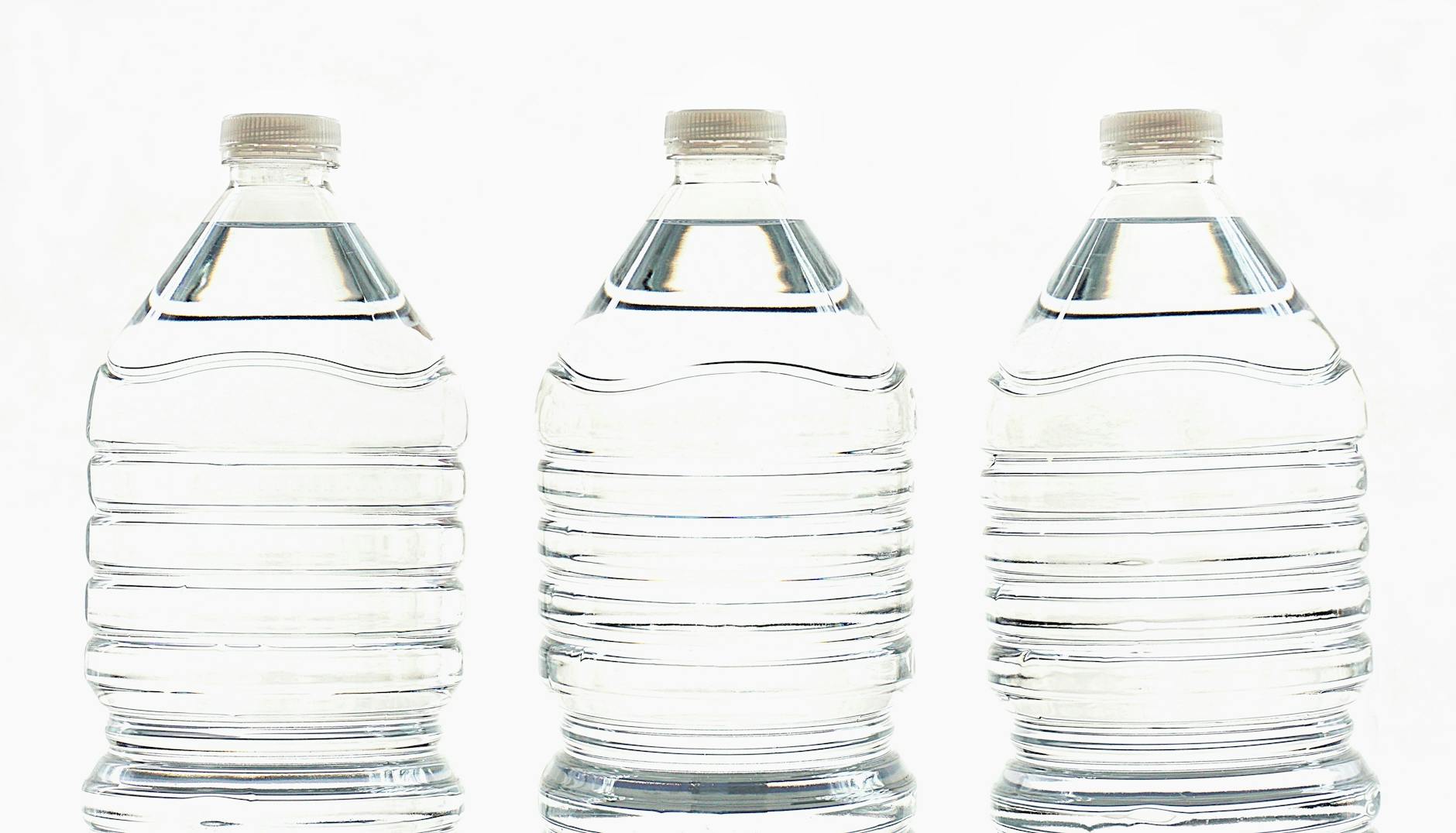
When individuals accept bottled water as the default way to access safe drinking water, it implicitly validates the idea that water should be bought and sold rather than treated as a universal public right. Governments that observe high bottled water consumption face reduced political pressure to maintain and invest in public water infrastructure. The normalization of paying for water benefits corporate interests while gradually eroding public trust in communal water systems. Advocating for clean, accessible tap water is a civic responsibility that bottled water dependency makes easier to ignore.
Home Filtration Systems Deliver Superior Results at a Fraction of the Cost
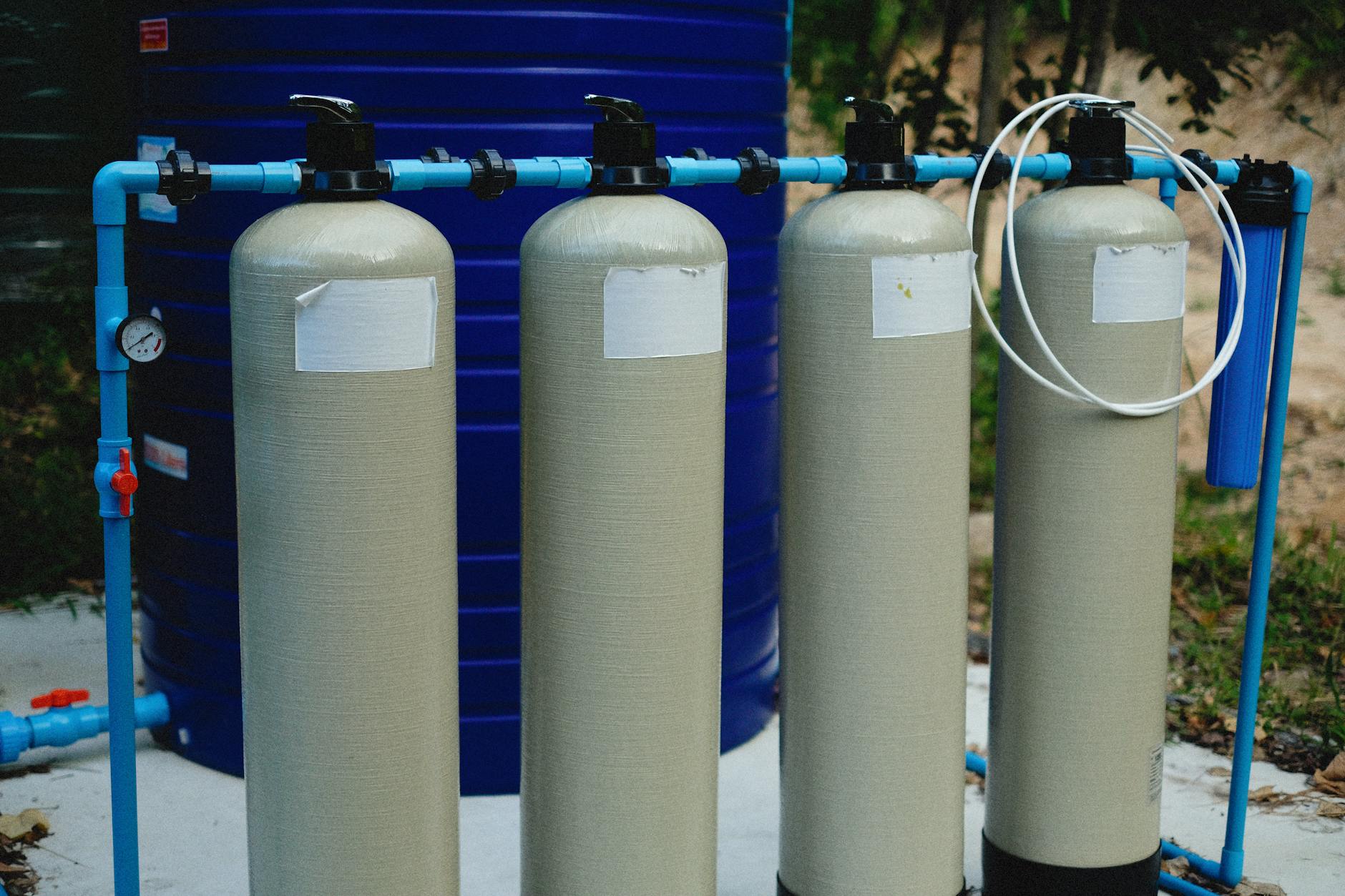
Modern home water filtration technologies including activated carbon filters, reverse osmosis systems, and UV purifiers remove a comprehensive range of contaminants to levels that match or exceed bottled water quality. Once installed, a home filtration system requires only periodic filter replacement to maintain peak performance over many years. The per-litre cost of filtered tap water is negligible compared to any bottled alternative, making it the most economical choice for long-term hydration. Many filtration systems also improve the taste and smell of tap water, addressing the most commonly cited reason people cite for preferring bottled options.
Ocean Ecosystems Are Being Devastated by Plastic Waste
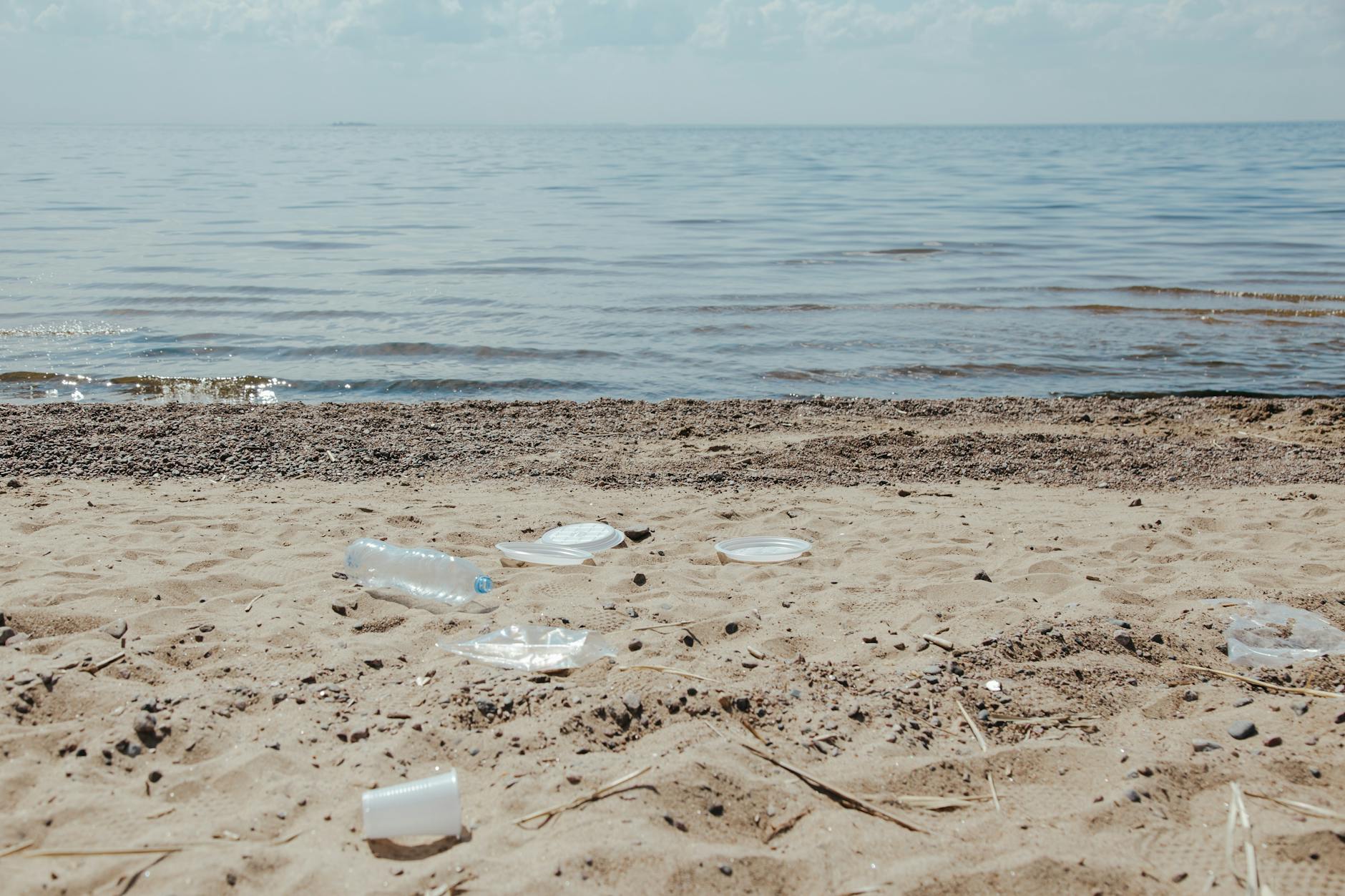
An estimated eight million metric tons of plastic enter the world’s oceans every year, and plastic water bottles represent a significant portion of that total. Sea turtles, seabirds, and marine mammals regularly ingest plastic debris, mistaking it for food, which causes internal injuries, starvation, and death. Coral reef systems are being smothered by plastic accumulation that blocks sunlight and introduces toxic compounds into reef environments. The collapse of marine biodiversity driven in part by plastic pollution has cascading consequences for global food security and ocean health.
Communities Near Bottling Plants Often Face Water Scarcity

Documented cases from multiple continents show that communities located near major water bottling operations frequently report declining water table levels and reduced access to clean water for agricultural and domestic use. Bottling companies secure water extraction permits through legal frameworks that rarely require meaningful community consent or environmental impact accountability. Local governments in economically disadvantaged areas sometimes accept bottling plant operations in exchange for employment, even when the long-term environmental costs outweigh short-term economic benefits. The geographic concentration of water bottling near vulnerable communities highlights a systemic environmental justice issue embedded within the industry.
Your Hydration Habits Shape Cultural Norms Around Consumption
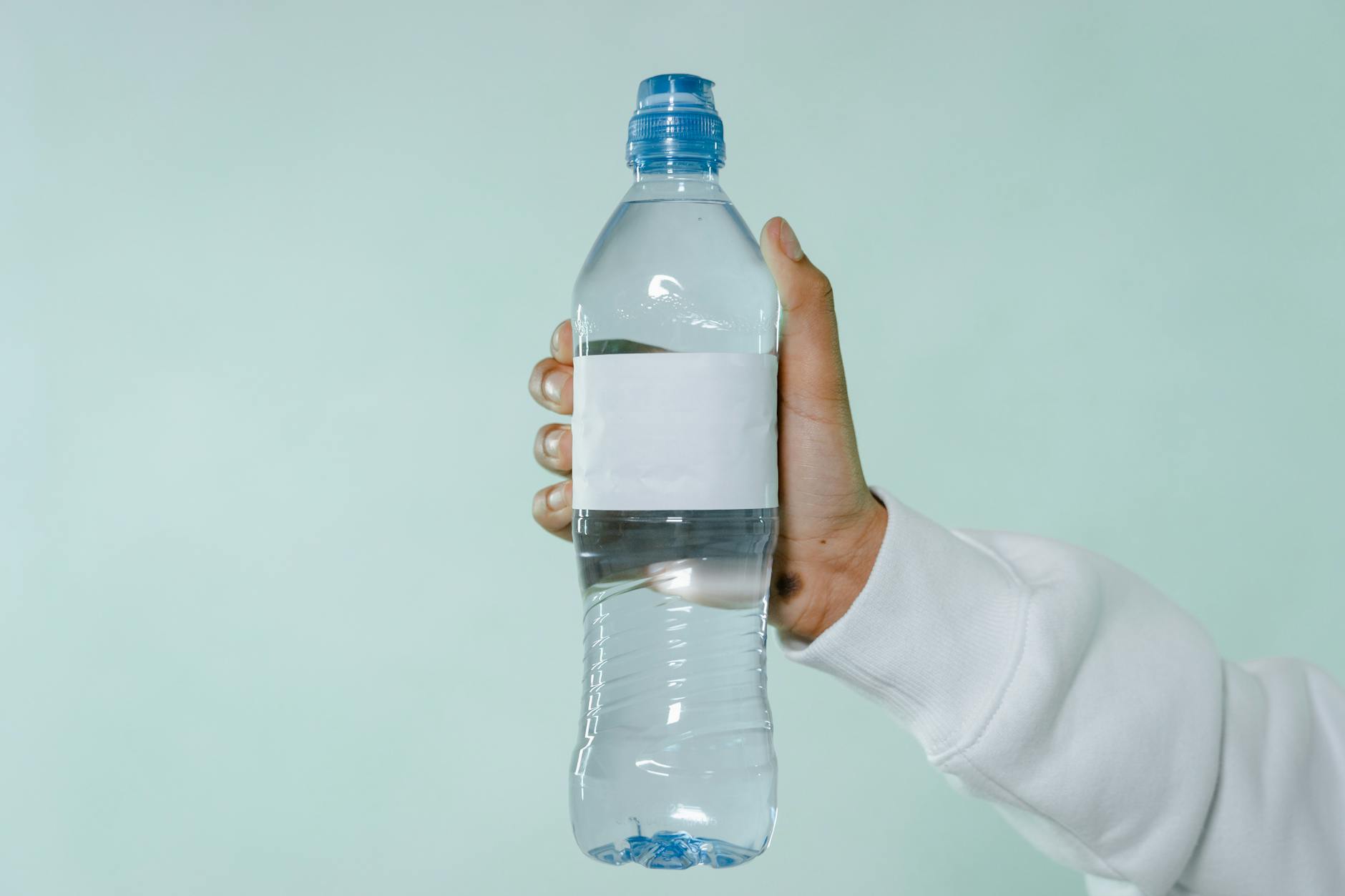
Individual consumption choices, when multiplied across millions of people, establish cultural expectations about what responsible and healthy hydration looks like. Generations raised on bottled water grow up viewing single-use plastic as an ordinary and acceptable part of daily life, making systemic change harder to achieve. Schools, offices, and public spaces that stock bottled water instead of investing in filtered water infrastructure reinforce the idea that tap water is inadequate. Shifting personal habits away from bottled water sends a signal to both markets and policymakers that consumers are ready to support sustainable alternatives at scale.
Share your thoughts on making the switch away from bottled water in the comments.




