Fashion is one of the most dynamic forms of self-expression, but it is also deeply tied to cultural moments, generational references, and the realities of a changing body. What feels effortless at twenty can feel costumey or uncomfortable at forty, and that shift is entirely natural. Understanding which trends align with your current lifestyle, confidence, and comfort level is a sign of genuine style maturity. The following signs are not about shame or restriction but about recognizing the quiet evolution that happens when personal identity outgrows trend cycles.
Low-Rise Jeans Cause Immediate Dread
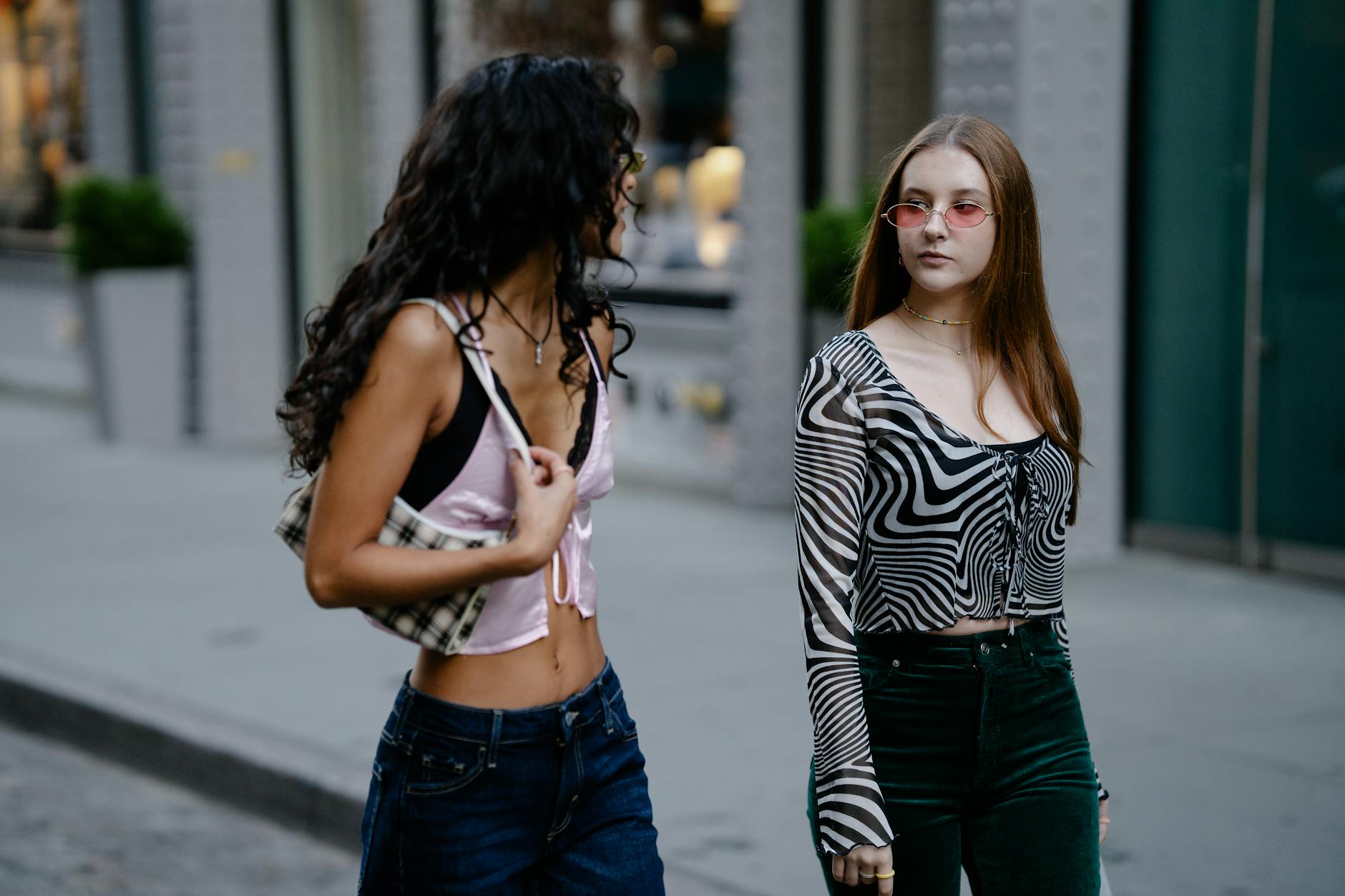
Low-rise jeans re-entered the fashion conversation through Y2K nostalgia and Gen Z revival culture. For many adults who lived through the early 2000s version of this trend, the memory of constant readjusting and exposure is enough to trigger hesitation. The cut sits several inches below the natural waist, which can feel deeply impractical for anyone with an active or professional daily schedule. Most style experts note that mid-rise and high-rise silhouettes have replaced low-rise as the default flattering option for a broader range of body types. When the thought of wearing them produces anxiety rather than excitement, that reaction carries meaningful information.
Micro Miniskirts Feel Impractical
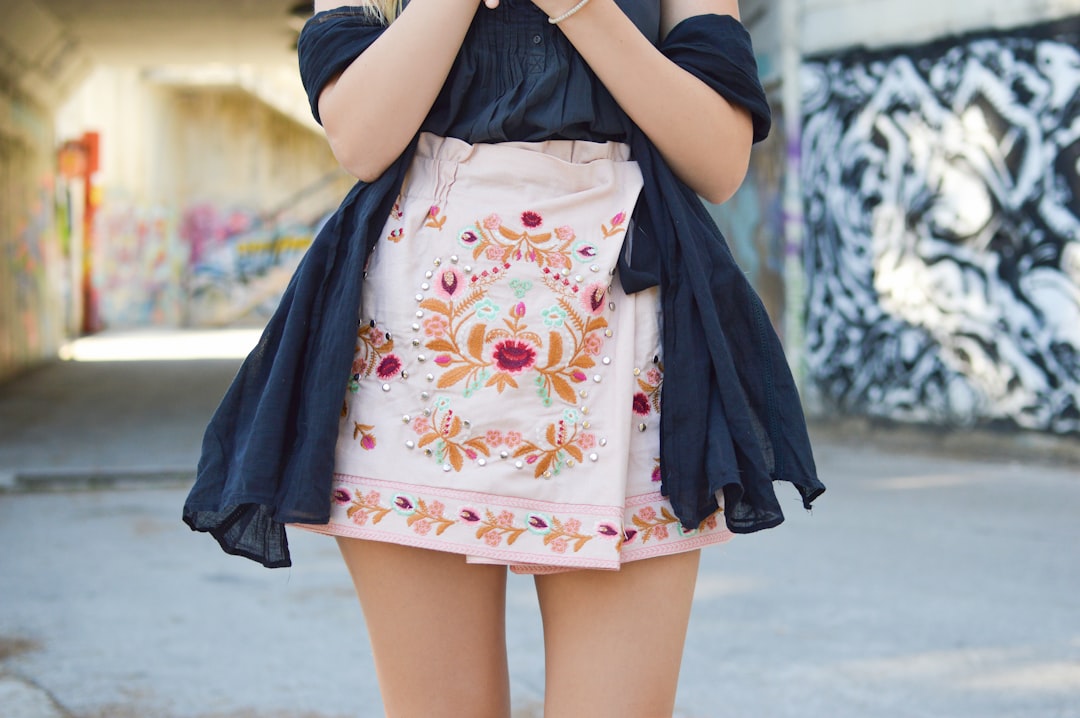
The micro miniskirt has cycled back into trend territory through the influence of runway collections and social media aesthetics. Hemlines that sit several inches above the mid-thigh require constant physical awareness throughout the day. Activities like sitting at a desk, climbing stairs, or getting out of a car become logistical calculations rather than ordinary movements. Many fashion historians note that this style works most naturally within the context of nightlife or fashion-specific events rather than everyday wear. When functionality becomes a persistent concern, the trend is signaling a mismatch with real-life demands.
Visible Brand Logos Feel Loud
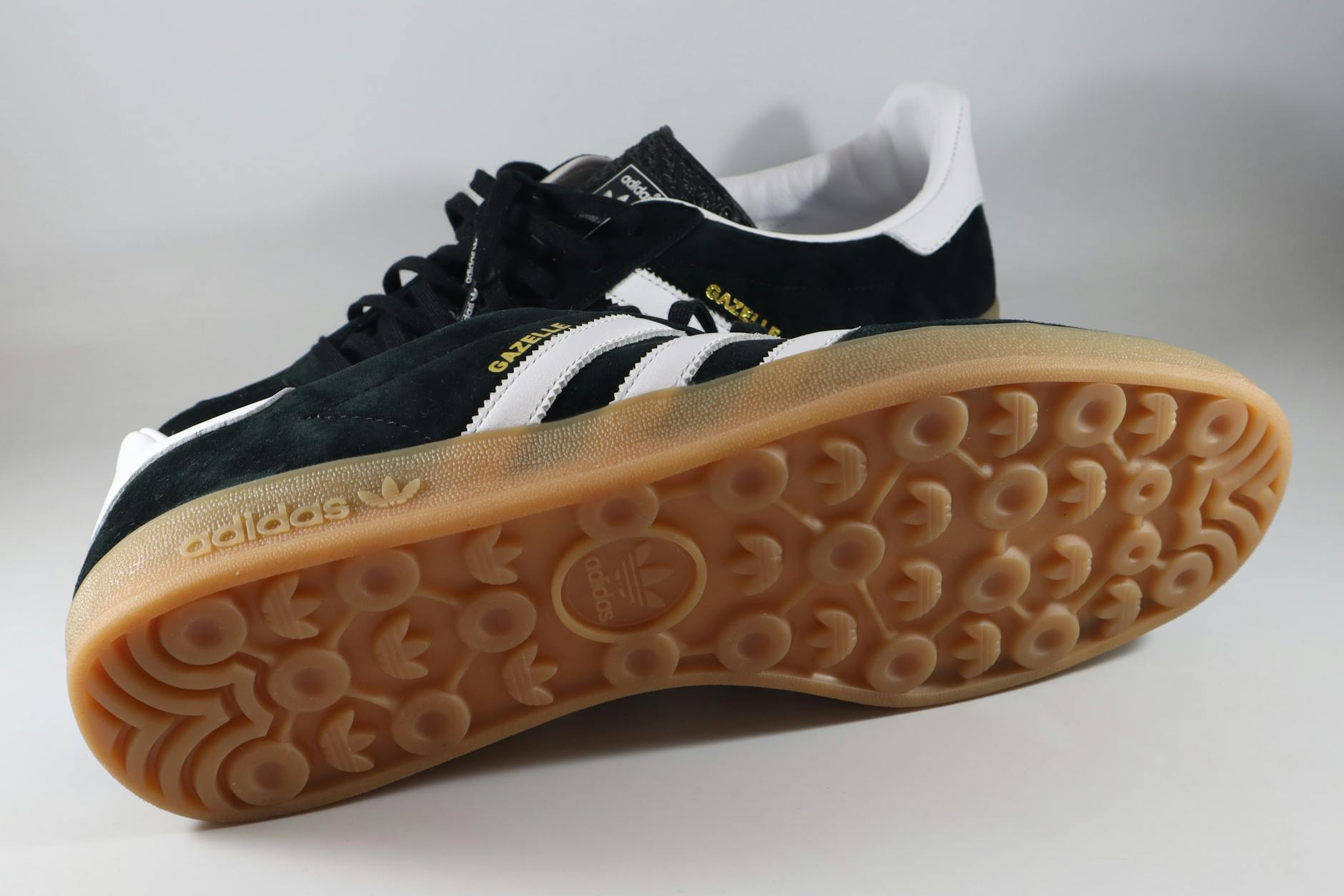
Logo-heavy fashion dominated streetwear culture through the late 2010s and continues to influence contemporary collections from luxury and mass-market brands alike. Wearing large, prominent logos across the chest or back is a form of fashion communication that tends to resonate most strongly during youth when brand association carries significant social currency. As personal identity becomes more firmly established, many adults find that quiet dressing or minimalist branding feels more aligned with their sense of self. Sociologists who study fashion behavior note that logo fatigue is a well-documented phenomenon among consumers who age out of aspirational brand signaling. The preference for texture, tailoring, and color over visible branding is a recognizable marker of shifting style priorities.
Neon Colors Head to Toe Feel Exhausting
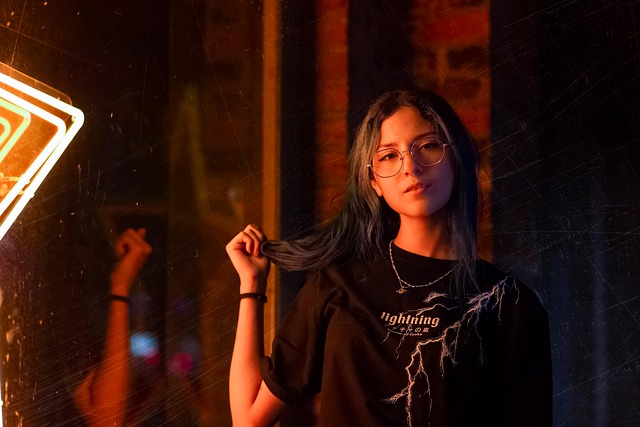
Neon fashion has appeared across multiple decades and continues to resurface in activewear, going-out looks, and festival fashion. Wearing a fully neon outfit requires a particular kind of confidence and energy that many people describe as performance-oriented. The color palette draws significant attention and can clash with professional or subdued social environments. Younger wearers often pair neon tones with other bold elements as a form of expressive play, while adults frequently gravitate toward neon as an accent rather than a full statement. When the thought of head-to-toe brightness feels draining rather than fun, that instinct reflects a shift in energy and aesthetic appetite.
Biker Shorts as Everyday Outerwear Feel Misplaced
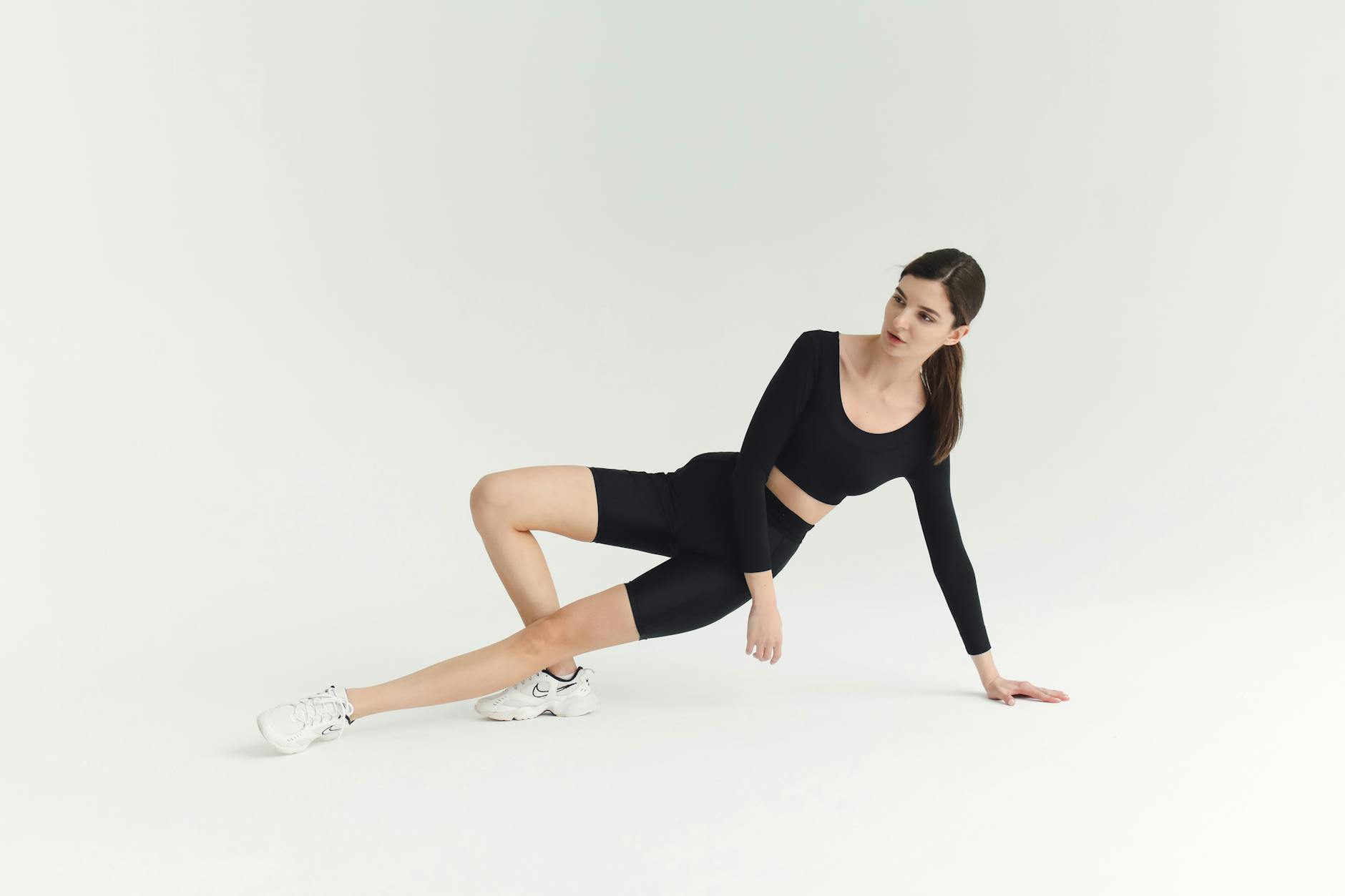
Biker shorts moved from athletic wear into mainstream fashion largely through the athleisure movement and celebrity influence in the late 2010s. Wearing them outside of a gym or fitness context requires a specific visual language built around styling them with blazers, oversized tops, or fashion sneakers. Many adults find this pairing feels disconnected from their existing wardrobe and professional or social environment. The trend tends to function most naturally within urban, fashion-forward settings where experimental dressing is culturally normalized. When the effort required to make the look work outweighs the appeal of the garment itself, the trend has likely passed its relevance for that individual.
Chunky Platform Sneakers Feel Uncomfortable
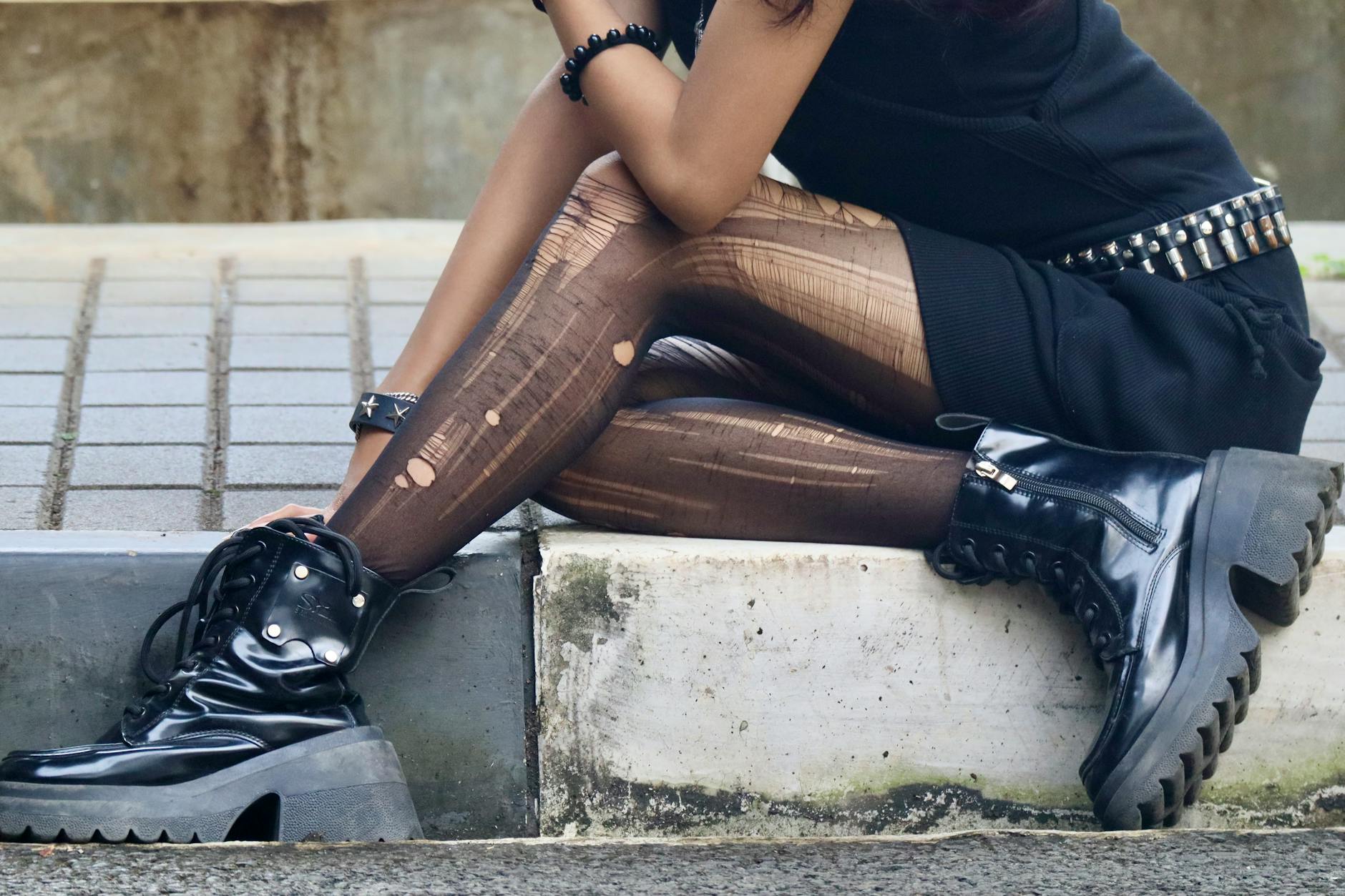
Platform sneakers with dramatically thick soles became one of the defining footwear trends of the early 2020s, drawing from both 1990s nostalgia and contemporary streetwear culture. The exaggerated sole adds several inches of height but also significant weight, which affects gait and creates fatigue during extended wear. Podiatrists frequently note that footwear with uneven or exaggerated soles can place strain on ankles and knees over time. Younger consumers often prioritize the visual statement of the shoe over long-term wearability, while older buyers increasingly factor physical comfort into every footwear decision. When a shoe looks appealing on a shelf but feels cumbersome after an hour of walking, that experience marks a clear generational shift in priorities.
Matching Tracksuit Sets Feel Out of Context
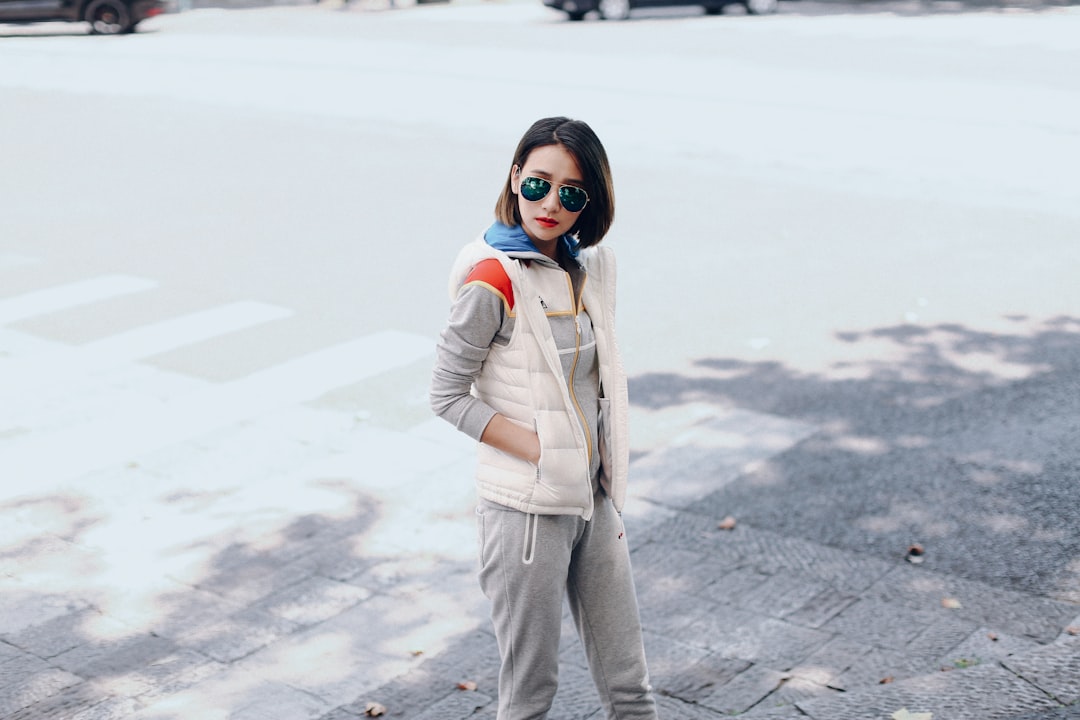
The coordinated tracksuit made a significant comeback through the influence of loungewear culture, luxury sportswear brands, and the general blurring of casual and formal dress codes. Wearing a full matching set as a social outfit requires comfort with a look that reads as intentionally relaxed or deliberately nostalgic. Many adults who associate tracksuits with specific cultural moments from the early 2000s find that revisiting the trend feels more like costume than style. The look tends to perform best within younger demographics who are encountering it without the weight of prior cultural context. When a trend triggers nostalgia rather than inspiration, it is often signaling that it belongs to a chapter that has already closed.
Corset Tops as Outerwear Feel Restrictive
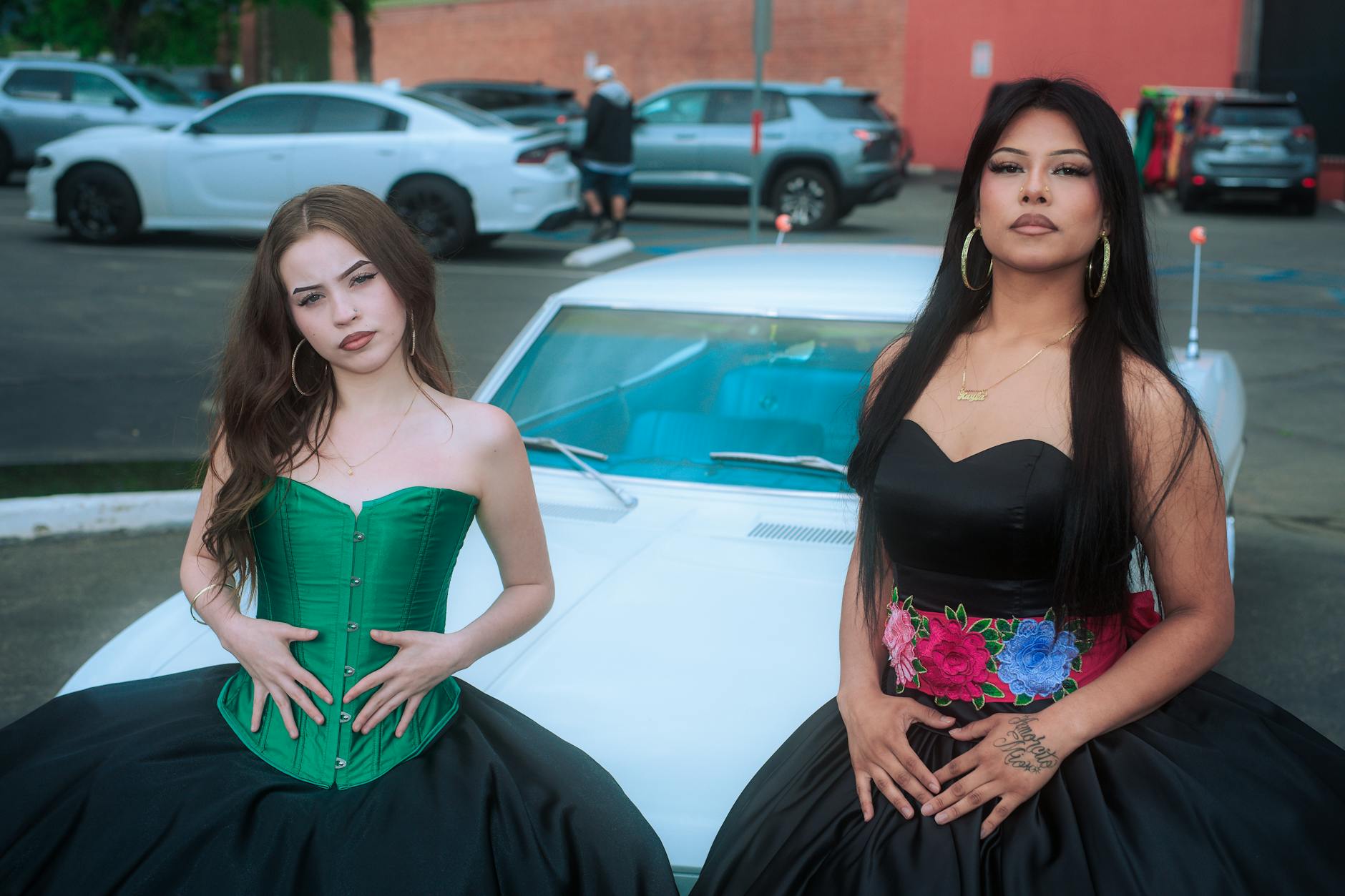
The corset top became one of the most prominent pieces of the early 2020s fashion cycle, appearing across runway collections, celebrity styling, and mainstream retail. Wearing a structured boning garment as a standalone top requires both physical tolerance for compression and a specific styling vocabulary. Many adults who have moved away from restrictive clothing find that corset tops conflict directly with a lifestyle built around ease and practicality. Fashion historians trace the recurring corset trend to cycles of body display culture that tend to appeal most strongly to younger consumers navigating identity formation. When a garment demands physical discomfort as a condition of wearing it, that demand becomes less acceptable with age.
Ultra-Baggy Jeans Feel Shapeless
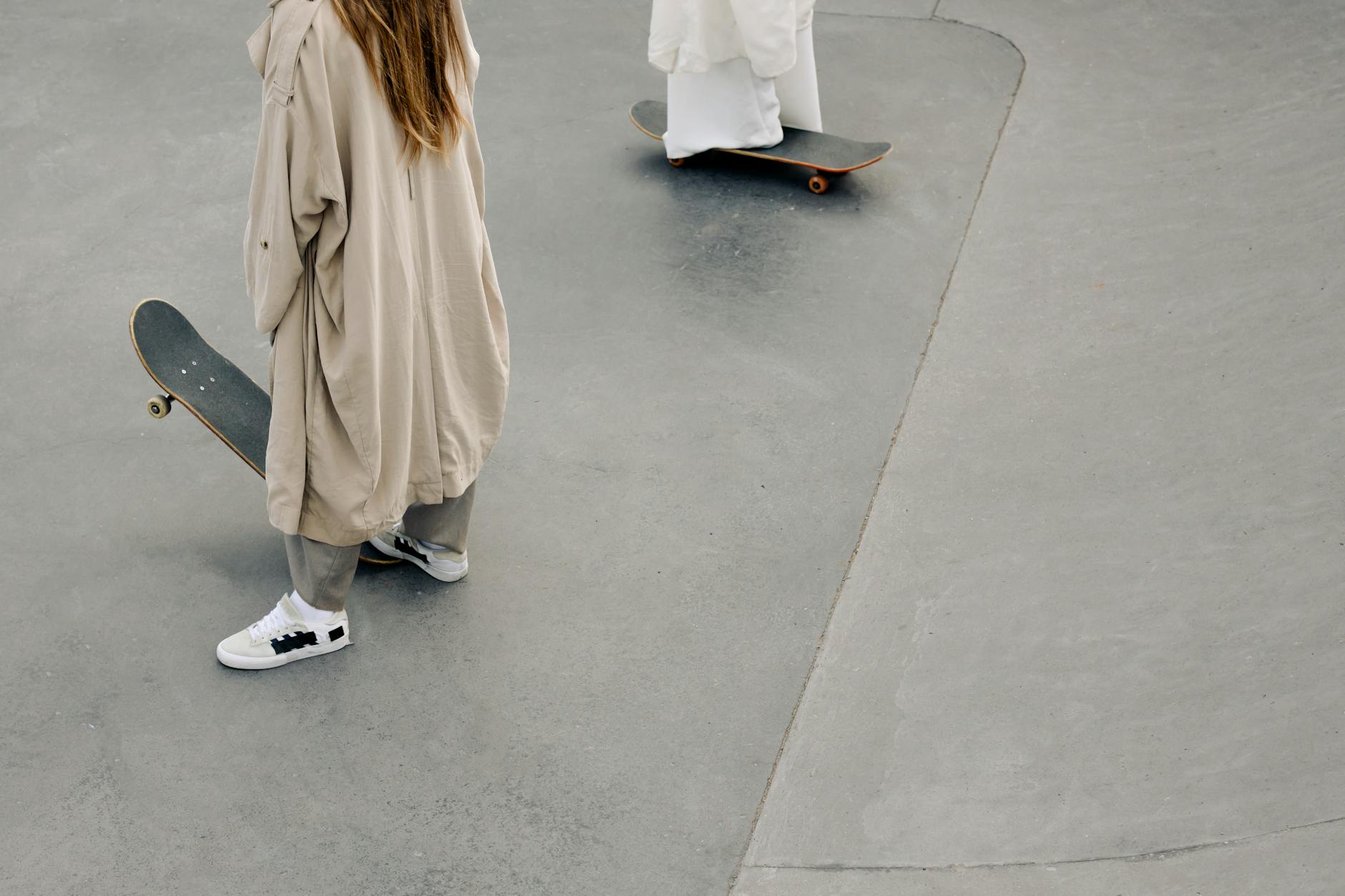
The ultra-baggy denim trend emerged from skate culture and hip-hop aesthetics and gained mainstream traction through Gen Z adoption in the early 2020s. Jeans with an extremely relaxed fit through the thigh and a wide leg opening require a specific styling approach to avoid appearing unkempt. Many adults who spent years moving toward tailored or well-fitted clothing find that reintroducing extreme volume into a denim silhouette feels like regression rather than evolution. Stylists frequently note that the trend reads as intentionally anti-fit, which is a statement more naturally expressed during adolescence or early adulthood. When a pair of jeans requires significant effort to make look intentional rather than accidental, the trend has likely moved beyond its natural audience.
Fishnet Stockings Feel Costumey
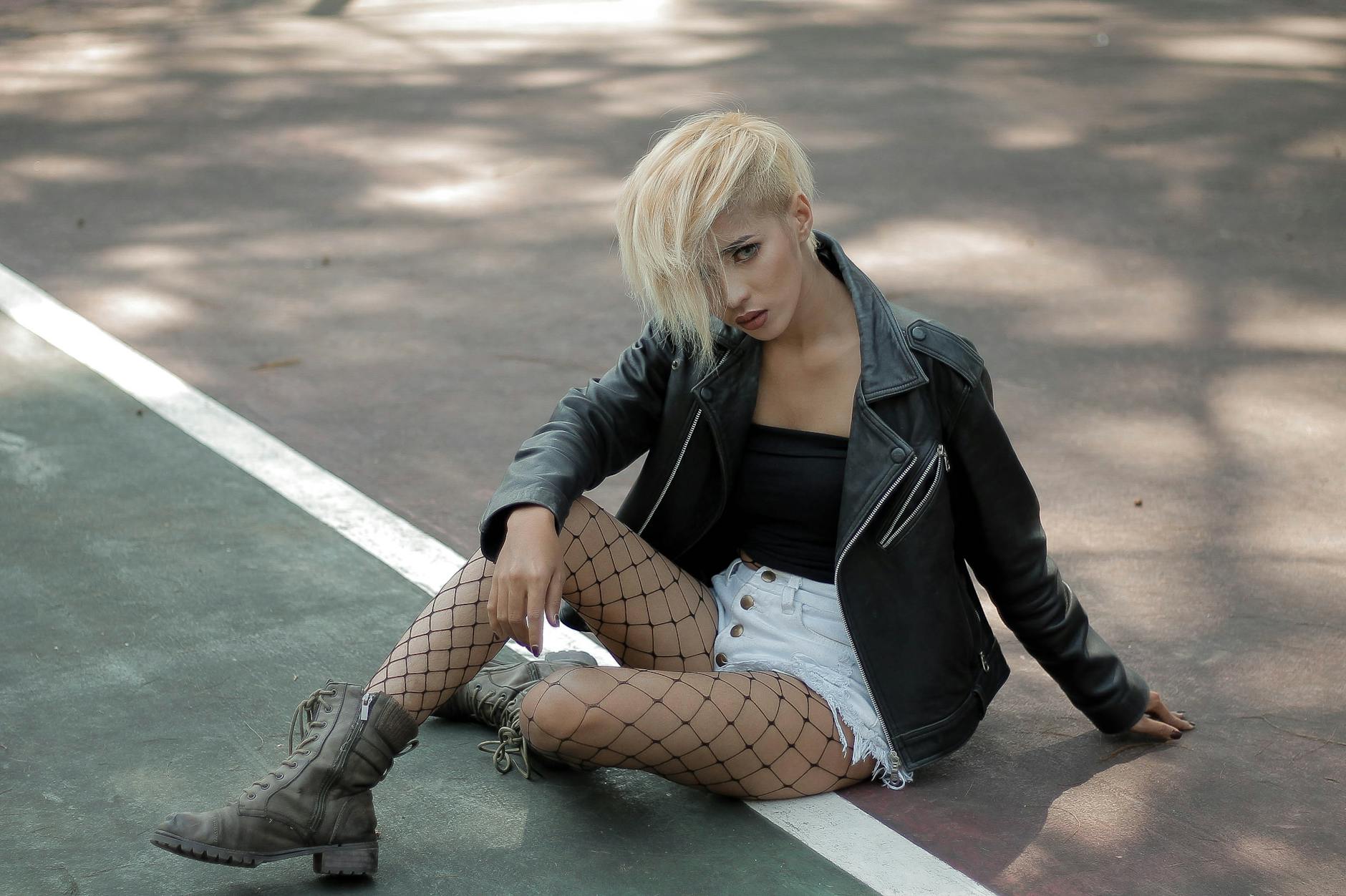
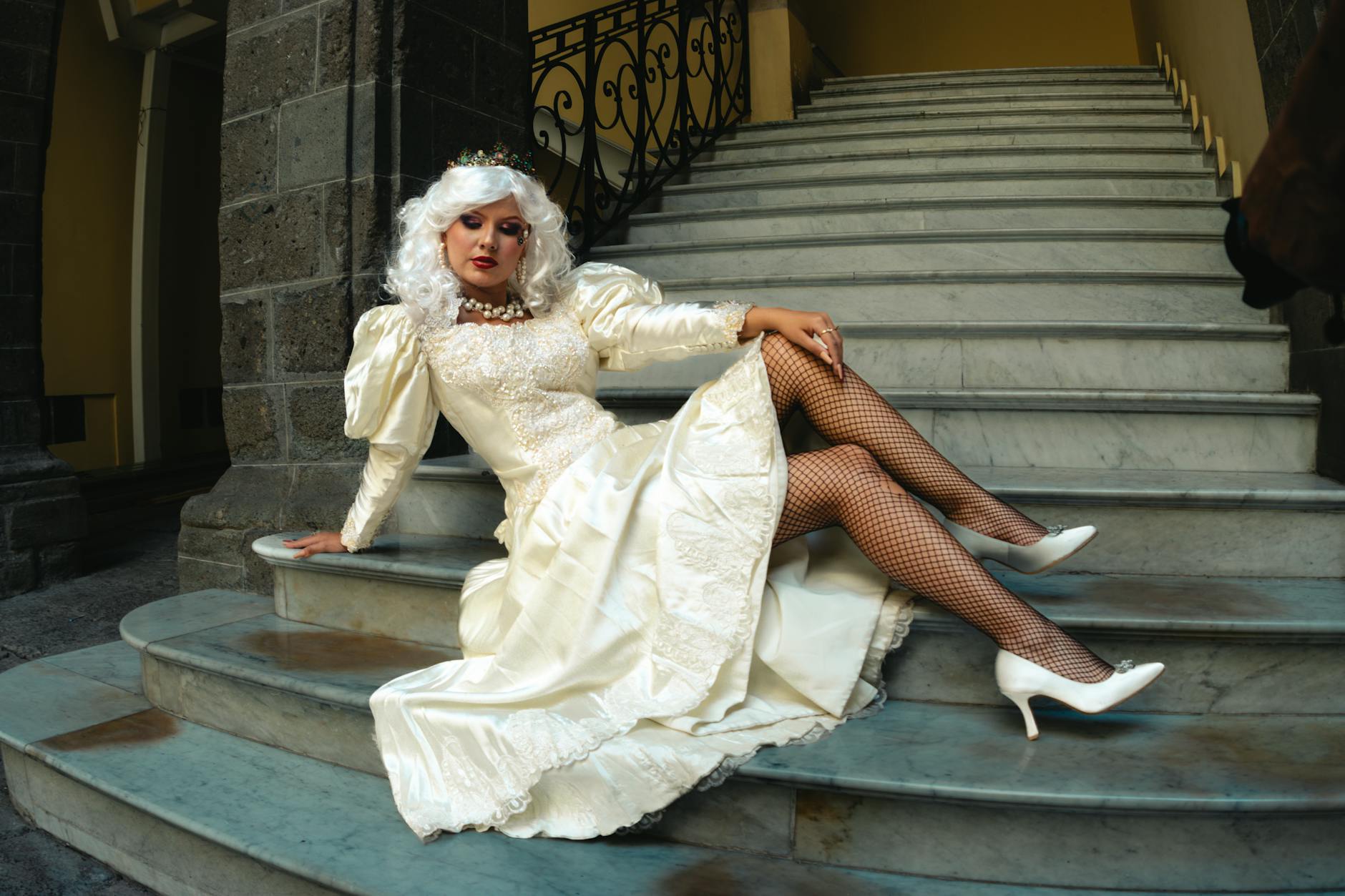
Fishnet stockings have appeared across subcultures from punk to goth to nineties grunge, and they continue to resurface in contemporary fashion editorials and street style. Wearing them as part of an everyday look requires comfort with a garment that carries heavy subcultural and nightlife associations. Many adults find that the visual language of fishnets no longer aligns with their social environments or professional contexts. The accessory tends to work most naturally within intentionally edgy or performance-driven styling that requires a specific kind of cultural fluency to execute without irony. When a piece of clothing reads as more theatrical than personal, that gap is a reliable indicator of a style mismatch.
Rhinestone Everything Feels Overwhelming
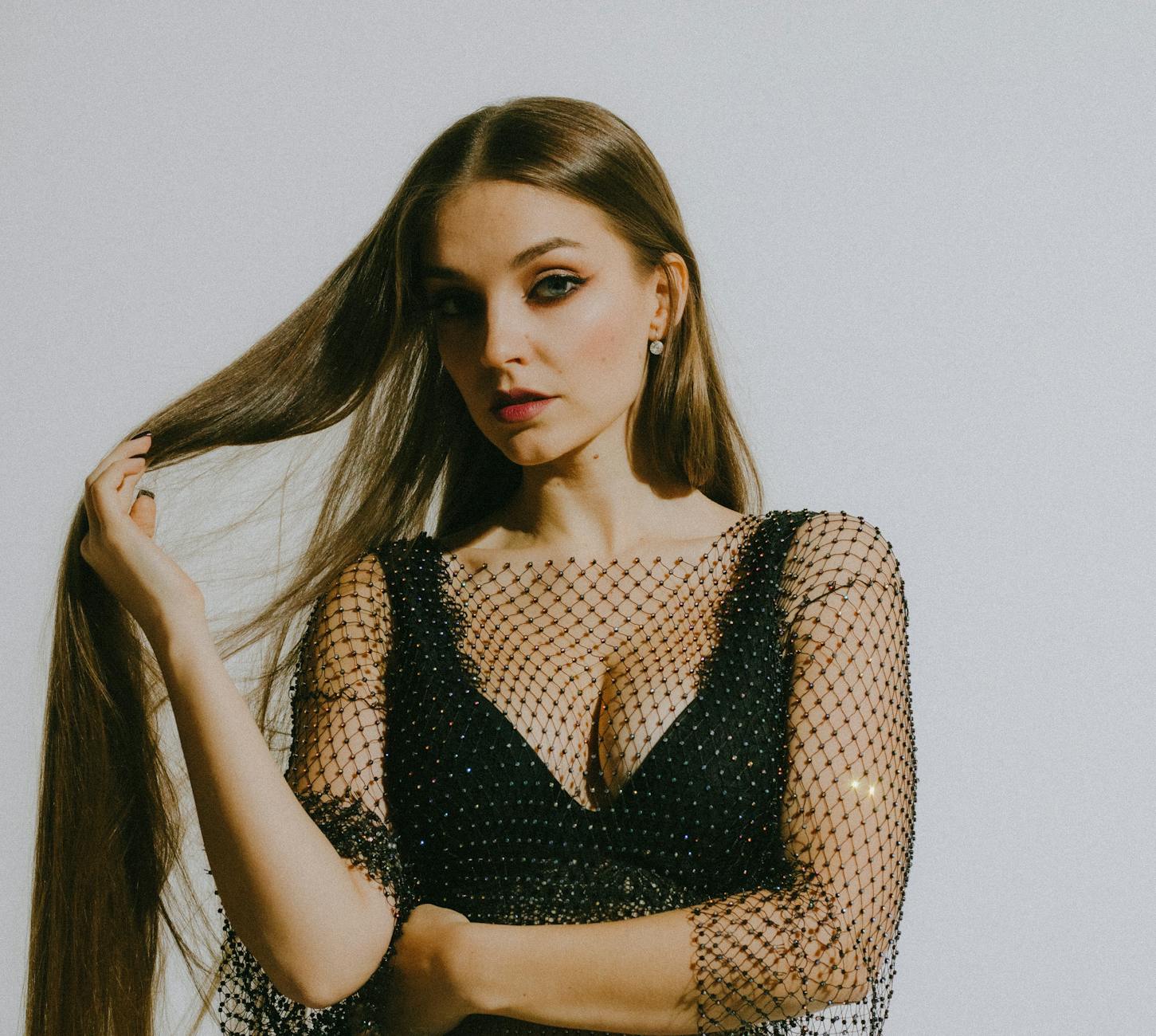
The rhinestone and embellishment trend expanded significantly through the influence of Barbiecore aesthetics, pop star styling, and the maximalist fashion movement. Covering a full outfit in crystal or rhinestone detail creates a high-impact visual statement that demands both confidence and a receptive environment. Many adults who gravitate toward refined or understated dressing find that heavy embellishment conflicts with their existing aesthetic language. Fashion editors note that embellishment works most powerfully as a single focal point rather than an all-over treatment, a philosophy that tends to emerge naturally with greater styling experience. When an outfit makes you feel conspicuous rather than confident, the level of embellishment has exceeded your personal comfort threshold.
Graphic Tees with Current Slang Feel Dated Immediately
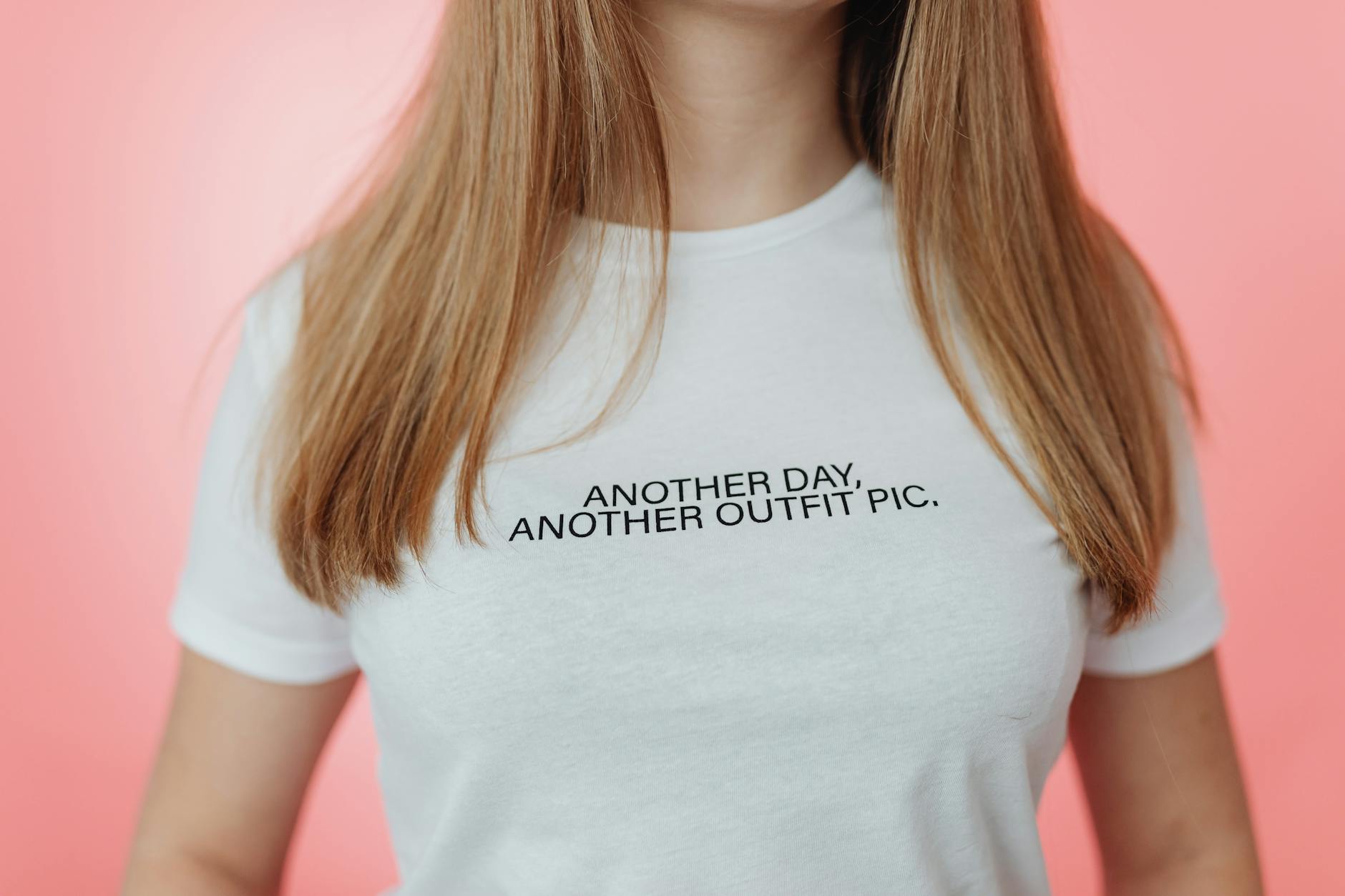
Graphic tees featuring internet slang, meme references, or trending phrases have become a staple of fast fashion retail aimed at younger consumers. These garments are designed with a deliberately short relevance window, as the slang or reference tends to become outdated within months of the original cultural moment. Adults who wear slang-based graphic tees risk communicating unfamiliarity with the organic way language actually circulates within youth culture. Linguists and culture writers frequently note that adopting slang outside of its native demographic context produces the opposite of the intended social effect. When a phrase on a shirt requires explanation or feels performatively youthful rather than genuinely expressive, the trend has found its natural expiration point.
Tiny Sunglasses Feel Impractical
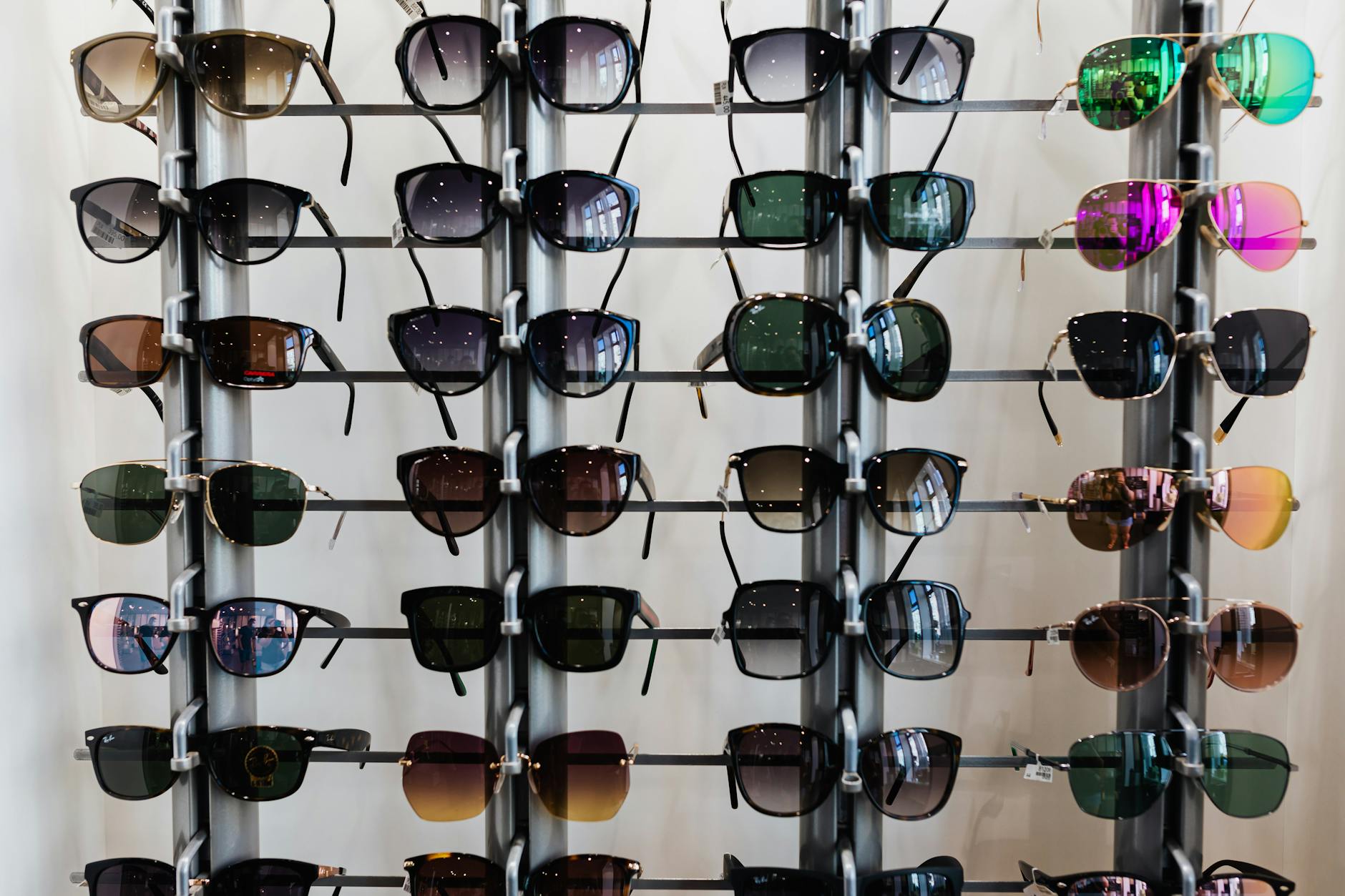
Tiny sunglasses with miniaturized frames and minimal lens coverage became a defining accessory of the late 2010s and early 2020s runway and street style landscape. The design prioritizes aesthetic impact over actual UV protection, as the lens area covers only a fraction of the eye and surrounding skin. Many adults who have become more attentive to sun protection and eye health find that the trade-off no longer makes practical sense. Opticians consistently note that adequate sun protection requires lenses that cover the full eye area and block peripheral light exposure. When an accessory designed to enhance vision protection actually undermines it, the practical argument for wearing it becomes difficult to sustain.
Bucket Hats Feel Age-Incongruent
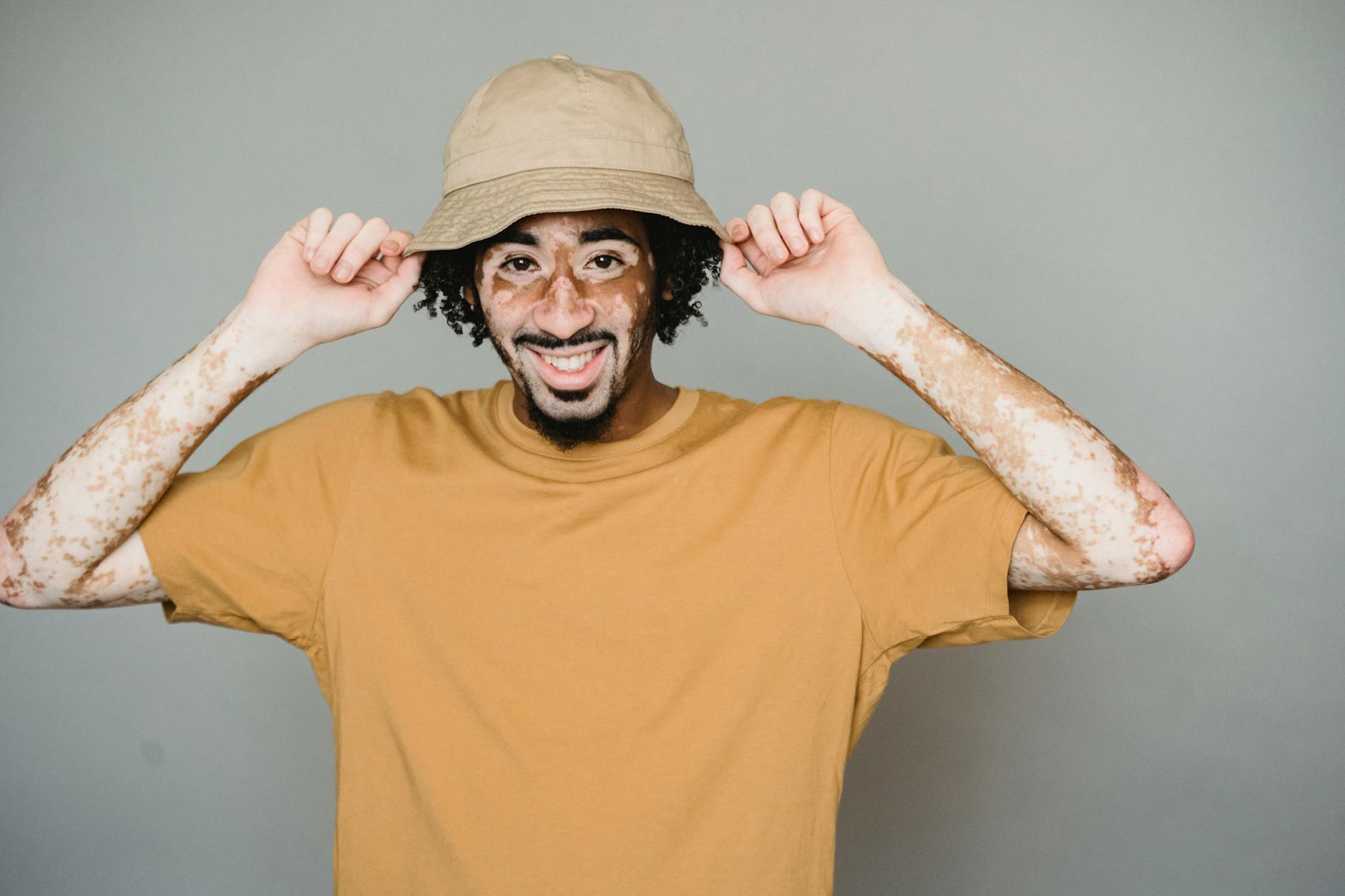
The bucket hat re-emerged as a major fashion accessory through nineties revival culture and its adoption by younger musicians, festival crowds, and streetwear enthusiasts. The silhouette has strong generational associations with specific youth culture moments that carry different meanings depending on when the wearer first encountered them. Many adults find that the bucket hat sits in an awkward cultural space where wearing it reads as either nostalgic or as an attempt to adopt a younger aesthetic. Hat historians and fashion commentators note that headwear is one of the most culturally loaded categories in fashion because of its strong associations with specific subcultures and age groups. When a hat feels like it belongs to someone else’s cultural moment rather than your own, that disconnection is worth taking seriously.
Bodycon Dresses Feel High-Maintenance
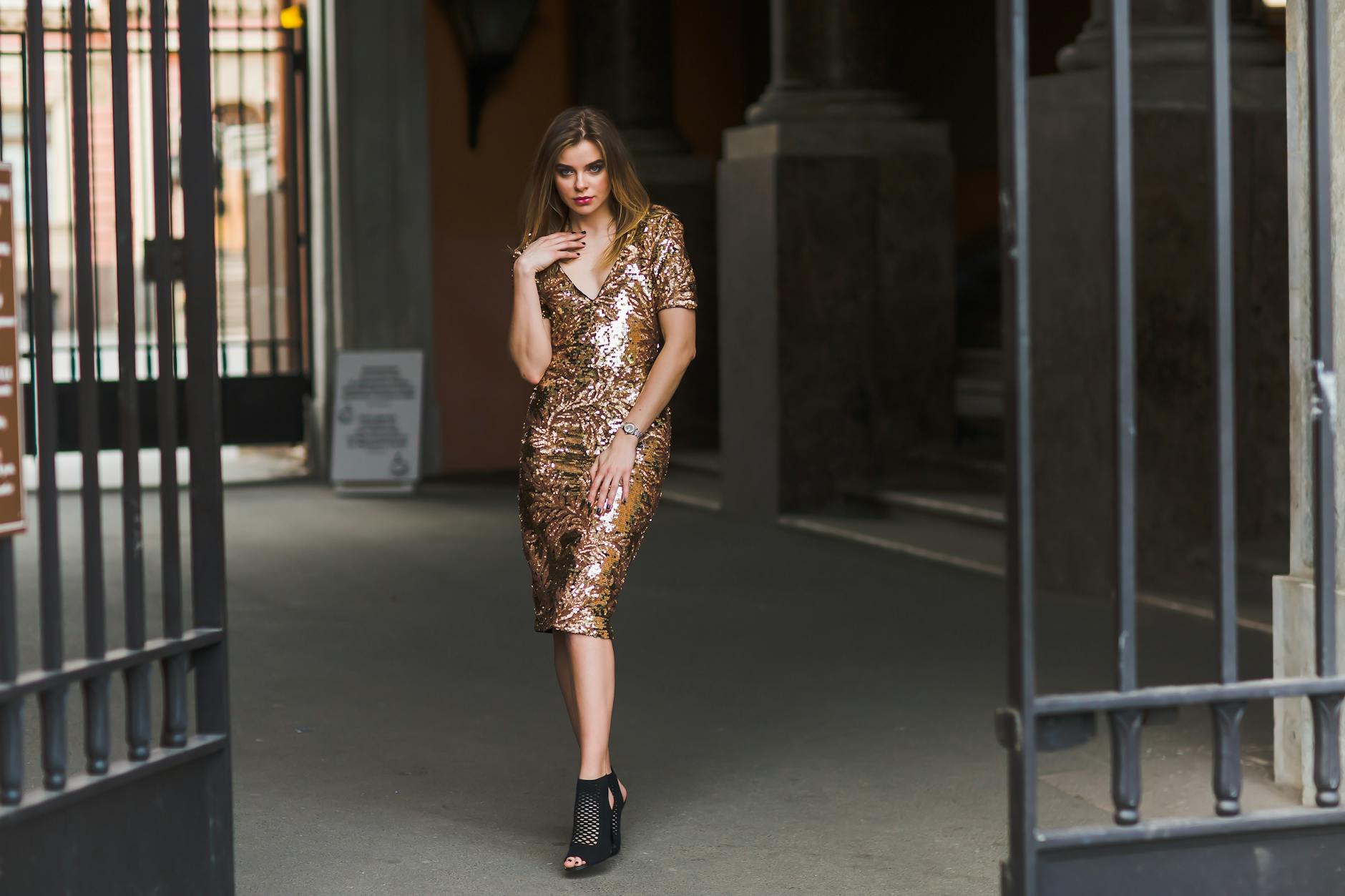
Bodycon dresses constructed from tight stretch fabric to closely follow the silhouette of the body require a specific combination of physical confidence and practical comfort. Wearing one throughout a full day or evening involves constant physical awareness and limits freedom of movement in ways that many adults find increasingly incompatible with how they want to feel. The style tends to dominate nightlife dressing among younger demographics for whom the performative visibility it creates serves a clear social function. Many stylists note that as adults move toward dressing for confidence rather than external validation, the appeal of highly body-conscious silhouettes frequently diminishes. When getting dressed begins to feel like preparing for physical endurance rather than personal expression, the trend has exceeded its welcome.
Oversized Hoodies as Full Outfits Feel Unfinished
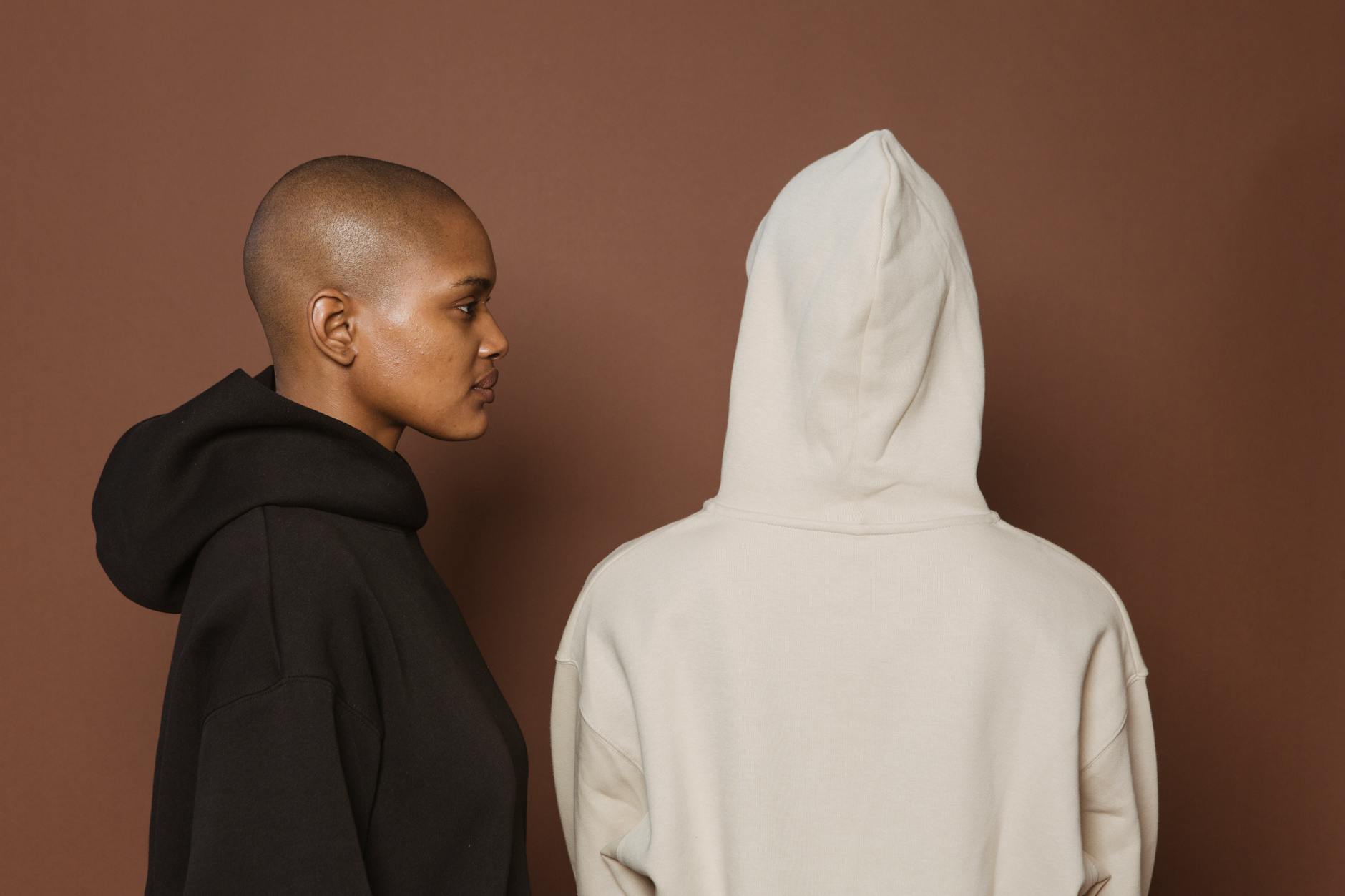
The oversized hoodie as a complete outfit rather than a casual layer became normalized through the influence of streetwear culture, celebrity airport style, and the widespread adoption of comfort-forward dressing. Wearing an extremely oversized sweatshirt as the anchor of a polished look requires specific styling knowledge to avoid appearing underdressed. Many adults who have invested in wardrobe building over time find that reverting to a single oversized garment as a full look feels like a step away from the intentionality they have developed. Fashion writers frequently distinguish between intentional oversized dressing, which involves considered proportions and layering, and simply wearing a very large sweatshirt as an outfit. When the line between cozy and unkempt begins to blur, most adults naturally start reaching for more structured alternatives.
Y2K Revival Pieces Feel Like Costumes
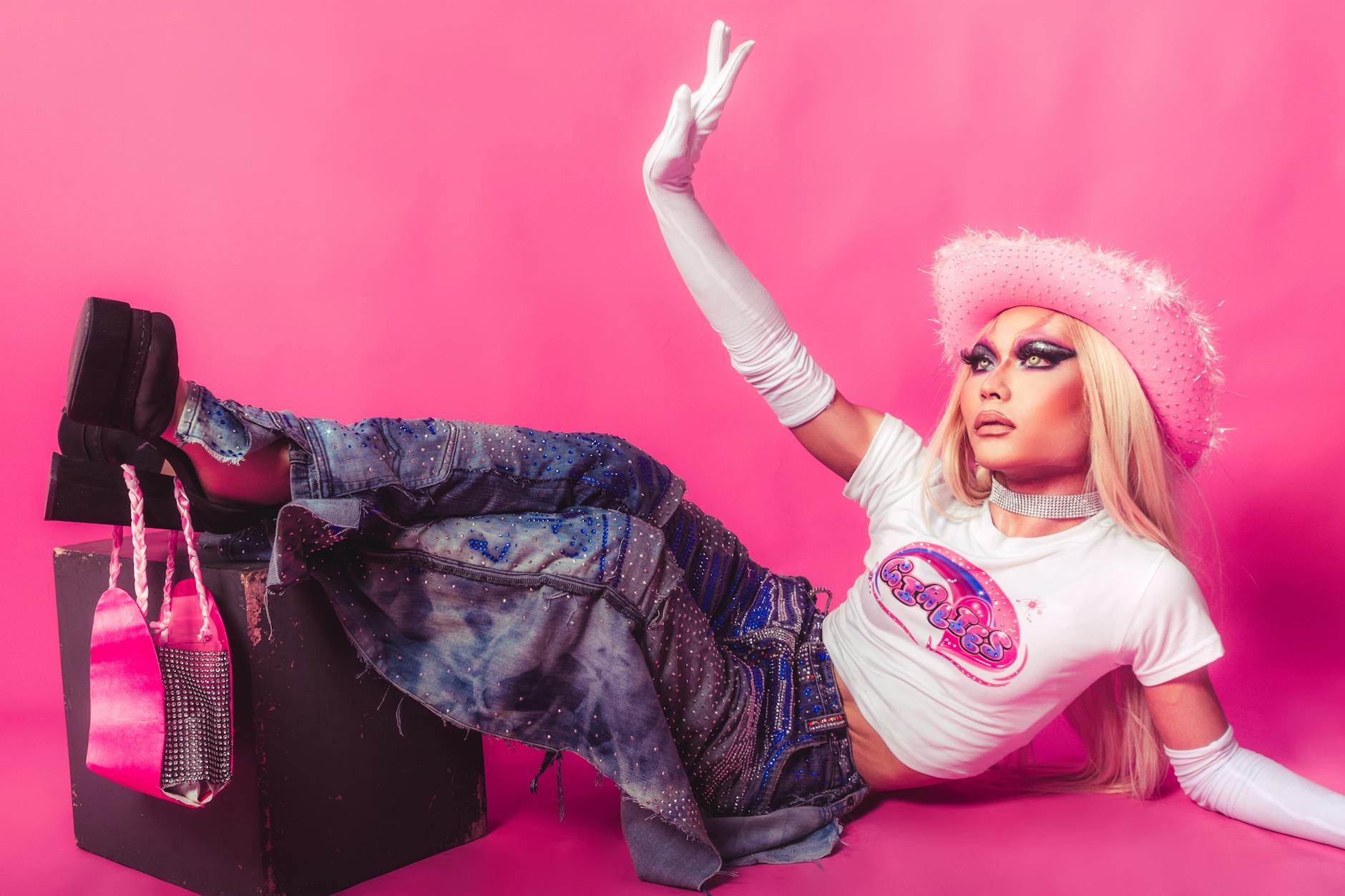
The Y2K aesthetic revival drew from early 2000s fashion including butterfly clips, metallic fabrics, low-rise everything, and visible rhinestone details. For adults who actually lived through the original trend cycle, revisiting these pieces carries a different psychological weight than it does for younger consumers encountering them for the first time as vintage inspiration. Many adults find that wearing Y2K revival pieces feels less like participation in a trend and more like wearing a Halloween interpretation of their own past. Cultural critics who study nostalgia cycles note that the gap between original experience and revival tends to create a kind of temporal dissonance for those who were present during the first iteration. When a trend feels like looking at an old photograph rather than a new opportunity, it has likely run its course for that generation.
Coquette Aesthetic Accessories Feel Misaligned
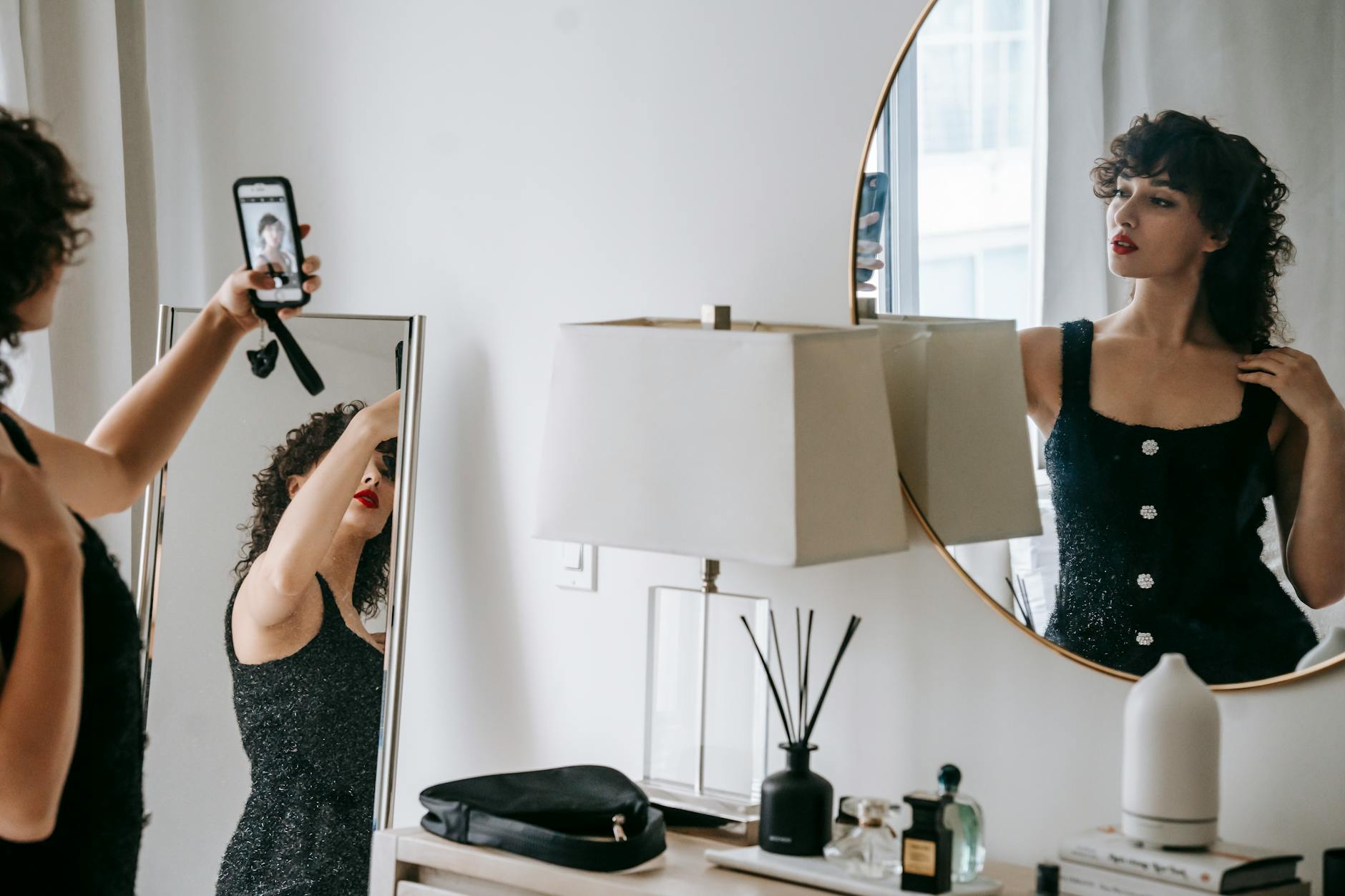
The coquette aesthetic centered on bows, lace, and hyper-feminine miniature accessories became one of the defining micro-trends of the mid-2020s digital fashion landscape. The visual language of the trend draws heavily from girlhood imagery, incorporating oversized hair bows, satin ribbons, and pink pastel palettes into everyday dressing. Many adults find that the infantilizing visual codes embedded in the aesthetic create a tension with how they want to present themselves professionally and socially. Trend analysts note that coquette dressing functions most naturally as an ironic or subversive comment on femininity for younger wearers who are actively questioning its cultural construction. When a trend built on girlhood imagery no longer maps onto how you see yourself, that misalignment is a natural and healthy signal.
Chain Belts Feel Like a Time Capsule
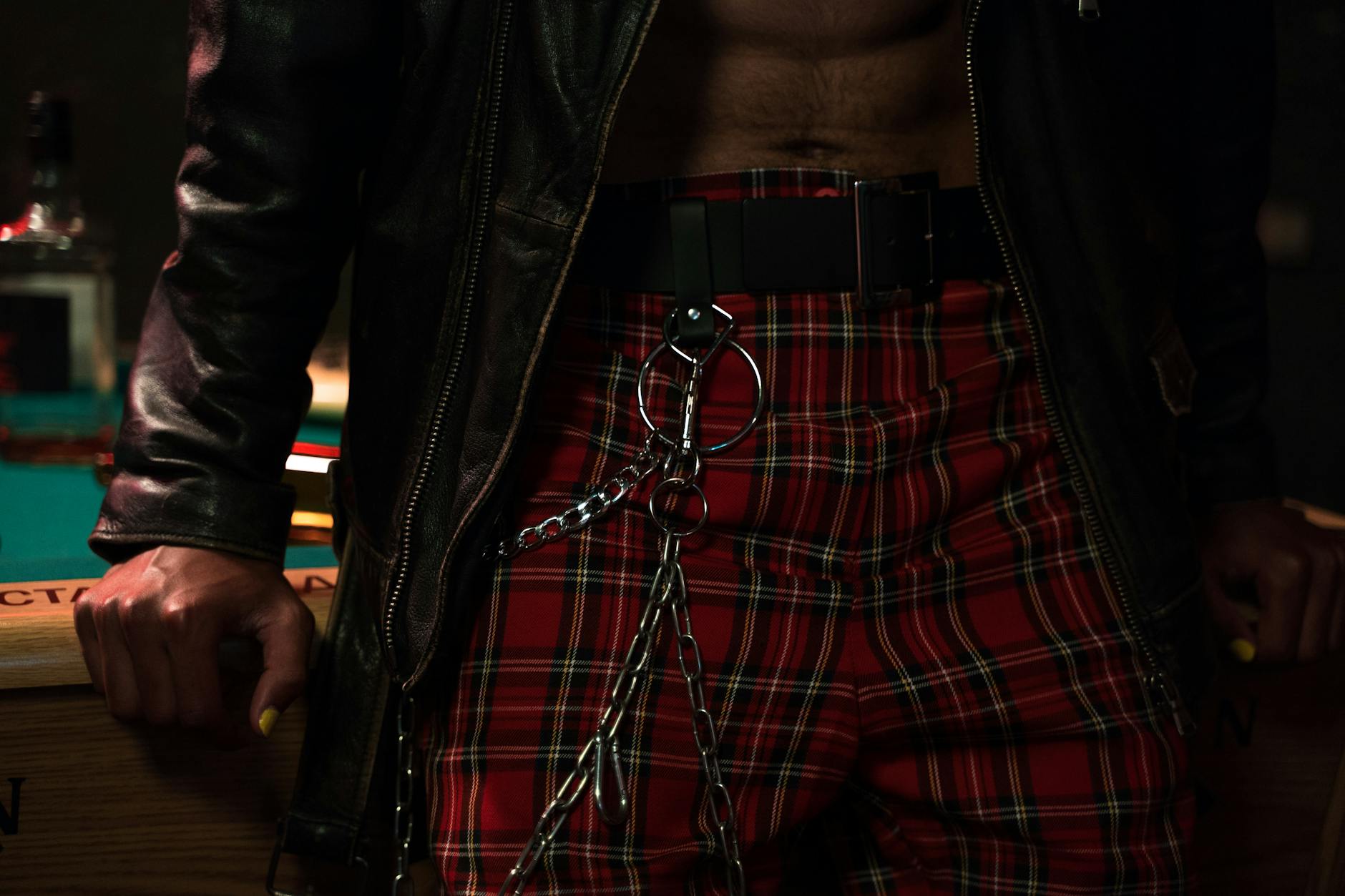
Chain belts worn over jeans or skirts were a defining accessory of early 2000s fashion and have returned through the Y2K revival cycle embraced by younger consumers. For adults who wore them originally, the accessory carries an extremely specific cultural timestamp that makes it difficult to encounter without nostalgia. Many adults find that reintroducing a chain belt into a current outfit creates a visual conflict between the accessory’s retro coding and the rest of a more contemporary wardrobe. Fashion historians note that chain belts function almost entirely as decorative rather than functional accessories, which places them squarely within the category of trend-specific pieces with a narrow expiration window. When an accessory immediately evokes a specific decade rather than a timeless styling instinct, it rarely ages well on a second visit.
Sheer Tops Without Layering Feel Exposed
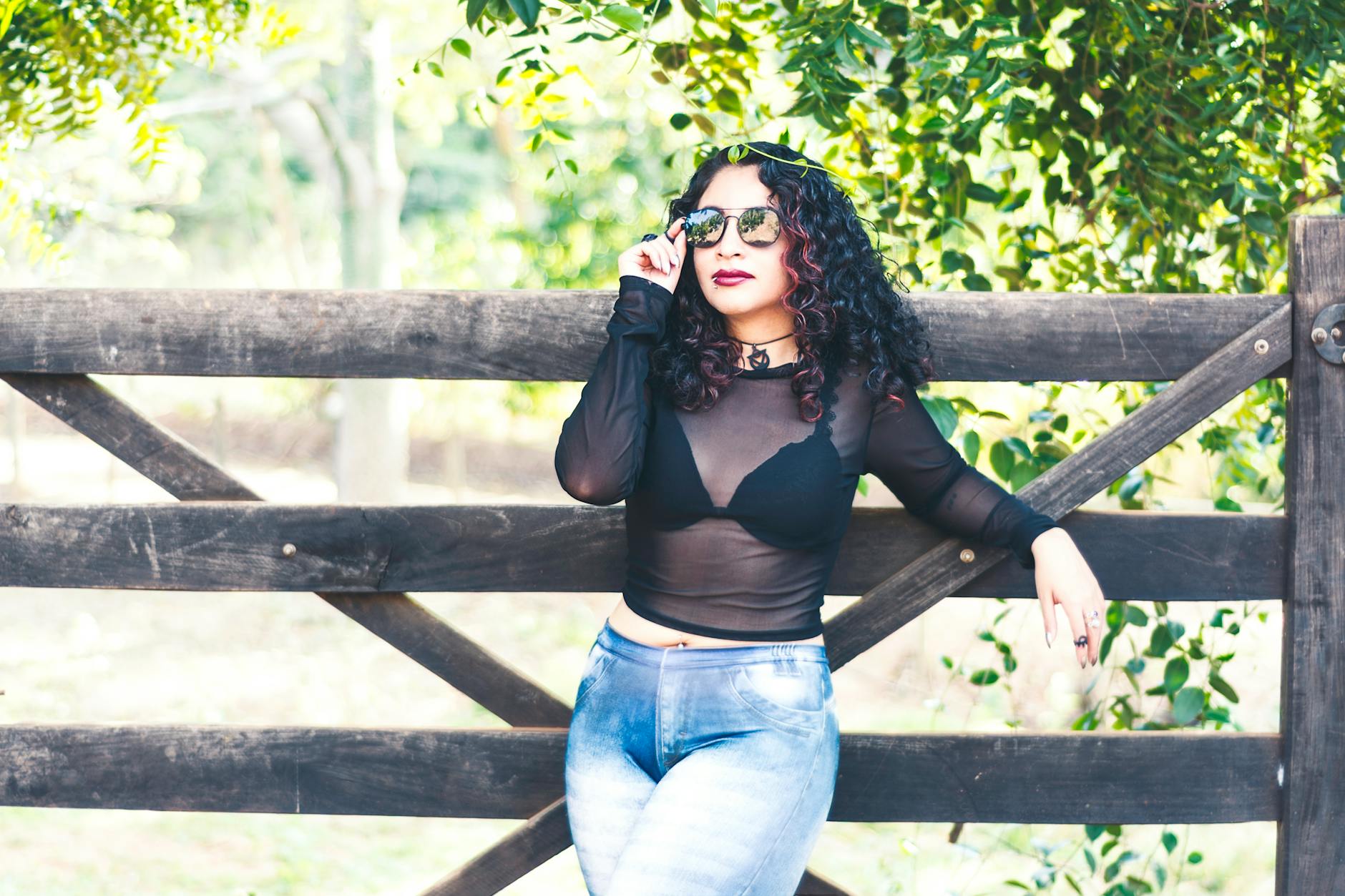
Sheer fabric tops worn without a layer underneath became a notable trend through the influence of runway fashion and celebrity styling that prioritized visible lingerie as a fashion statement. Wearing a fully sheer top as a standalone garment requires comfort with significant physical visibility and an environment receptive to that level of exposure. Many adults who have moved toward dressing for professional credibility or simply personal comfort find that sheer tops without underlayers no longer match the contexts they move through daily. Stylists note that sheer dressing can be executed effectively with strategic layering, but the fully unlined version requires a very specific set of circumstances to feel appropriate rather than accidental. When a garment makes you feel underprepared rather than intentionally styled, the message it sends is not the one you intended.
Coordinated Logomania Outfits Feel Performative
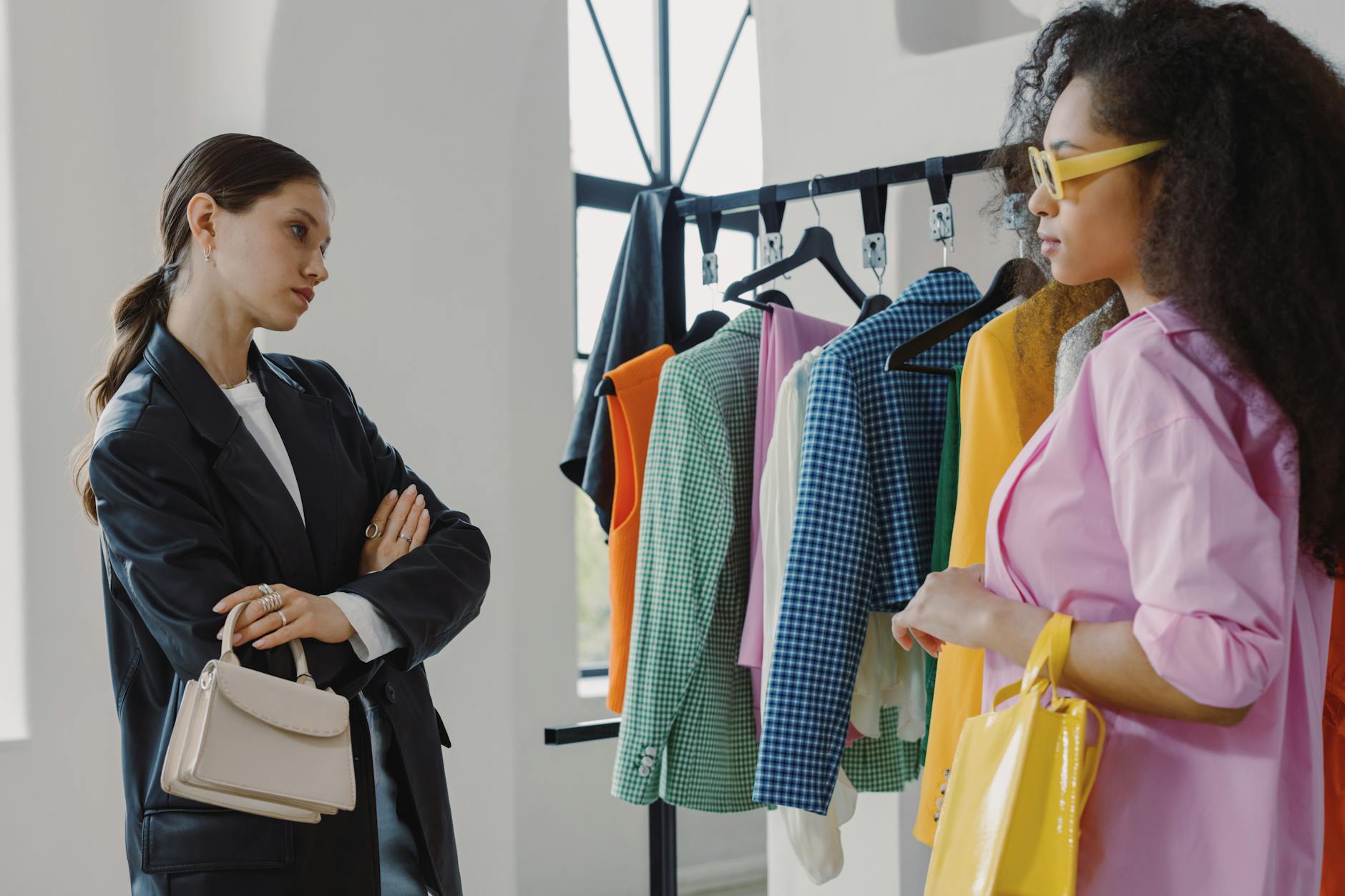
Wearing multiple pieces from the same logo-heavy collection as a full coordinated look is a styling approach that became prominent through luxury streetwear culture and influencer fashion content. The effect of matching logomania pieces from head to toe creates a billboard-like visual statement that functions more as brand advertisement than personal style. Many adults who have developed a more layered and individualized relationship with their wardrobe find that full logo coordination feels reductive rather than expressive. Consumer behavior researchers note that logomania tends to peak during periods of aspirational dressing in early adulthood when brand association serves as a proxy for social status. When wearing a brand feels more like advertising than dressing, the relationship with that trend has fundamentally changed.
Dramatic Acrylic Press-On Nails Feel High-Maintenance
Extra-long acrylic or press-on nails in extreme shapes such as stiletto, coffin, or ballerina lengths became widely popular through nail art culture on social media platforms. Wearing nails of this length significantly affects the ability to type, handle small objects, perform caregiving tasks, or complete basic manual activities throughout the day. Many adults who manage demanding schedules find that nail lengths requiring daily accommodation are incompatible with the practicality their lifestyle demands. Nail technicians consistently note that nail length is one of the most lifestyle-dependent grooming choices a person makes, and that functionality concerns increase significantly for wearers past a certain phase of life. When personal grooming choices require restructuring everyday tasks around them, the trend has moved past its practical threshold.
Anime-Inspired Fashion Feels Niche
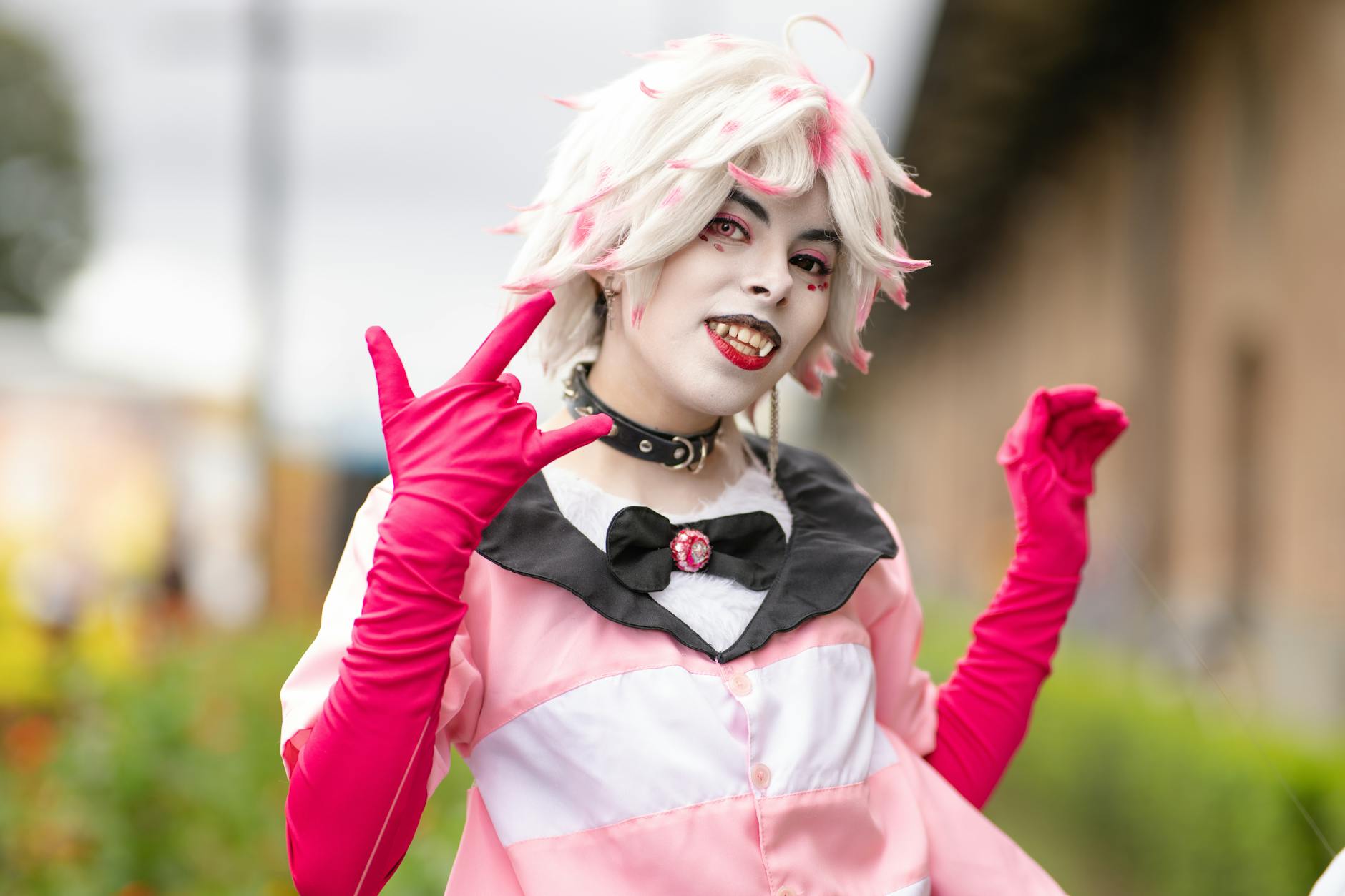
Anime-inspired fashion incorporating elements such as exaggerated school uniform silhouettes, kawaii accessories, and character-specific styling cues developed a significant mainstream following through the influence of cosplay culture and social media communities. The aesthetic requires a deep familiarity with its source material to execute convincingly and carries strong subcultural associations that do not translate universally across social environments. Many adults who engage professionally or socially in contexts governed by conventional dress norms find that anime-adjacent styling creates friction with expectations around appearance. Cultural commentators note that niche aesthetics borrowed from fandom communities tend to function most authentically when worn by participants who are actively embedded in those communities. When an aesthetic requires insider knowledge to be legible to your actual social world, the gap between trend and lifestyle has grown too wide.
Athleisure as Formal Dressing Feels Inappropriate
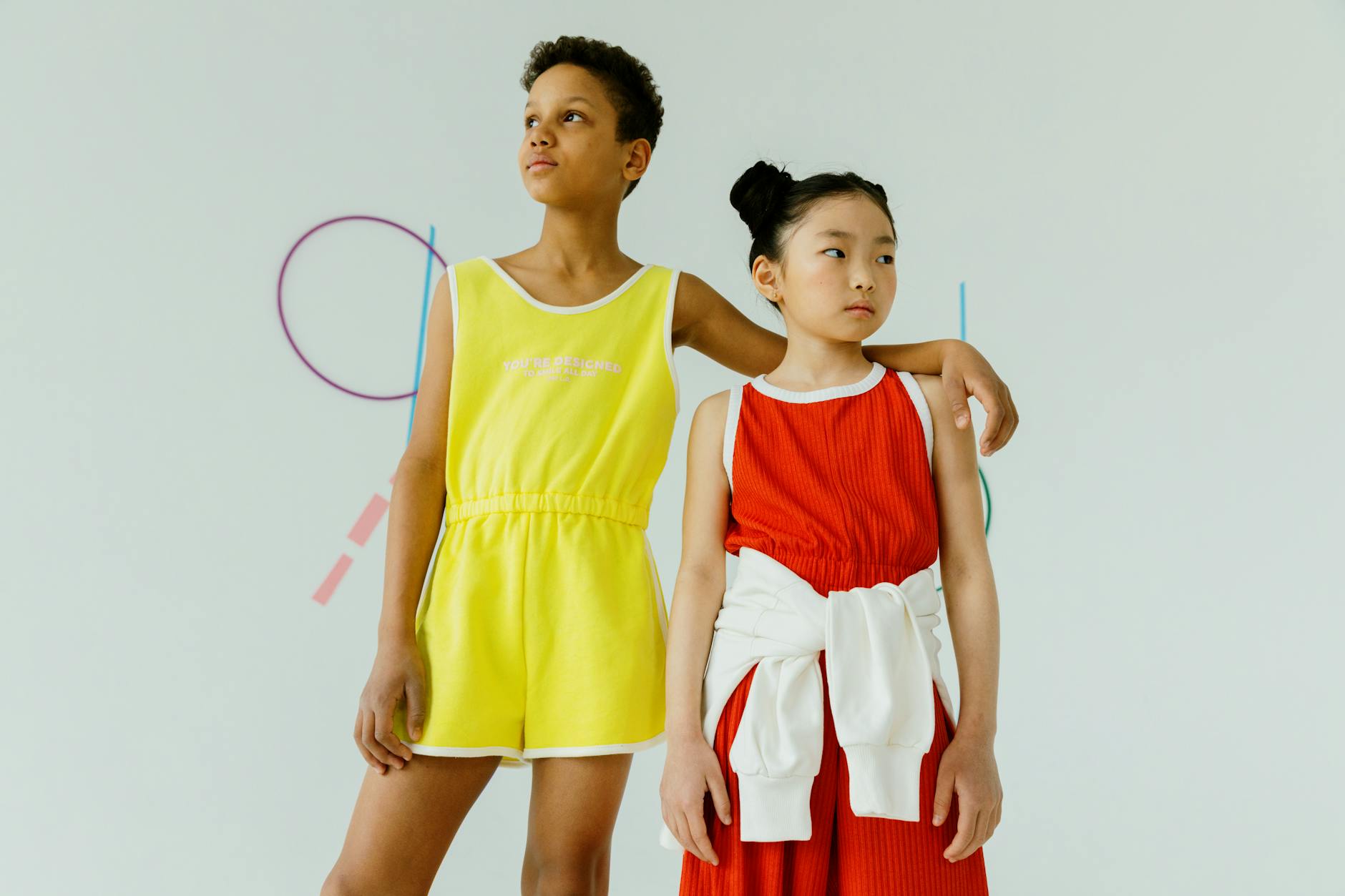
The blurring of athletic and formal wear through the athleisure movement normalized wearing leggings, sports bras, and training gear as everyday social clothing. While athleisure remains widely accepted for casual environments, wearing technical athletic pieces to formal dinners, professional meetings, or cultural events creates a visible mismatch between occasion and dress code. Many adults who have navigated multiple professional and social environments develop a strong instinct for contextual dressing that athleisure frequently conflicts with. Fashion etiquette writers note that the rise of athleisure has not eliminated dress codes but has instead created a new layer of complexity around reading social environments accurately. When athleisure feels like the easy choice rather than the right choice, the trend has started to work against rather than for the wearer.
Extremely Distressed Denim Feels Worn Out
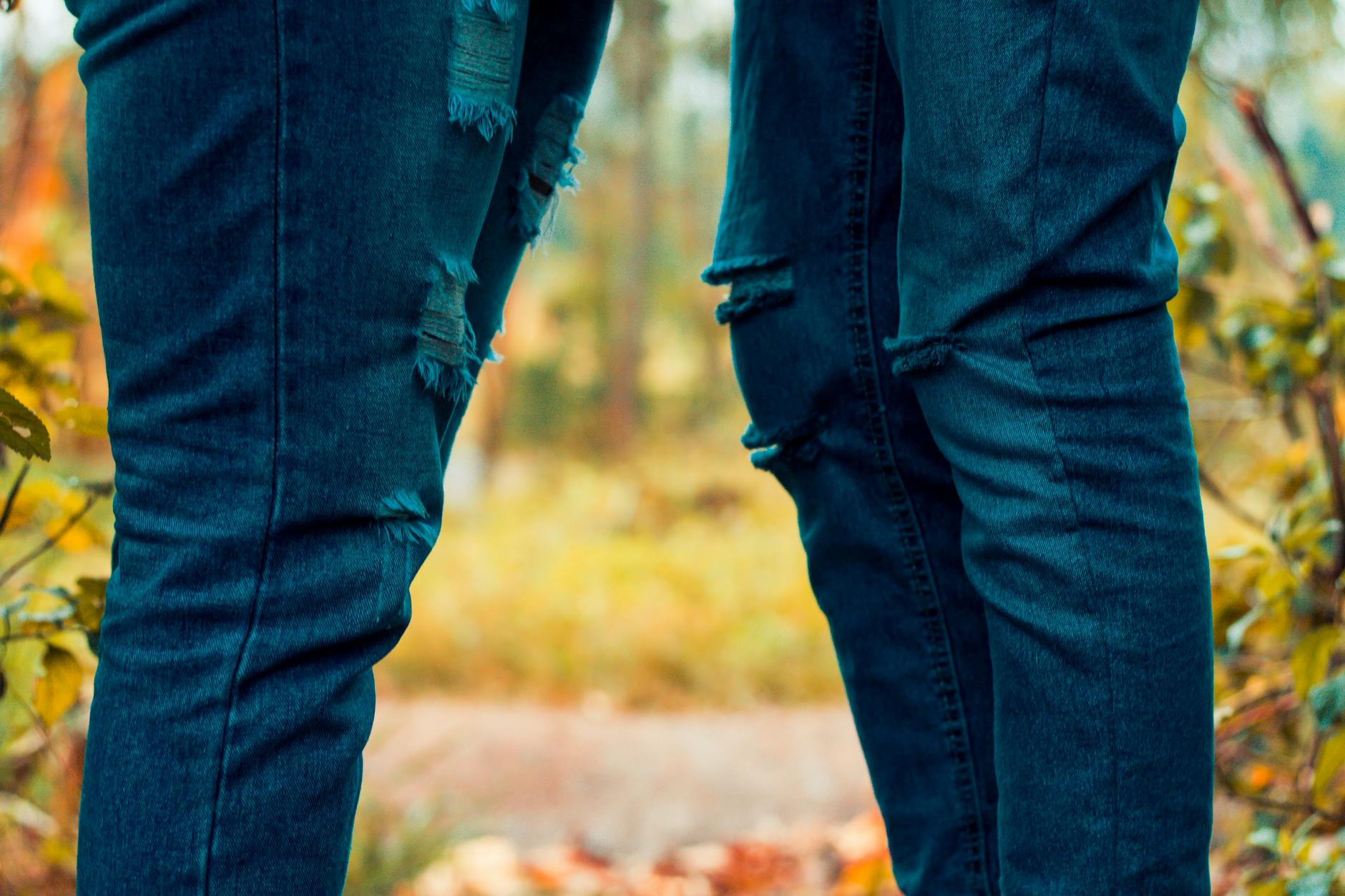
Heavily distressed denim featuring large rips, fraying hems, and intentional destruction across the knee and thigh areas has remained a recurring trend across multiple fashion cycles. The look requires comfort with a garment that is designed to appear damaged, which carries different cultural weight depending on the wearer’s professional context and personal aesthetic. Many adults who have built a wardrobe around investment pieces find that deliberate destruction conflicts with values around longevity and quality that develop naturally over time. Denim historians note that the distressed look emerged from subcultural contexts including punk and grunge where physical wear was an authentic signifier of lifestyle rather than a factory-applied finish. When intentional destruction on a garment feels wasteful rather than expressive, that shift in perspective signals a fundamental change in relationship to the trend.
Color-Blocked Neon Activewear Feels Overwhelming
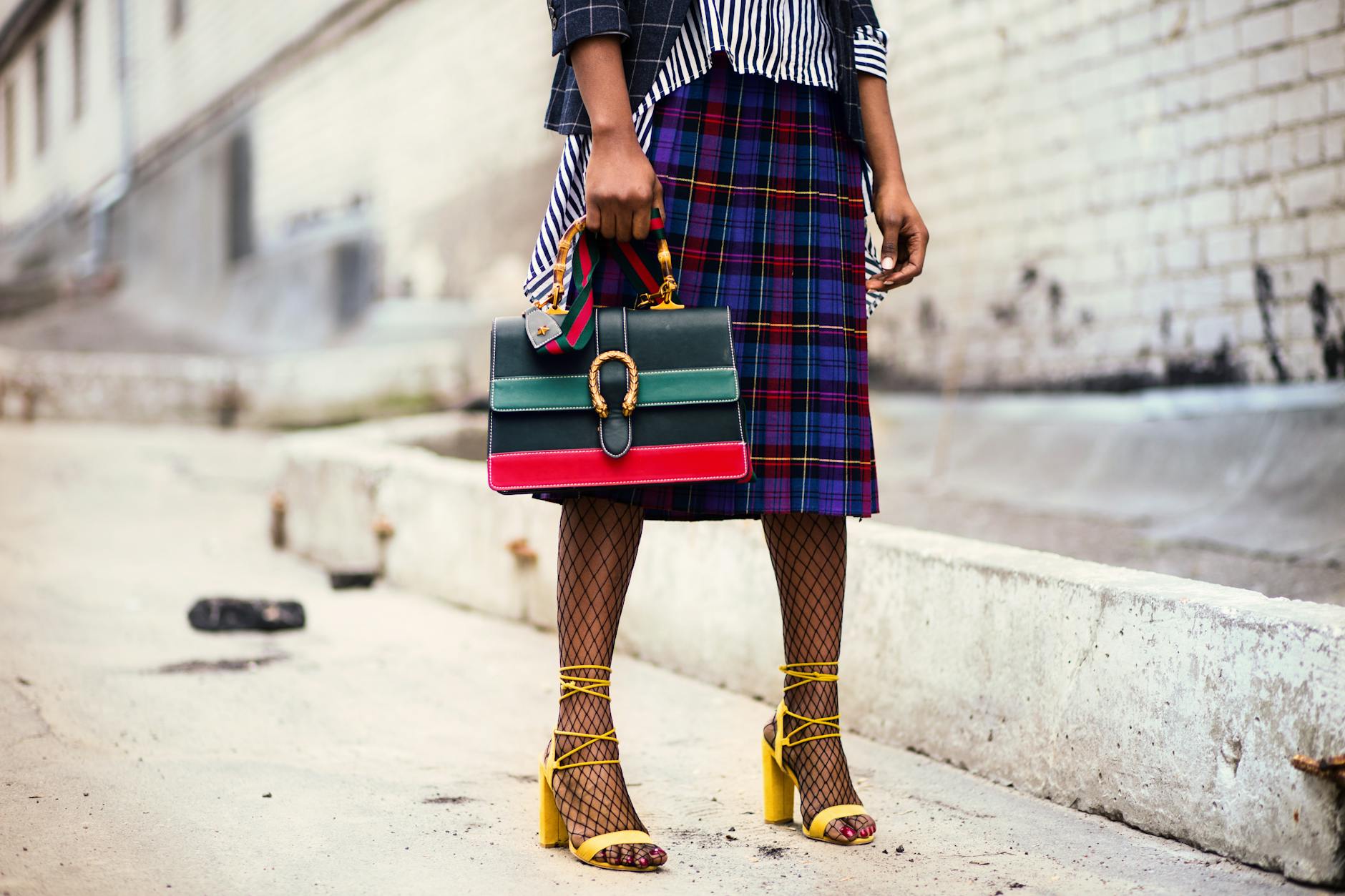
Activewear designed in aggressively color-blocked neon combinations became prominent through the influence of high-visibility athletic branding and the intersection of fitness culture with fashion. Wearing this type of activewear outside of a gym or athletic context requires confidence with a very high-energy visual statement that draws significant attention. Many adults who exercise regularly for health rather than social performance find that subdued or neutral activewear better matches their actual relationship with fitness. Sports fashion analysts note that activewear designed for maximum visual impact tends to peak in popularity during periods when fitness culture is most closely tied to identity and social performance. When workout clothing feels louder than the workout itself, the trend has moved beyond its functional purpose.
Fast Fashion Micro-Trends Feel Exhausting
Fast fashion micro-trends driven by social media algorithms involve extremely rapid cycling through aesthetics with a lifespan measured in weeks rather than seasons. Participating in micro-trend culture requires constant consumption, frequent wardrobe turnover, and attentiveness to platforms that generate new trend cycles at a pace incompatible with considered dressing. Many adults who have developed a more intentional approach to purchasing find that the economics and environmental cost of micro-trend participation no longer align with their values. Sustainability researchers consistently document that fast fashion micro-trends contribute disproportionately to textile waste and carbon emissions compared to other consumption patterns. When keeping up with trend cycles starts to feel like a financial and ethical burden rather than a creative exercise, the relationship with fast fashion has reached a natural breaking point.
Visible Waistband Underwear Feels Dated
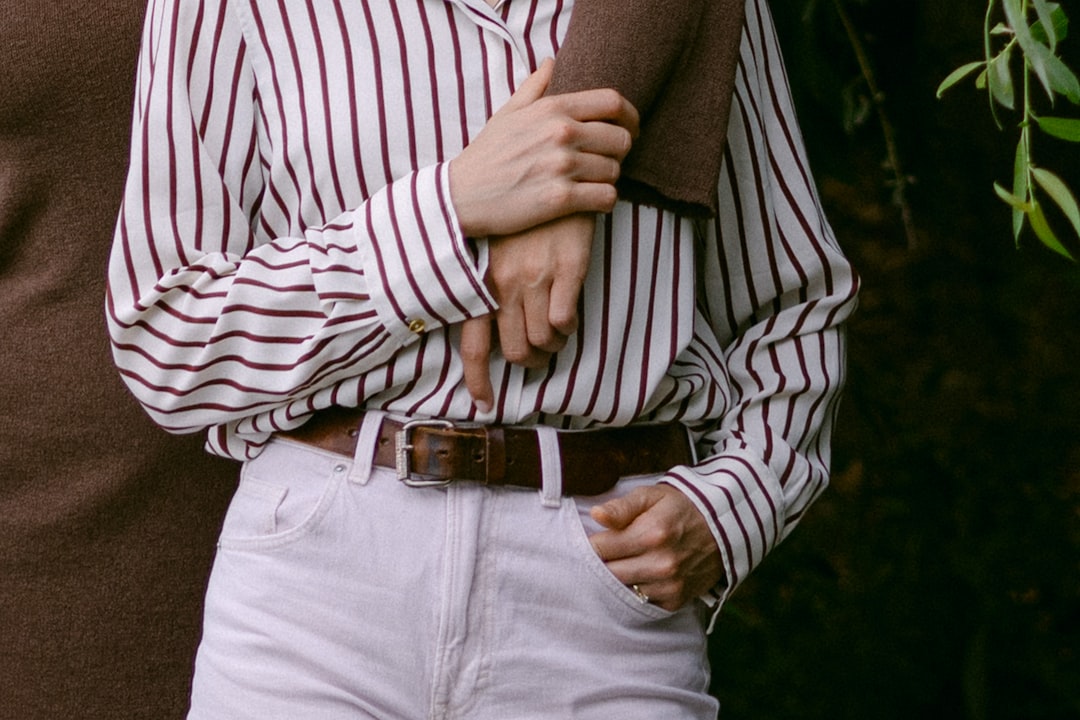
Visible underwear waistbands worn deliberately above the trouser line were a defining styling choice of early 2000s fashion, particularly through the influence of hip-hop and celebrity culture. The look returned through Y2K revival channels and continues to appear in younger street style contexts where it functions as a deliberate aesthetic callback. Many adults who moved on from the original trend find that reintroducing visible waistbands creates an immediate visual connection to a specific historical moment rather than a contemporary style statement. Stylists note that the intentional waistband look requires extremely precise execution to read as deliberate rather than accidental, which places significant demands on overall outfit construction. When a styling detail requires constant management to avoid looking unintentional, the effort cost has exceeded the aesthetic return.
Loud Mixed Print Combinations Feel Chaotic
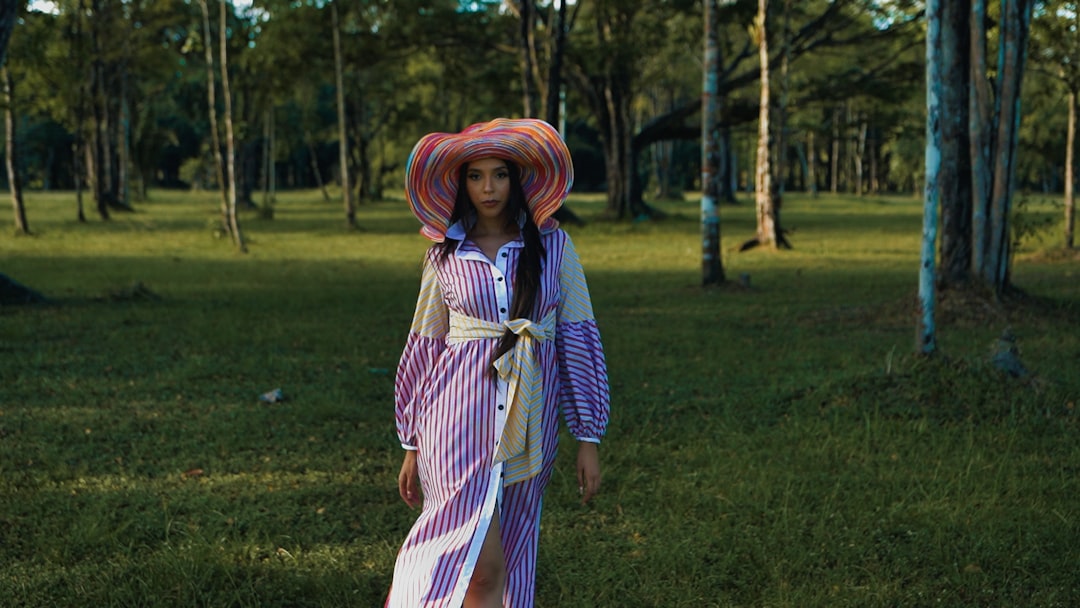
The maximalist approach of mixing multiple bold prints in a single outfit, such as stripes with florals or animal print with geometric patterns, gained significant runway traction through the influence of designers who built their identities around colour and pattern clashing. Executing this look convincingly requires a sophisticated understanding of colour theory, scale variation, and proportion that takes years of fashion experimentation to develop intuitively. Many adults who attempt mixed print dressing without that underlying knowledge find that the result reads as accidentally mismatched rather than intentionally bold. Fashion educators note that successful print mixing follows invisible structural rules around contrast, scale, and tonal harmony that are rarely explained in trend-focused media. When a look requires more explanation than admiration, the complexity of its visual grammar has exceeded its communicative value.
Cottagecore Aesthetics Feel Costume-Like
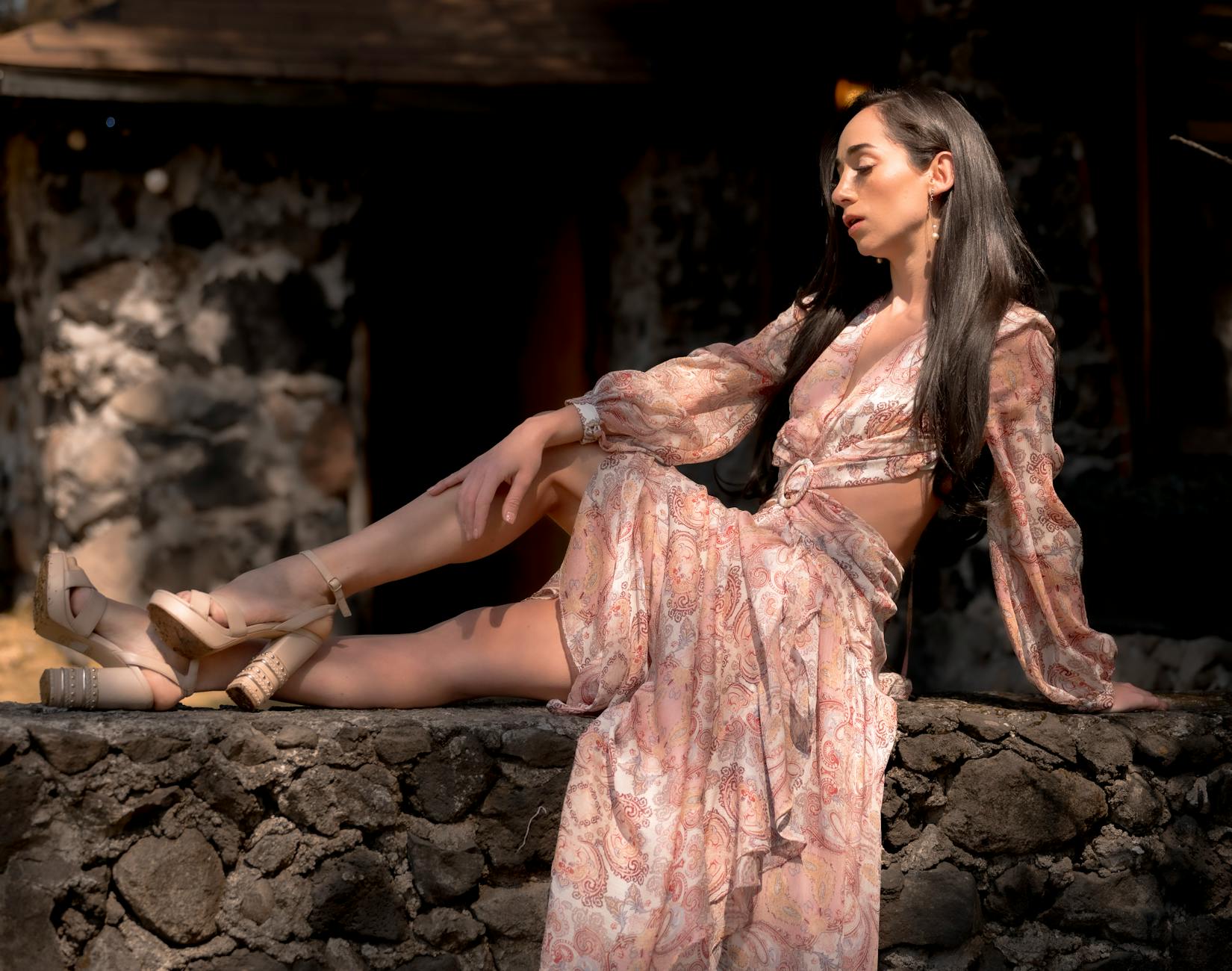
The cottagecore aesthetic built around prairie dresses, floral prints, linen fabrics, and rural domestic imagery became one of the most widely adopted micro-trends of the early 2020s. The look draws heavily from a romanticized vision of pre-industrial rural life that functions more as an escapist fantasy than a direct reflection of contemporary lived experience. Many adults who engage with the aesthetic find that fully committing to its visual codes creates an overall impression closer to period costume than personal style. Cultural theorists who study aesthetic movements note that cottagecore emerged partly as a response to digital burnout and urban anxiety, which gave it strong emotional appeal during the early pandemic period. When an aesthetic feels most at home in a fantasy context rather than your actual daily environment, it has moved past its practical relevance.
Barbiecore Head-to-Toe Pink Feels Intense
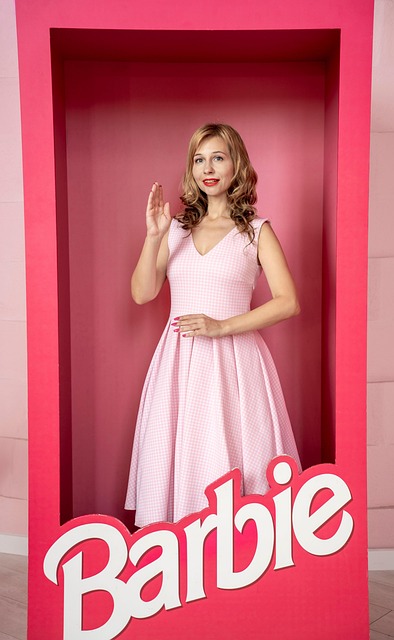
The Barbiecore trend centered on saturated hot pink worn across every element of an outfit became a dominant cultural fashion moment following the widespread media saturation of the color in popular entertainment. Wearing monochromatic head-to-toe pink as a sustained daily practice rather than a singular event outfit requires an extremely high tolerance for color-driven attention. Many adults who participated in the trend during its peak moment found that the appeal diminished significantly once the cultural event driving it receded from public conversation. Color psychologists note that monochromatic dressing in high-saturation tones creates strong visual associations that become difficult to separate from the specific trend moment that popularized them. When a color palette feels inseparable from a single cultural reference point rather than a timeless personal choice, its longevity as a wardrobe staple is inherently limited.
Regencycore Styling Feels Theatrical
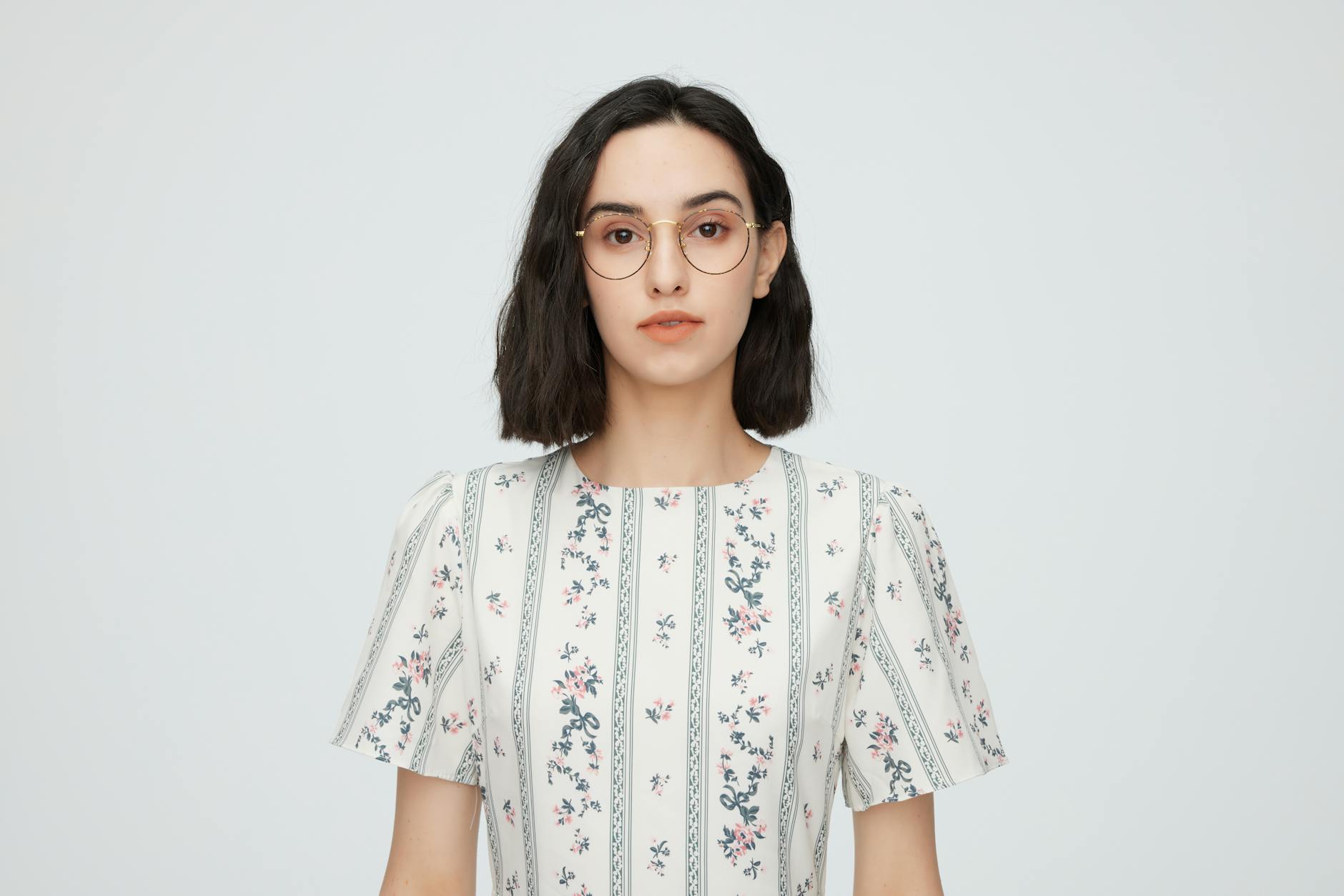
The Regencycore aesthetic drawing from early nineteenth century fashion through corset detailing, empire waistlines, ruffled collars, and Regency-era silhouettes entered mainstream fashion consciousness through the influence of period drama television. Incorporating these elements into everyday dressing requires a very deliberate approach to ensure that the historical coding of the garments reads as contemporary interpretation rather than theatrical costume. Many adults who experiment with the trend find that its strong narrative associations with a specific fictional universe make it difficult to wear outside of very particular social contexts. Fashion historians note that period revival trends require the wearer to actively subvert the source material to make it feel personally owned rather than directly replicated. When getting dressed begins to feel like preparing for a performance rather than expressing identity, the trend has found its natural boundary.
TikTok Trend Cycling Feels Disconnected
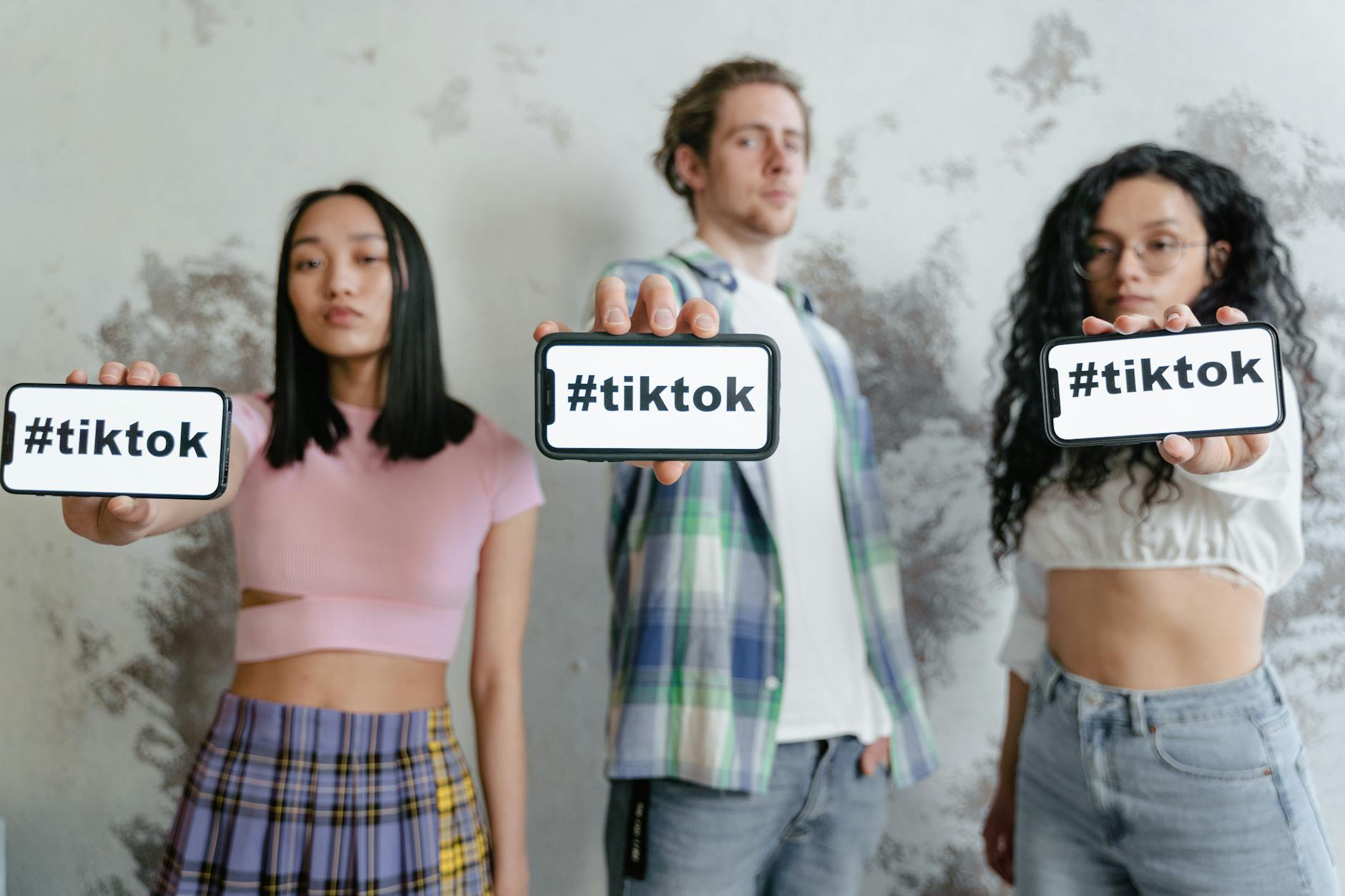
The speed at which fashion trends cycle through TikTok’s algorithm has created a consumption pattern fundamentally different from the seasonal trend cycles that previously governed the fashion industry. A trend can emerge, peak, and be declared outdated within a single week, making any purchase motivated purely by platform virality almost immediately obsolete. Many adults who developed their fashion sensibility before algorithmic trend acceleration find that the pace of TikTok fashion feels actively hostile to thoughtful dressing or investment purchasing. Media researchers who study platform culture consistently document that TikTok’s fashion trends are driven by engagement metrics rather than aesthetic coherence or cultural depth. When the platform that defines a trend moves faster than your interest in keeping up with it, the gap between its audience and yours has become irrelevant to close.
Quiet Luxury Feels Too Restrictive
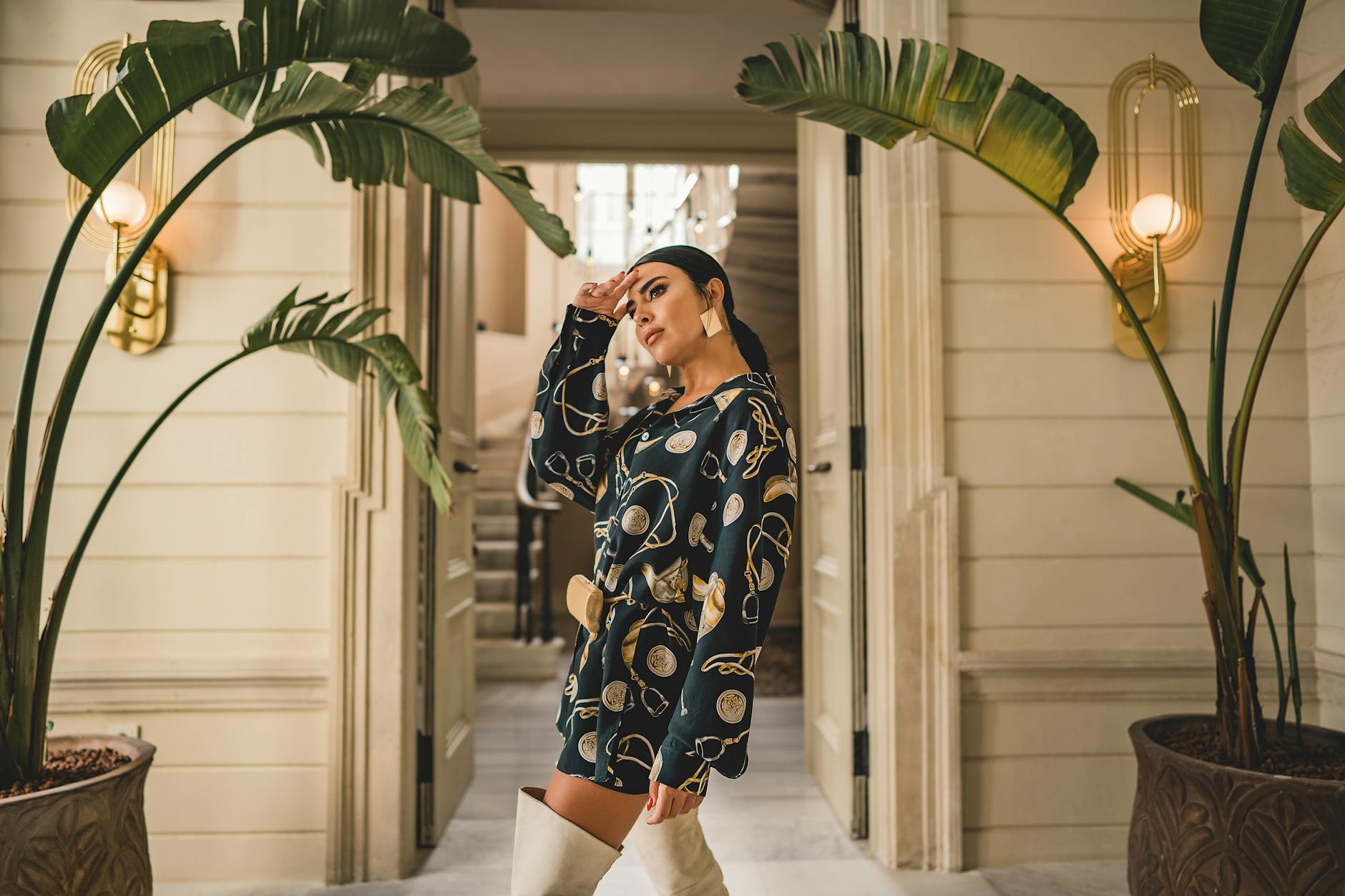
The quiet luxury aesthetic built around neutral tones, minimalist silhouettes, and deliberately unbranded high-quality garments became a dominant style conversation through social media content focused on old-money aesthetics and understated wealth signaling. While the trend emphasizes quality over trend-cycling, its rigid adherence to a very narrow palette of beige, cream, grey, and white can feel creatively limiting for adults with more expressive personal aesthetics. Many adults who are drawn to colour, pattern, or cultural dressing find that the visual language of quiet luxury erases personal identity in favor of a homogenized version of elegance. Style critics note that the trend’s reliance on expensive basics as a form of social communication replicates many of the status signaling dynamics it claims to transcend, simply through a different vocabulary. When a trend requires you to suppress your actual aesthetic personality to participate in it, the personal cost has exceeded any social benefit it might offer.
Going Out Tops Feel Uncomfortable
The category of garments specifically designated as going out tops, typically featuring ruching, cutouts, plunging necklines, or metallic fabric, represents a very specific segment of fast fashion retail aimed at nightlife dressing. Many adults find that the physical discomfort built into these garments, including restrictive fabric, unflattering construction, and impractical detailing, conflicts with how they want to feel during social events. The garment category requires a particular relationship with social performance where physical sacrifice in the service of appearance is considered an acceptable exchange. Fashion therapists note that clothing-related discomfort has measurable effects on social confidence and mood, which means that wearing uncomfortable going out tops can actively undermine the social experience they are meant to enhance. When getting ready for a night out starts to feel more like preparation for discomfort than anticipation of enjoyment, the going out top has done its last useful work in your wardrobe.
Overly Branded Sneakers Feel Excessive
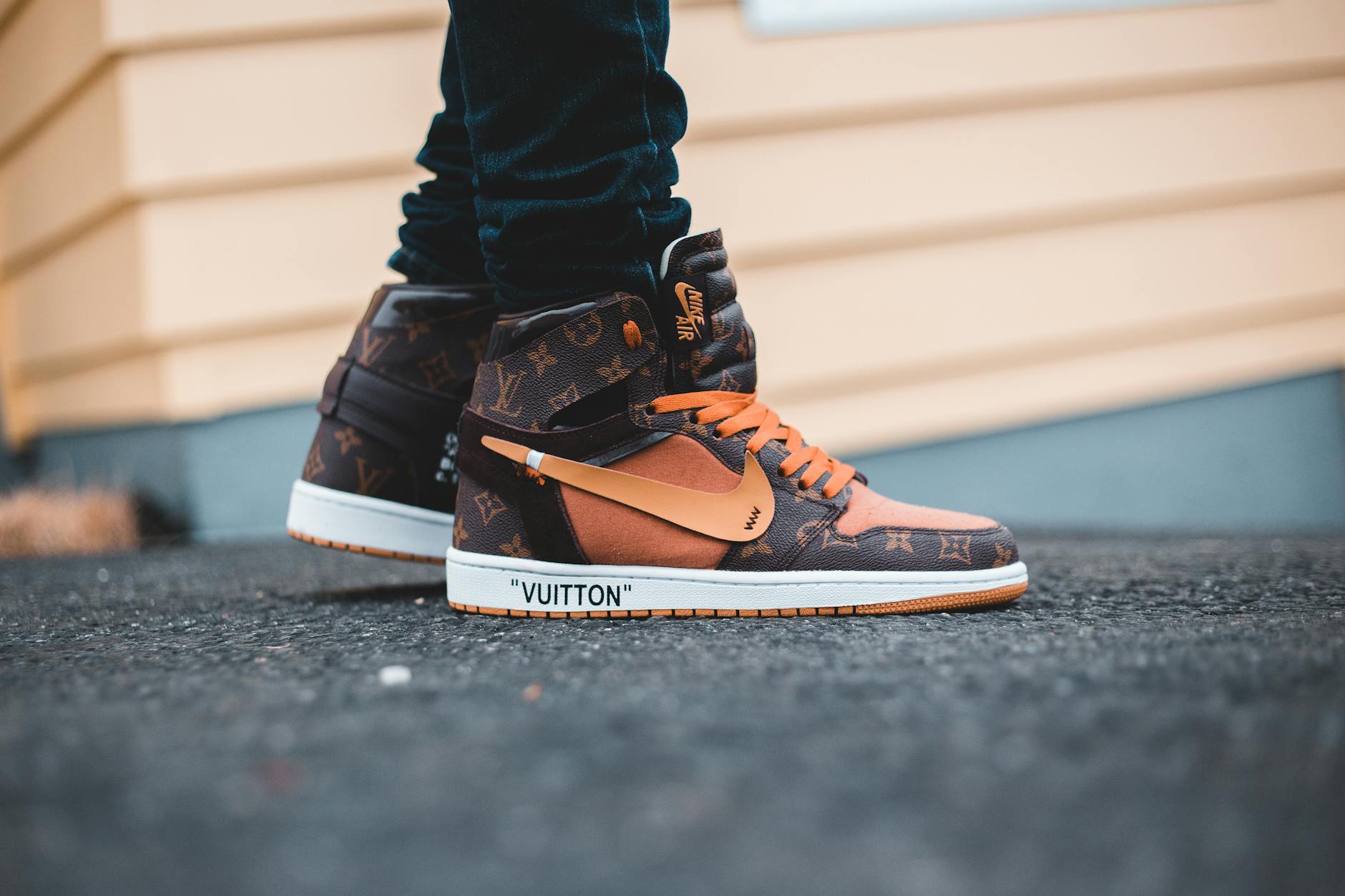
The collector sneaker culture built around limited-edition releases, branded collaborations, and high-visibility logo placement has produced footwear designed as much for display as for wear. Many adults who once participated in sneaker culture find that the social currency attached to owning specific colorways or collaboration pieces holds less meaning as the community and its values become less central to their identity. Wearing highly branded statement sneakers requires alignment with a cultural ecosystem that values the sneaker as a social object rather than a functional garment. Footwear historians note that sneaker culture operates as a parallel economy with its own hierarchies, references, and gatekeeping mechanisms that are most legible to active participants. When shoes begin to feel like credentials rather than clothing, the relationship between the wearer and the trend has fundamentally shifted.
What fashion trends have you officially left behind? Share your experiences in the comments.




