Dogs have a remarkable ability to reshape the routines, habits, and even the furniture arrangements of the humans they live with. What starts as a loving companionship often quietly evolves into a household dynamic where the four-legged resident holds surprising influence. Researchers studying human-animal bonds have consistently found that dog owners adapt their schedules, diets, and social lives around their pets far more than they initially anticipate. The following signs are widely recognized by pet behaviorists and lifestyle experts as indicators that your dog has claimed the executive role in your home.
The Bed Situation Has Been Negotiated
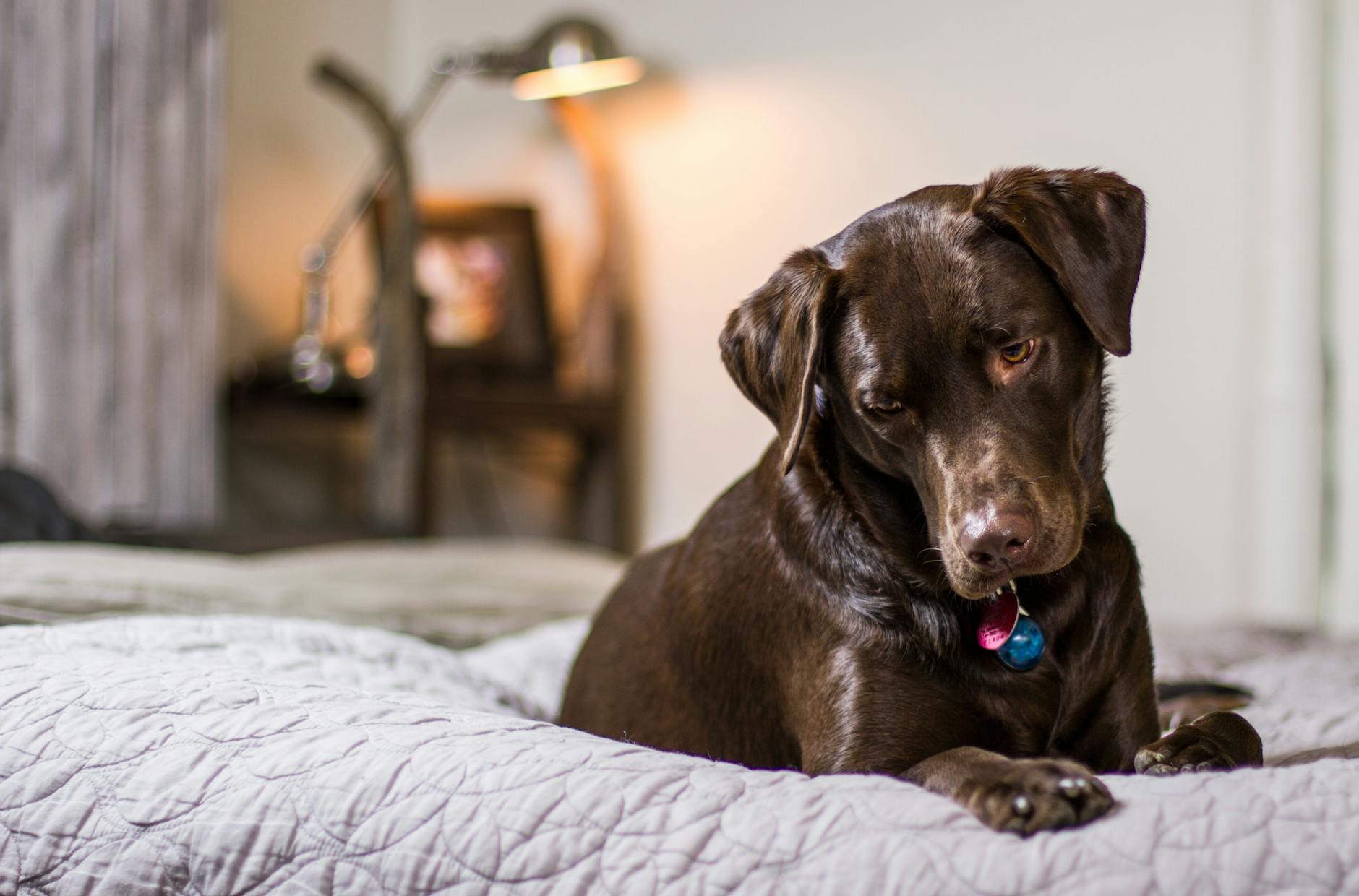
Dogs who sleep in their owner’s bed are documented in numerous pet ownership surveys as the majority in many Western households. Over time, owners report shifting to the edge of the mattress to accommodate their dog’s preferred sleeping position. The dog typically claims the center or the fluffiest pillow without any resistance from the humans involved. Sleep studies on co-sleeping pet owners show that humans adjust their own sleep posture around their dog rather than the other way around. This nightly arrangement is one of the clearest indicators of where true household authority lies.
Mealtimes Revolve Around the Dog’s Schedule
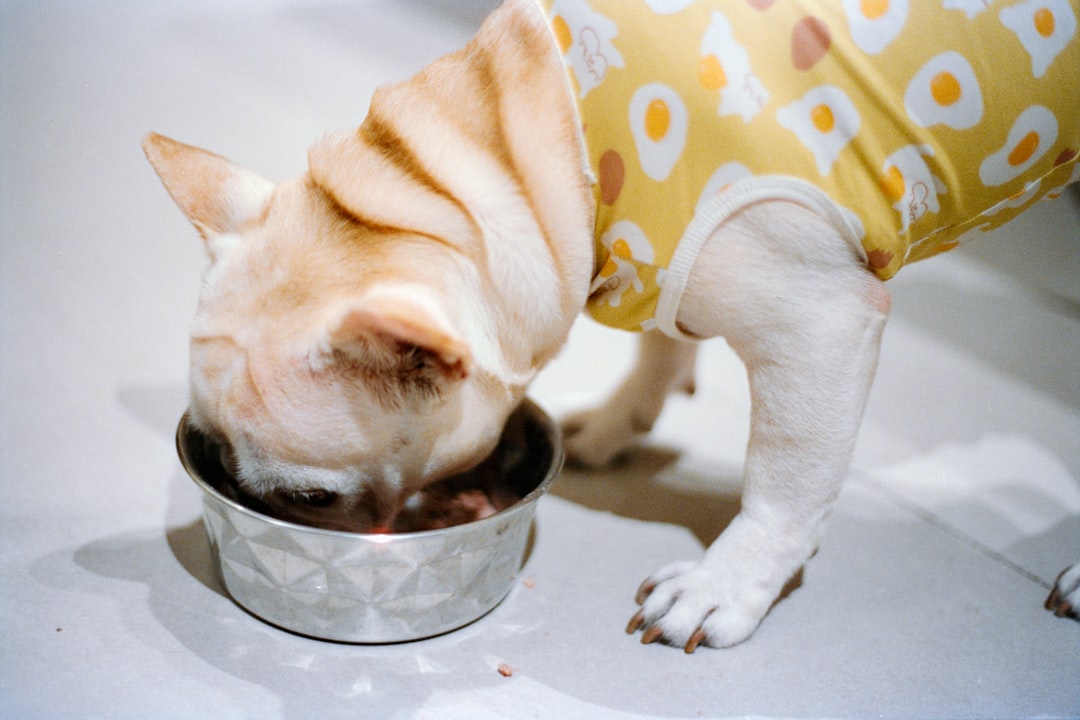
Many dog owners structure their own eating habits around their pet’s feeding windows to avoid triggering begging behavior at the table. Veterinary nutritionists note that owners often delay or rearrange their own meals to align with or follow the dog’s scheduled feeding times. The household kitchen routine frequently begins not with human breakfast preparation but with the filling of a dog bowl. Grocery shopping lists in dog-owning homes consistently prioritize pet food restocking above many human pantry staples. This pattern reflects a household rhythm that is fundamentally organized around canine needs.
The Sofa Has a Reserved Section
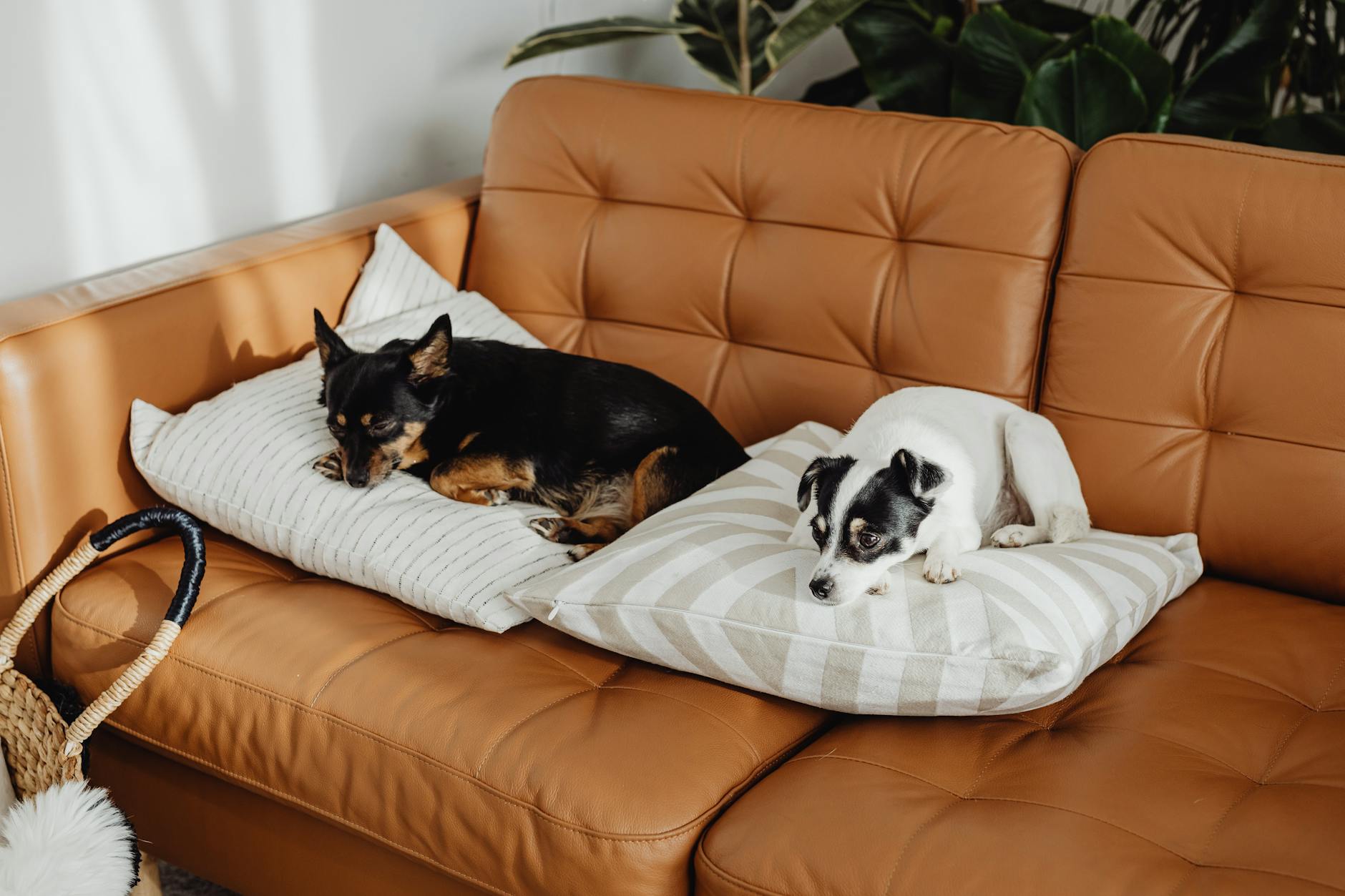
A specific cushion or corner of the main sofa is commonly understood by all household members to belong to the dog. Guests are often quietly redirected away from that spot without the dog needing to intervene. Upholstery choices in dog-owning homes are frequently made with the dog’s comfort and shedding habits as the primary consideration. Interior design professionals who work with pet owners regularly note that furniture layouts are adjusted to give dogs optimal sightlines to windows and doors. The living room arrangement in these homes functions as much for the dog’s lifestyle as for the humans’.
Guests Are Vetted Upon Arrival
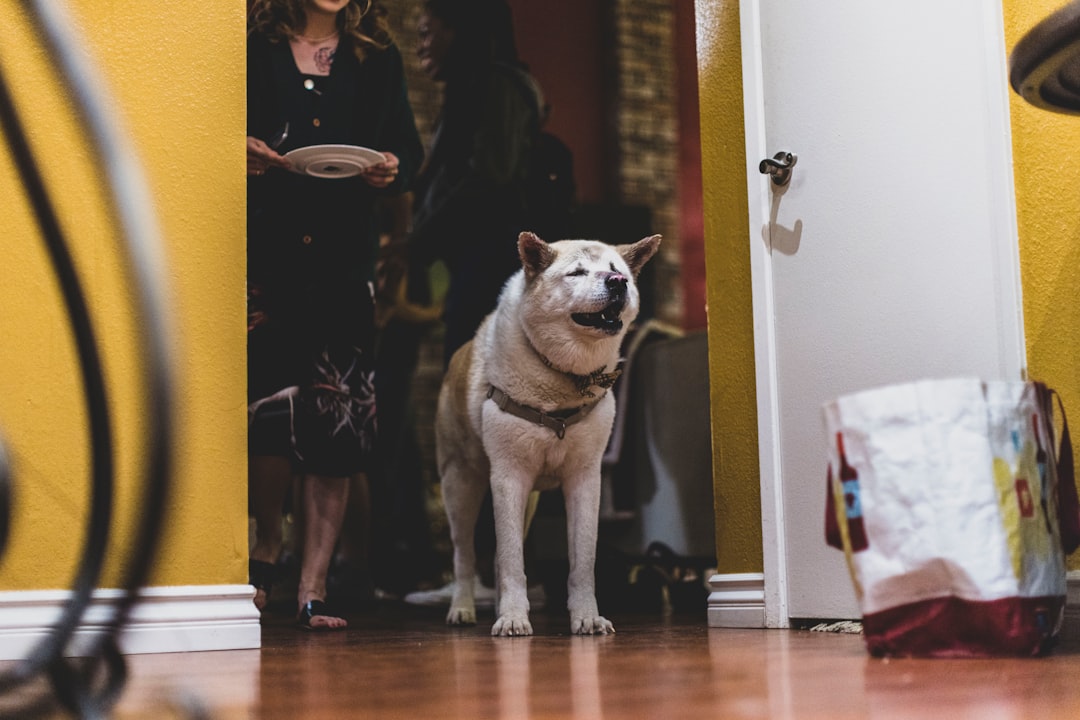
Dogs that position themselves at the front door and assess incoming visitors are exhibiting a behavior that owners often defer to. Many dog owners report hesitating to invite certain people back after their dog displayed discomfort around them. The social calendar of a dog-led household is subtly shaped by which guests the dog accepts without prolonged barking or avoidance. Pet behaviorists describe this dynamic as a role reversal where the dog performs a gatekeeping function that owners consciously or unconsciously respect. Social gatherings in these homes are frequently planned with the dog’s temperament and energy tolerance in mind.
Walks Determine the Daily Schedule
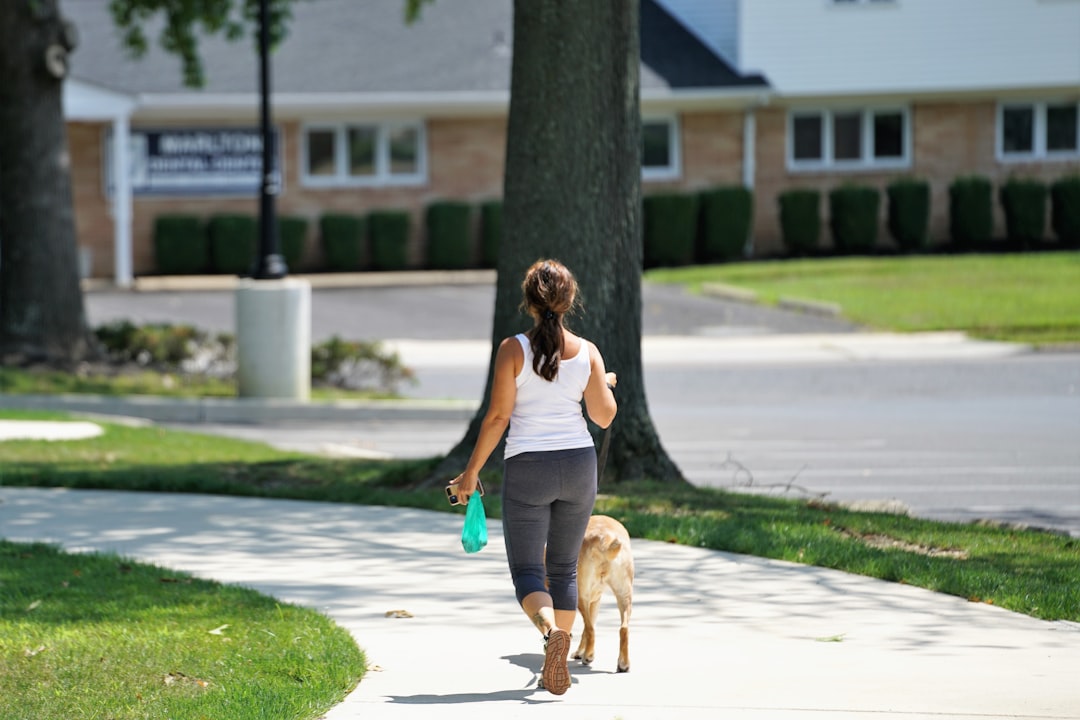
The timing and duration of daily walks effectively anchor the structure of the entire household day. Morning alarms, evening plans, and even work-from-home schedules are organized to ensure walk times are not disrupted. Dog owners living in urban environments frequently turn down social invitations that would conflict with their dog’s expected outdoor routine. Exercise science professionals who study dog walkers note that the human’s physical activity is almost entirely dictated by the dog’s needs rather than personal fitness goals. The walk is rarely optional and functions as a non-negotiable appointment set entirely by the dog’s biological clock.
All Outdoor Plans Include a Dog Logistics Review

Weekend trips, day outings, and vacations in dog-owning households involve an extensive review of pet-friendly accommodations and venues before any booking is confirmed. Many owners report declining invitations to locations that cannot accommodate their dog or where boarding would be required. The planning process for any travel begins with questions about what the dog will do rather than where the humans want to go. Pet travel has become a significant industry segment precisely because owners restructure their leisure lives around their dog’s inclusion. Destinations that welcome dogs are consistently prioritized over those that do not regardless of other factors.
The Remote Control Moves for the Dog
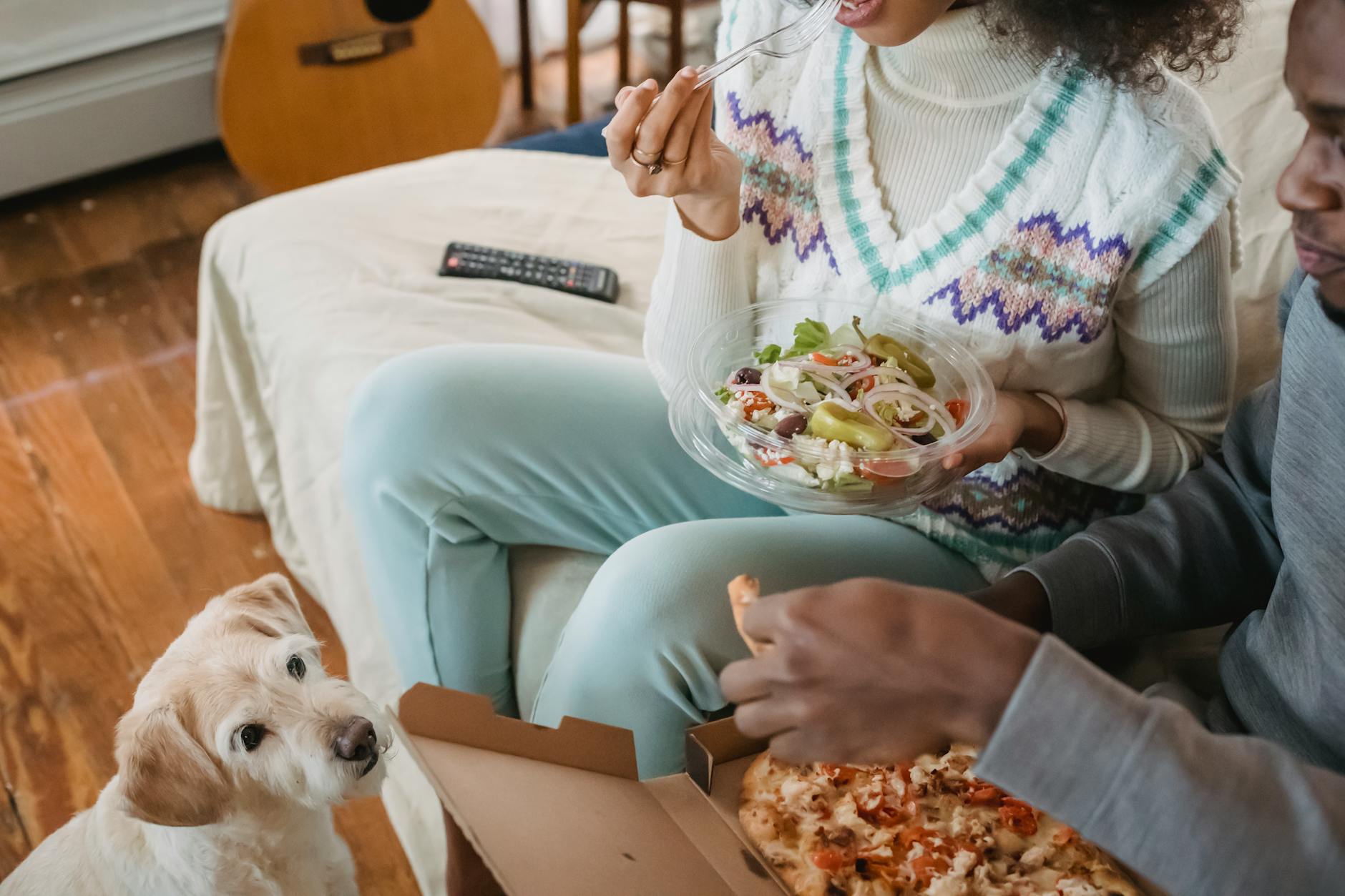
Owners frequently pause or mute television programs when their dog reacts to sounds on screen. Volume levels in the household are commonly adjusted during the dog’s rest periods to avoid disturbing sleep. Streaming choices are sometimes influenced by whether certain programs have triggered anxiety or excitement in the dog previously. Home audio systems in dog-owning households are often calibrated at lower levels than the owner would personally prefer. The entertainment environment of the home is quietly modulated around the dog’s sensory comfort on a daily basis.
The Dog Has Claimed a Human’s Favorite Chair
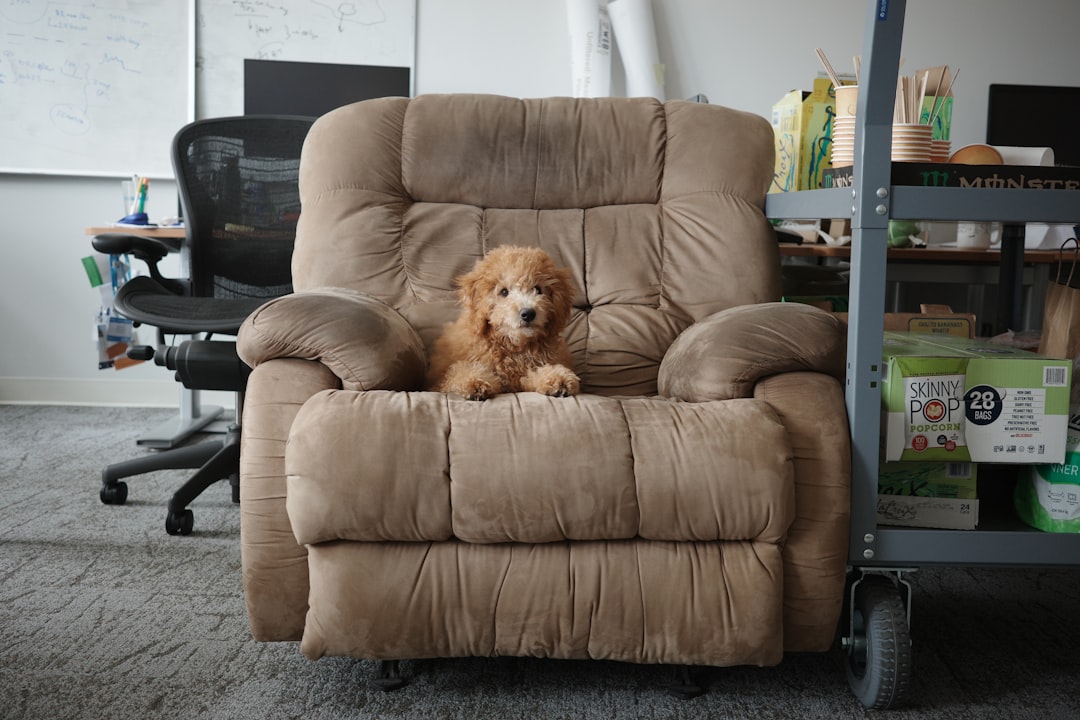
A particular armchair or recliner originally purchased for human use is frequently surrendered to the resident dog within months of arrival. Owners in survey after survey describe choosing a different seat rather than disturbing a comfortably settled dog. The chair often retains a blanket or cushion specifically placed there for the dog’s comfort by the human occupants. Furniture retailers catering to pet owners have noted a rise in purchases of secondary seating specifically because the original piece has been informally transferred to the pet. This quiet transfer of ownership happens gradually and without formal acknowledgment from either party.
Grocery Runs Are Triggered by the Dog’s Supplies
The most urgent restocking trips to shops or online orders in many dog households are initiated when pet food, treats, or grooming supplies run low. Human pantry staples are often allowed to deplete for days while dog supplies are replenished immediately upon running out. Subscription delivery services for pet products are far more consistently maintained by dog owners than equivalent services for their own household goods. Retail data consistently shows that dog owners spend a disproportionate share of their household budget on pet-related consumables relative to other discretionary categories. The dog’s inventory management effectively governs a meaningful portion of the household’s weekly spending.
Morning Alarms Are Set Around Bathroom Needs
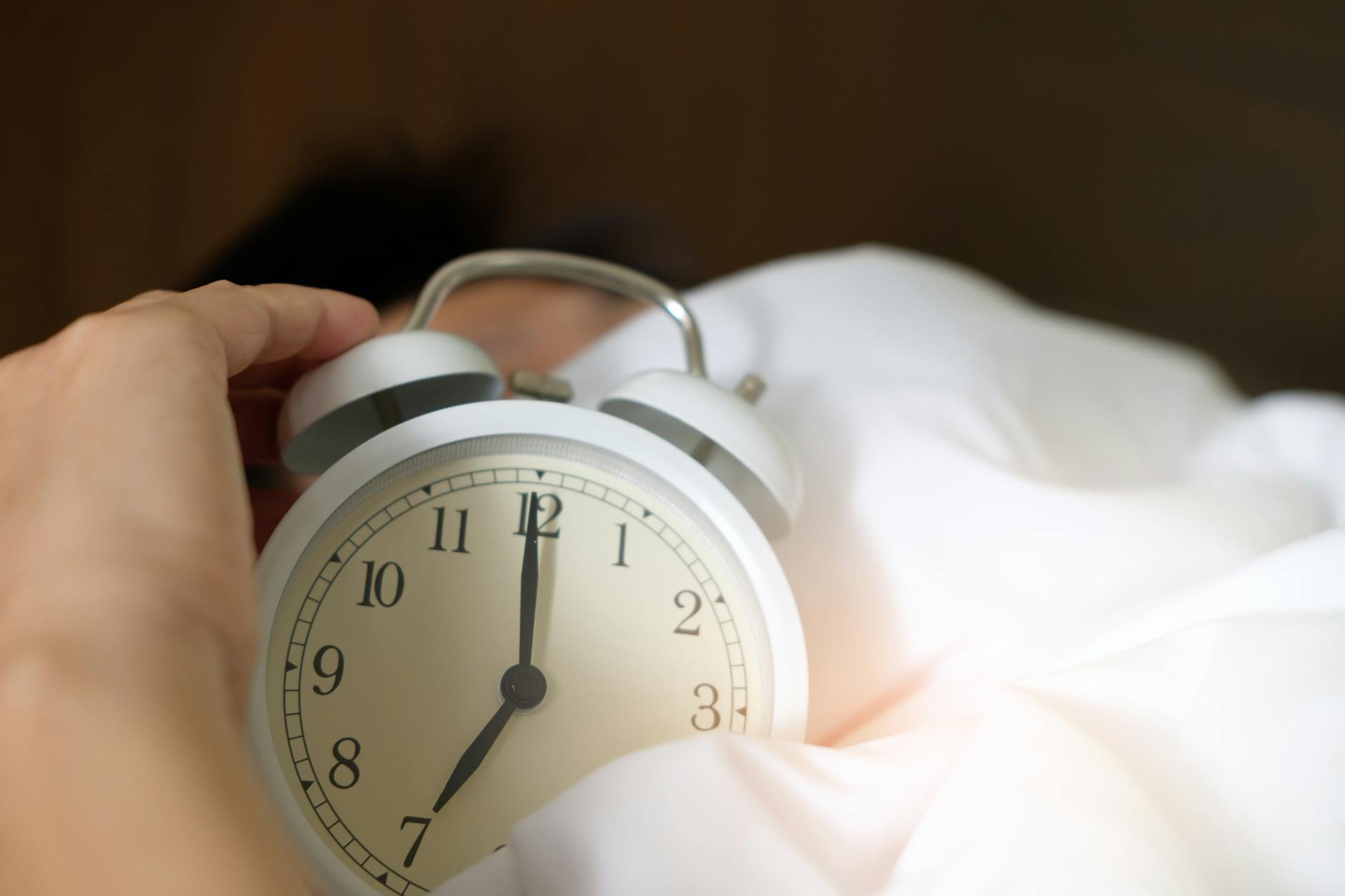
The first task of the morning in households with dogs is almost universally a trip outside to accommodate the dog’s bladder rather than the human’s own preferred wake-up ritual. Owners report waking earlier than they would choose to on both weekdays and weekends to maintain consistent outdoor access for their pet. The morning routine’s pace and sequence are dictated by the urgency the dog communicates rather than the owner’s personal preferences. Sleep researchers who study dog owners note that interrupted or early sleep is one of the most commonly reported lifestyle adjustments made after getting a dog. The biological rhythm of the household morning is effectively set by the dog.
The Dog Has Veto Power Over New Furniture

Before a new piece of furniture is finalized in a dog-owning household many owners test whether the dog approves of or ignores it. Material choices such as leather versus fabric are heavily influenced by how easily the surface can be cleaned after dog contact. Color palettes for rugs and upholstery in these homes tend toward shades that camouflage pet hair. Home décor professionals working with pet owners routinely advise that durability for animals should be the first filter applied before aesthetics. The dog’s anticipated interaction with any new item functions as a practical vetting criterion in the purchasing process.
The Dog’s Name Is Spoken More Than Any Other
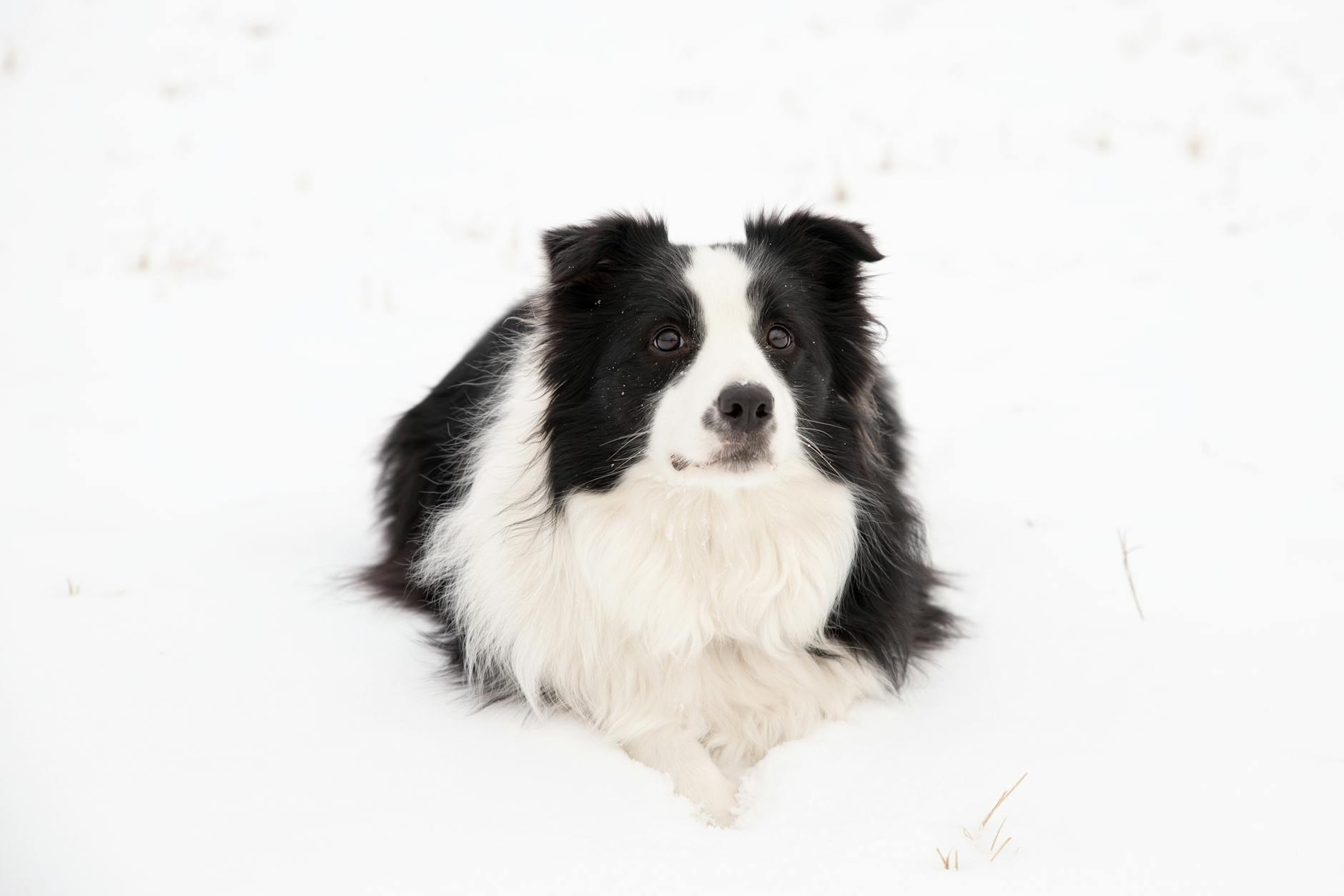
Linguists and family communication researchers have noted that the pet’s name is often the most frequently uttered word in a dog-owning household throughout the day. It is used as a greeting, a warning, a term of endearment, a command, and a conversational reference in nearly every room of the home. Household members address the dog in full sentences and report-style updates about daily events as a normalized communication practice. The dog is referenced in conversations between human household members more frequently than most other topics. This linguistic centrality reflects the degree to which the dog occupies the focal point of the household’s daily social life.
Dinner Plates Are Monitored by a Floor-Level Supervisor
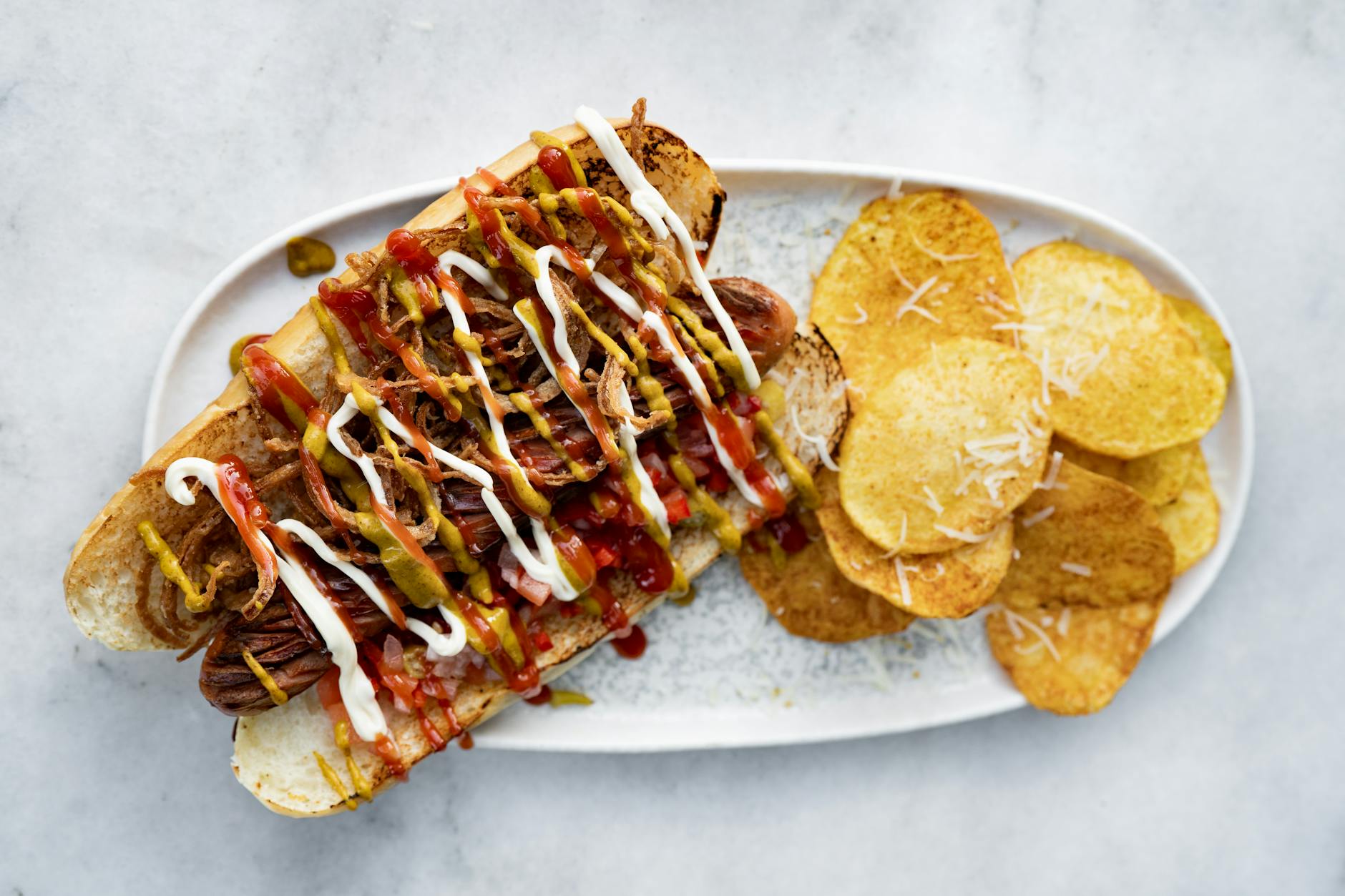
Dogs who position themselves beside the dining table during mealtimes are effectively overseeing the human eating process from a supervisory stance. Many owners report modifying what they cook or eat based on whether ingredients are safe or appealing to the dog. Food drops and shared bites have in many households become an unspoken ritual that the dog has successfully trained into the routine. Veterinary nutritionists frequently cite the dinner table dynamic as a primary contributor to dogs receiving excessive caloric intake from human food. The presence of the dog during meals changes the eating behavior of every human at the table.
Doorbells Trigger a Household-Wide Alert System
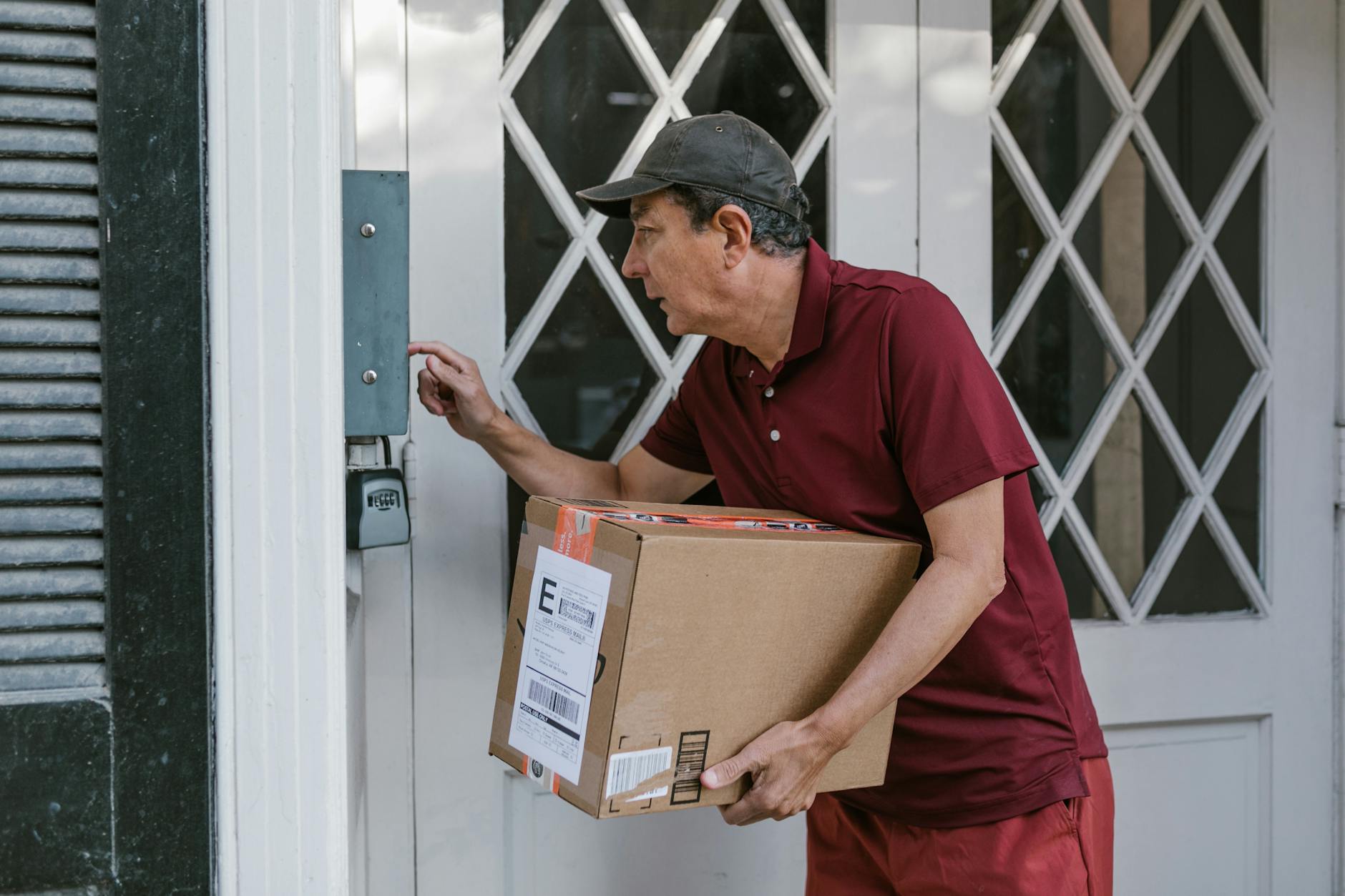
When the doorbell rings the dog’s response establishes the emotional tone for how the entire household reacts to the arrival. Owners often defer to the dog’s assessment of whether the visitor is a welcome presence before fully opening the door. The volume and duration of the dog’s reaction to outside noises shapes how quickly household members respond to potential visitors or disturbances. Smart doorbell and security system adoption in dog households is frequently motivated by a desire to preview visitors before the dog is alerted. The dog functions as the household’s primary early warning and reception system.
Vacations Are Shortened to Reduce Separation

Travel durations in dog-owning households are frequently compressed to minimize time away from the pet. Many owners report cutting trips short or declining extended travel opportunities specifically because of concern for their dog’s wellbeing in their absence. The logistics of boarding, pet-sitting, or traveling with the dog are a central factor in every travel decision made by the household. Tourism industry data shows that the average trip length for dog owners is measurably shorter than for non-pet-owning travelers. The dog’s emotional needs function as a hard boundary on the household’s travel ambitions.
The Dog Receives a Weather Briefing Before Walks

Owners regularly check weather applications before walks not primarily for their own comfort but to determine appropriate gear or timing for the dog. Rain jackets, booties, and cooling vests for dogs have become standard household items purchased in response to the dog’s climate sensitivities. Walk routes are adjusted seasonally based on surface temperatures and how they affect the dog’s paws rather than the human’s footwear. Veterinary advice on temperature thresholds for outdoor exercise is more consistently applied by dog owners than personal guidelines for their own activity. The dog’s physical comfort outdoors is the primary weather-related concern in these households.
The Car’s Backseat Has Been Permanently Reassigned
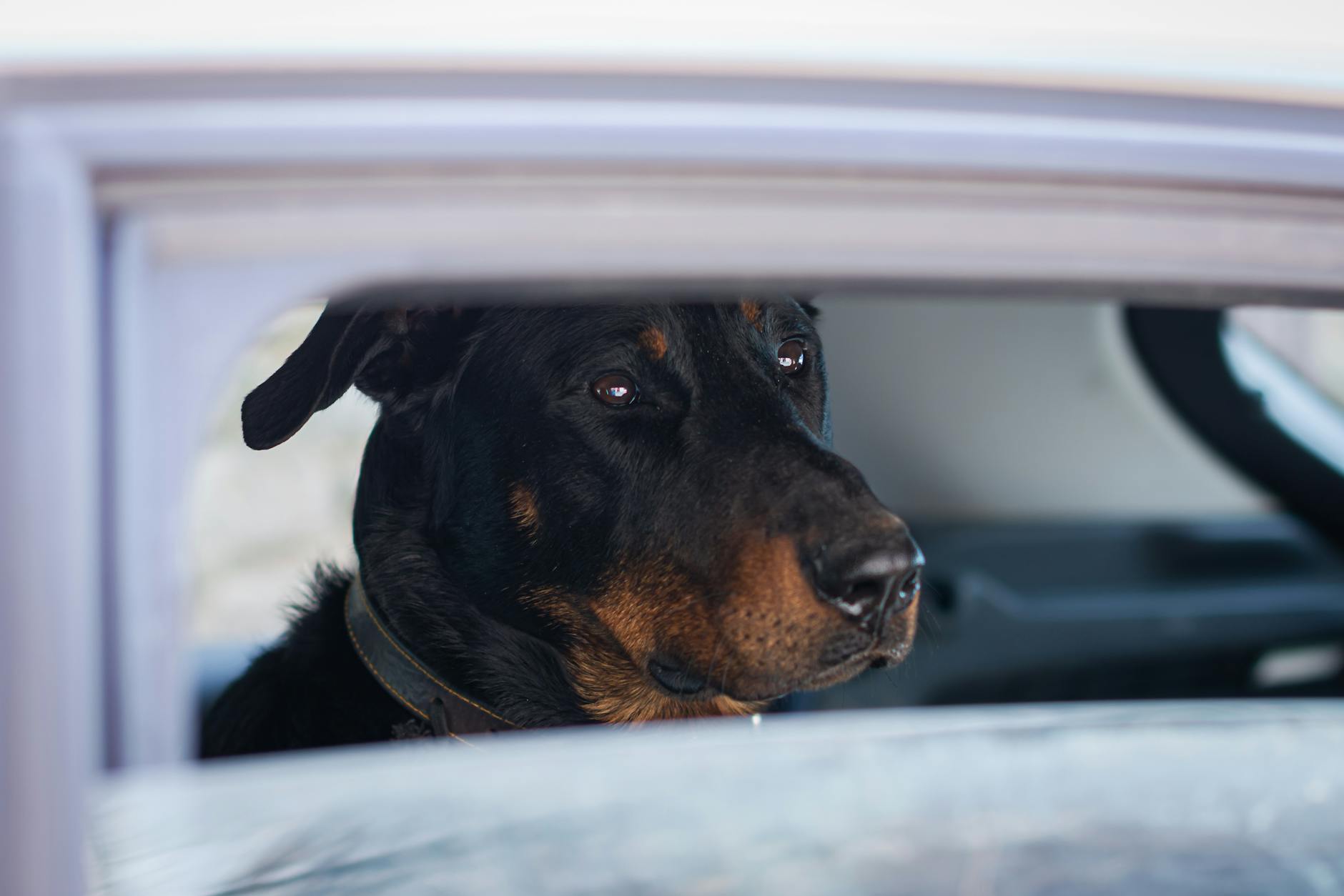
In households with dogs the rear seat of the primary vehicle is functionally considered the dog’s space and is equipped accordingly. Seat covers, harnesses, and water bowls for the dog are permanent fixtures that require human passengers to adapt. Dog owners report that human guests riding in the backseat are implicitly expected to share the space on the dog’s terms. Vehicle purchasing decisions in dog-owning households frequently include cargo space, seat material, and ease of cleaning as top criteria. The car is as much a mobile extension of the dog’s home environment as it is a human transport vehicle.
Quiet Hours Are Enforced Around Nap Times
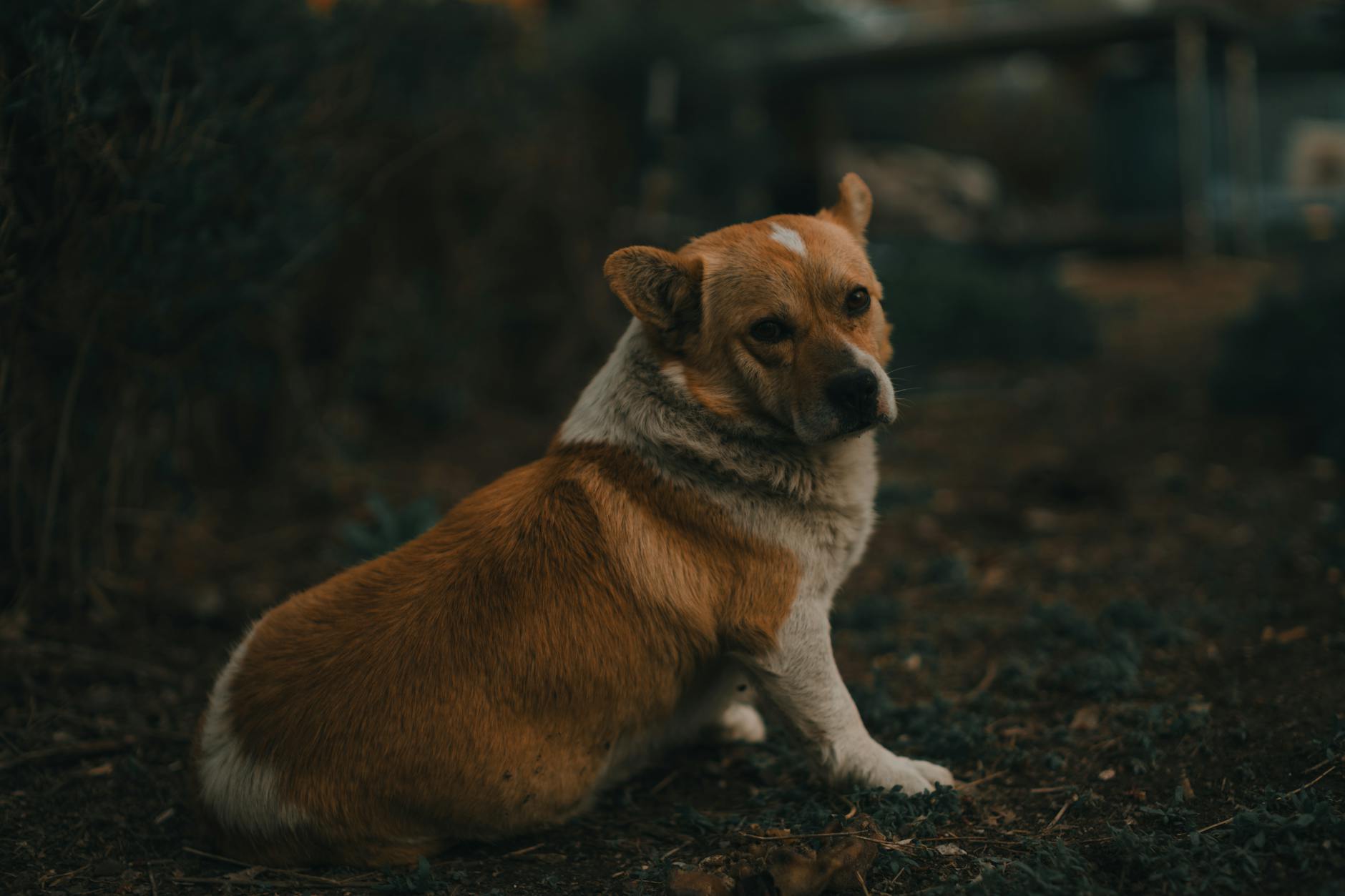
Household members in dog-led homes report moderating noise levels, phone calls, and activity during the dog’s preferred rest periods. Visitors are briefed on the dog’s sleep schedule as part of being welcomed into the home. The rhythm of the afternoon in particular is often shaped around when the dog typically naps rather than the human occupants’ energy cycles. Sound-sensitive dog breeds have been shown in behavioral studies to prompt the most significant noise-reduction adaptations in their owners’ daily habits. The dog’s rest requirements create a structured quiet period that the entire household observes.
The Dog’s Birthday Is a Calendared Event
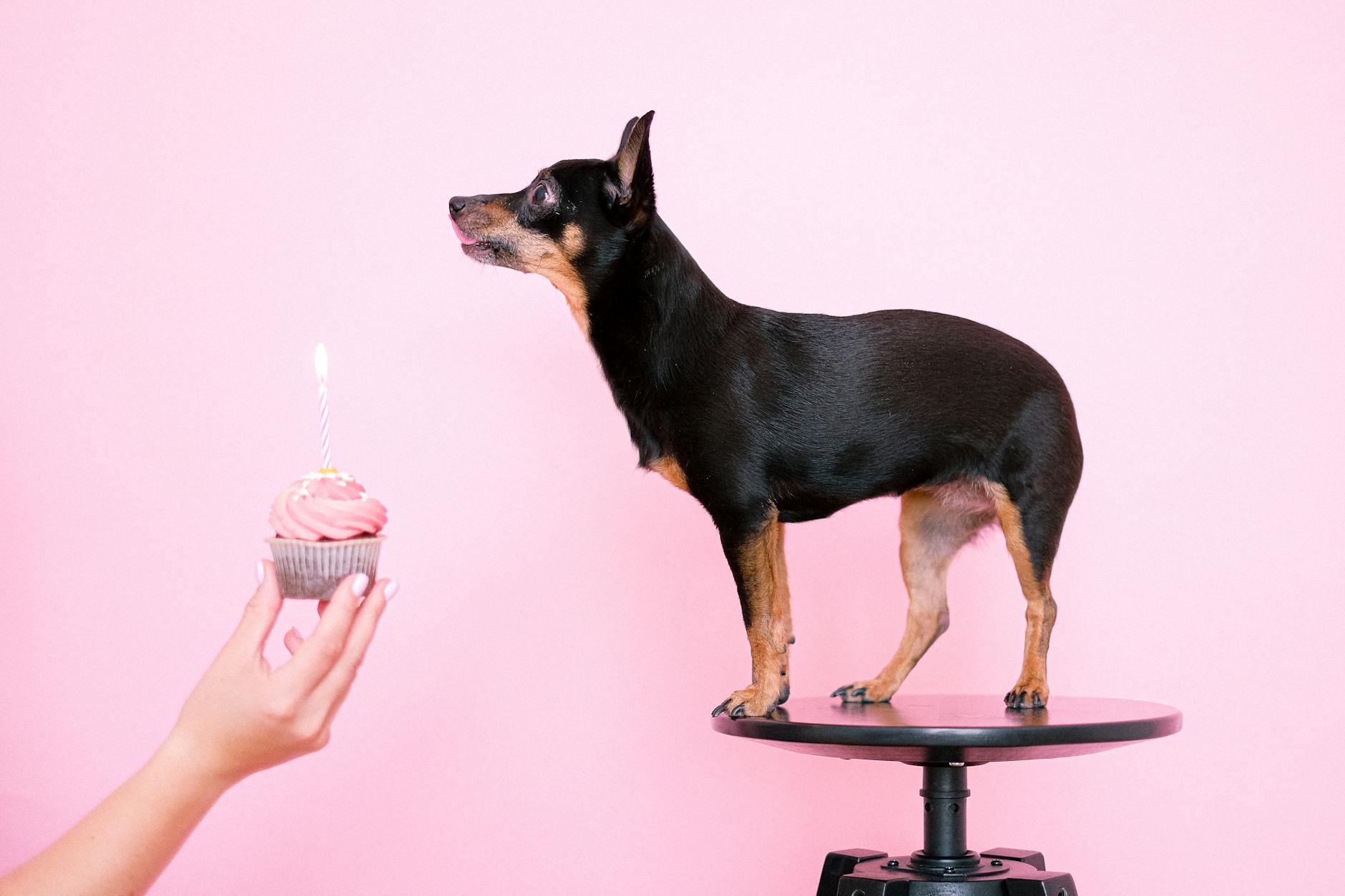
Dog birthdays and adoption anniversaries are formally recognized in a significant proportion of dog-owning households with purchased treats, toys, or gatherings. Owners report spending comparable amounts on dog birthday celebrations to what they spend on celebrations for human family members. Specialty bakeries producing dog-safe cakes have grown into a measurable retail segment driven entirely by owners who mark their pet’s annual milestones. The date is tracked and anticipated with the same organizational attention applied to human household anniversaries. This ritualization of the dog’s life milestones reflects the full integration of the pet into the household’s cultural and emotional calendar.
Every Room Has Been Adapted for Maximum Dog Comfort
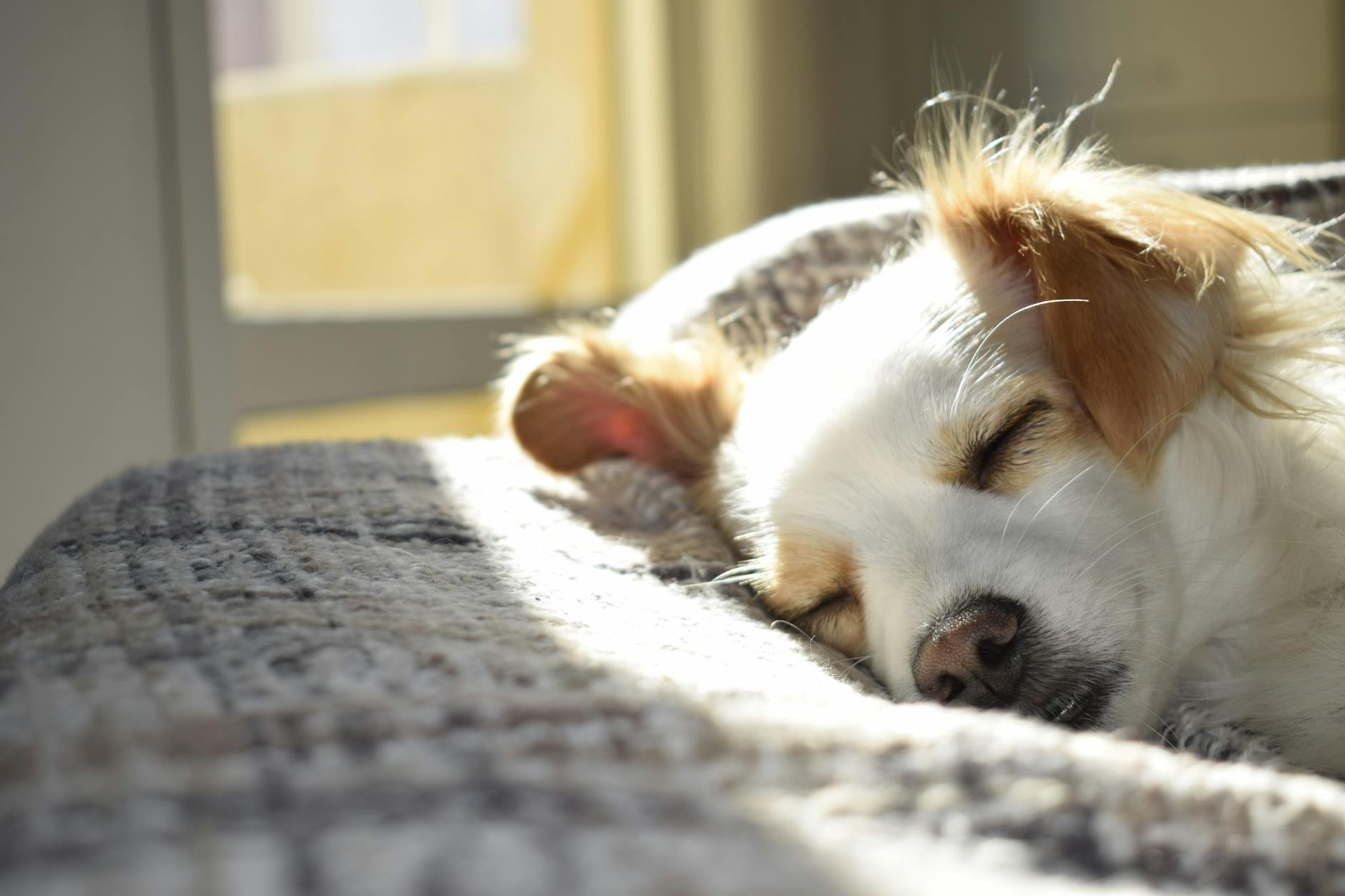
The layout, furnishing, and temperature of most rooms in the home have been incrementally adjusted to improve the dog’s access and comfort over time. Baby gates, ramps, and orthopedic beds are distributed throughout the home in response to the dog’s mobility and rest preferences. Flooring choices in renovations undertaken after getting a dog heavily favor surfaces that are safe and comfortable for the animal rather than aesthetically preferred by the humans. Lighting and temperature settings are considered in relation to the dog’s breed-specific sensitivities alongside human preferences. The home itself has quietly evolved into an environment designed as much around its canine occupant as its human ones.
If any of these signs feel familiar, share your own experiences and additions in the comments.




