Reaching your forties is a milestone that comes with wisdom, confidence, and often an unexplained shift in how your body responds to diet and exercise. Many people find that the strategies that worked effortlessly in their twenties and thirties suddenly seem ineffective. The biology behind this change is real, complex, and rooted in a combination of hormonal, metabolic, and lifestyle factors. Understanding these underlying causes is the first step toward reclaiming control of your health and your body composition.
Declining Metabolic Rate

The body’s resting metabolic rate naturally slows with age, meaning fewer calories are burned during periods of rest and inactivity. This shift happens gradually and is closely tied to changes in muscle mass and cellular efficiency. Many people continue eating the same portions they consumed in their thirties without realising the caloric equation has fundamentally changed. Even moderate reductions in daily intake combined with increased movement can begin to reverse this trend over time.
Hormonal Shifts

Estrogen and testosterone levels begin to decline significantly for both men and women during their forties. These hormones play a direct role in regulating fat storage, particularly around the abdominal region. Lower estrogen in women causes the body to redistribute fat from the hips and thighs toward the midsection. Testosterone decline in men reduces the body’s natural ability to build and preserve lean muscle tissue.
Loss of Muscle Mass

A condition known as sarcopenia begins accelerating after age 30 and becomes more pronounced in the forties. Muscle is metabolically active tissue that burns calories even at rest, so its gradual loss directly reduces overall energy expenditure. Resistance training and adequate protein intake are two of the most evidence-supported strategies for preserving muscle through midlife. People who maintain or rebuild lean muscle mass in their forties often find fat loss becomes significantly more manageable.
Insulin Resistance

The body’s sensitivity to insulin tends to decrease with age, making it harder to efficiently process carbohydrates and regulate blood sugar. When insulin resistance develops, excess glucose is more readily converted to fat rather than used as energy. This process is worsened by prolonged sedentary behaviour, poor sleep, and diets high in refined carbohydrates. Prioritising whole foods, fibre, and consistent physical activity helps improve the body’s response to insulin over time.
Chronic Stress and Cortisol

The responsibilities and pressures of midlife often translate into chronically elevated stress levels. High cortisol, the body’s primary stress hormone, directly promotes fat storage in the abdominal area while also triggering cravings for calorie-dense comfort foods. Prolonged cortisol elevation also interferes with sleep quality, digestion, and thyroid function, all of which affect weight. Stress management practices such as mindfulness, movement, and adequate rest have a measurable impact on cortisol regulation.
Poor Sleep Quality

Sleep disturbances become increasingly common after 40 and have a profound effect on weight regulation. Disrupted sleep raises ghrelin, the hunger-stimulating hormone, while suppressing leptin, the hormone that signals fullness. This hormonal imbalance leads to increased appetite, particularly for high-sugar and high-fat foods the following day. Research consistently links fewer than seven hours of quality sleep per night with greater difficulty losing and maintaining weight.
Thyroid Function Changes

The thyroid gland, which regulates metabolism, becomes more prone to dysfunction as people age. An underactive thyroid slows nearly every metabolic process in the body, including the rate at which calories are burned and fat is mobilised. Symptoms such as fatigue, weight gain, and cold sensitivity are often dismissed as normal signs of ageing rather than investigated as potential thyroid issues. Regular thyroid screening after 40 is considered an important part of proactive health management.
Gut Microbiome Shifts

The diversity and balance of bacteria in the digestive system change significantly with age. A less diverse gut microbiome is associated with increased inflammation, impaired nutrient absorption, and a reduced ability to regulate body weight. Fermented foods, fibre-rich vegetables, and prebiotic sources help support a healthier microbial environment in the gut. Emerging research continues to strengthen the link between microbiome health and long-term weight management outcomes.
Sedentary Lifestyle Creep

Career demands, family responsibilities, and physical discomforts in midlife often contribute to a gradual reduction in daily movement. Non-exercise activity thermogenesis, the energy burned through everyday movement outside of formal workouts, drops considerably when people become more sedentary. Even small increases in daily walking, standing, and light activity accumulate into meaningful caloric expenditure over time. Structured exercise alone cannot fully compensate for the metabolic impact of spending the majority of the day seated.
Emotional Eating Patterns

Decades of using food as a coping mechanism for stress, boredom, or emotional discomfort can become deeply ingrained by the forties. These habitual eating patterns often operate below conscious awareness and are triggered by emotional rather than physical hunger. The relationship between emotions and eating becomes particularly strong during periods of hormonal fluctuation, career transitions, or significant life changes. Cognitive behavioural strategies and mindful eating practices have shown strong results in helping people identify and reshape these patterns.
Reduced Digestive Efficiency
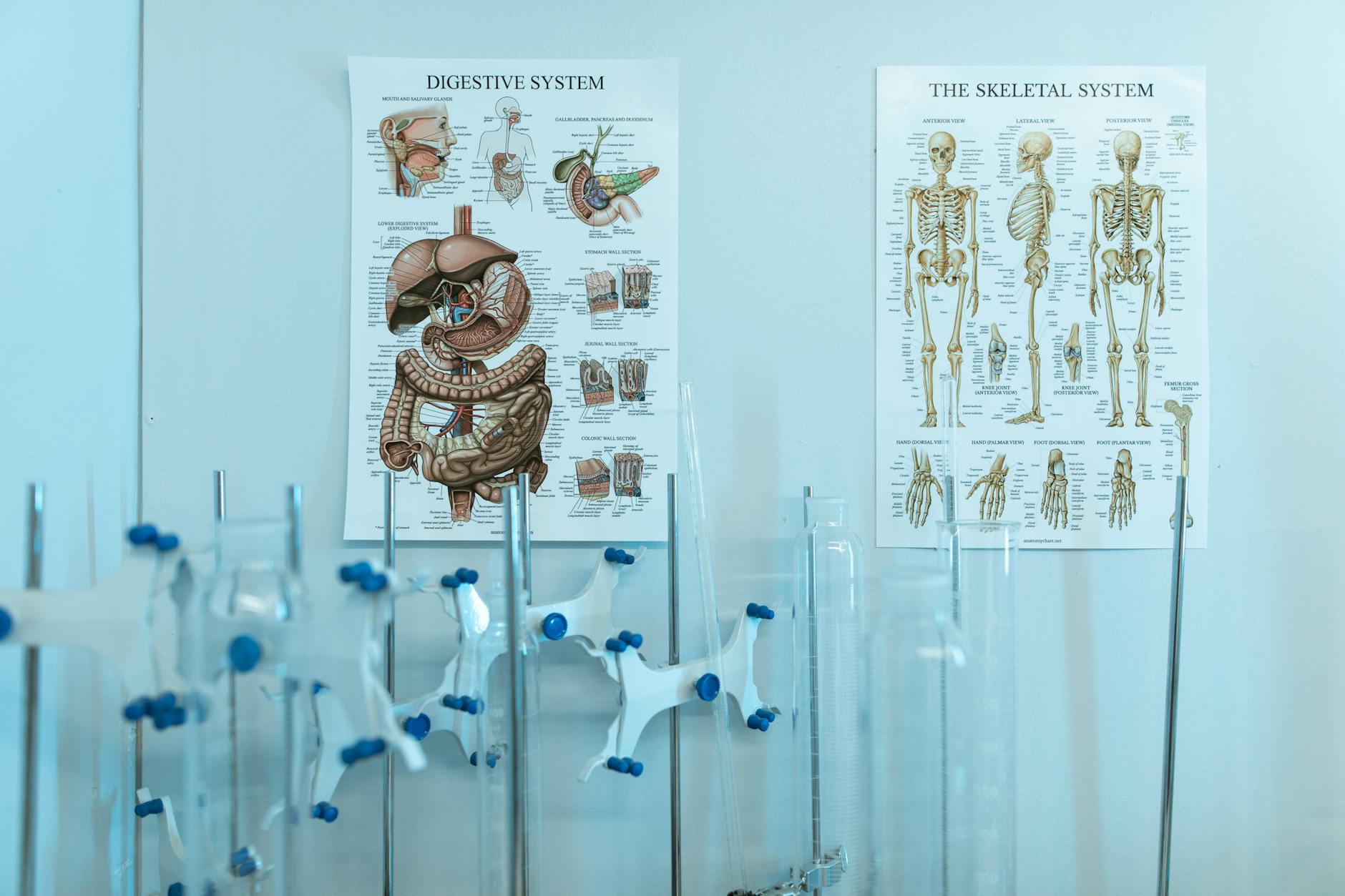
The digestive system slows with age, affecting how quickly and completely food is broken down and absorbed. Stomach acid production often decreases, reducing the body’s ability to extract nutrients from protein-rich foods effectively. Slower gut motility can contribute to bloating, discomfort, and a general sense of sluggishness that discourages physical activity. Eating smaller and more frequent meals, chewing thoroughly, and staying well hydrated supports digestive efficiency in the forties and beyond.
Medication Side Effects

Many adults in their forties begin taking medications for blood pressure, cholesterol, anxiety, or mood disorders. Several commonly prescribed drug classes are associated with weight gain or with making fat loss more difficult by altering metabolism or appetite signalling. Antidepressants, beta blockers, and certain corticosteroids are among the most frequently identified contributors to unexplained weight changes. Discussing potential metabolic side effects with a healthcare provider can open conversations about alternative options or complementary strategies.
Alcohol Sensitivity and Habits

The liver’s efficiency in processing alcohol declines with age, meaning the metabolic impact of drinking becomes more pronounced after 40. Alcohol provides calories that the body prioritises burning before fat, effectively pausing fat oxidation for several hours after consumption. Regular drinking also disrupts sleep architecture, raises cortisol, and lowers inhibitions around food choices. Even modest reductions in weekly alcohol intake are associated with measurable improvements in body composition for people in midlife.
Inflammation
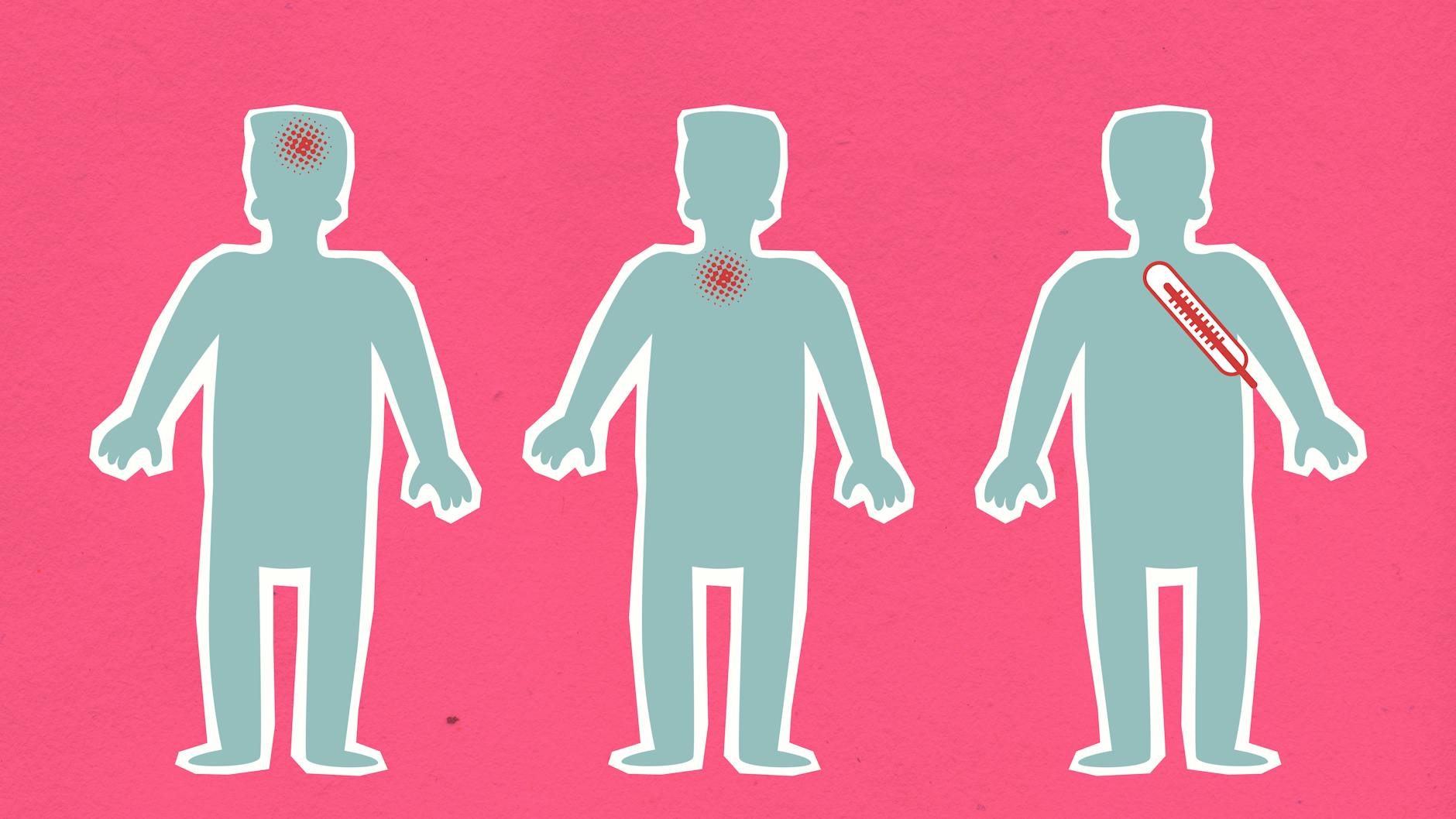
Low-grade chronic inflammation becomes more prevalent with age and plays a central role in disrupting metabolic function. Inflammatory markers interfere with hormonal signalling, impair the body’s ability to burn fat efficiently, and are linked to increased visceral fat accumulation. Diets high in processed foods, sugar, and industrial seed oils are significant drivers of systemic inflammation. Anti-inflammatory dietary patterns rich in omega-3 fatty acids, polyphenols, and colourful whole foods help reduce this metabolic interference over time.
Outdated Approaches to Dieting

Many people over 40 continue applying weight loss methods that worked for them decades earlier without accounting for how their bodies have changed. Severely calorie-restricted diets that were once effective can now trigger muscle loss, metabolic adaptation, and hormonal disruption more readily. The body in midlife responds more favourably to sustainable and nourishing approaches than to extreme short-term interventions. Adapting strategies to reflect current hormonal, muscular, and metabolic realities tends to produce far more consistent and lasting results.
If any of these reasons resonated with your own experience, share your thoughts in the comments.




