Children absorb the words of trusted adults with extraordinary sensitivity, and comments about their bodies can leave lasting impressions that shape their relationship with food, movement, and self-worth for decades. Research in child psychology consistently shows that weight-focused language from caregivers is one of the strongest predictors of disordered eating and poor body image in adolescence. Understanding which phrases cause harm is a vital step toward raising children who feel safe, confident, and at peace in their own bodies.
“You’re Getting Chubby”

Describing a child’s body with words that imply a negative change teaches them to view natural growth as something to be ashamed of. Children’s bodies fluctuate significantly during developmental phases, and weight gain is often a normal and necessary part of growing. Framing physical changes as flaws plants seeds of self-consciousness that can take root long before puberty. Studies in pediatric health show that children who hear this kind of language are more likely to engage in restrictive eating behaviors at a young age.
“Do You Really Need to Eat That?”
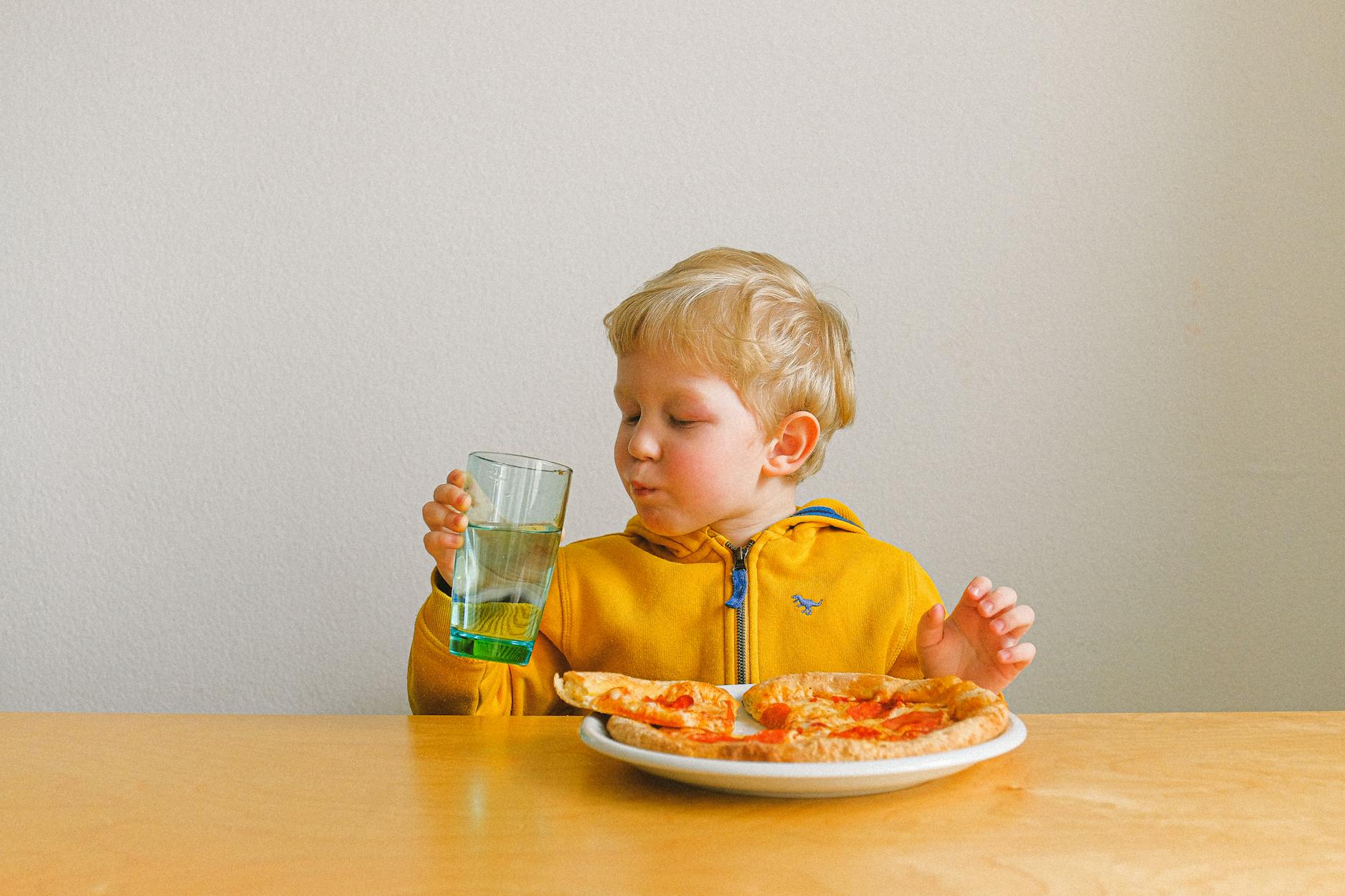
Questioning a child’s food choices in a critical tone introduces shame into what should be a neutral and nourishing experience. Eating is a natural act guided by hunger signals, and children who are taught to distrust those signals often struggle with intuitive eating well into adulthood. This phrase implies that certain foods are morally loaded and that the child’s judgment cannot be trusted. Repeated exposure to this kind of scrutiny is strongly associated with binge eating patterns later in life.
“You Would Be So Pretty If You Lost Weight”

Attaching physical appearance to a conditional standard communicates that a child’s worth is dependent on the size of their body. Children who receive this message frequently internalize the belief that they are not enough as they currently are. The phrasing also reinforces the harmful cultural idea that thinness is a prerequisite for beauty. Psychologists identify this type of conditional affirmation as particularly damaging because it links love and acceptance to physical change.
“Your Sister Is So Much Slimmer Than You”

Comparing a child’s body to a sibling’s creates a competitive dynamic around physical appearance that is deeply counterproductive. Every child develops at their own pace, and bodies within the same family can look entirely different due to genetics and individual biology. This kind of comparison breeds resentment between siblings and fosters a lasting sense of inadequacy in the child being compared. It also models the harmful behavior of evaluating people primarily through the lens of their body size.
“You’ve Really Let Yourself Go”

This phrase implies a loss of discipline or self-control and places moral judgment on a child’s physical appearance. Children are not responsible for managing their weight in the way adults might be, as their bodies are actively growing and changing. Hearing this from a trusted adult creates confusion about whether a child is responsible for something entirely outside their control. The emotional impact of this statement can contribute to chronic feelings of failure and unworthiness.
“You Should Eat Less at Dinner”
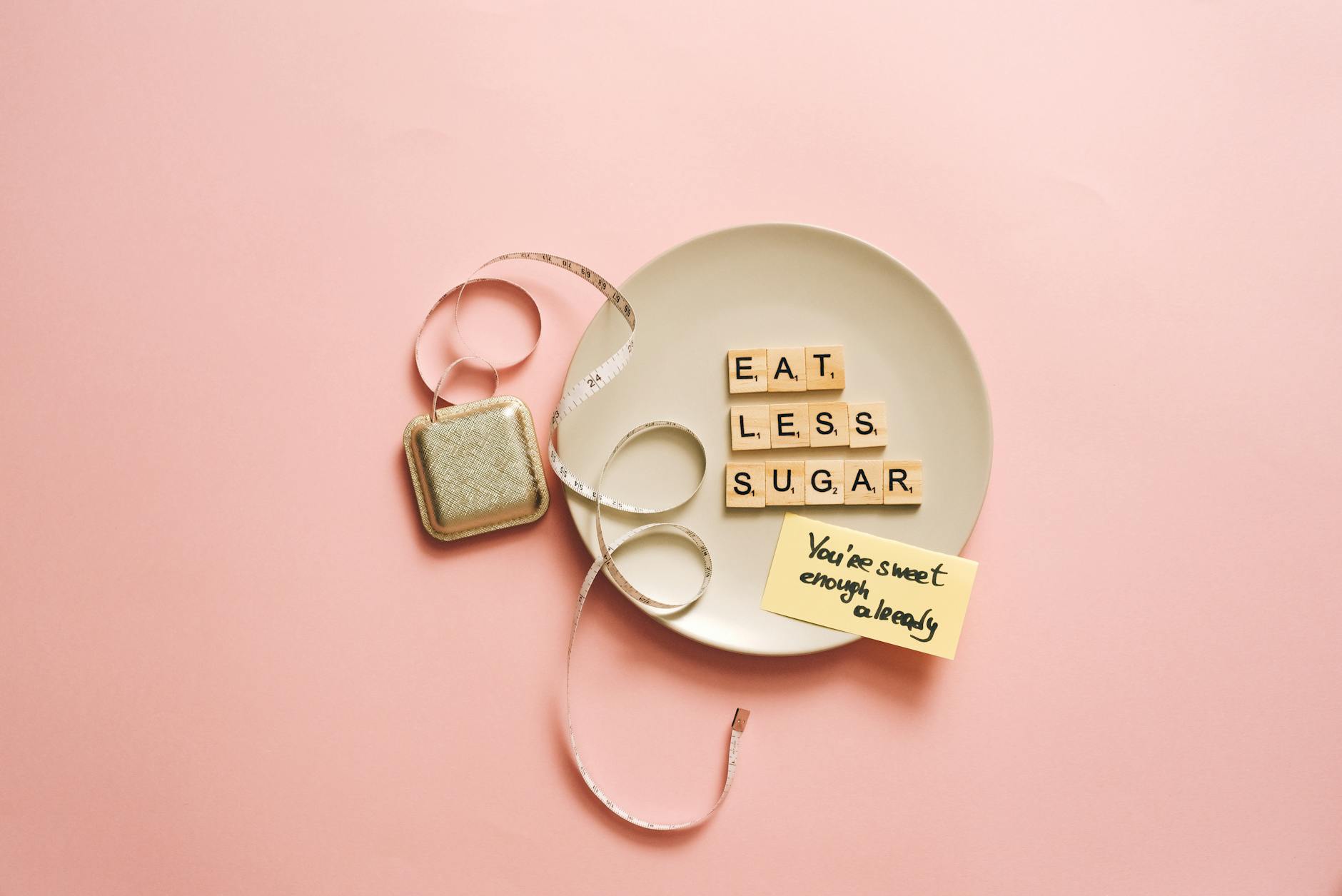
Instructing a child to eat less than their natural appetite suggests sends the message that hunger is something to be suppressed rather than satisfied. Children rely on internal hunger and fullness cues to regulate their intake, and interference with this process can disrupt those cues permanently. Restricting a child’s portions without medical guidance is associated with increased preoccupation with food. Research shows that children who are regularly told to eat less often end up eating more when unsupervised.
“No Wonder You’re Heavy, You Never Exercise”

Connecting weight directly to activity levels in a blaming tone misrepresents the complexity of how bodies function and develop. A child’s weight is influenced by genetics, sleep, stress, hormones, and countless other factors beyond how much they move. This phrase shames children for something they may have very little control over and discourages them from enjoying physical activity for its own sake. Movement should be framed as something enjoyable and energizing rather than a corrective measure for body size.
“Are You Sure You Want That Second Helping?”

Inserting doubt into a child’s decision to satisfy their hunger teaches them to second-guess their body’s natural signals. Children who are in periods of rapid growth often have genuinely elevated caloric needs that require larger portions. Placing adult-centric ideas about portion control onto a growing child is developmentally inappropriate. This type of comment is particularly harmful at shared family meals where food choices are already visible to multiple people.
“You Have Such a Pretty Face Though”

The word “though” in this context implies a contrast and signals to the child that their body is considered a flaw requiring a consolation compliment. Children are perceptive enough to understand that this phrasing is not straightforwardly positive. It communicates that their face is worthy of admiration despite something about their body being undesirable. This conditional style of complimenting reinforces the idea that body size is the most important factor in overall attractiveness.
“I Was Never That Big at Your Age”

Adult comparisons framed around their own childhood bodies introduce generational weight bias into a child’s developing self-image. This statement implies that the child is somehow exceeding a standard and falling short of an expectation. It also overlooks the significant changes in nutrition science, portion norms, and lifestyle that exist between generations. Children who regularly hear this type of remark report feeling inadequate and scrutinized in their own homes.
“Put Down the Snacks and Go Outside”
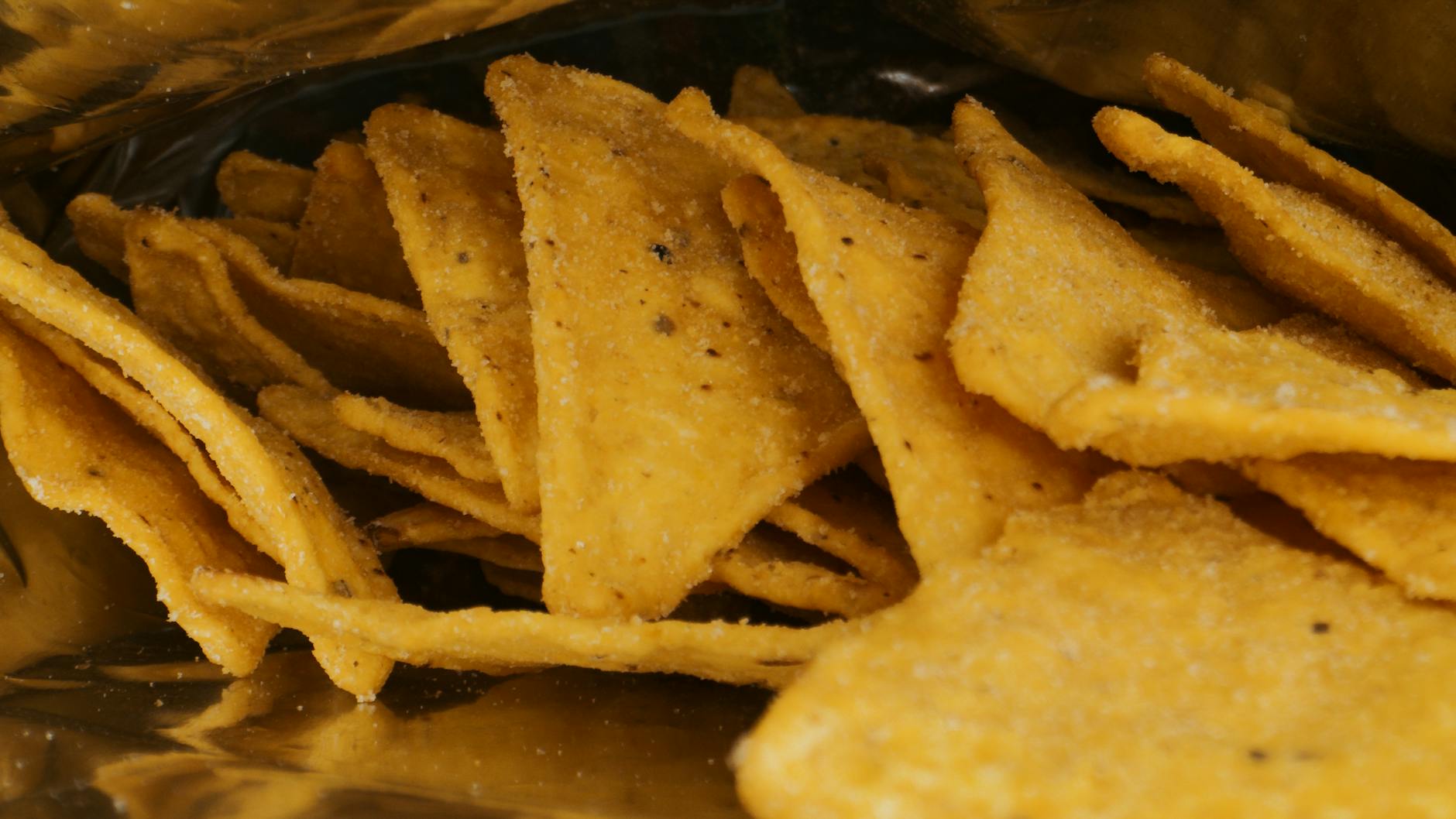
Linking snack food consumption with a directive to exercise sends a punitive message about eating and physical activity alike. Children should be encouraged to move their bodies because it is fun and energizing rather than as a consequence of eating. This phrase teaches children that food intake requires physical compensation, which is a foundational thought pattern in disordered eating. Separating eating and exercise into cause-and-effect sends a damaging message about how bodies should be managed.
“You’ll Thank Me for This When You’re Older”

Framing harmful weight-related comments as future wisdom dismisses a child’s present emotional experience entirely. Children feel the weight of unkind words in the moment and do not have the developmental capacity to contextualize them as well-intentioned. This phrase is often used to justify restrictions or criticism that cause immediate psychological harm. Research suggests that children raised with this dismissive framing struggle more with self-compassion as adults.
“Grandma Made This So You Have to Eat It All”

Forcing a child to eat beyond fullness in the name of politeness overrides their internal satiety signals and introduces guilt around stopping when satisfied. Teaching children that finishing food is an obligation to others rather than a personal choice erodes their autonomy around eating. This pattern of coercive feeding is associated with difficulties recognizing hunger and fullness cues in later life. Children should be taught to eat until comfortably satisfied rather than in response to social pressure.
“You Eat Like a Boy”

Gendering a child’s appetite introduces unnecessary shame around the natural act of eating and imposes restrictive expectations based on gender norms. Girls who hear this often internalize the idea that their appetite is excessive or unfeminine. Boys who hear it framed as a comparison may develop distorted ideas about what is considered an acceptable way to eat. Appetite is a biological function that varies between individuals and has no meaningful relationship to gender.
“You’re Going to Get Diabetes If You Keep Eating Like That”
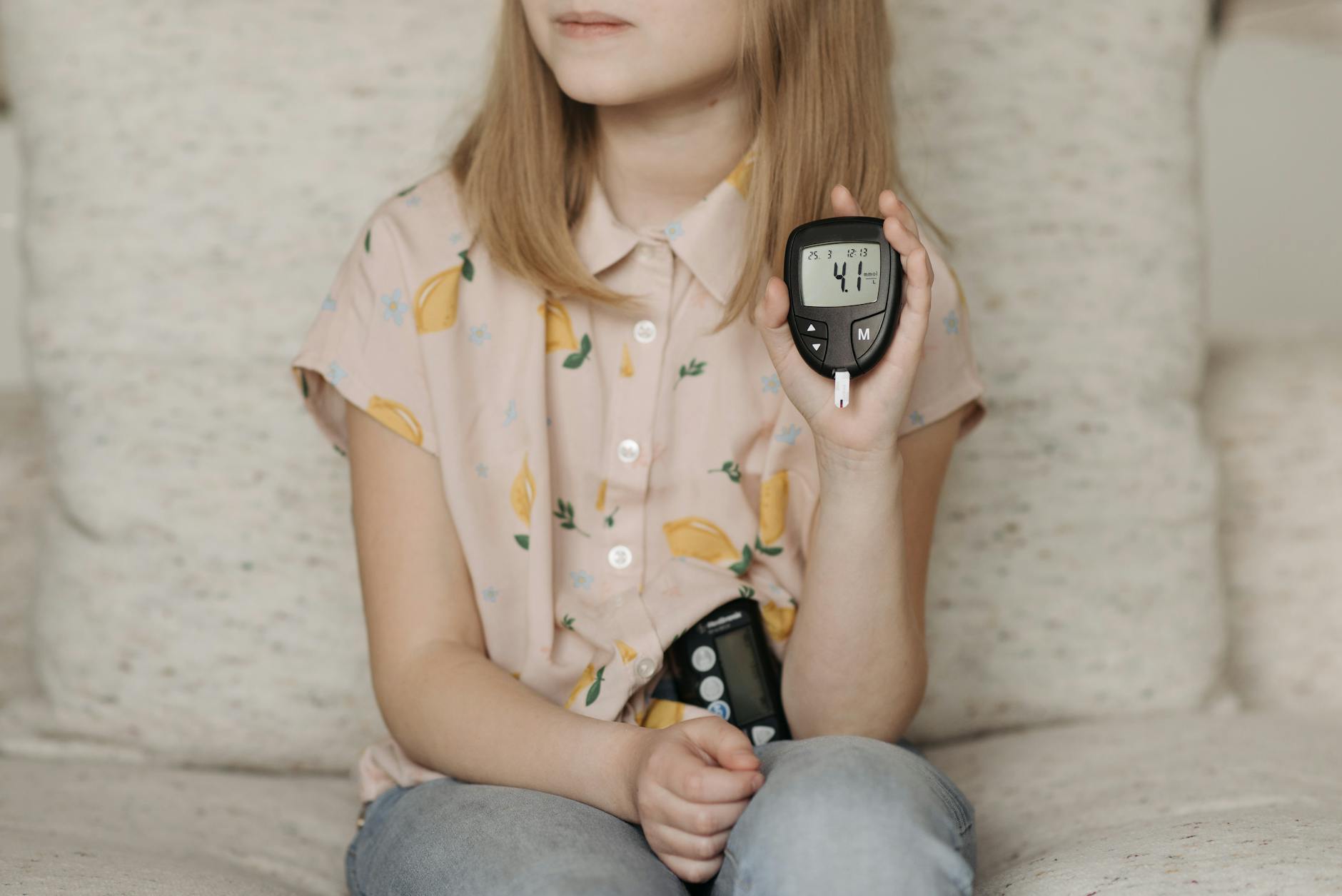
Issuing health threats tied to specific foods or eating behaviors creates fear and anxiety rather than healthy habits. Children who are frightened about the health consequences of eating particular foods often develop obsessive or anxious relationships with food. Medical conversations about nutrition and long-term health belong in a clinical setting with appropriate context and sensitivity. Issuing warnings like this casually at mealtimes causes distress without providing meaningful guidance.
“You’d Run Faster If You Weighed Less”

Connecting athletic performance to body weight in front of a child undermines their confidence in physical activities at a critical developmental stage. Children are still developing their motor skills and athletic abilities, and performance varies for countless reasons unrelated to weight. This type of comment discourages children from participating in sport and movement, which are essential for physical and mental wellbeing. Coaches, parents, and teachers who make these comments often see children disengage from physical activity entirely.
“That Outfit Would Look Better If You Were Thinner”

Conditioning a child’s clothing choices on a particular body size teaches them that their current body is not worthy of nice things or personal expression. Children who internalize this message may avoid wearing clothes they love or expressing themselves through fashion for fear of judgment. Clothing should be chosen for comfort and self-expression rather than as a tool to minimize or alter the perceived size of a body. This type of comment narrows a child’s sense of what they are allowed to enjoy.
“We’re Putting You on a Diet”

Placing children on adult-style calorie-restrictive diets without medical supervision is widely regarded by pediatric nutrition experts as harmful. Children need a consistent supply of nutrients across a wide range of food groups to support healthy physical and cognitive development. Framing dietary restriction as a response to body size introduces shame into the child’s relationship with food at a formative age. Studies consistently show that children placed on diets are more likely to experience weight cycling and disordered eating as teenagers.
“Stop Being So Sensitive, It Was Just a Joke”

Dismissing a child’s emotional response to a body-related comment teaches them that their feelings are an overreaction rather than a valid signal. Children do not yet have the emotional vocabulary to fully articulate why certain comments hurt them, making dismissal especially damaging. When adults frame harmful remarks as humor, children learn to laugh along with content that is causing them internal distress. This disconnect between outward response and internal experience is a well-documented precursor to poor emotional regulation.
“You Should Try Eating Like Your Friend”

Suggesting a child model their eating habits on another child introduces social comparison into a behavior that should be entirely personal and internal. Every child has different caloric needs based on their age, activity level, growth stage, and biology. This type of suggestion implies that the child’s current eating patterns are inferior or incorrect. It also places unfair scrutiny on the friend’s habits and turns ordinary eating into a competitive performance.
“No Dessert Until You Lose Some Weight”

Using dessert as a conditional reward tied to weight loss teaches children that sweet foods must be earned through body-related compliance. This creates a hierarchy of foods in which some items feel forbidden and therefore more psychologically compelling. Children raised with this type of food restriction often report higher levels of preoccupation with sweets and treat foods as adults. Withholding food as a motivational tool is not supported by any credible framework in childhood nutrition or behavioral psychology.
“You’ve Already Had Enough”

Deciding on behalf of a child that they have had sufficient food removes their agency over their own body and erodes trust in their internal signals. Children are capable of recognizing fullness when they are given the opportunity to develop that awareness without interference. Repeatedly overriding a child’s expressed hunger sends the message that adults know their body better than they do. This is one of the most common ways that intuitive eating instincts are disrupted during childhood.
“Look How Flat Her Stomach Is”

Drawing a child’s attention to another person’s body in an admiring way teaches them to assess and compare physical features as a routine exercise. Children who are regularly exposed to this type of commentary begin to evaluate their own bodies and others’ through a critical and comparative lens. Normalizing body scrutiny in conversation makes children feel that their own bodies are always subject to assessment. It also contributes to a culture where thinness is positioned as the most admirable physical trait.
“You’re Too Big to Wear That”

Gatekeeping clothing choices based on body size sends a powerful message that certain styles or garments are privileges reserved for smaller bodies. Children who are told this often carry deep embarrassment about their body’s size into adulthood and restrict their self-expression accordingly. Every child deserves to wear what makes them feel comfortable and confident regardless of their size or shape. Clothing size is a manufacturing standard and has no bearing on a person’s worthiness to dress as they choose.
“I’m Only Saying This Because I Love You”

Prefacing a critical comment about a child’s body with a declaration of love does not soften the impact of the harmful words that follow. Children may come to associate love with scrutiny of their physical appearance, which creates confusion about what healthy relationships feel like. This framing teaches children that people who love them have the right to comment on and critique their bodies. Genuine care for a child’s wellbeing can be communicated in many ways that do not involve referencing their weight at all.
“At Least Try to Control Yourself at the Table”

Framing a child’s eating behavior as a lack of self-control introduces the concept of food-related shame into a shared family environment. Children who are publicly criticized for how they eat at the table feel watched and judged during every meal. This heightened self-consciousness around eating is one of the earliest signs of disordered eating behavior in clinical assessments. Mealtimes should be a relaxed and social experience rather than an opportunity for behavioral critique.
“You’re Going to Struggle to Find a Partner Looking Like That”

Linking romantic prospects to a child’s current body size introduces adult anxieties into a developmental stage where children are still forming their basic sense of self. Children are not equipped to process the implications of this kind of statement in a healthy way. It communicates that their body is an obstacle to love and connection rather than simply a part of who they are. The long-term psychological impact of this type of remark is significant and well-documented across studies in adolescent mental health.
“Back in My Day, Kids Weren’t So Heavy”

Framing generational body differences as evidence of modern failure assigns collective blame to children for complex societal and environmental shifts. Food environments, portion sizes, urban design, and screen culture have changed dramatically across generations for reasons children have no control over. This type of sweeping statement makes children feel personally responsible for trends that are far beyond their individual influence. It also dismisses the unique challenges and pressures that children today face in their relationships with food and movement.
“You’re Such a Picky Eater, No Wonder You Look Like That”

Connecting food preferences to body size conflates two entirely separate aspects of a child’s relationship with eating. Picky eating is a common developmental phase linked to sensory sensitivities and the gradual broadening of food acceptance. Attaching it to body-related commentary doubles the shame a child feels about both their preferences and their appearance. Addressing food variety with patience and positive encouragement is far more effective than criticism in expanding a child’s diet over time.
“Other Kids Your Age Look So Much Healthier”

Defining health through comparisons to other children’s bodies reduces a complex, multidimensional concept to a matter of appearance alone. Health encompasses sleep, emotional wellbeing, energy levels, physical function, and many other factors that are entirely invisible to casual observation. A child who hears this comment may conclude that looking different from their peers is equivalent to being unwell. Children thrive when health is discussed as something they feel rather than something they look like.
The words adults choose when speaking to children about their bodies have the power to either build lifelong confidence or quietly erode it for years to come. Share your thoughts in the comments on how you are creating a more body-positive environment for the children in your life.




