The idea of a “safe” neighborhood is one of the most powerful selling points in real estate and one of the most misunderstood concepts in everyday life. Low crime statistics and quiet streets can create a false sense of security that causes residents to overlook a wide range of genuine risks hiding in plain sight. Safety is far more layered than a neighborhood watch sign or a good school district score suggests. These twenty overlooked factors reveal why the place you call home may carry more hidden risk than you ever realized.
Poor Street Lighting
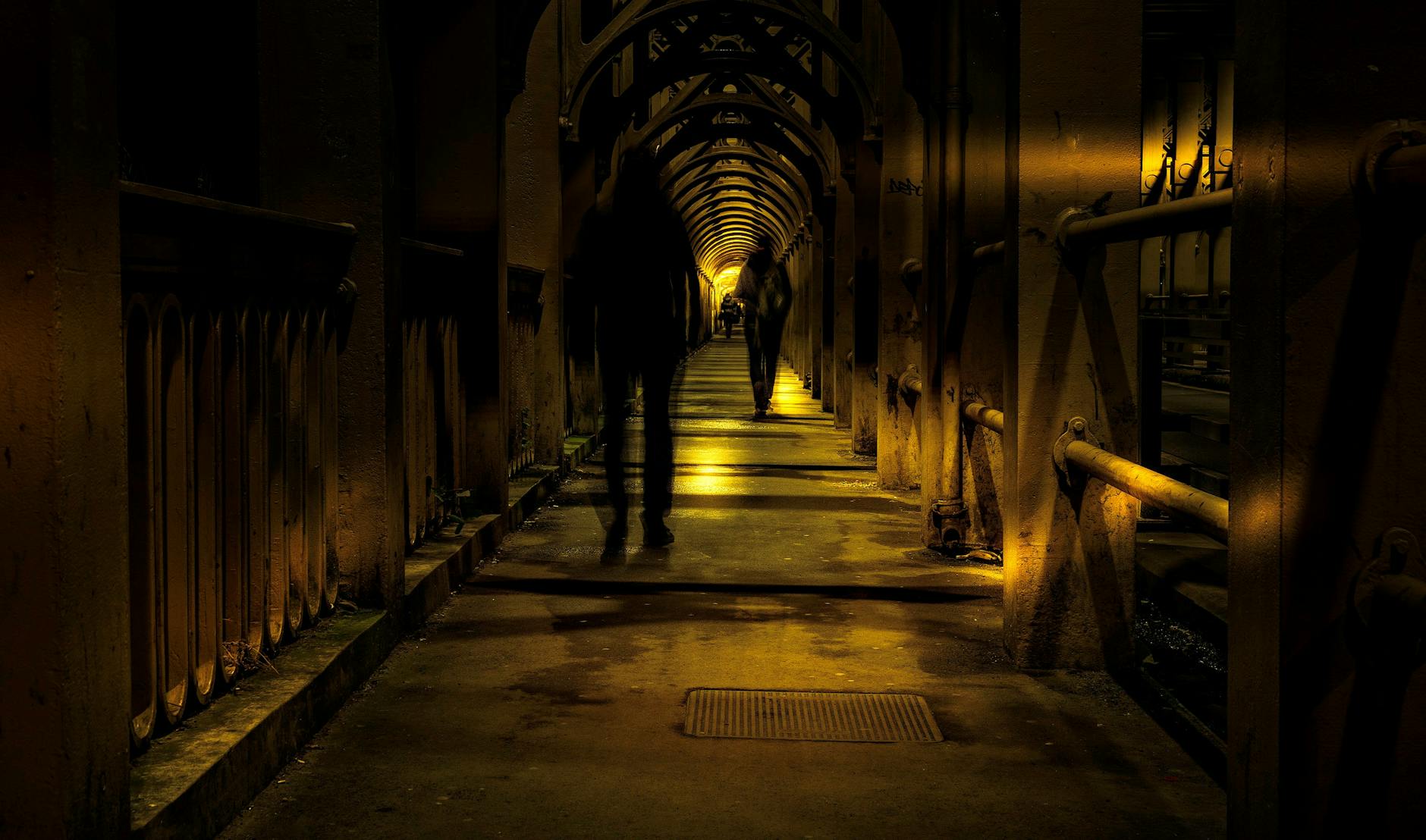
Inadequate street lighting is one of the most consistently underreported safety hazards in residential areas. Dimly lit streets increase the risk of pedestrian accidents, trips and falls, and reduced visibility for drivers navigating through the neighborhood at night. Studies in urban planning consistently link poor lighting to higher rates of opportunistic crime even in otherwise low-crime areas. Many municipalities fall behind on lighting maintenance, leaving entire blocks in partial darkness for months at a time. Residents often adapt to the darkness without registering it as a genuine risk to their daily safety.
Aging Water Infrastructure
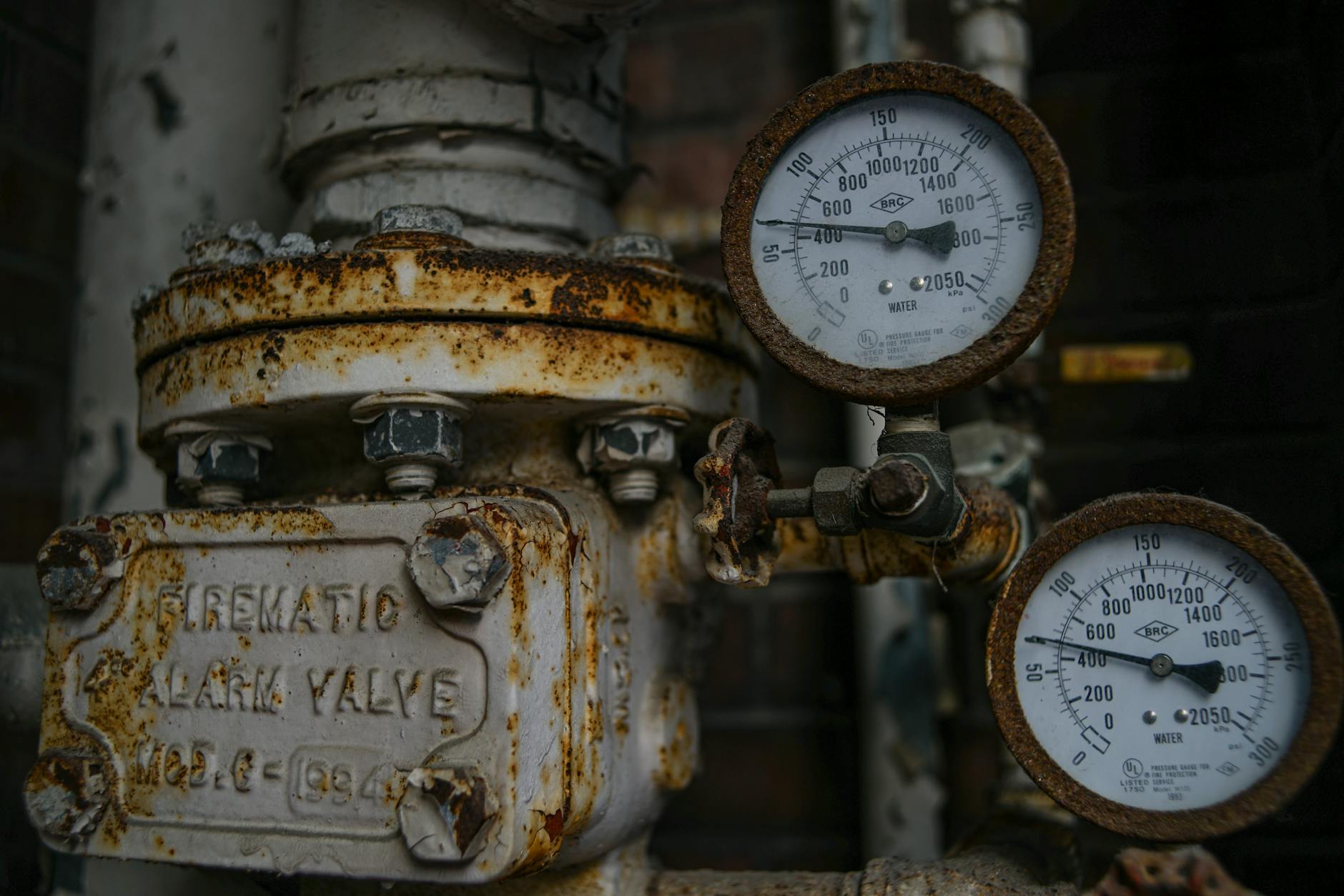
Water pipes in many older neighborhoods are well past their recommended lifespan and may contain lead, corroded metal, or bacterial buildup. Unlike visible hazards, water contamination is invisible and odorless in many cases, making it easy to consume without any immediate warning signs. Communities with aging infrastructure often go years without pipe replacement due to budget constraints at the municipal level. Even neighborhoods that appear affluent and well-maintained can sit on top of water systems installed decades before modern safety standards existed. Regular independent water testing is the only reliable way to know what is actually coming out of the tap.
Flood Zone Proximity
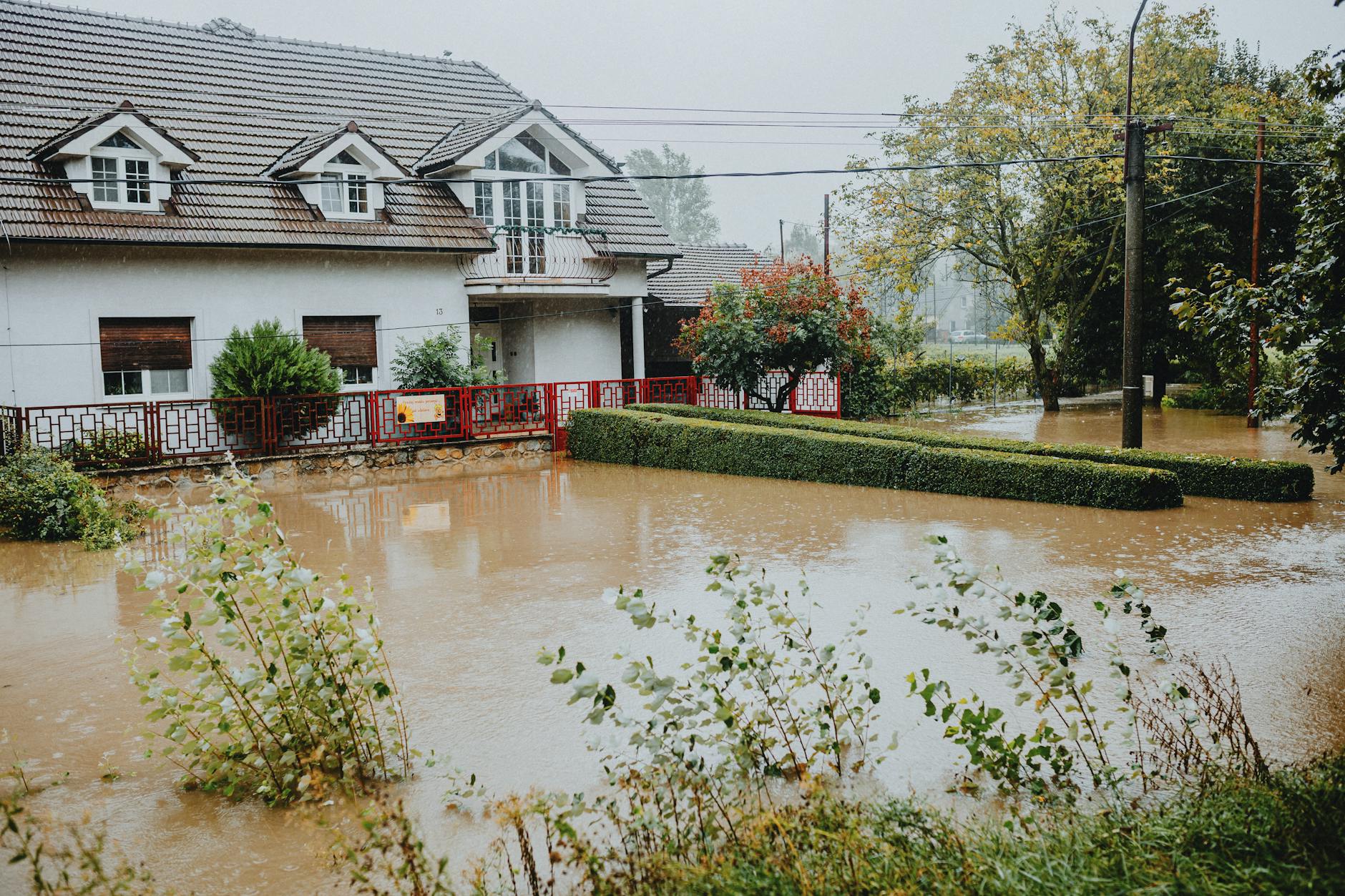
A neighborhood can appear calm and elevated yet still fall within a designated flood zone or an area of emerging flood risk. Climate change has expanded flood-prone areas significantly beyond traditional boundaries, meaning older flood maps may no longer reflect current conditions. Homes in these zones face recurring water damage, mold growth, and structural weakening that compound over time. Flood events are becoming more frequent and more severe in regions that historically experienced them rarely. Many residents are unaware of their flood zone status until disaster strikes and insurance coverage falls short.
Traffic Accident Hotspots
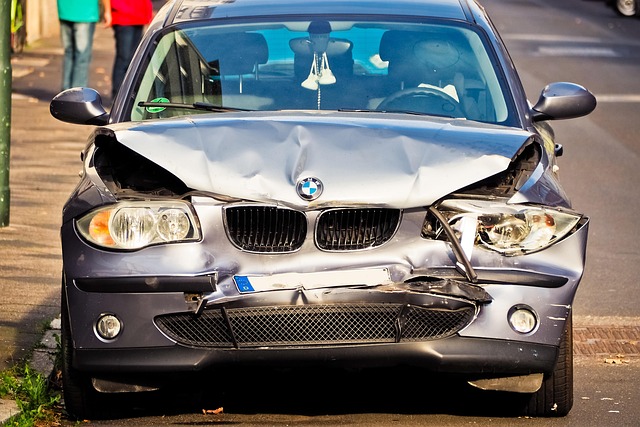
Residential neighborhoods with poor road design, blind intersections, or heavy cut-through traffic experience disproportionately high rates of vehicle accidents. Speeding drivers using side streets to avoid congestion on main roads bring highway-level risks into spaces where children play and pedestrians walk. Many of these streets lack traffic-calming measures such as speed humps, crosswalk markings, or adequate signage. Local accident data is publicly available in most regions but rarely reviewed by homeowners during the buying process. A neighborhood’s proximity to schools, parks, and commercial strips often increases the traffic risk without residents connecting the two.
Radon Gas Exposure
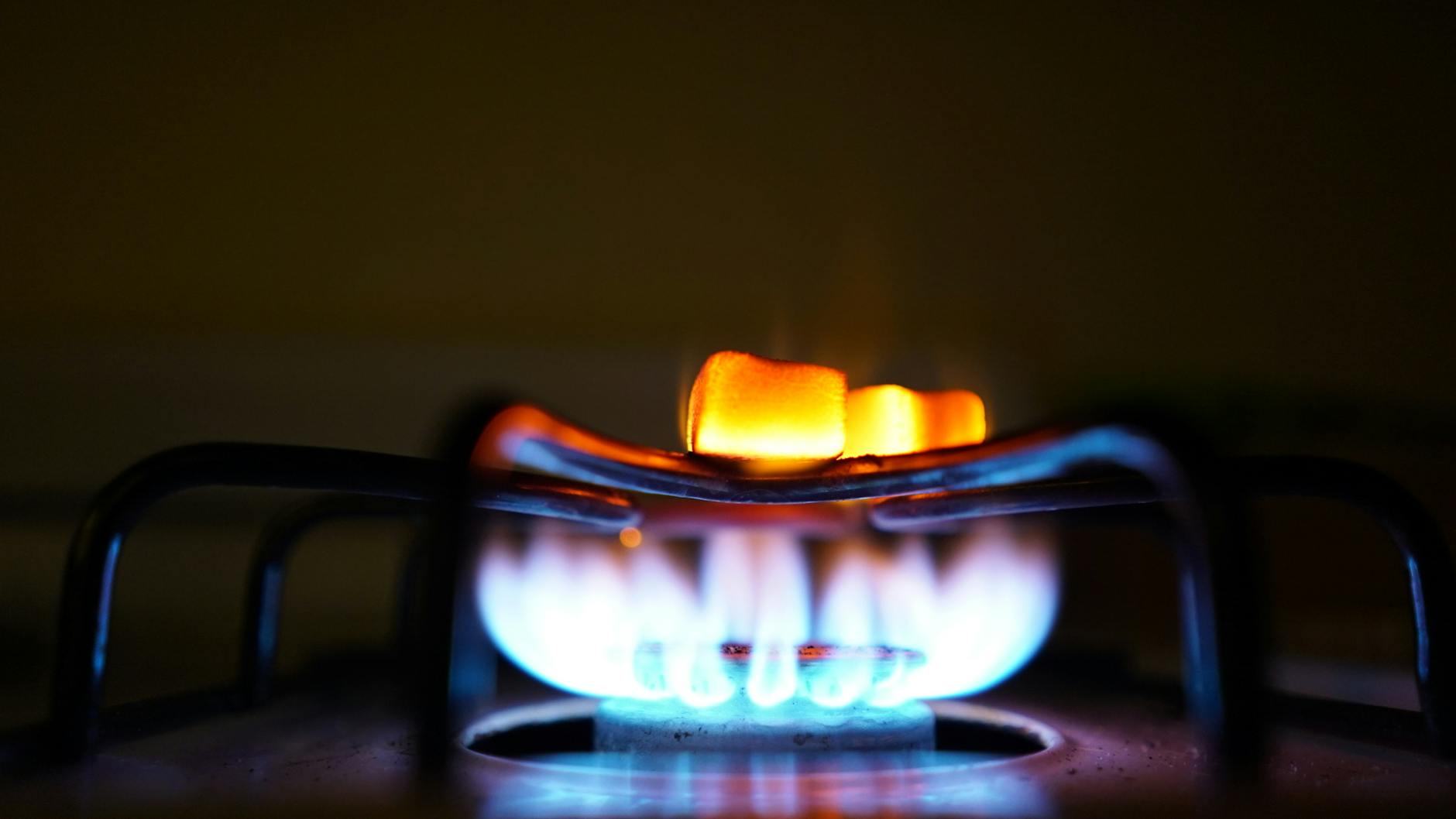
Radon is a naturally occurring radioactive gas that seeps up from the ground into homes through foundation cracks, gaps around pipes, and poorly sealed basements. It is completely colorless and odorless, making it entirely undetectable without a dedicated testing kit. Long-term radon exposure is the second leading cause of lung cancer in several countries, including the United States. Radon levels vary dramatically from one block to the next based on soil composition and geology, meaning a neighbor’s low reading does not guarantee your own home is safe. Testing kits are inexpensive and widely available yet remain an afterthought in most home safety routines.
Wildfire Interface Zones
Many suburban and semi-rural neighborhoods that feel safe and green sit within what fire scientists call the wildland-urban interface. These are areas where residential development meets or intermingles with fire-prone vegetation and open land. Shifts in climate have dramatically extended fire seasons and expanded the geographic reach of wildfire risk across regions that previously had little concern. Homes in these zones face risks not only from direct flames but from ember showers that can travel miles ahead of an active fire front. Standard homeowner insurance increasingly excludes wildfire coverage in these zones, leaving residents financially exposed as well as physically vulnerable.
Mold-Prone Housing Stock
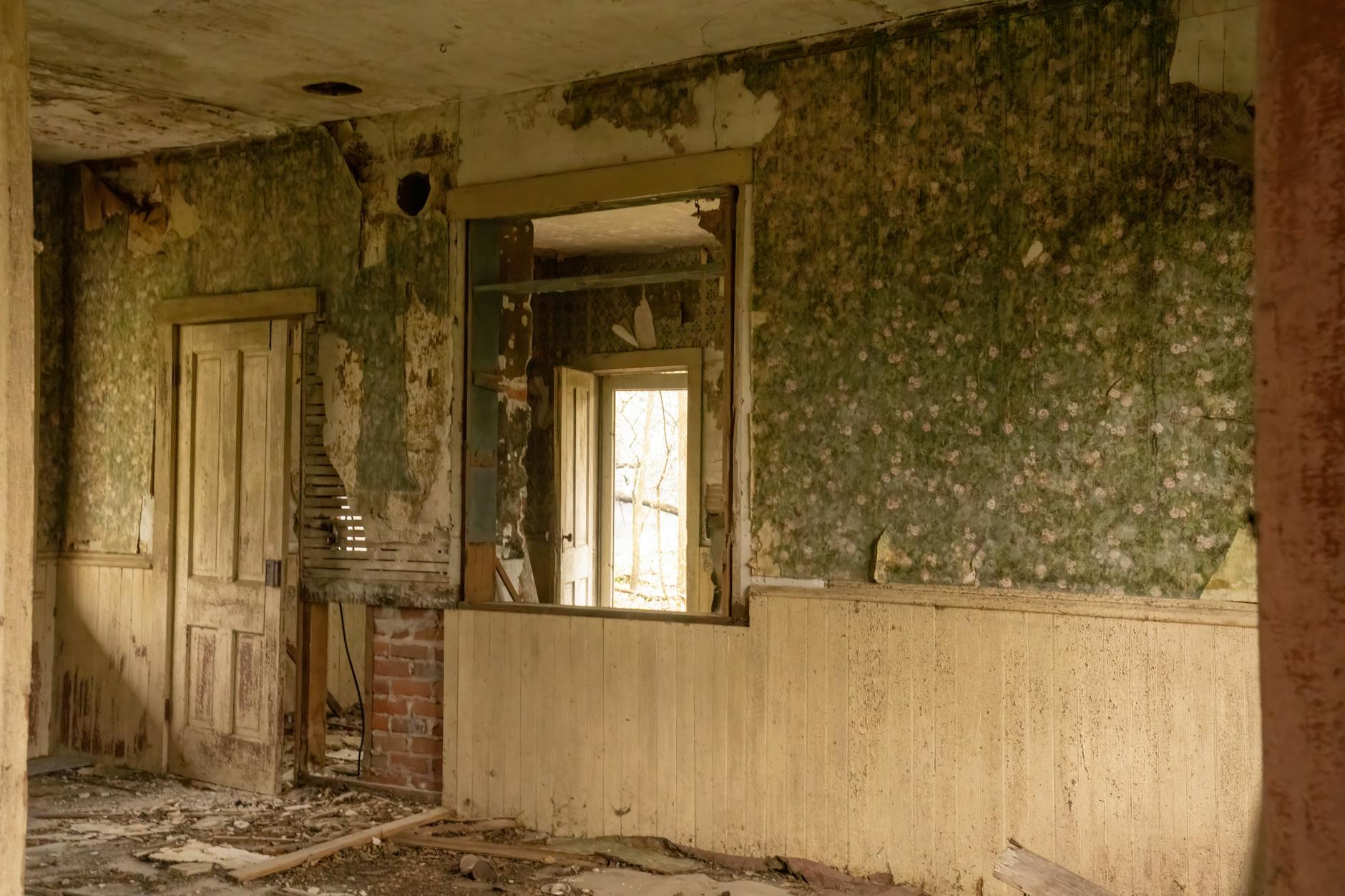
Older housing stock in many established neighborhoods carries a high likelihood of hidden mold growth behind walls, under flooring, and in attic spaces. Mold thrives in conditions created by minor roof leaks, poor ventilation, and historic plumbing issues that were patched rather than properly repaired. Exposure to certain mold strains causes respiratory problems, chronic fatigue, and neurological symptoms that are often misdiagnosed before the source is identified. Mold is commonly discovered only during renovations or home inspections, meaning residents can live with elevated exposure for years. The visual appeal and character of older homes often masks the environmental conditions that allow mold to flourish quietly.
Pesticide Drift from Nearby Agriculture
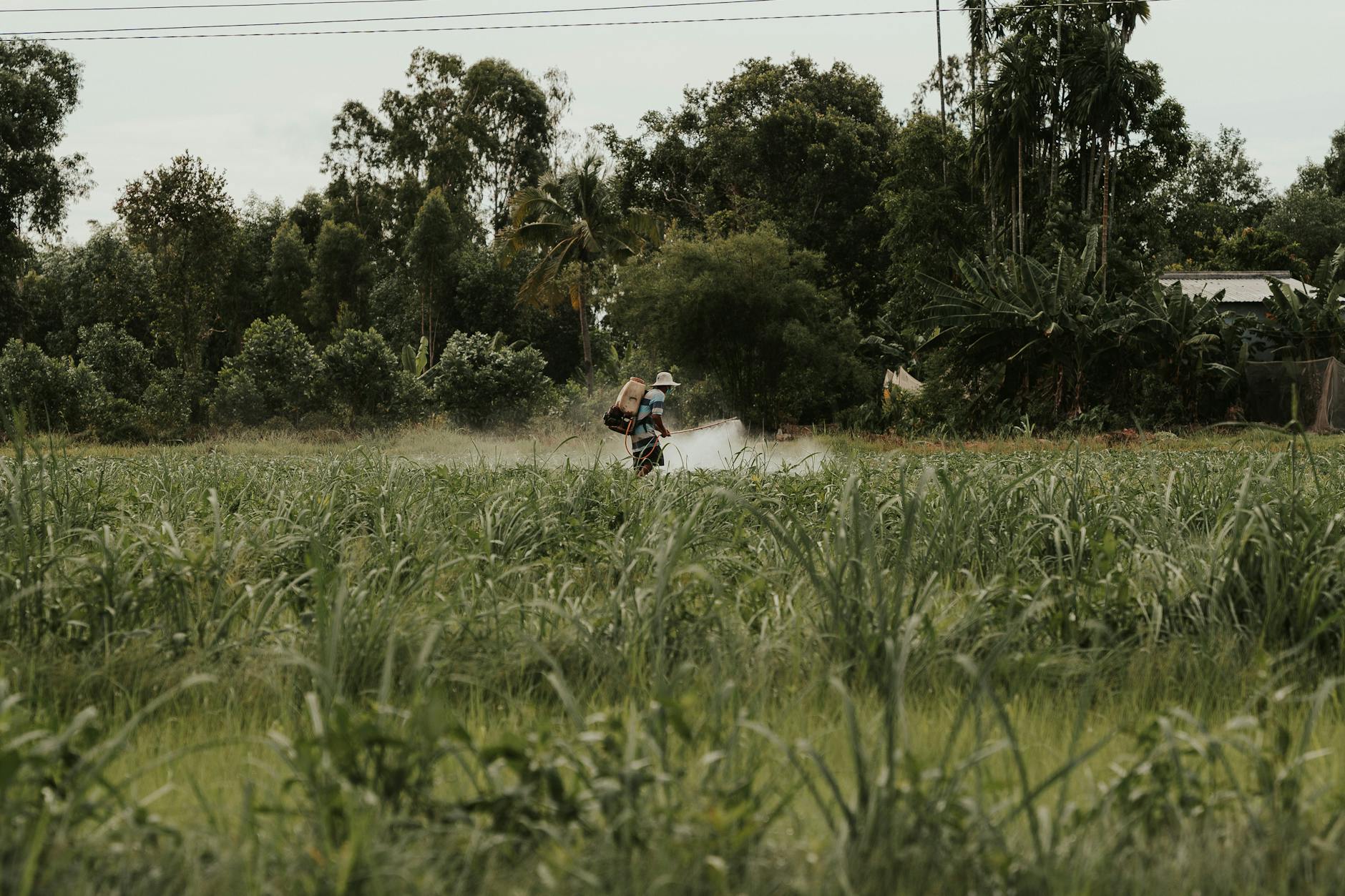
Neighborhoods located near farmland, golf courses, or large landscaped parks may be regularly exposed to pesticide and herbicide applications from those adjacent spaces. Pesticide drift occurs when chemicals become airborne during or after application and travel into residential areas on the wind. Children and pets playing outdoors are particularly vulnerable to ground-level chemical residue that lingers on grass, soil, and surfaces. Many of these chemicals are applied on schedules that are not communicated to nearby residents. Research into long-term low-level pesticide exposure continues to identify links to hormonal disruption, developmental concerns in children, and increased cancer risk.
Poorly Maintained Sidewalks
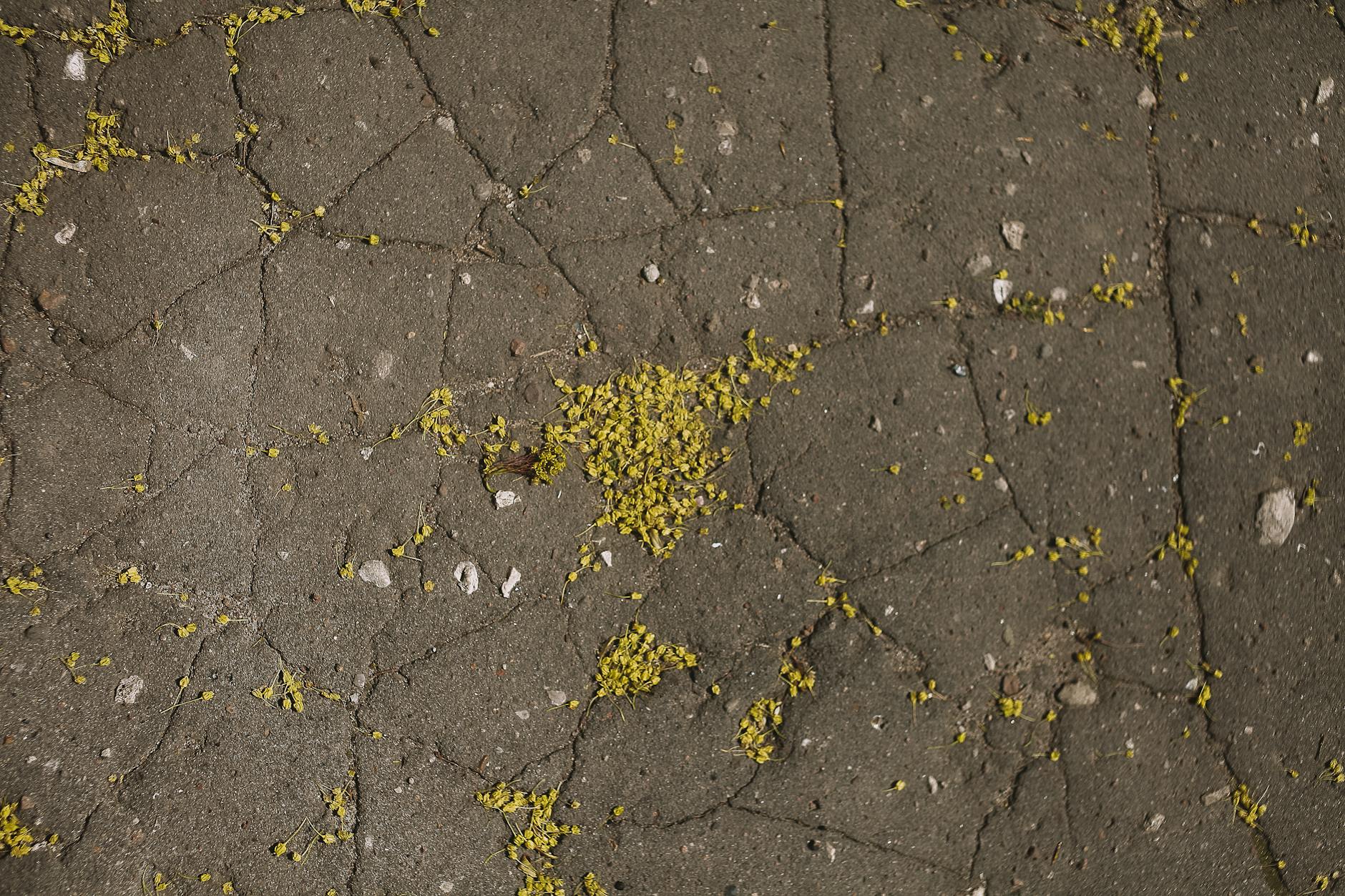
Cracked, uneven, and deteriorating sidewalks are a significant and often invisible injury risk in neighborhoods that otherwise appear well-kept. Falls caused by sidewalk defects send millions of people to emergency rooms each year, with older adults and young children facing the highest risk. Municipal sidewalk repair often moves slowly through bureaucratic processes, leaving dangerous sections unfixed for extended periods. Many residents learn to mentally map the dangerous spots on their daily routes without reporting them formally. The liability situation surrounding sidewalk injuries varies significantly by location and often leaves injured parties without clear recourse.
Electrical Grid Vulnerabilities
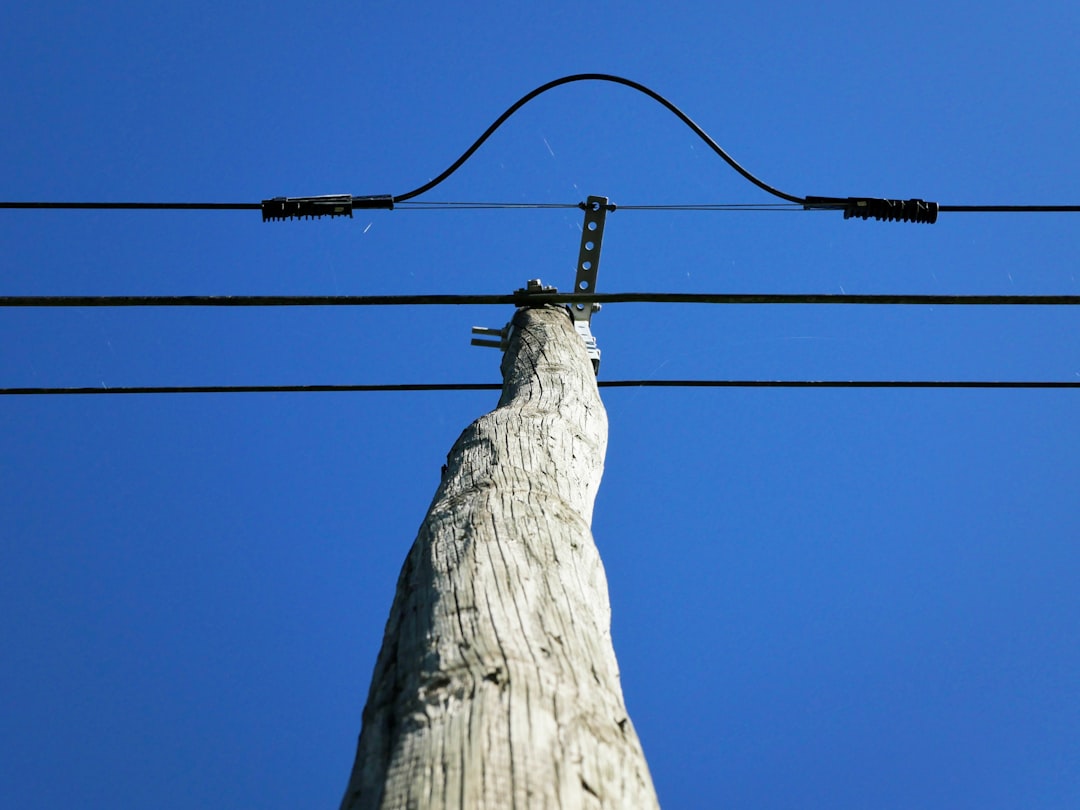
Neighborhoods served by older electrical infrastructure face higher risks of power outages, electrical fires, and equipment failures during peak demand or severe weather. Overhead power lines in tree-lined streets create ongoing hazards as branches grow into lines and storm damage becomes more frequent. Transformer failures and outdated wiring in older homes increase the risk of electrical fires that often start inside walls before becoming visible. Many neighborhoods have not had meaningful electrical grid investment in decades, relying on equipment that was designed for a much earlier era of energy demand. The shift to electric vehicles, home offices, and smart appliances is placing unprecedented strain on infrastructure that was never designed to handle it.
Soil Contamination from Prior Land Use

Residential neighborhoods are frequently built on land that previously served industrial, agricultural, or commercial purposes. Legacy contamination from those prior uses often remains in the soil and groundwater beneath homes, playgrounds, and gardens. Heavy metals like lead and arsenic as well as industrial solvents can persist in soil for generations without being remediated. Children who play in contaminated yards or ingest soil during normal outdoor activity face elevated health risks that are difficult to trace back to their source. Property records and historical land use maps are available in most jurisdictions but are rarely consulted by homeowners after purchase.
Overloaded Emergency Response Systems
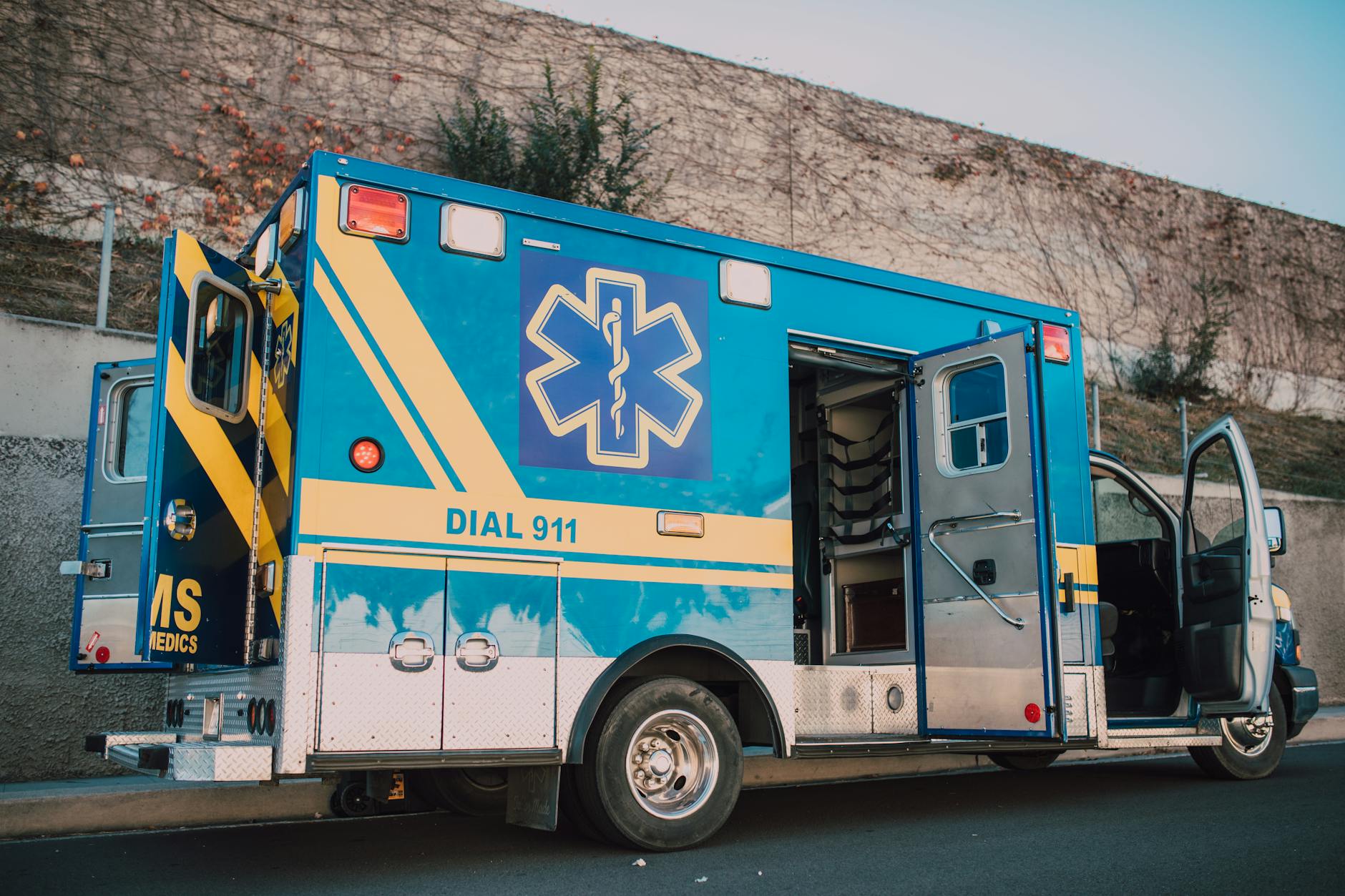
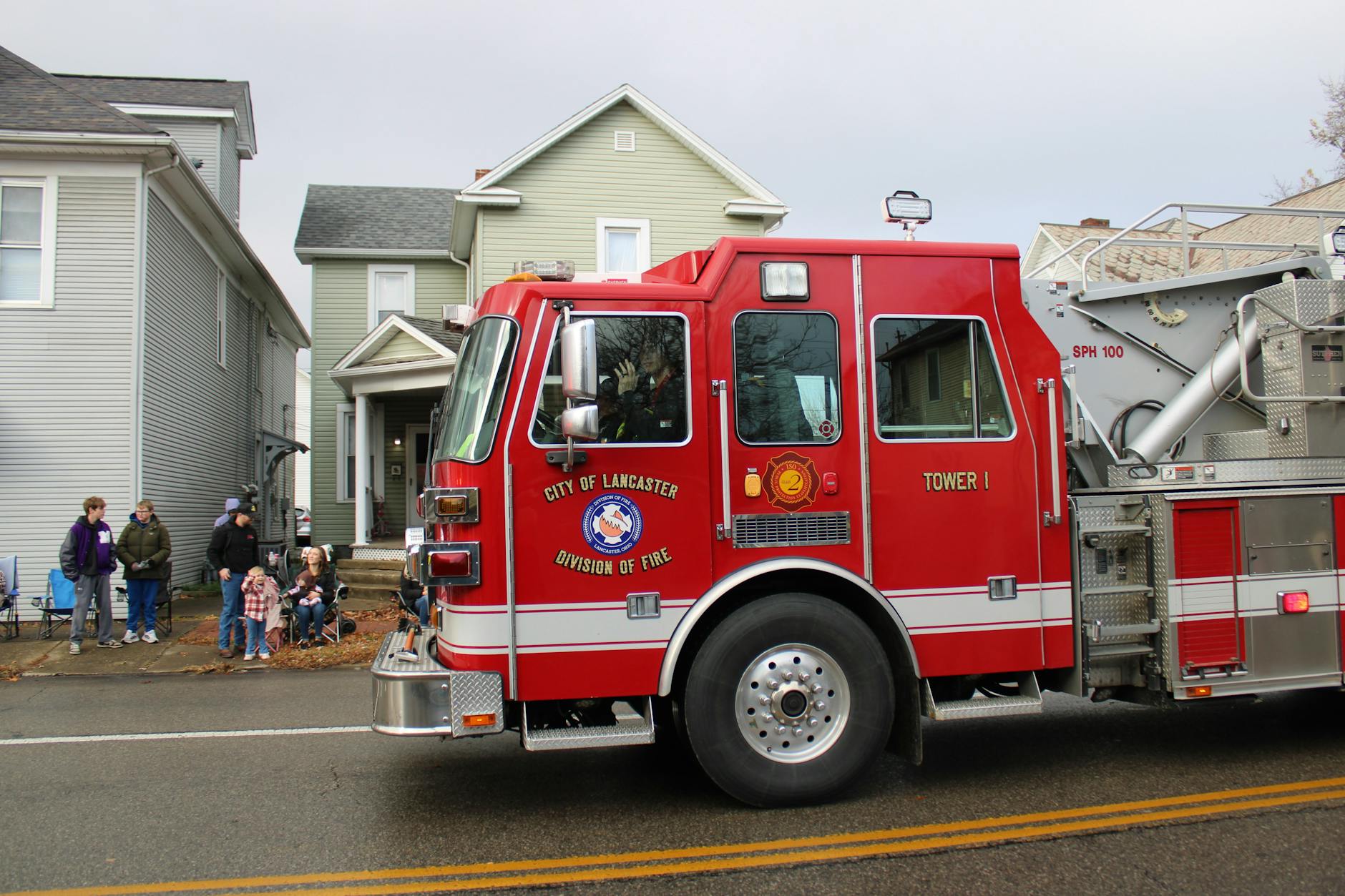
A neighborhood may feel safe partly because of assumed access to fast emergency response, yet that assumption does not always reflect operational reality. Fire stations, ambulance services, and police departments in many communities are significantly understaffed relative to the population they serve. Response time data is publicly available in most regions and often tells a very different story than residents expect. Distance from the nearest fire station is a direct variable in how much damage a house fire causes before it is brought under control. In growing suburban areas, housing development frequently outpaces the expansion of emergency services, quietly extending response times year after year.
Noise Pollution and Sleep Disruption

Chronic exposure to ambient noise from traffic, aircraft flight paths, rail lines, or commercial activity has measurable effects on cardiovascular health and cognitive function over time. Noise-related sleep disruption is particularly harmful because its accumulation is gradual and easy to dismiss as something a person simply adjusts to. Research consistently links long-term noise exposure to elevated blood pressure, increased stress hormone levels, and heightened risk of heart disease. Many neighborhoods that feel safe and livable sit directly beneath busy flight corridors or near highway interchanges where noise levels exceed recommended thresholds. Sound maps and flight path data are publicly accessible tools that are rarely used during the neighborhood evaluation process.
Heat Island Effects

Dense residential neighborhoods with significant pavement coverage, limited tree canopy, and dark roofing materials experience the urban heat island effect at a local scale. During extreme heat events, surface temperatures in these areas can exceed surrounding regions by several degrees, increasing the risk of heat exhaustion and heatstroke for vulnerable residents. Heat-related illness disproportionately affects older adults, infants, outdoor workers, and people without access to air conditioning. The relationship between neighborhood design and dangerous heat accumulation is well-documented in public health literature but poorly communicated to residents. As extreme heat events become more frequent globally, neighborhoods without shade infrastructure and cool surfaces face a growing and underappreciated risk.
Carbon Monoxide Sources
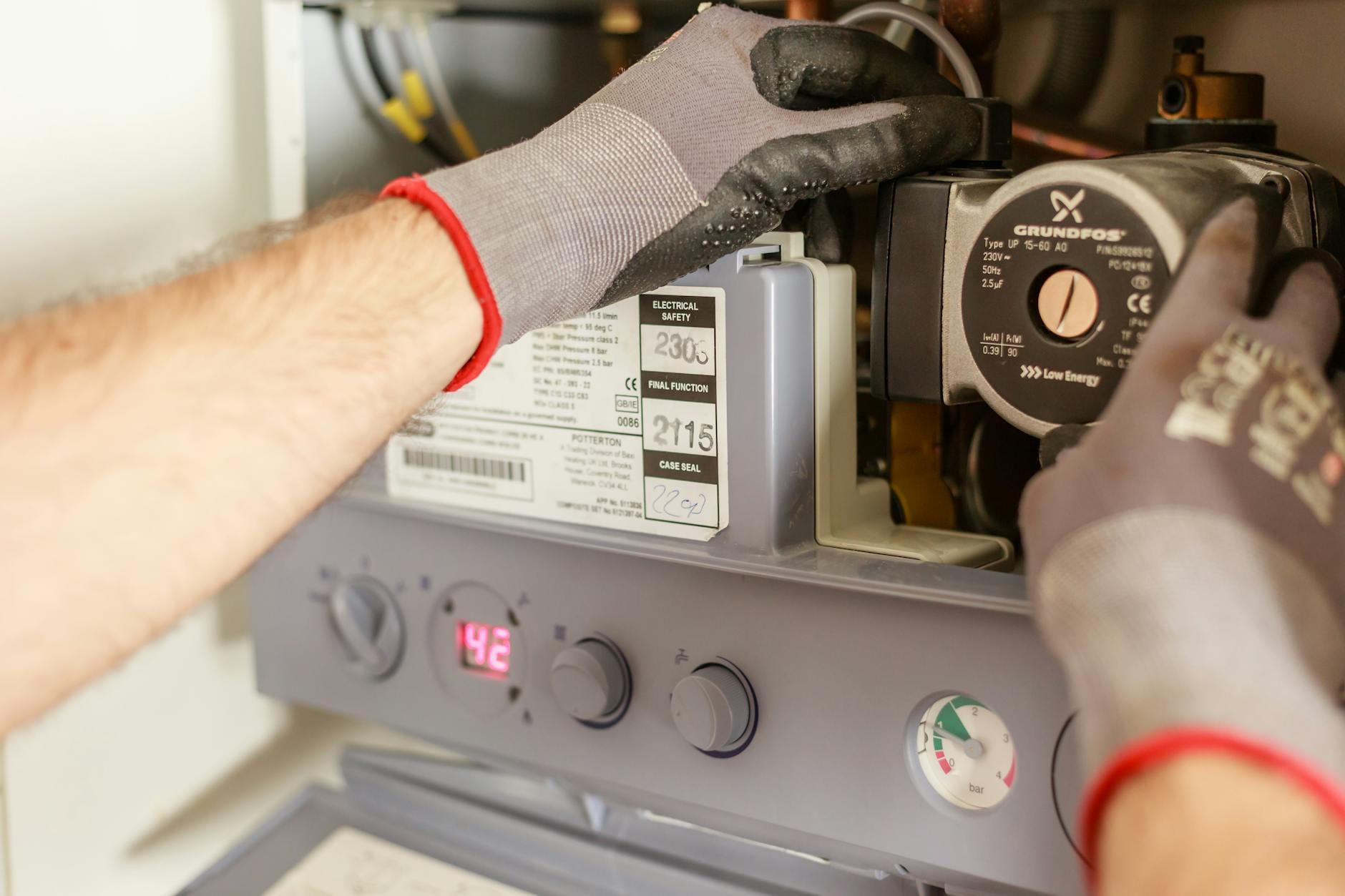
Carbon monoxide is an odorless and colorless gas produced by malfunctioning heating systems, attached garages, generators, and gas appliances. It causes hundreds of deaths and thousands of hospitalizations annually, the majority of which occur in private residences. Many older homes lack sufficient carbon monoxide detectors, and residents in these homes may go years without ever testing the air quality they breathe daily. Common triggers include the first cold-weather use of a furnace after months of inactivity, improper ventilation of a running vehicle in an attached garage, and the indoor use of charcoal or propane equipment during power outages. Detector placement and regular replacement of units older than five to seven years are essential practices that are widely neglected.
Proximity to High-Voltage Power Lines
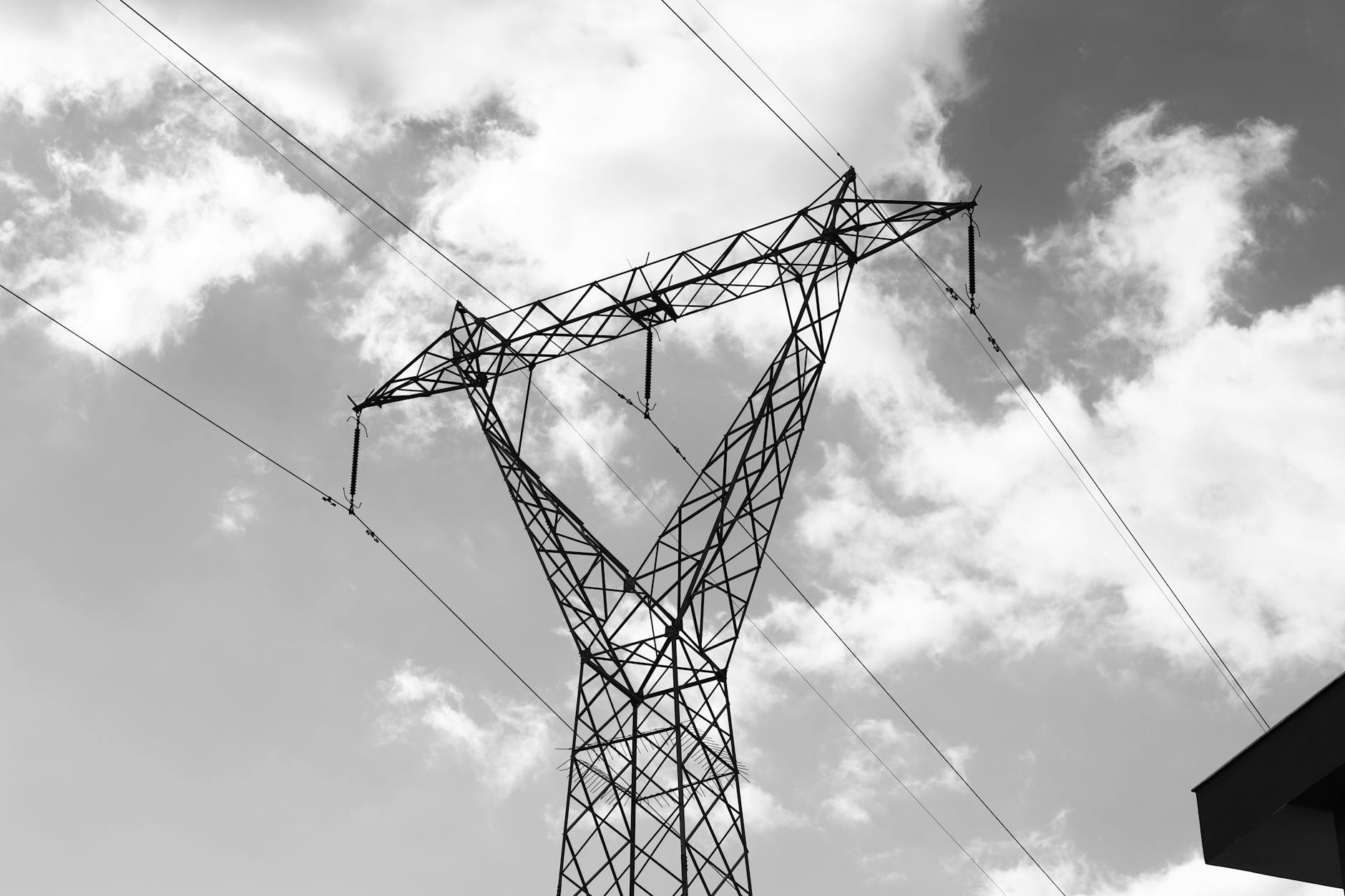
Living near high-voltage transmission lines exposes residents to electromagnetic fields whose long-term health implications remain an active area of scientific research. Property near these lines often sells at a discount that buyers interpret as value, without fully considering why the discount exists. Beyond health questions, high-voltage lines present direct physical hazards during storm events, including line failures, fallen towers, and electrical arcing. Emergency exclusion zones around downed high-voltage lines extend much farther than most residents realize, making them particularly dangerous for people who approach without understanding the risk. Many residents living under or near transmission corridors have never been formally informed about evacuation procedures or emergency protocols specific to line failures.
Inadequate Stormwater Management
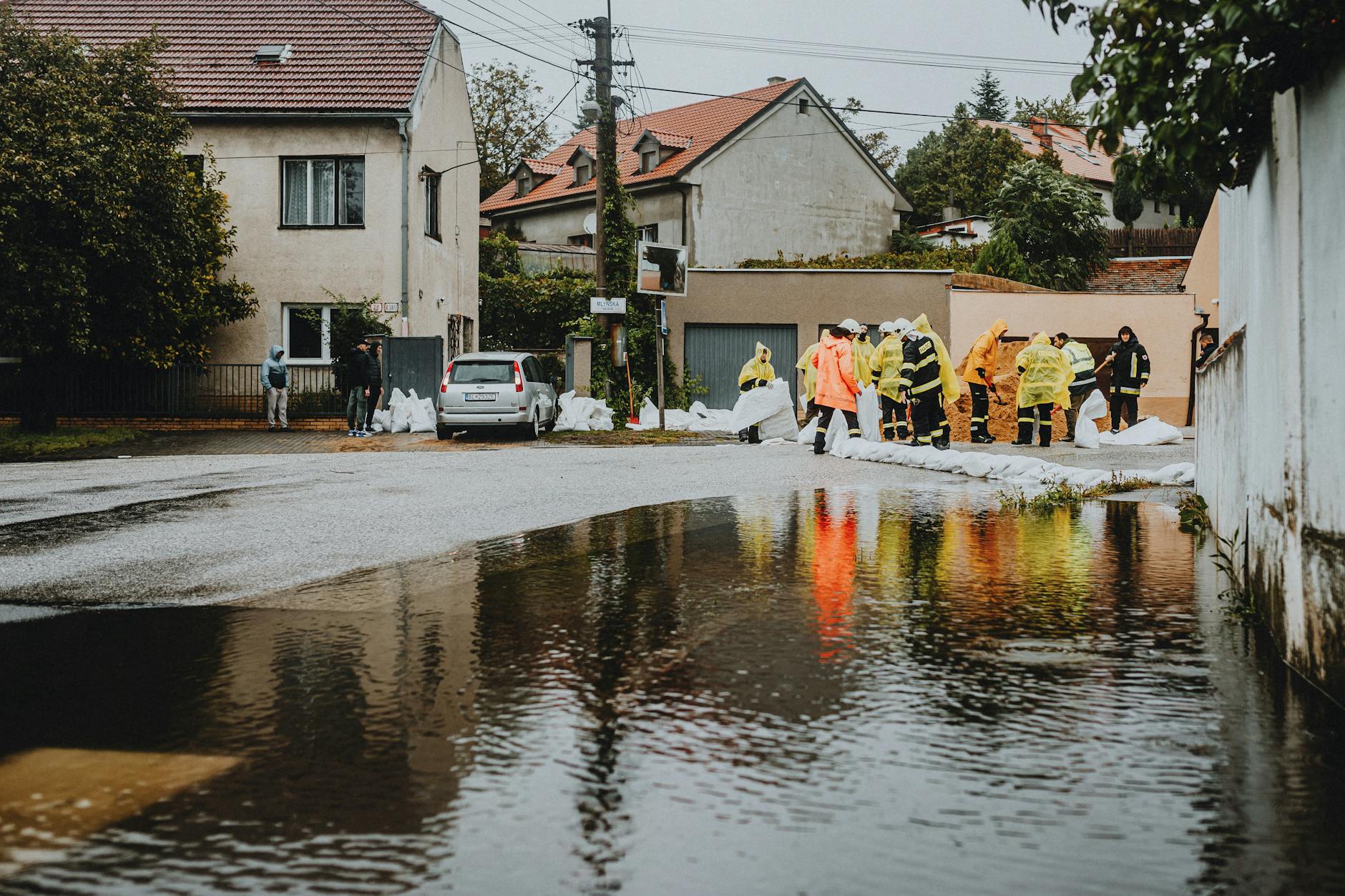
Neighborhoods built without modern stormwater management systems struggle to handle the runoff generated by heavy rainfall events that are becoming more intense and more frequent. When drainage systems are overwhelmed, basements flood, roads become impassable, and sewage can backflow into residential properties in combined sewer systems. Standing water after storms creates breeding conditions for mosquitoes carrying diseases including West Nile virus and, in some regions, dengue fever. Stormwater that flows into local streams and parks after picking up oil, fertilizer, and waste from residential surfaces creates environmental hazards that affect the health of the broader community. Many residents associate storm-related flooding with dramatic weather events rather than recognizing it as a systemic infrastructure failure in their own neighborhood.
Social Isolation Patterns
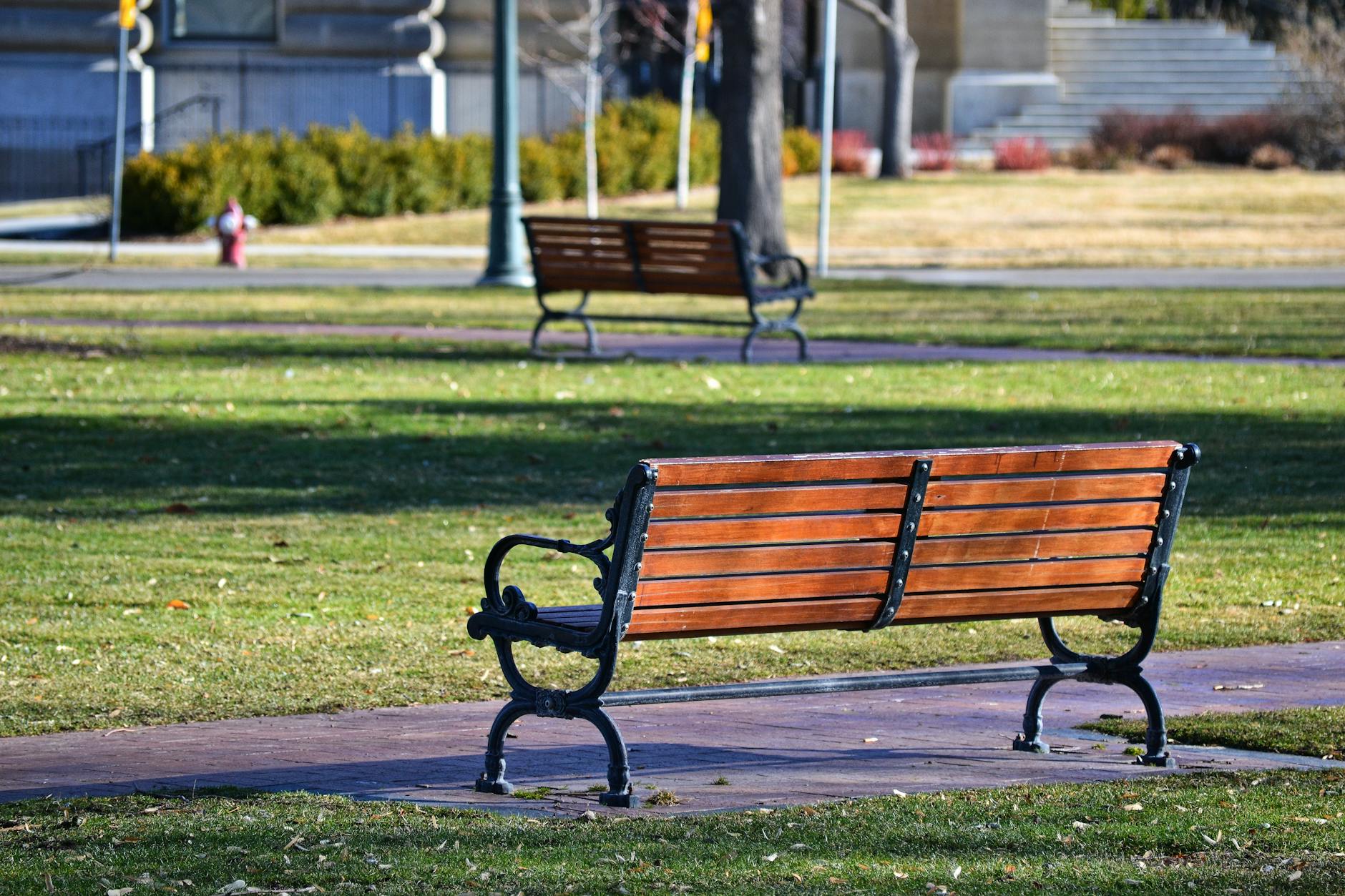
Physical safety is only one dimension of neighborhood wellbeing and research into public health consistently shows that social isolation is a significant risk factor for mental and physical health decline. Neighborhoods designed around car dependence, with no walkable gathering spaces or public amenities, often produce high rates of resident isolation even when they appear stable and orderly. Older adults aging in place in low-density suburban neighborhoods frequently lose access to transportation and social connection simultaneously, with limited community support structures to compensate. The absence of strong neighborhood social ties also has documented effects on collective safety outcomes, as communities with low social cohesion respond more slowly to emerging threats and emergencies. A neighborhood that looks pristine on a Saturday afternoon can still be deeply isolating in ways that affect the long-term health of the people living in it.
Indoor Air Quality from Building Materials
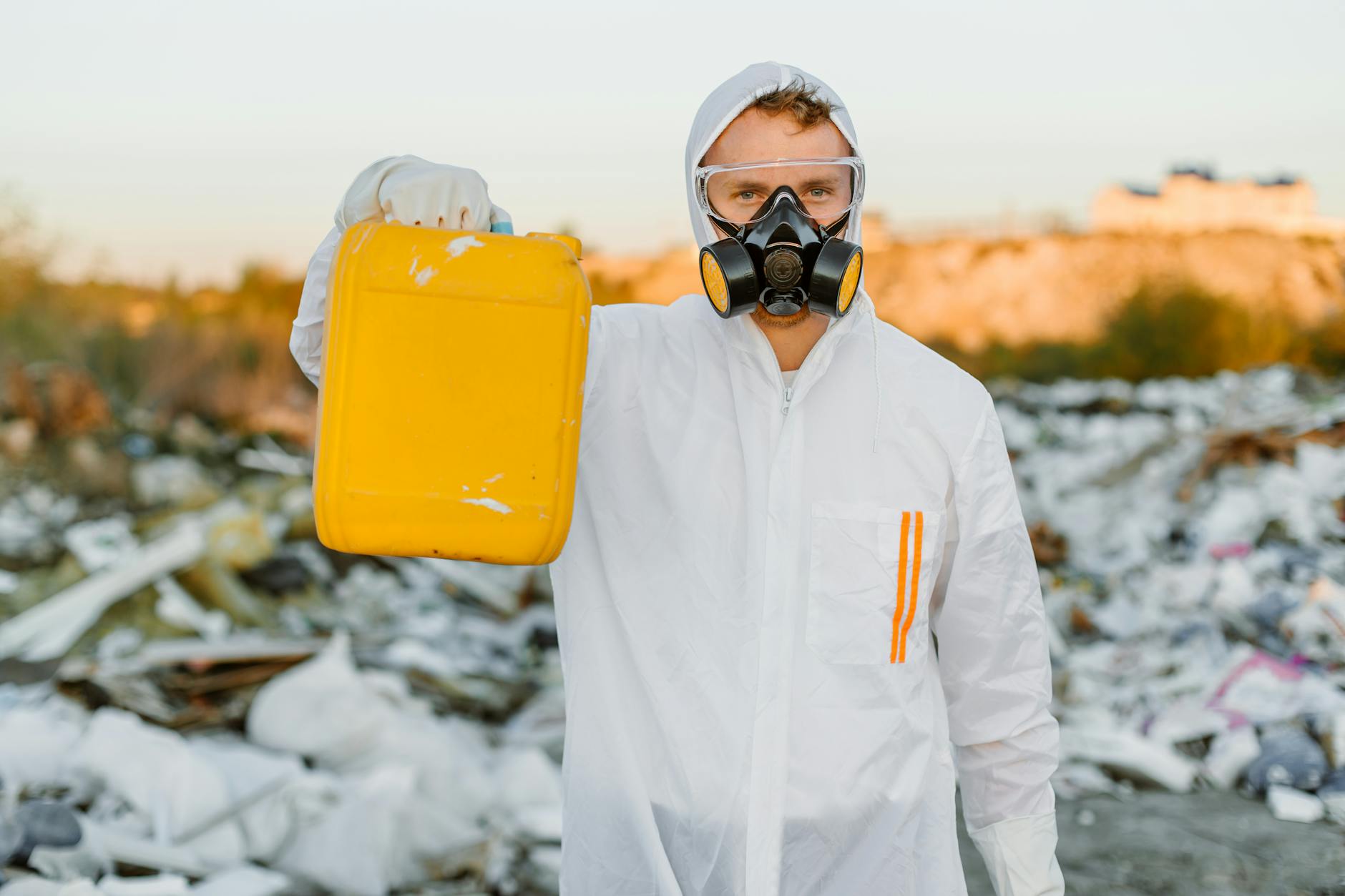
Homes built or renovated during certain decades contain building materials that off-gas volatile organic compounds and other airborne toxins into the indoor environment over time. Formaldehyde from pressed wood products, benzene from certain paints and adhesives, and asbestos from insulation and flooring materials in older constructions are among the most studied concerns. Indoor air quality in a tightly sealed modern home can be several times worse than outdoor air quality in the same area. The problem is amplified in energy-efficient homes that limit natural ventilation in the interest of reducing heating and cooling costs. Most residents never test their indoor air quality, meaning exposure continues across years and sometimes decades without any awareness of the source.
Lack of Emergency Preparedness Infrastructure

A neighborhood’s true safety profile includes how well-prepared it is to function when normal systems fail, and most residential areas score poorly on this measure. Gaps in community emergency planning, insufficient public shelter capacity, and a lack of neighborhood-level response coordination leave residents reliant entirely on municipal systems that can be overwhelmed quickly during major events. Areas without redundant communication systems face significant challenges during power outages when cellular networks become congested or fail. The assumption that emergency services will always be accessible within minutes is a comfort that recent large-scale disasters have repeatedly challenged. Communities that have invested in preparedness education, neighborhood response networks, and local emergency supply resources consistently fare better when crises emerge than those that have not.
Share your own experiences or hidden hazards you have noticed in your neighborhood in the comments.




