The global detox tea market generates billions of dollars each year by selling the promise of cleansing, weight loss, and glowing health in a convenient cup. Despite the polished marketing and celebrity endorsements, the scientific and medical communities have repeatedly challenged the core claims behind these products. Regulatory agencies across multiple countries have issued warnings, pulled products from shelves, and fined companies for misleading consumers. Understanding exactly why these teas fail to deliver and what risks they carry is essential knowledge for any health-conscious consumer.
Your Liver and Kidneys Already Do the Job

The human body comes equipped with a highly sophisticated detoxification system that operates around the clock. The liver filters toxins from the bloodstream and converts harmful substances into compounds the body can safely eliminate. The kidneys then flush those processed waste products out through urine with remarkable efficiency. No external tea or supplement is capable of improving or accelerating this biological process in a healthy individual. Claiming that a beverage can “detox” the body fundamentally misrepresents how human physiology works.
The Word “Detox” Has No Medical Definition
In clinical medicine, detoxification refers specifically to medically supervised treatment for alcohol or drug dependency. Outside of that context, the word has no agreed-upon scientific meaning when applied to food, beverages, or supplements. Marketing teams adopted the term because it sounds authoritative and health-adjacent without requiring any proof of mechanism. Regulatory bodies in countries like the UK have explicitly stated that no food or drink product can legally claim to detoxify the body. The vagueness of the term is precisely what makes it so useful for selling products with unverifiable claims.
Senna Is a Laxative, Not a Cleanser

Many detox teas contain senna, a plant-derived compound that is an FDA-approved over-the-counter laxative for short-term constipation relief. When consumed as part of a tea marketed for weight loss or cleansing, senna causes the intestines to contract rapidly and expel contents. Any weight lost is entirely water weight and the contents of the digestive tract, not fat tissue. Prolonged or frequent use of senna can cause dependency, where the bowel becomes unable to function normally without stimulation. Gastroenterologists have documented cases of severe electrolyte imbalances and chronic digestive damage linked to habitual senna consumption.
They Exploit the Language of Wellness

Detox tea brands consistently use language borrowed from legitimate nutrition science to appear credible. Terms like “antioxidant-rich,” “gut-supporting,” and “metabolic boost” are deployed without clinical evidence to back their specific product formulations. These phrases create an impression of scientific validity while remaining vague enough to avoid direct regulatory scrutiny. The wellness industry as a whole has been criticized by researchers for using this kind of aspirational pseudoscientific language. Consumers who are unfamiliar with how clinical claims are verified are particularly vulnerable to this type of messaging.
Electrolyte Imbalance Is a Serious Medical Risk

Repeated use of laxative-based detox teas strips the body of essential electrolytes including potassium, sodium, and magnesium. Electrolytes regulate heart rhythm, muscle function, and fluid balance throughout the body. Critically low potassium levels, a condition known as hypokalemia, can cause muscle weakness, fatigue, and in severe cases cardiac arrhythmia. Emergency departments have treated patients whose electrolyte panels were dangerously disrupted following detox tea regimens. Athletes and people with existing heart or kidney conditions face a heightened level of risk from these products.
Influencer Marketing Hides the Fine Print

Social media has become the primary channel through which detox teas reach new audiences, particularly young women between the ages of 18 and 35. Influencers with millions of followers post curated images promoting these products in exchange for payment or free merchandise. In many early campaigns, the commercial nature of these posts was not disclosed, which regulators in the United States and United Kingdom subsequently penalized. The aspirational lifestyles portrayed alongside these products create an emotional association between the tea and an idealized body or life. Academic research on influencer health marketing has consistently found that these promotions significantly increase consumer intent to purchase regardless of product efficacy.
Weight Loss Claims Are Not Supported by Evidence

No peer-reviewed clinical trial has demonstrated that any detox tea produces meaningful or sustained fat loss. The weight reduction users sometimes observe in the short term is attributable to water loss and intestinal emptying rather than any metabolic change. Once normal eating and hydration resume, this weight returns almost immediately. Registered dietitians have repeatedly pointed out that no tea can alter the fundamental energy balance equation that governs body weight. Regulatory agencies including the FTC have taken action against companies making weight loss claims without substantiated evidence.
They Often Contain Undisclosed Ingredients

Independent laboratory testing of detox tea products has found ingredients not listed on packaging labels. Some analyses have detected traces of pharmaceutical compounds, pesticide residues, and undeclared herbal substances in products marketed as natural. The supplement industry operates under less rigorous pre-market testing requirements than pharmaceutical drugs in many countries, including the United States. This regulatory gap means that manufacturers are largely responsible for self-policing the accuracy of their ingredient lists. Consumers have no reliable way of knowing exactly what they are ingesting when they purchase these products.
The “Bloat Reduction” Effect Is Misleading
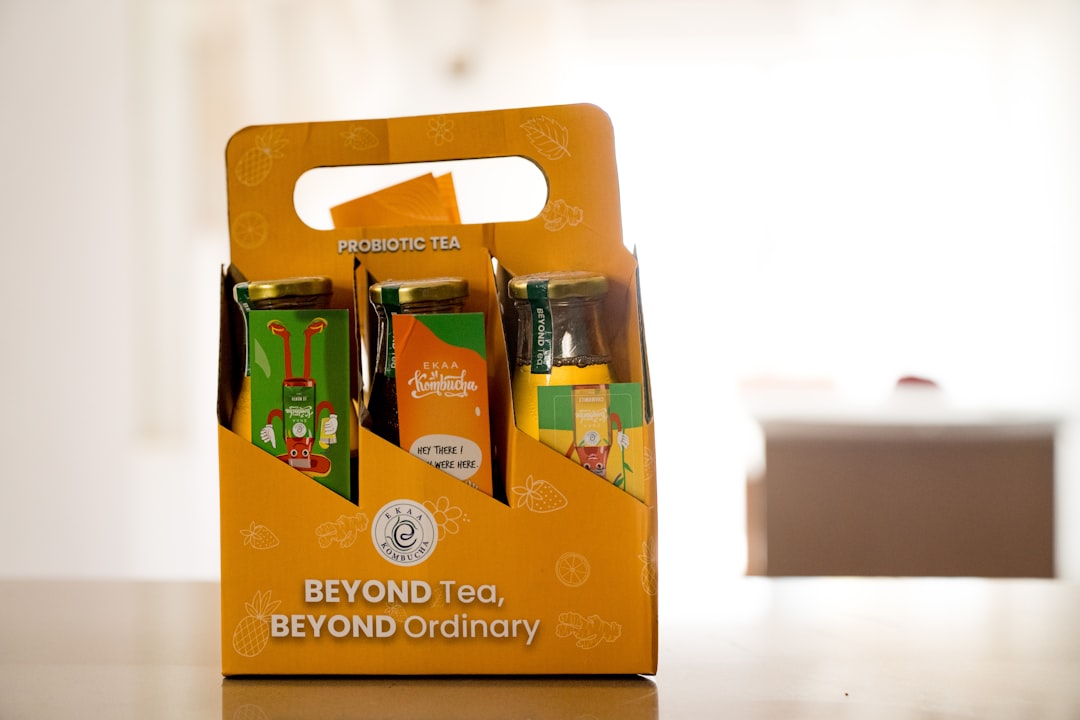
Many detox teas market themselves on the promise of reducing bloating and creating a flatter stomach appearance. Any temporary flatness that occurs is the direct result of laxative-induced purging of digestive contents rather than a reduction in fat or inflammation. Chronic bloating is typically a symptom of an underlying digestive condition such as irritable bowel syndrome, food intolerance, or dysbiosis that requires proper medical assessment. Using a laxative product to temporarily mask bloating delays appropriate diagnosis and treatment. Gastroenterologists emphasize that addressing the root cause of bloating is far more effective and safer than repeated purging.
They Can Interact Dangerously With Medications

Several herbal ingredients commonly found in detox teas are known to interact with prescription and over-the-counter medications. Licorice root, for example, can interfere with blood pressure medications and corticosteroids. Dandelion extracts can alter the absorption of antibiotics and diuretics. St. John’s Wort, present in some formulations, is well-documented to reduce the effectiveness of oral contraceptives and antiretroviral medications. Patients managing chronic conditions are often unaware of these interactions because detox teas are not positioned as medicines requiring disclosure to healthcare providers.
The “Natural” Label Does Not Mean Safe

A widespread consumer assumption holds that products made from plants or herbs are inherently safe because they are natural. This assumption is pharmacologically unfounded, as many of the most toxic substances known to science are naturally occurring compounds. Comfrey, aristolochic acid, and certain pyrrolizidine alkaloids found in some herbal teas have been directly linked to liver failure and cancer in clinical studies. The natural origin of an ingredient provides no guarantee of safety at the doses present in a commercial product or with repeated use over time. Regulatory agencies around the world have banned or restricted numerous herbal ingredients once used freely in wellness products.
They Reinforce Harmful Relationships With Food

Nutritional psychologists have identified a pattern in which detox and cleansing rituals reinforce a punitive or compensatory mindset around food. The idea that the body needs to be purged after eating positions normal eating as something requiring correction. This cognitive framework shares structural similarities with disordered eating behaviors that therapists treat clinically. Research has found that individuals who engage in regular cleansing behaviors report higher rates of food anxiety, dietary restriction, and episodes of binge eating. Public health organizations have called for greater scrutiny of wellness products that promote this kind of cyclical diet culture thinking.
Dehydration Compounds Physical Harm

The diuretic and laxative effects of many detox teas work together to accelerate fluid loss from the body. Mild dehydration causes headaches, reduced concentration, and fatigue, symptoms that some users mistakenly interpret as evidence that the tea is “working.” Severe dehydration can lead to kidney stress, dizziness, fainting, and in extreme cases hospitalization. People who consume detox teas during exercise or in hot climates face compounded risk from the dual demand on the body’s fluid reserves. Sports medicine professionals consistently advise against the use of any laxative or diuretic-containing product during periods of physical activity.
Regulatory Actions Have Been Widespread

Government agencies in the United States, United Kingdom, Australia, and across the European Union have taken enforcement action against detox tea companies. The FTC and FDA have issued warning letters, demanded product recalls, and levied fines against brands making unsubstantiated health claims. The UK’s Advertising Standards Authority has upheld dozens of complaints against detox tea advertisements found to be misleading. Australian authorities similarly forced several brands to withdraw social media campaigns that claimed clinical-grade health benefits without evidence. The volume and consistency of these regulatory responses reflect a broad consensus that the industry operates with significant disregard for consumer protection standards.
They Distract From Genuinely Effective Habits
One of the more insidious effects of detox tea culture is that it directs consumer attention and money away from evidence-based health behaviors. Sustained improvements in energy, digestion, and body composition are consistently linked to adequate sleep, balanced nutrition, hydration, and regular physical activity. These behaviors require sustained effort and lifestyle change rather than a passive daily cup of tea. The appeal of a simple product-based solution can discourage individuals from making the structural changes that would produce real results. Health economists have noted that the wellness supplement industry profits substantially from consumer preference for convenience over behavioral investment.
Young Consumers Face Disproportionate Risk

Studies examining detox tea marketing demographics consistently identify teenage girls and young women as the primary target audience. This group is statistically more susceptible to body image pressures and more likely to encounter these products through social media platforms with algorithmically curated content. Adolescent bodies are particularly vulnerable to electrolyte disruption and the hormonal effects of certain herbal compounds. Pediatric health organizations have raised concerns about the normalization of laxative use among young people as a weight management strategy. Early adoption of these behaviors has been linked in longitudinal studies to higher rates of eating disorder diagnoses in adulthood.
Gut Microbiome Disruption Is a Documented Risk

The human gut microbiome, a complex ecosystem of trillions of microorganisms, plays a central role in immunity, metabolism, and mental health. Repeated laxative use physically accelerates intestinal transit time, reducing the opportunity for beneficial bacterial populations to establish and maintain themselves. Research in gastroenterology has shown that microbiome diversity decreases measurably in individuals who use stimulant laxatives regularly. A less diverse microbiome is associated with increased susceptibility to infections, inflammatory conditions, and metabolic disorders. Rebuilding a disrupted microbiome is a lengthy process that can require months of dietary intervention and in some cases clinical support.
The Testimonial Model Is Inherently Unreliable
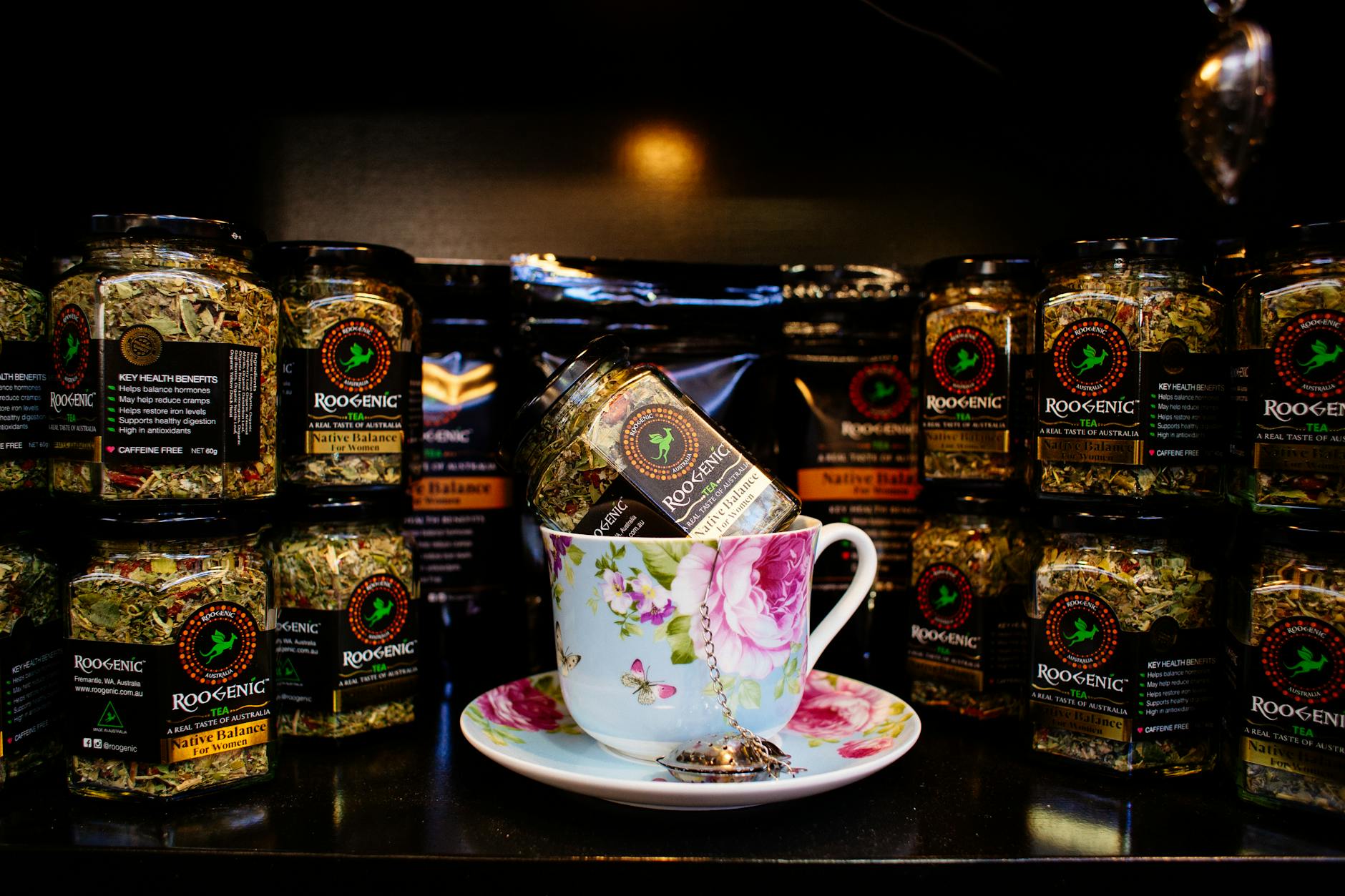
Detox tea brands rely heavily on before-and-after testimonials, user reviews, and influencer endorsements to establish credibility in the absence of clinical evidence. From a scientific standpoint, individual testimonials represent the lowest quality of evidence available for evaluating a health product’s effectiveness. Variables including diet changes, increased water intake, exercise, and placebo effect all contribute to any positive outcomes a user might experience. There is also extensive documentation of brands fabricating or incentivizing positive reviews to build social proof. The European Commission’s Digital Services Act and the FTC’s updated endorsement guidelines both reflect growing regulatory recognition that testimonial-based health marketing requires closer oversight.
Liver Damage Has Been Clinically Reported
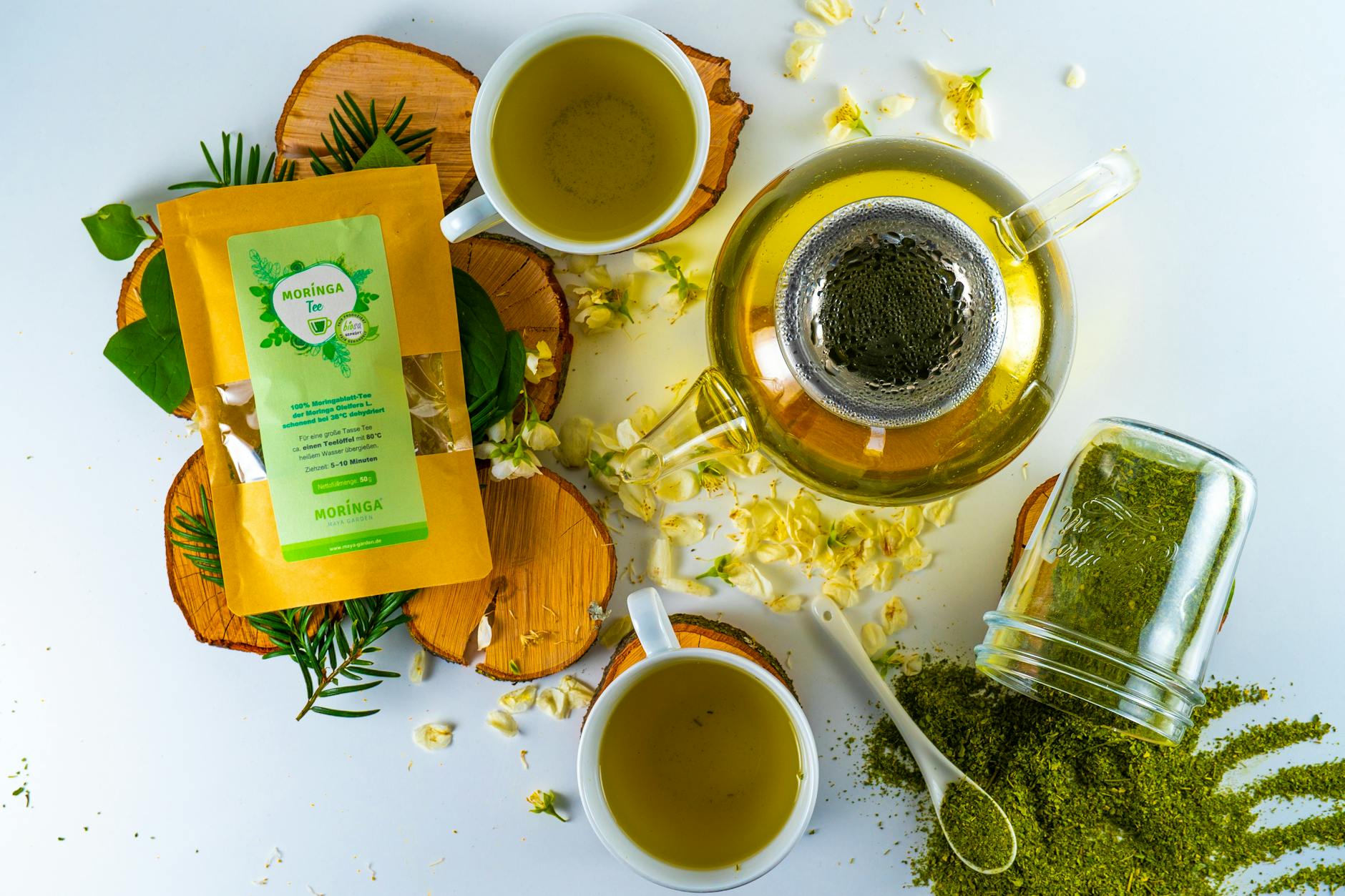
Case reports in medical literature have documented instances of hepatotoxicity, or drug-induced liver injury, associated with the consumption of herbal detox teas. Ingredients such as green tea extract at high concentrations, valerian, and certain traditional herbal blends have been identified as causative agents in these cases. The liver damage observed ranges from elevated enzyme levels indicating stress to fulminant liver failure requiring transplantation in documented extreme cases. Because detox teas are classified as food or supplements rather than medicines, adverse event reporting is not mandatory in most jurisdictions. This means the true incidence of tea-related liver injury is likely significantly underreported in existing medical literature.
Spending the Money on Real Nutrition Is Far More Valuable

The retail price of detox tea subscriptions and premium detox blends can reach several hundred dollars per year for consistent users. That same financial investment directed toward fresh vegetables, quality protein sources, whole grains, and professional dietitian consultations would produce measurable and lasting improvements in health markers. Registered dietitians consistently identify affordable, evidence-based dietary changes as the highest-return investment a person can make in their long-term wellbeing. No supplement or specialty beverage has been shown to outperform a fundamentally sound dietary pattern in producing sustained health outcomes. Consumer health advocates argue that redirecting wellness spending from unproven products to real food and professional guidance is one of the most impactful choices an individual can make.
If you have had experiences with detox teas or have thoughts on the wellness industry’s approach to health claims, share them in the comments.




