Growing up in the 1990s meant navigating the world with a level of independence that seems rare today. Children often managed their social lives and entertainment without the immediate assistance of adults or the internet. This era produced a generation defined by self-reliance and the ability to solve problems with limited resources. The following list highlights unique experiences that defined the solitary adventures of youth during this decade.
Walking to School

Many children in the nineties trekked to and from school without parental supervision. Groups of neighborhood kids would gather to make the journey together on foot or by bicycle. This daily routine fostered a strong sense of community and independence among young students. Parents generally trusted that their children could navigate the route safely and arrive on time. It was a common sight to see backpacks bobbing down sidewalks long before the first bell rang.
Looking Up Information

Researching a topic for school required a physical trip to the local library or a search through a set of encyclopedias at home. Students had to understand how to use card catalogs and the Dewey Decimal System to locate the right books. Finding specific facts involved scanning indexes and reading through large volumes of text. There was no instant search bar to provide immediate answers to homework questions. This process taught patience and thoroughness in gathering necessary information.
Beating Video Games
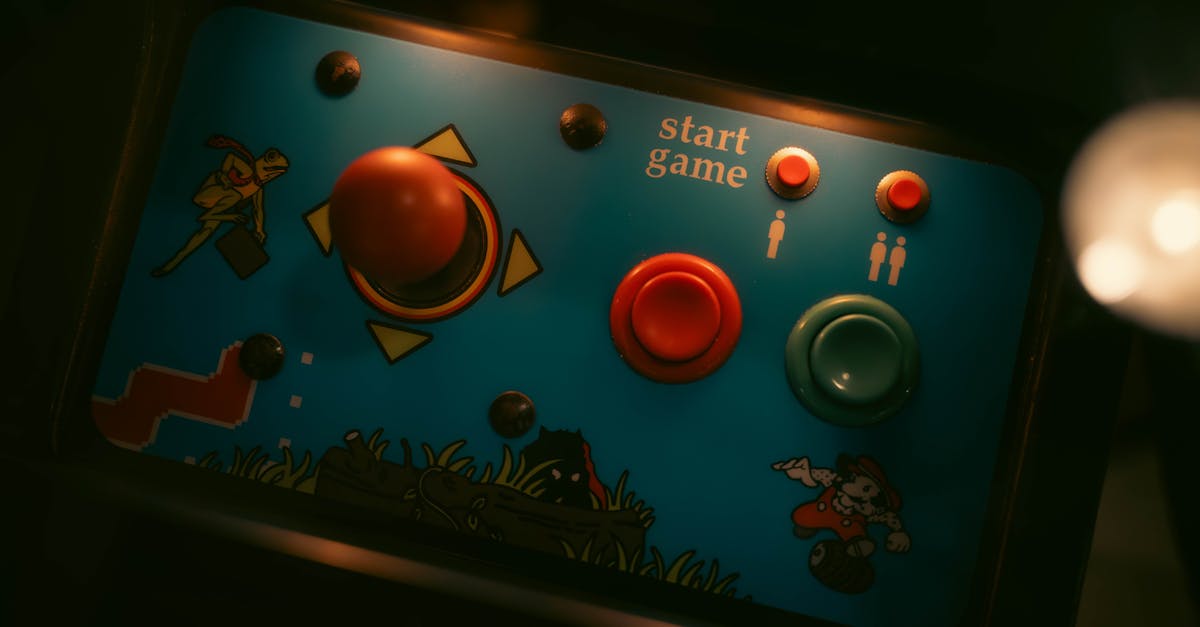
Gamers faced difficult levels without the help of online walkthroughs or YouTube tutorials. Players had to rely on their own skills and persistence to figure out complex puzzles or defeat bosses. Tips and tricks were shared verbally on the playground or found in monthly gaming magazines. Reaching the end of a game felt like a monumental achievement because it was done solely through trial and error. This solitary struggle made the final victory much more satisfying.
Memorizing Phone Numbers
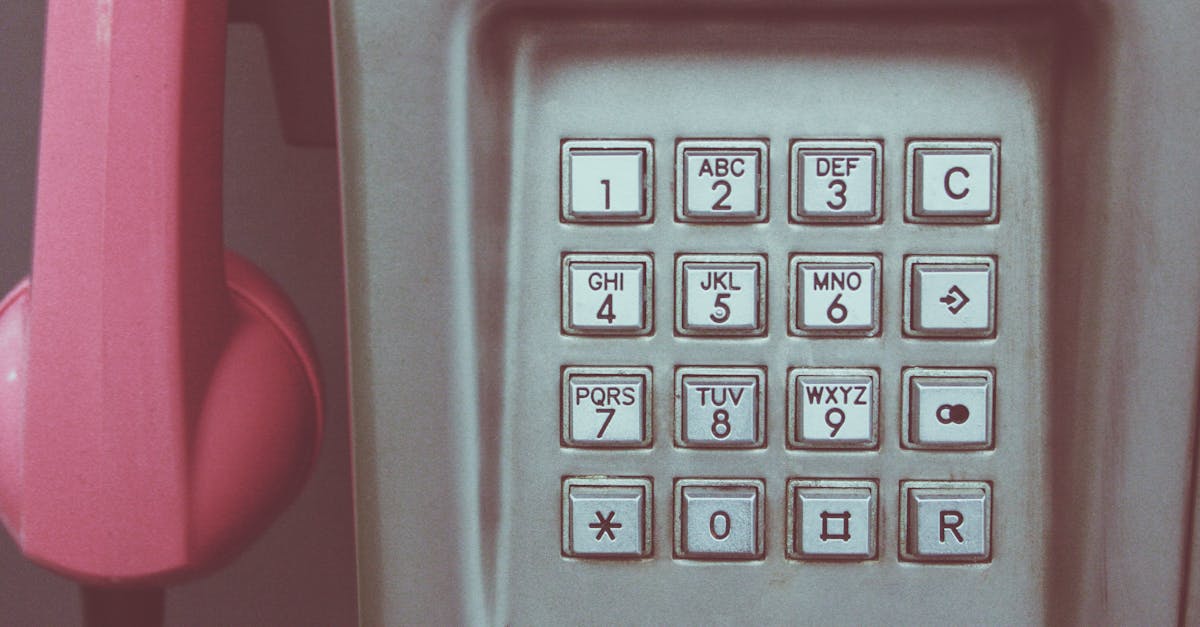
Connecting with friends or family meant committing their landline numbers to memory. Most children had a mental catalog of important contacts because cell phones with contact lists were not yet common. Losing a scrap of paper with a written number could mean losing touch with someone entirely. The physical act of dialing helped reinforce these sequences in the mind. Brains served as the primary storage device for all essential communication data.
Waiting for Rides

Kids often stood outside movie theaters or malls while waiting for parents to pick them up. There was no way to send a text message to say the movie had ended early or that plans had changed. Patience was mandatory as they watched cars pass by in hopes of spotting a familiar vehicle. This downtime allowed for reflection or conversation with friends who were in the same predicament. Being stranded for a short while was just a normal part of the social experience.
Navigating with Maps

Road trips or finding a new friend’s house required reading physical paper maps. The passenger often served as the navigator and had to give instructions to the driver in real time. Missing a turn meant pulling over to retrace the route on the unfolded sheet of paper. There were no GPS voices to recalculate the path automatically when mistakes happened. Understanding geography and spatial relations was a necessary skill for getting anywhere new.
Recording Music

Creating a custom playlist involved sitting by the radio with a blank cassette tape ready to record. Listeners had to hit the record button at the exact moment a favorite song began. The frustration of a DJ talking over the intro or outro was a shared experience for many music lovers. This labor of love resulted in a unique mixtape that physically represented personal musical taste. The patience required to curate these tapes made the final product incredibly valuable to the creator.
Entertaining Themselves

Boredom was a frequent state that children had to resolve using their own imagination. There were no tablets or smartphones to provide an endless stream of digital content during downtime. Kids invented games using simple household items or played outside until they were exhausted. Reading books or drawing became go-to activities to pass the quiet hours at home. This lack of constant stimulation encouraged creativity and resourcefulness in finding ways to have fun.
Finding Movie Times

Planning a trip to the cinema started with finding the daily newspaper. The showtimes were listed in small print within the entertainment section and had to be checked carefully. Missing the listed time meant waiting hours for the next screening or choosing a different film entirely. There was no way to check seat availability before arriving at the box office. Moviegoers simply showed up and hoped for the best.
Developing Photos

Taking pictures was a blind process that required waiting days or weeks to see the results. Photographers dropped off film rolls at a store and had no idea if the shots were blurry or perfectly framed. Opening the envelope of developed prints was always a moment of suspense and surprise. There were no filters or editing tools available to fix mistakes after the shutter clicked. Each physical print was a permanent record of a specific moment in time.
Checking TV Schedules

Viewers consulted a printed guide or a specific scrolling channel to know when shows would air. Missing an episode usually meant waiting months for a rerun during the summer break. There was no on-demand streaming to catch up on plot points instantly. Planning an evening often revolved around the broadcast times of popular sitcoms or dramas. This rigid schedule created a shared cultural experience as everyone watched simultaneously.
Calling Friends

Dialing a friend meant taking the risk that their parents or siblings might answer the phone first. Conversations often took place in common areas like the kitchen where family members could overhear everything. Getting a busy signal meant hanging up and trying again repeatedly until the line cleared. There was no caller ID to screen calls or voicemail to leave casual messages easily. This direct form of communication required courage and social etiquette.
Fixing Game Cartridges

Technical support for freezing video games consisted of blowing into the bottom of the cartridge. Players developed specific techniques and rituals to get their consoles to read the game correctly. This solution was technically advised against by manufacturers but was universally practiced by kids everywhere. Getting a game to load often felt like a magical accomplishment after several failed attempts. It was a hands-on approach to hardware maintenance that everyone understood.
Learning Song Lyrics

Fans deciphered the words to their favorite tracks by listening repeatedly or reading the liner notes. CD booklets were prized possessions that contained the official lyrics and artwork for an album. Misheard lyrics were common and often led to amusing debates among friends. There were no websites to provide instant and accurate transcriptions of fast verses. True appreciation of a song involved studying the physical media that came with the music.
Making Dinner

Latchkey kids often prepared their own meals after school using the microwave or stove. Simple recipes like macaroni and cheese or heated leftovers were standard fare before parents returned from work. This responsibility taught basic cooking skills and kitchen safety at a young age. Managing hunger independently was a key part of the daily routine for many students. It fostered a sense of contribution to the household functionality.
Meeting Up

Social gatherings were arranged in advance with a specific time and location agreed upon verbally. If someone was late they simply had to be waited for without any updates. There was no way to change plans on the fly once everyone had left their homes. Trust and punctuality were essential for keeping the group together during outings. Friends learned to stick to the plan to ensure nobody was left behind.
Rewinding Tapes

Watching a movie rental required the courtesy of rewinding the VHS tape before returning it. Failure to do so could result in a small fee from the rental store. The mechanical whir of the rewinder was a familiar sound in living rooms across the country. Watching a scene again meant stopping the film and guessing how far back to go. This physical interaction with media made the viewing experience more tactile.
Dealing with Commercials

Television programs were interrupted by mandatory advertising breaks that could not be skipped. Viewers used these few minutes to run to the bathroom or grab a snack quickly. The return of the show was often signaled by someone shouting from the living room to hurry back. These breaks were the only pauses available during a live broadcast. Patience was trained by sitting through the same jingles and sales pitches repeatedly.
Ordering from Catalogs

Shopping for clothes or toys often involved circling items in a thick paper booklet. Orders were placed by mail or over the phone and took weeks to arrive at the doorstep. There were no customer reviews or zoom functions to inspect the quality of the product. The arrival of a package was a genuine event because the purchase had been made so long ago. Anticipation built slowly during the long shipping process.
Handling Scratched Discs

CDs were delicate items that required careful handling to prevent skipping during playback. A scratched disc often meant the end of a favorite album or game. Kids tried various home remedies like toothpaste or specialized cleaning kits to repair the damage. The frustration of a skipping track taught valuable lessons about caring for personal property. preserving the condition of these discs was a priority for any collector.
Please share your favorite memories of growing up in the 90s in the comments.




