The grocery store is one of the few places where strangers are forced to share a confined space while trying to accomplish a personal errand as efficiently as possible. Most people have experienced that creeping frustration that builds when a fellow shopper seems completely unaware of the unspoken rules of shared retail spaces. Habits that feel harmless to the person doing them can create real disruption for everyone else in the store. The following behaviors are among the most universally recognized offenses committed in grocery store aisles every single day.
Parking Your Cart in the Middle of the Aisle
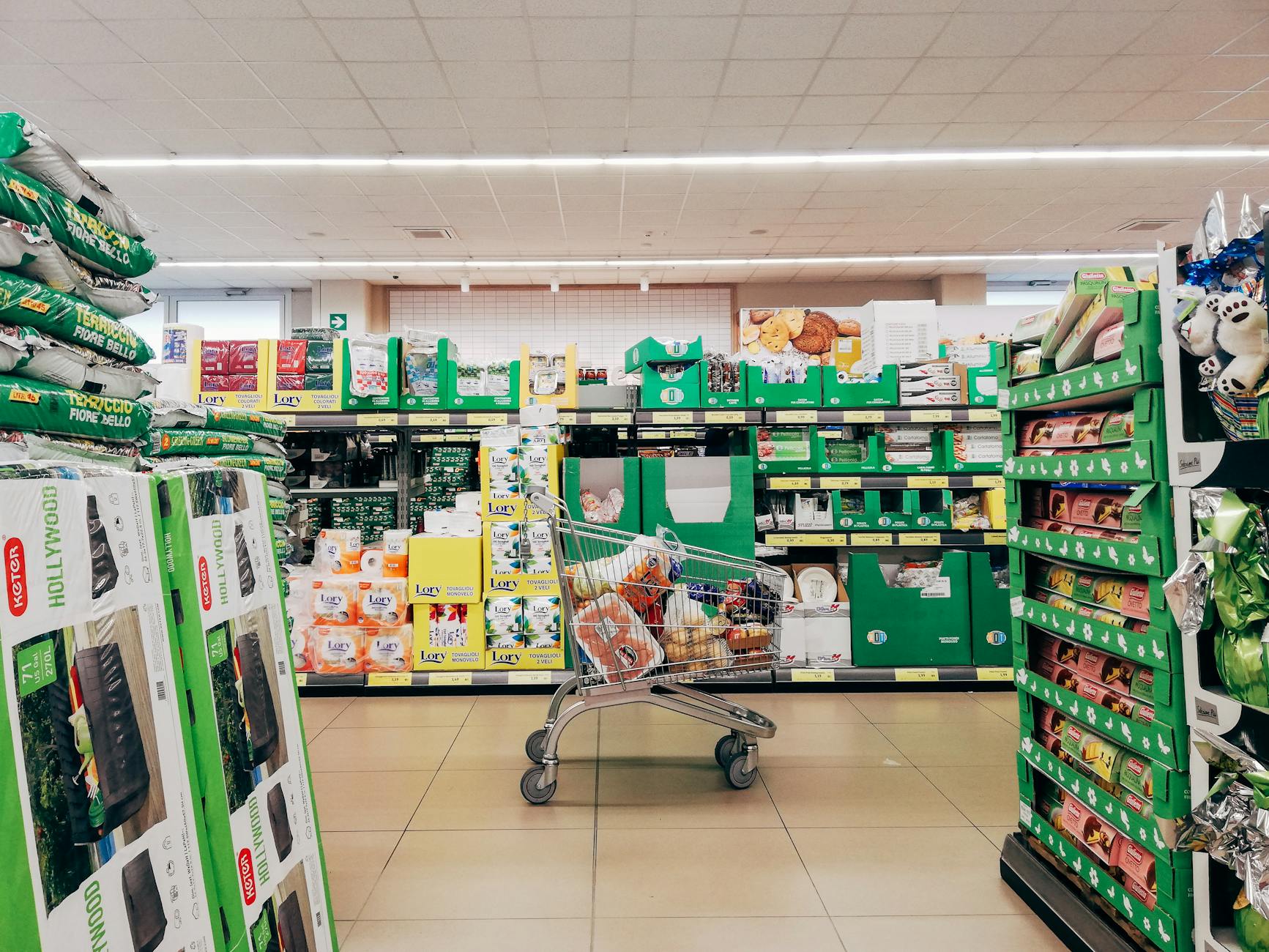
The grocery store aisle is effectively a two-lane road and leaving your cart at a diagonal across the center creates an instant bottleneck. Other shoppers are forced to either squeeze past uncomfortably or wait in silence hoping you will notice them. This is one of the most frequently cited frustrations among regular grocery shoppers across all demographics. Pushing your cart to one side while you browse the shelves takes almost no extra effort and makes a significant difference to everyone behind you.
Stopping Suddenly Without Warning

Walking through a store and coming to an abrupt halt without checking who is behind you is the pedestrian equivalent of slamming on the brakes on a highway. The person following closely has no time to react and near-collisions happen far more often than most shoppers realize. This usually occurs when someone spots an item they had forgotten to add to their list or gets distracted by a promotion. A quick glance behind before stopping is a small habit that prevents a great deal of frustration for fellow shoppers.
Treating the Express Lane as a Suggestion
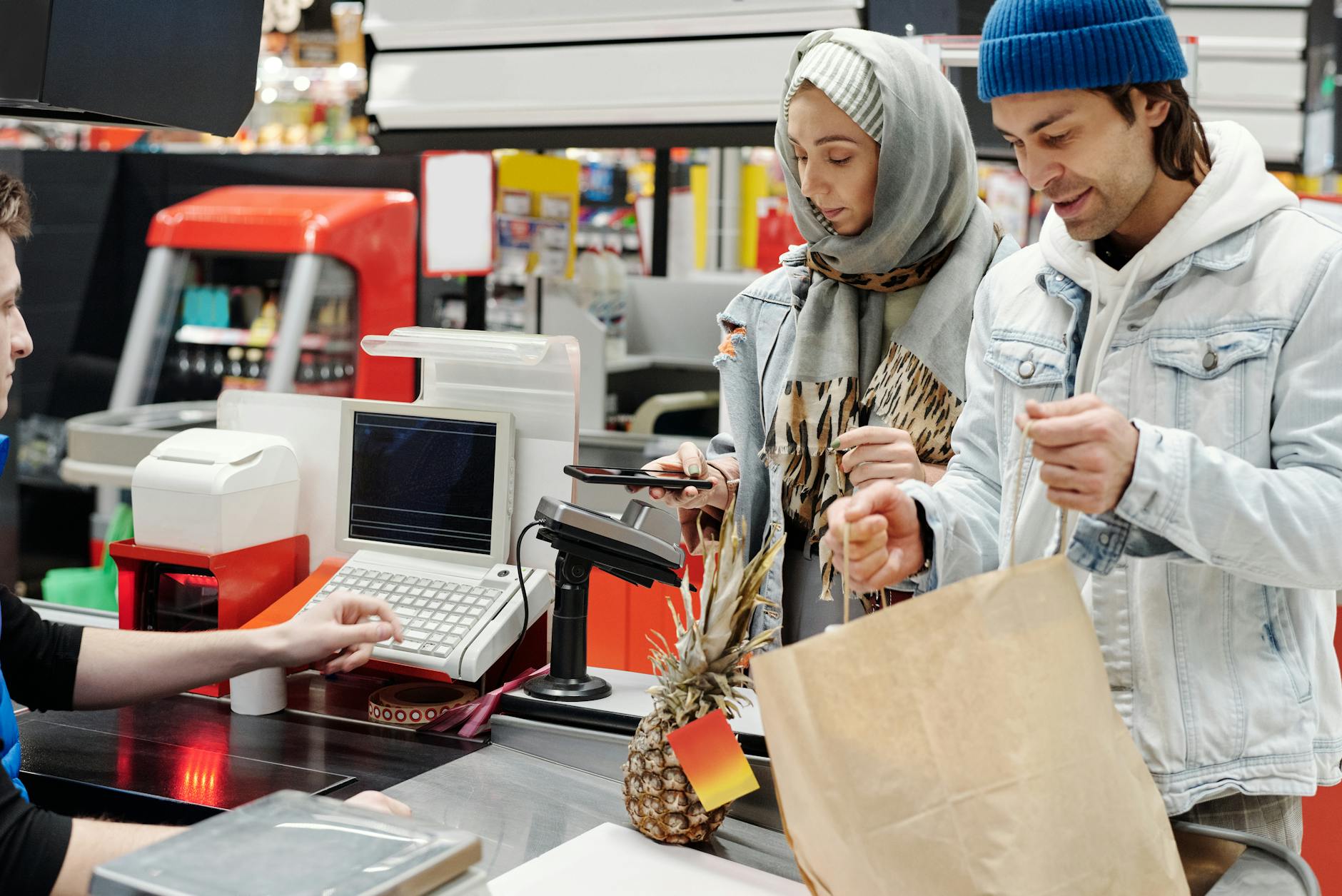
Express lanes exist specifically to move small transactions through quickly and efficiently for shoppers with only a few items. Arriving at a ten-item limit lane with a fully loaded cart disrupts the entire purpose of the system and slows down multiple people at once. Cashiers are rarely in a position to turn customers away which means the burden falls entirely on other waiting shoppers. Counting your items before choosing a lane is a simple act of consideration that takes only seconds.
Hovering Over Someone Browsing the Shelf

Standing directly behind another shopper while they look at products creates unnecessary social pressure and physical discomfort. The person browsing feels rushed and watched which often causes them to take even longer making their decision. A respectful distance allows both parties to shop comfortably without either one feeling crowded or anxious. Waiting a few steps back and making a brief approach only when space opens up is the standard courtesy most shoppers expect.
Letting Your Children Run Unsupervised

Grocery stores are filled with fragile products on low shelves heavy displays and moving carts which make them genuinely hazardous environments for unsupervised young children. Children running through aisles create a collision risk for elderly shoppers and those carrying baskets or pushing strollers. Beyond safety the noise and disruption can raise the stress levels of everyone shopping nearby. Keeping children close and engaged in the shopping process makes the trip safer and more manageable for the whole family and everyone around them.
Conducting a Full Phone Conversation at the Register

Talking on the phone while being served at the checkout creates a two-directional problem for both the cashier and the customers waiting behind you. The cashier is left uncertain whether questions or comments are directed at them or at the person on the other end of the call. Transactions take noticeably longer when the shopper is distracted and unable to process prompts from the register. A brief pause in a phone conversation to complete the checkout is a basic courtesy that most cashiers and fellow shoppers deeply appreciate.
Using the Speakerphone in the Aisles

Activating speakerphone in a shared public space broadcasts both sides of a private conversation to everyone within earshot. Most shoppers are simply trying to concentrate on their lists and the addition of a loud phone call from a stranger is an unwelcome intrusion. It also makes it harder for other shoppers to hear store announcements or communicate with their own companions. Earphones or simply holding the phone to the ear are straightforward alternatives that keep the experience considerate for everyone nearby.
Sampling Bulk or Display Items Without Permission

Reaching into bulk bins or opening display packages to taste products is a hygiene concern that extends well beyond the individual doing it. The items in those containers are intended for purchase by multiple customers and any handling without permission contaminates the supply for everyone else. Many stores offer official sample stations or designated tasting events precisely to address the desire to try before buying. Waiting for an official sample opportunity or purchasing a small quantity to try at home are the accepted alternatives.
Leaving Refrigerated Items in Non-Refrigerated Sections

Placing a packet of meat or a dairy product on a shelf next to the cereal because you changed your mind is a habit that has real consequences. Perishable items left at room temperature begin to enter the food safety danger zone quickly especially in a warm store environment. Store staff must then check and discard those items rather than returning them which creates both waste and extra labor costs. Returning unwanted cold items to the nearest refrigerated section or handing them to a staff member takes only a moment and prevents unnecessary waste.
Reading Every Label While Blocking the Shelf
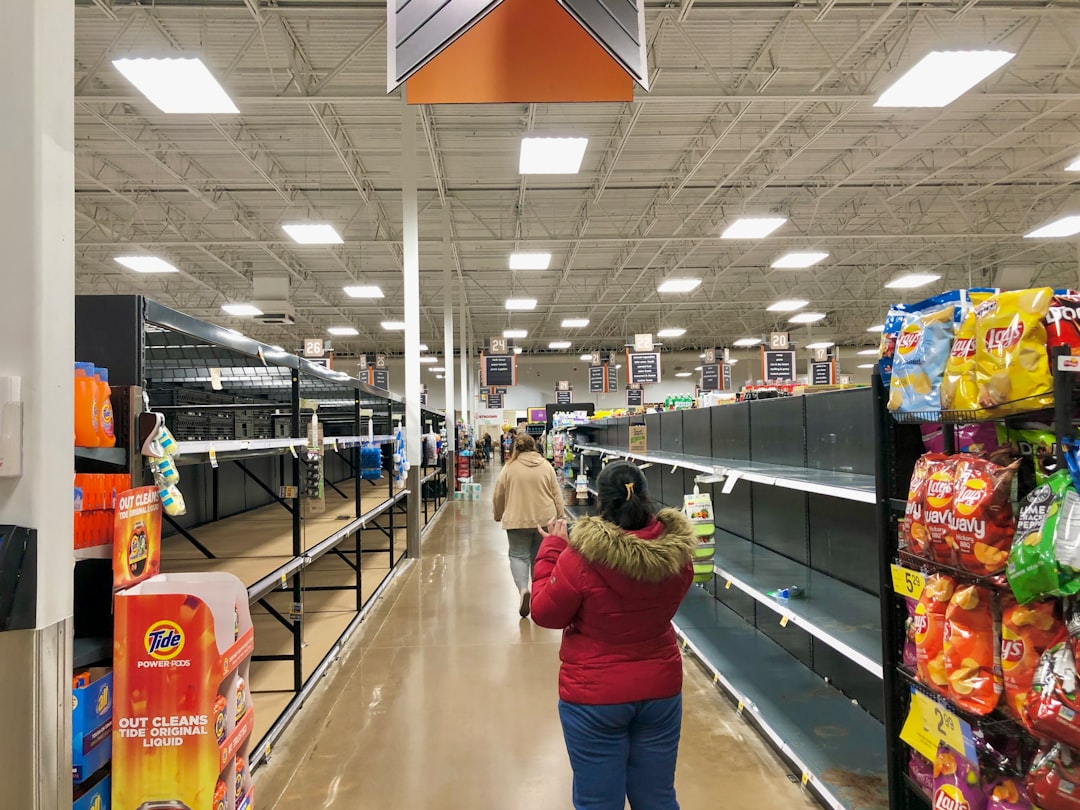
Carefully reading product labels is a healthy and informed shopping habit but doing so while standing directly in front of the section makes the product inaccessible to other shoppers. The aisle effectively becomes a one-person zone during the time it takes to review an entire ingredient list or nutrition panel. Taking the product away from the shelf to read it nearby or stepping aside while looking frees up the space for others. Health-conscious shopping and considerate shopping are not mutually exclusive behaviors.
Bringing an Oversized Group for a Routine Trip

A quick grocery run does not typically require the participation of four or more adults moving through the store together. Large informal groups tend to spread across aisles making it difficult for other shoppers to navigate or access shelves. The social nature of the outing also means the group moves more slowly as conversations pause and restart throughout the shop. Keeping the shopping party lean and focused keeps the trip efficient for the group and less disruptive for everyone else in the store.
Haggling Over Regular-Priced Items at the Register
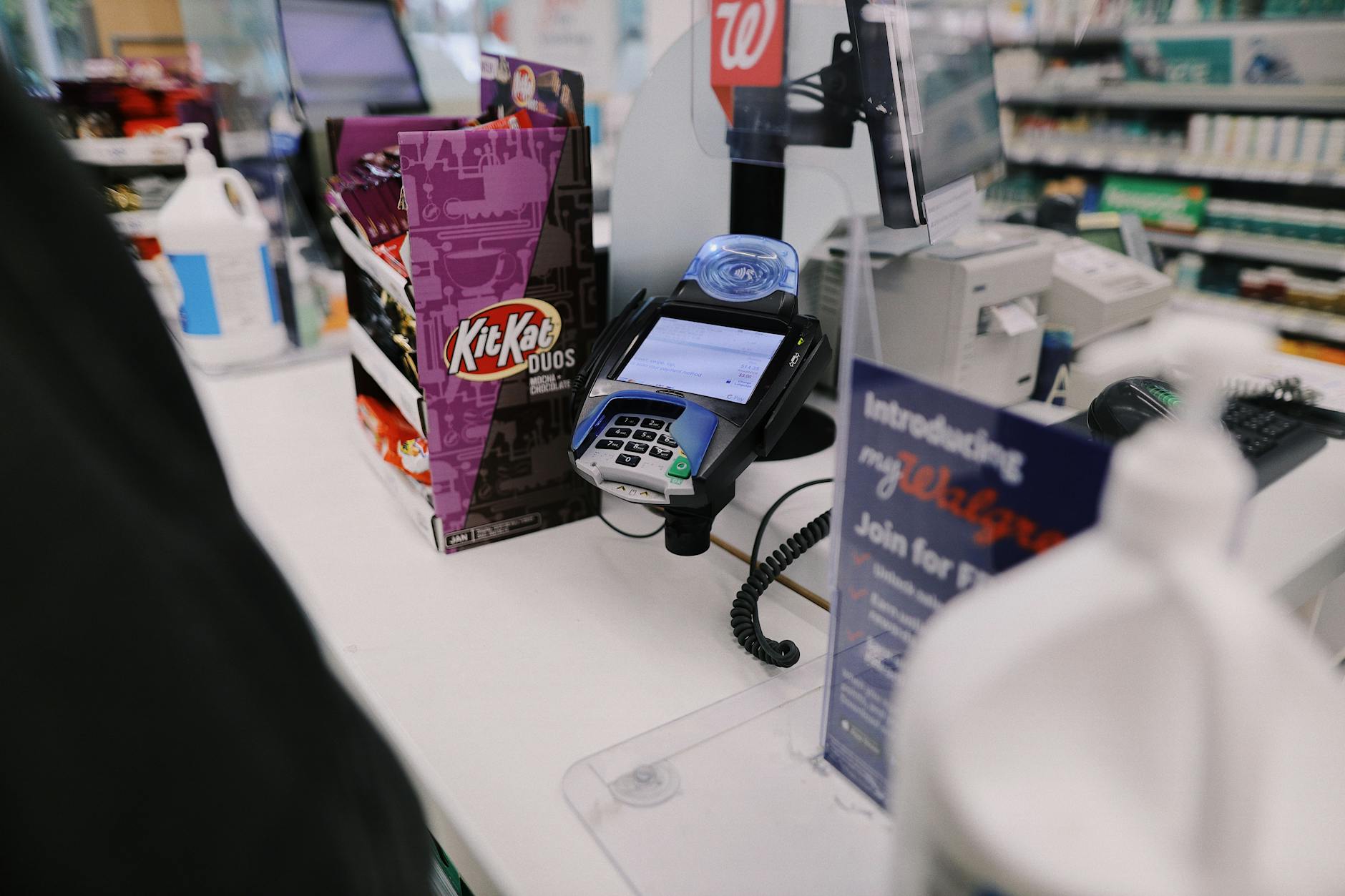
The checkout line is not a negotiation venue and attempting to discuss or contest the price of a non-discounted item holds up the entire queue. Price concerns are best addressed with a price-check request before joining the line or by speaking with a customer service representative separately. The cashier typically does not have the authority to adjust standard prices on the spot which means the conversation rarely results in the outcome the shopper is hoping for. Addressing pricing questions through the appropriate channel respects everyone else’s time and avoids an uncomfortable standoff at the register.
Unpacking an Overflowing Cart at a Crowded Register
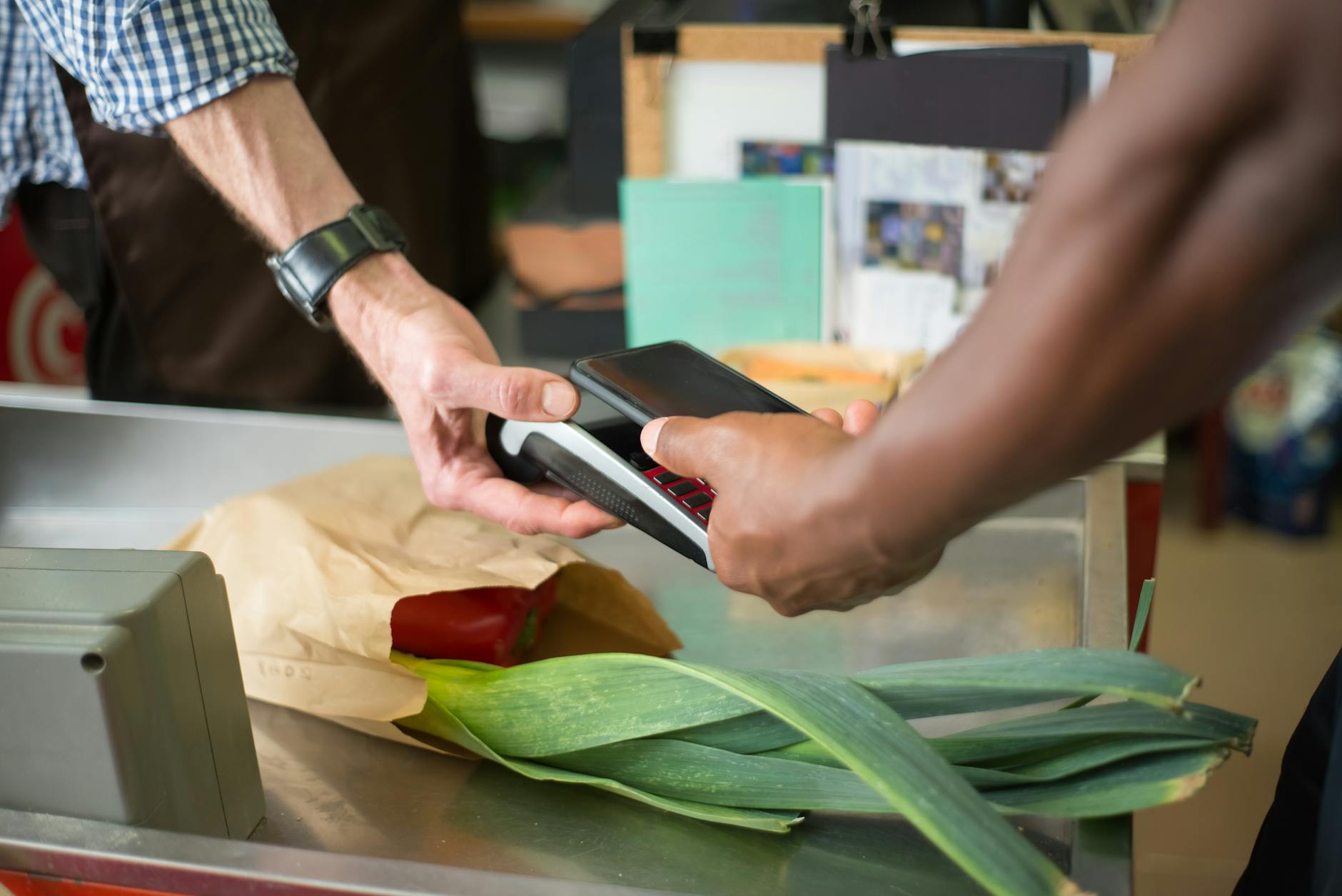
Arriving at a busy register with a cart piled well above its intended capacity during peak shopping hours extends everyone’s wait time considerably. High-volume shops are often better suited to quieter times of day or to delivery and click-and-collect services available at most major grocery chains. When a large shop is unavoidable during busy periods choosing a standard lane rather than a shorter express queue is the courteous move. Being mindful of timing and lane choice shows awareness of how individual decisions affect the collective experience.
Not Controlling Your Cart on Sloped Surfaces
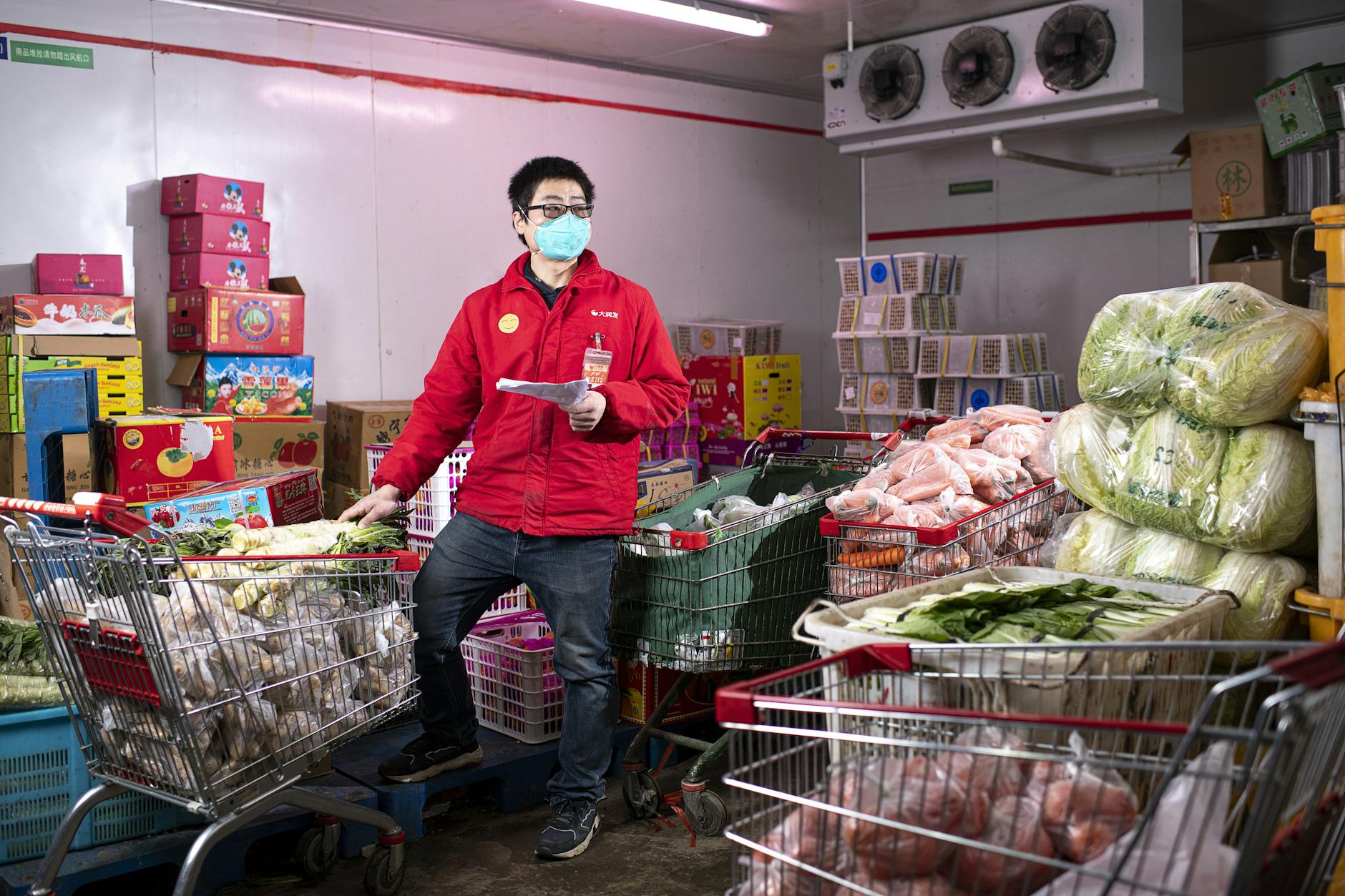
Grocery store car parks and ramp sections inside large stores require active control of a cart at all times due to the effects of gravity and momentum. A released cart on even a gentle slope can accelerate quickly enough to strike vehicles parked nearby or injure pedestrians in its path. Many shoppers underestimate how much force a fully loaded cart can generate when left unattended on an incline. Keeping a firm grip on the handle and returning the cart to an official bay after unloading are non-negotiable responsibilities of every shopper.
Leaving Your Cart at the Entrance After Unloading
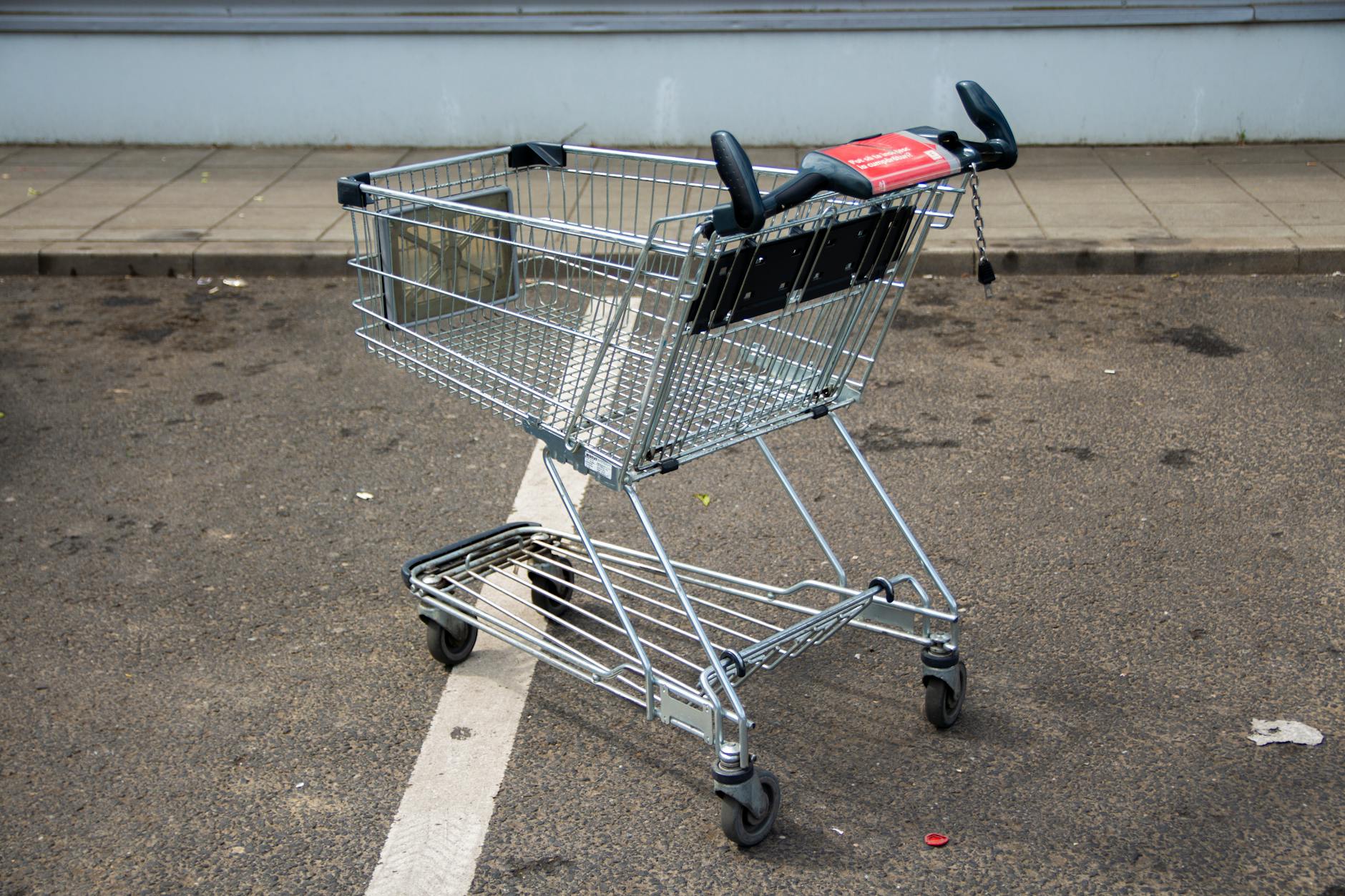
After completing a shop and loading bags into a vehicle the cart belongs in a designated cart return bay rather than wedged against a nearby car or left in an empty parking space. Stray carts are a leading cause of vehicle dents and scratches in grocery store car parks and create obstacles for drivers trying to maneuver. Cart return bays are specifically positioned to make this task convenient and are almost never more than a short walk from any parking space. Returning the cart fully is a widely recognized marker of considerate public behavior.
Opening Packaging to Inspect the Contents

Tearing open a sealed box or bag to check the contents before purchase damages the product and makes it unsaleable to other customers. Most packaged goods have weight information and contents clearly listed on the exterior label which makes opening unnecessary in the vast majority of cases. For produce or items where visible inspection is genuinely needed most stores have already designed the packaging to allow for appropriate assessment. Purchasing a product and returning it through the correct process if it fails to meet expectations is the intended consumer pathway.
Spraying or Wearing Overwhelming Fragrance

Arriving at a grocery store in a heavily applied perfume or cologne creates an unavoidable sensory experience for everyone in the immediate vicinity. For shoppers with migraines allergies or sensitivities to strong scents this can make browsing nearby aisles genuinely uncomfortable. The enclosed and ventilated nature of a grocery store means fragrance lingers in an aisle long after the wearer has moved on. A lighter application or fragrance-free approach is increasingly common in shared public spaces particularly during daytime errands.
Coughing or Sneezing Without Covering Your Mouth

Basic respiratory etiquette requires covering the mouth and nose during a cough or sneeze regardless of the setting or the perceived severity of the illness. In a grocery store where surfaces are shared and close contact is unavoidable failing to cover up spreads pathogens to both products and people nearby. The crook of the elbow is the widely recommended alternative to using the hands which then touch cart handles baskets and shelved products. Carrying a small pack of tissues or wearing a mask during illness is a considerate choice in any shared retail environment.
Standing Too Close in the Checkout Queue

Maintaining a reasonable distance from the person ahead in a checkout line is a standard expectation in public queuing culture. Standing close enough to read the screen or observe the transaction of the person in front creates an uncomfortable sense of being watched or crowded. Most checkout lines include floor markers or natural breaks in the conveyor belt that indicate where the next customer should wait. Respecting that boundary makes the experience less stressful for the customer being served and for the cashier as well.
Cutting Into the Queue
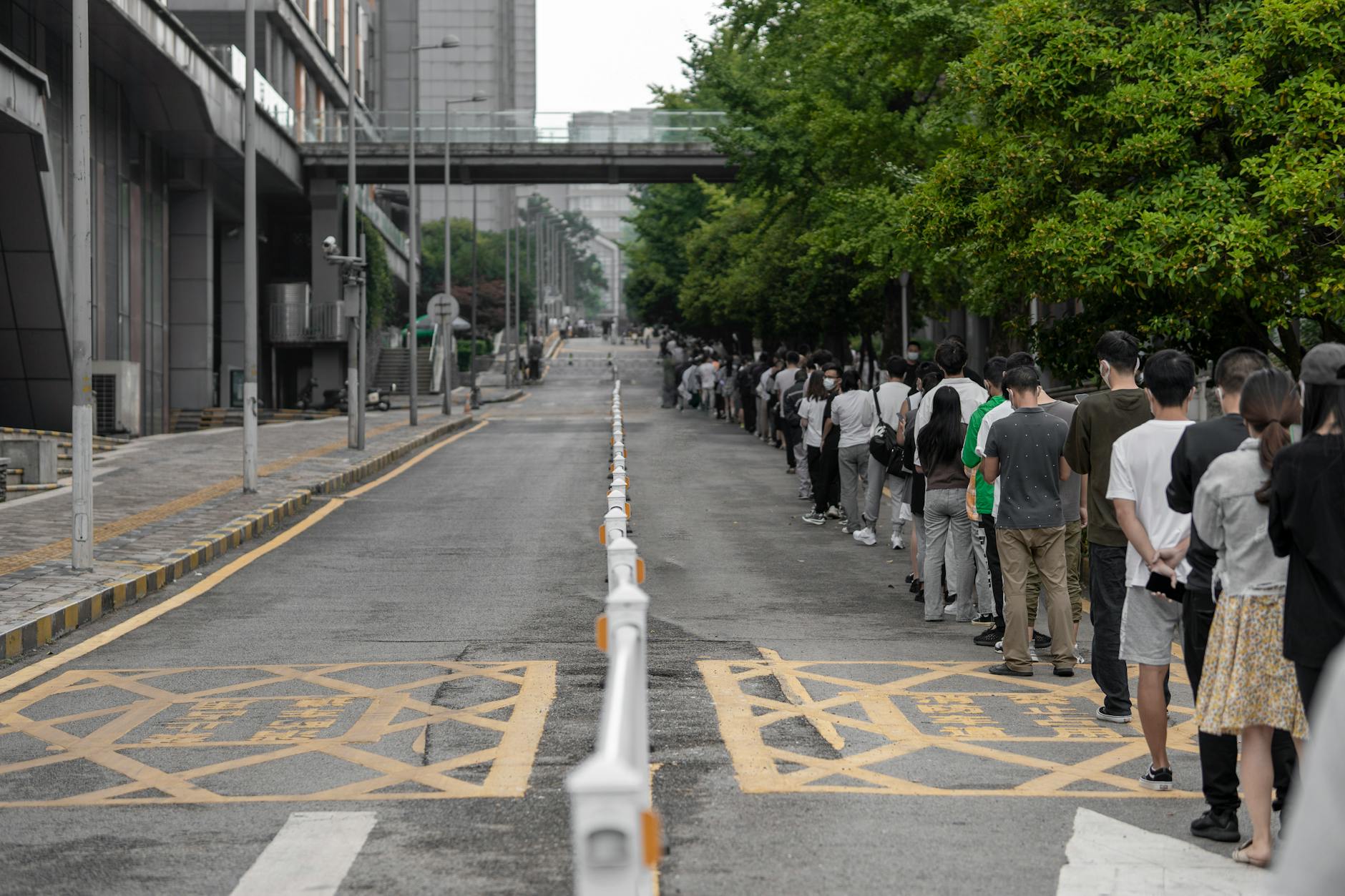
Joining a checkout line out of turn whether intentionally or through inattentiveness is one of the most universally disliked behaviors in public spaces. Every person waiting has made a judgment about the fastest queue and chosen their position accordingly and bypassing that system invalidates their decision. There is rarely any ambiguity about where a line begins and ends in a well-organized checkout area. If a register opens unexpectedly the accepted practice is to invite the person who has been waiting longest rather than rushing forward independently.
Squeezing Bread and Soft Produce Aggressively
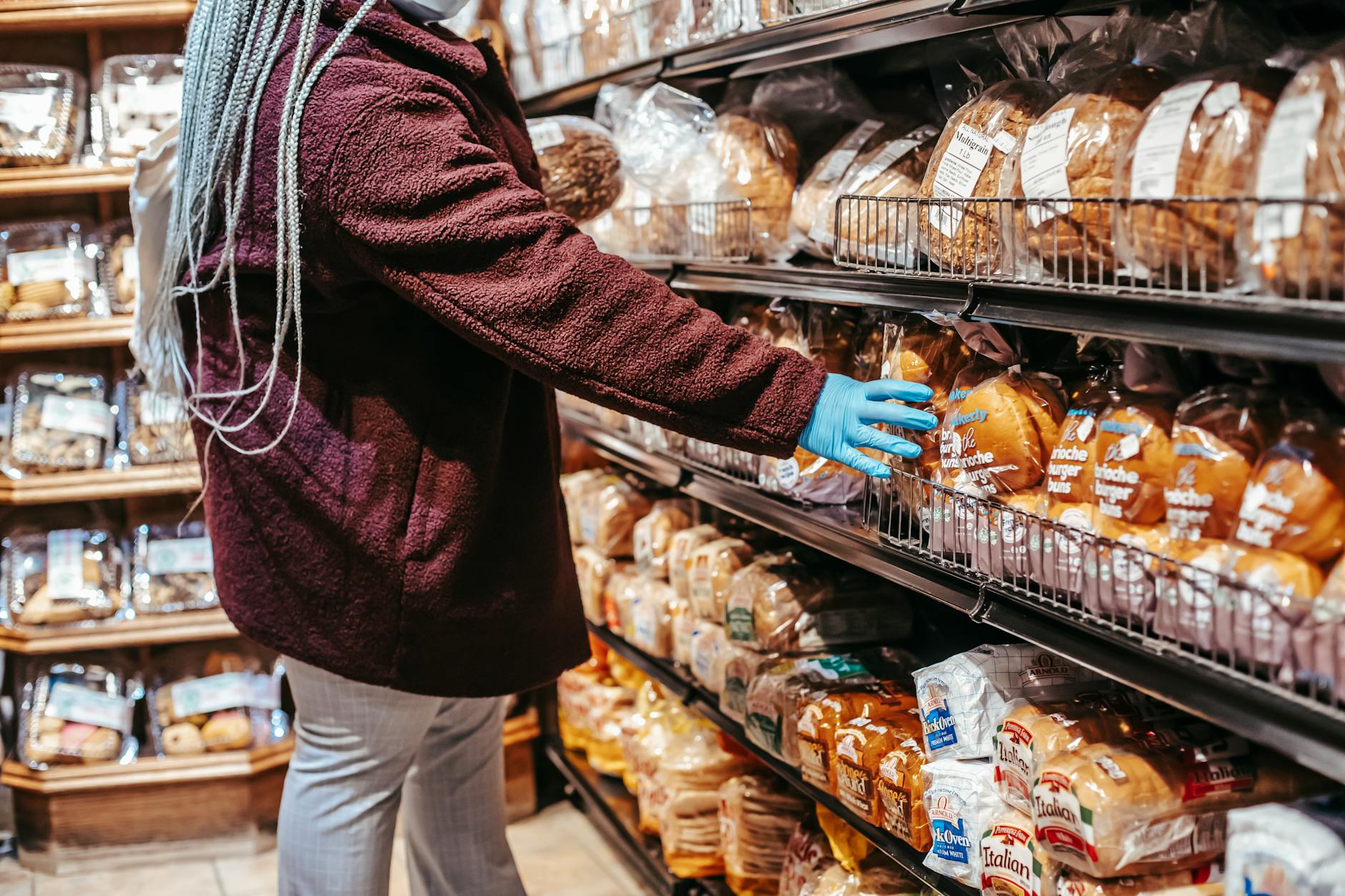
Pressing deeply into a loaf of bread or repeatedly squeezing soft fruit to test ripeness damages the product for the next customer who purchases it. Light and gentle pressure is all that is needed to assess the texture of most produce items and the same applies to packaged baked goods. Bruised fruit and misshapen bread loaves are direct results of heavy-handed browsing habits carried out by multiple shoppers over the course of a day. Treating store products with the same care you would want applied to items you intend to buy yourself is the guiding principle here.
Blocking the Refrigerator Doors

Standing directly in front of an open refrigerator door while deliberating over a product selection prevents anyone else from accessing the section. The cold air released during extended deliberation is also a source of energy waste in stores that are already major consumers of electricity. Making a reasonably quick decision or stepping back to close the door while thinking allows other shoppers to access their own items. Knowing approximately what you need before approaching the refrigerated section makes the process faster for everyone involved.
Crowding the Deli Counter Without Taking a Number
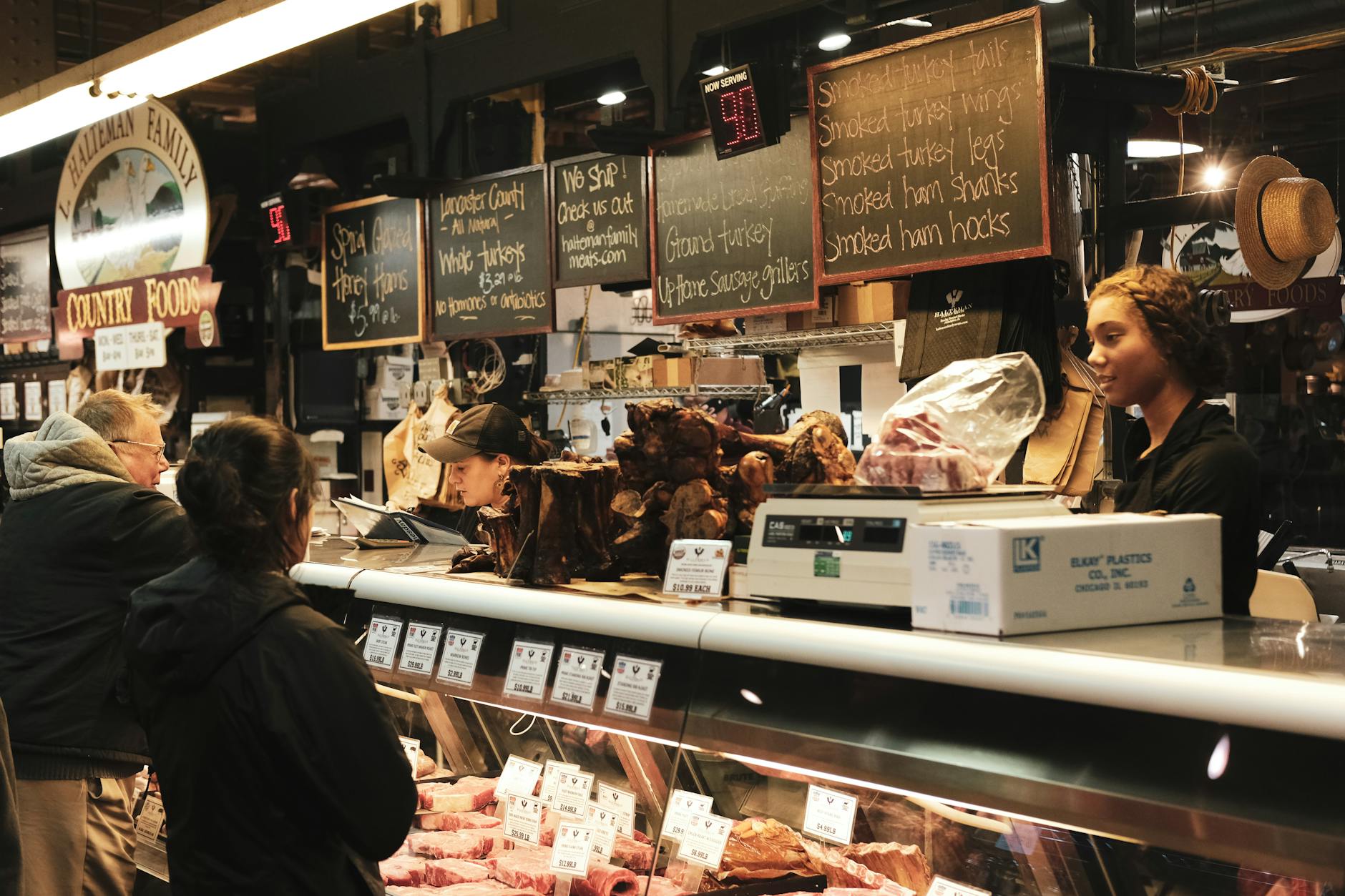
In stores where a ticketing system is in place at the deli or butcher counter the number system exists specifically to create a fair and orderly service sequence. Hovering at the front of the counter without a ticket and then inserting yourself into the service order ahead of those who have been waiting is a common source of conflict. The system only works when everyone participates in it and one person bypassing it creates a visible sense of unfairness for the entire queue. Taking a number immediately upon arrival and waiting at a reasonable distance makes the process smooth for staff and customers alike.
Rearranging Shelf Items and Leaving Them in the Wrong Place

Picking up an item from one shelf and placing it back in a completely different location after deciding against it creates a cascading problem for both staff and future shoppers. Staff must regularly walk the entire store to locate and return misplaced items which adds to their daily workload significantly. A shopper looking for a specific product who finds it in an unexpected location may incorrectly assume it is out of stock and leave without purchasing. Returning items to the correct shelf or handing them to a nearby staff member if the original location is unclear is the preferred action.
Taking Personal Calls at the Checkout While Ignoring the Cashier
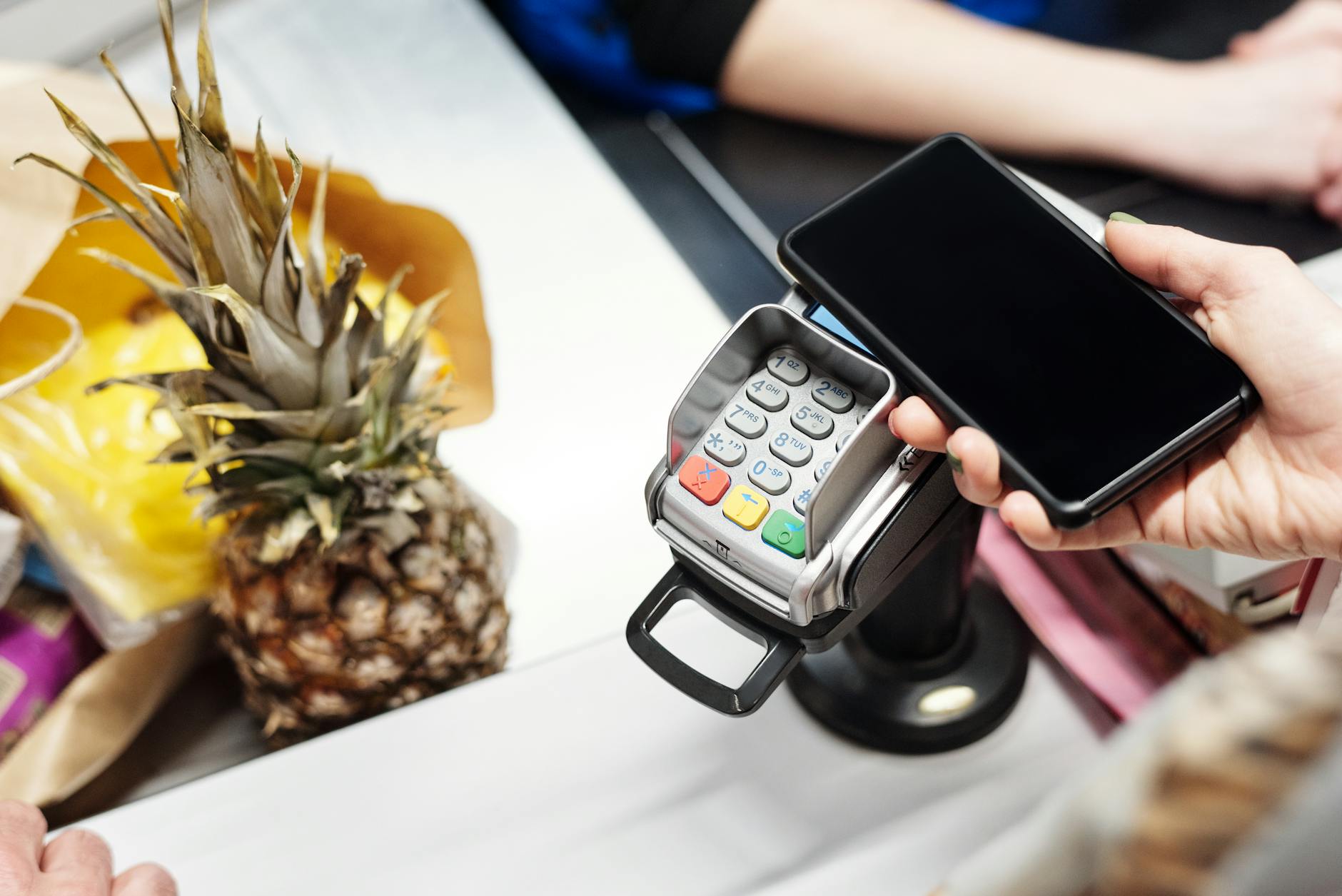
The cashier at a checkout is performing a service and directing your full attention elsewhere during the transaction communicates a clear lack of acknowledgment. Most checkout transactions last only a minute or two and pausing a call for that brief window is a widely accepted norm of public courtesy. Cashiers who are not acknowledged often feel the pressure of being invisible which contributes to an unnecessarily unpleasant working environment. A brief and genuine acknowledgment at the start and end of the transaction takes almost no time and makes a noticeable difference.
Paying With Disorganized Loose Change at a Busy Register

Counting out an exact amount in loose coins from a bag or pocket during a peak shopping period slows the transaction considerably. Most modern registers process card payments in seconds and even cash transactions move much faster with a note than with a pile of mixed coinage. Organizing change in advance or rounding up and accepting the difference as a small convenience fee is a practical time-saving approach. Being aware of the queue length before choosing a lengthy payment method shows consideration for everyone waiting.
Using Your Phone While Pushing a Cart

Scrolling a phone while simultaneously pushing a full shopping cart creates a blind-spot situation where the shopper is not monitoring the space directly ahead. Carts can veer into shelving displays other shoppers or small children who are not at the eyeline level of an adult looking at a screen. Shopping lists stored on a phone are perfectly practical but accessing them while stationary rather than while moving is the safer approach. Keeping movement and screen time as two separate actions reduces the risk of accidental collisions throughout the shop.
Leaving Items at the Register After Changing Your Mind

Placing several items on the conveyor belt and then deciding mid-transaction that you no longer want them is a reasonably common occurrence but handling it creates extra work for the cashier and delays the queue. Ideally a final review of the basket or cart before joining the line helps to eliminate unwanted items at the right point in the process. If a decision changes at the register the items should be handed to a staff member with a clear explanation rather than simply left on the counter. Cashiers then have to pause the transaction log the items separately and arrange for them to be returned to the correct shelf.
Taking Up Two Parking Spaces Near the Entrance

Parking a vehicle diagonally or carelessly across two spaces in order to protect the car from door dings reduces available parking for everyone else visiting the store. During busy shopping periods this creates additional congestion in the car park and forces other shoppers to park further away than necessary. Most car park spaces are designed to accommodate standard vehicles with room on both sides when each driver parks centrally within their bay. Taking the extra moment to align the car within a single space is a straightforward act of consideration for the broader shopping community.
Ignoring the Wet Floor Signs
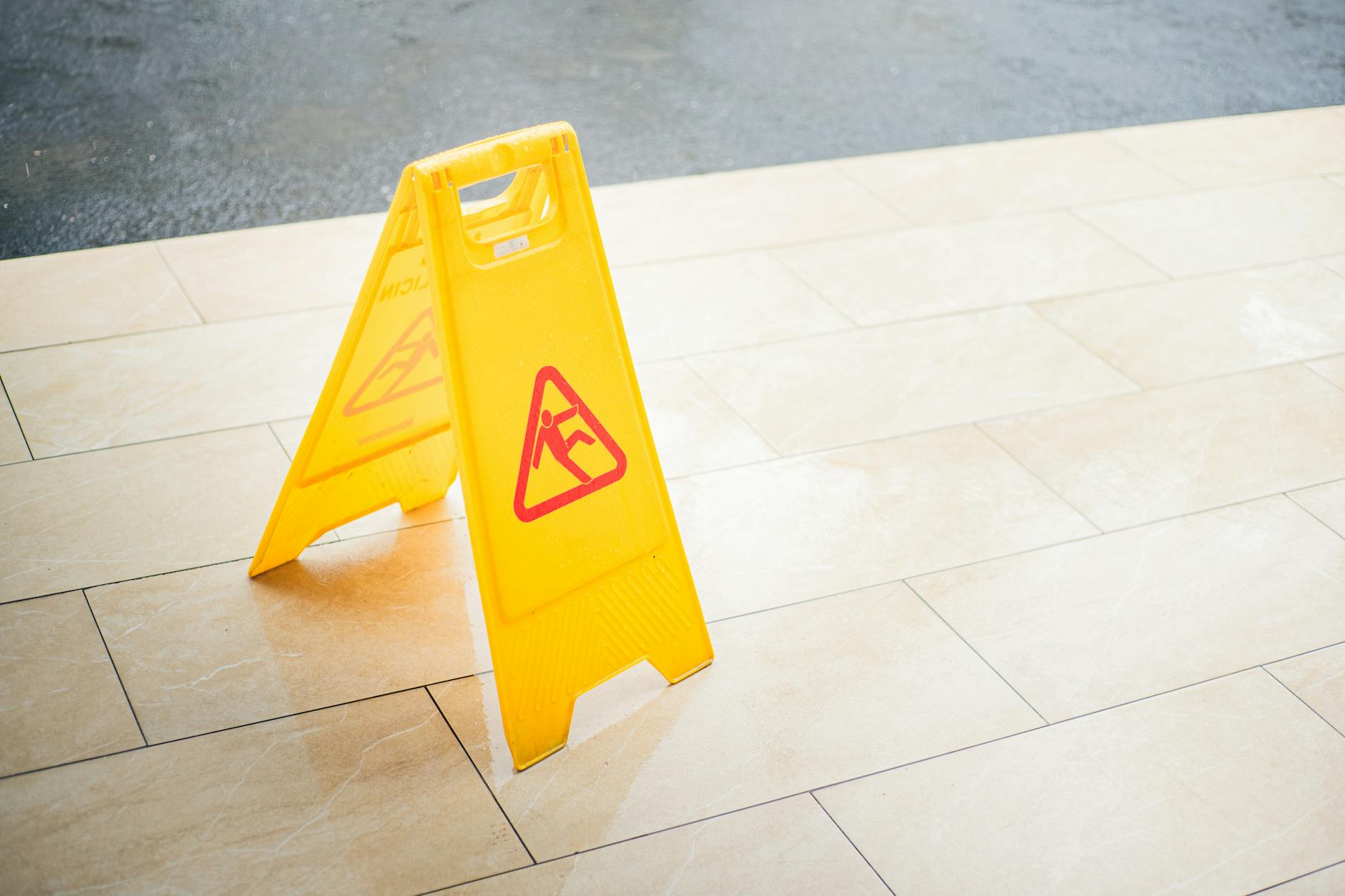
Wet floor signs are placed by staff as a safety warning and walking directly through the indicated zone without caution creates a slip-and-fall risk for the shopper and anyone following closely behind. Beyond personal safety ignoring the sign and tracking moisture further across the floor extends the hazardous area and increases the amount of time the zone remains dangerous. The signs are a temporary measure and the affected area can usually be bypassed with a short detour through a nearby aisle. Acknowledging and respecting in-store safety signage is both a legal responsibility and a common-sense habit.
Abandoning a Full Cart Mid-Shop
Walking away from a fully loaded shopping cart in the middle of an aisle while attending to something else blocks the space for an extended and unpredictable period of time. Other shoppers have no way of knowing whether the cart has been abandoned for thirty seconds or thirty minutes making it difficult to decide whether to wait or attempt to move around it. Parking the cart at the end of an aisle or in a low-traffic area while briefly stepping away is a more considerate alternative. Letting a companion watch the cart or taking it along on brief detours keeps the aisle clear and prevents inconvenience for other shoppers.
If you have ever found yourself nodding along to this list or quietly fuming at a memory from your last grocery run share the habits that frustrate you most in the comments.




