The bedroom is one of the most important spaces in any home, yet millions of people unknowingly sabotage their rest by bringing a glowing screen into it every single night. Research in sleep science has grown significantly over the past decade, and the findings consistently point to the same conclusion. The habits formed around phone use before bed have far-reaching consequences that extend well beyond simply feeling tired the next morning. Understanding exactly what happens to the mind and body when a phone enters the bedroom can be a powerful motivator for lasting change.
Blue Light and Melatonin Suppression
The screens on modern smartphones emit a type of high-energy visible light known as blue light. This wavelength directly interferes with the pineal gland’s ability to produce melatonin, the hormone responsible for signalling to the body that it is time to sleep. Even brief exposure in the hour before bed can delay melatonin release by up to ninety minutes according to sleep researchers. The body’s internal clock becomes confused, pushing the natural sleep window later and later over time. This hormonal disruption is one of the most well-documented physiological effects of nighttime phone use.
Delayed Sleep Onset
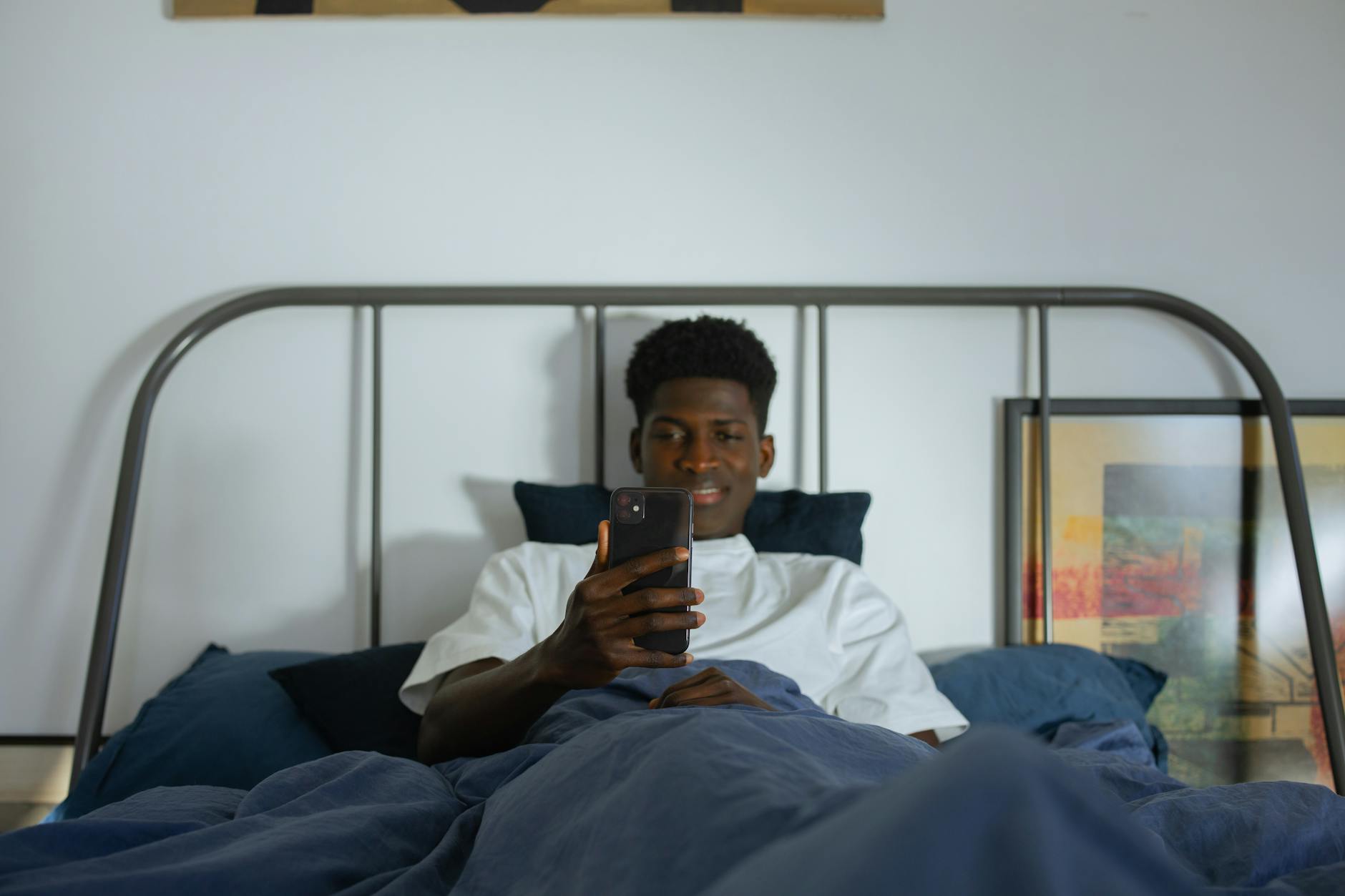
People who use their phones in bed consistently take longer to fall asleep than those who do not. The brain interprets the stimulation from scrolling, reading, or watching content as a signal to remain alert and engaged. This keeps the nervous system in a state of activation that is fundamentally incompatible with the relaxation needed for sleep to begin. Over weeks and months, this pattern can contribute to the development of chronic insomnia. Simply removing the phone from the room has been shown in multiple studies to reduce the time it takes to fall asleep.
Disrupted REM Cycles
Sleep is not a single uniform state but a series of cycles that the brain moves through across the night. REM sleep, the stage most associated with memory consolidation and emotional processing, is particularly sensitive to disruption. Using a phone late into the evening compresses the amount of time the brain spends in this restorative phase. Notifications received during the night, even if not consciously registered, can pull the brain out of deep sleep stages entirely. The cumulative effect is a night of sleep that feels unrefreshing regardless of its total duration.
Elevated Cortisol Levels

Cortisol is the body’s primary stress hormone and its levels are naturally meant to be low during the evening hours. Engaging with stimulating or stressful content on a phone before bed triggers a rise in cortisol that counteracts the body’s wind-down process. News feeds, work emails, and social media comparisons are particularly effective at activating the brain’s stress response. This hormonal state makes it significantly harder for the body to transition into a calm, sleep-ready condition. High nighttime cortisol is also associated with more frequent waking throughout the night.
Relationship Disconnection

For couples who share a bedroom, phone use at night creates a subtle but significant barrier to intimacy and connection. The presence of a screen redirects attention away from a partner and toward digital content and social interactions happening elsewhere. Research into relationship satisfaction has identified bedtime as one of the most important windows for meaningful conversation and emotional bonding. When both partners are scrolling independently, this opportunity is consistently lost. Over time, the cumulative absence of these small moments of connection can contribute to emotional distance in a relationship.
Poor Morning Mindset
The content consumed immediately before sleep has a measurable effect on mood and mental state upon waking. The brain continues to process information during sleep, and emotionally charged or stimulating content viewed at night can shape the tone of dreams and early morning thoughts. People who fall asleep while scrolling social media often wake feeling unsettled, reactive, or already behind. This creates a low-grade negative emotional baseline before the day has even begun. Starting the morning in this state makes it harder to focus, make decisions, and engage positively with others.
Reduced Cognitive Recovery

Sleep is the brain’s primary opportunity to clear metabolic waste, consolidate learning, and repair neural pathways. Phone use before bed shortens and fragments the sleep period in ways that directly reduce the brain’s ability to complete these essential maintenance tasks. Tasks such as problem solving, creative thinking, and accurate memory recall are all dependent on sufficient quality sleep. Workers and students who regularly use phones in bed report higher rates of cognitive fatigue and difficulty concentrating the following day. The long-term neurological consequences of chronic sleep fragmentation are an active area of concern among neuroscientists.
Digital Dependency
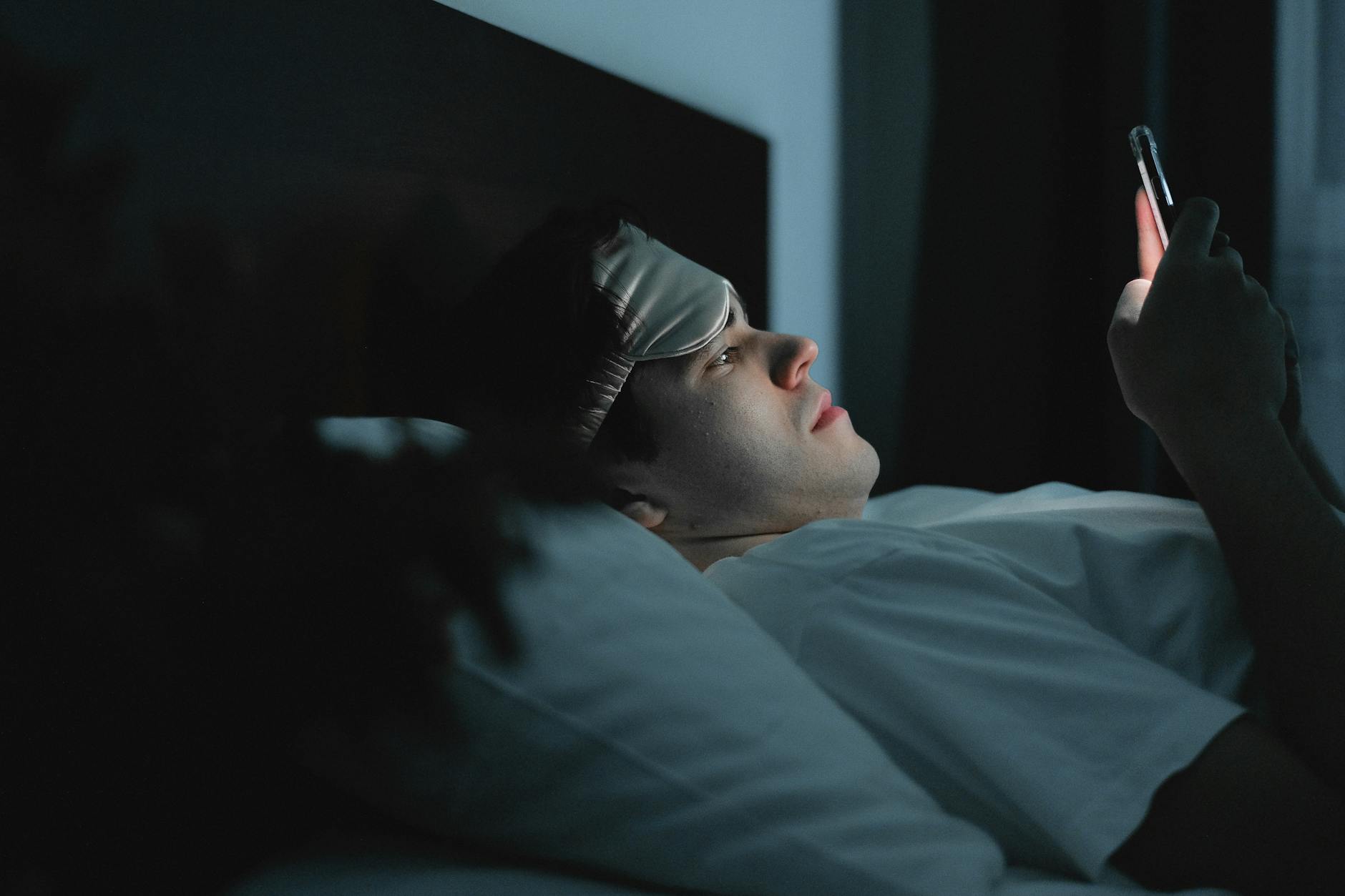
The design of most social media and entertainment apps is explicitly engineered to maximise engagement and resist disengagement. Algorithms surface content that triggers curiosity, emotion, and reward-seeking behaviour in the brain’s dopamine system. Using a phone in bed reinforces a powerful habit loop that becomes increasingly difficult to break over time. Many people report feeling unable to sleep without first checking their phone, even when they know it is making their rest worse. This pattern shares several characteristics with recognised behavioural dependency, including compulsive checking and discomfort when the behaviour is interrupted.
The Bedroom as a Sanctuary

Sleep psychology emphasises the importance of associating the bedroom exclusively with rest and relaxation. When a phone is introduced into the space, the brain begins to associate the bedroom environment with stimulation, work, and social activity. This process, known as stimulus control, weakens the automatic sleepy response that should occur when a person enters the bedroom and lies down. Over time, the bed itself can become a place of alertness and mental activity rather than rest. Reclaiming the bedroom as a sleep-only environment is one of the foundational recommendations in cognitive behavioural therapy for insomnia.
Partner Sleep Disruption

Even when only one person in a shared bed is using a phone, the effects extend to the other person trying to sleep. Screen brightness in a darkened room is sufficient to disrupt the melatonin production of a nearby partner. Notification sounds, vibrations, and the physical movement of scrolling all create micro-disturbances that fragment a partner’s sleep without them fully waking. Studies on shared sleep environments show that one partner’s phone use measurably reduces the sleep quality of the other. This makes phone-free bedrooms a shared health decision rather than an individual preference.
Eye Strain and Physical Discomfort
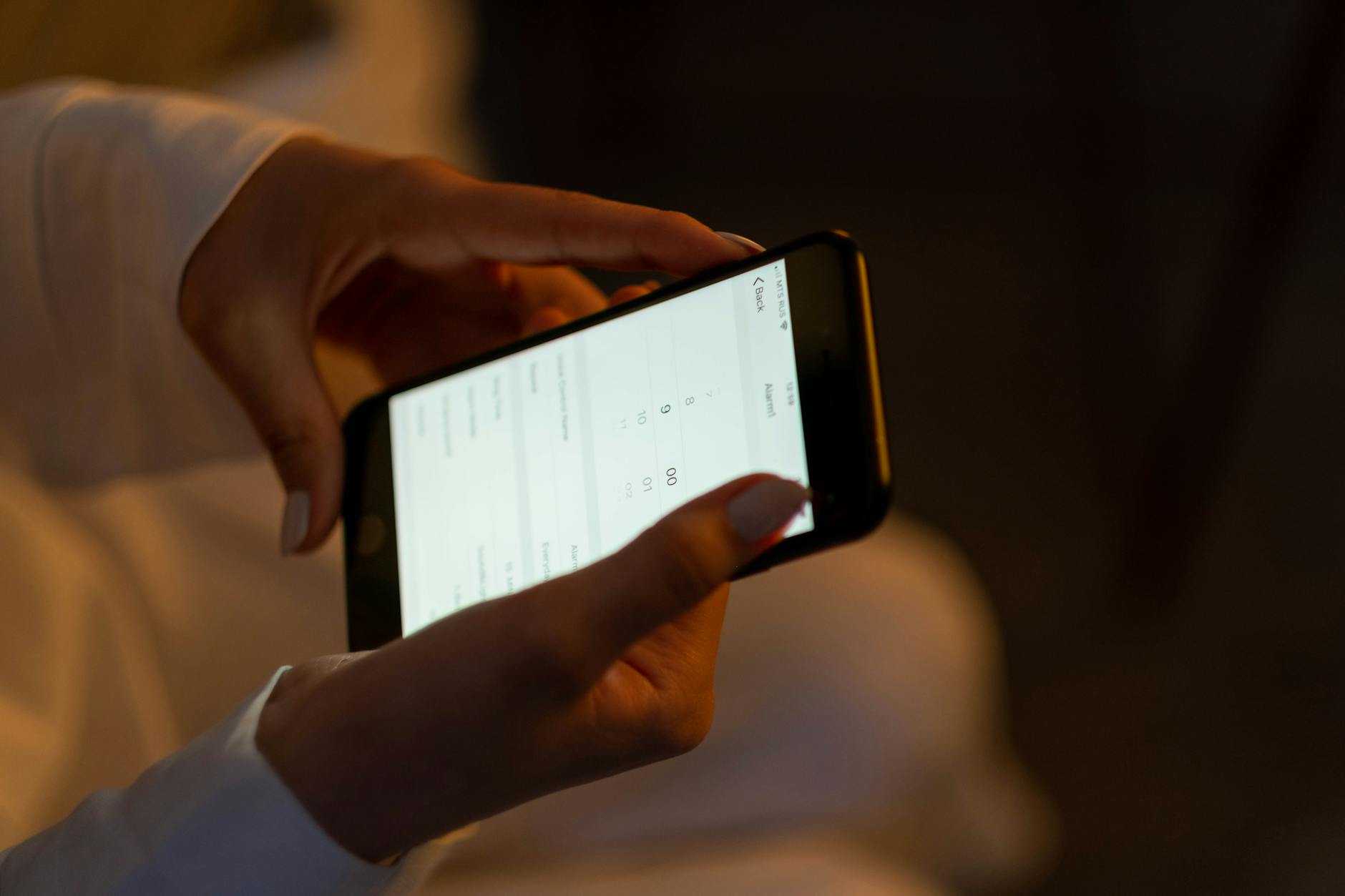
Prolonged screen use in low-light conditions places significant strain on the muscles and structures of the eye. Reading or scrolling in a dark bedroom forces the eyes to constantly adjust to the contrast between a bright screen and its dark surroundings. This can result in dry eyes, blurred vision, headaches, and a generalised sense of eye fatigue that carries into the next day. The posture typically adopted while using a phone in bed, often lying on one side or with the neck bent forward, also places stress on the cervical spine. These physical effects compound over time with nightly repetition.
The FOMO Effect
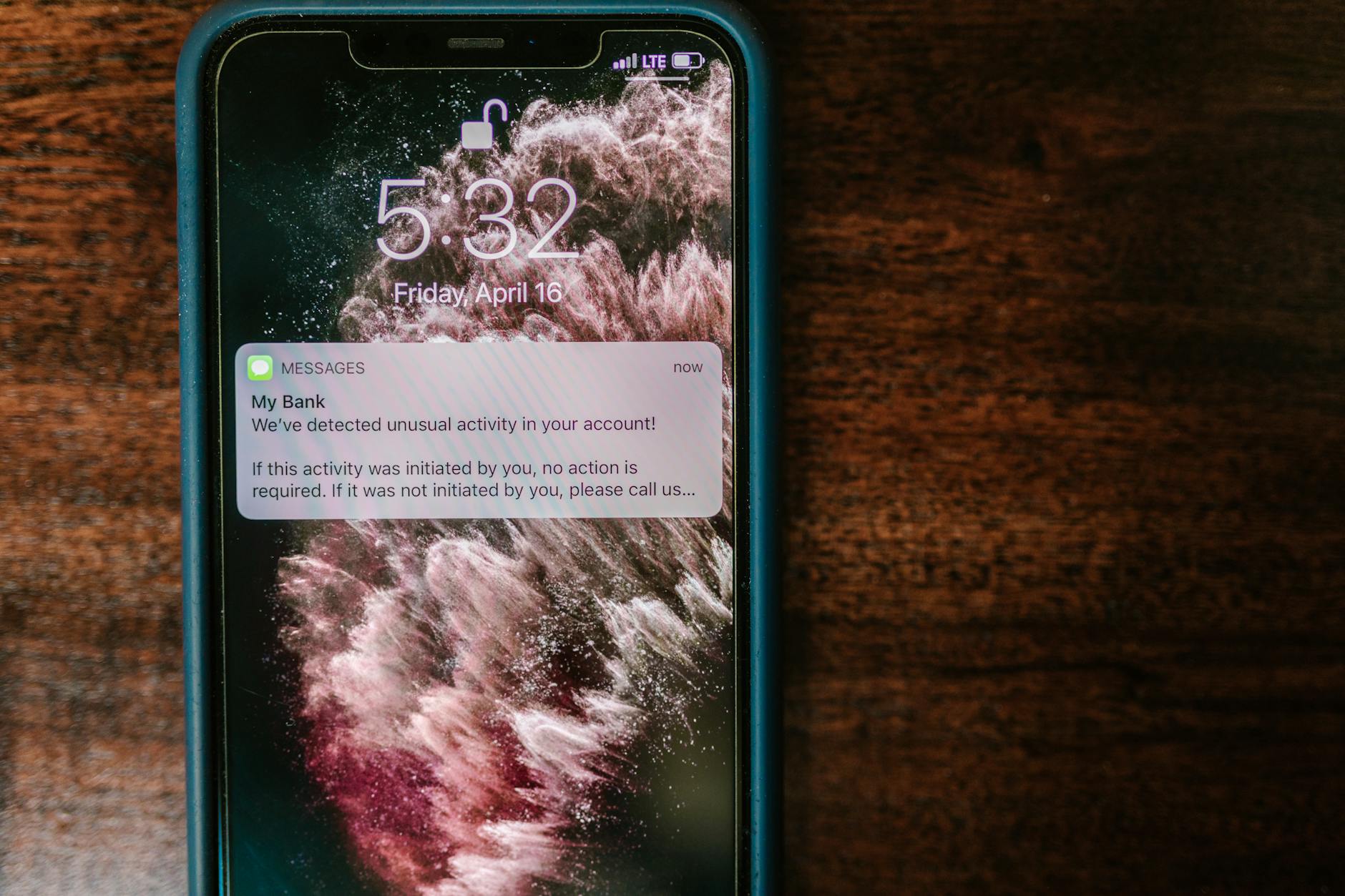
Fear of missing out is a well-documented psychological phenomenon that smartphone design actively exploits. Checking for notifications, new messages, or updated social feeds before sleep taps into a persistent anxiety about being excluded from events or conversations happening in real time. This mental state is characterised by low-grade restlessness and an inability to feel settled, both of which are incompatible with falling and staying asleep. The irony is that the content encountered through late-night checking is rarely urgent or meaningful. Recognising FOMO as a design feature rather than a genuine social need is a key step toward reducing nighttime phone use.
Lost Reading Rituals

Before smartphones became ubiquitous, many people used the time before sleep for reading physical books or magazines. This activity has been consistently linked to faster sleep onset, lower stress levels, and improved cognitive function compared to screen-based alternatives. Reading printed text does not emit blue light, does not generate notifications, and does not algorithmically present increasingly stimulating content to keep the reader engaged. The ritual of reading a physical book also creates a reliable cue for the brain that sleep is approaching. Replacing phone time with even twenty minutes of reading can produce measurable improvements in sleep quality within a short period.
Emotional Dysregulation

The content encountered during late-night phone use often includes emotionally activating material such as conflict, distressing news, or social comparison. Processing these emotional inputs immediately before sleep leaves insufficient time for the nervous system to return to a neutral state. Sleep research indicates that unresolved emotional arousal at bedtime is associated with more negative dream content and increased nighttime waking. Over extended periods, this pattern can contribute to heightened baseline anxiety and reduced emotional resilience during waking hours. The bedroom environment and the hours immediately before sleep are particularly influential in shaping emotional health.
Weakened Sleep Drive

Sleep drive, sometimes called sleep pressure, is the accumulating biological need for rest that builds throughout the day and is discharged during sleep. Stimulating phone activity delays the point at which sleep drive overcomes wakefulness and allows sleep to begin. When this natural threshold is repeatedly pushed back, the body’s sleep regulation system can become less efficient over time. This contributes to a cycle in which a person feels tired but unable to sleep, a condition clinicians describe as hyperarousal. Protecting the final hour before bed from phone use helps to preserve the natural potency of the sleep drive.
The Scroll-Before-Sleep Habit

Habitual behaviour operates largely below conscious awareness and is extraordinarily resistant to change without deliberate intervention. For many adults, reaching for a phone upon getting into bed has become an automatic response as deeply ingrained as brushing teeth. The issue is that unlike teeth brushing, this habit actively degrades the sleep that follows it. Habit researchers note that environmental cues are among the most powerful triggers for automatic behaviour, which is why physical proximity of the phone to the bed sustains the pattern. Moving the phone to another room is one of the simplest and most effective environmental modifications available for breaking this cycle.
Posture and Physical Tension
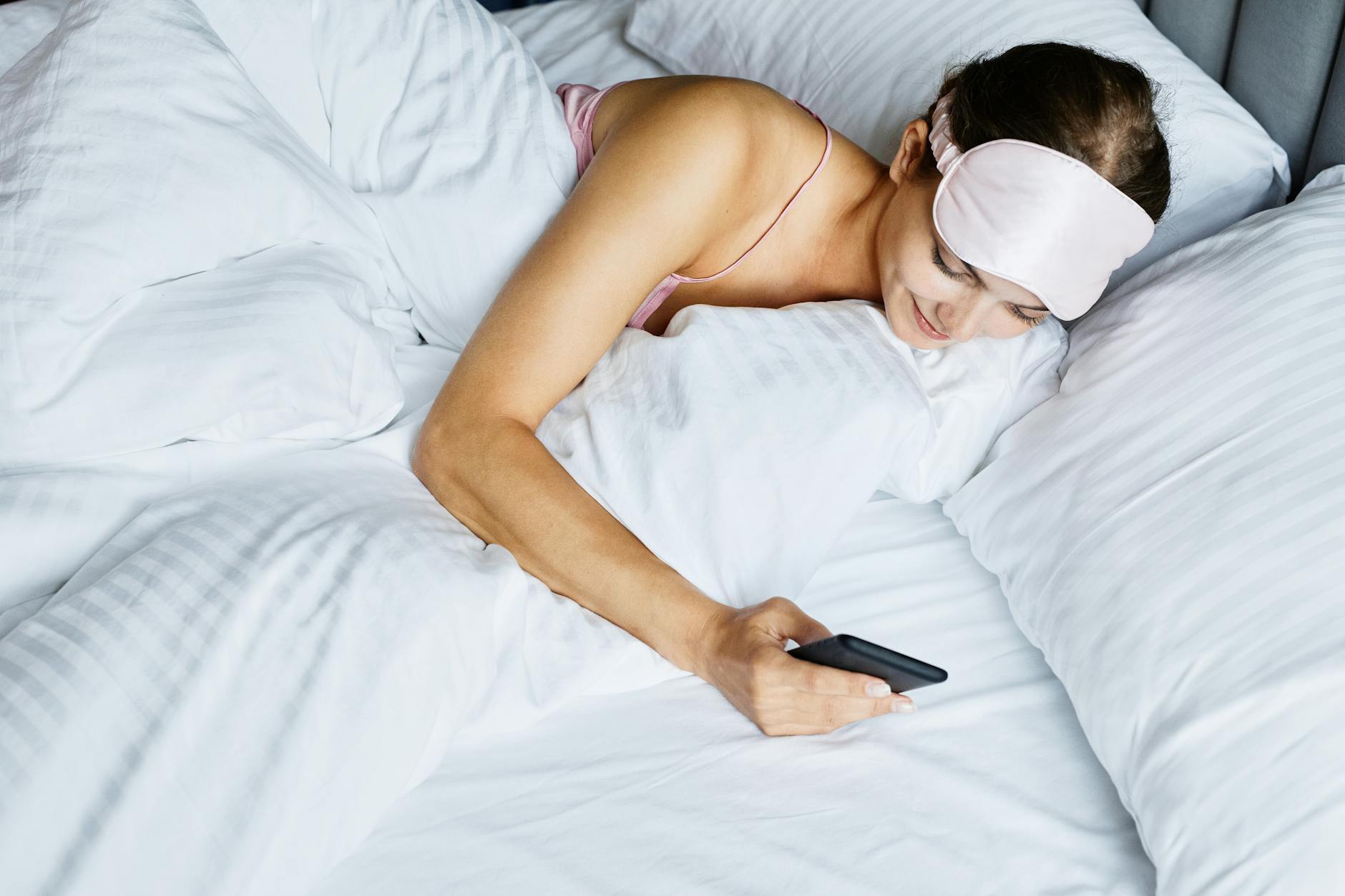
The way most people hold and use a phone while lying in bed creates patterns of muscular tension that persist into sleep. Propping the neck forward to look at a screen held above the face engages the muscles of the upper back and shoulders in ways that are not fully released during rest. Sleeping in a state of residual physical tension reduces the depth and quality of the sleep cycle and contributes to morning stiffness and discomfort. Physiotherapists and ergonomics specialists regularly identify late-night phone use as a contributing factor in complaints about neck and shoulder pain. Eliminating this posture from the bedtime routine removes an often-overlooked source of physical stress.
Missed Mindful Wind-Down Time

The transition from the activity of the day to the stillness of sleep functions best when it is supported by genuinely calming activities. Gentle stretching, slow breathing, quiet music, or simply lying in darkness all support the parasympathetic nervous system in preparing the body for sleep. Phone use occupies this window with stimulation that works directly against this physiological process. The absence of a proper wind-down routine has been linked to longer sleep onset times, lighter sleep stages, and a greater frequency of nighttime waking. Reclaiming this time as a deliberate transition ritual is one of the most impactful adjustments available to anyone looking to improve their sleep.
Morning Clarity and Intentionality

The first thoughts and actions of the morning are powerfully shaped by the quality of sleep that preceded them. Waking naturally, without the disruption caused by a nearby phone emitting light and sound, allows the brain to complete its final sleep cycles undisturbed. People who do not sleep with their phones nearby consistently report waking with greater mental clarity and a calmer sense of readiness for the day. This unhurried morning state supports better decision-making, more thoughtful communication, and a stronger sense of personal agency. The phone-free bedroom does not just improve the night; it fundamentally changes the quality of the morning that follows it.
If you have made changes to your bedtime phone habits or are thinking about trying a phone-free bedroom, share your experience and thoughts in the comments.




