Reaching your forties brings a natural shift in the way your body processes energy, and what you eat becomes more important than ever. Metabolism tends to slow with age due to hormonal changes, reduced muscle mass, and shifts in gut health. The good news is that certain whole foods contain compounds that actively support metabolic function, fat oxidation, and cellular energy production. Making strategic choices at the grocery store can meaningfully influence how efficiently your body burns fuel every single day.
Green Tea

Green tea contains a group of antioxidants called catechins that have been widely studied for their role in supporting fat metabolism. The combination of natural caffeine and epigallocatechin gallate works to enhance thermogenesis at a cellular level. Regular consumption has been associated with modest increases in daily calorie expenditure in adults over forty. Drinking two to three cups throughout the day is a common recommendation among nutrition researchers. It also supports hydration and provides a gentle energy lift without the sharp crash associated with stronger stimulants.
Chili Peppers

Chili peppers contain capsaicin, a bioactive compound that temporarily raises body temperature and increases calorie burn through a process called diet-induced thermogenesis. This effect has been documented in multiple studies looking at metabolic rate in middle-aged adults. Capsaicin also appears to support fat oxidation, meaning the body may more readily use stored fat as fuel. Fresh chilis, dried flakes, and powdered cayenne all deliver measurable amounts of this compound. Adding heat to meals is one of the most accessible dietary tools for nudging metabolism upward.
Salmon

Salmon is one of the richest sources of omega-3 fatty acids, which play a meaningful role in regulating metabolic hormones after forty. These healthy fats help reduce chronic low-grade inflammation, a condition that becomes more common with age and is strongly linked to metabolic slowdown. The high protein content in salmon also supports the preservation of lean muscle mass, which is the body’s primary calorie-burning tissue. A single serving provides a substantial portion of the daily protein target recommended for adults managing metabolic health. Wild-caught varieties tend to offer higher concentrations of beneficial fats compared to farmed options.
Eggs

Eggs are among the most complete sources of protein available, providing all essential amino acids needed to build and maintain muscle tissue. Preserving muscle is one of the most effective long-term strategies for keeping metabolism elevated in your forties and beyond. The yolk contains choline, a nutrient that supports fat transport and liver metabolism. Studies have shown that high-protein breakfasts increase satiety hormones and reduce overall calorie intake throughout the day. Eggs are also highly versatile and can be incorporated into meals at any time of day without significant preparation effort.
Greek Yogurt

Greek yogurt delivers a concentrated dose of protein alongside beneficial probiotics that support gut microbiome diversity. A healthy gut is increasingly recognized as a key factor in metabolic regulation and inflammation control. The protein content triggers a higher thermic effect of food compared to carbohydrates or fats, meaning the body expends more energy simply digesting it. Calcium found in dairy has also been linked to improved fat metabolism in research involving adults over forty. Choosing plain, unsweetened varieties maximizes these benefits without adding unnecessary sugar to the diet.
Avocado

Avocado provides monounsaturated fats that support hormonal balance, which is particularly relevant for women going through perimenopause and menopause. Healthy fat intake at this life stage helps the body manage cortisol and insulin more efficiently, both of which directly influence metabolism. The fiber content slows digestion and contributes to more stable blood sugar levels throughout the day. Avocados also contain potassium, which supports proper muscle function and electrolyte balance during physical activity. Including half an avocado in a daily meal has become a widely recommended practice in metabolic health nutrition.
Spinach

Spinach is rich in iron, magnesium, and B vitamins, all of which are essential cofactors in cellular energy production. Iron in particular plays a central role in oxygen transport to muscles, directly affecting how efficiently the body burns calories during movement. Magnesium supports over three hundred enzymatic reactions in the body including those involved in glucose metabolism. The low calorie density of spinach means large volumes can be consumed without disrupting energy balance. It integrates easily into smoothies, salads, soups, and cooked dishes, making daily consumption practical and sustainable.
Lentils

Lentils are an outstanding plant-based source of protein and slow-digesting complex carbohydrates that help regulate blood sugar and insulin response. Stable insulin levels are critical after forty because insulin resistance becomes more prevalent and can significantly impair metabolic function. The high fiber content feeds beneficial gut bacteria, which research has connected to improved metabolic markers in aging adults. Lentils also provide iron and B vitamins that support mitochondrial energy production at the cellular level. They are affordable, shelf-stable, and easy to incorporate into a wide range of recipes from soups to grain bowls.
Ginger

Ginger contains gingerols and shogaols, bioactive compounds with documented thermogenic properties that support metabolic rate. It also has anti-inflammatory effects that address one of the primary drivers of metabolic dysfunction in midlife adults. Ginger has been shown in studies to enhance calorie burning and reduce feelings of hunger when consumed regularly. Fresh ginger can be added to teas, stir-fries, smoothies, and dressings with minimal preparation. Its digestive benefits also help optimize nutrient absorption, which ensures the body gets the most metabolic value from the foods consumed alongside it.
Almonds
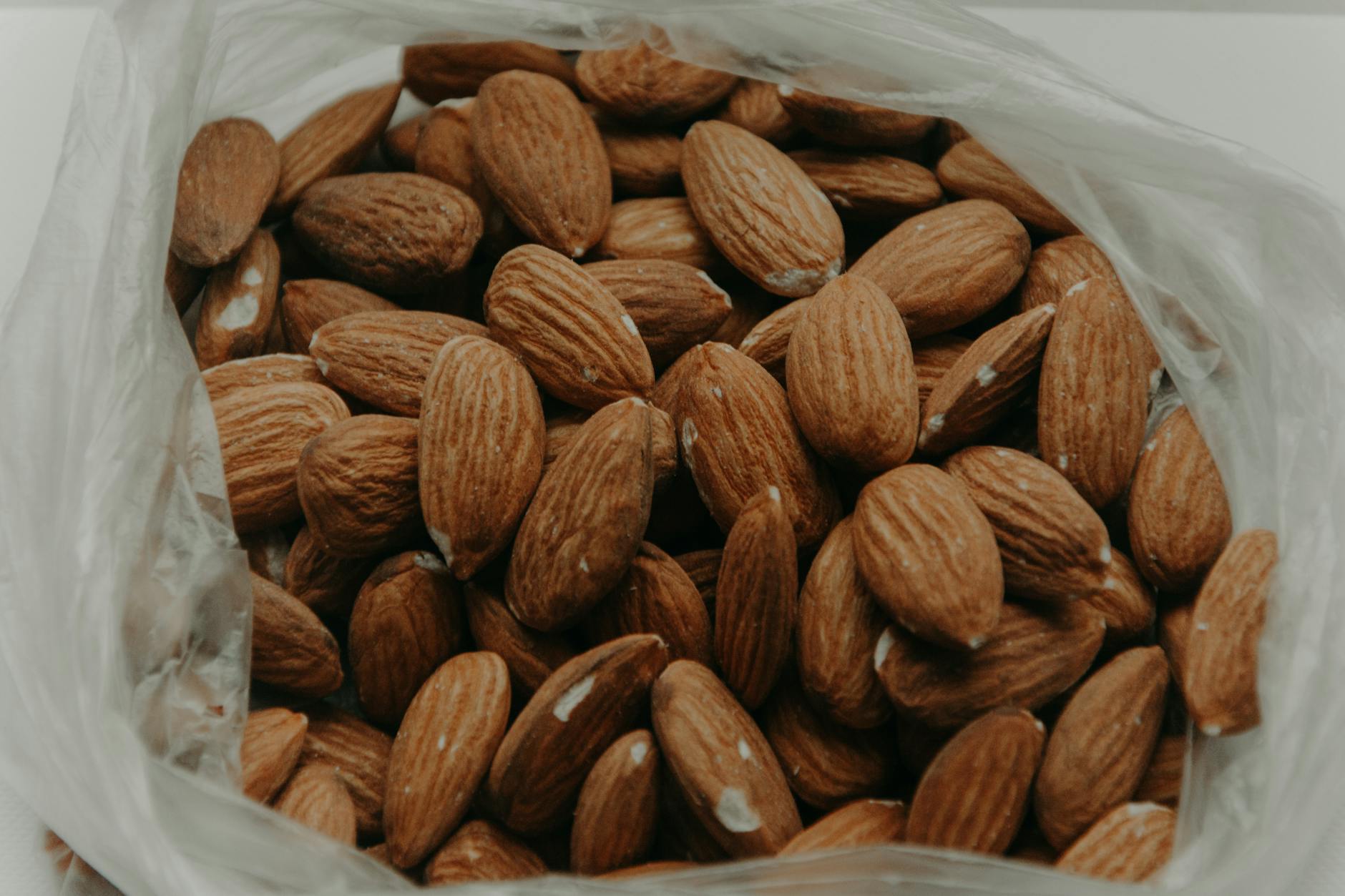
Almonds provide a combination of protein, healthy fats, and fiber that creates a strong thermic response and sustained energy release. The magnesium in almonds supports insulin sensitivity, which is a key factor in metabolic health as the body ages. Research suggests that regular nut consumption is associated with reduced abdominal fat accumulation in adults over forty. The act of chewing almonds also requires more digestive energy than processed snacks, contributing to a slightly higher calorie burn during digestion. A small handful between meals can help prevent energy dips that often lead to poor food choices later in the day.
Apple Cider Vinegar

Apple cider vinegar contains acetic acid, which has been studied for its ability to improve insulin sensitivity and slow the absorption of carbohydrates after meals. Blunting blood sugar spikes is particularly important for metabolic health in adults over forty who may experience declining insulin efficiency. Some research also points to a modest reduction in appetite when acetic acid is consumed before meals. Diluting a tablespoon in a large glass of water and drinking it before eating is the most commonly studied method of consumption. It pairs well with olive oil as a simple and effective salad dressing base.
Oats
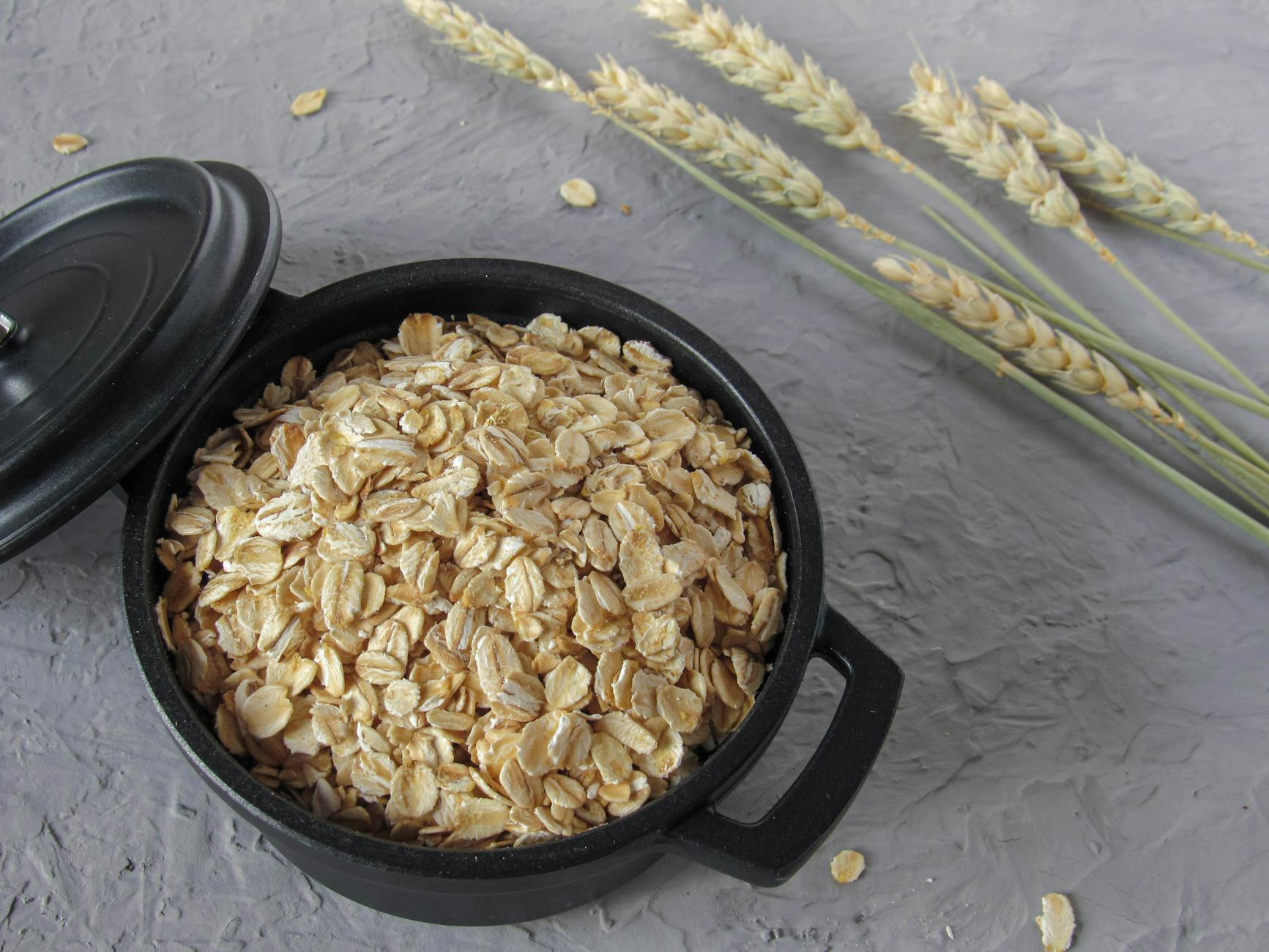
Oats are one of the most studied whole grains for metabolic support, largely due to their beta-glucan fiber content. Beta-glucan forms a gel-like substance in the digestive tract that slows glucose absorption and supports sustained energy without blood sugar crashes. This effect helps regulate insulin output, which directly influences how the body stores or burns fat. Oats also contain resistant starch that feeds beneficial gut bacteria and improves metabolic signaling over time. Choosing steel-cut or rolled oats over instant varieties preserves more of the fiber and protein that drive these benefits.
Broccoli

Broccoli contains sulforaphane, a compound that activates genes involved in fat metabolism and cellular detoxification. It is also high in fiber and chromium, a trace mineral that plays a supporting role in blood sugar regulation. The high volume of broccoli relative to its calorie content makes it an effective food for managing energy balance without restriction. Cruciferous vegetables like broccoli have also been linked to improvements in thyroid function, which is a central regulator of metabolic rate. Lightly steaming rather than boiling preserves the highest concentration of its metabolically active compounds.
Berries

Berries including blueberries, raspberries, and strawberries are loaded with polyphenols that reduce oxidative stress and support mitochondrial function. Healthy mitochondria are essential for efficient energy metabolism, and their function tends to decline with age without dietary support. The fiber in berries also moderates blood sugar response, reducing the insulin spikes that can promote fat storage in midlife adults. Anthocyanins, the pigments that give berries their color, have been specifically linked to improved fat oxidation in research conducted on adults over forty. Their natural sweetness makes them an ideal substitute for processed desserts without sacrificing metabolic benefit.
Lean Chicken Breast

Lean chicken breast has one of the highest thermic effects of any food, with the body burning significantly more calories digesting protein than it does digesting fats or carbohydrates. Preserving and building lean muscle mass is one of the most effective ways to counteract the natural metabolic decline that begins in the fourth decade of life. Chicken breast provides all essential amino acids needed for muscle protein synthesis, particularly when consumed alongside resistance exercise. Its versatility allows it to fit into a wide range of meal styles and dietary approaches. Regular inclusion in weekly meal planning ensures a consistent supply of metabolically active tissue-building nutrients.
Coffee

Coffee is one of the most well-documented natural metabolic stimulants available, primarily due to its caffeine content. Caffeine increases adrenaline levels in the bloodstream, which signals fat cells to break down stored fat and release it into the blood for use as energy. Research has consistently shown that caffeine can increase metabolic rate by a measurable percentage for several hours after consumption. Black coffee without added sugar or cream delivers these benefits with virtually no caloric impact on the diet. Timing consumption strategically in the morning or before physical activity tends to produce the most significant metabolic results.
Turmeric

Turmeric contains curcumin, one of the most thoroughly researched anti-inflammatory compounds found in food. Chronic inflammation is directly linked to insulin resistance and metabolic dysfunction, both of which accelerate in midlife. Curcumin has been shown to support the regulation of genes involved in fat metabolism and energy expenditure. Pairing turmeric with black pepper significantly enhances the absorption of curcumin in the digestive tract. Adding it to soups, rice dishes, scrambled eggs, and warm drinks is an easy way to incorporate therapeutic amounts into a daily eating pattern.
Sardines

Sardines offer one of the highest concentrations of omega-3 fatty acids available in a single food alongside an impressive protein profile. The combination of these two nutrients makes sardines particularly effective at supporting muscle retention and reducing the inflammation that slows metabolism after forty. They also provide vitamin D, a nutrient that plays a growing role in metabolic research and is commonly deficient in adults over forty. The high selenium content in sardines supports thyroid function, which governs the rate at which the body converts food into energy. Canned varieties make sardines one of the most affordable and convenient metabolic superfoods available.
Quinoa
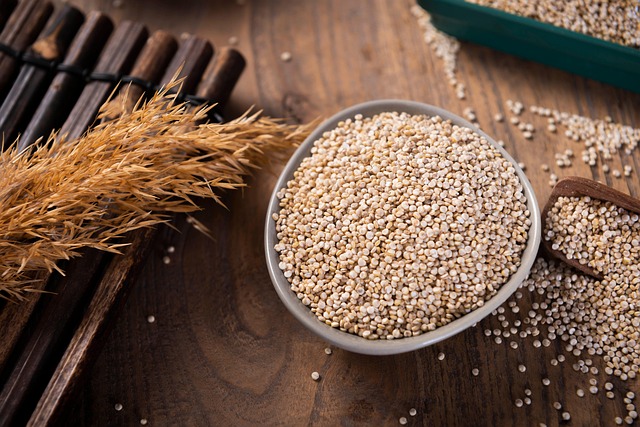
Quinoa is one of the few plant foods classified as a complete protein, containing all nine essential amino acids required for muscle repair and maintenance. Its complex carbohydrate structure provides slow-releasing energy that keeps blood sugar stable and prevents the insulin surges associated with refined grains. The high fiber content supports gut health, which is increasingly understood to be directly connected to metabolic efficiency. Quinoa is also rich in manganese, which plays a role in the enzymatic processes that produce cellular energy. Substituting quinoa for refined grains in regular meals is a straightforward way to increase the metabolic quality of a diet.
Walnuts
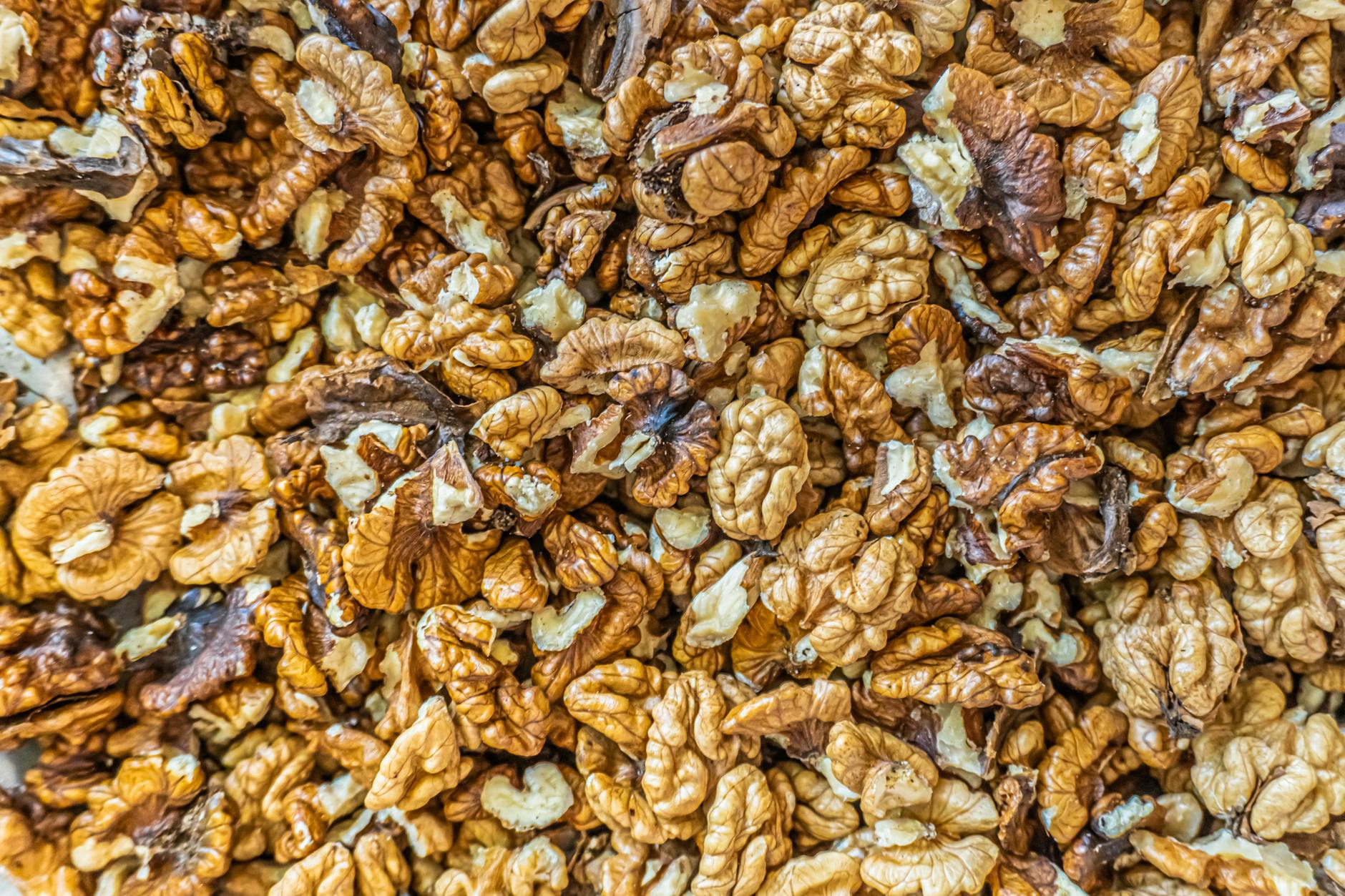
Walnuts are uniquely rich in alpha-linolenic acid, the plant-based form of omega-3 fatty acids that support anti-inflammatory pathways linked to metabolic health. They contain a broad spectrum of polyphenols that feed beneficial gut bacteria and improve the gut environment associated with healthy weight regulation. Research has shown that regular walnut consumption is associated with improved insulin sensitivity in adults in the forty-plus age group. The combination of protein, fat, and fiber in walnuts produces a high level of satiety, reducing the likelihood of overeating at subsequent meals. Four to six walnuts daily is a commonly cited serving size in metabolic nutrition studies.
Seaweed

Seaweed is one of the few food sources of iodine, a mineral that is essential for the production of thyroid hormones that regulate metabolic rate. Adequate iodine intake is particularly important for adults over forty as thyroid efficiency can begin to decline with age. Certain types of seaweed including wakame also contain fucoxanthin, a pigment with documented fat-burning properties in research studies. The fiber in seaweed supports gut health and slows the absorption of glucose, contributing to more stable insulin levels. Dried seaweed snacks and seaweed salads have become widely available and offer a practical way to access these metabolic benefits regularly.
Cottage Cheese

Cottage cheese is exceptionally high in casein protein, a slow-digesting form that keeps amino acids circulating in the bloodstream for extended periods. This prolonged protein availability is particularly beneficial for muscle preservation during overnight fasting, when the body can otherwise enter a catabolic state. Maintaining lean muscle mass is the most sustainable method for keeping resting metabolic rate elevated into and beyond middle age. Cottage cheese also contains calcium and phosphorus, both of which support cellular energy processes. Eating it as an evening snack has become a popular practice among those focused on supporting muscle metabolism around the clock.
Sweet Potatoes

Sweet potatoes provide complex carbohydrates with a moderate glycemic index that supports steady blood sugar management rather than sharp insulin spikes. They are rich in potassium, which supports muscle function and helps regulate fluid balance, both of which influence physical performance and calorie burn. The high vitamin B6 content in sweet potatoes is directly involved in the enzymatic processes that convert food into usable energy. Resistant starch in slightly cooled sweet potatoes also feeds beneficial gut bacteria and improves metabolic hormone signaling. Their natural sweetness makes them one of the most satisfying whole-food carbohydrate sources for those managing metabolic health through diet.
Dark Chocolate

Dark chocolate with a high cocoa content contains flavanols that improve blood flow, reduce inflammation, and support insulin sensitivity. These effects are particularly relevant for metabolic health in adults over forty who face increasing risk of insulin resistance. Theobromine and small amounts of caffeine in dark chocolate also provide a mild thermogenic effect that slightly elevates calorie burn. Research has linked moderate dark chocolate consumption to improved gut microbiome diversity, a factor increasingly connected to metabolic regulation. Choosing varieties with at least seventy percent cocoa ensures a meaningful concentration of the bioactive compounds responsible for these benefits.
Flaxseeds

Flaxseeds are among the richest plant sources of lignans and alpha-linolenic acid, both of which support hormonal balance and reduce the estrogen-related metabolic disruptions common after forty. The soluble fiber in flaxseeds forms a gel during digestion that moderates glucose absorption and feeds beneficial gut bacteria. Ground flaxseeds are more bioavailable than whole seeds, making grinding before consumption a recommended practice. Their mild flavor makes them easy to add to smoothies, oatmeal, yogurt, and baked goods without significantly altering taste. Regular consumption has been associated with improvements in cholesterol profiles and inflammatory markers that affect metabolic function.
Edamame

Edamame is a whole soy food that provides a plant-based complete protein with an amino acid profile well-suited to muscle preservation in aging adults. The isoflavones in soy have been studied for their role in supporting hormonal balance during menopause, a period commonly associated with metabolic slowdown in women. High fiber content in edamame contributes to improved gut health and more efficient nutrient metabolism. The moderate calorie density combined with its high satiety value makes it an effective snack for managing overall energy intake. Edamame is widely available fresh and frozen, making it one of the most accessible high-protein plant foods for regular dietary use.
Pumpkin Seeds

Pumpkin seeds are exceptionally rich in zinc, a mineral that supports testosterone production and thyroid function, both of which regulate metabolic rate in adults over forty. They also contain magnesium, which is involved in over three hundred metabolic enzymatic processes including those governing energy production in muscle cells. The high protein and healthy fat content in pumpkin seeds creates a significant thermic effect and strong satiety signal. Their portability and shelf stability make them a practical snack option that supports consistent nutritional habits. Regular consumption has been linked to improvements in blood sugar regulation, a central factor in maintaining metabolic efficiency with age.
Miso

Miso is a fermented soy paste that delivers beneficial probiotics alongside a rich supply of amino acids, B vitamins, and minerals. The fermentation process that creates miso produces compounds that support gut microbiome diversity, which is closely linked to metabolic health outcomes in aging populations. Glutamate compounds in miso contribute to the umami flavor that promotes satiety and reduces the desire to overconsume at mealtimes. Vitamin K2 found in fermented soy foods supports calcium metabolism and cardiovascular health, both of which interact with overall metabolic function. A small amount dissolved in warm broth or used as a marinade is enough to deliver measurable probiotic and nutritional benefits.
Hemp Seeds
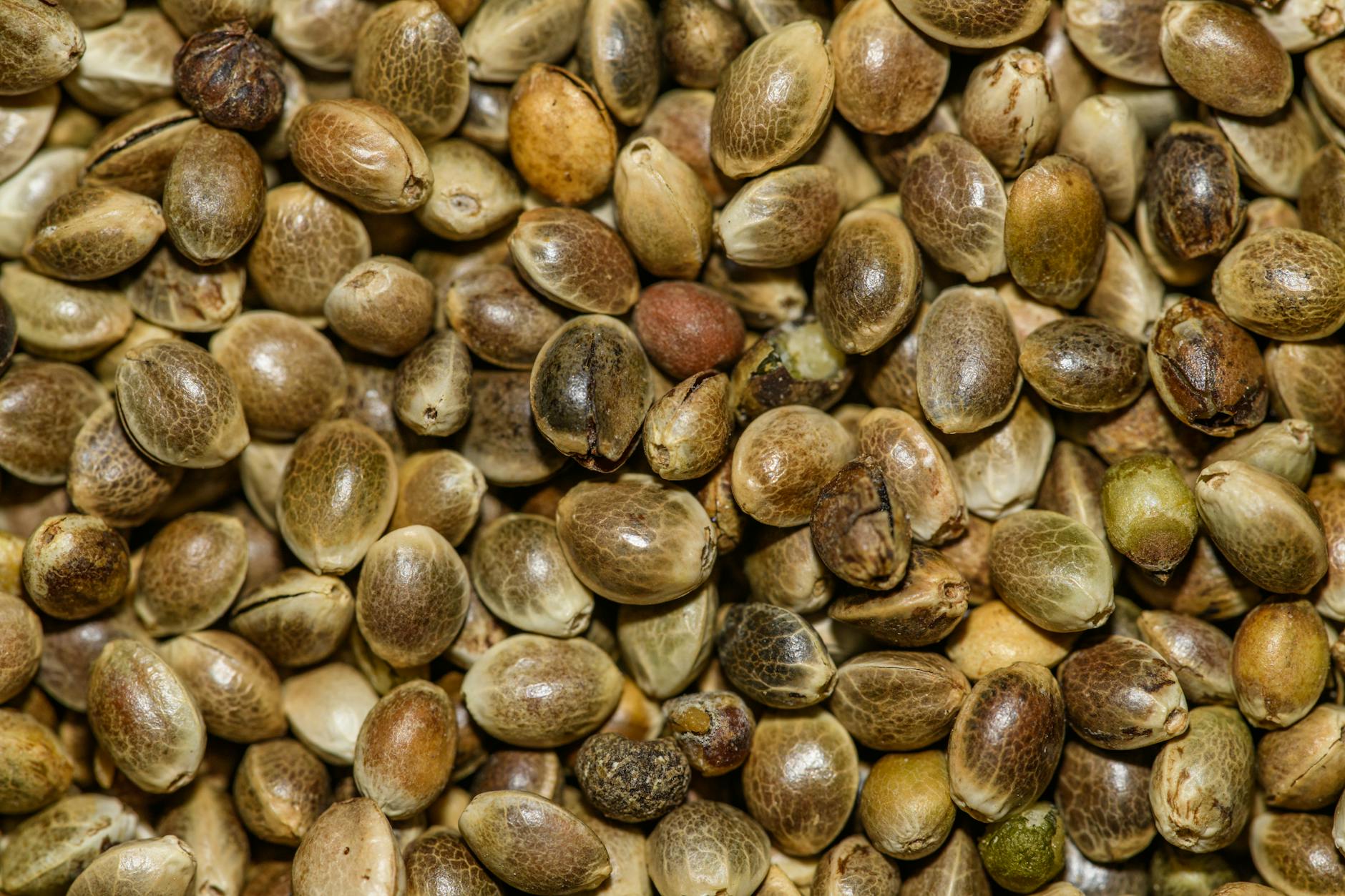
Hemp seeds contain an ideal ratio of omega-6 to omega-3 fatty acids, a balance that supports the anti-inflammatory environment required for efficient metabolic function. They provide complete plant protein with a digestibility score comparable to that of animal-based proteins, making them a valuable option for those eating primarily plant-based diets. The combination of healthy fats and protein in hemp seeds supports hormonal regulation, which becomes increasingly important for metabolic health after forty. Gamma-linolenic acid in hemp seeds has been specifically studied for its role in supporting fat metabolism and reducing inflammatory markers. Sprinkling hemp seeds on salads, smoothies, and grain dishes is a simple way to consistently elevate the nutritional density of daily meals.
Bone Broth

Bone broth provides collagen-derived amino acids including glycine and proline that support gut lining integrity, which is fundamental to proper nutrient absorption and metabolic signaling. A permeable or damaged gut lining can contribute to systemic inflammation, a condition that significantly impairs metabolic efficiency in adults over forty. The high glycine content in bone broth also supports liver function and the detoxification pathways that help regulate fat metabolism. Phosphorus and magnesium in bone broth contribute to cellular energy production at the mitochondrial level. Consuming it as a warm beverage between meals is a growing practice among those focused on gut and metabolic health in midlife.
Kimchi

Kimchi is a fermented vegetable food rich in Lactobacillus bacteria that have been specifically studied for their positive effects on gut health and metabolism. Research conducted in Korea found that regular kimchi consumption was associated with measurable improvements in body fat percentage and insulin sensitivity in middle-aged adults. The capsaicin from the chili used in traditional kimchi preparation adds a thermogenic component that supports calorie burn alongside the probiotic benefits. High fiber content from the fermented cabbage base feeds beneficial bacteria and promotes a gut environment associated with healthy weight management. Its bold flavor makes it a distinctive condiment that can be added to rice dishes, eggs, soups, and grain bowls to increase both probiotic content and metabolic benefit.
Chia Seeds
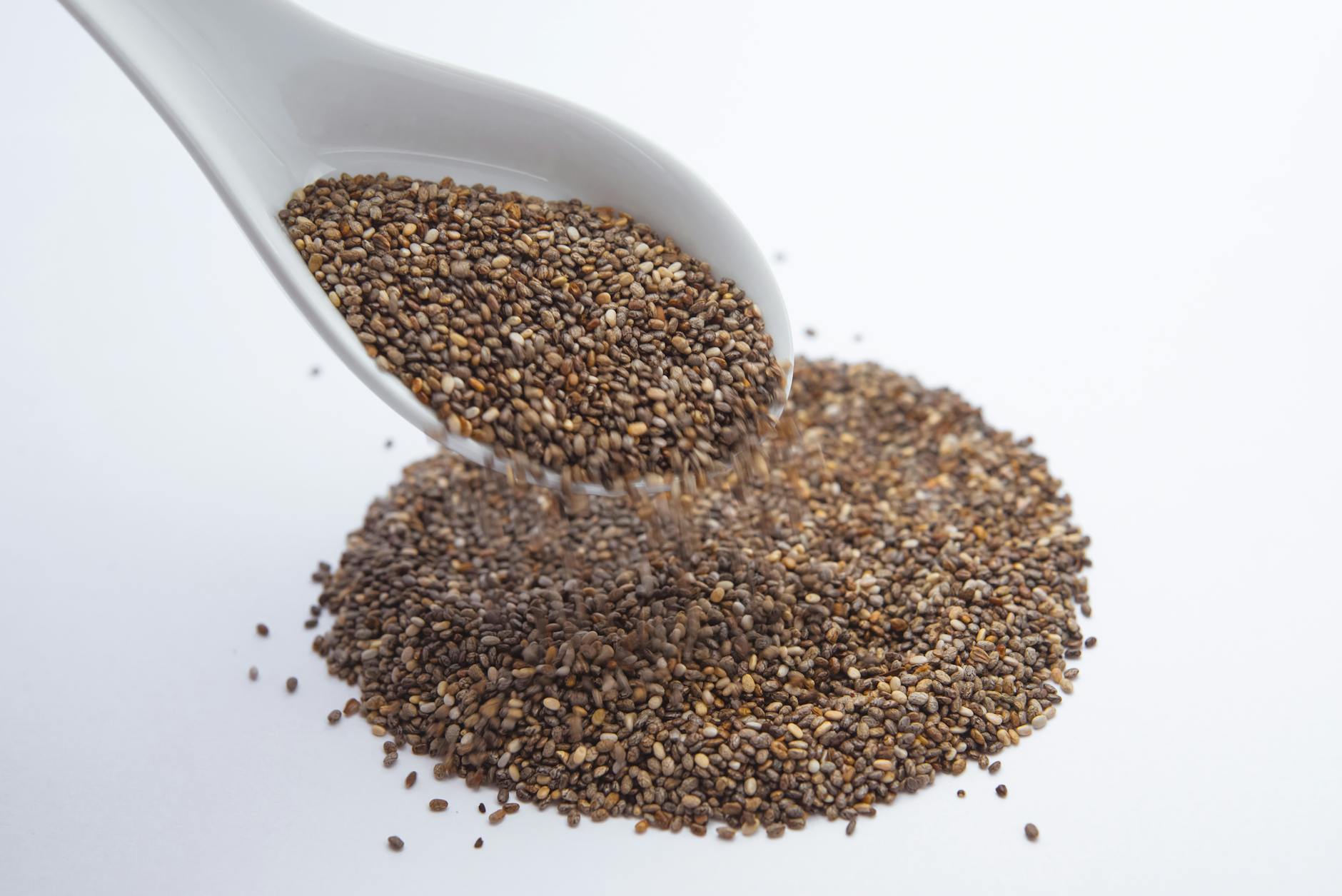
Chia seeds absorb many times their weight in water to form a gel that slows digestion and moderates post-meal blood sugar response considerably. This blood sugar stabilizing effect is particularly valuable for adults over forty who face an increased risk of insulin resistance and the metabolic complications that follow. Chia seeds provide a balanced combination of plant-based omega-3 fatty acids, fiber, and protein that supports both inflammation control and satiety. The high calcium content also contributes to bone health, which becomes increasingly important as hormonal changes in midlife affect bone density. Adding them to water, smoothies, oatmeal, or yogurt is one of the easiest dietary adjustments available for metabolic support.
Tempeh

Tempeh is a fermented whole soy food with a denser protein profile than tofu and a significant fiber content that supports gut microbiome diversity. The fermentation process not only increases nutrient bioavailability but also produces natural probiotics that support the gut environment linked to metabolic regulation. Its complete amino acid profile makes it a highly effective plant-based option for maintaining muscle mass, which is the primary driver of resting metabolic rate. Research has shown that tempeh consumption is associated with improved cholesterol profiles and reduced inflammation, two factors that influence metabolic function in aging adults. Its firm texture and savory flavor make it adaptable to a wide range of cooking methods including grilling, baking, and stir-frying.
Black Beans
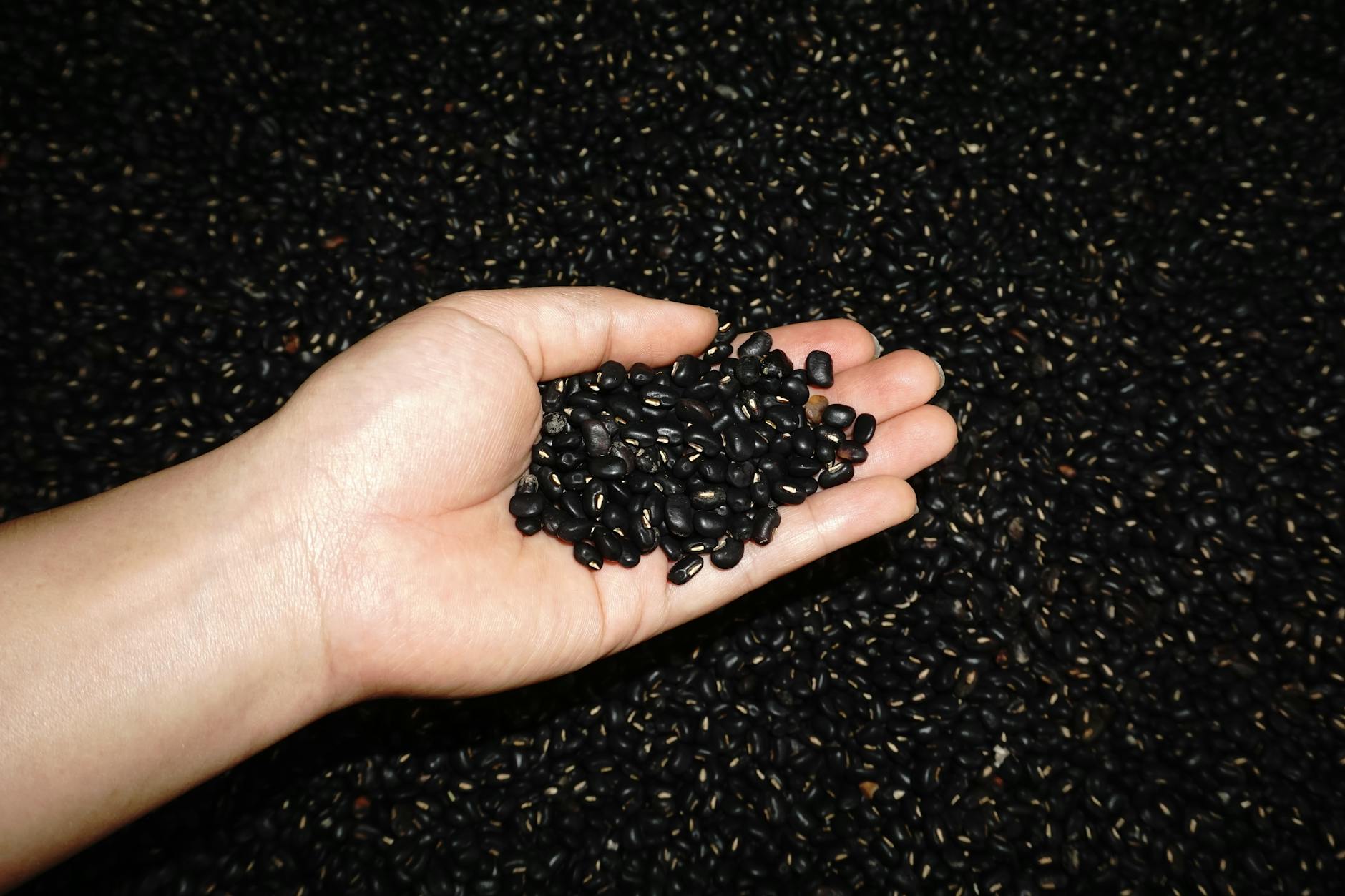
Black beans provide a powerful combination of plant protein and resistant starch that produces a low insulin response while delivering sustained energy and strong satiety. The high iron content supports oxygen delivery to muscles during physical activity, directly influencing how efficiently the body burns calories. Resistant starch in black beans also acts as a prebiotic, feeding the beneficial bacteria that influence metabolic hormone production in the gut. Studies on legume-rich diets have consistently found associations with improved body composition and reduced metabolic disease risk in adults across middle age. Their versatility across cuisines and low cost make black beans one of the most practical daily foods for metabolic health management.
If you have a favorite metabolism-supporting food you eat regularly after forty, share it with others in the comments.




